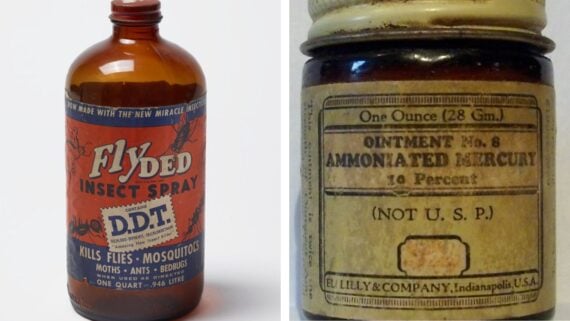
Homes in the past were filled with everyday products that felt completely normal. Many of these products or objects were designed for convenience or simple household tasks, and people used them without a second thought. Over time, changing technology and shifting lifestyles have turned these once common items into surprising relics.
This list takes a look at 15 household products from the past that would raise a few eyebrows today. Some seem unusual, some seem outdated, but each one offers a look into how daily life looked in the past. Let’s dive into 15 household products from the past that would turn heads today.
1. Asbestos Oven Mitts and Insulation
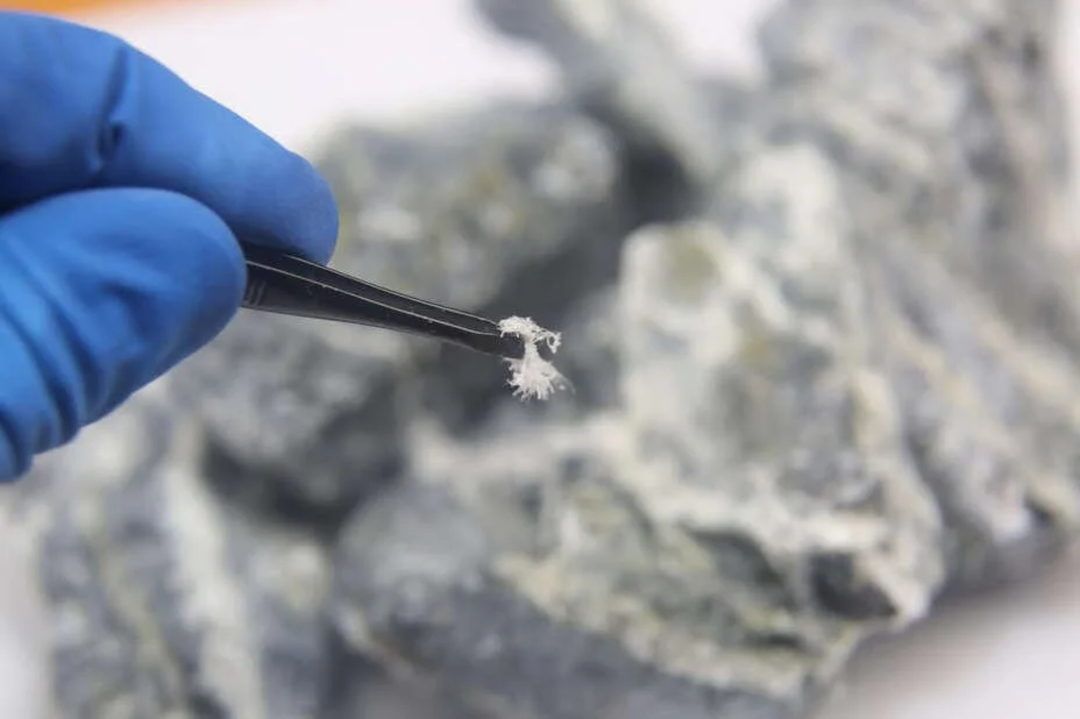
Asbestos was once praised for being heat-resistant, so it appeared in oven mitts, ironing boards, and home insulation. Today, we know asbestos fibers can cause serious lung diseases, including cancer, which is why it has been heavily restricted.
2. Early Electric Blankets
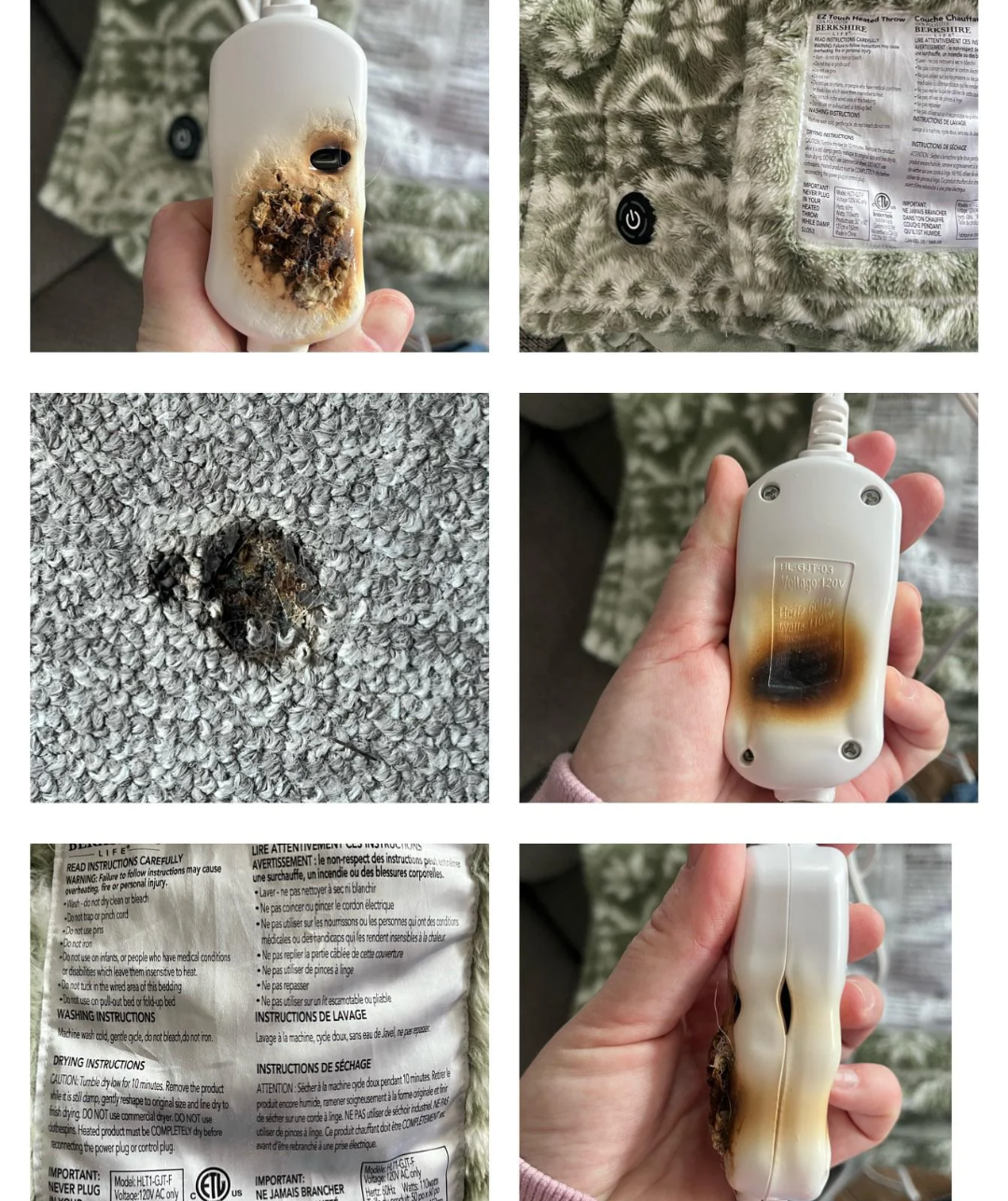
Early versions of electric blankets lacked modern safety sensors. As you could imagine, faulty wiring and overheating sometimes led to fires or burns. I’d just go with an old-fashioned regular blanket.
3. DDT Insect Sprays
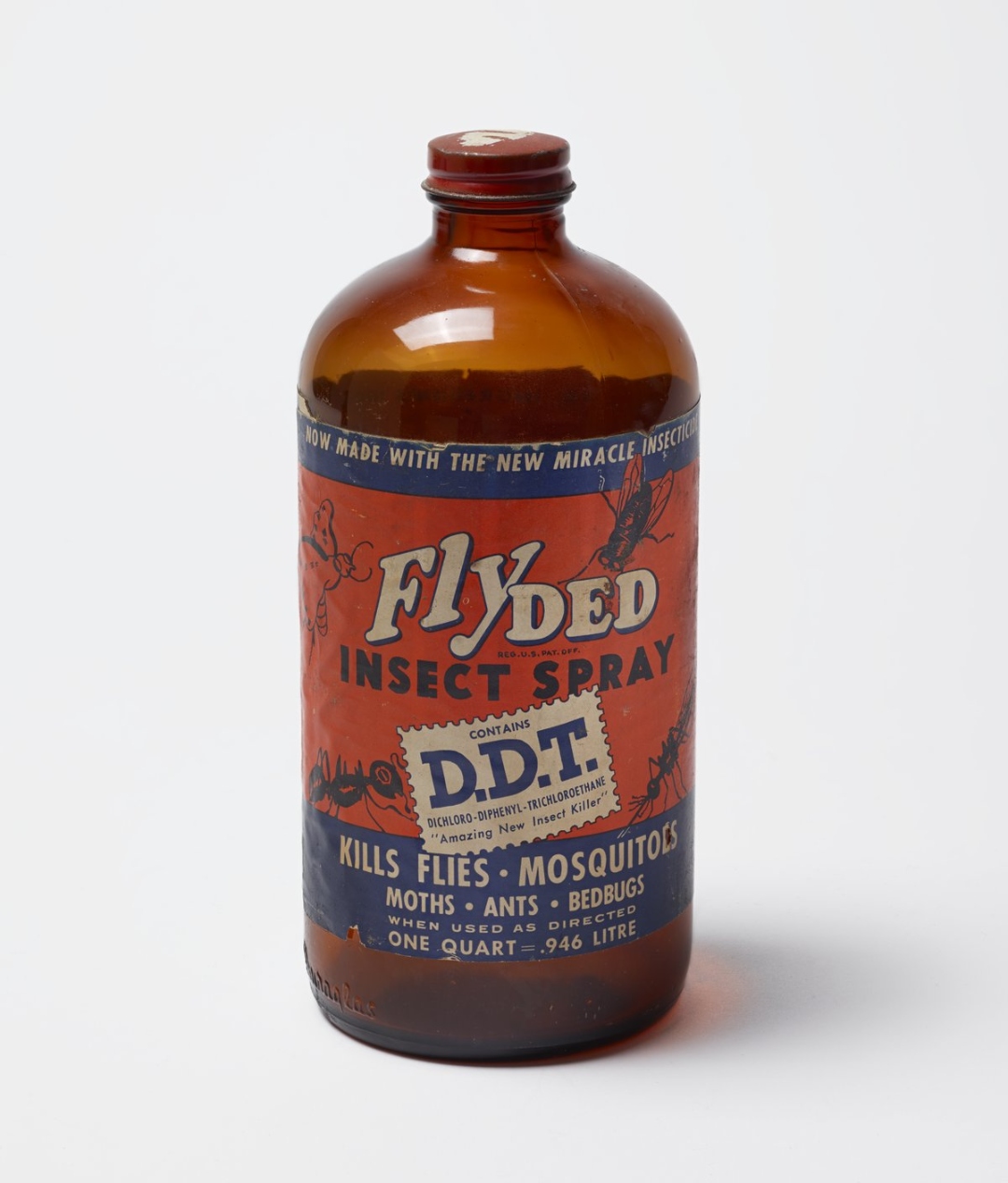
DDT is linked to environmental damage and severe health risks… and we used to spray it in our house to kill bugs. At the time, it seemed like a miracle pesticide, but as years went on, we discovered the risks.
4. Carbon Tetrachloride Cleaning Fluid
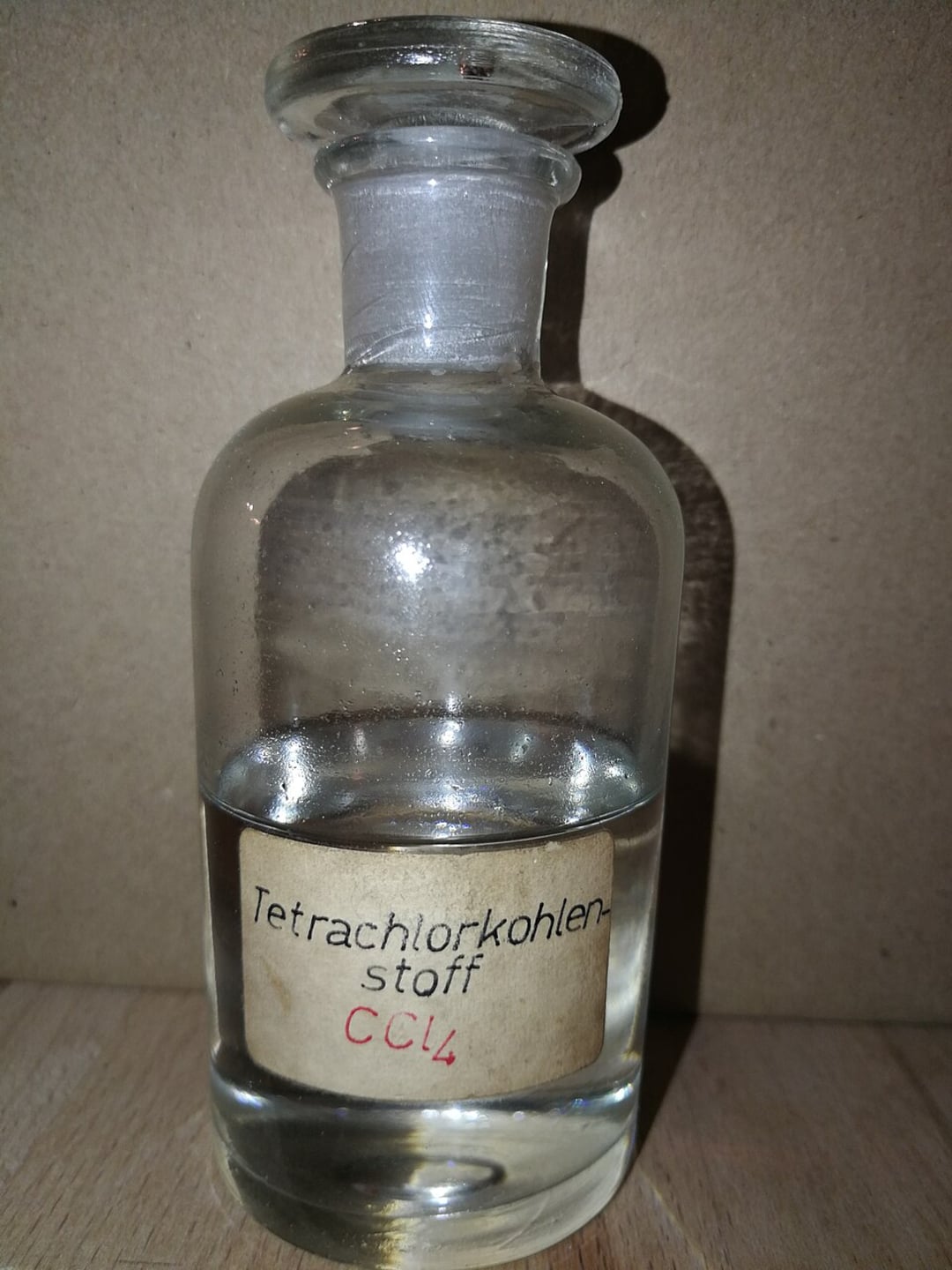
This cleaning fluid was extremely popular up until the 1960s. It was commonly used for spot cleaning clothes and carpets. After years of use, we discovered that carbon tetrachloride produces toxic fumes and can cause serious liver and nervous system damage.
5. Mercury-Based Antiseptics
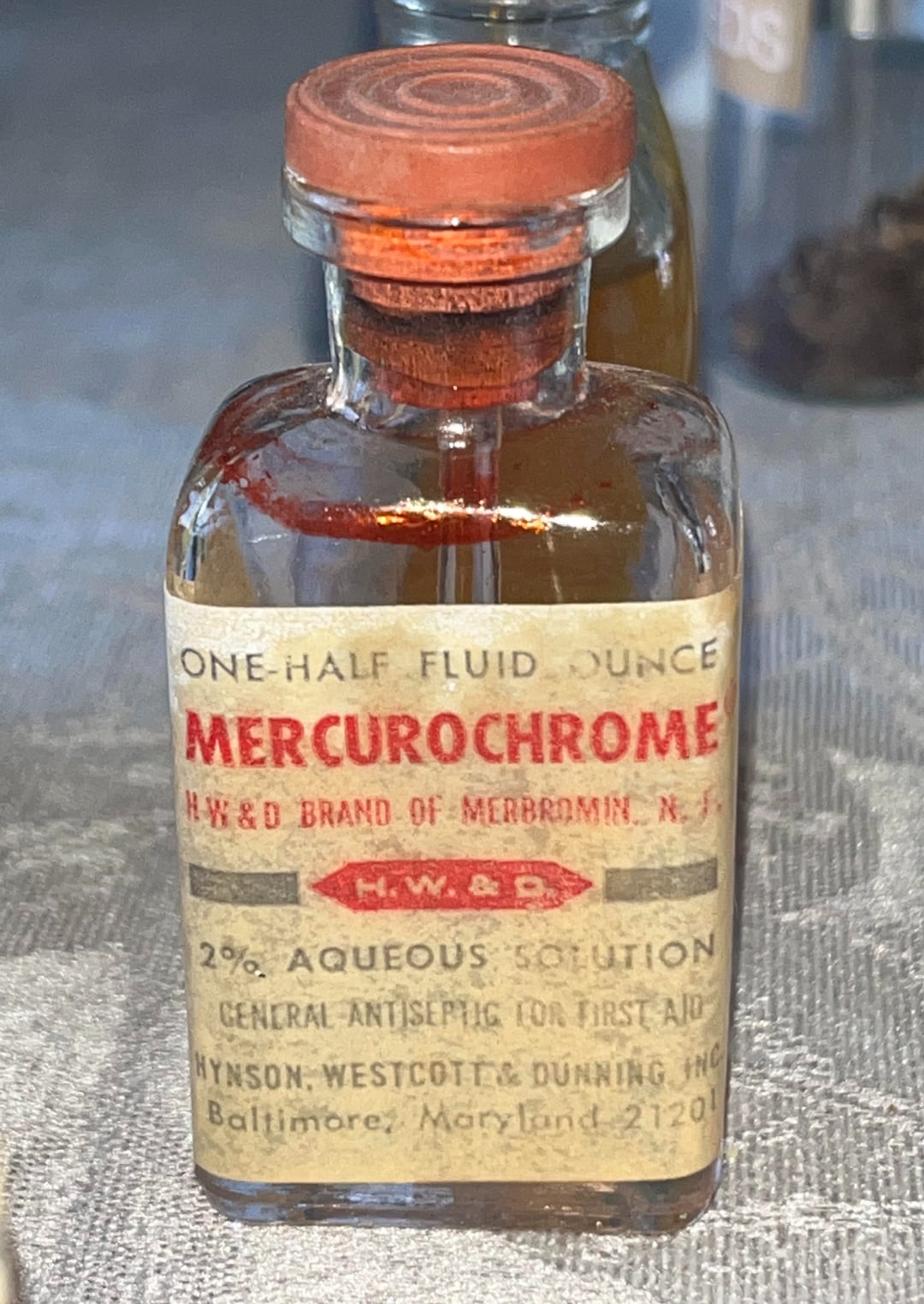
Products containing mercury were once used to clean wounds or disinfect surfaces. We know now that mercury exposure is highly toxic.
Trending on The Scroller

6. Chlorine Gas Cleaning Mixtures
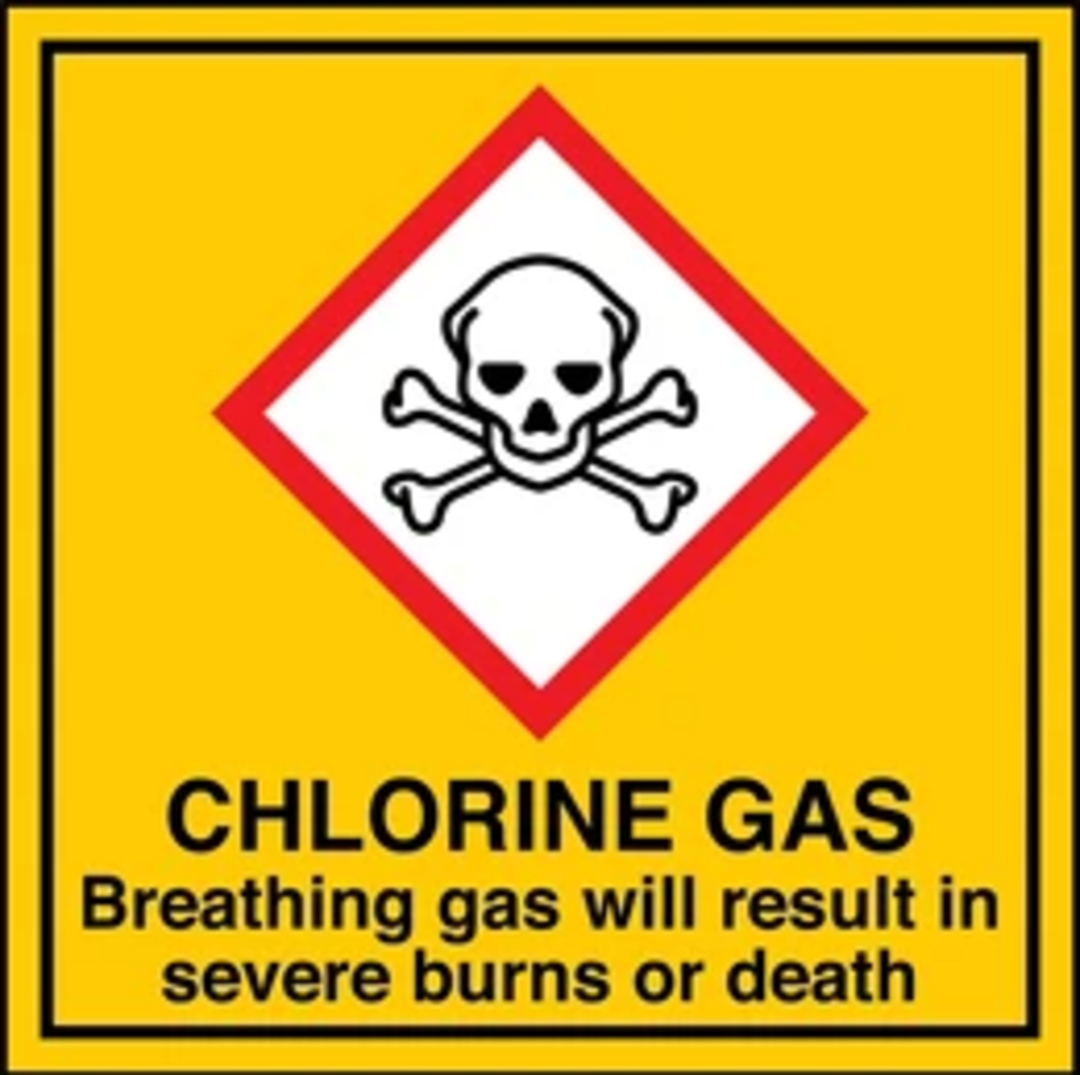
Before clear warning labels, many households accidentally mixed cleaners like bleach and ammonia. Some old cleaning advice encouraged people to make a dangerous knock-out gas.
7. Talc-Based Baby Powder
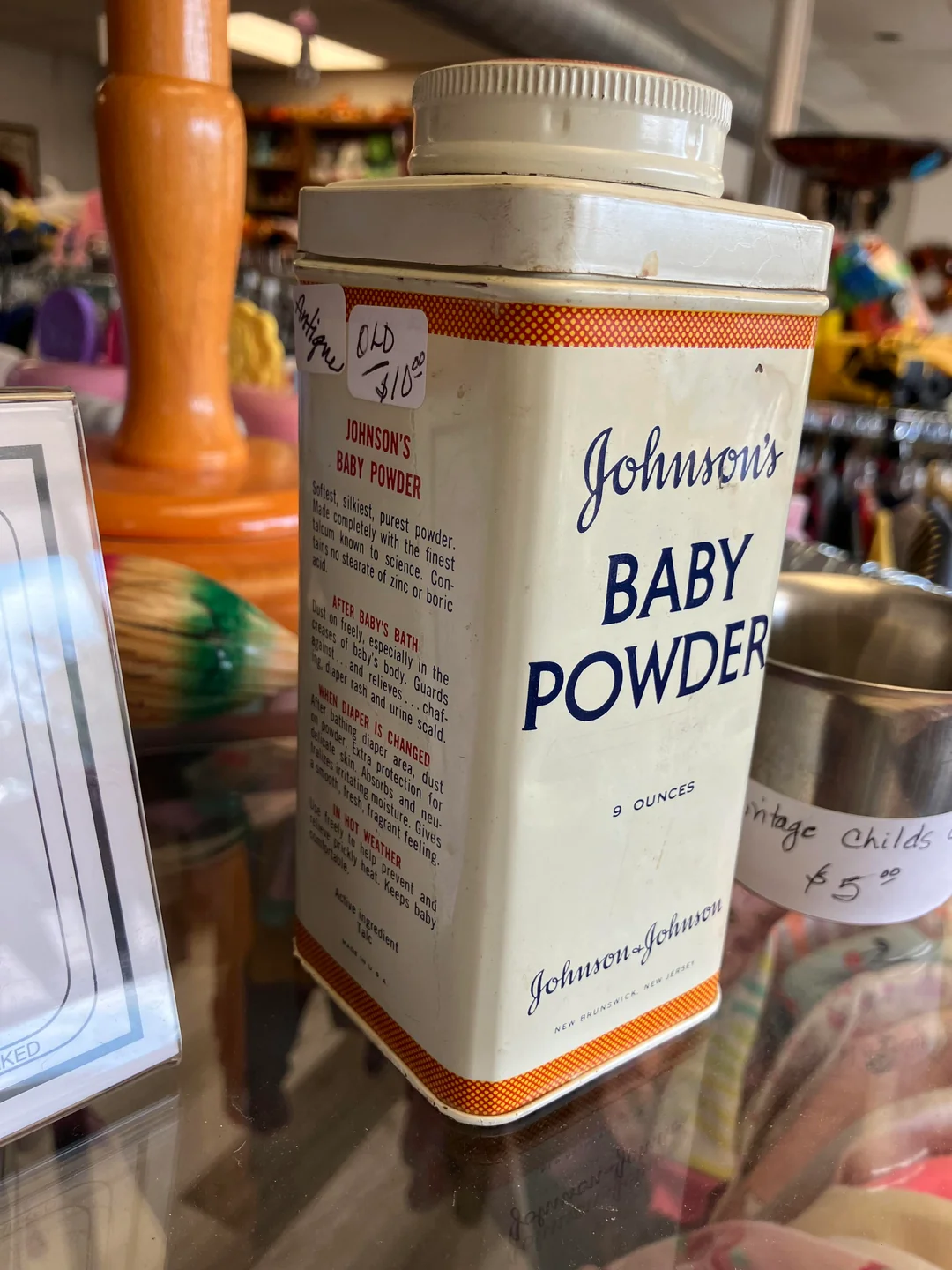
Johnson & Johnson only stopped selling talc-based baby powder in 2020. It was replaced with cornstarch-based products due to safety concerns and thousands of lawsuits regarding asbestos contamination.
8. Mercury-Based Skin Cream
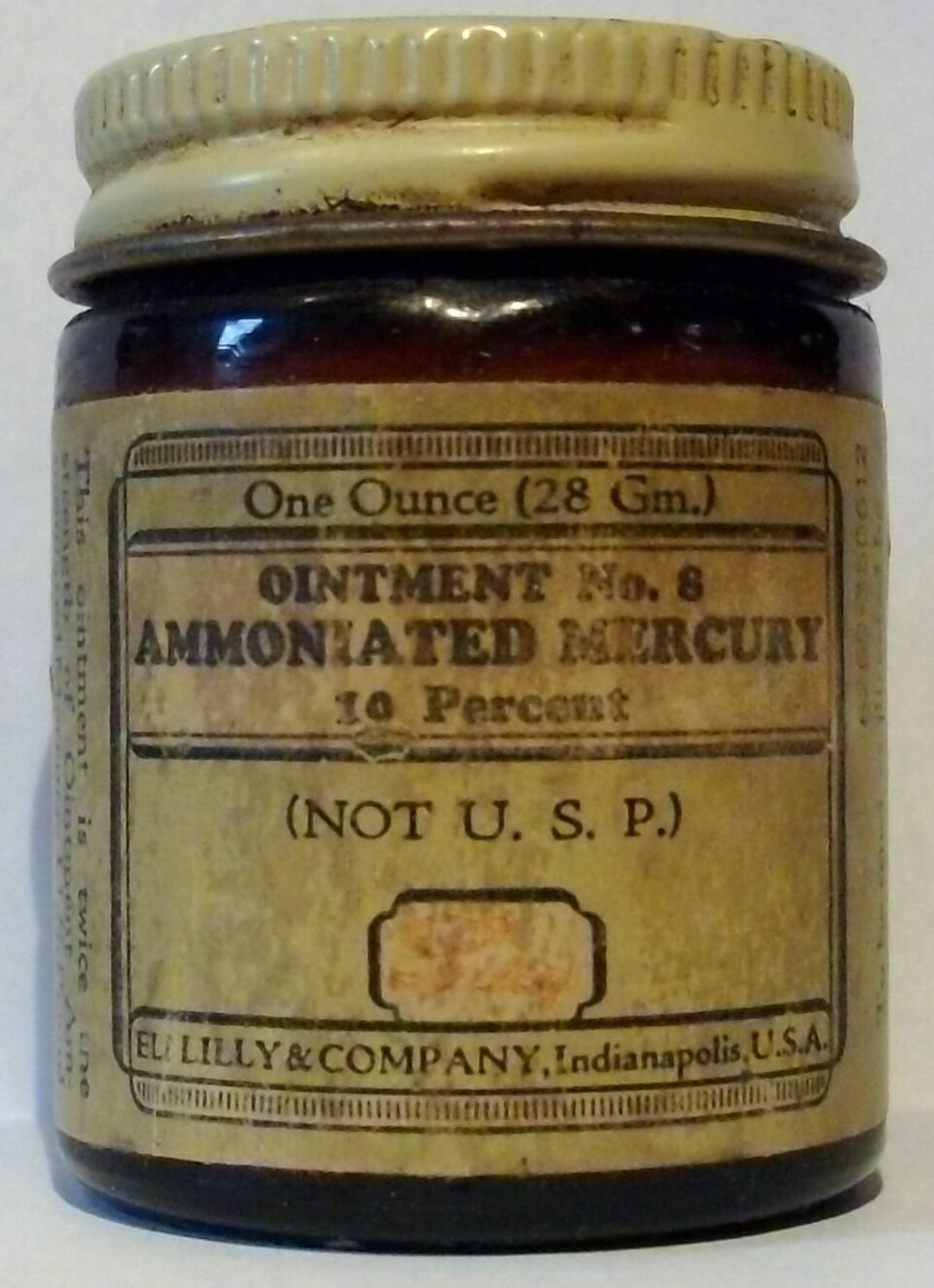
Just being around mercury can be dangerous, and we used to rub this stuff on our skin. Certain cosmetic creams historically contained mercury compounds intended to lighten skin tone or reduce blemishes. Mercury exposure is now known to be highly toxic.
Sign up for our newsletter
9. Ammonia-Based Glass Cleaner
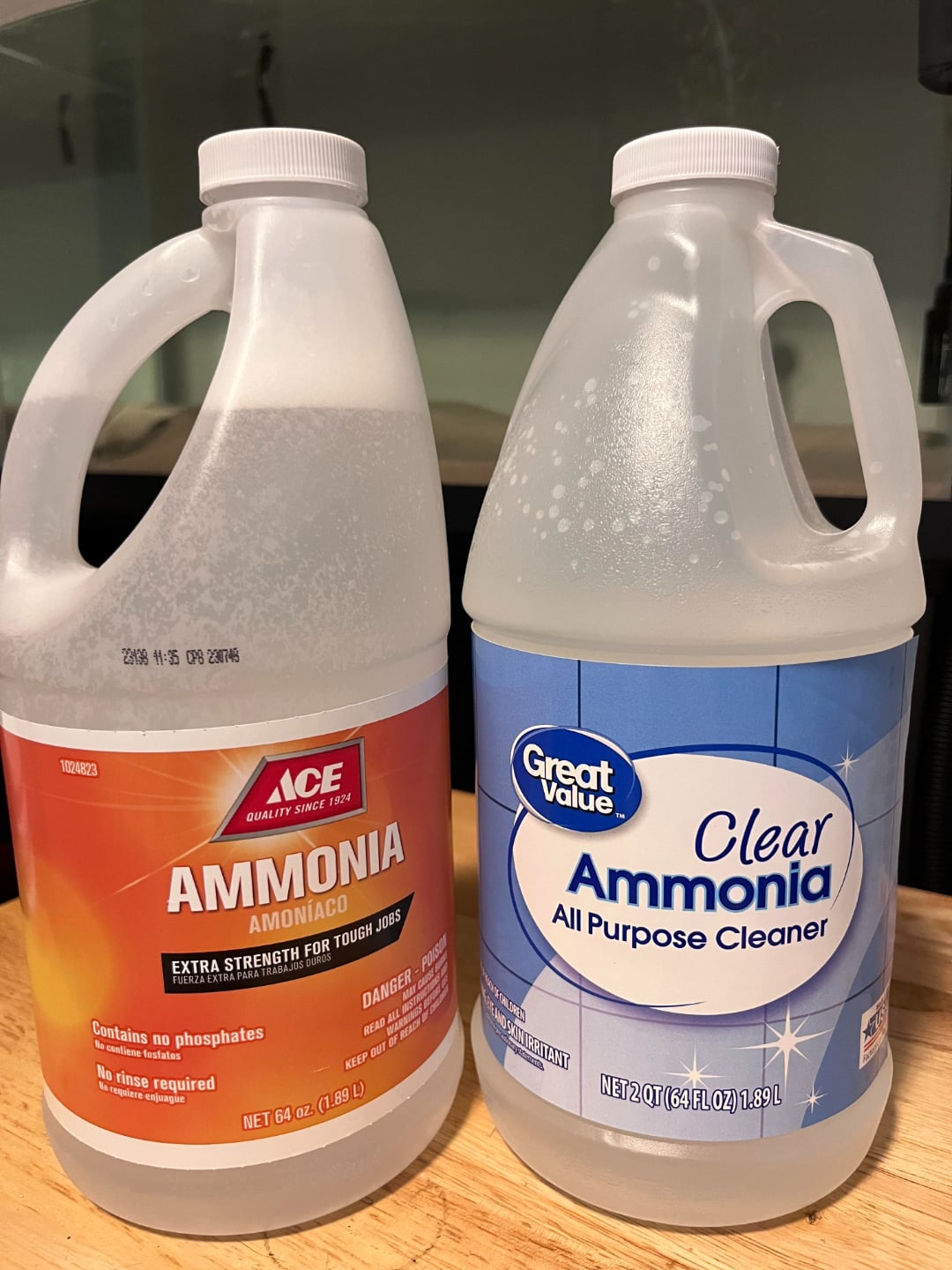
Early glass cleaners relied on concentrated ammonium hydroxide solutions. These cleaners were great at cutting through grease and leaving windows streak-free. However, the fumes caused serious lung irritation.
10. Radium Toothpaste
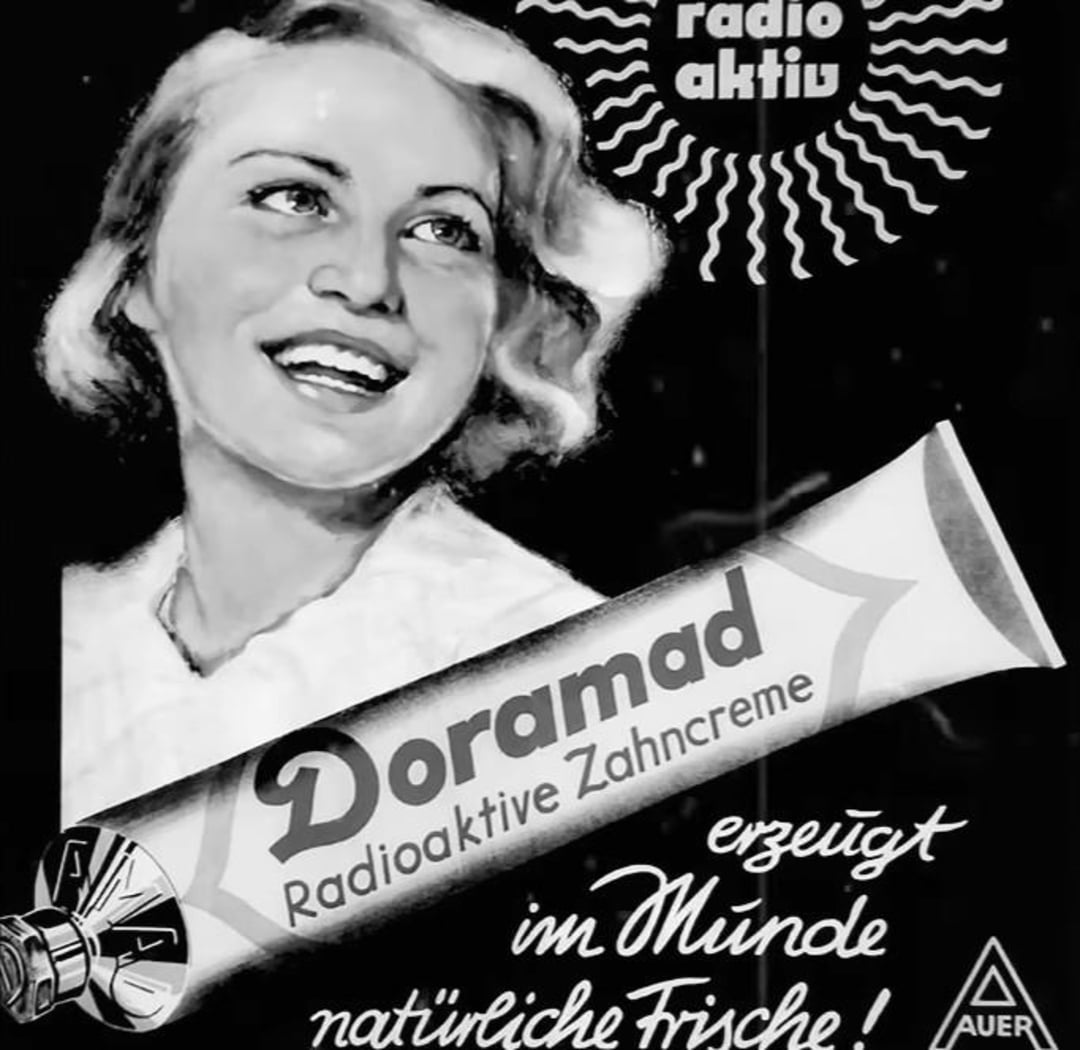
There’s nothing quite like radiation poisoning in your mouth. In the 1920s and into the 1930s, people used radium-infused toothpaste as a part of a trend of incorporating “miracle” radioactive materials into consumer products.
11. Cocaine Toothache Drops
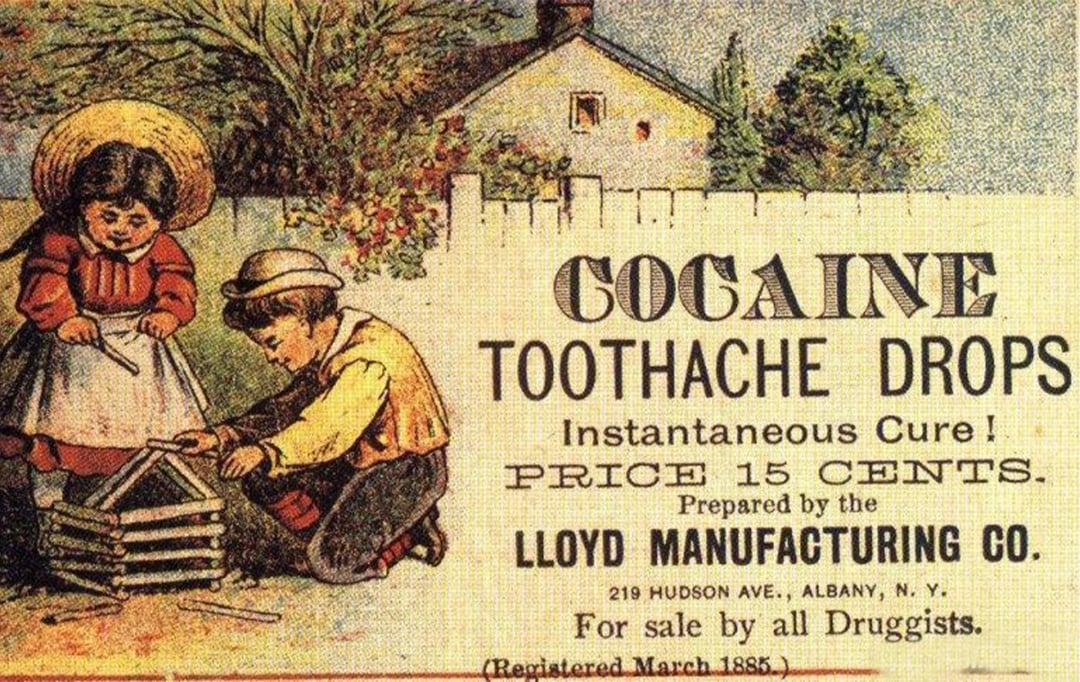
In the late 1800s and early 1900s, certain toothache medicines for children contained small amounts of cocaine as a pain reliever. At the time, this drug was widely used in medical products and was not heavily regulated.
12. Arsenic Beauty Creams
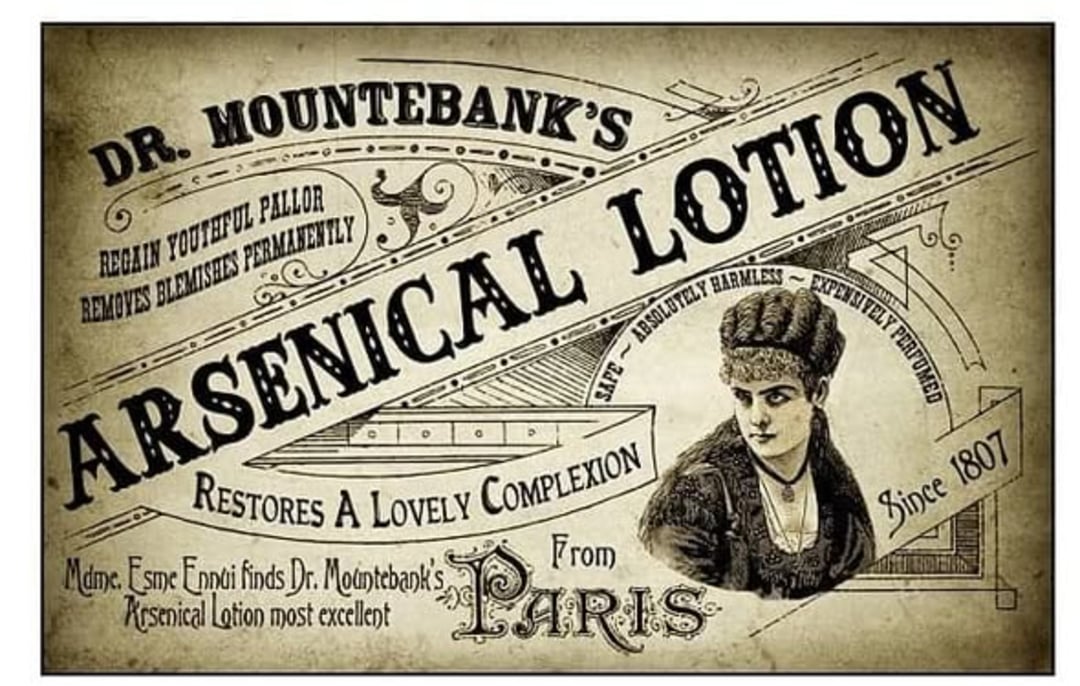
Some beauty creams in the early 20th century contained arsenic that promised smoother and lighter skin. At the time, arsenic was believed to improve complexion and remove blemishes. Modern science later confirmed that arsenic is highly toxic and dangerous with repeated exposure.
13. Uranium Glass Dinnerware
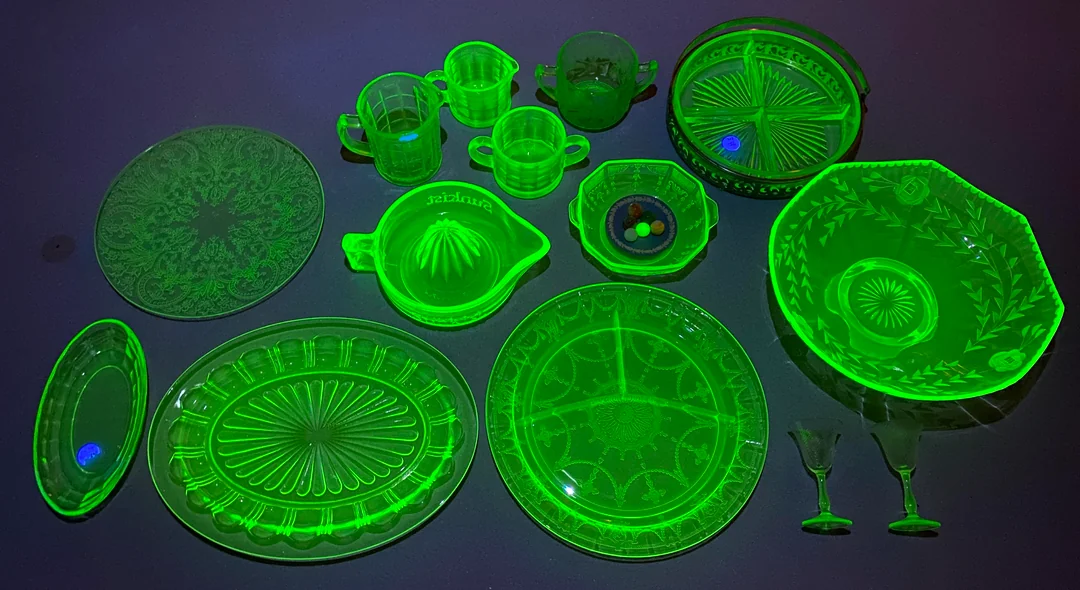
Certain decorative glass dishes were made using uranium oxide, which created a bright yellow glow under ultraviolet light. These dishes were popular in many households until 1970, and although the radiation levels were usually low, the idea of eating on uranium-infused glass seems shocking today.
14. Lead Face Powder
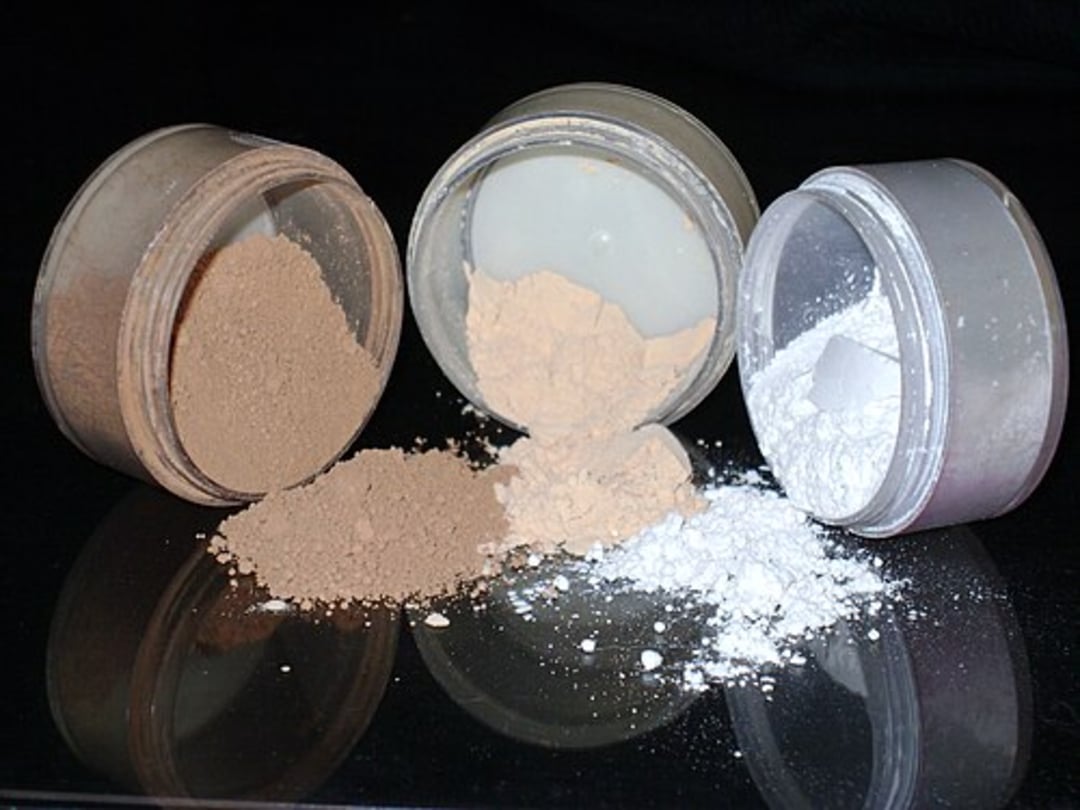
In earlier centuries, some cosmetic powders contained lead compounds to create a pale and smooth complexion. Lead-based makeup was popular because it produced an even, matte appearance on the skin. Unfortunately, repeated use exposed people to a metal now known to be highly toxic.
15. Formaldehyde Hair Straightening Solutions
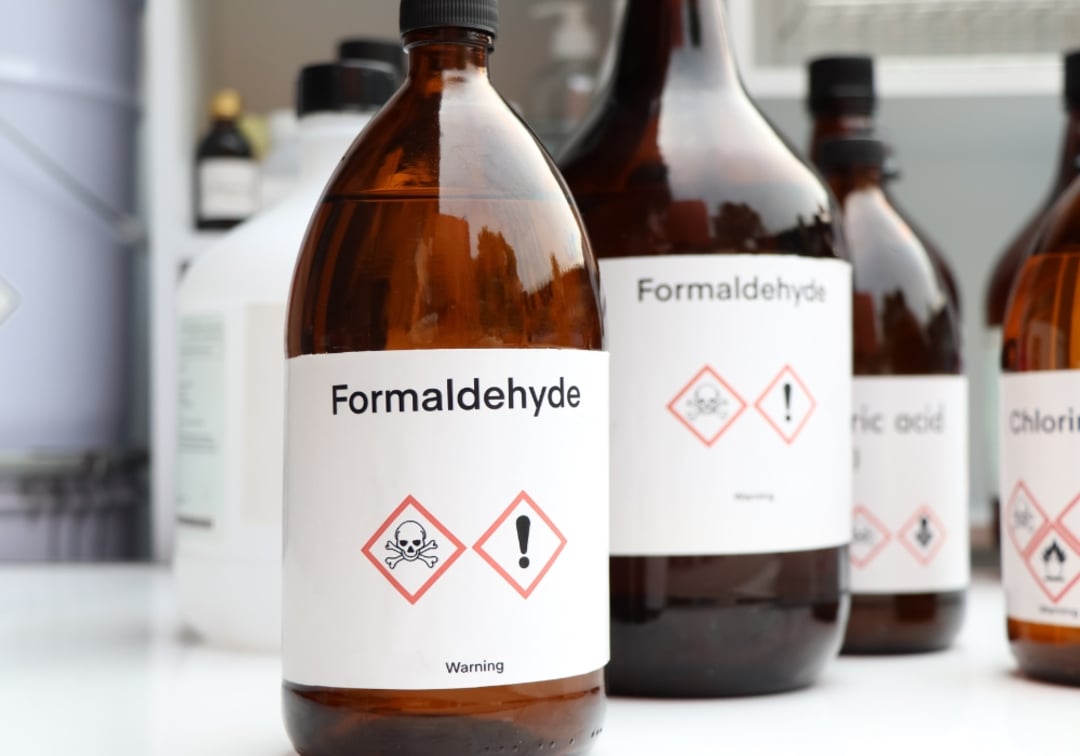
Many early hair treatment products used formaldehyde-based solutions to keep their hair straight and smooth for long periods. The chemical helped lock hair into a particular shape during the styling process. However, formaldehyde vapors can irritate the lungs and are now tightly regulated in many cosmetic products.
Want to see more vintage content?
Check out 17 Hilarious Vintage Photos of People From the 1800s Being Completely Unserious, or take a look at 19 Vintage Photos That Open A Window Into 1972. Finally, if you want to see vintage concert photos, check out 20 Vintage Concert Photos From the ’70s and ’80s That Feel Almost Unrecognizable Today.