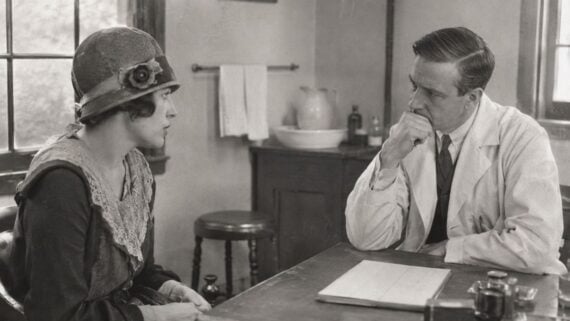
Doctor visits in the 1920s were a very different experience for Americans. House calls were common, medical bills were often paid directly, and doctors had far fewer tools to diagnose and treat serious illnesses.
Some familiar medical practices already existed, including X-rays, blood pressure checks, and vaccinations. Others, from routine cancer screening to modern antibiotics, were still years or decades away. These 17 differences reveal what a medical appointment looked like a century ago, including a few practices that might seem surprisingly personal today.
1. Doctors Regularly Came to Patients’ Homes
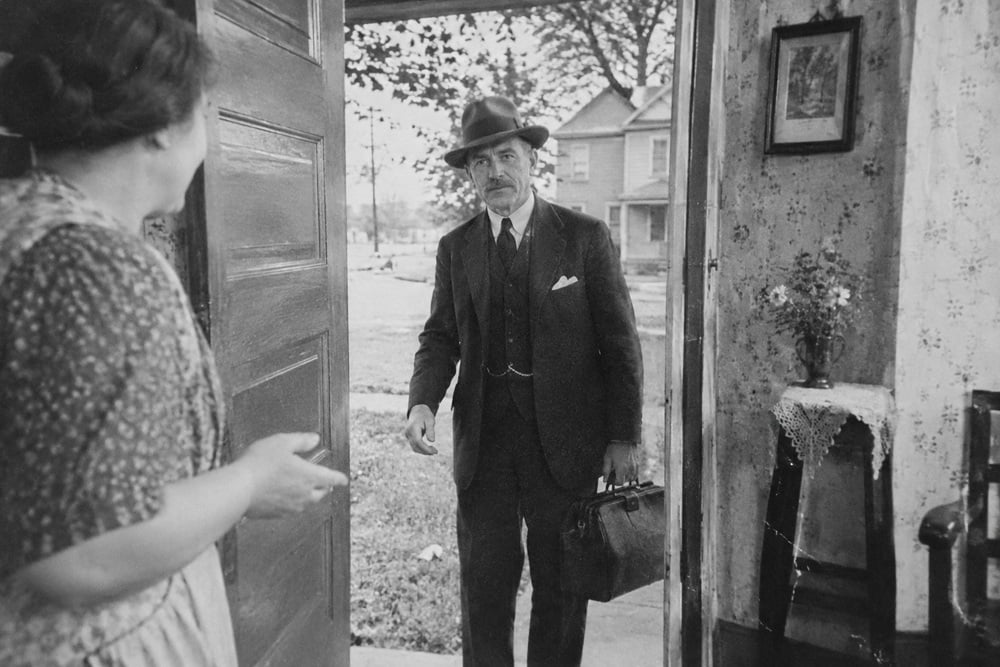
A century ago, being sick didn´t necessarily mean traveling to a doctor´s office. Physicians frequently made house calls, carrying examination instruments and medicines in a black leather bag. According to research cited by the University at Buffalo, house calls still accounted for about 40% of physician appointments in 1930, a practice that would become increasingly rare as healthcare moved into offices and hospitals. Imagine having your doctor arrive right at your front door.
2. The Doctor’s Office Might Be Inside His Own House
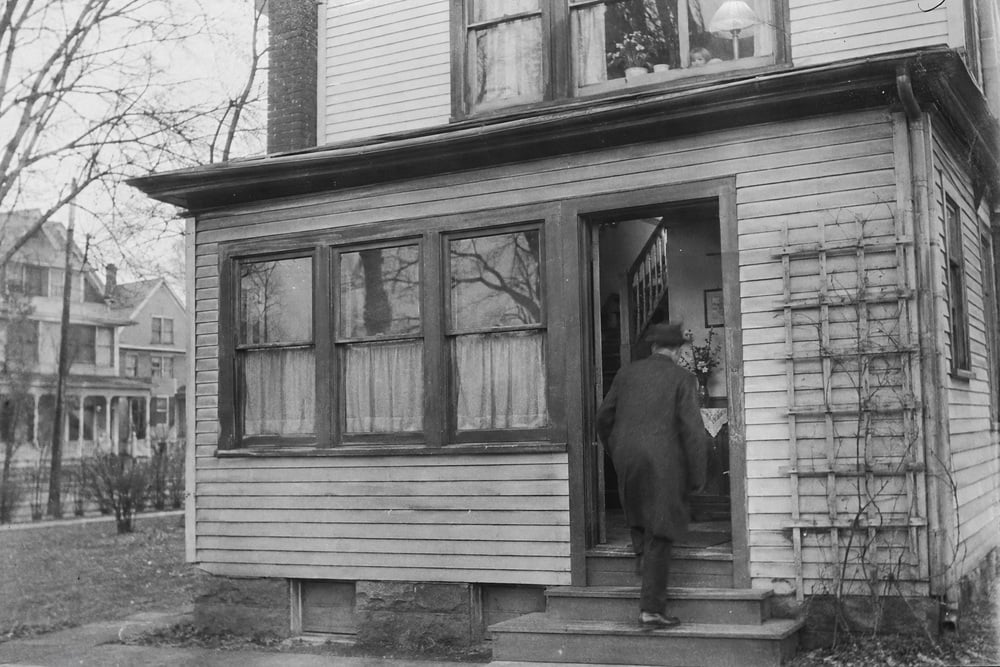
In the 1920s, some physicians ran their practices from the ground floor of their homes while their families lived upstairs. This arrangement made it easier to operate an independent practice without renting a separate building. Medical historian Jeffrey Bendix also notes that a doctor’s wife frequently helped manage appointments and office duties, making the practice a family business. The doctor’s office and family home could be under the same roof.
3. Patients Often Negotiated Their Medical Bills
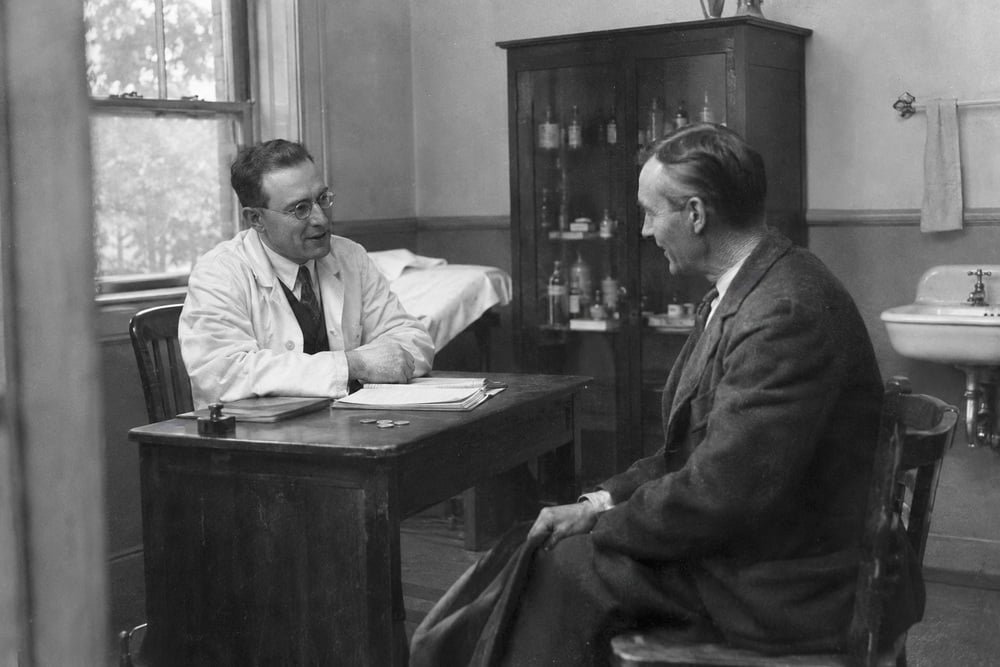
Most Americans visiting a doctor in 1926 didn´t hand over an insurance card because modern health insurance was not yet widespread. Physicians generally charged patients directly, and the amount could be negotiable depending on local expectations and the patient´s financial circumstances. One of the early models for what became Blue Cross didn’t arrive until 1929, when Baylor University Hospital offered teachers prepaid hospital coverage for 50 cents a month. Discussing the cost directly with your doctor was simply part of the experience.
4. One Doctor Might Treat Almost Every Medical Problem
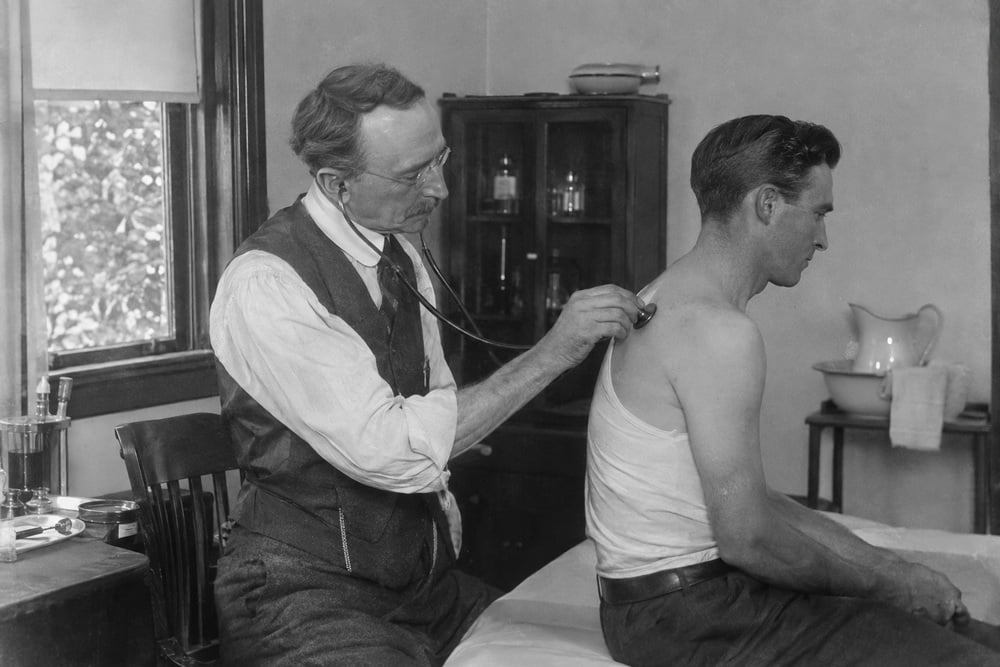
A family doctor in the 1920s was often responsible for everything from everyday infections to minor surgical procedures. General practitioners made up the great majority of physicians, and a doctor in a community without a nearby hospital might even perform minor operations in the office. Specialized medical centers were growing, but many patients still depended on one physician for most of their healthcare. The same doctor might know an entire family’s medical history.
5. A Serious Infection Could Be Far More Dangerous
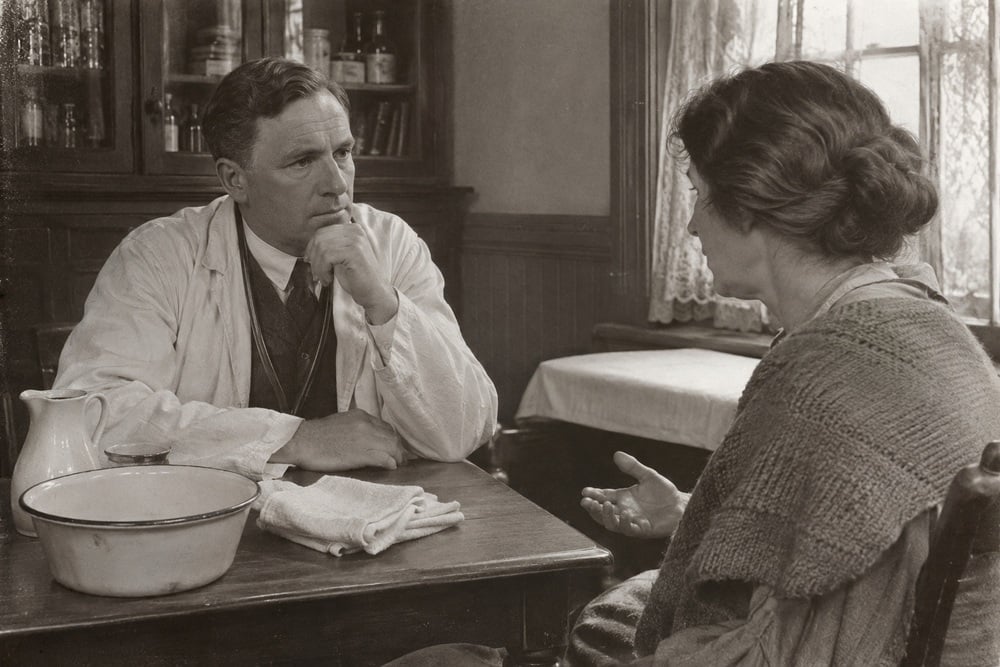
In 1926, a doctor couldn´t prescribe penicillin for pneumonia, an infected wound, or many other bacterial illnesses. Alexander Fleming wouldn´t discoverpenicillin´ss antibacterial effects until 1928, and the drug would not become widely available until the 1940s. Even the sulfonamide drugs that offered an earlier breakthrough against bacterial infections didn’t enter clinical use until the 1930s, leaving physicians with dramatically fewer effective treatments. An infection that seems manageable today could be life-threatening.
Trending on The Scroller
6. A Diabetes Diagnosis Had Only Recently Become Treatable With Insulin
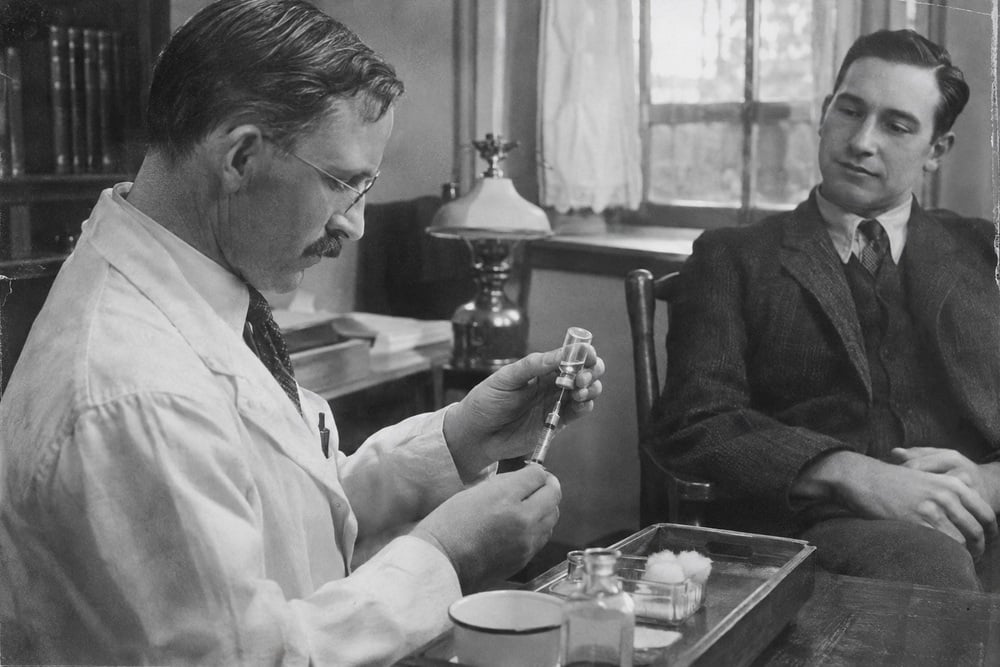
By 1926, insulin was still a remarkable new development rather than an established treatment of many decades. The first successful human treatments began in 1922, and broader distribution followed in 1923. Before insulin, doctors sometimes prescribed severe starvation-style diets in desperate attempts to extend the lives of patients with Type 1 diabetes, making the new injectable medicine a potentially lifesaving breakthrough. For many families, it represented a completely different future.
7. Checking Blood Sugar Could Mean Heating a Urine Sample
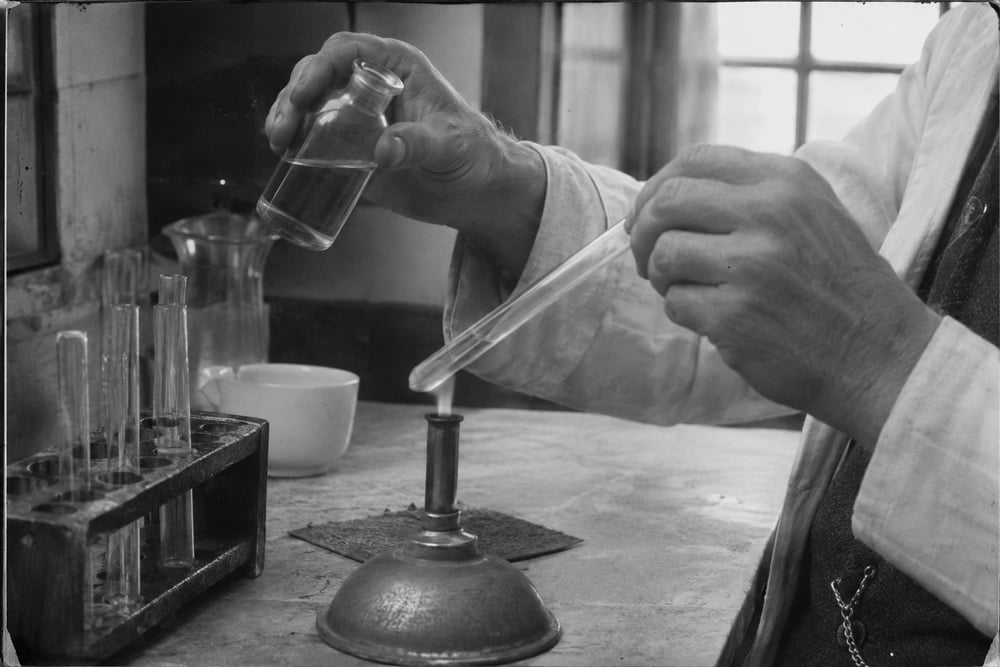
Patients with diabetes in the 1920s didn´t have digital glucose meters or continuous glucose monitors. Instead, testing often involved mixing urine with chemical reagents and heating the solution to observe a color change. Benedict´s reagent, introduced in 1908, remained an important method for decades, even though urine results couldn’t provide an accurate, immediate measurement of blood glucose. Imagine waiting for a chemical reaction instead of checking a digital display.
8. The Doctor’s Syringes Were Designed to Be Used Again
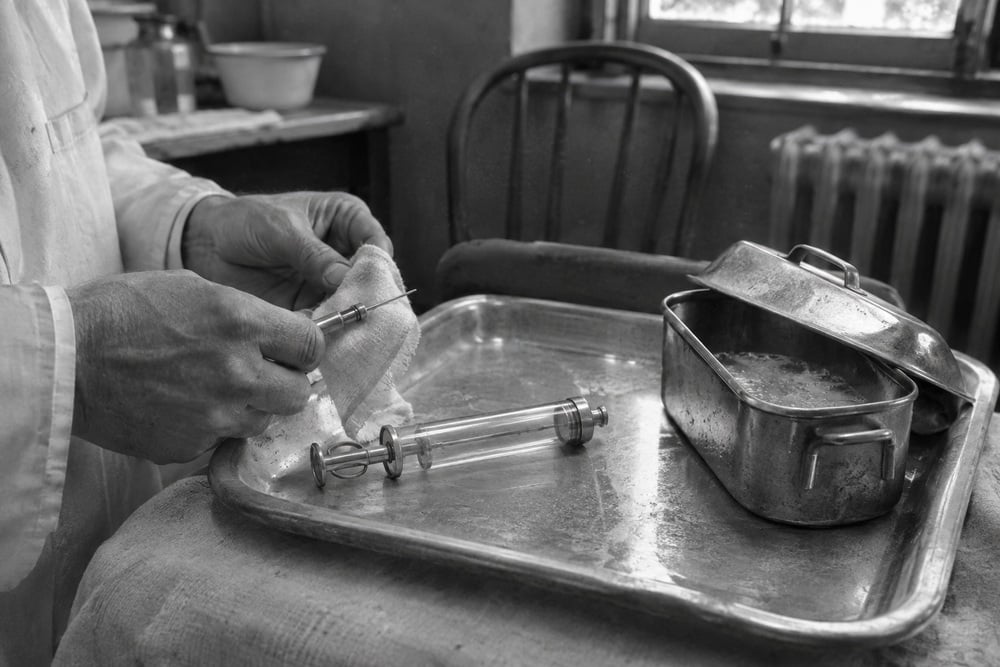
A patient receiving an injection in 1926 would generally encounter reusable medical equipment rather than today´s familiar disposable plastic syringe. Glass syringes and metal needles had to be cleaned and sterilized between uses, making proper instrument handling especially important. The Smithsonian identifies a sterile disposable glass syringe with an attached needle introduced in 1954, almost three decades after the period covered here. Disposable equipment was still a future innovation.
Sign up for our newsletter
9. Patients Couldn’t Expect an X-Ray at Every Medical Office
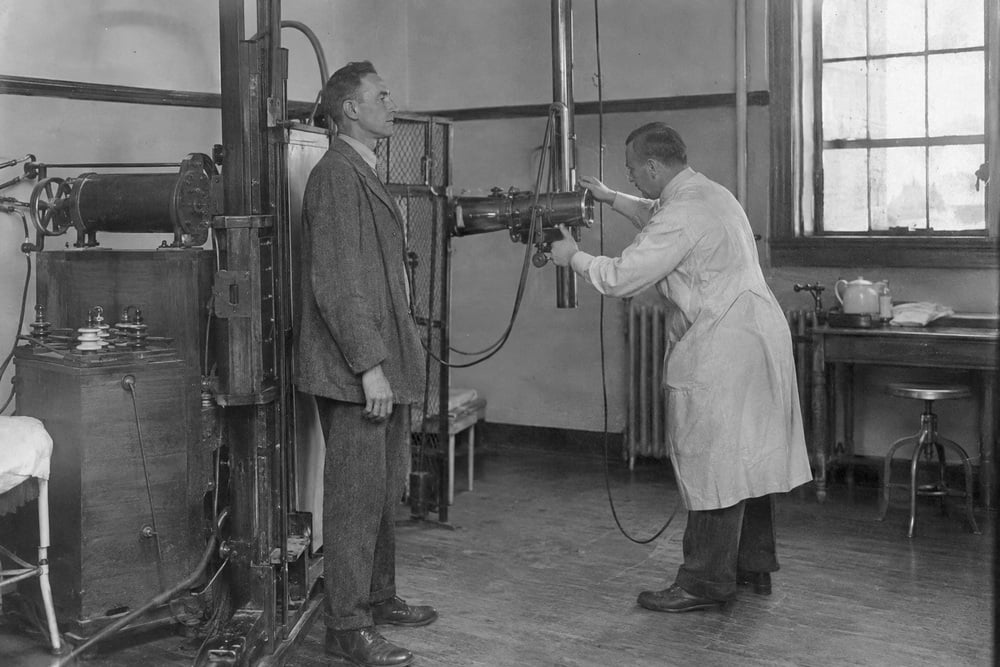
X-rays had been used in medicine since shortly after their discovery in 1895, but access to imaging was less routine in the 1920s. Historical research examining Pennsylvania hospital records from 1900 through 1925 found that X-rays took decades to become incorporated into everyday hospital care. A patient with a suspected fracture might benefit from the technology, but the availability of equipment and trained personnel still shaped whether imaging was practical. Having access to an X-ray was far from guaranteed.
10. Medical Records Were Kept in Handwritten Ledgers and Paper Files
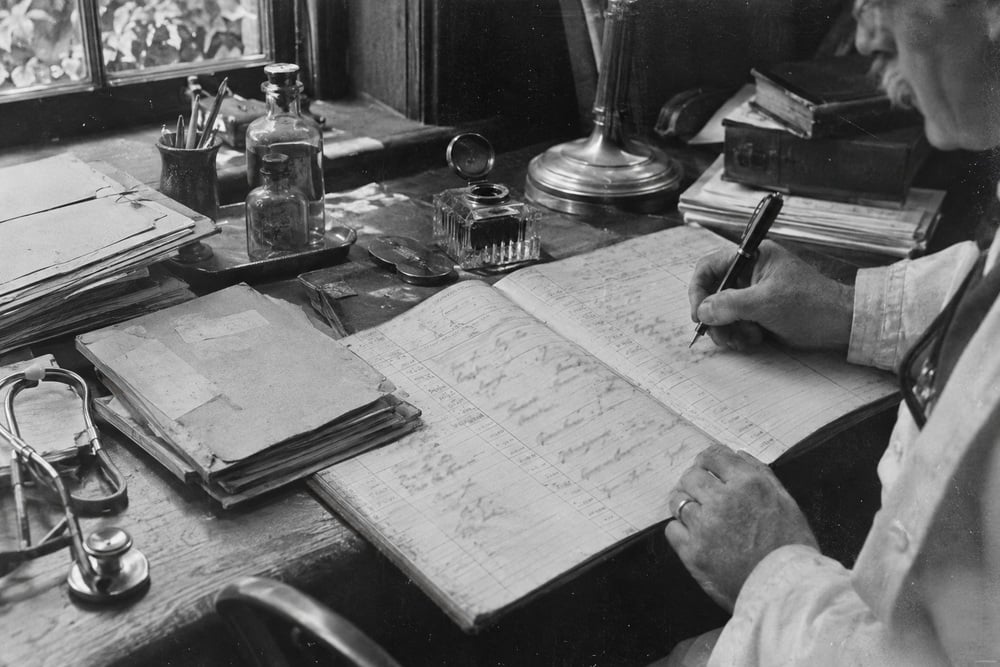
Doctors in the 1920s came without electronic patient portals or computerized medical histories. Doctors relied on paper charts, appointment books, and financial ledgers, sometimes combining medical and billing information in one recordkeeping system. A 1923 physician’s business guide even recommended a system called “One Writing,” designed to organize patient records, schedules, and overdue accounts together. Every appointment added another handwritten entry to the files.
11. Children Had Far Fewer Vaccines Available
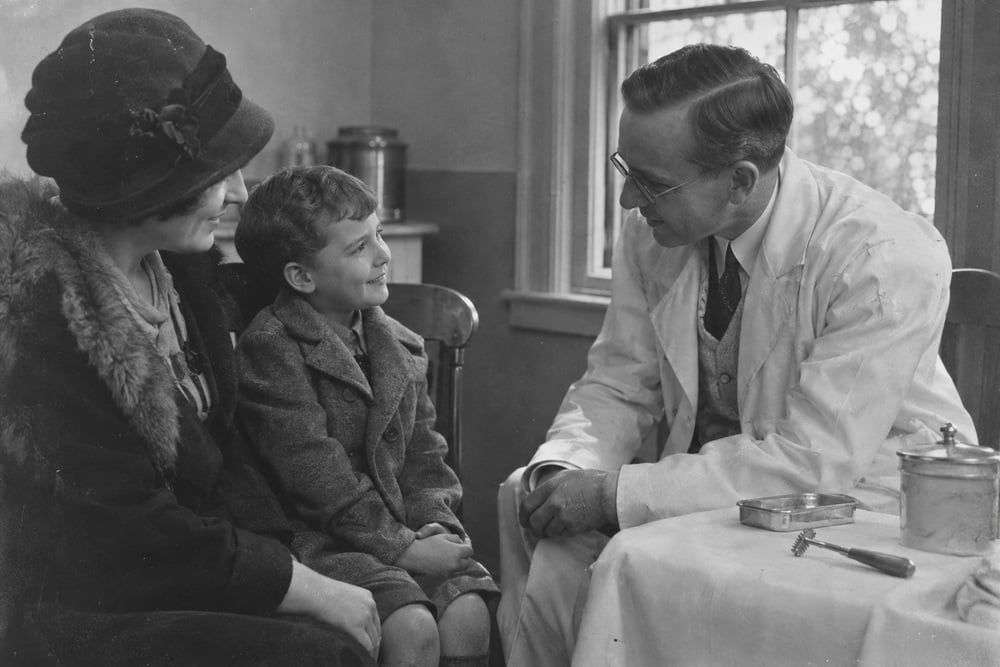
A child visiting the doctor in 1926 faced diseases that today´s routine vaccination programs help prevent. Smallpox vaccination was already established, and diphtheria immunization was developing, but there were no licensed American vaccines against polio, measles, or mumps. The CDC reports that the United States recorded 147,991 diphtheria cases and 13,170 associated deaths in 1920, illustrating how dangerous childhood infections could be. Many protections families now take for granted simply didn’t exist.
12. Tuberculosis Patients Might Be Sent Away for Months
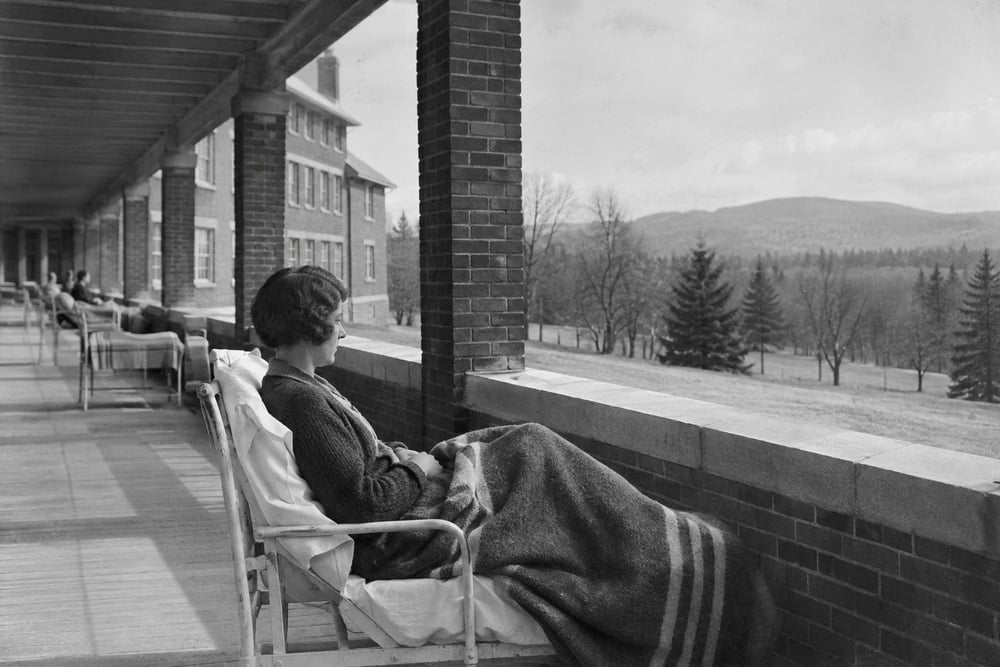
Doctors diagnosing tuberculosis in 1926 couldn´t rely on the effective antibiotic treatments that became available decades later. Patients were sometimes sent to sanatoriums where prescribed routines emphasized rest, fresh air, nutrition, and carefully supervised activity. One particularly striking example was physician Norman Bethune, who entered the Trudeau Sanatorium in Saranac Lake, New York, in December 1926 and subsequently pursued a treatment involving the deliberate collapse of an affected lung. Treatment could mean spending months away from home.
13. Doctors Couldn’t Offer a Simple, Reliable Pregnancy Test
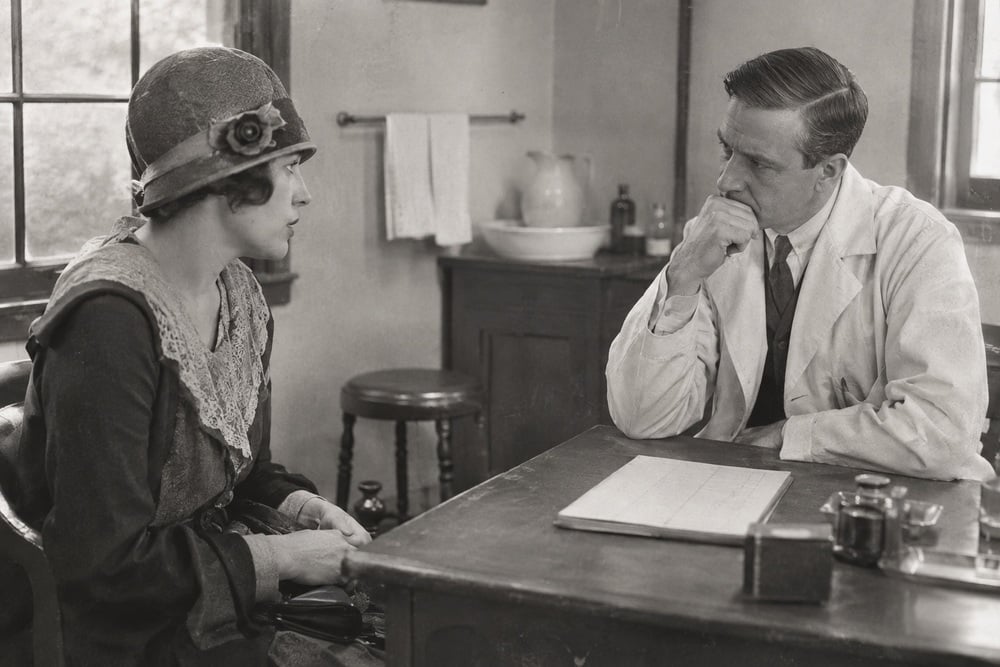
A woman visiting a doctor in 1926 couldn´t receive the quick urine pregnancy test familiar today. A breakthrough came the following year, when researchers Selmar Aschheim and Bernhard Zondek described a method involving the injection of a woman´s urine into immature mice to detect pregnancy-related hormonal activity. Even after animal-based pregnancy tests became available, results could take days and required specialized laboratory work. A question answered in minutes today once required an elaborate process.
14. Routine Pap Smears and Mammograms Weren’t Part of Checkups
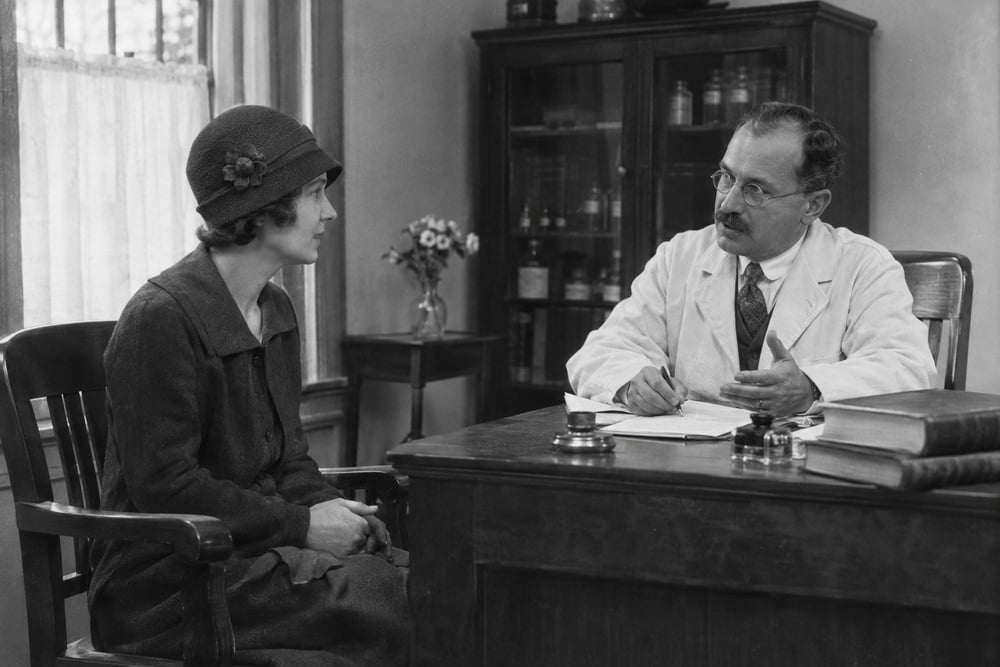
Women visiting a physician in 1926 couldn´t expect today´s established cervical and breast cancer screening methods. George Papanicolaou presented early findings on cervical cell testing in 1928, but Pap testing didn´t become widely available in the United States until the following decades. Mammography also developed much later as a screening tool, with major advances in the 1960s, meaning doctors had considerably fewer ways to identify certain cancers before symptoms appeared. Preventive care looked very different.
15. Blood Transfusions Were Much Harder to Arrange
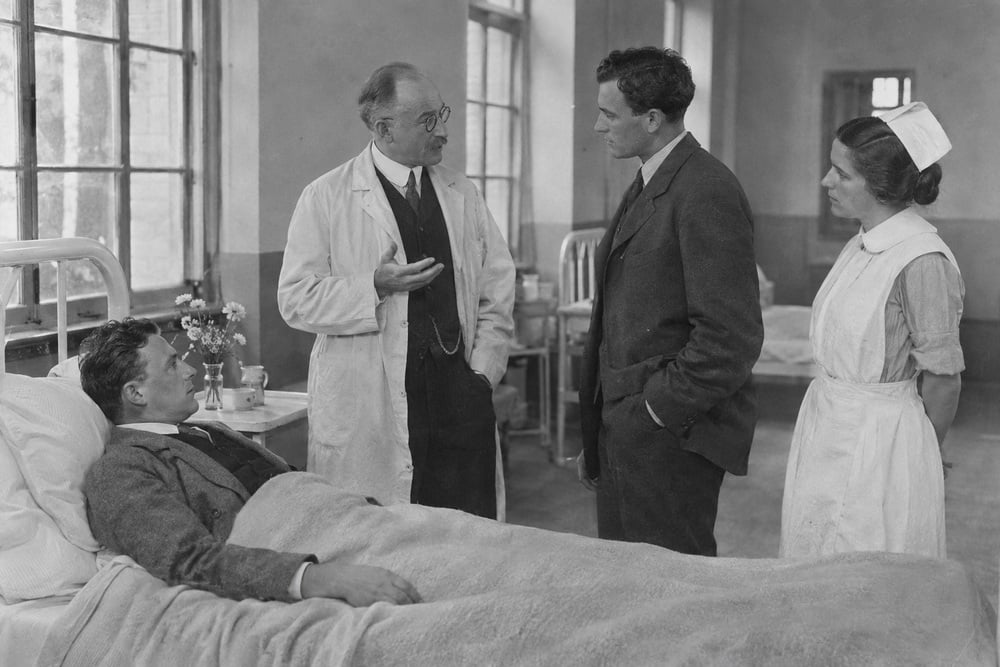
In 1926, hospitals couldn´t simply request blood from the organized storage and distribution systems familiar today. Blood transfusion techniques already existed, but reliable access to donors, testing, preservation, and standardized procedures remained significant challenges. The United States wouldn’t establish its first hospital blood bank until 1937, when Cook County Hospital in Chicago began storing blood for later use. Even when doctors knew what a patient needed, obtaining it could be difficult.
16. Race and Gender Could Sharply Limit Medical Care
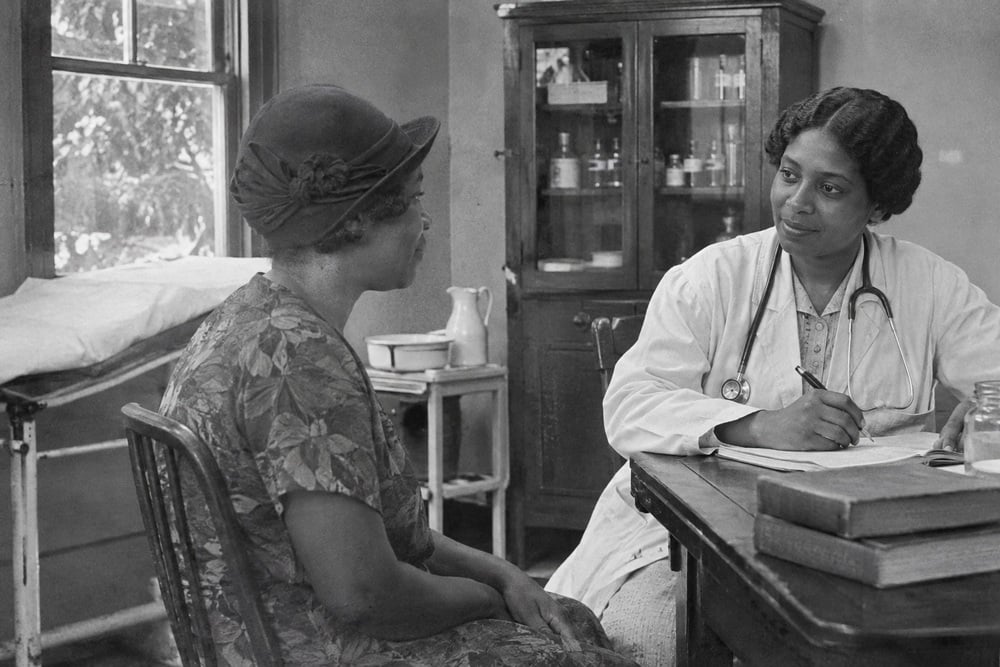
Not every American had the same opportunity to visit a physician or receive hospital treatment in 1926. Racial segregation and discriminatory medical institutions restricted care for Black patients, particularly in the South, while women also faced substantial barriers to entering the medical profession. Historical research has identified fewer than 180 Black women who earned medical degrees before World War II, underscoring how limited representation was within the profession. Access to medical care depended heavily on who a patient was and where they lived.
A doctor’s visit in 1926 could feel more personal, but patients also faced serious limitations in diagnosis, treatment, and access to care. The next hundred years would transform not just what doctors could do, but where Americans received medical attention and what they expected from it.
Keep Exploring The Scroller
From black leather medical bags to treatments that changed millions of lives, medical history is full of surprising stories. Keep exploring The Scroller to discover more forgotten practices, remarkable breakthroughs, and everyday experiences that looked completely different a century ago:
15 Common Beliefs About the Brain That Don’t Hold Up
14 Ways Advertising Looked Completely Different 100 Years Ago