Explorers often left home with a remarkably specific goal: a route to Asia, a city full of gold, or a point on a map. Getting there was another matter. Some found coastlines and rivers instead; others discovered that the place they sought did not exist. These 15 journeys became famous for what happened along the way, even though the original search came up short.
1. Christopher Columbus and the Route to Asia
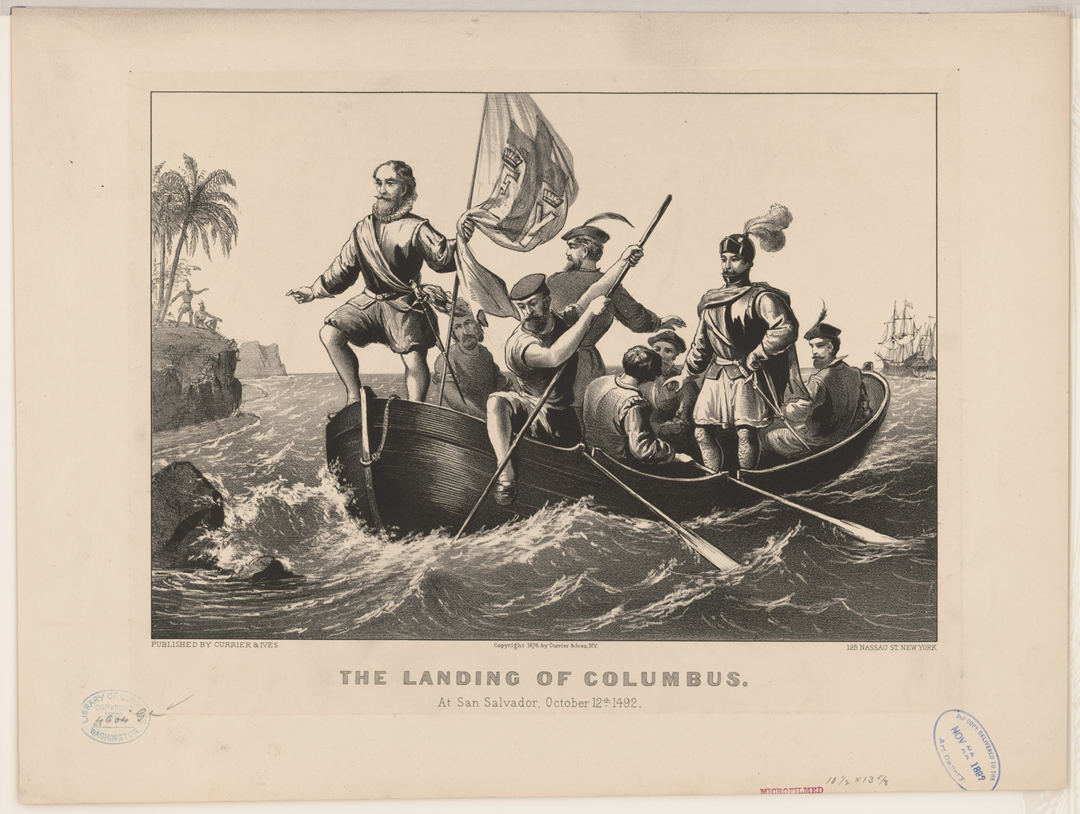
Columbus sailed west in 1492 hoping to reach Asia. He landed in the Caribbean, where Indigenous peoples had lived for generations, and remained convinced he was near his intended destination. He made three more voyages across the Atlantic without reaching the Asian trading centers he had hoped to find.
2. John Cabot and a Shorter Crossing
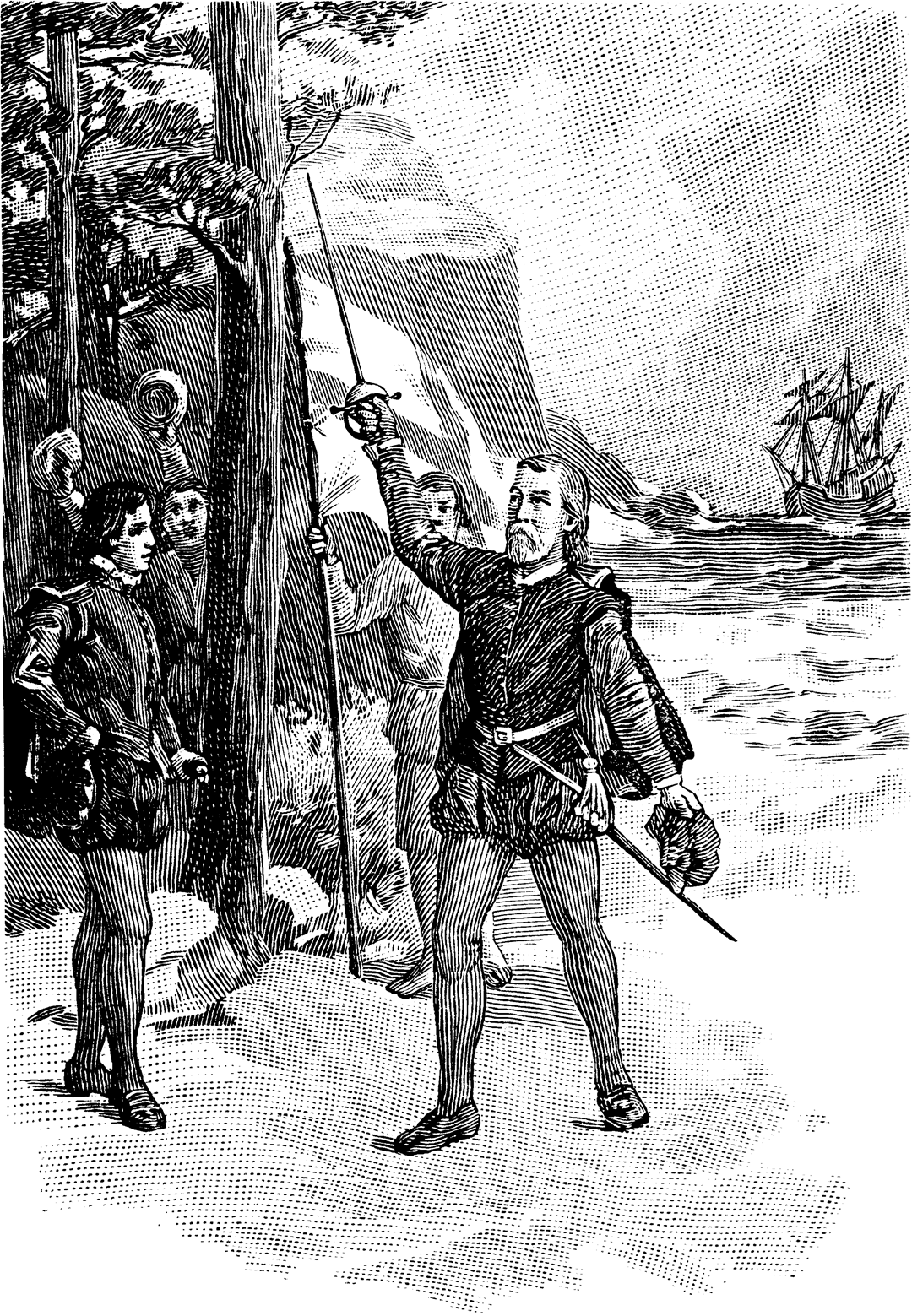
Cabot believed a northern Atlantic crossing could give England a quicker route to Asia. His 1497 voyage reached North America instead, probably near Newfoundland, though the precise landing place remains uncertain. The waters held rich fishing grounds, but no direct route to Asian markets.
3. Giovanni da Verrazzano and a Way Through
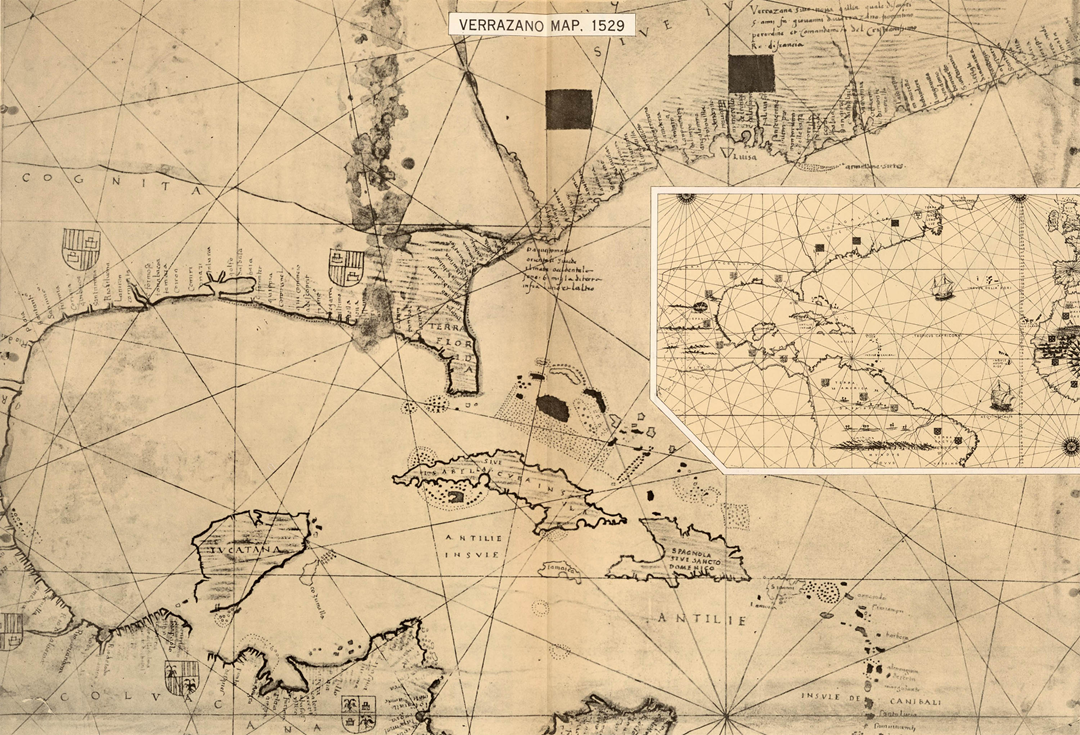
Sailing for France in 1524, Verrazzano followed the North American coast in search of a passage to Asia. The water behind North Carolina’s Outer Banks looked promising from a distance. It was Pamlico Sound, not the Pacific Ocean.
4. Jacques Cartier and the Riches of Canada
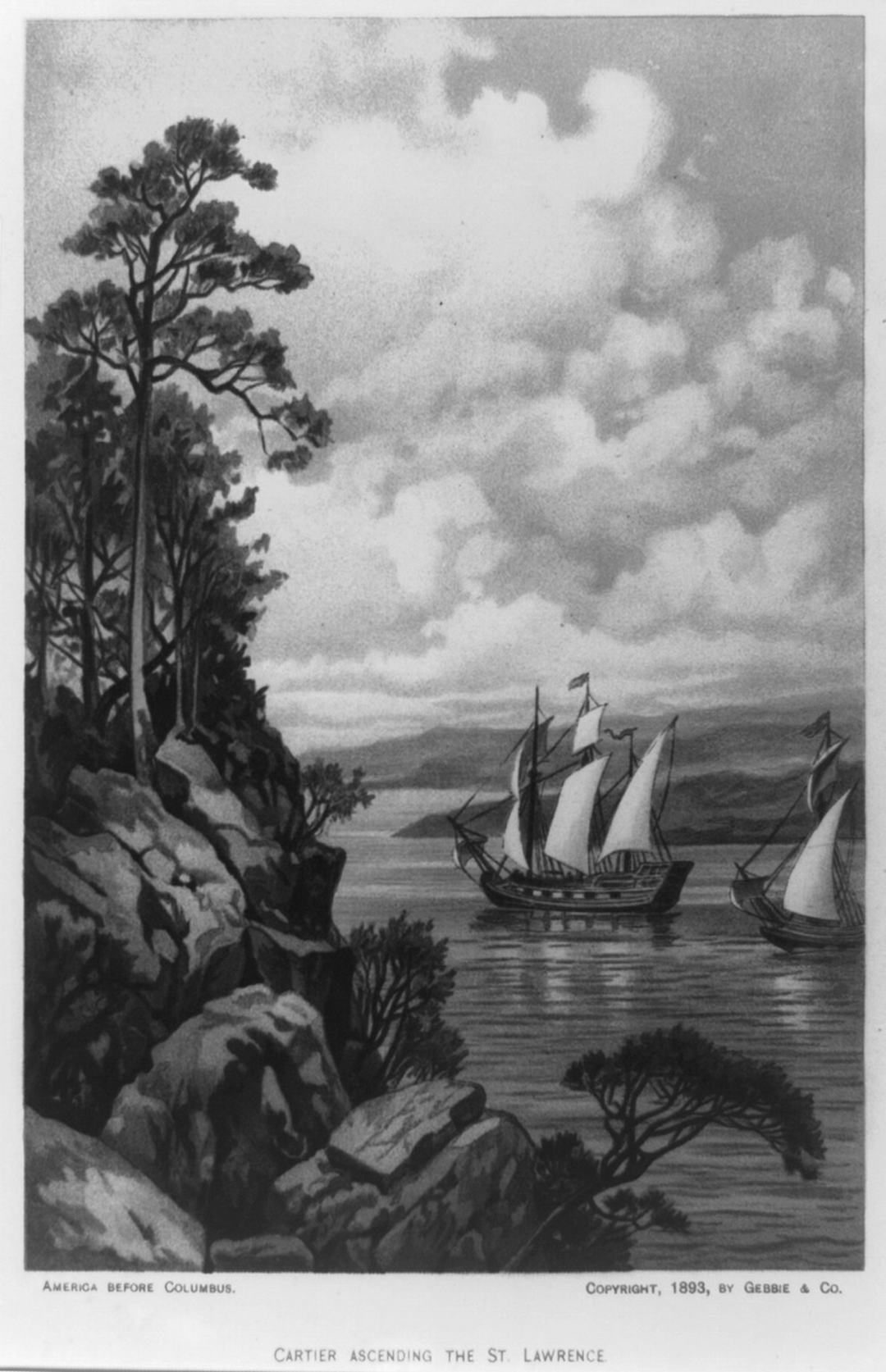
Cartier explored the St. Lawrence region while searching for a route to Asia and valuable resources for France. On his third voyage, he collected stones he believed were gold and diamonds. Back in France, they proved to be iron pyrite and quartz.
5. Martin Frobisher and the Northwest Passage
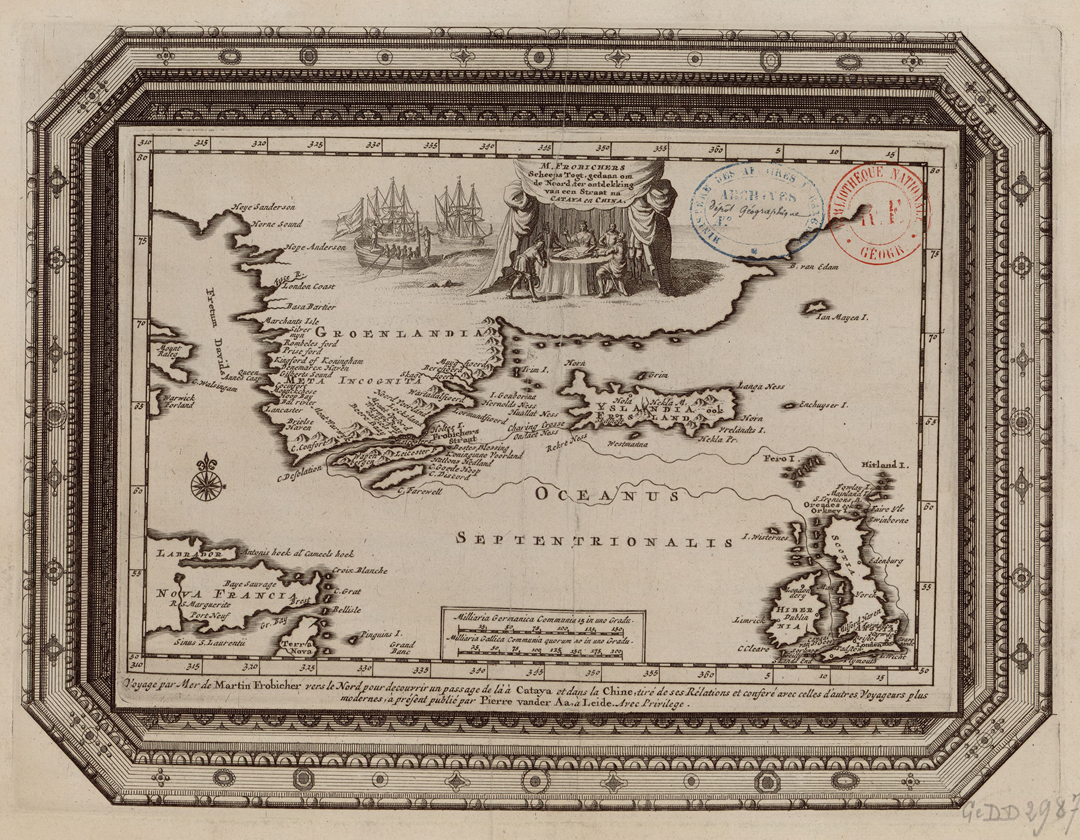
Frobisher made three voyages to the Canadian Arctic in the 1570s, originally hoping to find a sea route to Asia. He reached the bay that now bears his name, but it offered no passage through the continent. Rock brought back from the region briefly inspired hopes of a gold strike, then turned out to be worthless as ore.
Trending on The Scroller
6. Francisco Vázquez de Coronado and the Seven Cities
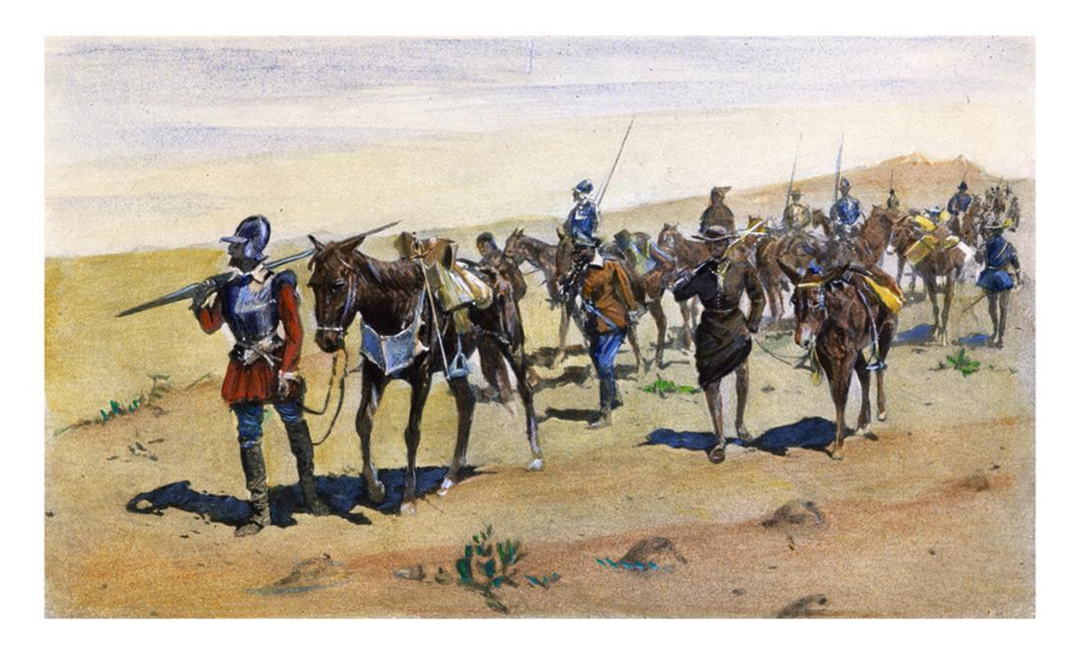
Stories of wealthy cities drew Coronado north from Mexico in 1540. His expedition reached Zuni pueblos and later traveled onto the Great Plains, pursuing another rumored place called Quivira. Neither held the gold he expected. The expedition’s search also brought violence and disruption to Indigenous communities along its route.
7. Walter Raleigh and El Dorado
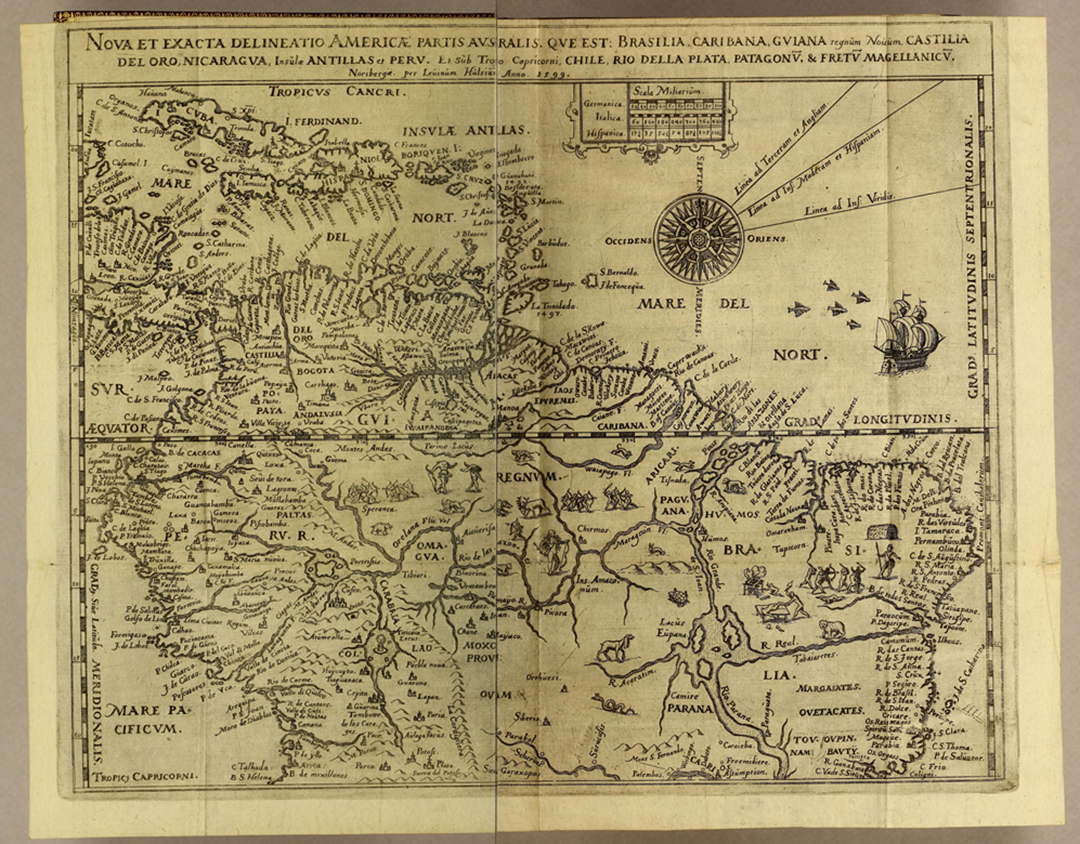
Raleigh traveled to South America in 1595, drawn by stories of a wealthy kingdom in the interior. More than twenty years later, he led another expedition hoping to find gold in the region. It returned without the riches he had promised, and a clash with Spanish forces helped bring about his execution in England.
8. Henry Hudson and the Exit From the Bay
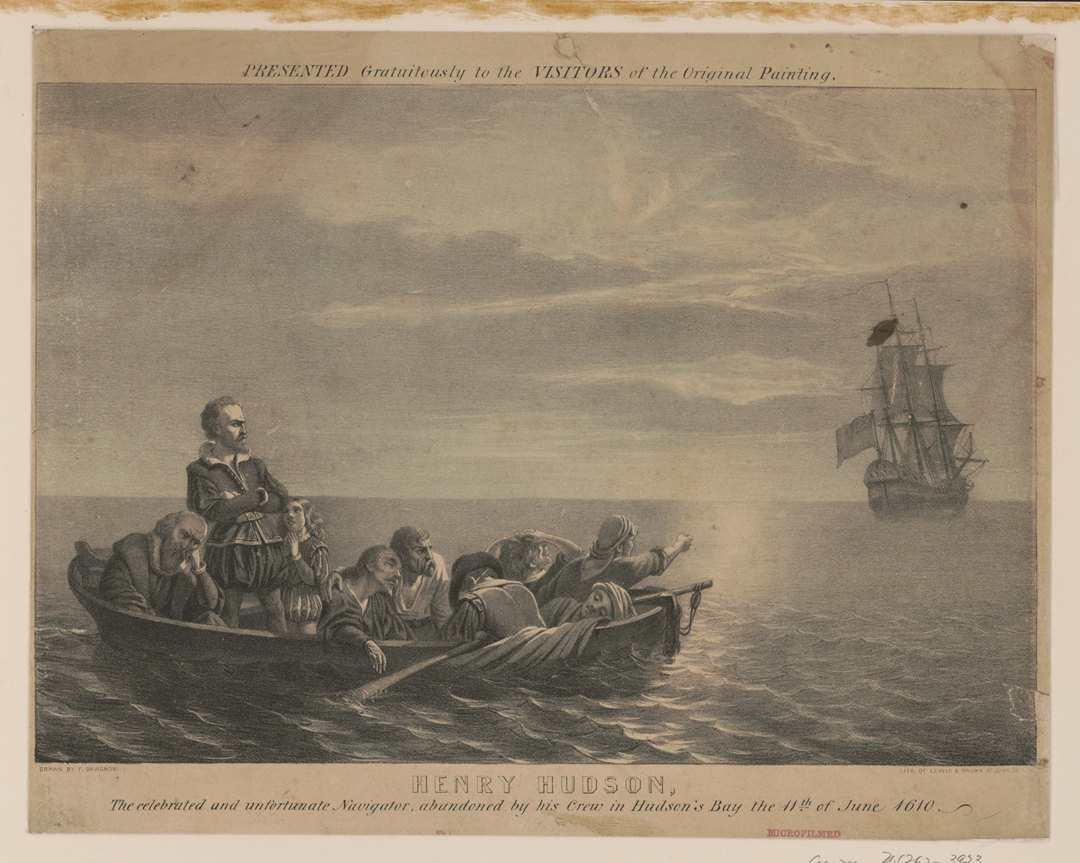
In 1610, Hudson sailed into the vast Canadian bay that now bears his name while searching for the Northwest Passage. After a winter trapped in ice, he still wanted to look for a way west. His crew mutinied, leaving him, his son, and several others adrift. They were never seen again.
Sign up for our newsletter
9. René-Robert Cavelier de La Salle and the Mississippi’s Mouth
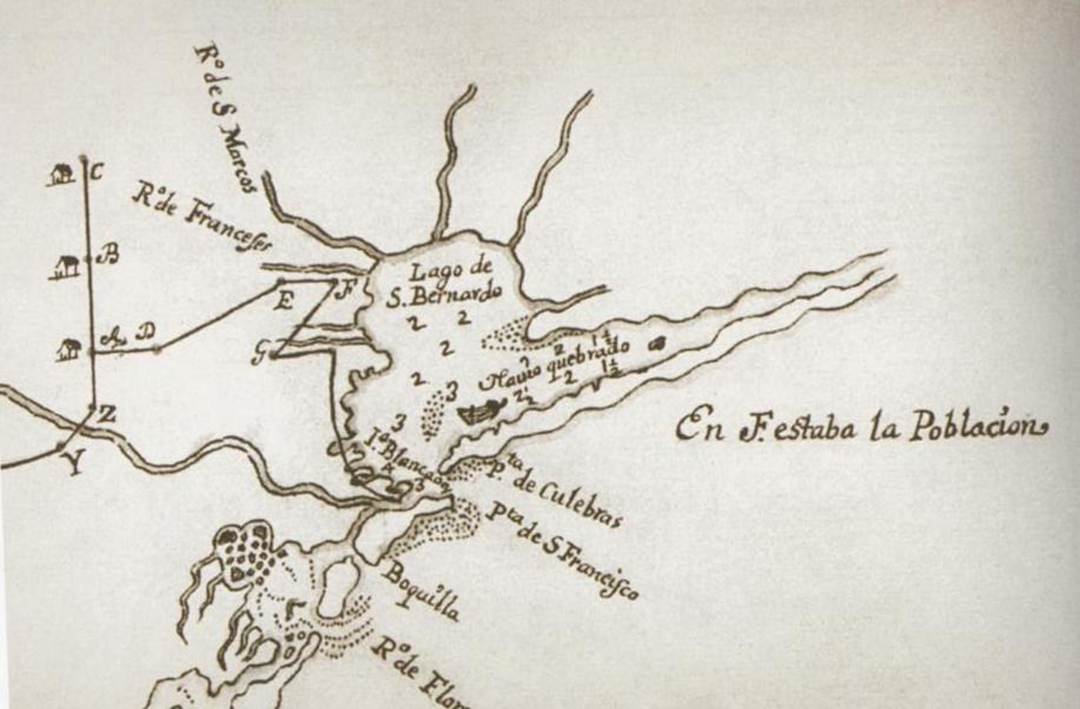
La Salle had already traveled down the Mississippi when he sailed from France to establish a colony near its mouth. His ships missed the river and landed on the Texas coast in 1685. He was still trying to find the Mississippi overland when members of his party killed him two years later.
10. James Cook and an Arctic Sea Route
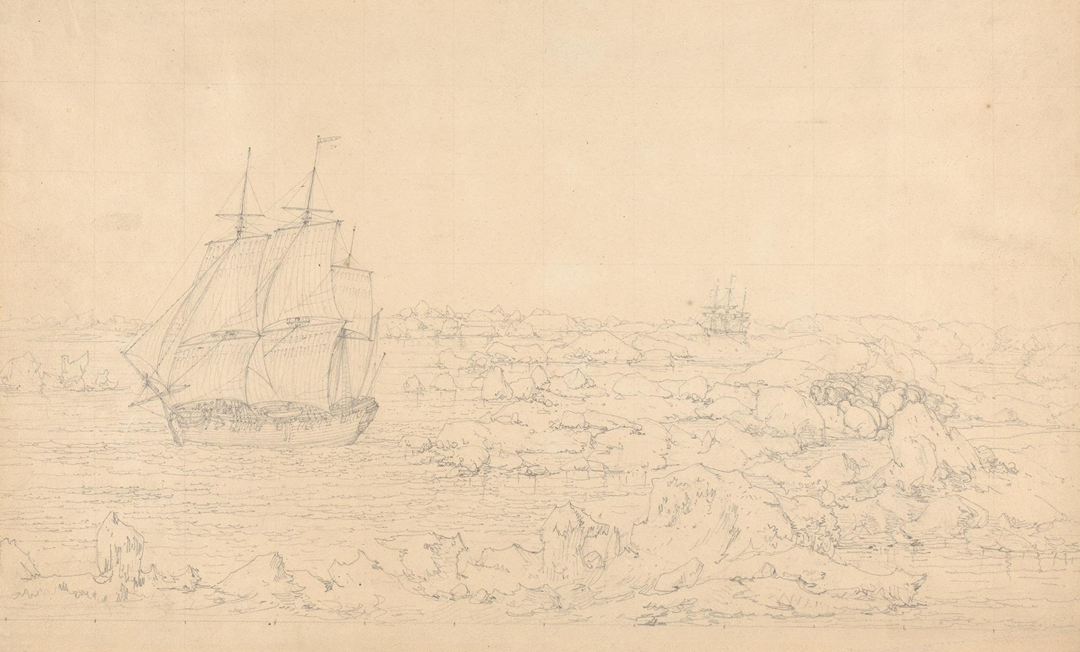
Cook’s third voyage searched for the Northwest Passage from the Pacific side. His ships charted parts of the North American coast, but Arctic ice blocked their progress in 1778. Cook returned to Hawaii, where he was killed the following year.
11. Lewis and Clark and an All-Water Route
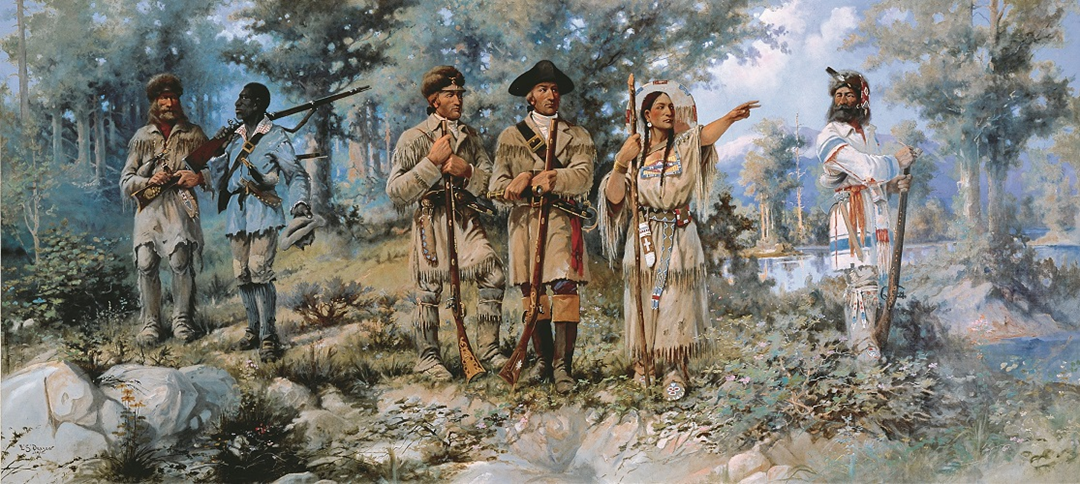
One of President Thomas Jefferson’s hopes for the expedition was a practical water route across North America. Lewis, Clark, and their party reached the Pacific, but crossing the Rocky Mountains ruled out the continuous river journey they had sought. Indigenous communities provided knowledge, food, horses, and guidance that helped the party make the crossing.
12. John Franklin and the Northwest Passage
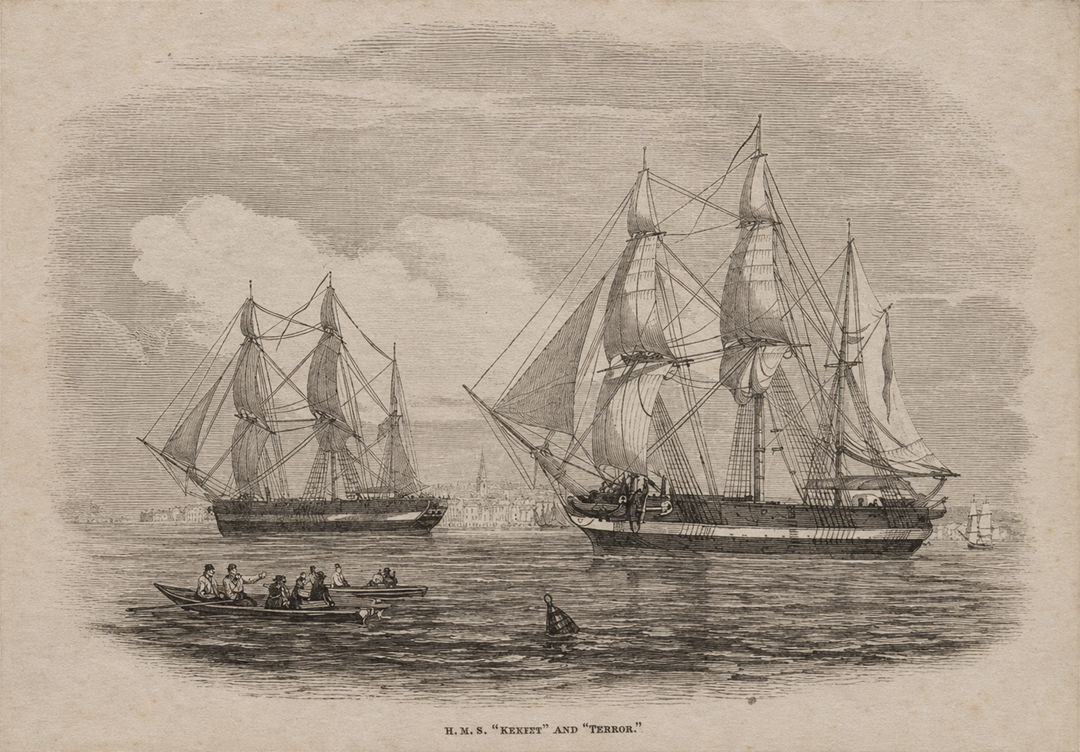
Franklin’s ships, Erebus and Terror, left Britain in 1845 to chart the remaining stretches of the Northwest Passage. Both became trapped in Arctic ice, and none of the 129 men aboard returned. The search for them lasted years; Inuit accounts helped reveal what had happened, though British searchers often failed to give that knowledge its due.
13. David Livingstone and the Source of the Nile
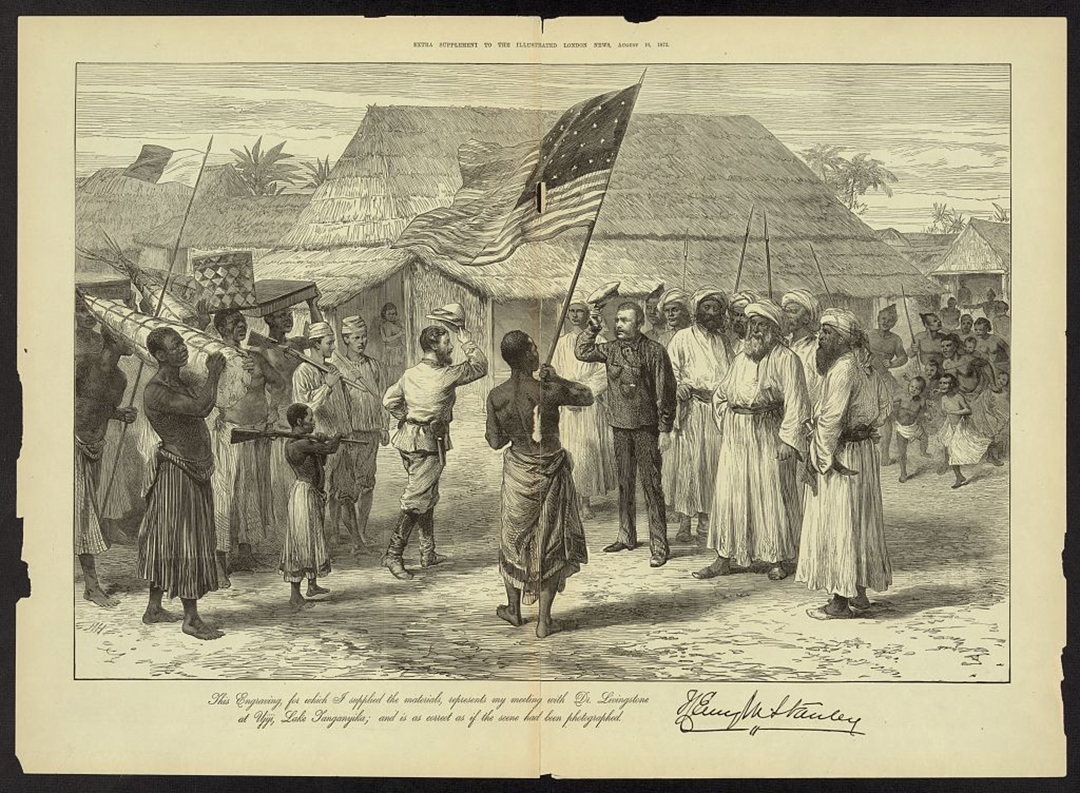
Livingstone spent his final expedition trying to locate the Nile’s headwaters. He investigated lakes and rivers in central Africa, at one point mistaking waters connected to the Congo for part of the answer. He died in 1873 with the question unresolved.
14. Fridtjof Nansen and the North Pole
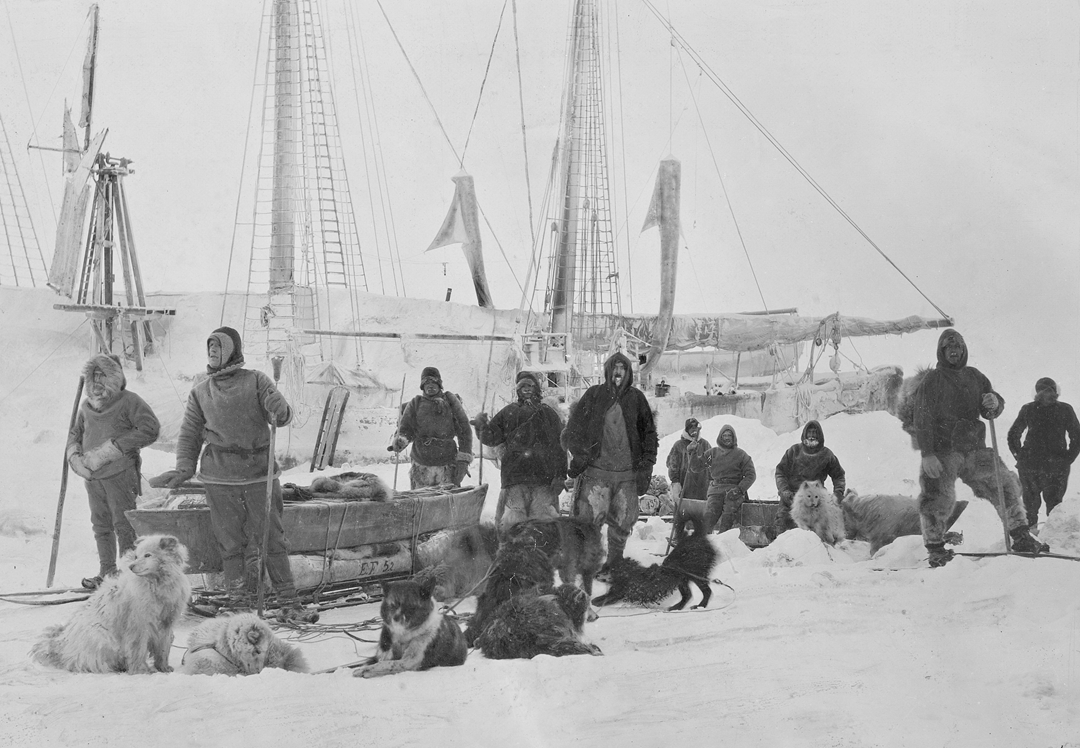
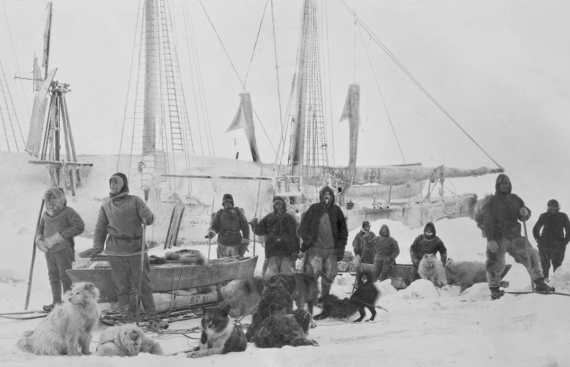
Nansen hoped his ship Fram would drift close enough to the North Pole for him to reach it. When that seemed unlikely, he and Hjalmar Johansen set off across the ice with dogs and sledges. Difficult, shifting ice forced them to turn back, though they reached farther north than any recorded expedition before them.
15. Ernest Shackleton and the Antarctic Crossing
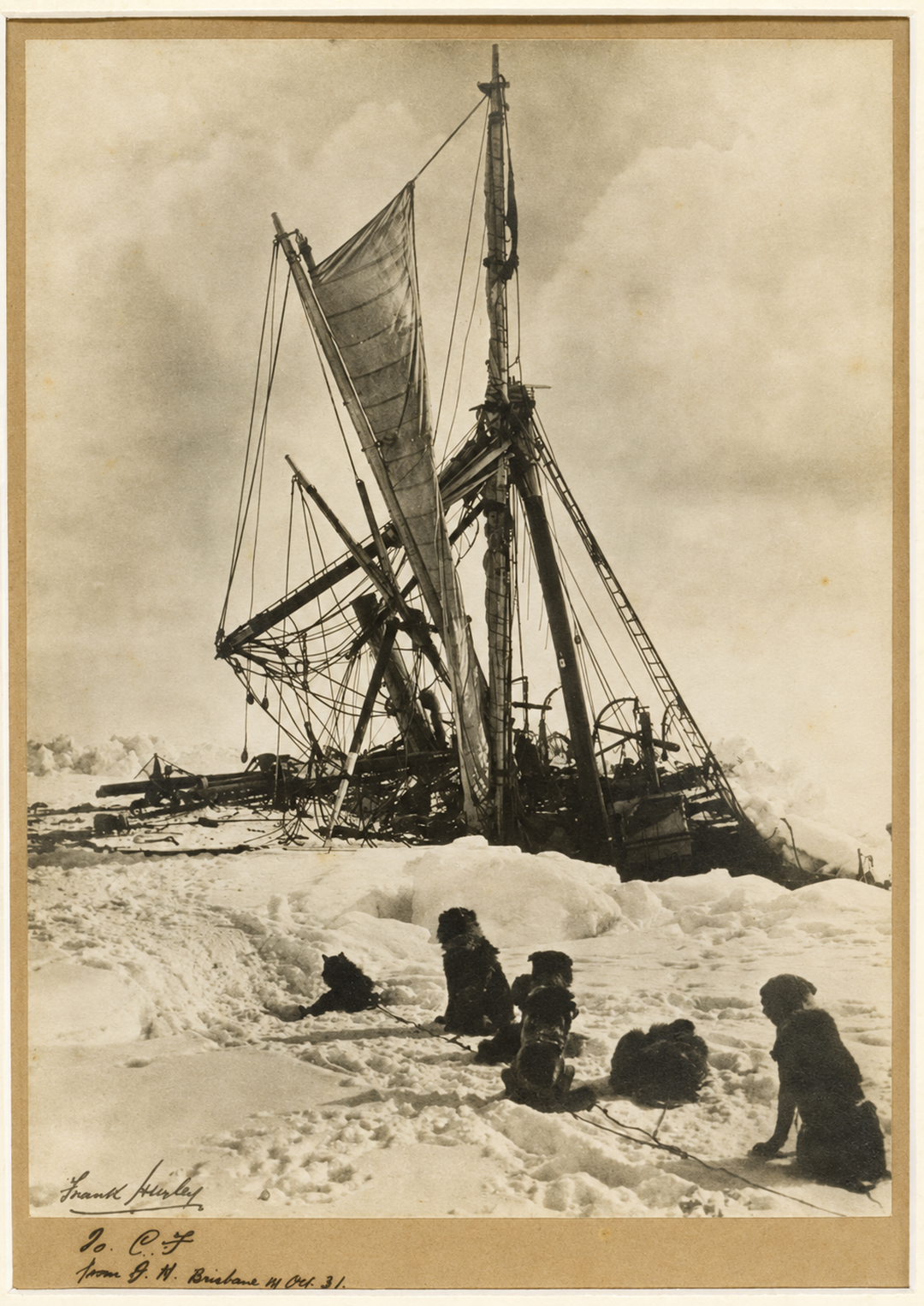
Shackleton planned to cross Antarctica from the Weddell Sea to the Ross Sea. His ship Endurance became trapped and was crushed by ice before the crossing could begin. The men aboard then faced a different task: getting home. All 28 members of the Endurance party survived.
In the mood for more?
Check out 15 Shipwrecks and Historical Mysteries Finally Solved in the Last 30 Years, or take a look at 15 Incredible Places Where Natural Forces Meet and Create Unusual Worlds. If you want to see more new land stories, you can check out 20 Border Town Sheriffs and Their Line-in-the-Sand Stories.