Border towns are by their very nature built on edges, usually with river fords, railheads, and streets where one side speaks another set of laws entirely. The sheriffs who worked those lines learned to read currents, timetables, and people, turning thin margins into hard boundaries.
This collection of 20 stories spotlights border town sheriffs drawing their line in the sand, holding it, sometimes with patience and paperwork, and sometimes with a posse and a plan.
1. Sheriff John H. Slaughter puts Tombstone’s outlaws on notice

Elected in 1886, Slaughter hunted border raiders tied to the Jack Taylor Gang and made Cochise County a lot less hospitable to fugitives slipping across from Sonora. He built posses fast, rode hard, and didn’t blink in gunfire. When Slaughter drew a line, even desperados learned to stop at it.
2. Sheriff Harry C. Wheeler turns Cochise County into “no-smuggling” country

The former Arizona Rangers captain enforced state Prohibition and clamped down on cross-border bootlegging. His zero-tolerance tactics peaked during the Bisbee era, when he ran large-scale operations and seized contraband moving through mining towns. Wheeler’s badge meant the border wasn’t a shortcut.
3. Sheriff Robert “Bob” Paul chases killer from Tucson to the border

Paul became Pima County’s lawman after a hard-charging career as a stage line guard and deputy. He’s best remembered for tracking the Bisbee Massacre gang through the borderlands, squeezing fugitives with patient pursuit. His message was clear: you can run to the line, but I’ll be there too.
4. Sheriff George James White pays the ultimate price near Nogales

White’s Santa Cruz County tenure ended in 1922 while confronting border crime and smugglers in the hills around Nogales. The job demanded long rides, fast decisions, and constant risk. White’s name still stands for the dangers sheriffs faced on the international line.
5. Sheriff Tony Estrada makes Nogales a long-running study in border pragmatism

Serving Santa Cruz County for decades, Estrada balanced cross-border realities like smuggling, migration, and everyday policing, without losing the town’s heartbeat. He worked both sides of Main Street diplomacy with steady enforcement and steady calm. On a complicated frontier, Estrada kept the tone even.
Trending on The Scroller

6. Sheriff Pat Garret returns to the line in Doña Ana County

Famous for Lincoln County and Billy the Kid, Garret later held the sheriff’s post in Doña Ana, where El Paso-Juarez traffic and Mesilla Valley routes kept deputies busy. He knew the desert’s hiding places and the river’s crossing points by heart. An old legend and a new border beat.
7. City Marshall Dallas Stoudenmire turns El Paso into a no-nonsense border town

With a badge, a temper, and fast hands, Stoudenmire cooled down saloon showdowns and alley feuds between El Paso and Juárez. He patrolled bridges and backstreets like a moving checkpoint, making trouble think twice before crossing. His presence alone drew the line. It was one man, one town, one set of rules.
8. Sheriff Chris P. “Mr. El Paso” Fox steers the county through the 1930s

Fox’s tenure spanned Depression-era El Paso, a border city that never slept. He kept transportation corridors orderly and hustled between jail keys and courthouse stairs. With a reputation larger than life, Fox made the office a public institution.
Sign up for our newsletter
9. Sheriff Johnny Behan walks Tombstone’s tightrope

Behan’s Cochise County beat mixed cross-border smuggling, faction fights, and headlines waiting to pounce. He organized posses, juggled politics, and tried to keep Sonora-to-Arizona trouble from exploding on Allen Street. In a season built for scandal, he held the center as long as anyone could.
10. Sheriff Charles A. Shibell sets Tucson’s early border routine

Shibell’s Pima County office chased stage-line robbers, watched the road to Nogales, and kept courthouse order in a town growing by the week. He leaned on deputies, judges, and timetables because he believed in paperwork first, pistols if needed. The takeaway: even at the line, procedure beats chaos.
11. Sheriff Santiago A. Brito holds the Cameron County line in the 1890s

Brito’s Brownsville beat meant patrols from downtown to ranch gates and back again. He had to manage smugglers, cattle disputes, and courthouse politics, often in the same afternoon. Keeping order at the river took stamina and thick skin.
12. Sheriff John Closner becomes “father” of Hidalgo County

Closner took office in 1890 and stayed for more than twenty years, bringing relative peace and building institutions along the lower Rio Grande. He mixed frontier grit with county-builder instincts -irrigation, courts, and calm streets. His legacy still marks Edinburg.
13. Sheriff Tom Schmerber patrols Eagle Pass in the modern era

A former Border Patrol agent turned Maverick County sheriff, Schmerber manages a 24/7 border beat of river calls, ranch roads, and international bridges. He’s navigated migration surges, cartel spillover, and small-town expectations. The job is still hands-on at the line.
14. Officer Jeff Milton makes Douglas and Naco bad for smugglers

A former Ranger turned federal man, Milton treated the border like a running ledger, writing down names, routes, and who owed whom. He stopped robberies and contraband runs with grit and careful prep, even fighting on after wounds that would sideline most. Not technically a sheriff, but exactly that kind of backbone at the international line.
15. Agent Tom Threepersons chases Prohibition right to the bridge

Working in El Paso in the dry years, Threepersons turned tip sheets and rail schedules into quick collars. He knew the alleys, the yards, and the desert west of town, and how runners tried to use each. When the city slept, he drew the line between commerce and contraband.
16. Sheriff James B. Gillet brings Ranger steel to Brewster County

A Texas Ranger legend, Gillet later served as Brewster County sheriff and ranched in Alpine. He applied Ranger instincts to a huge border jurisdiction with quick rides and quicker arrests. With Gillet around, smugglers and drifters watched their step.
17. Sheriff Oren R. Fox runs Imperial County through border growing pains

From 1979 to 1999, Fox’s office covered Calexico’s ports, farm roads, and desert cuts. His long tenure saw drug corridors evolve and cross-border cooperation deepen. Stability at the badge level kept the valley humming.
18. Sheriff James C. Byers faces Prohibition at the San Diego line
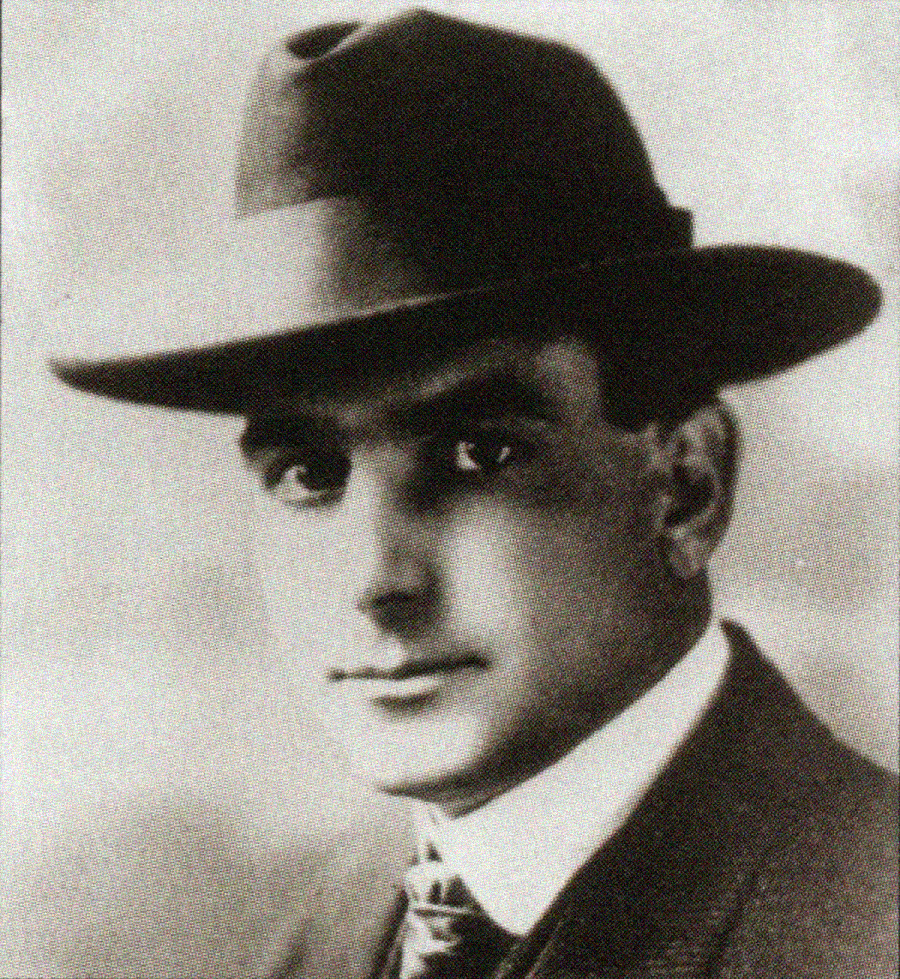
Byers served from 1918 to 1929, exactly when rumrunners worked the beaches and canyons north of Tijuana. His deputies split time between back-country trails and courthouse seizures. The county’s Pacific border wasn’t any softer than the desert one.
19. Constable John Selman ends a legend in a border saloon

Long used to El Paso’s midnight math, Selman studied habits until one notorious gunman finally ran out of minutes. The standoff was brief, decisive, and pure border reality. On a street that fed on myth, Selman wrote a final, matter-of-fact line.
20. Sheriff James H. Boone turns El Paso’s crossings into checkpoints

At the turn of the century, Boone worked the county like a map of choke points, marking bridges, rail spurs, and ferry landings. He built quick poses, leaned on timetables, and made it clear that slipping across the river didn’t reset the law. With Boone on duty, the border felt smaller, and the badge felt bigger.
Explore more historical content:
Ink draws a border; habit keeps it. These sheriffs held fast with patience, partnerships, and the occasional perfectly timed posse. If you want more punchy history with big personalities, take a look at these 15 Historic Lawmen Who Inspired Hollywood Legends. And if you still want more, take a look at these 17 Photos of History’s Most Feared Lawmen.