Modern plumbing is one of those things people barely notice until something stops working. Clean water comes out of the faucet, toilets carry waste away, and hot showers no longer require heating buckets over a fire. These conveniences developed gradually through improvements in pipes, water treatment, drainage systems, and household equipment.
From preventing dangerous contamination to making laundry less exhausting, plumbing transformed ordinary life in ways that are easy to overlook. These 16 everyday problems reveal how much work modern systems quietly handle behind walls and beneath city streets. It’s an invention people rarely think about, until the water stops flowing.
Carrying Heavy Buckets of Water Into the House
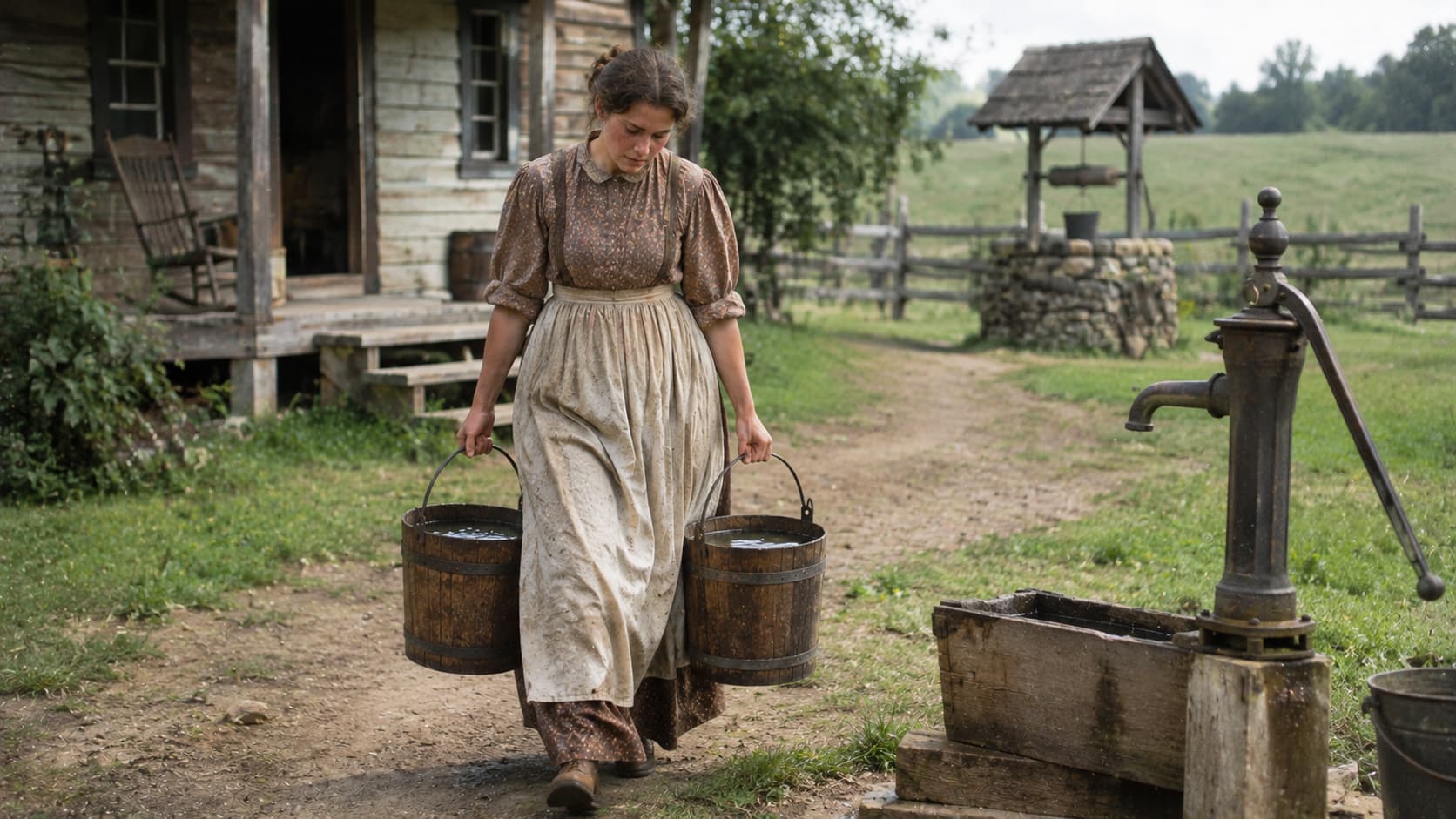
Before indoor running water became widely available, obtaining water often meant repeated trips to a well, outdoor pump, or communal source. Every bucket needed for drinking, cooking, washing, and cleaning had to be carried and stored. Pressurized water distribution systems and indoor pipes eventually brought water directly to household fixtures. What once required considerable physical effort became as simple as opening a faucet, making one of the most exhausting daily chores practically disappear.
Drinking Water That Could Spread Deadly Diseases
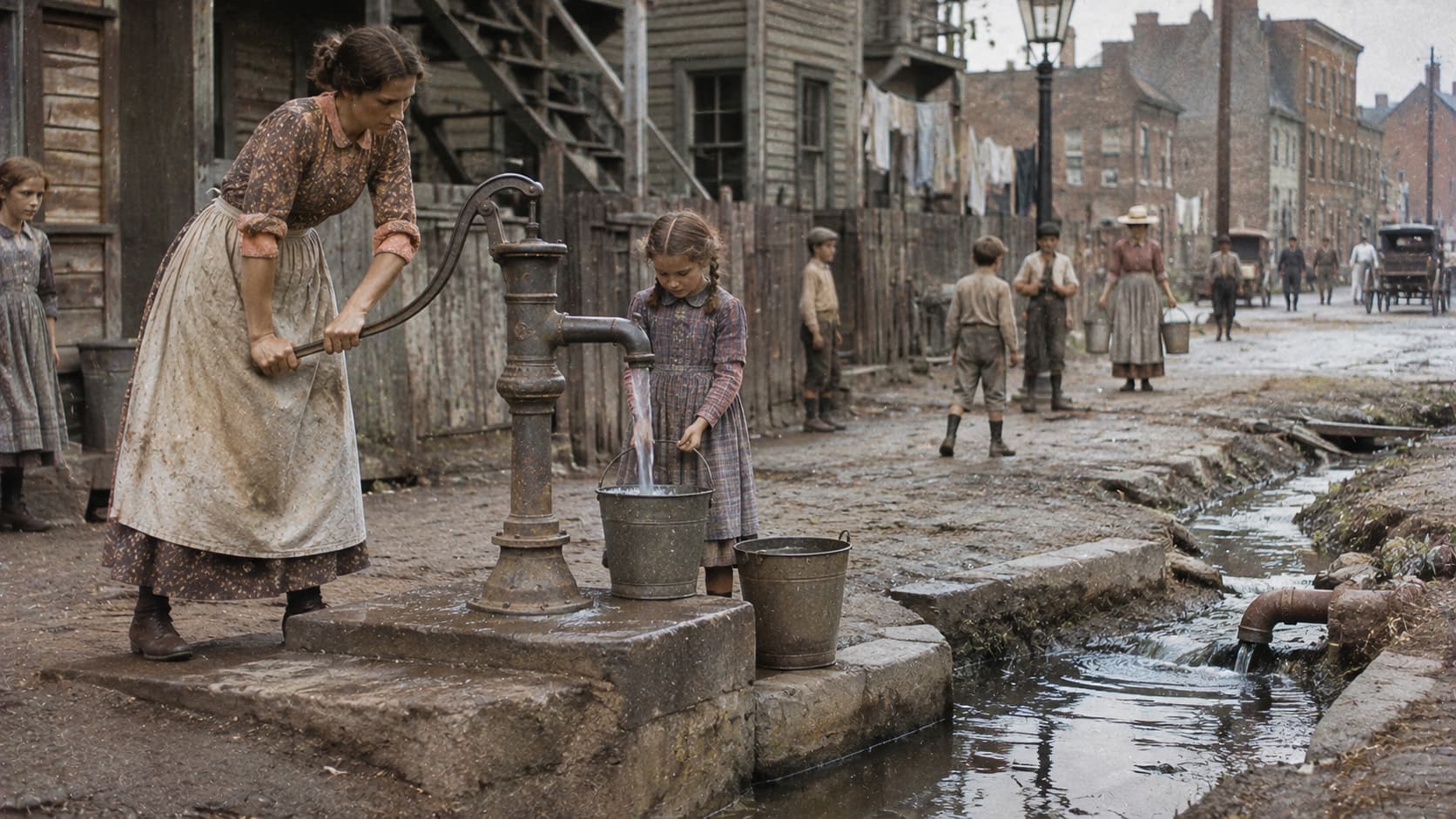
Water that looks clean can still contain microorganisms responsible for serious illnesses such as cholera and typhoid fever. Filtration and disinfection transformed public drinking-water supplies, particularly during the early 20th century. Jersey City, New Jersey, introduced routine disinfection of its community drinking water in 1908, and reported typhoid rates declined substantially in the following decades. Clear water, it turned out, wasn’t necessarily safe water.
Clean Water Becoming Contaminated Before Reaching the Faucet
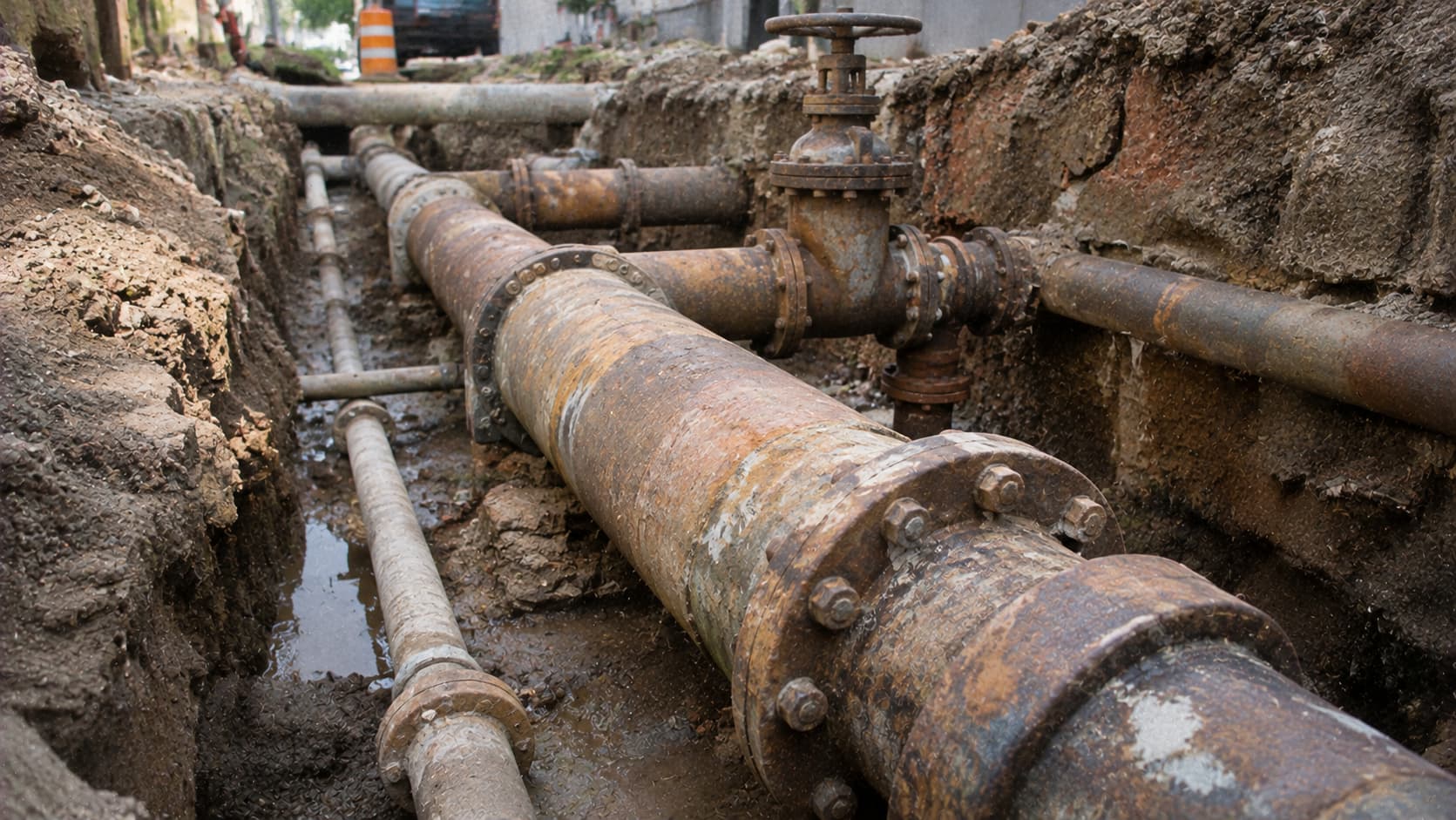
Treating water at a plant doesn’t automatically guarantee it will remain safe throughout its journey. Damaged pipes and other infrastructure problems can introduce contamination along the way. Many public utilities maintain carefully regulated amounts of chlorine or chloramine to control harmful microorganisms during distribution. The water’s journey doesn’t end at the treatment plant; the pipes carrying it the rest of the way also have an important job.
Washing Hands Without Convenient Running Water
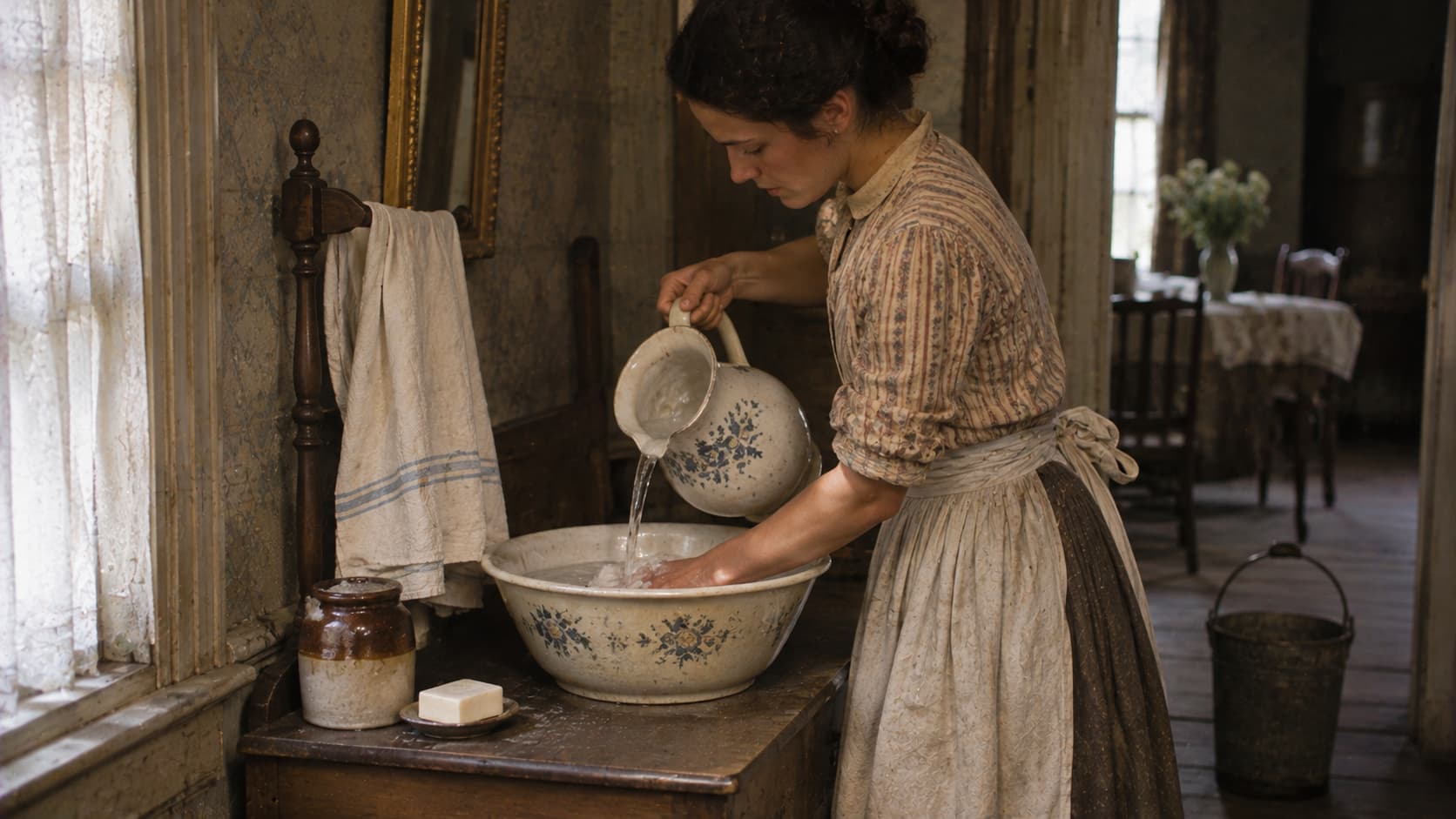
People washed their hands long before modern plumbing, but the process could involve carrying clean water to a basin and disposing of it afterward. Indoor sinks made washing easier in homes, schools, restaurants, and workplaces. Soap helps lift dirt and microorganisms from the skin, while running water carries them away. Unlike a shared basin of standing water, a running tap also reduces the chance of recontamination. Sometimes, the simplest improvements make the biggest difference.
Having to Go Outside to Use the Toilet
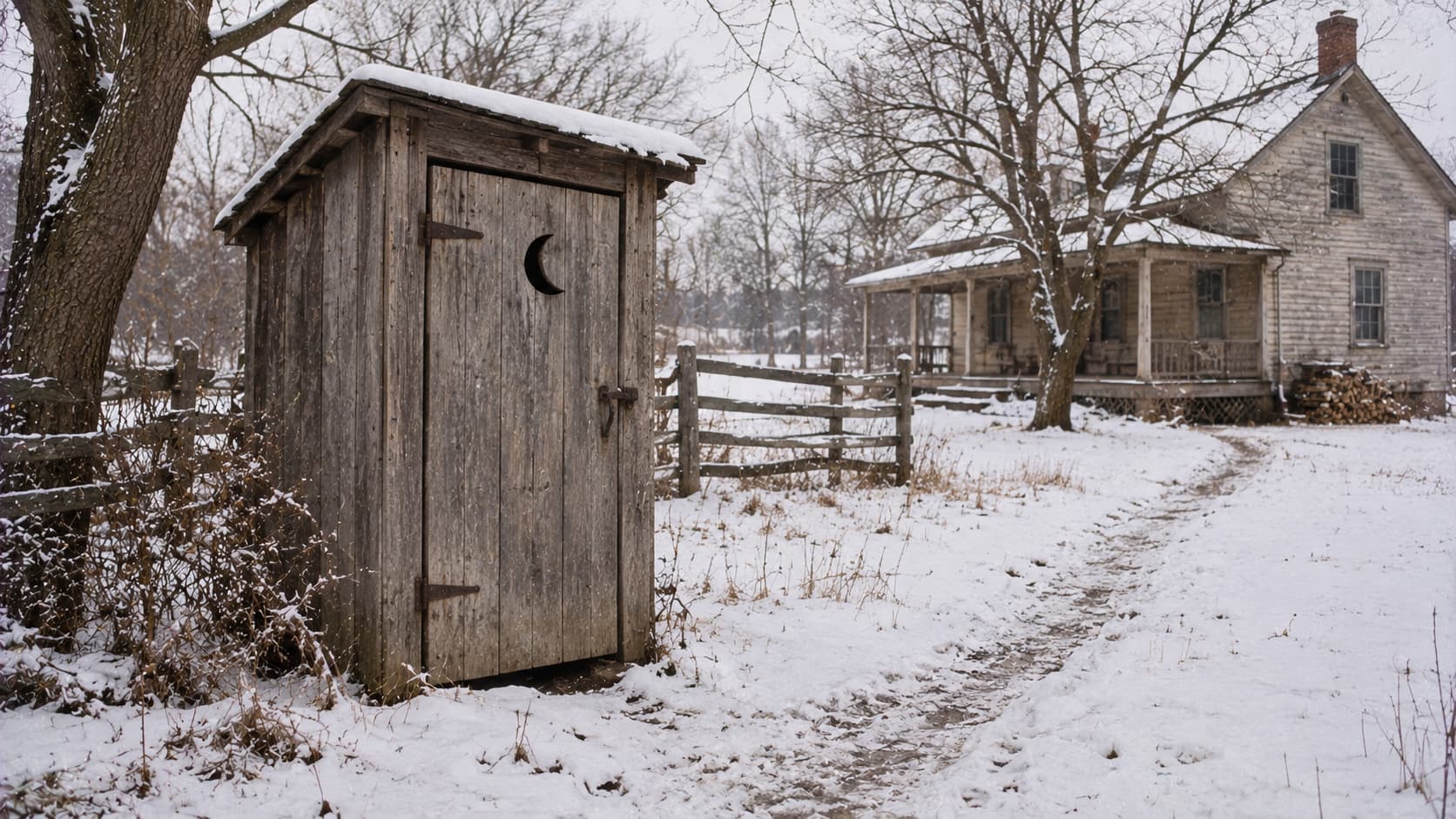
Outdoor privies were once familiar features of American homes, particularly in rural communities without indoor sanitation. Using one could be unpleasant during cold weather or after dark, while poorly located facilities could threaten nearby water supplies. Indoor flush toilets made sanitation more convenient by connecting waste to drainage systems. The convenience was enormous, although flushing waste away only solves the problem if it is safely managed afterward.
Trending on The Scroller

Carrying Dirty Water Out After Every Household Chore
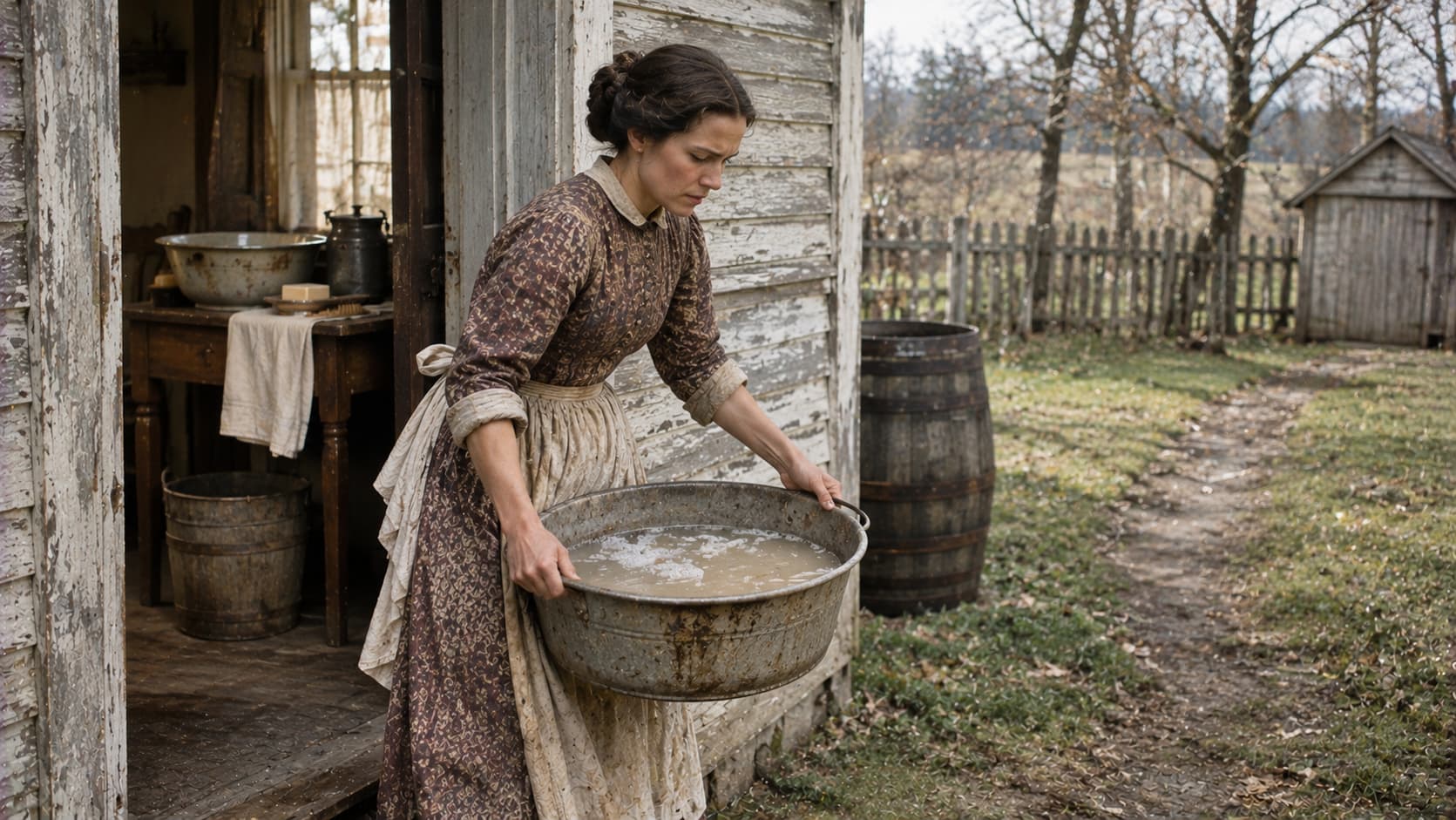
Before reliable indoor drains, washing dishes, bathing, and cleaning often meant collecting used water and carrying it outside for disposal. Household drains changed that by allowing wastewater to leave sinks, bathtubs, and other fixtures through connected pipes. Wastewater can then travel to treatment facilities or septic systems. It may be one of the least glamorous parts of plumbing, but nobody misses making repeated trips with a bucket of dirty water.
Sewer Smells Coming Up Through Bathroom and Kitchen Drains
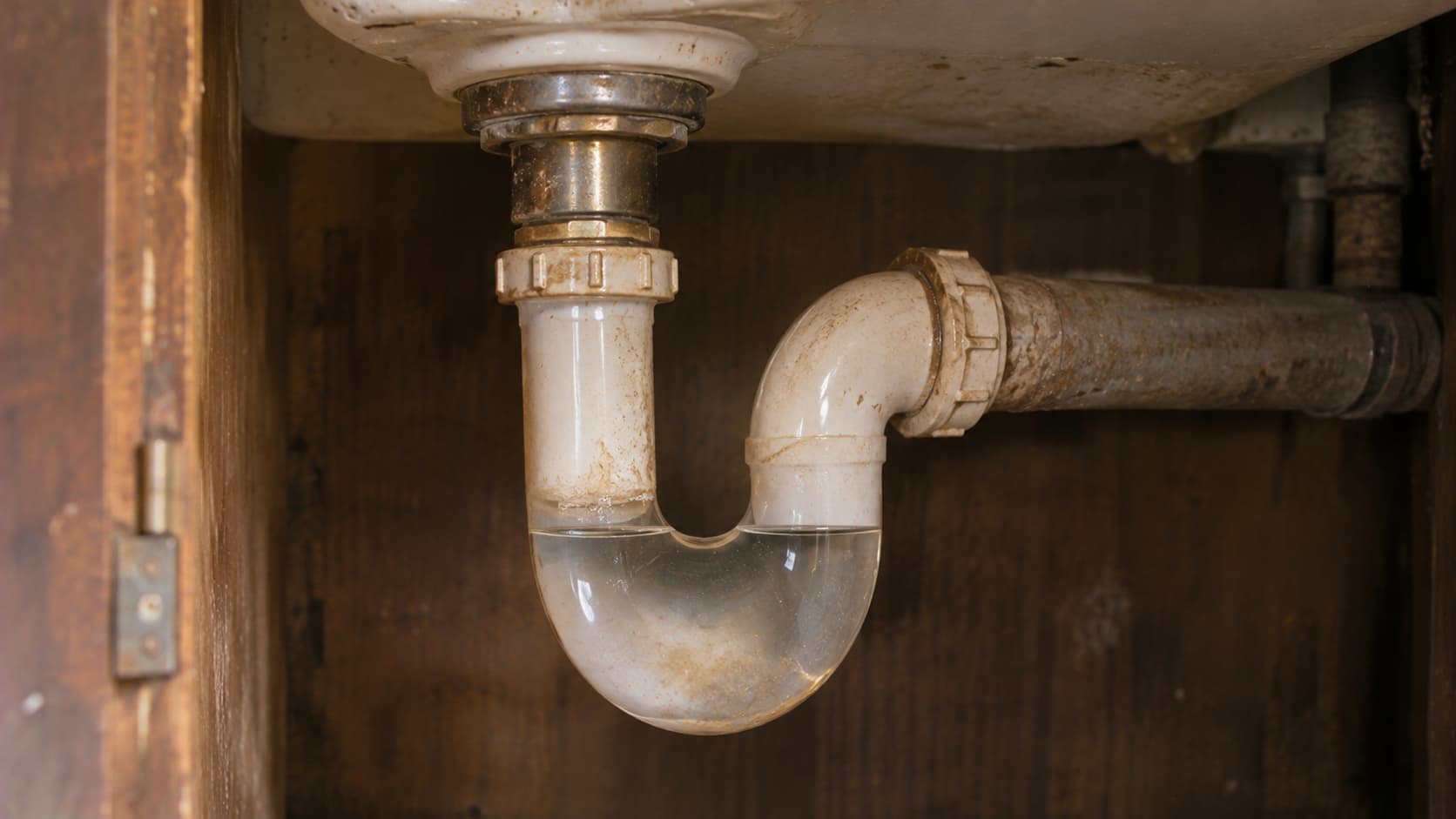
The curved pipe beneath an ordinary sink does more than direct water toward the sewer. Known as a plumbing trap, it retains a small amount of water that creates a seal between the room and the drainage system. This barrier normally prevents sewer gases and odors from entering the building through the fixture. It’s a surprisingly simple solution: a little water standing in the right place can keep an entire room from smelling like the sewer.
Drains Losing Their Water Seals Because of Pressure Changes
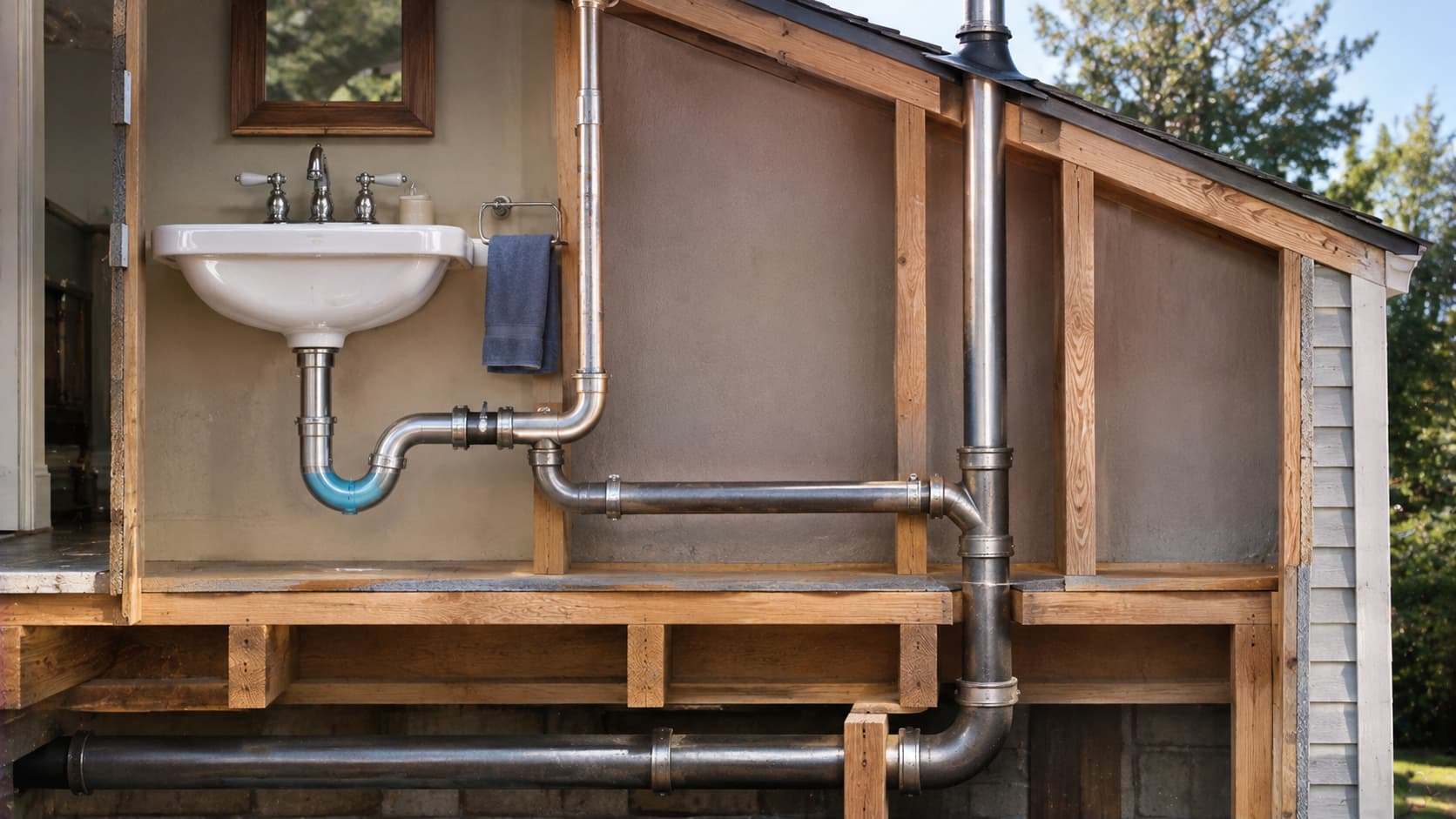
Drainage systems need more than pipes sloping toward a sewer. Changes in air pressure can siphon water from plumbing traps or push sewer gases toward fixtures. Vent systems allow air to enter or leave the drainage network, helping maintain the water seals that block odors. These pipes are often hidden from view, but without them, even a perfectly ordinary drain could become a source of unpleasant surprises.
Sign up for our newsletter
Contaminated Water Flowing Back Into Drinking-Water Pipes
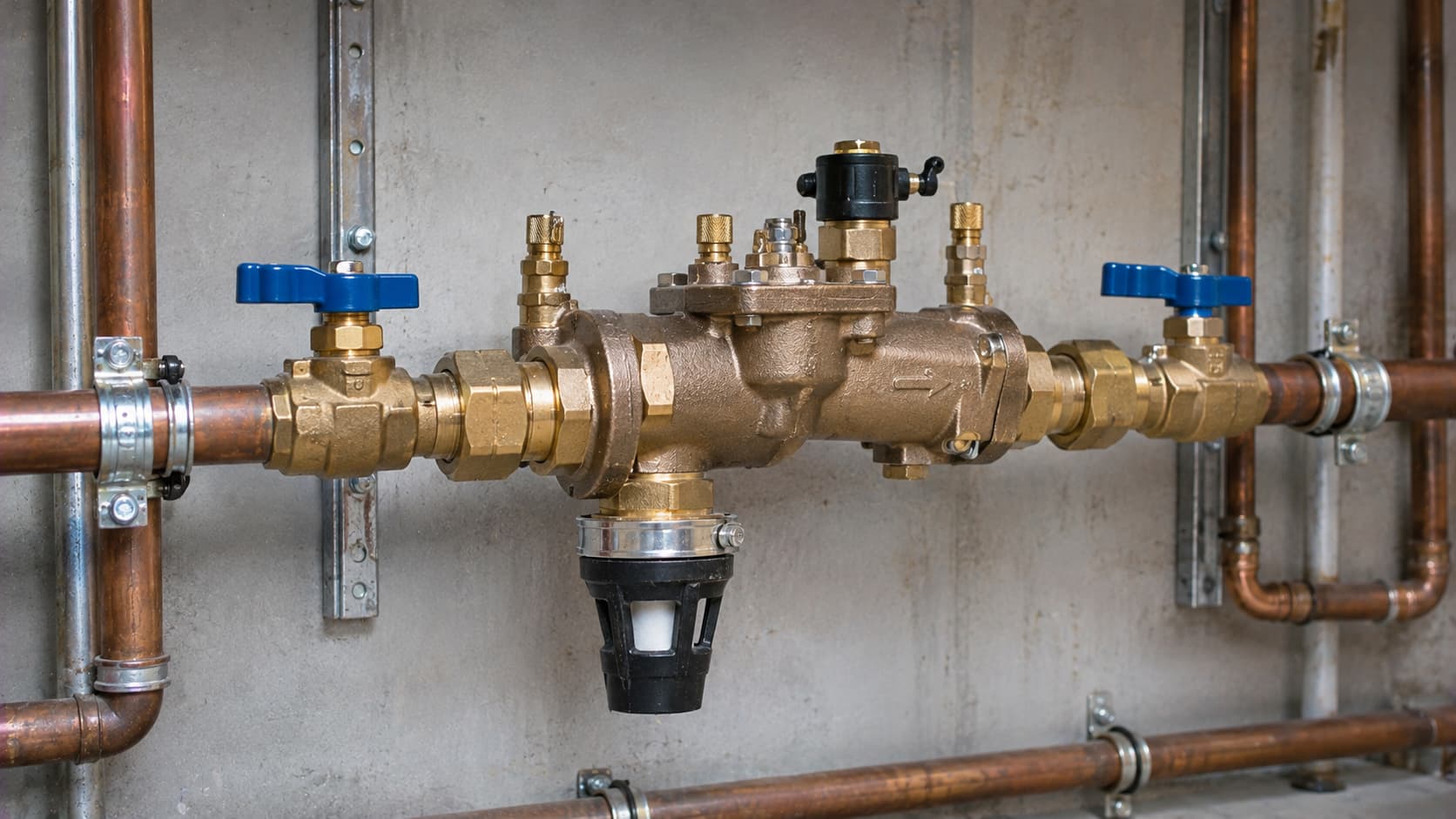
Water is supposed to move from a clean supply toward the fixtures using it, but pressure changes can sometimes reverse that flow. Known as backflow, this can carry unwanted substances into drinking-water pipes when connections exist between clean supplies and contaminated sources. Modern plumbing uses air gaps, vacuum breakers, and backflow-prevention assemblies to reduce the risk. Water flowing in the wrong direction can turn a routine plumbing connection into a public-health problem.
Heating Water Separately for Baths and Household Tasks
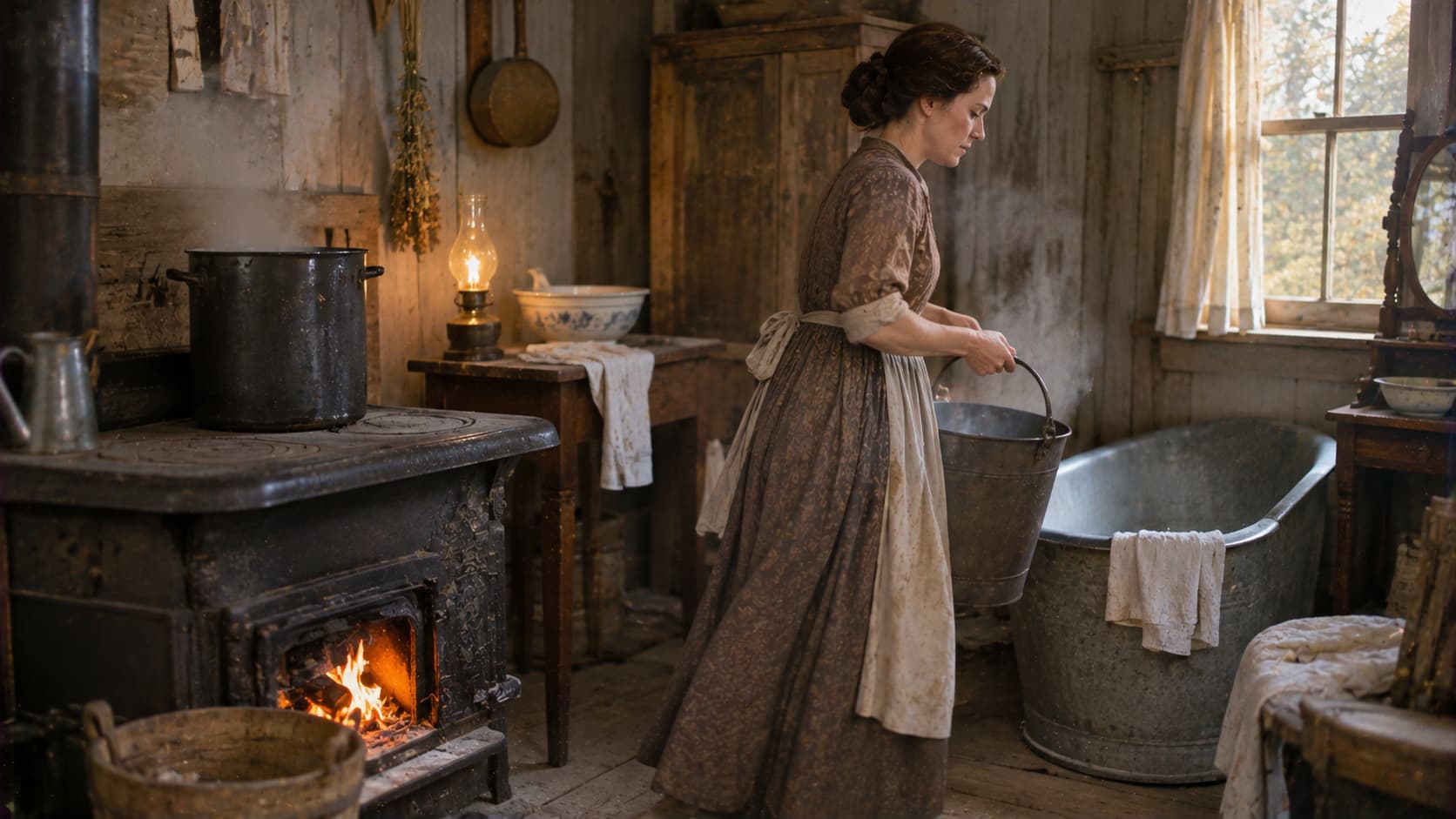
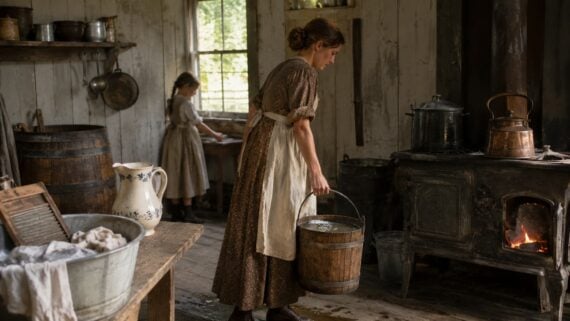
Before dependable domestic hot-water systems, bathing and washing could require heating water on a stove and transferring it into another container. Modern water heaters and hot-water pipes deliver heated water to showers and sinks. and appliances with far less preparation. Some systems store hot water, while tankless models heat it as it passes through. The days of assembling a bath bucket by bucket are largely gone, along with the wait for every pot to heat up.
Getting Scalded When Hot Water Became Too Hot
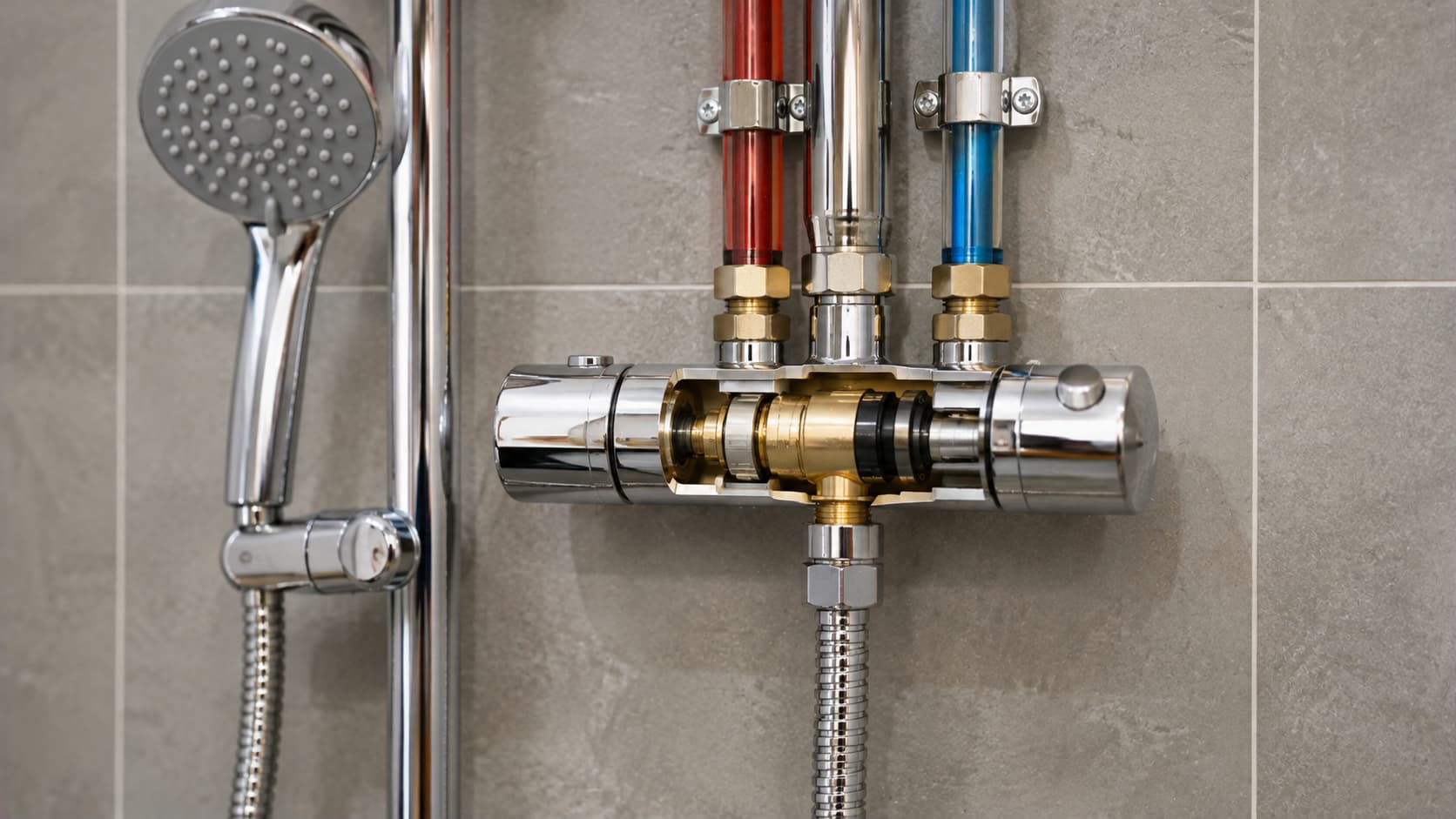
Hot water makes bathing and cleaning easier, but excessively high temperatures can cause serious burns, particularly among young children and older adults. Thermostatic mixing valves help reduce this risk by blending hot and cold water to deliver a more controlled temperature. They are especially useful when water heaters operate at higher temperatures for other safety reasons. Hot water is convenient, but nobody wants a shower to become an unexpectedly painful experience.
Washing Clothes Without Automatic Filling and Draining
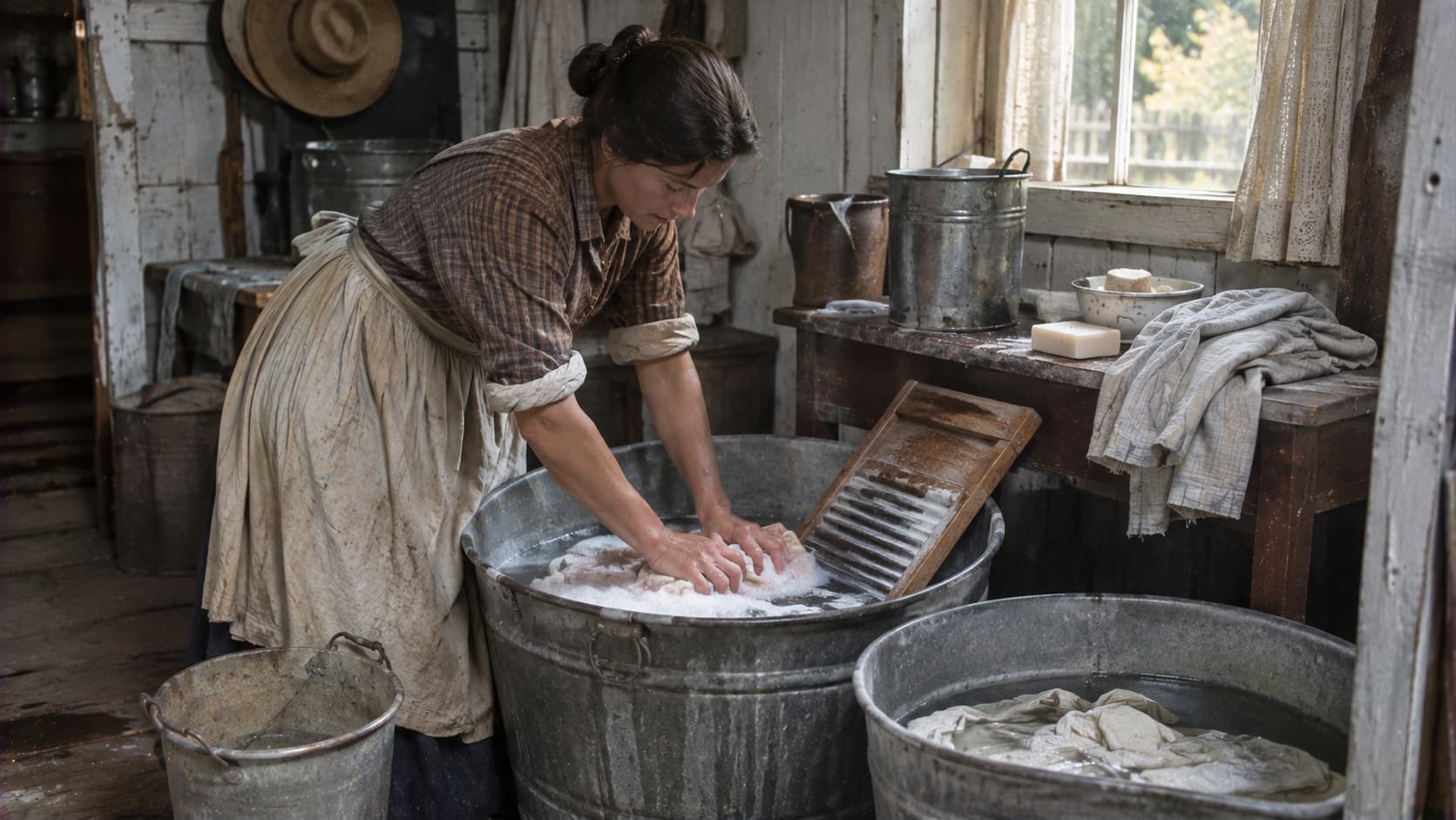
Laundry once involved carrying water, heating it when necessary, and manually removing it after washing or rinsing. Household plumbing made automatic washing machines practical by connecting them directly to a water supply and a drain. Electric motors and appliance improvements also played a major role, but those two plumbing connections eliminated a substantial part of the physical work. Today, most people don’t give a second thought to where the washer gets its water, or where it sends it afterward.
Rainwater Collecting on Roads and Around Buildings
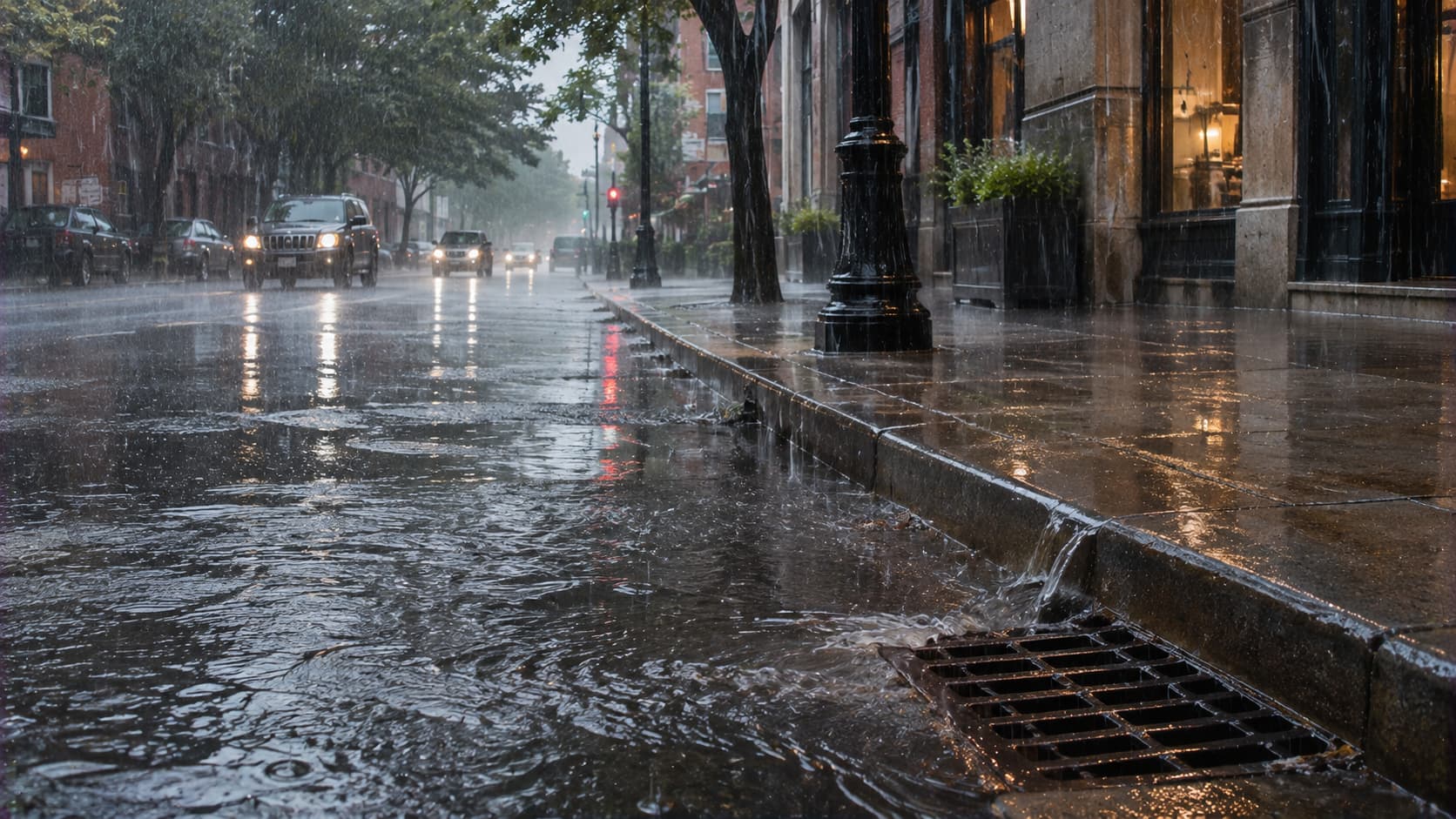
Roofs, roads, and parking lots prevent rainwater from soaking into the ground as readily as it would in undeveloped landscapes. Storm drains and drainage networks collect runoff and move it away from streets and buildings toward suitable discharge or management systems. They reduce routine flooding, although heavy storms can exceed their capacity. Without drainage infrastructure, a rainy day could turn an ordinary street into something considerably closer to a shallow pond.
Wastewater Reaching Rivers Without Proper Treatment
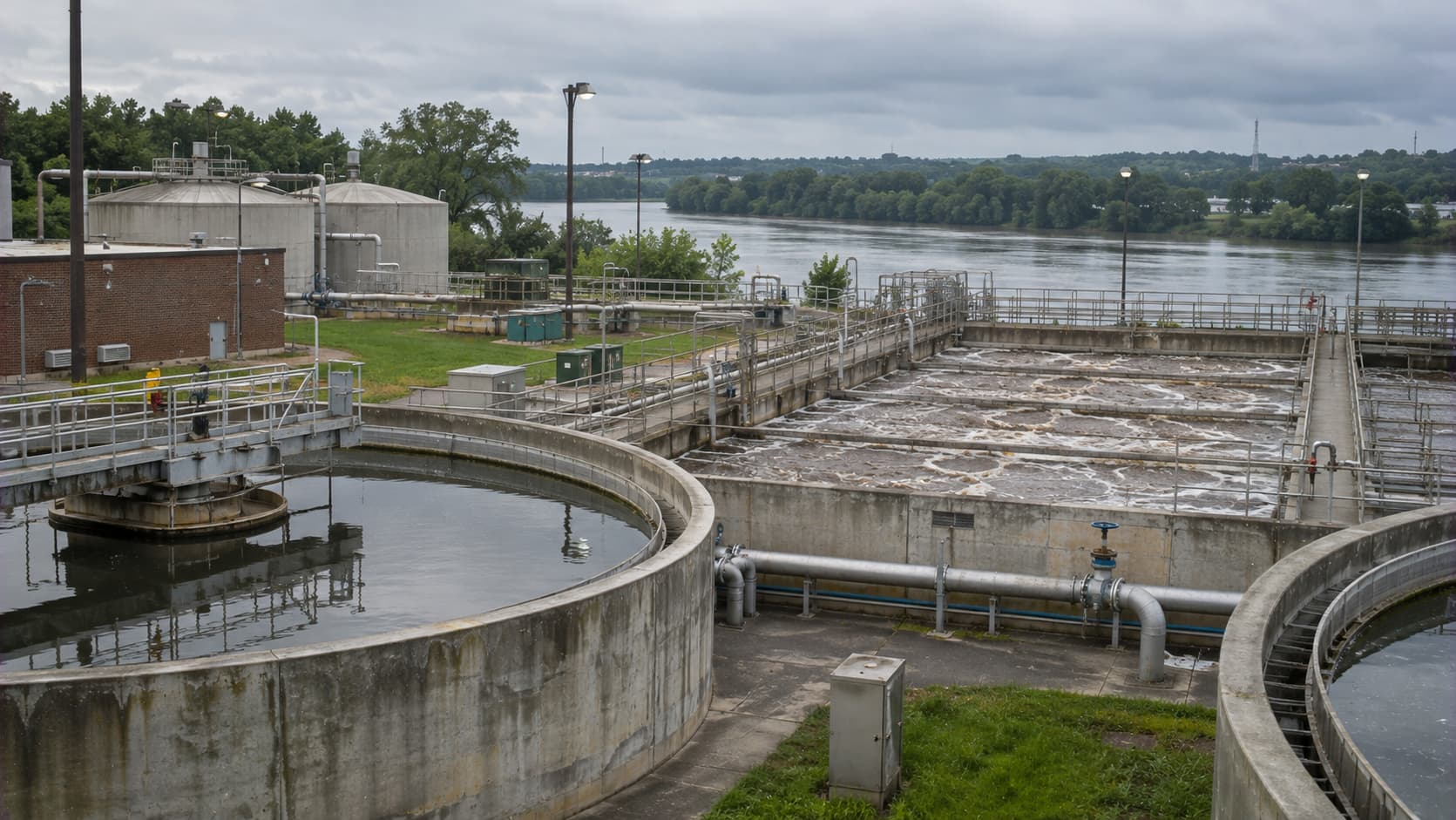
Taking sewage away from houses solves only part of the sanitation problem. Untreated wastewater entering rivers or lakes can introduce disease-causing microorganisms, organic pollution, and other contaminants. Treatment facilities use processes such as screening, settling, biological treatment, and sometimes disinfection before water is released. Older combined sewer systems can still overflow during heavy rainfall, meaning that even modern infrastructure has its limits when the weather refuses to cooperate.
Toilets Using Several Gallons of Water With Every Flush
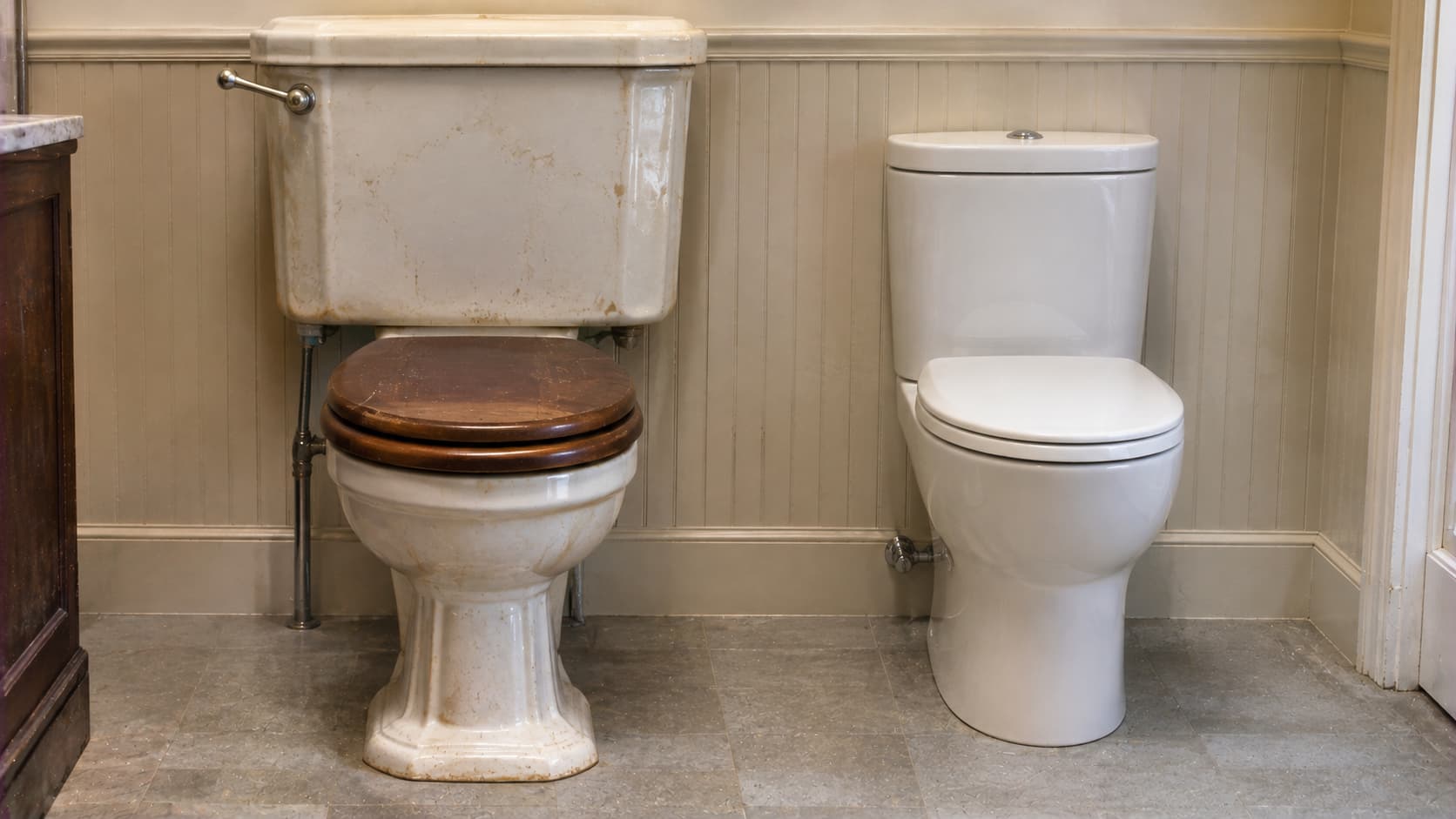
Some older toilets used as much as six gallons of water per flush, compared with the federal standard of 1.6 gallons for new conventional toilets. WaterSense-labeled models use 1.28 gallons or less while meeting performance requirements. Replacing inefficient toilets can save an average family nearly 13,000 gallons annually, depending on existing fixtures and usage. It’s a lot of water saved by something most people operate without even thinking about.
Showers Using More Water Than They Need To
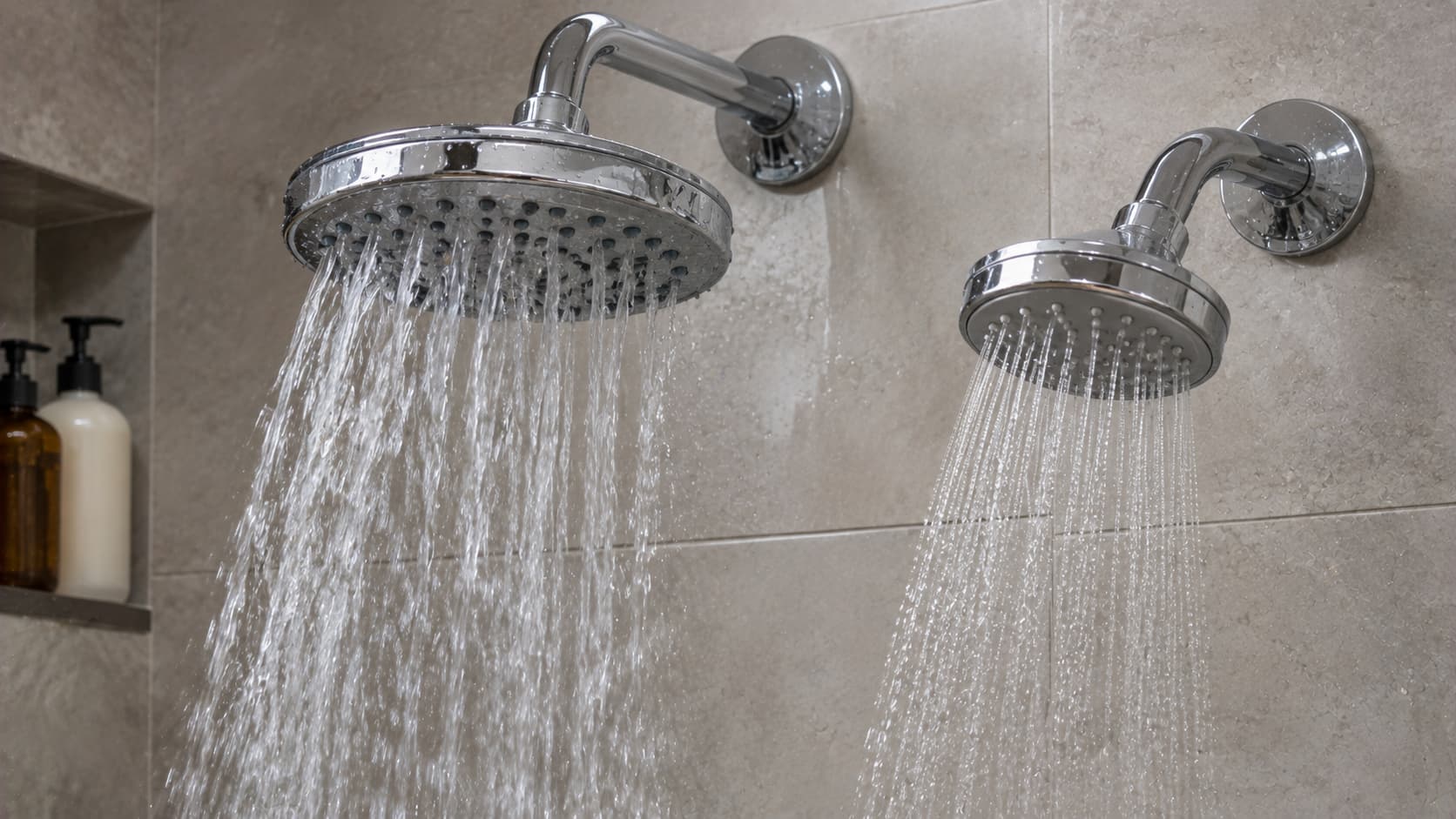
Conventional showerheads can use 2.5 gallons of water per minute, while WaterSense-labeled models use no more than 2 gallons and meet performance standards for spray force and coverage. Replacing conventional showerheads could save an average family approximately 2,700 gallons of water annually while also reducing the energy needed to heat it. The improvement doesn’t require shorter showers or sacrificing comfort, just a more efficient way of delivering the water.