Beneath busy streets, office buildings, subway stations, and modern neighborhoods lie extraordinary pieces of history. From ancient temples and forgotten burial grounds to entire streets buried beneath newer construction, these discoveries reveal how much of the past remains hidden just below the surface.
Some were uncovered by accident during routine building projects, while others emerged after centuries of being forgotten. Together, they offer a fascinating look at the layers of history beneath some of the world’s busiest cities. It also turns out that sometimes the most interesting things underground aren’t subway tunnels or parking garages.
Construction Workers Found an Aztec Temple Beneath Mexico City
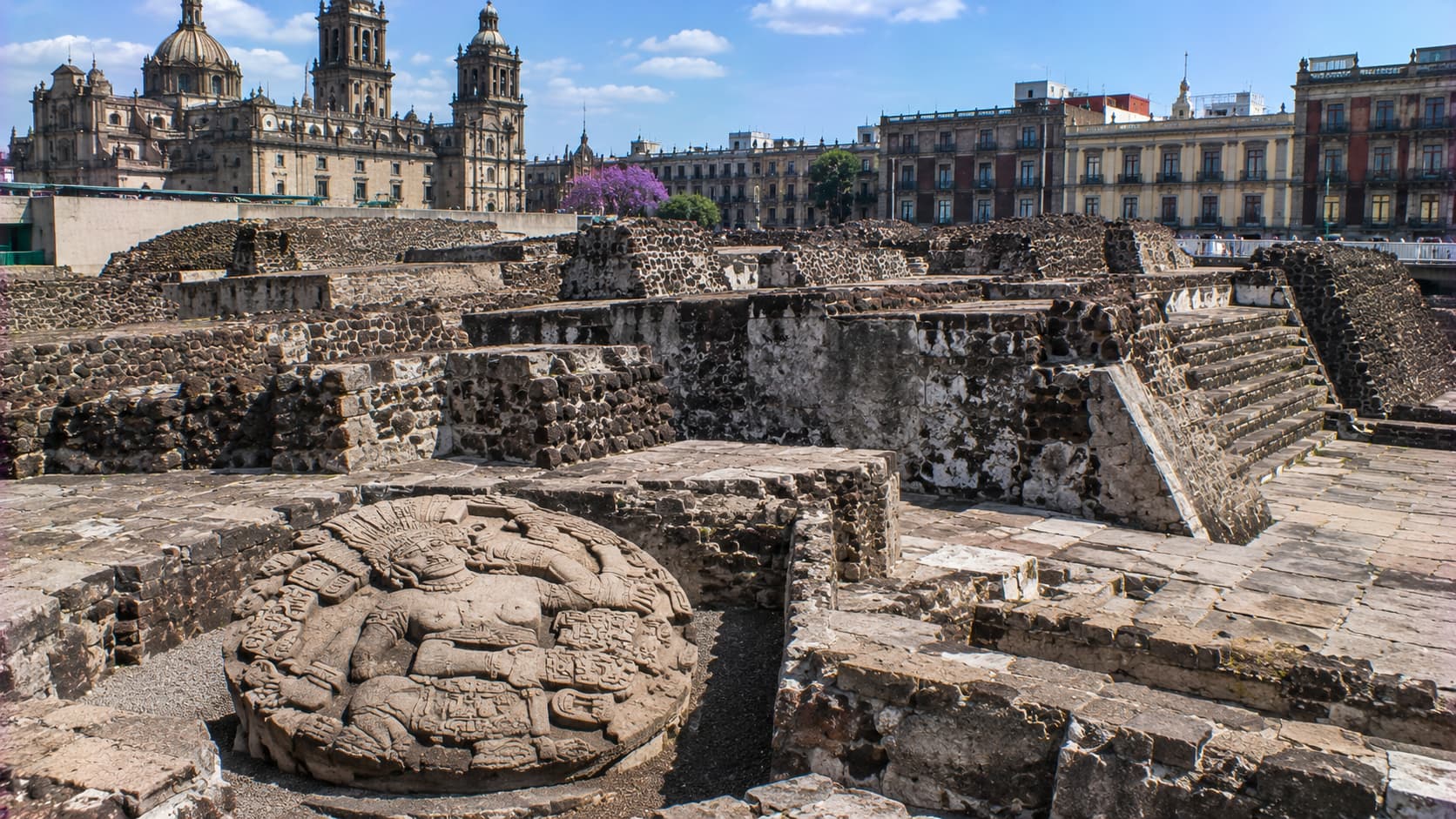
In 1978, electrical workers digging near Mexico City’s main square uncovered a massive stone sculpture of the Aztec goddess Coyoxauqui. The discovery led to major excavations of Templo Mayor, the principal religious complex of the ancient Aztec capital, Tenochtitlan. Today, visitors can explore its ruins surrounded by modern buildings and streets, while much of the former ceremonial center remains buried beneath the city. It’s a remarkable reminder that Mexico City’s modern streets sit atop an entirely different civilization.
Istanbul Subway Construction Revealed 37 Ancient Shipwrecks
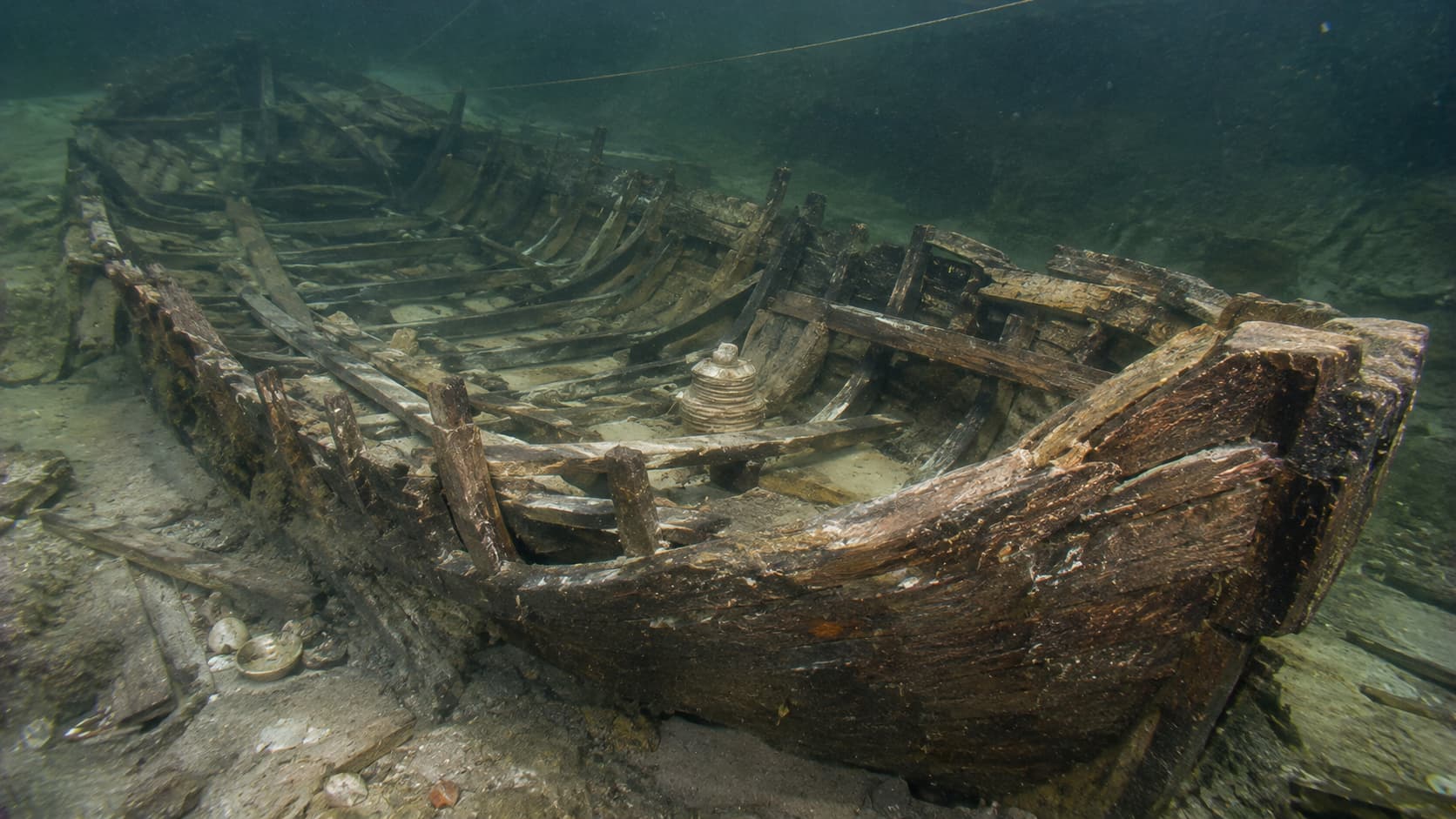
Construction of Istanbul’s Marmaray rail project uncovered the long-buried Theodosian Harbor, once part of Constantinople. Excavations beginning in 2004 revealed 37 Byzantine shipwrecks dating from approximately the fifth through the 11th centuries. Waterlogged sediment had preserved wooden vessels, ropes, leather, and other materials, offering an unusually detailed record of medieval maritime life. A subway project designed to move people across the city ended up revealing how people traveled centuries ago.
A Nearly 2,000-Year-Old Shopping Street Was Found Beneath a Greek Subway Station
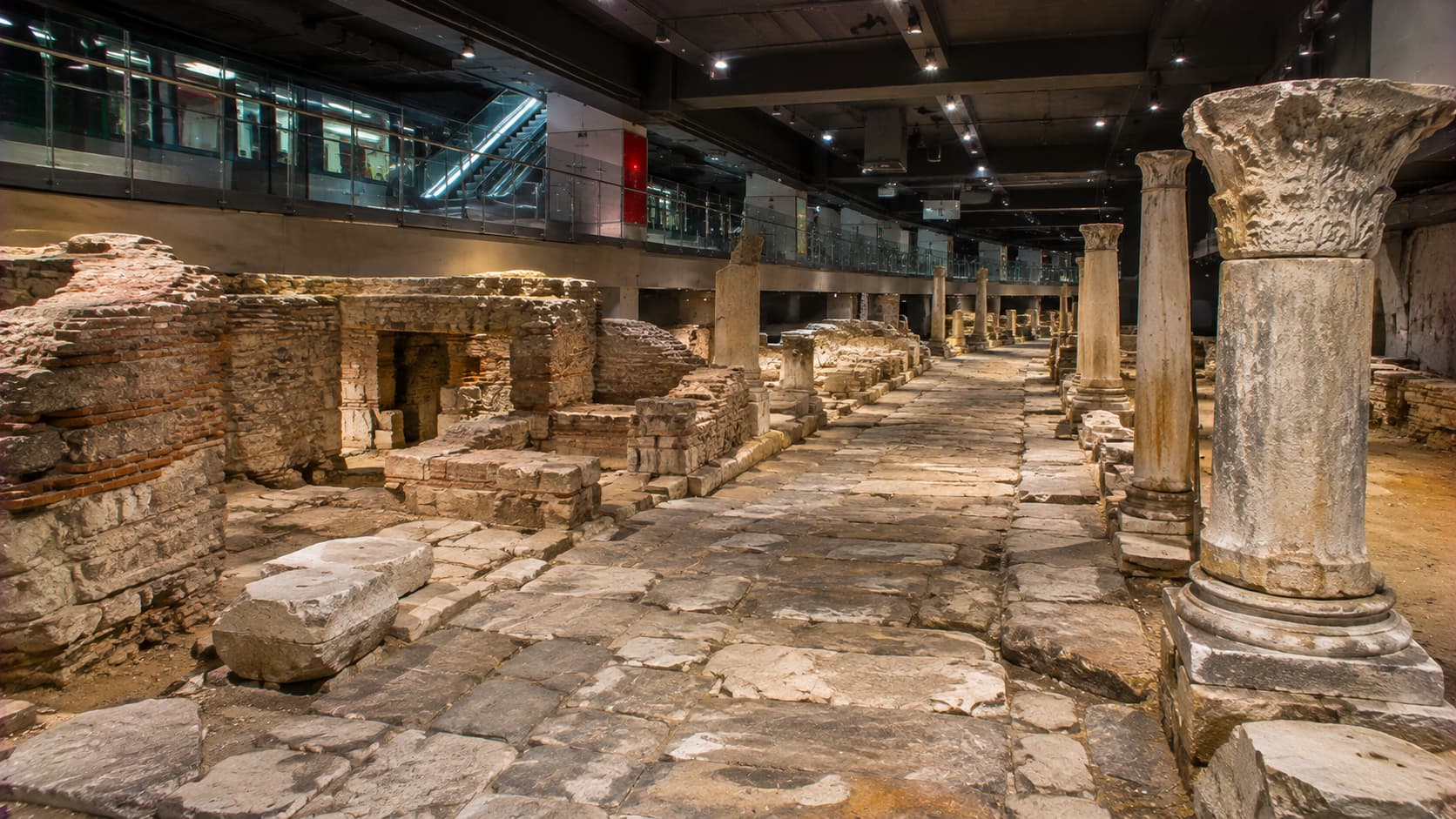
During construction of Thessaloniku’s metro, archaeologists uncovered sections of an ancient commercial avenue featuring shops, public spaces, and infrastructure from Roman and Byzantine times. At Venizelou station, part of the historic Decumanus Maximus was preserved and incorporated into the station. The wider excavations produced more than 300,000 movable finds, including coins, jewelry, and pottery. For today’s commuters, the daily journey comes with an unexpected history lesson.
A Roman Temple in London Reappeared After World War II Bombing
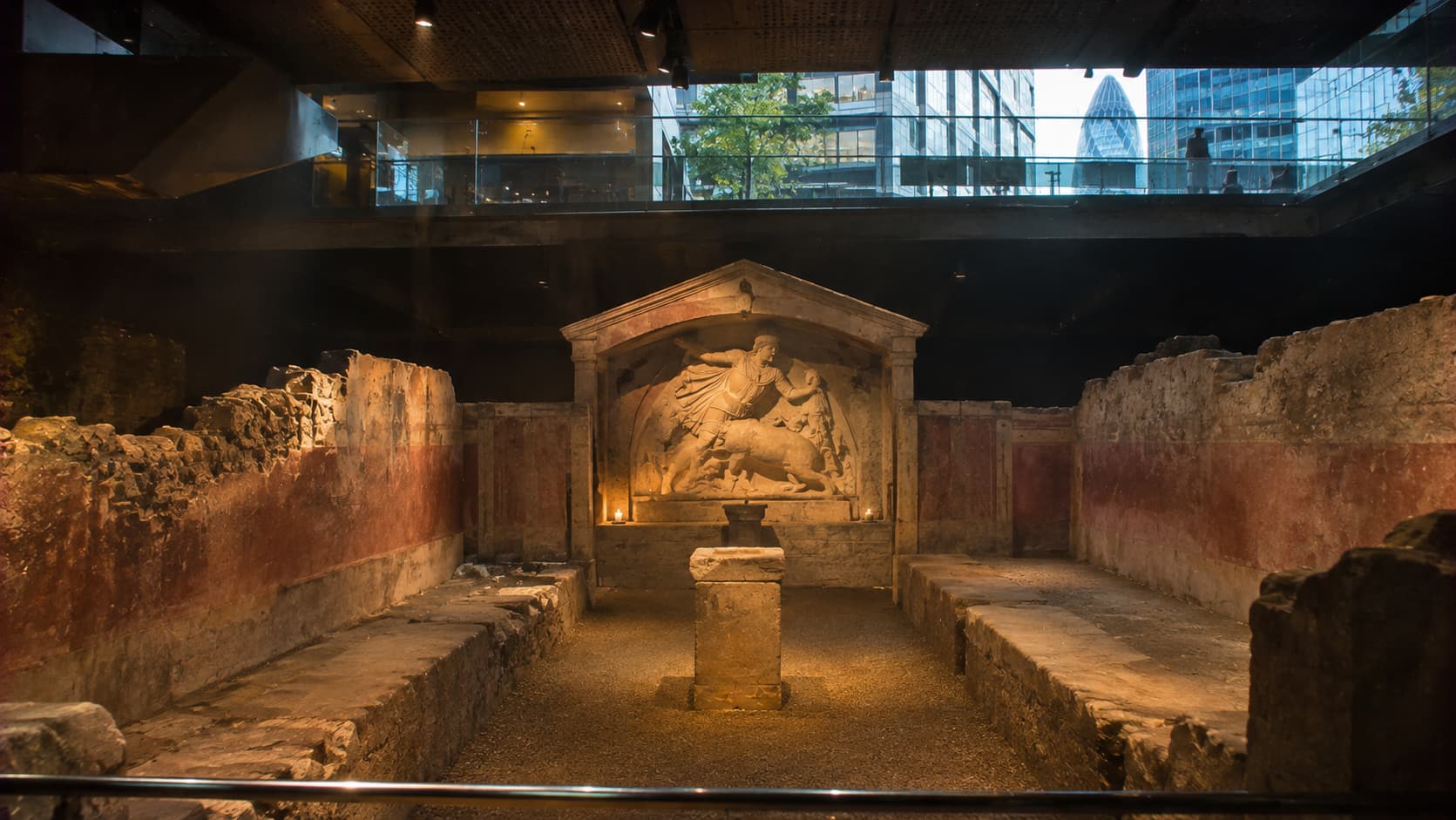
In 1954, archaeologists excavating a bomb-damaged section of London uncovered a marble head of the god Mithras. The discovery helped identify nearby Roman ruins as a temple dedicated to his mysterious religious cult. The remains attracted enormous public attention, with tens of thousands of people visiting the site. Today, the London Mithraeum has been reconstructed near its original location beneath Bloomberg’s European headquarters. A site once hidden beneath the city eventually became one of London’s more unusual historical attractions.
A Forgotten African Burial Ground Was Discovered Beneath Manhattan
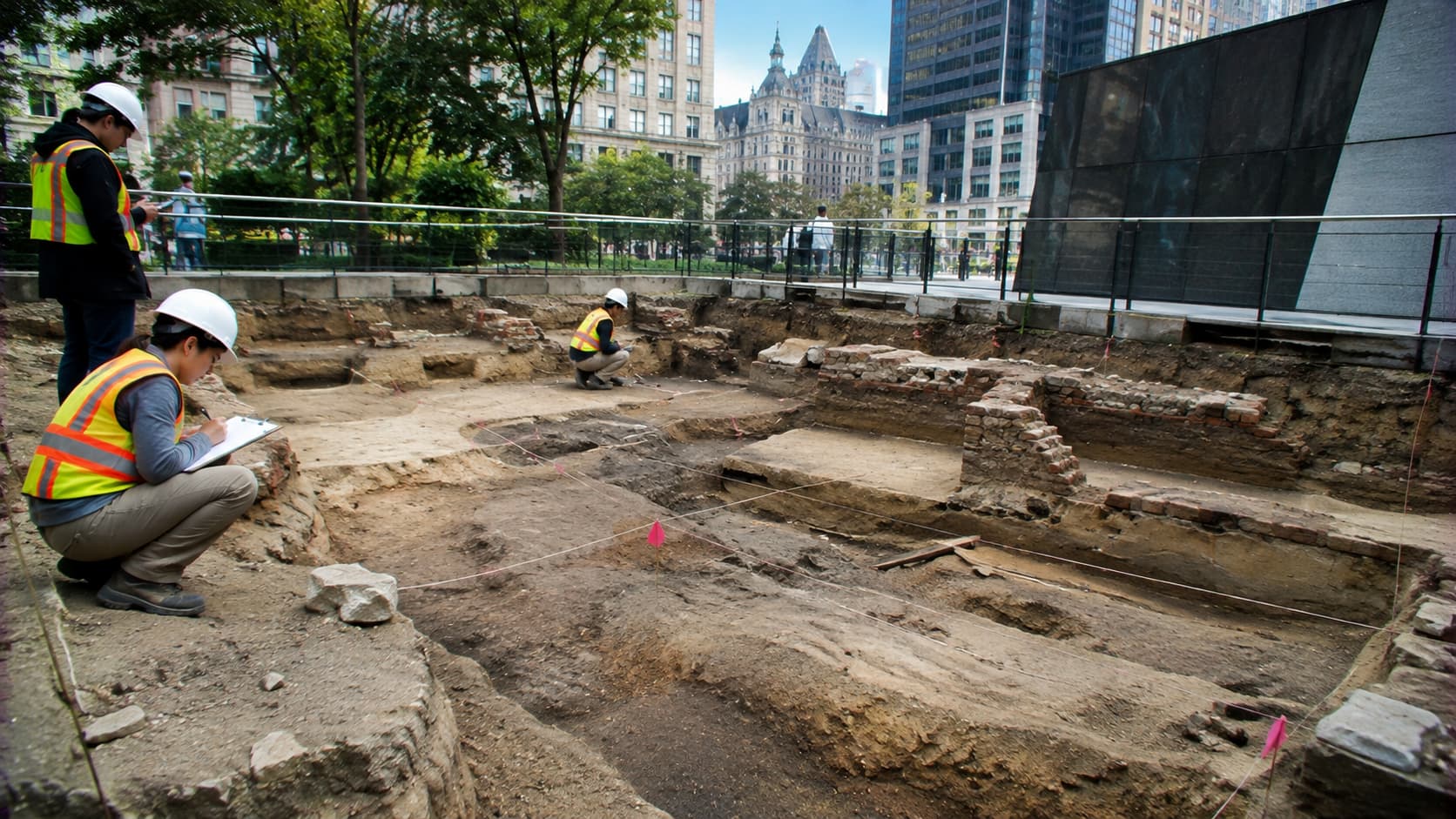
Construction preparations for a federal office building in Lower Manhattan revealed human remains in 1991, leading to the rediscovery of a major burial ground used by free and enslaved Africans during colonial New York. Archaeologists eventually excavated more than 400 individuals, although the original cemetery is estimated to have held thousands of burials. The site is now commemorated by the African Burial Ground National Monument. The discovery brought renewed attention to a history that had been physically buried and largely overlooked for generations.
Trending on The Scroller


An Ancient Roman Arena Was Found Beneath London’s City Hall
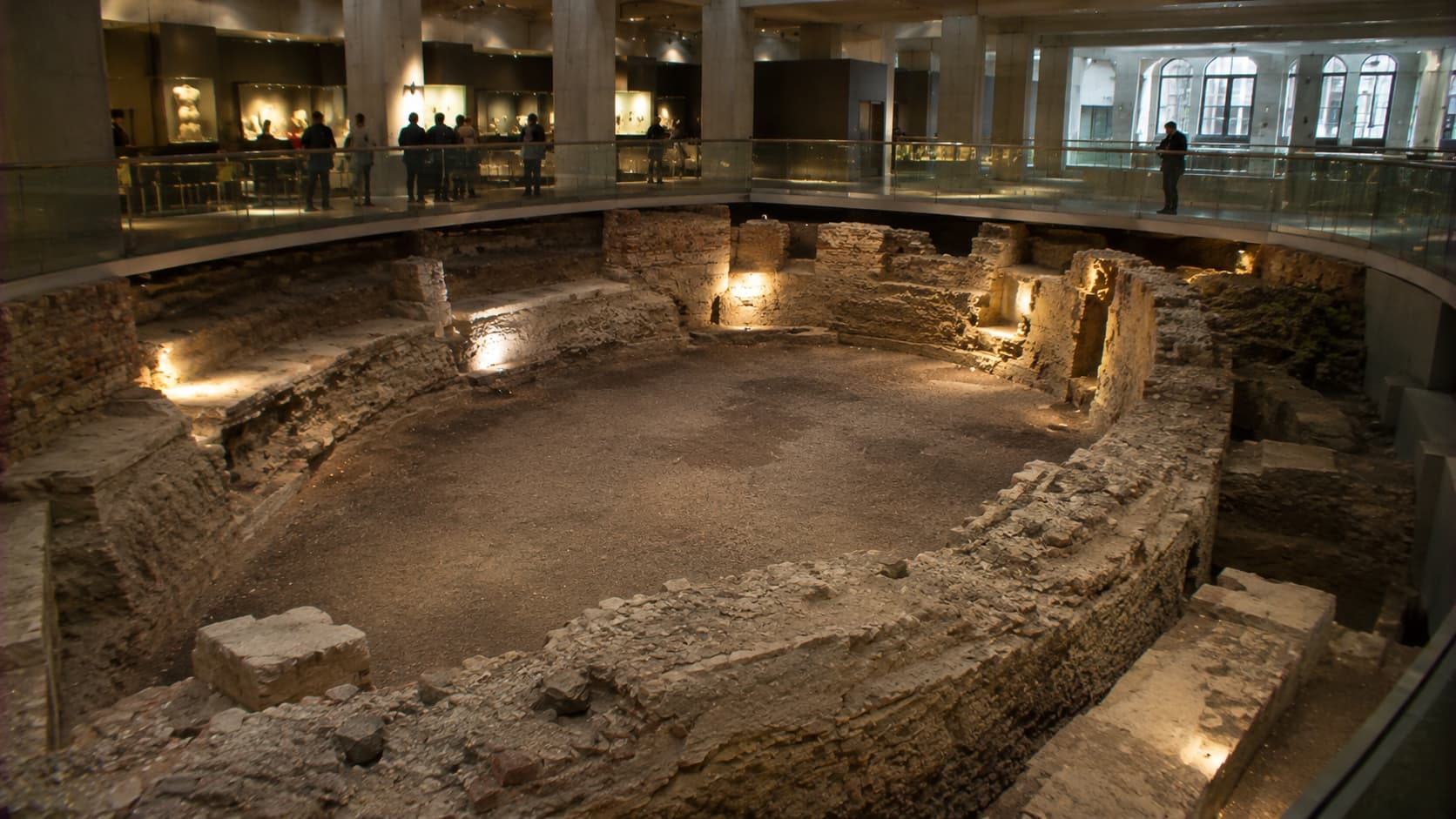
In 1988, archaeologists working near London’s Guildhall discovered the remains of a Roman amphitheater that had been lost for centuries. Built around AD 70, the arena could accommodate thousands of spectators watching gladiatorial fights and public events. Its location was particularly surprising because amphitheaters were often situated outside city walls. Parts of the surviving structure can now be viewed beneath the Guildhall Art Gallery. It turns out that one of London’s busiest areas once had a very different kind of entertainment venue.
Archaeologists Found an Ancient Apartment Building Near Rome’s Trevi Fountain
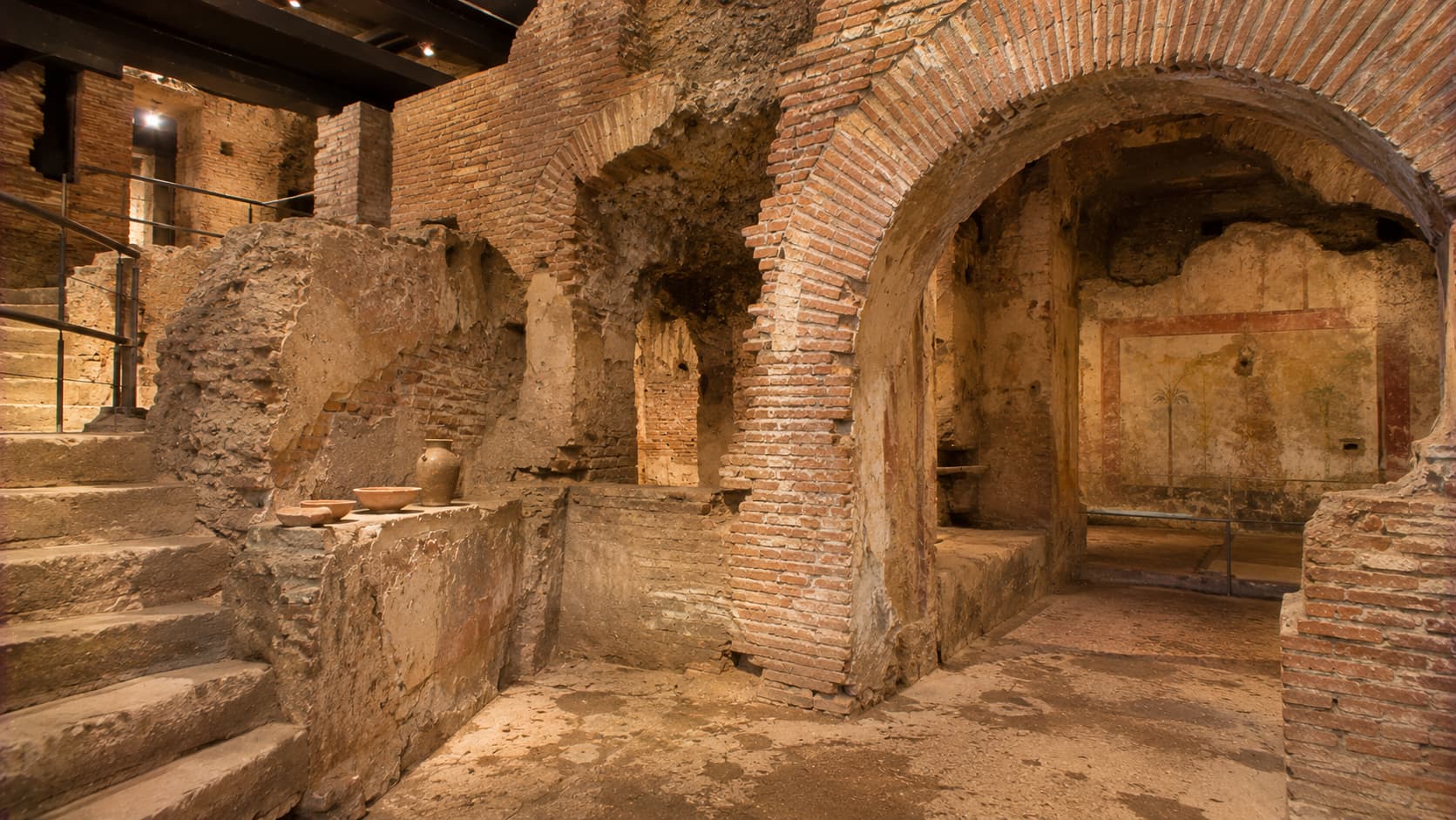
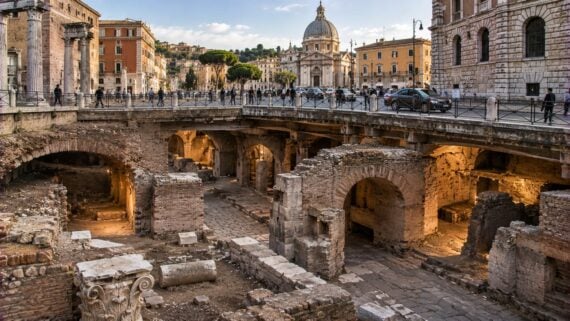
Renovation work on a cinema between 1999 and 2001 uncovered an underground complex just steps from Rome’s famous Trevi Fountain. Known as Vicus Caprarius, or the City of Water, the ruins include an apartment building constructed after Rome’s devastating fire of AD 64 and later converted into a private residence. More than nine meters below modern street level, the site reveals how centuries of rebuilding buried entire neighborhoods. In Rome, even a routine cinema renovation can turn into an archaeological adventure.
Edinburgh Has a Preserved 17th-Century Street Beneath Its Old Town
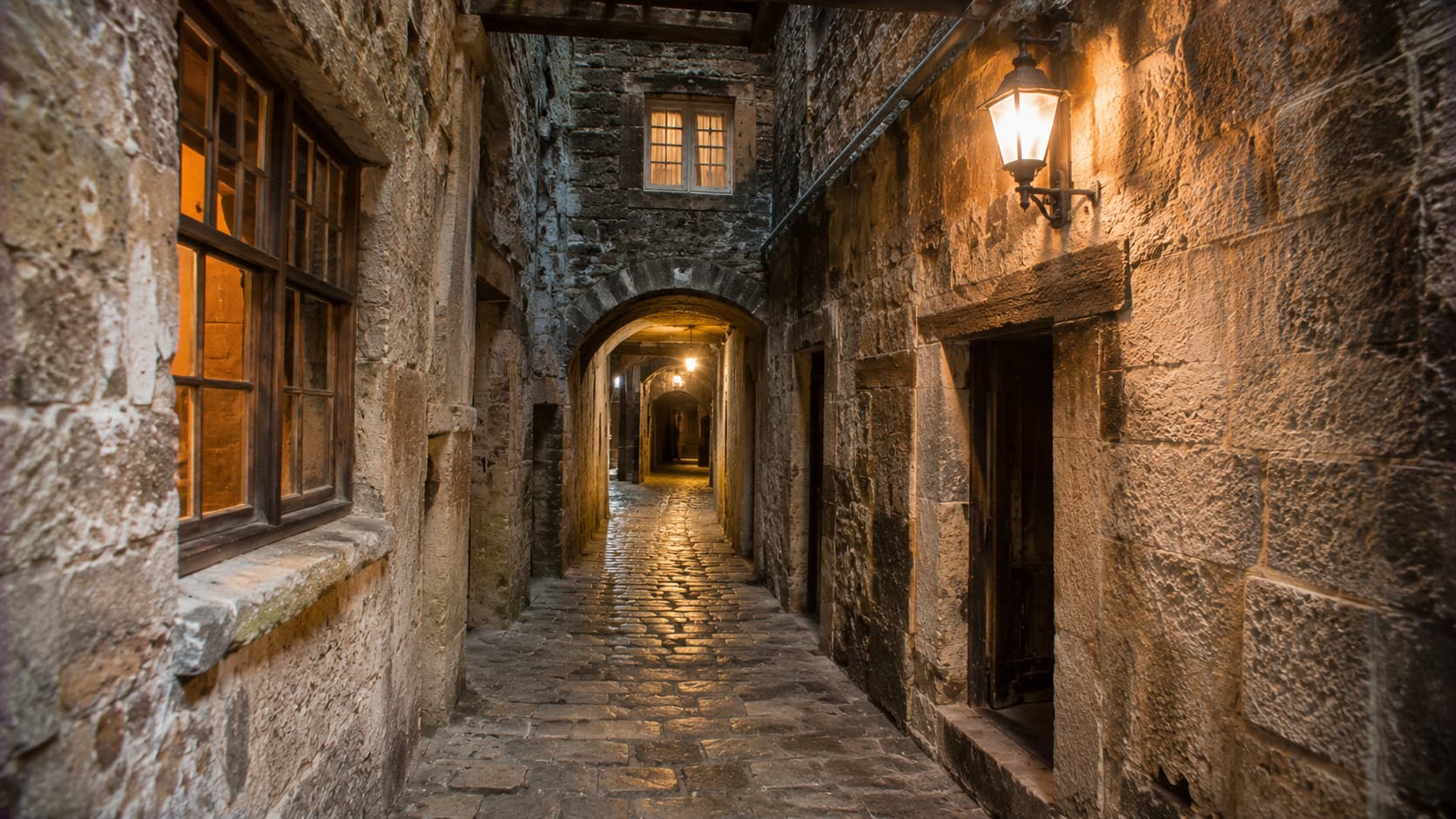
Beneath Edinburgh’s Royal Mile lies Mary King’s Close, a collection of historic homes and narrow passageways enclosed by later construction. The surviving spaces offer a glimpse of daily life in the 1600s, when residents lived and worked along the steep lanes branching off the main street. The close takes its name from Mary King, a businesswoman documented in the 1630s. It’s one way to discover that a city can have more than one ground floor.
Sign up for our newsletter
Montreal’s Lost Parliament Building Was Found Beneath a City Street
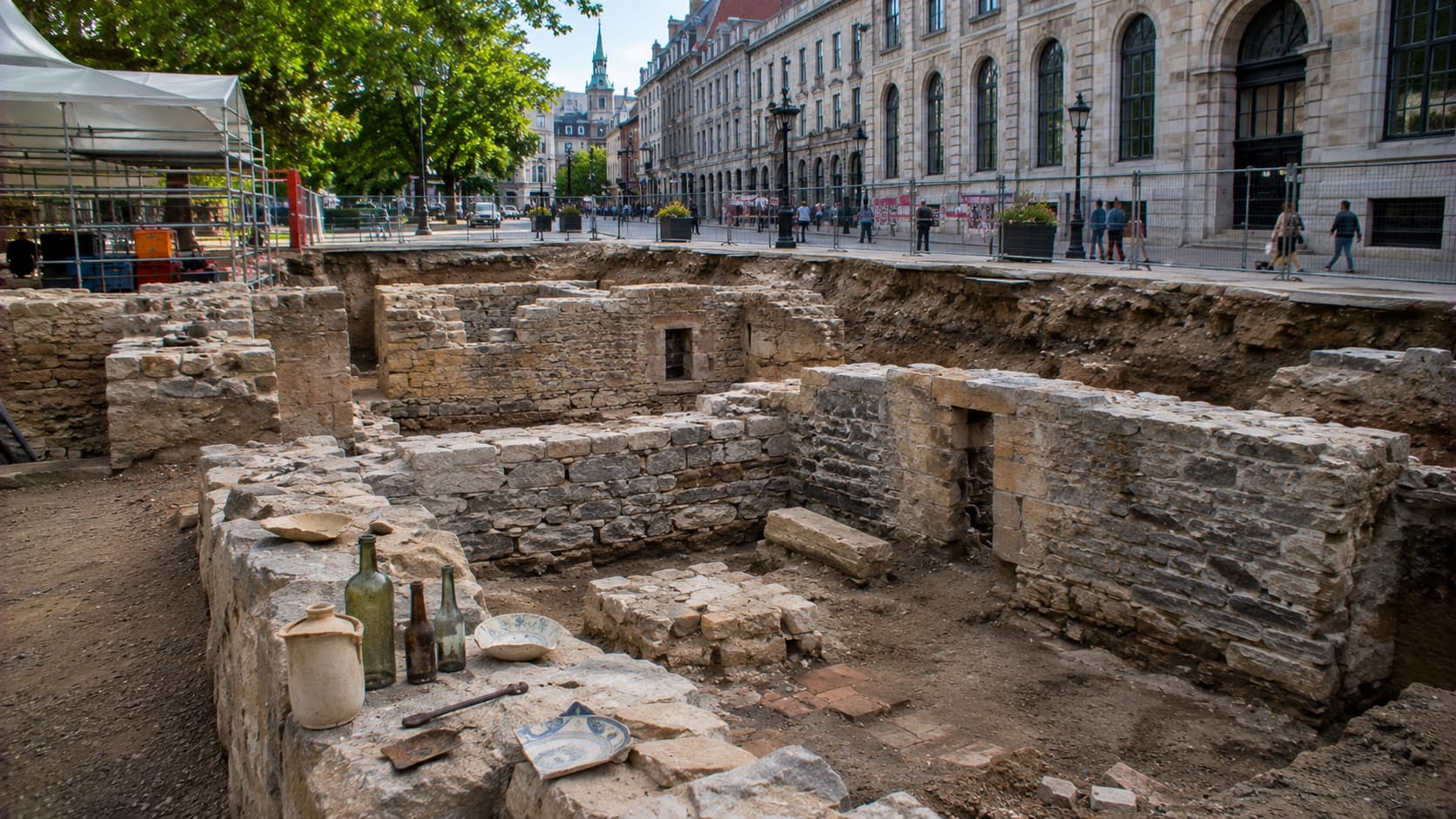
Archaeologists excavating Old Montreal uncovered the remains of a building that once housed Canada’s Parliament. Originally built as St. Anne’s Market in 1832, it became the parliamentary seat during Montreal’s brief period as the capital of the Province of Canada before being destroyed by fire in 1849. Excavations recovered more than 350,000 artifacts, revealing everyday details from a political landmark that had disappeared beneath the modern city. What was once a center of government eventually became an archaeological site beneath the streets.
Seattle Has Old Street-Level Spaces Beneath Its Modern Sidewalks
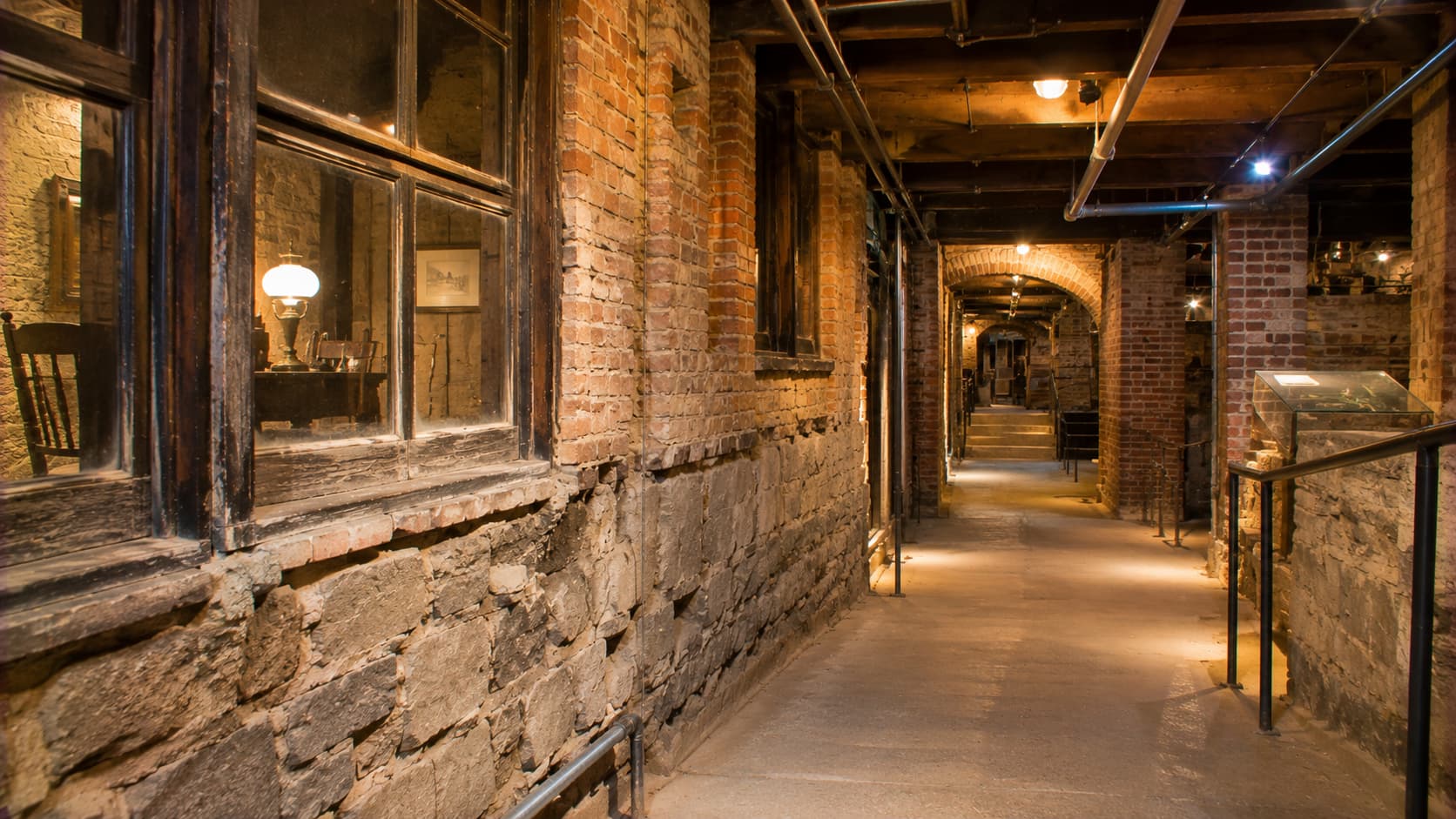
After the Great Seattle Fire destroyed much of the city’s business district in 1889, officials rebuilt downtown and raised street levels to address problems with low-lying, marshy ground. As a result, portions of the original street-level environment ended up beneath newer sidewalks and roads. These spaces became the underground passages associated with historic Pioneer Square. In this case, the city didn’t just build over its past; it quite literally raised the streets above it.
A Roman Theater Where Nero Performed Lies Beneath Naples Apartments
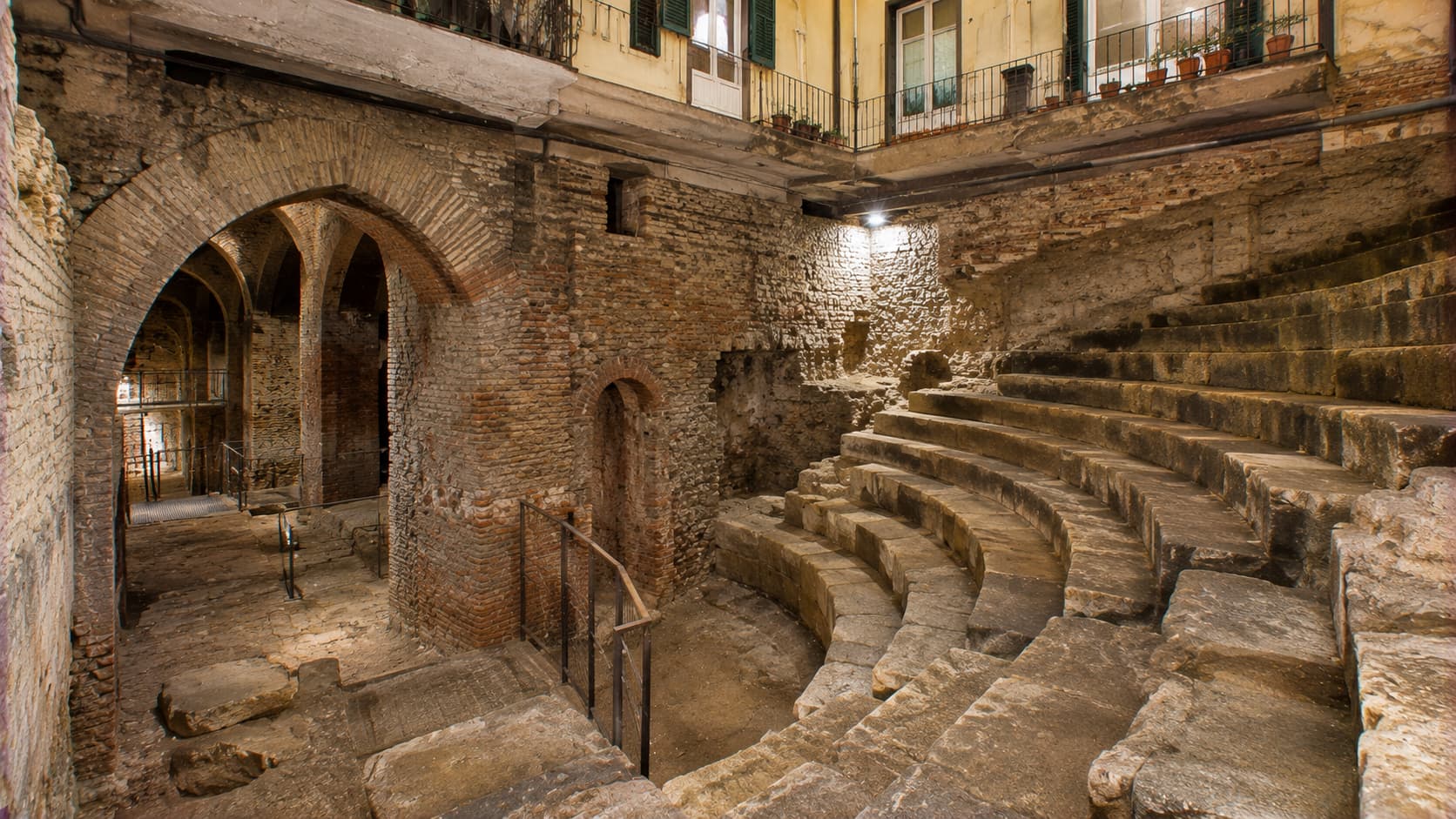
Beneath residential buildings in Naples’ historic center are surviving sections of a first-century Roman theater associated with performances by Emperor Nero. Over time, the structure became incorporated into the foundations and cellars of later buildings, hiding parts of its seating and corridors from street view. Visitors to Napoli Sotteranea can even enter a section of the theater through the cellar of a modern building. Some Naples residents may have a little more history beneath their homes than they realize.
Athens Subway Excavations Revealed More Than 50,000 Ancient Objects
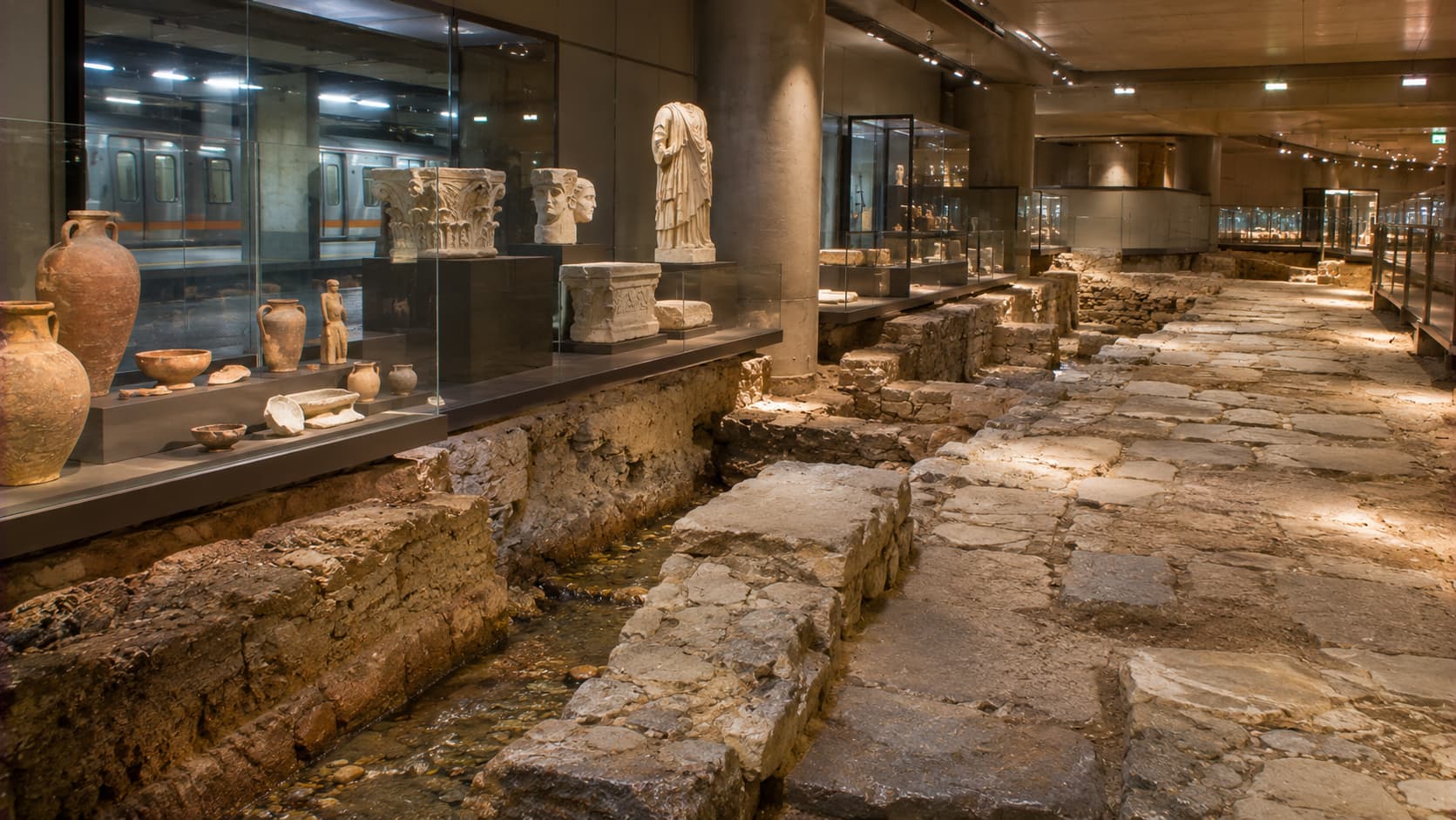
Building the Athens Metro required extensive archaeological work beneath one of the world’s most historically important cities. Excavations covering approximately 79,000 square meters uncovered more than 50,000 ancient objects, along with roads, cemeteries, water systems, and Roman baths. At Syntagma station, discoveries included an ancient sculpture workshop and remains of the Iridanos River, bringing thousands of years of history into an everyday subway commute. Few subway systems can claim that the journey doubles as an archaeological exhibition.
A Church in Rome Conceals Another Church and a Pagan Temple Below It
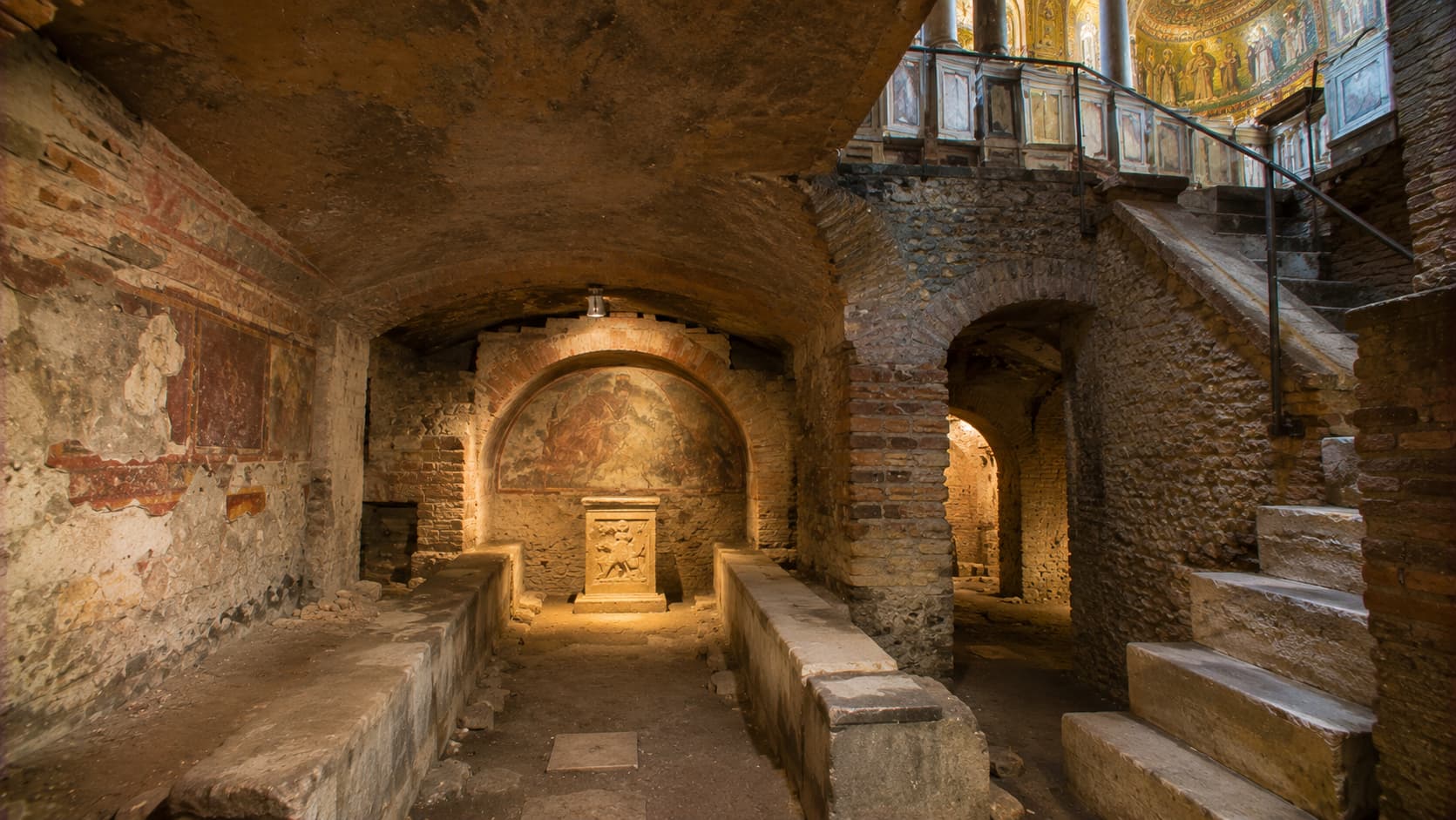
Rome’s Basilica of San Clemente looks like a historic church from the street, but descending beneath it reveals several layers of history. The present 12th-century basilica stands above a fourth-century Christian church, which was itself built over first-century Roman structures, including a temple associated with the cult of Mithras. The site shows how successive generations built new religious spaces directly over older ones. Here, going downstairs means travelling through several centuries of religious history.
Ice Age Predators Are Still Being Excavated in the Middle of Los Angeles
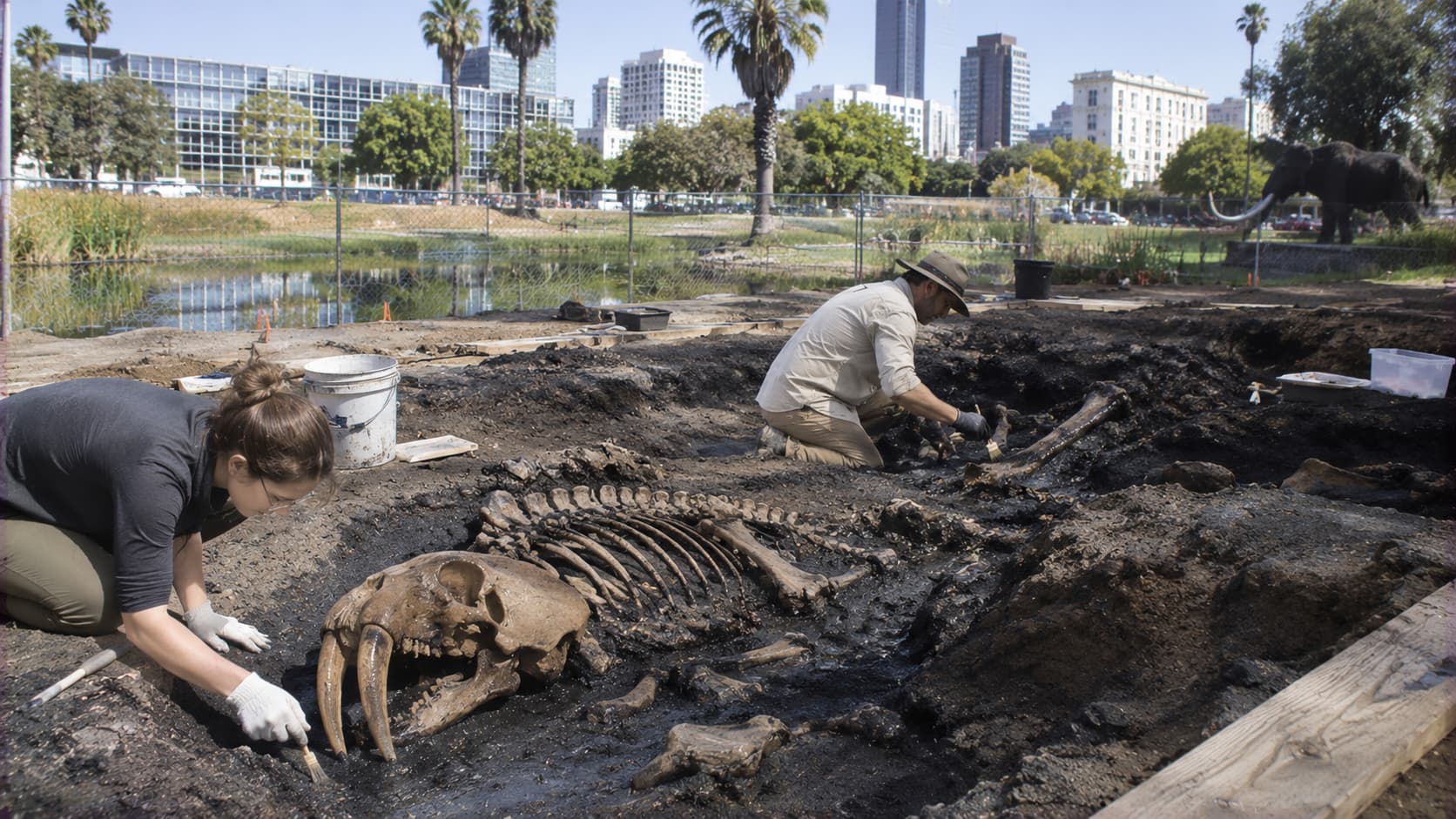
In the heart of modern Los Angeles, the La Brea Tar Pits preserve the remains of animals trapped in naturally occurring asphalt over tens of thousands of years. Excavations have uncovered saber-toothed cats, dire wolves, mammoths, giant ground sloths, and countless smaller organisms. The remarkable part is that this prehistoric record is still being explored in the middle of a major city, surrounded by roads and buildings. It’s not every day that a major city has Ice Age predators waiting to be uncovered in the middle of town.
A Wall Found Beneath Paris May Rewrite the History of Ancient Lutetia
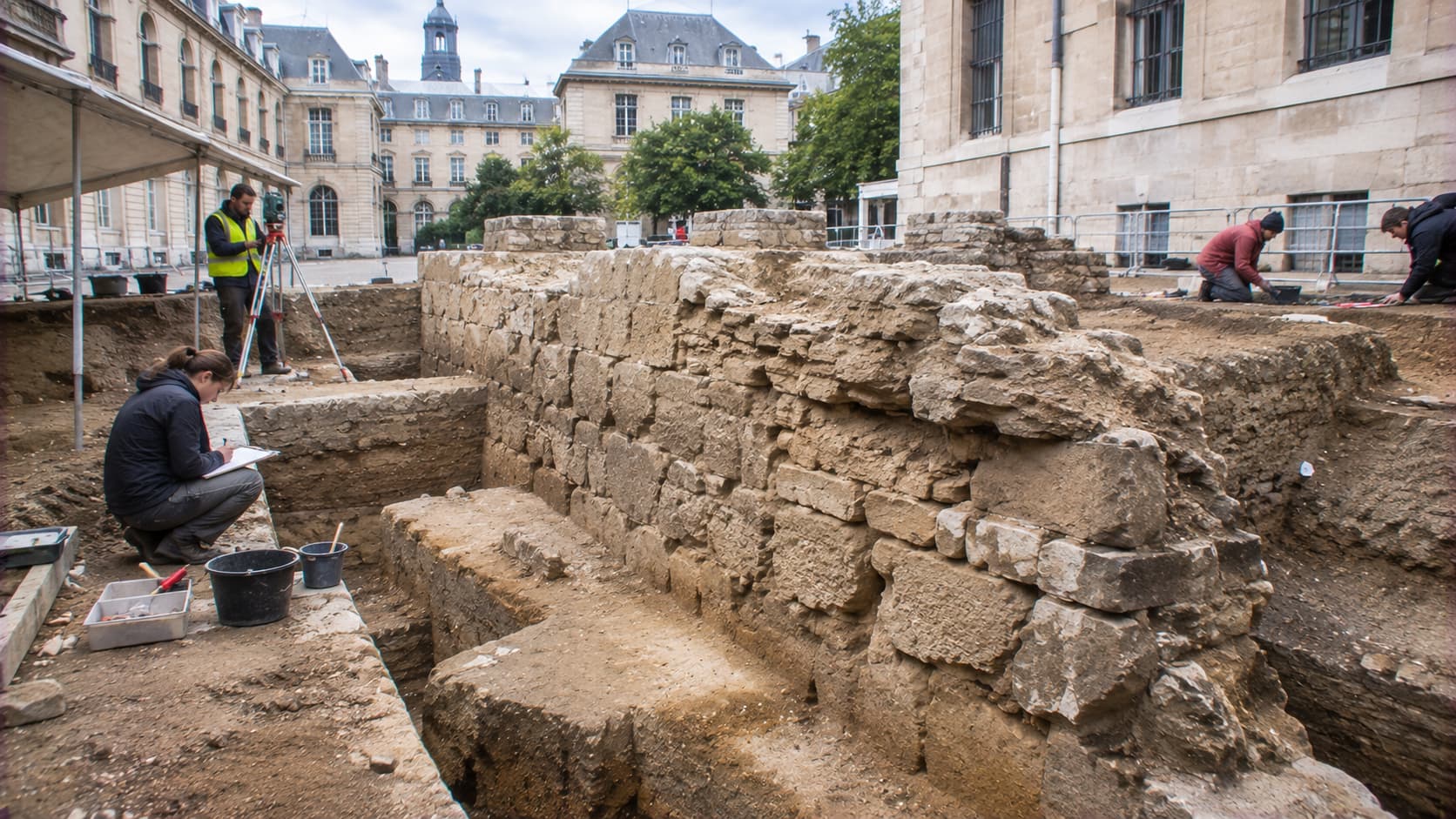
In September 2026, France’s Ministry of Culture announced the discovery of a potentially important ancient fortification wall in a courtyard at the Hôtel-Dieu hospital in central Paris. Researchers believe it may belong to the fortified Gallic settlement of Luteria mentioned by Julius Caesar, although its date and purpose still require confirmation. If that interpretation proves correct, the find could provide long-sought physical evidence of the settlement’s defensive walls before Roman rule. A hospital courtyard may seem like an unlikely place to rewrite the history of Paris, but archaeology has a way of changing expectations.