Put enough people in the same place, and some surprising things begin to happen. Crowds develop walking patterns, strangers adopt similar habits, and entire communities create rules without anyone officially introducing them. Scientists have spent decades studying these behaviors, discovering that thousands of independent decisions can produce surprisingly organized results. Some make everyday life easier, while others create confusion, traffic jams, or even dangerous situations.
1. Crowds Naturally Divide Into Walking Lanes
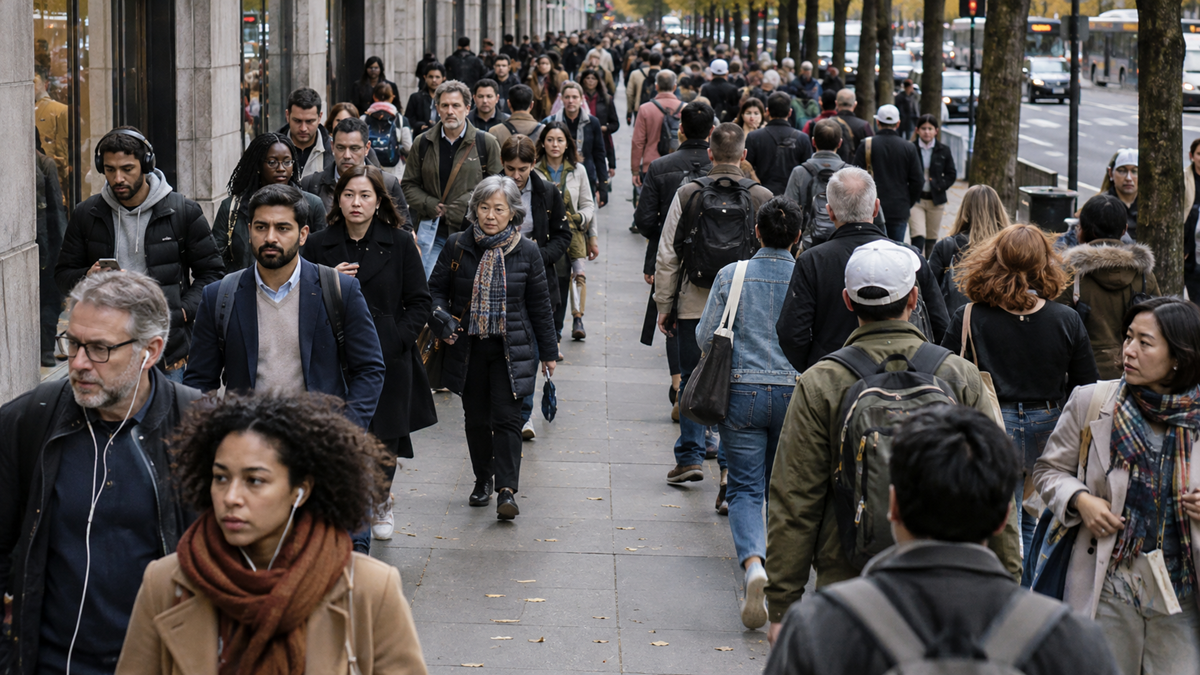
A busy sidewalk can look chaotic from a distance, but pedestrians often organize themselves into invisible lanes. People traveling in opposite directions gradually separate into streams, reducing the number of awkward encounters. Nobody assigns positions or tells strangers where to walk. Researchers studying pedestrian movement have documented how these patterns emerge through small adjustments in speed and direction, although extremely dense crowds can disrupt the process.
2. Traffic Jams Can Appear Without an Accident
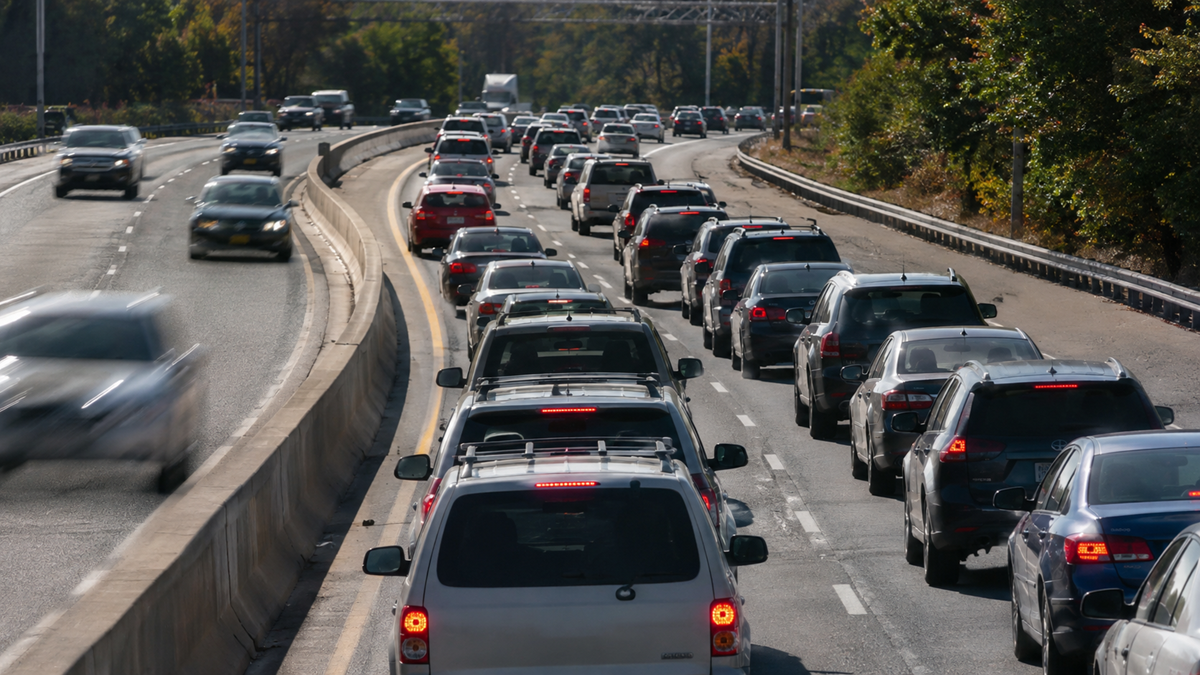
Sometimes a highway suddenly slows to a crawl, only for traffic to accelerate again without any obvious explanation. These are called phantom traffic jams, and they can develop when drivers react to small changes in the speed of vehicles ahead. One person slows down, the next brakes harder, and the disturbance travels backward through traffic. In 2008, Japanese researchers demonstrated the phenomenon using cars traveling around a circular track, where a traffic jam developed without an accident, intersection, or other obstruction.
3. Entire Audiences Begin Clapping in the Same Rhythm
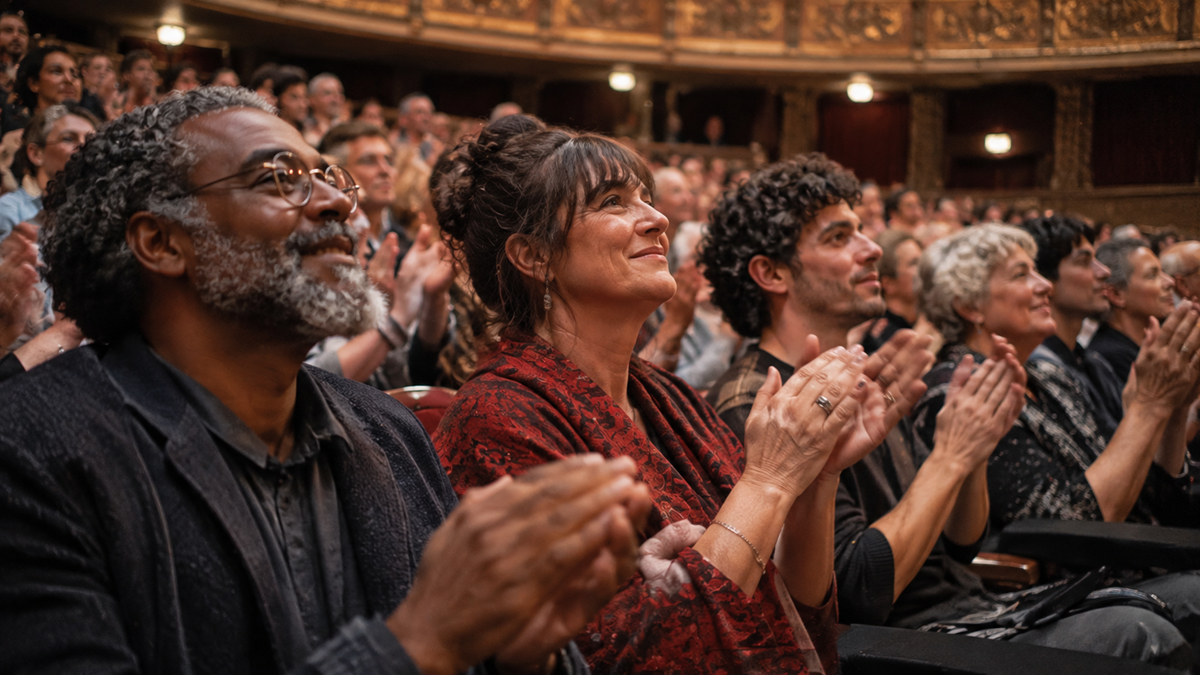
Applause usually begins as a jumble of different rhythms. Occasionally, though, hundreds of people start clapping together, producing a steady beat without a conductor. A study published in Nature in 2000 examined how audiences spontaneously synchronize their applause, often by slowing their individual clapping rhythms. The coordinated beat can disappear and return several times during the same performance.
4. People Create Paths Across Grass Without Planning Them
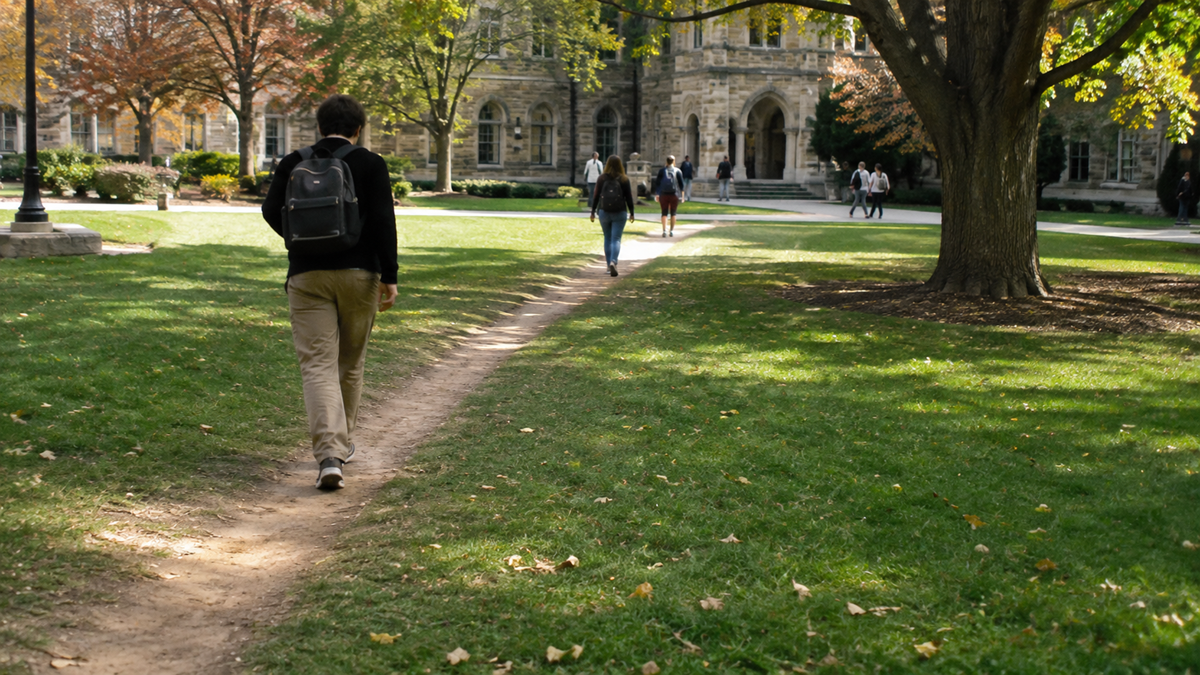
A narrow dirt trail cutting diagonally across a perfectly maintained lawn tells a familiar story. Enough pedestrians preferred the same shortcut that their footsteps gradually wore away the grass. Urban planners call these informal routes desire paths, and they can reveal how people actually want to move through a space. The resulting trail reflects countless separate decisions, sometimes contradicting the original landscape design. Some parks and campuses have even incorporated existing informal paths into their planned walkways.
5. Strangers Form Lines Before Anyone Establishes a System
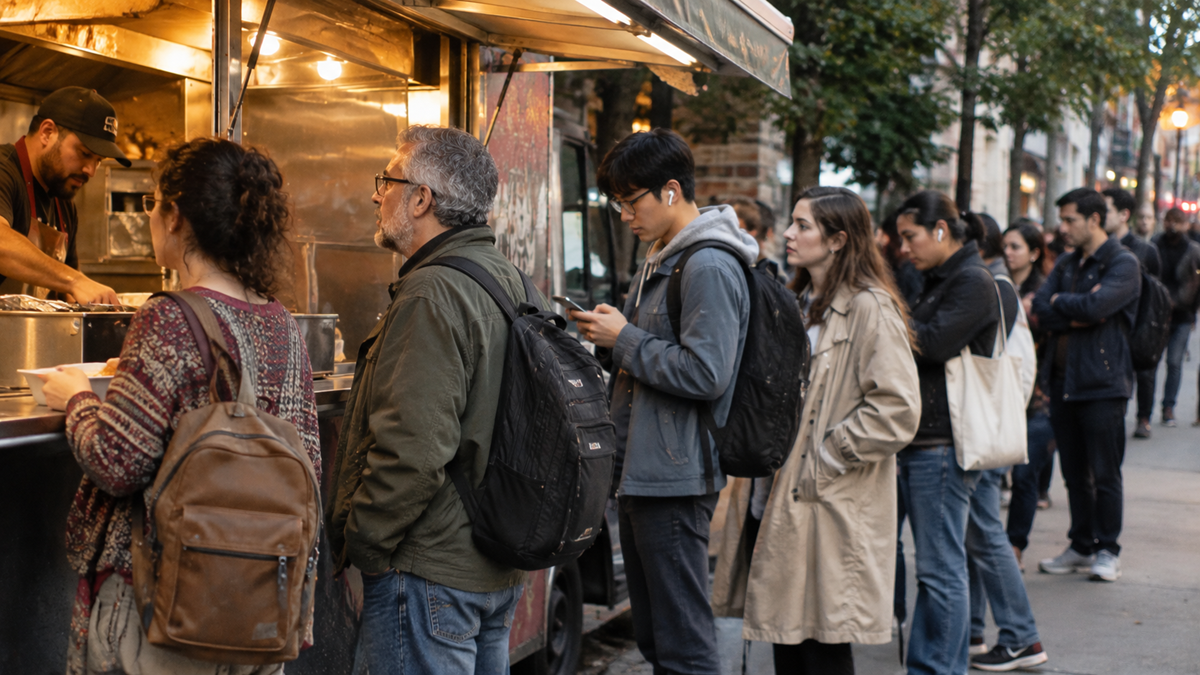
At a crowded food counter or bus stop, people may begin arranging themselves into a queue even when no barriers or instructions exist. Each newcomer recognizes the emerging order and joins it, reinforcing a system nobody officially introduced. The exact behavior varies between cultures and situations, but the underlying process is familiar. A temporary social rule develops because following it makes the situation easier to manage.
Trending on The Scroller

6. Panic Buying Can Empty Shelves in Hours
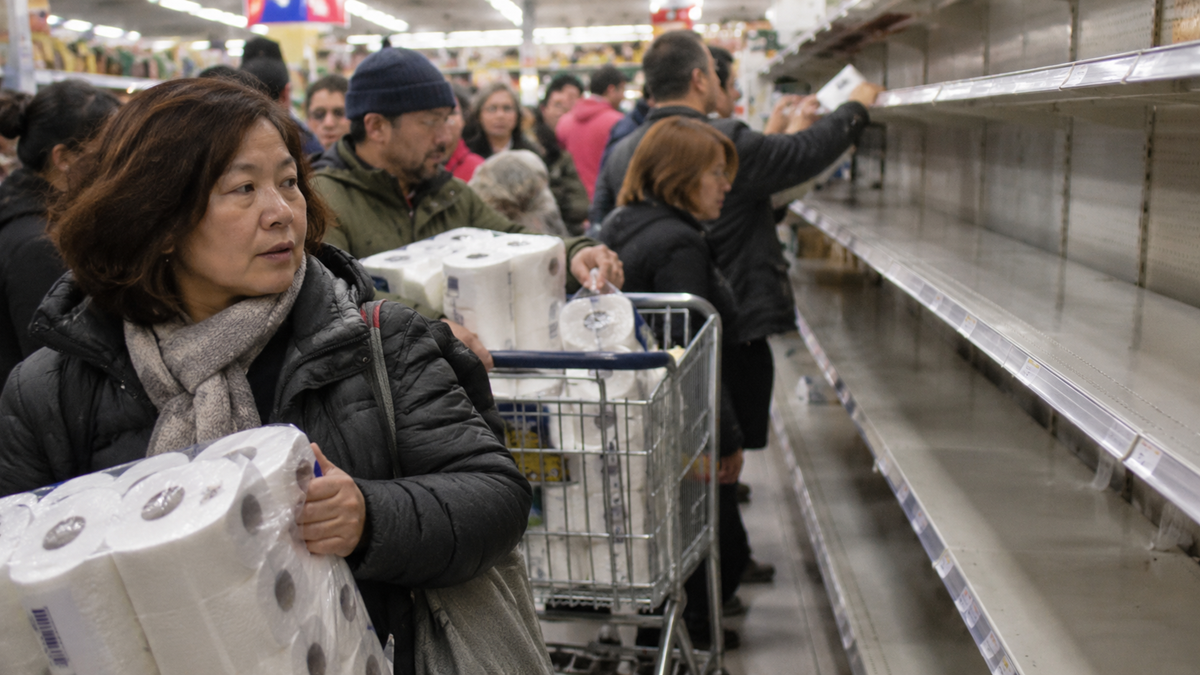
Sometimes a shortage begins before there is any real shortage at all. Once people see others stocking up on essentials, they start buying extra too, worried that waiting will leave them with nothing. Economists and behavioral researchers have long linked this to herd behavior and scarcity psychology, where the sight of other people’s decisions becomes part of the reason to act. The result is a collective rush that nobody organized, yet whole store aisles can end up stripped almost at once.
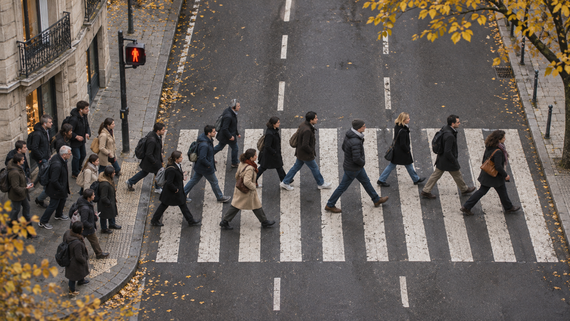
7. Pedestrians Start Crossing Streets in Groups
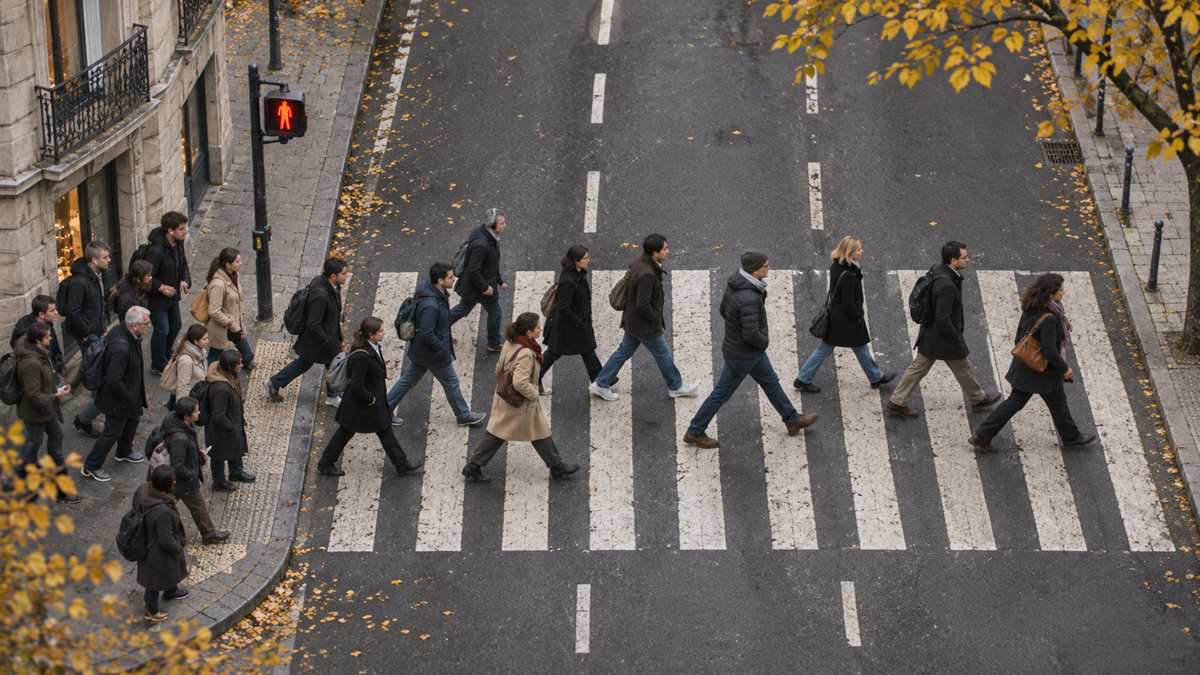
At busy intersections, people sometimes hesitate individually but begin moving once several others step forward. Researchers studying pedestrian crossings in Strasbourg, France, and Nagoya, Japan, found that people’s decisions were influenced by the presence and behavior of other pedestrians. The patterns differed considerably between the two countries, particularly when traffic signals were red. Following a group can make a decision feel more socially acceptable, even when crossing remains unsafe.
8. Crowds Can Produce Dangerous Waves of Movement
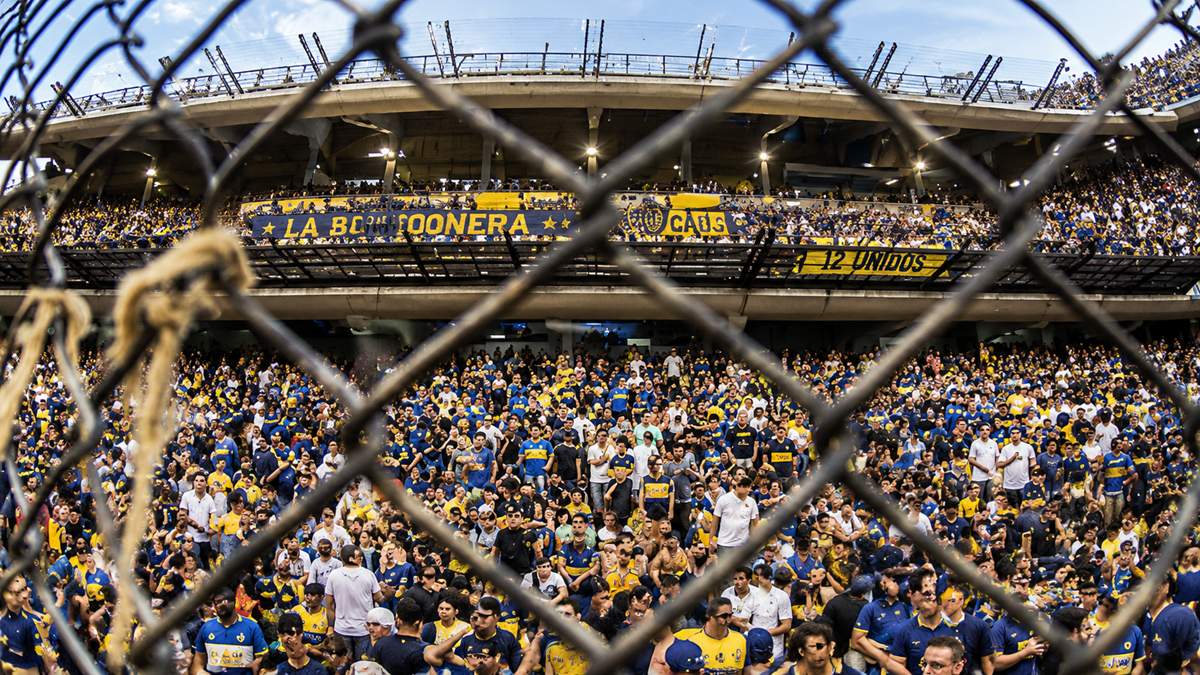
At extremely high densities, people can lose the freedom to choose where they move. Small shifts in pressure may travel through the crowd, forcing individuals to sway or stumble despite their attempts to remain still. Researchers documented this phenomenon while analyzing footage of the deadly 2006 Hajj crowd disaster in Saudi Arabia. Known as crowd turbulence, these unstable movements can become particularly dangerous when people are packed so tightly that they cannot control their own positions.
Sign up for our newsletter
9. Groups Develop Their Own Words Without Agreeing on Them
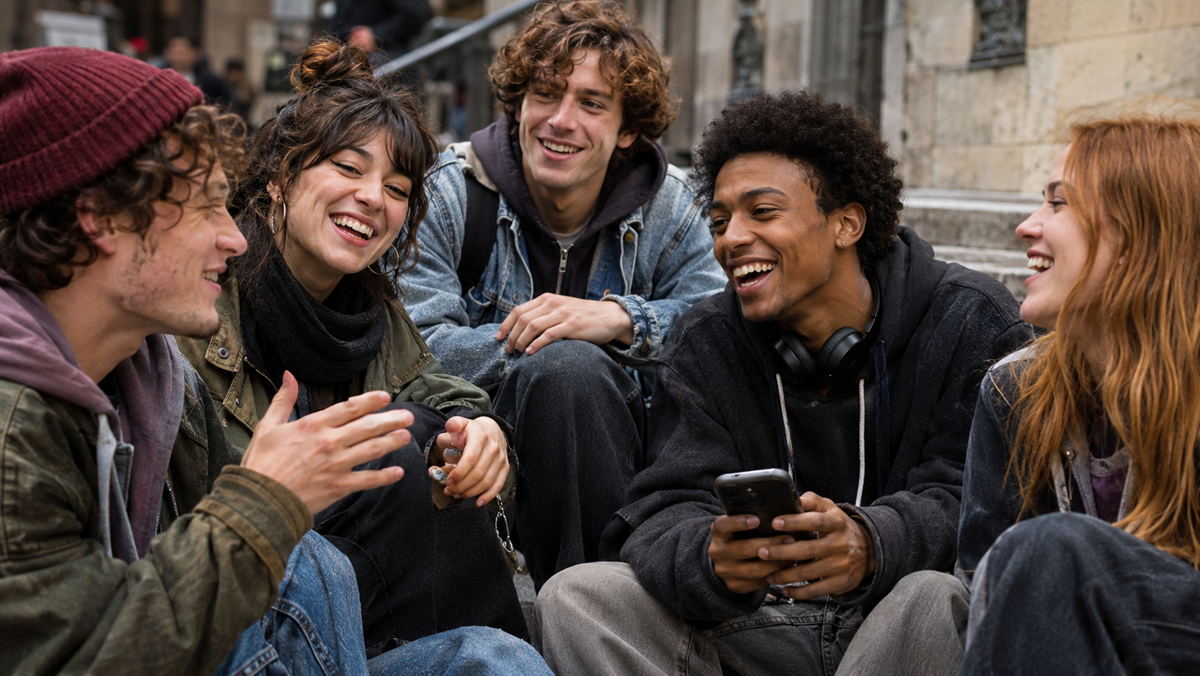
Slang frequently spreads through communities long before dictionaries or formal organizations recognize it. Someone introduces a phrase, others repeat it, and its meaning becomes increasingly familiar through everyday conversations. A 2015 study published in the Proceedings of the National Academy of Sciences demonstrated how groups could develop shared naming conventions through repeated interactions, even without central coordination. Eventually, a word can feel as though it has always belonged to the community.
10. Crowds Gather Around Something Simply Because Others Are Watching
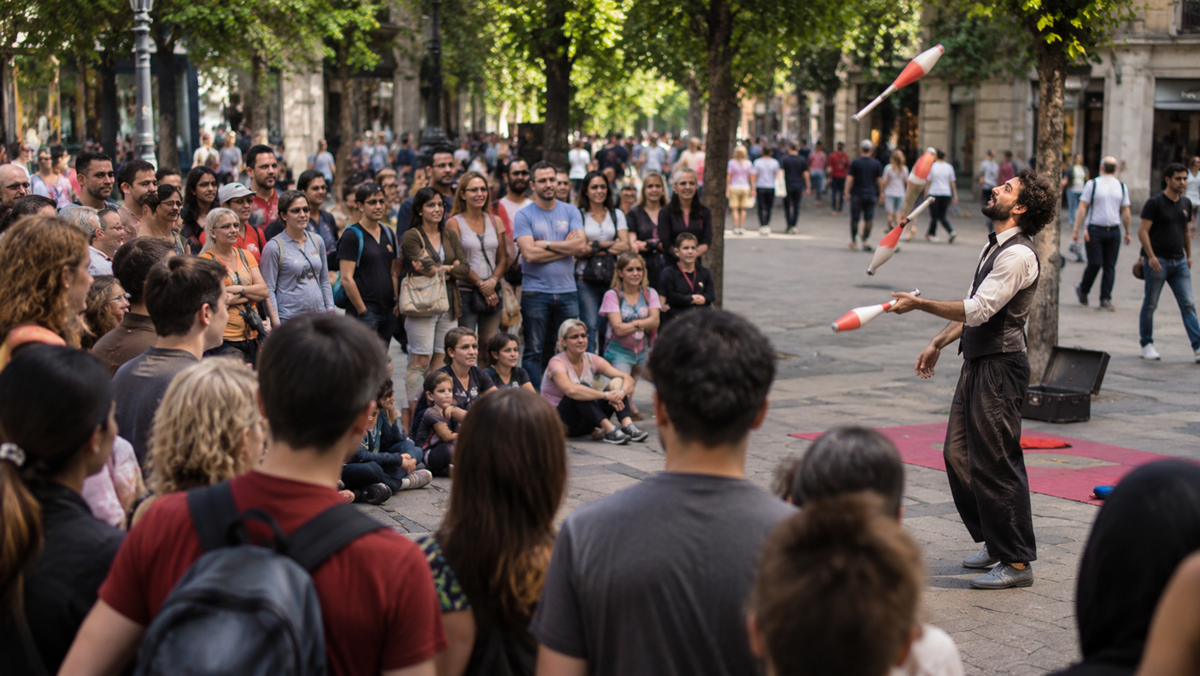
A few people stop to watch a street performer, and suddenly others begin gathering around them. Some newcomers may not even know what attracted the original spectators. The growing audience itself becomes a signal that something interesting might be happening. This kind of social influence can turn an ordinary sidewalk scene into a small public event without anyone announcing it.
11. People Gradually Adjust Their Walking Speed to Match the Crowd
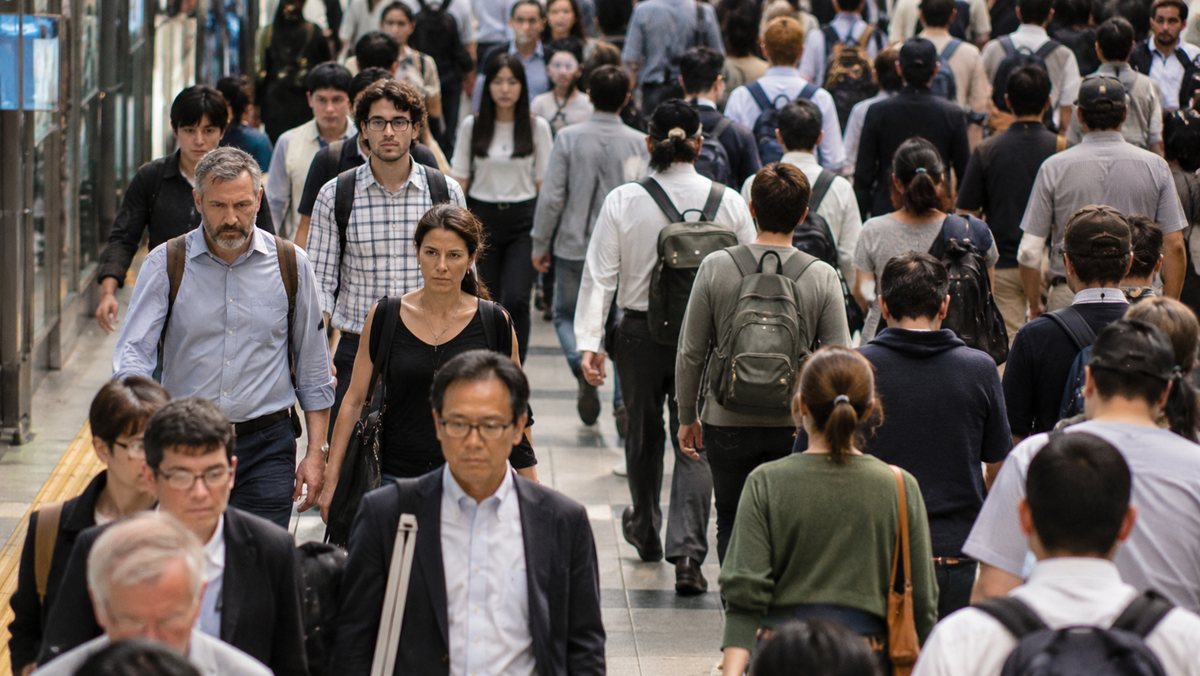
Walking alone allows people to choose a comfortable pace, but moving through a crowd changes the equation. Faster pedestrians slow down behind others, while people continuously adjust their speed and direction to maintain distance and avoid collisions. These interactions can produce streams of pedestrians moving at similar speeds. However, differences in preferred walking speed can also create congestion, especially when space becomes limited.
12. Popular Places Can Become Even More Popular Because They Look Busy
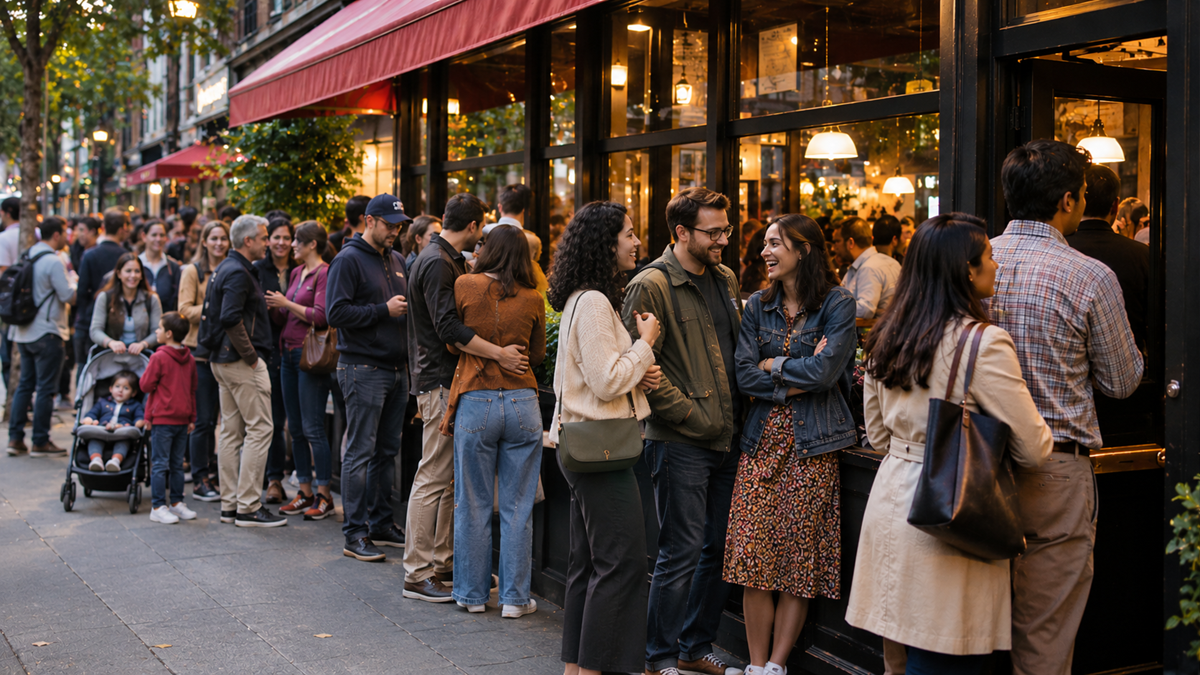
Two restaurants might offer comparable food, yet the one with a visible line can attract additional customers simply because it appears popular. People sometimes interpret other customers’ choices as evidence of quality, particularly when they know little about the available options. A 2009 study published in the American Economic Review found that informing restaurant customers which dishes were most popular increased demand for those dishes by 13 to 20 percent. The experiment demonstrated how information about other people’s choices can influence decisions, even when customers have no direct experience with the products.
13. Entire Communities Begin Following Unwritten Rules
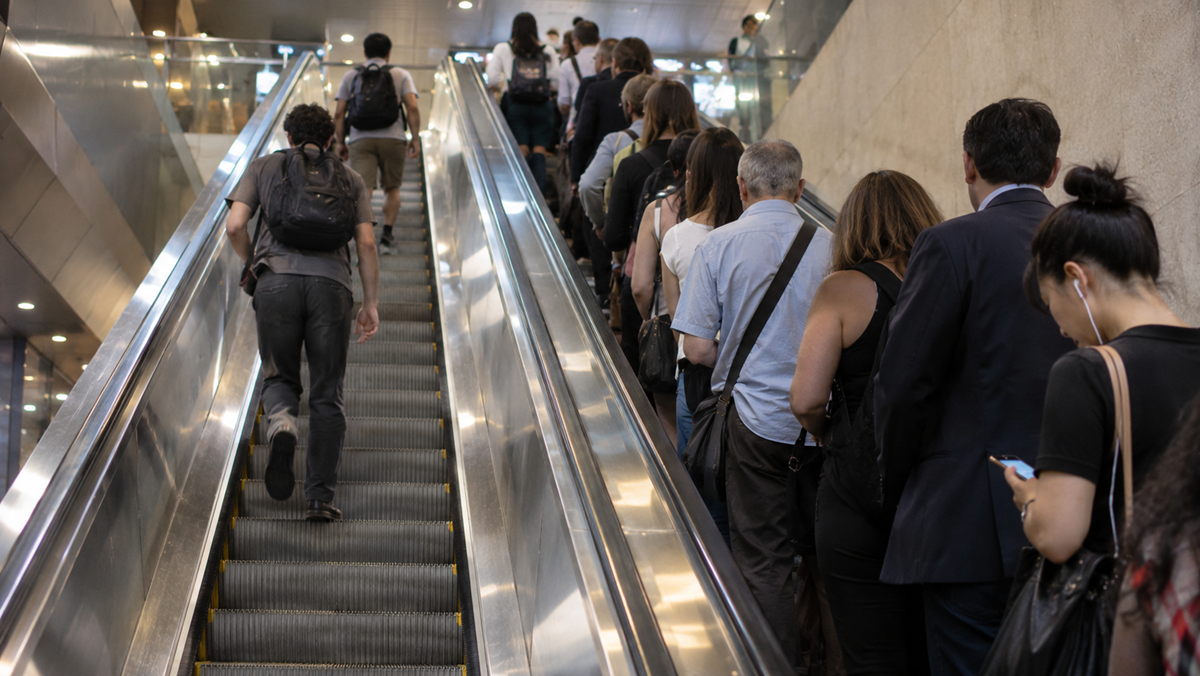
In some places, standing on one side of an escalator becomes the expected behavior. Elsewhere, people develop shared habits around greetings, personal space, or how loudly to speak in public. These conventions can spread because individuals observe what others do and adapt accordingly. Over time, the behavior becomes so familiar that newcomers may feel they are breaking a rule even though no official rule exists.
14. A Small Minority Can Sometimes Change an Entire Group’s Behavior
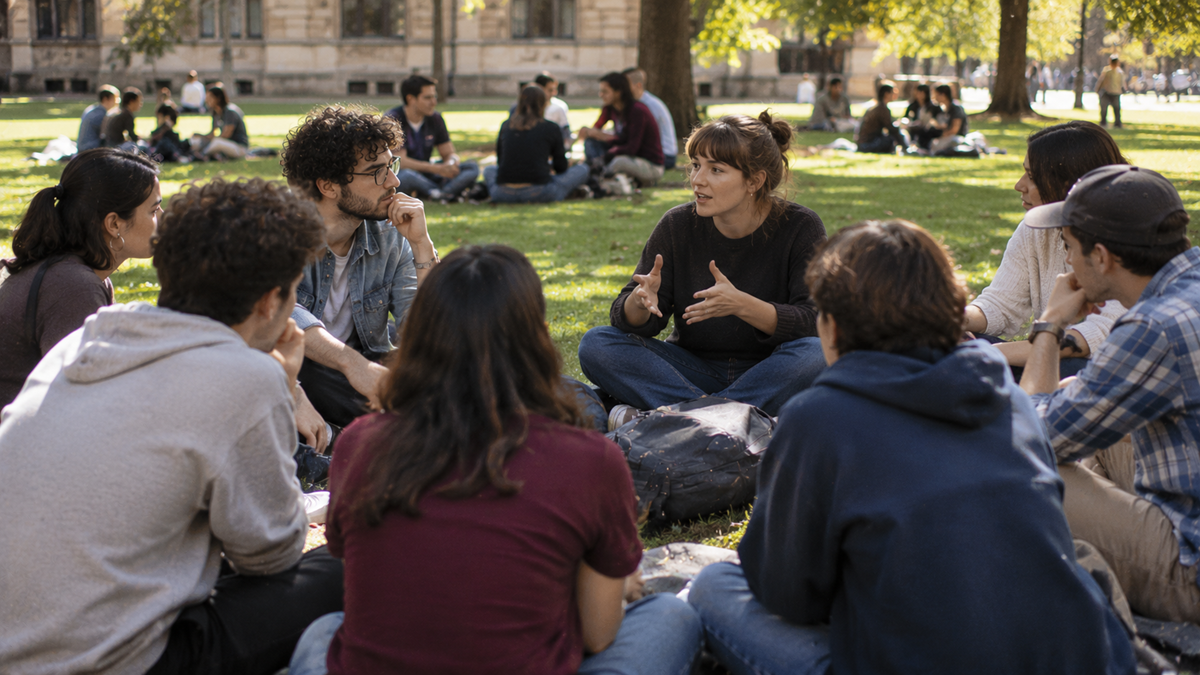
A familiar social custom can remain firmly established until enough people begin doing something different. In a 2018 study published in Science, researchers investigated how committed minorities could influence established conventions in experimental social networks. They found that a minority representing roughly 25 percent of participants could trigger a broader shift under the conditions they tested. That figure is not a universal rule for real societies, but the experiment showed how a relatively small group can sometimes overturn a much more widely accepted behavior.
15. Financial Bubbles Can Grow From Thousands of Individual Decisions
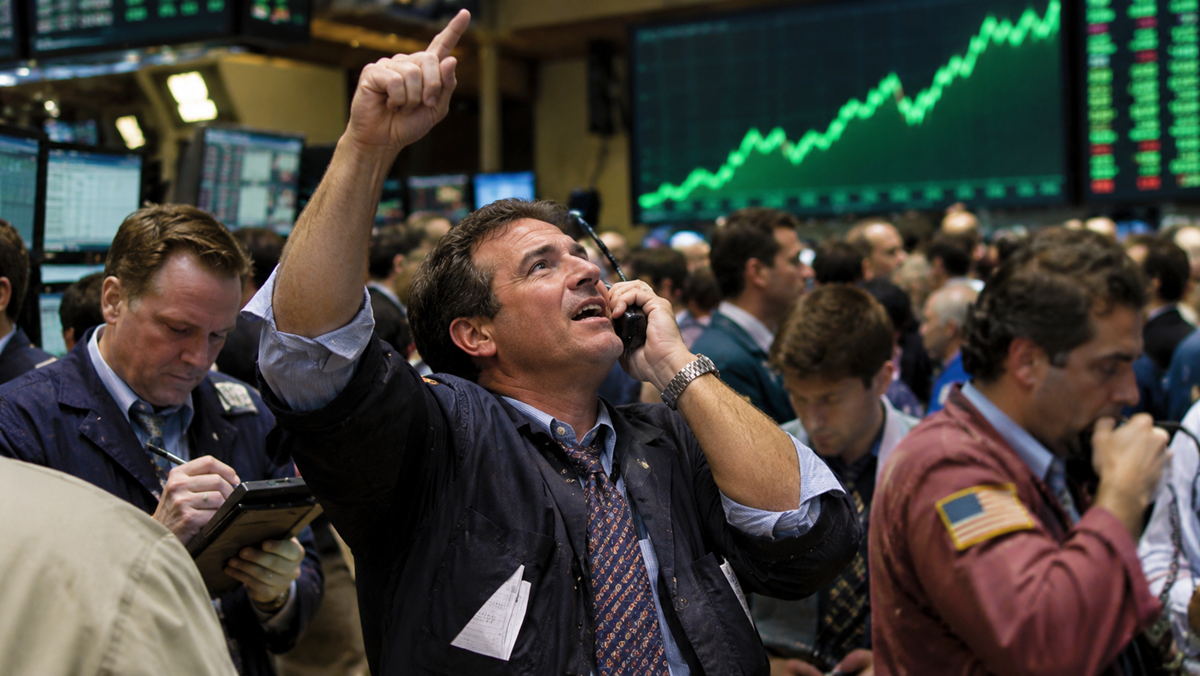
A rising asset price attracts attention, drawing in buyers who expect the increase to continue. Their purchases can push the price higher, encouraging still more people to participate. This feedback loop can contribute to speculative bubbles even when investors are making independent decisions rather than following a coordinated plan. Prices may eventually become difficult to justify through the asset’s underlying value, although identifying a bubble while it is developing remains challenging. The pattern can also reverse, with falling prices and growing uncertainty encouraging widespread selling.
In the mood for more?
Check out 15 Legal Facts About Everyday Situations Most People Get Wrong, or take a look at 15 Reasons People Misunderstand Each Other Constantly. If you want to see more human behaviors, you can check out 15 Myths About Introverts and Extroverts That Psychology Has Debunked.