When the Eighteenth Amendment officially banned the production and sale of alcohol in 1920, it did not stop Americans from drinking. Instead, it triggered one of the most inventive eras in crime history as bootleggers, speakeasy operators, and everyday citizens outsmarted federal agents. Evading dry inspectors required thinking far beyond a hidden floorboard, pushing smugglers to engineer custom-built contraptions, hollowed-out everyday objects, and bizarre wearable gadgets to keep the spirits flowing.
Sneaking illicit bootleg liquor past watchful police forces turned into a high-stakes game of visual illusion and mechanical engineering. From secret compartments built inside funeral hearses and hollowed-out Bibles to fake wooden legs and submarine-style underwater sleds, smugglers proved that human creativity knows no bounds when a cold drink is on the line. Uncovering the wild methods used to transport contraband alcohol offers a fascinating, humorous glimpse into the roaring twenties underground economy. Here are twelve ingenious hiding spots used to smuggle spirits during the dry era.
1. Cow shoes
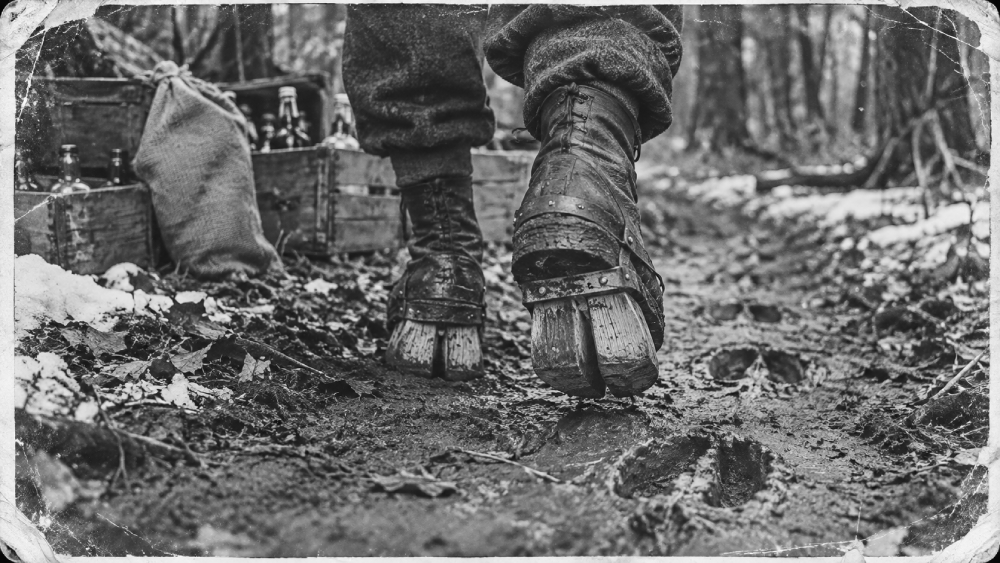
Bootleggers operating illegal backcountry stills attached carved wooden blocks shaped like cow hooves to the soles of their boots. As they trekked through mud and snow carrying crates of moonshine, the prints left behind convinced federal agents that only wandering livestock had passed through the forest trails.
2. Hollowed-out Bibles and hymnals
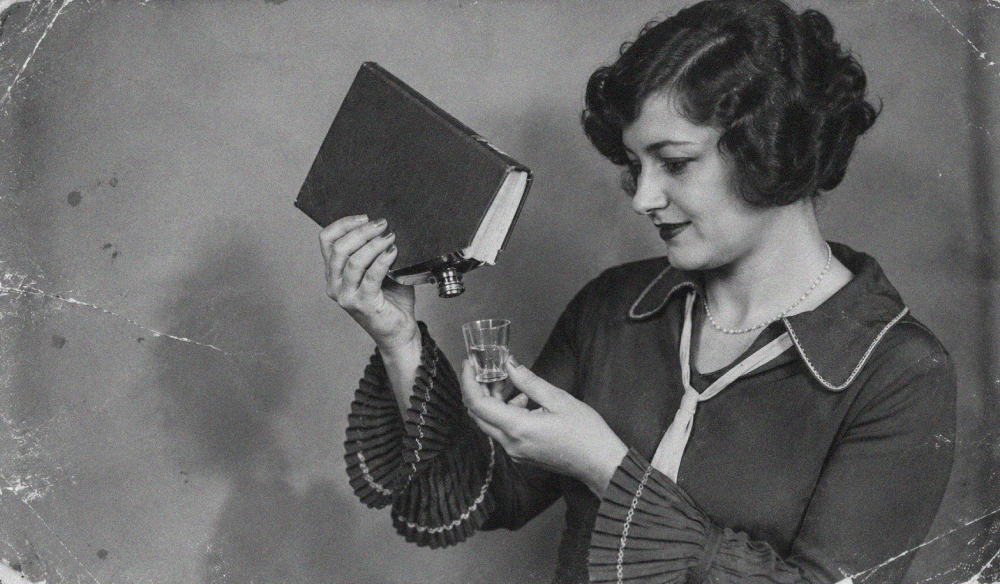
Churchgoers and traveling preachers routinely carried heavy leather-bound prayer books designed with secret internal cutouts. Opening the sacred text revealed a custom-fitted metal flask or small glass bottle, allowing citizens to walk right past dry agents on Sunday mornings without raising an ounce of suspicion.
3. Prosthetic wooden legs
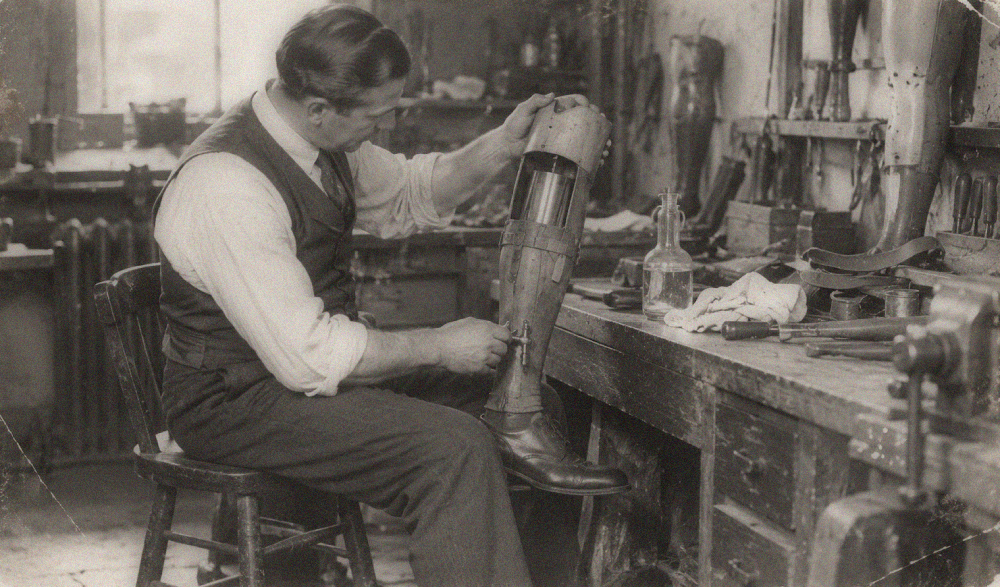
Smugglers took advantage of widespread public sympathy for injured World War I veterans by wearing hollow wooden leg prosthetics. The upper portion of the artificial limb housed a narrow zinc lining that could hold up to a quart of liquor, complete with a tiny hidden drain tap near the ankle.
4. Fake egg shells
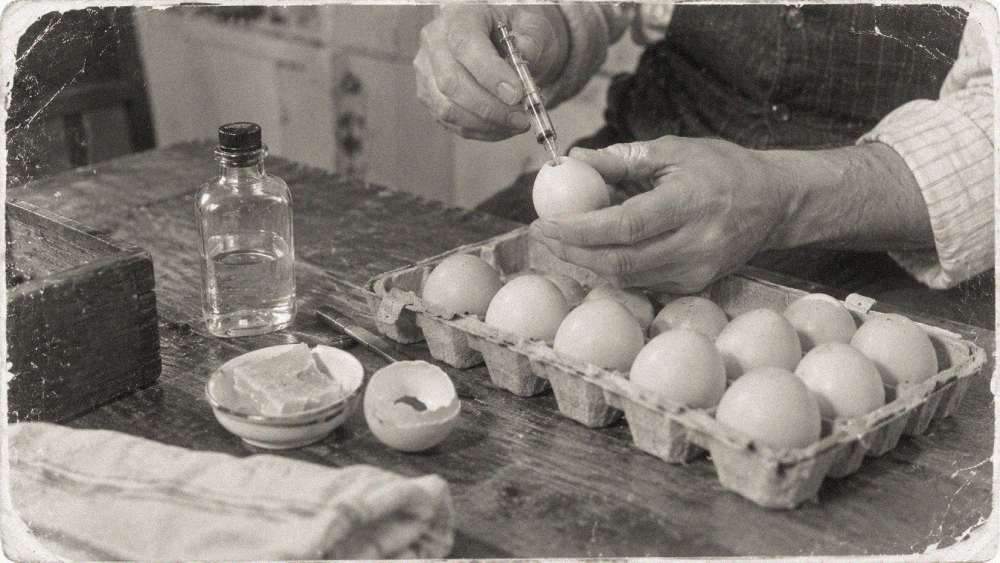
Bootleggers carefully drained fresh hen eggs using tiny needles before refilling the delicate shells with high-proof grain spirits using small syringes. They sealed the pinholes with melted wax and packed the eggs in regular cardboard cartons, passing through city checkpoints completely undetected.
5. Funeral hearses and caskets
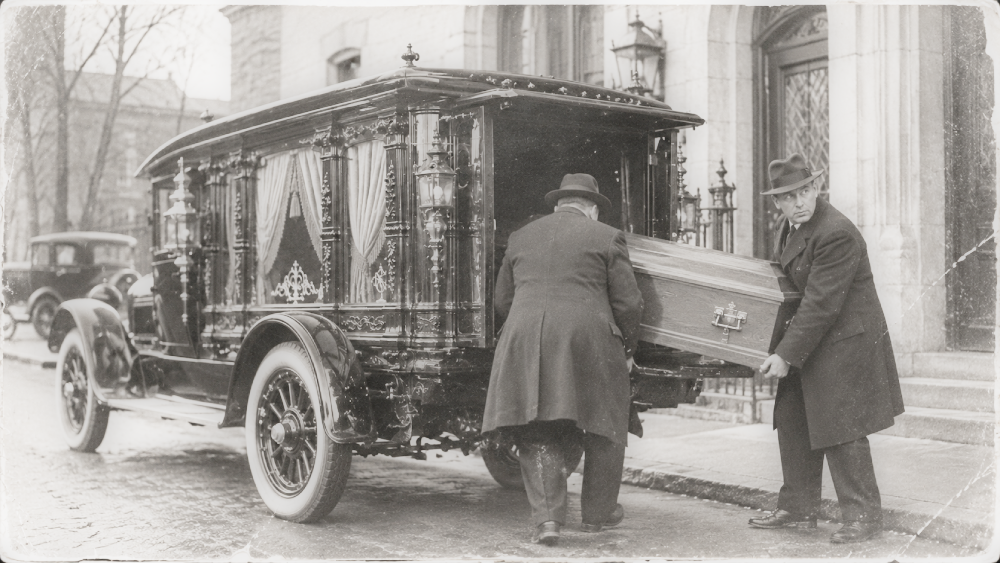
Underworld syndicates frequently staged elaborate fake funeral processions through city streets to move heavy cargo across state lines. The polished wooden coffins inside the hearses were packed entirely with burlap-wrapped bottles of imported Canadian whiskey rather than human remains.
Trending on The Scroller

6. Torpedo-shaped underwater sleds
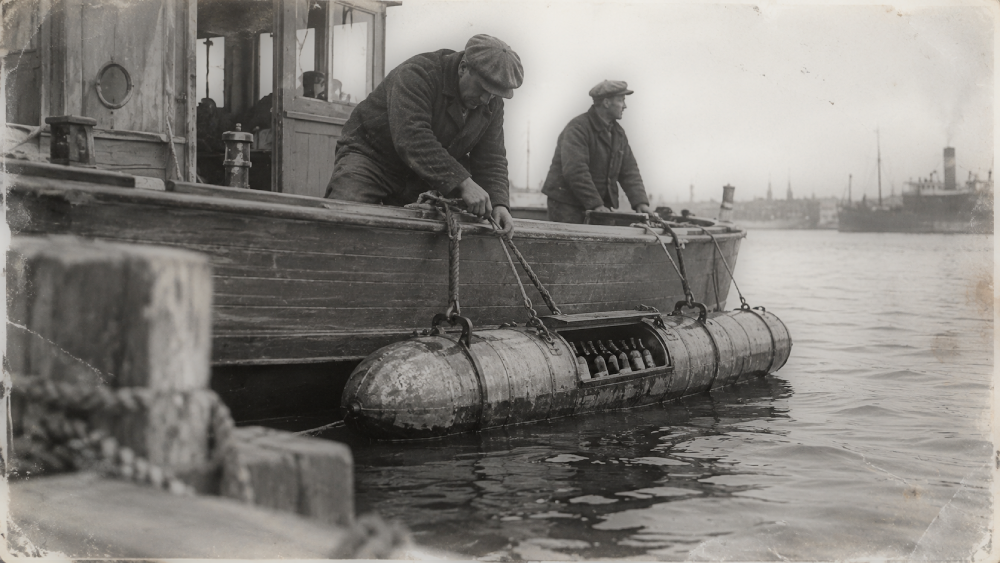
Smugglers along the Great Lakes tied metal, torpedo-shaped cylinders packed with liquor bottles to the bottom of motorboats using heavy cables. If federal Coast Guard cutters approached for an inspection, the crew simply cut the cable, letting the waterproof container sink out of sight until they returned to retrieve it with a magnet.
7. Hollow books and library volumes
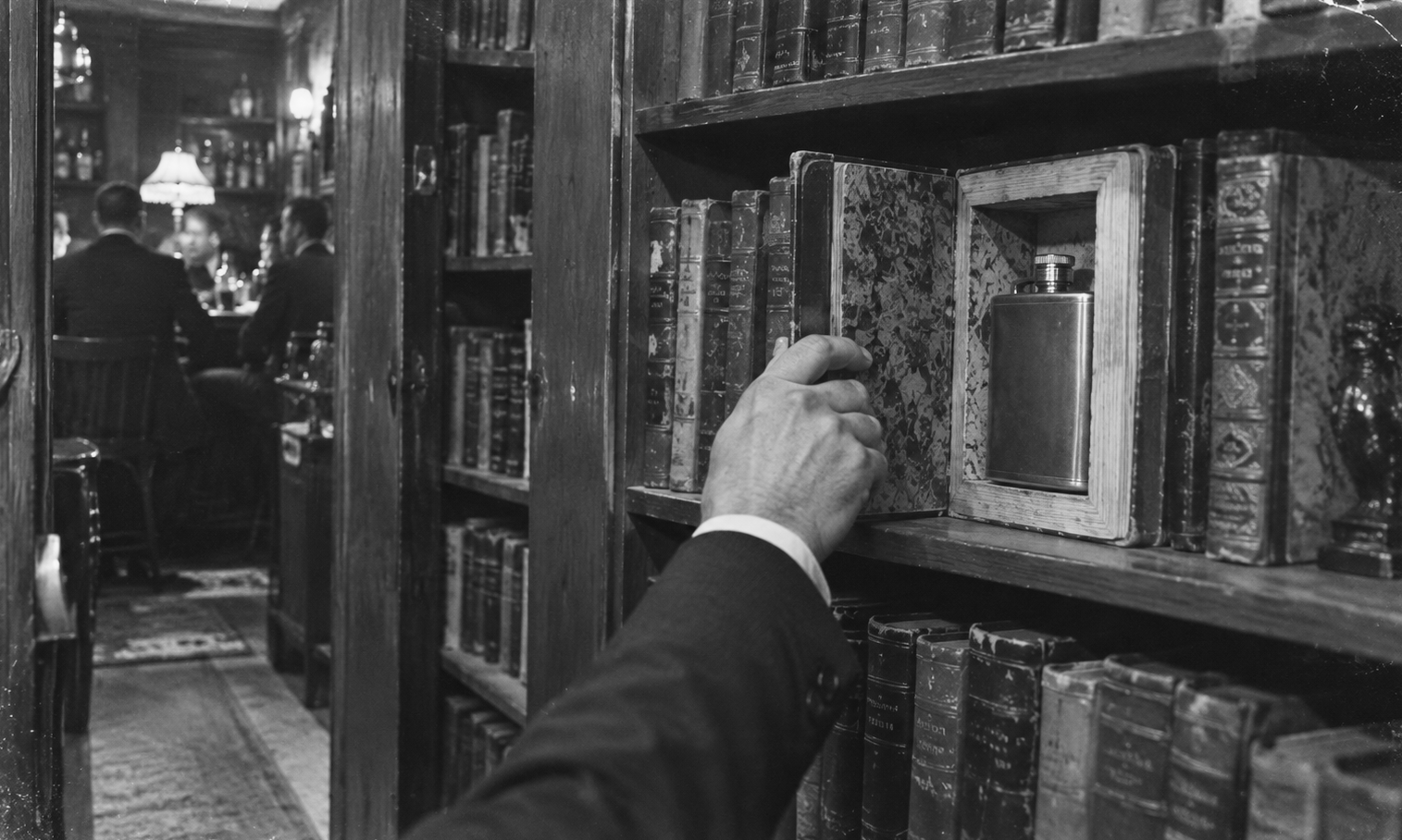
Speakeasies disguised as quiet neighborhood bookstores lined their walls with thousands of heavy hardcover volumes featuring hollowed-out pages. Pulling a specific leather book spine off the shelf opened a hidden wall panel or revealed a hidden flask ready for immediate pouring.
8. Double-bottomed milk delivery cans
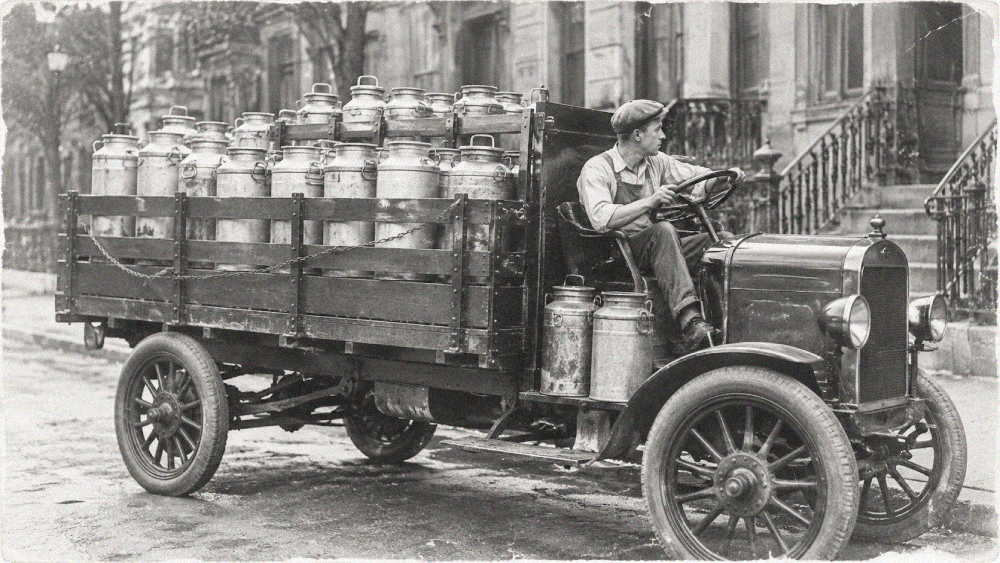
Local dairy drivers delivered raw milk to city doorsteps every morning using heavy metal cans fitted with false internal bottoms. The upper compartment held a shallow layer of real milk to satisfy nosy inspectors, while the large lower chamber concealed several gallons of illegal moonshine.
Sign up for our newsletter
9. Cane walking sticks with internal glass vial
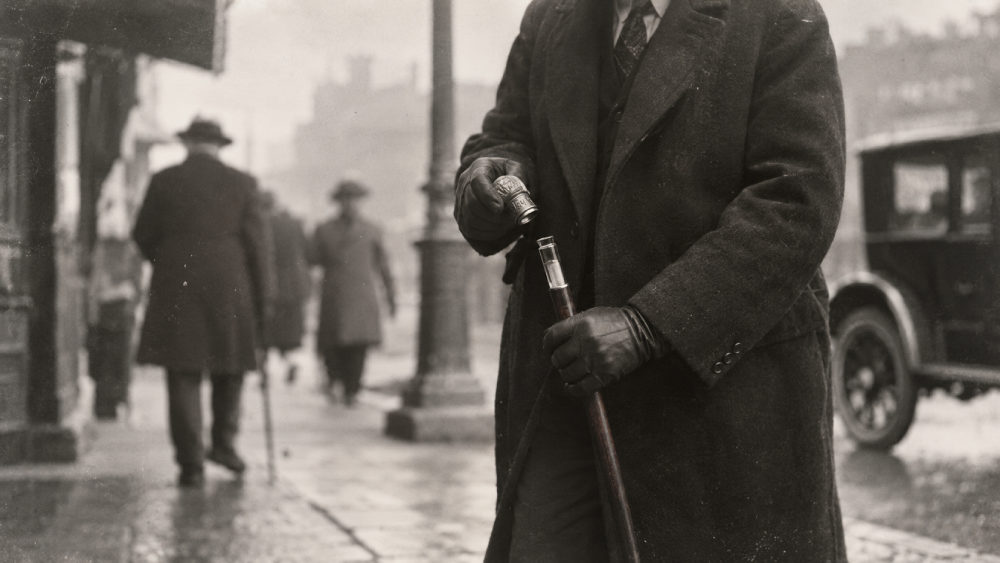
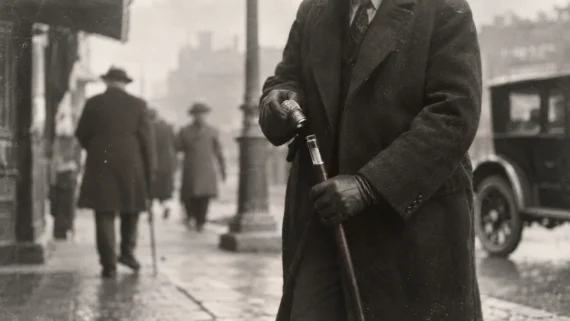
Gentlemen strolling down city avenues frequently carried hollowed-out wooden walking canes equipped with long cylindrical glass vials inside the shaft. Unscrewing the silver metal handle converted the stylish walking accessory into an instant shot glass and flask combo.
10. Breads and bakery loaves
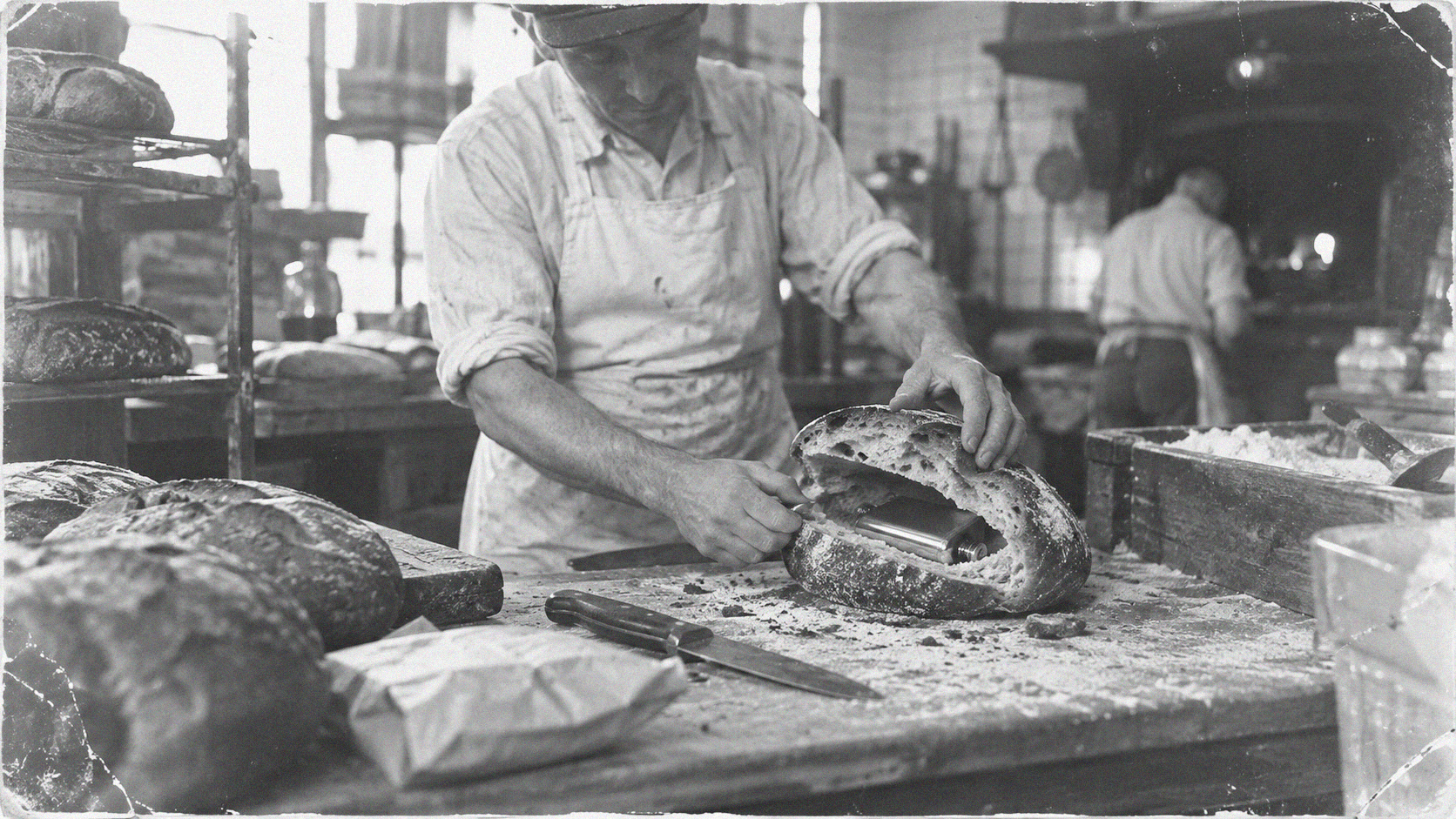
Bakers sympathetic to the bootlegging cause baked large round sourdough and rye loaves over hollow metal molds. Once cooled, they pulled out the mold and inserted flat metal flasks inside the crust, delivering fresh bread packed with liquor directly to local speakeasies.
11. Custom hot water bottles and corsets
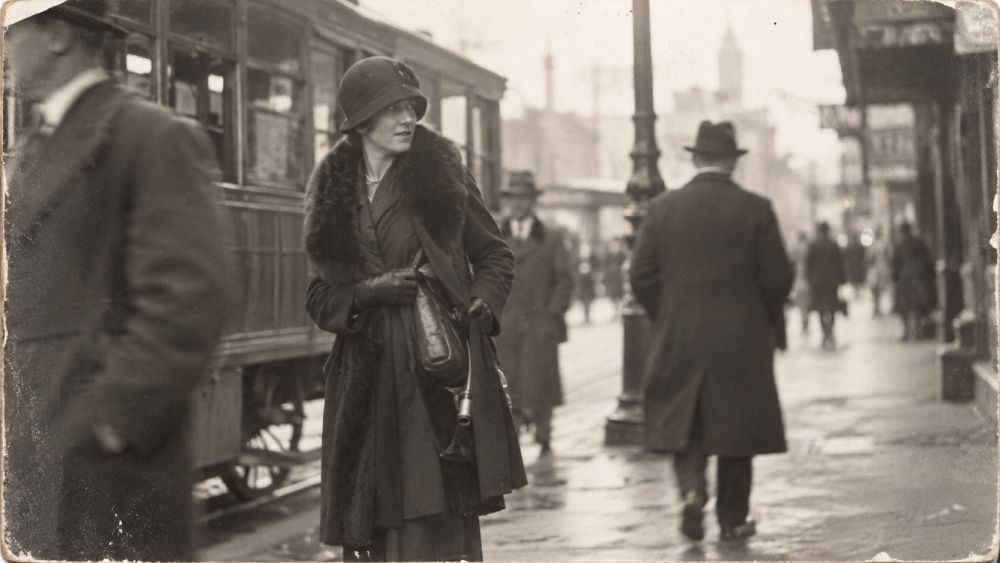
Women played a crucial role in urban smuggling by wearing specialized rubber bladders shaped like maternity belts, corsets, or hot water bottles under their heavy winter coats. Known as “torpedo ladies,” they walked past male federal agents who were socially prohibited from frisking female pedestrians.
12. Hollowed-out watermelons
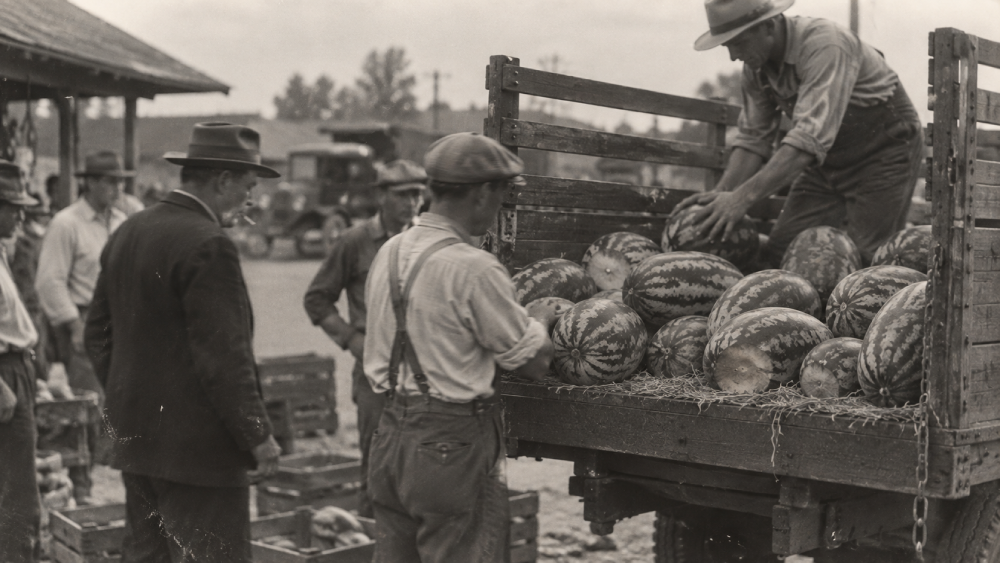
Produce vendors traveling from rural farms into major cities scooped out the soft center of ripe watermelons to create natural insulated storage chambers. They packed glass bottles inside, surrounded by ice, plugged the outer rind back together with green wax, and stacked them alongside regular fruit on flatbed trucks.
Explore more fascinating historical facts:
Looking back at these wild contraptions shows just how far people were willing to go for a night out during the roaring twenties. The sheer ingenuity of those Prohibition-era smugglers proves that strict bans often end up fueling endless human creativity instead. If you enjoy taking deep dives into retro history, forgotten crime archives, and fascinating pop culture retrospectives, make sure to explore these 20 Prohibition Bootlegger Photos From the 1920s or these 20 Vintage Photos of Prohibition-Era Speakeasies. You can also check out these 24 Vintage Images from the Prohibition Era.