When detectives arrive at a complicated crime scene, they are usually looking for a dramatic smoking gun or an undeniable piece of physical evidence to solve the mystery. However, history has repeatedly proven that the most damning clues are often the most mundane items left behind by careless criminals. A completely ordinary household object sitting quietly in the background can suddenly become the most important piece of a massive legal puzzle, instantly destroying a suspect’s carefully crafted alibi.
It is absolutely fascinating how a simple piece of office equipment or a discarded clothing accessory can possess enough historical weight to bring down notorious mobsters and elusive fugitives. Investigators have spent years tracing microscopic manufacturing details on seemingly innocent objects to build airtight court cases against some of the most infamous figures in modern history. Uncovering the stories behind these mundane items reveals the incredible power of forensic science and sharp detective work. Here are twelve ordinary objects that unexpectedly became the center of legendary criminal trials.
1. The homemade wooden ladder
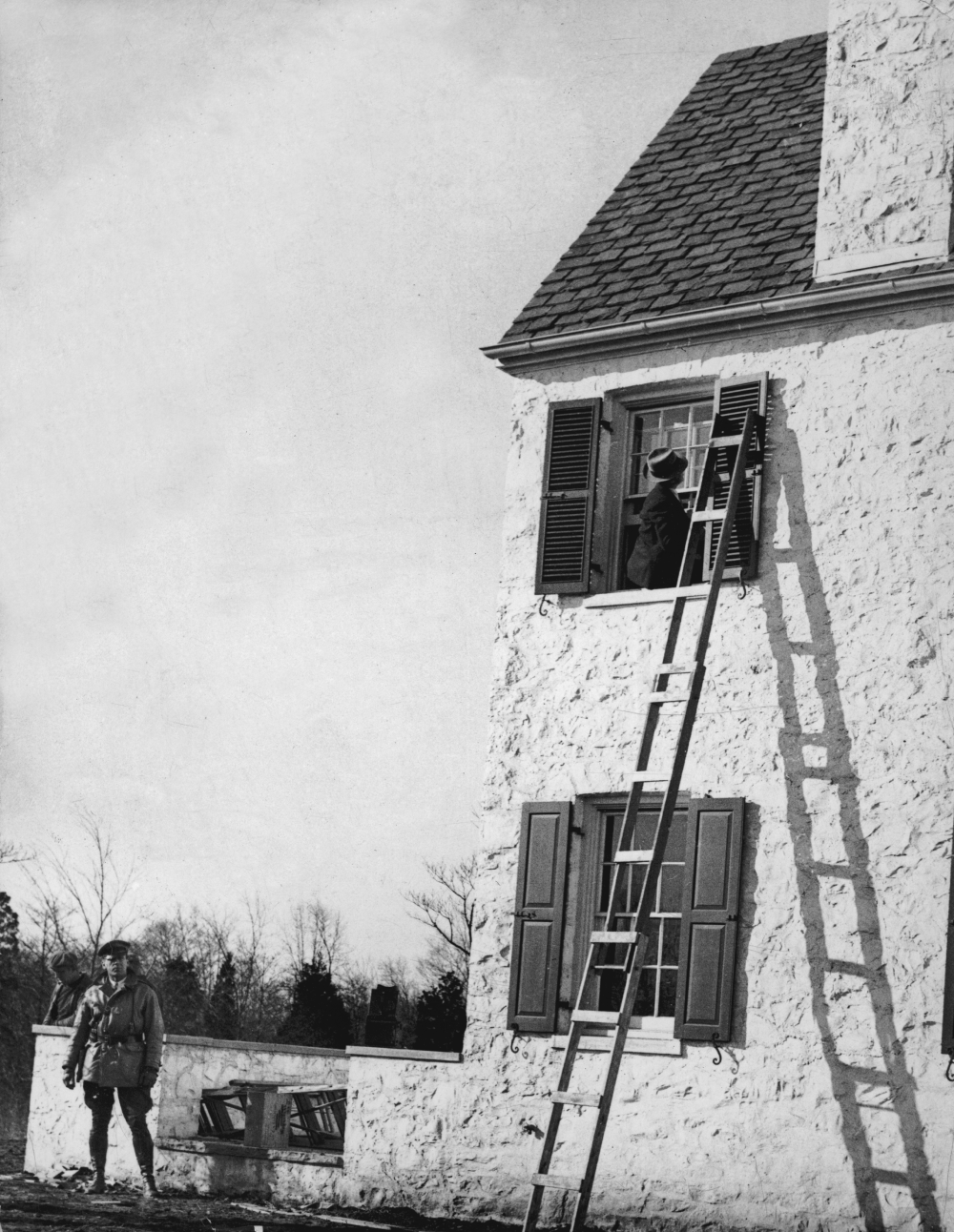
During the tragic 1932 kidnapping of the Lindbergh baby, investigators found a crudely built wooden ladder abandoned near the New Jersey estate. Forensic wood expert Arthur Koehler painstakingly traced the specific grain patterns of the yellow pine back to a lumber yard in the Bronx, directly connecting the wood to a floorboard missing from suspect Bruno Richard Hauptmann’s attic.
2. A purple floppy disk
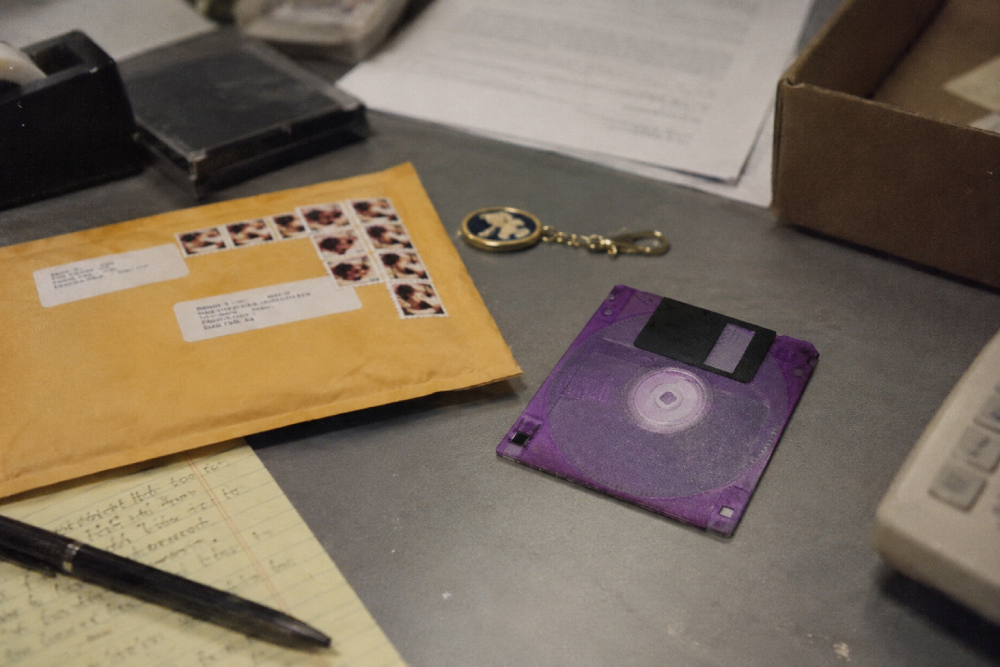
In 2005, a notorious Kansas serial killer known as BTK sent a seemingly untraceable purple floppy disk to a local television station to taunt the police. He completely failed to realize that digital metadata was permanently embedded in the file, allowing investigators to trace the hidden digital signature directly back to a computer at Christ Lutheran Church and arrest Dennis Rader.
3. A Monopoly board game
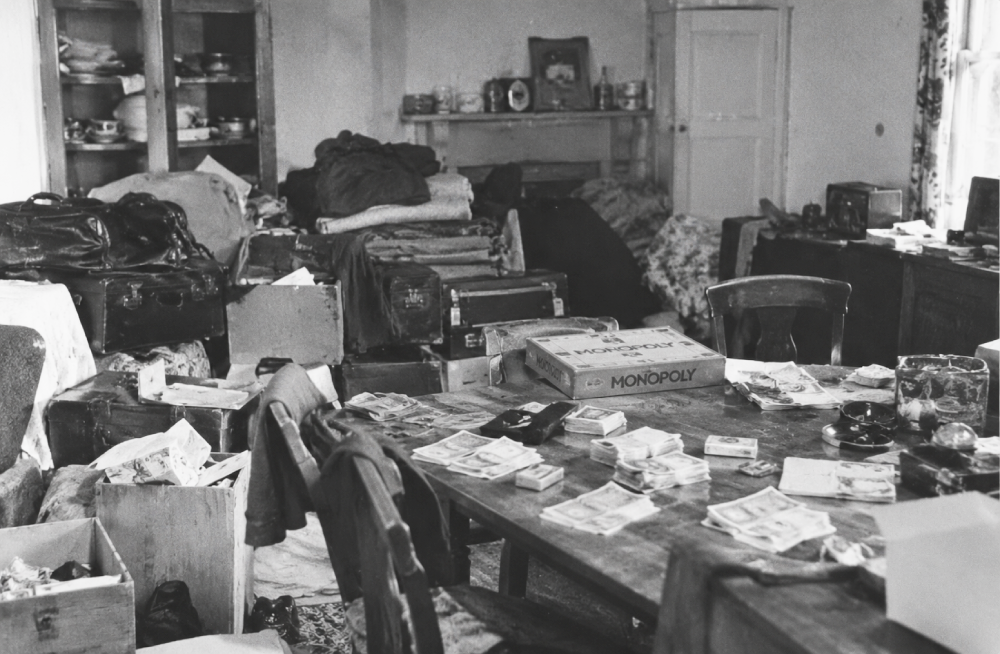
After pulling off the massive 1963 Great Train Robbery in England, a notorious gang of thieves hid out at the remote Leatherslade Farm to divide millions of stolen pounds. Detectives eventually found a completely ordinary Monopoly board left behind at the farmhouse, perfectly preserving the fingerprints of mastermind Bruce Reynolds and his accomplices after they foolishly played the game using real stolen cash.
4. A JCPenney clip-on tie
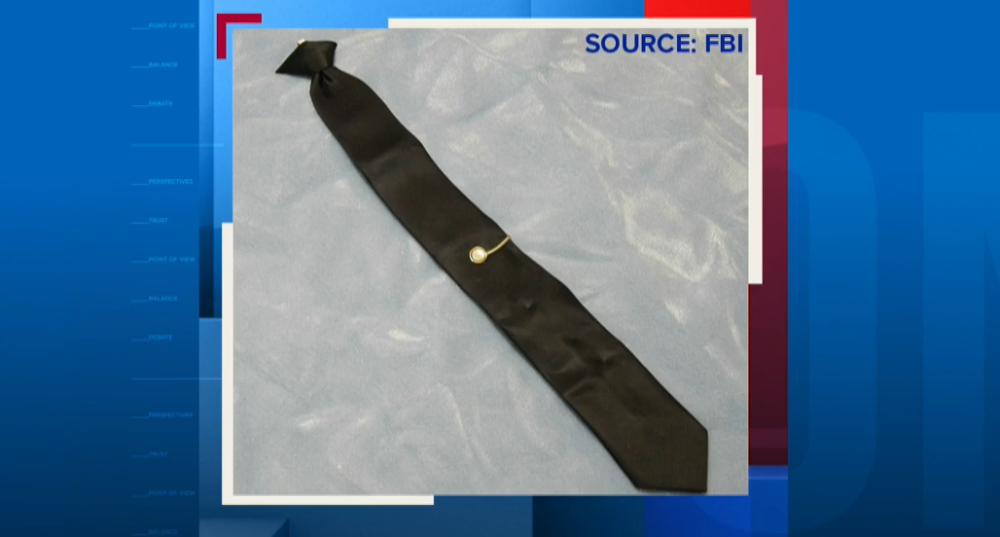
Before jumping out of a commercial Boeing 727 with a massive ransom in 1971, the mysterious hijacker known as D.B. Cooper left a cheap black clip-on tie resting on seat 18-E. That simple accessory remains the only physical item left behind by the elusive criminal, providing the FBI with a crucial partial DNA profile decades later as they continued hunting for the vanished suspect.
5. A Woodstock typewriter
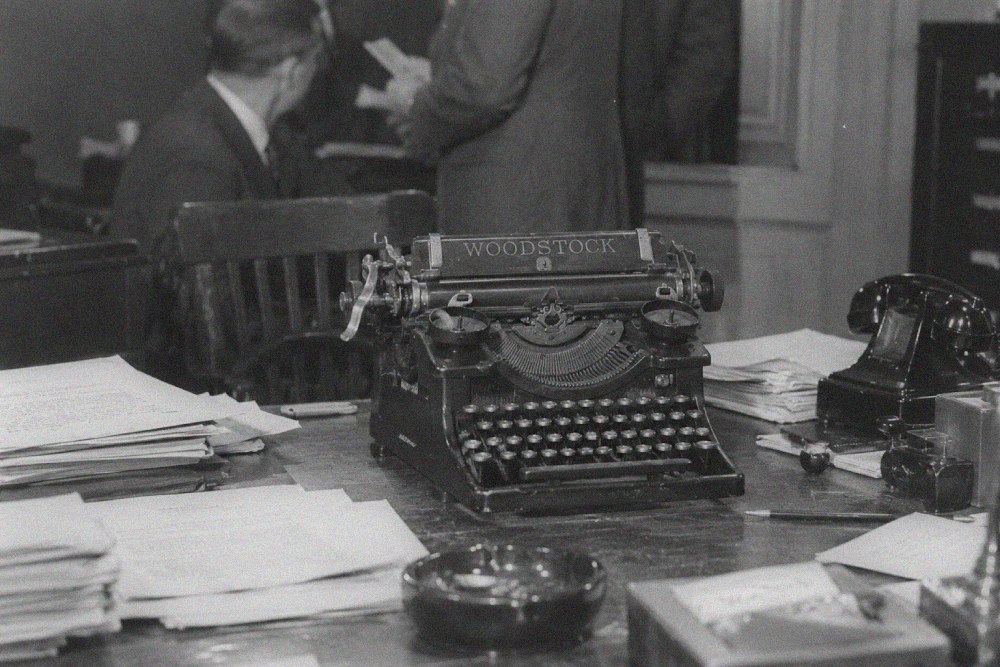
In 1948, American government official Alger Hiss was accused of being a Soviet spy after Whittaker Chambers produced secret documents hidden inside a hollowed-out pumpkin. Investigators successfully proved that the specific typographical quirks on those secret documents perfectly matched a standard Woodstock brand typewriter previously owned by Hiss, leading directly to his massive perjury conviction.
Trending on The Scroller


6. A single Rolex watch

When a fisherman pulled an unidentified body from the English Channel in 1996, the only distinguishing feature was a waterproof Rolex Oyster Perpetual watch still ticking on the wrist. Because the luxury Swiss company keeps immaculate global service records, police used the tiny engraved serial number to identify the victim as Ronald Platt, eventually unraveling a massive identity theft plot orchestrated by Albert Johnson Walker.
7. Rare Avia aerobics sneakers
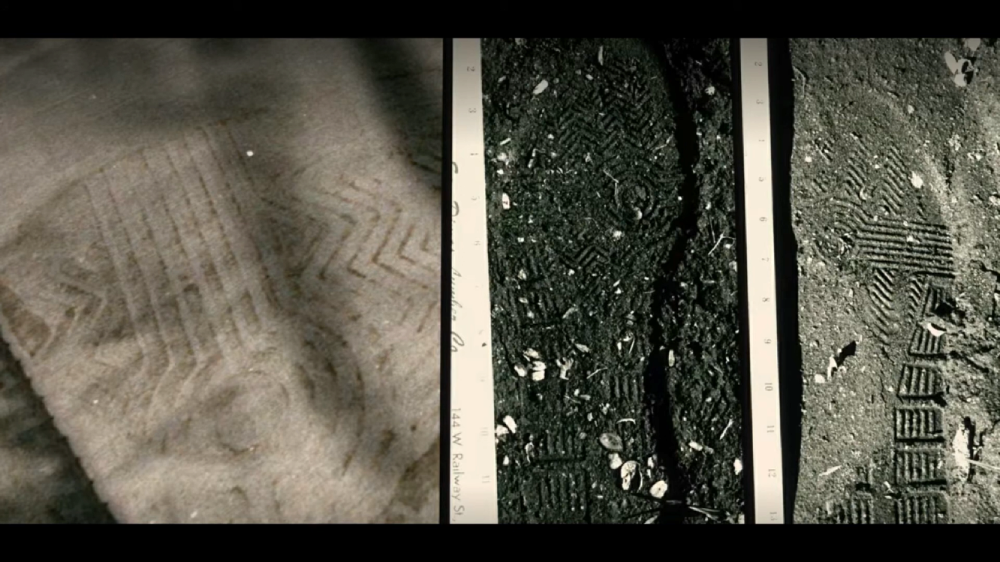
Throughout 1985, a terrifying intruder known as the Night Stalker left highly distinct footprints in the dirt outside multiple California homes. Detectives consulted with footwear experts to determine the prints belonged to a highly unusual size 11.5 Avia brand aerobics sneaker, a rare shoe that directly linked suspect Richard Ramirez to the sprawling string of nighttime burglaries.
8. Distinctive horn-rimmed glasses
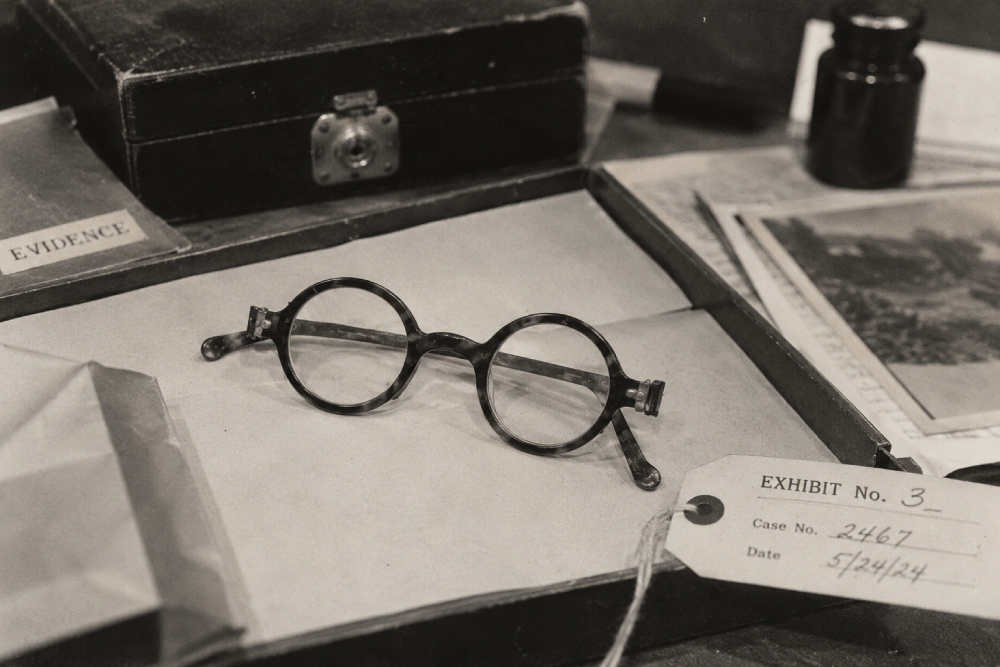
During the shocking 1924 murder of young Bobby Franks in Chicago, police found a pair of ordinary-looking eyeglasses dropped carelessly near the rural crime scene. Investigators discovered the frames featured a highly unusual patented hinge sold to only three people in the entire city, immediately leading them to wealthy university student Nathan Leopold and his accomplice Richard Loeb.
Sign up for our newsletter
9. A black leather Isotoner glove
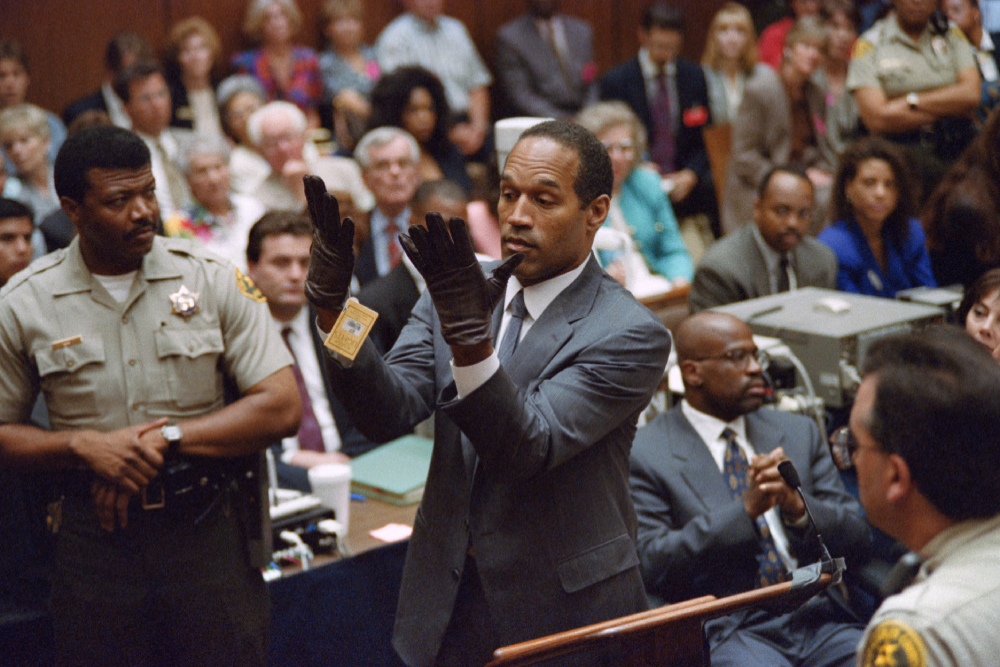
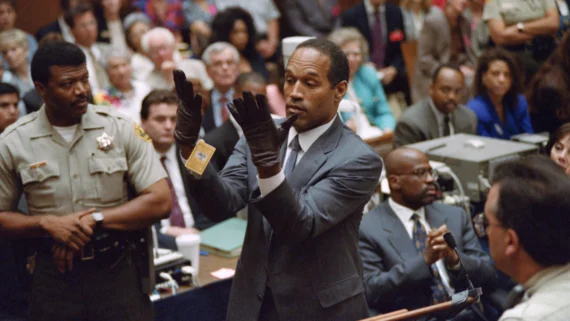
The 1995 double murder trial of O.J. Simpson practically revolved around a single, blood-soaked Ari-style leather glove found outside the suspect’s estate. When the prosecution asked Simpson to physically try on the shrinking leather item during the live television broadcast, his apparent struggle to fit his hand inside resulted in the most famous defense phrase in modern legal history.
10. Yellow-green carpet fibers
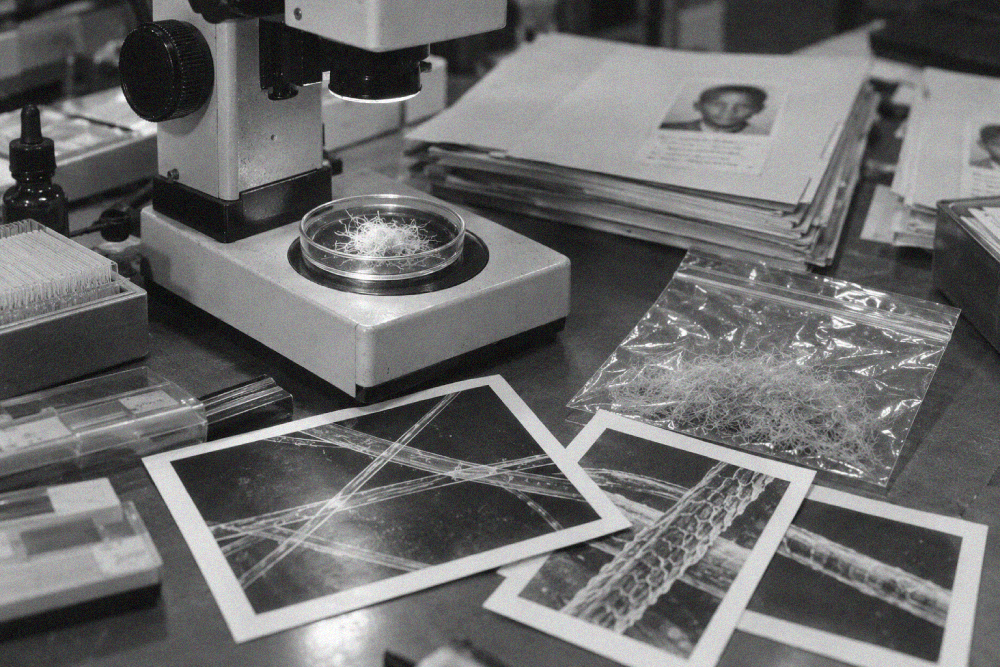
During the tragic string of Atlanta child murders in 1981, investigators kept finding microscopic yellow-green threads on the clothing of multiple victims. Forensic experts miraculously traced these tiny synthetic threads to a very specific batch of Wellman 181-B nylon carpet, a rare home flooring that was perfectly matched to the living room of suspect Wayne Williams.
11. A financial accounting ledger
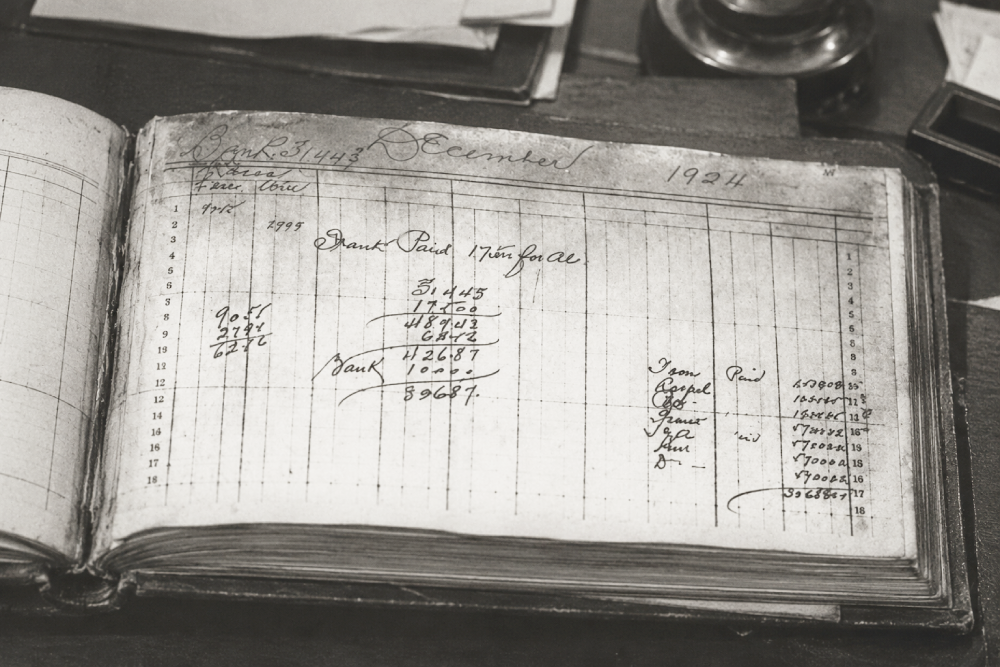
Infamous Chicago mob boss c seemed completely untouchable during the 1920s because he never put his own name on any illegal bootlegging paperwork. However, an eagle-eyed IRS accountant named Frank Wilson uncovered a forgotten handwritten ledger containing the name “Al” alongside massive illegal gambling profits, providing the exact financial documentation needed to finally lock Capone away for tax evasion in 1931.
12. A discarded paper tissue
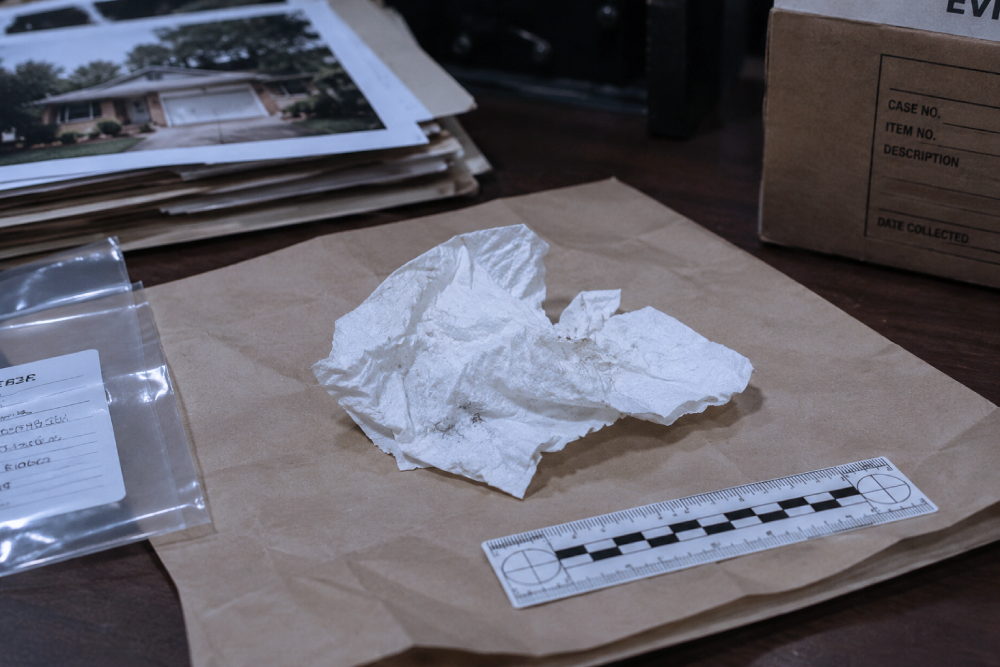
In 2018, investigators hunting the elusive Golden State Killer narrowed their genetic genealogy search down to former police officer Joseph James DeAngelo. To confirm his identity before making an arrest, detectives secretly collected a discarded paper tissue from his suburban trash can, securing the definitive DNA match that finally solved a forty-year-old mystery.
Want more intriguing criminal stories?
It is completely mind-boggling to think that a single dropped glove or a forgotten board game can successfully unravel a master criminal’s plan. These fascinating historical cases prove that no matter how carefully a culprit tries to cover their tracks, the truth is often hiding in the most ordinary objects imaginable. If you love diving into forgotten historical mysteries, make sure to check out these 12 Tiny Pieces of Evidence That Solved Major Historic Crimes or these 15 Wild Disguises Criminals Actually Tried to Use (1920s–1980s). You can also explore these 18 Strange Last Meal Requests From Notorious Criminals.