Getting a solid eight hours of rest should be effortless, yet humans have spent centuries inventing bizarre contraptions just to fall into a peaceful sleep. Long before modern melatonin gummies or white noise apps existed, desperate insomniacs strapped terrifying electrical helmets to their heads and rested on rock-hard ceramic blocks. When exhaustion takes over at three in the morning, almost any wild invention starts looking like a brilliant medical breakthrough.
Throughout history, eccentric engineers, Victorian doctors, and modern neuroscientists have designed remarkably weird tools to trick the human brain into shutting down for the night. From bulky floor hoses that inflate your bedsheets like a giant balloon to soft robots that mimic human breathing, the quest for effortless slumber has produced some truly unforgettable gadgets. Exploring these unusual bedside innovations proves that chasing a good night of rest has always inspired humanity’s strangest creativity. Here are twelve bizarre devices invented specifically to help restless minds drift off.
1. Soviet electrosleep machines
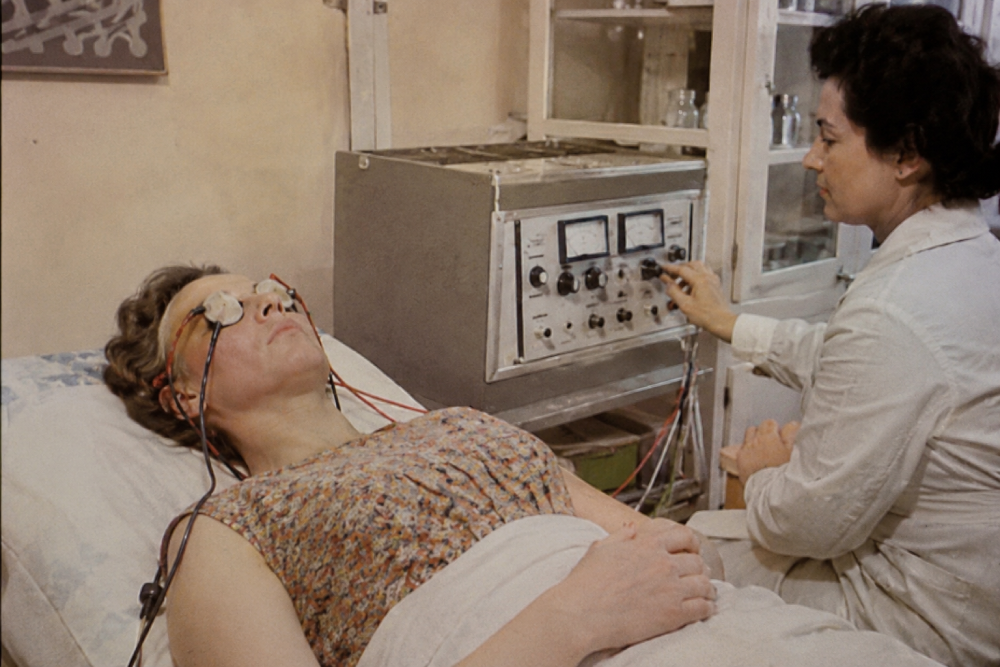
Developed in the late 1940s by Soviet scientists led by Vasily Gilyarovsky, this unsettling medical contraption attached rubber-padded electrodes directly over a patient’s closed eyelids and behind their ears. The device transmitted low-frequency electrical pulses straight into the cerebral cortex, becoming a wildly popular state-sponsored treatment in Russian clinics during the 1960s and 1970s despite looking like a terrifying sci-fi torture mask.
2. The Saliger Psychophone
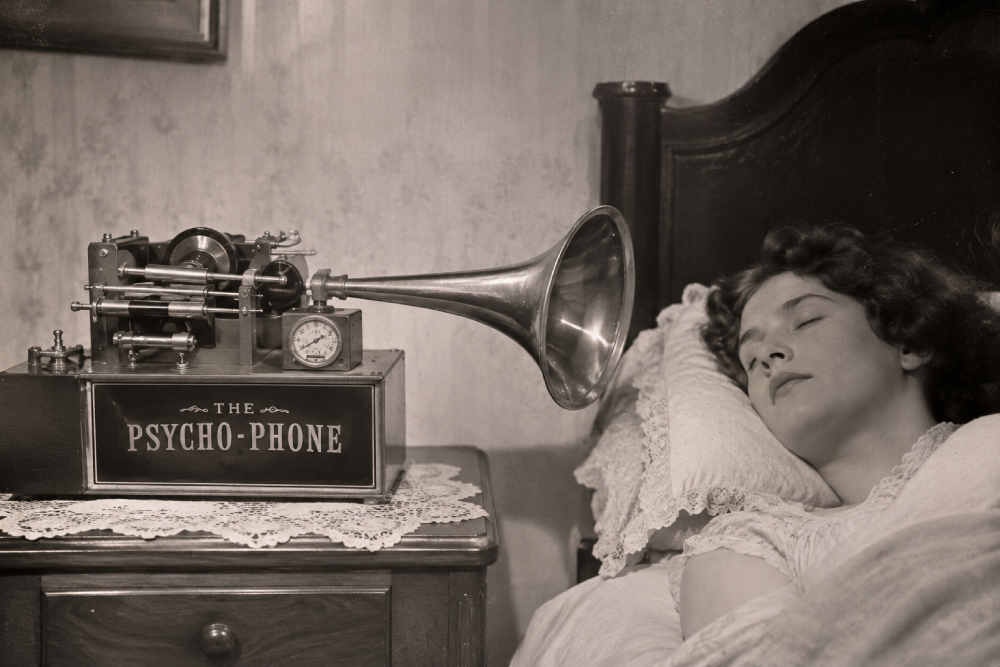
In 1927, New York inventor Alois Benjamin Saliger patented a specialized automatic cylinder phonograph designed to sit right next to a restless person’s bed. The machine played repetitive, softly spoken motivational phrases throughout the night, operating on Saliger’s bizarre theory that an unconscious brain could absorb positive affirmations and cure insomnia while dreaming.
3. Ancient Chinese porcelain pillows
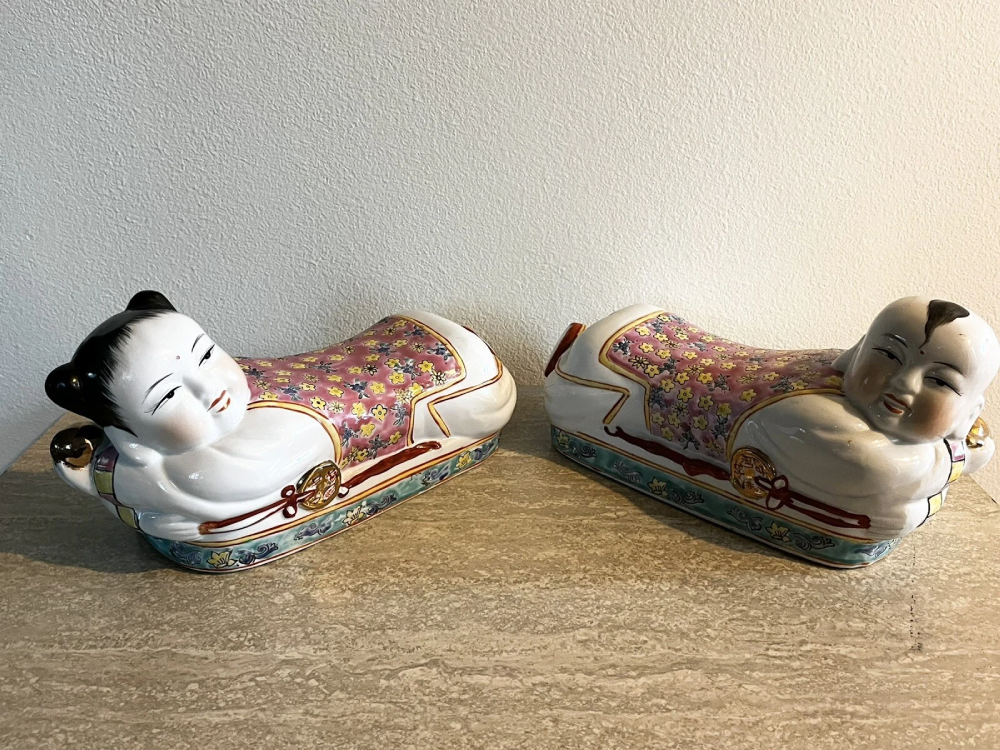
During the Tang and Song dynasties between 618 and 1279 AD, wealthy citizens in China completely rejected soft feather cushions in favor of hollow, glazed ceramic blocks. Artisans sculpted these rock-hard headrests into elaborate shapes like crouching tigers and curved clouds to keep sleepers cool during humid summers while protecting their intricate, greased hairstyles from getting ruined overnight.
4. Victorian anti-snoring chin straps
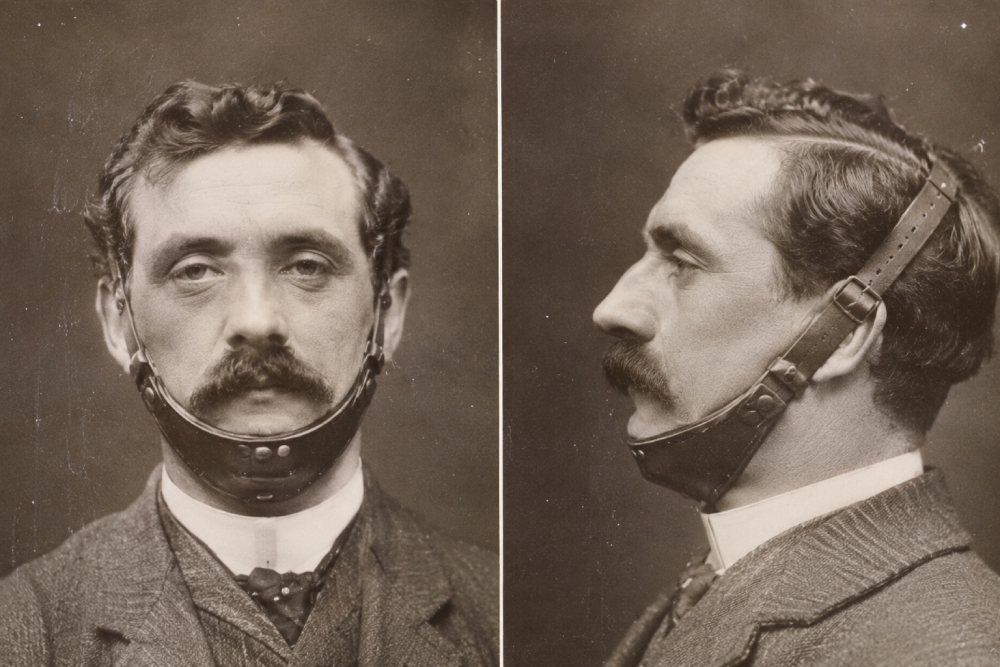
During the 1880s and 1890s, Victorian inventors like George Catlin waged an aggressive war against nighttime mouth-breathing by designing heavy leather and brass facial harnesses. These tight straps wrapped completely around the jaw and skull to force sleepers to inhale exclusively through their nostrils, making ordinary bedroom patients look like they were wearing medieval restraint gear.
5. The Somnox sleep robot
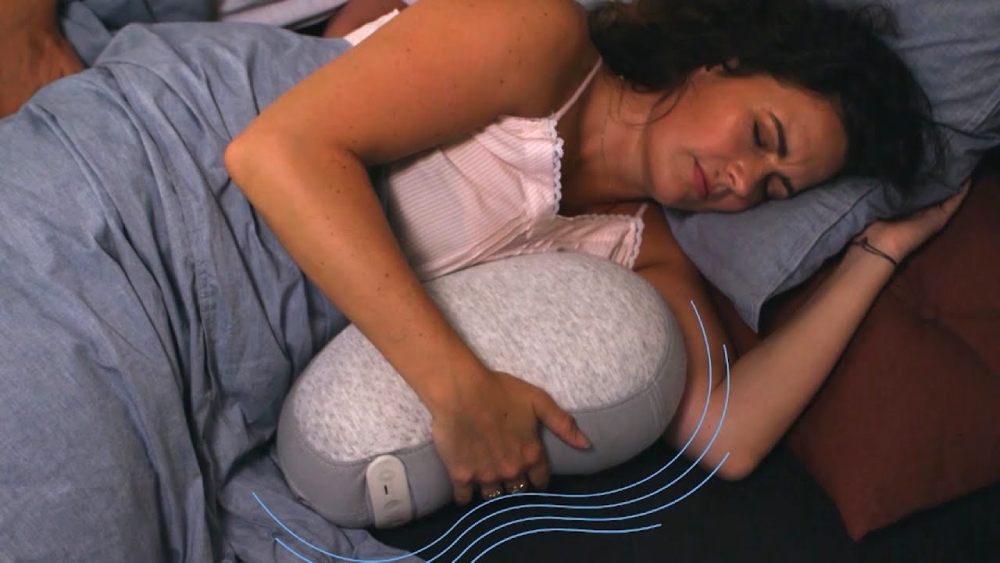
Created in 2018 by Dutch robotics engineers at Delft University of Technology, including Julian Jagtenberg, this kidney-bean-shaped pillow is actually a soft autonomous robot. When you spoon the device in bed, its internal mechanical bladder physically expands and contracts to mimic deep human breathing, subconsciously slowing down your heart rate until you drift away.
Trending on The Scroller

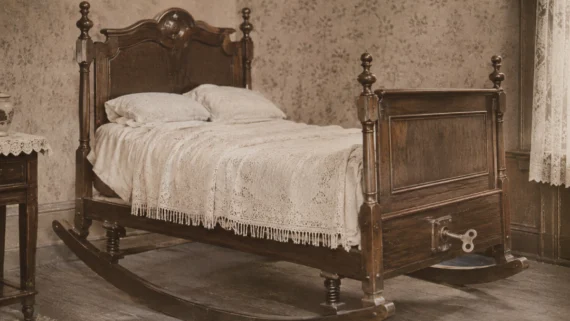
6. Clockwork rocking adult beds
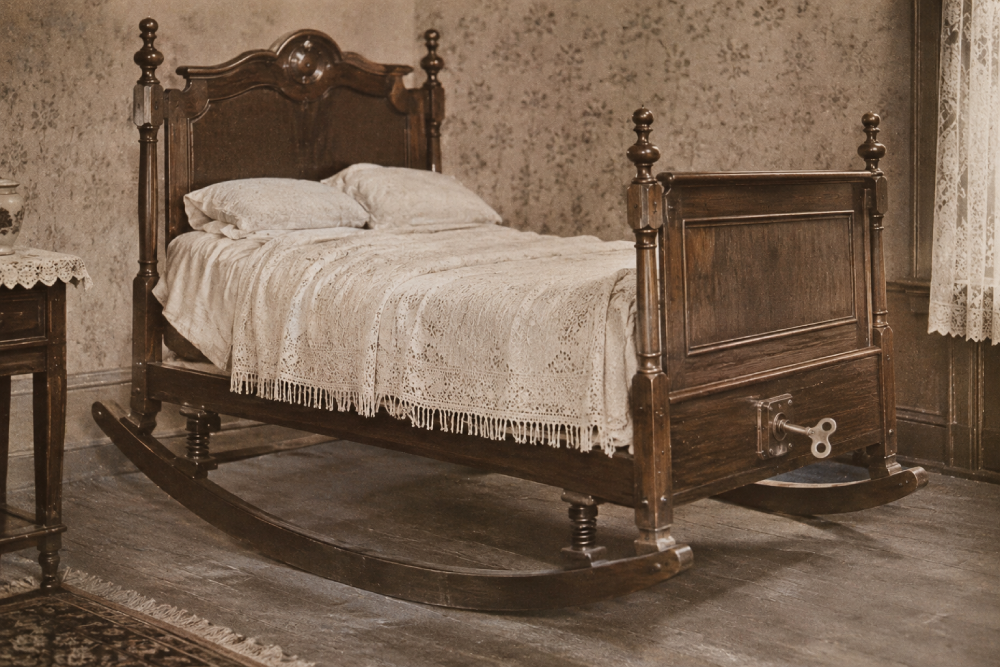
Before motorized mattresses existed, nineteenth-century furniture makers constructed massive wooden adult cradles mounted on curved rocker blades and heavy iron springs. In 1887, American inventor John W. Smith patented a spring-wound bed frame that used a large winding key to gently sway restless adults back and forth until the clockwork tension ran out.
7. The Ostrichpillow
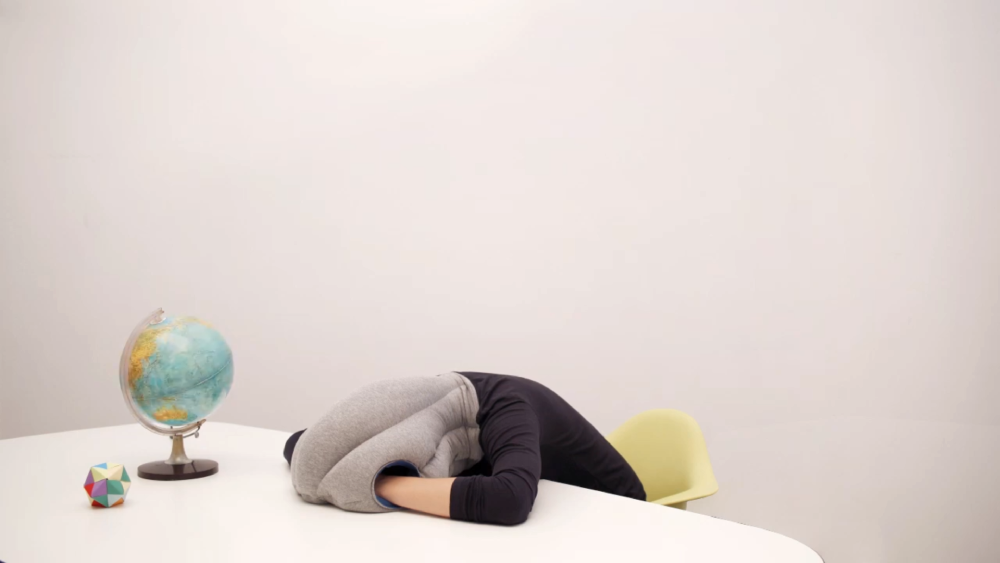
Designed in 2012 by the Madrid-based architecture studio Kawamura-Ganjavian, this giant, bulbous, stuffed fabric helmet completely envelops the wearer’s entire head and hands. Featuring a single breathing hole for your mouth and nose alongside two side slots for resting your arms, it lets exhausted travelers nap on airport floors while looking like a giant plush alien.
8. The Dodow ceiling light metronome
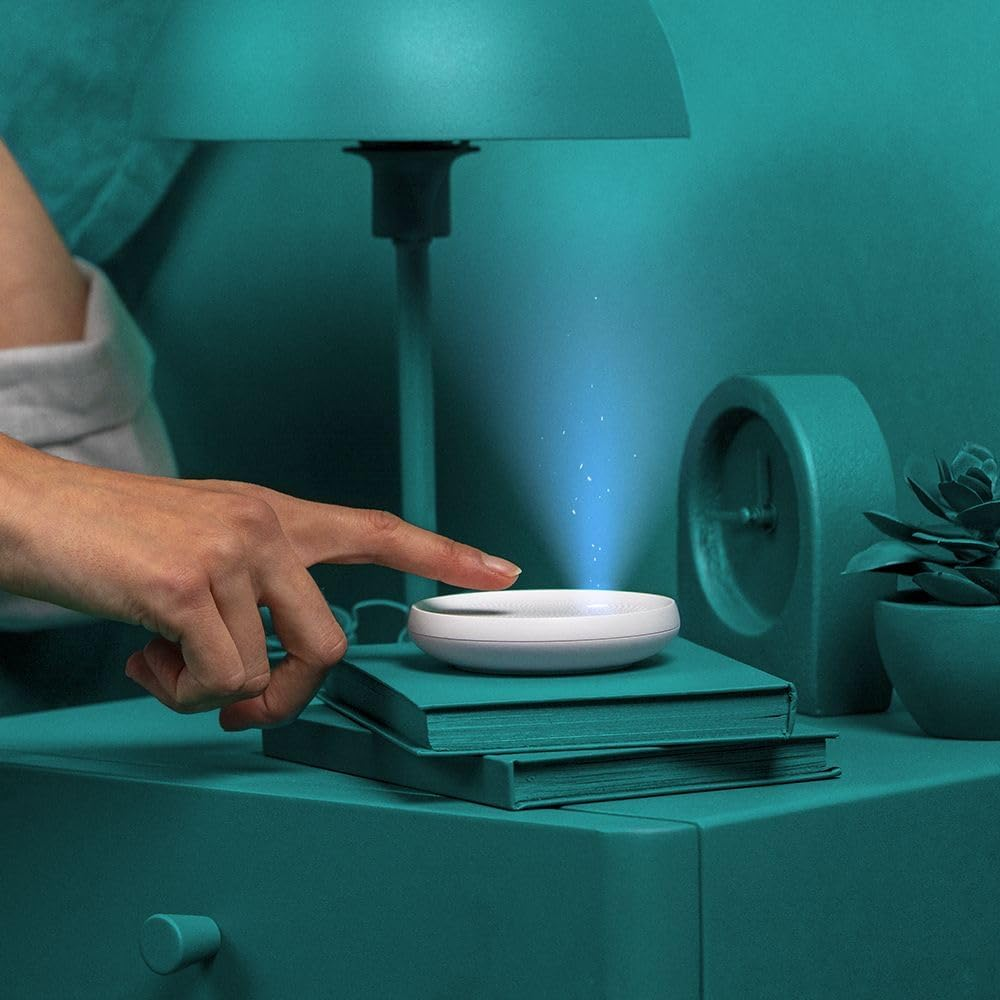
Invented in 2014 by French insomniacs Alexandre Andrès and Pierre-Luc Gauthier, this sleek circular disc sits on your nightstand and projects a pulsing blue halo onto your bedroom ceiling. By synchronizing your inhales and exhales with the expanding and contracting light beam for eight minutes, the gadget slows down overactive nighttime thoughts without making a single noise.
Sign up for our newsletter
9. The BedJet Climate Comfort System
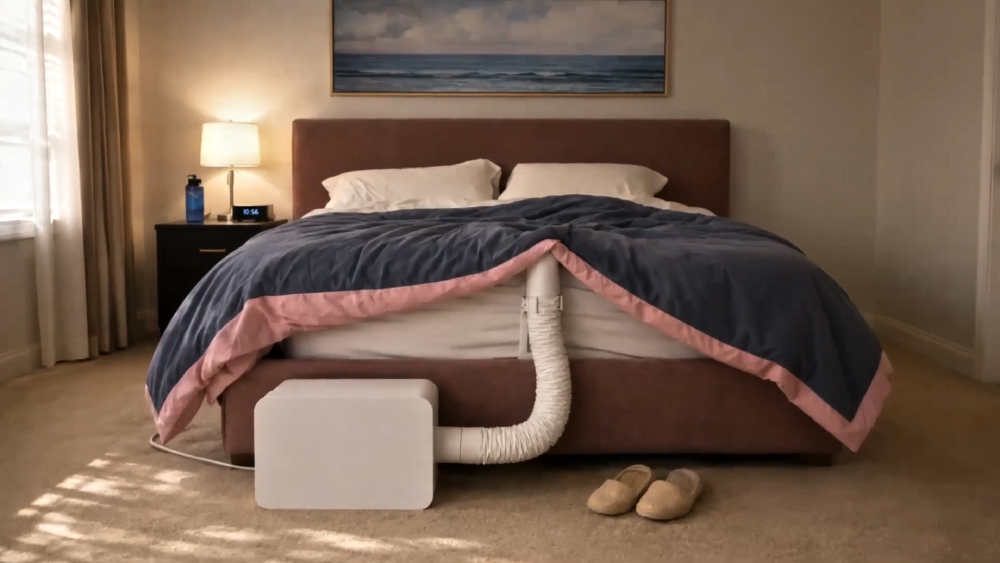
Invented in 2014 by former NASA spacesuit engineer Mark Aramli, this bulky floor unit uses a thick, flexible hose to pump heated or cooled air directly underneath your top bedsheet. Essentially acting as a dedicated air conditioner for your mattress, it inflates your duvet like a warm balloon to eliminate night sweats without cooling the entire house.
10. The Dreampad bone-conduction pillow
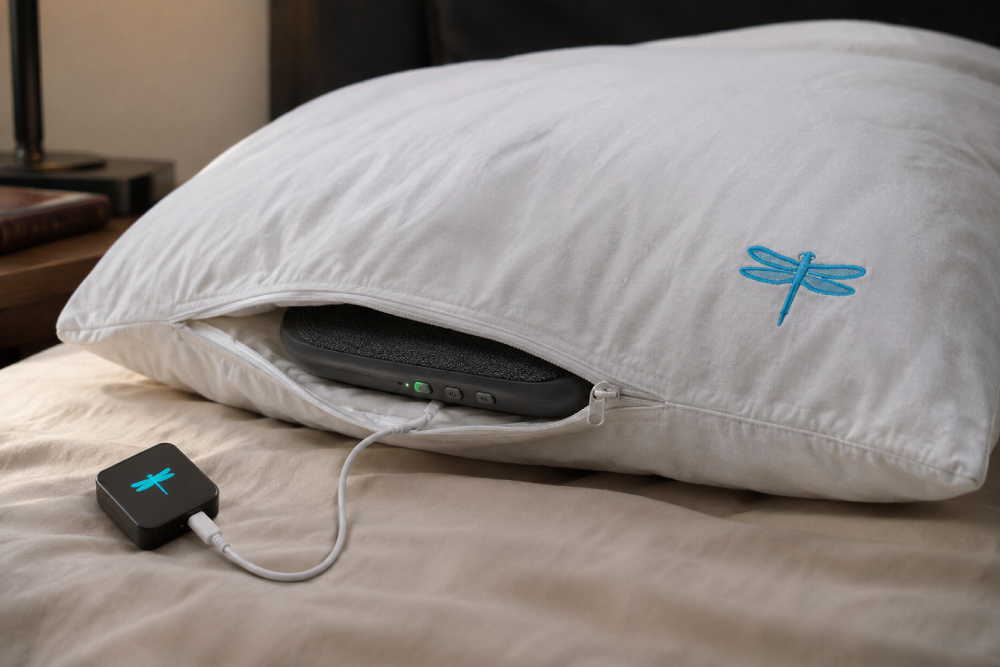
Developed in the 2010s by occupational therapist Dr. Randall Redfield, this seemingly ordinary memory foam pillow hides internal transducers that convert soothing music into gentle physical vibrations. Instead of playing audio through traditional speakers, the pillow sends sound waves directly through the bones of your skull into your inner ear, ensuring that anyone sleeping beside you hears absolute silence.
11. Weighted sensory blankets
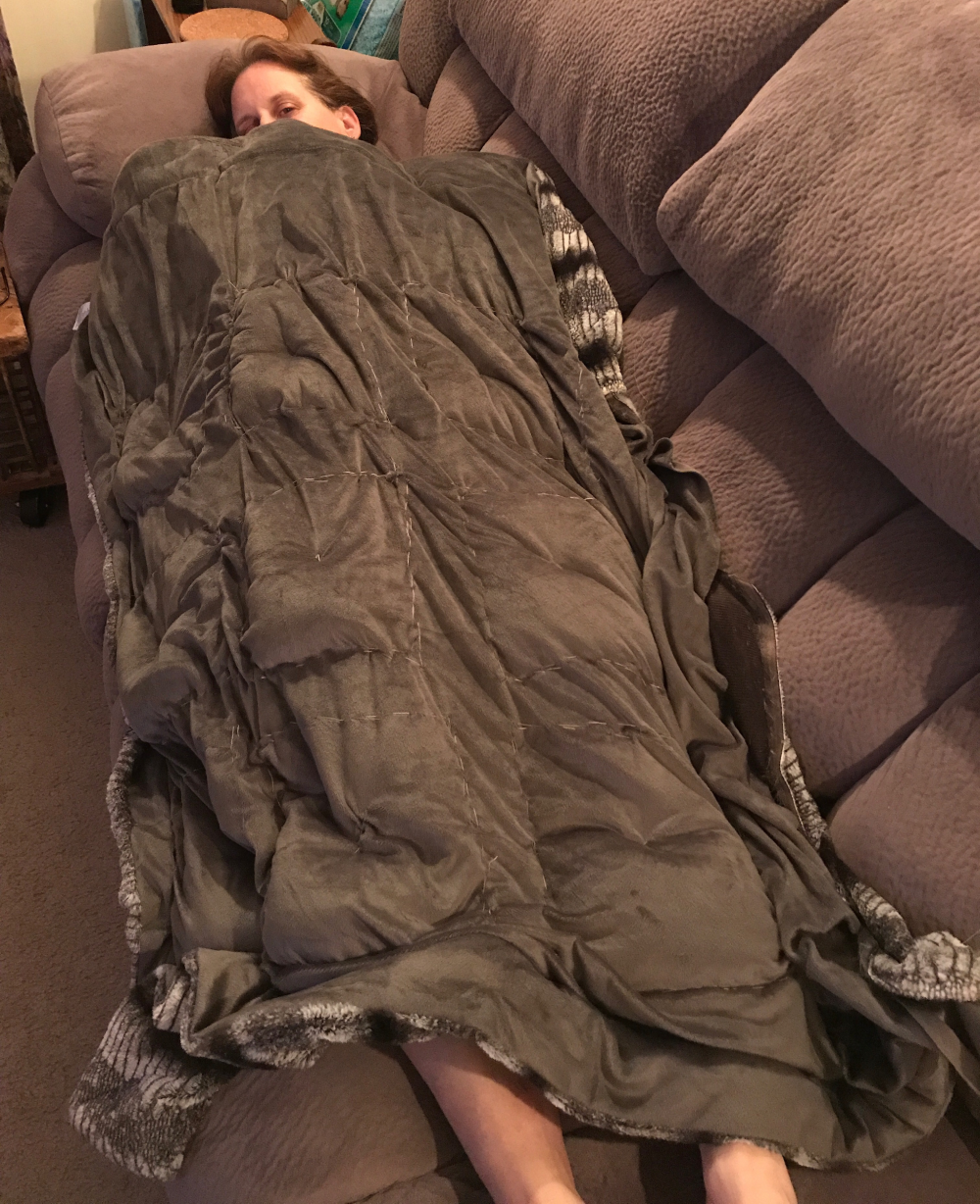
Originally popularized in the late 1990s by occupational therapist Tina Champagne for sensory therapy, heavy blankets filled with tiny glass microbeads exploded into the mainstream after John Fiorentino launched the Gravity Blanket in 2017. Weighing up to twenty-five pounds, the intense physical pressure mimics a firm hug to trigger natural melatonin production and calm restless legs.
12. The Muse S brain-sensing headband
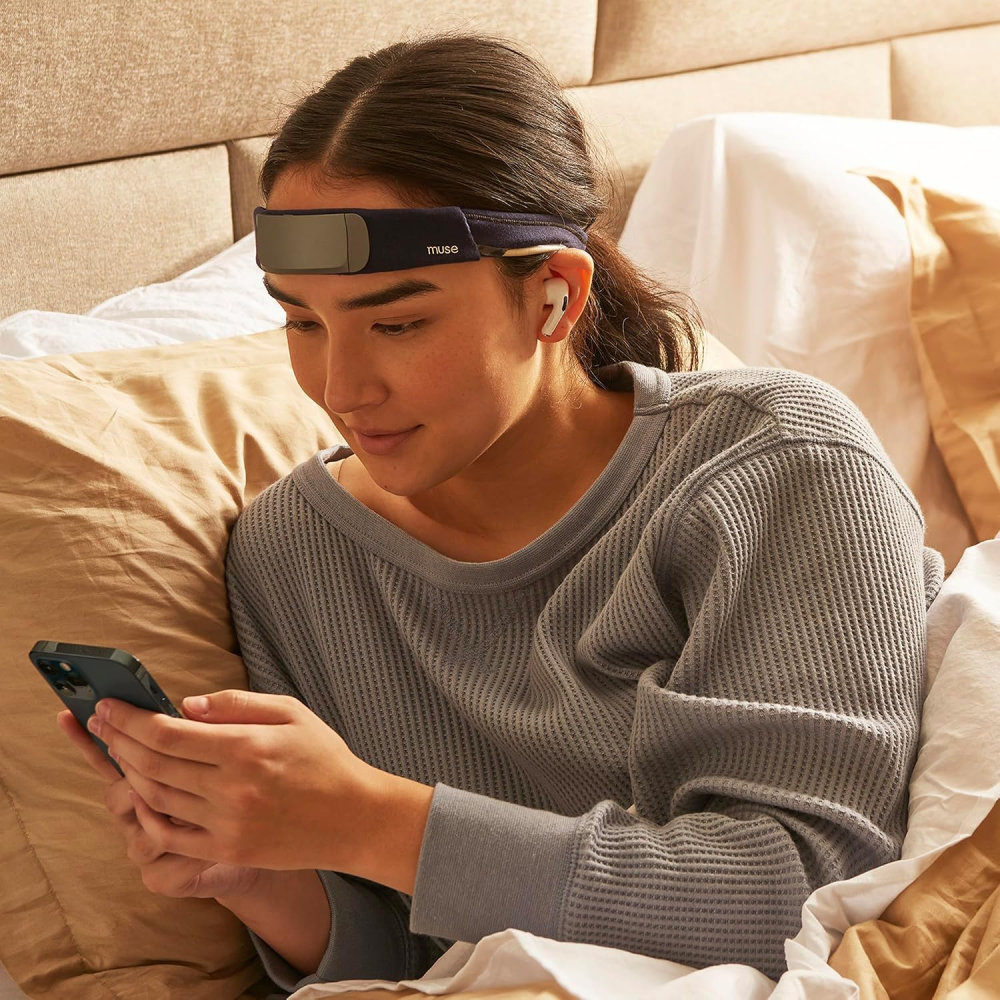
Released in 2019 by Canadian neurotechnology firm InteraXon, co-founded by Ariel Garten, this soft fabric headband wraps around your forehead with clinical-grade EEG sensors. It actively monitors your real-time brainwave activity as you lie in bed, translating your shifting mental states into changing rain and wind sounds that gently guide your mind into deep slumber.
Explore more fantastic inventions:
Looking at these wild bedside inventions proves that humans will try absolutely anything to escape the frustration of staring at the ceiling at two in the morning. Whether powered by nineteenth-century clockwork springs or modern brainwave sensors, these bizarre devices show how precious a good night’s rest truly is. If you love exploring weird historical inventions and fascinating human achievements, make sure to check out these 12 Patented Inventions That Complicated Life or these 12 Inventions Meant to Replace the Kitchen Stove. You may also like these 14 Visionary Inventions Ahead of Their Time.