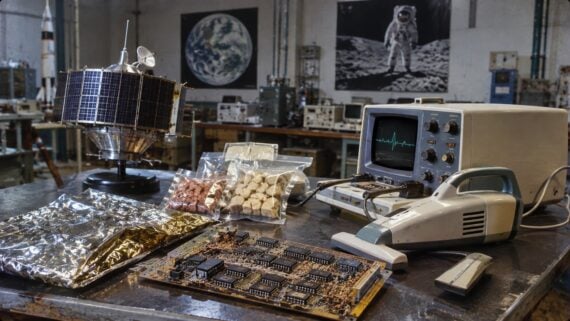
The Space Race between the United States and the Soviet Union is remembered for rockets, astronauts, and the first Moon landing. But its influence reached much further than space exploration. The technical challenges of the 1950s and 1960s accelerated developments in computing, communications, food safety, and materials. Some technologies were created for space missions, while others improved through space-related research. These 15 examples show how the competition to explore space helped shape everyday life.
Weather Satellites Made Storm Forecasting Much More Reliable
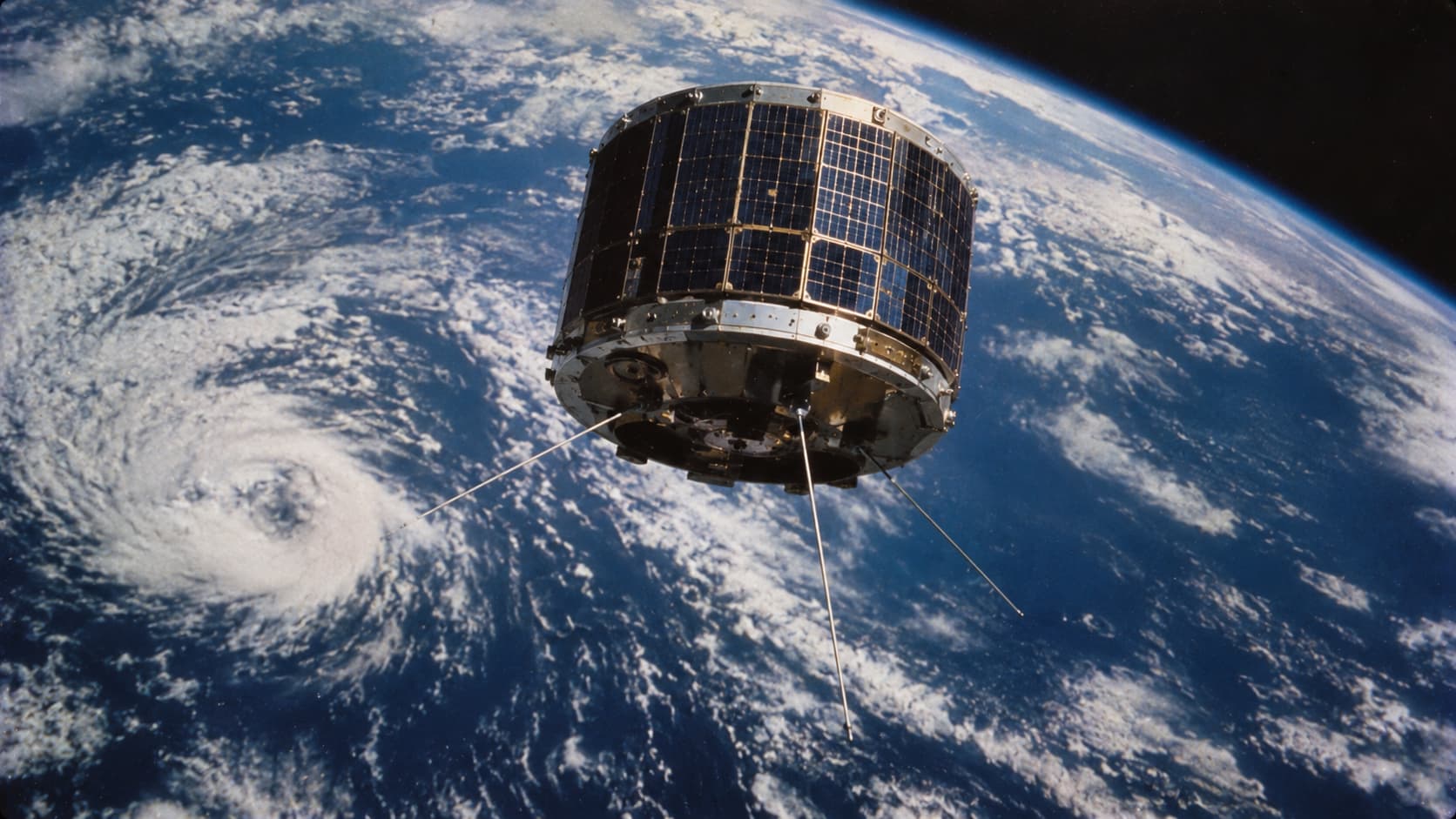
Before weather satellites, meteorologists had limited information about storms forming over oceans and remote regions. On April 1, 1960, NASA launched TIROS-1, the first successful experimental weather satellite. During its 78 days of operation, it returned more than 23,000 images of Earth and its atmosphere. The mission helped establish satellite networks now used for weather forecasts, hurricane tracking, and storm warnings. Looking at the sky got a serious technological upgrade.
Satellites Made Live Television Across Oceans Possible
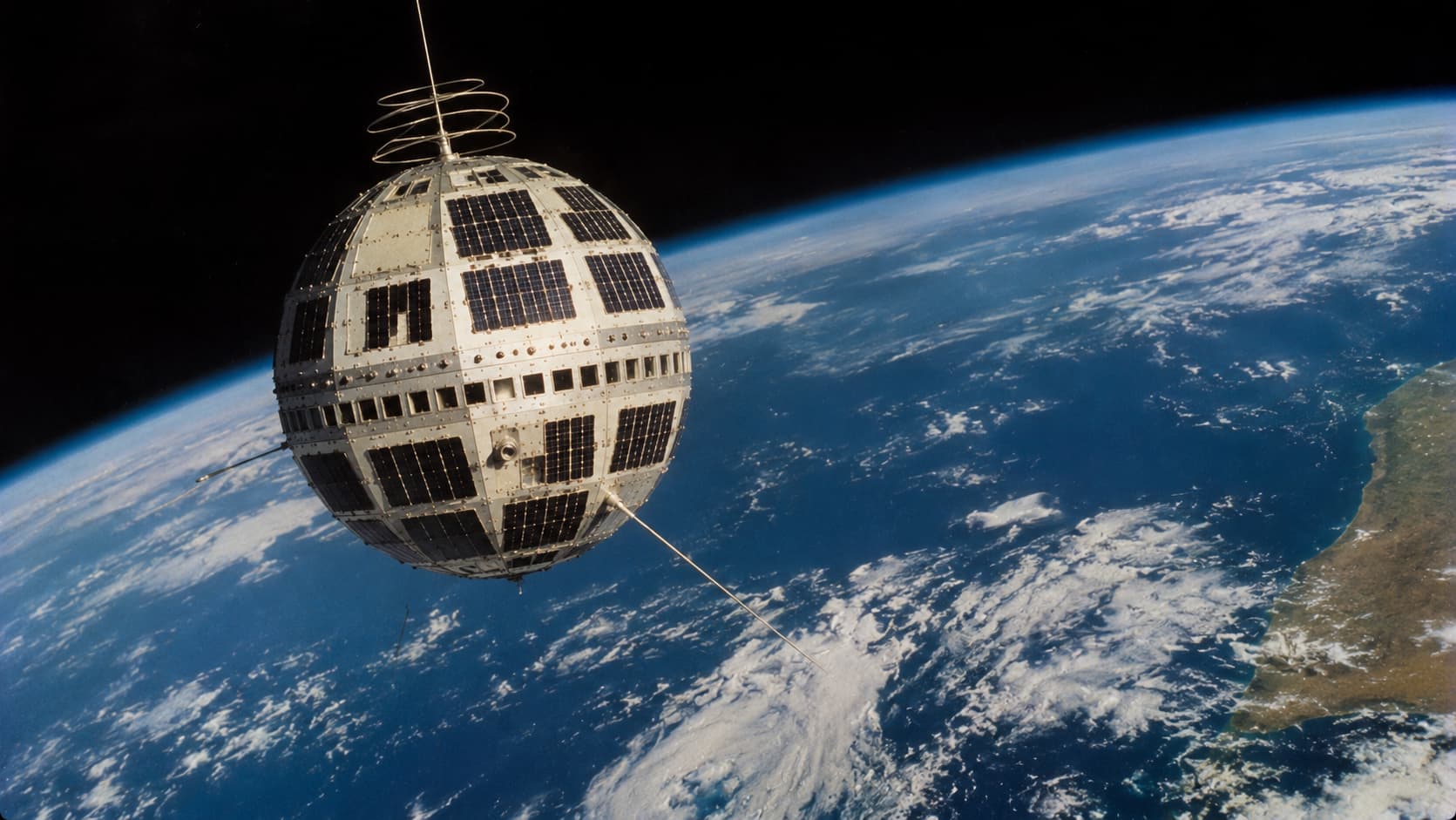
On July 10, 1962, NASA launched Telstar 1, an experimental communications satellite developed by AT&T. On July 23, it helped transmit a live public television broadcast between North America and Europe, featuring the Statue of Liberty, the Eiffel Tower, and part of a baseball game. NASA notes that Telstar didn’t invent television broadcasting, but demonstrated a new way to share news and entertainment across enormous distances. Suddenly, the Atlantic was a little less of a barrier.
International Telephone Calls Gained a New Route Through Space
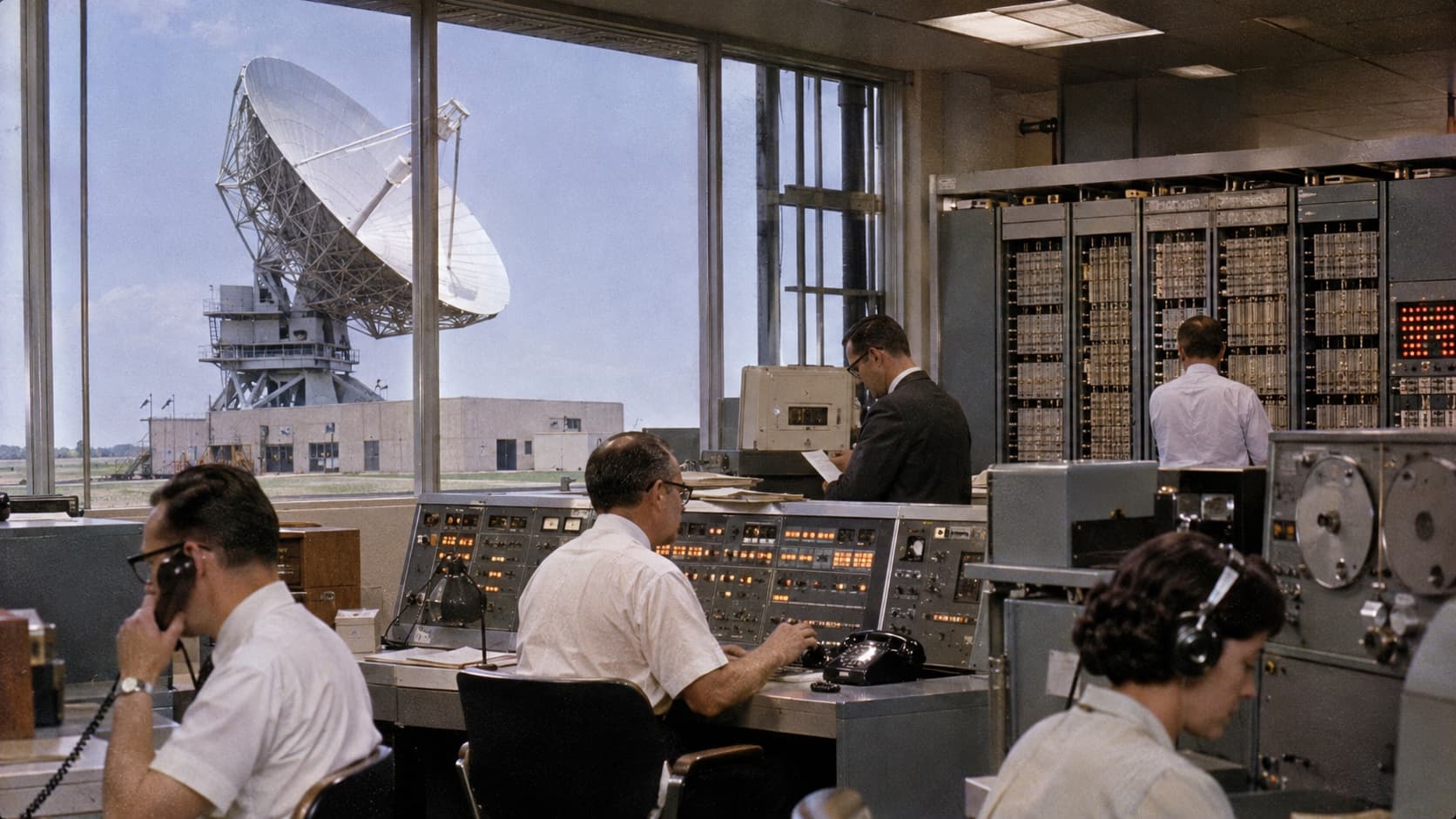
International calls once depended heavily on undersea cables and radio links. In 1962, Telstar 1 successfully relayed telephone conversations across the Atlantic, demonstrating a new route through space. Later commercial satellites expanded communications capacity, especially where conventional infrastructure was difficult to build. Fiber-optic cables now carry most intercontinental traffic, but satellites remain valuable for remote communities, ships, aircraft, and emergency services. Space helped connect the world, though dropped calls still happen.
Apollo Helped Turn Computer Chips Into a Major Industry
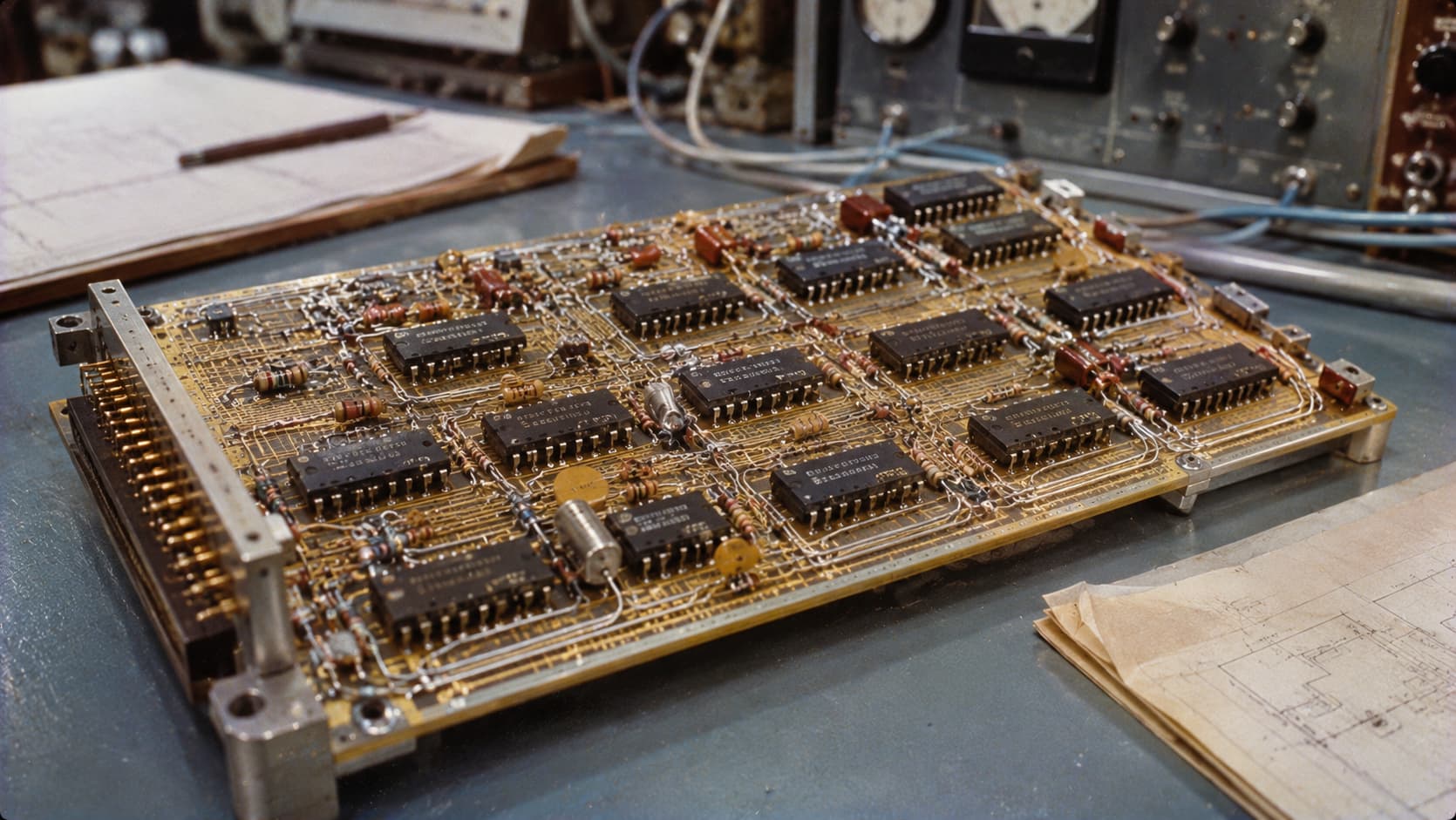
When NASA began designing the Apollo Guidance Computer, integrated circuits were still new and expensive. The program needed reliable electronics small enough to fit inside a spacecraft, becoming an important early customer for semiconductor manufacturers. NASA reports that by summer 1963, approximately 60% of U.S. microcircuit production was used in Apollo prototype construction. The chips already existed; Apollo helped accelerate their manufacturing experience, and eventually, everyday electronics.
Moon-Landing Software Helped Establish Modern Reliability Standards
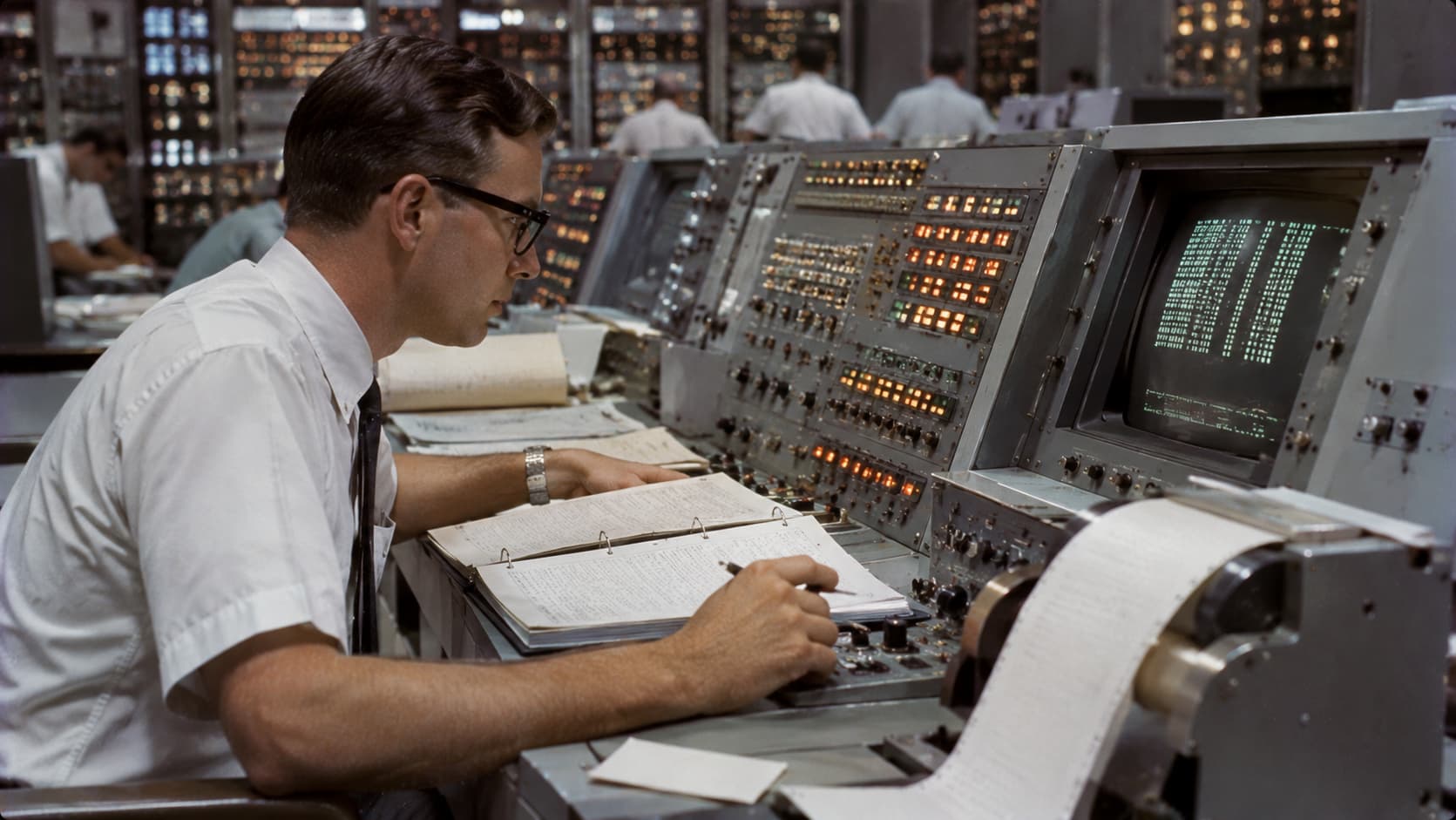
Landing astronauts on the Moon required software that could handle unexpected problems without losing essential functions. MArgaret Hmailton led the MIT team developing Apollo’s onboard flight software, which included priority scheduling, error detection, and extensive testing. During Apollo 11’s July 20, 1969, landing, the computer encountered overload alarms but continued processing high-priority tasks. NASA later recognized Hamilton’s work as a major contribution to software engineering, especially for systems where failure is not an option.
Trending on The Scroller


Astronaut Meals Helped Create Modern Food Safety Practices
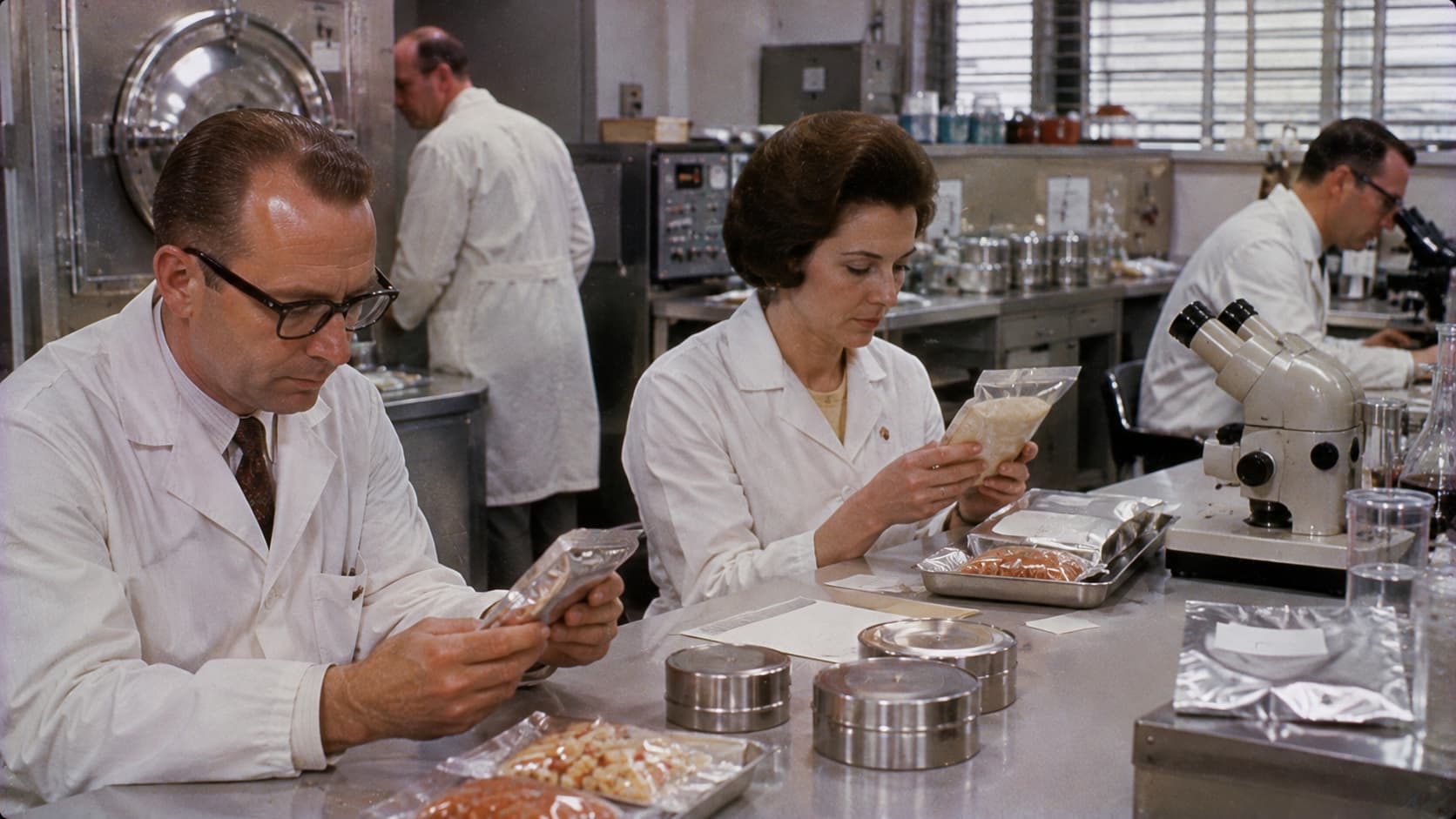
Food poisoning during a Moon mission could endanger an entire crew. During the 1960s, NASA worked with Pillsbury on a system that identified food hazards and controlled them throughout production, rather than relying only on final inspection. Known as Hazard Analysis and Critical Control Point (HACCP), it was used for Apollo food preparation. Its principles later influenced food-industry practices and regulations. Space food needed more than a good expiration date.
Freeze-Dried Foods Became Easier to Prepare
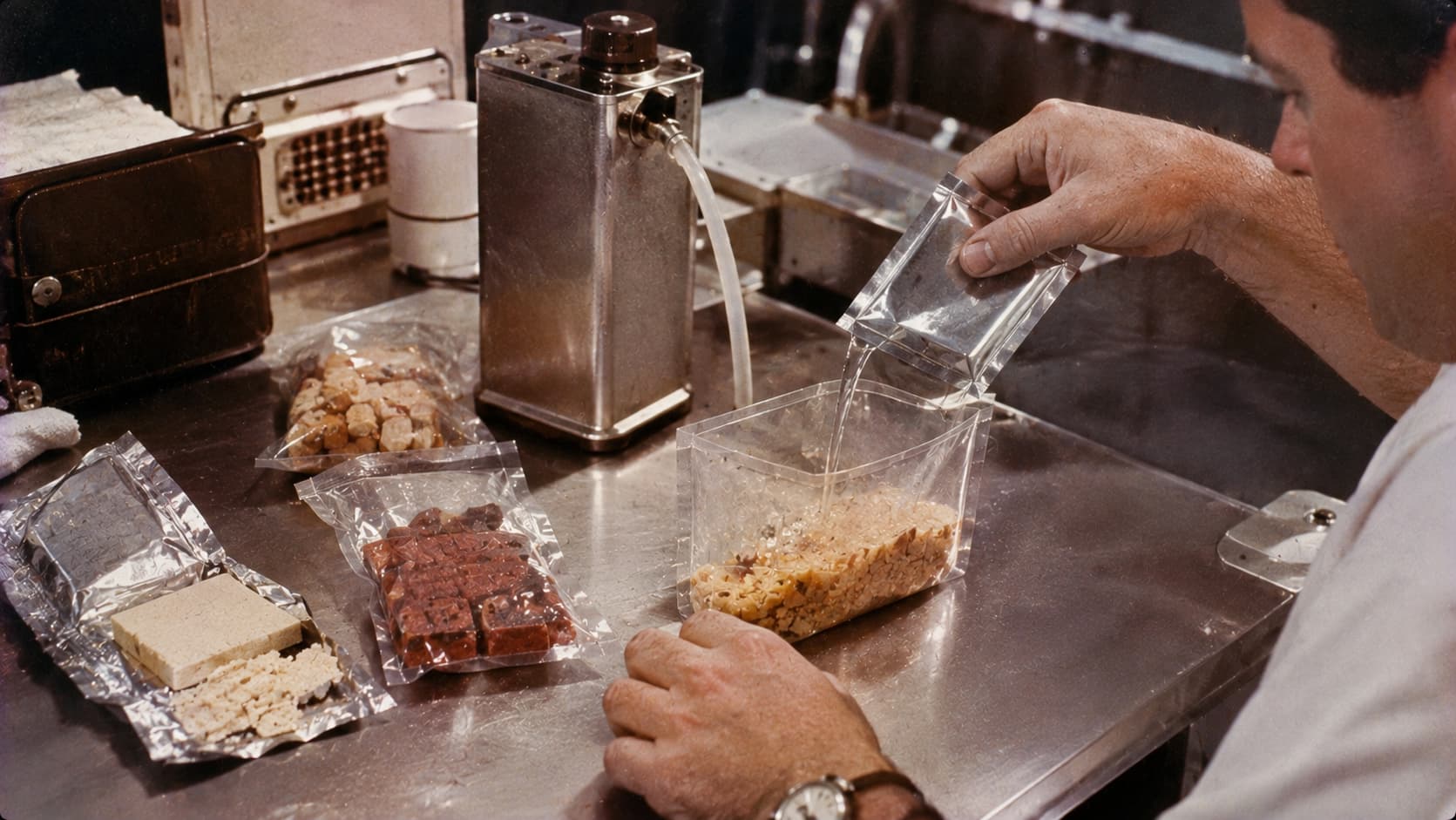
Freeze-drying existed long before spaceflight, but NASA needed lightweight meals astronauts could prepare without boiling water. During the Gemini program, NASA funded research that helped develop freeze-dried foods and gravies rehydratable with relatively cool water in minutes. These improvements made preserved meals more convenient for spaceflight and benefited outdoor food industries. Hikers and campers gained lightweight meals with long shelf lives, because carrying a kitchen up a mountain is not ideal.
Moon Exploration Helped Improve Cordless Household Vacuums
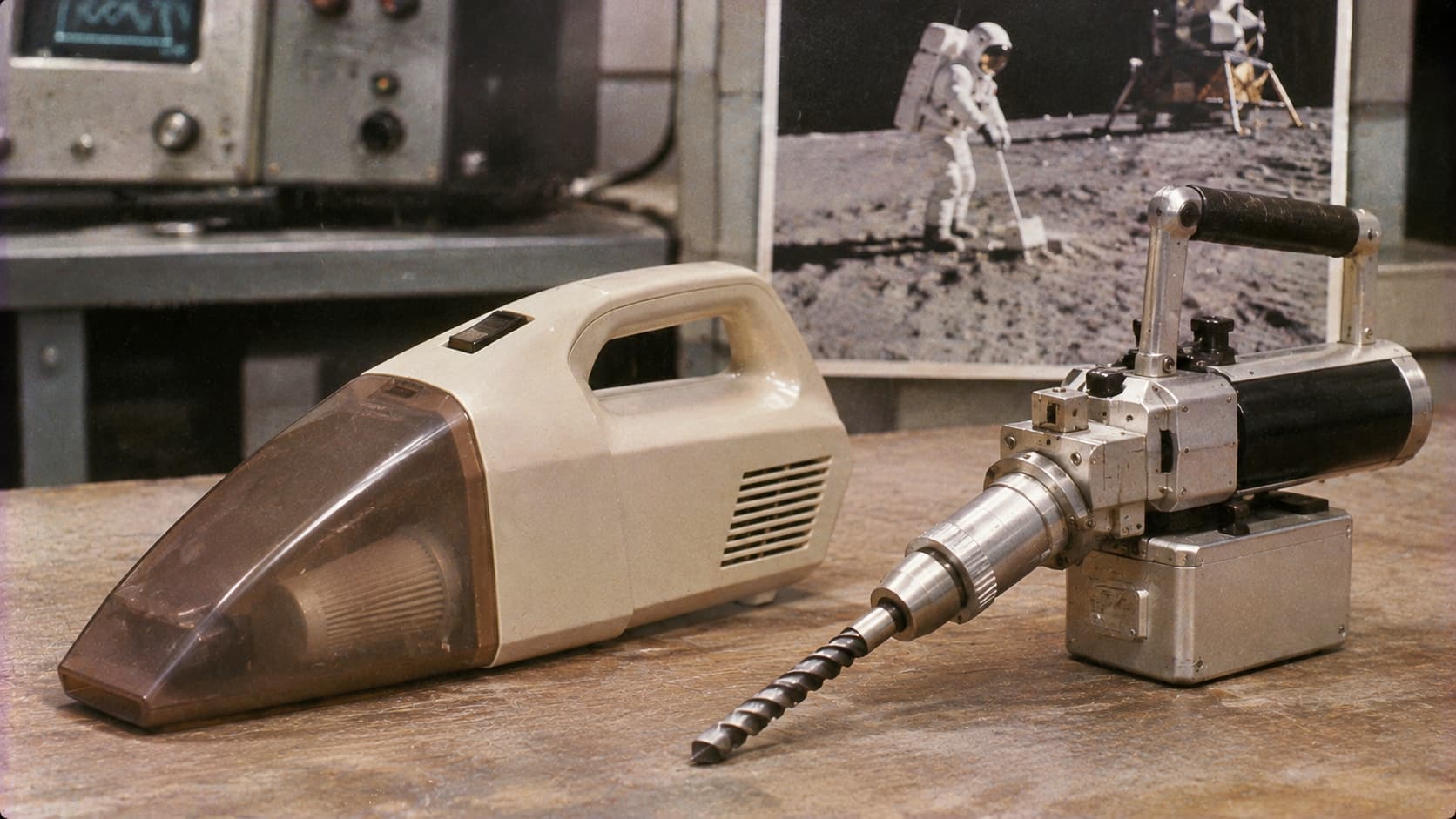
Cordless tools existed before Apollo, but lunar rock collection required lightweight, portable, efficient equipment. NASA worked with Black & Decker on battery-powered tools for drilling and sample collection, improving motor performance while conserving electricity. The company later applied related engineering knowledge to consumer products, including the Dustbuster cordless vacuum introduced in 1979. NASA didn’t invent cordless tools or vacuum cleaners, but lunar research helped improve technology that eventually reached millions of homes.
Sign up for our newsletter
Emergency Space Blankets Came From Spacecraft Insulation
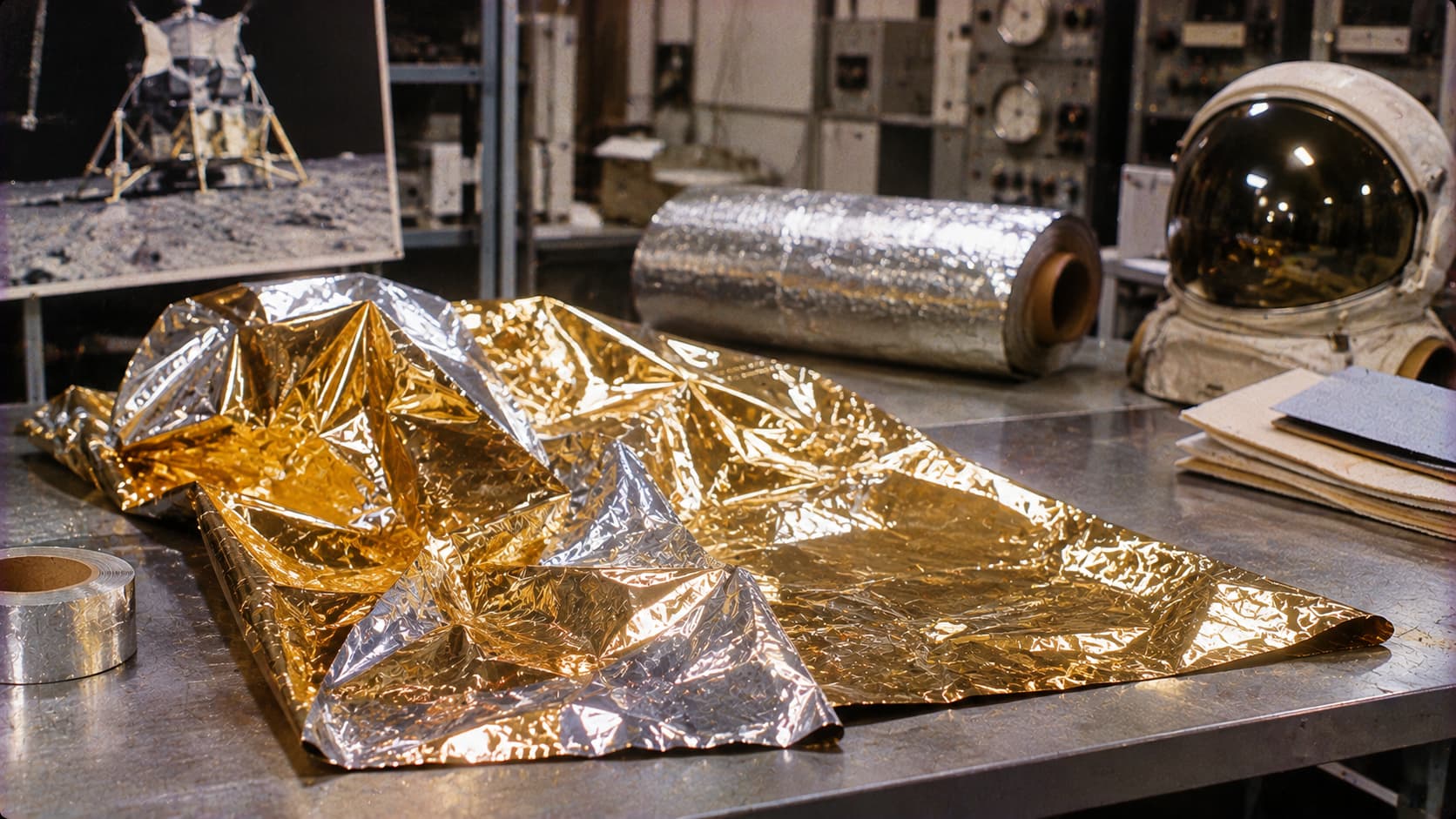
Those thin, shiny blankets in emergency kits and handed to marathon runners have a connection to space research. During the 1960s, NASA developed lightweight reflective insulation to protect spacecraft and astronauts from extreme temperatures. The material uses a thin plastic film with a metallic coating to reflect thermal radiation while adding little weight. Similar technology later appeared in emergency blankets, survival gear, and protective clothing. They’re lightweight, but using one properly still matters.
Space-Age Fabrics Helped Make Firefighters’ Clothing Safer
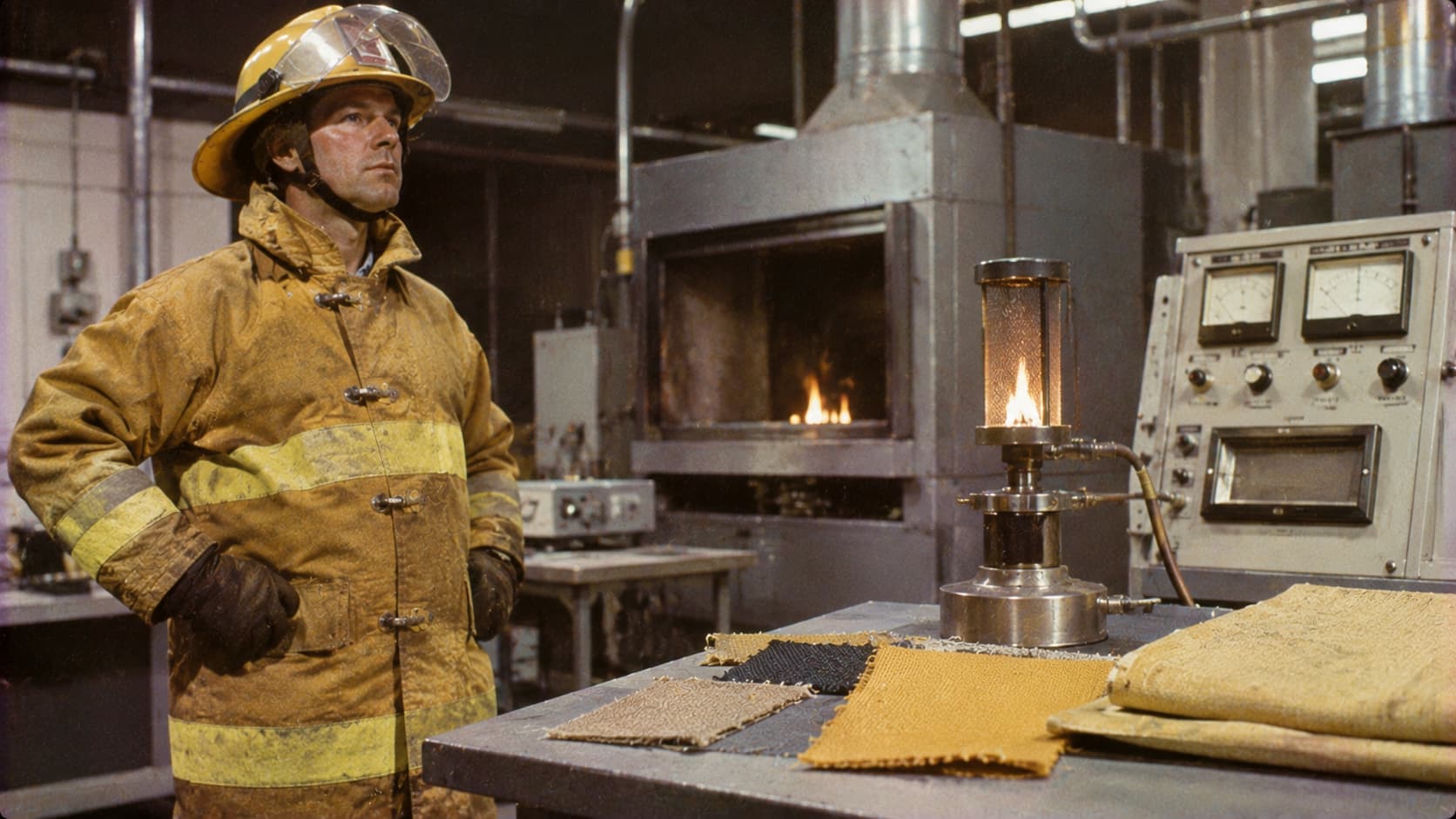
After the Apollo 1 cabin fire killed three astronauts in January 197, heat and fire protection became an urgent priority. NASA and the U.S. Air Force had supported research into polybenzimidazole (PBI), a heat-resistant polymer, since 1963. NASA later worked with Celanese to develop it into aerospace textiles. PBI fabric entered U.S. firefighting equipment in 1978, offering protective clothing designed to withstand extreme temperatures. A space-age material with a very earthly purpose.
Spacecraft Research Produced New Water Purification Technology
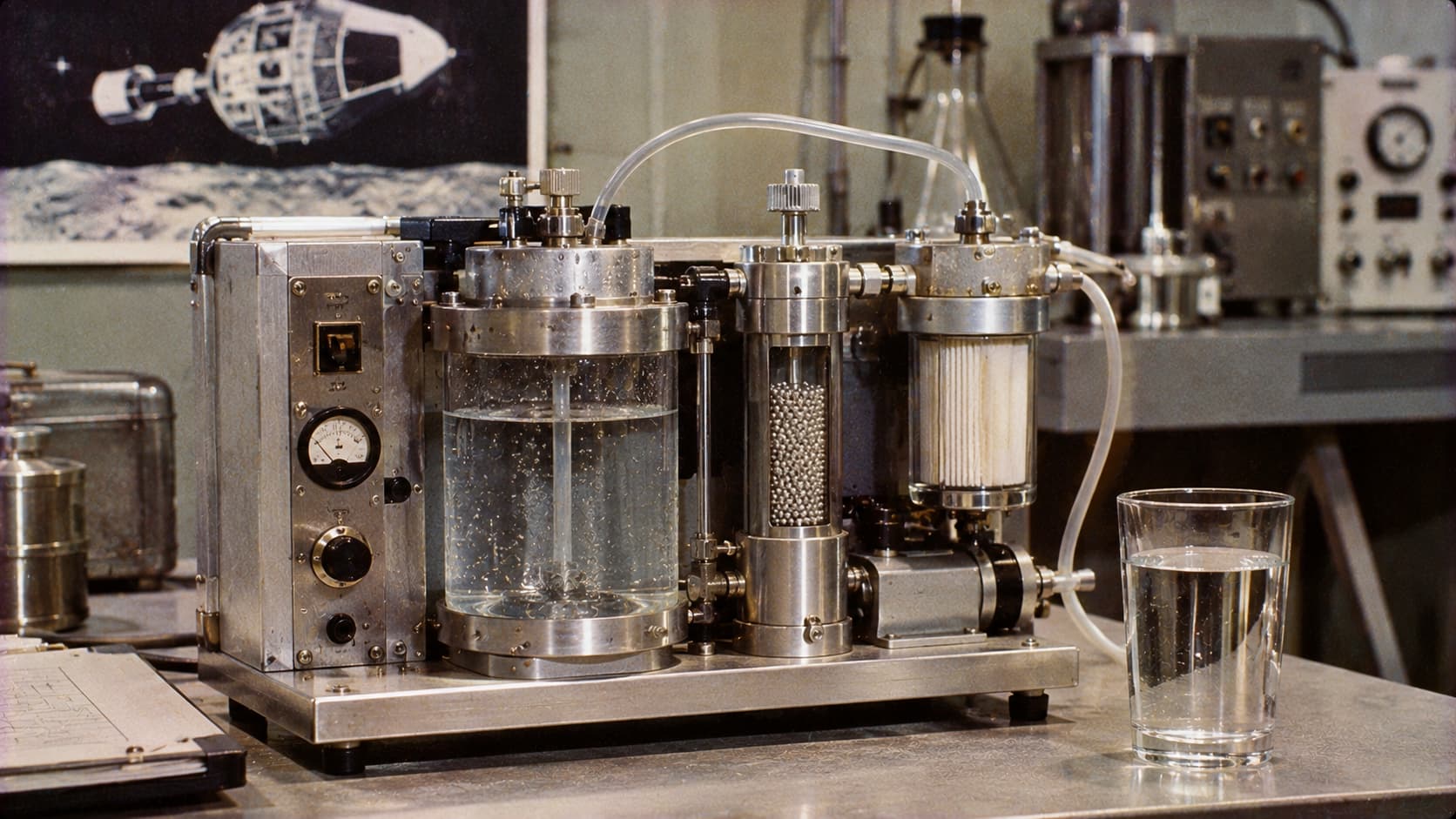
Keeping spacecraft water safe, carrying large amounts of treatment chemicals was a difficult engineering challenge. During the 1960s, NASA and the Garret Corporation developed a compact purification device that released silver ions to control microbial contamination. Although it was not ultimately used aboard an Apollo mission, its underlying technology was adapted for commercial water-treatment products, including systems for swimming pools, spas, and industrial applications. Not every space innovation actually made it to space.
Rocket Launch Technology Eventually Helped Protect Buildings From Earthquakes
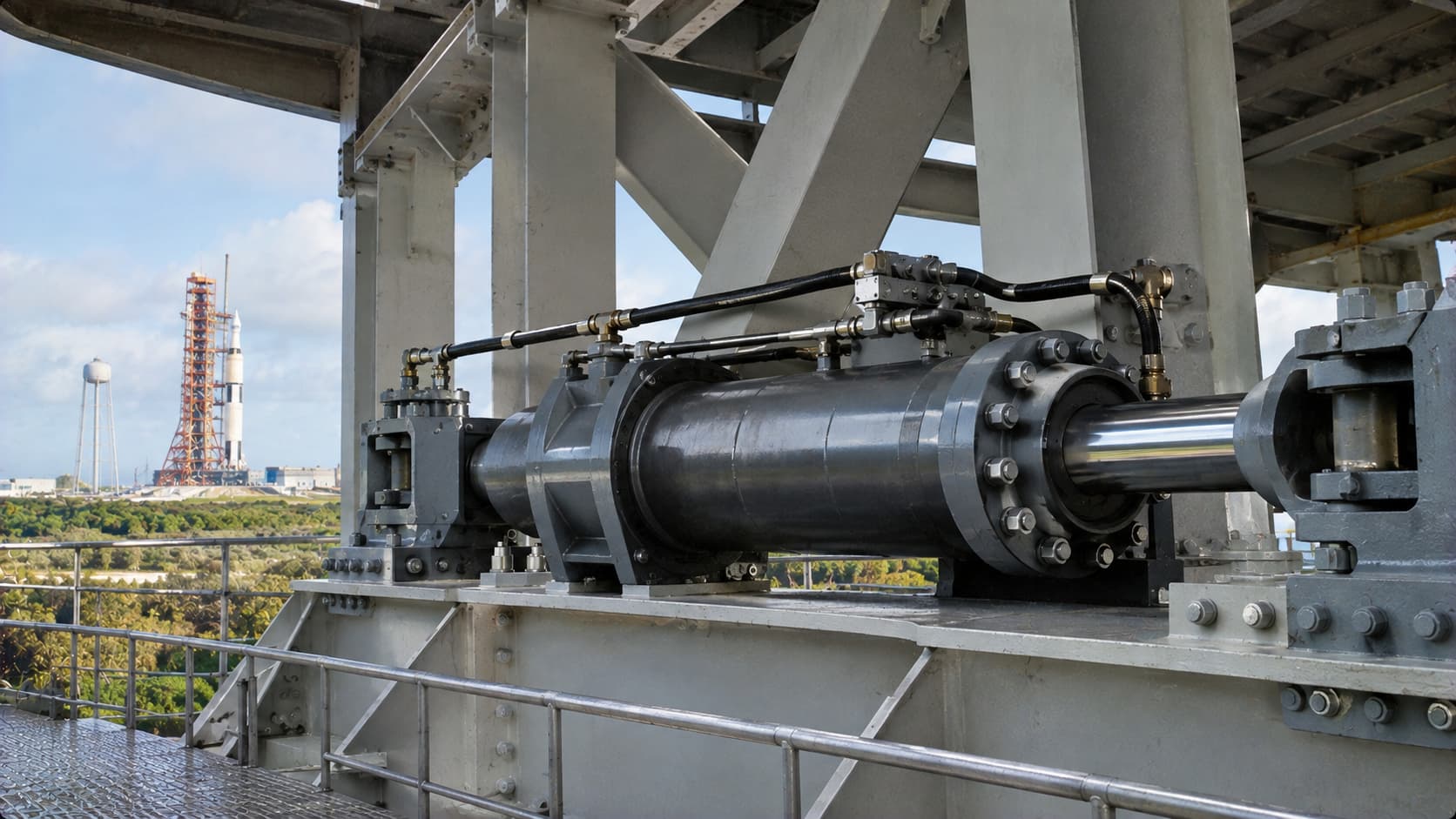
Saturn V rockets required launch equipment capable of controlling powerful mechanical forces. Engineers working with NASA developed specialized damping technologies for launch infrastructure; later improvements produced compact fluid-based shock absorbers. Taylor Devices adapted related technology for seismic dampers used in buildings and bridges. These devices help control structural movement during earthquakes, although modern design required additional engineering beyond the original Apollo-era research. Rocket science, quite literally, helps keep buildings steady.
Astronaut Monitoring Technology Found Its Way Into Hospitals
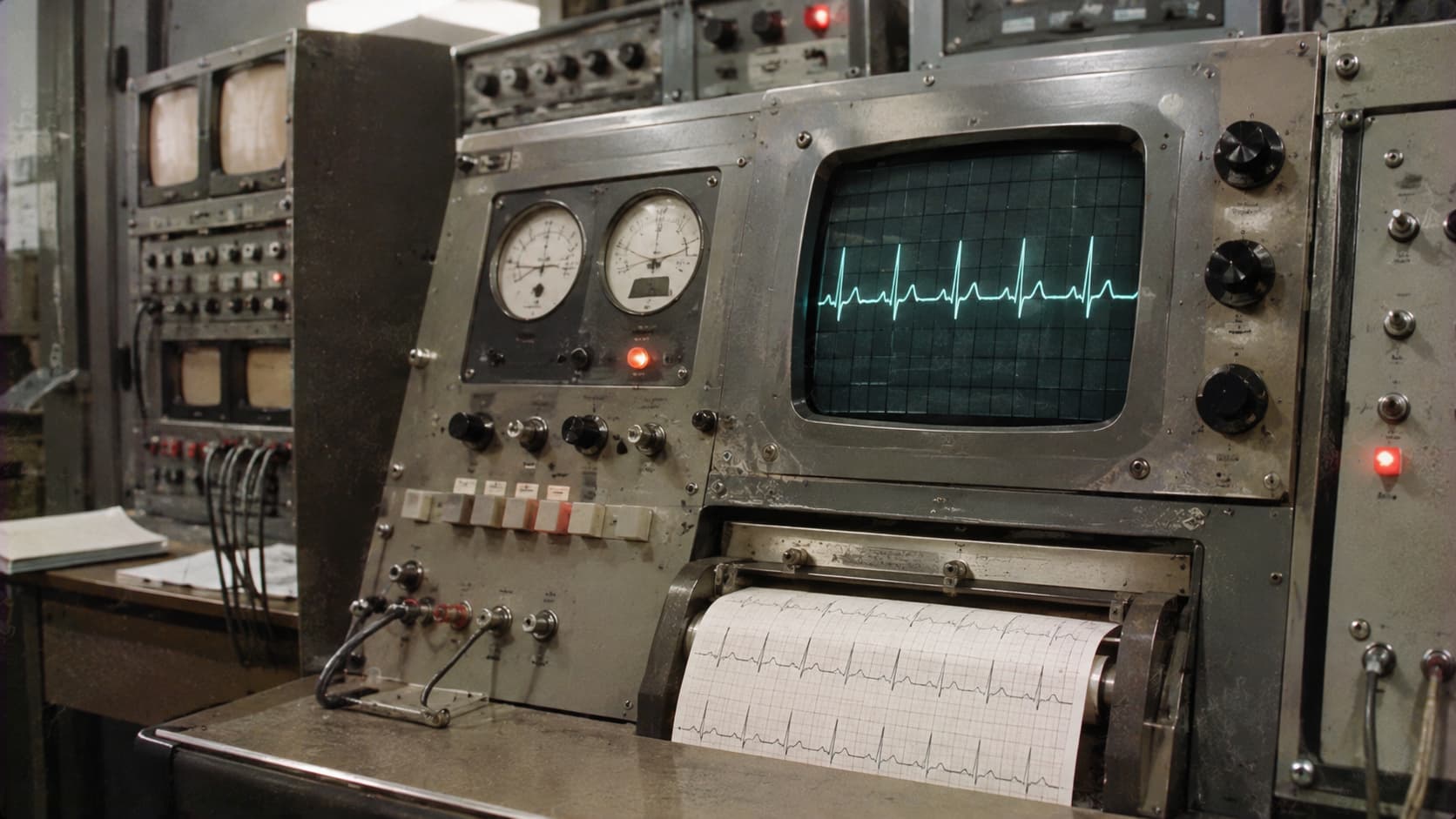
NASA needed to transmit astronauts’ health information to medical teams on Earth. During the 1960s Gemini program, NASA worked with Spacelabs on equipment that remotely transmitted measurements such as heart activity, breathing, and body temperature. The technology was refined for Apollo and adapted for hospital monitoring systems. Similar medical telemetry later allowed clinicians to observe vital signs from central stations instead of relying entirely on bedside checks. A very useful upgrade from the space-age house call.
Moon-Landing Computers Helped Change How Passenger Jets Are Controlled
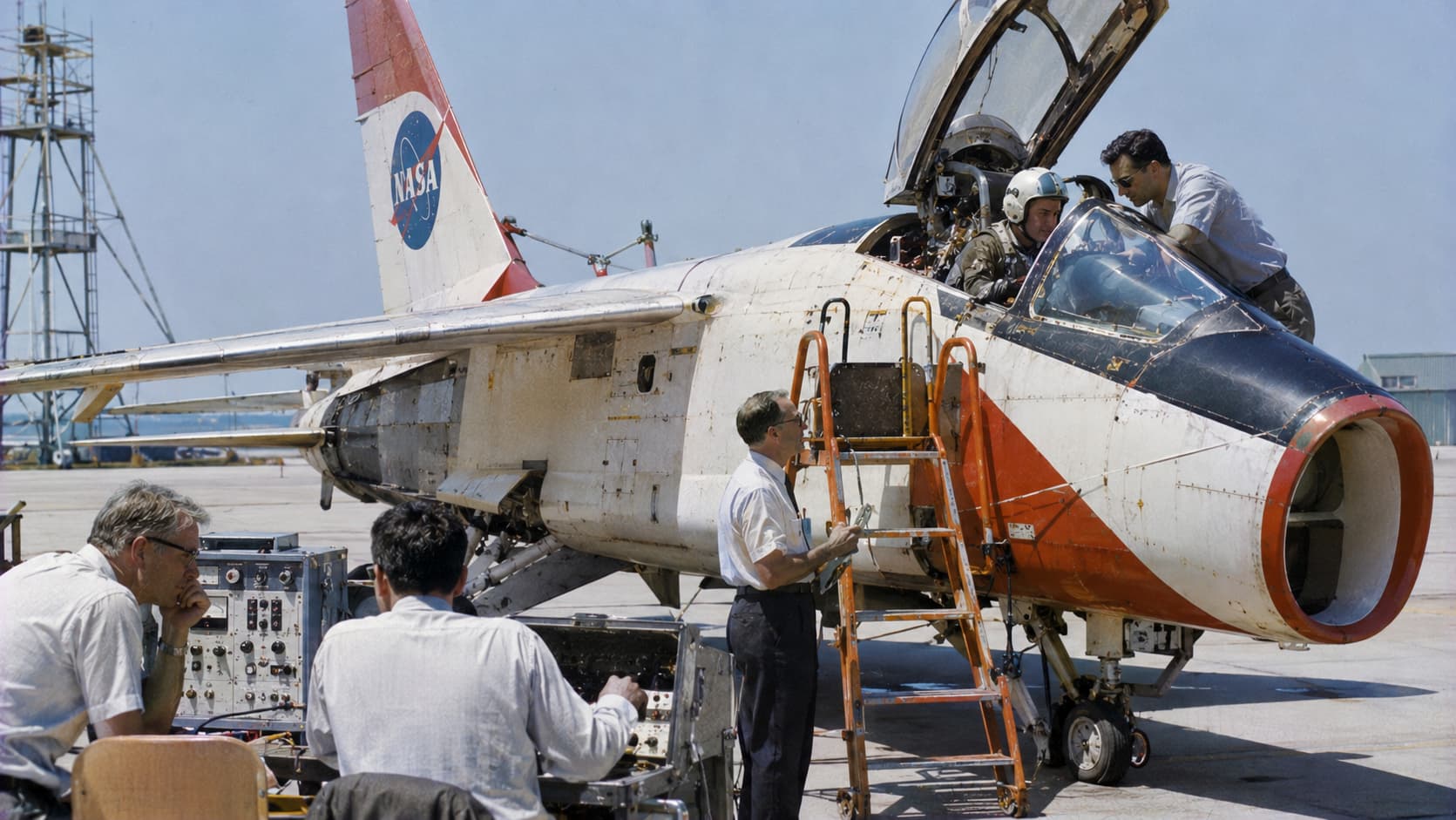
Apollo demonstrated that compact digital computers could reliably handle critical flight operations. NASA engineers later adapted Apollo Guidance Computer technology for a modified F-8 Crusader aircraft, which completed its first digital fly-by-wire flight on May 25, 1972. The system replaced direct mechanical connections with computer-processed electrical commands. NASA research helped establish technology later adopted by commercial aircraft, including the Airbus A320 and Boeing 777. Pilots still fly, but computers have a much bigger role.
A Photograph From the Moon Helped Change How People Viewed Earth
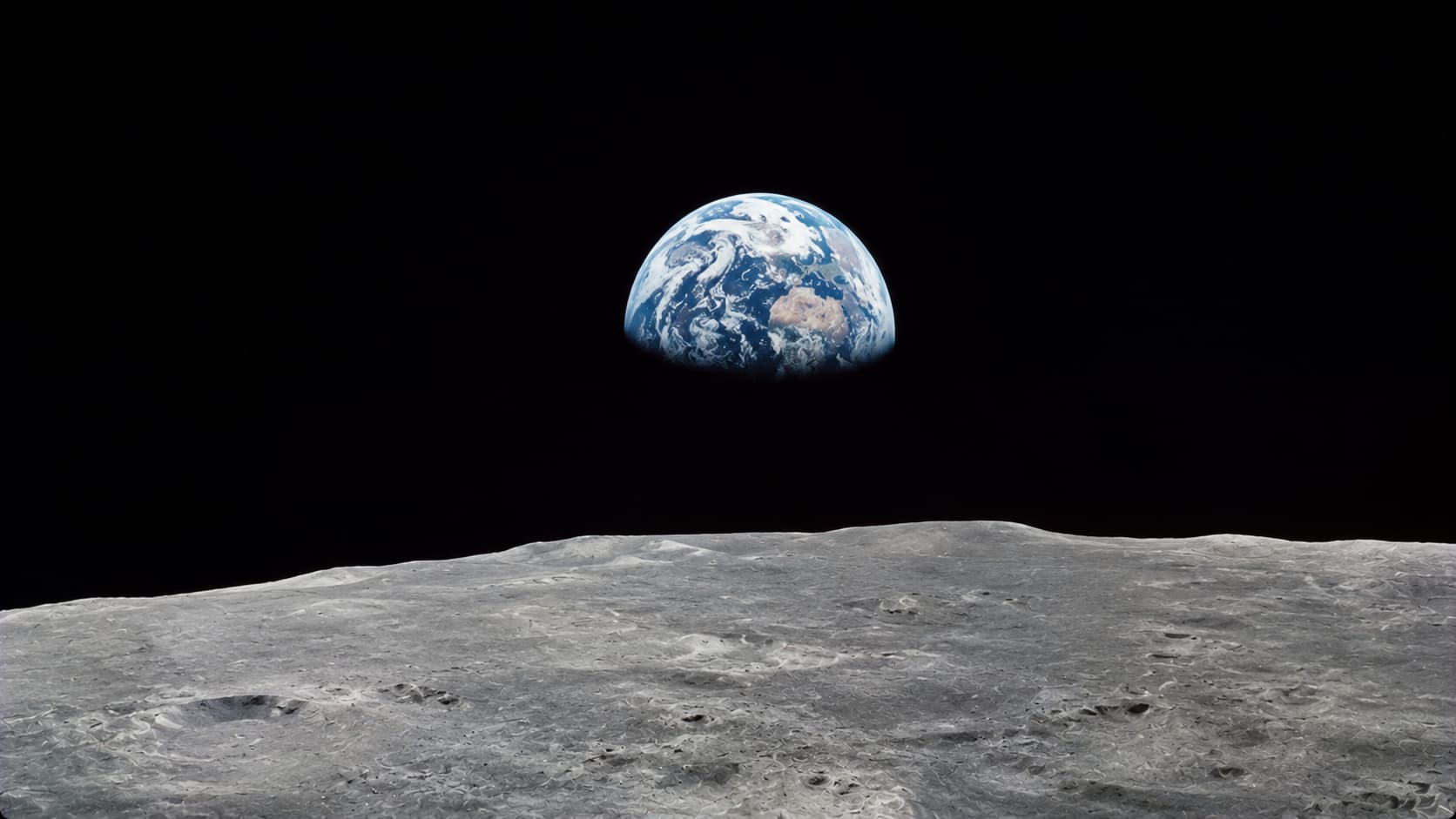
On December 24, 1968, Apollo 8 astronaut William Anders photographed Earth rising above the Moon’s horizon. Known as Earthrise, the image showed the planet as a small, colorful world surrounded by darkness. NASA says it became one of the 20th century’s most recognizable photographs and is widely credited with helping inspire the growing environmental movement around the first Earth Day in 1970. Environmental activism already existed, but the picture offered a powerful new perspective on home.