Stealing a famous painting creates an obvious problem: once the whole world knows it is missing, selling it becomes almost impossible. That has not stopped thieves from walking into museums with guns, climbing through windows, posing as employees, and occasionally escaping by speedboat. Some of the works below were recovered within days, while others have been missing for decades. From a $500 million haul in Boston to the surprisingly simple theft of the Mona Lisa, these are some of the largest and most notorious art robberies ever carried out.
1. The Isabella Stewart Gardner Museum Heist
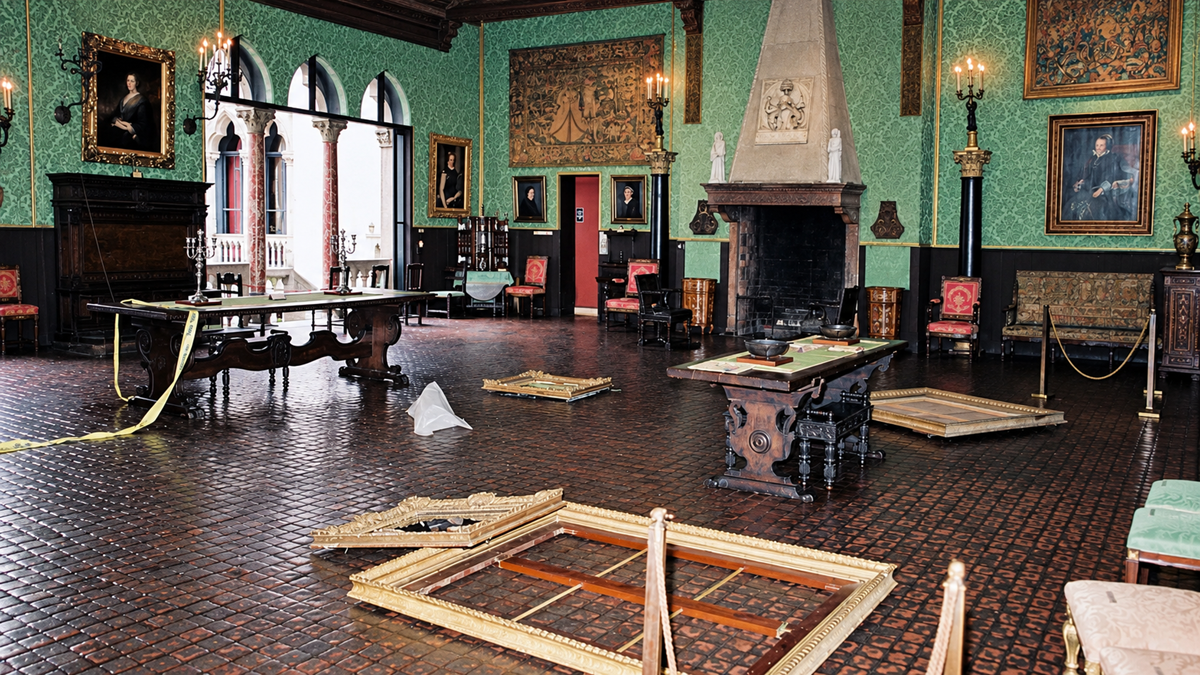
Nothing else on this list quite matches what happened in Boston on March 18, 1990. Two men dressed as police officers talked their way into the Isabella Stewart Gardner Museum, restrained the night guards, and spent 81 minutes taking 13 objects, including Vermeer’s The Concert and Rembrandt’s Christ in the Storm on the Sea of Galilee. The haul has commonly been valued at around $500 million, although modern estimates have sometimes gone considerably higher. Not a single stolen object has been recovered, and Guinness World Records still recognizes the robbery as the most costly art gallery heist on record.
2. A Lone Thief Took Five Masterpieces From a Paris Museum
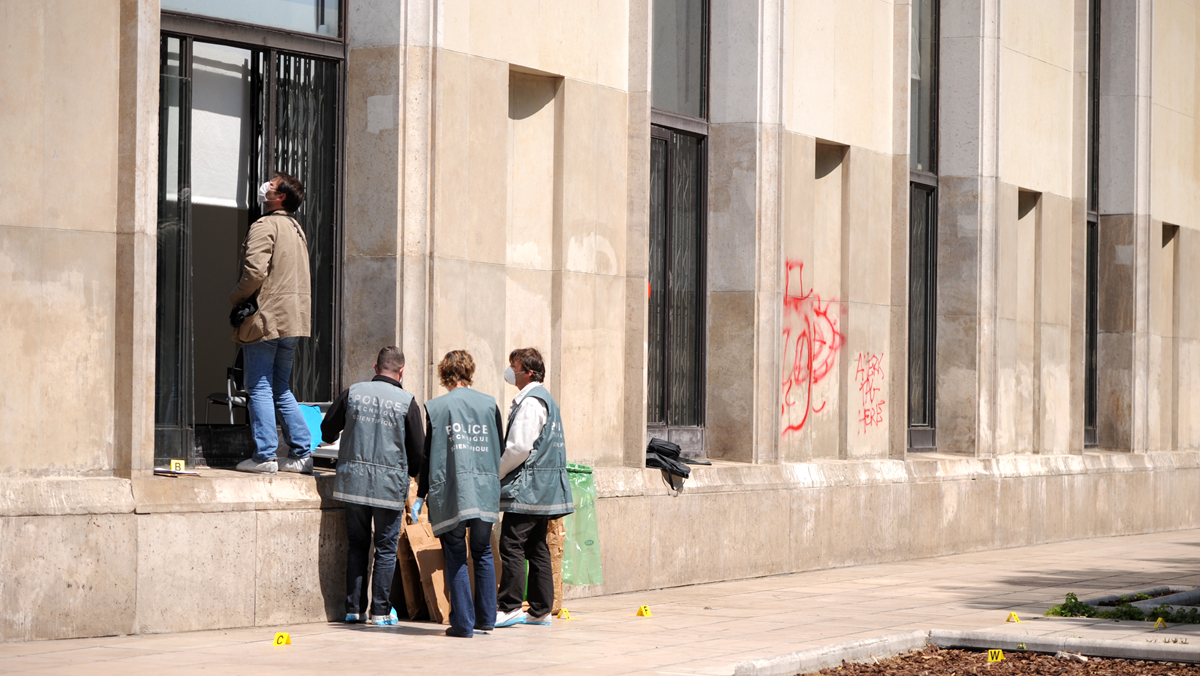
The 2010 robbery at the Musée d’Art Moderne de Paris looked less like an elaborate team operation than anyone might expect from such an enormous haul. Burglar Vjeran Tomic broke through a window and removed five paintings by Picasso, Matisse, Braque, Modigliani, and Léger while the museum’s alarm system was malfunctioning. Estimates varied wildly at first, but authorities ultimately placed the group of works at roughly €100 million. Tomic was later convicted, yet the paintings themselves have never been recovered.
3. Armed Men Grabbed $163 Million in Art From a Swiss Collection
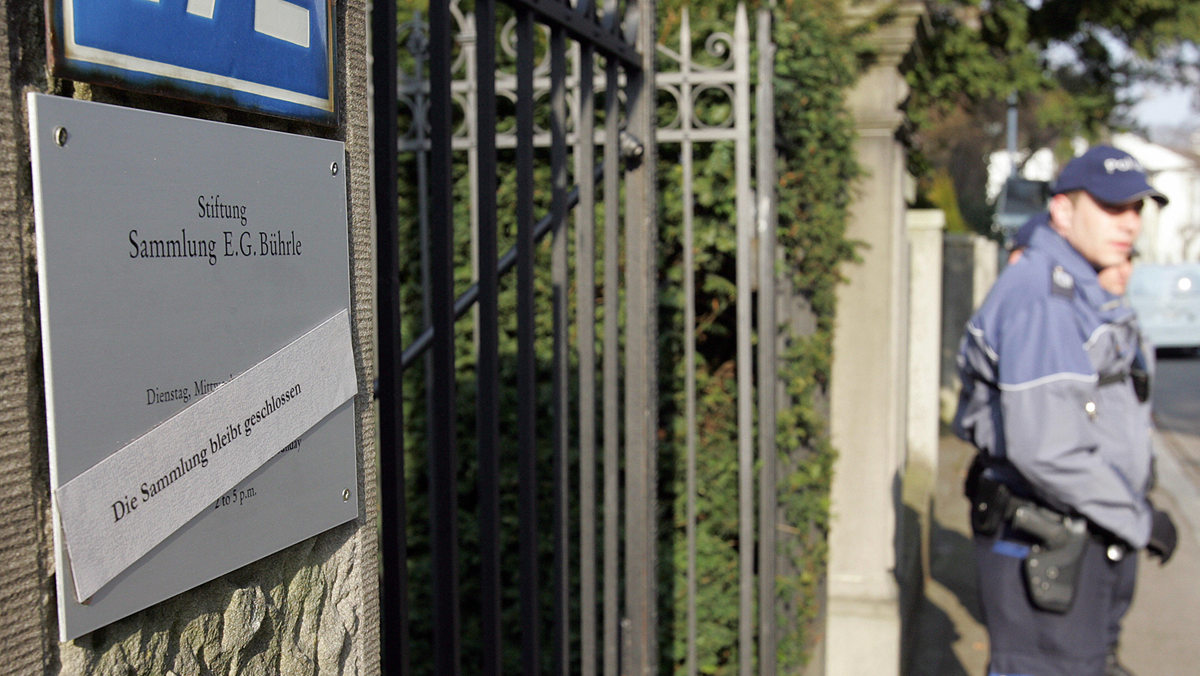
Visitors were still inside the E.G. Bührle Collection in Zurich when three masked men entered shortly before closing time in February 2008. One robber held staff and visitors at gunpoint while the others took paintings by Cézanne, Degas, Monet, and Van Gogh, together valued at about $163 million at the time. Their getaway was considerably less elegant than the art: witnesses reported seeing paintings sticking out of the back of their vehicle as they drove away. Two of the works turned up in an unlocked car days later, while the others were recovered later.
4. Seven Major Paintings Vanished From Rotterdam’s Kunsthal

The Kunsthal in Rotterdam was showing part of the Triton Foundation collection when thieves entered before dawn on October 16, 2012. Within minutes, seven paintings were gone, including works by Picasso, Monet, Matisse, Gauguin, Meyer de Haan, and Lucian Freud. Estimates differed because the works were privately owned, but experts suggested the total could reach tens of millions of euros or more. The paintings have never been conclusively recovered, and one suspect’s mother later claimed she burned them, a story investigators treated with considerable skepticism.
5. The Green Vault Thieves Targeted Royal Jewels Instead of Paintings
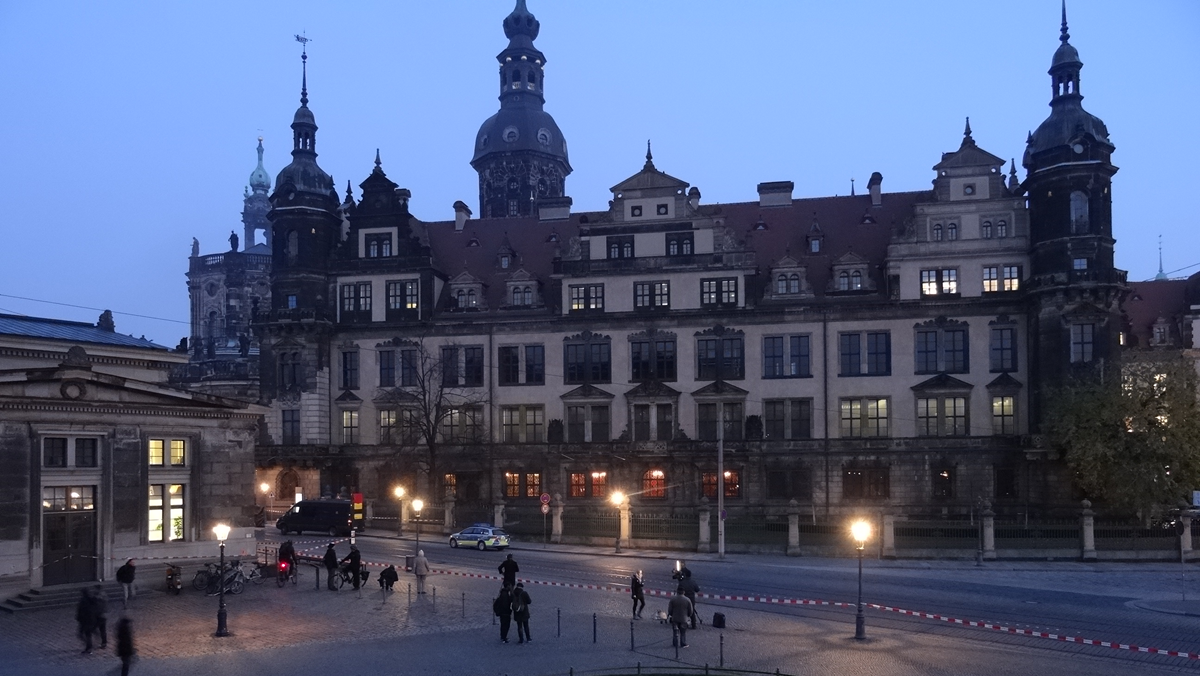
Dresden’s Green Vault holds treasures assembled by Saxon rulers, so putting a straightforward market price on its contents is difficult. In November 2019, thieves broke through a barred window and smashed a display case containing elaborate 18th-century diamond jewelry associated with the Saxon royal collection. Authorities described the cultural value of the stolen pieces as essentially immeasurable. Several pieces were eventually recovered after suspects connected with the robbery were prosecuted, although the raid remains one of Europe’s most extraordinary museum thefts.
Trending on The Scroller


6. The Mona Lisa Disappeared From the Louvre for More Than Two Years
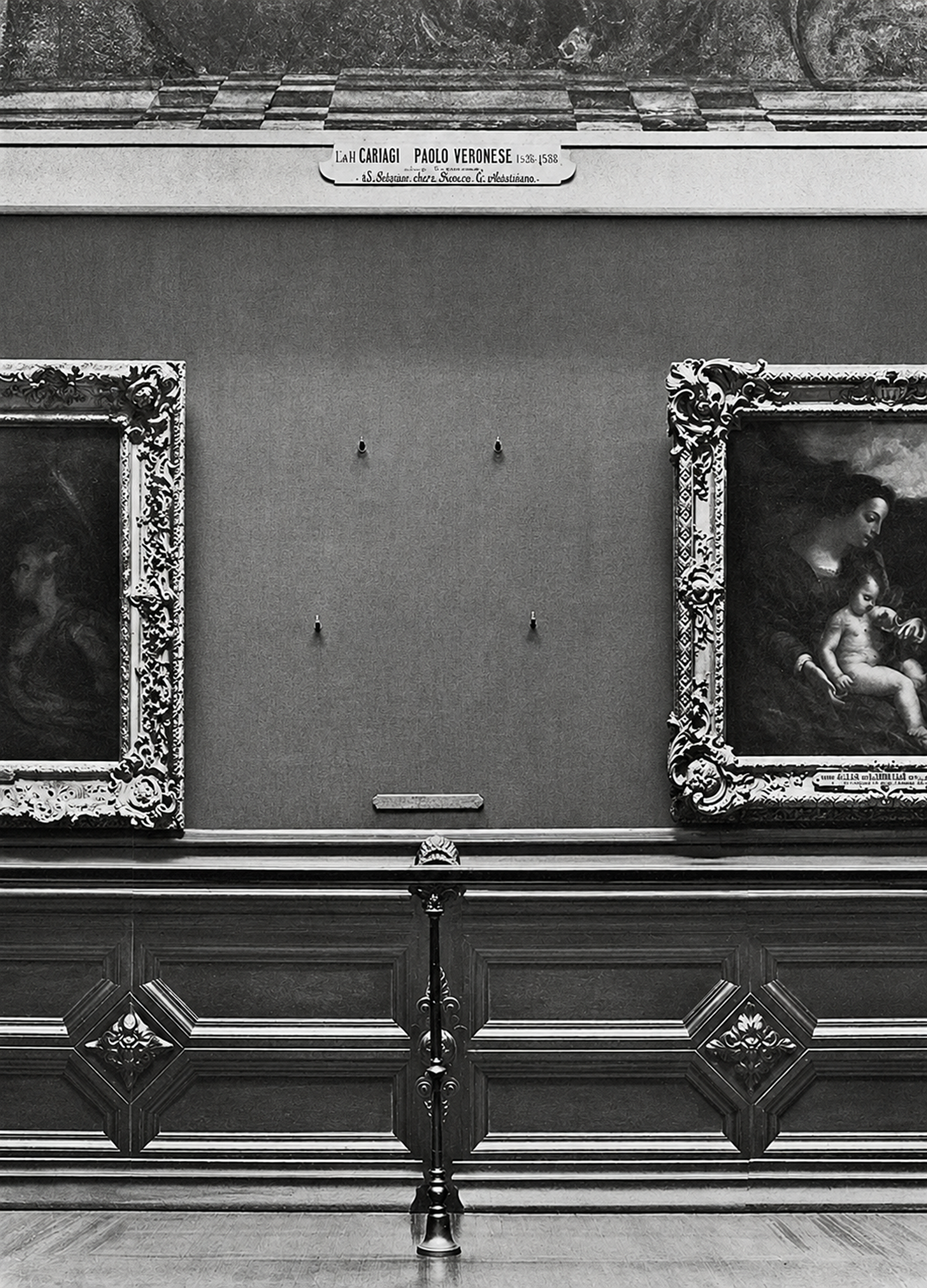
Visitors did not immediately realize that Leonardo da Vinci’s Mona Lisa had been stolen in August 1911. Former Louvre worker Vincenzo Peruggia removed the painting and managed to leave the museum with it concealed under his clothing. He then kept one of the world’s most recognizable paintings hidden in his apartment until attempting to arrange its return to Italy in 1913. The robbery unexpectedly helped turn the Mona Lisa into an international celebrity.
7. Robbers Escaped Stockholm’s National Museum by Speedboat
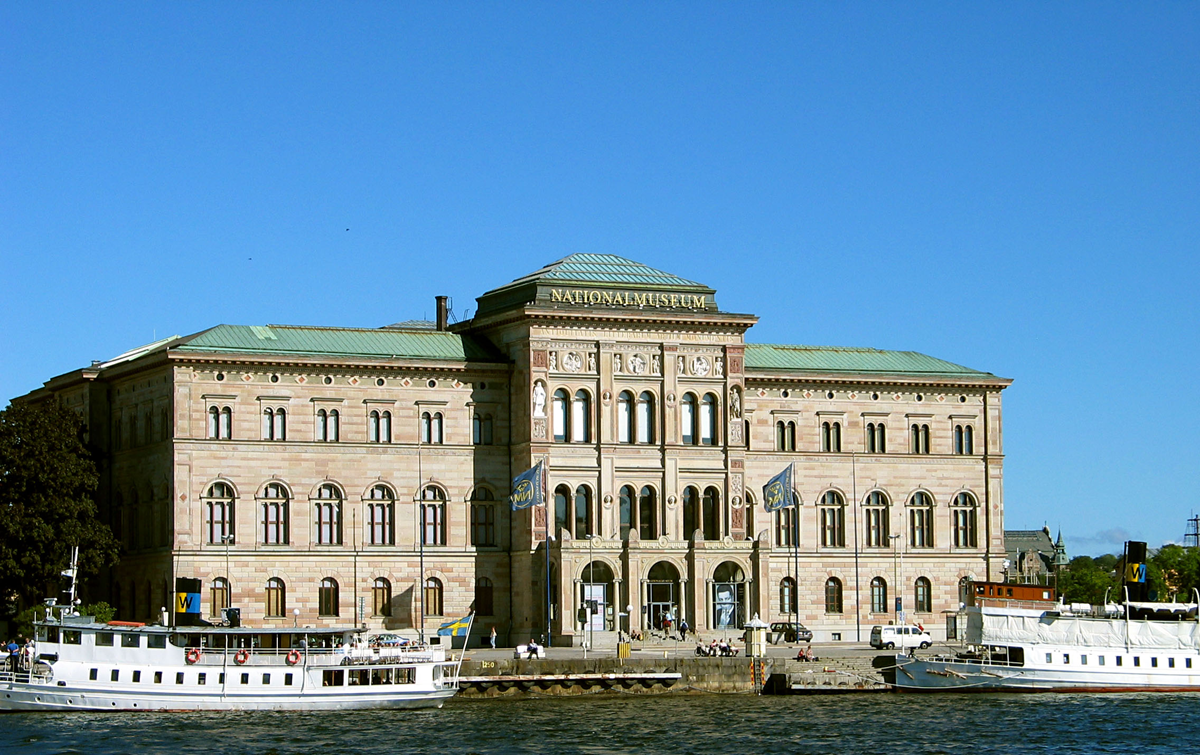
This one really did have a movie-heist ending. Shortly before Stockholm’s Nationalmuseum closed in December 2000, armed robbers threatened guards and took a Rembrandt self-portrait and two Renoir paintings. Cars were reportedly set on fire elsewhere in the city as distractions, and the thieves fled from the waterfront in a small motorboat. All three works were eventually recovered.
8. The Scream Was Torn Off a Museum Wall in Broad Daylight

Tourists were inside Oslo’s Munch Museum on August 22, 2004, when masked gunmen entered and threatened visitors and staff. One of them pulled Edvard Munch’s The Scream and Madonna from the wall before the group escaped in a waiting car. Both paintings were recovered by Norwegian police two years later, in better condition than many had feared.
Sign up for our newsletter
9. Another Version of The Scream Had Already Been Stolen 10 Years Earlier
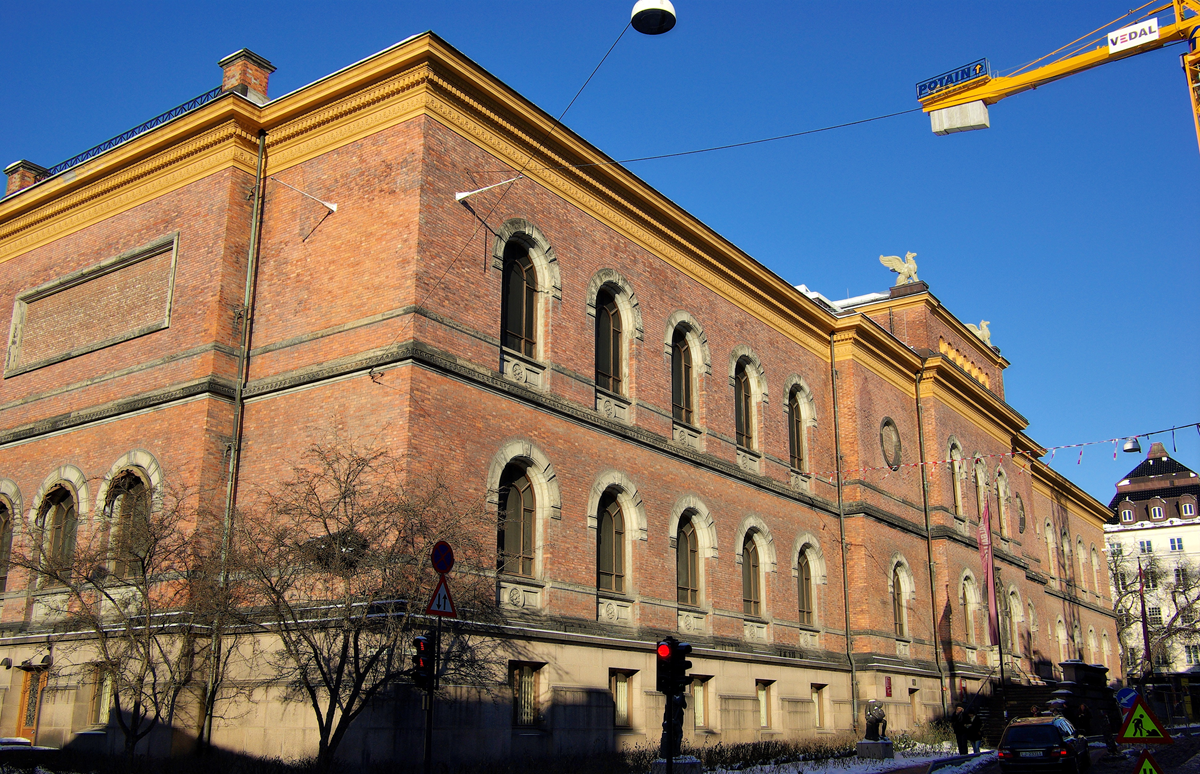
The 2004 thieves were not even the first people to steal The Scream. During the opening day of the 1994 Winter Olympics in Lillehammer, thieves climbed into Norway’s National Gallery, cut another version of Munch’s painting from the wall, and disappeared in less than a minute. They reportedly left behind a note mocking the museum’s security. The painting was recovered a few months later.
10. Russborough House Lost 18 Paintings in One Night
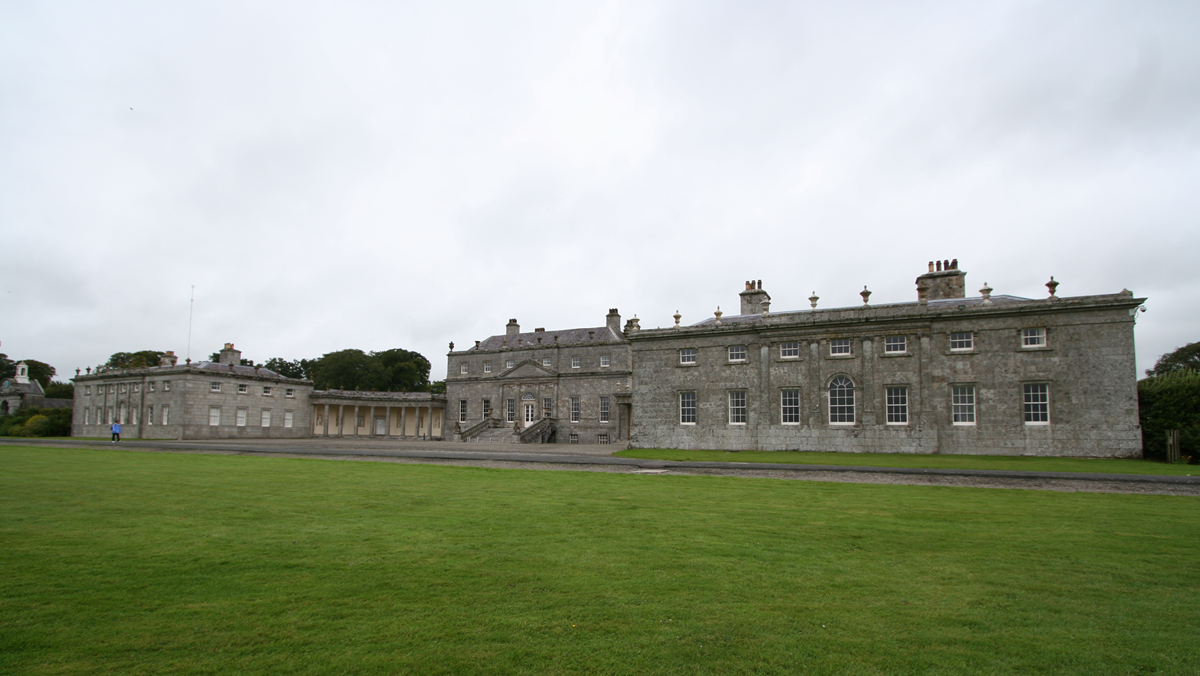
Few collections have experienced art theft as repeatedly as Russborough House in County Wicklow, Ireland. In 1986, a gang associated with Dublin crime boss Martin Cahill stole 18 works, including paintings by Vermeer, Goya, Gainsborough, Metsu, and Rubens. The collection had already been targeted in a major 1974 robbery and would be hit again in later years. Works from the 1986 haul surfaced gradually in several countries as investigators pursued the stolen collection through criminal networks.
11. Montreal’s Biggest Museum Robbery Started on the Roof
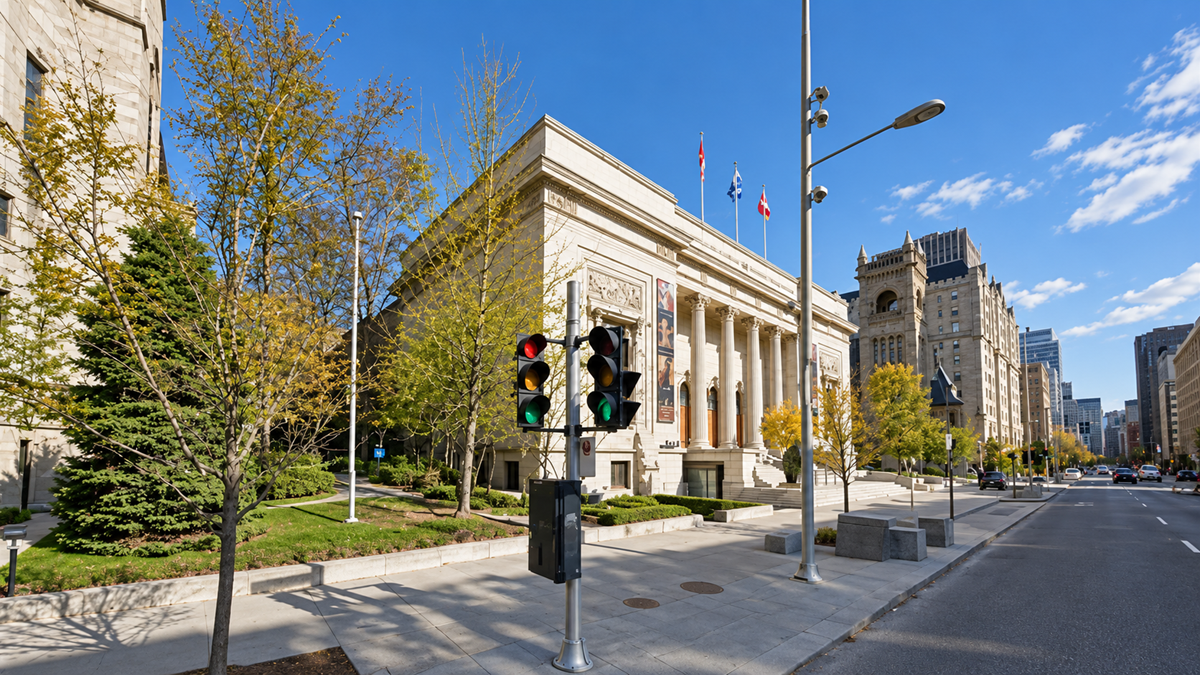
The 1972 Montreal Museum of Fine Arts robbery became known as the Skylight Caper. Thieves entered through a roof opening that was accessible while repairs were underway, subdued guards, and spent a long stretch inside the building selecting paintings, jewelry, and decorative objects. Among the missing works was a rare Rembrandt landscape. Much of the haul has never resurfaced, making it one of Canada’s most significant unresolved art crimes.
12. Two Van Goghs Were Stolen From His Own Museum

In December 2002, thieves used a ladder to reach the roof of Amsterdam’s Van Gogh Museum and escaped with two paintings by Vincent van Gogh. Neither was among his largest canvases, but both had enormous historical importance, particularly Congregation Leaving the Reformed Church in Nuenen, which included the church where Van Gogh’s father served as pastor. The paintings disappeared for 14 years before Italian authorities found them during an investigation involving organized crime.
13. Brazil’s Most Famous Museum Lost a Picasso in Minutes

Thieves broke into the São Paulo Museum of Art in December 2007 and took just two paintings, but one was Picasso’s Portrait of Suzanne Bloch. The other was O Lavrador de Café by Brazilian modernist Candido Portinari. Surveillance footage showed that the robbery itself was remarkably fast. Brazilian police recovered both paintings only a few weeks later.
14. A Leonardo Was Taken From a Scottish Castle During Visiting Hours

Two men entered Drumlanrig Castle in Scotland as ordinary tourists in 2003, then overpowered a guide and walked out with Leonardo da Vinci’s Madonna of the Yarnwinder. The painting was valued at roughly £30 million at the time. It remained missing for four years before police recovered it during a raid in Glasgow. The method was almost embarrassingly simple for the theft of a Leonardo: enter during opening hours, take the picture, and leave.
15. Thieves Stole Three Paintings From Manchester and Left Them Near a Toilet
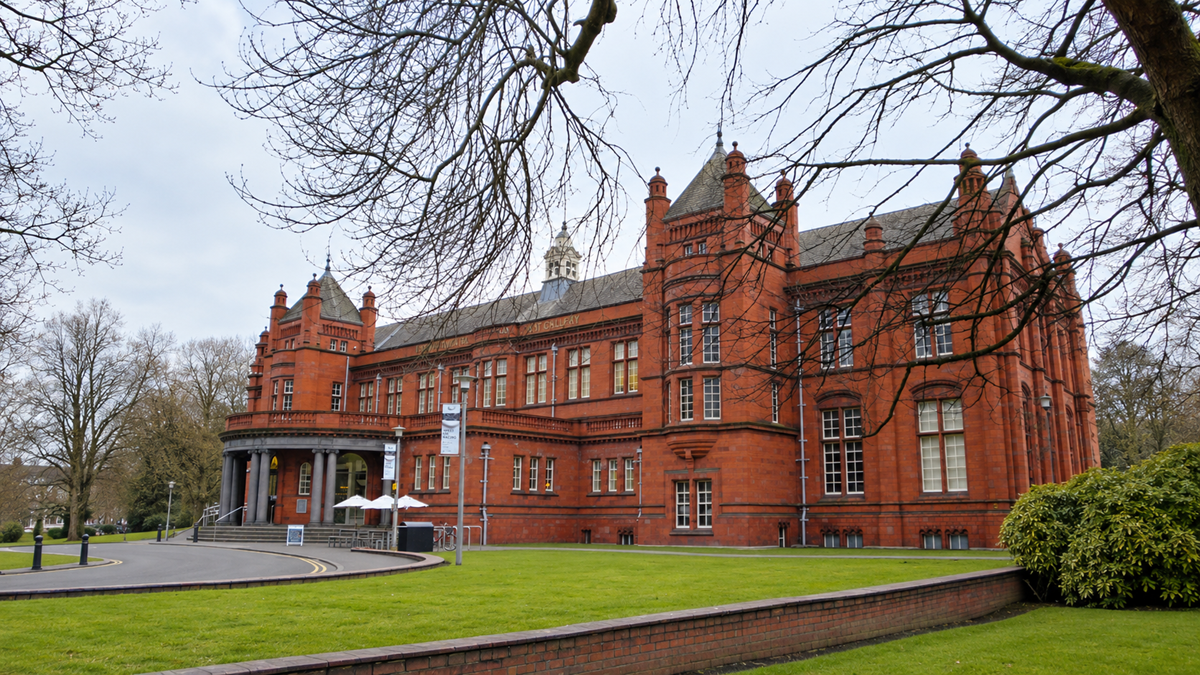
Not every massive art theft ends with masterpieces hidden in a vault for decades. In 2003, works attributed to Van Gogh, Picasso, and Gauguin disappeared from the Whitworth Art Gallery in Manchester. The paintings, worth millions together, were found the following day rolled up behind a public toilet not far from the museum. A note left with them reportedly suggested that the theft had been intended to expose weak security rather than permanently remove the art.
In the mood for more?
Check out Unsolved Heists: 10 Biggest Cash Crimes That Remain a Mystery, or take a look at 14 Infamous Scams That Millions of People Fell For. If you want to see more strange stories from the world of law, you can check out 12 Strange 1800s Laws That Were Actually Enforced.