Throughout history, global exhibitions and massive world fairs served as the ultimate testing ground for incredible culinary innovation. Long before social media allowed viral food trends to spread globally in minutes, millions of curious travelers flocked to these sprawling international pavilions to taste the absolute future of dining. For many attendees, these monumental events offered their very first opportunity to sample exotic ingredients, unusual flavor combinations, and groundbreaking mass production techniques.
The brilliant vendors operating these crowded concession stands constantly searched for clever ways to serve massive crowds while simultaneously dazzling their taste buds. Because visitors were incredibly eager to embrace modern novelties, savvy entrepreneurs successfully transformed obscure regional snacks and experimental treats into permanent global staples. Exploring the menus of these historic events reveals exactly how some of our favorite modern treats originally debuted. Here are twelve legendary foods that revolutionized public dining after being introduced at international expositions.
1. The ice cream cone
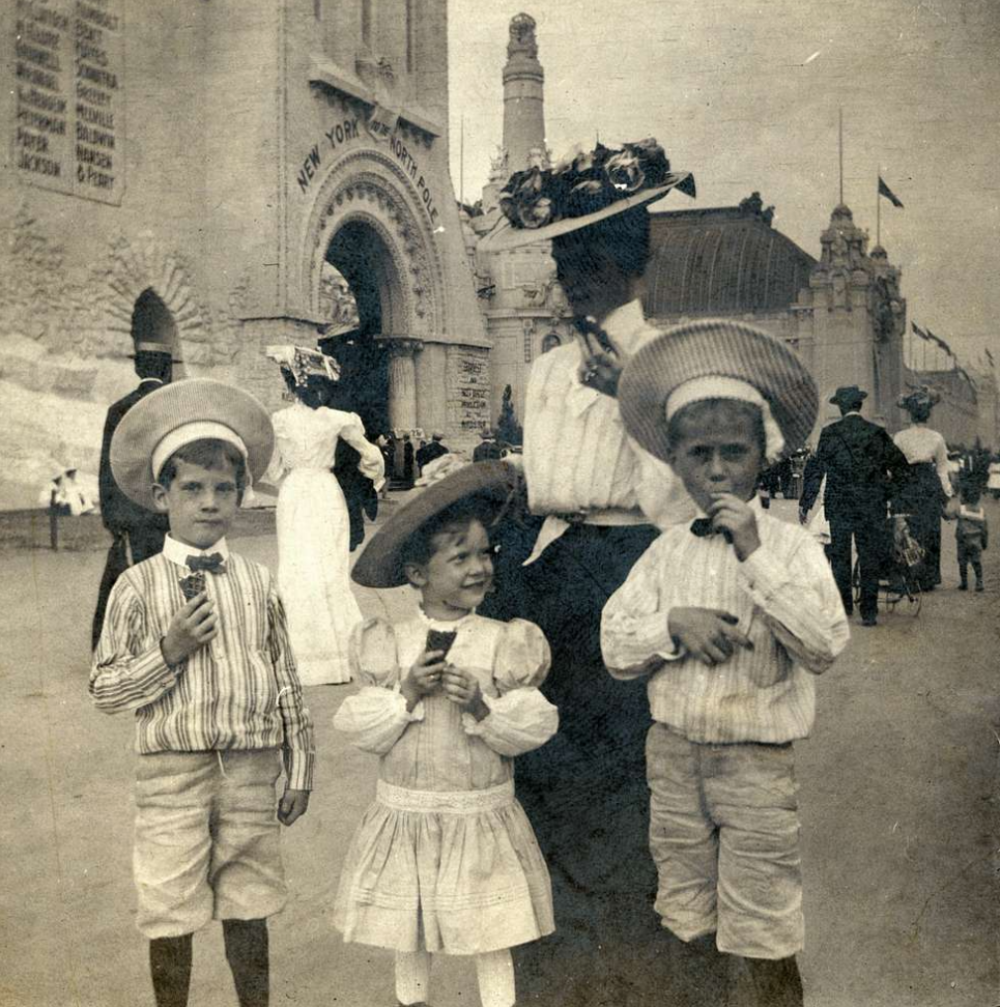
During the sweltering 1904 Louisiana Purchase Exposition in St. Louis, an ice cream vendor unexpectedly ran out of paper serving dishes for his massive lines of customers. A neighboring Syrian concessionaire named Ernest A. Hamwi brilliantly solved the crisis by rolling his hot, crisp zalabia pastries into a tight cornucopia shape, allowing the ice cream to be served inside a completely edible vessel.
2. Dr Pepper
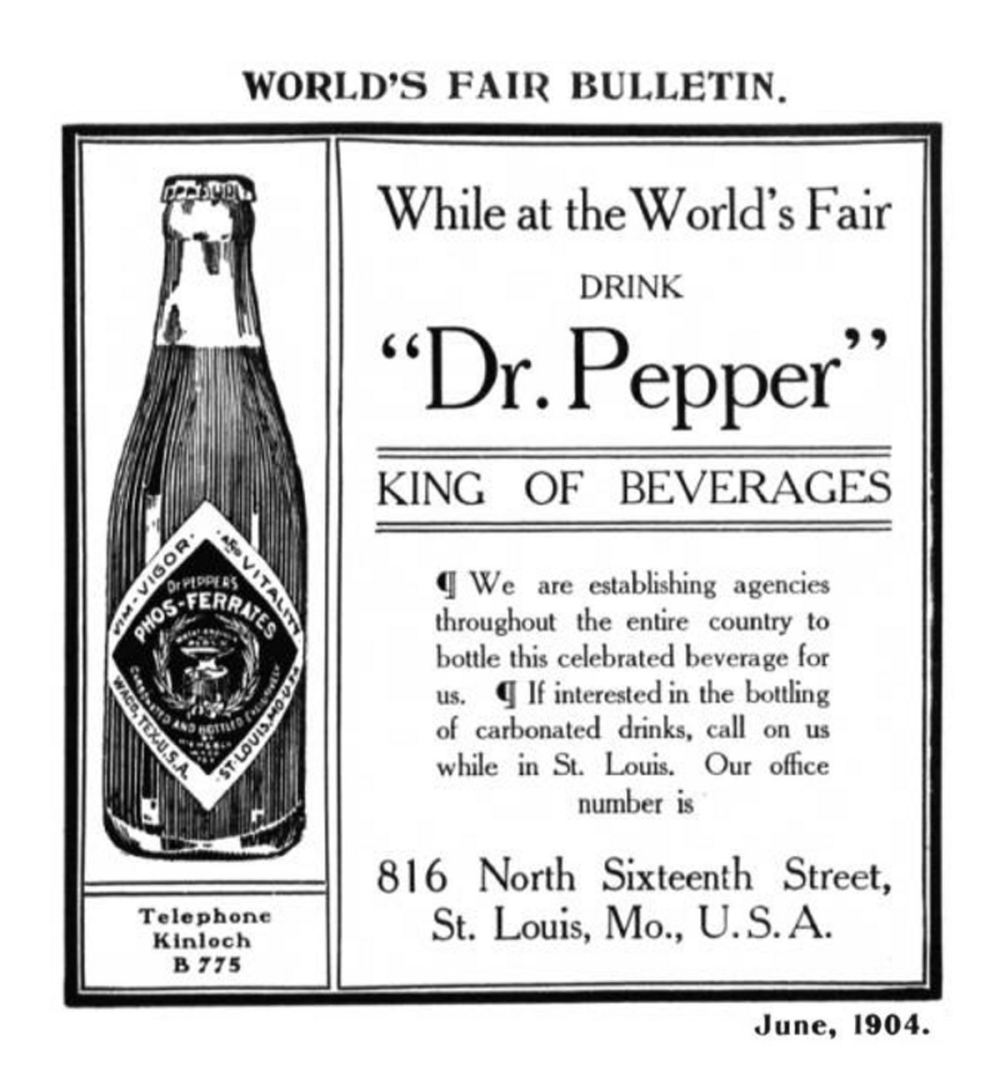
Pharmacist Charles Alderton originally invented this complex fruity soda in 1885 for a local Texas drugstore, but it remained a highly regional beverage for decades. The owners officially debuted the drink to nearly twenty million thirsty international visitors at the 1904 St. Louis Exposition, serving the mysterious dark liquid out of distinctive embossed glass bottles that quickly captivated the entire country.
3. The modern hamburger
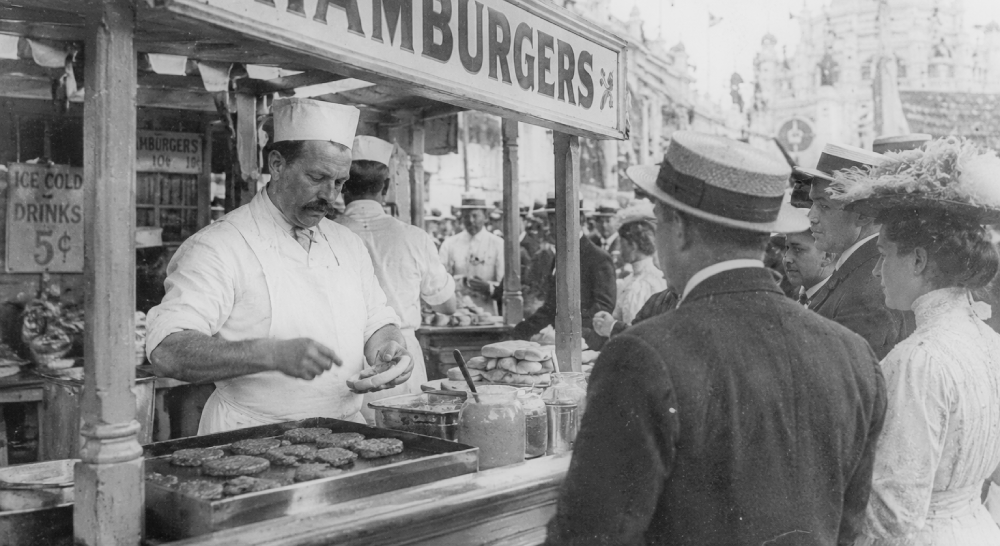
While ground beef steaks existed previously, a clever cook named Fletcher Davis from Athens, Texas, is widely credited with bringing the modern handheld burger to the 1904 St. Louis exhibition. His bustling mustard-loaded concession stand marked the very first time the general American public saw a hot beef patty wedged securely between two thick slices of homemade bread for easy walking.
4. Belgian waffles
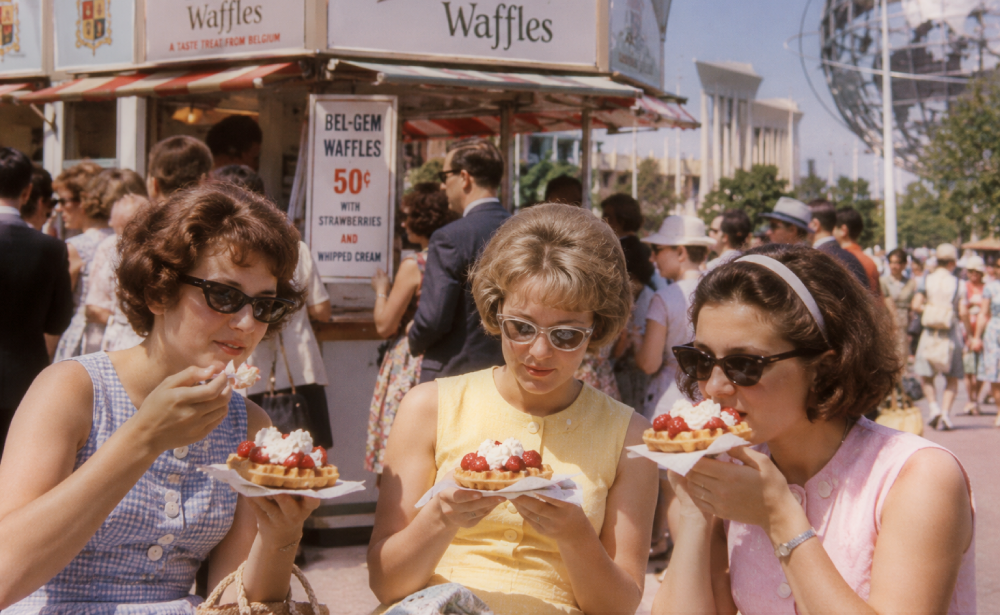
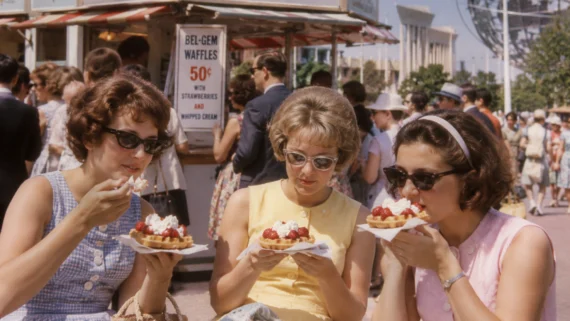
Maurice Vermersch and his wife introduced their authentic Brussels recipe to massive crowds at the 1964 New York exhibition, originally topping the thick pastries with fresh strawberries and massive mounds of whipped cream. They cleverly changed the name to the Bel Gem waffle because they correctly assumed most American tourists lacked the geography skills required to locate Brussels on a European map.
5. Cherry Coke
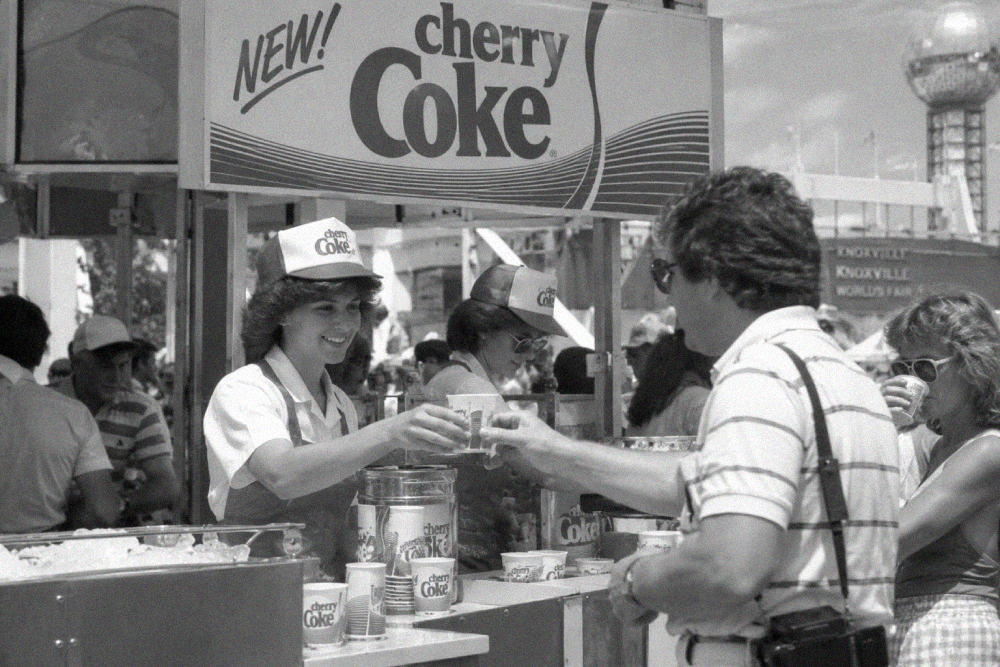
The Coca-Cola Company specifically utilized the 1982 international exposition in Knoxville, Tennessee, to officially test out their brand-new cherry-flavored syrup on a global audience. Thousands of thirsty visitors tasted the dark red beverage in special promotional paper cups during the event, providing enough positive feedback to launch the product onto national grocery shelves just three years later.
Trending on The Scroller

6. Cotton candy
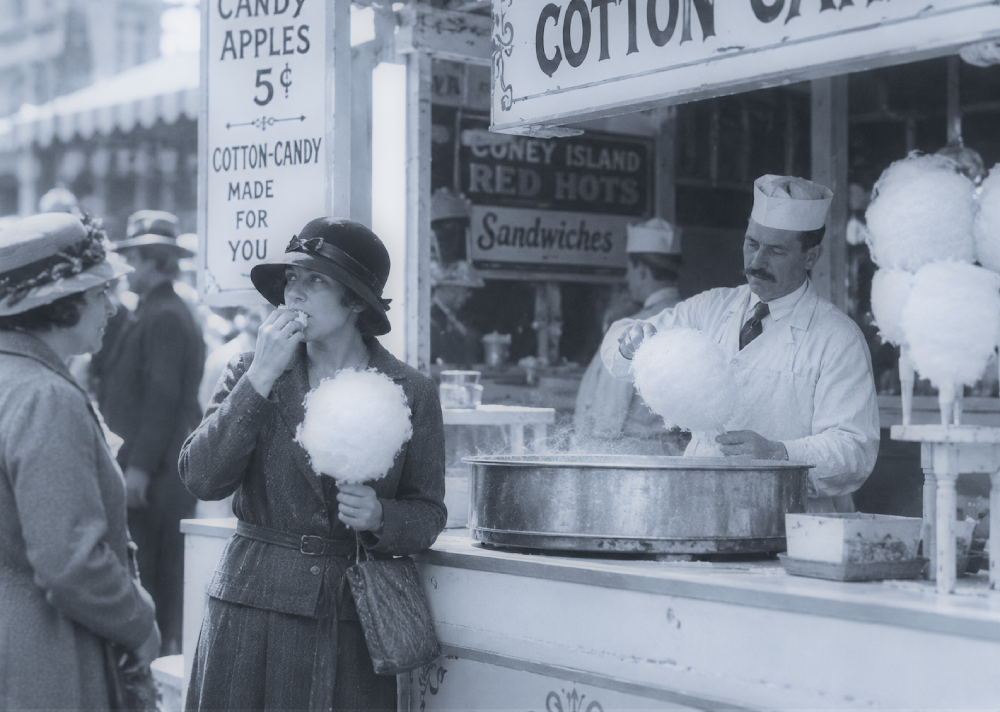
Dentist William Morrison and confectioner John C. Wharton debuted their revolutionary Fairy Floss machine at the 1904 St. Louis gathering, spinning pure melted sugar into a fluffy pink cloud. Despite charging a massive premium price of twenty-five cents per serving, the duo successfully sold nearly seventy thousand wooden boxes of the sticky treat to amazed onlookers.
7. The Heinz pickle pin
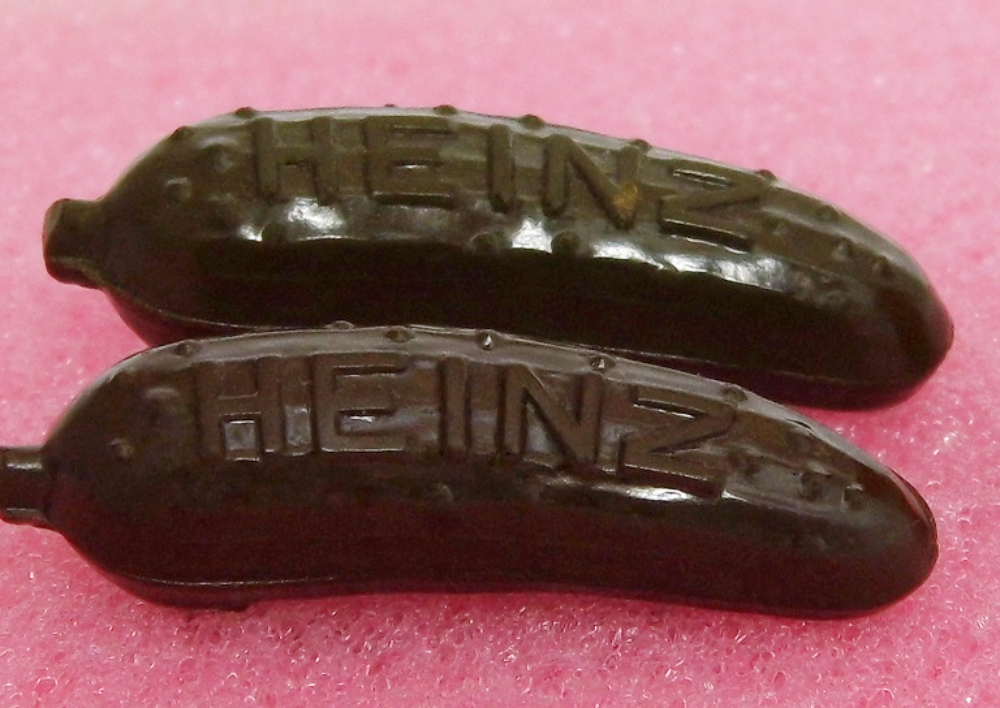
H.J. Heinz faced a massive marketing problem at the 1893 Chicago Columbian Exposition because his food booth was located in a completely remote, highly hidden gallery corner. To lure visitors upstairs, he hired local boys to hand out promotional cards promising a free souvenir, successfully distributing over a million tiny green plaster pickle charms to introduce the public to his sweet relishes.
8. Cracker Jack
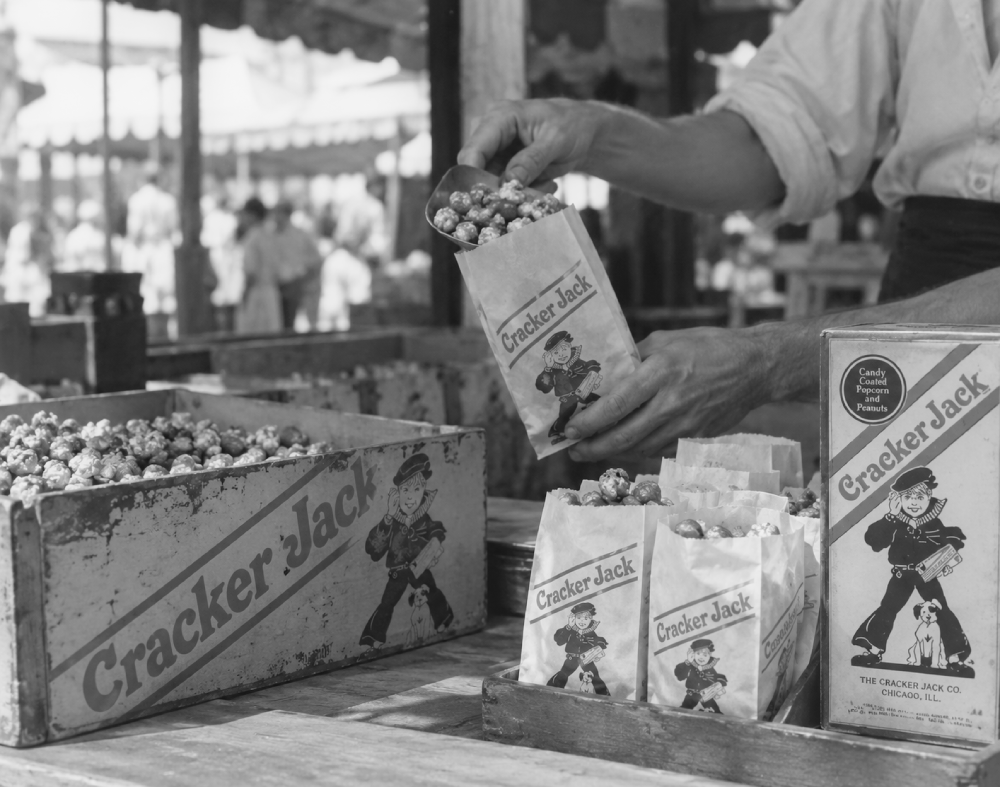
German immigrant F.W. Rueckheim debuted a highly sticky mixture of popcorn, molasses, and peanuts at the massive 1893 Chicago exhibition to incredible fanfare. Because the original treat clumped together into an unmanageable, messy brick, his brother Louis had to quickly invent a secret drying formula just in time to conquer the massive crowds of hungry fairgoers.
Sign up for our newsletter
9. Pabst blue ribbon
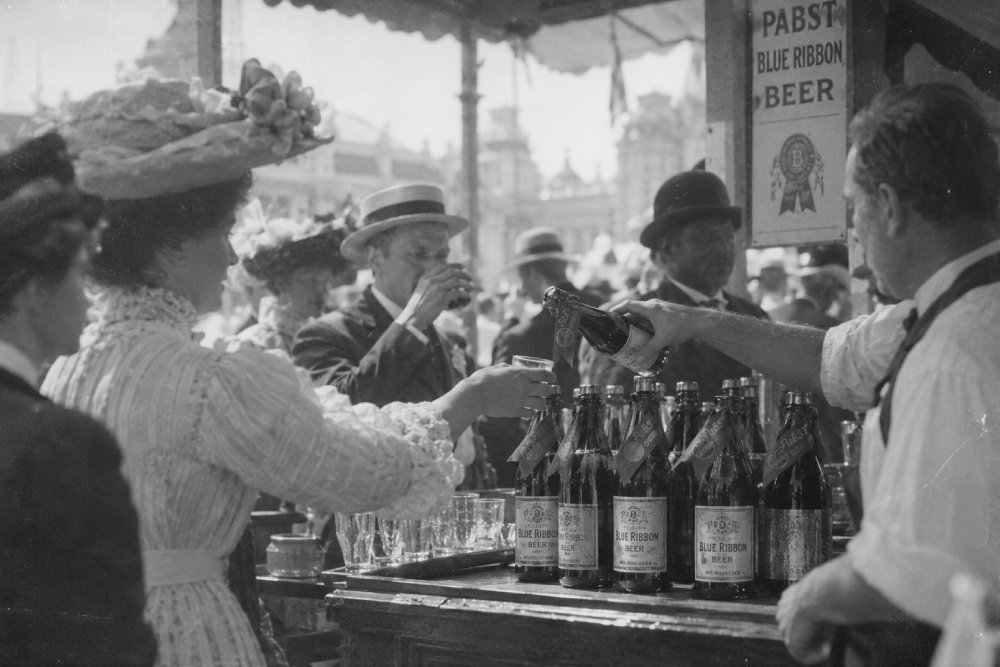
Milwaukee brewer Captain Frederick Pabst desperately wanted to win the absolute top brewing prize at the 1893 Chicago exhibition to legitimize his massive beverage empire. After officially claiming the coveted gold medal for brewing excellence, his company immediately started tying actual blue silk ribbons tightly around the neck of every single glass bottle to permanently advertise their legendary victory.
10. French’s mustard
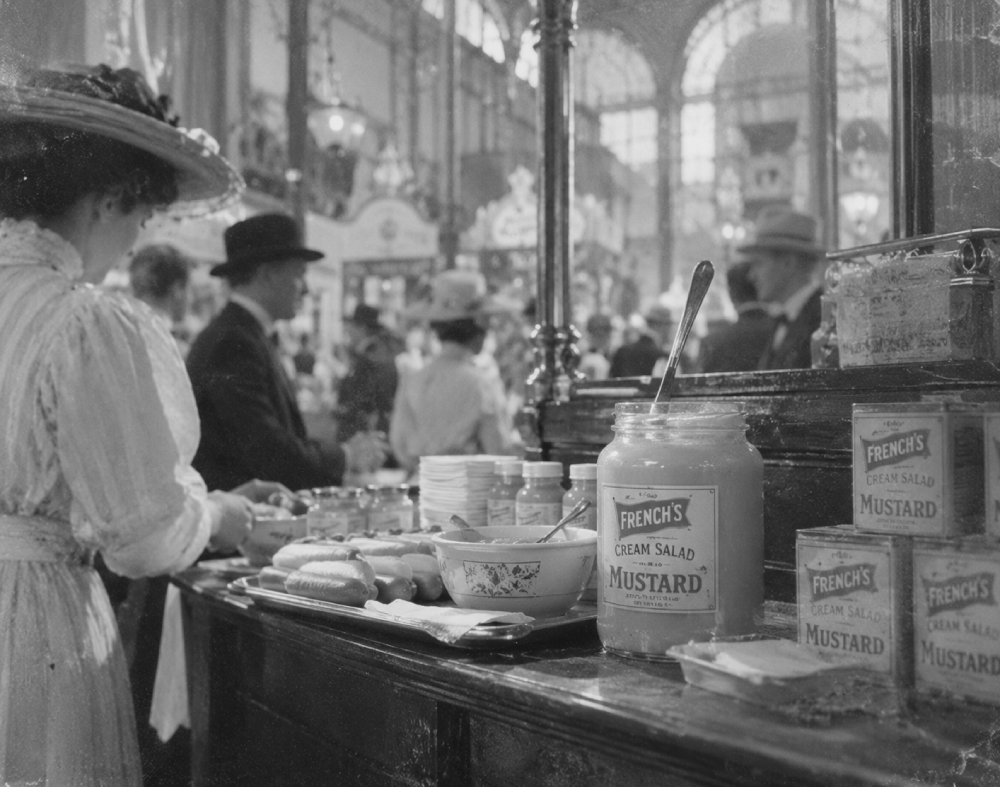
Brothers George and Francis French introduced a brightly colored, mildly flavored yellow mustard at the 1904 St. Louis event designed specifically to pair flawlessly with hot dogs. It stood out immediately among the crowded condiment stands because they added heavy amounts of turmeric to the recipe, giving the sauce a brilliant neon hue that looked absolutely fantastic on promotional posters.
11. Iced tea
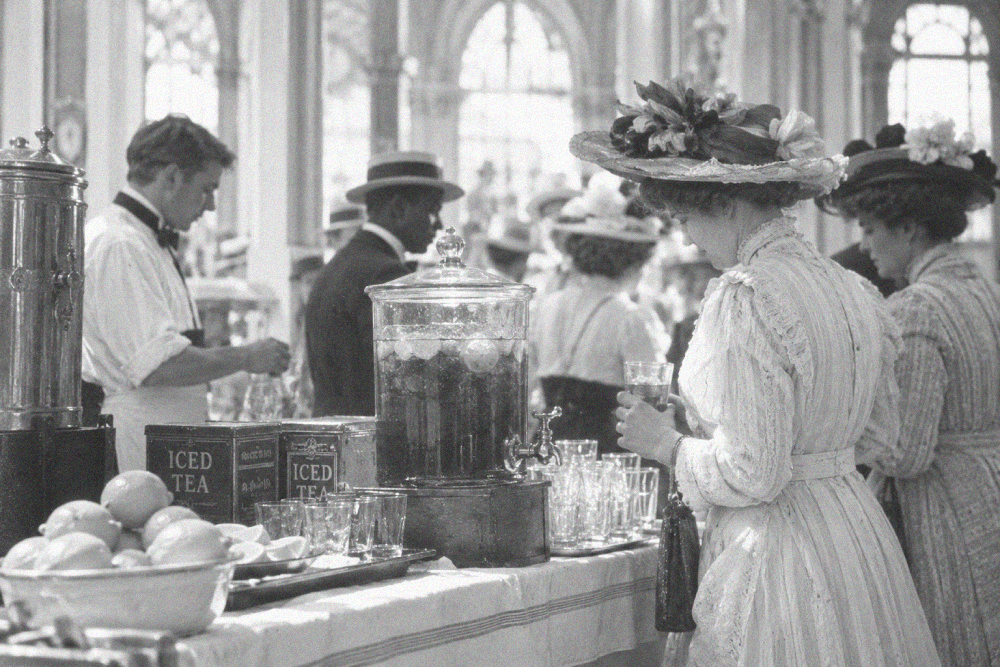
British tea merchant Richard Blechynden realized that sweaty crowds were completely ignoring his hot beverage samples during a brutal Missouri heatwave at the 1904 exhibition. To save his failing concession stand, he frantically poured his brewed black tea directly over massive blocks of cooling ice, accidentally creating an incredibly refreshing summer staple that captivated thousands of overheated patrons.
12. Juicy Fruit gum
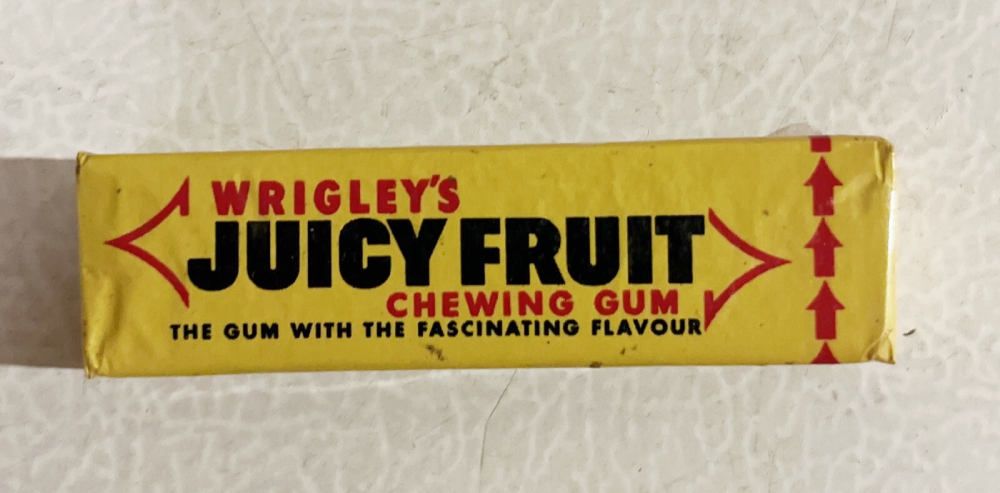
William Wrigley Jr. initially traveled to the 1893 Chicago exhibition just to sell baking powder, handing out sticks of chewing gum solely as a free promotional gimmick to attract reluctant buyers. Realizing the crowds actually preferred his sweet yellow sticks of Juicy Fruit over his primary product, he entirely abandoned his original baking business to build a massive global candy empire.
Explore more interesting food facts:
Looking back at these monumental historical gatherings proves that a single brilliant culinary idea can rapidly change the world forever. It is incredibly fun to imagine tasting a freshly spun cloud of cotton candy or a freezing cold glass of iced tea for the very first time amidst a crowded pavilion of futuristic wonders. If you love discovering the fascinating origins of everyday items, forgotten cultural trends, and vintage nostalgia, make sure to explore these 90s Mall Culture: 16 Food Court Staples We Loved or these 15 Food Laws That Make Perfectly Normal Foods Illegal. You can also check out these 14 Everyday Foods That Were Actually Created by Accident.