Walking down a modern supermarket aisle, it is incredibly easy to toss a container of hummus or a block of parmesan cheese right into your shopping cart. However, not too long ago, these exact same ingredients were considered far too fancy for the average American dining table. Culinary trends are constantly shifting, and what we now view as an everyday snack often started as a highly exclusive luxury item reserved strictly for wealthy elite gatherings.
The journey from an exotic delicacy to a common pantry staple is usually driven by massive advances in global shipping, commercial farming, and clever marketing campaigns. Ingredients that once had to be imported on specialized steamships or carefully cultivated by skilled artisans are now mass-produced and sold at local drive-thrus. Exploring the history of these democratized ingredients reveals a fascinating story about how accessibility completely transforms our cultural tastes. Here are fourteen everyday foods that used to carry an intimidating aura of high-class sophistication.
1. Celery
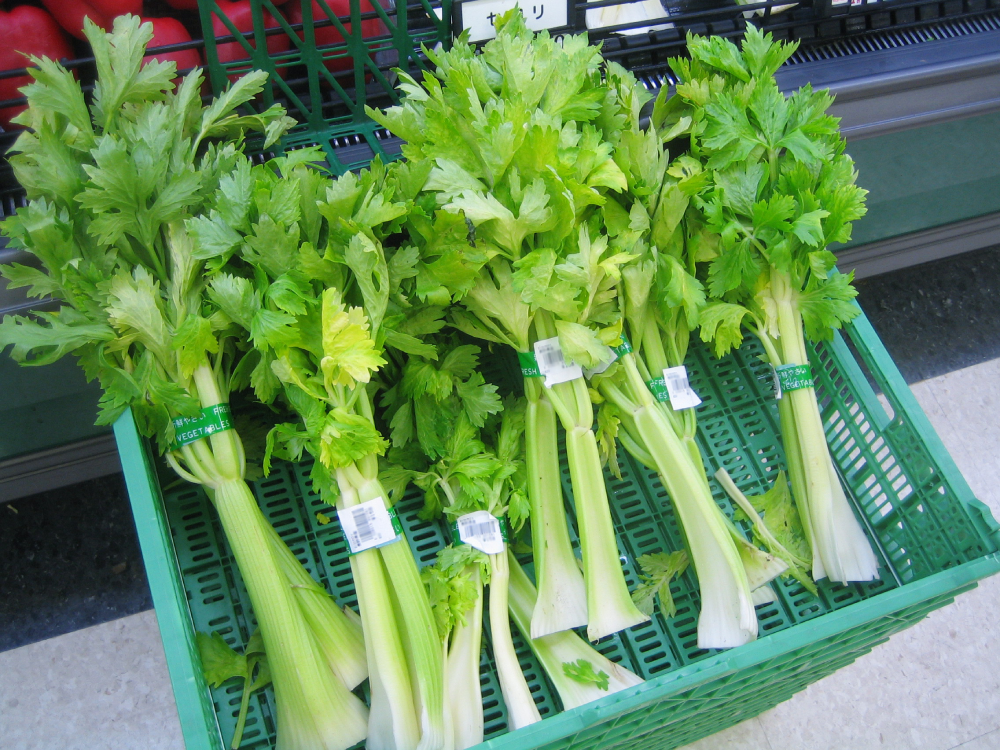
In the late nineteenth century, celery was so difficult to cultivate in the harsh New England climate that it became an absolute status symbol for wealthy Victorians. Upper-class families proudly displayed the crisp green stalks in expensive crystal vases right in the center of their dining tables just to impress their dinner guests.
2. Pineapples
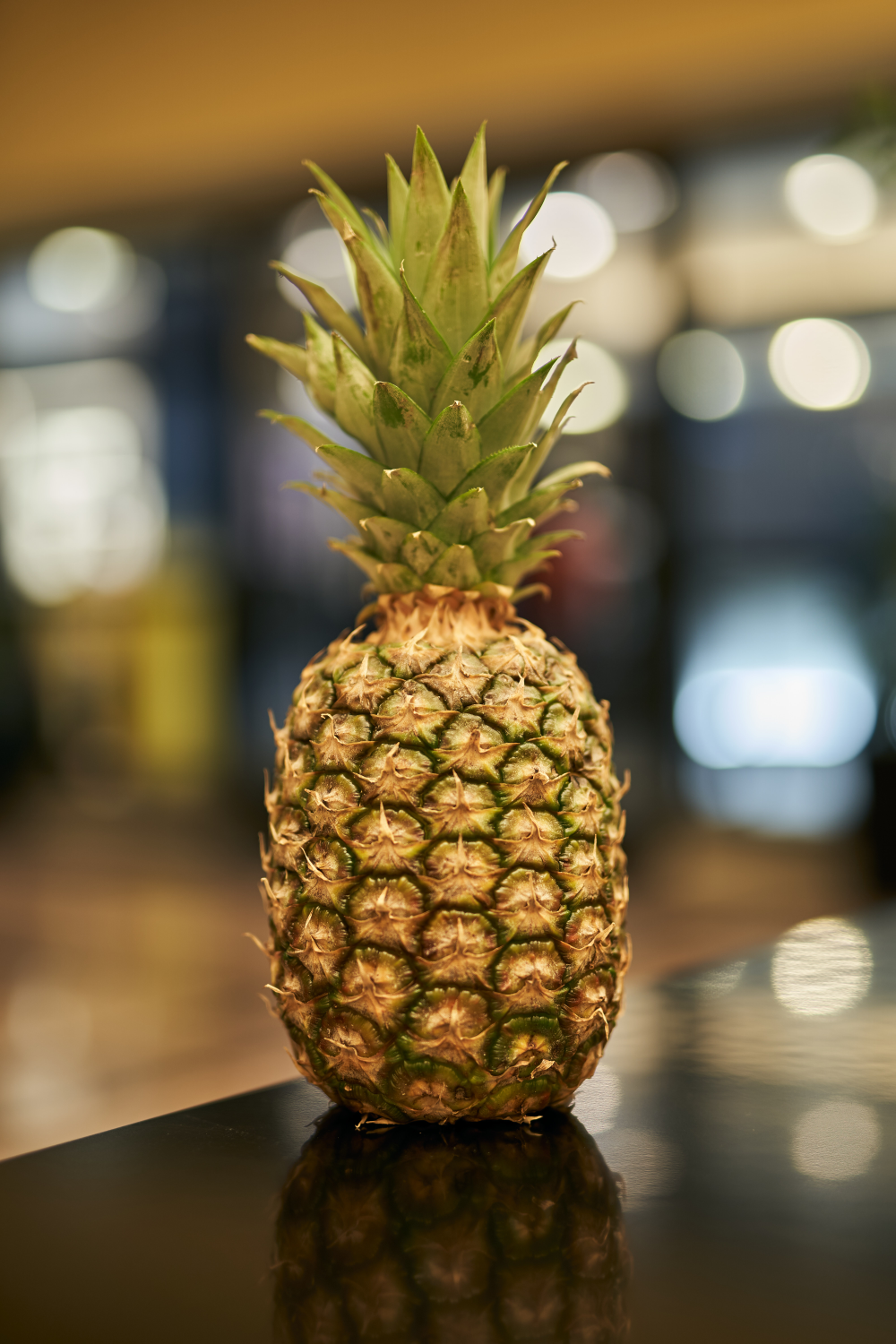
During the colonial era, a single imported pineapple could cost the modern equivalent of eight thousand dollars due to the incredibly slow Caribbean trade routes. Elite hostesses would actually rent a pineapple for the evening just to display it on their party banquet table before returning it untouched to the merchant the next morning.
3. Gelatin

Before the invention of commercial powdered mixes, creating a gelatin dessert required kitchen staff to laboriously boil calves’ hooves for days to extract the necessary collagen. Serving a shimmering, molded jelly tower at a Victorian dinner party proved that the host was rich enough to employ a highly skilled, full-time culinary staff.
4. Macadamia nuts
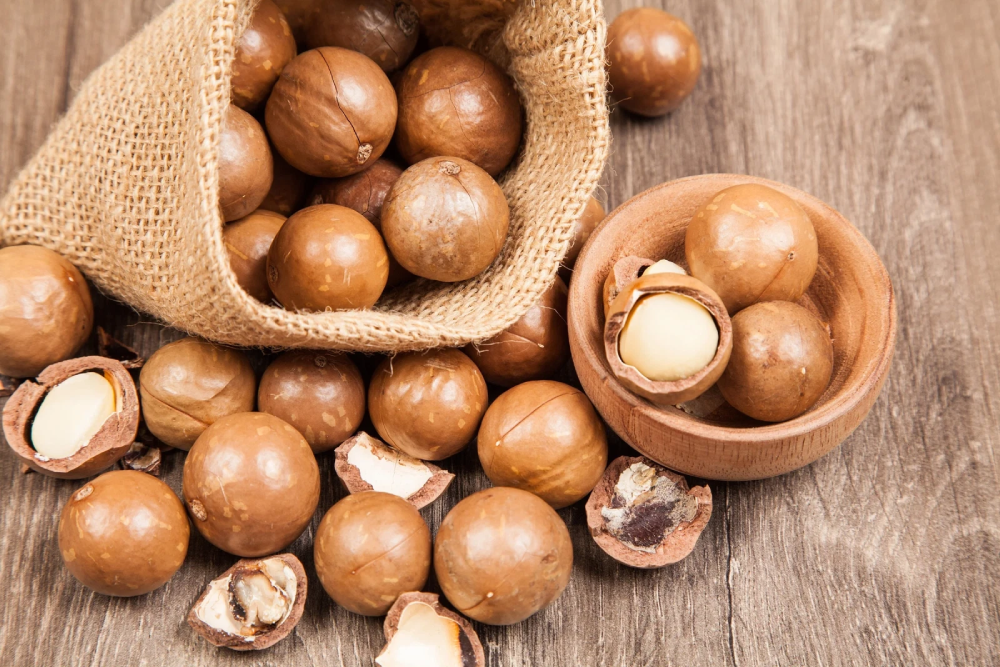
Native to Australia, these incredibly tough nuts were fiercely difficult to crack and required intense manual labor to harvest properly. They remained an exclusive, highly expensive tropical novelty in the United States until commercial processing machines and massive Hawaiian plantations finally made them accessible in the late twentieth century.
5. Balsamic vinegar
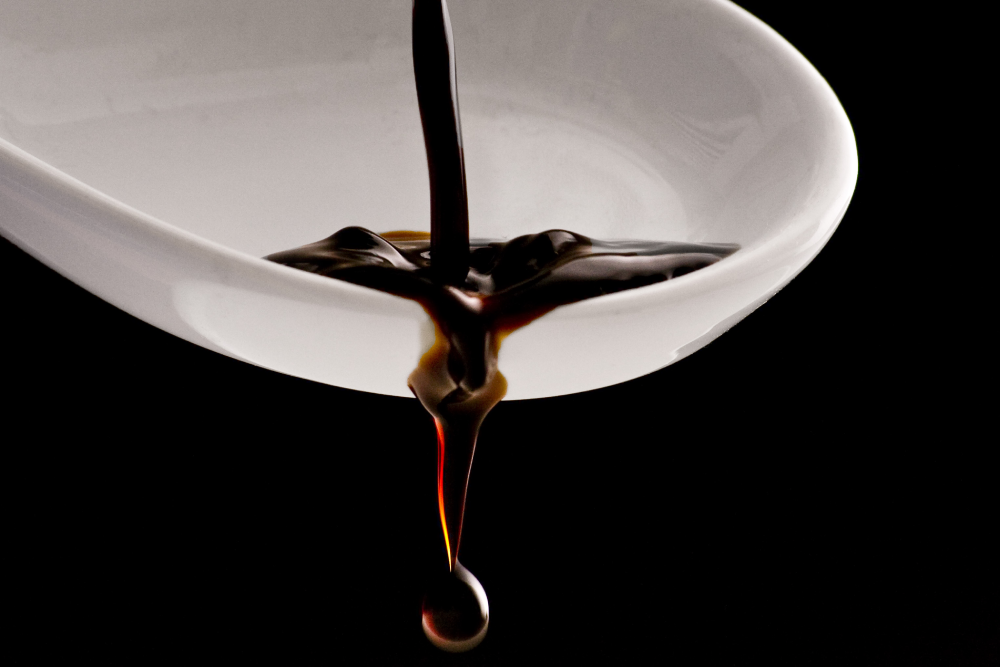
Authentic traditional balsamic vinegar from Modena had to be aged in wooden barrels for at least twelve years, making it a highly protected Italian luxury. It was virtually unknown to the American public until the late 1970s, when celebrity chefs began importing cheaper commercial variations and aggressively drizzling the dark liquid over everything.
Trending on The Scroller

6. Artichokes
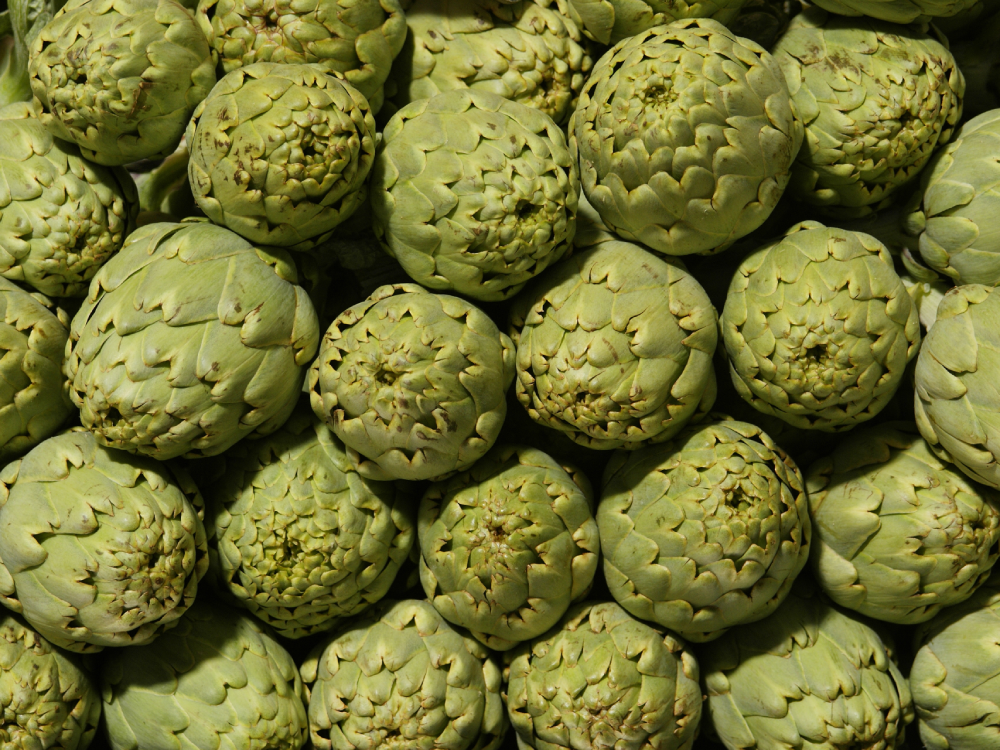
In the 1920s, the American artichoke market was entirely controlled by the New York mafia, who artificially inflated the prices to extort wealthy restaurant patrons. The spiky green thistle was considered such an exclusive luxury that the Mayor of New York actually launched a public war against the artichoke mob to finally lower prices.
7. Avocados
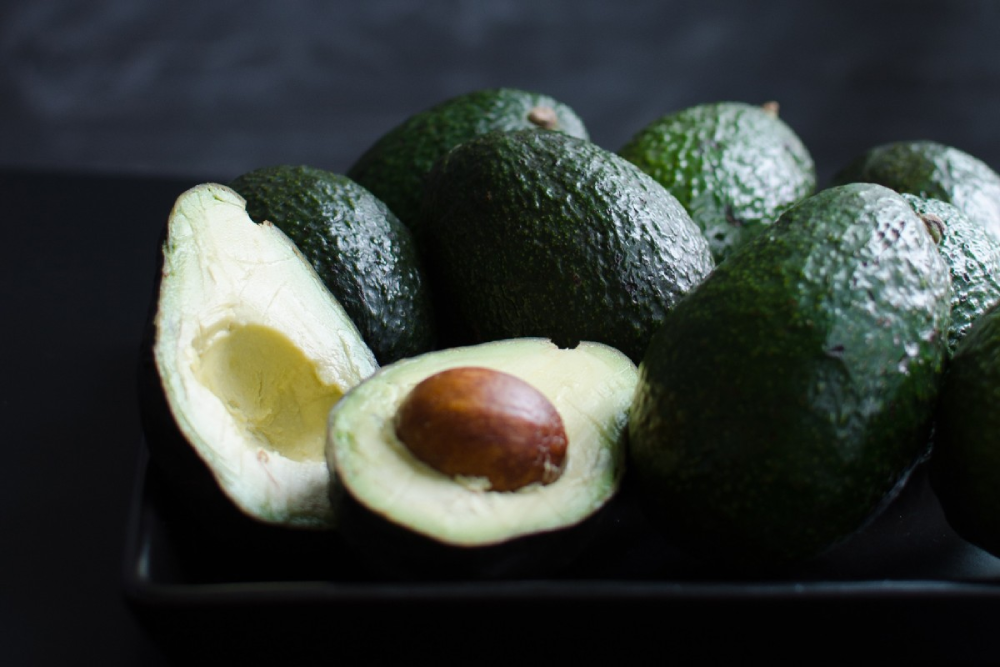
Originally marketed under the deeply unappealing name “alligator pears,” these fruits were heavily rebranded by California growers in the 1920s as a high-society luxury item. Magazine advertisements specifically targeted aristocratic households, suggesting that serving sliced avocados on a bed of lettuce was the ultimate sign of refined coastal taste.
8. Sushi
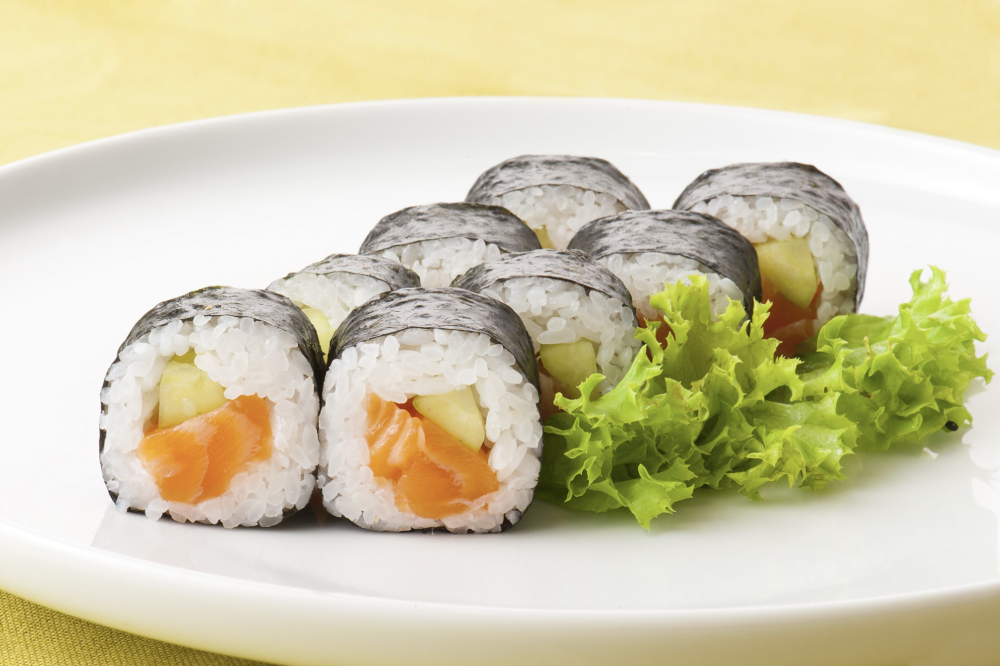
When the first Japanese restaurants opened in major American cities, the concept of eating raw fish wrapped in seaweed horrified the general public. It remained an adventurous, exclusive dining experience strictly for daring Hollywood celebrities and elite executives until the invention of the approachable California Roll completely democratized the cuisine.
Sign up for our newsletter
9. Parmigiano-Reggiano
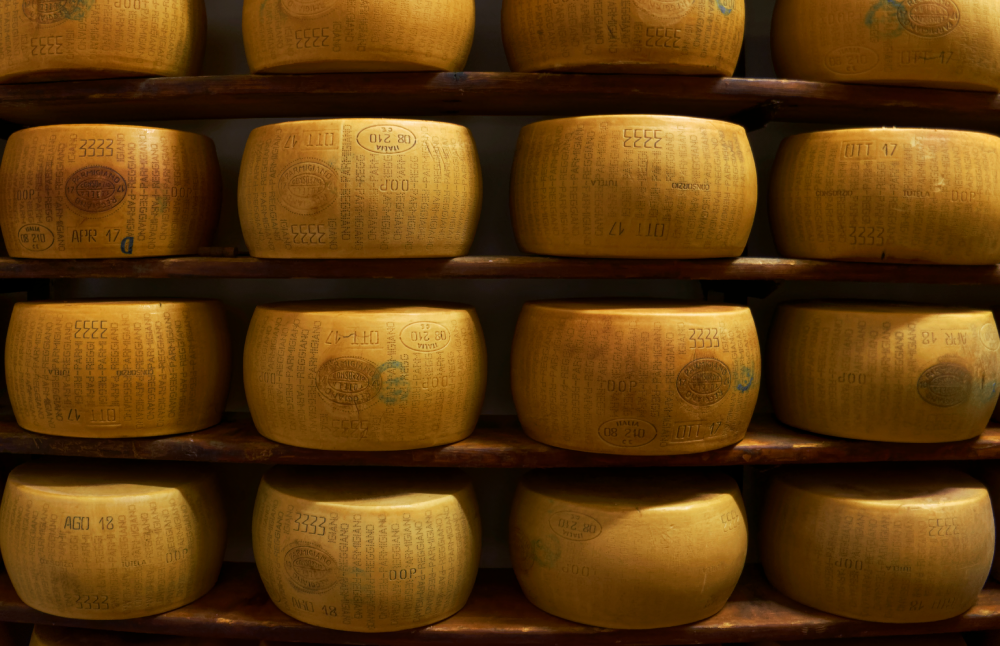
For decades, the only cheese most Americans knew came pre-sliced in plastic wrappers or melted easily into macaroni. Authentic imported Parmesan was considered an incredibly intimidating, aristocratic ingredient until the booming 1990s foodie culture convinced middle-class shoppers that grating fresh cheese was actually worth the premium price tag.
10. Grapefruit
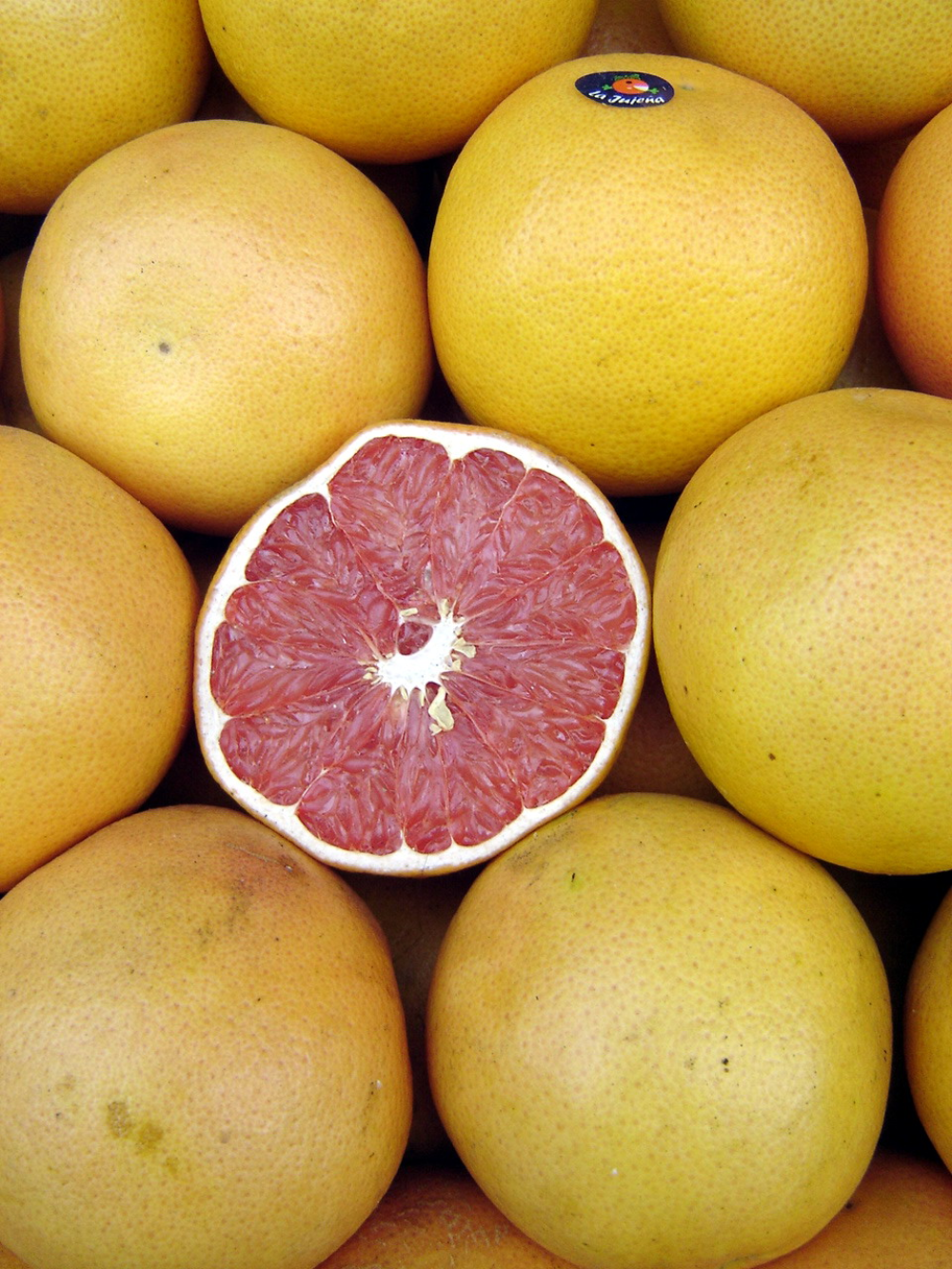
In the early twentieth century, grapefruit was a highly exclusive citrus fruit enjoyed primarily by wealthy elites vacationing at luxury winter resorts in Florida. It was considered such a prestigious breakfast item that specialized, serrated silver spoons were specifically invented just to help high-society diners scoop out the bitter flesh.
11. Quinoa
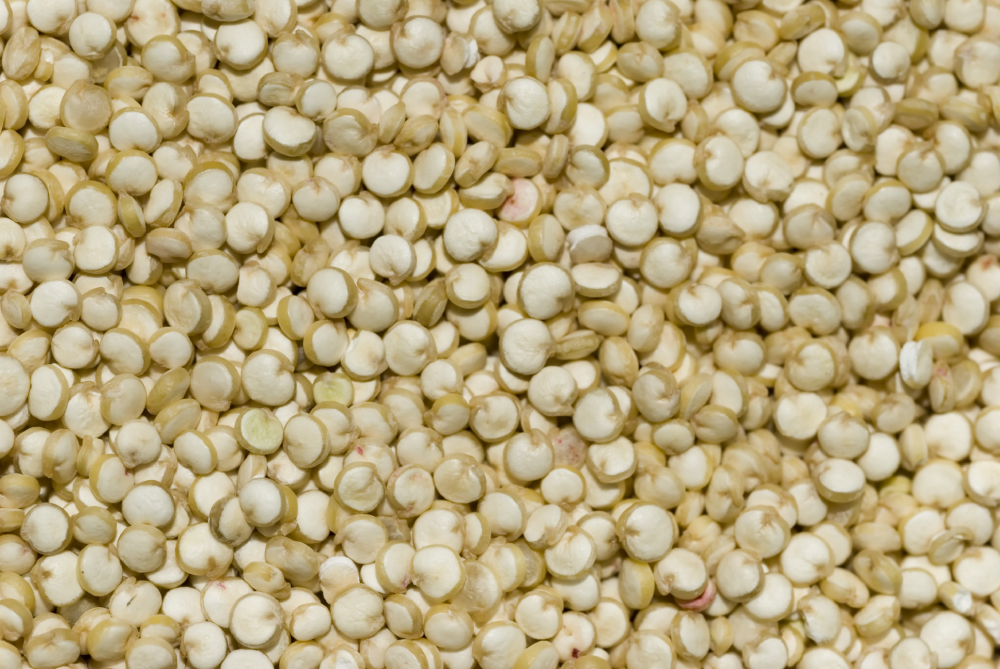
This ancient Andean crop was completely ignored by the global market and remained a localized staple for South American farmers for centuries. When it was finally introduced to American health food stores in the 2000s, it carried a massive premium price tag and an aura of intense nutritional exclusivity before commercial farming caught up.
12. Sun-dried tomatoes
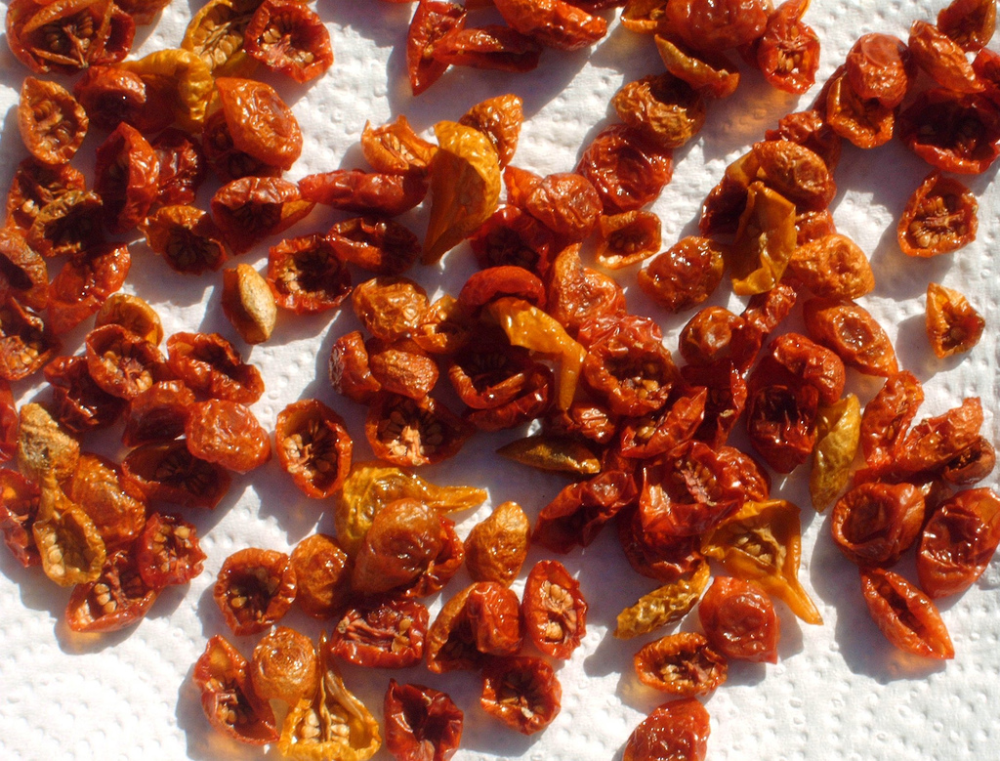
During the massive culinary boom of the 1980s, these intensely flavored red morsels were the ultimate symbol of sophisticated Italian fine dining. Wealthy urbanites would pay exorbitant prices for tiny jars of imported tomatoes packed in olive oil until domestic farms started mass-producing them for everyday supermarket aisles.
13. Kale
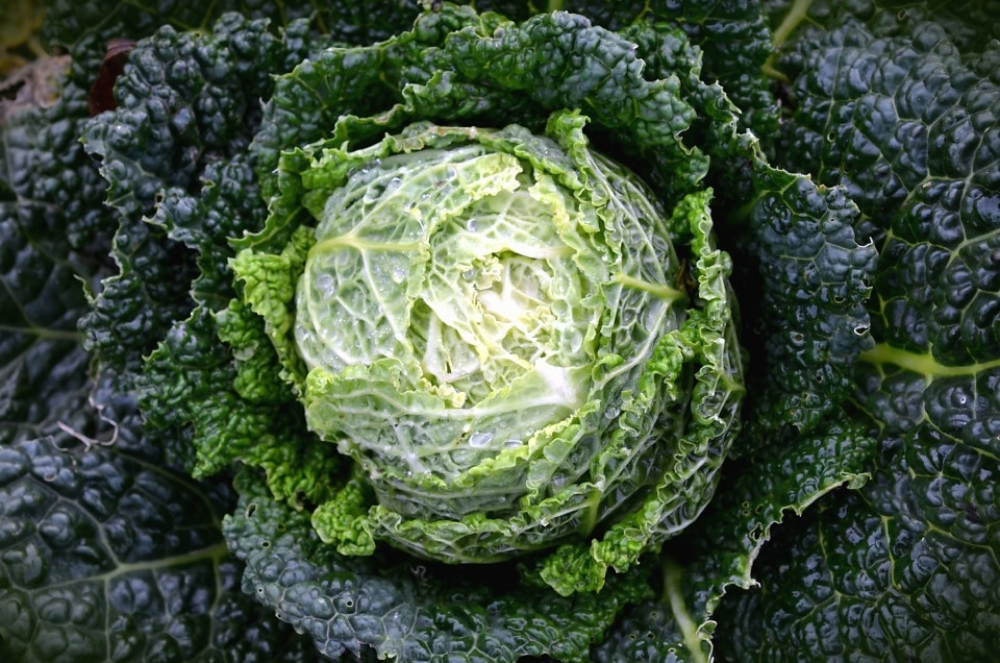
Long before it became the ultimate symbol of modern wellness, this leafy green was primarily purchased by American restaurants solely to be used as a cheap, decorative garnish around salad bars. A brilliant public relations rebranding campaign in 2012 suddenly elevated it into an exclusive superfood, leading to massive premium prices before it inevitably saturated every fast-casual menu.
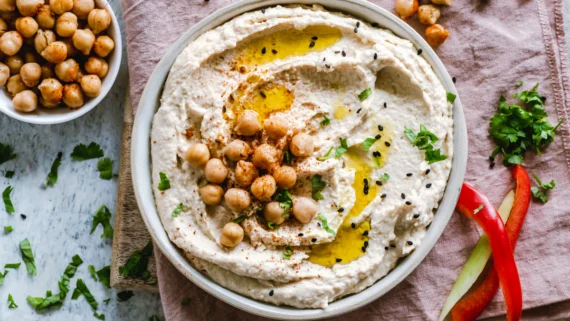
14. Hummus
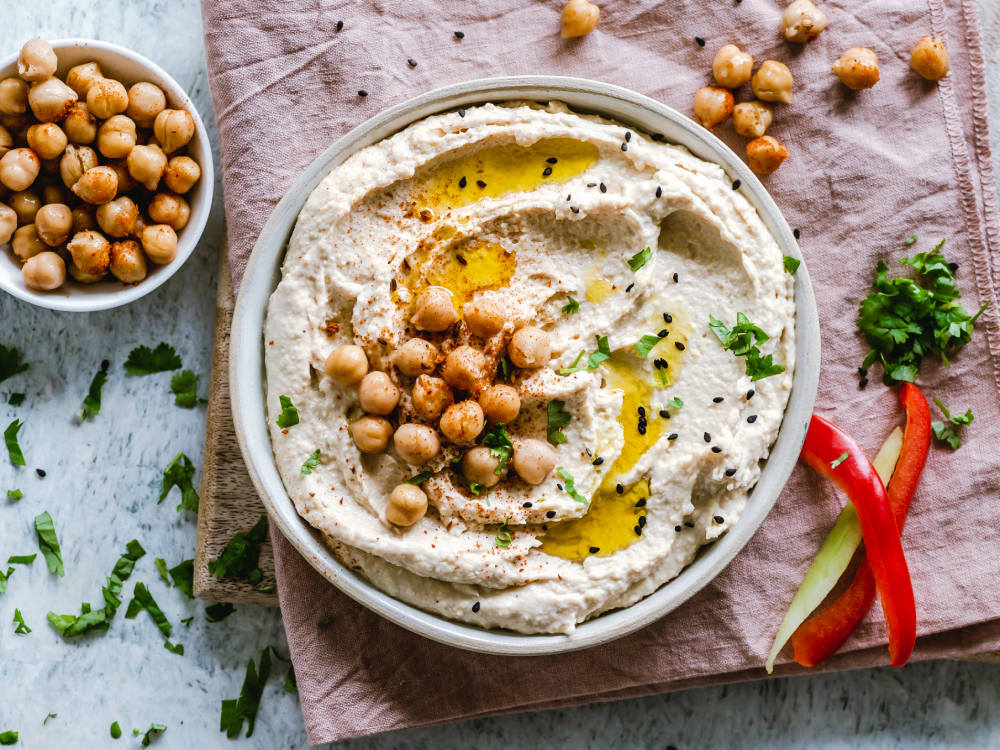
Finding a tub of mashed chickpeas used to require a dedicated trip to a specialty Mediterranean grocer or an upscale international market. The dip was largely considered an exotic, high-brow appetizer for well-traveled elites until the Sabra company aggressively marketed it to American sports fans as a healthy, everyday alternative to onion dip.
Explore more interesting food facts:
It is fascinating to realize that the premium gourmet ingredients our grandparents could only dream of affording are now sitting right in our local supermarket bins. The evolution of our grocery shopping habits proves that the definition of luxury is always changing, and today’s exclusive delicacy is often tomorrow’s basic pantry staple. If you love exploring the hidden history of everyday life, bizarre consumer trends, and forgotten foods, make sure to check out these 16 Foods That Used to Be High-Society Luxuries or these 14 Common Beliefs About Food That Changed. You may also like these 17 Food Myths That Nutritionists Are Tired of Hearing.