It’s not just in your head. Things that used to feel like no-big-deal purchases are suddenly costing enough to make you pause in the aisle. A quick grocery run turns into a small financial crisis. A fast-food stop costs the same as a sit-down meal. Even basic household staples have quietly climbed into “are you serious?” territory. Inflation plays a role, sure, but some everyday products have become so expensive that it feels personal. Here are 17 common items that used to be cheap, but now come with price tags that are genuinely hard to believe.
Eggs
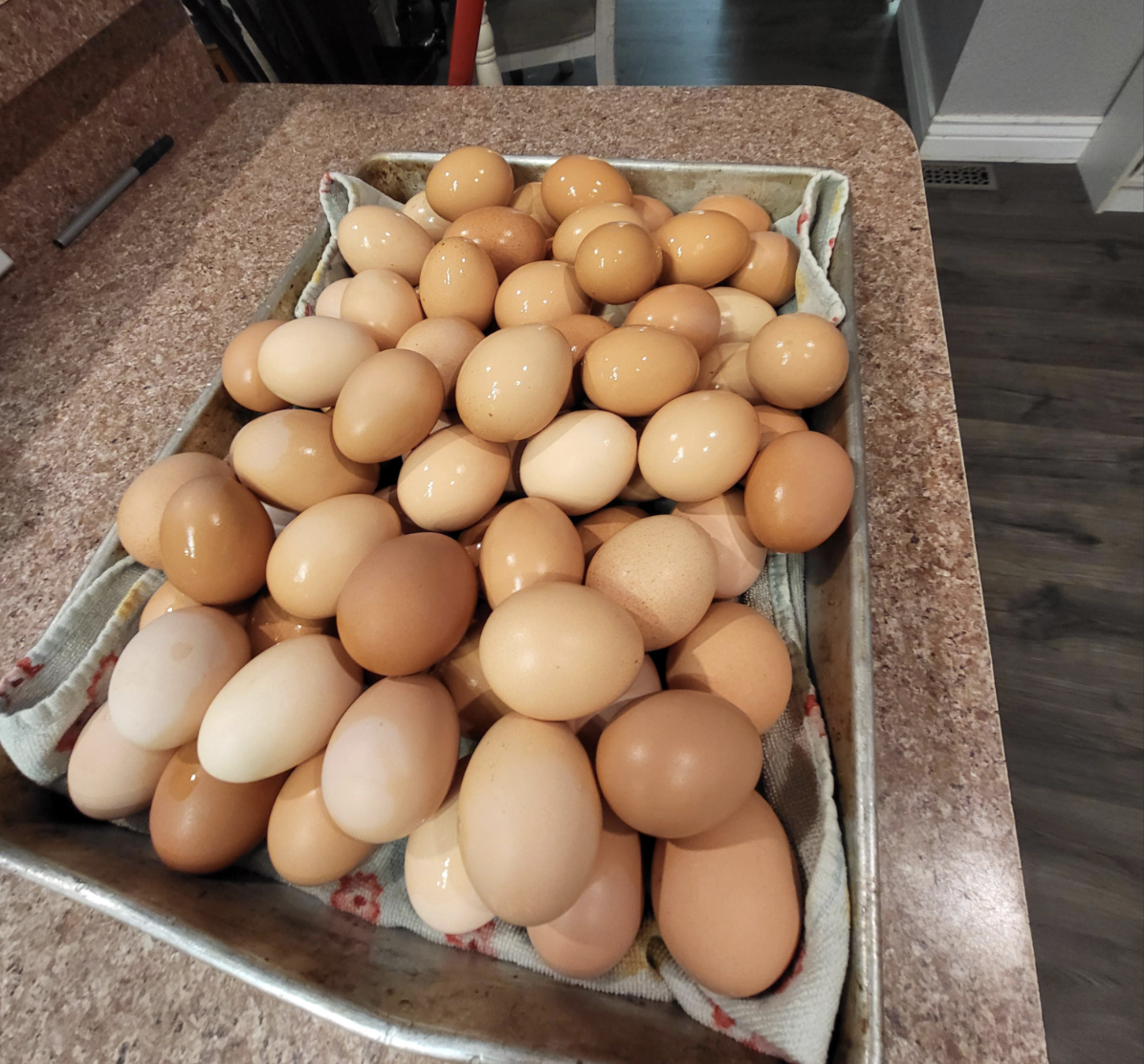
Eggs used to be the budget-friendly protein that everyone relied on. You could grab a carton without even checking the price. Now, depending on where you live, eggs can cost as much as a full breakfast at a diner. Between supply chain issues and outbreaks affecting poultry farms, egg prices have become one of the most noticeable examples of grocery inflation.
Bacon
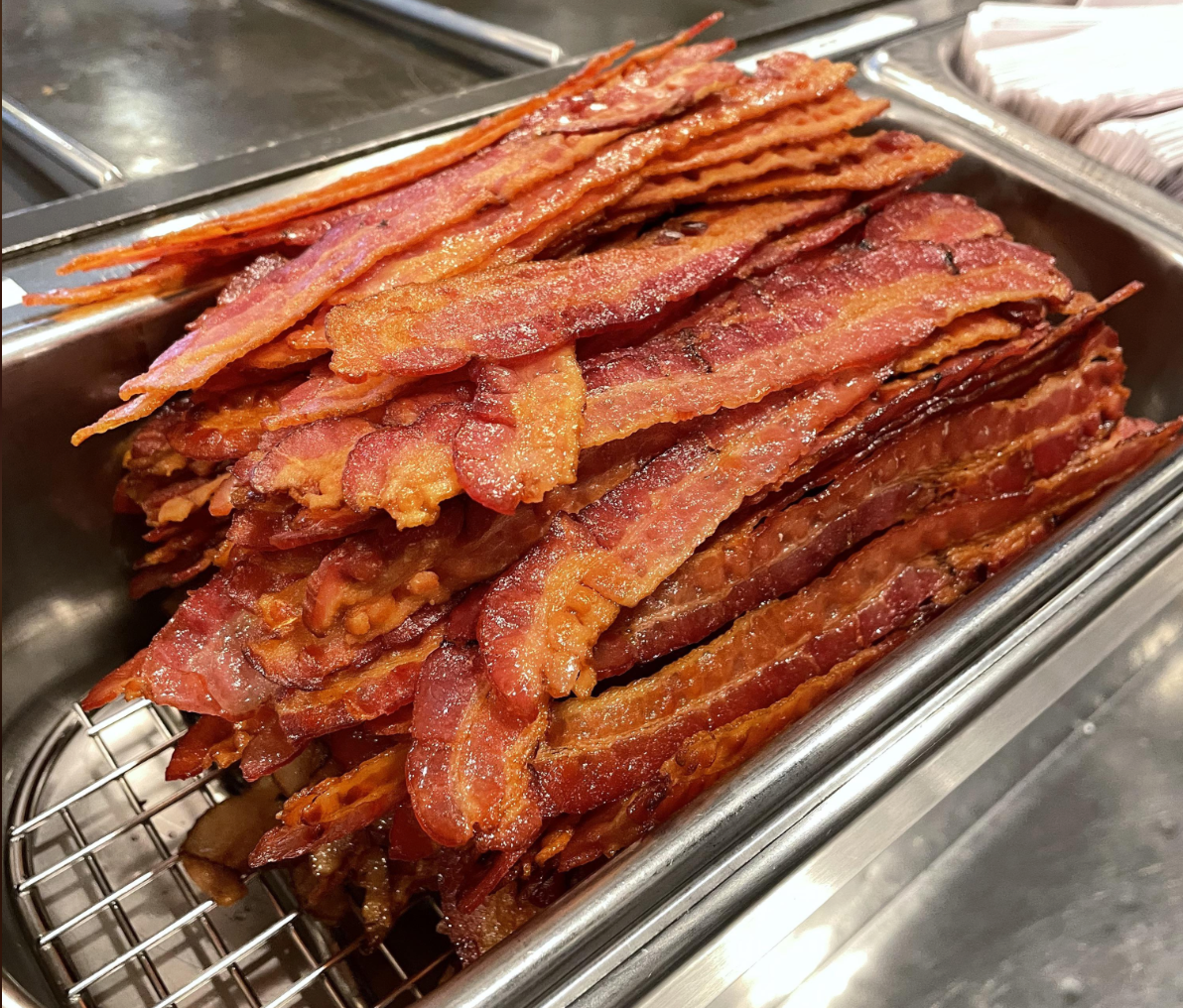
Bacon has always been a little indulgent, but it used to be affordable enough to toss into your cart without thinking. These days, a single pack can cost enough to make you wonder if you should just switch to turkey bacon and accept defeat. Pork prices have climbed, and bacon has officially joined the “special occasion” category.
Coffee
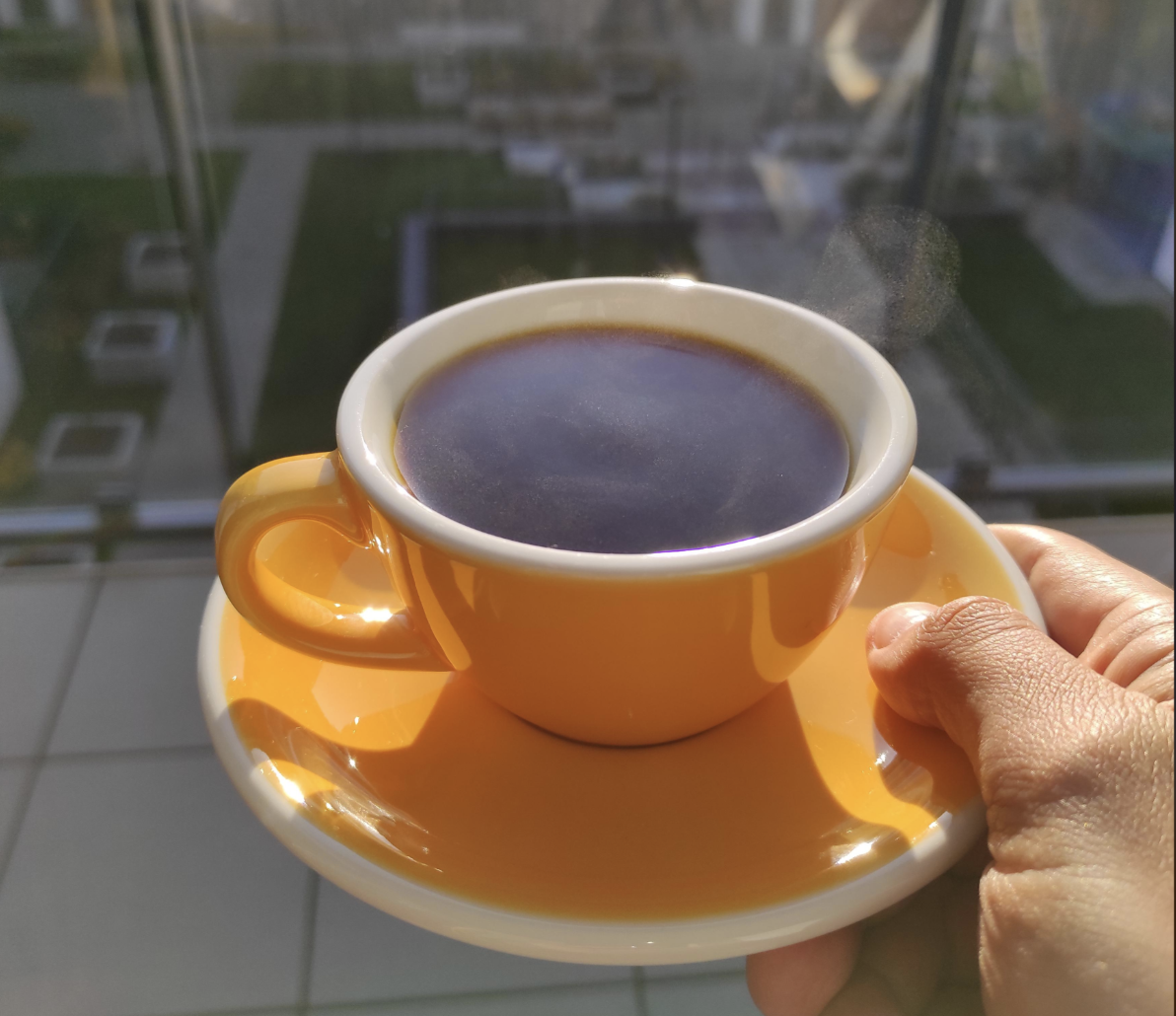
Coffee used to be the one daily luxury people didn’t question. Even when money was tight, you could still justify a bag of grounds or a cheap latte.
Now, coffee prices have jumped at grocery stores and cafes alike. Beans, shipping, and climate issues affecting crops have made your morning caffeine habit noticeably more expensive.
Fast Food Meals
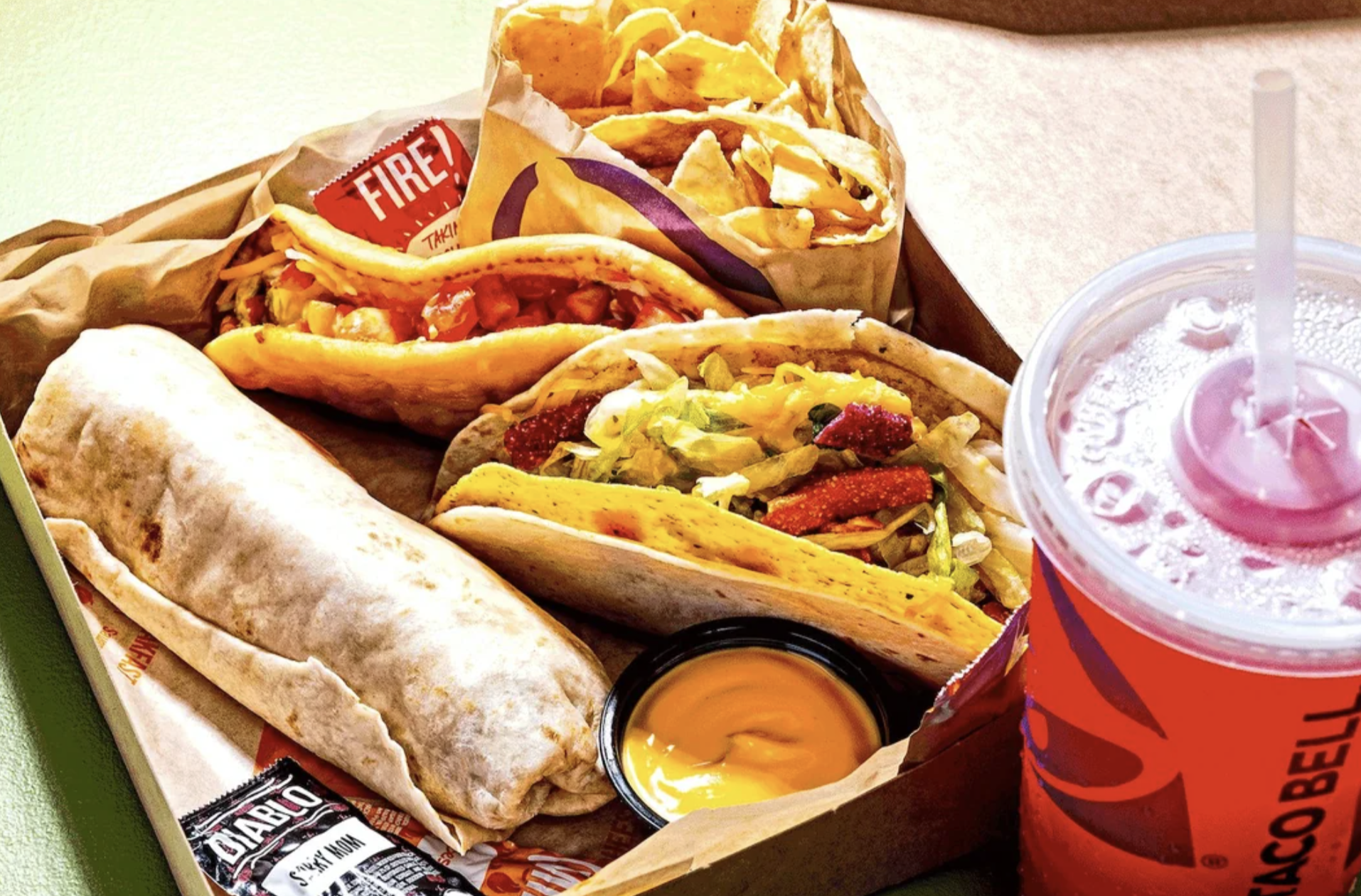
Fast food used to mean cheap, fast, and reliable. Now it often means spending $15 for a combo meal that somehow still feels smaller than it used to. Between higher wages, ingredient costs, and corporate price hikes, fast food is no longer the budget-friendly fallback it once was.
Cereal
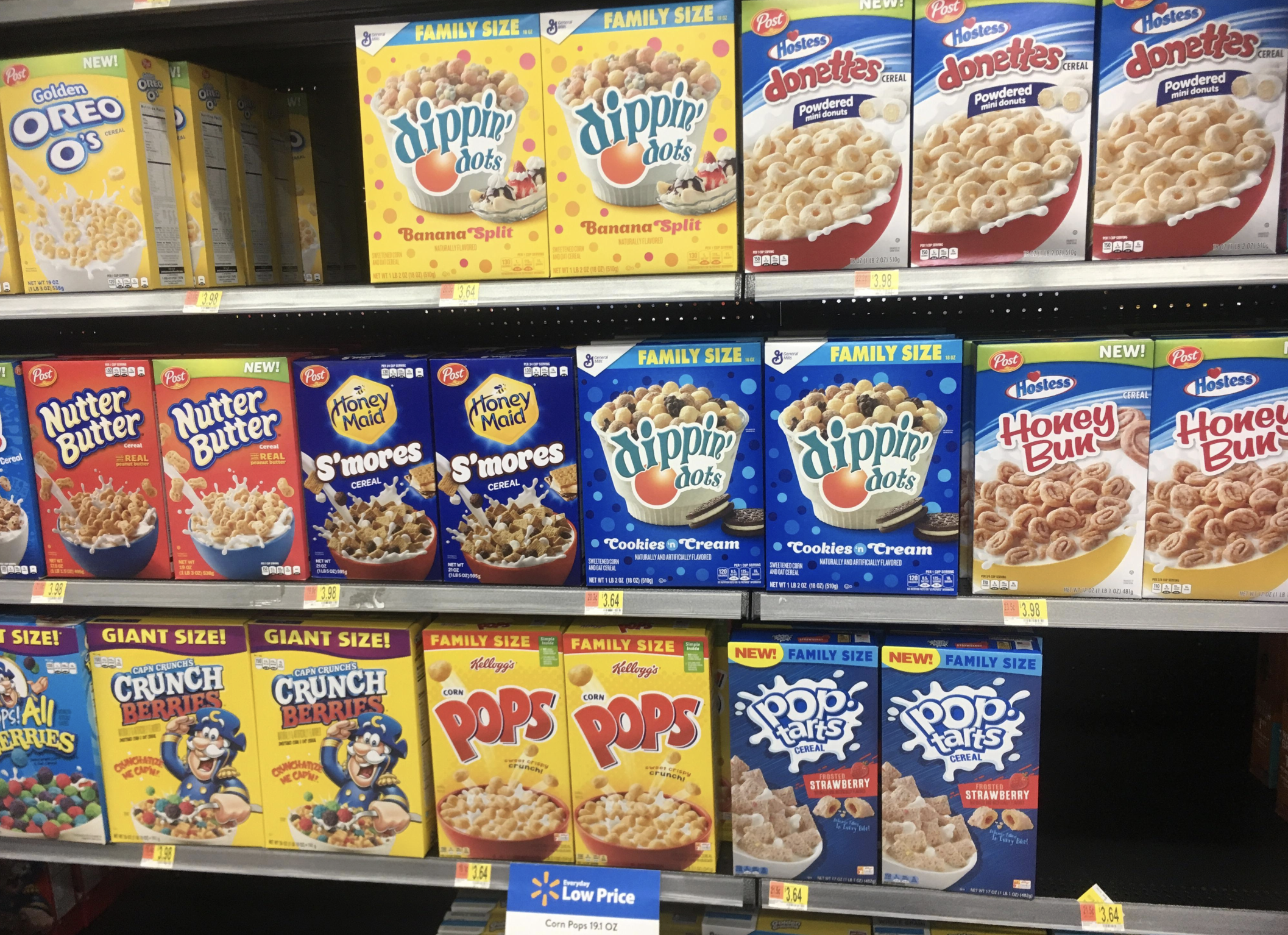
Cereal has quietly become one of the most overpriced grocery items on the shelf. What used to be a quick, cheap breakfast now costs enough to make you stare at the box and reconsider your life choices. Even the “family size” boxes feel like a scam.
Trending on The Scroller


Butter
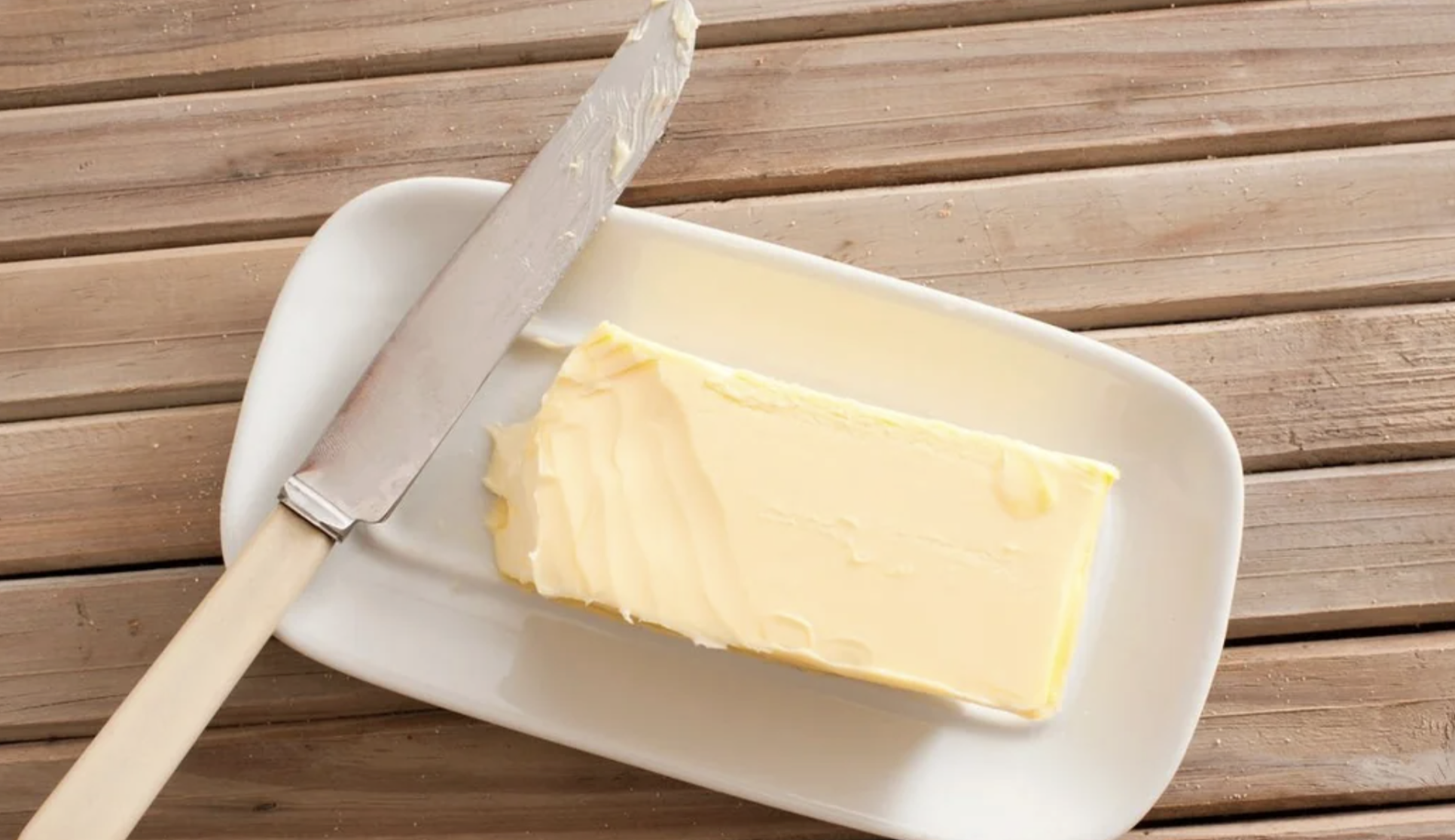
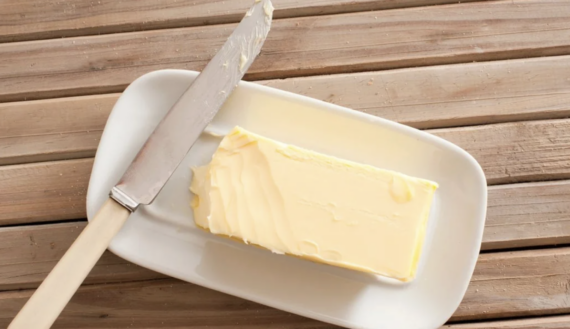
Butter used to be something you always had in the fridge. Now it’s one of those items you might wait to buy until it’s on sale. Dairy prices have risen, and butter has become surprisingly pricey for something that’s basically a kitchen staple.
Laundry Detergent

Laundry detergent has turned into a household expense you actually have to plan around. Big jugs that used to last for weeks now come with price tags that feel excessive. Even store brands have climbed, and detergent sales suddenly feel like major events.
Toilet Paper
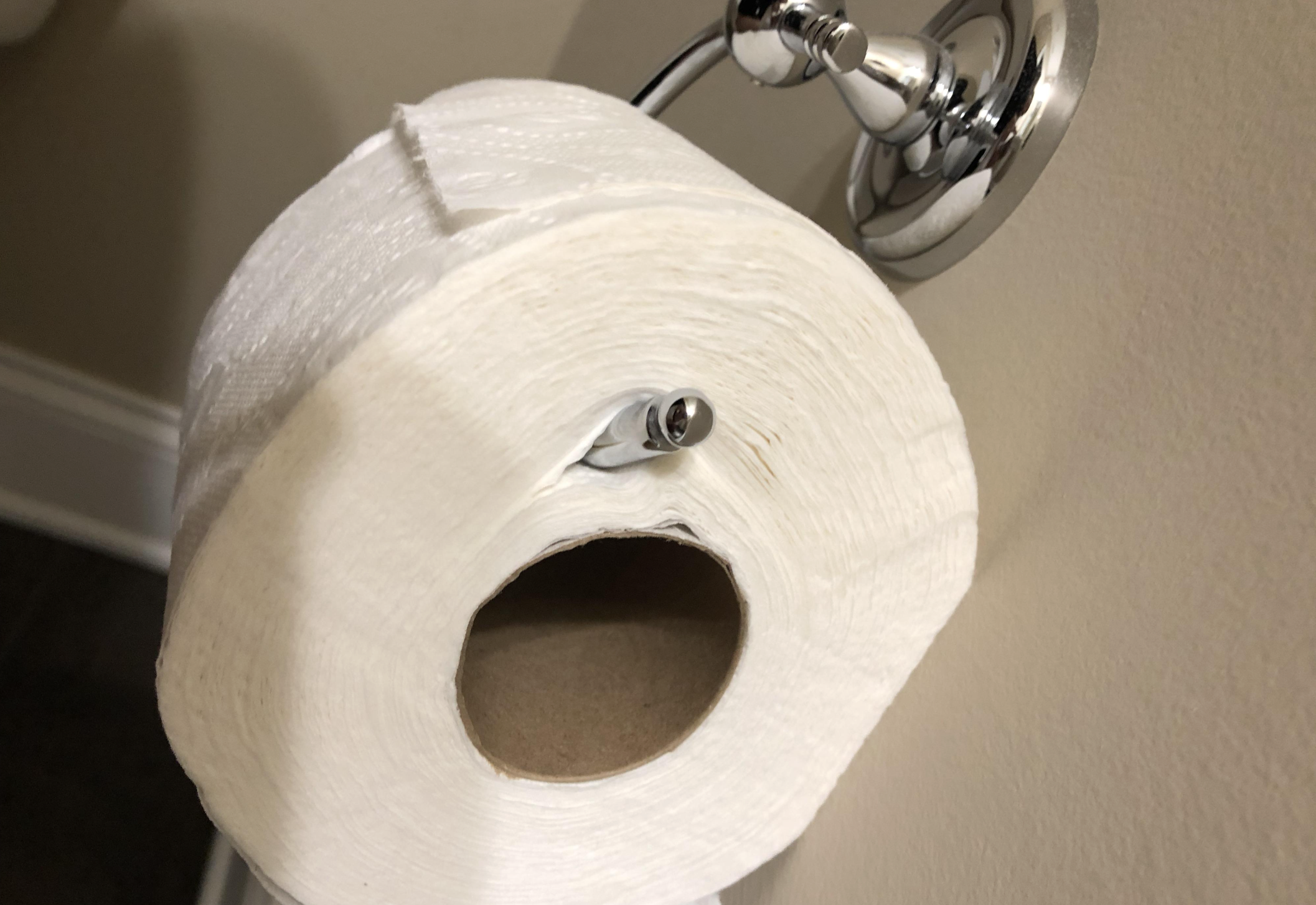
The pandemic made everyone aware of toilet paper prices, and they never really went back down. What used to be a mindless bulk purchase now costs enough to make you debate the difference between “soft” and “acceptable.” And somehow, you still always run out at the worst possible time.
Sign up for our newsletter
Shampoo and Conditioner
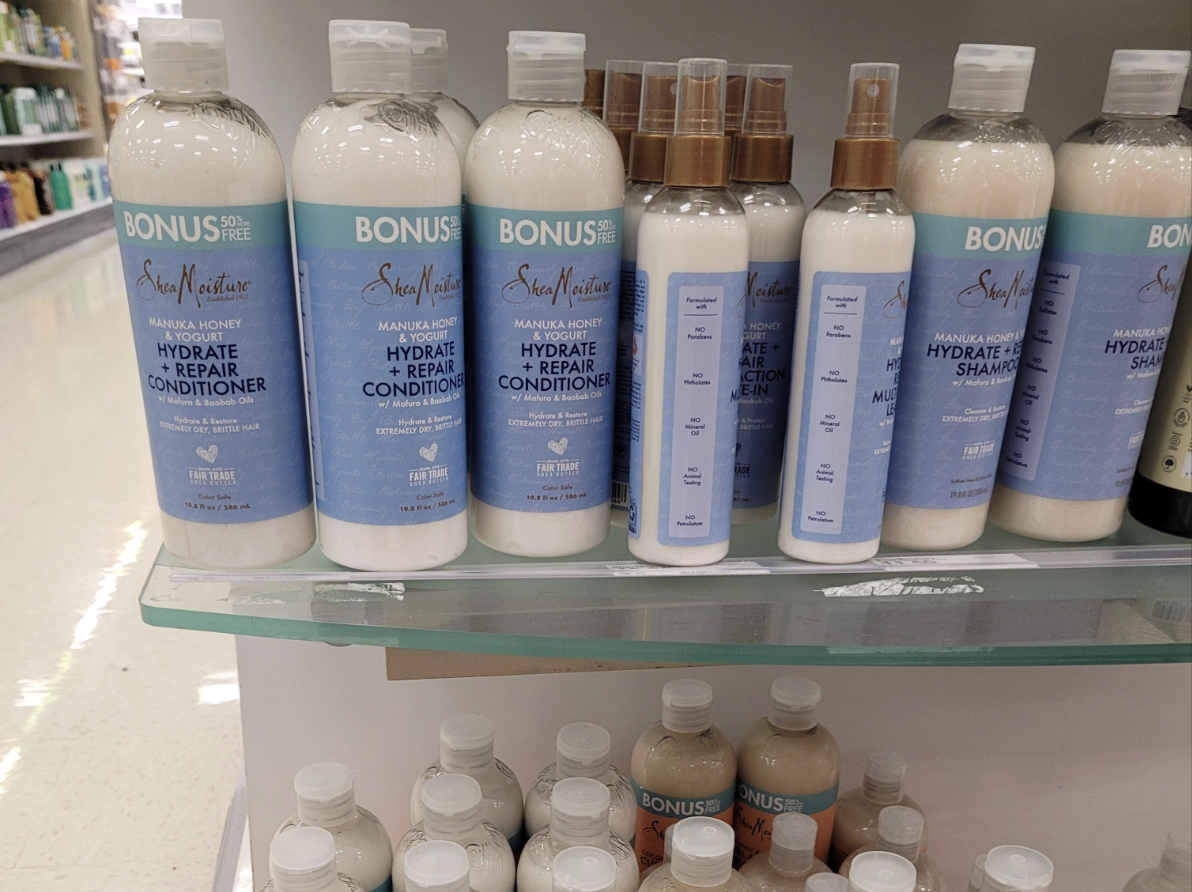
Hair products used to be a basic drugstore grab. Now, even average shampoo and conditioner can cost close to salon-level pricing. Many brands have raised prices while shrinking bottle sizes, which makes the whole thing feel like an expensive joke.
Paper Towels
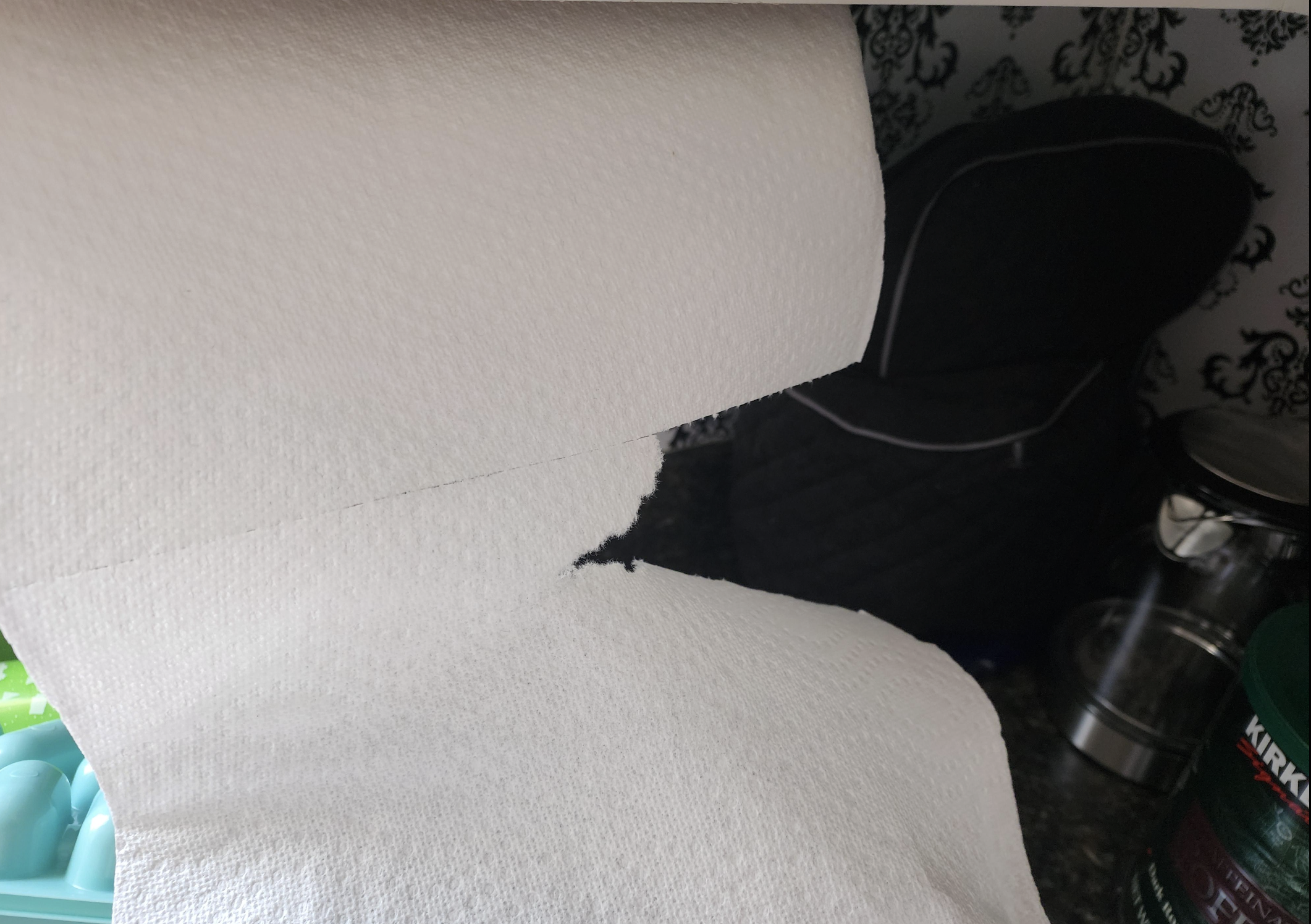
Paper towels have become one of those items you don’t appreciate until you see the price tag. A multi-pack can cost almost as much as a small grocery haul. They’re still necessary, but now they feel like a luxury purchase.
Ground Beef
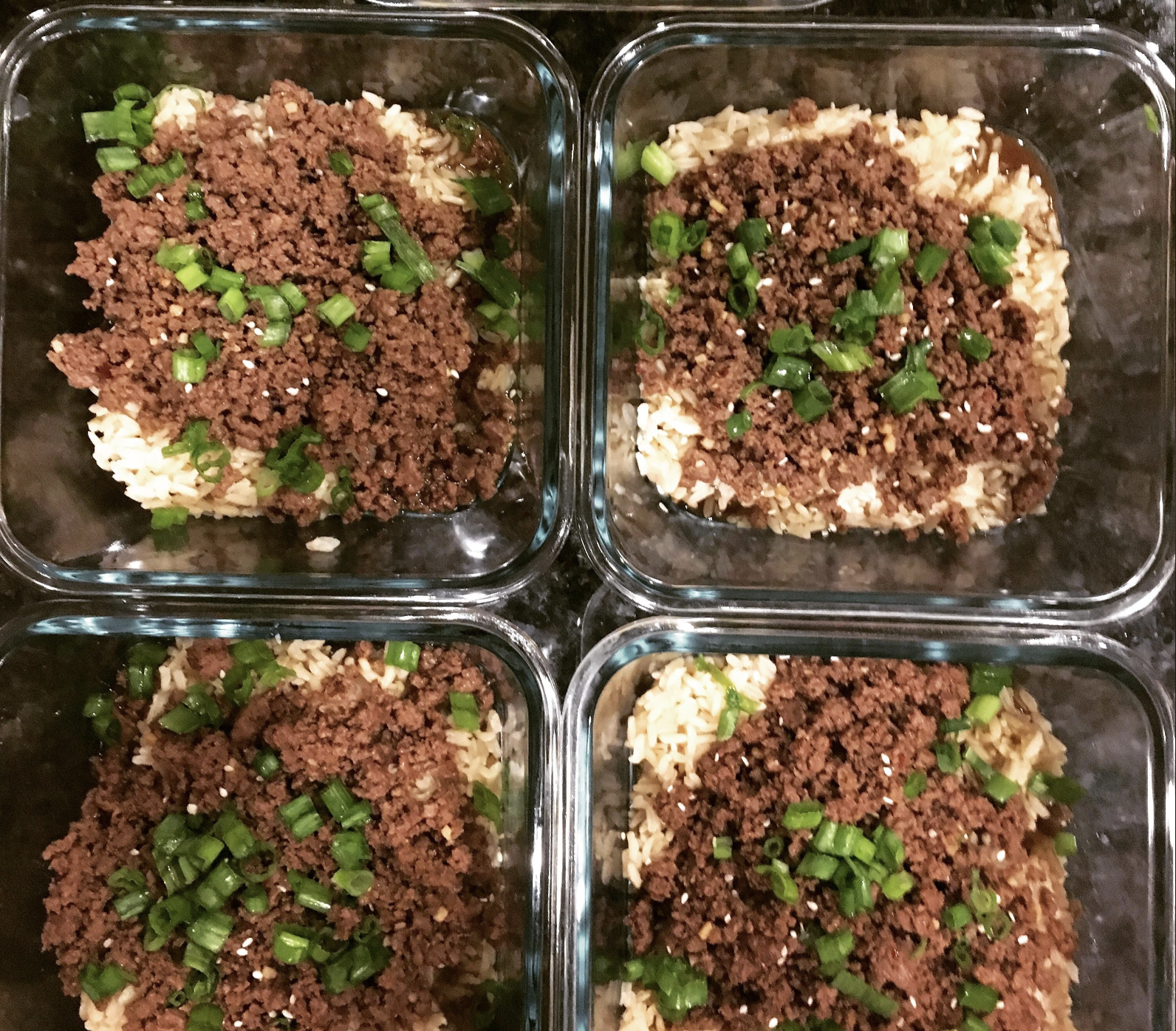
Ground beef used to be the affordable meat option that could stretch into multiple meals. Now it costs enough that people are swapping it out for turkey, chicken, or plant-based substitutes. Burgers, tacos, and spaghetti all got more expensive overnight.
Cheese
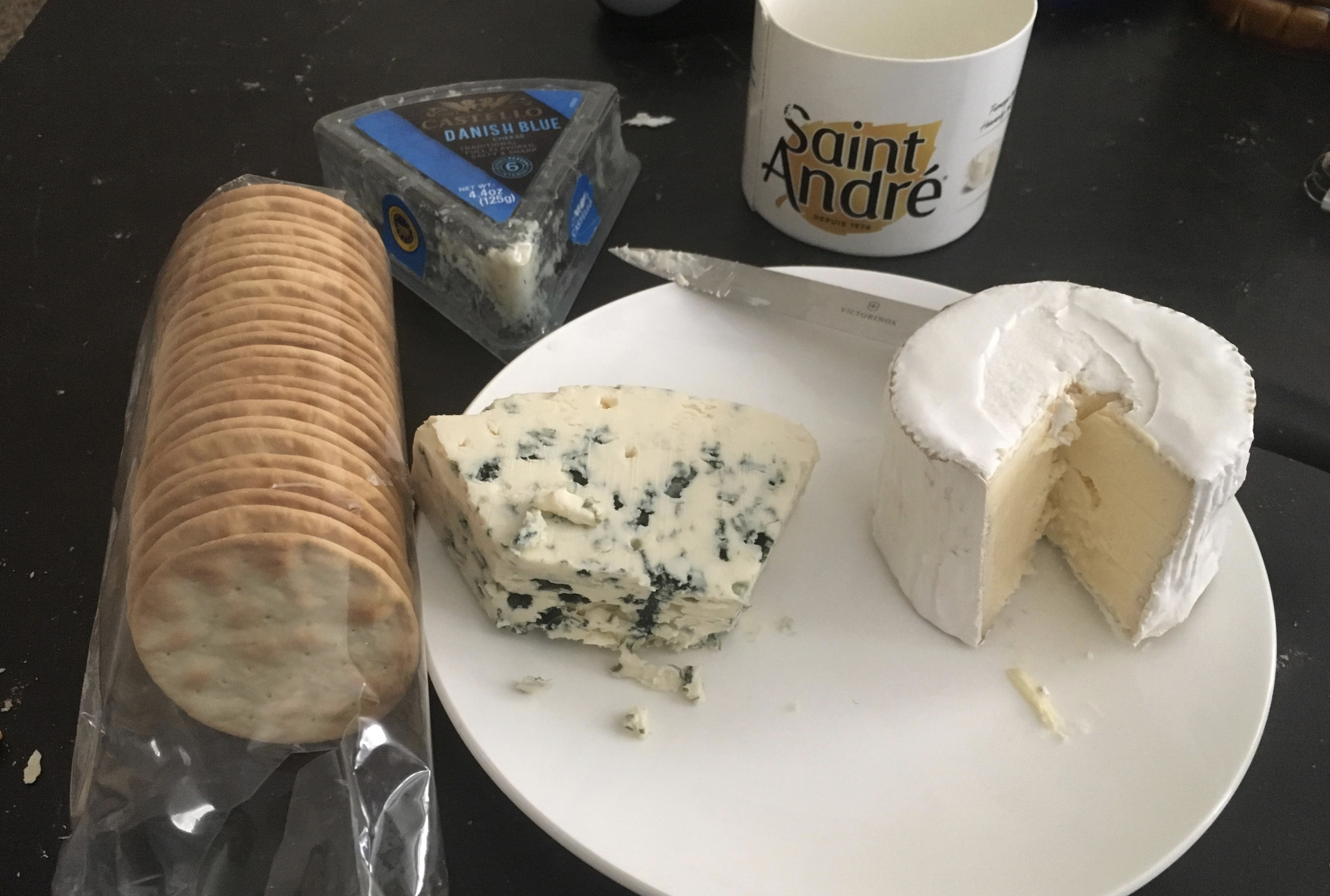
Cheese prices have climbed so much that it’s hard not to notice. A bag of shredded cheese used to be an easy add-on. Now it feels like you’re paying premium prices for something that used to be a basic ingredient.
Olive Oil
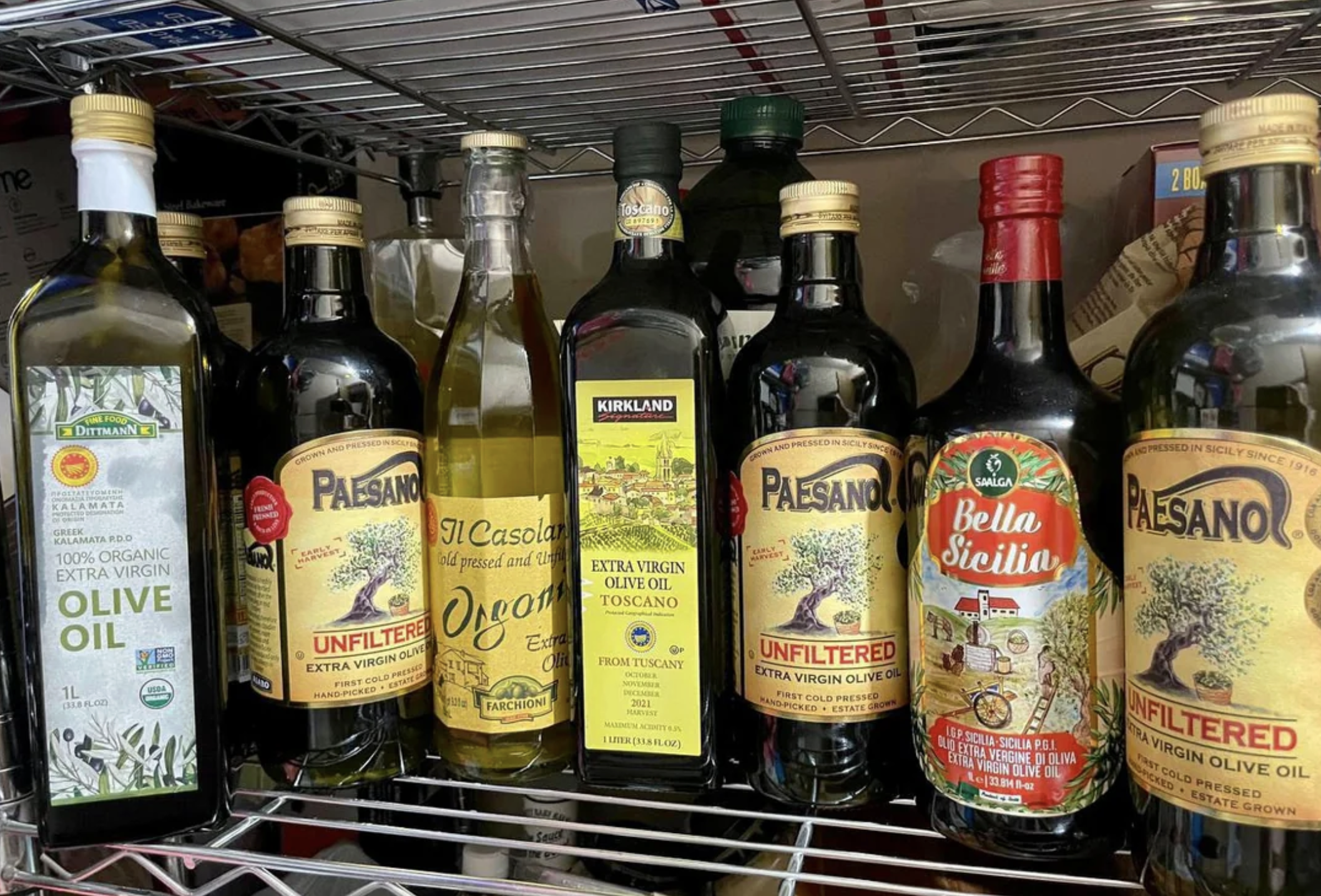
Olive oil is one of the biggest “wait, when did this happen?” grocery price increases. A bottle that used to be reasonably priced now costs enough to make people ration it like it’s rare. Climate conditions affecting olive harvests have driven prices higher, and it shows.
Peanut Butter
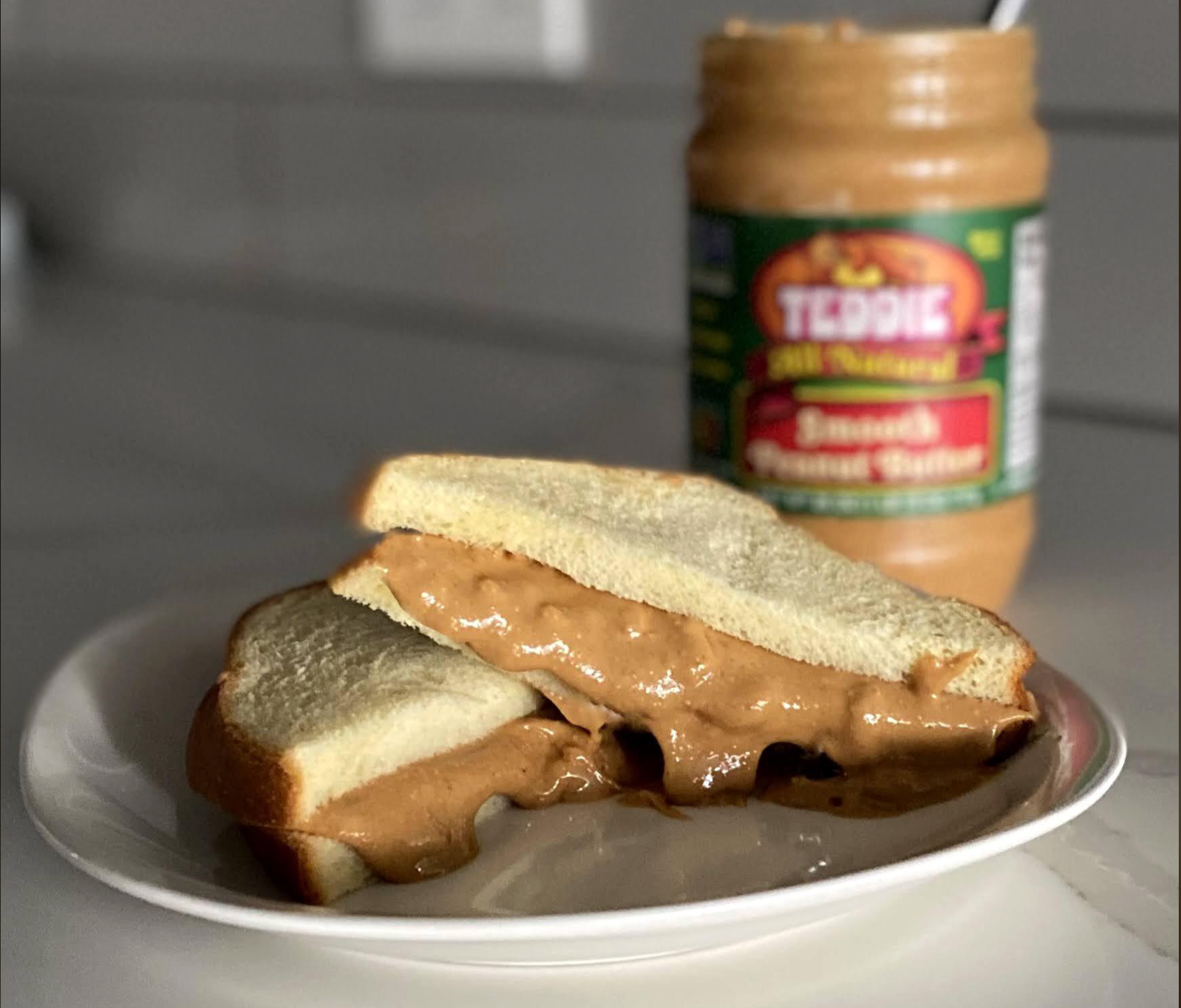
Peanut butter used to be the cheap pantry staple that got you through everything from sandwiches to snacks. Now, even basic jars cost significantly more than they used to. Natural peanut butter options are especially pricey, which feels unfair for something made of peanuts and salt.
Cleaning Supplies
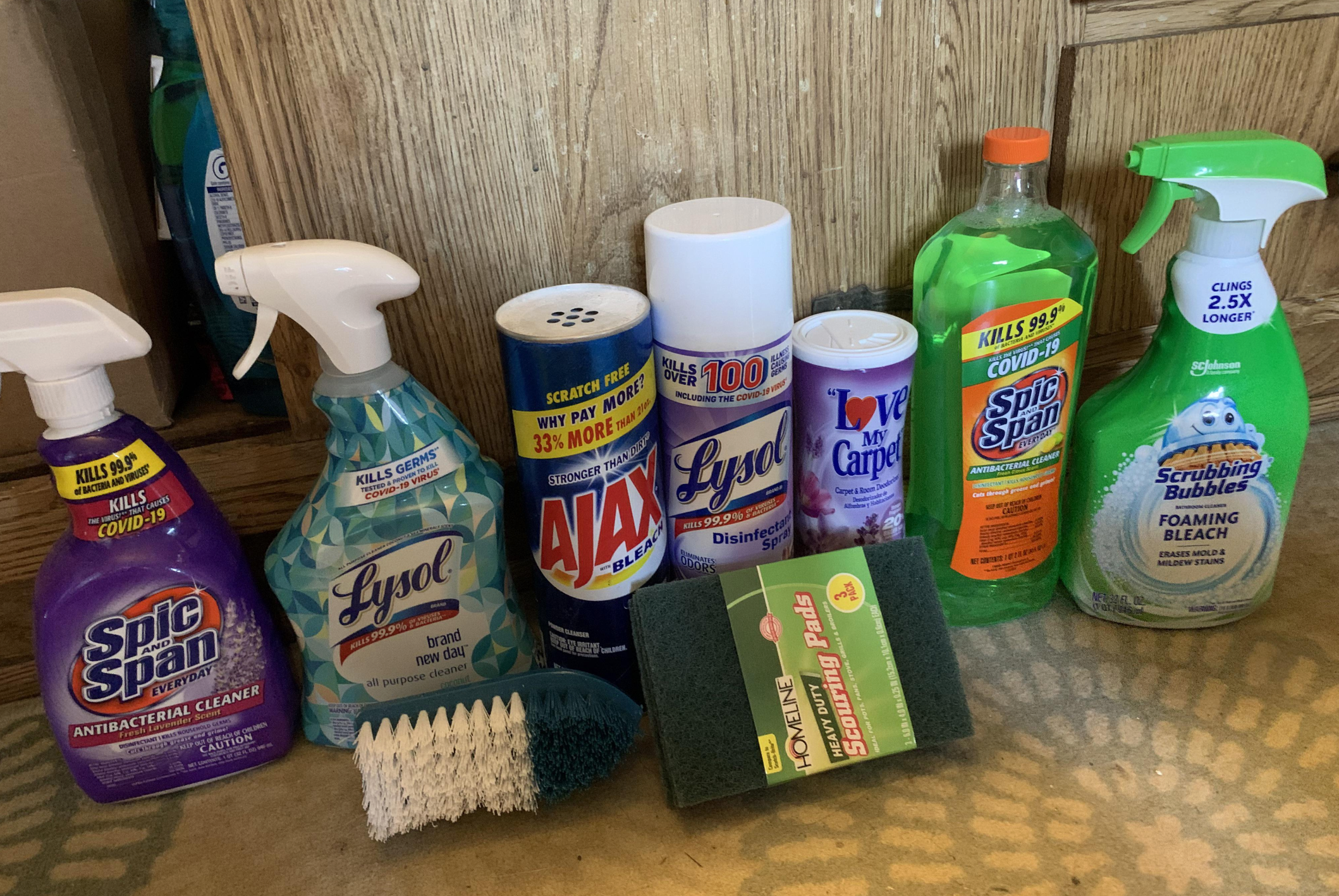
Basic cleaning products like disinfecting sprays, wipes, and multi-purpose cleaners have gotten noticeably more expensive. Many households have started making their own cleaners or using vinegar-based solutions again because buying name-brand products adds up quickly.
Cat and Dog Food
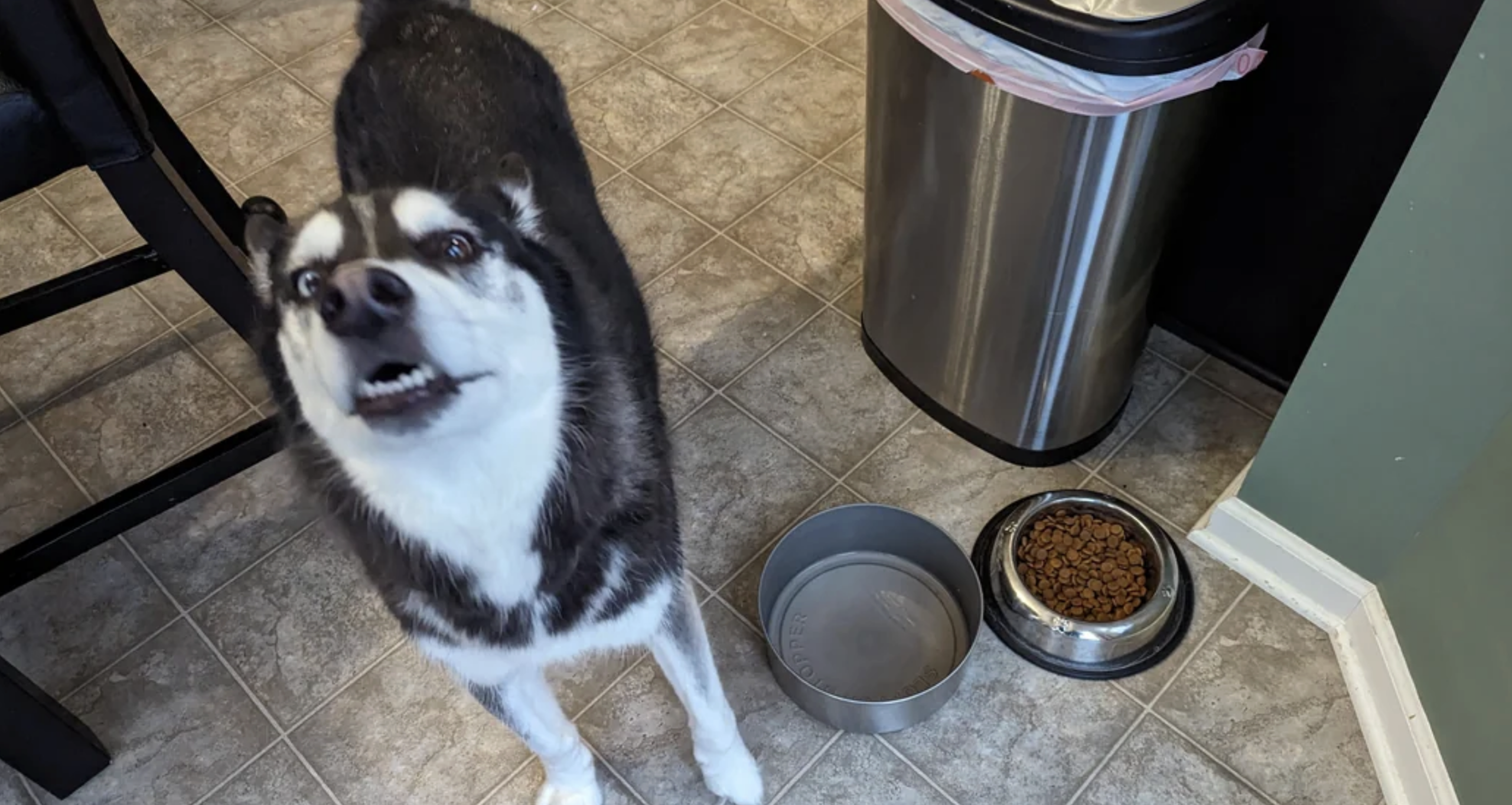
Pet owners have felt this one hard. Pet food prices have skyrocketed, and even mid-range brands cost far more than they used to. Add in supply shortages and ingredient price hikes, and feeding your pets has become a monthly expense that rivals your own groceries.
Bottled Water

Bottled water has always been overpriced in principle, but it used to be cheap enough that people still bought it. Now, cases of water can cost enough to make you finally consider investing in a reusable bottle and a filter. It’s hard to justify paying premium prices for something that literally falls from the sky.
Explore more vintage content:
The frustrating part isn’t just that prices are higher. It’s that these are everyday products people depend on. They aren’t luxury items. They’re basics. Between inflation, supply chain issues, higher labor costs, and companies raising prices because they can, the cost of living has climbed fast. And the worst part is realizing that what used to be “cheap” is now just… normal. Which means we’re all stuck adjusting our budgets for things like eggs and paper towels. Because apparently, that’s adulthood now. If you loved this content, check out 20 Creepy Famous Houses That Look 100% Haunted (And Probably Are), or 15 Ways To Improve Life Working From Home.