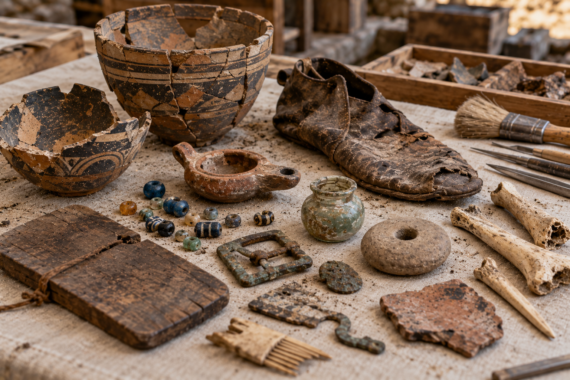
History books often focus on rulers, wars, and impressive monuments. But understanding how ordinary people actually lived can require looking at much smaller discoveries: a broken shoe, a discarded bottle, or even the remains found in an ancient toilet. These everyday objects offer clues about food, work, fashion, education, and entertainment.
By studying what people made, used, repaired, and threw away, archaeologists can reconstruct surprisingly personal details about lives that ended centuries ago.
Broken Pottery Reveals What People Cooked and How They Ate
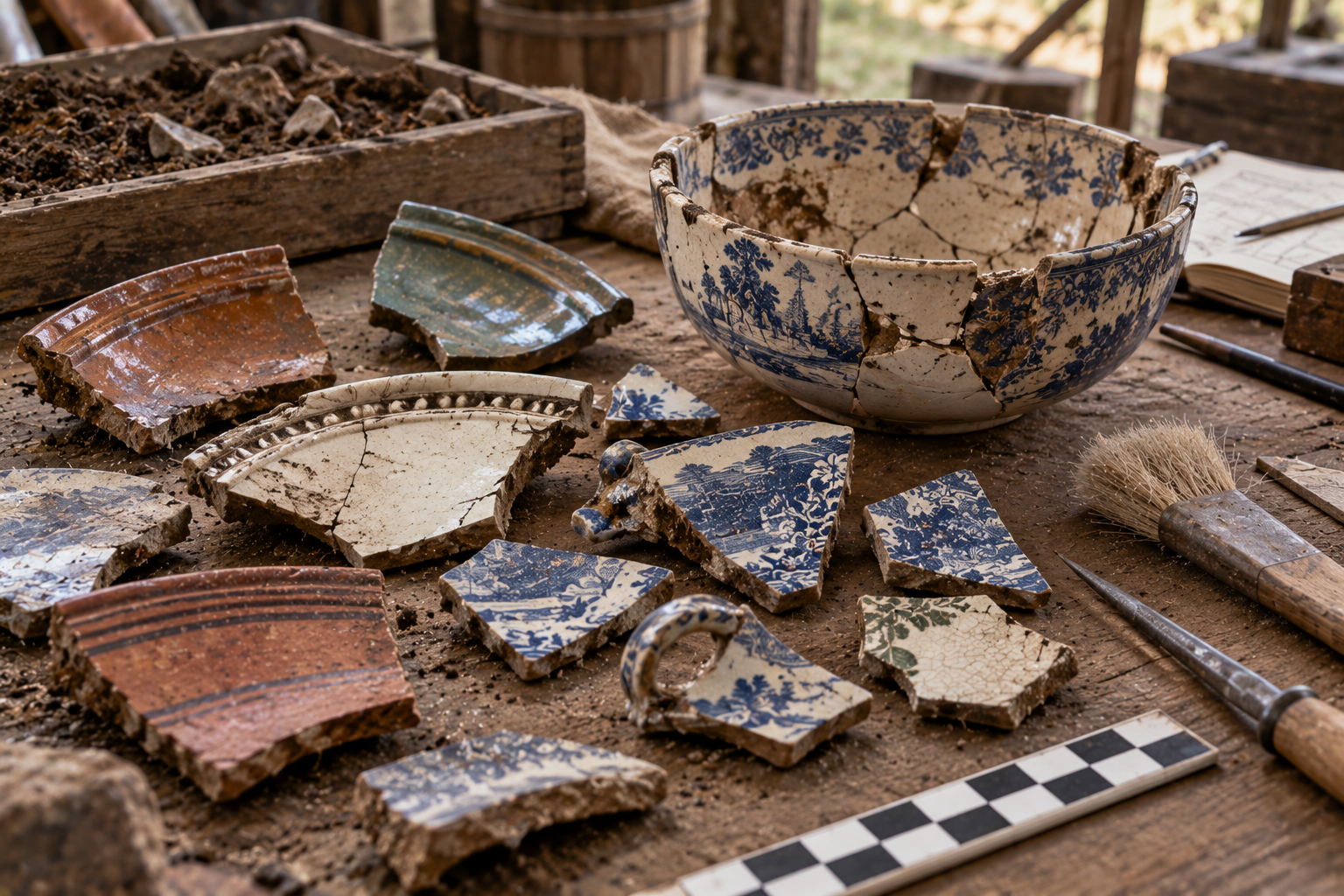
A cracked bowl can tell researchers far more than its owner probably imagined. At Fort Vancouver in Washington, ceramic tableware helps archaeologists understand household possessions and daily routines in the community connected to the Hudson’s Bay Company. Pottery shapes can suggest how vessels were used, while manufacturing techniques and decorative styles help establish when particular layers of an excavation were formed. Even ancient kitchenware leaves a paper trail of sorts.
Ancient Shoes Show How Much People Walked and What They Repaired
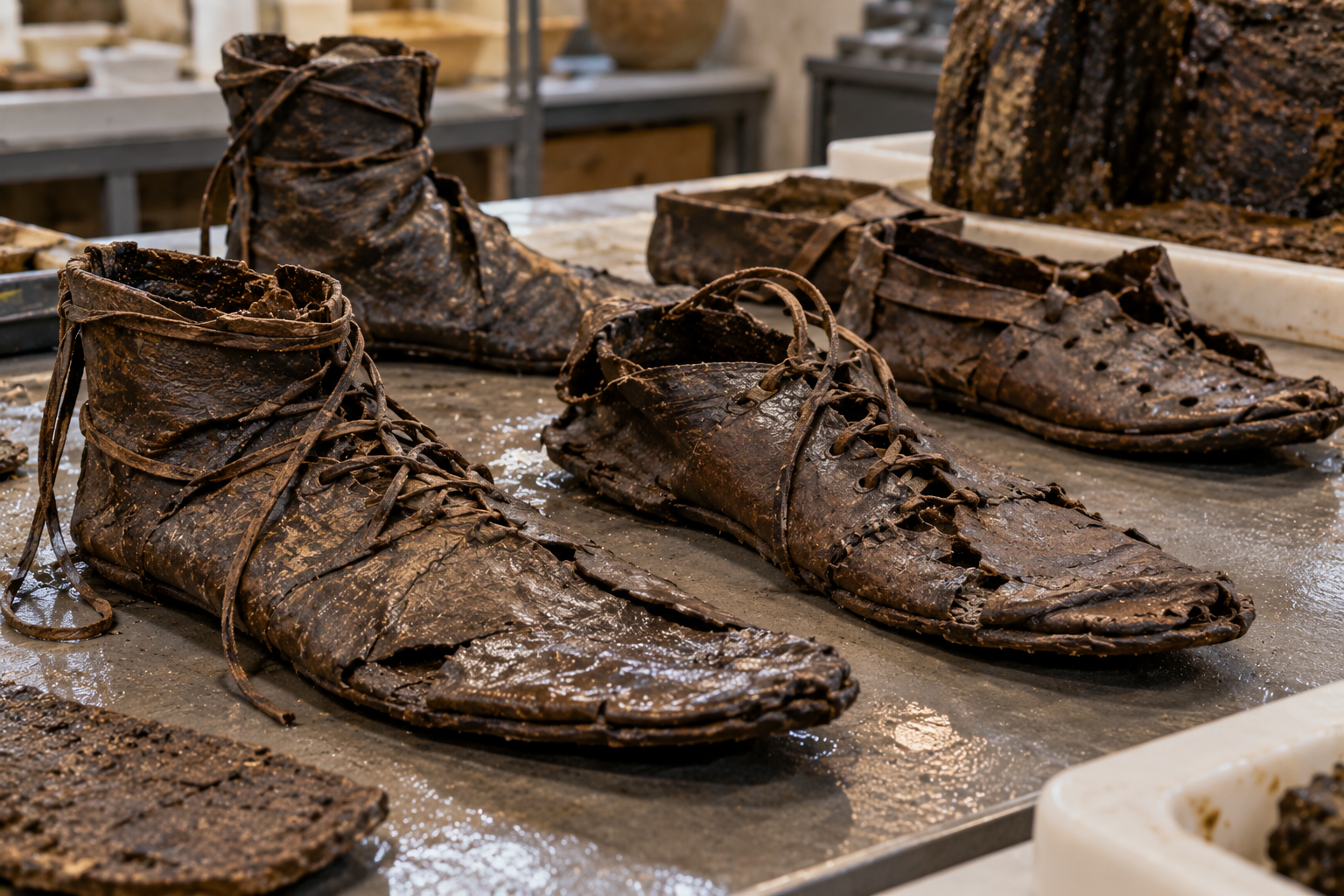
Footwear preserves clues about practical needs, fashion, and the value of leather. Near Rochester, England, archaeologists recovered approximately 80 to 100 leather shoes from a waterlogged Roman-era well, including examples with unusually long ankle straps. At medieval salt-working sites in Lincolnshire, worn shoes repaired repeatedly reveal how people extended the life of expensive materials. Apparently, the urge to fix a favorite pair instead of replacing it is nothing new.
Clay Smoking Pipes Help Date Forgotten Buildings
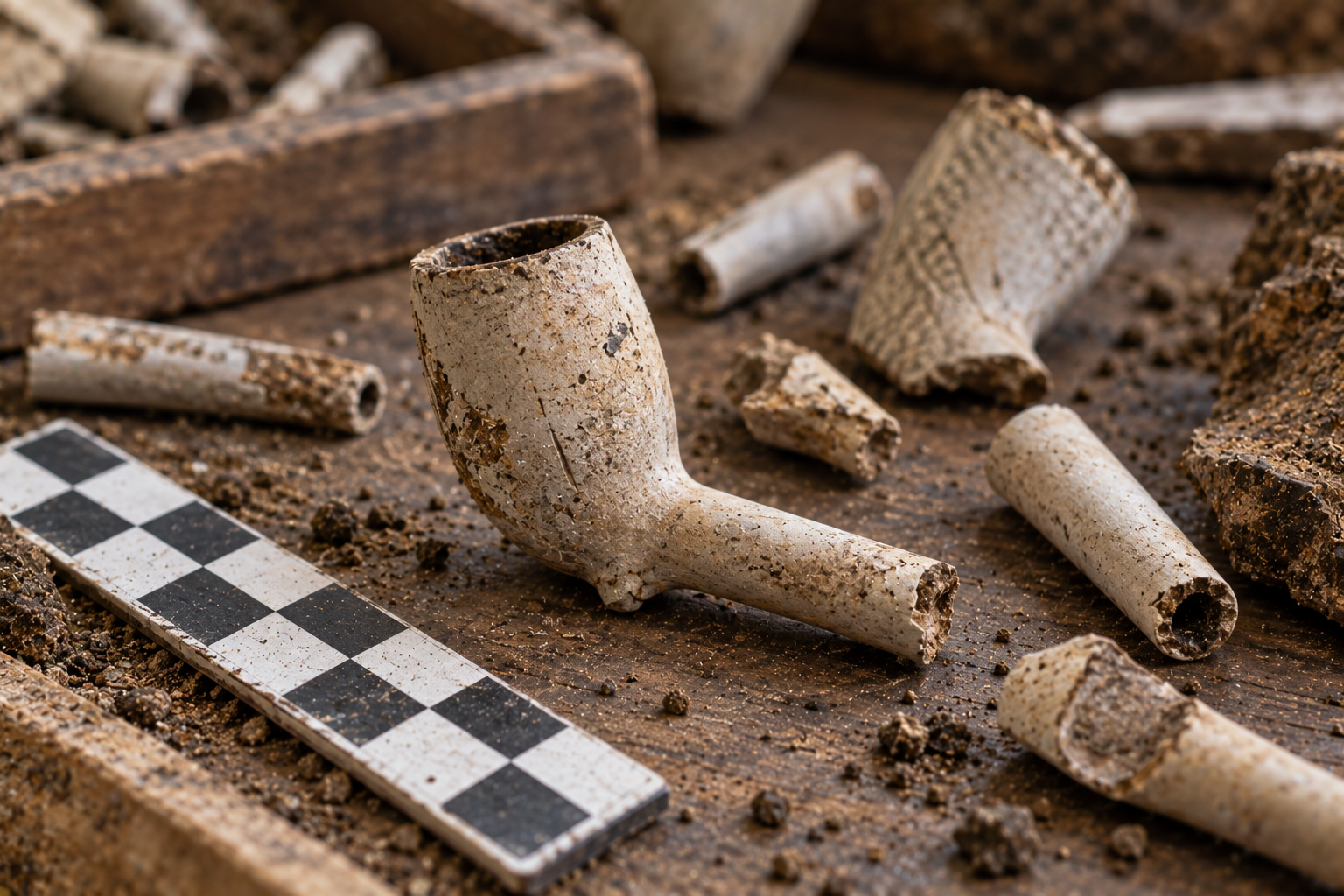
A fragment of a smoking pipe can help researchers establish when a building deposit was in use. At Hailes Abbey in Gloucestershire, England, excavations uncovered a pipe bowl dating to approximately 1610-1640. Tobacco smoking was still a relatively new and costly fashion in England at the time. Changes in pipe design provide useful chronological clues, meaning even a discarded smoking accessory can help archaeologists narrow down a site’s history.
Children’s Marbles Reveal Who Lived in a Household
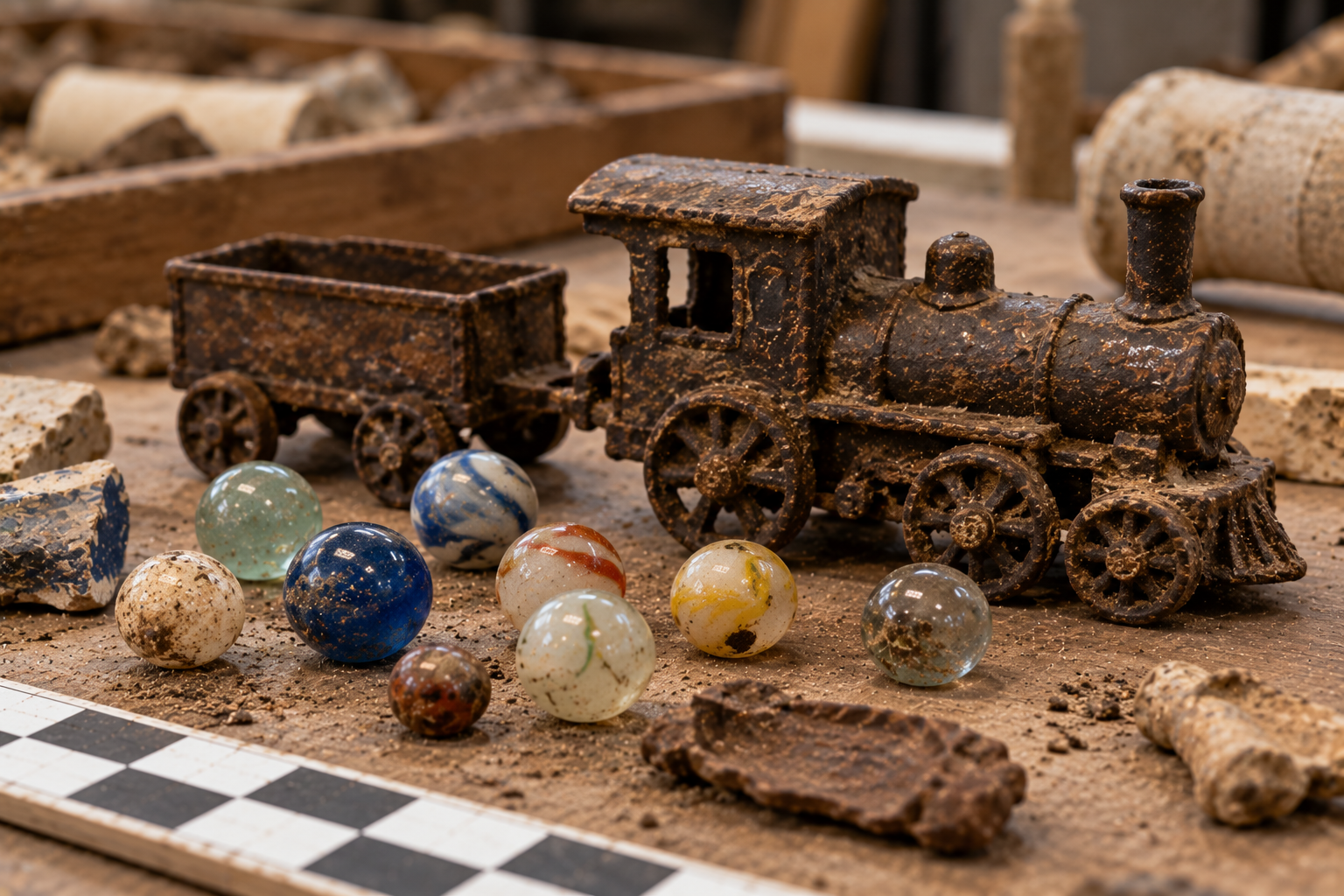
Military posts and commercial settlements weren’t populated by workers alone. At Fort Stanwix in Rome, New York, excavations uncovered 19th-century cast-iron toy trains and later glass marbles connected with the people who lived in the area. Such finds help researchers recognize children’s presence at sites that written records might describe mainly in military or economic terms. Behind the official history, someone was apparently still trying to win a game of marbles.
Small Weaving Weights Reveal an Entire Textile Industry
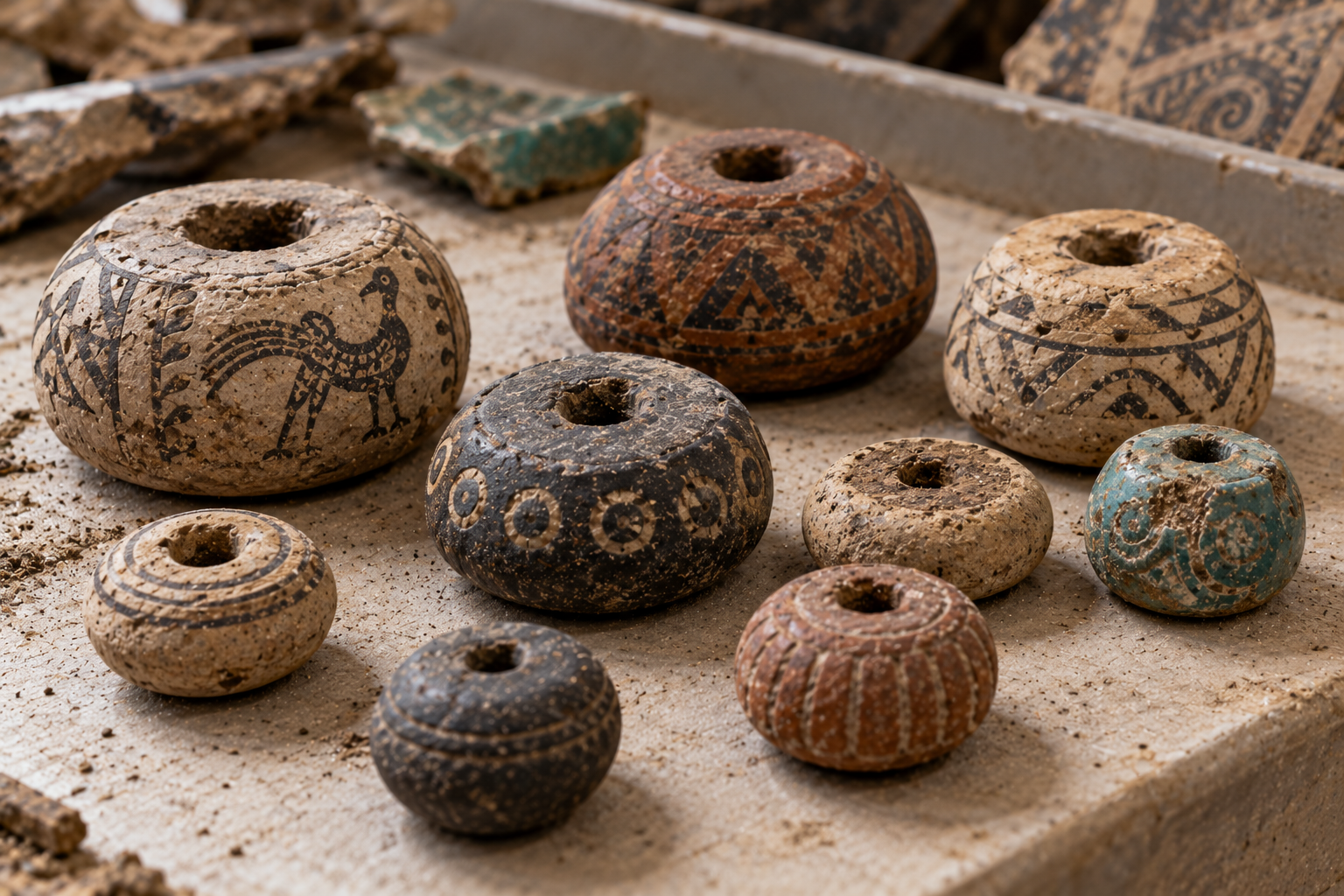
Clothing rarely survives intact in archaeological sites, but the tools used to make it often do. Spindle whorls are small weights that help hand spindles twist fibers into thread. Excavations at Nishapur, Iran, uncovered hundreds dating to the ninth and 10th centuries, providing evidence of substantial textile production. Some featured intricate geometric or animal-like designs, showing that even tools used for repetitive work could receive decorative treatment.
Trending on The Scroller

Old Buttons and Buckles Reveal More Than Clothing Styles
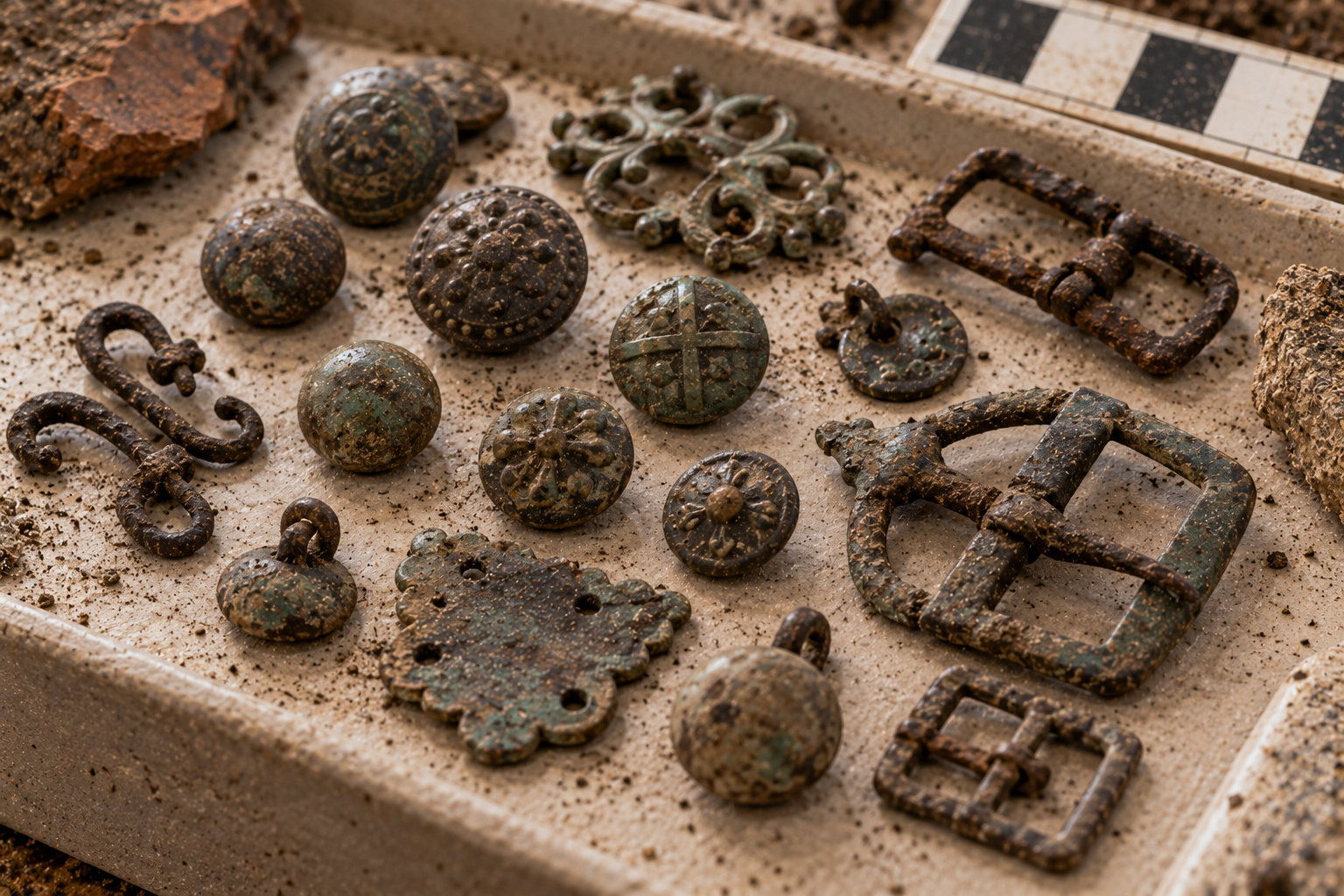
Fabric often disappears underground, leaving metal fasteners as evidence of former clothing. At Santa Elena, a 16th-century Spanish settlement in present-day South Carolina, archaeologists found buttons, hooks, buckles, and decorative fittings. These objects help researchers investigate garment styles, personal accessories, and the goods circulating through colonial communities. A missing button might frustrate someone today, but centuries later, it can help reconstruct an entire wardrobe.
Tiny Cosmetic Containers Reveal Ancient Beauty Routines
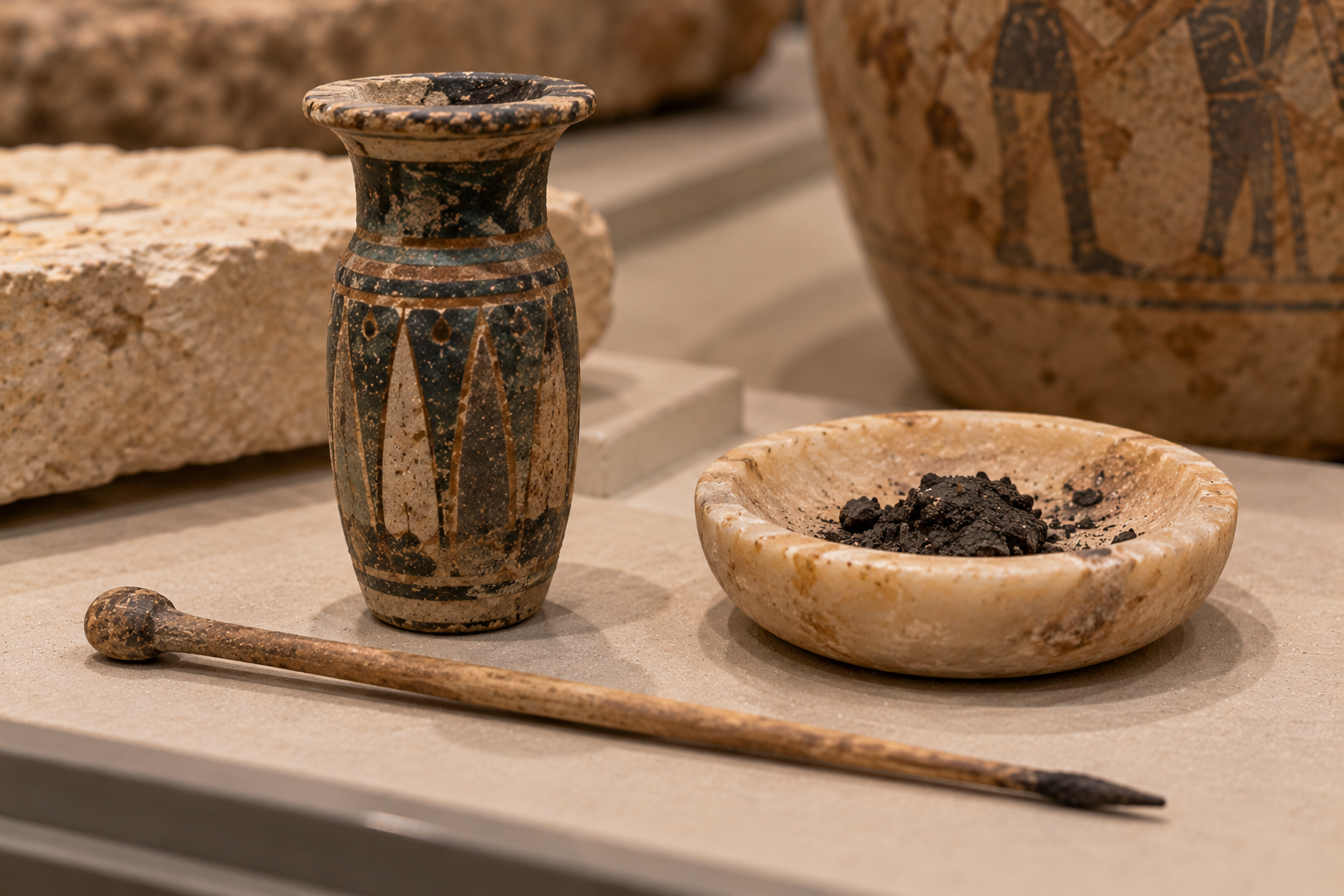
Personal grooming was part of everyday life thousands of years ago. In the tomb of Hatnefer, an Egyptian woman who lived during the 18th Dynasty, archaeologists discovered a kohl container with its wooden applicator. Residue analysis identified galena, a mineral used in dark eye makeup. Together, the surviving container, tool, and residue offer unusually direct evidence of an ancient beauty routine. Apparently, the search for the perfect eye look has a very long history.
Ancient Writing Tablets Reveal Birthday Parties and Unpaid Bills
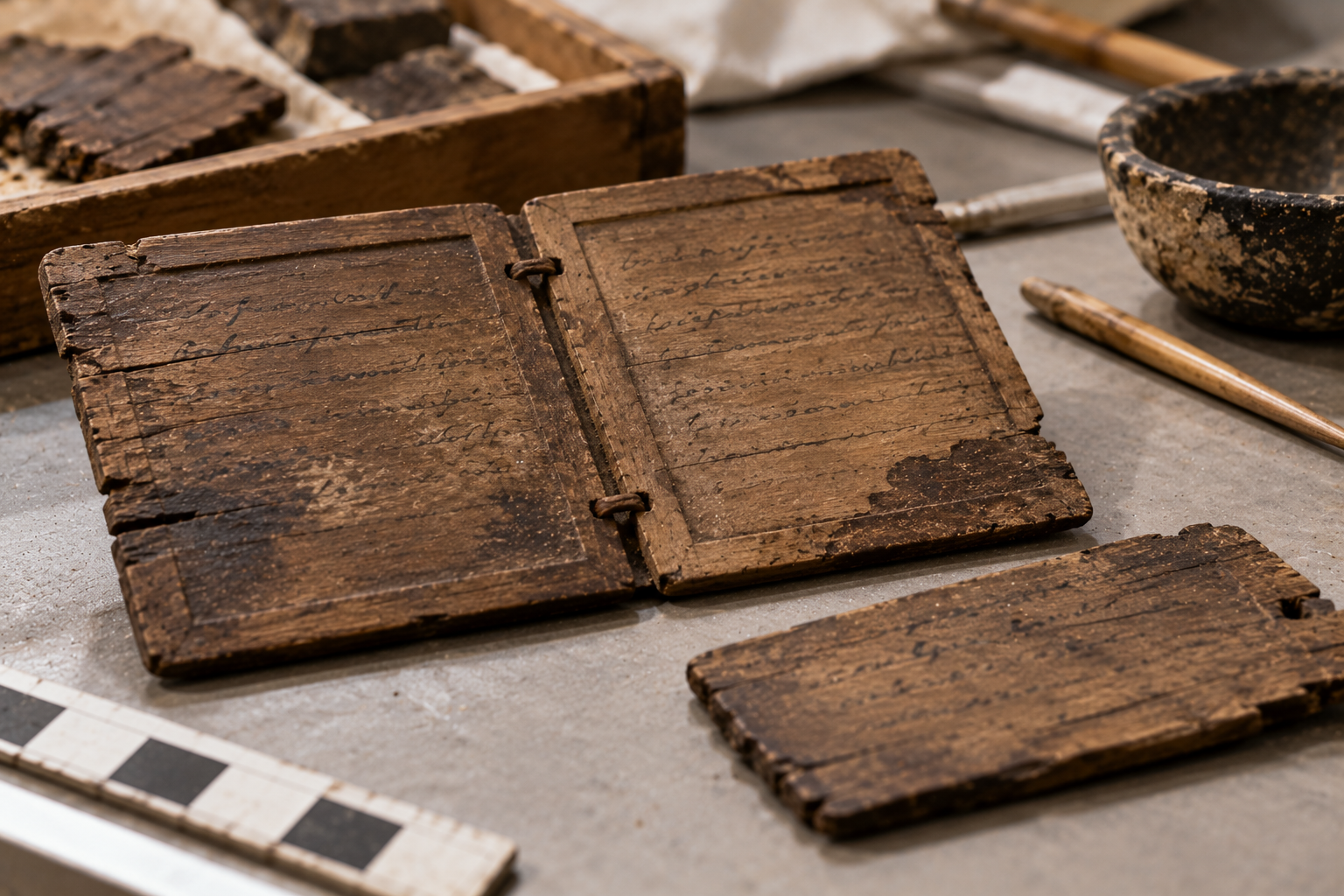
Some archaeological discoveries preserve everyday messages with astonishing detail. At Vindolanda, a Roman fort in northern Britain, a wooden tablet dating to around A.D. 100 contains Claudia Severa’s invitation to her friend Lepidina’s birthday celebration, including a closing written in Claudia’s own hand. Another tablet records business concerns involving payments, leather supplies, and grain. Social invitations and overdue accounts, it turns out, survived the Roman Empire.
Sign up for our newsletter
Glass Bottles Reveal What People Bought and Drank
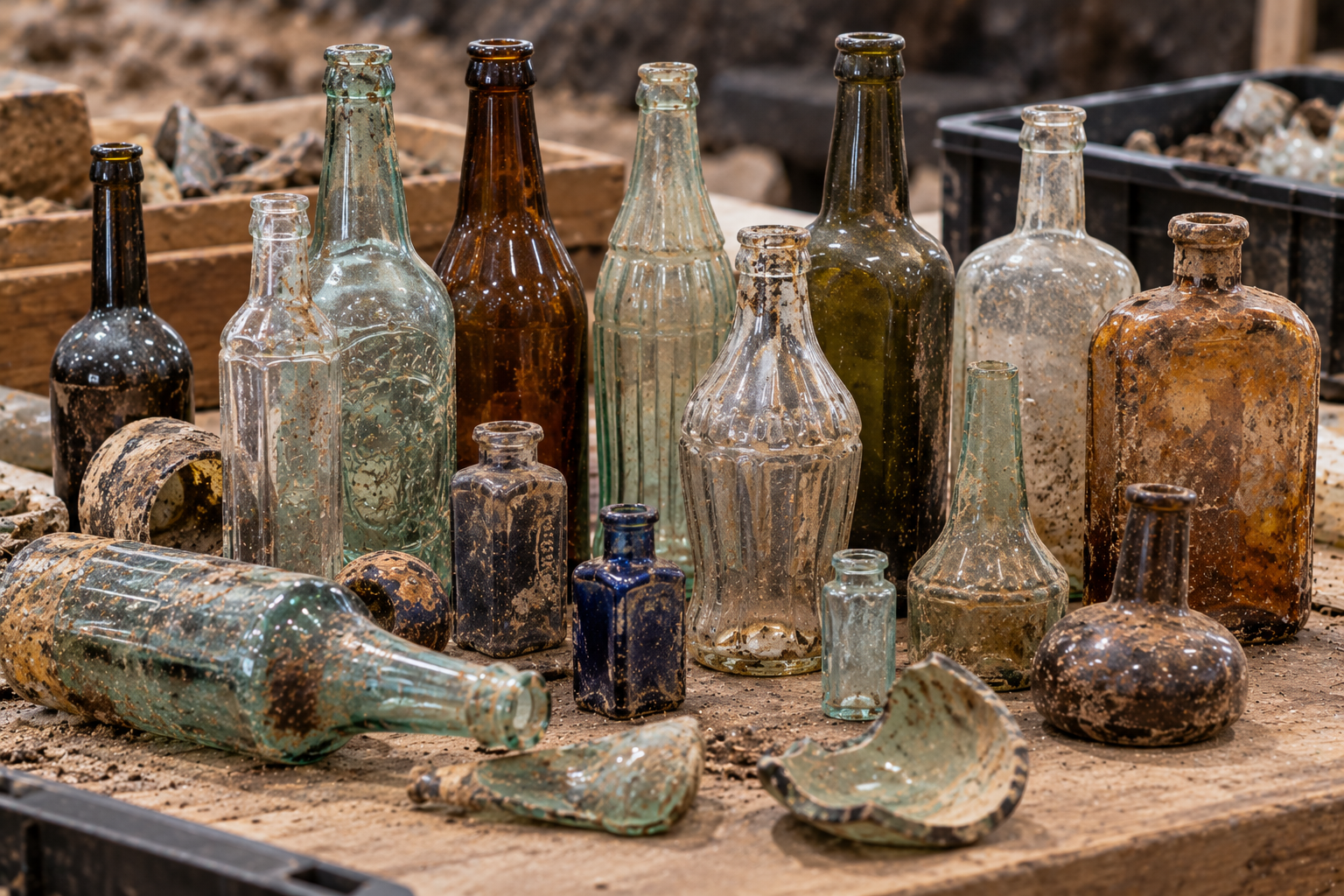
Discarded bottles can identify popular products and reveal patterns of consumption. At Merrie Way, a former amusement area in San Francisco, archaeologists recovered containers associated with soda water, ginger ale, cola, beer, spirits, and medicine. Manufacturing details helped researchers establish dates, while the quantity of locally produced beverage bottles offered clues about what visitors purchased. Long before online shopping histories, the rubbish could reveal a customer’s spending habits.
Oil Lamps Reveal How People Lit Their Homes After Dark
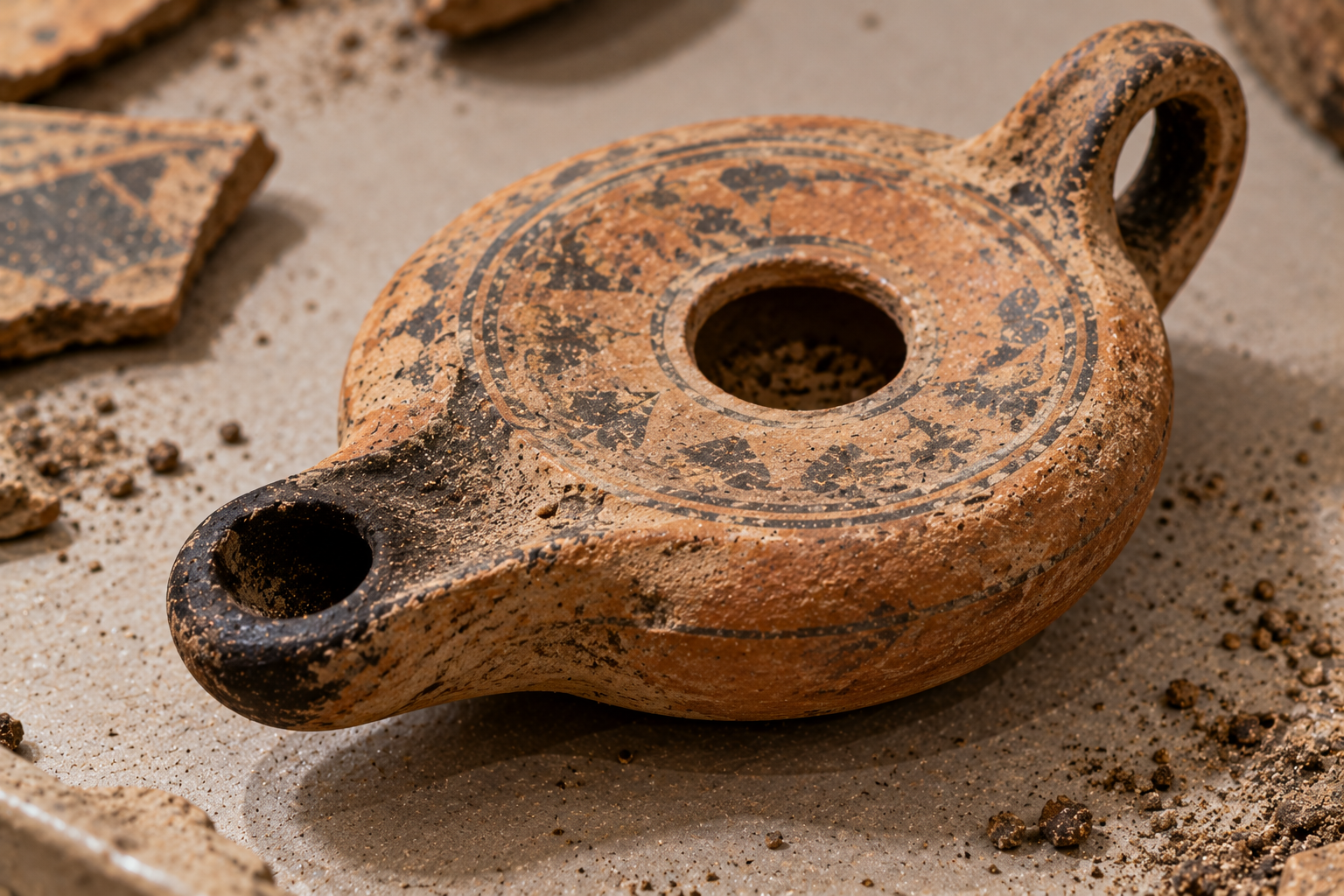
Before electricity, small lamps helped people continue everyday activities after sunset. A Greek oil lamp excavated at Naukratis in Egypt dates to approximately the late sixth or early fifth century B.C. Soot around its nozzle provides physical evidence that the lamp was used, while its design reveals how a wick drew fuel from a shallow reservoir. That blackened mark is effectively an ancient usage record, no batteries or smart-home app required.
Animal Bones Reveal What Was Actually Served for Dinner
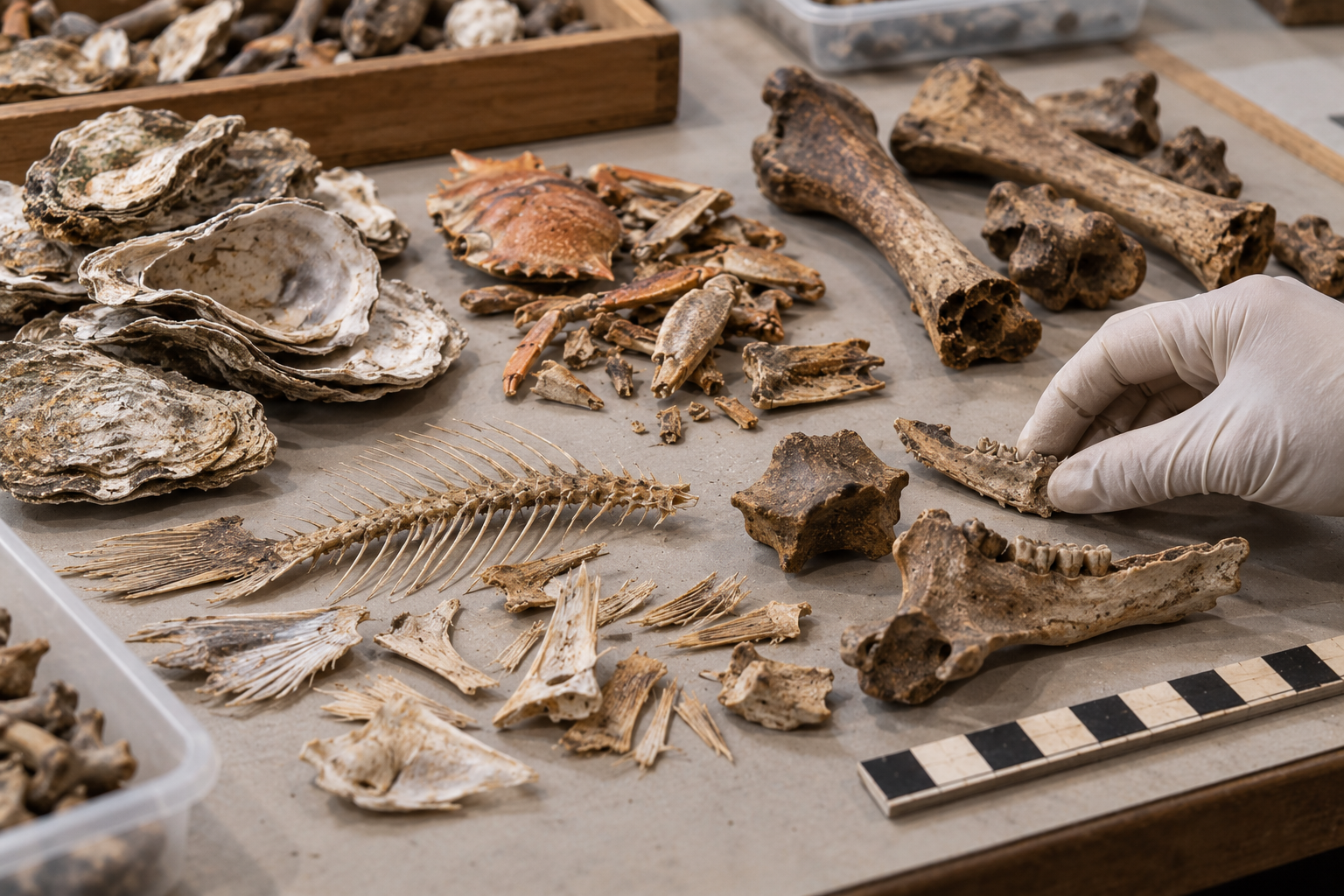
Written descriptions of historical meals often reflect the lives of wealthier people, but discarded bones can offer a broader picture. At Snee Farm in South Carolina, archaeological evidence from an enslaved community included crab, deer, oysters, cattle, catfish, chicken, and pig. These remains help researchers examine how people used local resources alongside food produced on the plantation. Unlike a fancy dinner menu, the bones can reveal what actually reached the table.
Gaming Pieces Show How Ancient People Relaxed
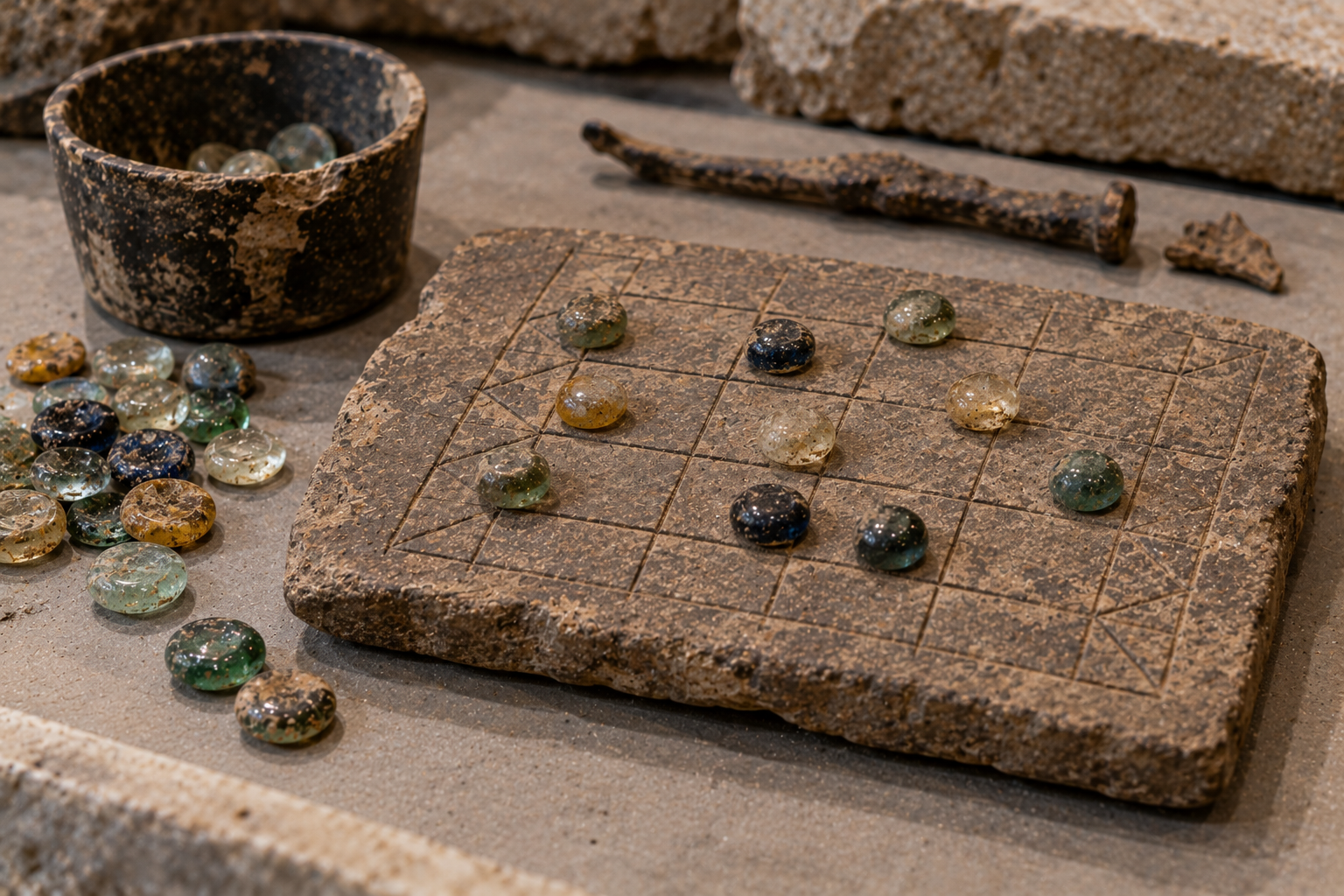
Ancient people didn’t spend every waking hour working, marching, or building empires. At the Roman fort of Vindolanda, archaeologists found a game board scratched into stone, along with glass counters arranged for a game known as little bandits. The British Museum also describes Roman soldiers enjoying snacks such as meat, fish, olives, and fruit while playing games. Even centuries ago, a break could mean food, friends, and a little competition.
Slate Pencils Reveal Where Children Learned to Read
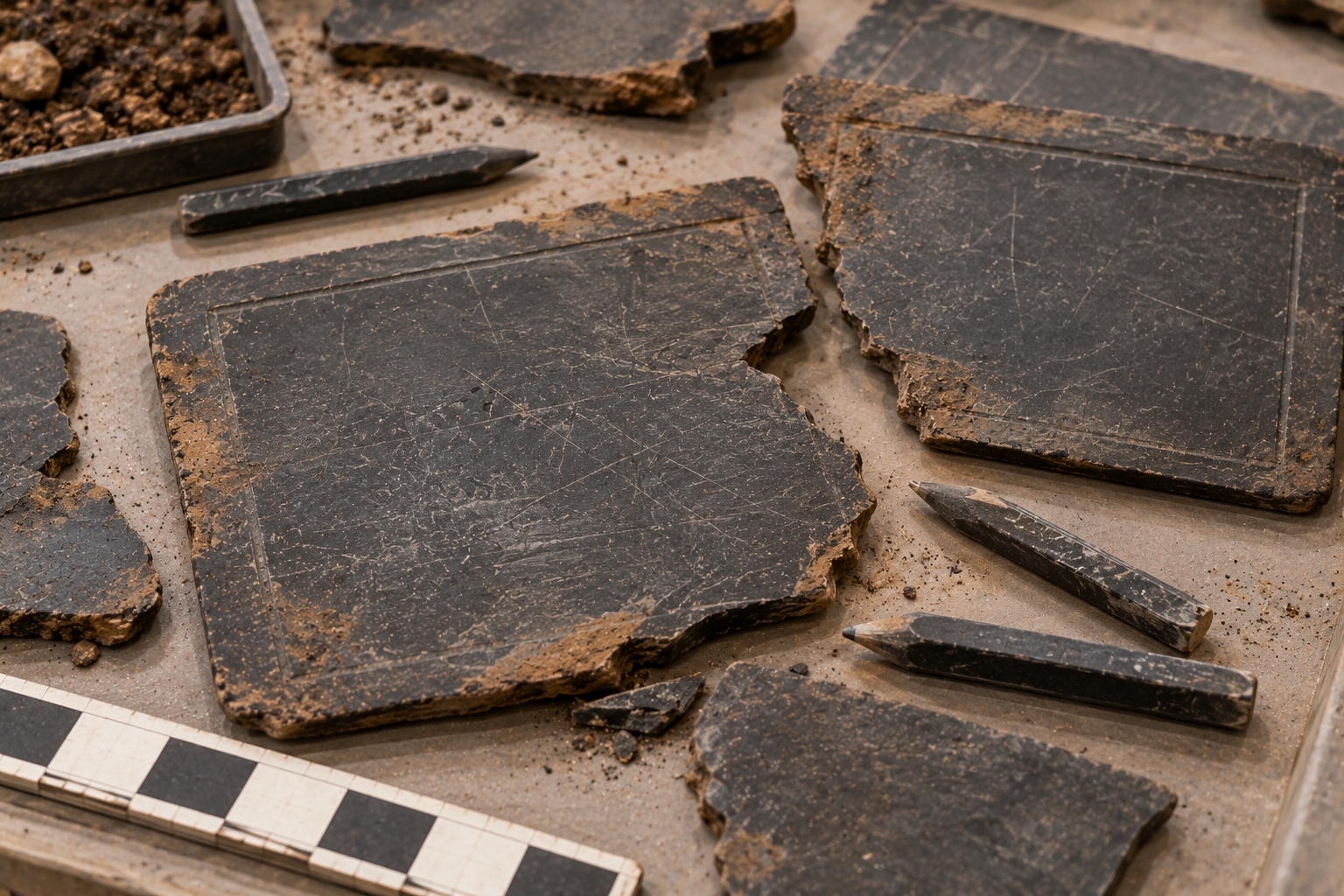
A school can disappear while the objects used by its students remain behind. At Fort Vancouver in Washington, archaeologists recovered fragments of slate writing tablets and slate pencils associated with a former school site. The Hudson’s Bay Company built two schoolhouses nearby around 1844. These small finds help researchers identify where children practiced reading and writing on reusable surfaces. Homework may have changed considerably, but students have been leaving school supplies behind for generations.
Sewing Thimbles Reveal the Work That Rarely Made It Into History Books
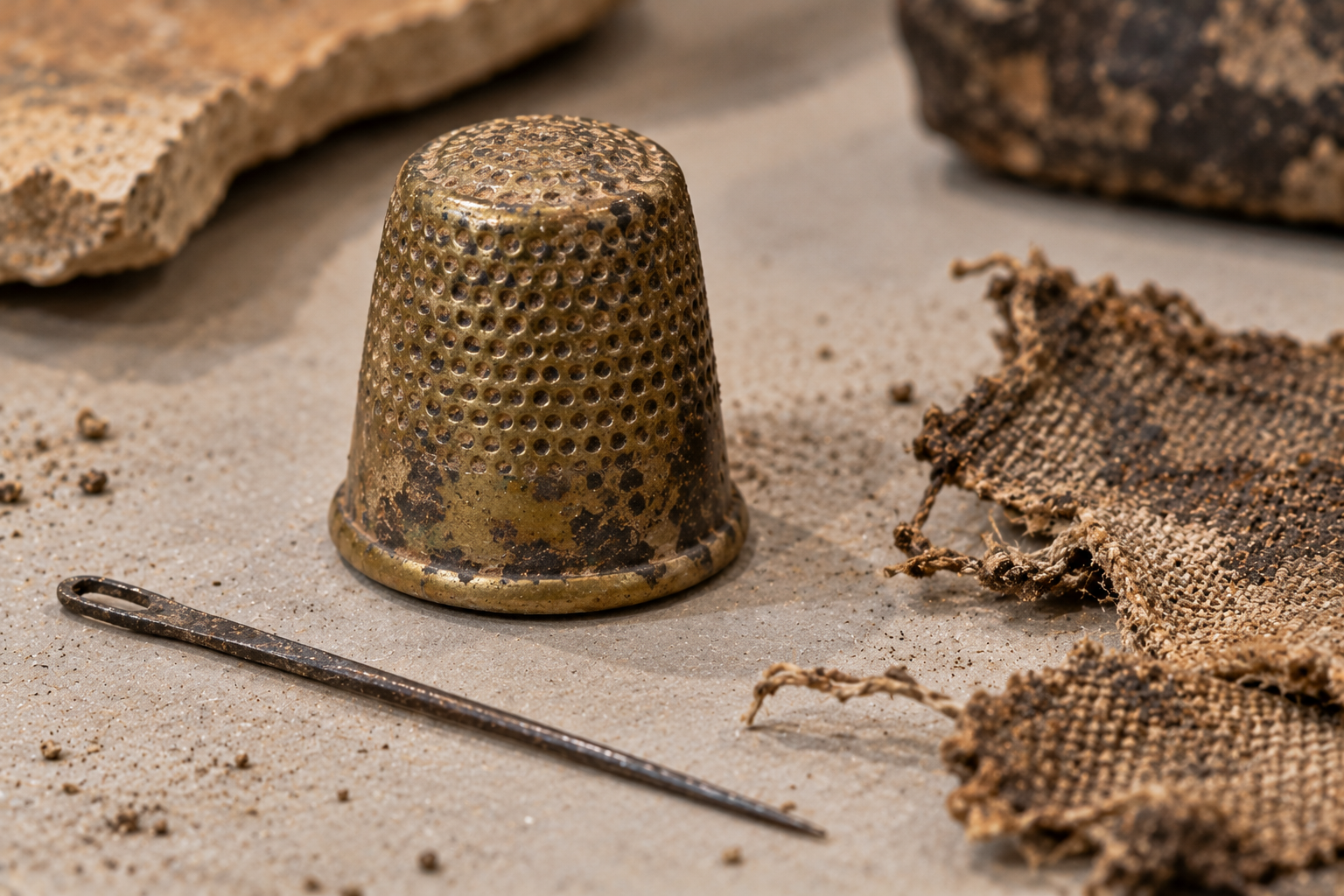
A tiny sewing tool can help recover stories of work that historical documents rarely recorded in detail. At Snee Farm in South Carolina, archaeologists discovered a brass thimble in an area associated with an enslaved community. The National Park Service suggests it may have belonged to a seamstress who made or repaired clothing for her family, the plantation’s owners, or both. The object highlights skilled labor that could otherwise remain largely invisible in the historical record.
Glass Beads Reveal Trade Networks and Personal Style
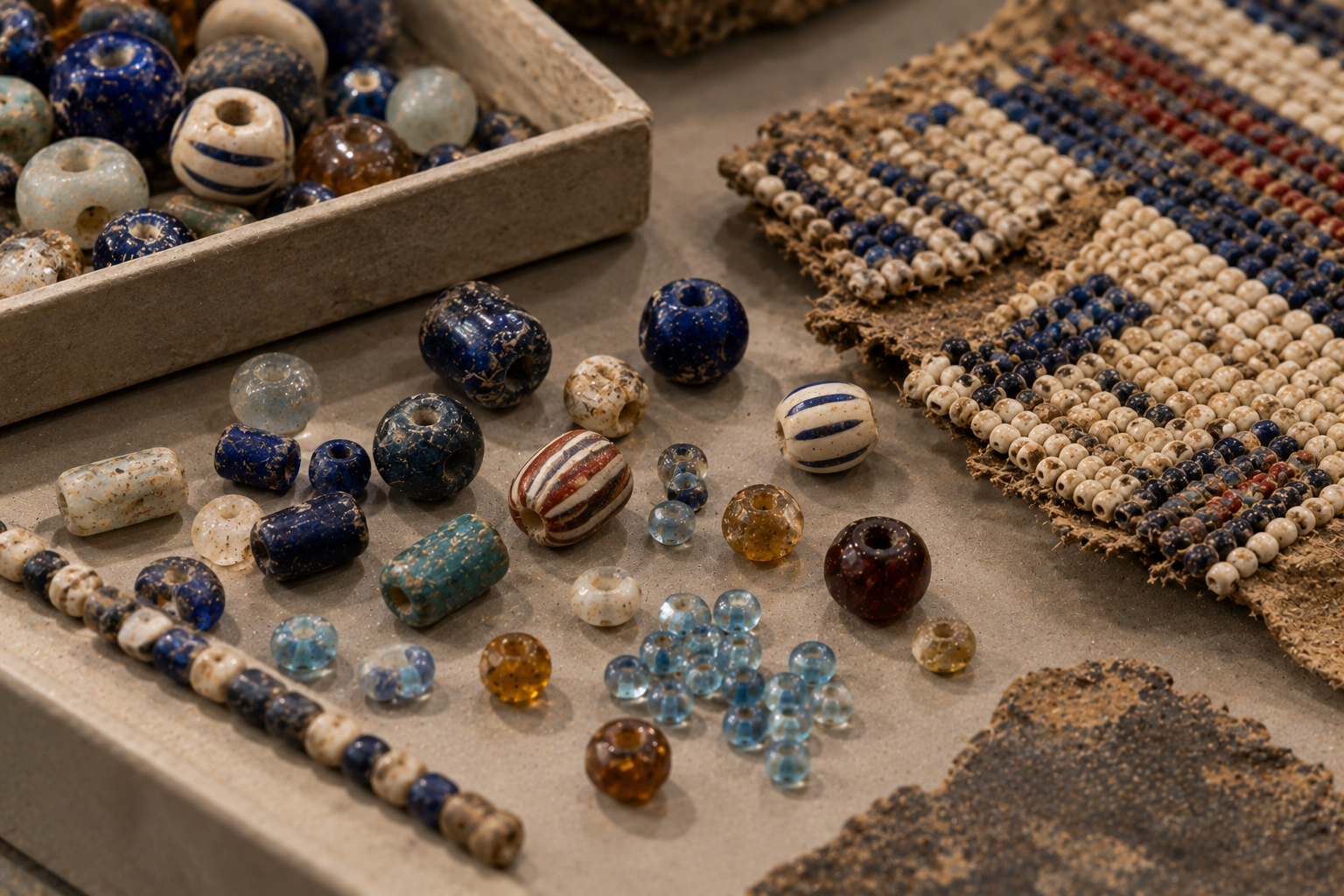
A glass bead smaller than a grain of rice can point to connections between distant communities. Beads circulated through North American trading networks, including those associated with the Lewis and Clark expedition, which carried different colors and sizes for exchange. Native communities incorporated beads into clothing and personal belongings, adapting them to established artistic traditions. These finds reveal both commercial connections and individual choices, proof that small accessories can carry a surprisingly long history.
Discarded Leather Scraps Reveal How People Saved Money
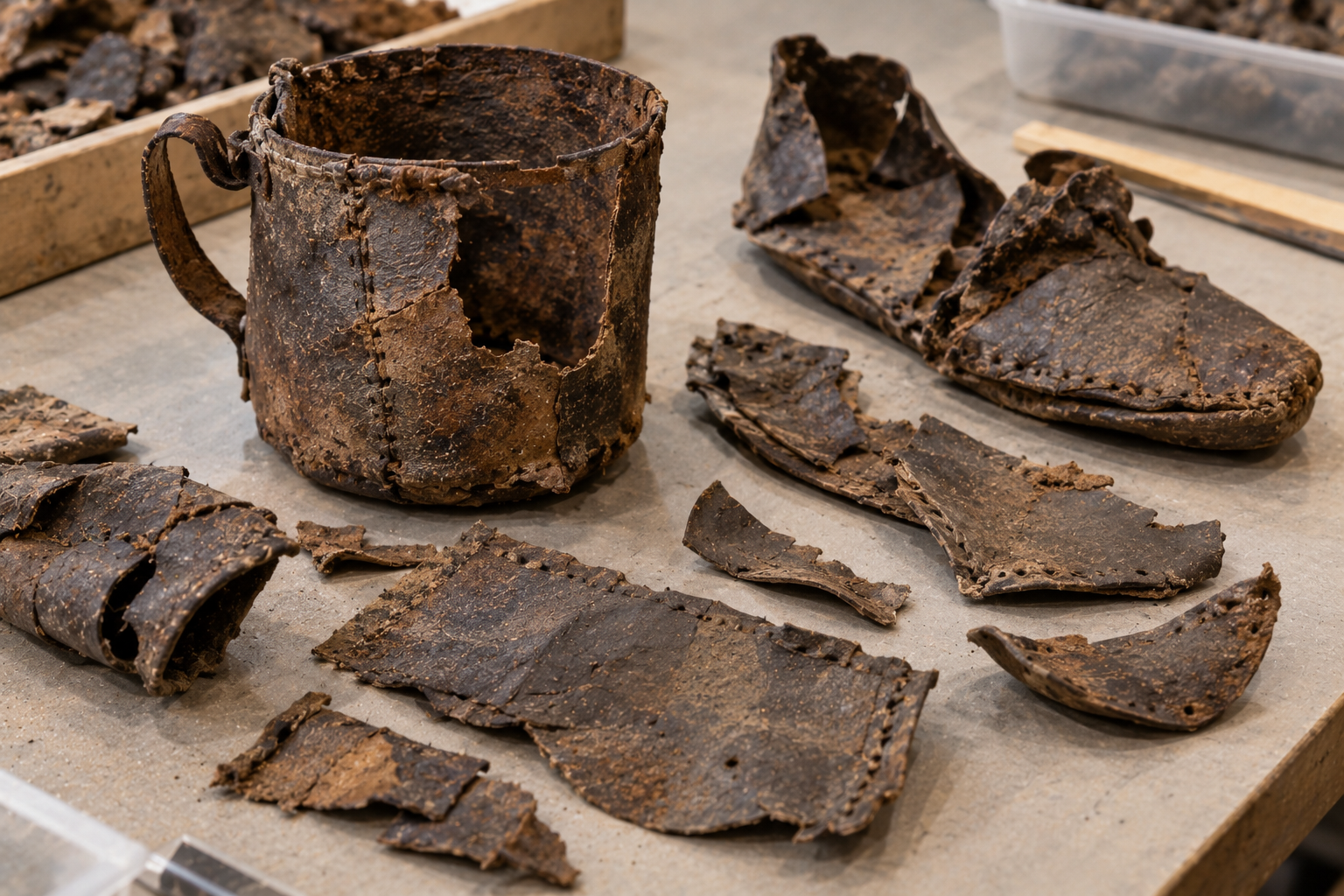
At the deserted medieval village of Stratton in Bedfordshire, England, researchers recovered at least 51 leather objects, mostly shoes, from former pits. One leather drinking vessel had a substantial section removed, apparently so its material could be reused in a repair. Such finds reveal a practical approach to valuable resources: damaged objects weren’t necessarily rubbish if part of them could serve another purpose. Medieval recycling came with considerably less packaging.
Nails and Window Glass Reveal What Ordinary Homes Looked Like
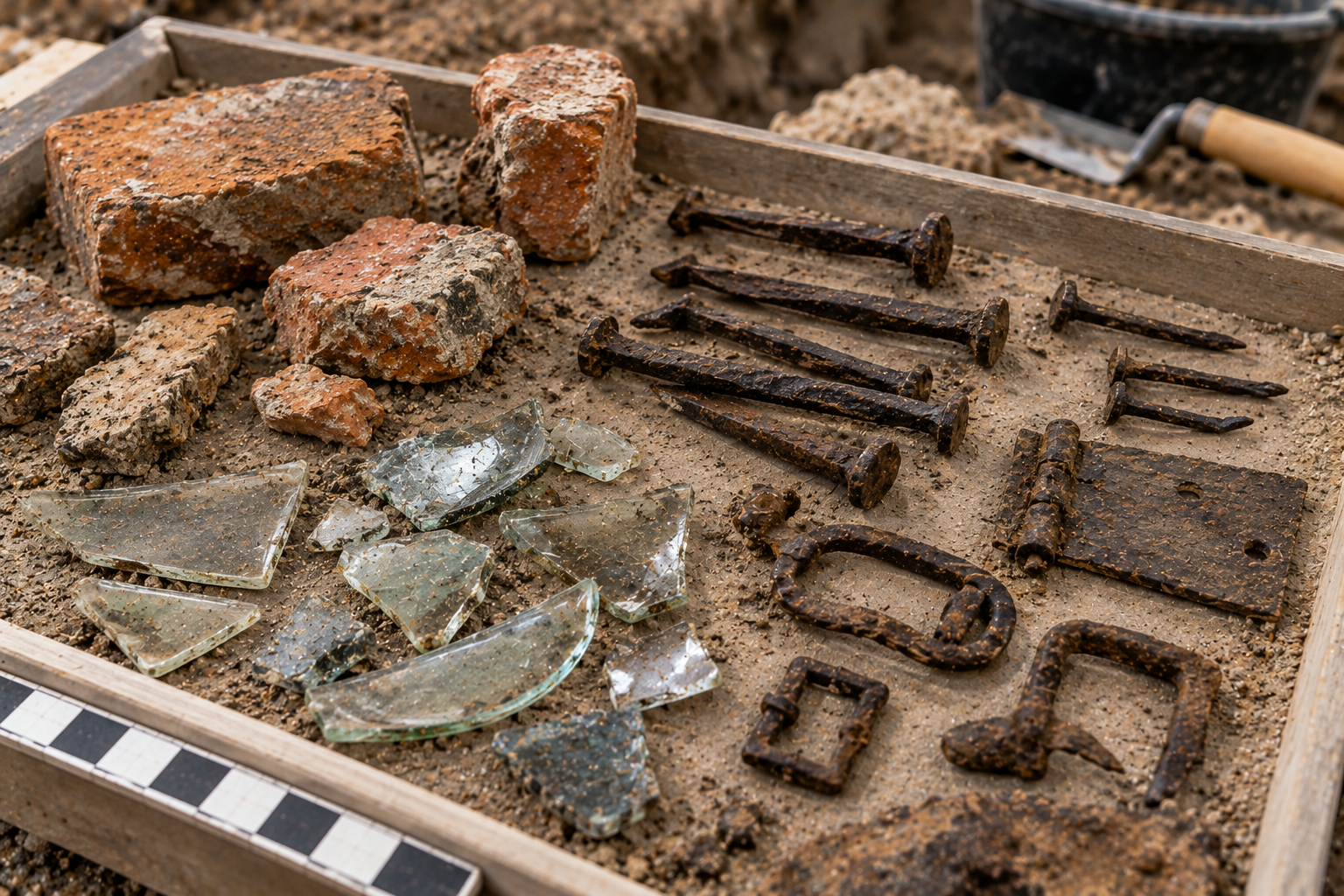
Building materials can reveal the appearance and construction of ordinary homes, even when the structures themselves have disappeared. At Fort Vancouver, excavations uncovered nails, broken window glass, iron hardware, and bricks associated with 19th-century buildings used by Hudson’s Bay Company employees. By examining where these fragments were found and how materials were made, archaeologists can investigate building layouts and construction methods. Sometimes the best architectural evidence is what builders accidentally left behind.
Everyday Objects From Ancient Toilets Reveal Surprisingly Detailed Diets
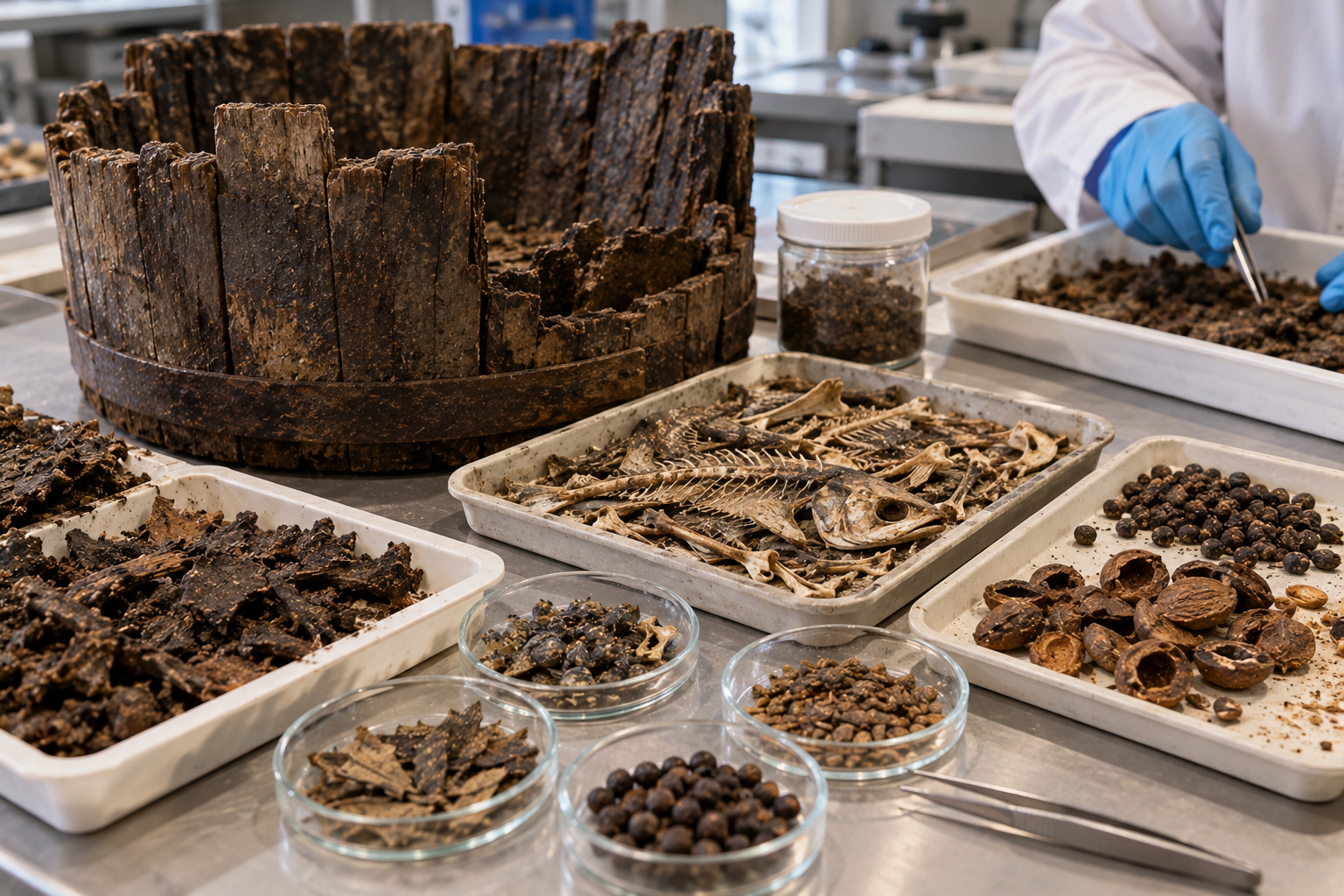
Few discoveries are as revealing, or as unpleasant, as the contents of an old toilet. Researchers examining 17th-century latrine barrels in Copenhagen, Denmark, identified evidence of foods including herring, cod, apples, cherries, figs, and cloves imported from Indonesia. The deposits also contained intestinal parasite eggs, offering clues about both diet and health. The findings suggest that some residents enjoyed diverse foods while dealing with sanitation problems that modern households would rather not revisit.