During the 1990s, cutting-edge technology and modern home luxuries were expensive and often reserved for high-income households or tech enthusiasts willing to pay high prices. Items that now seem like basic, everyday conveniences required significant financial investments thirty years ago. As consumer electronics matured and manufacturing processes scaled globally, products that were once undeniably expensive gradually transformed into affordable household staples.
Tracing the dramatic drop in prices over the past three decades reveals how rapidly technological adoption has reshaped our daily expectations. From portable navigation tools to high-definition flat displays and mobile communication, early versions of these consumer goods carried luxury price tags. Looking back at what made these items so expensive in the 1990s offers a fascinating perspective on how fast accessible innovation changed modern living. Here are fourteen things that cost a fortune in the 90s but are completely common today.
1. Plasma and flat-screen televisions
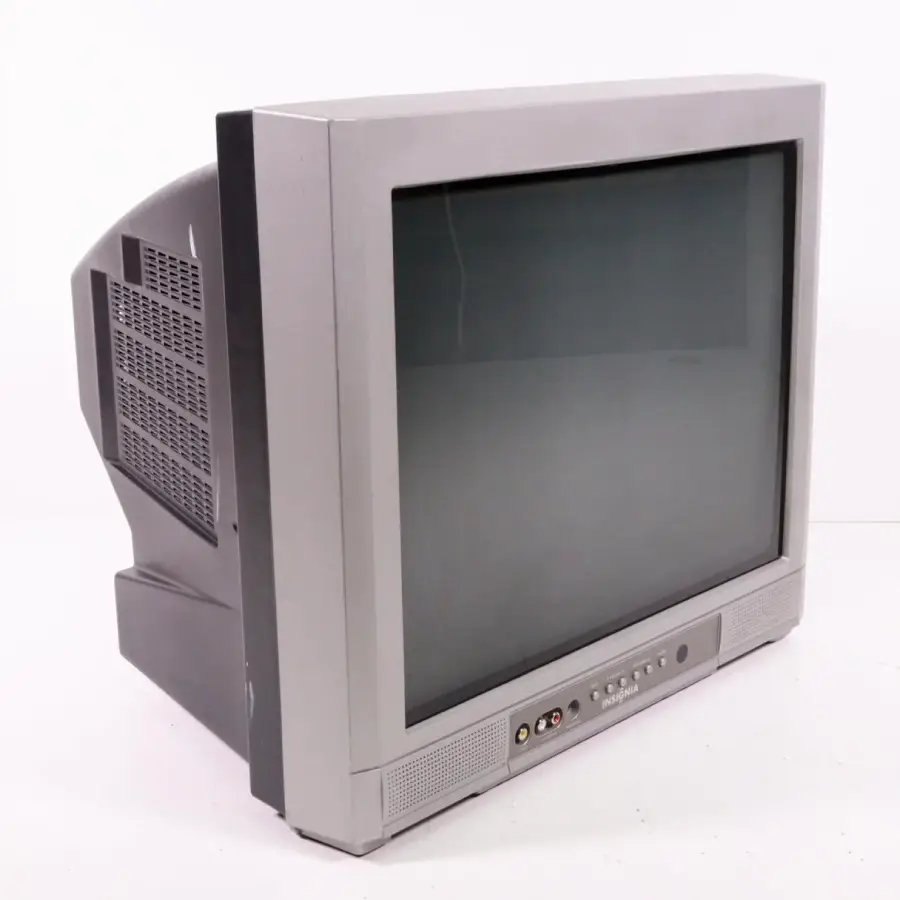
In the late 1990s, early flat-panel plasma televisions entered the market with staggering price tags hovering around ten thousand dollars. Today, vastly superior 4K smart displays can be picked up at standard retail stores for a fraction of a single week’s paycheck.
2. Portable GPS navigation units
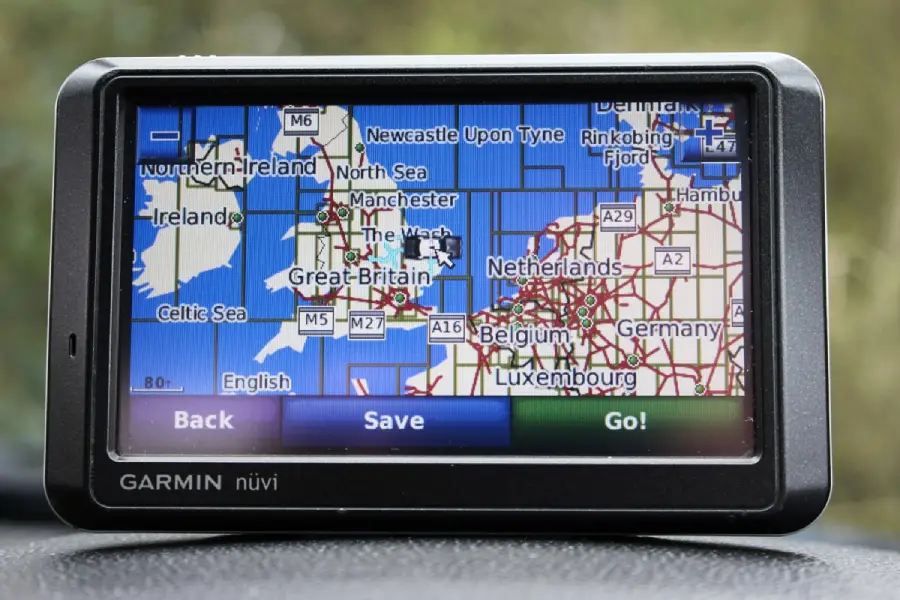
Stand-alone GPS receivers for vehicles were premium gadgets in the 90s, often costing well over a thousand dollars plus subscription mapping fees. Modern smartphones now provide hyper-accurate real-time satellite turn-by-turn navigation globally, completely free of charge.
3. Digital cameras
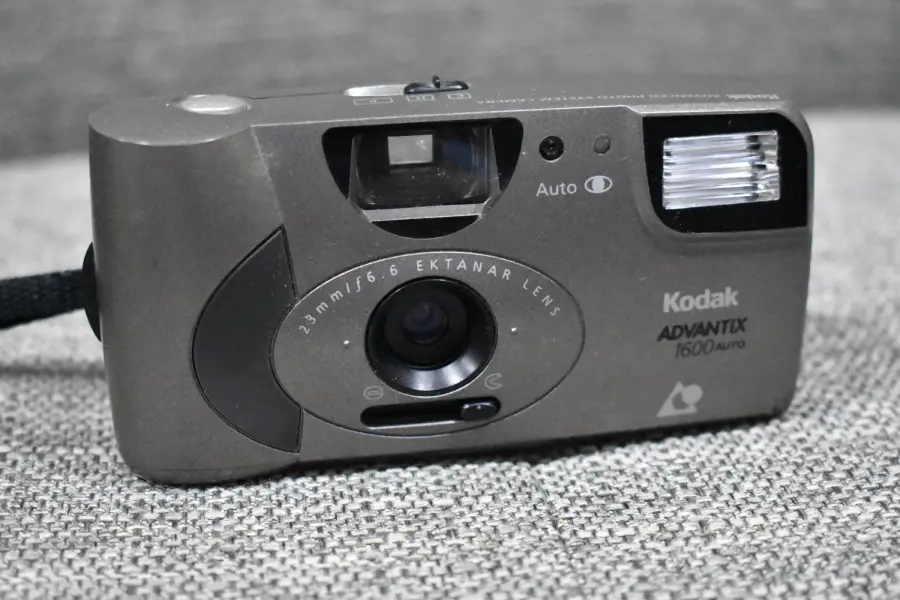
Early consumer digital cameras in the mid-1990s cost upwards of a thousand dollars while capturing blurry images at resolutions under one megapixel. Modern smartphone camera systems pack multi-lens arrays with forty-plus megapixel sensors directly into devices everyone carries in their pockets.
4. Mobile phone airtime and long-distance calls
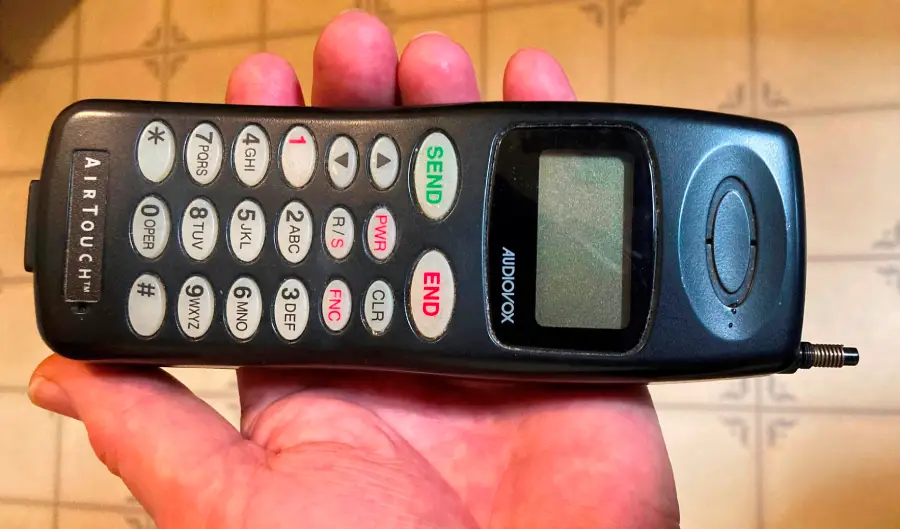
During the 1990s, cellular service plans charged steep per-minute rates for daytime calling, often making long conversations prohibitively pricey. Unlimited high-speed data, global messaging, and video calling are now standard features in basic monthly mobile service packages.
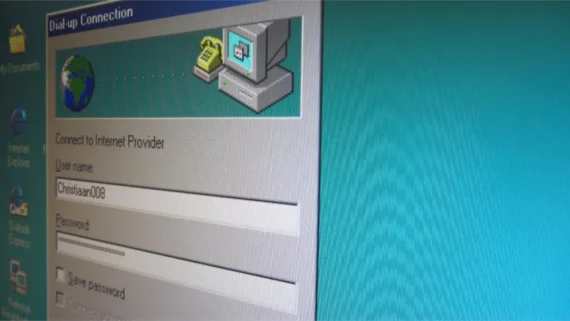
5. Dial-up and early broadband internet access
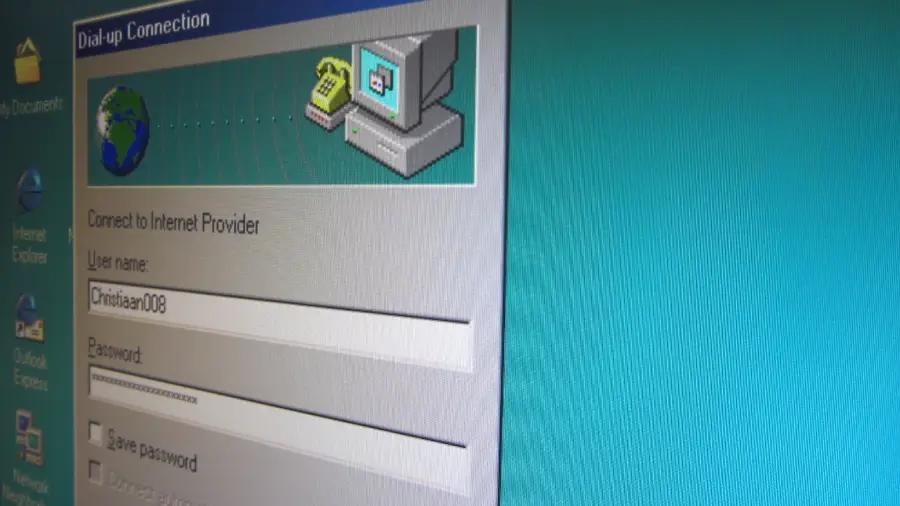
Subscribing to early internet services required monthly membership fees alongside per-hour usage charges that quickly piled up on monthly bills. Today, high-speed fiber-optic and Wi-Fi connections deliver endless streaming, downloading, and browsing capabilities for a flat monthly rate.
Trending on The Scroller
6. CD burners and blank media
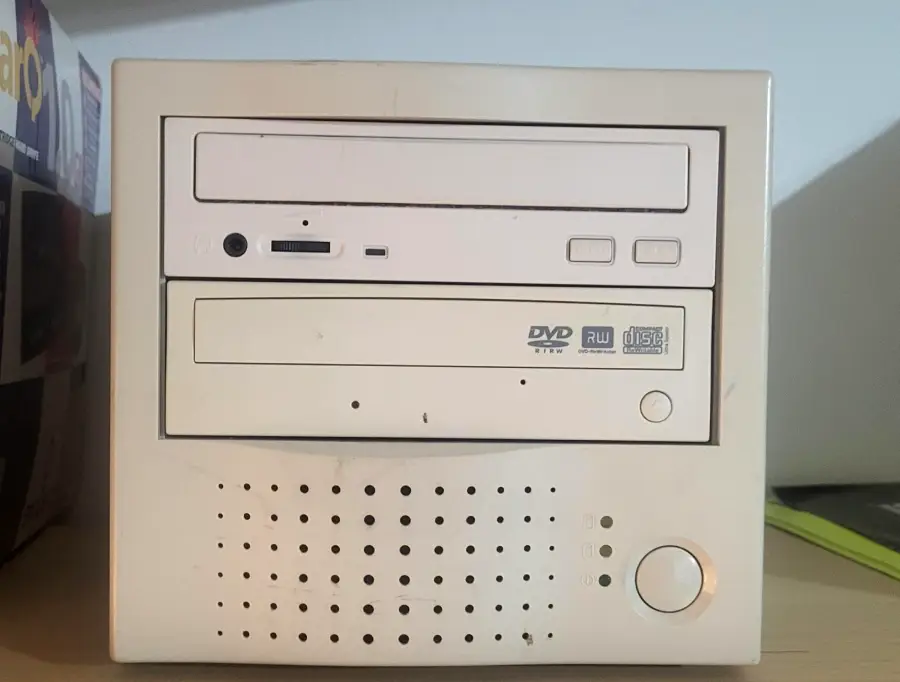
The first consumer CD-R drives in the early 90s sold for over three thousand dollars, and individual blank recordable discs cost up to twenty dollars each. Within a decade, internal optical drives dropped under fifty dollars, and spindles of blank discs were sold in bulk for pennies a piece.
7. Video camcorders
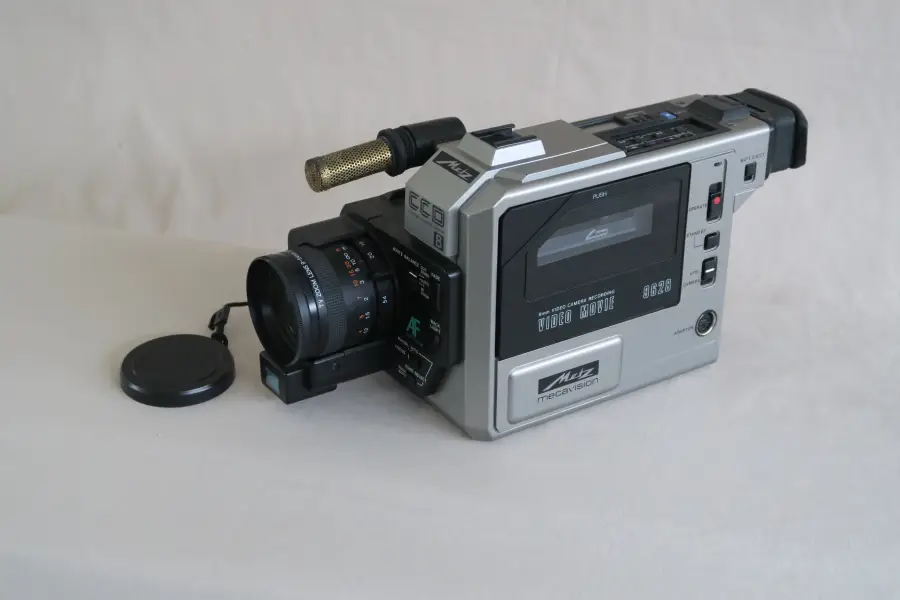
Capturing family events on Compact VHS or Hi8 tape camcorders required an investment of anywhere from eight hundred to fifteen hundred dollars in 1990s money. Today, high-definition 4K video recording capabilities come built into almost every handheld electronic device on the market.
8. Laptop computers
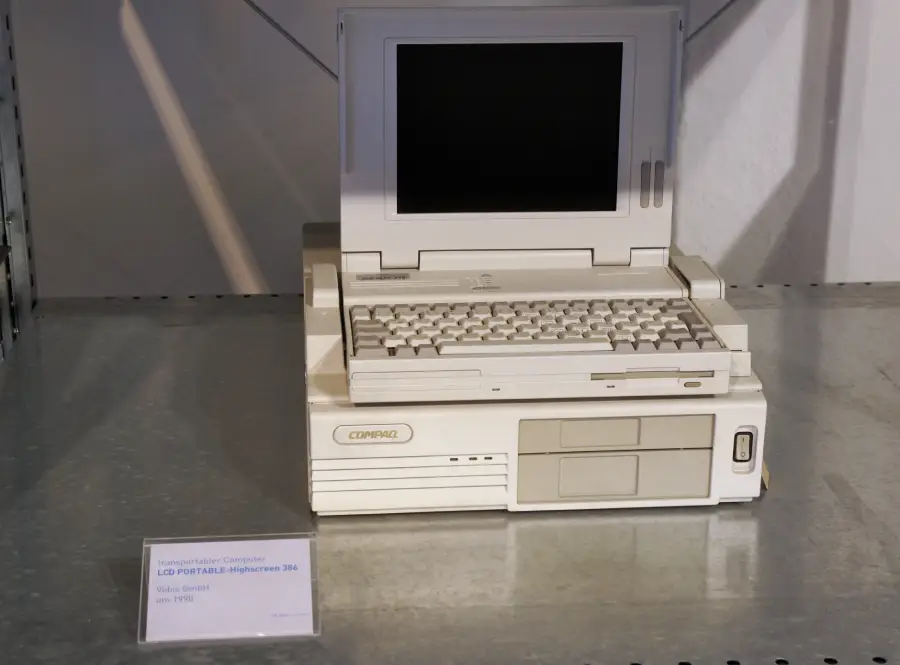
Portable notebook computers were major luxury purchases in the 90s, routinely costing between two thousand and four thousand dollars for heavy, low-powered machines. Budget-friendly laptops and Chromebooks are now widely accessible for student and home office use at a tiny fraction of that historical cost.
Sign up for our newsletter
9. Color Inkjet and laser printers
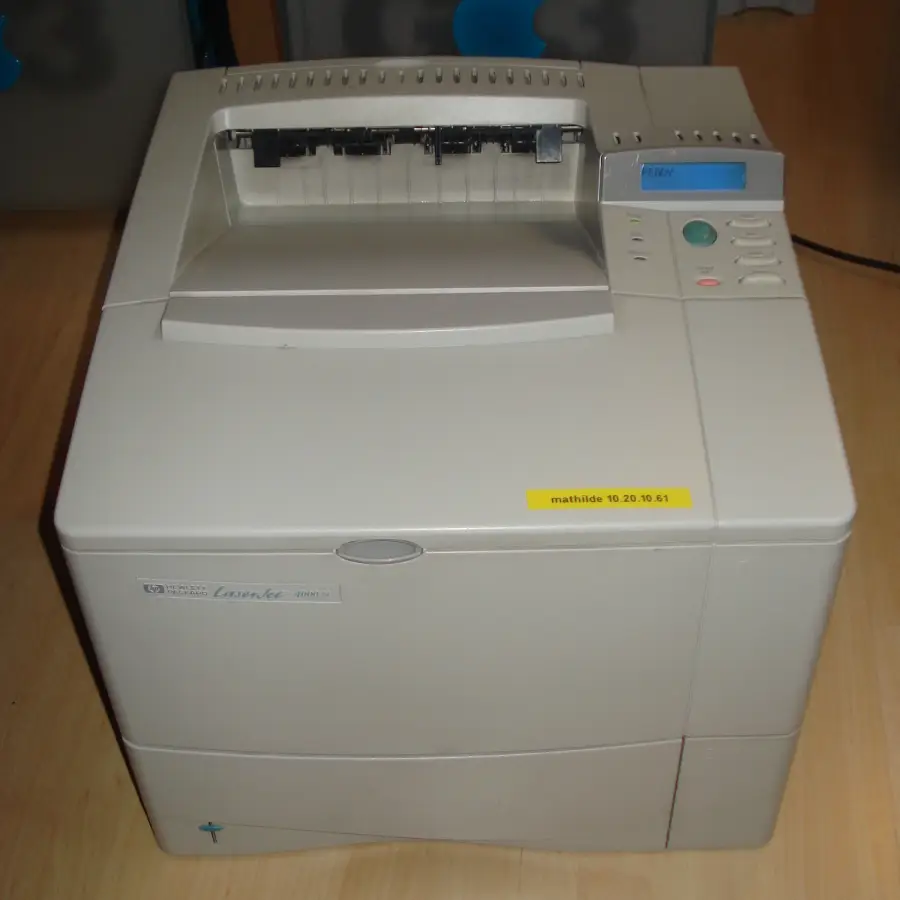
Home color printing was a costly endeavor in the 1990s, with quality desktop color printers selling for hundreds of dollars alongside extremely pricey replacement ink cartridges. Today, reliable wireless printers are inexpensive household appliances accessible to almost any home budget.
10. Solar panels
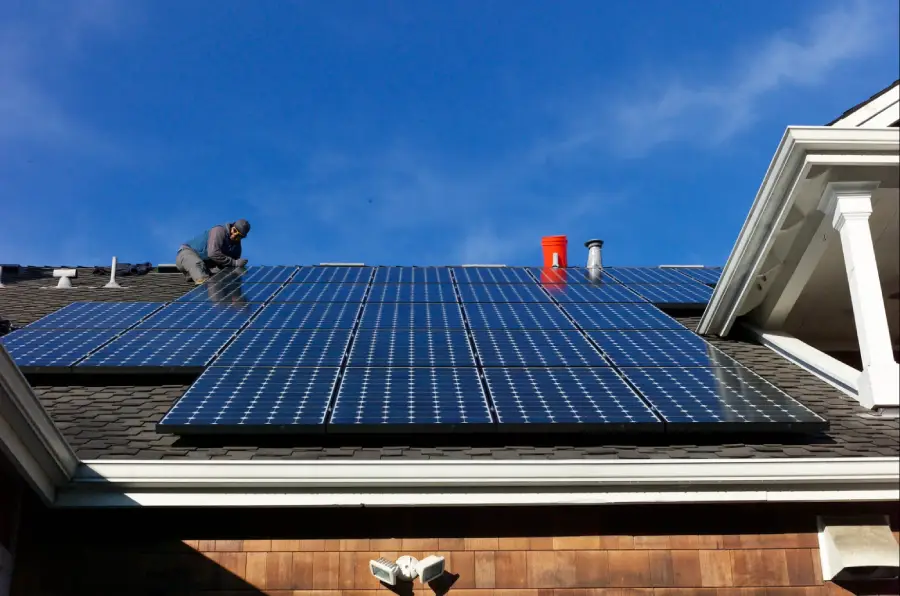
Installing residential rooftop solar arrays in the 1990s was an exotic, high-cost investment that yielded low energy conversion efficiency. Massive manufacturing advances have slashed solar technology costs by over eighty percent, making green energy systems common across suburban neighborhoods.
11. Encarta and digital multimedia encyclopedias
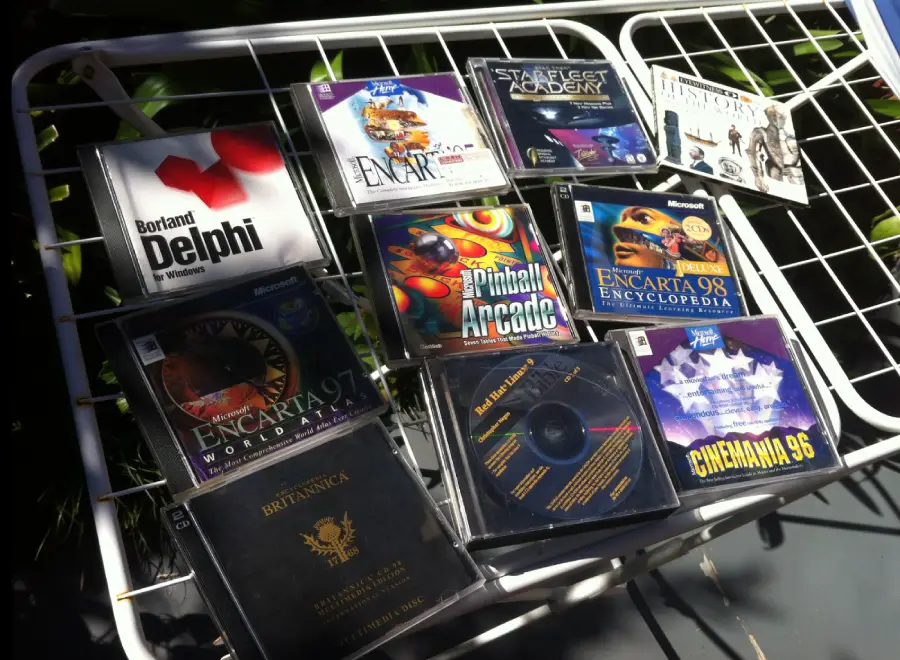
Interactive CD-ROM encyclopedia box sets originally retailed for hundreds of dollars, replacing multi-thousand-dollar printed book sets in family homes. Today, the entire sum of human knowledge is instantly accessible online for free through platforms like Wikipedia.
12. Solid-state memory and flash drives
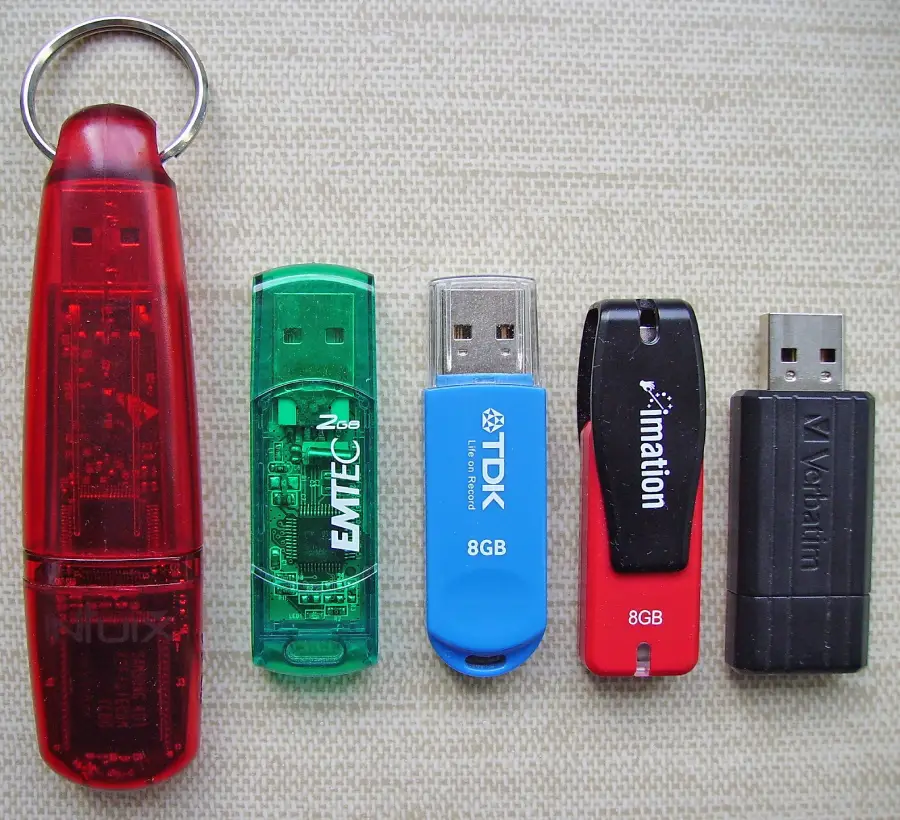
In the late 90s, a tiny memory card holding just sixteen megabytes of storage could cost well over a hundred dollars. Modern USB flash drives and micro SD cards offer hundreds of gigabytes of storage space for less than the price of a movie ticket.
13. In-car DVD players and entertainment systems
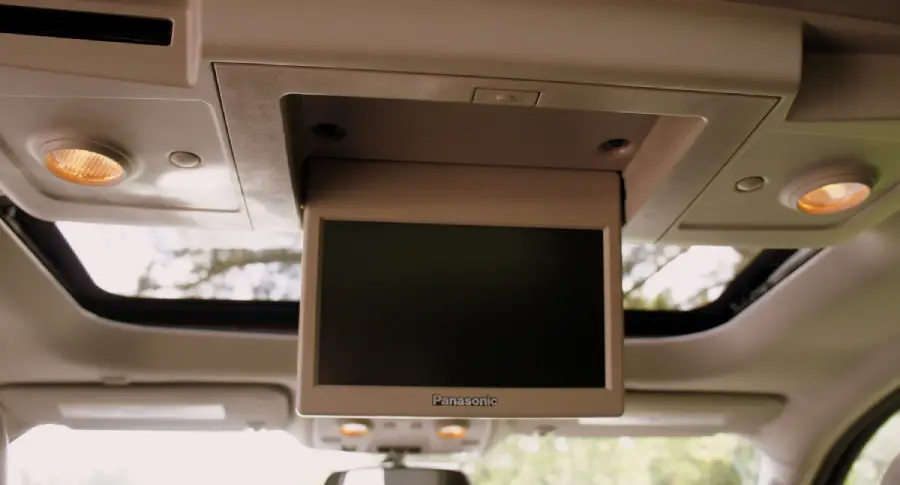
Custom back-seat entertainment screens installed in luxury minivans or SUVs were high-end upgrades costing several thousand dollars in the late 1990s. Today, affordable tablets mounted on headrests provide endless movie streaming for kids on long road trips.
14. Electric and hybrid vehicles
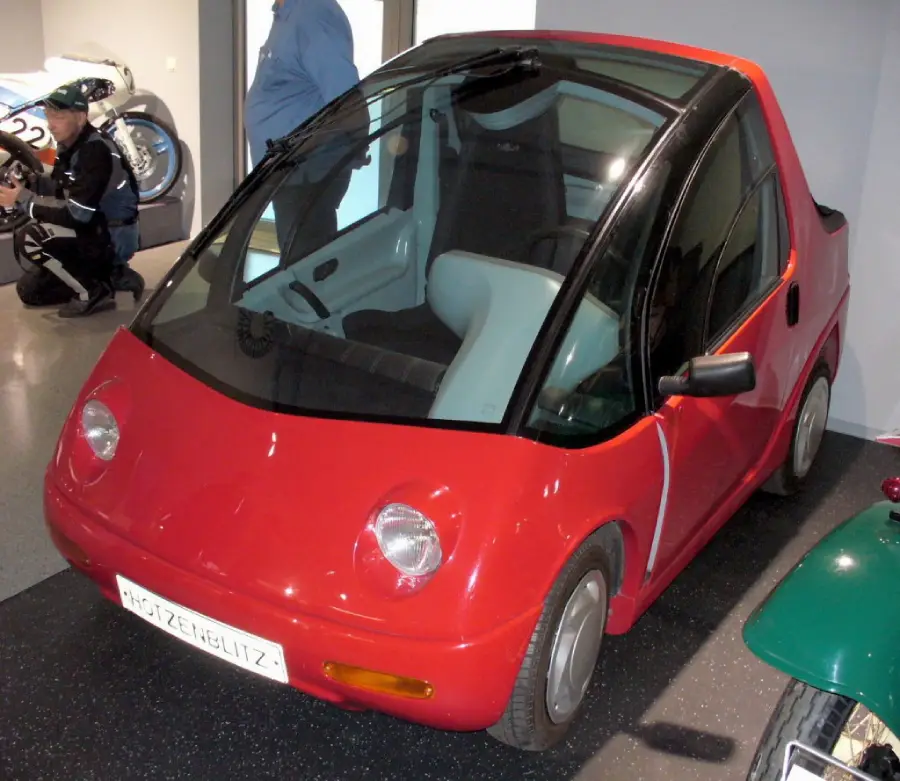
When early hybrid vehicles debuted in the late 1990s, specialized battery production made them niche, high-cost options for early adopters. Today, electric drivetrains and hybrid systems are widely produced across standard vehicle lineups at competitive price points.
Explore more expensive items from the past:
Revisiting how costly these consumer goods used to be highlights just how dramatically manufacturing scale and technological progress have improved our standard of living. The incredible transition from high-priced luxury gadgets to accessible everyday utilities shows how fast the modern world evolves. If you love exploring retro technology archives, nostalgic 1990s culture, and fascinating historical deep dives, be sure to check out these 17 Old Toys That Are Worth a Fortune or these Classic 90s Household Items That Vanished Almost Overnight. You may also like these 16 Historical Products That Cost a Fortune.