Things that required a license once went far beyond driving a car, opening a bar, or practicing medicine. Depending on the city, state, or country, governments have required permits, registrations, fees, or physical tags for everything from riding a bicycle to owning a television set.
The rules were rarely universal, and some never disappeared. That is what makes this history so revealing: ordinary objects and pastimes could become surprisingly official business depending on where someone lived.
1. Riding a Bicycle on City Streets
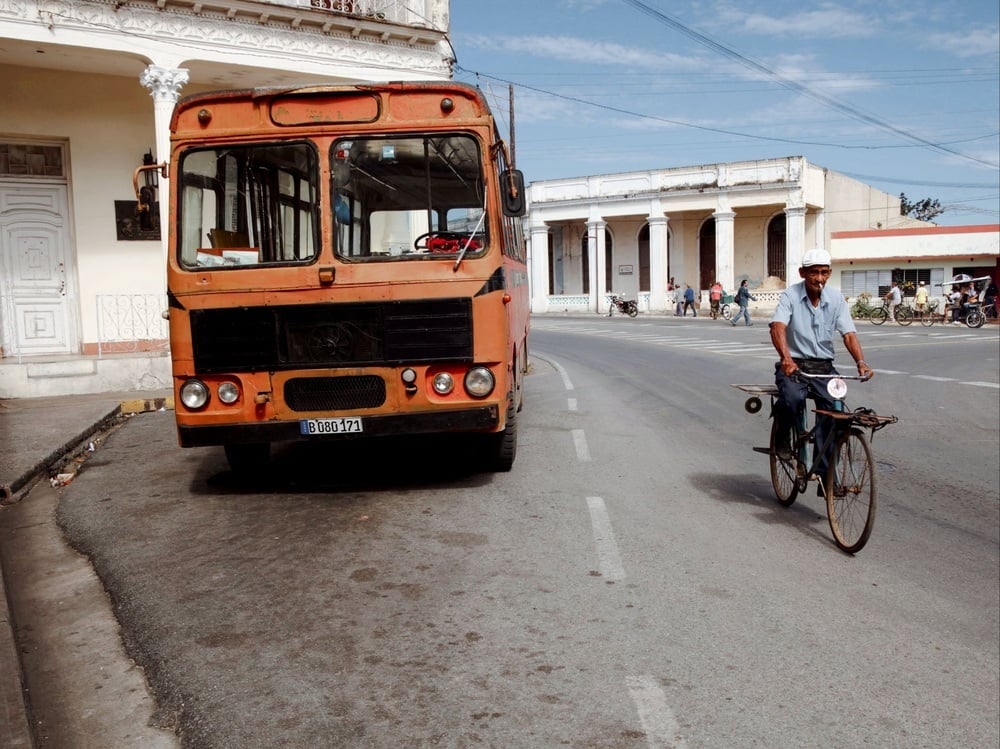
A bicycle could come with more paperwork than expected. Cities across the United States created local registration systems, and Batavia, New York, is one documented example where municipal rules required bicycles to be licensed and carry a plate. These programs gave local authorities a way to identify bicycles and their owners, turning an ordinary ride around town into something that could require a trip through city bureaucracy.
2. Owning a Radio Receiver in Australia
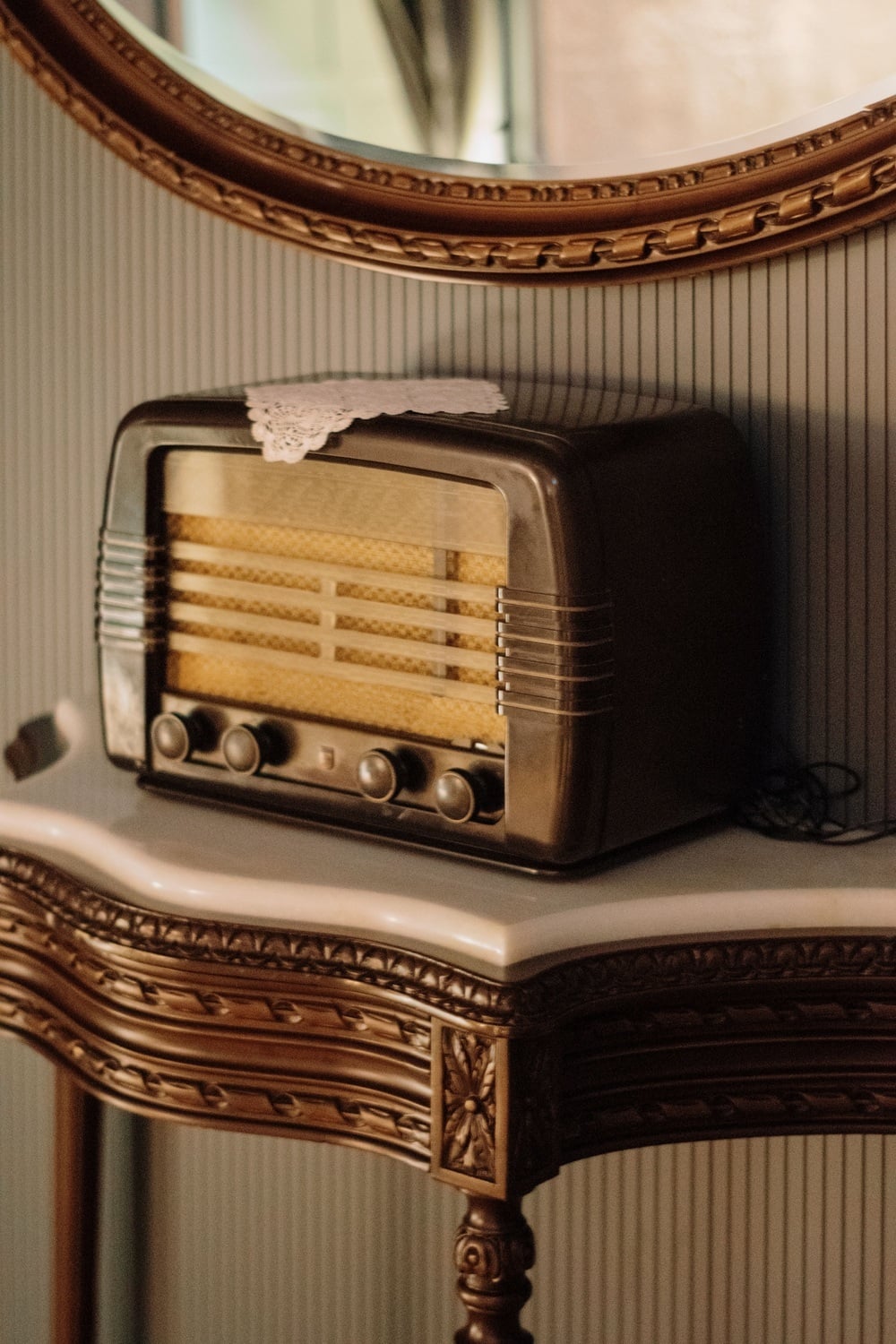
Buying a radio was only part of the cost for Australian listeners. Radio receiver licence fees were introduced during the 1920s as part of the country’s broadcasting system, meaning households could pay simply for having a receiver. The arrangement lasted through decades of radio’s rise as a household staple before Australia abolished receiver licence fees in 1974.
3. Operating a Jukebox in a City Business
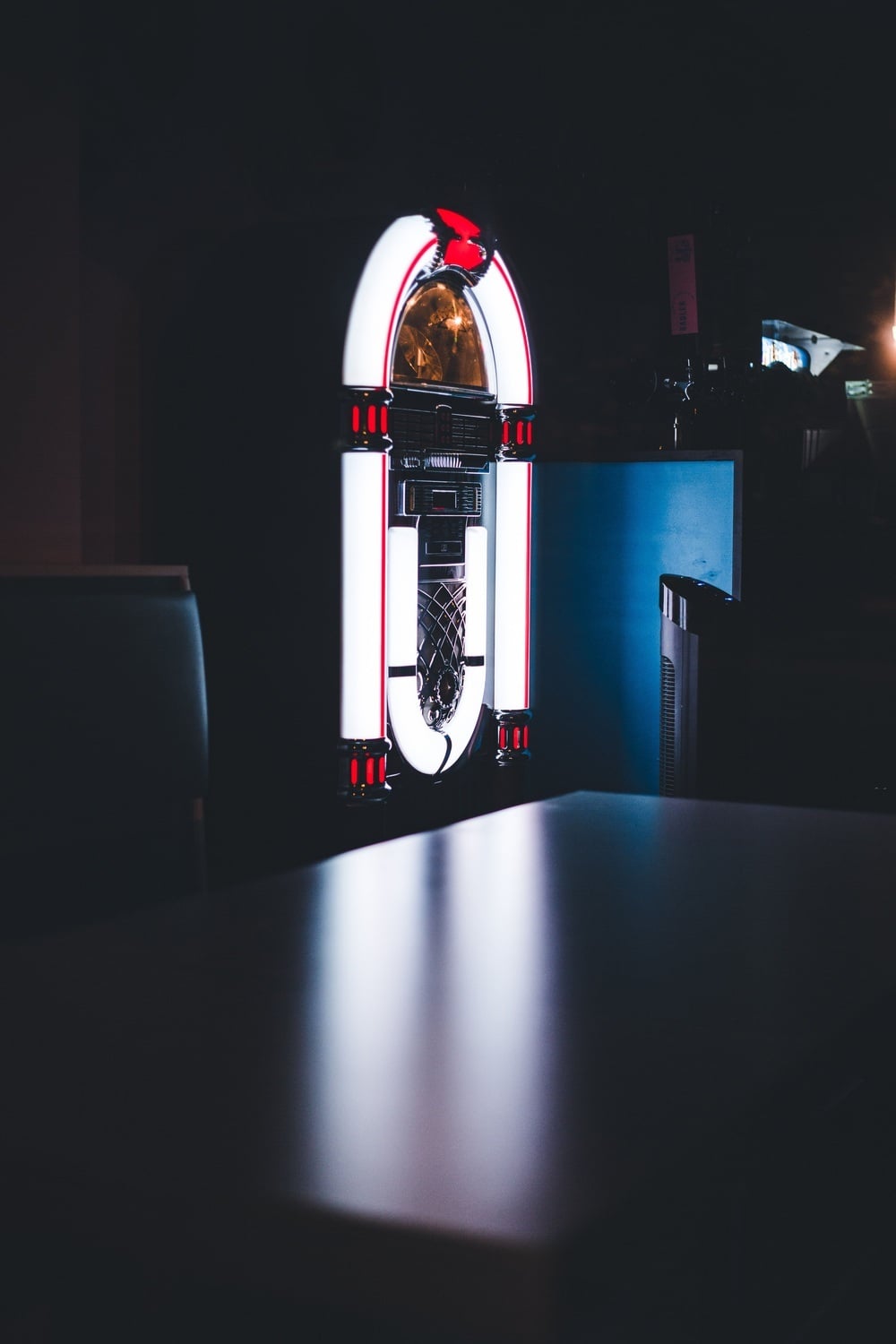
Drop a coin into a jukebox and the transaction seems wonderfully simple. For the business owner, it could be anything but. Yonkers, New York, adopted licensing rules for coin-operated music devices in 1947, and versions of that regulation survived long after jukeboxes stopped being cutting-edge entertainment. This is one case where a license that sounds distinctly vintage did not simply vanish with the era that created it.
4. Keeping a Dog on City Streets
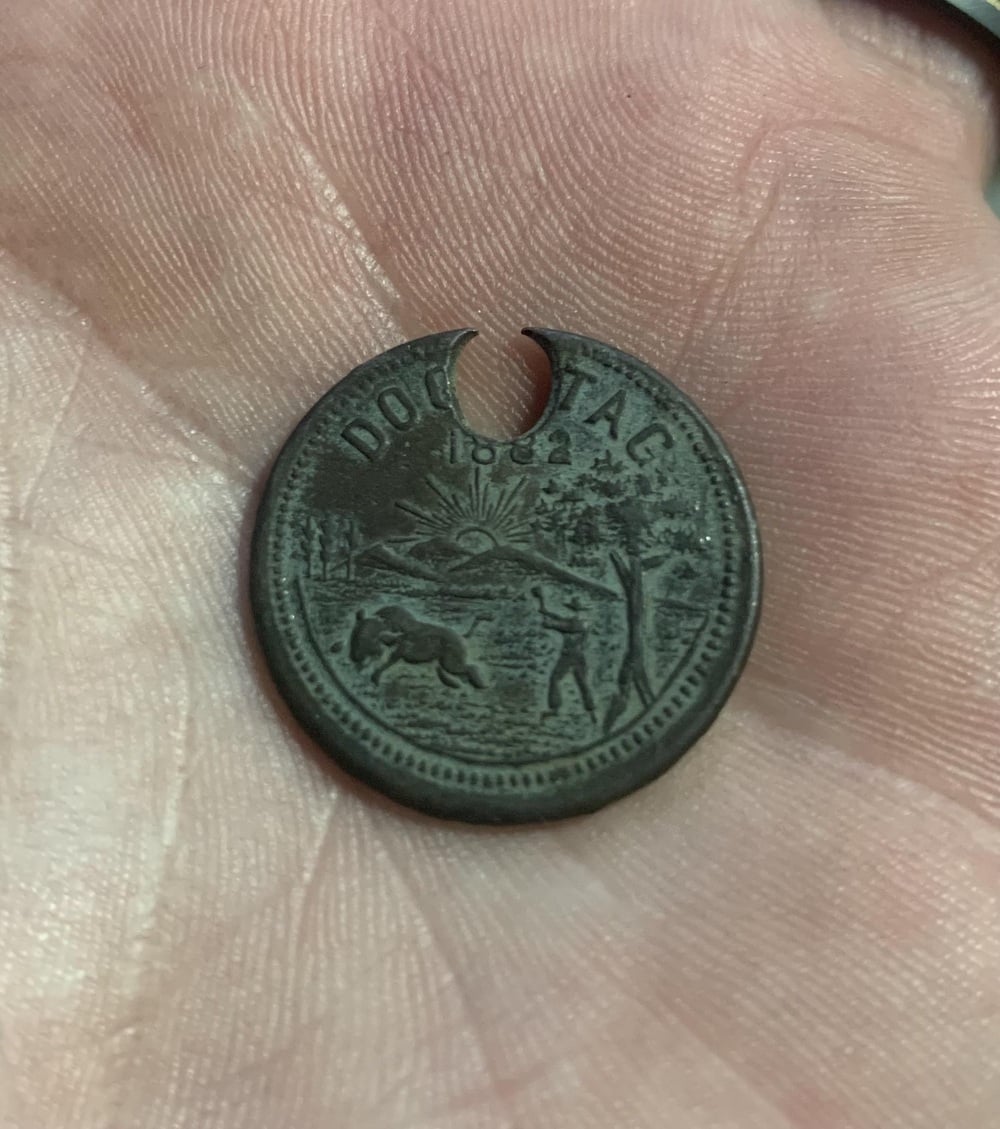
Could a small metal tag really represent more than a pet’s name and address? Dog licensing became common in U.S. cities and states during the 19th century, serving purposes that included identification, stray control, rabies policy, and revenue. An 1890 District of Columbia dog licence tag preserved by the Smithsonian shows just how old the practice is. Unlike many entries here, dog licensing remains widespread today.
5. Operating a Public Dance Hall
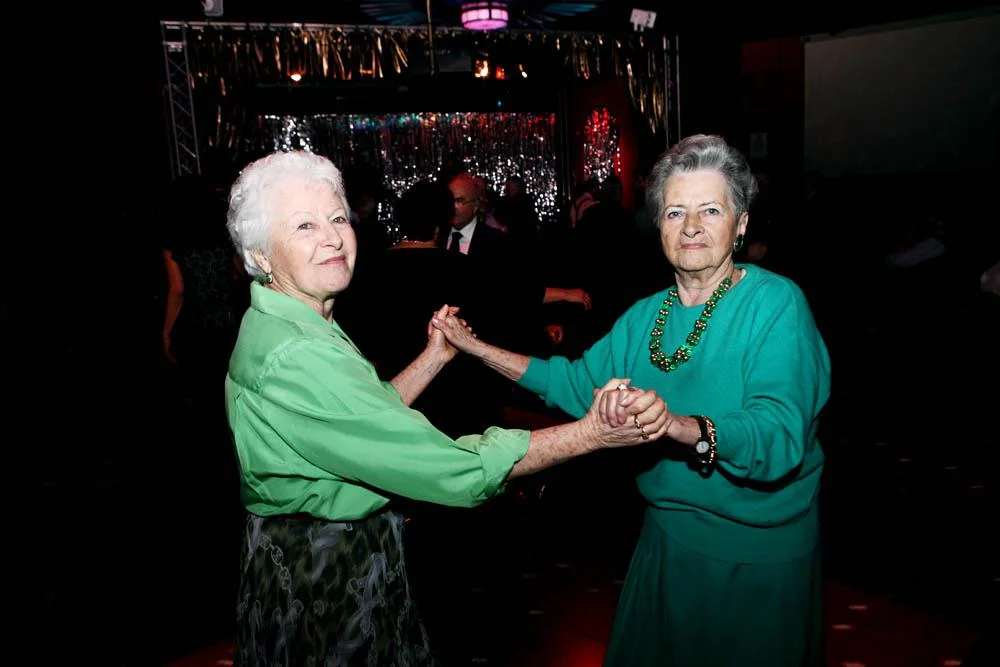
Going dancing did not require dancers to produce a license, but the people running the hall could face plenty of municipal oversight. Cities including San Diego historically licensed dance halls as officials sought to regulate fire safety, crowds, operating hours, policing, and what authorities of the period considered acceptable public behavior. Even a night on the dance floor could sit beneath a surprisingly thick layer of local rules.
Trending on The Scroller


6. Putting a Pinball Machine in a Business
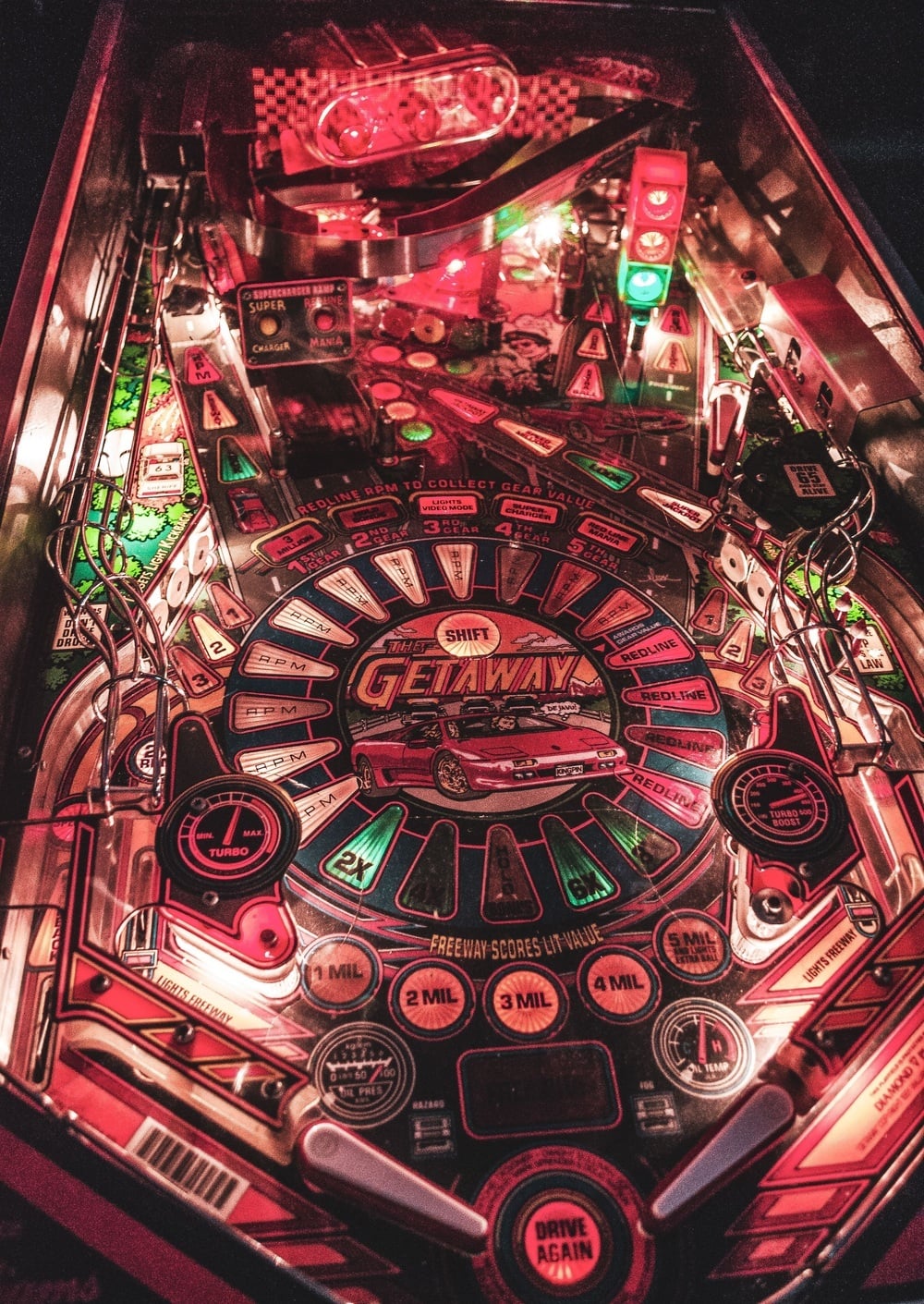
Bright lights and bouncing silver balls once attracted considerably more official suspicion than their arcade image suggests today. During the mid-20th century, cities licensed, taxed, restricted, and sometimes banned pinball machines amid concerns about gambling and juvenile delinquency. Court cases from the 1940s through the 1960s document licensing systems aimed at machines and their operators.
7. Owning a Television Set in Australia
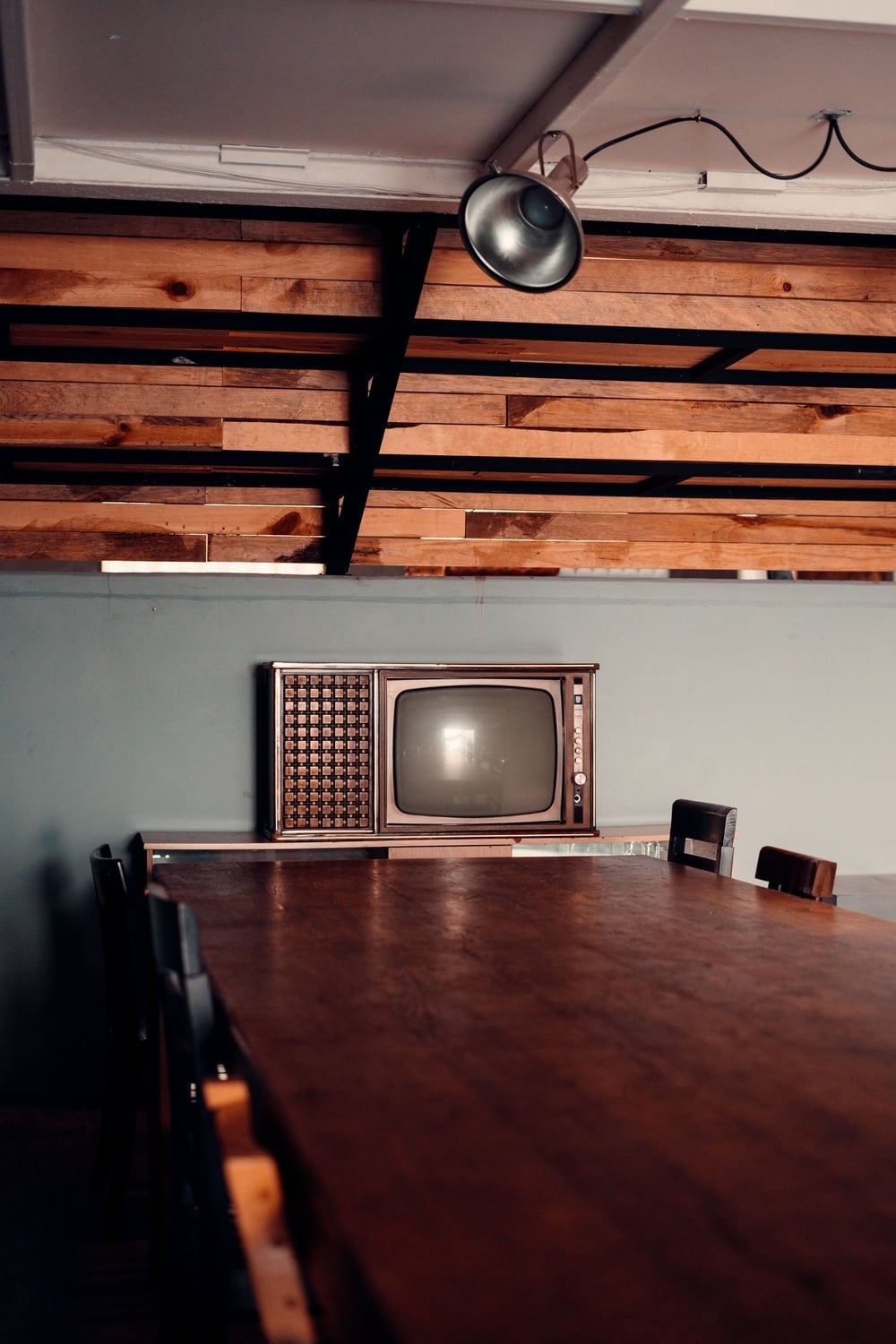
When television arrived in Australian homes in the 1950s, another household screen brought another licence. Television receiver fees followed the introduction of broadcasting in 1956, joining the existing system for radios. Imagine bringing home a television and then remembering there was government paperwork attached to watching it. Both radio and television receiver licence fees were abolished in Australia in 1974.
8. Running a Roller-Skating Rink
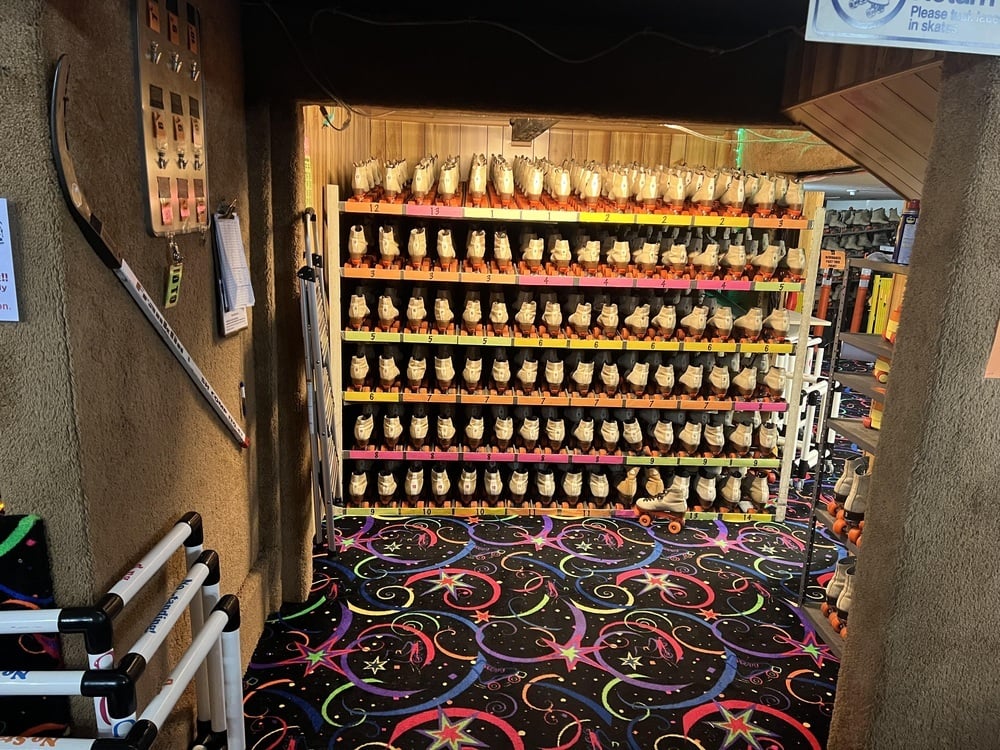
Roller rinks offered music, speed, and a little controlled chaos, which was apparently enough to interest municipal regulators. Local ordinances in places including New Jersey communities required public skating rinks to obtain licenses and comply with rules involving inspections, fees, and operations. What now feels like uncomplicated recreation could therefore qualify as a specially regulated amusement business.
Sign up for our newsletter
9. Operating a Pool or Billiard Hall
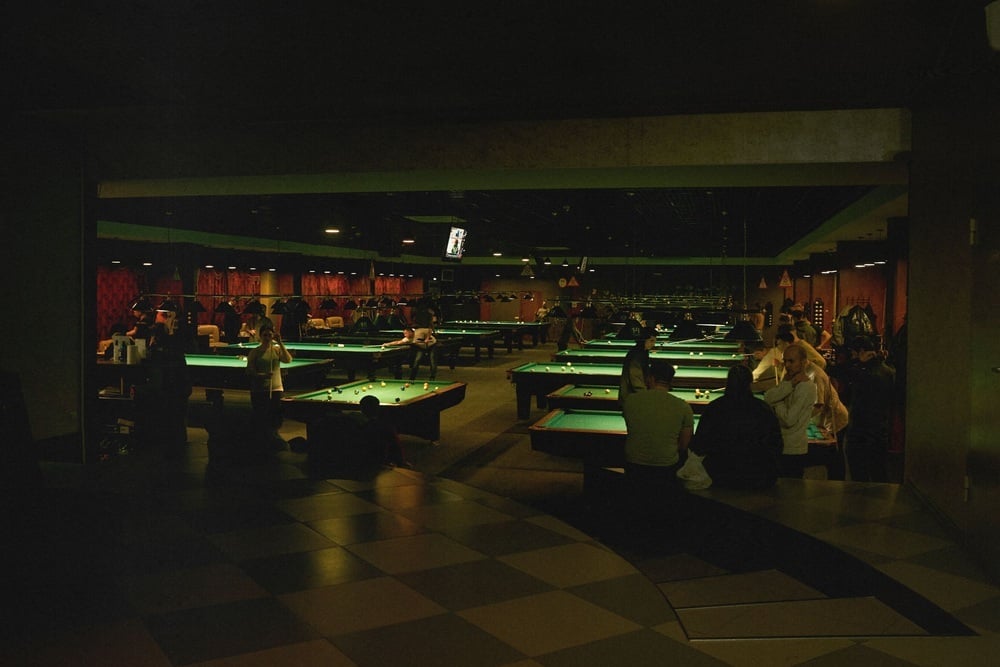
Pool halls spent much of their history under a particularly watchful municipal eye. San Diego’s regulations, for example, specifically addressed poolrooms and billiard halls, including operating hours and rules concerning minors. Historical city records trace such regulation back decades, reflecting the broader tendency to treat billiards as an amusement requiring closer supervision than an ordinary storefront.
10. Using a Bicycle Without a Police-Issued Plate
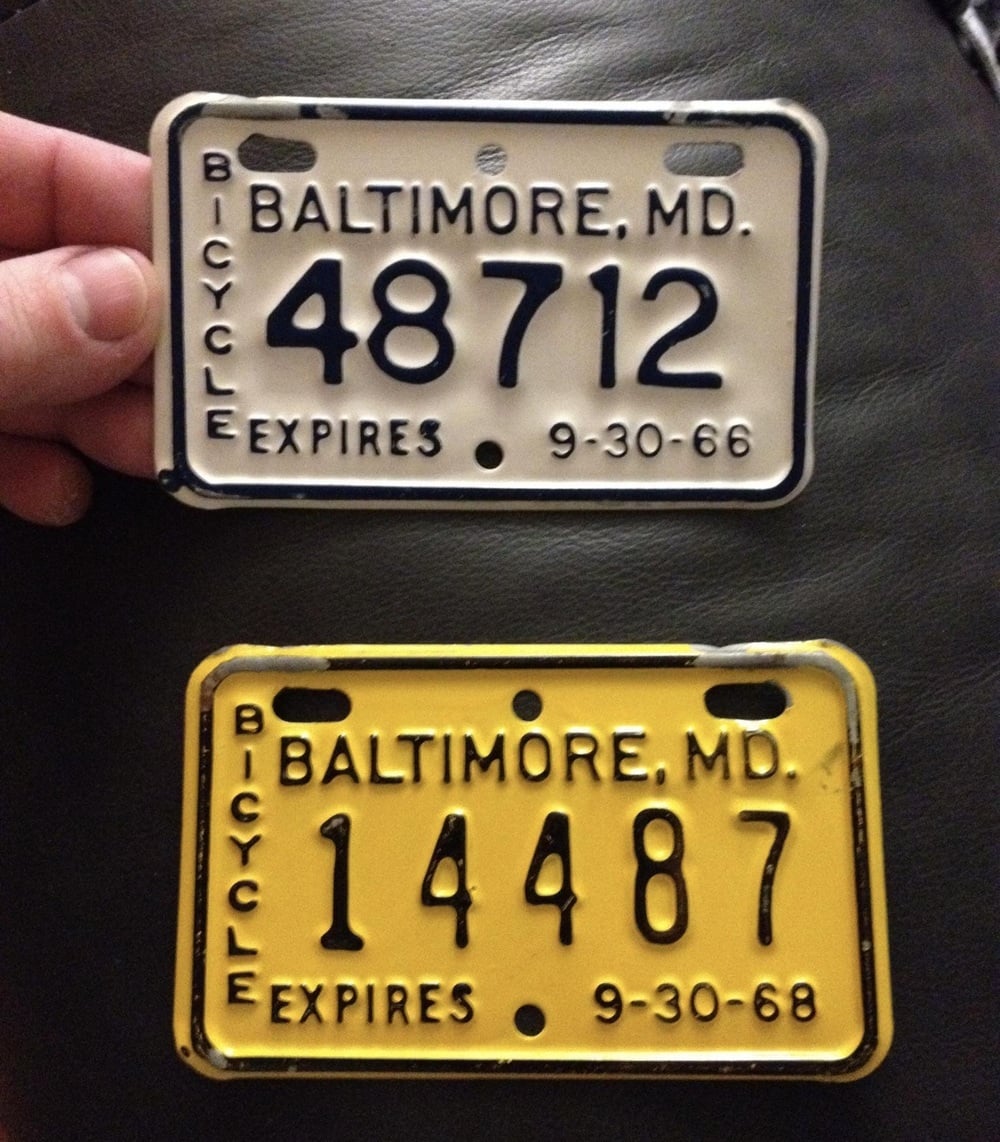
Things that required a license could advertise that fact right on the object. Bicycle registration systems sometimes came with small metal plates or tags attached to the frame, making compliance physically visible. Batavia´s municipal rules specifically paired the bicycle license with a license-plate requirement. The tiny tag transformed an everyday bicycle into something that, administratively speaking, looked surprisingly similar to a miniature registered vehicle.
11. Running a Bowling Alley
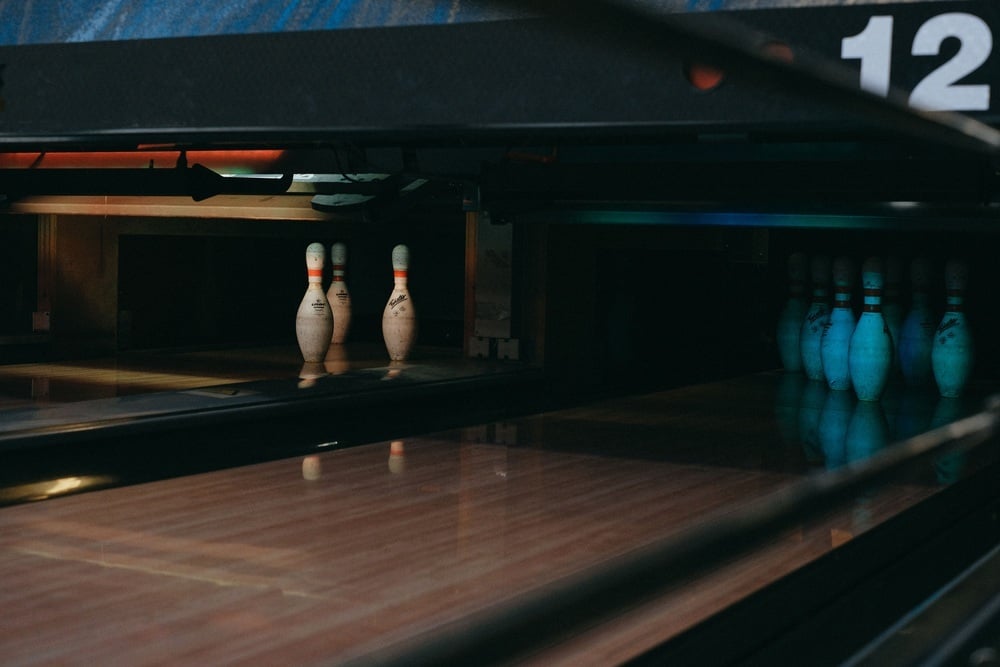
Even bowling could land in the licensing books. San Diego’s historical municipal records grouped bowling with other forms of regulated entertainment, part of a broader system in which cities monitored amusement businesses through permits, operating rules, and fees. The contrast is striking: an activity associated with casual league nights and rented shoes once sat comfortably beside billiards and other officially supervised amusements.
12. Operating a Coin-Operated Amusement Machine
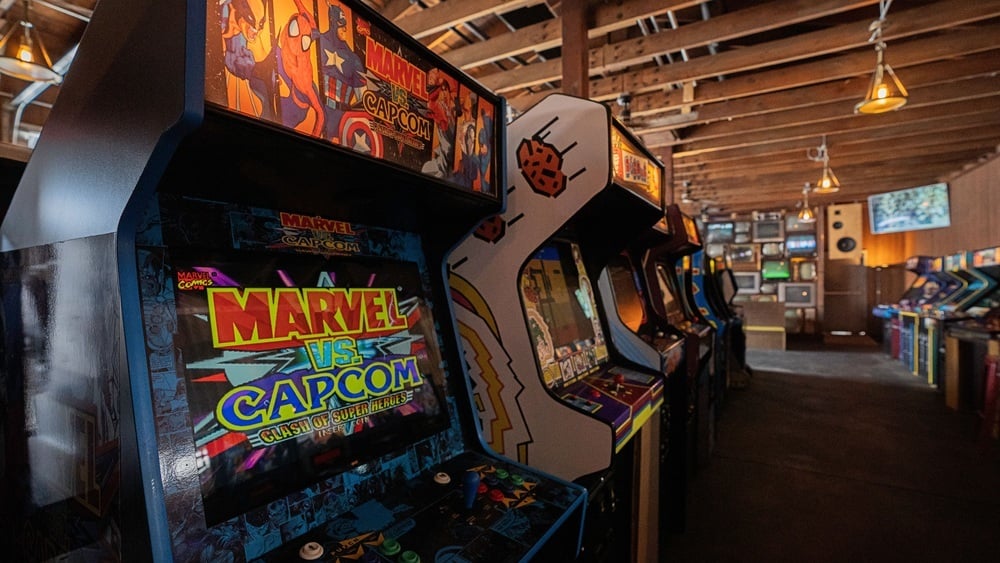
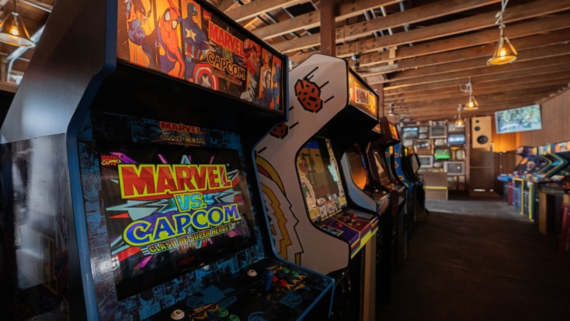
Pinball was not the only machine that could attract its own paperwork. Cities developed licensing systems for coin-operated amusement devices and, in some cases, treated individual machines as licensable units rather than regulating only the arcade or distributor. That meant a row of machines could represent more than entertainment inventory. Each cabinet might also be part of the city’s licensing system.
13. Keeping a Cat in Some Municipalities
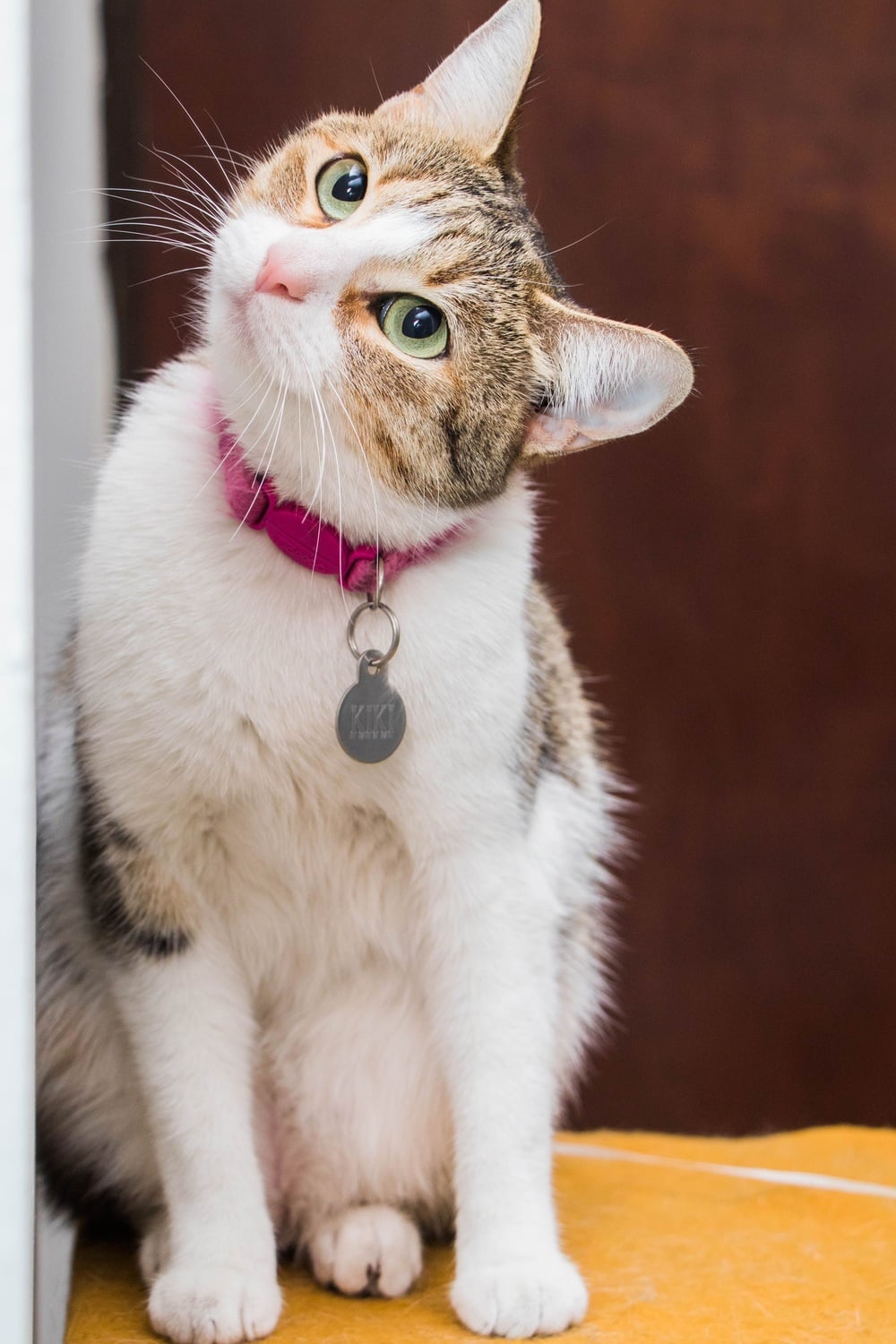
Dogs are familiar territory for licensing, but cats? Seattle provides a clear modern example: its municipal code requires owners to obtain licenses for cats as well as dogs, with licensing provisions dating back through earlier city ordinances. The practice shows why pet licensing cannot be treated as a relic of the past. Some seemingly unusual requirements are still very much alive.
14. Running a Public Theater or Movie House
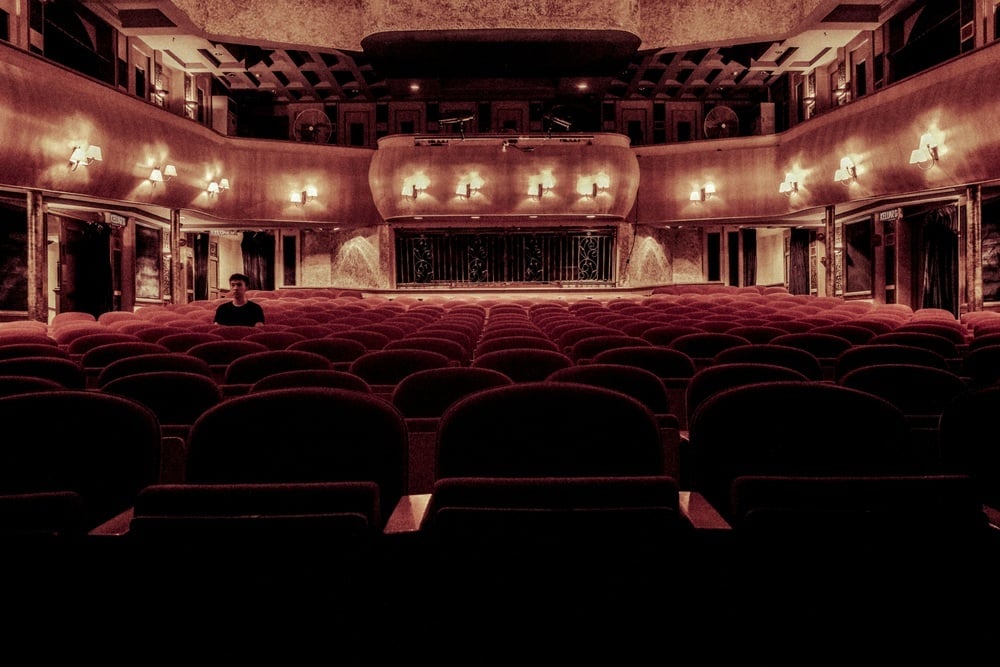
A glowing marquee did not mean the doors could simply open. Municipal governments historically licensed theaters and motion-picture venues as part of their regulation of public entertainment, with concerns ranging from fire and building safety to business oversight and, in some eras, censorship. San Diego’s archival licensing material includes theaters among the entertainment businesses subjected to this kind of local control.
15. Operating a Shoe-Shine Stand on Public Property

In Providence, Rhode Island, a 1915 ordinance required people working as bootblacks in streets and other public places to obtain permits. The rules went further than a simple fee: permit holders were required to display numbered metal badges. Would anyone passing a shoe-shine stand today expect the person polishing shoes to have once needed official authorization just to work the sidewalk?
16. Selling Goods From a Pushcart
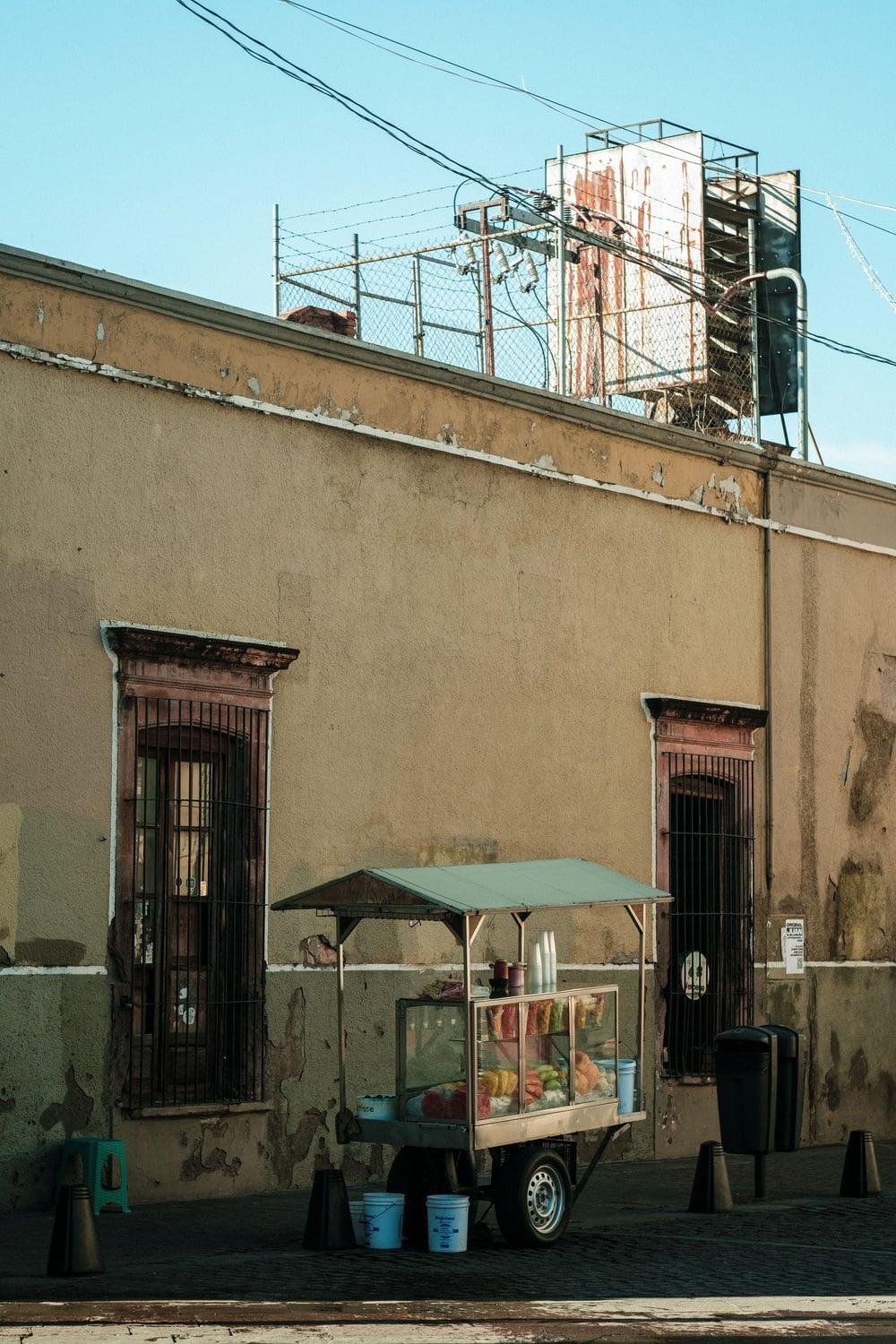
Street vending has long occupied the border between everyday commerce and heavily managed public space. Cities used licenses and permits to regulate pushcart vendors, addressing questions such as location, sanitation, congestion, and fees. The important distinction is that the cart itself was not necessarily the regulated object. It was the commercial activity taking place from it that brought city government into the picture.
17. Running a Card Room or Public Card Game

A deck of cards could become municipal business once the games moved into a public commercial room. San Diego historically required card-room licenses and regulated details including permitted games, tables, hours, and police access. City records show card-room licensing continuing through later revisions, demonstrating how local governments could distinguish between ordinary private play and a licensed public gaming establishment.
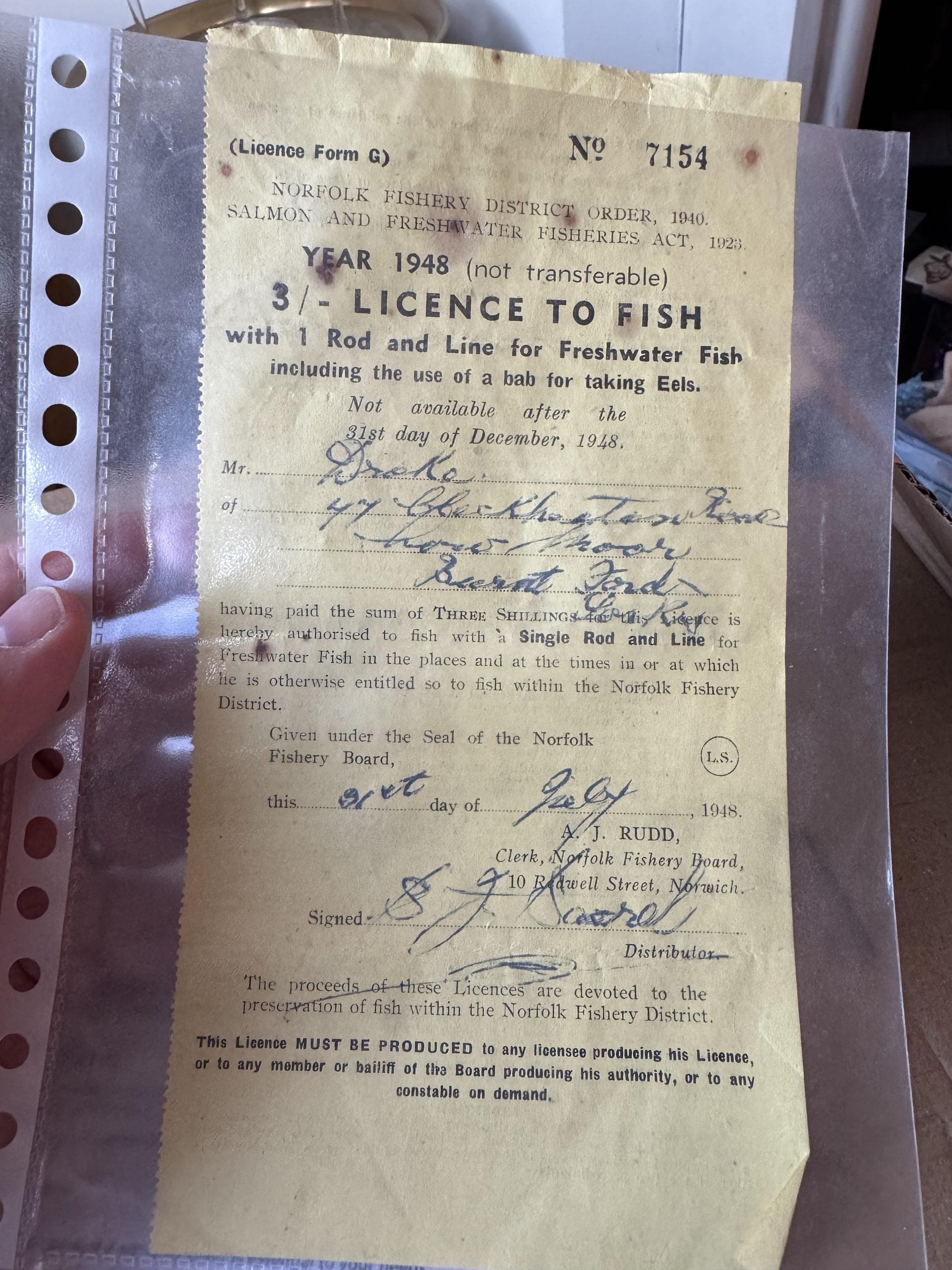
18. Fishing Licenses
Taken together, these rules reveal something larger than a collection of strange old permits. Municipal governments built licensing systems around public amusements including dance halls, theaters, billiards, bowling, jukeboxes, machines, exhibitions, and other entertainment businesses. What sounds excessive from a modern perspective was often simply how cities managed crowds, commerce, safety, morality, and public space at the time.
Licensing history is less a story about governments randomly demanding paperwork than a glimpse at what different eras considered worth monitoring. Some requirements disappeared as technology and social attitudes changed, while others quietly survived. The surprising part is realizing how many ordinary activities have, at one point or another, crossed the line from everyday life into officially regulated territory.
Keep Exploring The Scroller
The paperwork may be gone, but history kept the receipts. Keep exploring The Scroller for more forgotten rules, peculiar regulations, everyday objects with unexpected pasts, and ordinary parts of life that were once far more complicated than they seem today:
14 Social Customs From the 1950s That Have Since Faded
Beer Consumption: 15 Countries With Surprising Drinking Cultures
17 Weird Laws Around the World That Catch Tourists Off Guard