Beer consumption cultural story becomes much more interesting when you treat the numbers as a starting point rather than the whole explanation. Drinking habits can reflect local brewing traditions, pub culture, food, climate, tourism, economics, and the role beer plays in social life. Two countries can consume similar amounts while having completely different relationships with what is in the glass. These 15 examples show why beer statistics become more revealing when the cultural context surrounding them is part of the picture.
1. Czech Republic: Beer as Part of Everyday Social Life
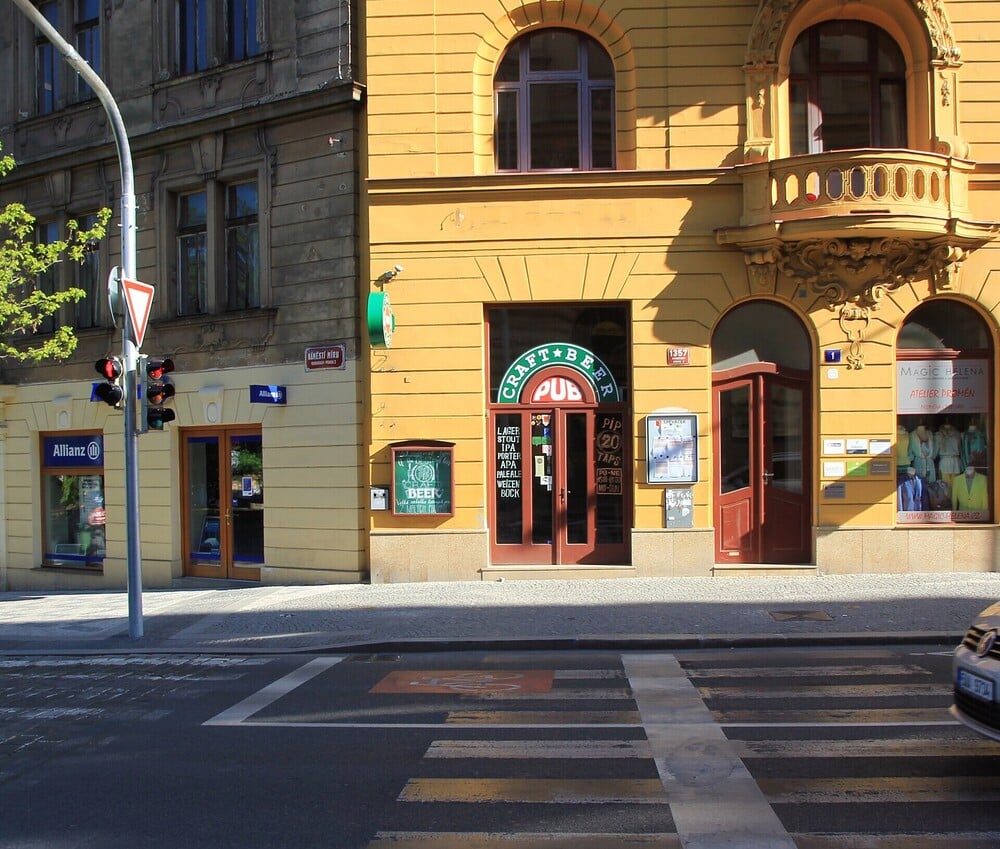
The Czech Republic has long stood out in international comparisons of beer consumption, but the numbers make more sense alongside the country’s brewing culture. Pilsner-style beer has deep local roots, and pubs traditionally function as social gathering places rather than simply destinations for drinking. Here, beer is closely woven into everyday hospitality, conversation, and regional identity.
2. Austria: A Brewing Tradition With Regional Personality
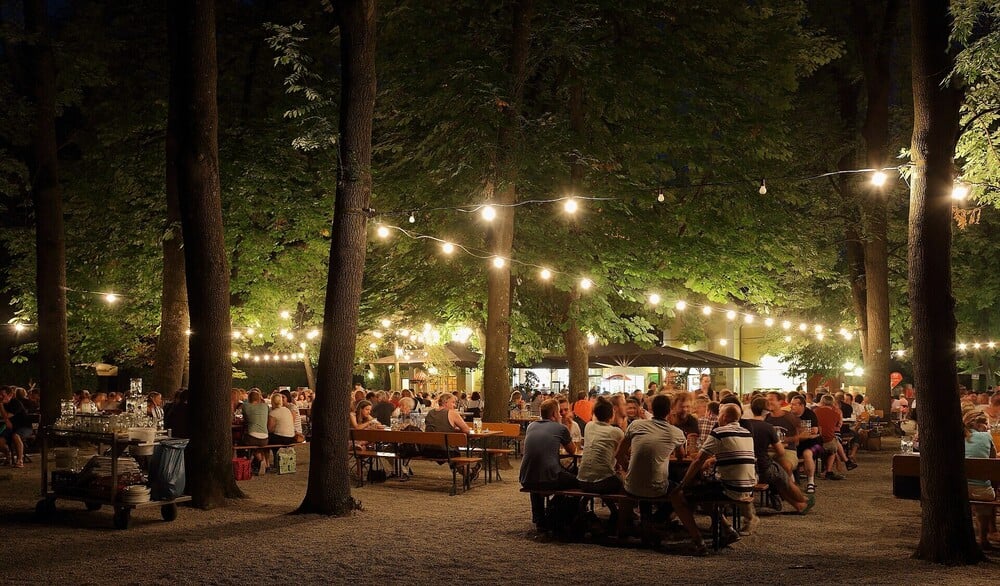
Austria’s beer culture can sometimes be overshadowed internationally by its wine, yet brewing remains deeply established across the country. Regional breweries, traditional taverns, and styles such as Marzen help explain why beer maintains such a visible place in Austrian drinking culture. The interesting story is not simply how much is consumed, but how strongly local identity can survive in the glass.
3. Romania: A Popular Drink Shaped by Changing Habits
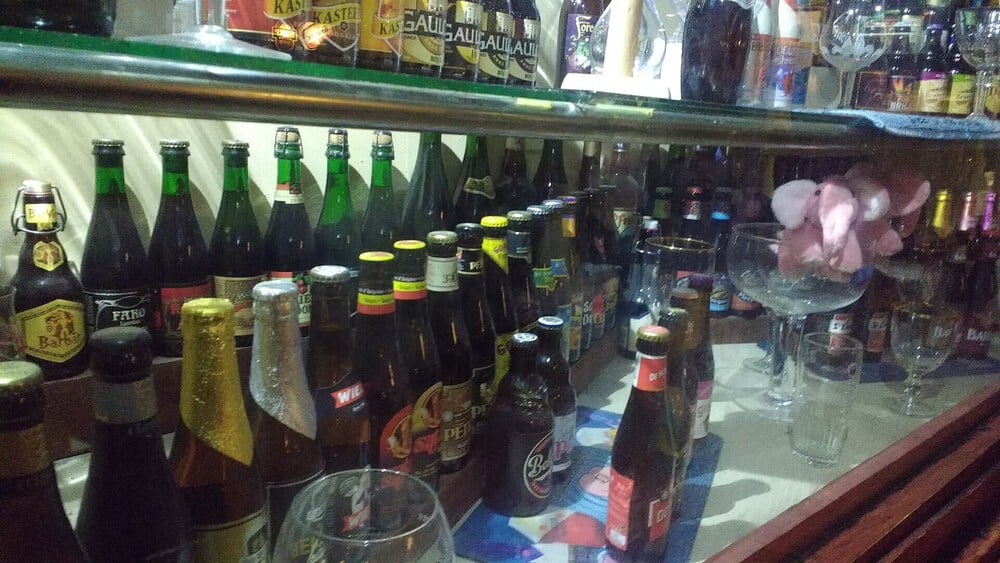
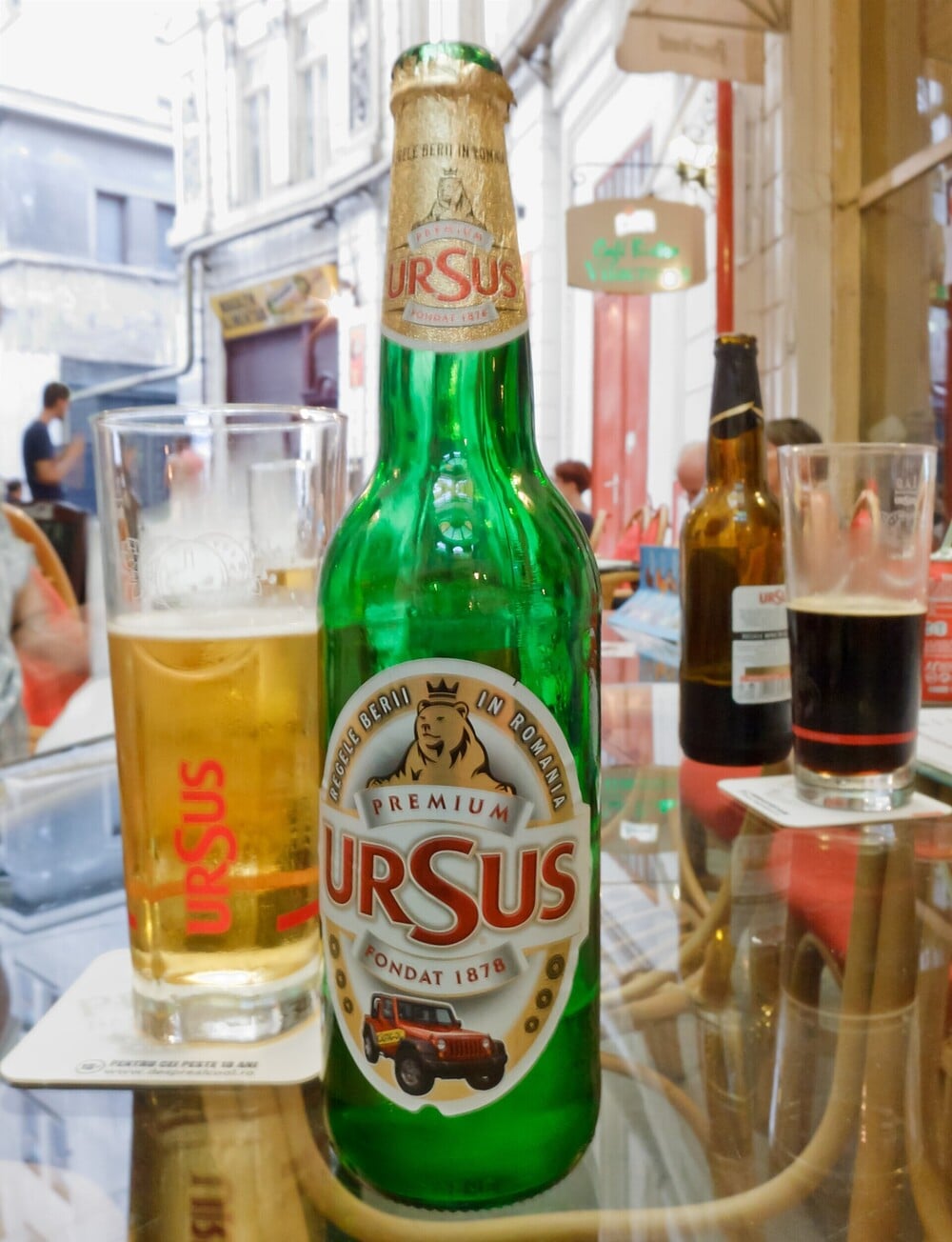
Romania offers an interesting example of beer becoming part of a broader modern drinking culture while existing alongside strong traditions involving wine and spirits. Domestic breweries and widely available lagers have helped make beer a familiar choice for casual social occasions. Rather than replacing older traditions, it has found its own place among them.
4. Germany: More Than Oktoberfest
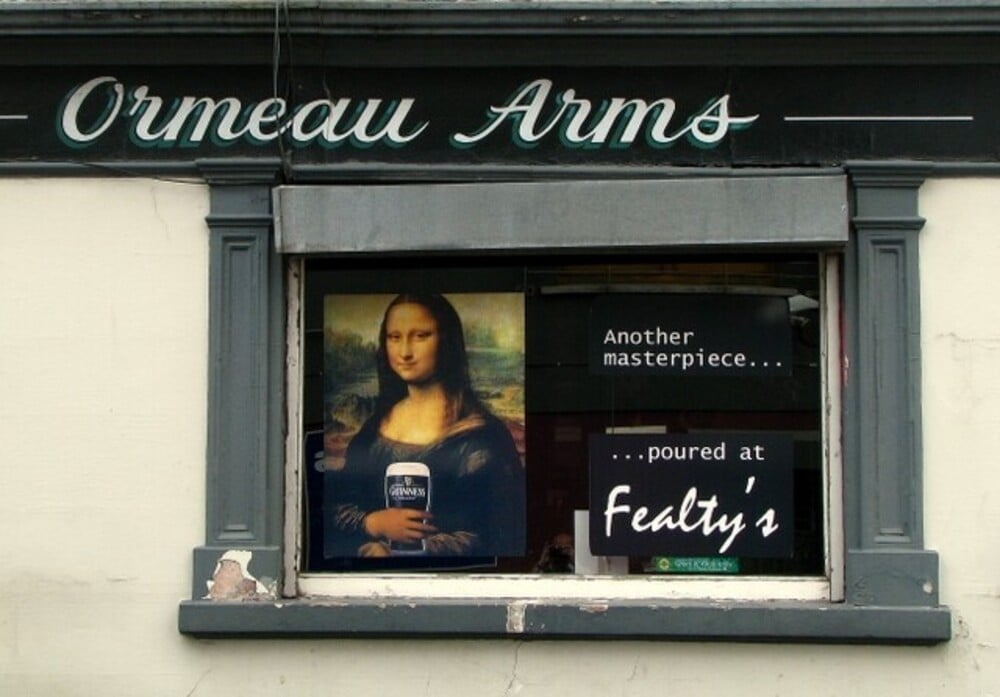
Germany may be one of the countries most internationally associated with beer, but reducing its culture to enormous festival steins misses much of the story. Different regions maintain distinctive brewing identities, from Kölsch in Cologne to wheat beers in Bavaria. What does national beer consumption really mean when drinking traditions can change noticeably from one city to the next?
5. Poland: Beer Found a Bigger Place at the Table
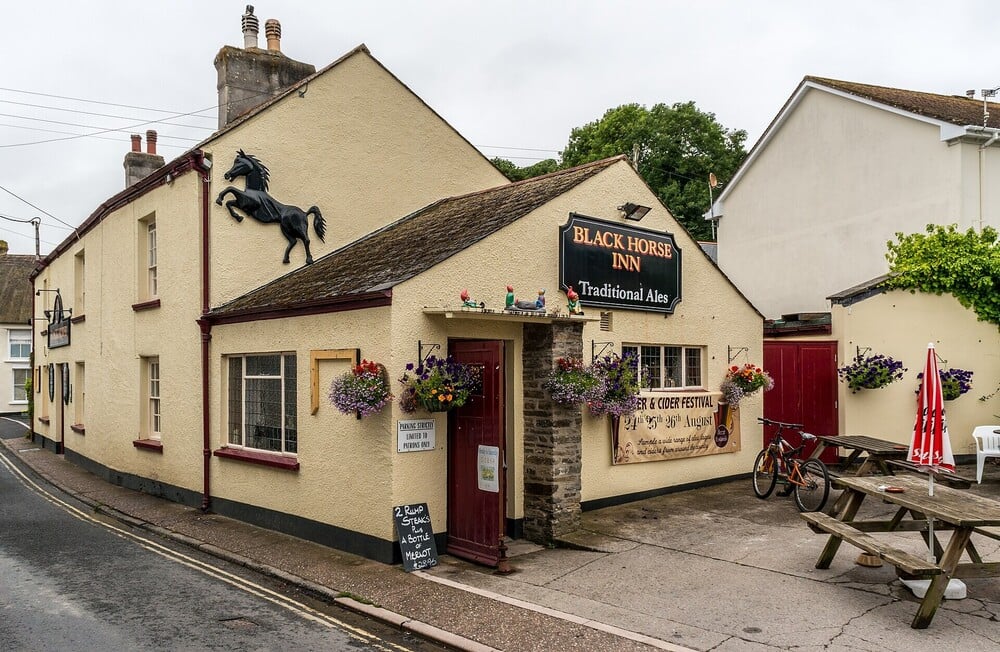
Poland is often associated historically with vodka, yet beer became increasingly prominent in the country’s modern drinking landscape. Large breweries made lager widely accessible, while a newer craft scene expanded the range of styles available. The result illustrates how drinking cultures are rarely frozen in time: preferences can shift even when older traditions remain highly recognizable.
Trending on The Scroller


6. Ireland: The Pub Is Part of the Story
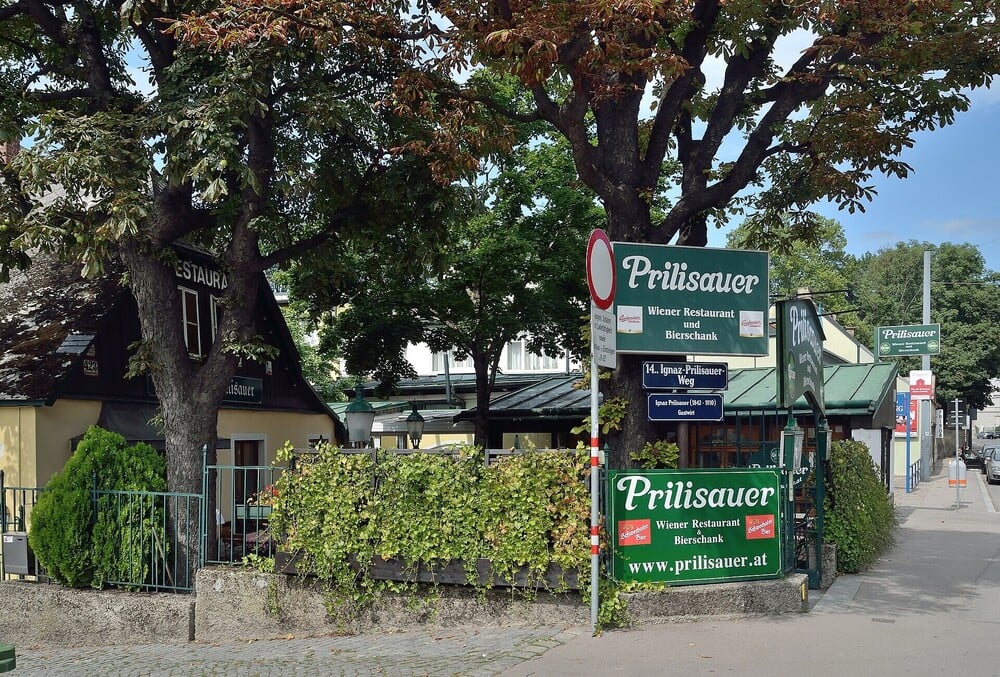
Ireland’s relationship with beer is difficult to separate from the social role of the pub. These spaces have traditionally offered much more than somewhere to order a pint, serving as gathering places for conversation, music, and community life. Stout may dominate the country’s international image, but the broader cultural story is about where beer is consumed and the rituals surrounding it.
7. Spain: Beer Thrives in a Wine Country
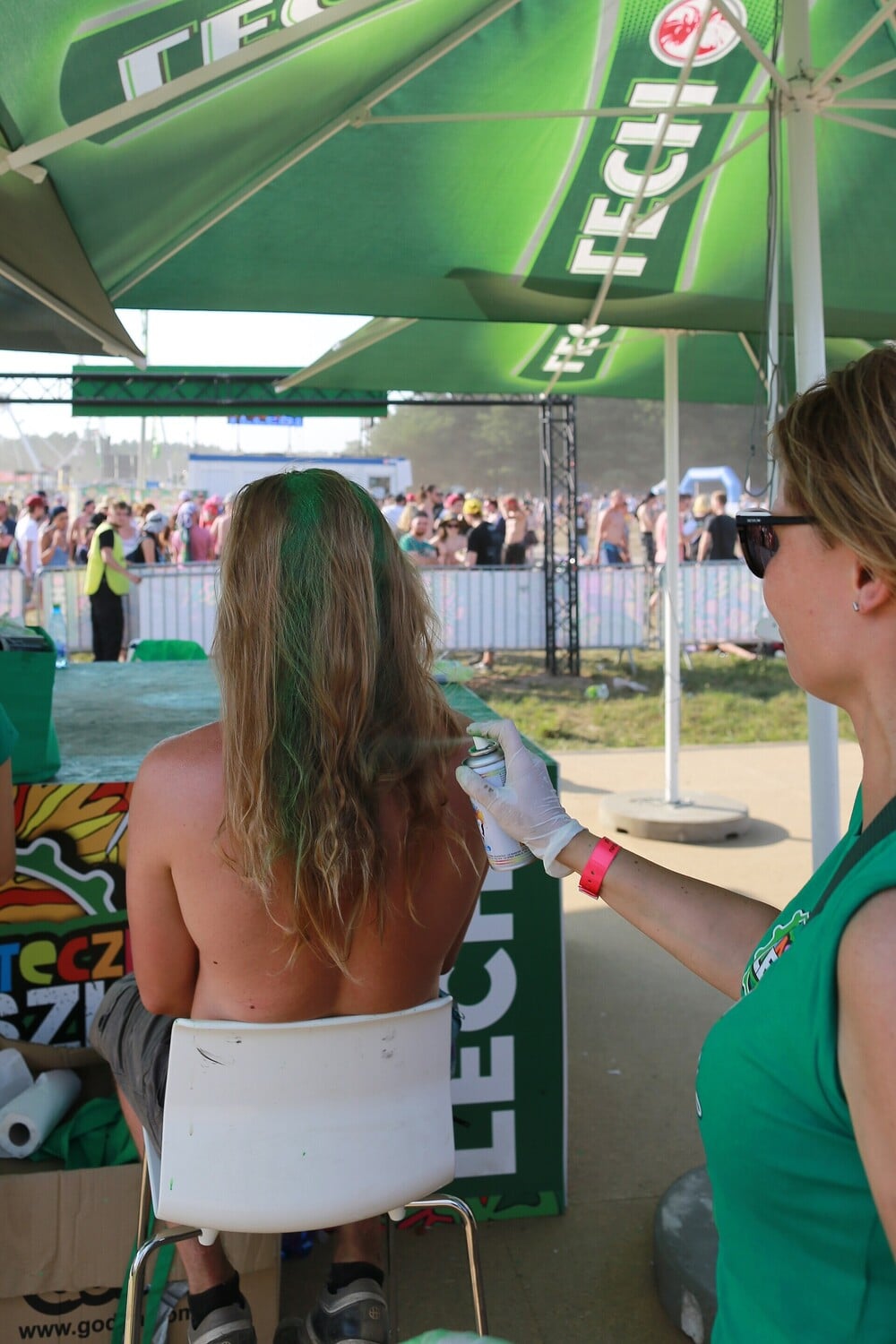
Spain demonstrates why national drinking cultures rarely fit neatly into a single category. Despite the country’s enormous wine tradition, beer is deeply embedded in casual social life, particularly alongside tapas and informal gatherings. Climate and food culture also shape when and how it is enjoyed. A small beer at a neighborhood bar tells a very different story from the stereotype of Spain as exclusively wine country.
8. Croatia: Tourism Complicates the Numbers
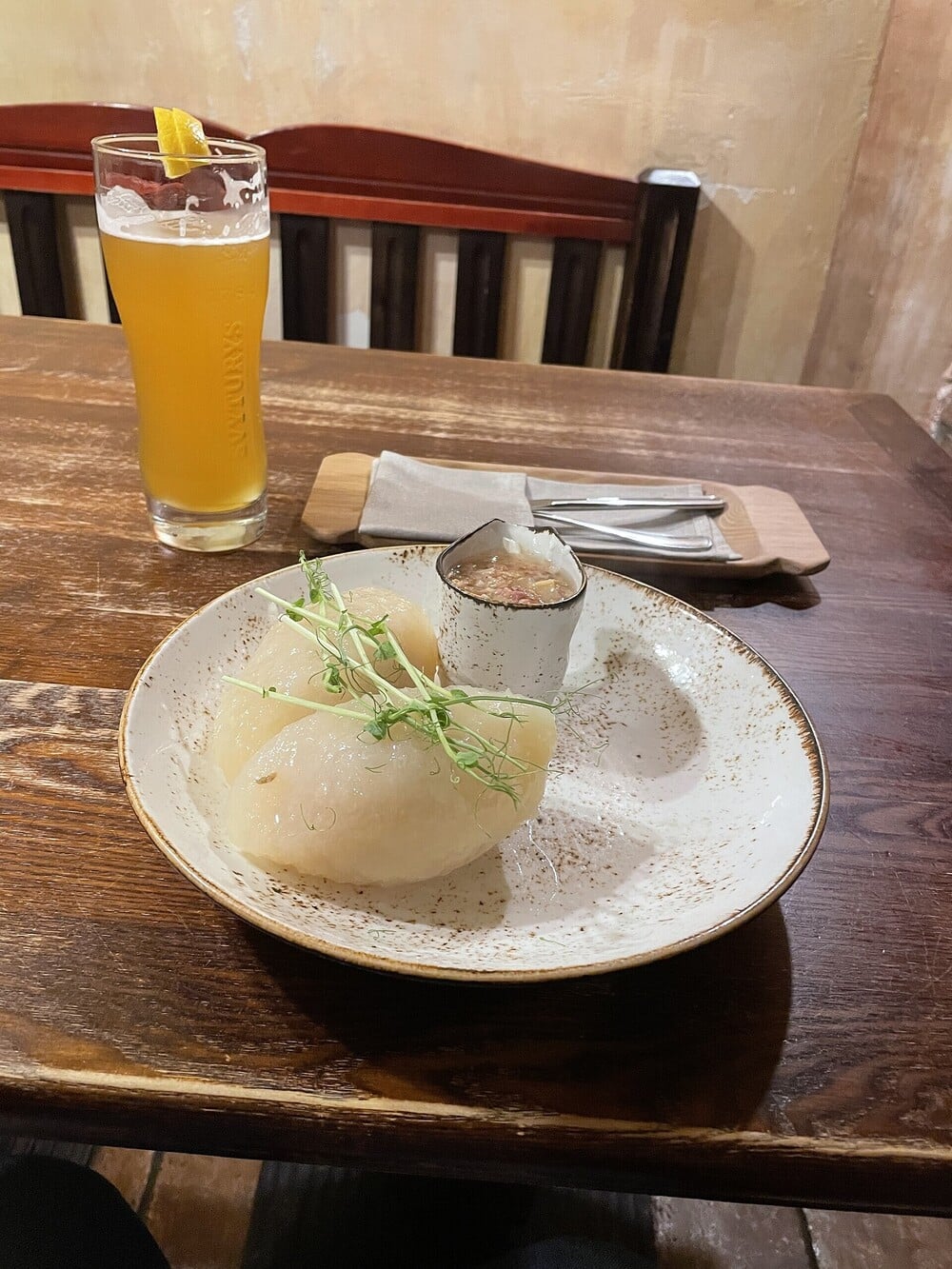
Croatia adds an important wrinkle to beer consumption statistics: millions of visitors arrive each year, especially along the Adriatic coast. Tourism can influence national sales and consumption figures, making them harder to interpret as a simple measure of residents’ habits. Local lagers remain popular, but the numbers also reflect a country where seasonal visitors become part of the drinking landscape.
Sign up for our newsletter
9. Latvia: Beer With Deep Seasonal Traditions
Beer in Latvia is not simply a modern commercial product. Brewing has connections to older rural traditions and celebrations, with midsummer festivities providing one particularly visible example. Contemporary lagers now share the market with smaller breweries and revived styles. How much of a country’s beer culture can really be captured by liters per person when tradition matters just as much as quantity?
10. Estonia: A Small Country With an Expanding Beer Scene
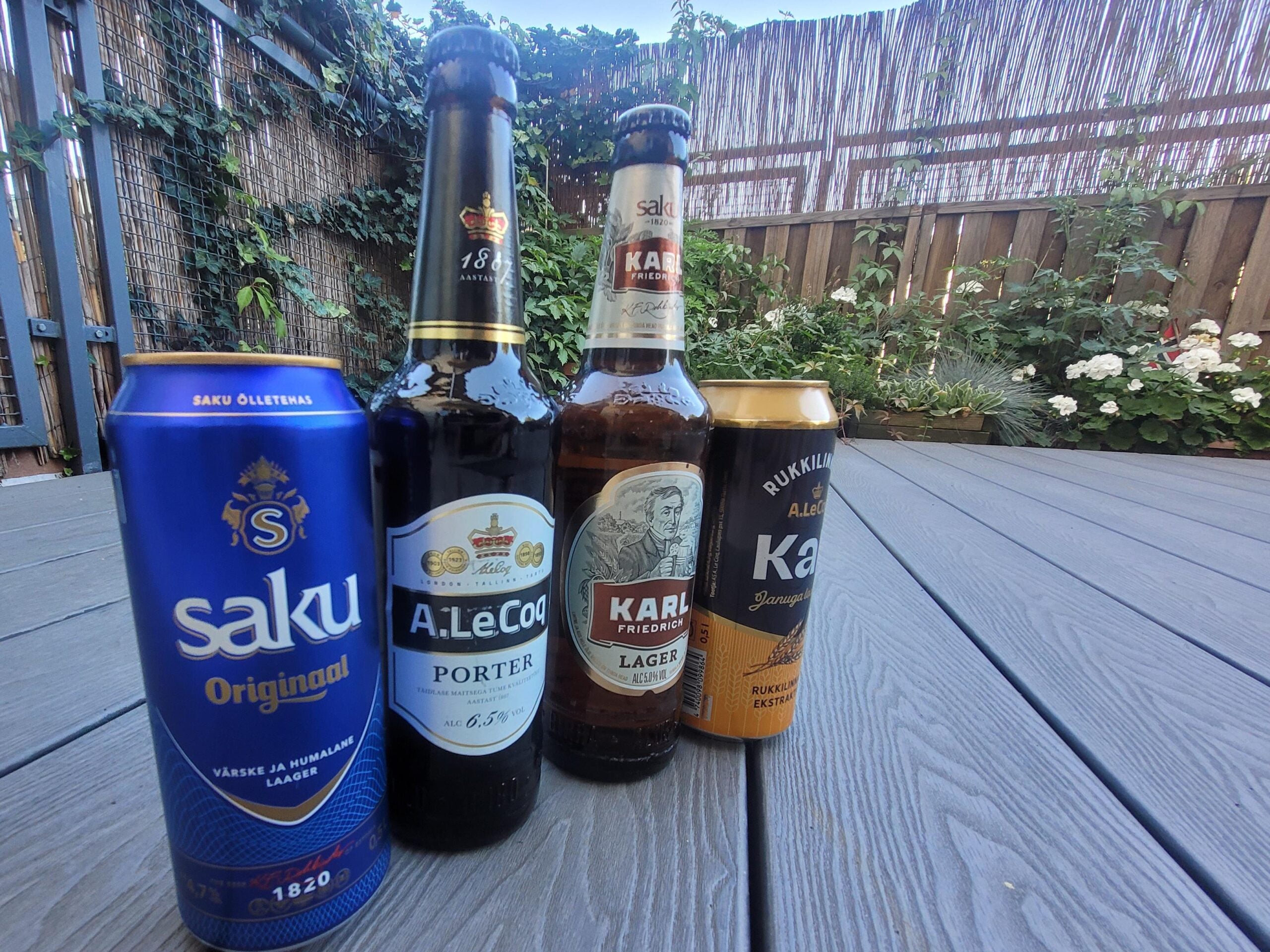
Estonia shows how quickly a beer culture can diversify. Familiar mainstream lagers remain part of everyday consumption, while independent breweries have introduced a much wider range of styles in recent years. The country’s beer consumption cultural story therefore involves more than volume: it also reflects changing tastes and the coexistence of established brands with a comparatively young craft movement.
11. Lithuania: Beer Culture Beyond the Big Breweries
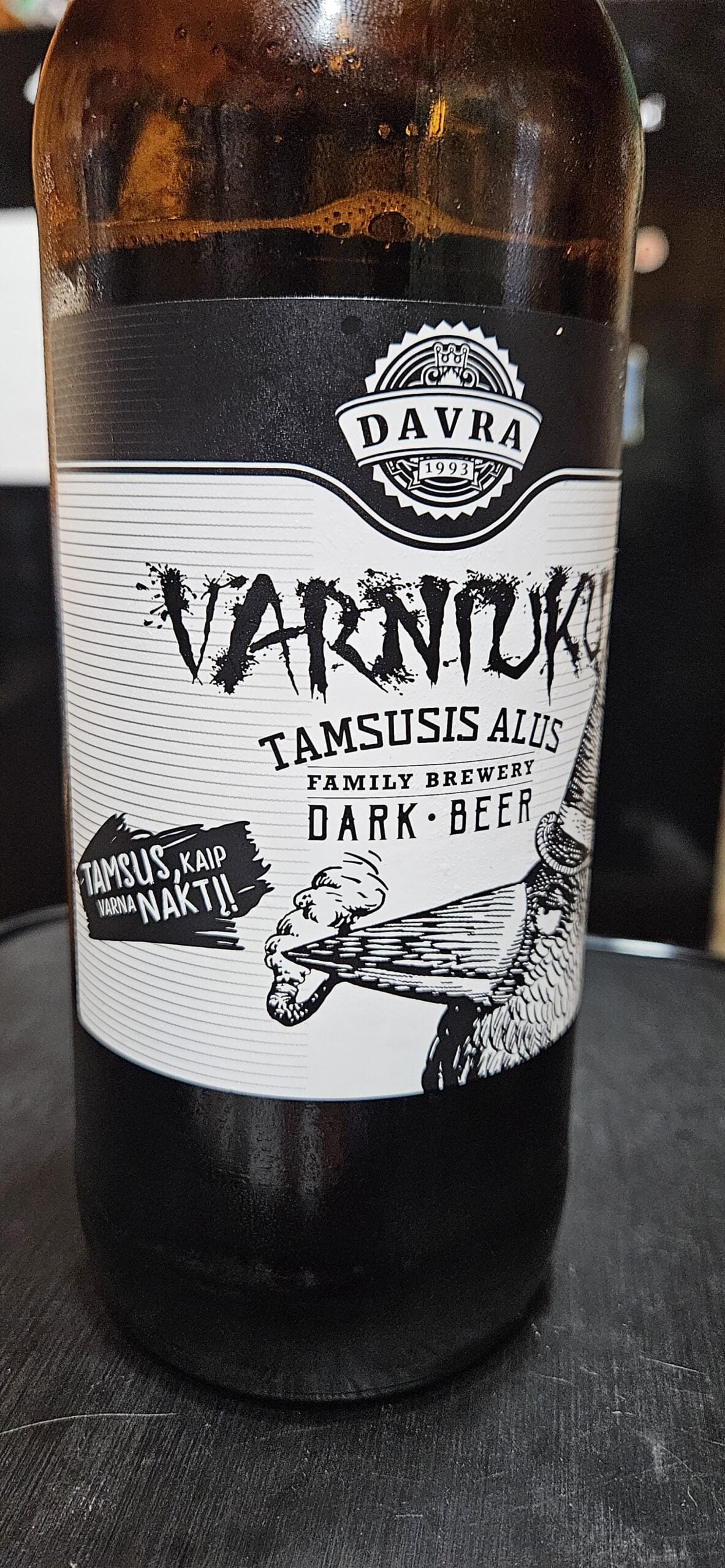
Lithuania’s beer story reaches beyond the familiar lagers found in stores and restaurants. The country also has traditions of farmhouse brewing, particularly in northern regions, where local methods and distinctive beers have survived alongside commercial production. That combination makes consumption figures only one layer of a much older brewing culture.
12. Slovenia: Beer Between Alpine and Mediterranean Influences
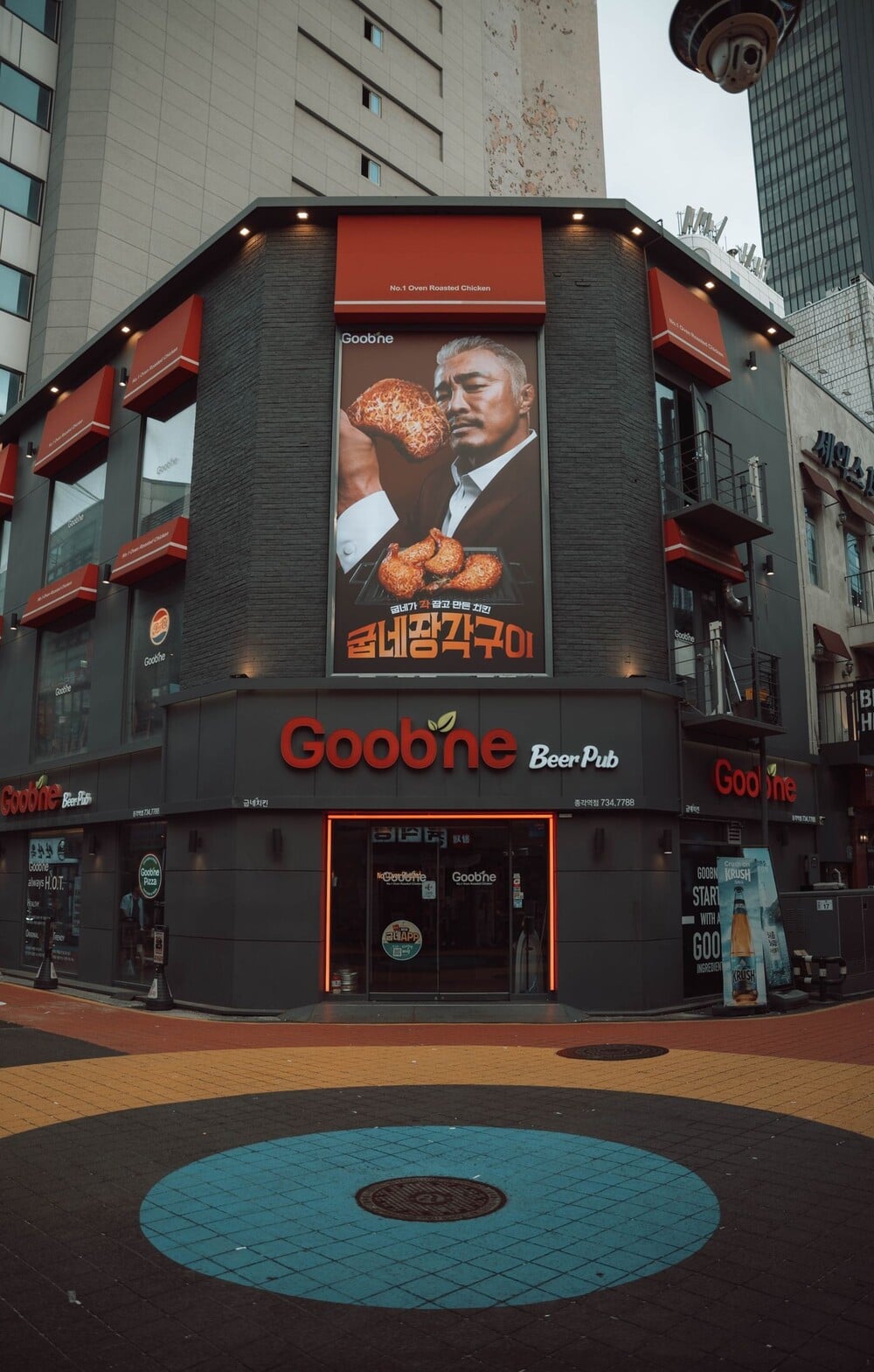
Slovenia sits at a cultural crossroads, and its drinking habits reflect that geography. Wine has an important place in many regions, yet beer remains widely consumed and supported by established domestic breweries. More recently, smaller producers have expanded the selection. Rather than one drink defining the country, different traditions overlap within a remarkably compact area.
13. Finland: Drinking Habits Shaped by Regulation
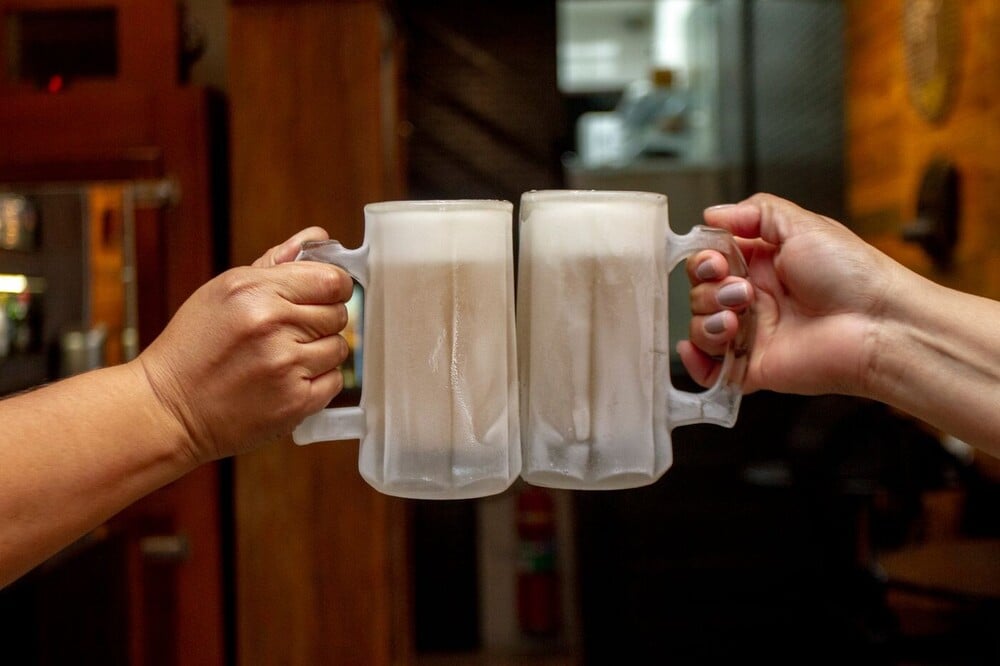
Finland offers a reminder that beer culture can be influenced as much by laws and retail systems as by brewing traditions. Alcohol sales have long been shaped by government regulation, taxation, and restrictions on stronger beverages. Beer nevertheless became a familiar part of social drinking. In this case, understanding consumption means looking beyond preference and asking what was actually available to consumers.
14. Bulgaria: Beer Alongside Older Drinking Traditions
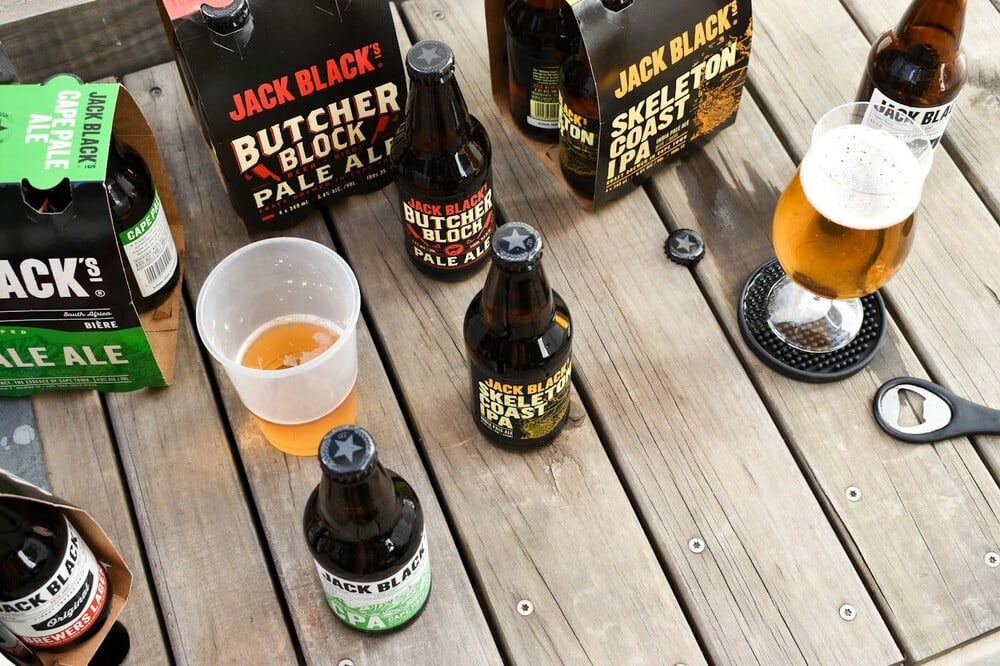
Bulgaria has centuries-old associations with wine and rakia, yet beer has established a substantial place in modern social life as well. Domestic brewing expanded significantly over time, making lager a familiar option in restaurants, homes, and casual gatherings. Can a country have several distinct drinking traditions without one replacing the others? Bulgaria provides a useful example of exactly that coexistence.
15. Belgium: The Surprise Is Not Just How Much People Drink
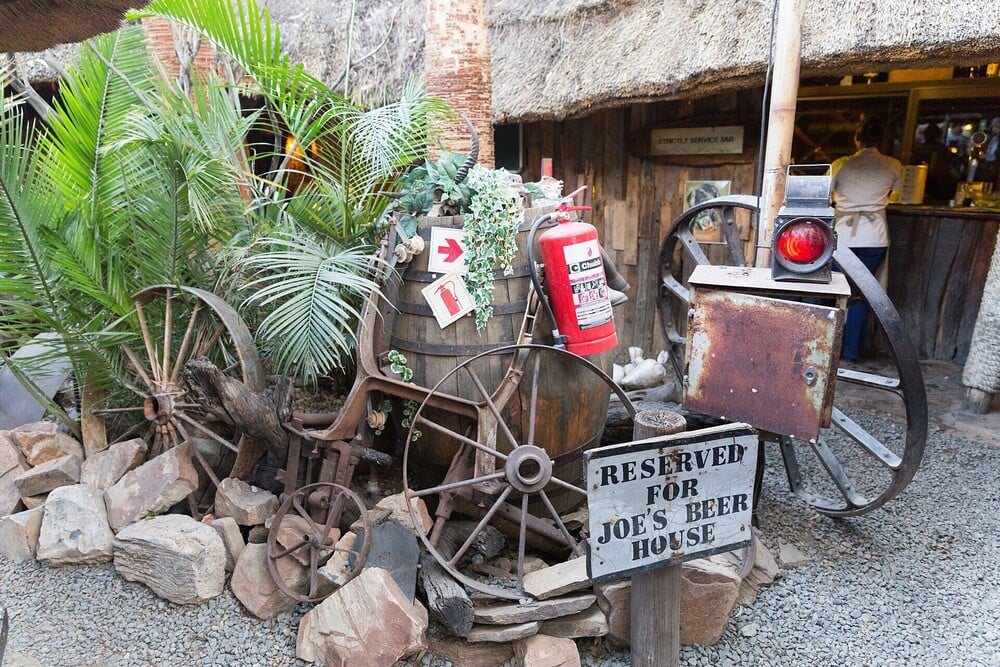
Belgium makes a fitting final stop because its international beer reputation is built less around sheer quantity than extraordinary variety. Trappist ales, lambics, saisons, strong ales, and countless regional specialties have helped create a culture where brewing methods, glassware, serving traditions, and individual breweries carry unusual significance. Beer here functions as both an everyday beverage and a celebrated piece of culinary heritage.
Beer consumption statistics can reveal patterns, but they cannot explain a country on their own. Tourism, regulation, local brewing, food traditions, economics, and changing generations can all influence what ends up in the numbers. Looking at those factors turns a simple ranking of liters consumed into something more useful: a glimpse at how the same drink can occupy remarkably different places in different cultures.
Keep Exploring The Scroller
Numbers become much more interesting when there is a human story behind them. Keep exploring The Scroller for more cultural curiosities, overlooked traditions, surprising statistics, and everyday habits that reveal more than they initially seem to:
15 Overlooked Countries That Surprise Almost Everyone Who Visits
16 Countries That Surprise Americans With How Differently Everyday Life Works