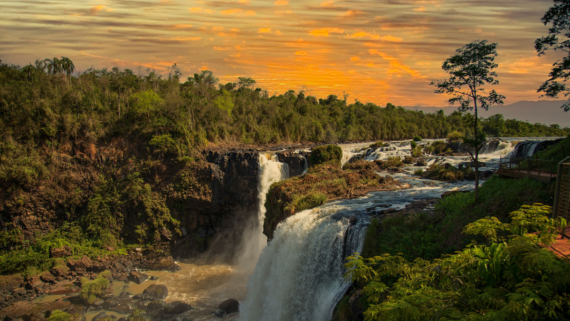
Some places dominate travel feeds for years. Others barely come up, even when they have the scenery, food, history, and atmosphere people usually travel for in the first place. A few of the countries below are genuinely remote, while others are simply overshadowed by more famous neighbors. Either way, travelers who get there often find far more than they expected.
1. Bosnia and Herzegovina
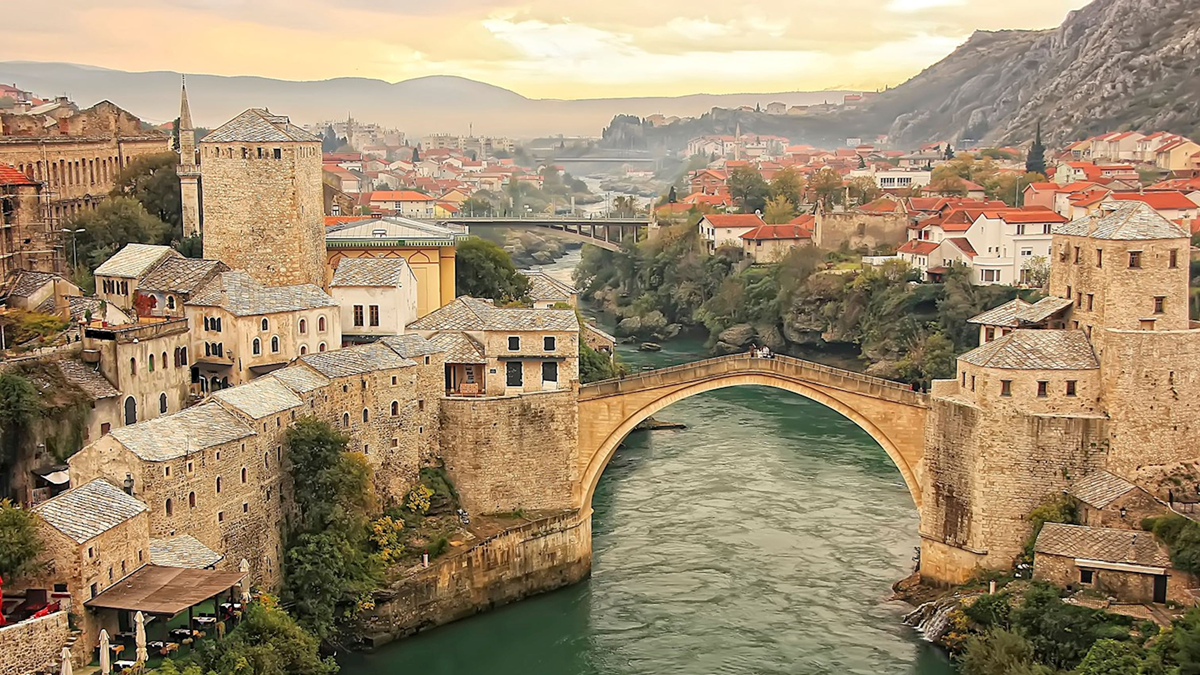
Bosnia and Herzegovina tends to get squeezed between better-known Balkan destinations, but it rarely feels like a consolation prize once you’re there. Sarajevo alone can occupy several days, with Ottoman lanes, Austro-Hungarian facades, cafés, religious buildings, and visible traces of the 1990s war all sitting surprisingly close together. Mostar is the obvious next stop, though the country gets more interesting once you start driving through the mountains, river valleys, villages, and waterfall country beyond the headline sights.
2. Kyrgyzstan
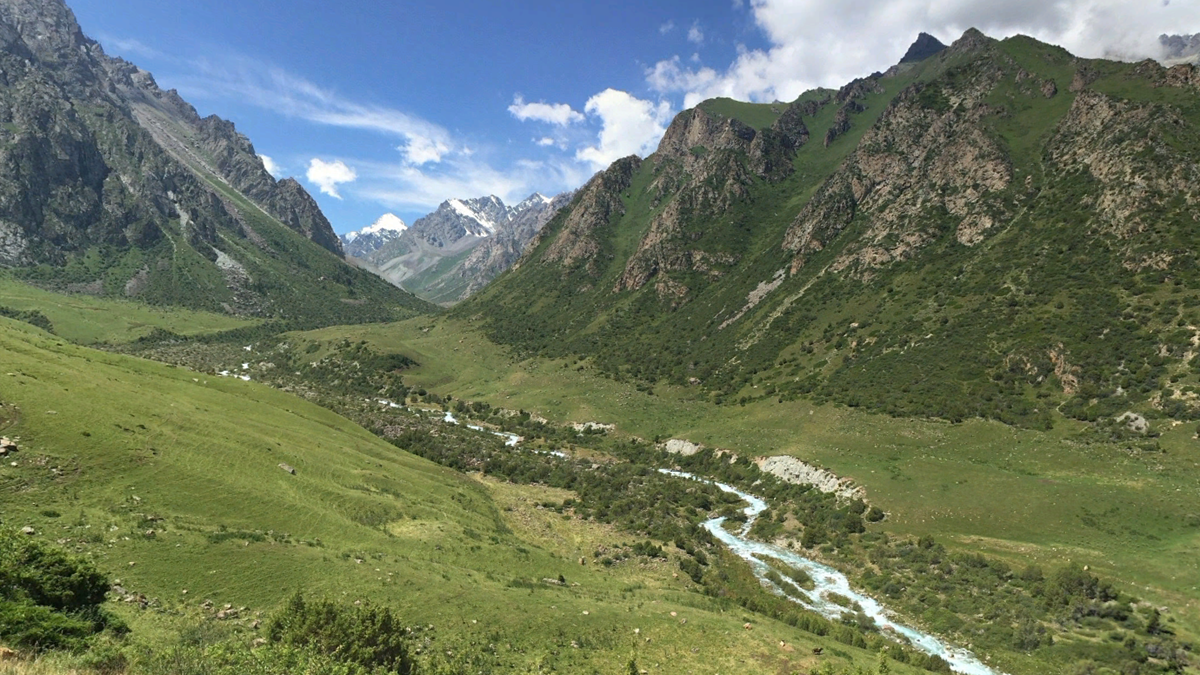
Kyrgyzstan is the kind of place where the road can suddenly become more memorable than whatever you were driving toward. Outside Bishkek, the landscape opens into high valleys, enormous lakes, mountain passes, and summer pastures dotted with yurts. Horseback trips are common in rural areas, especially around alpine regions, and the sense of space can be difficult to grasp until you are standing in it. It feels less like moving between attractions and more like traveling through one long stretch of scenery.
3. São Tomé and Príncipe
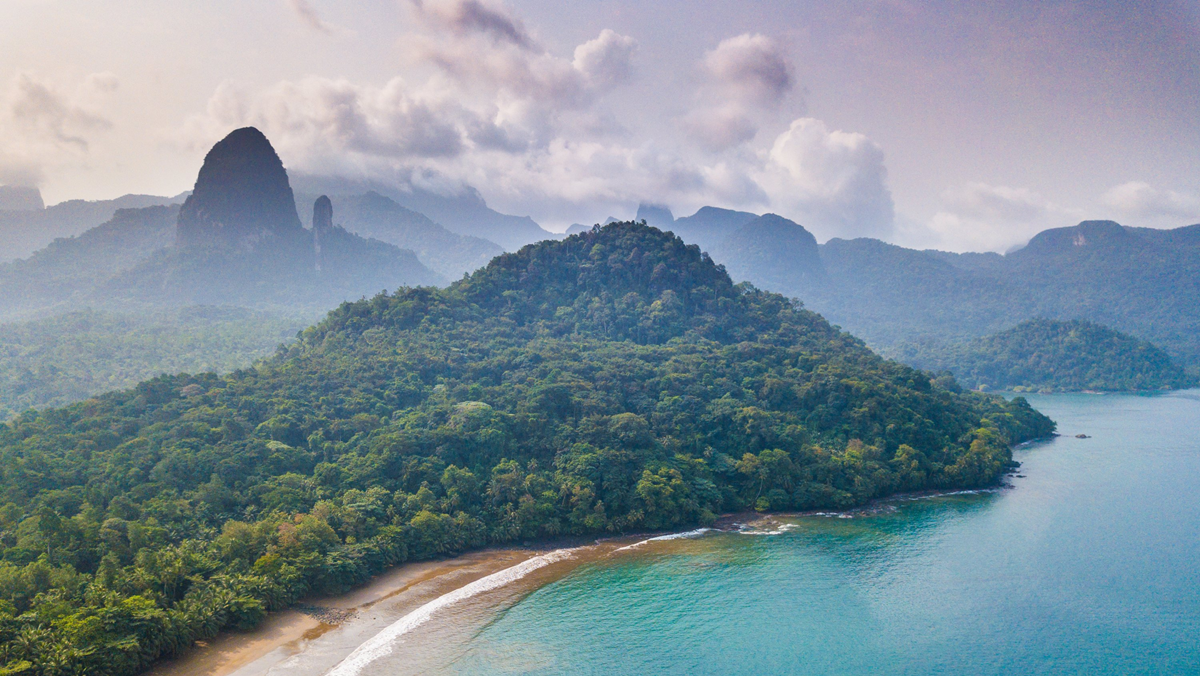
São Tomé and Príncipe does not show up on many tropical getaway lists, despite having beaches, volcanic landscapes, dense forest, and old plantation estates. Much of the appeal is in how undeveloped parts of the islands still feel. Roads curve through thick greenery, abandoned or repurposed roças appear unexpectedly, and even some striking stretches of coastline can feel remarkably quiet.
4. Armenia
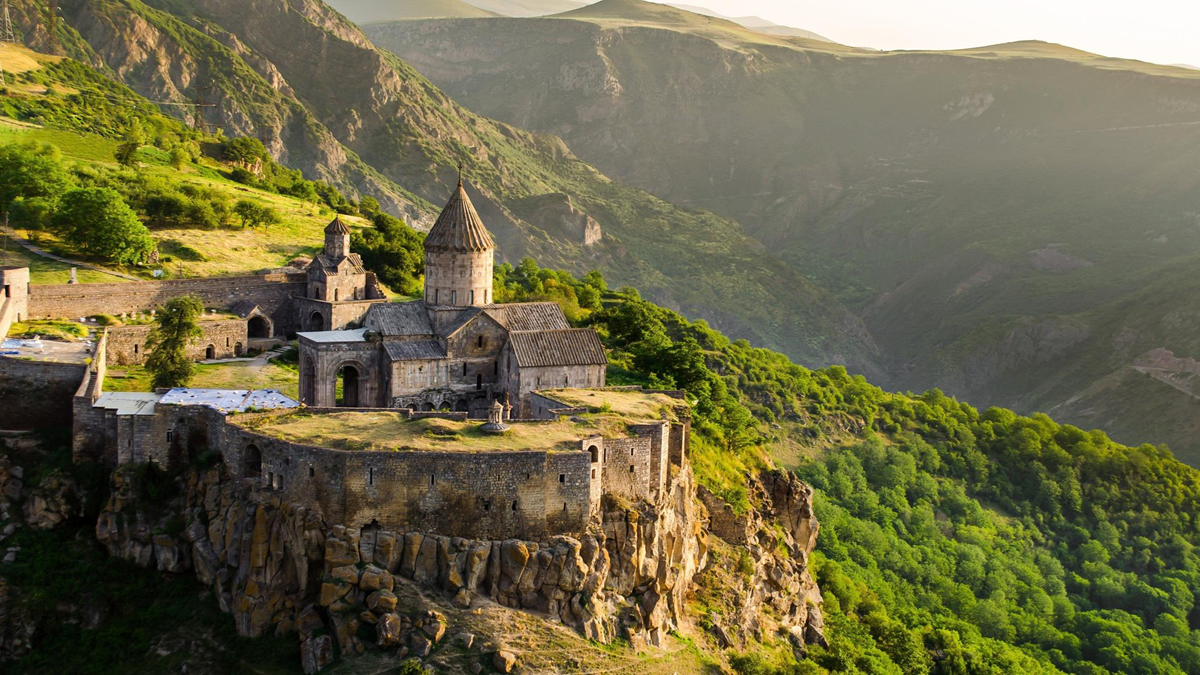
In Armenia, medieval monasteries have a habit of turning up in places that seem almost too dramatic for them. Some sit above ravines, others against bare mountains, and at Geghard parts of the complex were carved into rock. Yerevan is a different experience entirely, with broad streets, café culture, markets, Soviet-era remnants, and buildings made from the pinkish volcanic stone that gives much of the center its color. The country is small enough that those contrasts never feel very far apart
5. Guyana
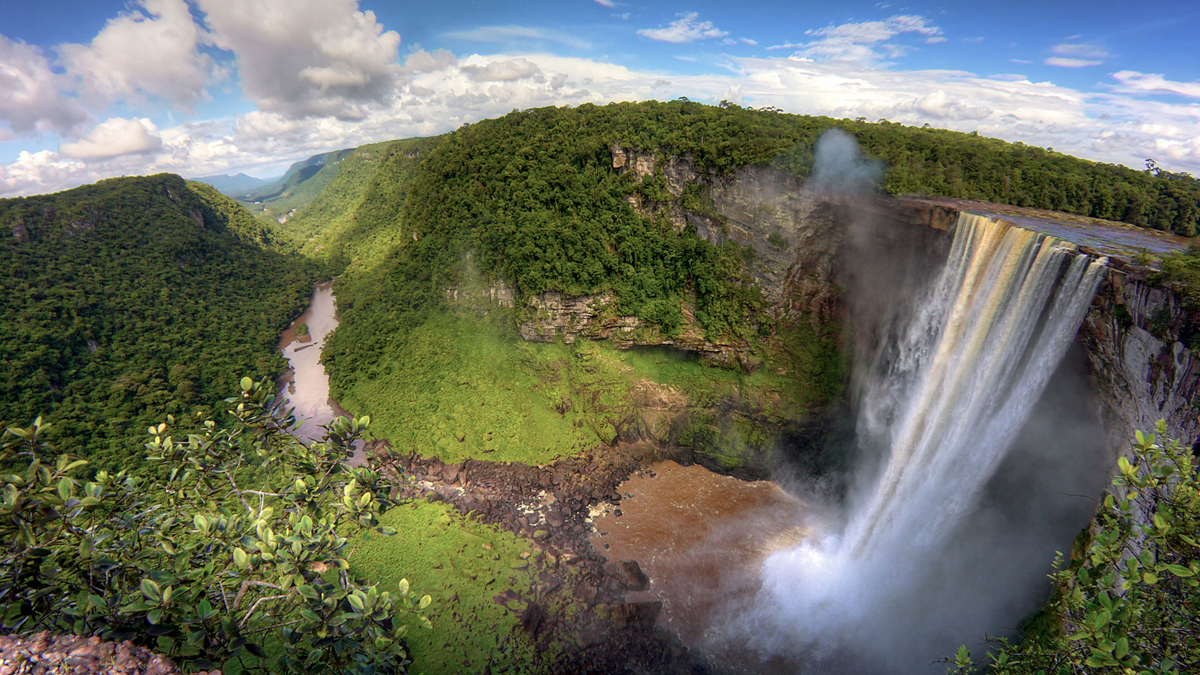
Guyana feels noticeably different from the South American destinations most travelers know. Georgetown has a Caribbean character, while the interior quickly becomes a world of rainforest, rivers, wetlands, and savanna. Kaieteur Falls is the famous image, but the real surprise is the scale around it. There are huge areas where tourism still feels secondary to the landscape rather than the other way around.
Trending on The Scroller

6. Moldova
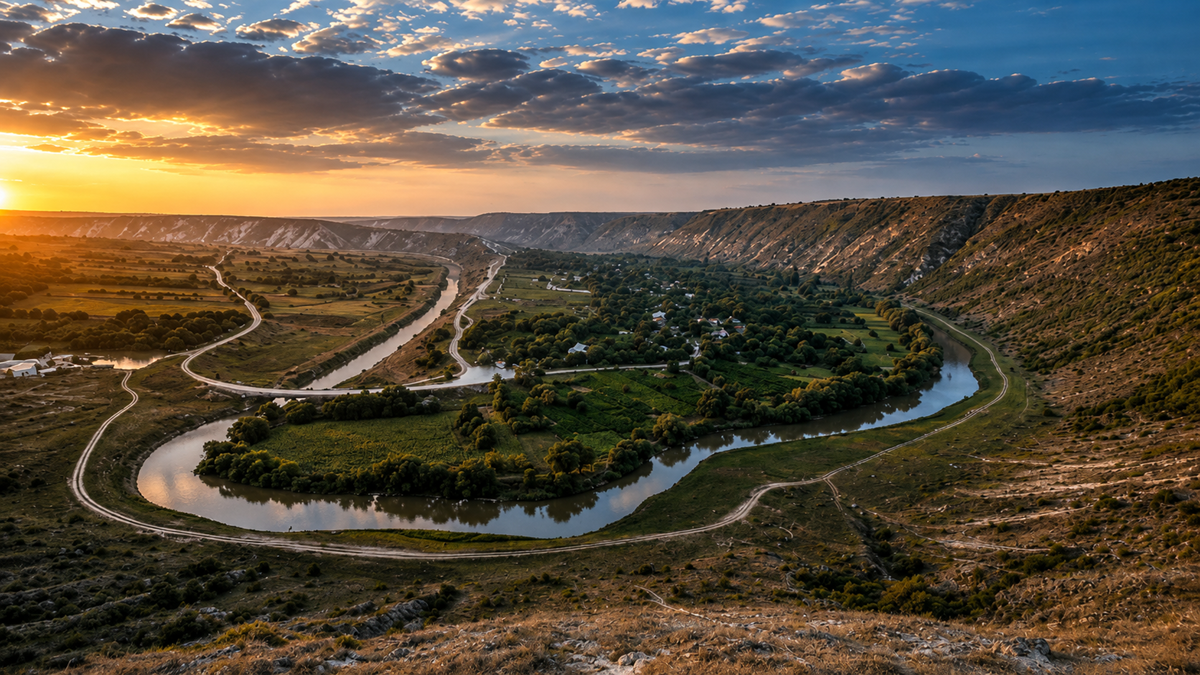
Moldova is not really a country of famous landmarks. That may be part of the reason it works. Days can revolve around wineries, monastery visits, countryside drives, long meals, or wandering through Chisinau without much of an agenda. Orheiul Vechi, set around a river gorge, gives the country one of its more dramatic landscapes, while the enormous underground wine cellars add a slightly strange attraction that feels very specific to Moldova.
7. Namibia
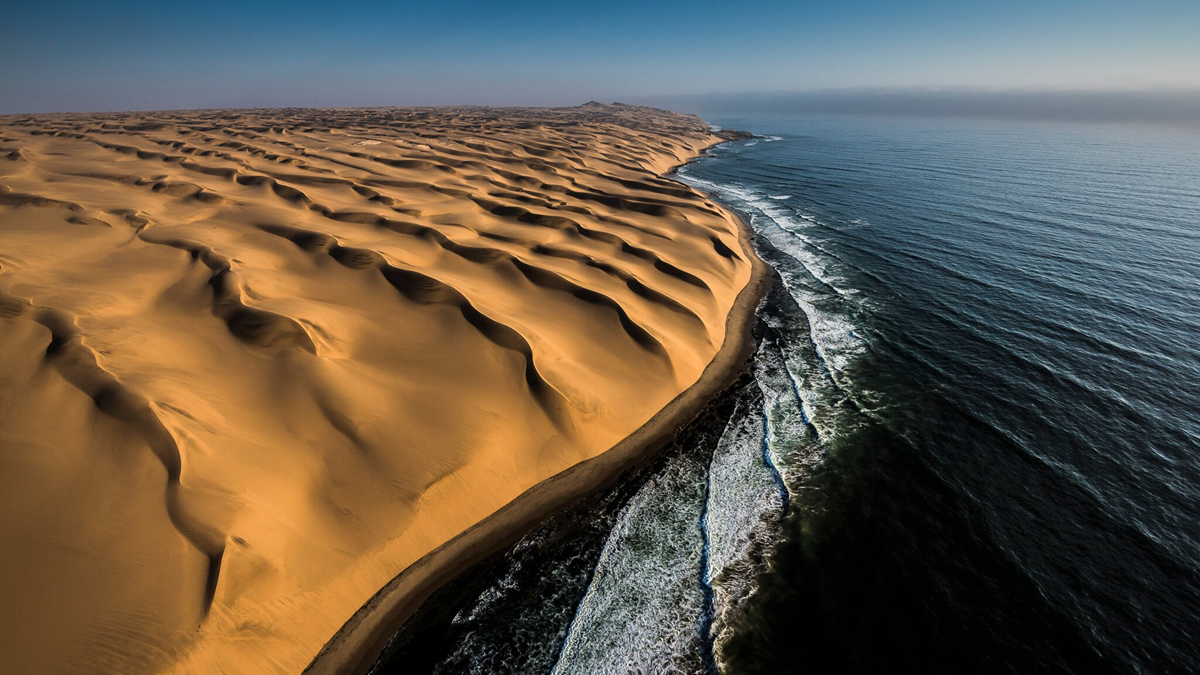
Namibia is better known than some countries on this list, but it is still easy to overlook unless you are already interested in southern Africa. Once there, the visuals do most of the work: giant dunes, empty highways, dry plains, wildlife, shipwreck coastlines, and abandoned settlements being swallowed by sand. Long drives are part of the trip rather than dead time between stops. In a country this sparse, even the empty stretches have personality.
8. North Macedonia
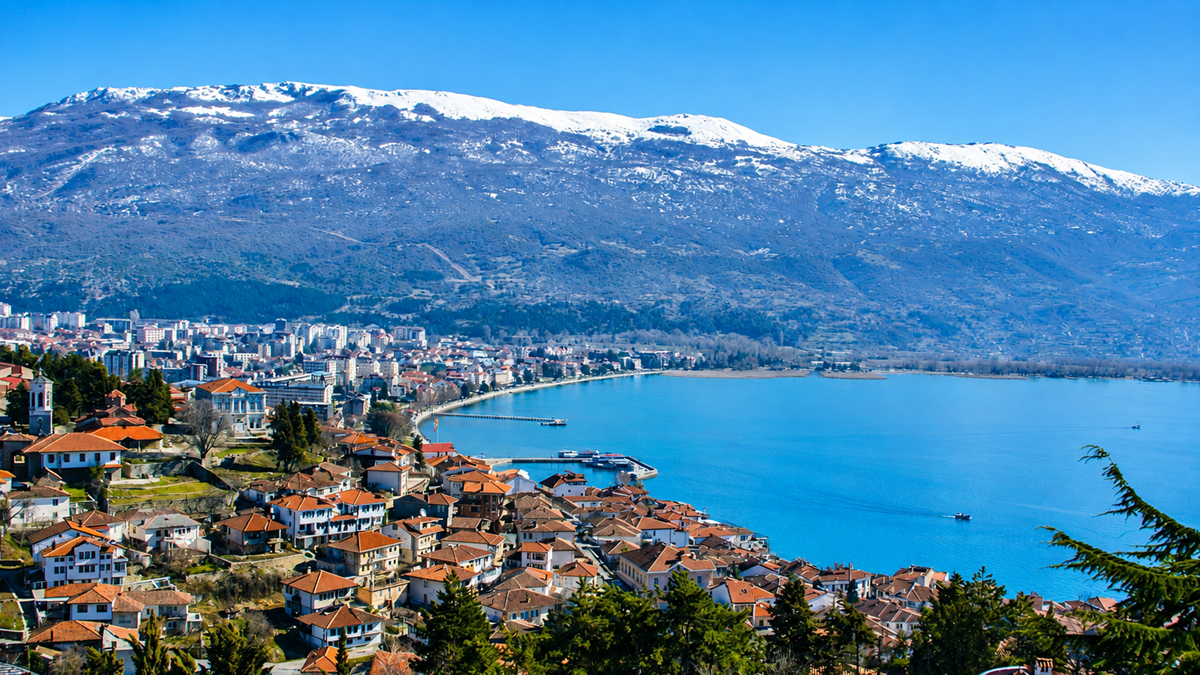
Lake Ohrid makes a strong case for North Macedonia almost by itself. The old town climbs above clear water, medieval churches appear along the shore, and mountains rise on the opposite side of the lake. It can feel oddly coastal for somewhere with no coastline at all.
Sign up for our newsletter
9. Uzbekistan
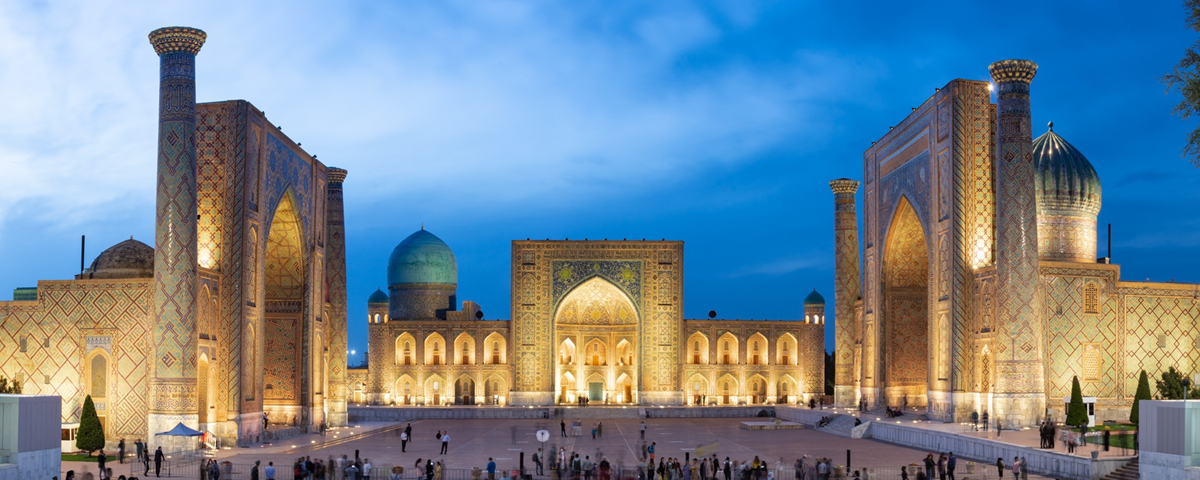
Photos of Samarkand prepare you for blue tiles. They do not quite prepare you for the scale of the buildings or how much decoration is packed into them. Bukhara and Khiva bring a different atmosphere, with old lanes, courtyards, mosques, minarets, and former trading spaces that make the Silk Road history easier to picture. Uzbekistan has become more visible in travel circles, but it can still feel strangely absent from mainstream vacation planning.
10. Rwanda
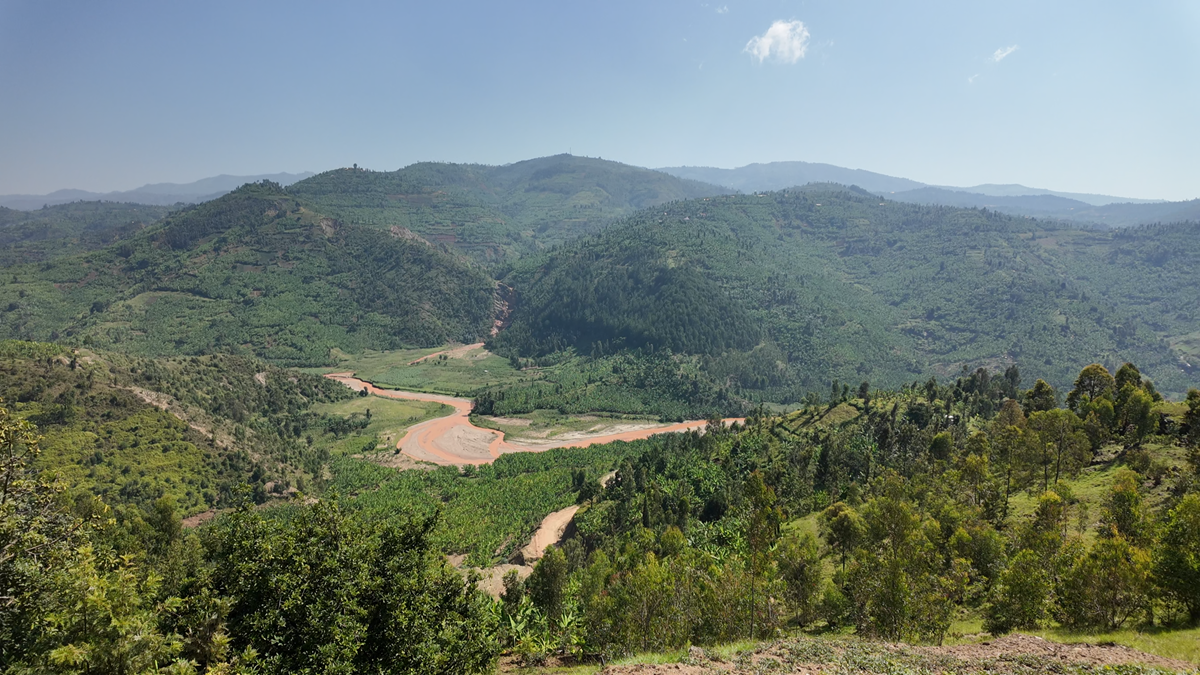
Mountain gorillas are what put Rwanda on many travelers’ radar, though treating the country as a one-experience destination misses quite a bit. Kigali spreads across green hills, tea plantations cover parts of the countryside, and lakes and forests break up the landscape outside the capital. Nyungwe National Park in the southwest protects a large area of montane rainforest and gives visitors a very different experience from the better-known gorilla trekking farther north.
11. Mongolia
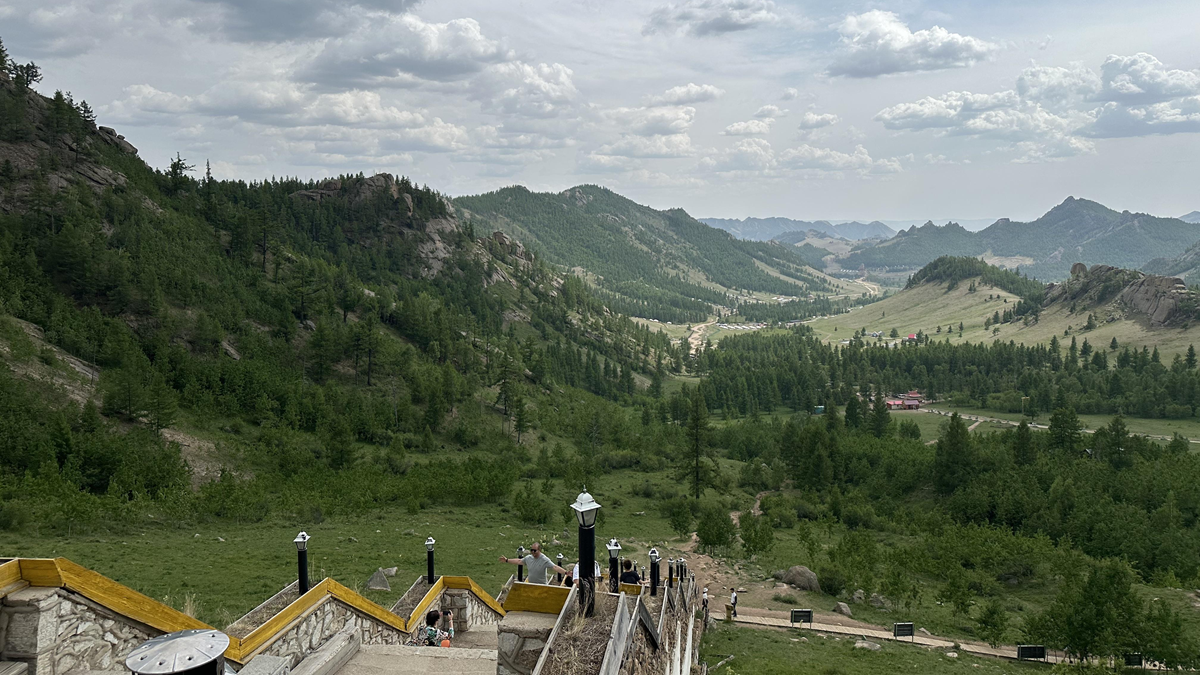
Mongolia makes more sense if you stop thinking in terms of attractions. Outside Ulaanbaatar, enormous areas are made up of grassland, desert, mountains, livestock, and very little else. Distances are long, and the infrastructure can be basic, but that is closely tied to what makes a trip there unusual. In some areas, simply seeing another vehicle can feel noteworthy.
12. Oman
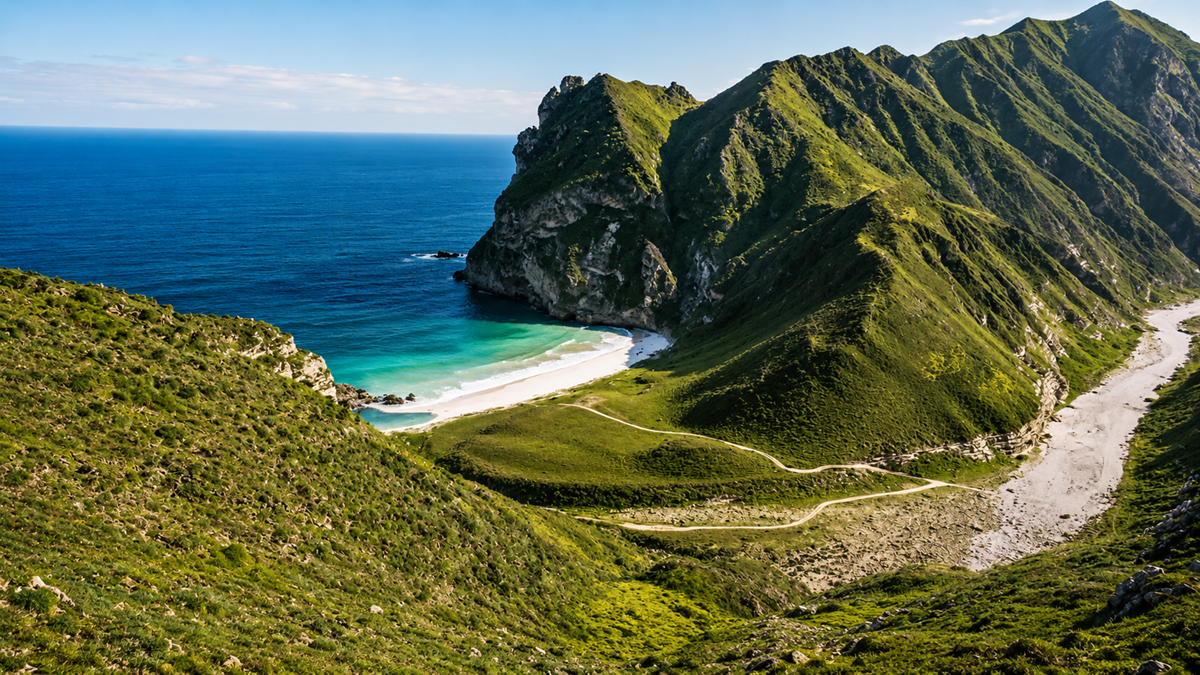
Anyone expecting Oman to look like a continuous stretch of futuristic Gulf development may be surprised fairly quickly. Muscat is orderly and modern, but beyond it are wadis, mountains, desert roads, forts, fishing towns, date plantations, and a long coastline. In the south, sites connected to the old frankincense trade add another layer. Road trips are especially rewarding here because the scenery can shift dramatically over a relatively short distance.
13. Suriname
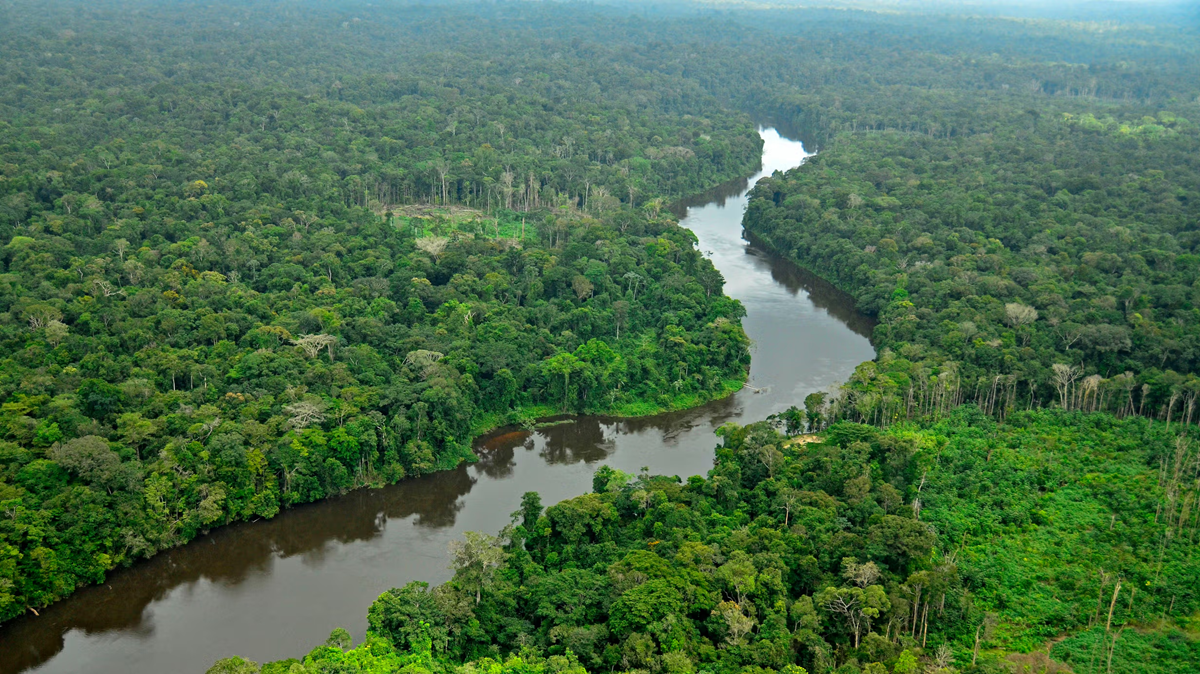
Suriname is one of those countries that can be hard to place culturally until you visit. Paramaribo combines Dutch colonial buildings with Caribbean, South Asian, Javanese, Indigenous, and other influences, creating a mix that does not feel quite like anywhere else nearby. Much of the interior is rainforest, which means the capital and the country beyond it can feel almost like separate trips.
14. Paraguay
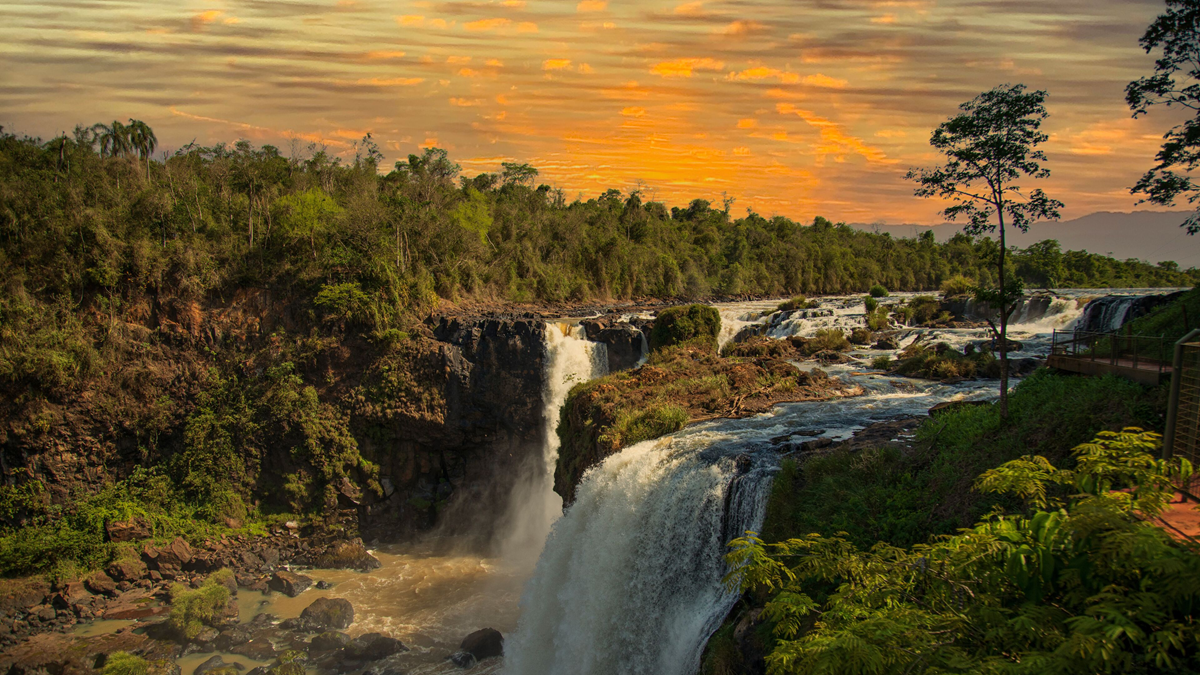
Paraguay gets skipped constantly by travelers moving between Argentina, Brazil, and Bolivia. Those who stop tend to find a place that feels less shaped by international tourism. Asunción has old mansions, markets, heat, traffic, and an appealing roughness around the edges, while the south holds Jesuit mission sites and quieter rural areas. Guaraní is still widely spoken alongside Spanish, something that becomes noticeable almost immediately.
15. Timor-Leste
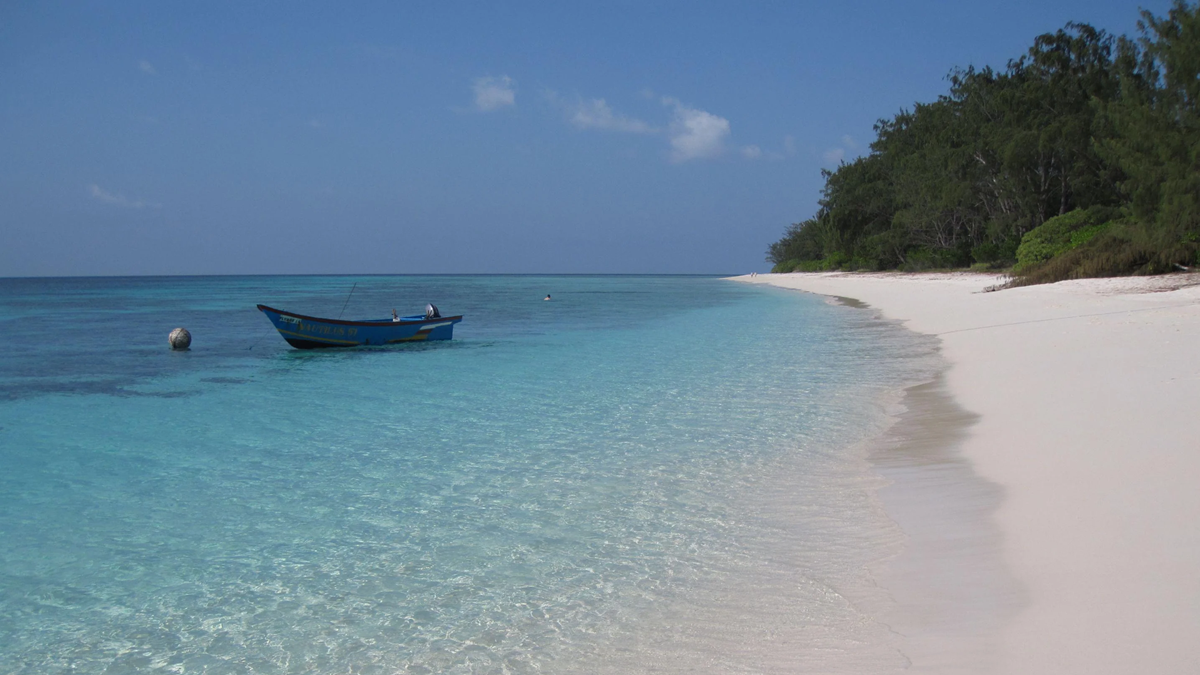
Timor-Leste sits near some of Southeast Asia’s busiest tourism routes without really belonging to any of them. Around Dili, mountains drop steeply toward blue water, and farther along the coast the roads pass villages, reefs, beaches, and stretches with very little visitor infrastructure. Travel can require more patience than in nearby Indonesia or Thailand. That lack of polish is also part of what makes the country feel different.
In the mood for more?
Check out 15 Places Around the World That Look Photoshopped, But Aren’t, or take a look at 15 Travel Destinations That Used to Be Completely Off-Limits to Tourists. If you want to see more travel destinations, you can check out 15 Hotels Built in Places That Seem Almost Impossible.