A century ago, visiting some of the world’s most remarkable places meant spending weeks at sea, crossing difficult mountain terrain, or joining an expedition with no guarantee of an easy return. Many of these destinations were familiar to local communities but remained extremely difficult for outsiders to reach. The arrival of commercial flights, new roads, and organized tourism gradually changed that. Places once associated with explorers and adventurous travelers now appear in vacation brochures, travel documentaries, and countless holiday photographs.
1. Easter Island, Chile
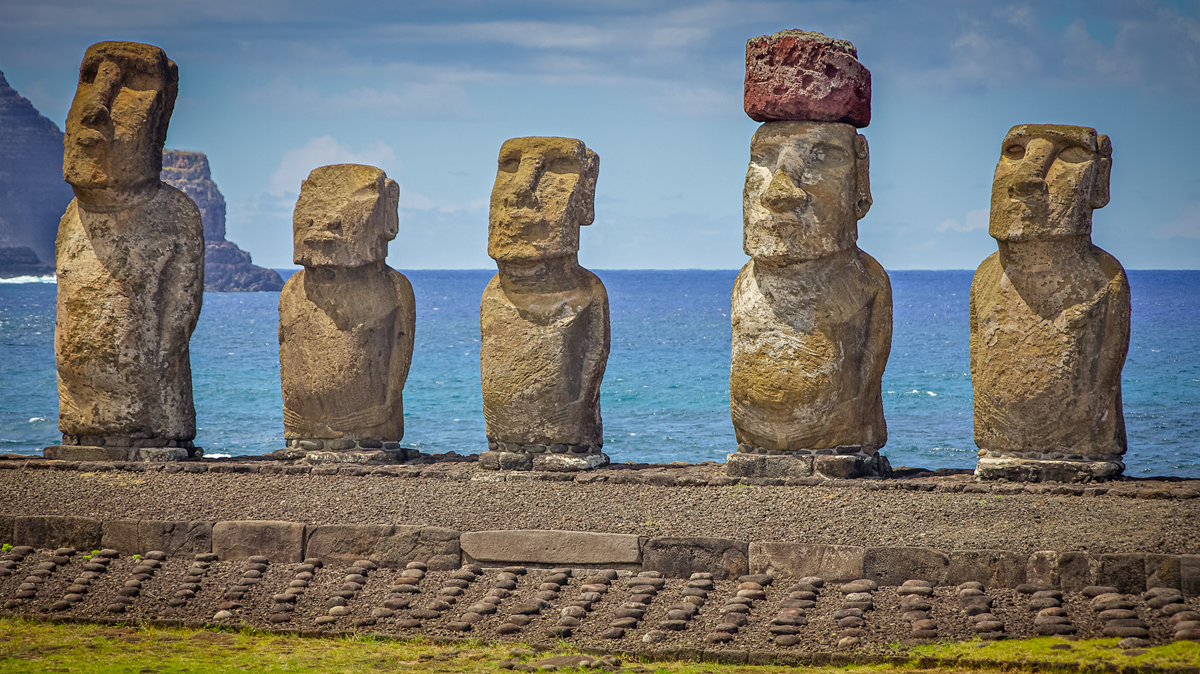
For much of the early 20th century, reaching Easter Island, also known as Rapa Nui, required a long ocean voyage across one of the most isolated stretches of the Pacific. Its enormous moai statues were already internationally famous, but relatively few outsiders had the opportunity to see them. Commercial air service began in 1967, making the island considerably more accessible. Visitors can now fly from mainland Chile to explore its archaeological sites, volcanic landscapes, and Polynesian heritage. Despite those connections, Rapa Nui remains one of the most geographically isolated inhabited islands on Earth.
2. Machu Picchu, Peru
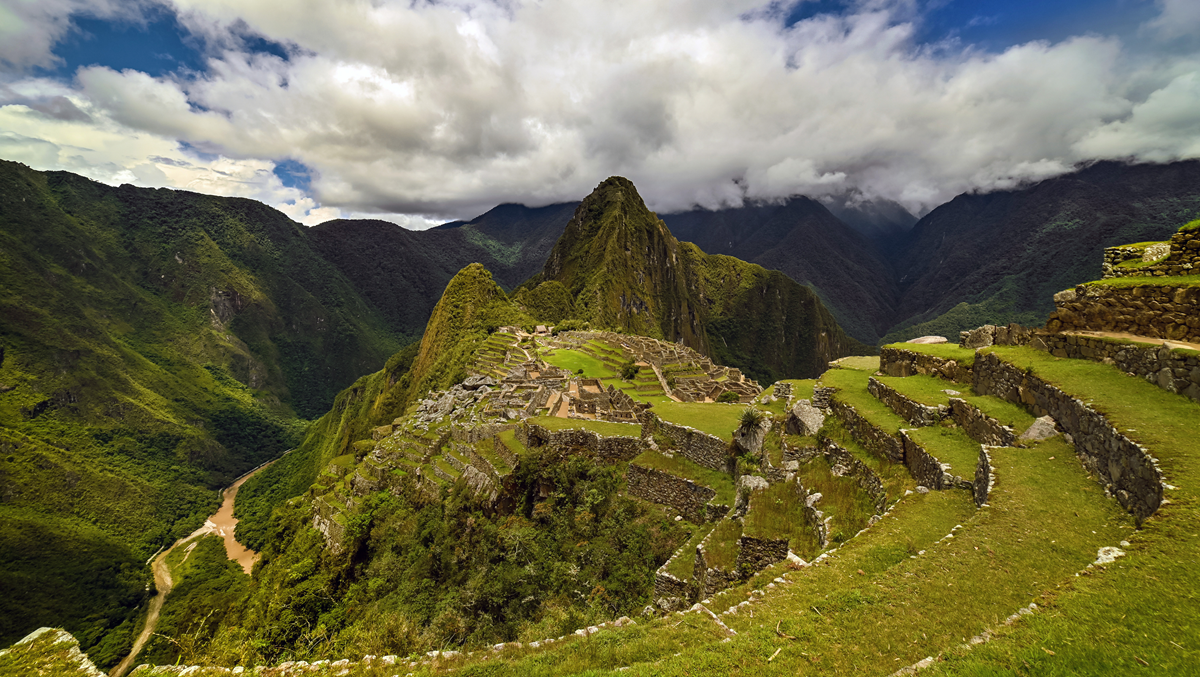
When American explorer Hiram Bingham brought international attention to Machu Picchu in 1911, reaching the Inca site involved an arduous journey through the Andes. Local residents already knew about the ruins, but the surrounding mountains made access difficult. The railway reached the area around modern Aguas Calientes in 1928, gradually helping transform the region into a tourist destination. Today, visitors arrive by train or hiking trails before exploring one of South America’s most recognizable archaeological sites.
3. The Galápagos Islands, Ecuador
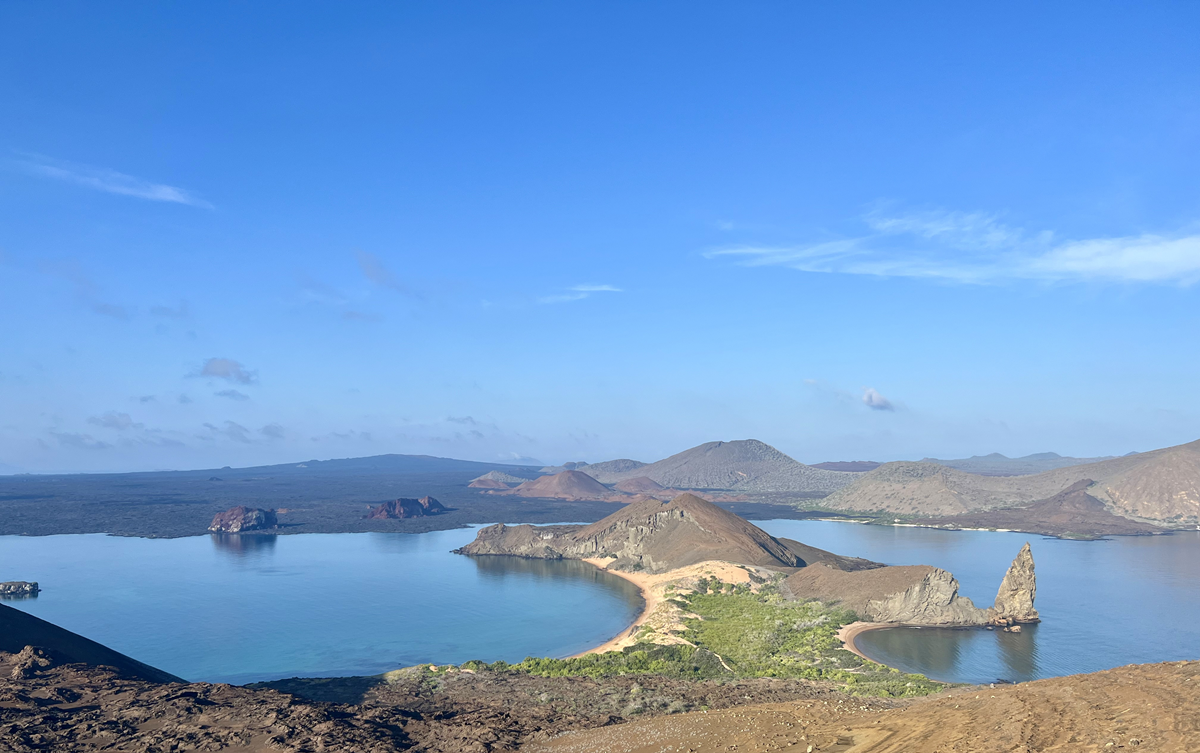
Charles Darwin visited the Galápagos in 1835, but the islands remained a difficult destination for ordinary travelers well into the 20th century. Organized tourism began developing in the late 1960s, with early visitors exploring the archipelago aboard small expedition vessels. Regular air connections and a growing tourism industry eventually brought more international visitors. Giant tortoises, marine iguanas, and blue-footed boobies now attract travelers from around the world, although strict conservation rules continue to shape visits.
4. Bhutan
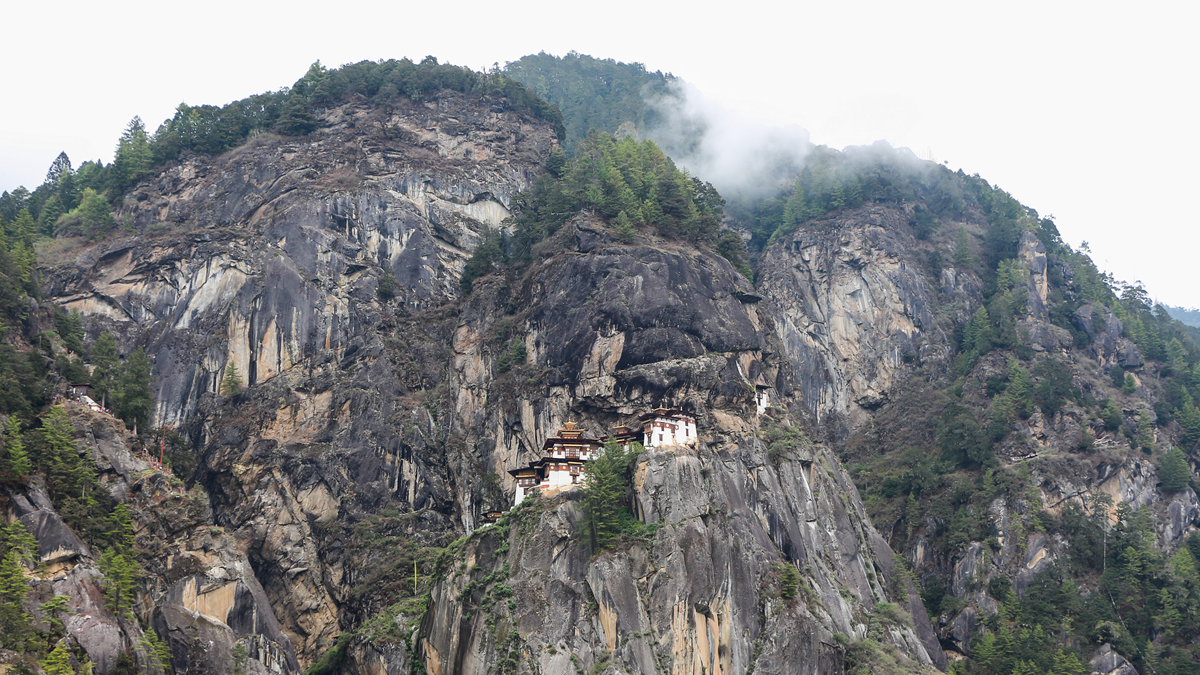
Surrounded by the eastern Himalayas, Bhutan spent much of the 20th century largely outside the international tourism industry. Foreign visitors began arriving through an official tourism program in 1974, when the kingdom cautiously opened its doors. Travelers can now explore mountain monasteries, traditional fortresses, and valleys surrounded by extraordinary Himalayan scenery. The cliffside Tiger’s Nest monastery has become a particularly recognizable attraction, although reaching it still requires a substantial uphill walk.
5. Antarctica
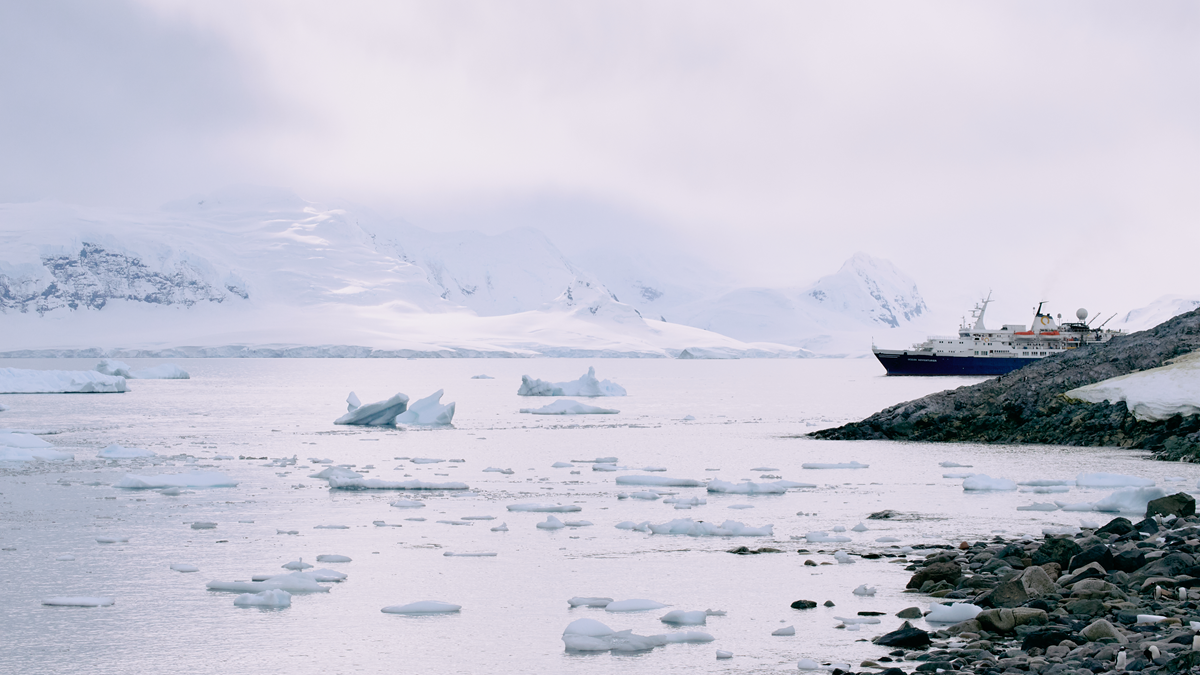
A vacation to Antarctica would have sounded like an extraordinary proposition in the 1920s, when polar journeys were still closely associated with scientific expeditions and dangerous exploration. Tourist voyages began in the late 1950s, including pioneering trips organized from Argentina and Chile. Specialized expedition cruises eventually created an established tourism industry around the Antarctic Peninsula. Travelers now depart from ports such as Ushuaia to see penguins, enormous icebergs, and frozen coastlines. The journey remains expensive and weather-dependent, but it no longer requires joining a scientific expedition.
Trending on The Scroller

6. Milford Sound, New Zealand
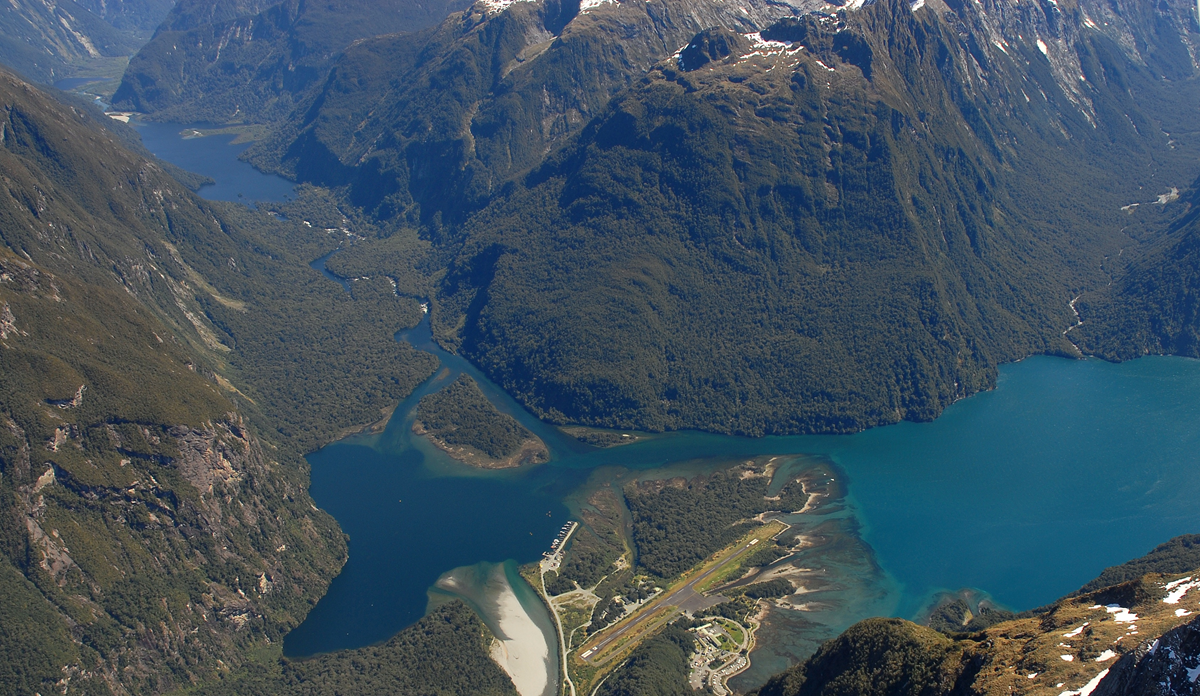
The towering cliffs and waterfalls of Milford Sound have attracted visitors for generations, but getting there was once a serious undertaking. Before road access existed, travelers generally arrived by boat or on foot, including those following the famous Milford Track. The opening of the road through the Homer Tunnel in 1954 transformed access to this remote corner of Fiordland. Visitors now arrive by car, bus, or sightseeing aircraft, with cruises offering close views of waterfalls cascading down the surrounding mountains.
7. Svalbard, Norway
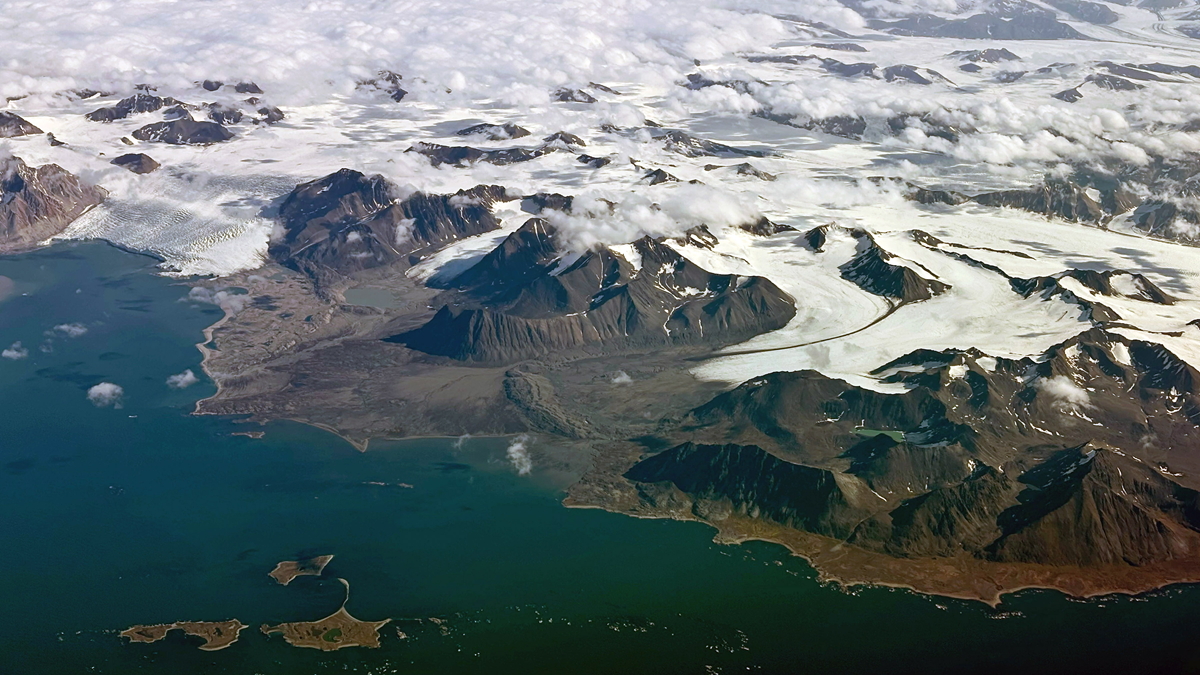
Far north of mainland Norway, Svalbard was once better known for Arctic expeditions, hunting, and coal mining than conventional vacations. Reaching the archipelago depended heavily on ships and seasonal conditions. The opening of Longyearbyen’s airport in 1975 made air travel much more practical, while organized tourism expanded during the following decades. Visitors now come for glaciers, northern lights, dog sledding, and Arctic wildlife. Polar bears still inhabit the surrounding wilderness, making guided excursions and safety precautions an important part of traveling beyond settlements.
8. The Maldives
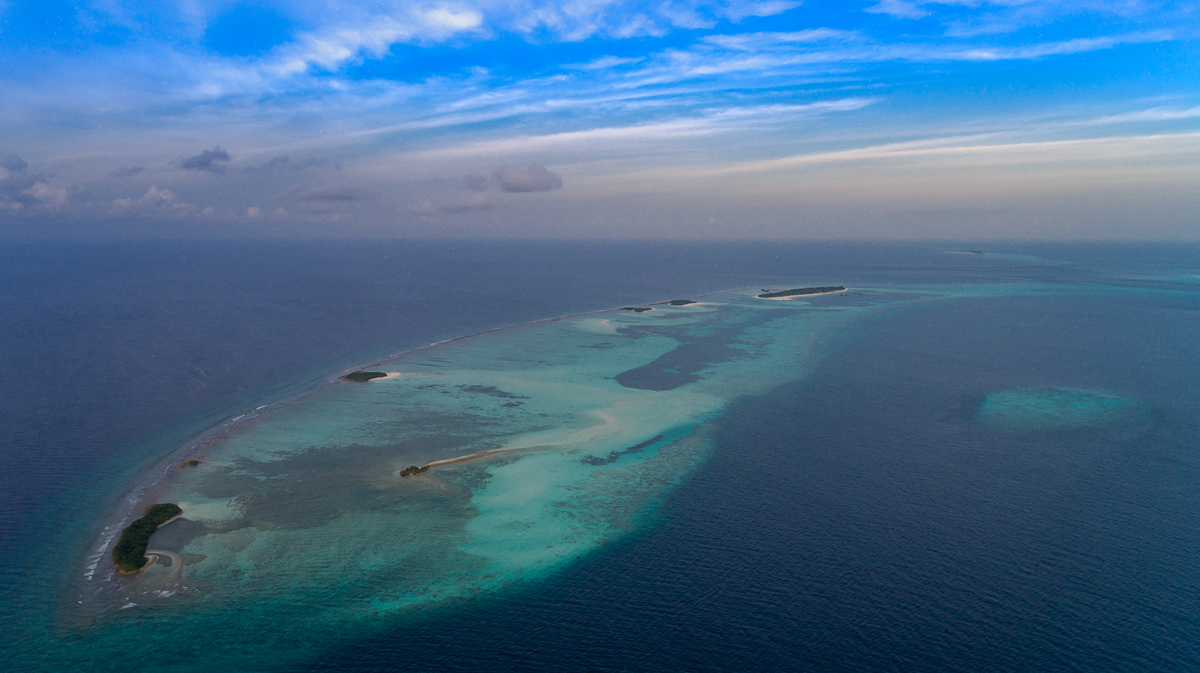
The Maldives now seems inseparable from luxurious overwater villas, but the country’s modern tourism industry did not begin until 1972. Its first resort, Kurumba, opened that year with modest facilities on an island near Malé. Transportation was limited, and international visitors were still something of a novelty. What followed was a remarkable transformation, with resorts developing across numerous islands. Travelers now arrive through international airports and continue by speedboat or seaplane to vacation properties scattered across the Indian Ocean.
Sign up for our newsletter
9. The Faroe Islands, Denmark
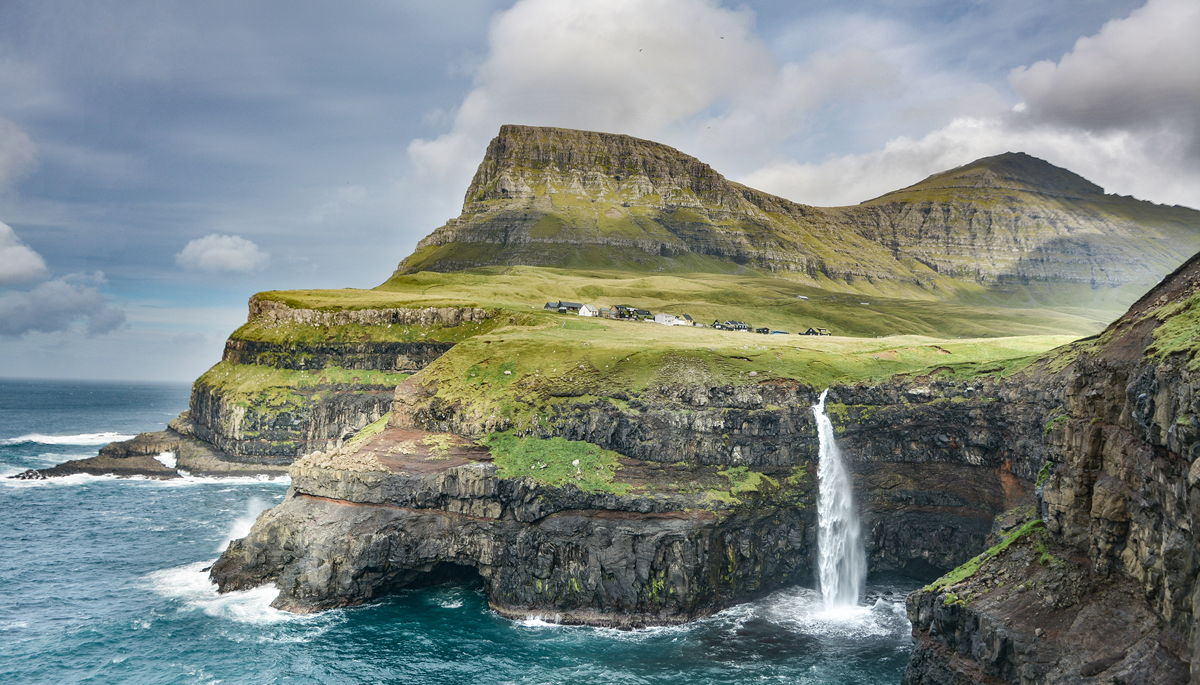
Rough seas, unpredictable weather, and towering coastal cliffs once made traveling to the Faroe Islands a considerable undertaking. The archipelago depended heavily on maritime connections before commercial aviation became available. Vágar Airport, originally built during World War II, opened for civilian air travel in 1963. Today, visitors explore villages with grass-covered roofs, dramatic waterfalls, and narrow roads winding between mountains. The scenery remains wild, but reaching it no longer requires a lengthy North Atlantic voyage.
10. Ilulissat, Greenland
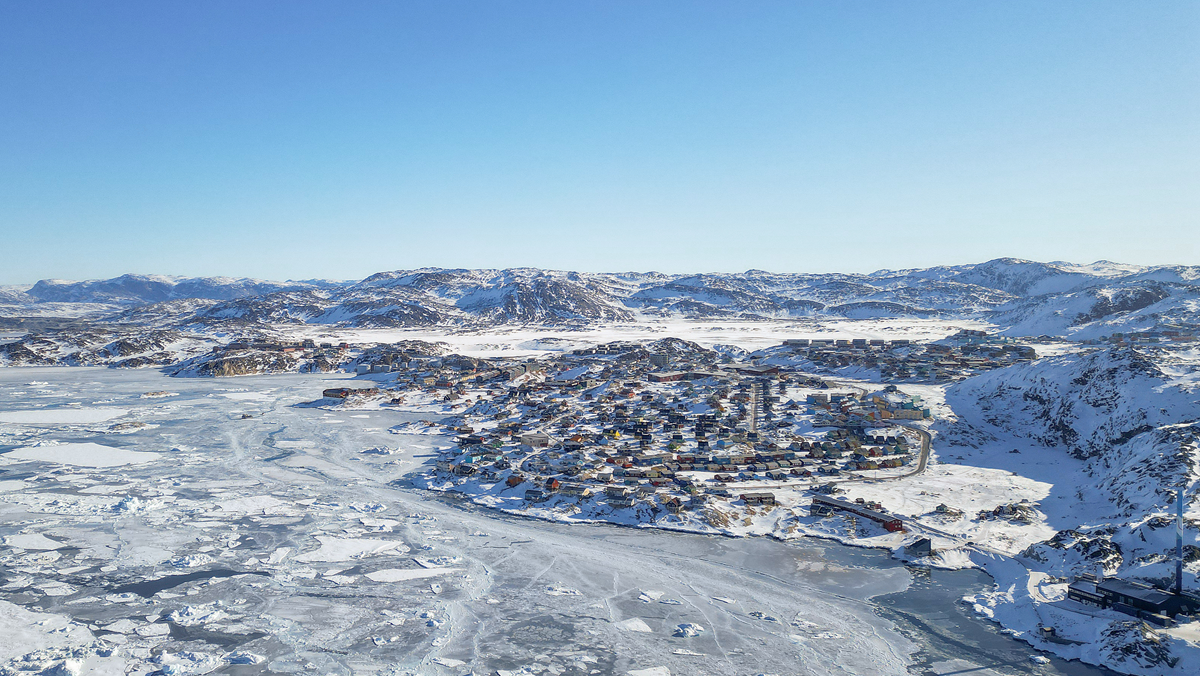
For much of the 20th century, visiting Ilulissat involved complicated travel arrangements through Greenland’s limited transportation network. The town’s domestic airport opened in 1984, helping turn the spectacular Ilulissat Icefjord into a major attraction. In October 2026, a new international airport opened, allowing larger aircraft and creating new possibilities for direct international connections. Visitors come to see enormous icebergs drifting through the surrounding waters, explore coastal trails, and experience Arctic landscapes that change dramatically with the seasons.
11. Torres del Paine, Chile
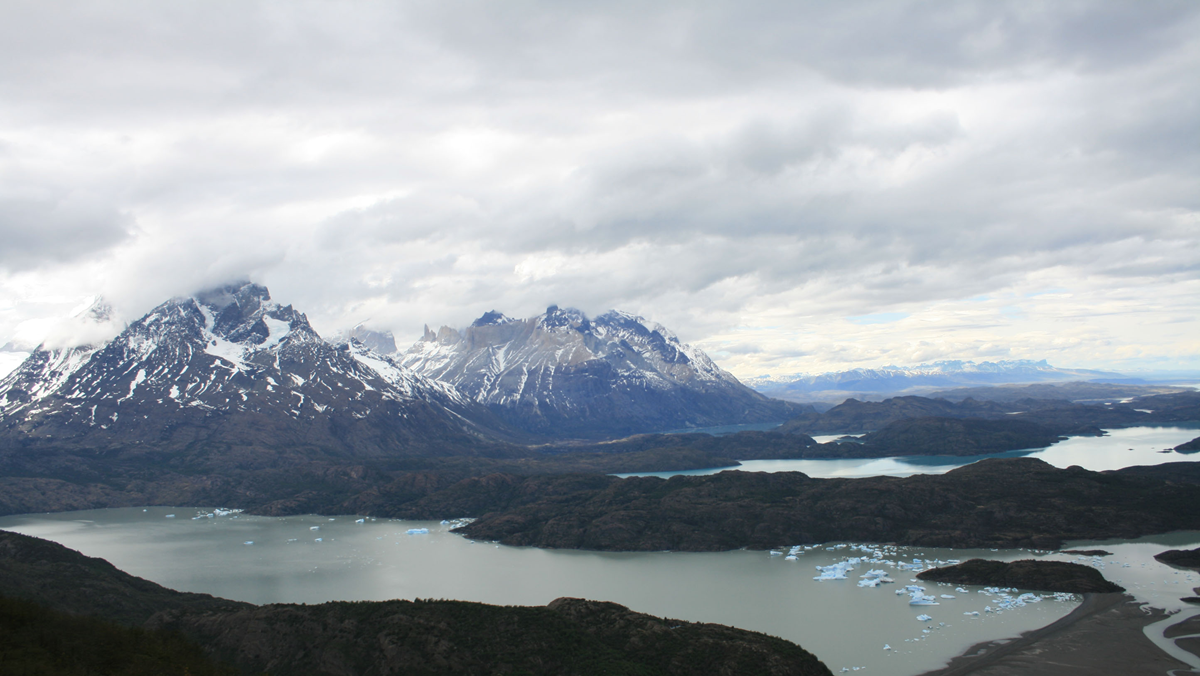
Southern Patagonia was once a destination primarily associated with ranchers, explorers, and the occasional adventurous traveler. Its remote mountains and harsh weather made reaching the region challenging, particularly for international visitors. Chile established the protected area that became Torres del Paine National Park in 1959, and improved roads and visitor facilities gradually opened the landscape to tourism. Today, hikers from around the world arrive to explore its granite towers, glaciers, and turquoise lakes, especially along the famous W and O trekking circuits.
12. Everest Base Camp, Nepal
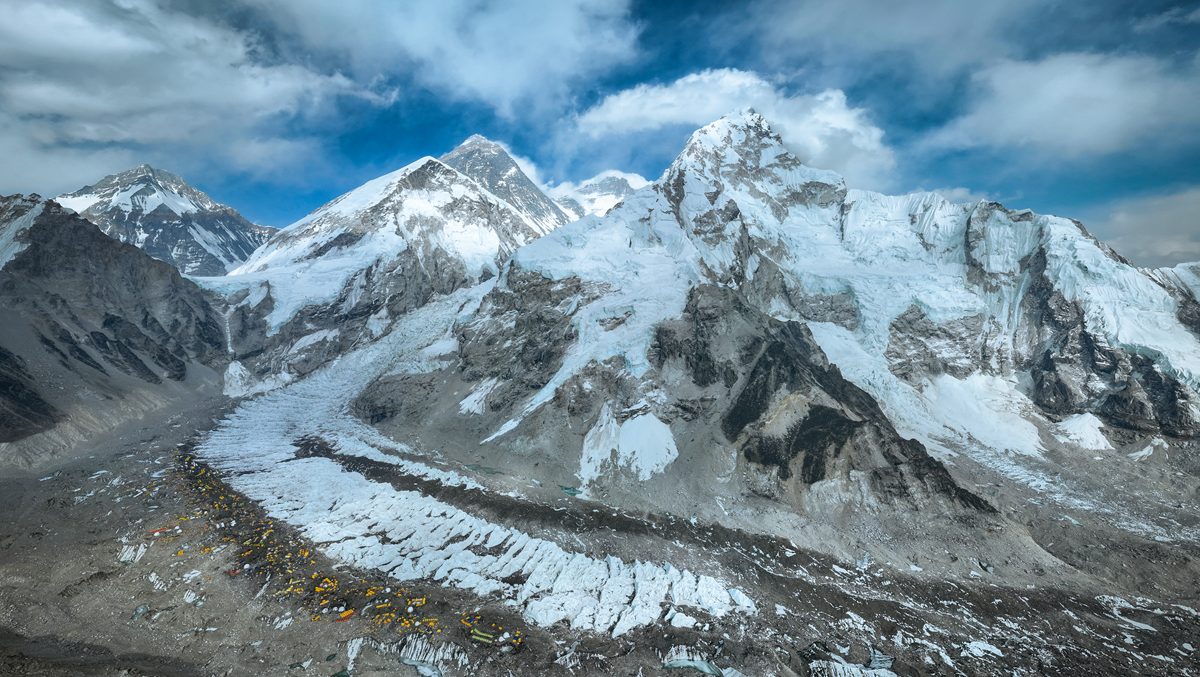
A century ago, reaching the region around Mount Everest was beyond the practical possibilities of most international travelers. Early expeditions required extensive logistical preparation and long journeys through difficult mountain terrain. The expansion of trekking tourism, improved trails, and flights to the Khumbu region eventually changed access dramatically. Everest Base Camp is now an established trekking destination, with mountain teahouses supporting travelers along the route. The journey still demands considerable physical effort and careful acclimatization to the high altitude.
13. Salar de Uyuni, Bolivia
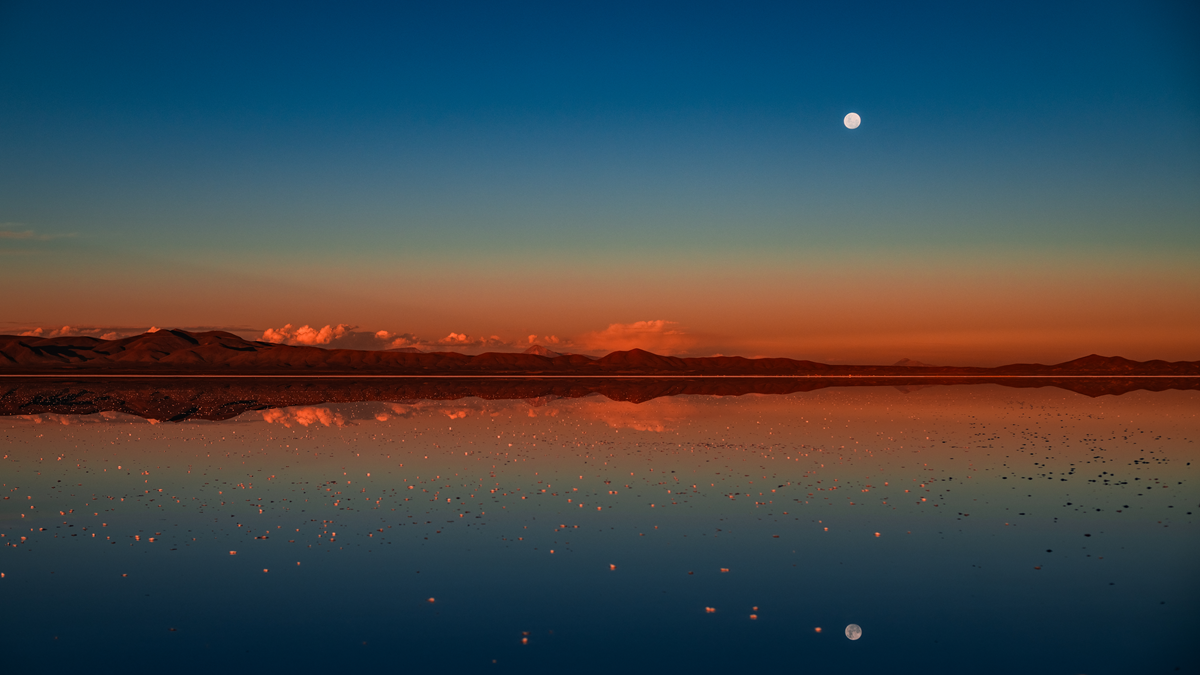
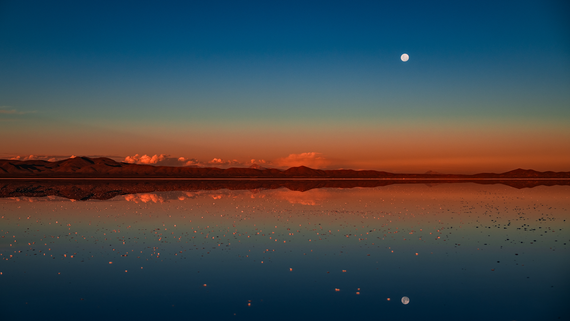
Bolivia’s enormous salt flat was long better known as a remote feature of the Andean highlands than a major international tourist attraction. Tourism expanded toward the end of the 20th century, particularly as organized four-wheel-drive excursions became more common. Today, visitors travel across the vast white landscape, often combining the experience with trips to colorful lagoons and unusual rock formations. During the rainy season, a thin layer of water can transform the salt flat into an enormous natural mirror, creating some of South America’s most unusual photographs.
14. Zhangjiajie, China
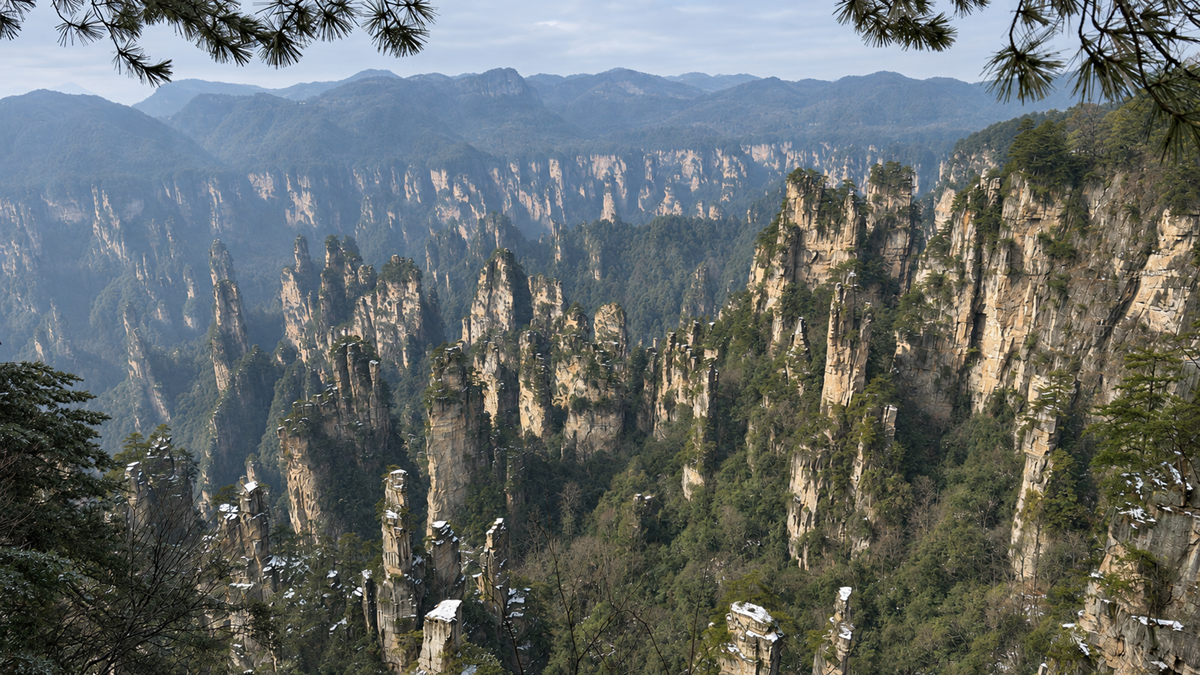
The towering sandstone pillars of Zhangjiajie were familiar to local communities long before the region became internationally famous. Its transformation into a major tourist attraction accelerated in 1982, when China established Zhangjiajie National Forest Park, the country’s first national forest park. Roads, cable cars, and other visitor infrastructure gradually opened the rugged landscape to larger numbers of travelers. Today, tourists can admire thousands of unusual rock formations from elevated viewpoints, glass walkways, and mountain trails.
15. Bora Bora, French Polynesia
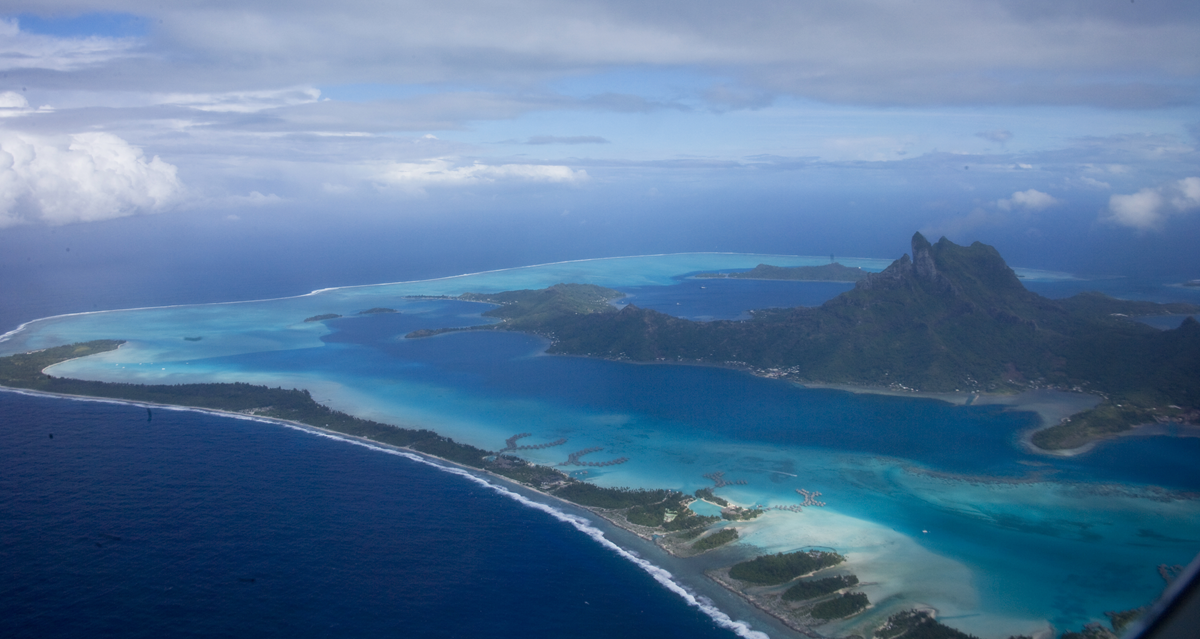
Bora Bora’s turquoise lagoon is now a familiar sight in luxury travel advertisements, but reaching the island once meant a long journey across the Pacific. During World War II, American forces constructed an airfield, roads, and other infrastructure that later helped improve civilian access. Tourism expanded during the following decades, particularly as air connections and resort accommodations developed. The island is now famous for overwater bungalows, snorkeling excursions, and views of Mount Otemanu rising above the lagoon.
In the mood for more?
Check out 15 Beautiful Places in the US and Canada Only Accessible by Boat, or take a look at 15 Places on Earth So Extreme They Look Almost Impossible. If you want to see more extraordinary destinations, you can check out 15 Incredible Places Where Natural Forces Meet and Create Unusual Worlds.