Changes that made travel easier have quietly rescued us from some pretty ridiculous travel headaches. Remember when missing a highway exit meant wrestling with a paper map? Or when a suitcase without wheels was somehow considered perfectly normal? Getting away from it all used to involve a surprising amount of work.
Sure, airports are still chaotic, and flights still get delayed. But between smarter luggage, instant translations, and booking an entire vacation from the couch, modern travelers have inherited some serious upgrades. Here are 15 changes that make the good old days of travel look a little less glamorous.
1. Jet Planes Cut Hours Off Cross-Country Flights
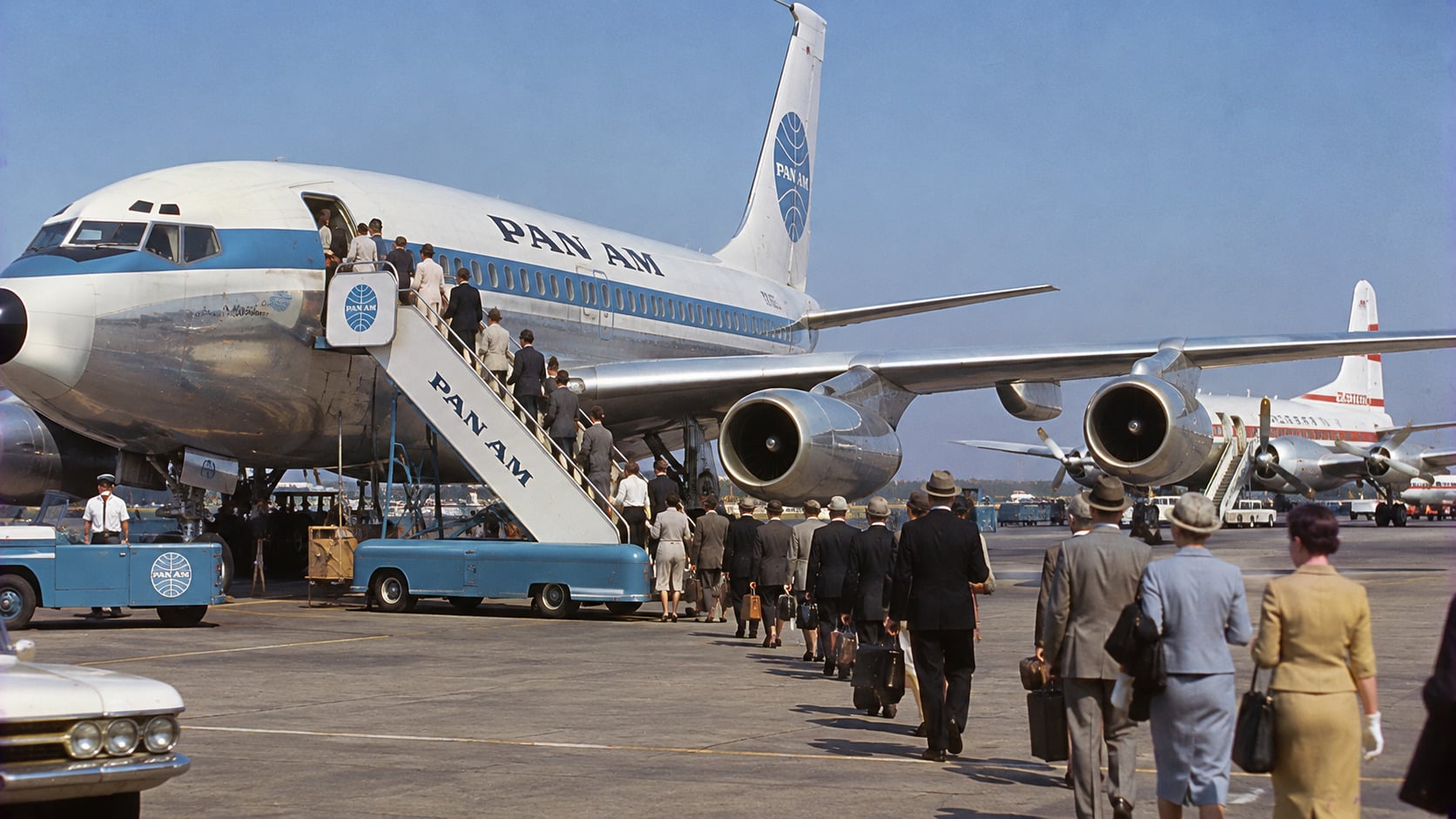
Five hours or eight? That used to be the difference between flying across America on a Boeing 707 and an older DC-7. When jet service expanded in the late 1950s, the trip from New York to San Francisco shrank by roughly three hours. Suddenly, crossing the country didn´t have to eat up nearly an entire day. And those extra hours? Much better spent at the destination.
2. Airport Jet Bridges Eliminated the Walk Across the Tarmac
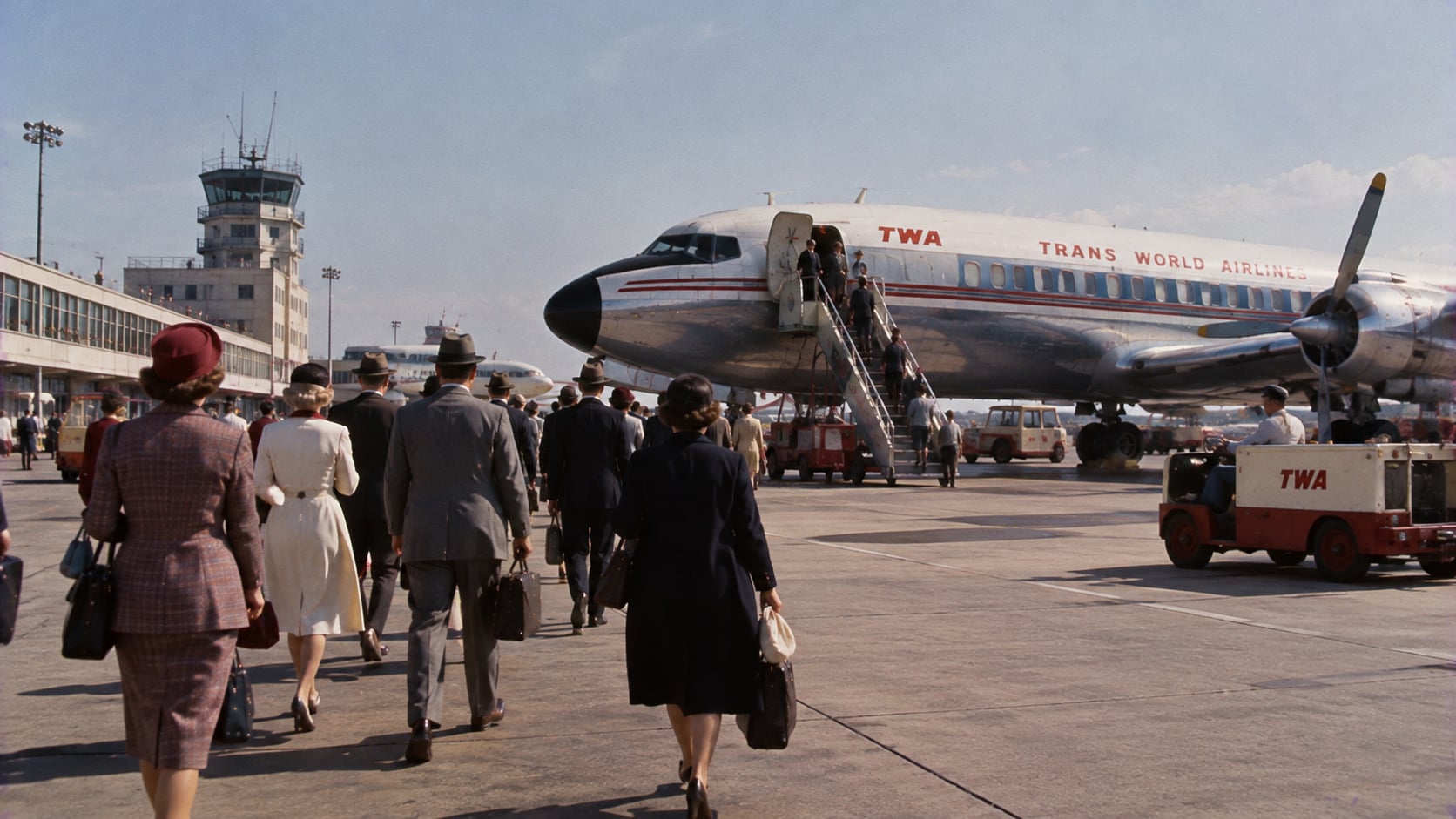
Imagine paying for a plane ticket only to get soaked before even reaching your seat. For years, passengers climbed outdoor stairs in whatever weather happened to be waiting. Then, in 1959, American Airlines introduced fully operational boarding bridges at San Francisco International Airport. Walking straight from the terminal into the plane became possible without an umbrella, winter coat, or unexpected shower.
3. Suitcases Didn’t Get Practical Wheels Until Surprisingly Late
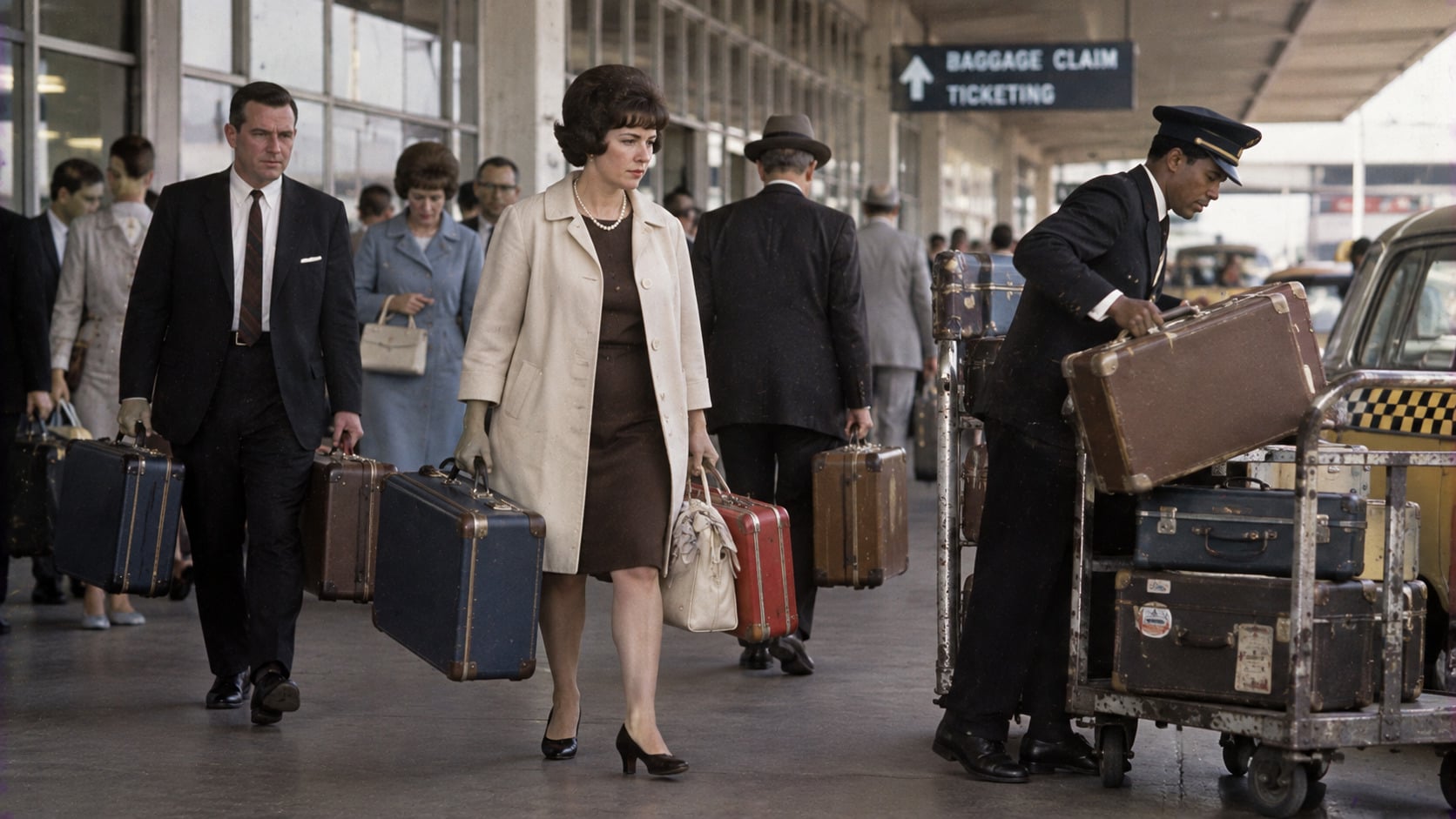
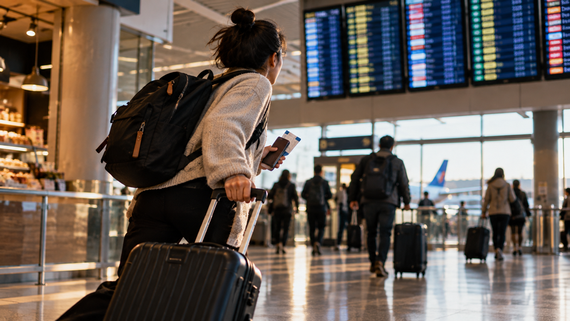
Here´s a question: how did humanity figure out jet engines before making suitcases roll? Bernard Sadow developed a four-wheeled suitcase in 1970, and the upright Rollaboard didn´t arrive until 1987. Before that, travelers carried heavy bags or depended on porters and luggage carts. The next time a suitcase glides effortlessly through an airport, give those little wheels some credit.
4. Airline Reservations Once Involved Giant Wall Charts
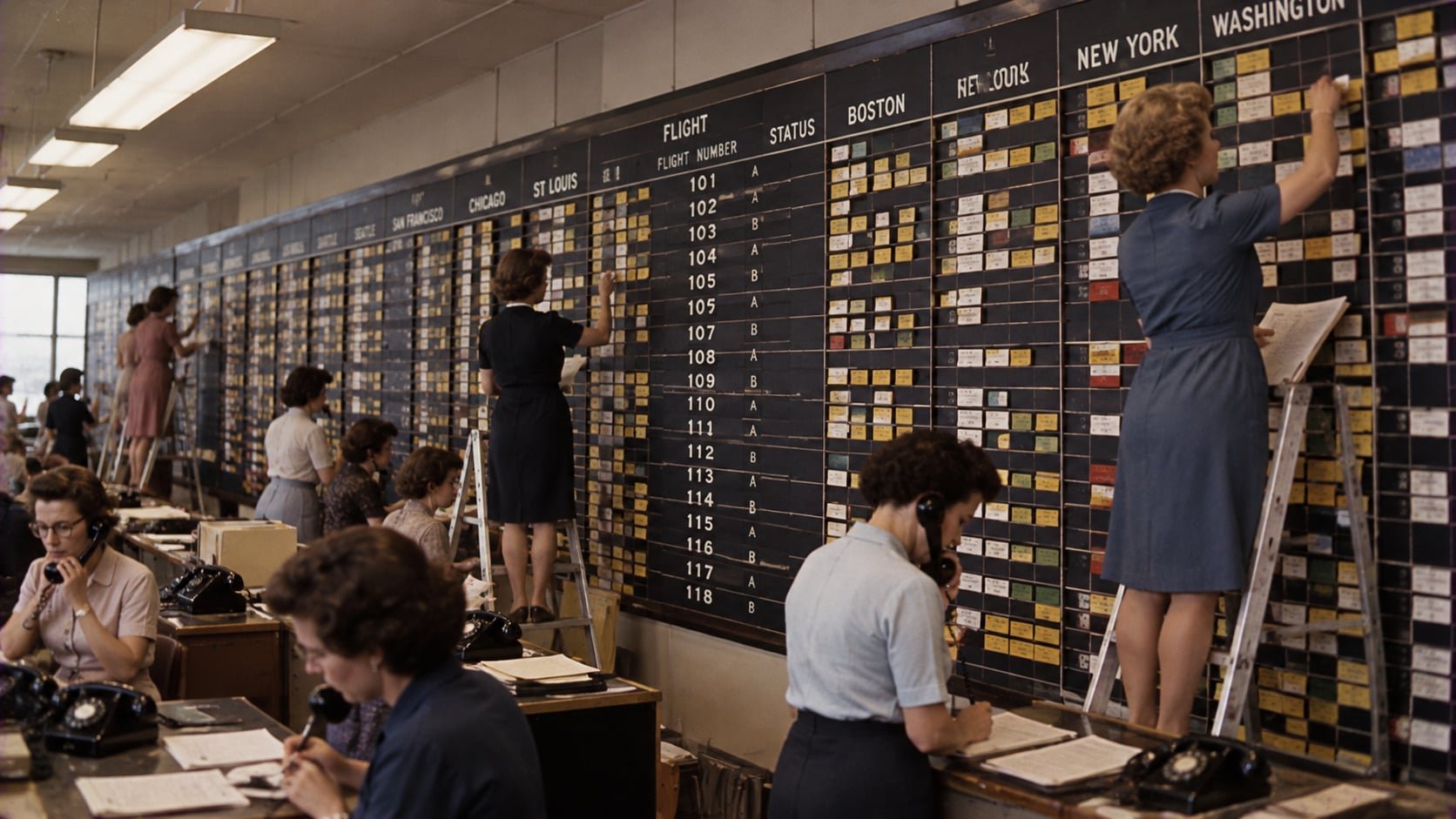
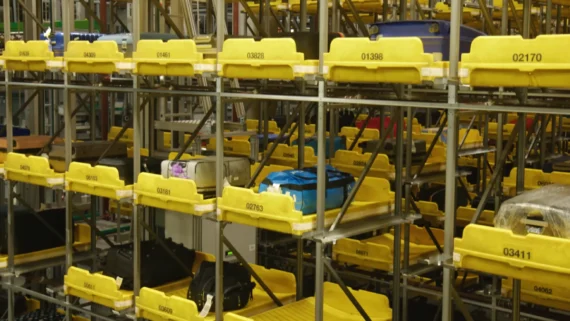
Booking a flight once looked more like solving a giant crossword puzzle. Airline employees used handwritten records, telephone calls, and reservation charts that could measure 20 feet square. Seriously, an entire wall just to keep track of the seats. American Airlines helped change that with its computerized SABRE system in the early 1960s. Suddenly, finding an available flight didn´t require studying something the size of a billboard.
5. Travel Booking Websites Put Travel Agencies on Home Computers
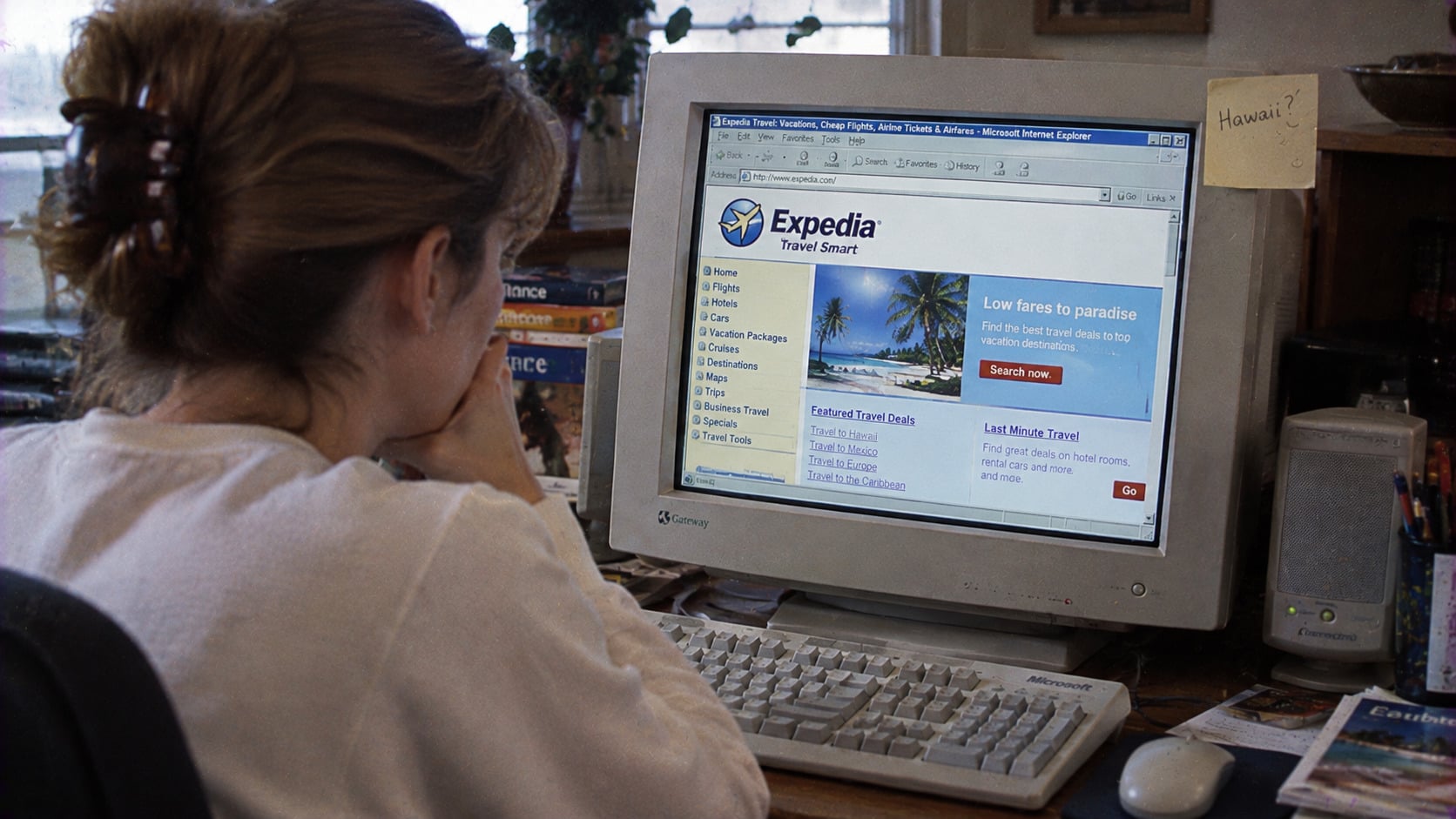
Want to book a vacation at 2 a.m. while wearing pajamas? In 1996, that became a lot more realistic. Microsoft launched Expediaás website, allowing travelers to search and book flights, hotels, and rental cars without visiting a travel agency. The service even offered information on more than 25, 000 hotels. What feels completely ordinary today was a remarkable amount of freedom for someone sitting at a home computer.
Trending on The Scroller


6. Electronic Tickets Eliminated the Fear of Losing a Plane Ticket
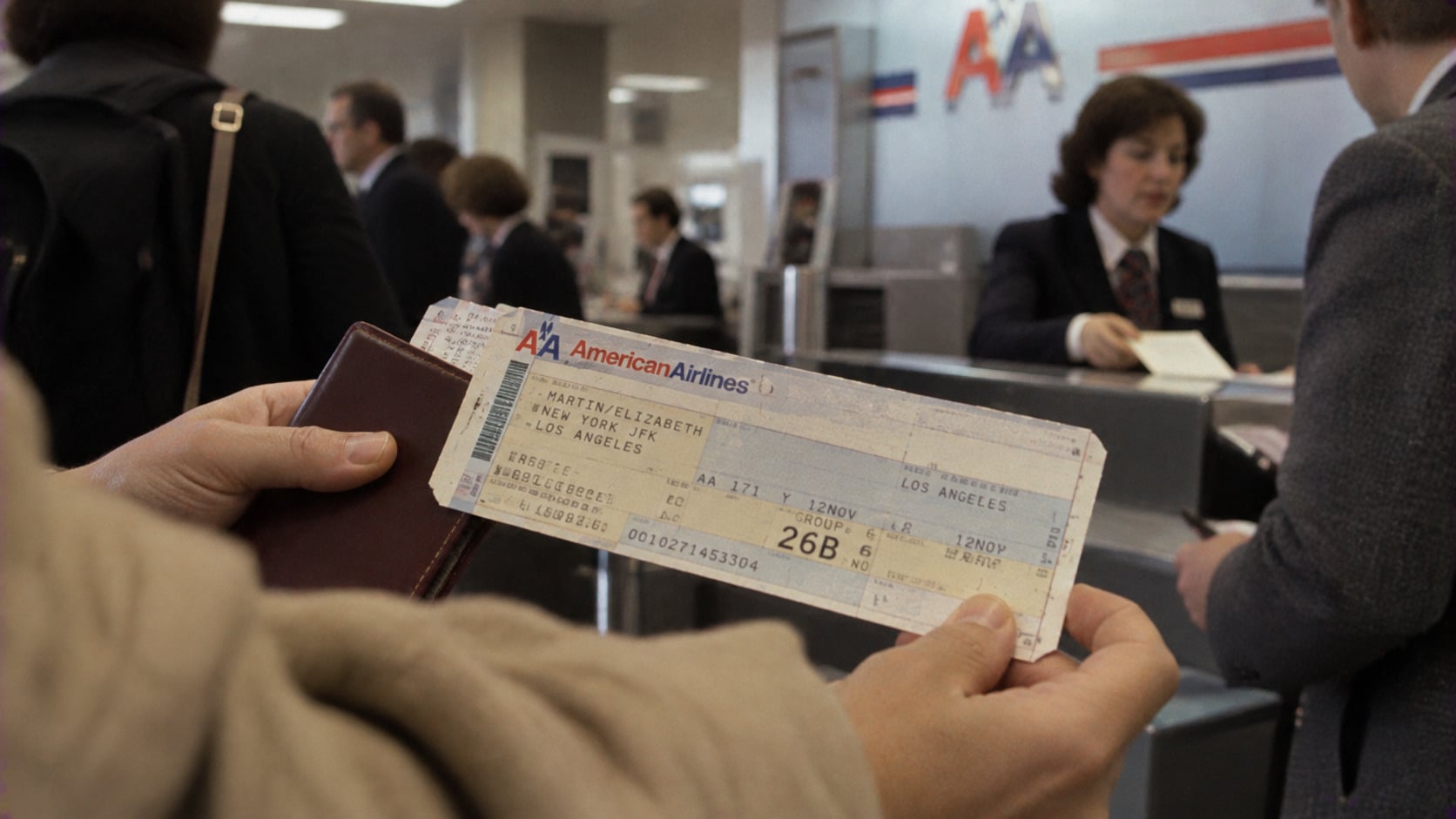
A missing piece of paper could once throw an entire trip into chaos. Airline tickets were physical documents, and losing or damaging one could mean dealing with replacement paperwork. Electronic tickets gradually made that problem disappear, with the international airline ticketing system completing its transition in June 2008. One less thing to remember, one less thing to lose, and one less reason to empty an entire suitcase in a panic.
7. GPS Navigation Made Road Trips Much Harder to Ruin
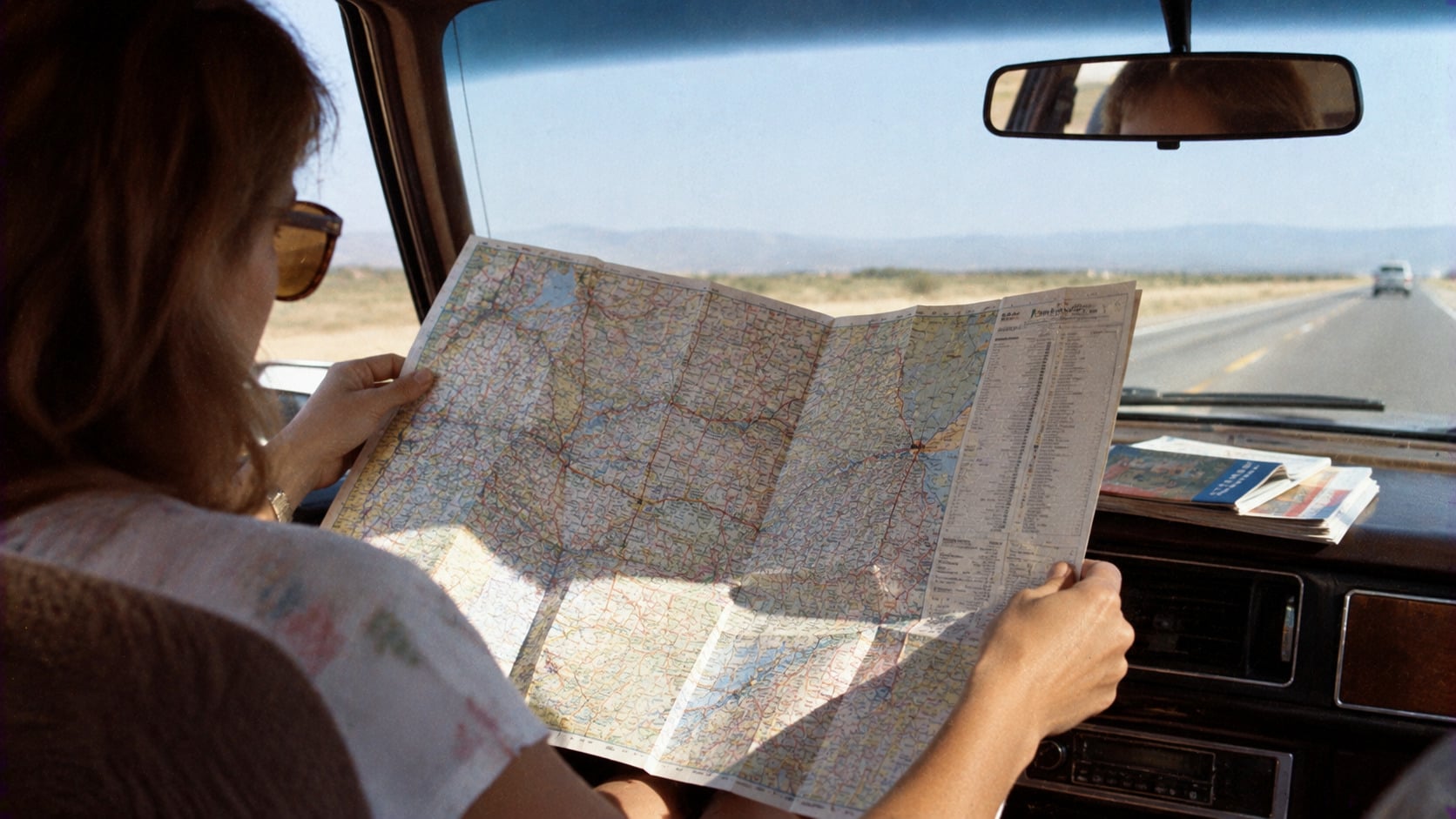
Missed the exit? No problem. Just wait for the phone to figure out a new route. That tiny convenience would have sounded magical to anyone who spent a family road trip arguing over an unfolded highway map. Google Maps launched in 2005, and voice-guided navigation with automatic rerouting arrived on compatible Android phones in 2009. Road trips didn´t become argument-proof, but at least the directions stopped being part of the problem.
8. Credit Cards Reduced the Need to Carry Travelers’ Checks
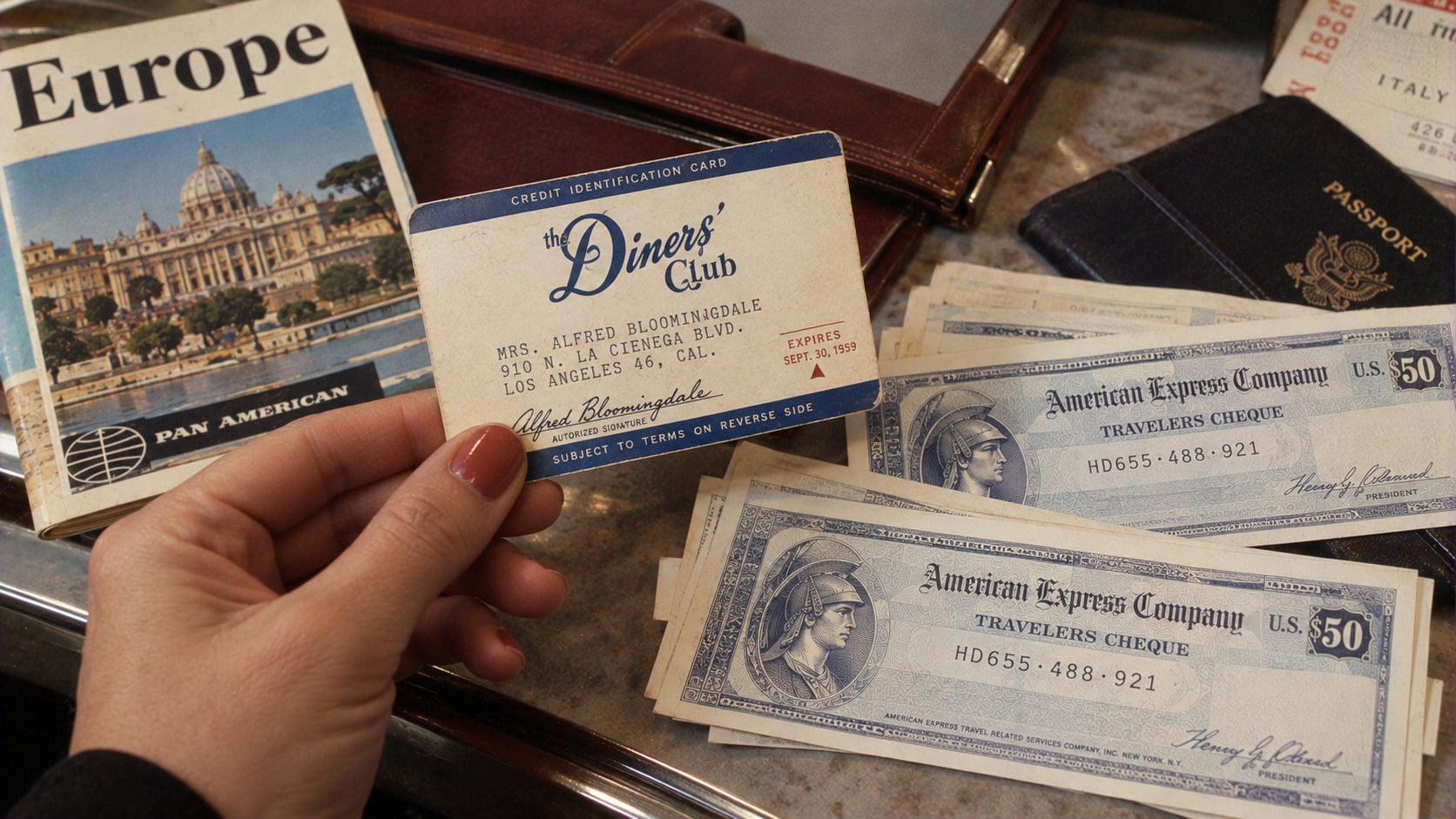
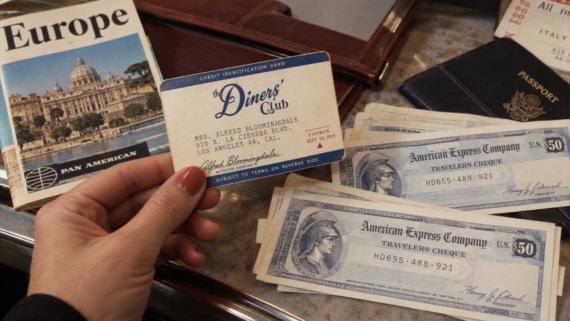
Before payment cards became widely accepted, traveling abroad could involve exchanging cash and keeping track of travelers´ checks. Diner´s Club, established in 1950, helped introduce another option, with cards already appearing in international travel during the decade. Instead of carrying a small fortune in different currencies, travelers could increasingly rely on a card. Of course, remembering where that card went was still their responsibility
Sign up for our newsletter
9. Live Flight Tracking Took the Guesswork Out of Airport Pickups
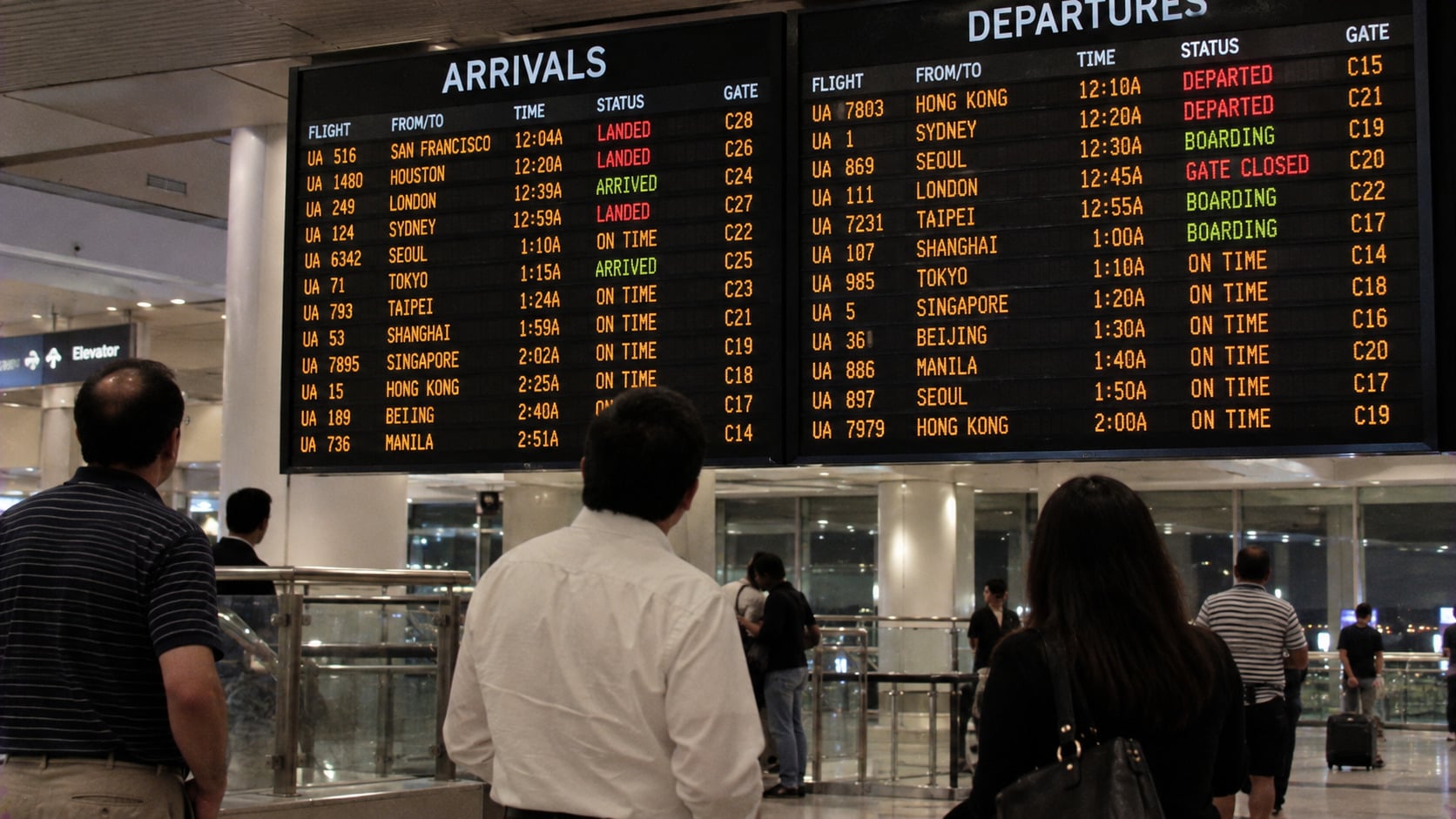
“Has the plane landed yet?” used to be a question nobody could answer easily from the car. FlightAware, founded in 2005, helped change that by making live flight information more accessible. Email and instant-message alerts arrived in 2006, followed by expanded notifications for gate changes and delays by 2011. The result? Less circling the airport, less waiting around, and fewer awkward guesses about when to leave home.
10. Translation Apps Made Foreign Menus Less Intimidating
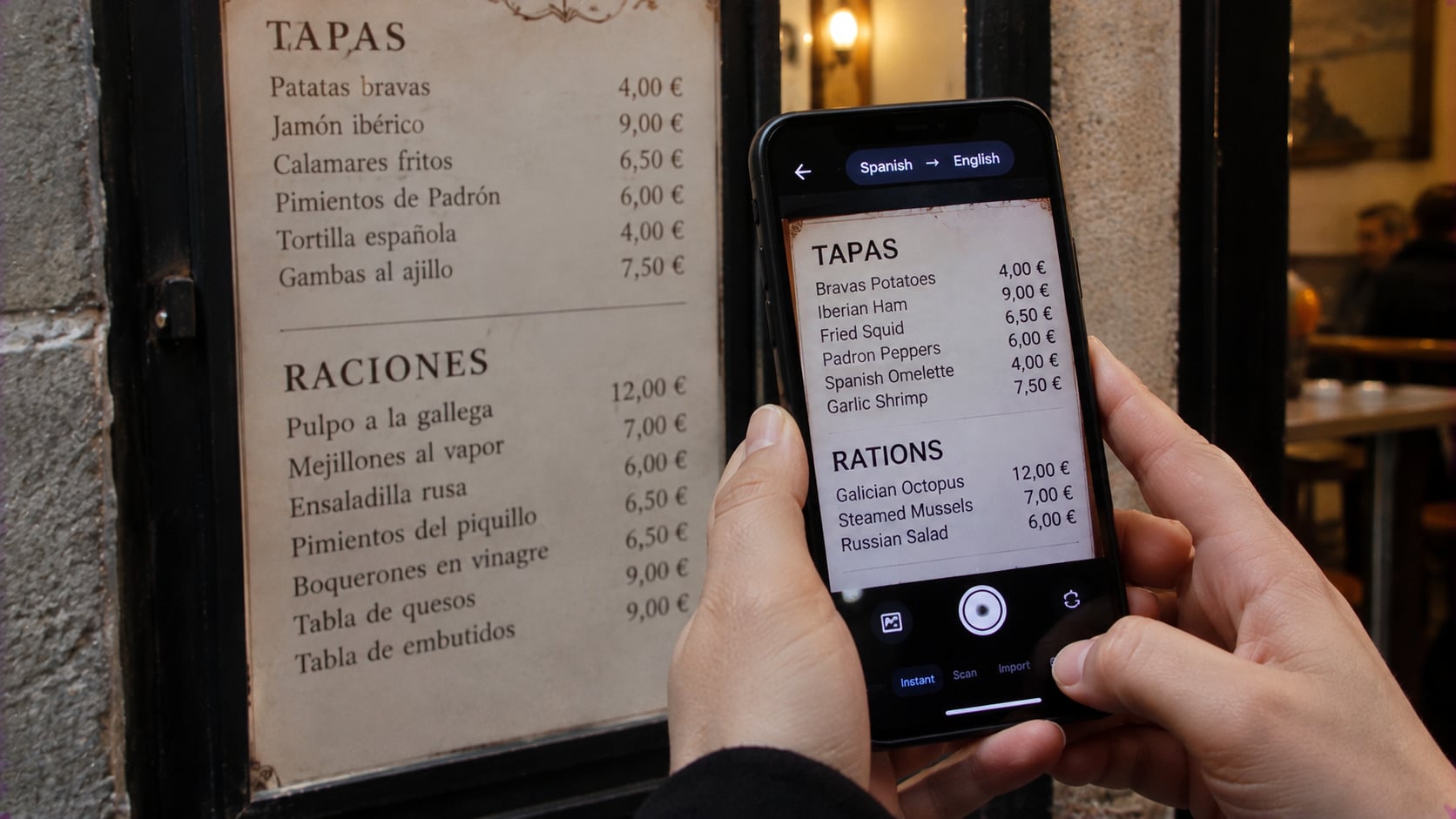
Changes that made travel easier sometimes come down to one very important question: what exactly is on this menu? Before camera translation, travelers relied on phrasebooks, dictionaries, or enthusiastic hand gestures. In 2015, Google Translate introduced instant camera translation that could overlay translated words onto signs and menus. It initially supported seven languages and even worked offline. Ordering dinner in an unfamiliar language suddenly felt a lot less like taking a surprise exam.
11. Europe Eliminated Roaming Charges Across EU Countries

A lovely European vacation could once end with a decidedly unpleasant phone bill. But in June 2017, the European Union eliminated standard mobile roaming surcharges for eligible travelers moving between EU countries, subject to fair-use rules. Checking a map, calling home, or posting vacation photos became much less financially intimidating. Crossing a border no longer had to mean treating every text message like a luxury purchase.
12. Train Passes Went Digital After Decades of Paper Tickets
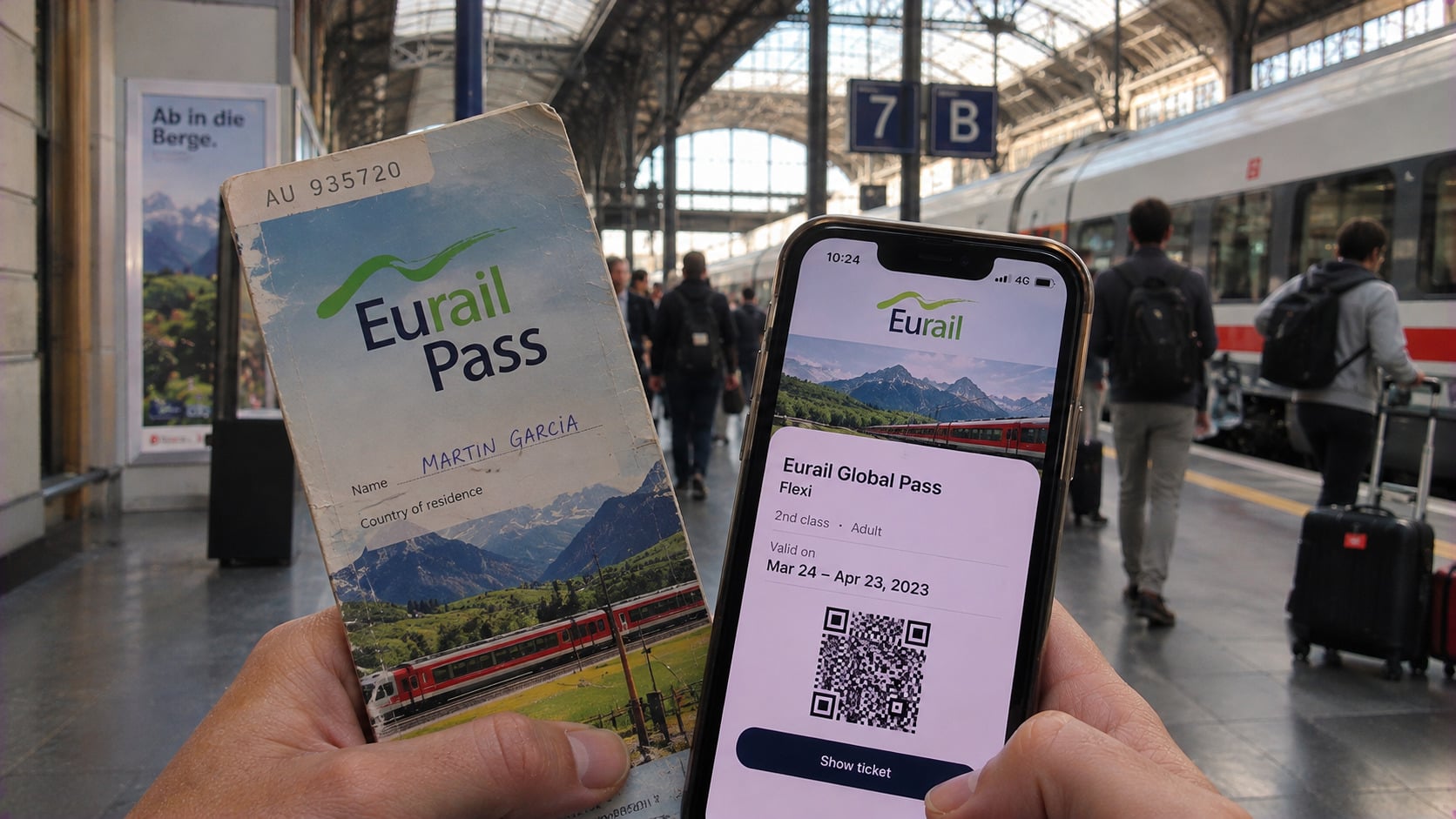
Europe by train sounds romantic. Keeping track of paper passes and travel records? Considerably less so. In 2020, Eurail introduced mobile Eurail and Interrail passes, letting travelers manage journeys and present tickets through an app. No waiting for a pass to arrive in the mail and no frantic search through a backpack when the conductor appears. The scenery stayed the same, but the paperwork got a welcome downgrade.
13. Americans Can Now Renew Passports Without Mailing Paper Forms
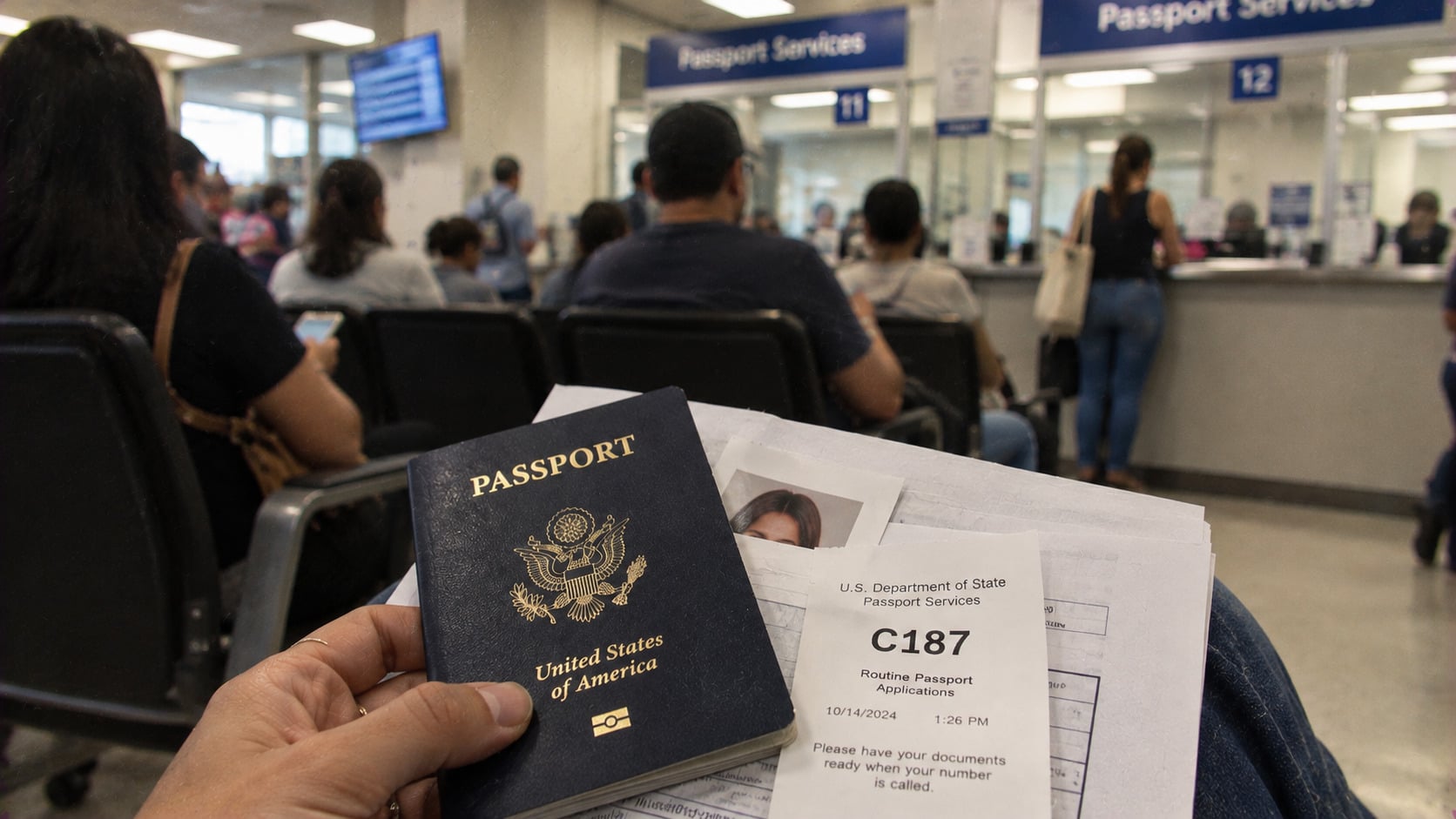
Few things say “vacation excitement” quite like filling out government paperwork. Until recently, renewing a U.S. passport typically meant printed forms, a physical photograph, and a trip to the mailbox. In September 2024, the State Department opened online renewal to eligible adults. Restrictions still apply, but for those who qualify, an important travel chore can now be handled digitally. The passport itself still needs to arrive, of course.
14. Machine-Readable Passports Helped Speed Up Border Checks
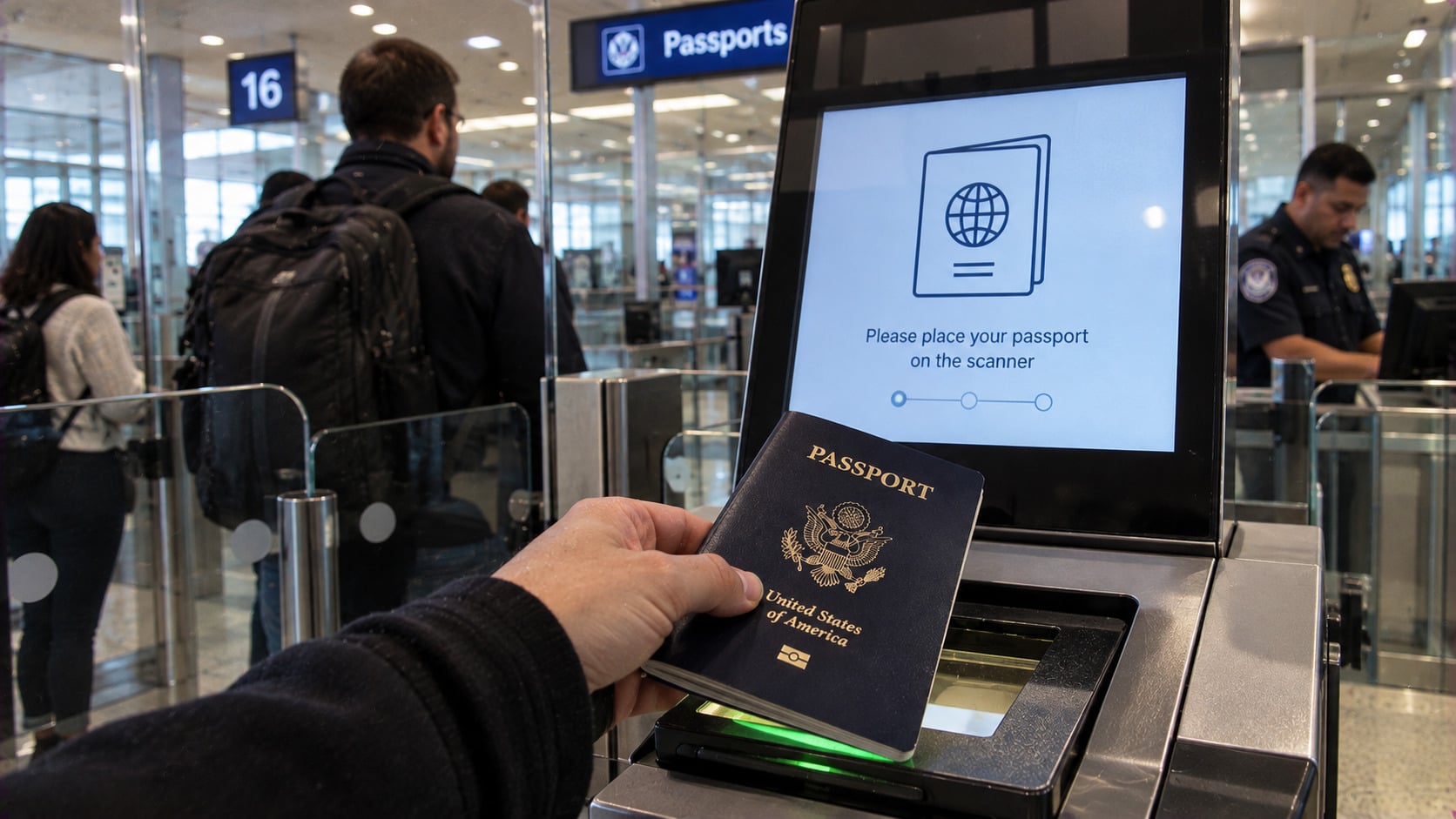
Ever wondered how a passport scanner can read all those details so quickly? An important breakthrough came in 1980, when the International Civil Aviation Organization published its first standards for machine- readable passports. Those specifications helped lay the groundwork for today´s automated document scanners and border systems. Immigration checks haven´t disappeared, but at least officials no longer have to rely entirely on reading and entering every detail by hand.
15. Airline Refund Rules Made Canceled Flights Less of a Financial Nightmare
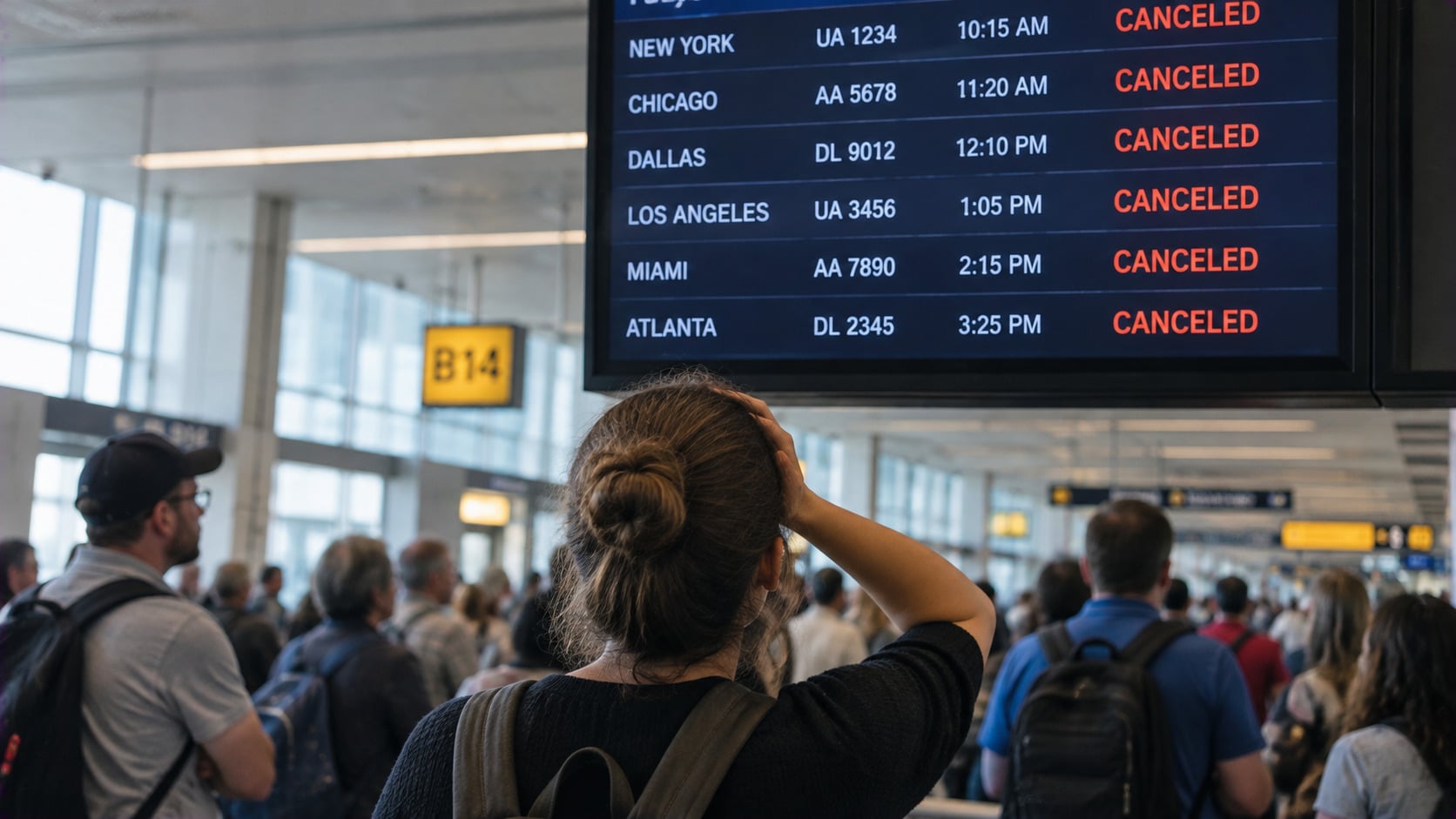
A canceled flight is bad enough. Having to chase down the money afterward? That’s an entirely different headache. New U.S. refund requirements that took effect in October 2024 established automatic refunds for eligible passengers who decline alternative transportation after qualifying cancellations or significant schedule changes. Airlines still can´t guarantee a smooth trip, but the rules make it harder for a disrupted journey to turn into a prolonged refund battle.
Travel will probably never be completely hassle-free. There will always be delays, crowded terminals, and someone standing in the wrong boarding line. Still, compared with the days of giant reservation charts, paper maps, and suitcases that demanded a workout, today’s travel experience has come a remarkably long way. Sometimes, progress is simply having fewer things to worry about before the vacation even begins.
Keep Exploring The Scroller
Feeling a little more grateful for that rolling suitcase? The everyday conveniences we barely notice often have the most surprising backstories. Keep exploring The Scroller for forgotten inventions, clever innovations, and the little breakthroughs that made modern life a whole lot easier:
20 Travel Nightmares Every 1980s Tourist Simply Accepted
15 Travel Mistakes Beginners Make (and how to avoid them)
18 travel behaviors from the ’60s–’90s that look wild in 2025