
Every 1980s tourist accepted travel hassles that would seem almost unbelievable today. Before smartphones combined maps, tickets, cameras, translators, weather forecasts, and booking confirmations into a single device, every trip required far more planning, paperwork, and patience.
Looking back, many of these frustrations feel almost nostalgic, but at the time they were simply part of traveling. From folding oversized maps to hoping your vacation photos actually developed, these are the travel problems every 1980s tourist knew all too well. The good news? Most of them have quietly disappeared.
1. Losing Your Paper Airline Ticket
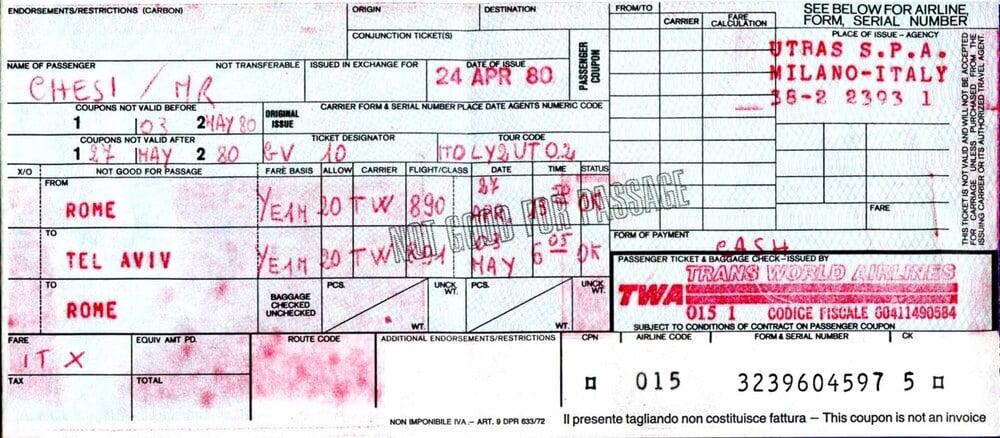
For every 1980s tourist, a paper airline ticket wasn’t just proof of purchase. It was your passport to getting on the plane. Misplace it before arriving at the airport, and your vacation could turn into an expensive nightmare involving phone calls, paperwork, and long conversations at the ticket counter. Can you imagine losing your boarding pass days before your flight instead of simply opening an app? Would you trust yourself to keep track of several fragile pieces of paper throughout an entire vacation? Digital boarding passes have made forgotten tickets largely a thing of the past.
2. Choosing a Hotel From a Tiny Brochure Photo
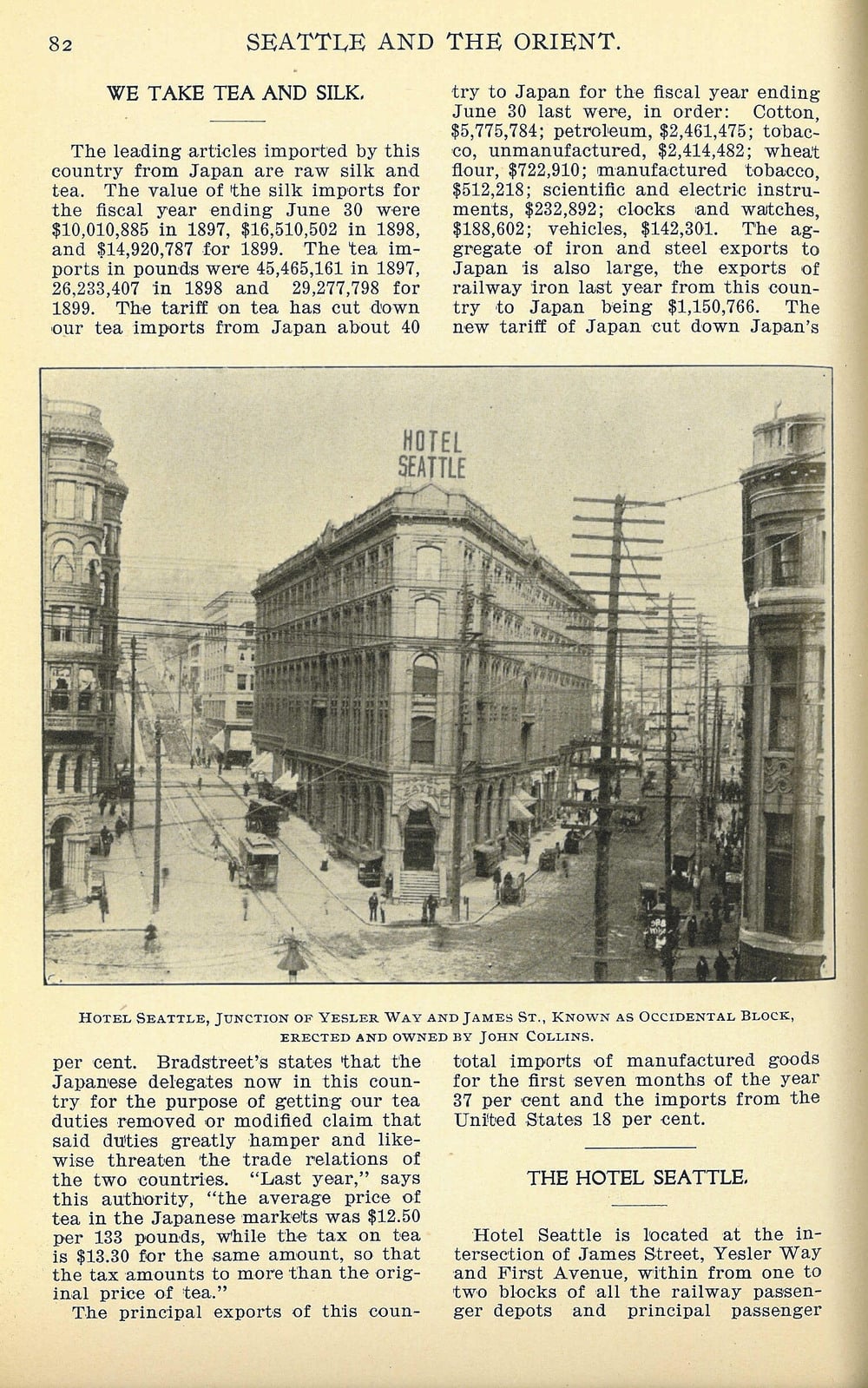
Booking accommodations meant putting a surprising amount of faith in a handful of carefully selected brochure photos. Travel agents and guidebooks usually showed only the hotel’s best angles, leaving travelers to imagine everything else until they arrived. Would you reserve an entire vacation based on just two professionally staged pictures? How different would your expectations be if you couldn’t scroll through hundreds of recent guest photos and reviews? Today’s booking websites make it much easier to know what you’re actually getting.
3. Carrying Traveler’s Checks
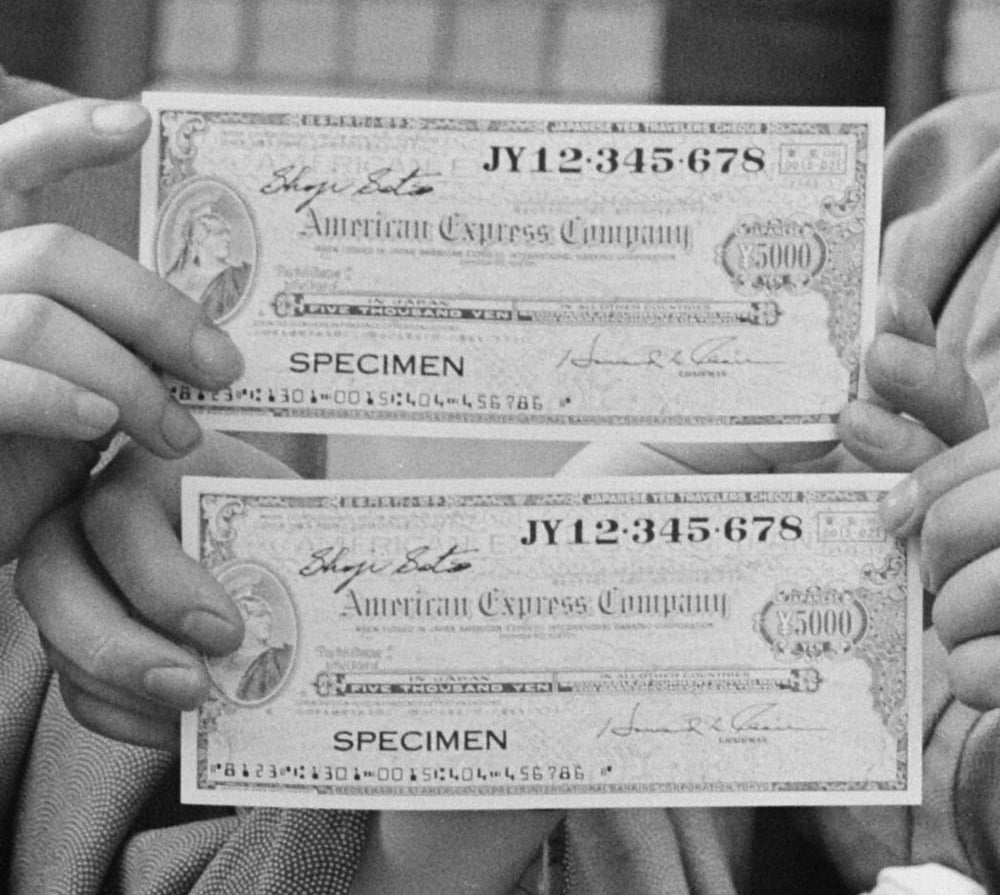
Instead of relying on debit cards or mobile payments, many travelers carried traveler’s checks as a safer alternative to cash. Each one had to be signed correctly, accepted by the business, and sometimes verified before it could be used, making even simple purchases take longer. Would you feel comfortable carrying most of your vacation budget as paper documents? How stressful would it be if a store refused to accept them? Modern banking has made paying while traveling dramatically simpler.
4. Getting Lost With a Giant Folding Map

Finding your way around an unfamiliar city often meant unfolding an enormous paper map that somehow never folded back the same way again. Travelers constantly stopped to study street names, estimate routes, and figure out where they were without any helpful blue dot showing their location. Could you confidently navigate a foreign city using only a printed map? How many wrong turns would it take before frustration set in? GPS navigation has turned one of travel’s biggest headaches into something most people rarely think about anymore.
5. Not Knowing Whether Your Photos Came Out
Every roll of film carried a little suspense because there was no way to know whether your vacation memories had actually been captured until the film was developed after you got home. Blurry shots, bad lighting, or someone blinking could ruin irreplaceable moments without anyone realizing it at the time. Would you enjoy taking dozens of vacation photos without seeing a single one until weeks later? How different would your travel experience feel if every special memory came with that much uncertainty? Instant previews are one of the biggest luxuries modern travelers often take for granted.
Trending on The Scroller

6. Calling Home Cost a Small Fortune
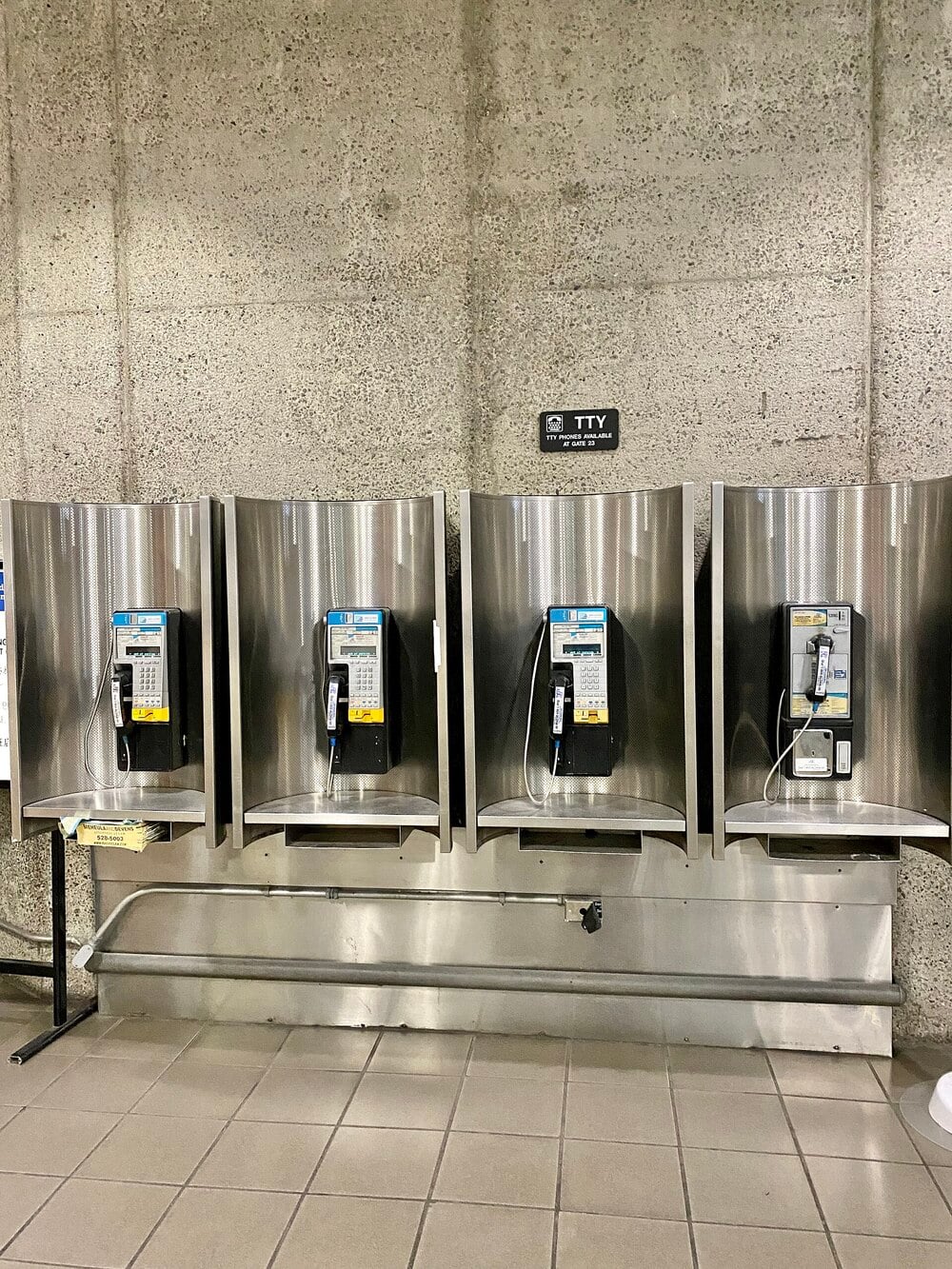
Checking in with family during a trip wasn’t something travelers did casually because international phone calls could be painfully expensive. Whether you called from a hotel room, a payphone, or used a calling card, every extra minute added to the bill, so conversations were often carefully planned and kept short. Would you think twice before making a simple two-minute phone call today? How would your family react if they only heard from you once during an entire vacation? Messaging apps and affordable international plans have made staying connected almost effortless.
7. Finding a Restaurant Without Reviews
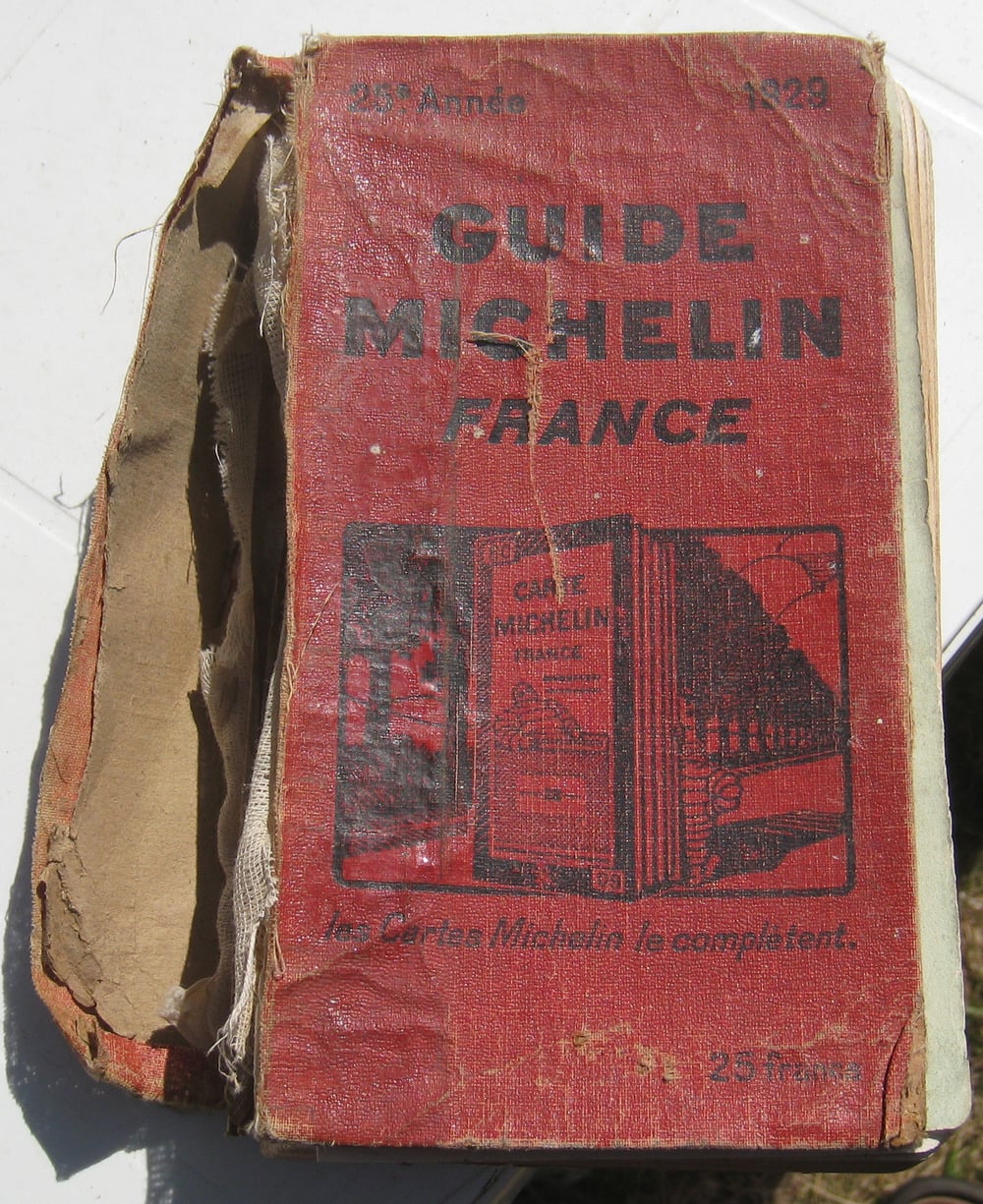
Dining in a new city meant taking chances because there were no star ratings, customer photos, or online menus waiting on your phone. Travelers relied on hotel staff, guidebooks, or recommendations from locals, hoping they would lead to a memorable meal rather than a disappointing one. Would you walk into a random restaurant without reading a single review first? How much confidence would you have ordering from a place you’ve never even seen inside? Today, a few taps can reveal almost everything before you ever sit down.
8. Carrying a Phrasebook Everywhere

For every 1980s tourist, a pocket-sized phrasebook could be just as important as a passport. Travelers memorized useful expressions, pointed at printed translations, and flipped through pages whenever they needed directions, ordered food, or asked for help. Could you confidently communicate in another language without a translation app? How long would it take you to find the right phrase while someone waited patiently for your answer? Instant translation tools have transformed one of international travel’s biggest challenges into something far more manageable.
Sign up for our newsletter
9. Converting Currency in Your Head
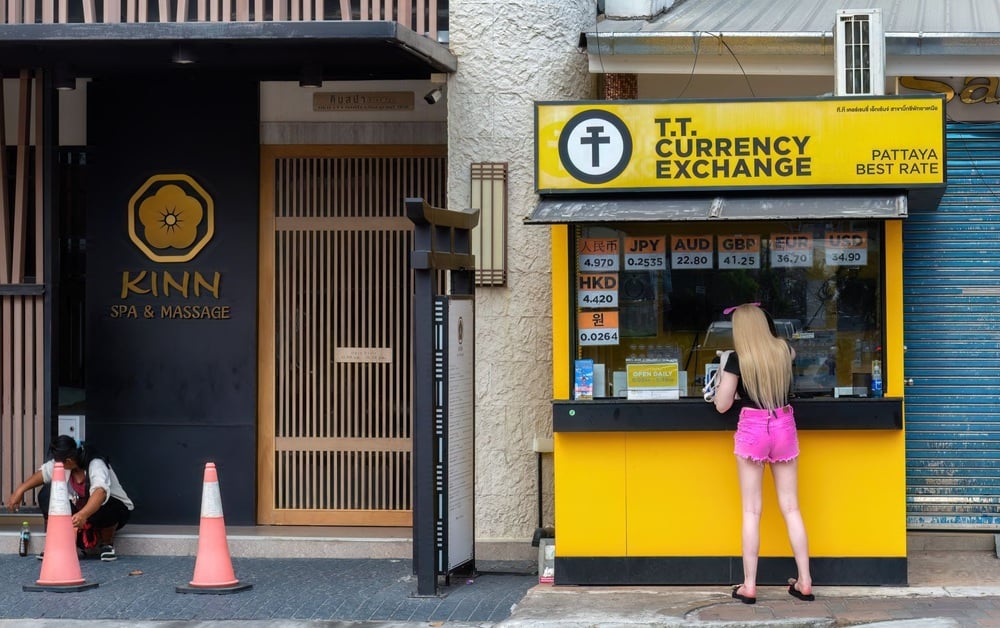
Shopping abroad required constant mental math because exchange rates weren’t always easy to check. Travelers memorized approximate conversion rates or carried small conversion charts, estimating prices every time they looked at a menu or souvenir shop. Would you feel comfortable calculating every purchase without using your phone? How many times would you accidentally overpay because your math was slightly off? Currency conversion apps now do in seconds what once demanded constant attention throughout an entire trip.
10. Waiting Until Home to See Vacation Photos

Even after finishing a vacation, travelers still had to wait before reliving it because film needed to be developed before anyone could see the pictures. Friends and family often gathered weeks later to look through printed photos or slide shows, long after the trip itself had ended. Can you imagine returning from an incredible vacation without posting a single photo that same day? Would the memories feel different if everyone had to wait weeks to see where you’d been? Digital photography has completely changed how quickly travel experiences are shared.
11. Lugging Awkward Suitcases

Travel wasn’t nearly as smooth when suitcases were heavier, bulkier, and often rolled on just two small wheels, if they had wheels at all. Navigating airports, train stations, and hotel lobbies meant dragging stubborn luggage behind you or carrying it up endless flights of stairs. Can you imagine crossing a busy terminal without the spinner suitcase you probably take for granted today? How much energy would you have left for sightseeing after wrestling with your luggage all day? Lightweight materials and four-wheel designs have made getting from place to place much less exhausting.
12. Missing a Train Without Live Updates
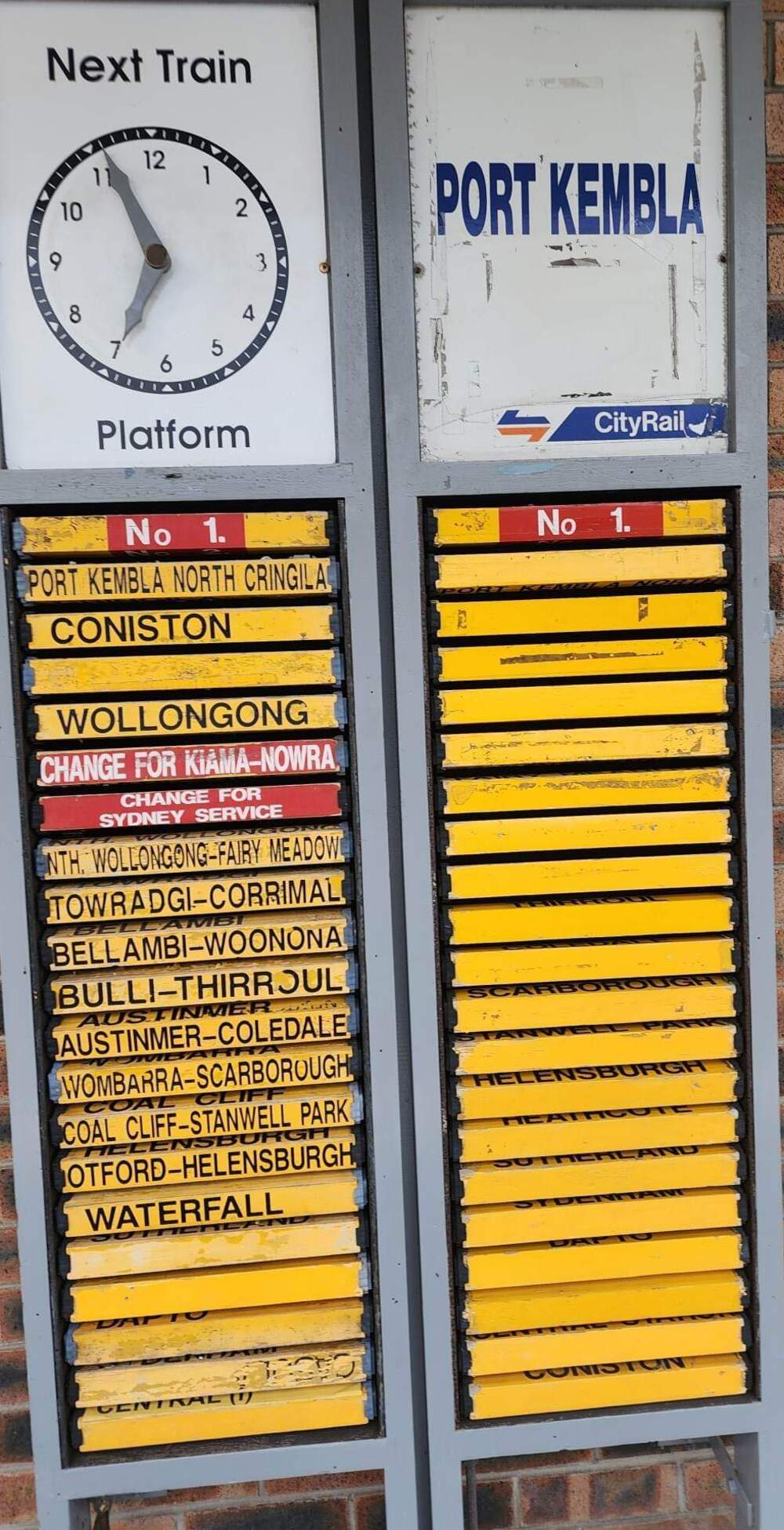
Missing a train often meant far more than waiting for the next departure because there were no apps to suggest alternative routes or instantly update schedules. Travelers studied printed timetables and station boards, then tried to piece together a new plan on their own after a delay or missed connection. Would you know what to do if your transportation app suddenly disappeared? How much longer would every journey feel if every change required starting your planning from scratch? Real-time travel updates have made unexpected delays far easier to manage.
13. Using Guidebooks That Could Already Be Outdated
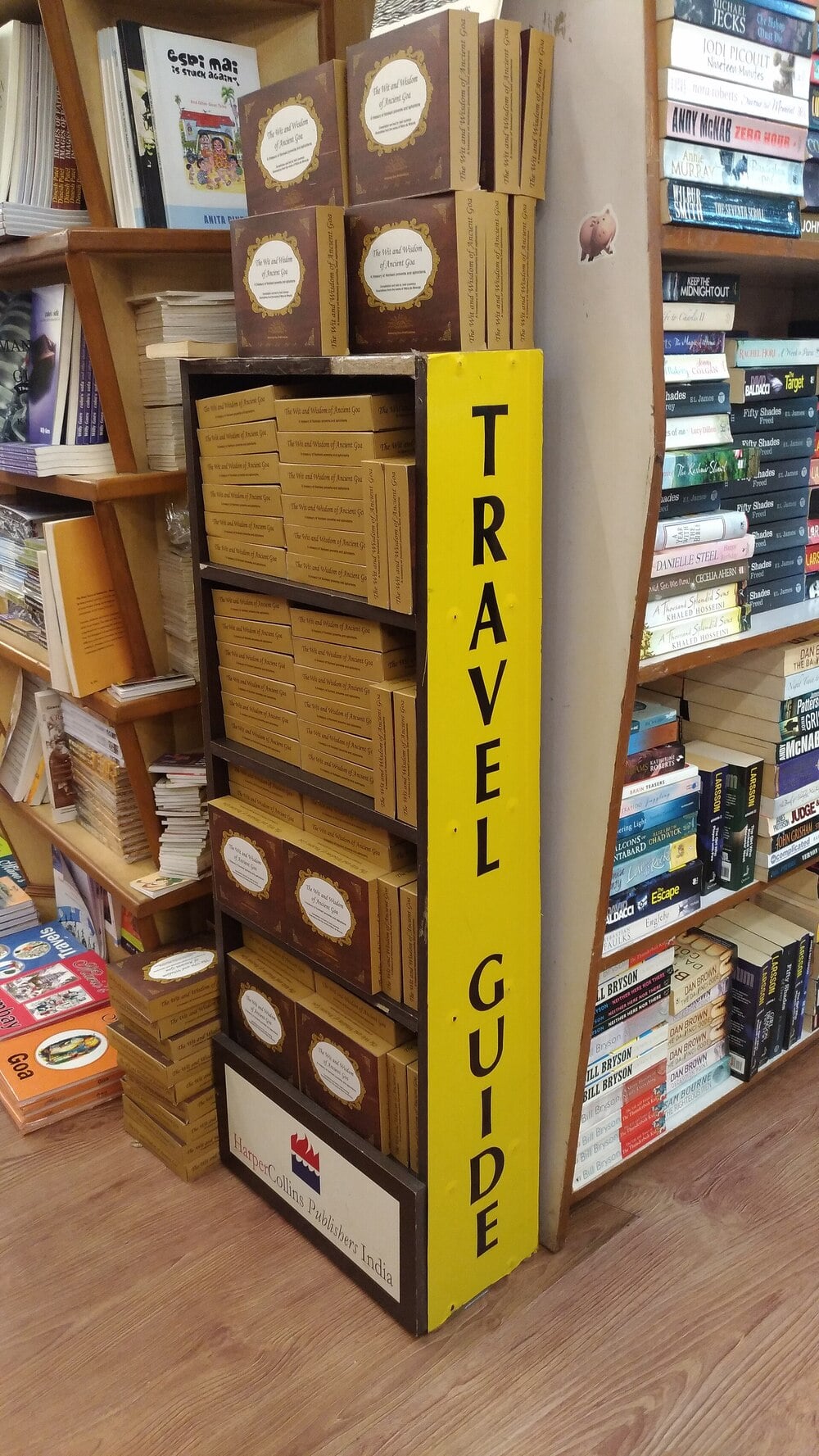
A guidebook might have been researched months or even years before reaching your backpack, meaning restaurants could have closed, hotels might have changed ownership, and attractions sometimes no longer existed. Travelers trusted information that was often outdated before their vacation even began. Would you feel confident planning an entire trip with information that couldn’t be updated? How many surprises would you encounter if your recommendations were already years old? Online travel information now changes almost as quickly as destinations themselves.
14. Booking Through a Travel Agent
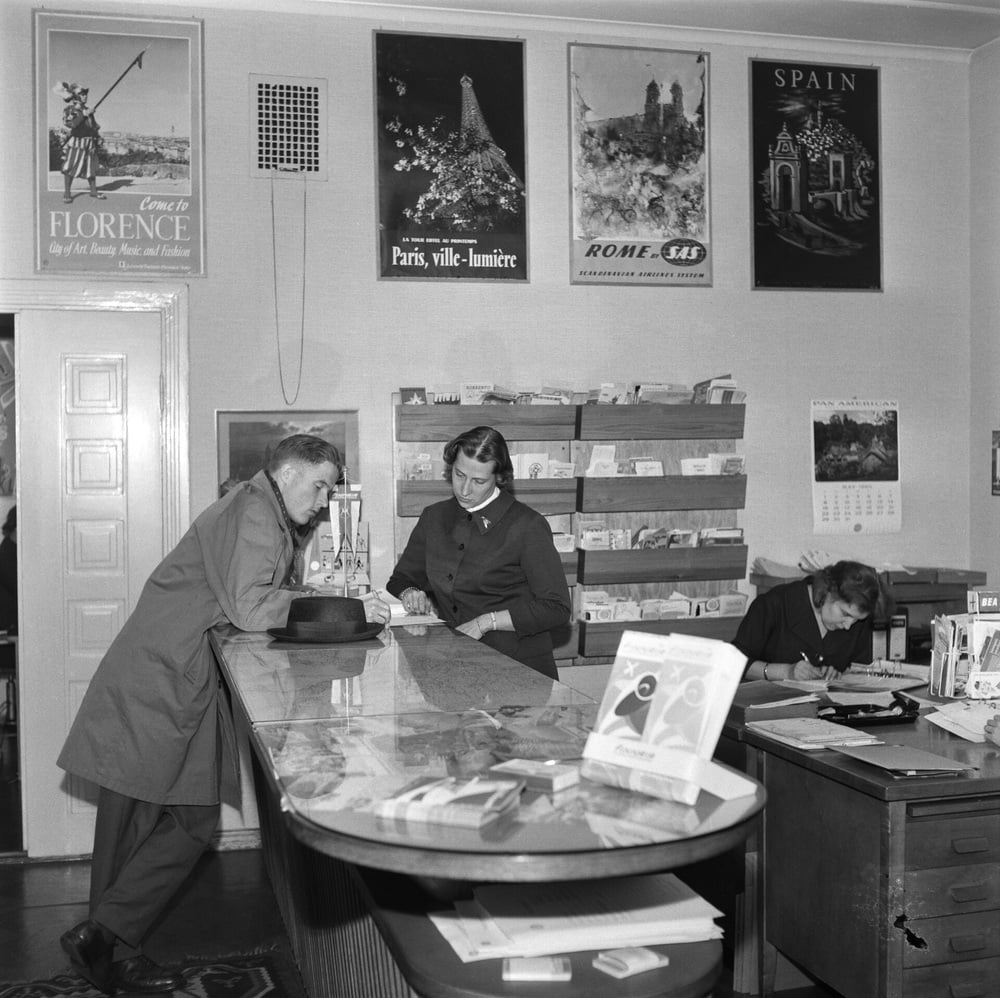
Planning a complicated vacation usually meant visiting or calling a travel agent instead of comparing hundreds of flights and hotels from your couch. Agents handled reservations, printed itineraries, and searched available options using systems the average traveler couldn’t access directly. Can you imagine waiting for someone else to compare prices instead of doing it yourself in minutes? Would you be patient enough to plan an entire vacation without opening a dozen browser tabs? Online booking platforms have put nearly the entire travel industry into travelers’ hands.
15. Finding a Room After Plans Changed

Changing your itinerary could become a stressful adventure because there were no booking apps showing nearby vacancies in real time. Travelers often drove or walked from hotel to hotel, looking for vacancy signs or making repeated phone calls until they finally found somewhere to stay. What would you do if every hotel near you appeared to be full? How many hours would you spend searching before giving up for the night? Modern booking apps have made last-minute accommodations dramatically easier to find.
16. Sending a Postcard Instead of a Location Update

Keeping friends and family updated during a trip meant buying a postcard, finding a stamp, and hoping international mail arrived before your vacation became old news. By the time your message reached home, you might have already returned yourself. Can you imagine your travel updates taking longer than the trip itself? Would anyone today be patient enough to wait weeks just to find out where you had been? Instant messaging has turned what once took days into something that happens in seconds.
17. Carrying Addresses and Reservation Papers
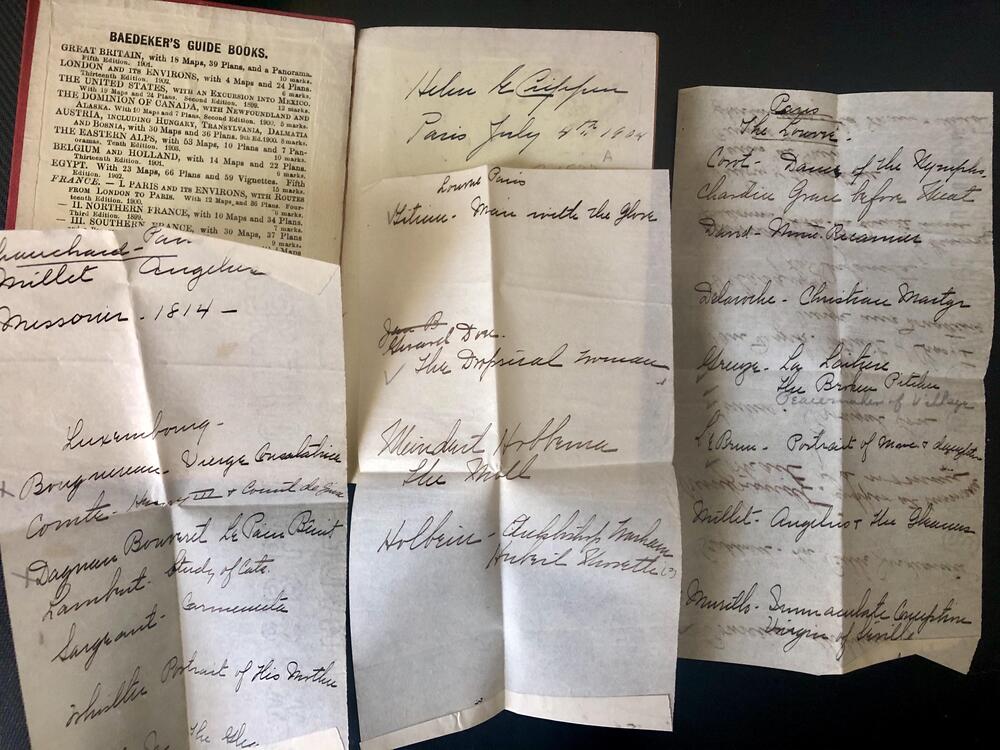
Every 1980s tourist traveled with a folder full of hotel addresses, booking confirmations, transportation schedules, and handwritten notes because none of that information lived in the cloud. Losing those papers could throw an entire itinerary into chaos. What would you do if your phone suddenly forgot every reservation you had made? Could you even remember your hotel’s address without checking an app? Today, most travelers carry an entire filing cabinet in their pocket.
18. Having No Live Weather Radar in Your Pocket
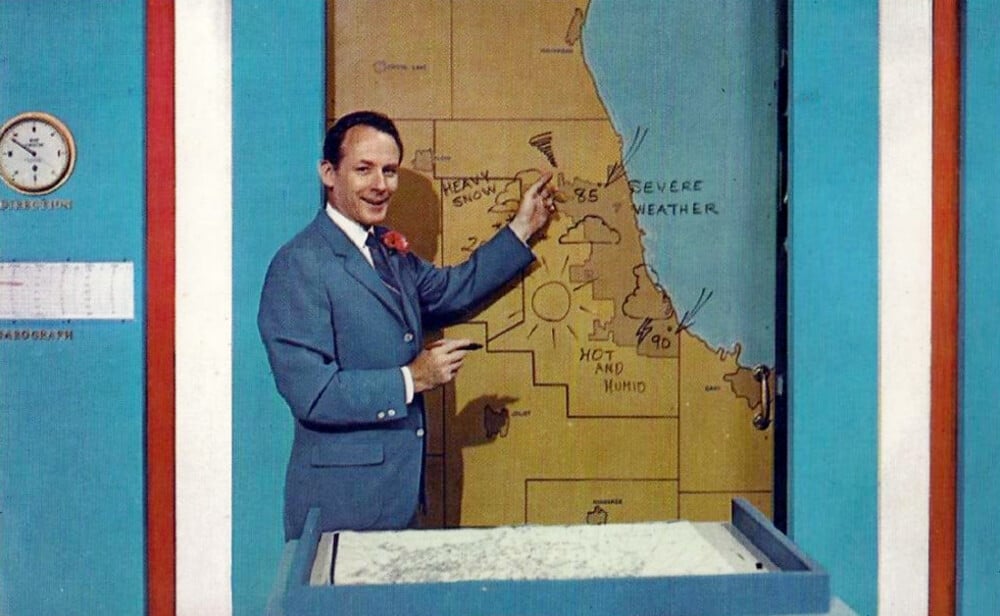
Planning around the weather often meant checking a newspaper, listening to the radio, watching the evening forecast, or simply looking out the window and hoping for the best. Storms rarely came with advance notifications once you were already exploring a destination. Would you leave for a full day of sightseeing without knowing if heavy rain was only minutes away? How many vacations were interrupted because the weather changed without warning? Real-time radar has removed much of that uncertainty.
19. Splitting Up and Having No Way to Find Each Other
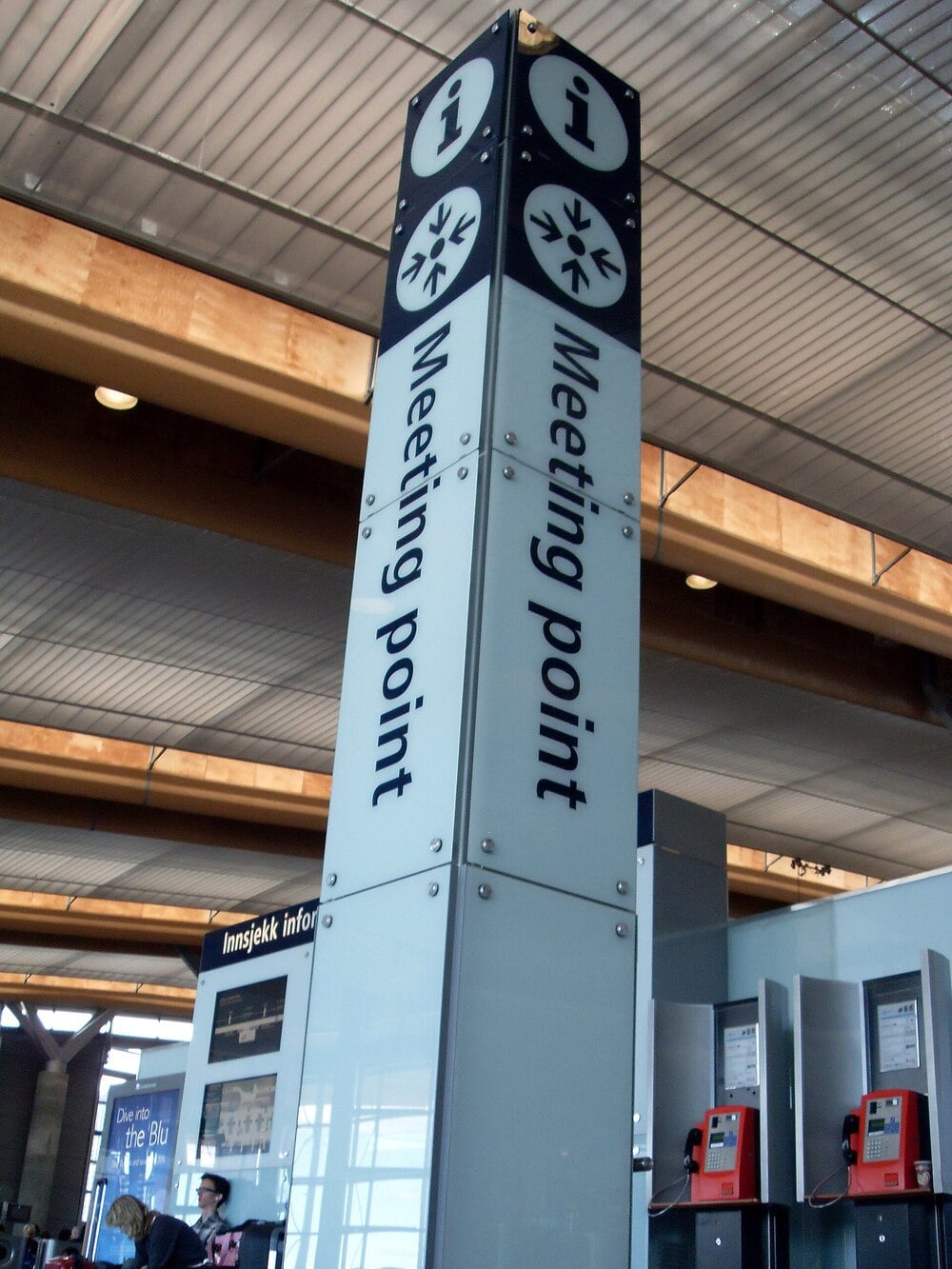
If family members or friends separated during a trip, there was no quick text asking, “Where are you?” Travelers agreed on exact meeting places and times before going their separate ways because missing each other could mean hours of waiting or searching. Can you imagine spending an afternoon hoping everyone remembered the same landmark? What happened if one person arrived five minutes late? Smartphones have made one of travel’s most stressful situations almost disappear.
20. Coming Home Before Anyone Saw the Trip

For every 1980s tourist, vacations were private experiences until they were over. Photos had to be developed, postcards needed time to arrive, and stories were shared only after everyone gathered back home. There were no live updates, vacation reels, or daily photo dumps while the trip was happening. Would today’s vacations feel the same if nobody knew where you were until you returned? Or would they seem strangely incomplete? Modern travel doesn’t just happen faster. It’s shared almost instantly with the entire world.
Travel has always been about discovering new places, but the experience itself has changed dramatically over the past few decades. For every 1980s tourist, planning a vacation meant juggling paper tickets, printed maps, guidebooks, film cameras, and countless small uncertainties that today’s travelers rarely think about. Smartphones didn’t simply make travel more convenient. They quietly replaced dozens of separate tools, eliminating many of the everyday frustrations that once came with every journey.
Keep Exploring The Scroller
Technology has changed almost every part of daily life, often in ways we barely notice until we look back. Keep exploring The Scroller for more nostalgic deep dives into the gadgets, habits, and everyday challenges that quietly disappeared as the modern world evolved:
21 Road Trip Photos From The 70s And 80s That Show What Driving Across America Used To Feel Like
20 Travel Trends We Loved In The 2010s That Feel Unhinged Now
15 Photos That Capture The Lives Of Truckers In The 1980s-1990s