Natural formations can sometimes look suspiciously engineered. Rock fractures into neat paving stones, salt arranges itself into geometric tiles, and erosion carves surfaces that seem polished, drilled, or sculpted by hand.
What makes these places so fascinating is that there’s no hidden architect behind them. Each one has a natural explanation, whether it involves cooling lava, mineral deposits, moving ice, wind, water, or millions of years of erosion.
From a coastline that looks carefully paved to a desert filled with giant sculptures, these 20 places show just how convincing nature can be when it accidentally starts looking like a construction crew took over.
1. The Giant’s Causeway Looks Like Someone Paved the Coast
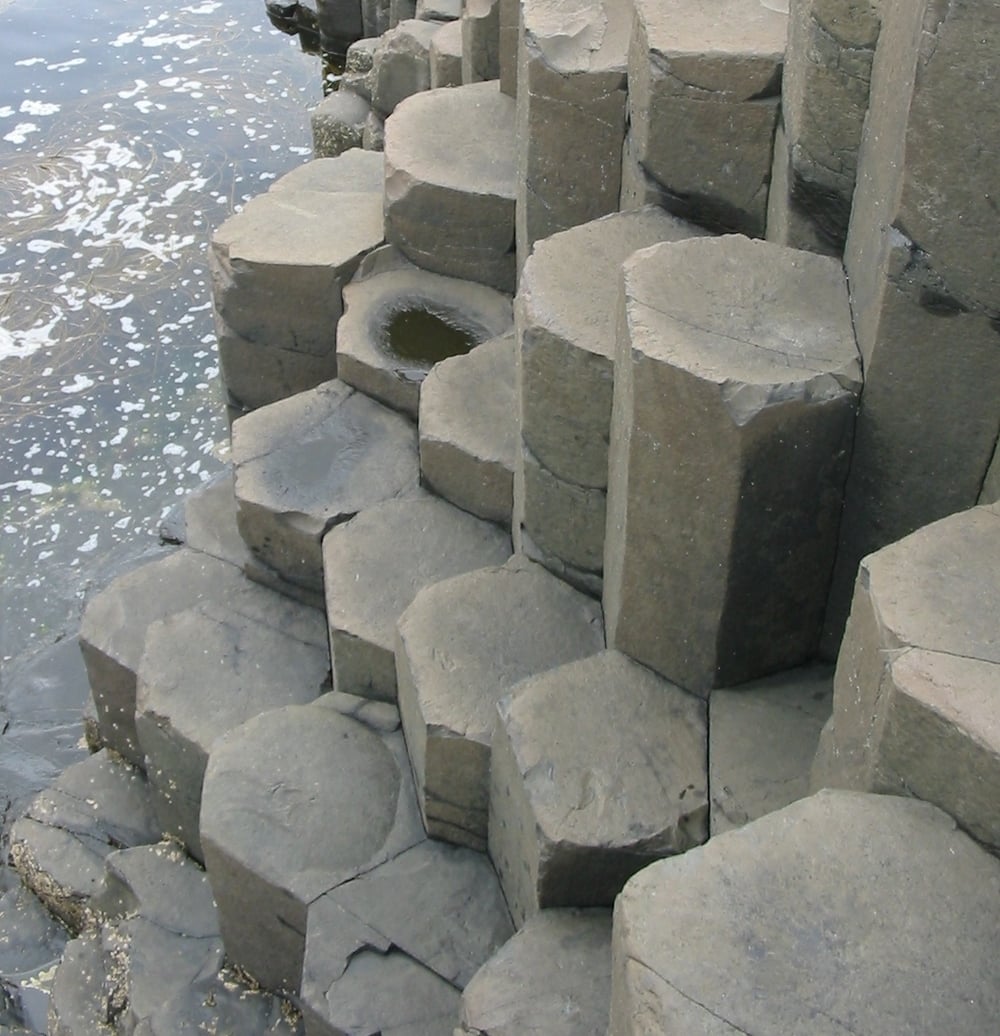
At first glance, Northern Ireland’s Giant’s Causeway looks less like a coastline and more like an enormous stone patio. Thousands of tightly packed basalt columns rise beside the sea, many forming remarkably neat polygonal shapes. The pattern formed as lava cooled, contracted, and fractured into columns, creating one of nature’s most convincing pieces of accidental masonry.
2. The Beach Covered in Giant Concrete-Looking Spheres
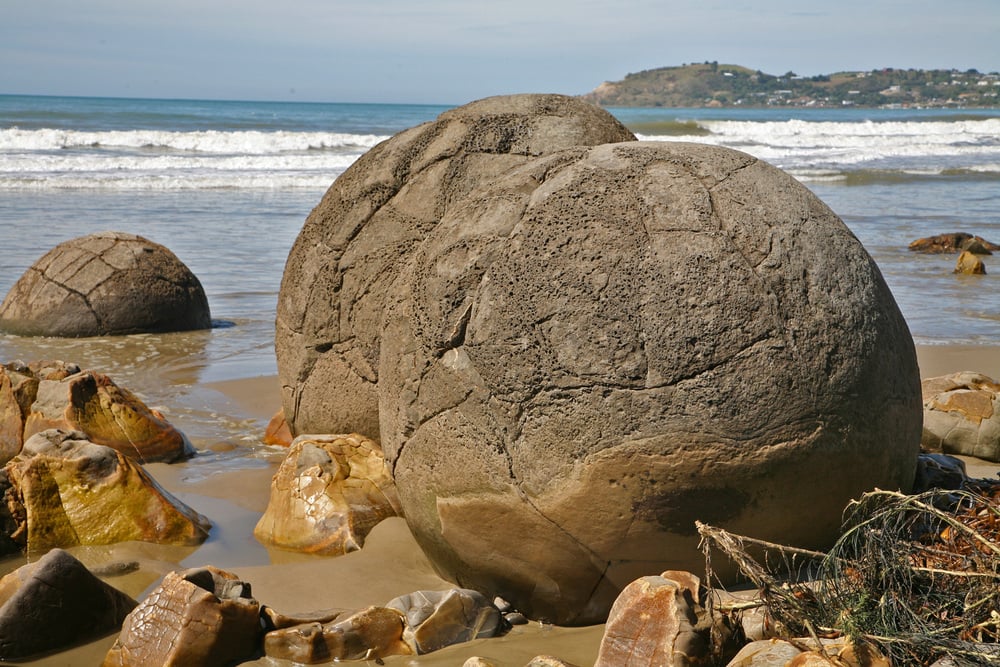
The Moeraki Boulders scattered along New Zealand’s coast look suspiciously manufactured. Some are nearly perfect spheres, while others have cracked open to reveal patterned interiors. They’re actually natural concretions that developed as minerals gradually cemented sediment together. Erosion eventually exposed them, leaving what looks like a collection of enormous concrete balls abandoned on the beach.
3. The River That Makes Its Own Giant Turntable
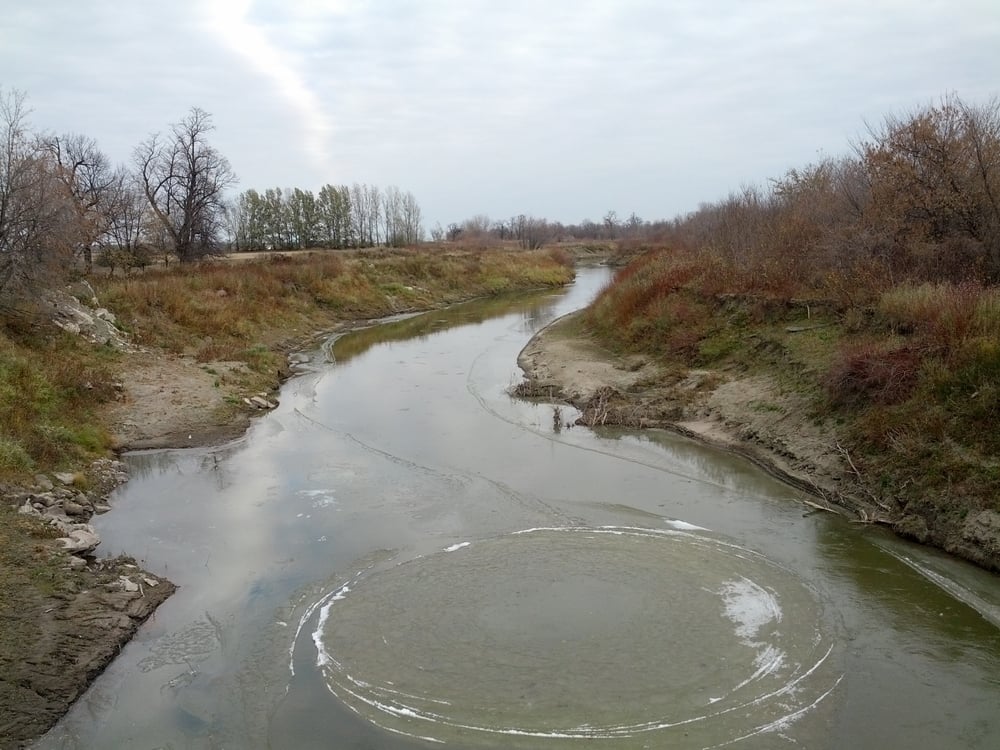
A nearly perfect circle of ice spinning in a river looks like something someone must have cut loose and set in motion. But what could possibly create a circle this clean without anyone cutting it? These rare ice disks can form naturally when cold conditions and rotating currents work together, gradually shaping floating ice into a circular slab. The current can keep the disk turning in place, making the whole thing look like somebody installed a giant turntable in the river.
4. The Hot Springs That Built Their Own Infinity Pools
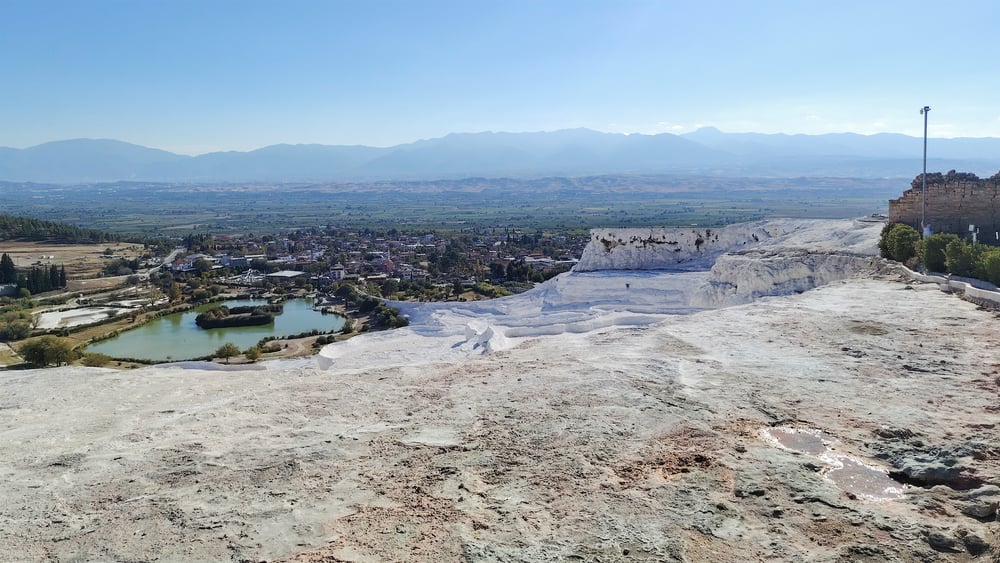
Pamukkale in Turkey could easily pass for an extravagant resort built into a mountainside. Its brilliant white terraces hold pools of water in a series of naturally formed basins that resemble tiered infinity pools. Mineral-rich water deposits calcium carbonate over time, slowly building the terraces layer by layer without a single architect or construction crew involved.
5. The Rocks That Left Their Own Drag Marks
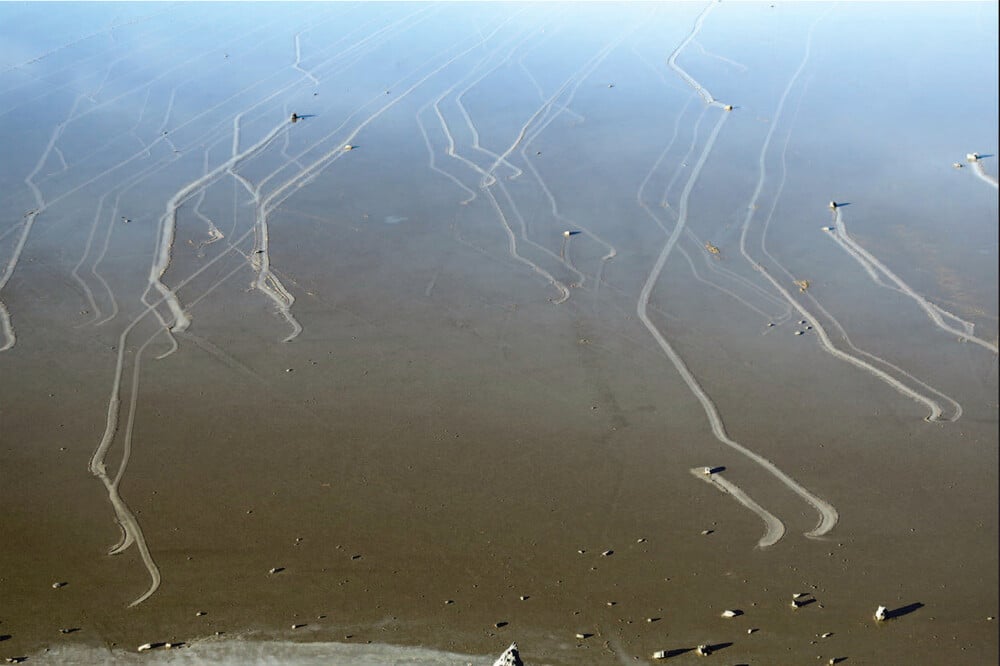
For years, the stones of Racetrack Playa in Death Valley presented a bizarre scene: rocks sitting at the ends of long tracks carved into the desert floor. So how does a rock apparently move by itself? Under the right conditions, thin sheets of ice form around the rocks and begin breaking apart. Light winds can then push the ice panels and stones across the wet surface, leaving those unmistakable trails behind them.
Trending on The Scroller

6. The Boulder That Looks Sawn Cleanly in Half
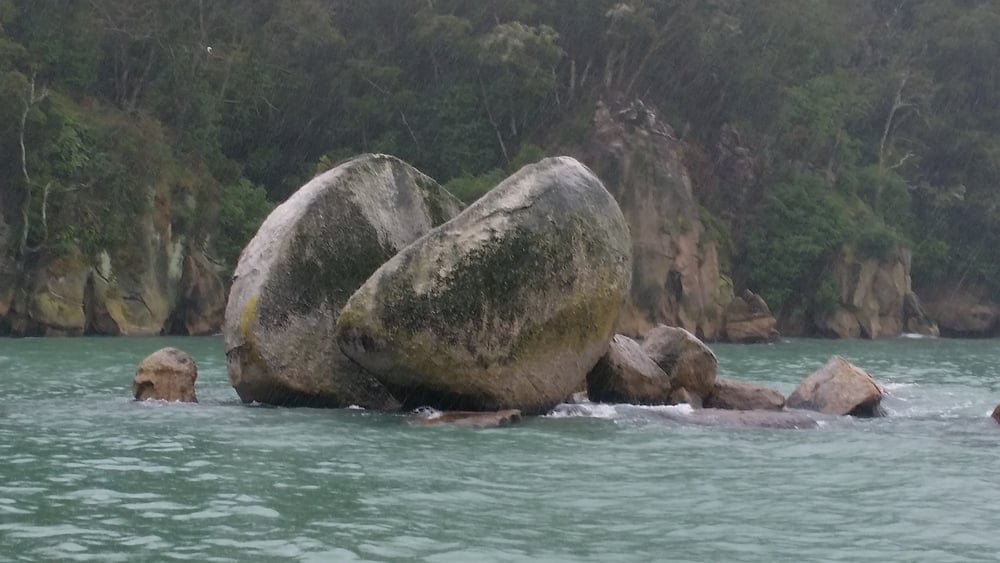
Tokangawha, better known as Split Apple Rock, looks like someone took an enormous stone and sliced straight through its center. The two granite halves sit side by side off New Zealand’s South Island, making the clean divide especially hard to ignore. Despite appearances, the split is natural, with weathering exploiting a fracture in the granite until the boulder separated.
7. The Desert That Looks Like It Was Laid Out With a Giant Stencil
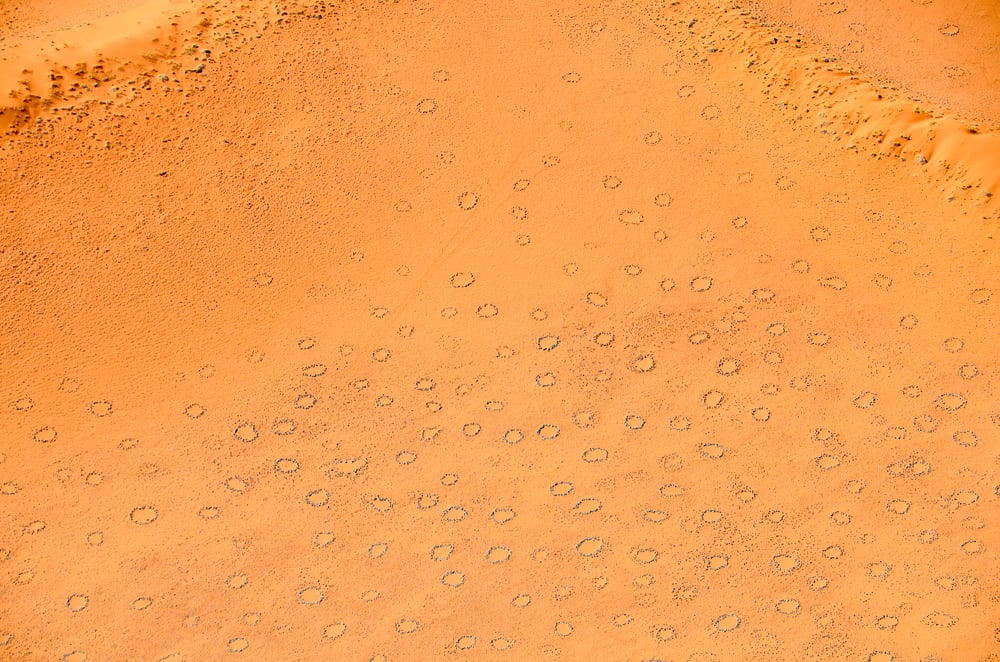
Across parts of Namibia, thousands of bare circles interrupt the surrounding grassland with such regular spacing that the landscape can look deliberately planned. These “fairy circles” are natural, although scientists continue to debate exactly how the pattern develops. Competing explanations involve interactions between vegetation, scarce water, and termites, but no single cause has completely settled the question.
8. The Cave Walls That Look Hand-Polished and Painted
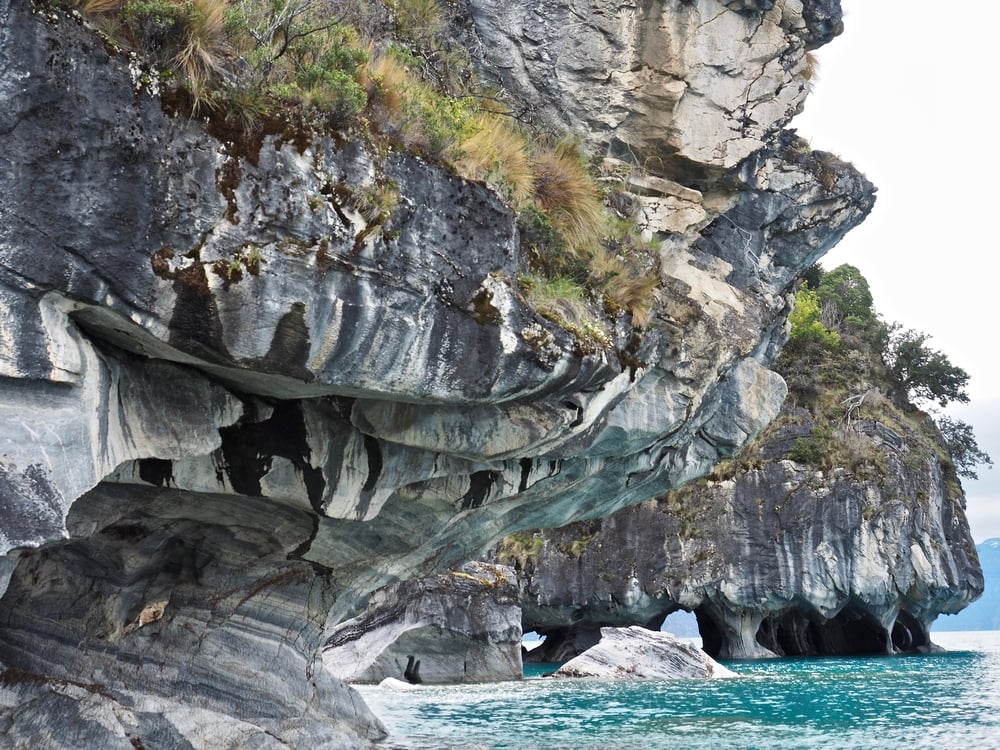
Chile’s Marble Caves look like someone spent years polishing stone walls and decorating them with swirling bands of blue, gray, and white. So who did all that work? Water. Waves gradually eroded the marble along General Carrera Lake, carving smooth chambers, arches, and passageways. Reflections from the turquoise water add shifting blue tones that make the natural stone look almost deliberately painted.
Sign up for our newsletter
9. The Sahara’s 25-Mile Bullseye
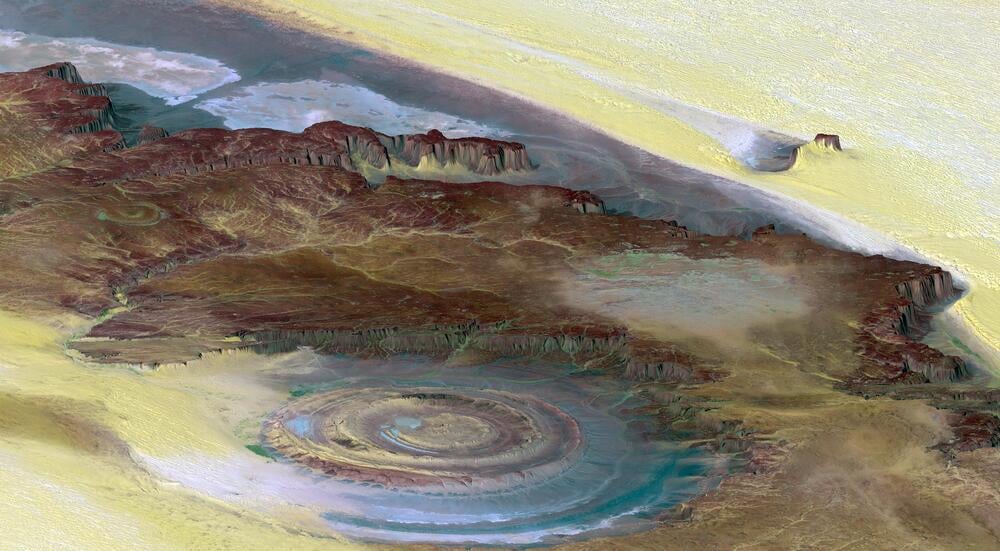
From the ground, the Richat Structure can be difficult to appreciate. From above, it becomes a gigantic bullseye carved into the Sahara, with concentric rings stretching roughly 25 miles across Mauritania. The formation is geological rather than artificial, but its enormous scale and remarkably organized rings make the “Eye of the Sahara” look more like a deliberate earthwork than a product of nature.
10. The Boulder That Looks Like It Was Set on a Pedestal
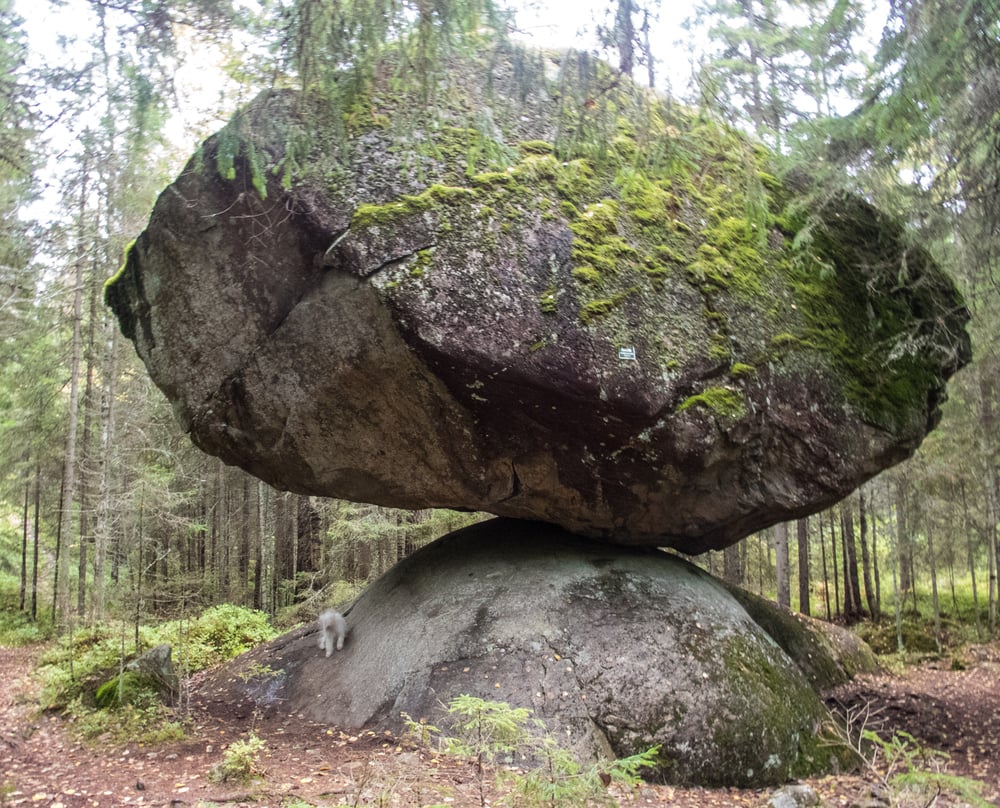
Finland’s Kummakivi appears to have been placed with absurd precision. The enormous boulder rests on another rock with such a tiny-looking point of contact that a crane seems like the obvious explanation. Instead, its placement is a relic of glacial activity. Ice transported the boulder before eventually retreating and leaving it behind in an improbable position that still looks carefully arranged today.
11. The Salt Flat That Tiles Itself
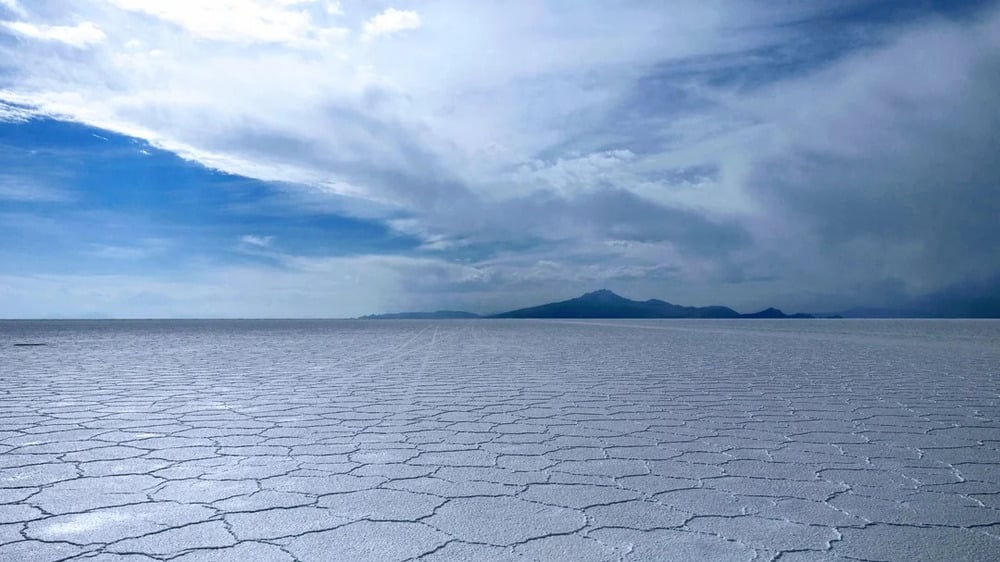
Bolivia’s Salar de Uyuni looks like it has been covered with an endless geometric floor. During dry conditions, the salt crust develops repeating polygonal patterns that stretch toward the horizon. These natural formations emerge as salty groundwater evaporates and the crust contracts and reorganizes, creating a surface that looks far more carefully tiled than anything you would expect nature to produce.
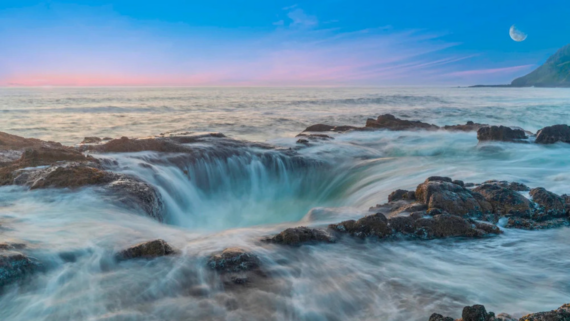
12. The Ocean Hole That Looks Like a Giant Drain
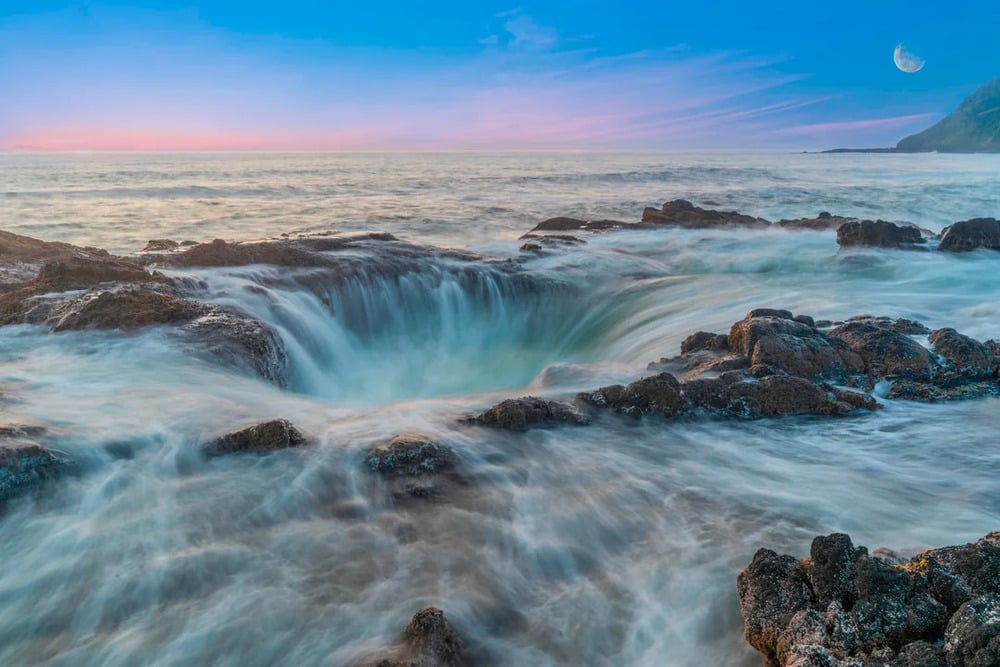
Thor’s Well on the Oregon coast has an unsettling resemblance to a drain installed directly into the Pacific. When waves rush across the surrounding rocks, seawater pours into the circular opening and appears to disappear underground. But where is all that water actually going? The opening is naturally connected to the ocean below, allowing water to surge in and out as the waves roll across the coast.
13. The Cliff That Looks Like a Skatepark Ramp
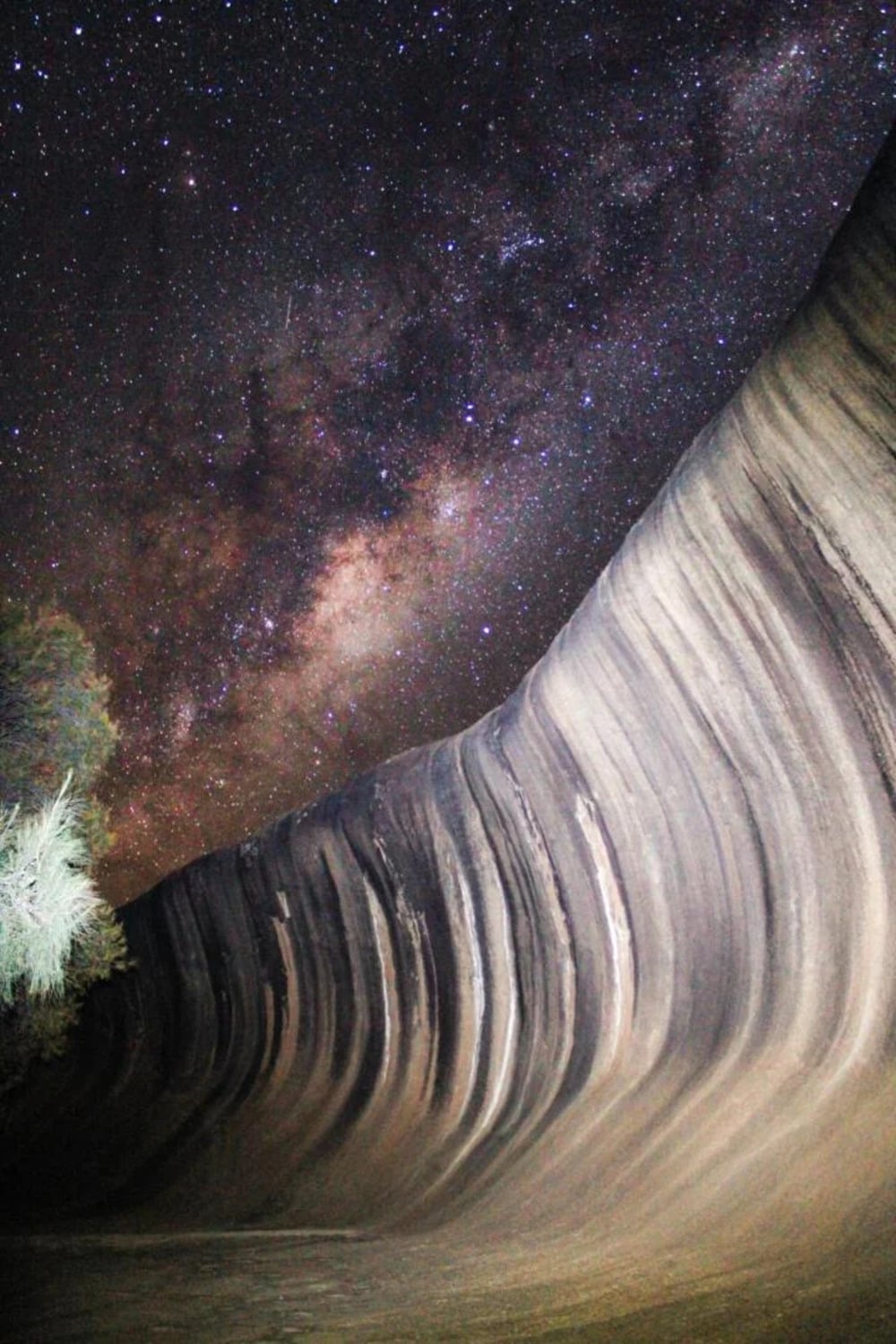
Wave Rock in Western Australia has the smooth curve and steep face of an enormous skatepark ramp. The granite formation rises from the surrounding landscape in a sweeping concave wall, while mineral staining creates dramatic vertical bands across its surface. Weathering and erosion gradually sculpted the distinctive profile, producing a natural half-pipe on a scale no skatepark designer could reasonably attempt.
14. The Cave Filled With Giant Glass-Looking Beams
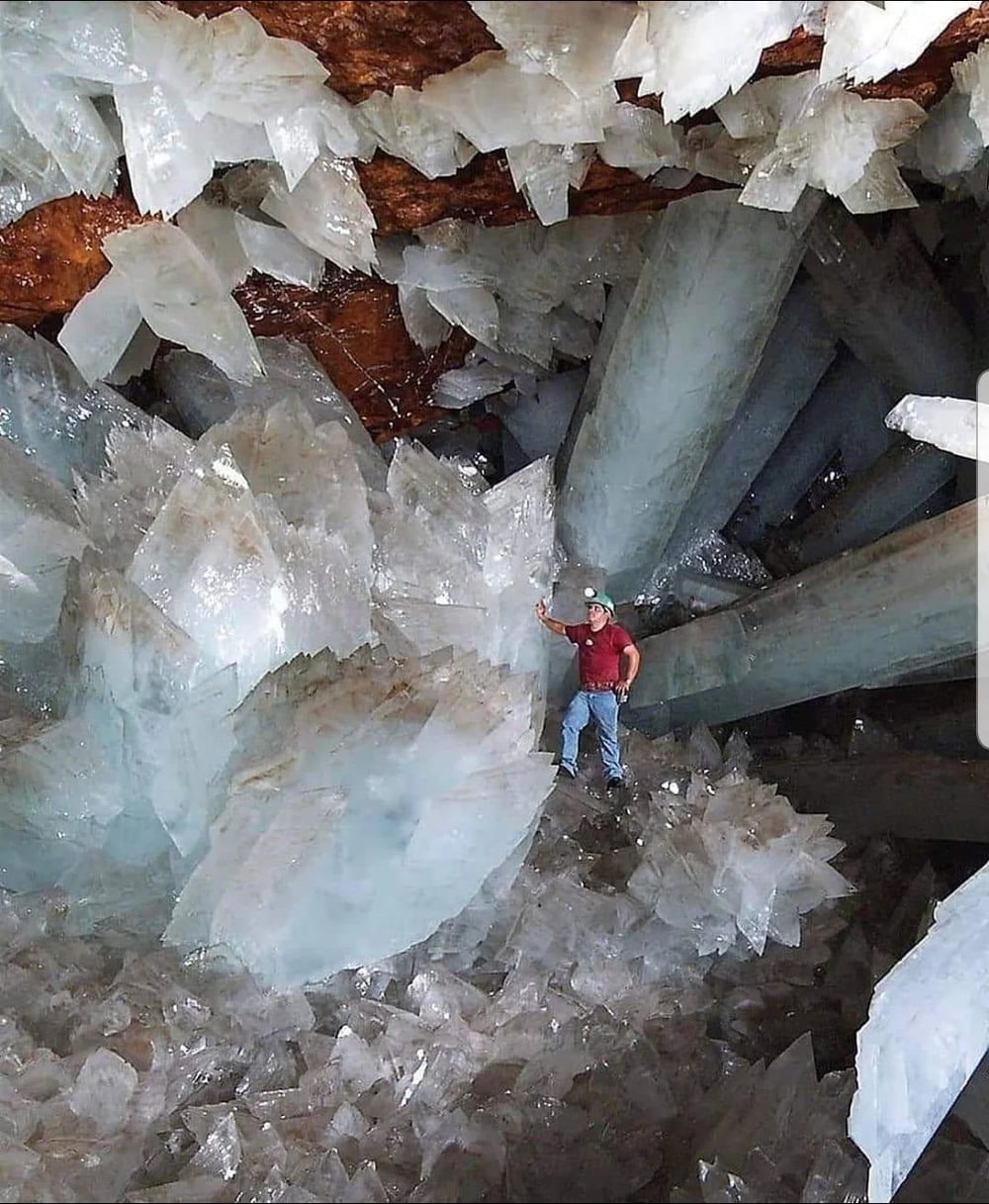
Mexico’s Cave of Crystals looks more like a monumental installation than the inside of a mountain. Enormous translucent selenite crystals cross the chamber in every direction, with some large enough to dwarf people standing beside them. The crystals grew naturally under extremely stable underground conditions, creating what appears to be a room constructed from gigantic glass beams.
15. The Shoreline That Looks Like a Tiled Patio
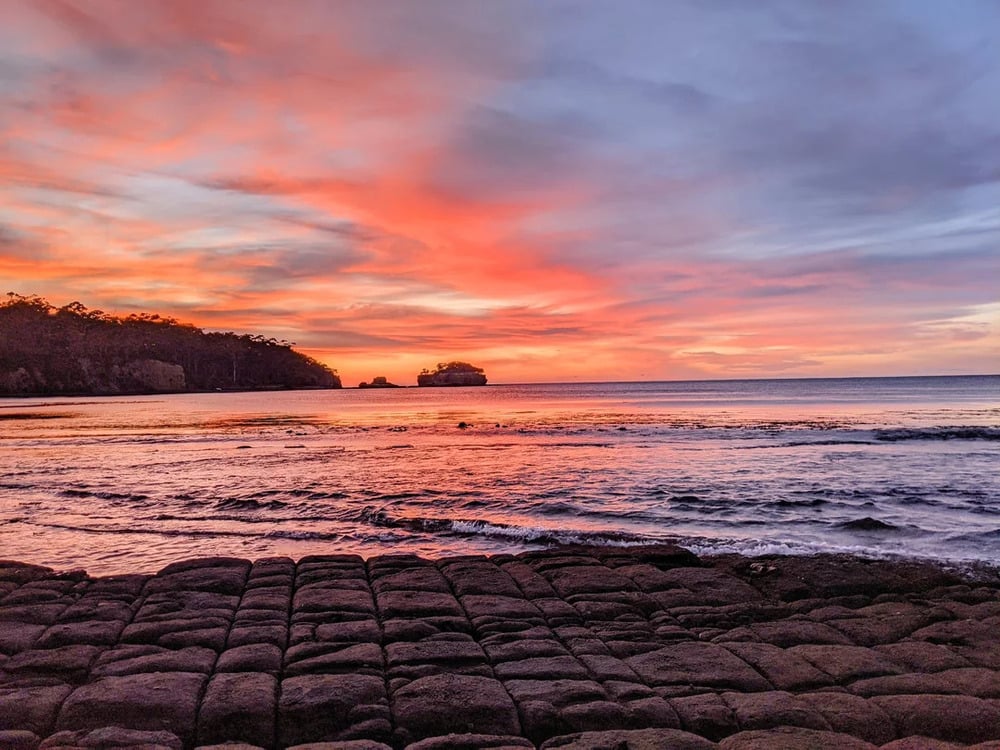
Tasmania’s Tessellated Pavement has the kind of neat rectangular pattern you would expect outside a house, not along a natural shoreline. Cracks divide the rock into blocks that resemble carefully fitted paving stones. The pattern developed through natural jointing, followed by weathering and erosion that emphasized the fractures. The result is a coastal patio that looks ready for furniture, despite nobody ever building it.
16. The Mountains That Look Like Rows of Constructed Domes
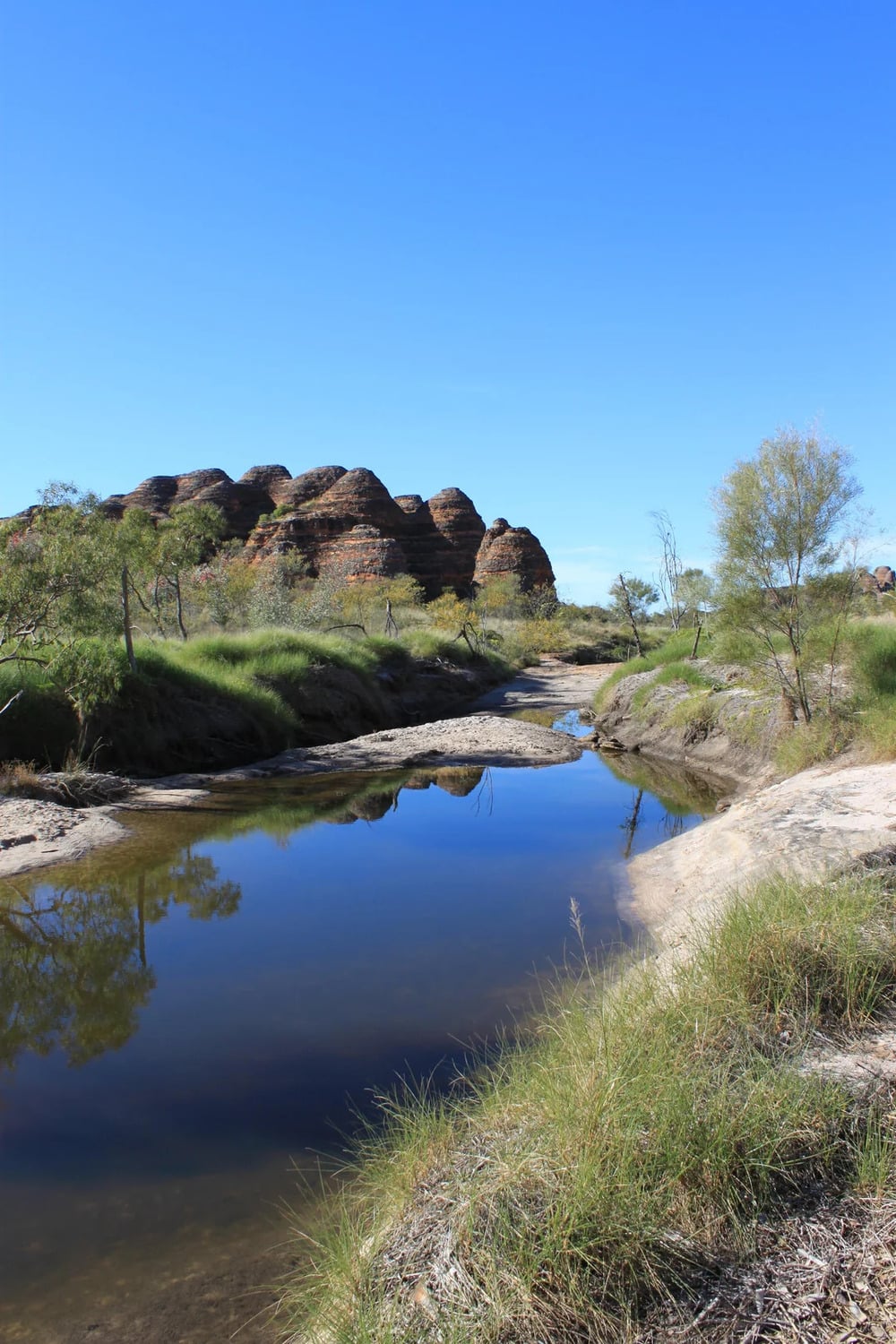
Australia’s Bungle Bungle Range is filled with rounded, striped formations packed together like an enormous collection of purpose-built domes. Their alternating orange and dark bands make the illusion even stronger. These sandstone formations were shaped by erosion over immense periods of time, leaving behind an entire landscape that looks more architectural than geological.
17. The Lake That Turns Into a Giant Paint Palette
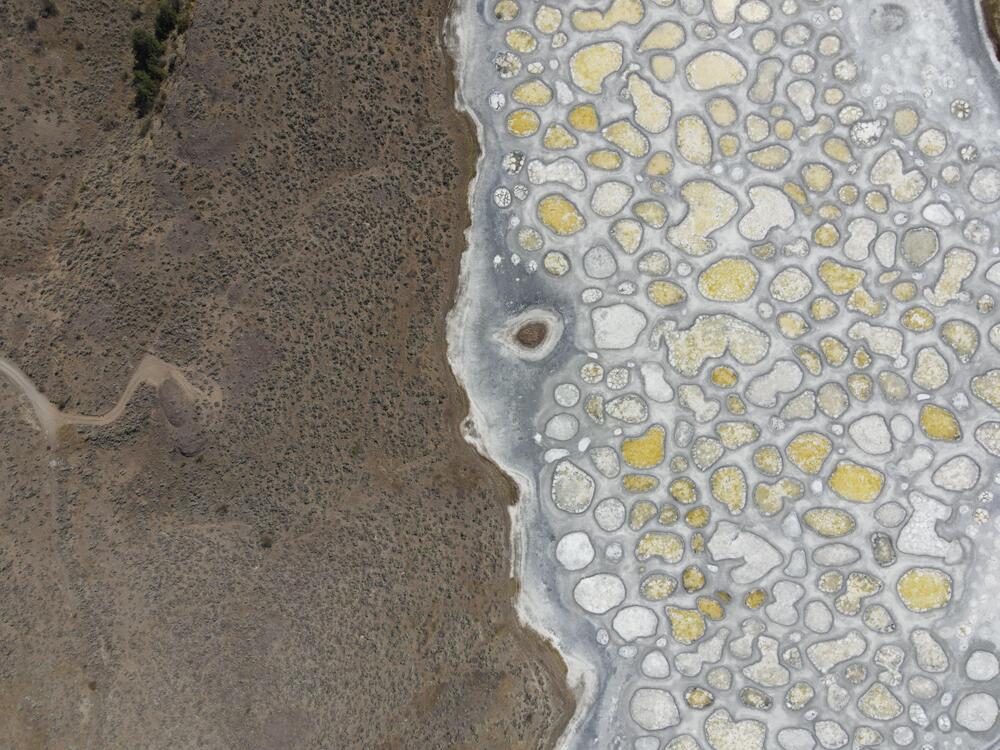
During summer, K’lilx, also known as Spotted Lake, transforms into dozens of separate mineral-rich pools. As water evaporates, the concentrated minerals create patches of different colors across the landscape. How does a lake end up looking like an enormous artist’s palette? It’s a completely natural seasonal transformation, but K’lilx is also culturally significant to the Syilx Okanagan people, making it far more than just a visual curiosity.
18. The Hills That Look Like Someone Repeated the Same Mold 1,700 Times
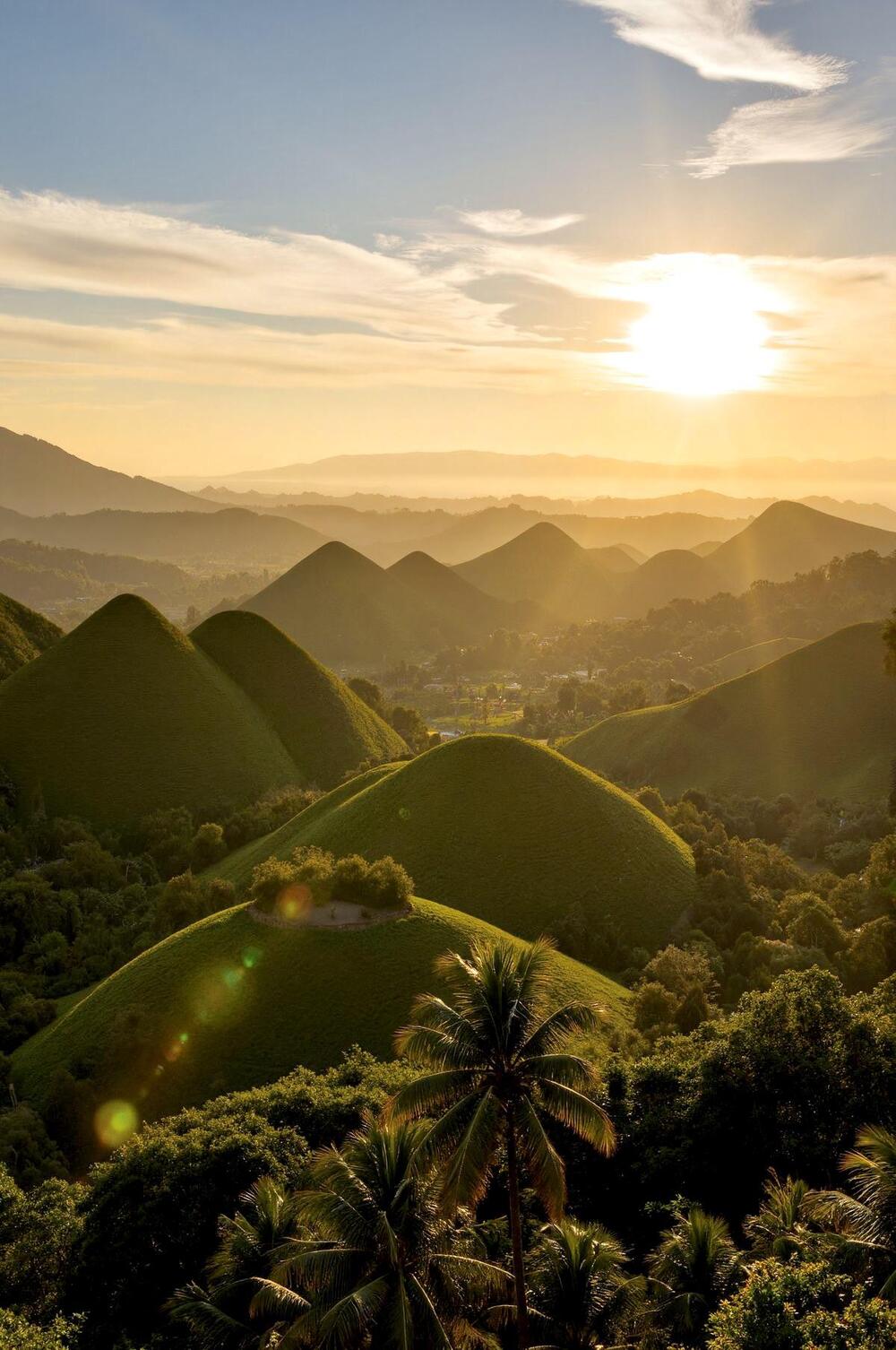
Bohol’s Chocolate Hills almost look mass-produced. More than a thousand similarly shaped hills rise across the Philippine landscape, repeating the same rounded form again and again. They’re part of a natural karst landscape shaped through the long-term weathering and erosion of limestone. During the dry season, the grass covering the hills turns brown, giving this geological assembly line its famous chocolate-colored appearance.
19. The Desert That Carved Its Own Mushroom Sculptures
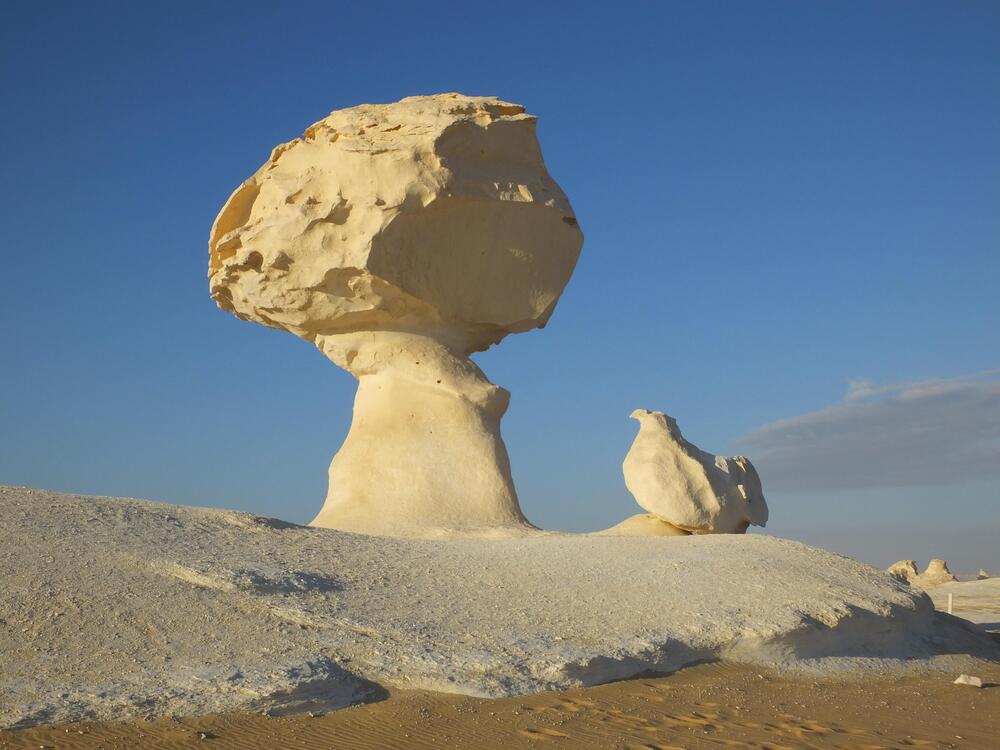
Egypt’s White Desert could easily pass for an outdoor sculpture exhibition. Wind and erosion have carved the pale chalk into unusual formations, including enormous mushroom and pedestal shapes rising from the desert floor. Softer material gradually wears away, leaving behind increasingly dramatic forms. Nobody carved them, but given enough time, the desert managed to create a sculpture garden all by itself.
20. The Bedrock That Looks Drilled With an Industrial Hole Saw
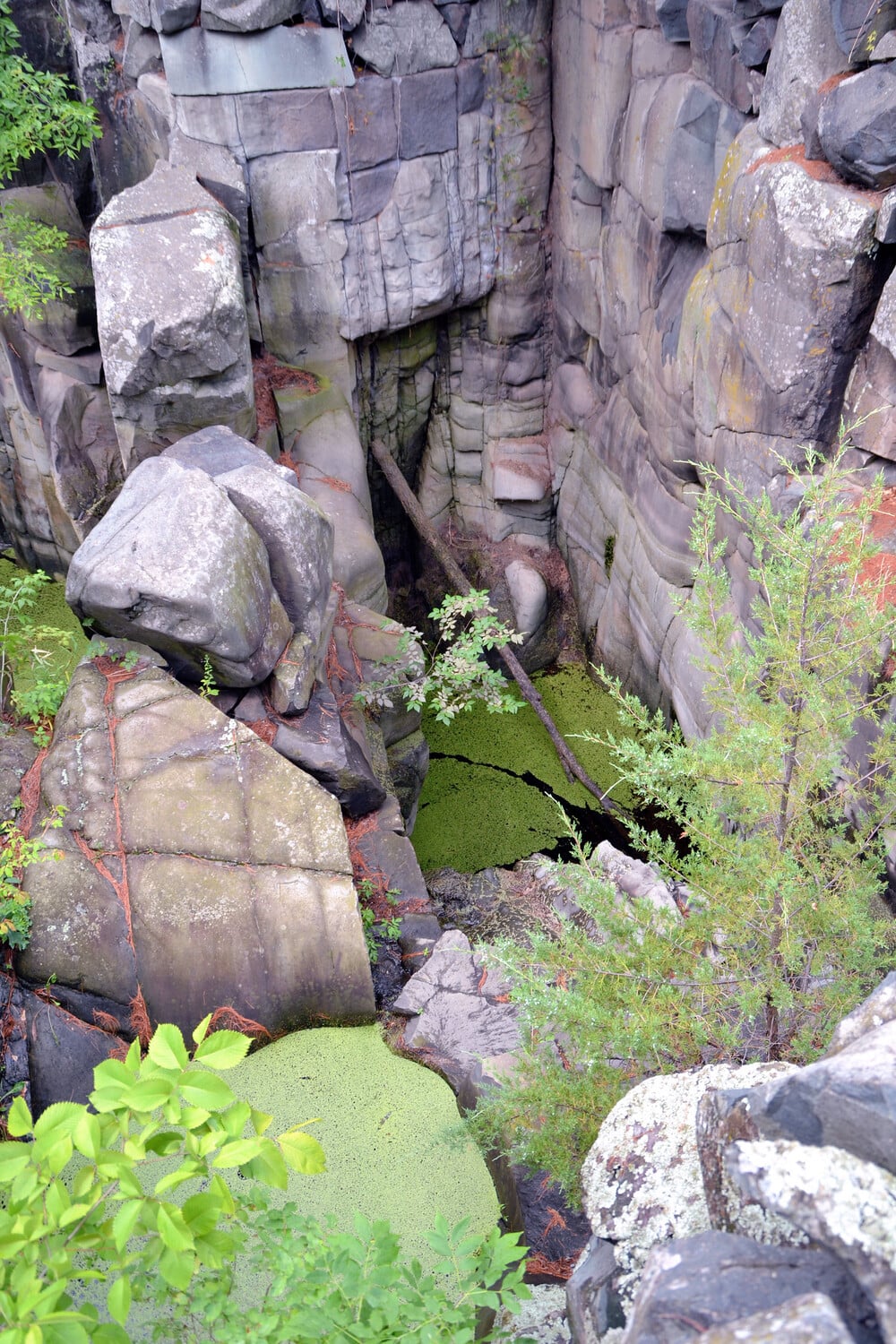
Some glacial potholes look far too smooth and cylindrical to have formed without heavy machinery. So how does nature drill a hole into solid bedrock? During glacial melt, fast-moving water can send rocks and sediment swirling against the same spot, gradually grinding downward into the stone. Over time, that natural abrasion can produce a giant’s kettle with walls that look remarkably machine-cut.
Nature doesn’t need blueprints, power tools, or construction crews to create something that looks engineered. Across deserts, coastlines, caves, mountains, and frozen rivers, ordinary geological and environmental processes can produce results that seem almost impossibly deliberate.
These natural formations are a reminder that some of the strangest designs on Earth weren’t designed at all. Sometimes all nature needs is water, wind, ice, minerals, and a few million years to make us wonder who built the place.
Keep Exploring The Scroller
If these natural formations had you questioning what nature can create on its own, there’s plenty more where that came from. Keep exploring The Scroller for more strange places, unbelievable discoveries, and real-world sights that look almost too unusual to exist:
15 Places Around the World That Look Photoshopped, But Aren’t
18 Places on Earth Where the Laws of Physics Seem to Break
20 Natural Phenomena That Show the Earth Is Stranger Than We Think