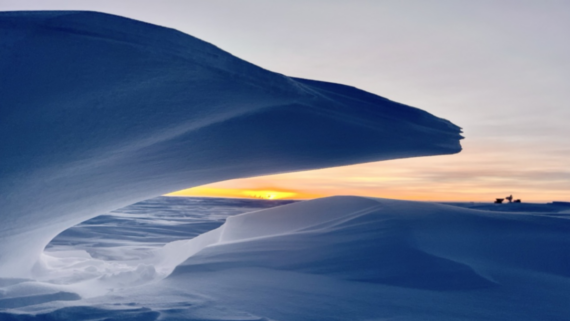
Antarctica facts have a habit of sounding less like science and more like someone testing how much absurdity a continent can hold. A waterfall runs red across a glacier, a volcano keeps molten lava bubbling in a frozen landscape, and fish survive with blood that is almost colorless.
Yet Antarctica is not strange because the rules of nature stop working there. It is strange because those rules are pushed to extremes. Cold, wind, isolation, geology, and millions of years of change have created conditions found almost nowhere else on Earth. The explanations somehow make the continent even more surprising.
1. A Glacier Can Bleed Red
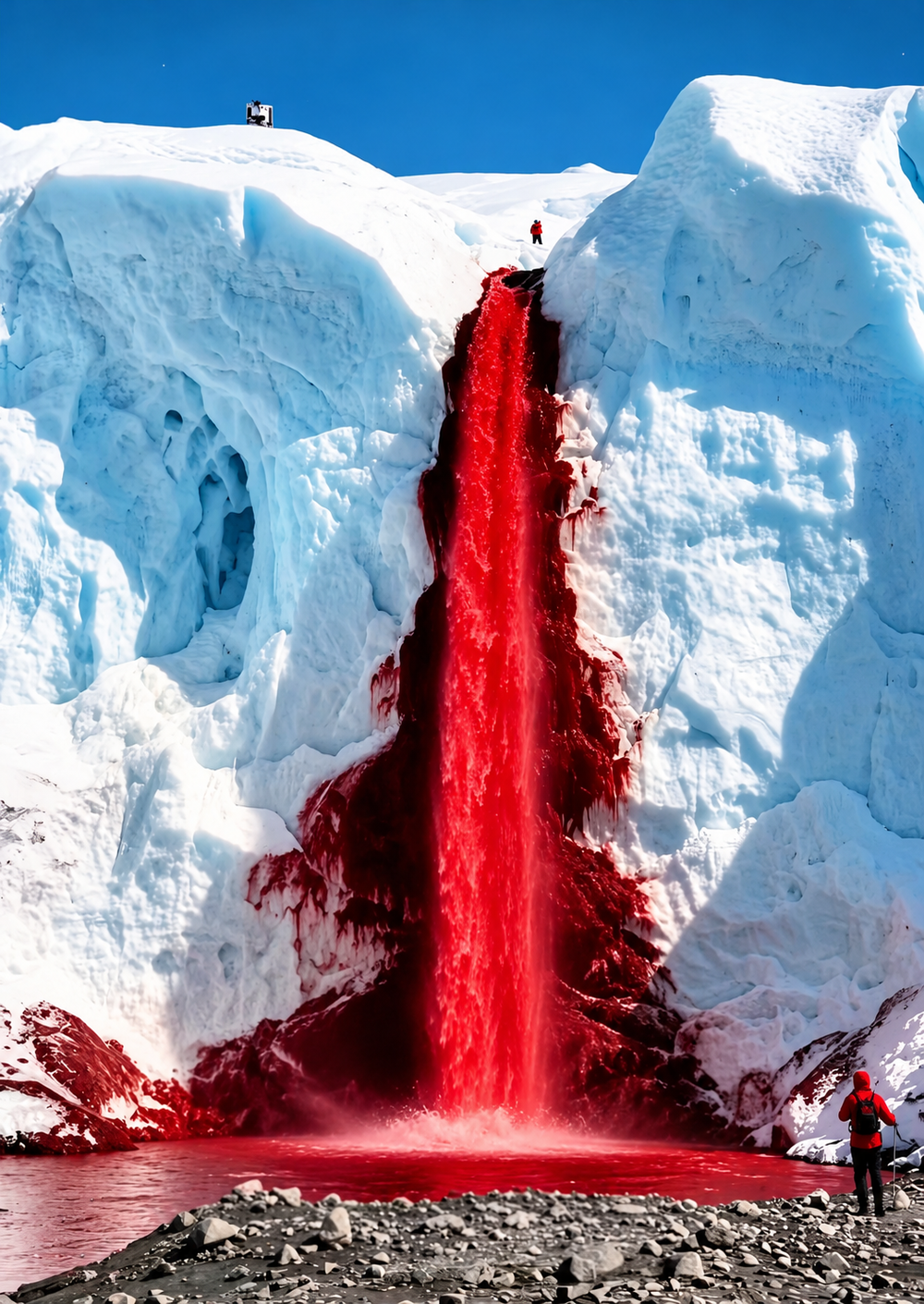
Against the whites and blues of Taylor Glacier, Blood Falls looks almost impossible to explain. The liquid emerging from the ice is actually salty, iron-rich brine, and when that iron encounters oxygen, it oxidizes and produces the rusty red color. So no, the glacier is not bleeding. The real explanation may be stranger anyway: intensely salty water is making its way out from beneath Antarctic ice.
2. An Active Volcano Holds a Lava Lake
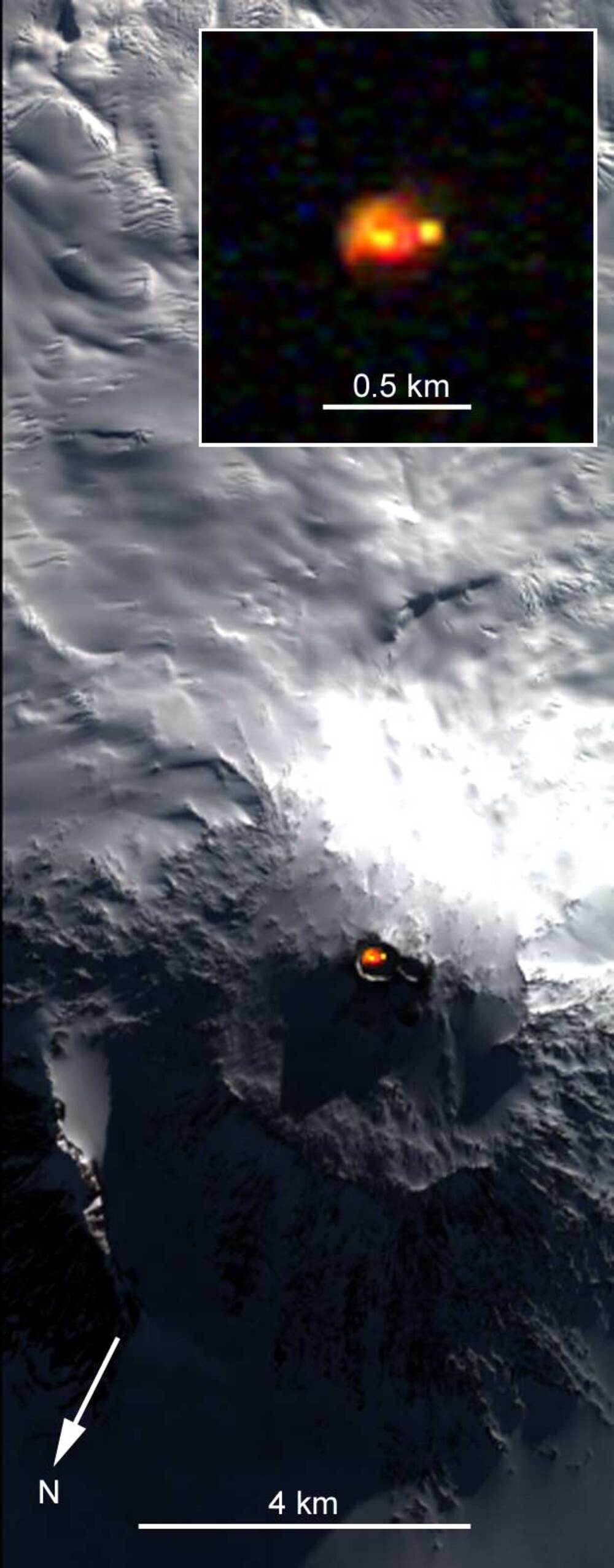
Fire and Antarctica do, in fact, share an address. Mount Erebus on Ross Island is an active volcano, and inside its summit crater sits a persistent lava lake. The combination feels wrong only because Antarctica is so strongly associated with ice. Beneath all that frozen scenery, however, the continent remains geologically active. Few places make “ice and fire” quite so literal.
3. Antarctica Once Had Forests and Dinosaurs
Picture Antarctica without its enormous white ice sheet. Fossils show that the continent once supported much warmer ecosystems, including forests, and dinosaurs lived there too. That does not mean Antarctica simply spent every warm period sitting near the equator. Its climate and position changed enormously across geological time. The frozen world visible today is only the latest chapter in a much longer story.
4. The Ice Sheet Stores a World-Changing Amount of Water
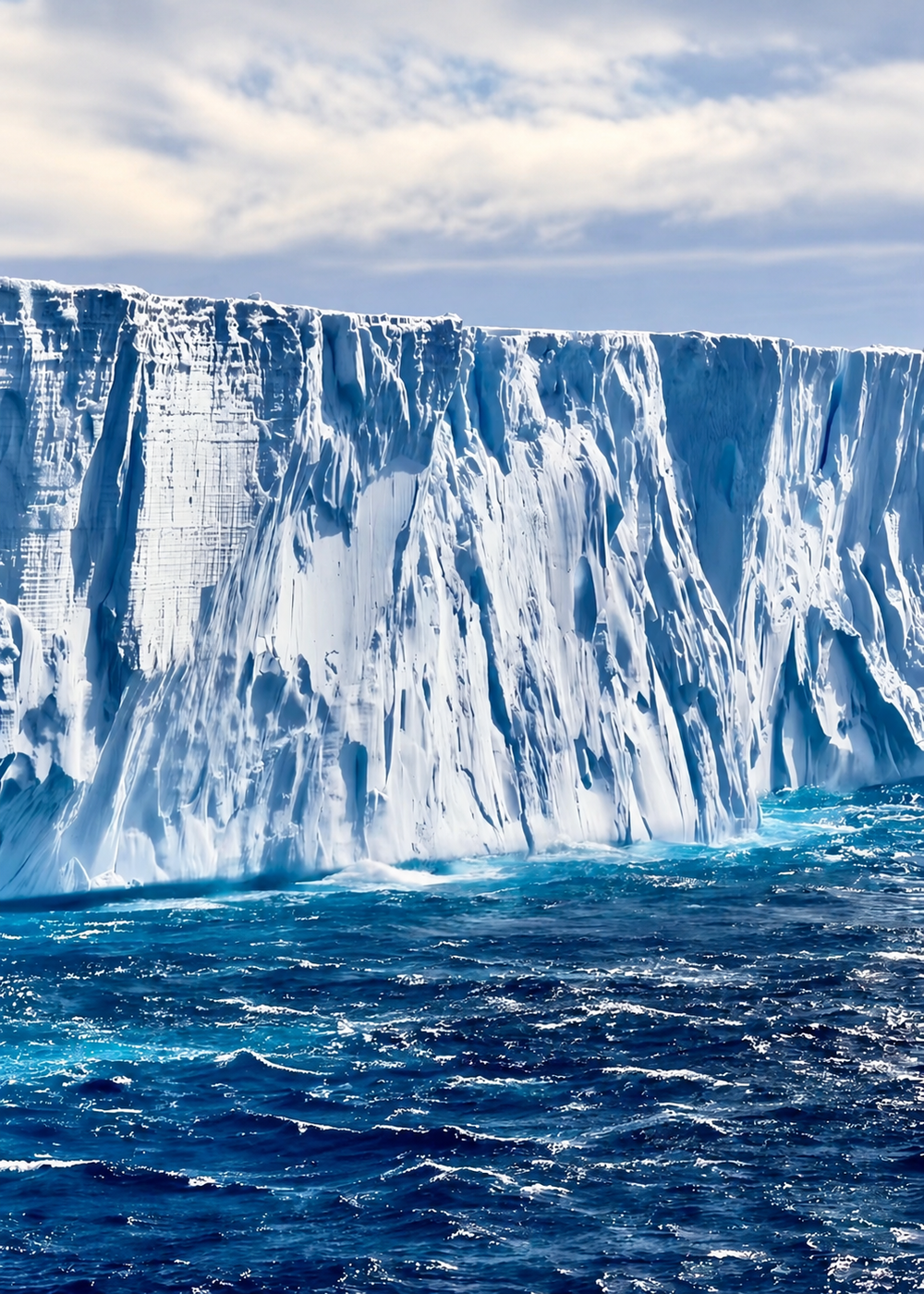
Antarctica’s ice is difficult to comprehend until it is translated into something familiar: sea level. If the entire Antarctic ice sheet were to melt, NASA estimates that global mean sea level would rise by roughly 58 meters, or about 190 feet. That is a full-melt equivalent, not a prediction that the whole ice sheet is about to disappear. Still, it puts the scale of the frozen continent into startling perspective.
5. Some Antarctic Fish Have White Blood
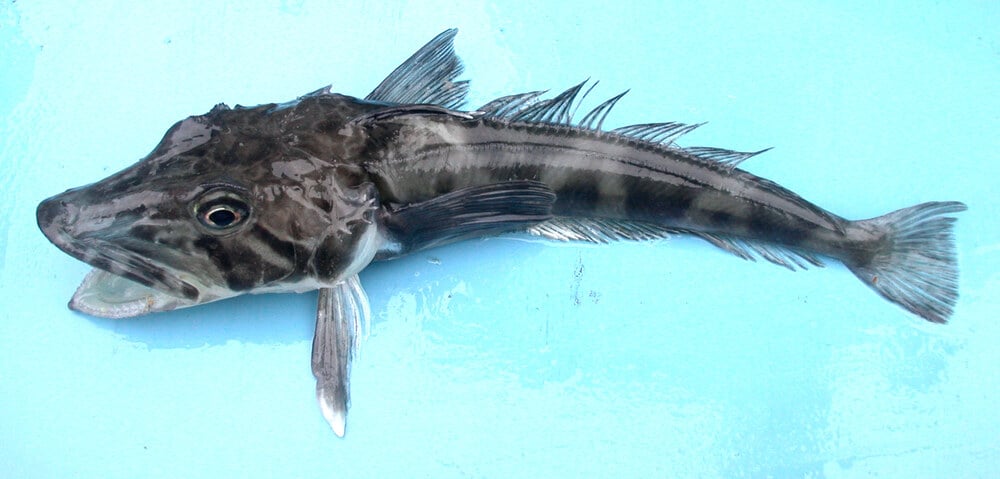
A fish with no red blood cells sounds like the beginning of a science-fiction creature, yet Antarctic icefish manage exactly that. They lack hemoglobin, the red pigment responsible for transporting oxygen in most vertebrate blood. Instead, their unusual physiology works in extremely cold, oxygen-rich waters. In a place where the environment seems hostile to life, evolution found an extraordinarily unconventional workaround.
Trending on The Scroller
6. The Coldest Directly Recorded Air Temperature Was Here
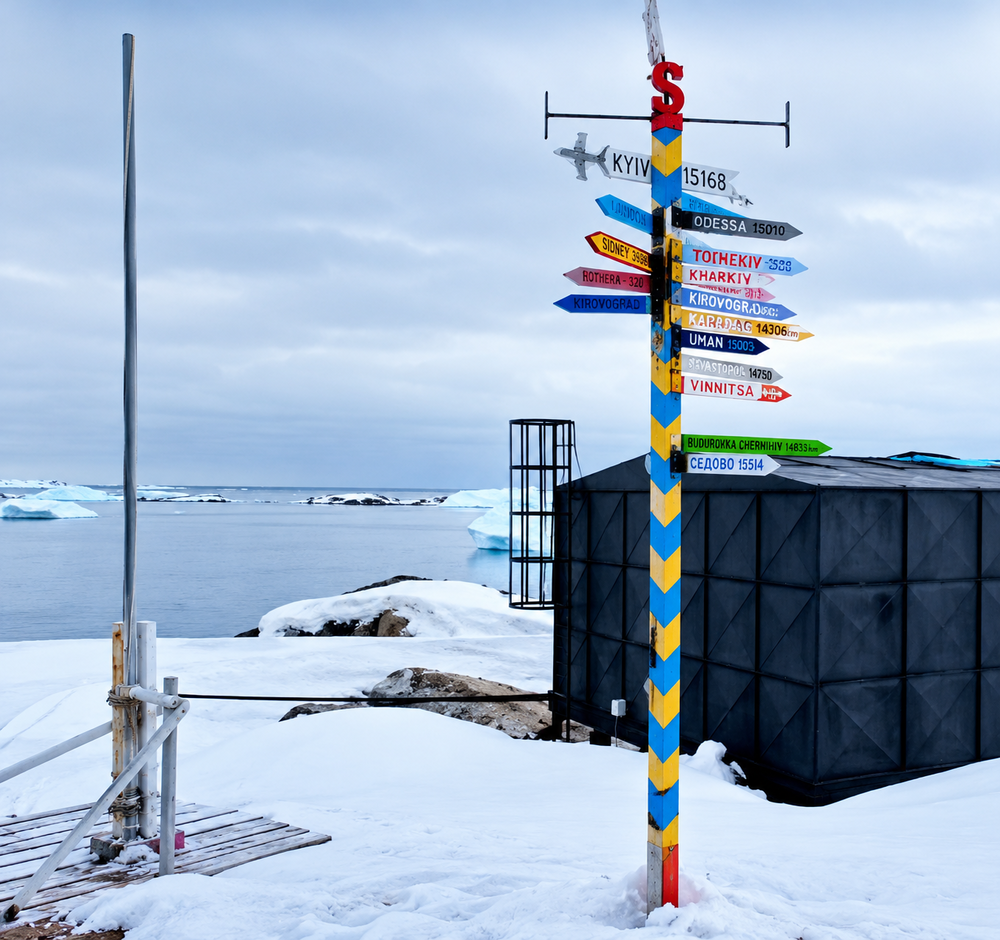
How cold can “cold” actually get? At Vostok Station on July 21, 1983, instruments measured an air temperature of -89.2°C (-128.6°F), recognized by the World Meteorological Organization as the lowest directly measured air temperature on Earth. Satellite observations have detected even colder surface temperatures elsewhere, but those are a different type of measurement. Either way, Antarctica operates on a temperature scale that makes an ordinary winter seem almost polite.
7. The Ross Ice Shelf Makes a Seismic Hum
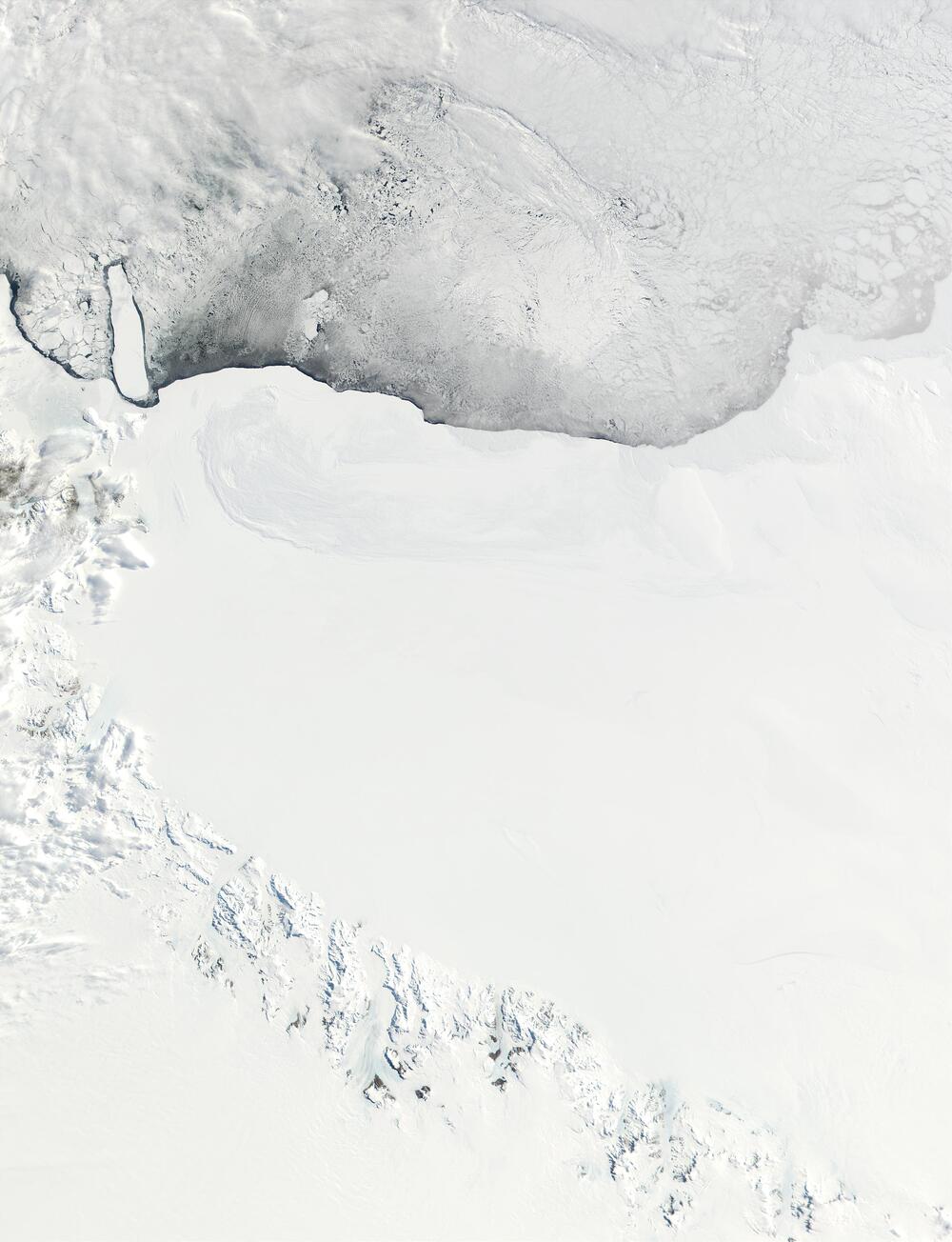
Antarctica has something resembling a soundtrack, but human ears need help hearing it. Scientists discovered that winds blowing across snow dunes on the Ross Ice Shelf cause the enormous sheet of ice to vibrate continuously. Seismometers detect those vibrations as changing seismic frequencies. They are below the range of normal human hearing, so the ice is not literally singing an audible melody across the continent. Still, an ice shelf quietly vibrating beneath the wind is hardly an ordinary consolation prize.
8. There Are Lakes Buried Under Kilometers of Ice
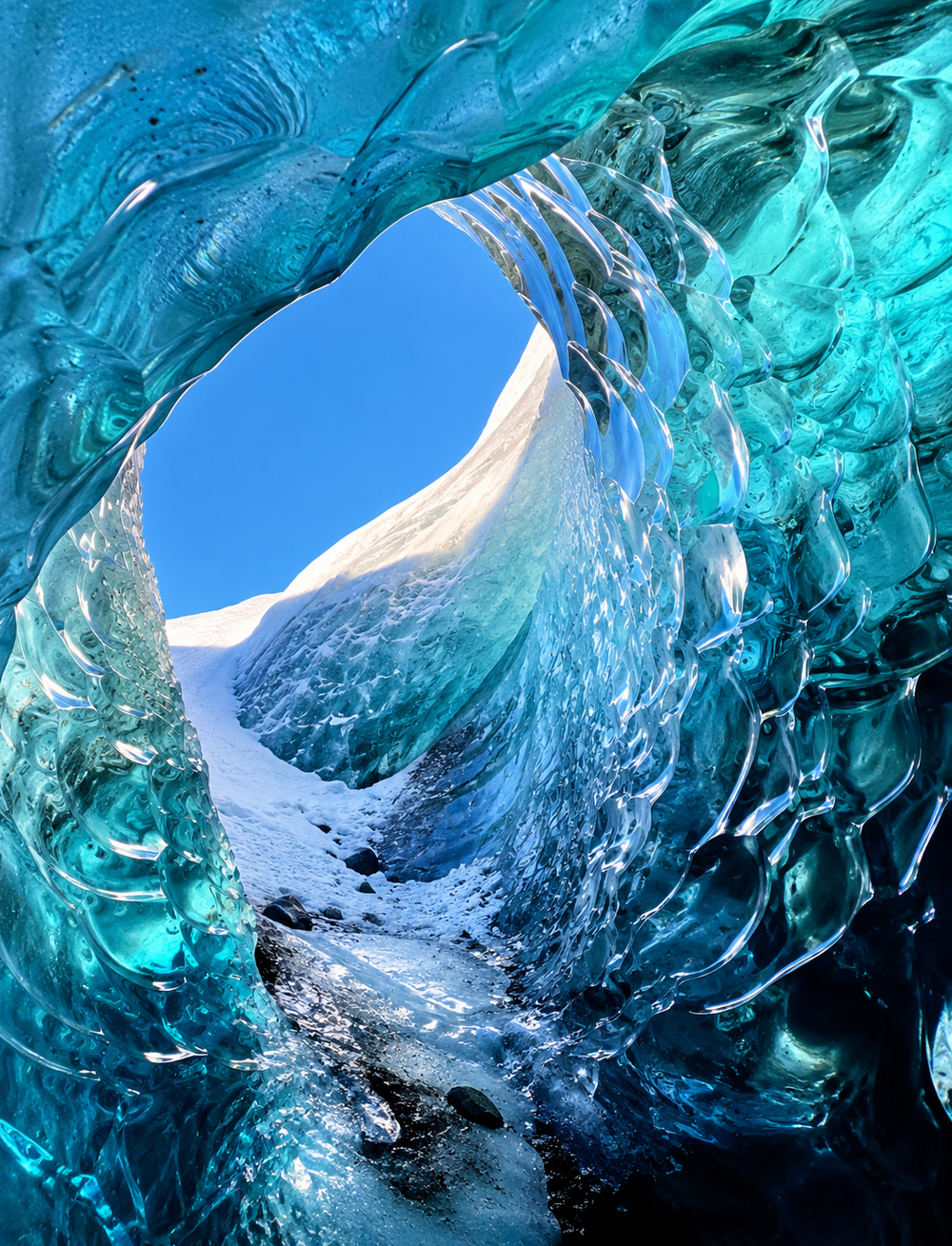
The landscape above can appear completely frozen while liquid water survives far underneath. Antarctica contains subglacial lakes, including enormous Lake Vostok, hidden beneath kilometers of ice. Pressure, geothermal heat, and the insulating properties of the overlying ice help water remain liquid in this deeply frozen environment. A visible blue ice cave may look more dramatic in a photograph, but the actual lakes are concealed far below the surface. What else would be hiding under all that ice?
Sign up for our newsletter
9. The Windiest Continent Has Gravity-Driven Gales
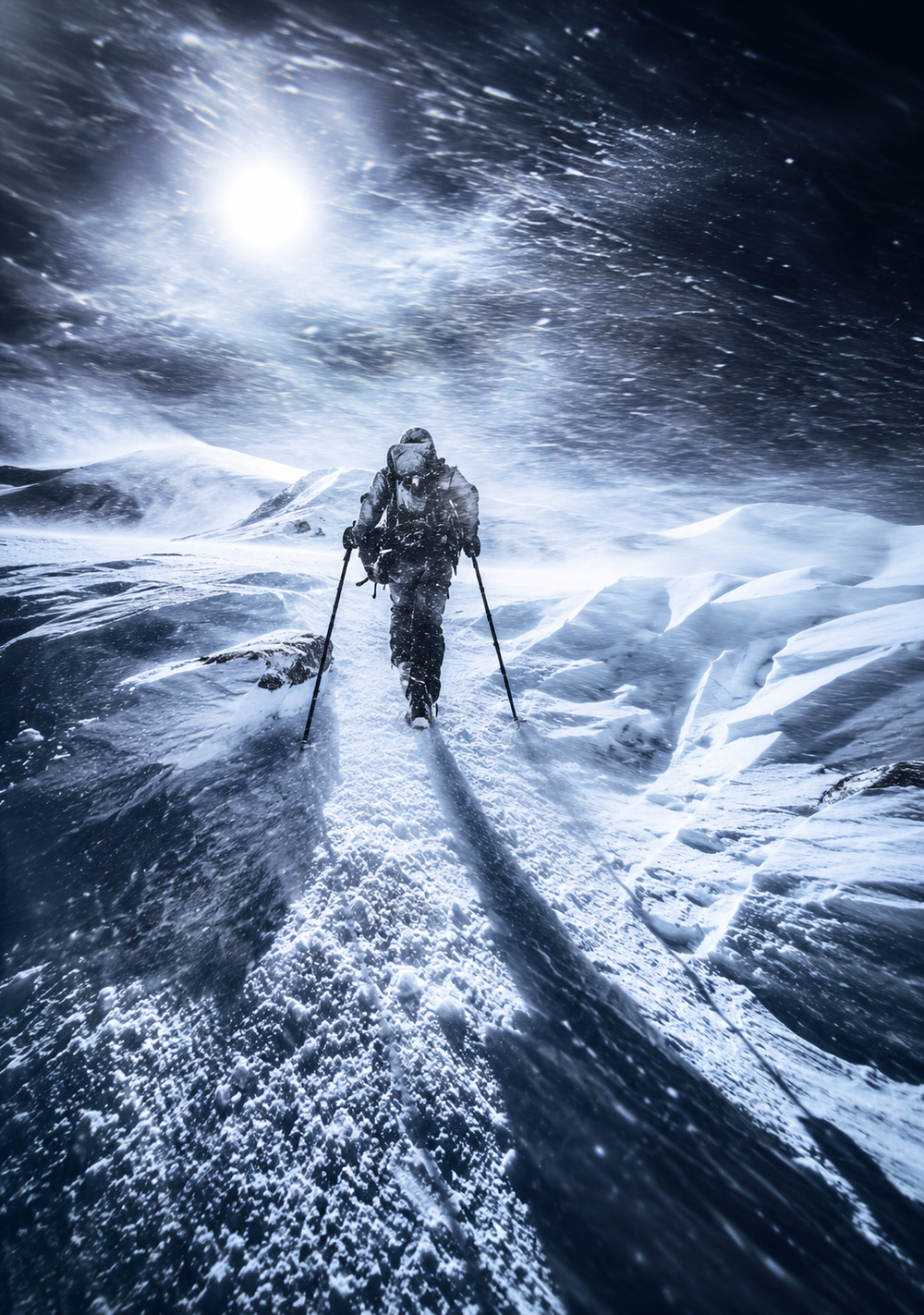
Some Antarctic winds do not simply blow across the landscape. They race downhill. Extremely cold, dense air can descend from the elevated interior toward the coast under gravity, creating powerful katabatic winds. The Australian Antarctic Program has documented gusts exceeding 300 km/h in some locations. Combine that with loose snow and extreme cold, and the landscape can transform from serene white emptiness into something violently inhospitable.
10. A Pond Can Stay Liquid in Extreme Cold
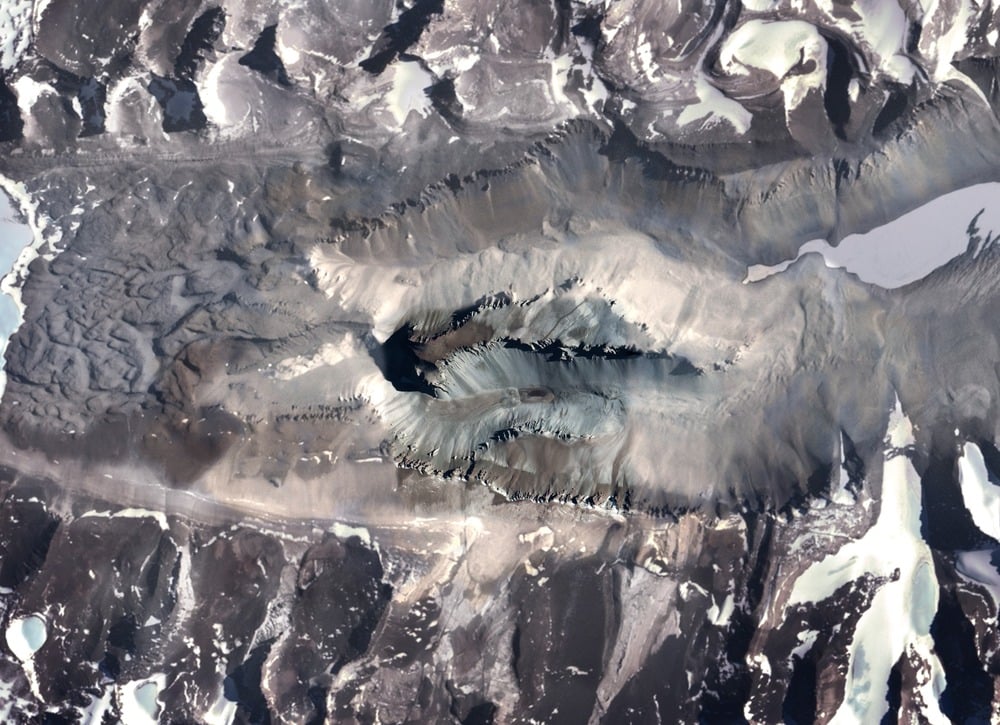
Antarctica facts become particularly counterintuitive at Don Juan Pond, where liquid water can persist despite brutally low temperatures. Located in the McMurdo Dry Valleys, the pond contains an extraordinarily concentrated calcium-chloride brine. That salt dramatically lowers the freezing point of the water, allowing it to remain liquid under conditions that would freeze ordinary freshwater solid. Antarctica apparently found a way to make even a pond ignore expectations.
11. Antarctica Is a Desert Under All That Ice
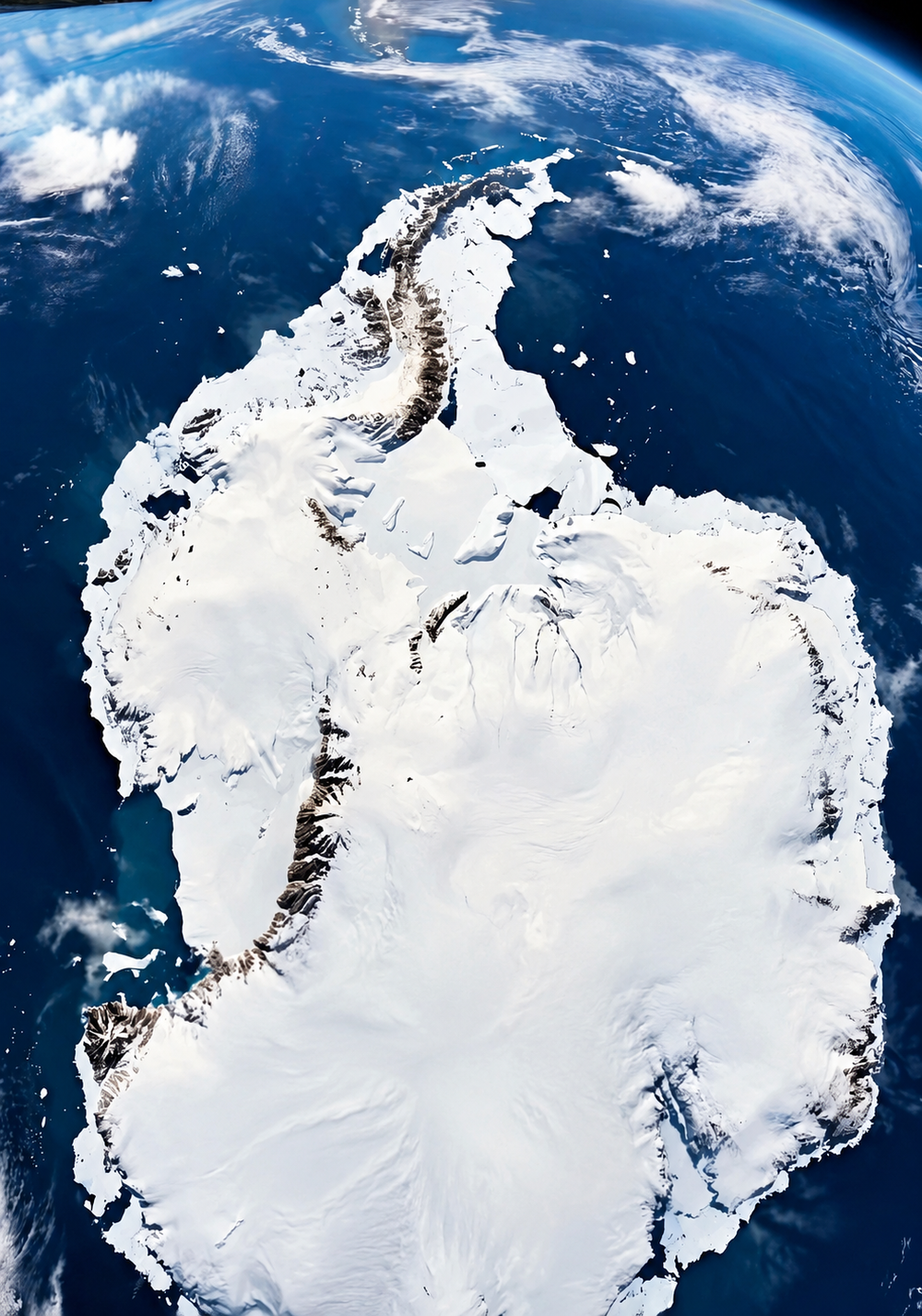
Calling Antarctica a desert sounds like a contradiction until the definition is considered. Deserts are defined by low precipitation, not by sand or scorching temperatures, and the Antarctic interior receives remarkably little precipitation each year. Snow can accumulate because what falls may remain for extraordinarily long periods, but that does not mean fresh snow is constantly arriving. The world’s most famous frozen landscape is also a vast polar desert.
12. At the South Pole, Daylight Can Last for Months
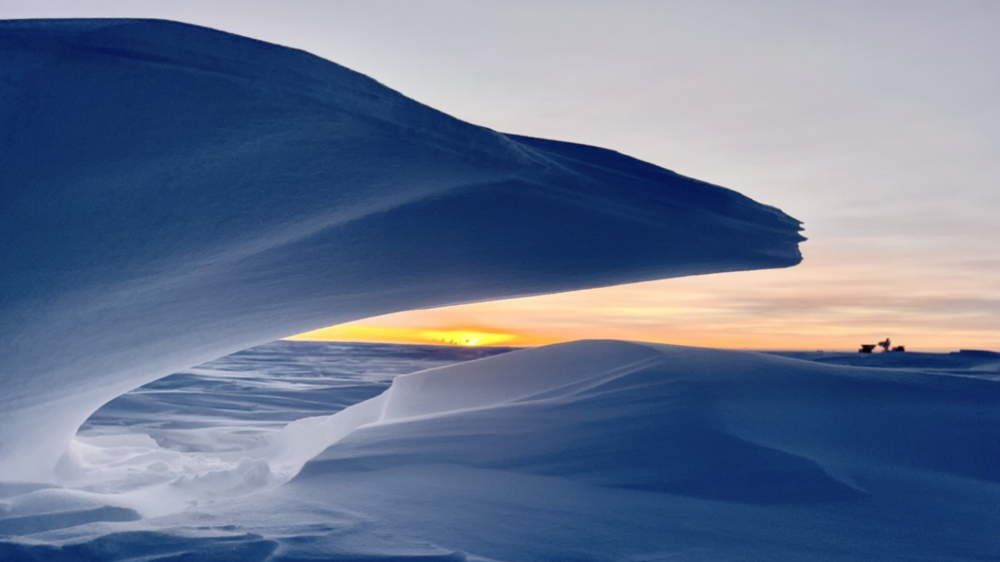
Forget the familiar daily rhythm of sunrise and sunset. Because of Earth’s axial tilt, regions near the South Pole experience extraordinarily long periods of daylight in summer and darkness in winter. At the pole itself, the transition effectively produces months dominated by continuous light followed by months of darkness. The exact pattern changes with latitude, so coastal Antarctic stations experience something different. Imagine trying to convince a body clock that nighttime has been canceled for the season.
13. Antarctic Ice Preserves Meteorites From Space
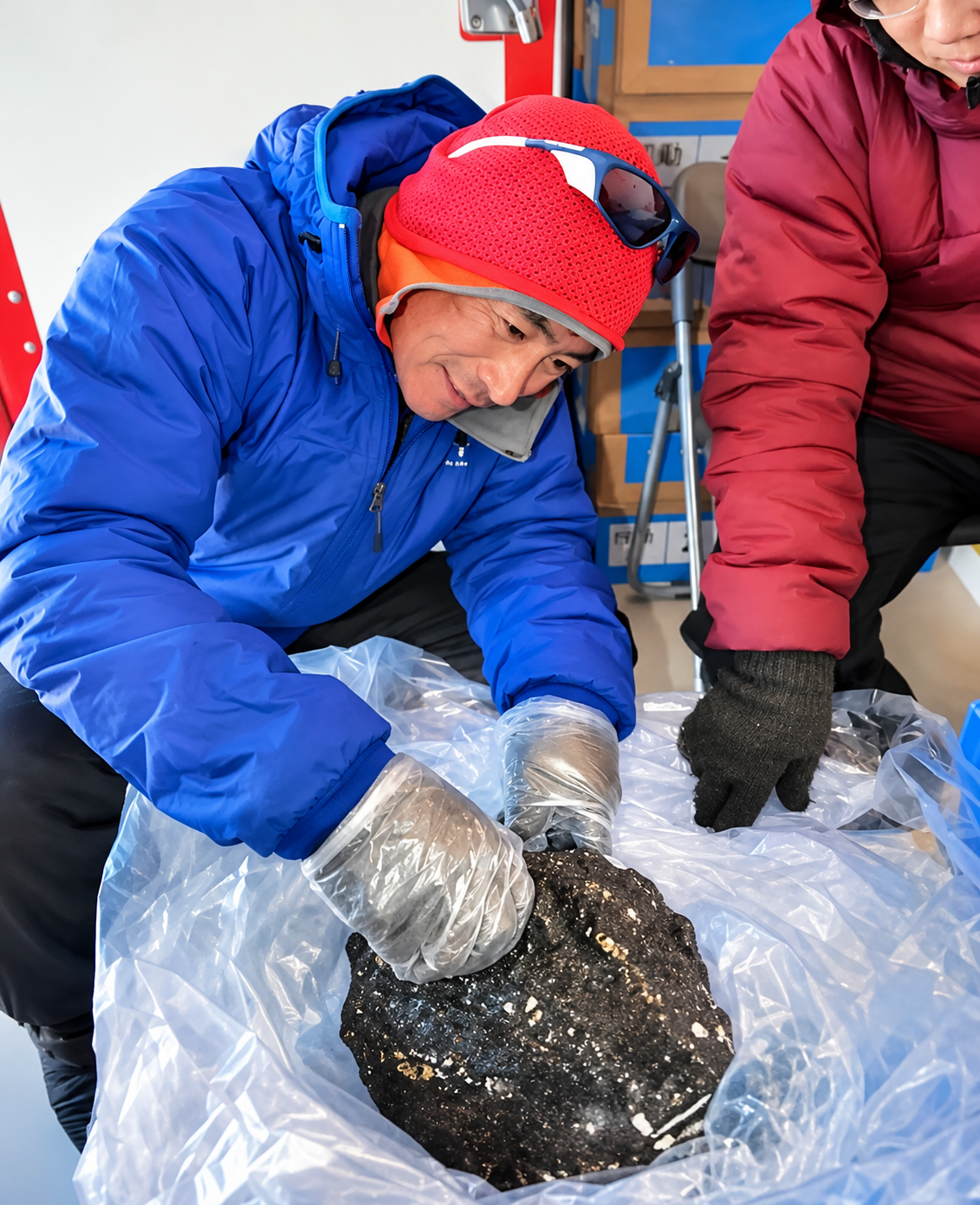
Meteorite hunters have an unusual advantage in Antarctica. Dark extraterrestrial rocks stand out dramatically against blue ice, while the movement and ablation of the ice can concentrate meteorites in particular areas. Researchers have recovered thousands from the continent. The ice is not attracting rocks from space, but Antarctic conditions can preserve, expose, and gather them in ways that make finding them remarkably productive. It is almost a natural archive of material that fell from beyond Earth.
14. Some Valleys Look More Like Mars Than Earth
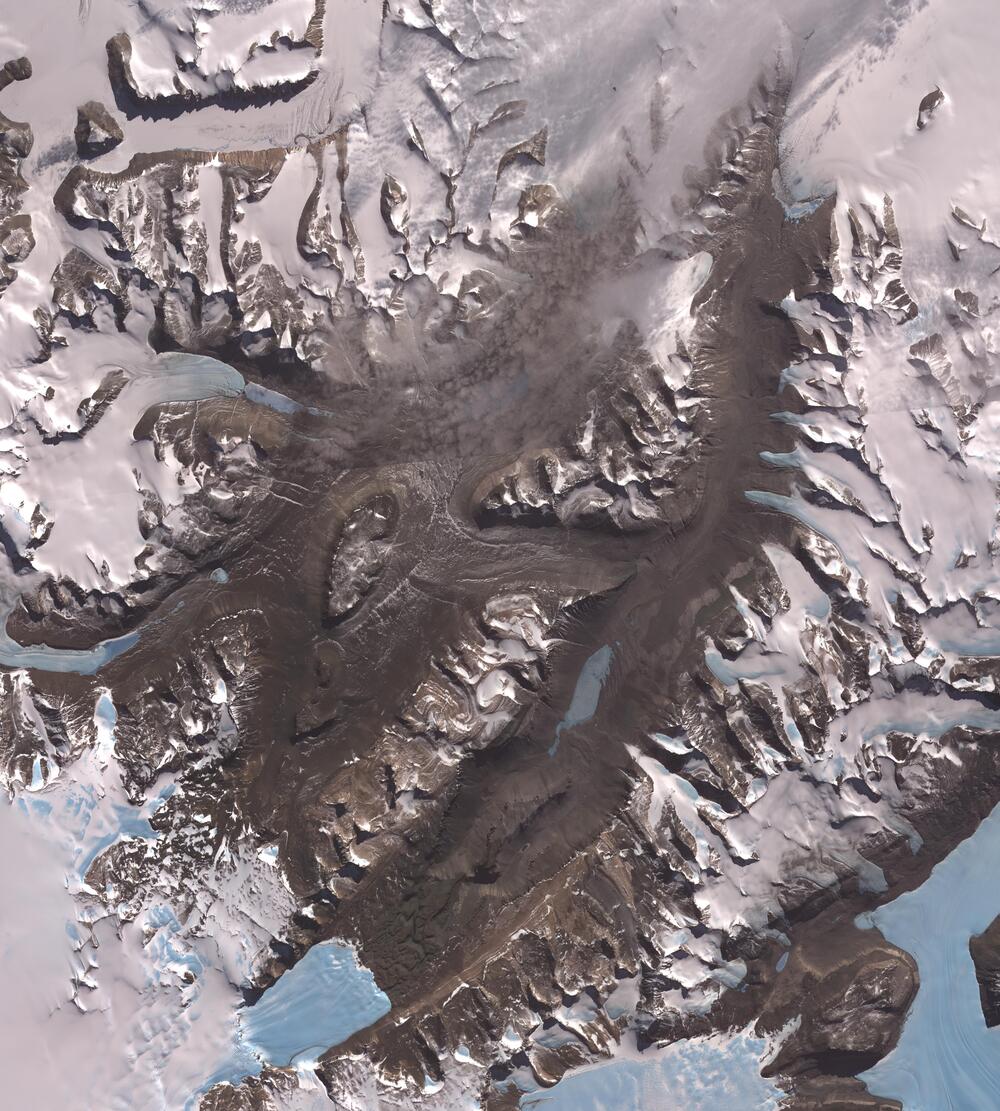
Not every corner of Antarctica is buried beneath a pristine blanket of snow. The McMurdo Dry Valleys contain vast stretches of exposed rock, extremely low humidity, and remarkably little ice at the surface. Their severe conditions have made them useful terrestrial analogs for studying environments resembling parts of Mars. It is one of Antarctica’s best visual tricks: travel across the planet’s great frozen continent and suddenly encounter a landscape that appears to belong to another world.
15. No New Territorial Claim Can Be Made Under the Treaty
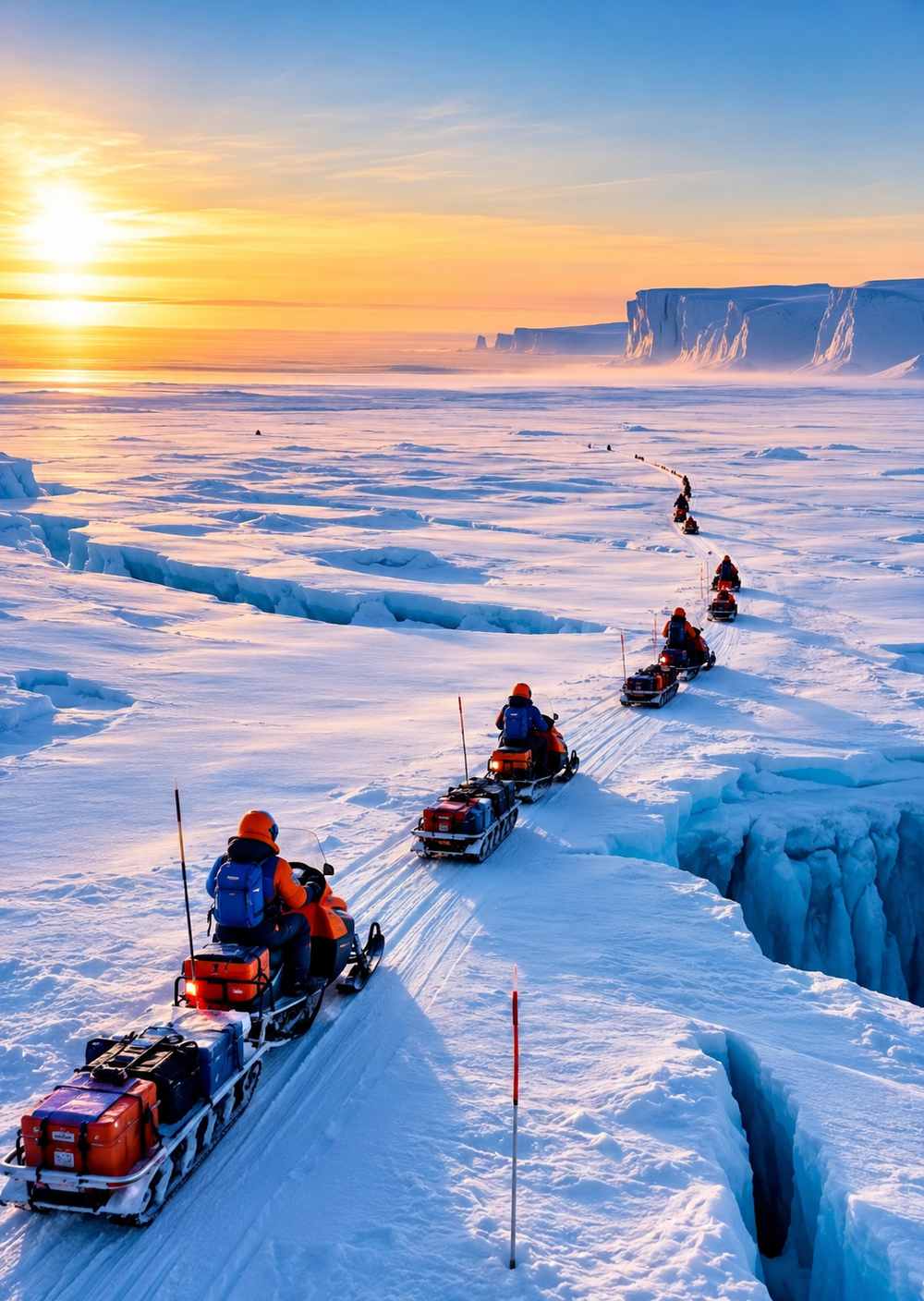
The political map of Antarctica is almost as unusual as its geography. Seven countries have made territorial claims, some of which overlap, but the Antarctic Treaty preserves those existing positions while preventing new claims or enlargement of existing ones while the treaty remains in force. In other words, saying that “nobody claims Antarctica” oversimplifies the situation. The continent instead operates under an international system designed to keep sovereignty disputes from dominating its peaceful and scientific use.
16. At the South Pole, Every Time Zone Meets
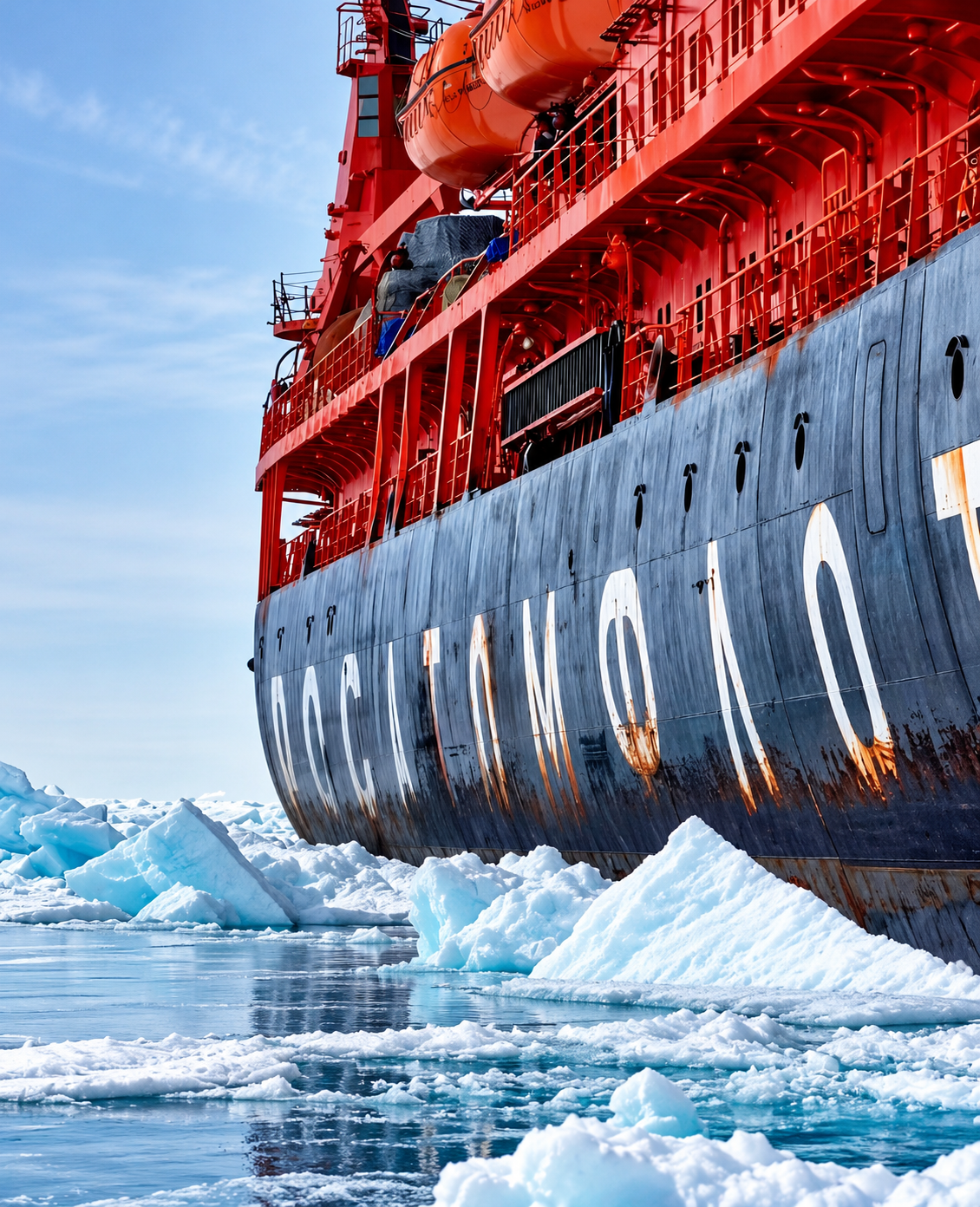
Time gets wonderfully awkward at the bottom of the planet. Every line of longitude converges at the South Pole, meaning all geographic time zones technically meet there. Research stations therefore need practical conventions rather than relying on longitude alone. Amundsen-Scott South Pole Station commonly follows New Zealand time because of its logistical connections, while Antarctic stations elsewhere use time zones suited to their operations. At the exact pole, walking around a marker could theoretically cross every longitude while barely going anywhere at all.
Antarctica becomes more fascinating the closer it is examined. Its red waterfall, buried lakes, white-blooded fish, seismic vibrations, lava lake, extreme winds, meteorites, and strange relationship with daylight all have scientific explanations. Somehow, knowing why these things happen does not make them feel less extraordinary. It makes Earth’s coldest continent feel even more alien.
Keep Exploring The Scroller
Antarctica is only one of Earth’s stranger corners. Keep exploring The Scroller for more remarkable places, natural phenomena, and facts that sound almost impossible:
15 Geographic Facts About Planet Earth