Cities built in unlikely places reveal just how flexible the idea of a ‘good location’ can become. Some grew on waterlogged ground, others beneath volcanoes, beside powerful rivers, or in landscapes where earthquakes and flooding are recurring parts of life. Yet these places were not simply the result of bad decisions. Geography could offer trade routes, defensive advantages, fertile land, political importance, or access to the sea, and generations of residents found ways to adapt to the challenges that came with those benefits. The result is a collection of cities where engineering, planning, and persistence transformed difficult terrain into home.
1. Venice, Italy
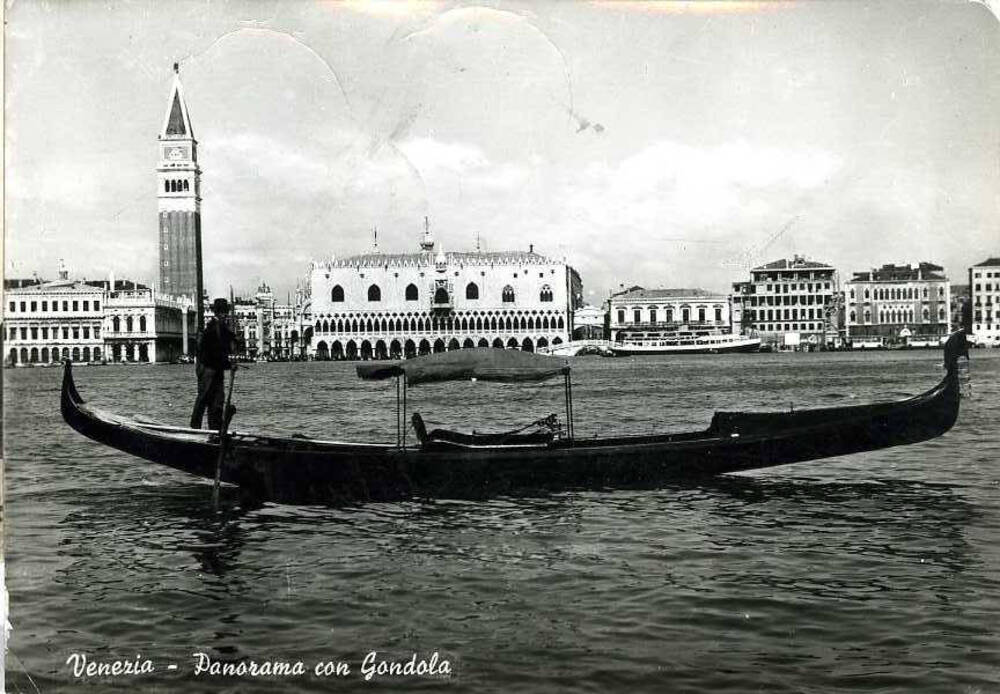
Venice begins with a location that barely seems like land at all. The city developed across islands in a shallow lagoon, where builders found ways to support structures on soft, waterlogged terrain. Water became both obstacle and infrastructure, with canals serving as transportation routes through the city. What looks impossibly fragile has supported a major urban center for centuries.
2. Mexico City, Mexico
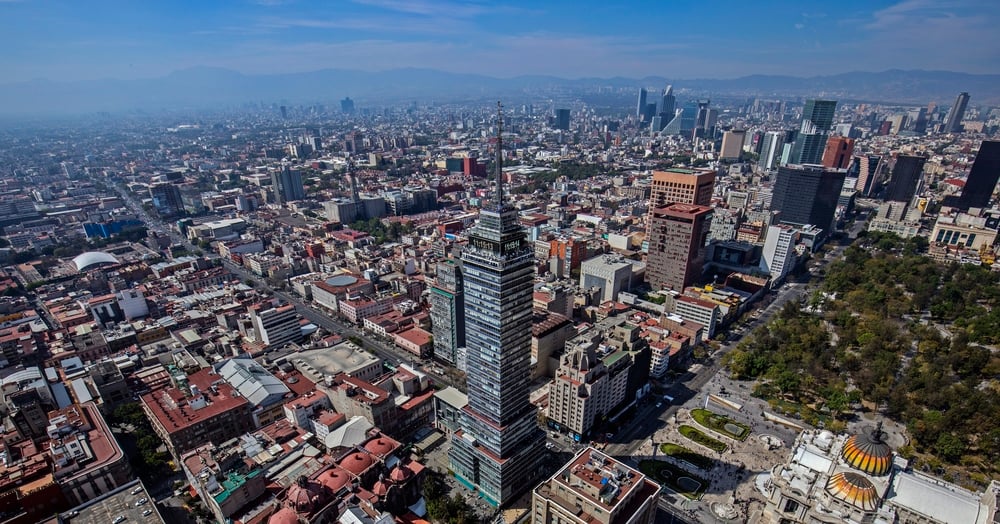
Mexico City occupies a landscape dramatically transformed from the lake system that once covered much of the Valley of Mexico. The metropolis eventually expanded across former lakebeds, leaving large areas built over soft ground. That unusual foundation remains part of the city’s physical reality, making its enormous modern skyline even more remarkable.
3. New Orleans, Louisiana
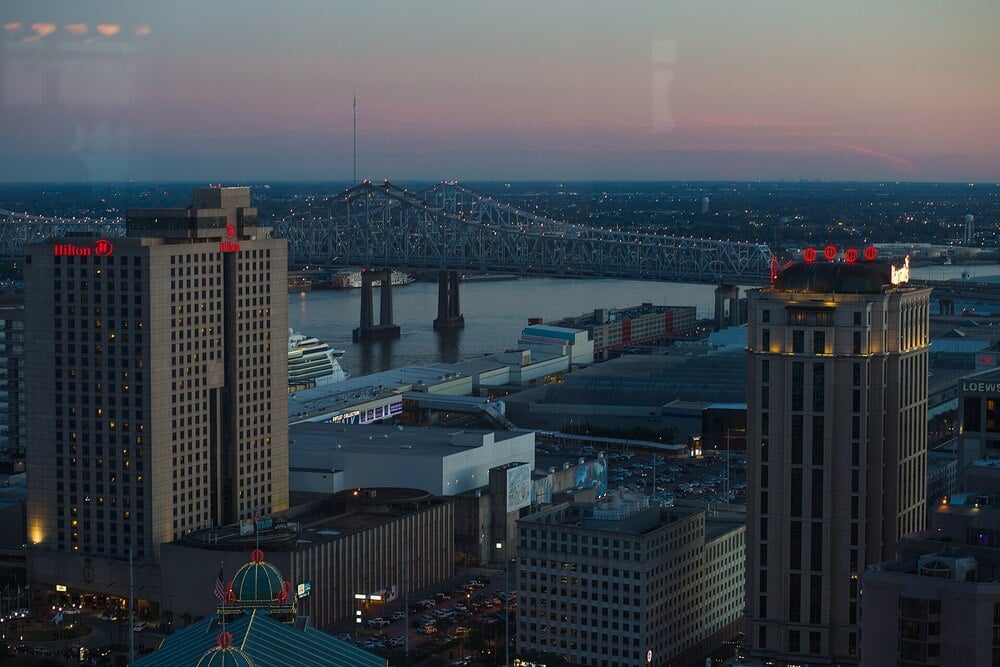
Building beside the Mississippi River brought enormous advantages, but it also meant learning to live with water. Significant portions of modern New Orleans sit at or below sea level, making levees, drainage canals, and pumping systems essential pieces of urban infrastructure. Here, managing the surrounding landscape isn’t an occasional project. It is woven into how the city functions.
4. Amsterdam, Netherlands
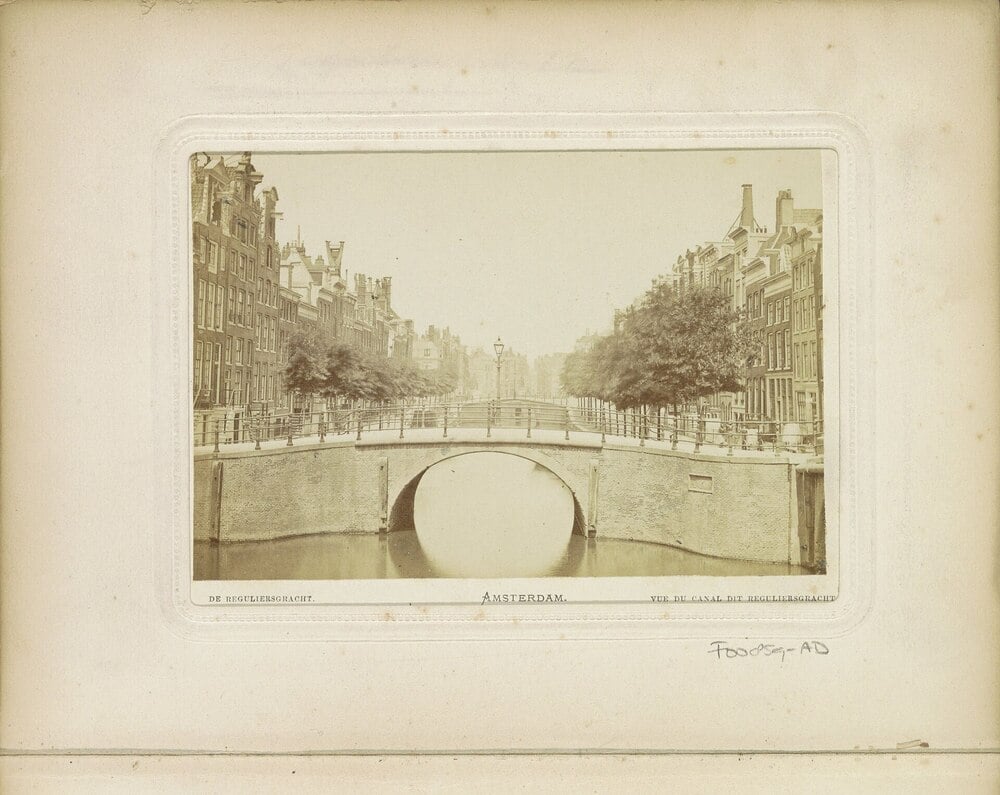
Amsterdam didn’t escape its difficult relationship with water. It incorporated it into the city itself. Its canals belong to a much larger landscape shaped by dikes, drainage, and reclaimed land, allowing communities to expand across territory that required constant water management. Few cities make the engineering behind their existence such a visible part of everyday life. Have you ever wondered how different a city becomes when controlling water influences almost every decision about where people can build?
5. Jakarta, Indonesia
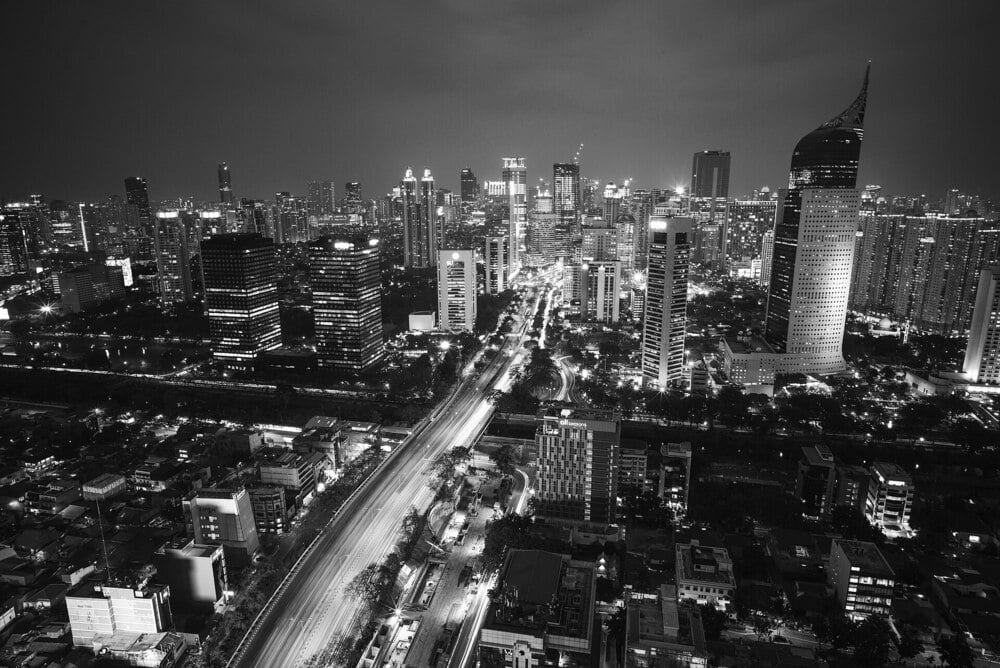
Jakarta combines several geographic challenges within one enormous metropolitan area. Low-lying districts face flooding, while parts of the city have experienced land subsidence. Heavy rainfall, rivers, dense development, and its coastal location add further complications. Yet Jakarta continued growing into a vast urban center, turning an exceptionally demanding landscape into home for millions.
Trending on The Scroller

6. Naples, Italy
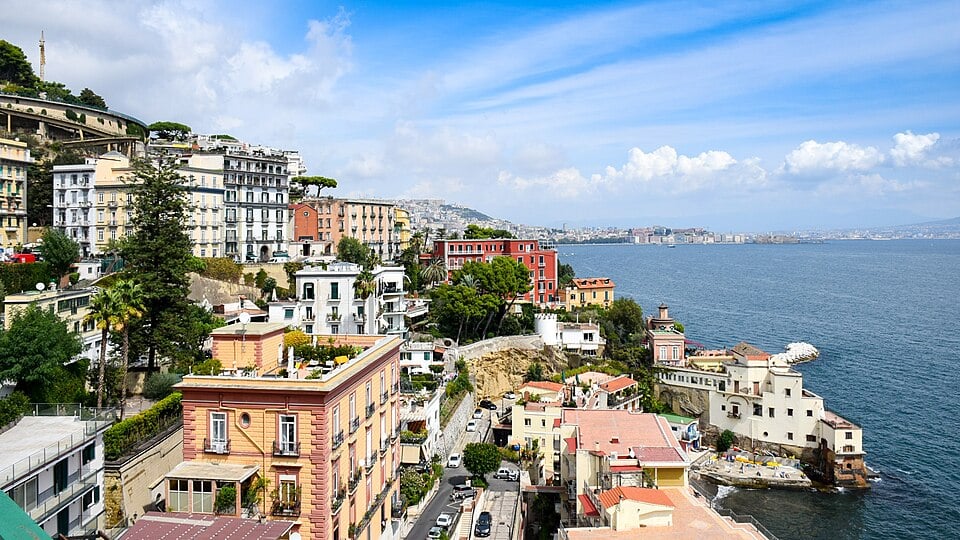
Naples grew in a location that offered a spectacular bay, fertile surroundings, and valuable Mediterranean connections, but it also placed the city beside one of Europe’s best-known volcanoes. Mount Vesuvius dominates the landscape and has repeatedly demonstrated why volcanic soil can be both an advantage and a danger. The result is a major city living remarkably close to a geological force capable of reshaping the region.
7. San Francisco, California
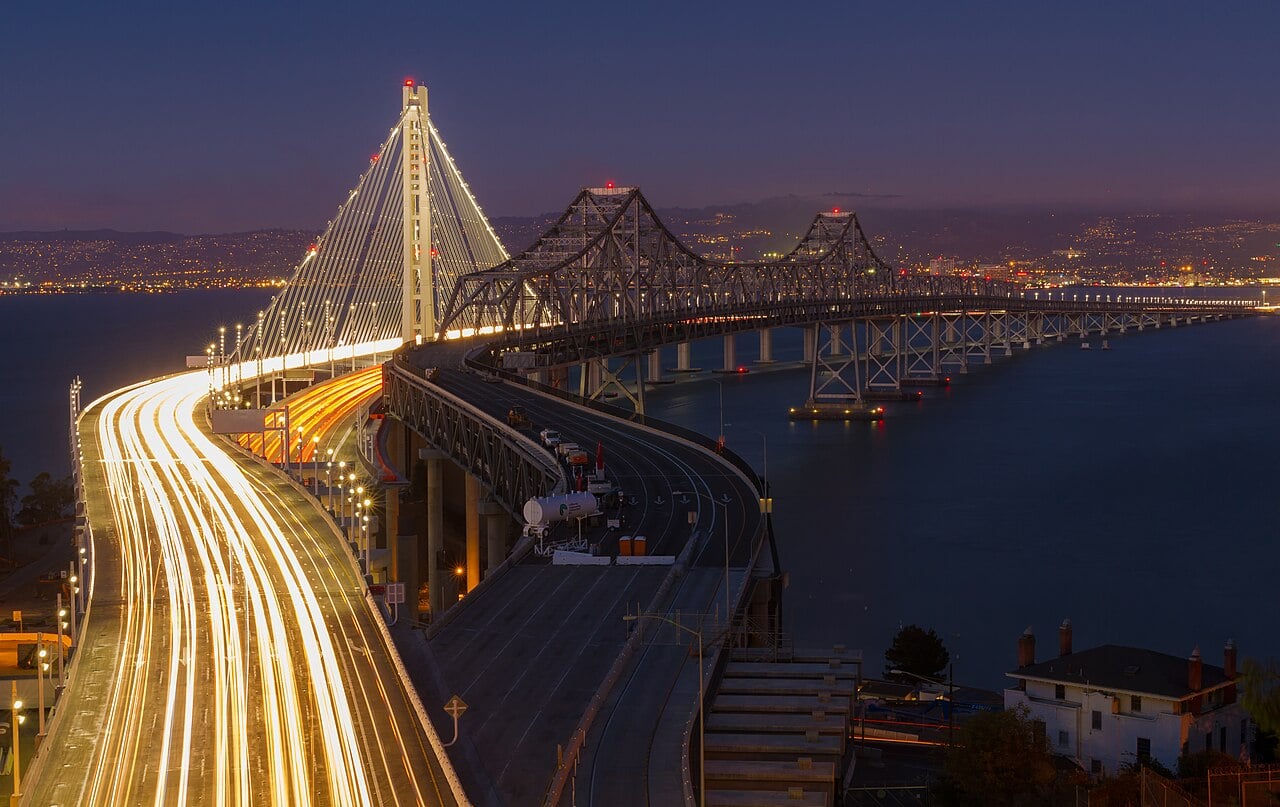
San Francisco turned a hilly peninsula into a dense city despite terrain that rarely makes construction simple. Steep slopes became streets and neighborhoods, while the region’s position near major faults added another challenge. Earthquakes have repeatedly influenced how the city builds and rebuilds, making its famous hills only the most visible part of an unusually demanding location.
8. Reykjavik, Iceland
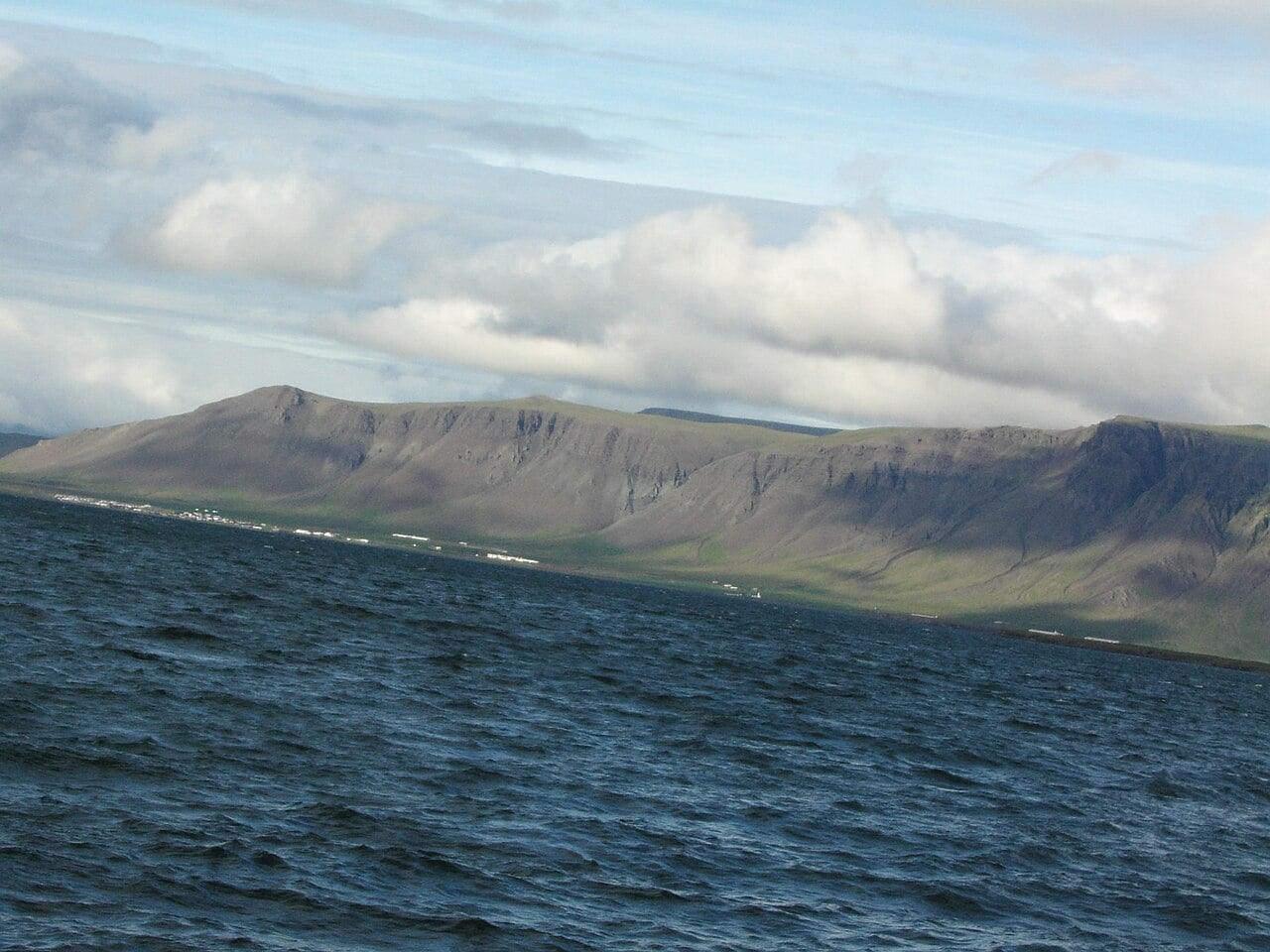
Reykjavik sits in a country shaped by the same geological forces that make Iceland so visually dramatic. Volcanic activity, earthquakes, harsh North Atlantic weather, and long winter darkness hardly sound like ideal ingredients for a capital city. But that geology also provides an extraordinary advantage: geothermal energy, which has become deeply integrated into how the city heats buildings and uses its unusual environment.
Sign up for our newsletter
9. Santorini, Greece
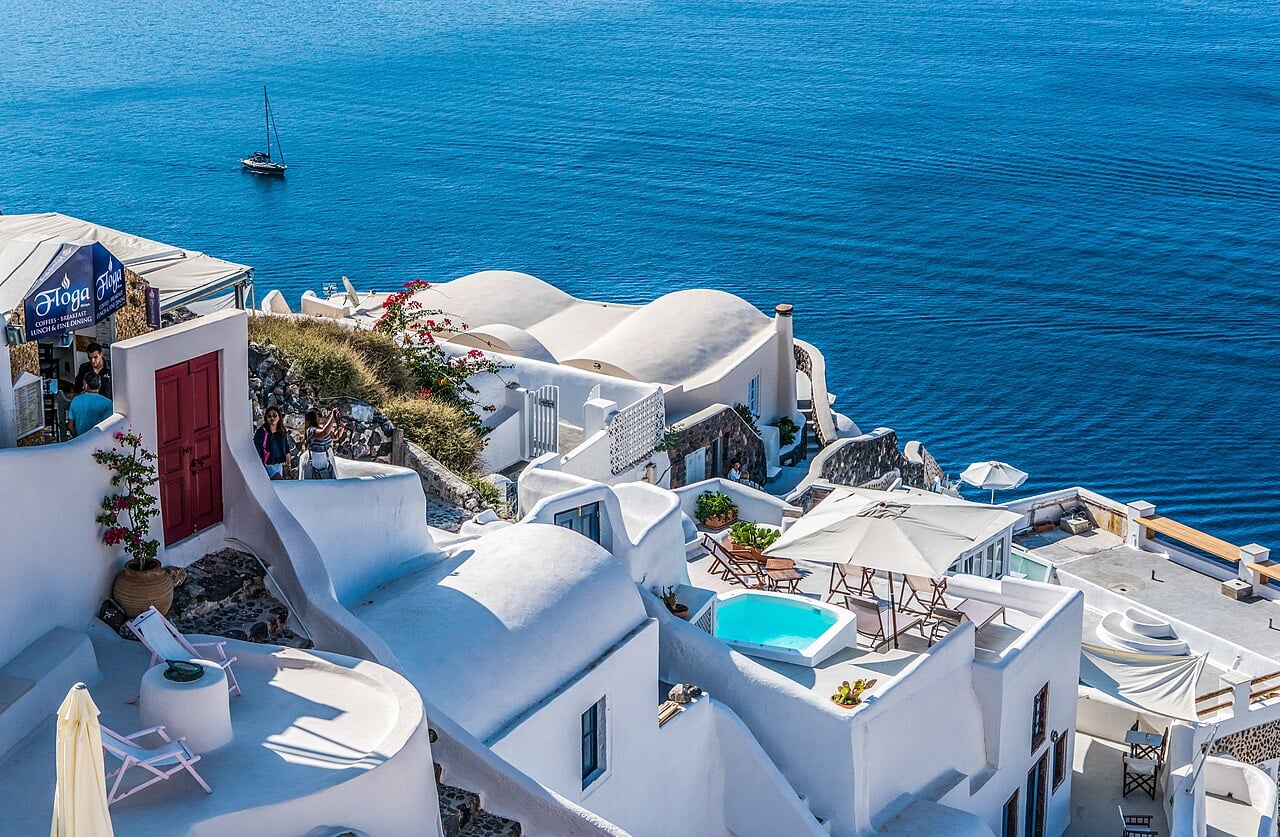
Santorini’s white buildings cling to the steep edges of a volcanic caldera, creating one of the Mediterranean’s most recognizable landscapes. That spectacular setting exists because of an enormous volcanic history that transformed the island itself. Settlements developed around steep terrain where flat land is limited, turning cliffs and slopes into part of the architecture rather than something builders could simply avoid. What makes people keep building in difficult places? Sometimes the same geography creating the problem is exactly what made the location valuable in the first place.
10. Timbuktu, Mali
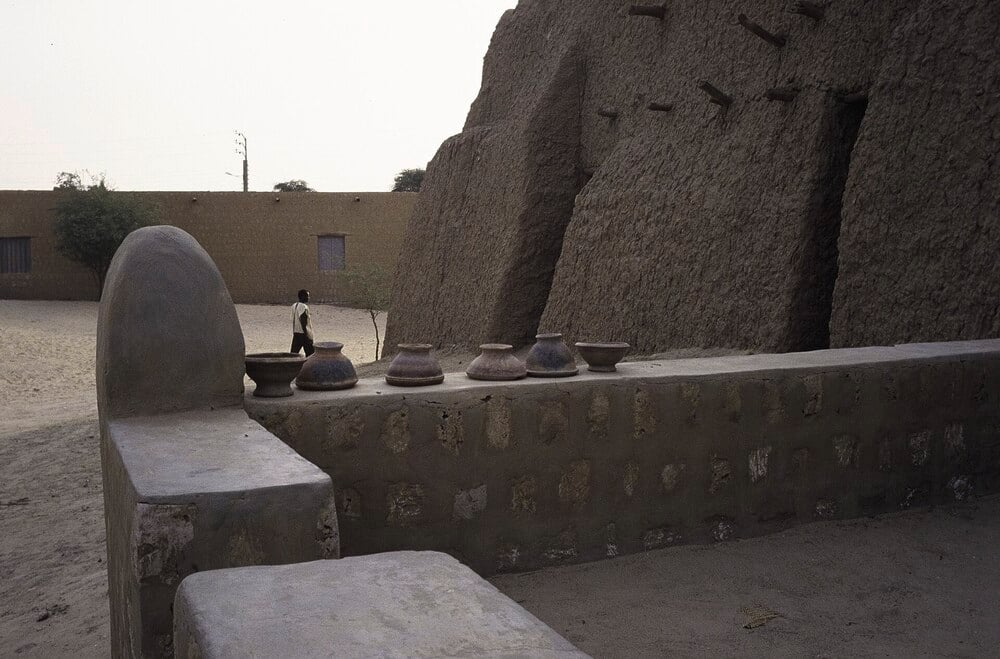
Timbuktu developed near the southern edge of the Sahara, where extreme heat, limited rainfall, and shifting desert conditions might seem hostile to urban growth. Its location, however, helped connect trade networks linking regions across and south of the Sahara. Architecture adapted too, with earthen construction becoming one of the city’s defining features. Difficult geography did not isolate Timbuktu; for centuries, geography helped give it importance.
11. La Paz, Bolivia
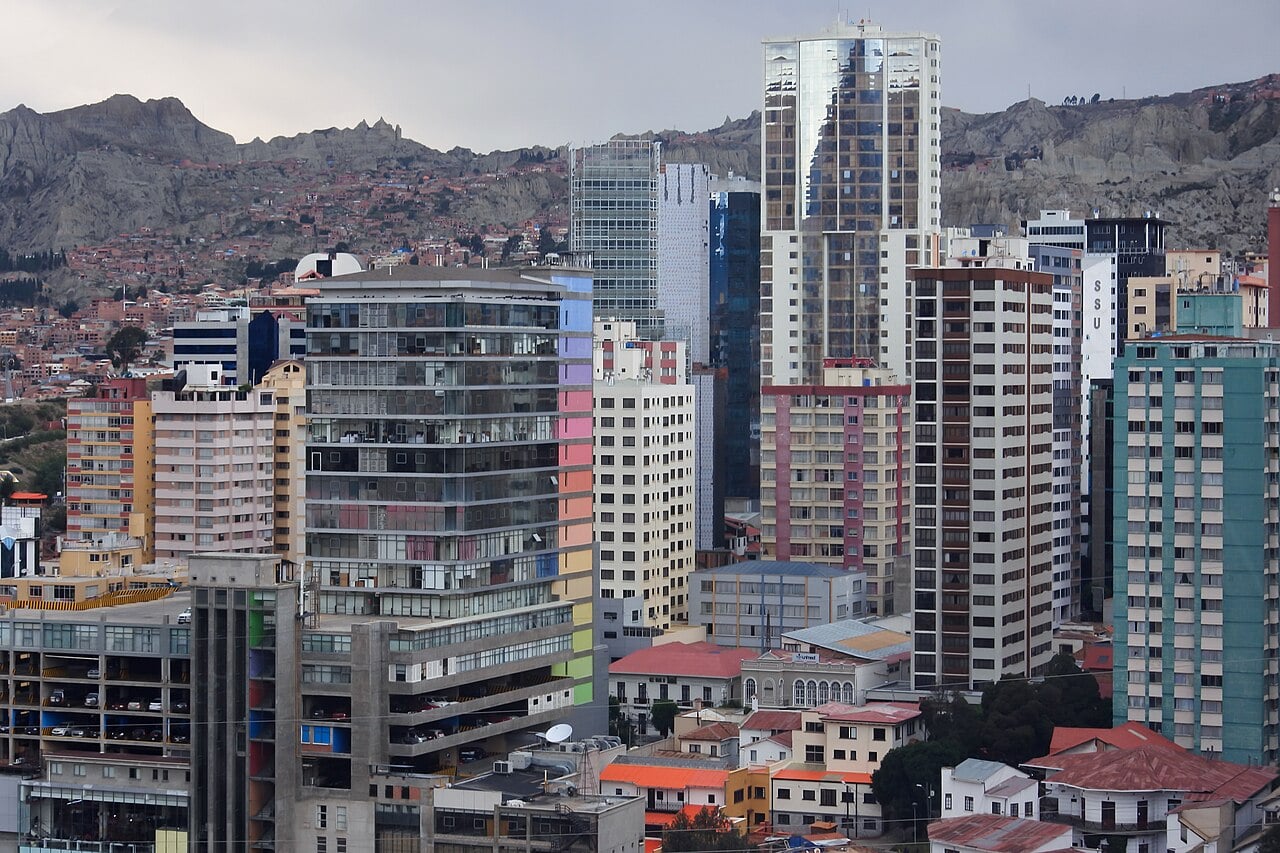
La Paz makes flat terrain feel almost optional. The city spreads through a dramatic canyon high in the Andes, with neighborhoods climbing steep slopes and elevations varying significantly across the urban area. Building and moving around such terrain requires constant adaptation, yet the geography also gives La Paz its unmistakable form. Few major cities appear to have been poured directly into the mountains.
12. Valparaiso, Chile
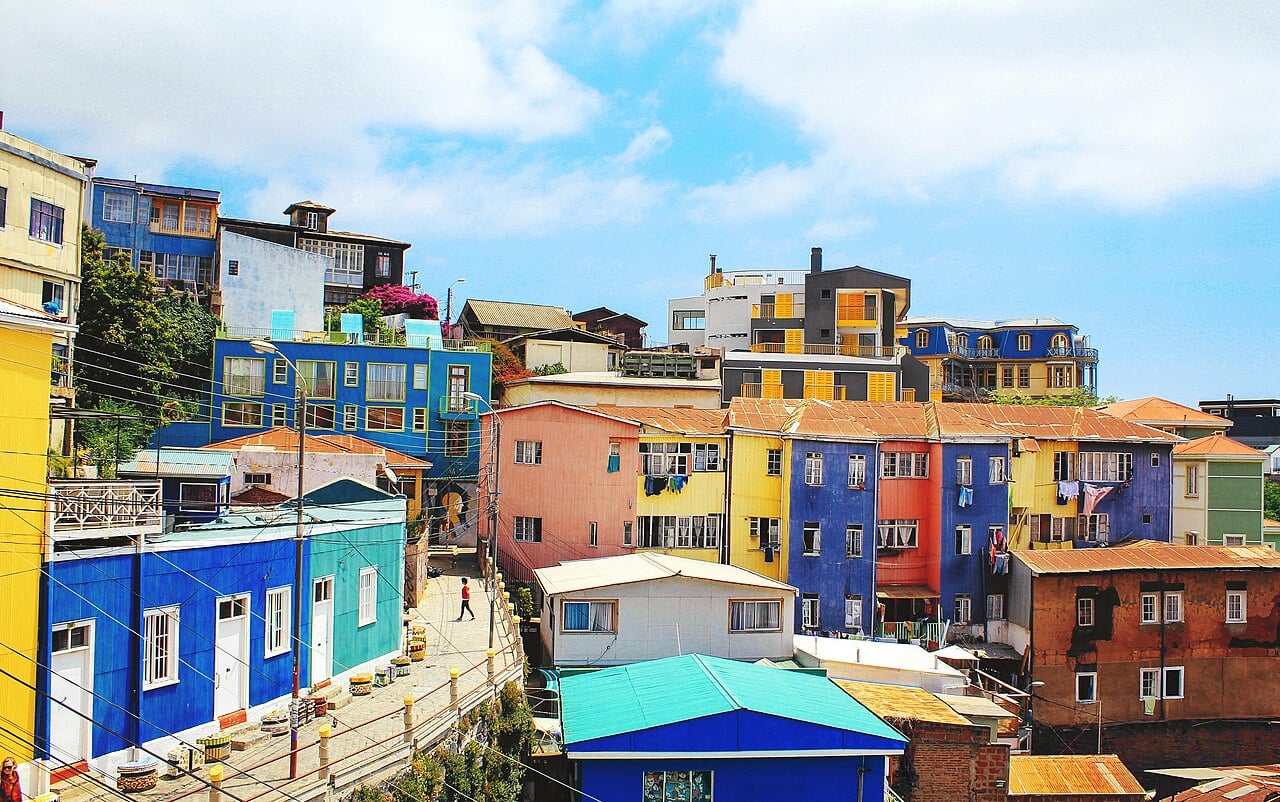
Valparaiso grew around a Pacific port with steep hills rising almost immediately behind the waterfront. Instead of limiting development to the narrow flat areas below, neighborhoods climbed the slopes, producing winding streets, staircases, hillside homes, and funiculars. The terrain made expansion complicated, but the harbor made the location valuable enough for generations to keep building upward.
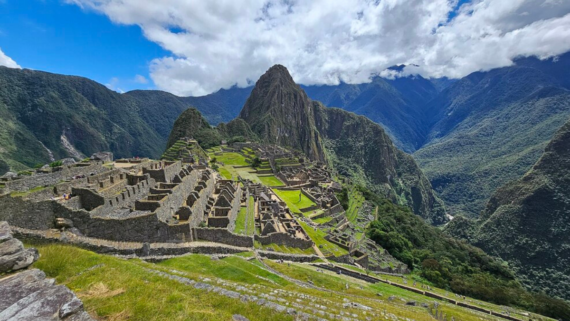
13. Machu Picchu, Peru
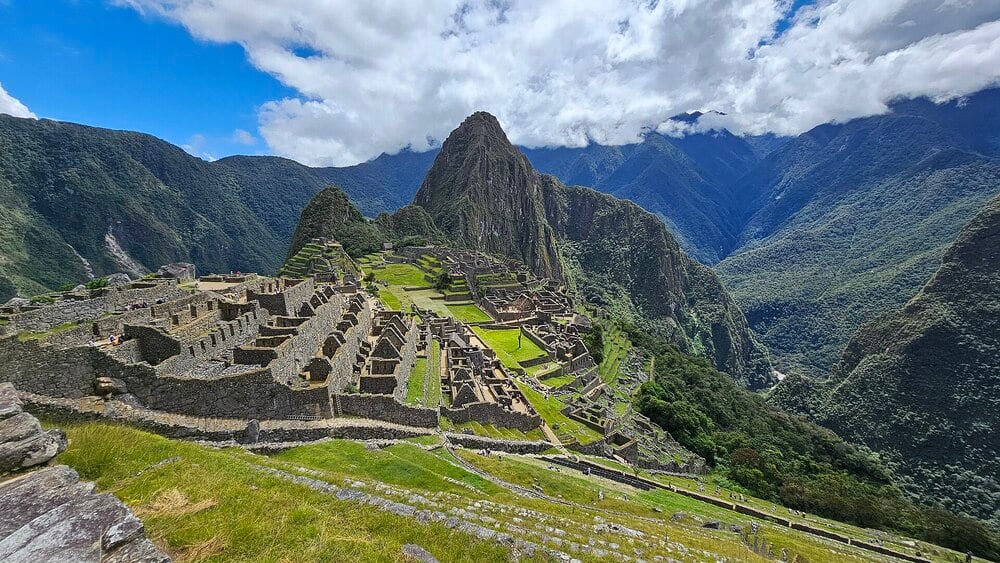
Machu Picchu turns an already dramatic Andean ridge into an extraordinary example of adapting construction to terrain. Inca builders created terraces, stone structures, pathways, and drainage systems across steep mountain slopes rather than searching for an easier landscape. The location may look improbable from a modern perspective, but the architecture shows how carefully the settlement was integrated with its surroundings.
14. St. Augustine, Florida
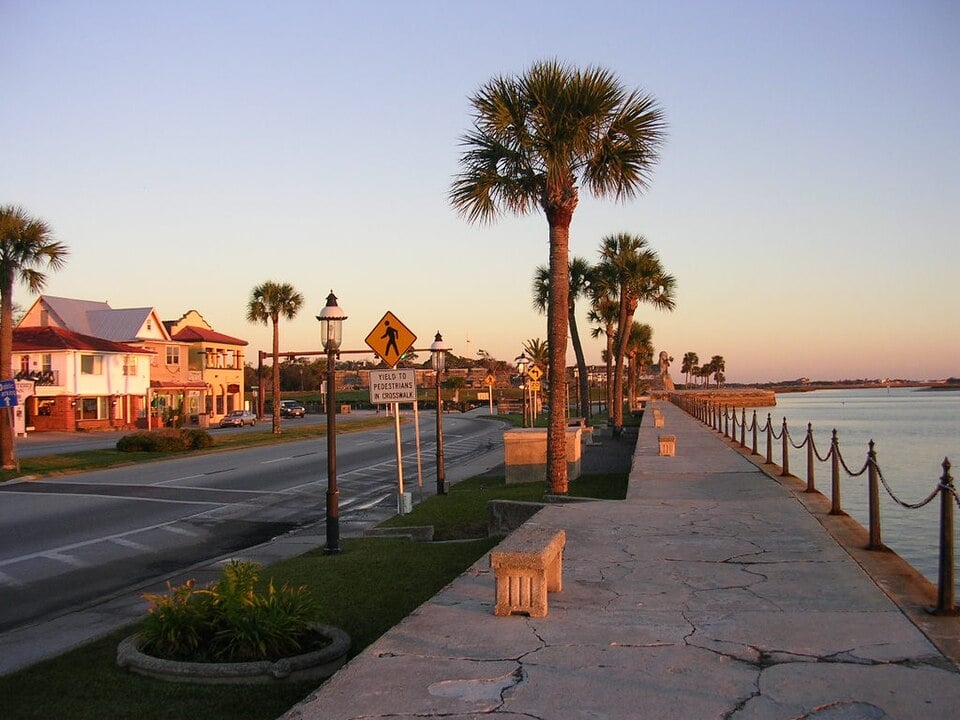
St. Augustine’s coastal location helped make it strategically important, but living beside the Atlantic also meant exposure to storms, flooding, humidity, and shifting coastal conditions. The settlement endured through centuries of political and environmental change, demonstrating a pattern seen throughout this list: difficult geography could be tolerated when a location offered enough strategic value. When a place offers access to trade, transportation, or defense, how much geographic inconvenience becomes worth accepting?
15. Rotterdam, Netherlands
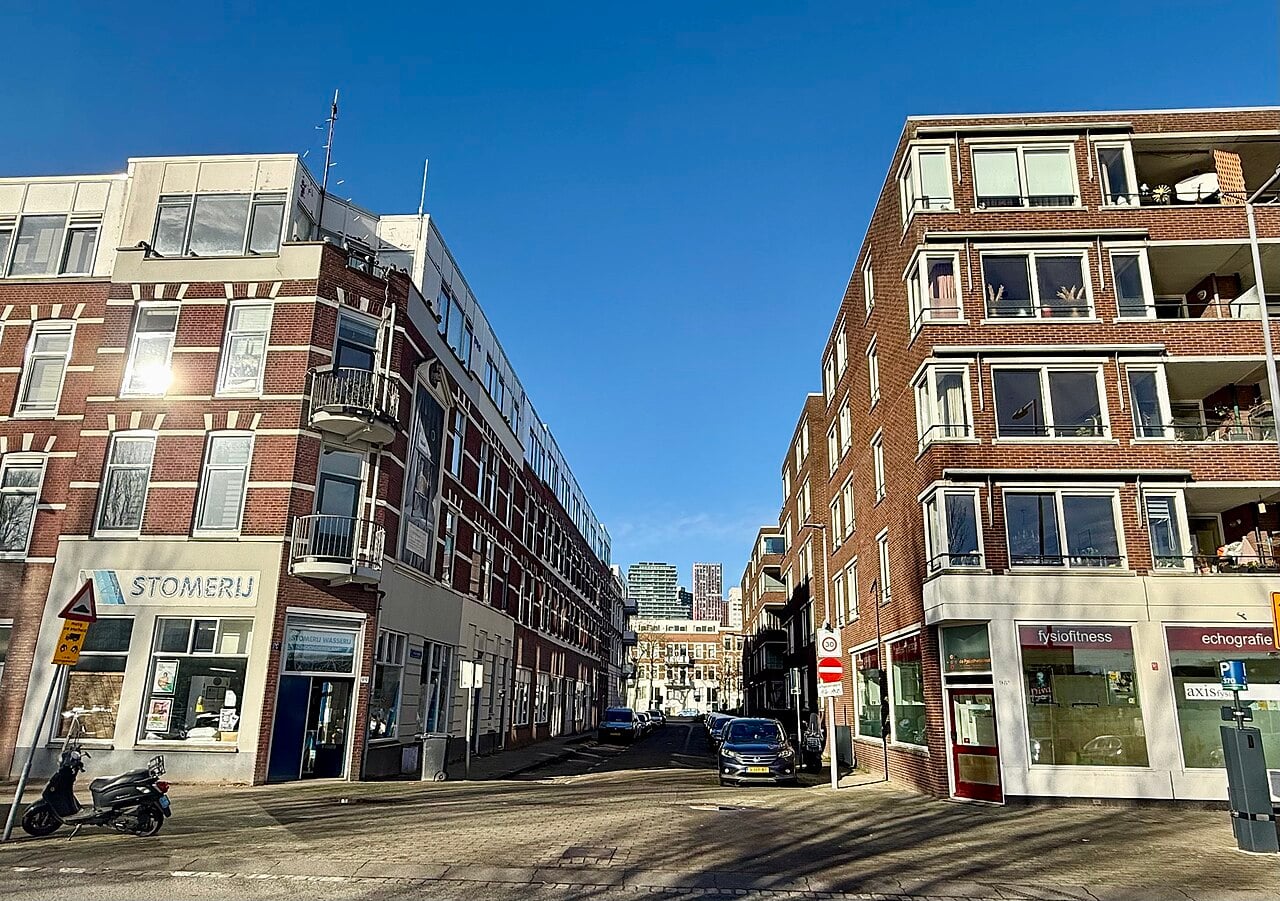
Rotterdam became one of Europe’s great port cities in a landscape where controlling water is fundamental to urban life. Much of the surrounding region is low-lying, requiring an extensive system of dikes, barriers, pumps, and other water-management infrastructure. Instead of retreating from the water, Rotterdam built around it, turning the same geography that creates risk into one of the foundations of its economic importance.
16. Hong Kong
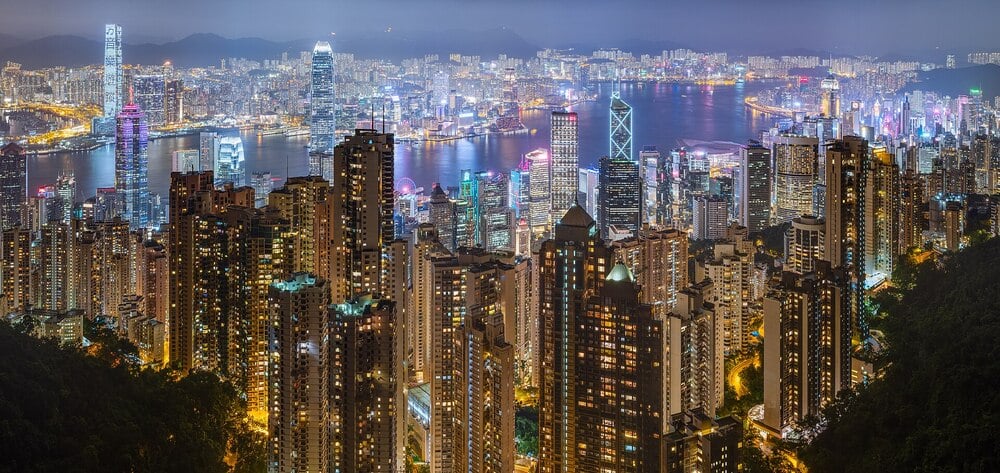
Hong Kong had little reason to become an easy place for massive urban growth. Mountains occupy much of its terrain, leaving limited flat land between steep slopes and the sea. Instead of stopping expansion, those constraints pushed development upward and outward through dense high-rises, hillside construction, and extensive land reclamation. Scarcity of space became one of the forces shaping the city’s unmistakable vertical appearance.
17. Petra, Jordan
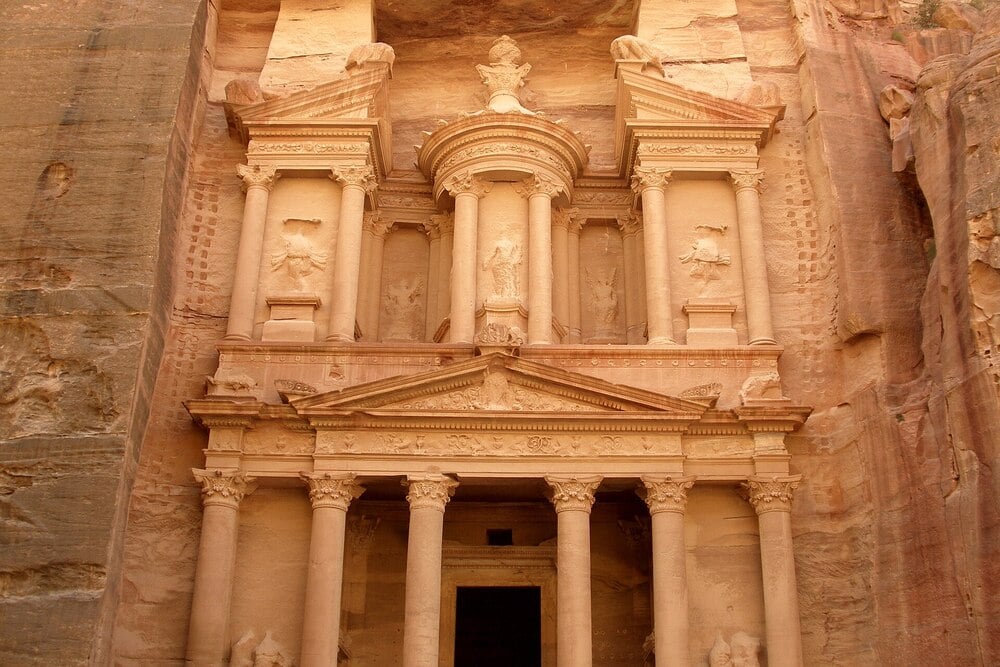
Petra appears hidden inside a landscape that seems determined to keep cities out. Surrounded by rugged desert mountains, the ancient settlement depended on sophisticated systems for collecting, channeling, and storing scarce water. Its location also placed it along important regional trade routes. What looks isolated today once offered advantages worth solving some exceptionally difficult engineering problems.
18. Manila, Philippines
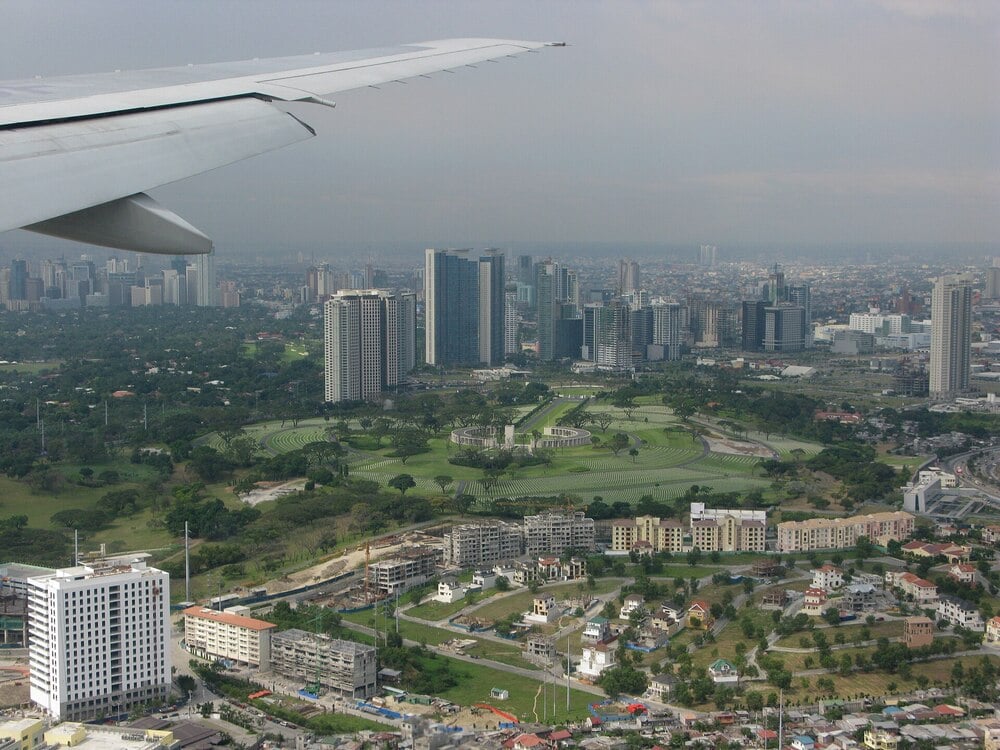
Manila developed around Manila Bay and the Pasig River, locations that offered enormous advantages for transportation and trade while also exposing the city to flooding and tropical storms. Its low-lying geography became increasingly challenging as the metropolitan area expanded. This is one of those cities built in unlikely places where the reason for settling there and the difficulty of living there come from much of the same geography.
19. Dhaka, Bangladesh
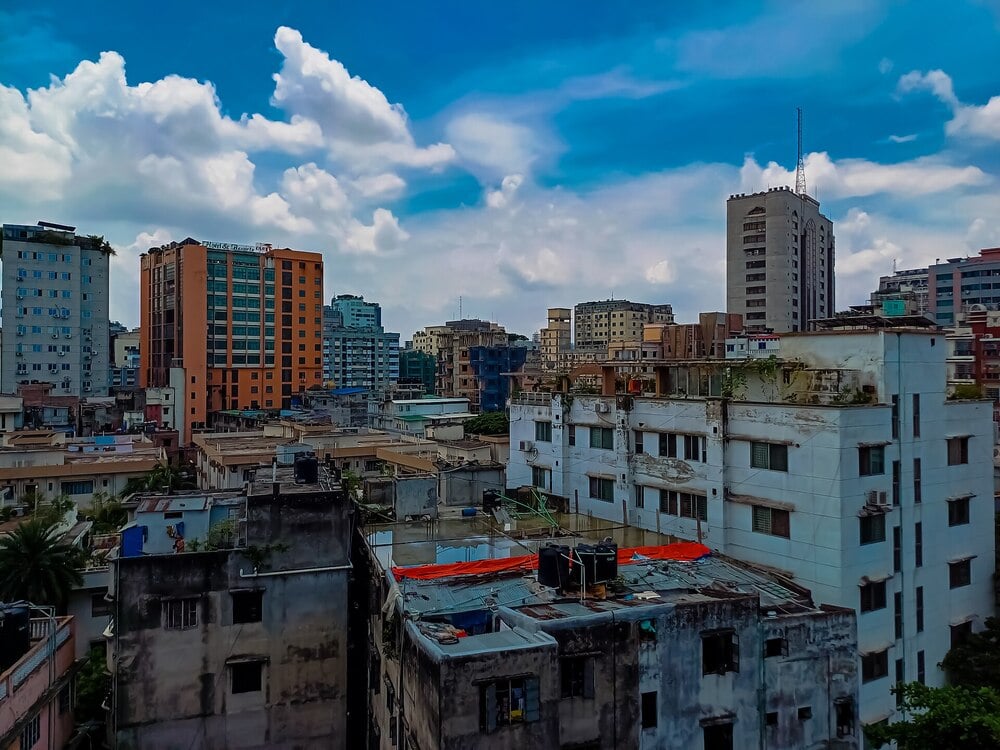
Water surrounds the story of Dhaka. The city sits within the vast river systems of the Bengal delta, a landscape shaped by waterways, monsoon rainfall, and extremely low-lying terrain. Those rivers helped connect communities and commerce, but they also created persistent flooding challenges. Dhaka’s extraordinary growth shows how an advantageous river location can eventually become an enormous urban engineering puzzle. How many cities would exist in completely different places today if their founders had prioritized easy terrain over access to water and trade?
20. Tokyo, Japan
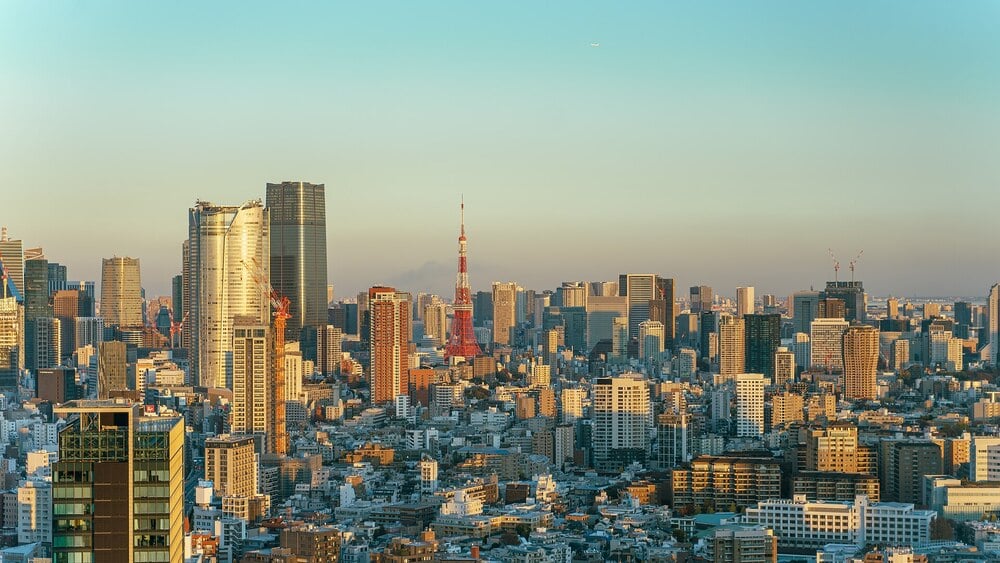
Tokyo closes the list with perhaps the clearest reminder that difficult geography doesn’t prevent a city from becoming enormous. Japan’s capital developed in a region exposed to earthquakes, while coastal areas also face additional natural hazards. Generations of rebuilding, stricter construction practices, and increasingly sophisticated infrastructure helped the metropolis adapt. The result is one of the world’s largest urban areas thriving in a location that demands constant preparation.
The strange thing about these cities isn’t that people chose difficult places to live. It’s that difficult places often offered something valuable enough to make adaptation worthwhile. Ports created trade, rivers provided connections, mountains offered protection, and volcanic landscapes could provide fertile surroundings. Geography created the problem and the opportunity at the same time.
Keep Exploring The Scroller
A map can make a city look inevitable, but its location often hides a much stranger story. Keep exploring The Scroller for more places where history, geography, and human ingenuity collided in unexpected ways:
18 Throwback Photos Of Cities Before They Were Famous
5 Of The Most Overrated Cities In The World
18 Islands With Strange Stories That Sound Completely Made Up