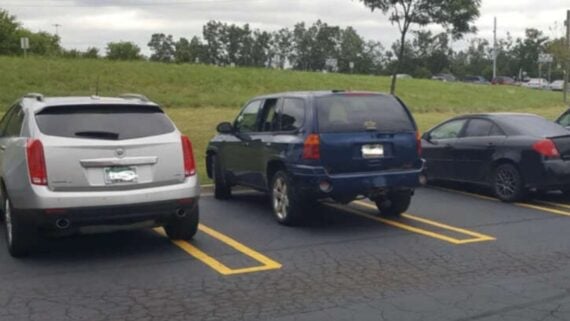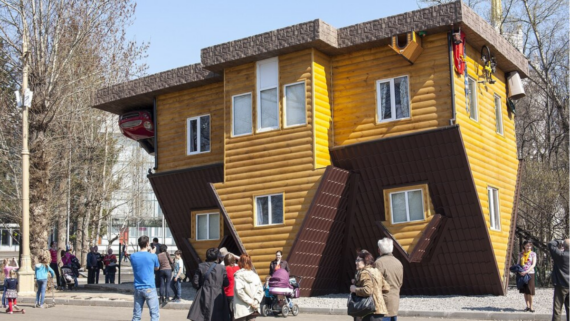
Unusual buildings have a way of making perfectly reasonable architecture look suspicious. A tower leans farther than seems sensible, a house appears to have landed on its roof, or an entire museum seems heavier at the top than at the bottom.
But appearances can be wonderfully misleading. Some of these structures are genuine engineering mistakes, while others were designed specifically to challenge expectations. The fun is figuring out which is which.
1. Slovak Radio Headquarters: An Upside-Down Pyramid
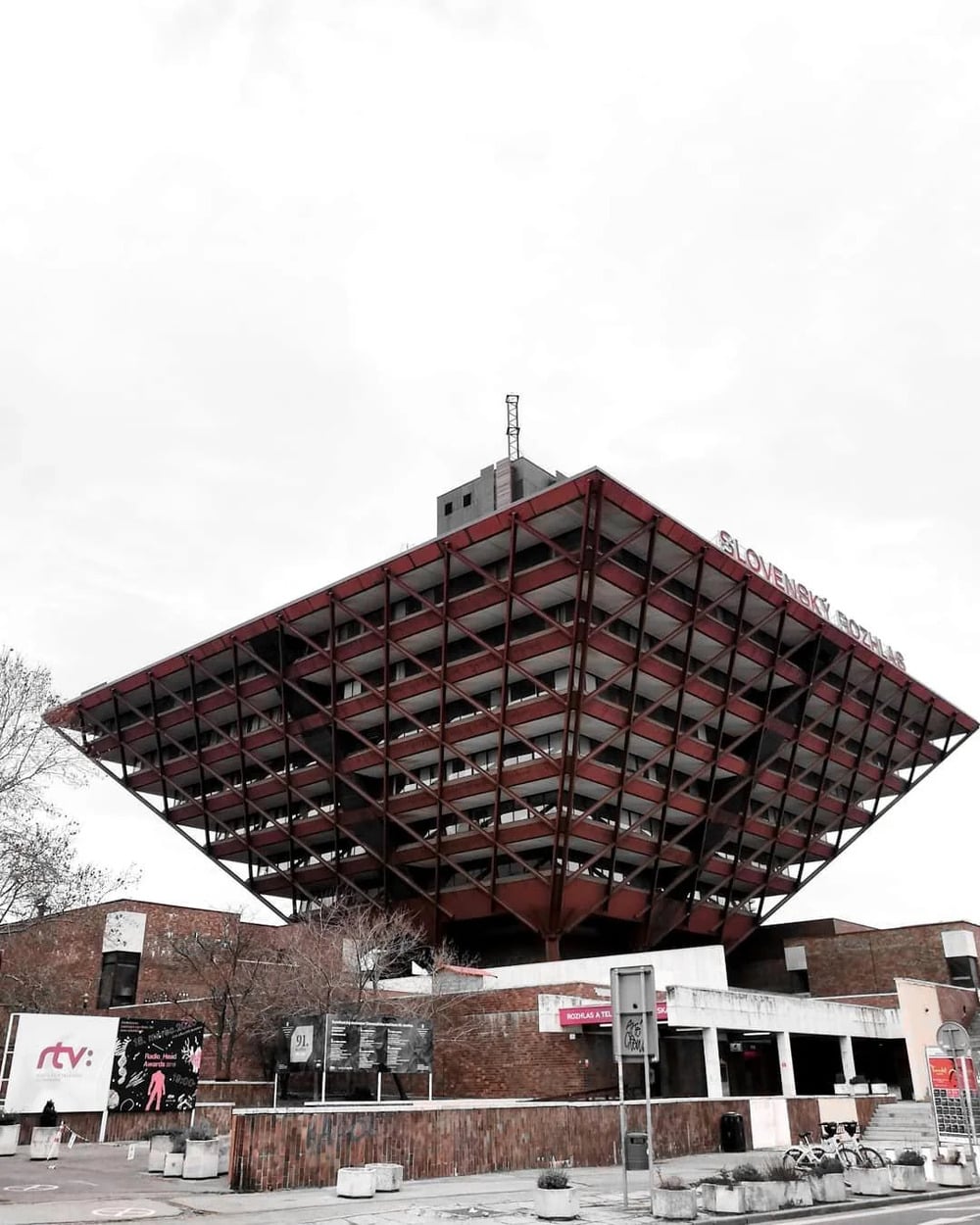
Bratislava’s Slovak Radio Headquarters looks as though someone picked up a pyramid and balanced it on its point. That strange silhouette was entirely intentional. Completed in the 1980s, the inverted form houses recording spaces designed with acoustic isolation in mind, turning what looks like an architectural mistake into one of the city’s most recognizable modern landmarks.
2. The Equator Monument That Missed the Equator

There is something wonderfully awkward about building a monument to an exact geographic line and later discovering the line is somewhere else. Ecuador’s Mitad del Mundo marks the equator according to historic surveying, but modern measurements place the actual geographic equator away from the monument. The building did not move. Our ability to measure the planet simply got much better.
3. The Guggenheim Museum: A Ziggurat Turned Inside Out
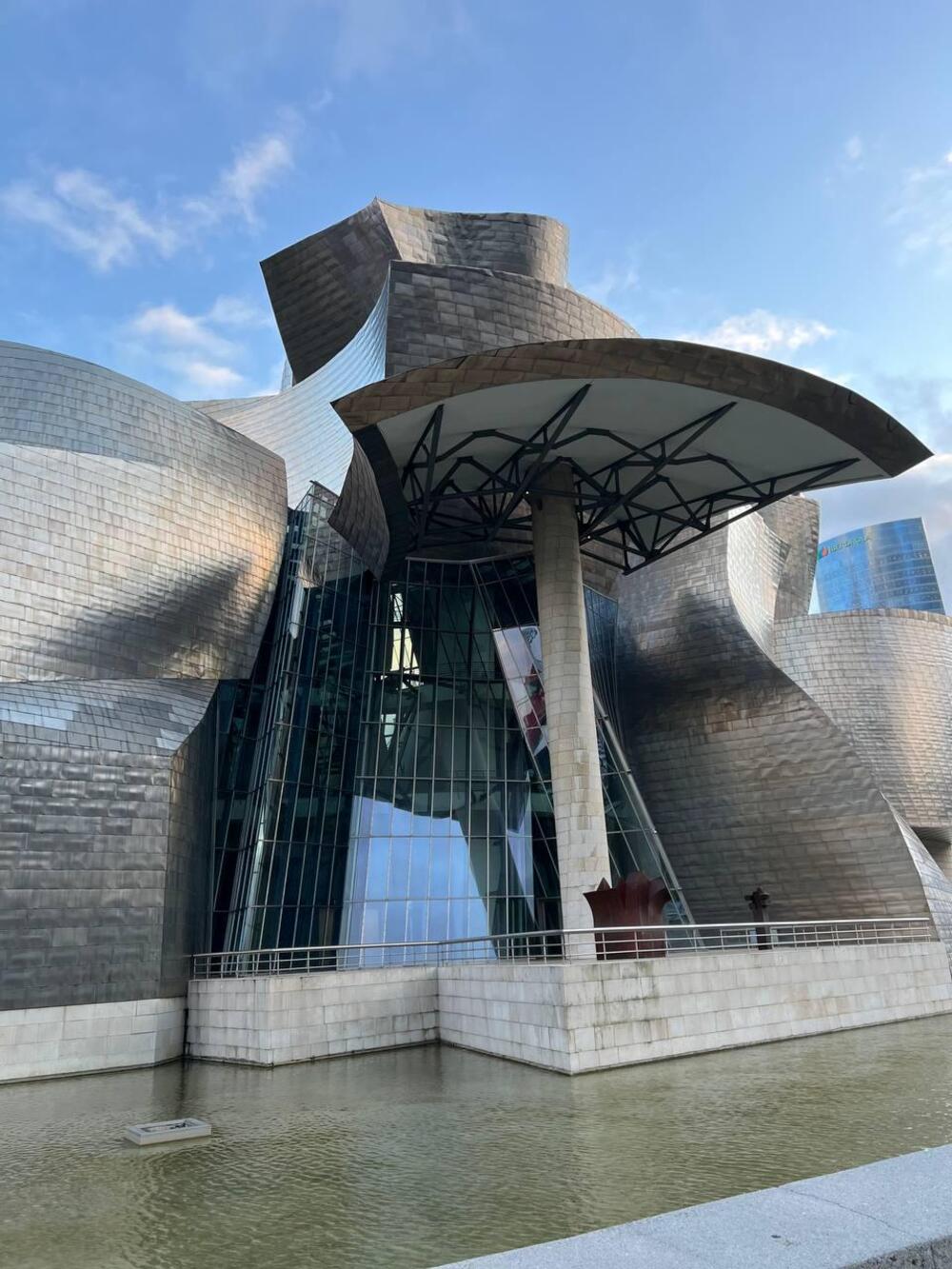
Frank Lloyd Wright did not accidentally give New York a museum that seems to expand as it rises. The Guggenheim’s famous spiral deliberately reversed the idea of the stepped ziggurat, producing a building whose shape grows outward instead of narrowing toward the top. Nearly everything about it challenges the rectangular galleries people expect a museum to have.
4. Singapore’s Buildings That Seem to Stack on Top of Each Other
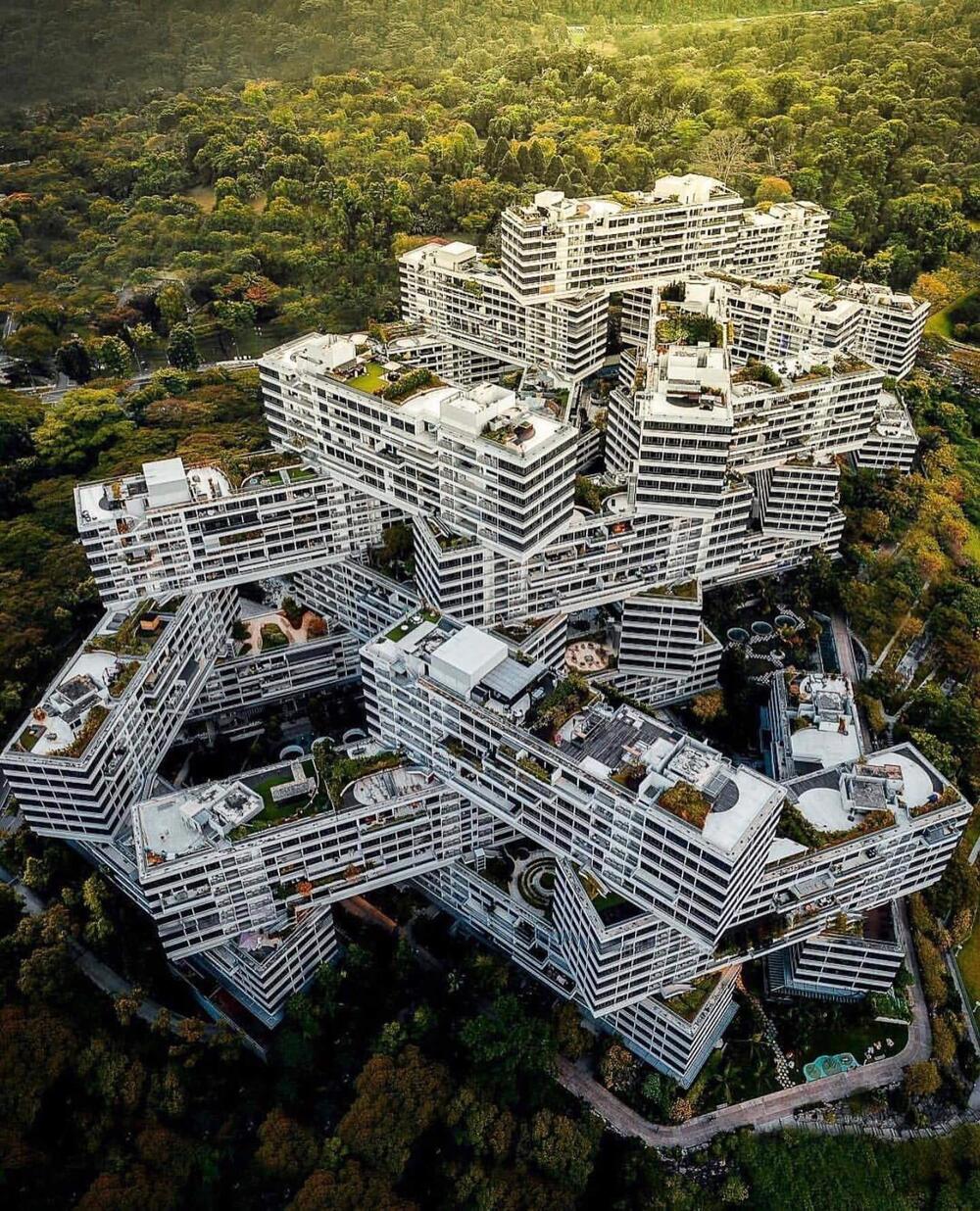
From above, this Singapore complex looks as though entire apartment blocks have been stacked, crossed, and balanced in directions buildings are not supposed to go. Long residential sections appear to bridge across other structures, creating a dense architectural puzzle of terraces, rooftops, and overlapping levels. Nothing in the image suggests a construction mistake. Instead, its unusual layout is exactly the kind of architecture that makes the eye spend a few extra seconds figuring out what is connected to what.
5. Rotterdam’s Cube Houses: Homes Tilted 45 Degrees
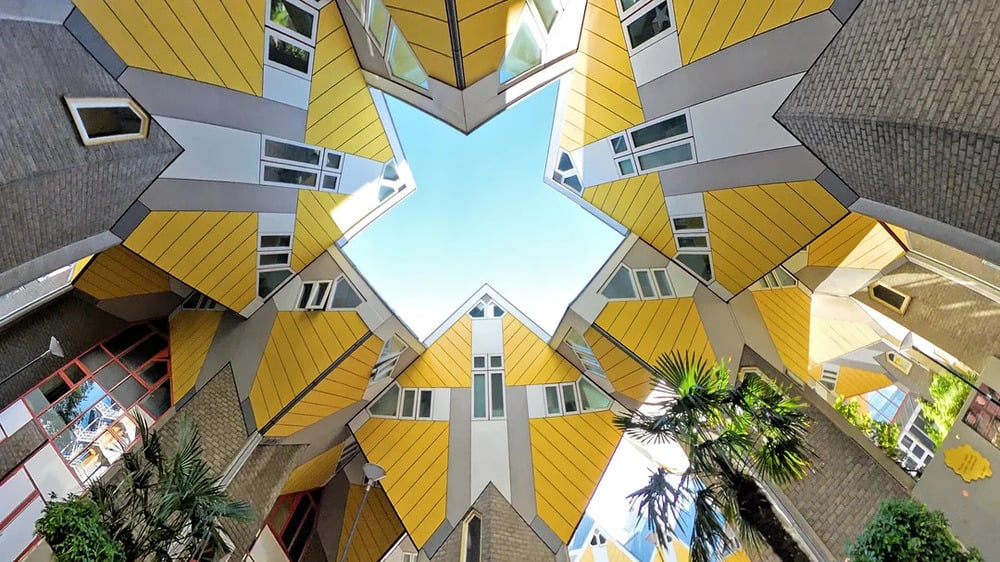
Walking beneath Rotterdam’s Cube Houses can make the entire neighborhood seem slightly untethered from gravity. Architect Piet Blom intentionally rotated the residential cubes 45 degrees and placed them on supports, imagining the collection as a three-dimensional urban forest. Those dramatic angles are not signs of structural trouble. They are the whole idea.
Trending on The Scroller


6. A House Built on Its Roof in Tartu
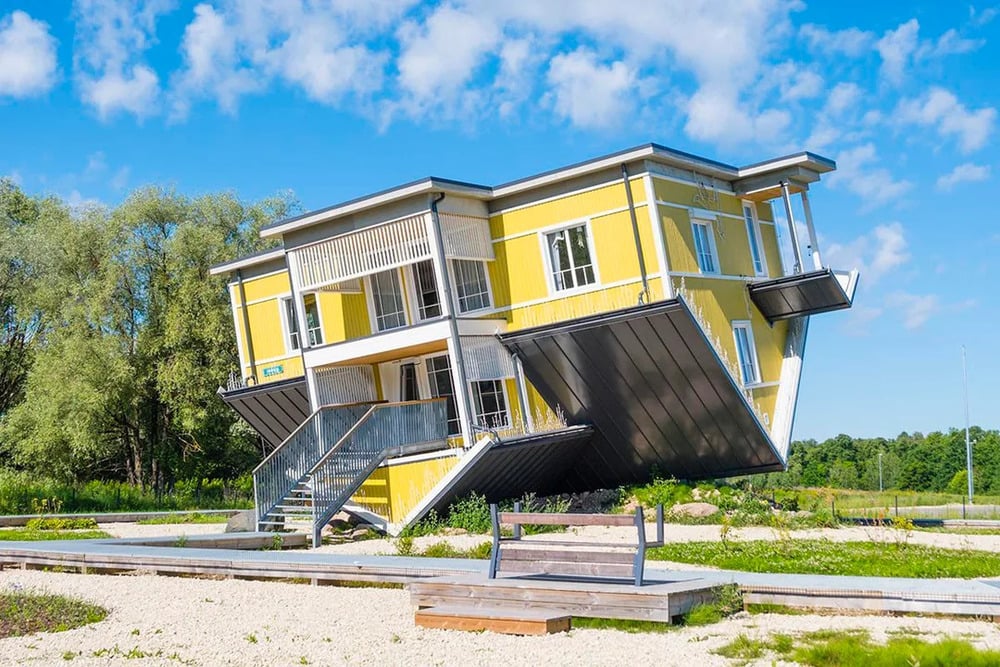
A house resting on its roof would normally suggest a spectacularly bad day for everyone involved. Tartu’s inverted house in Estonia was engineered that way from the beginning. Built as a visitor attraction rather than an ordinary residence, its tilted, upside-down design turns familiar domestic architecture into something deliberately disorienting.
7. Montreal’s Tower That Deliberately Leans
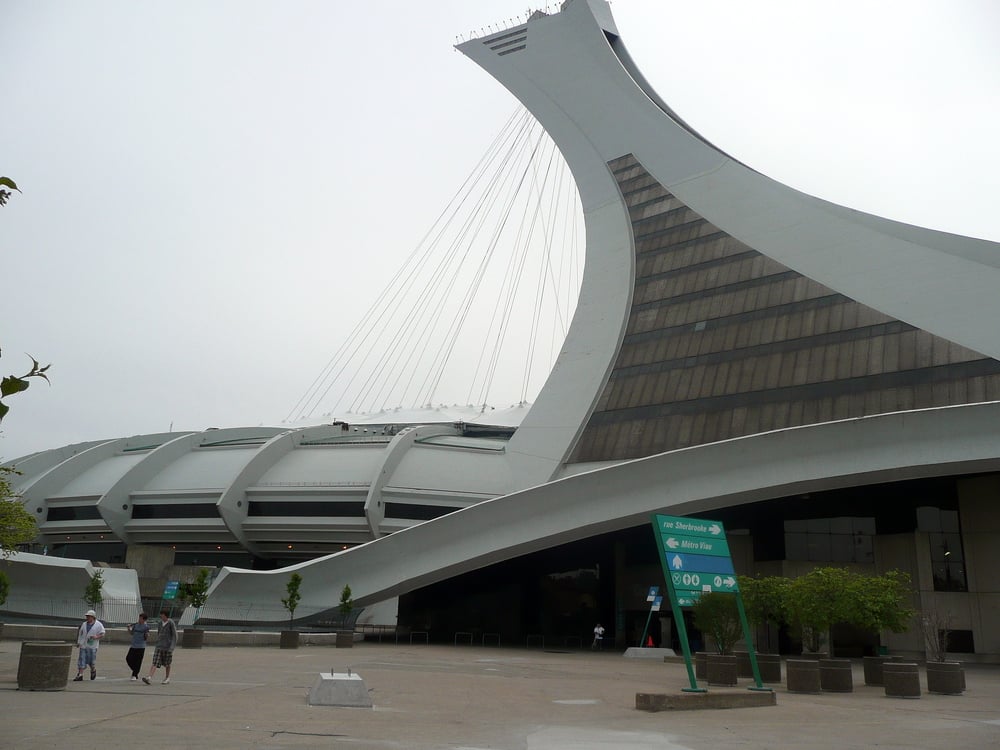
Montreal’s Olympic Stadium tower rises 165 meters while leaning dramatically over the stadium below. Unlike Pisa, however, nothing went unexpectedly sideways. The inclination was intentional, creating a structure that appears to be caught halfway through falling while remaining very much where its designers wanted it.
8. The Leaning Tower of Pisa: A Foundation Gone Wrong
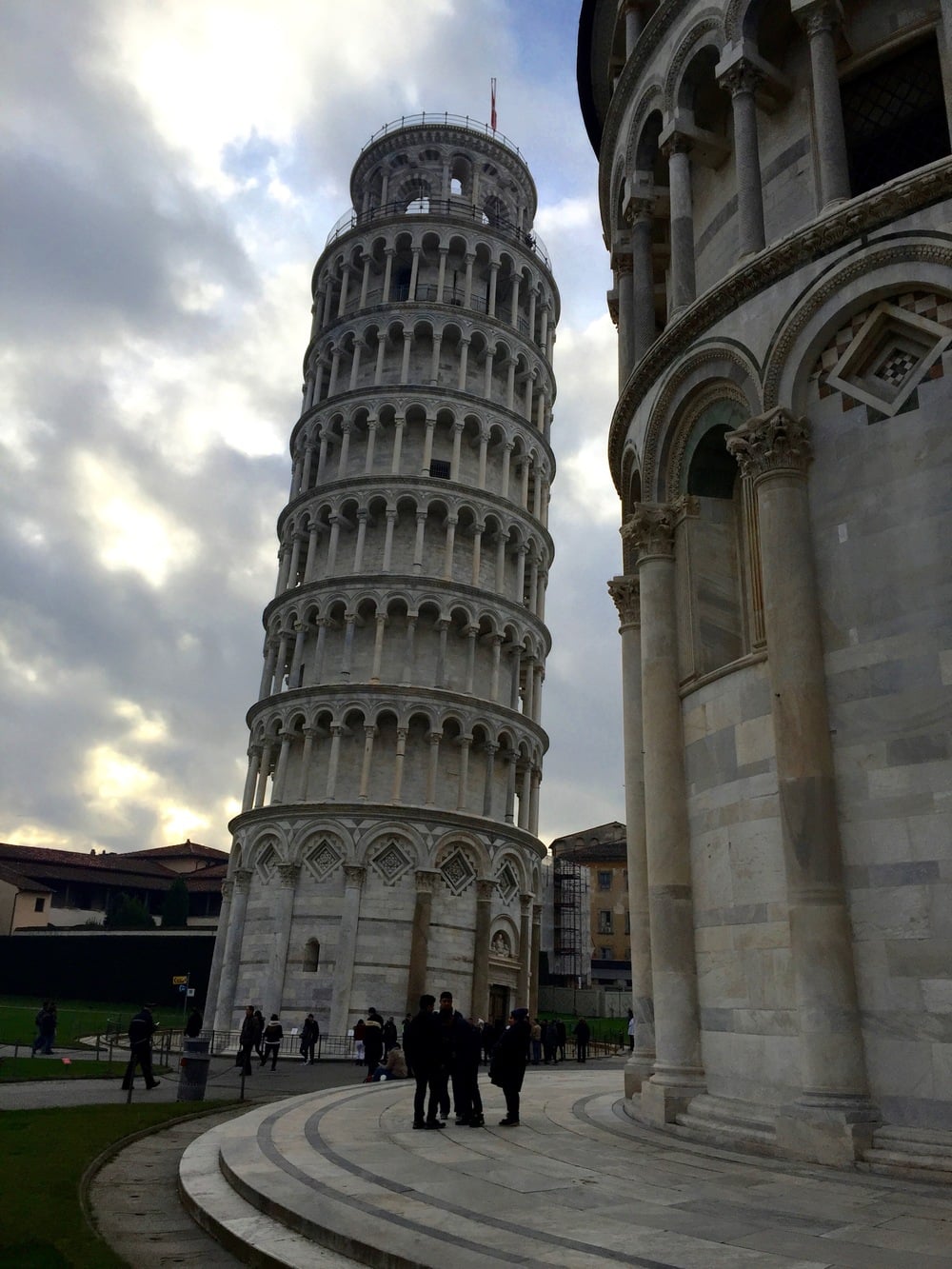
Pisa is the famous exception where the suspicious angle really does come from a problem. The tower began leaning because its foundation settled unevenly in unstable ground, producing the tilt that eventually became its defining feature. Engineers later carried out stabilization work to keep the landmark standing. Would anyone travel halfway around the world to photograph it if the tower had stayed perfectly straight?
Sign up for our newsletter
9. A Russian Cottage Displayed Upside Down
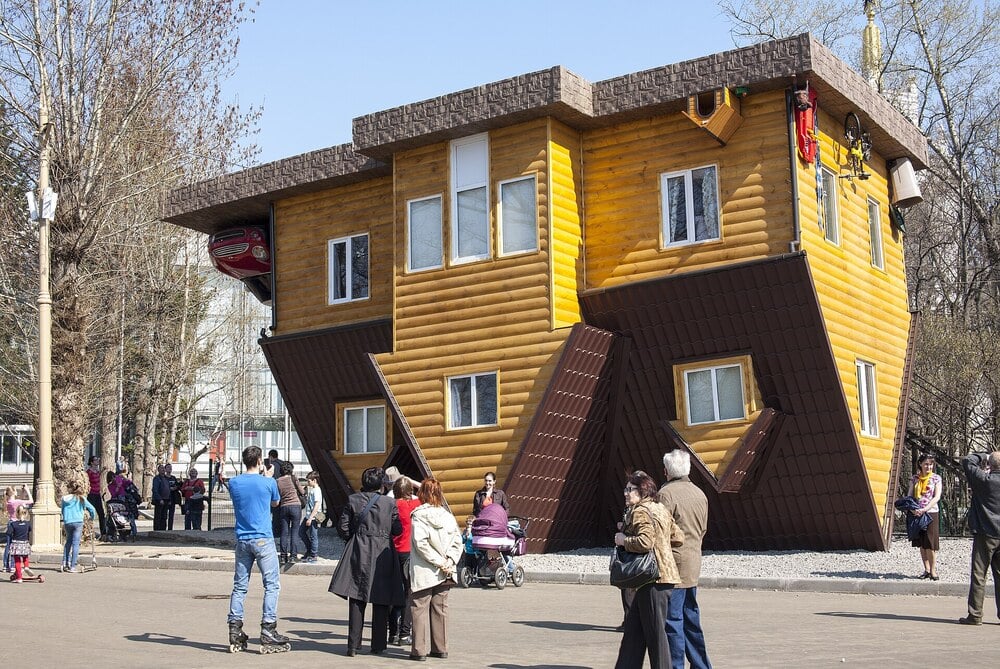
For a 2014 Moscow exhibition attraction, a cottage and its furnishings were deliberately turned upside down to scramble visitors’ sense of orientation. The effect makes ordinary domestic objects suddenly look impossible, but there was no confused construction crew behind it. This was architecture being used as a visual trick from the start.
10. The Met Breuer: A Building That Widens Toward the Top
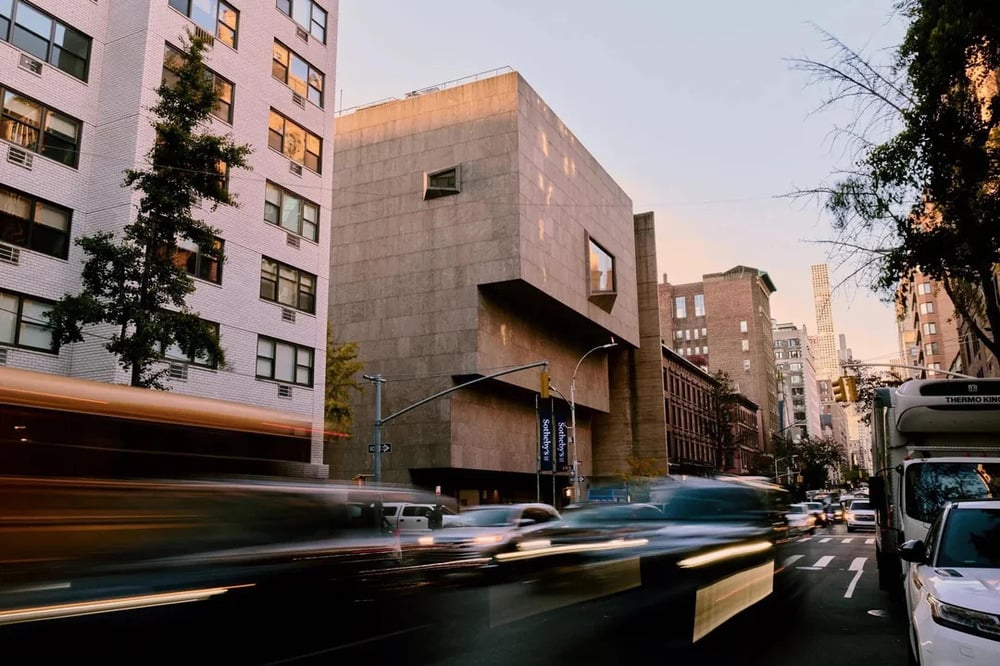
Most buildings visually settle toward the ground. Marcel Breuer´s former museum building on Madison Avenue seems to do the opposite, placing much of its visual weight overhead. Its broad upper mass and narrower base create an intentionally top-heavy appearance that can feel almost gravity-defying from the sidewalk. Nothing was accidentally reversed. The uneasiness is part of the architecture.
11. WonderWorks: A Building Designed to Look Overturned
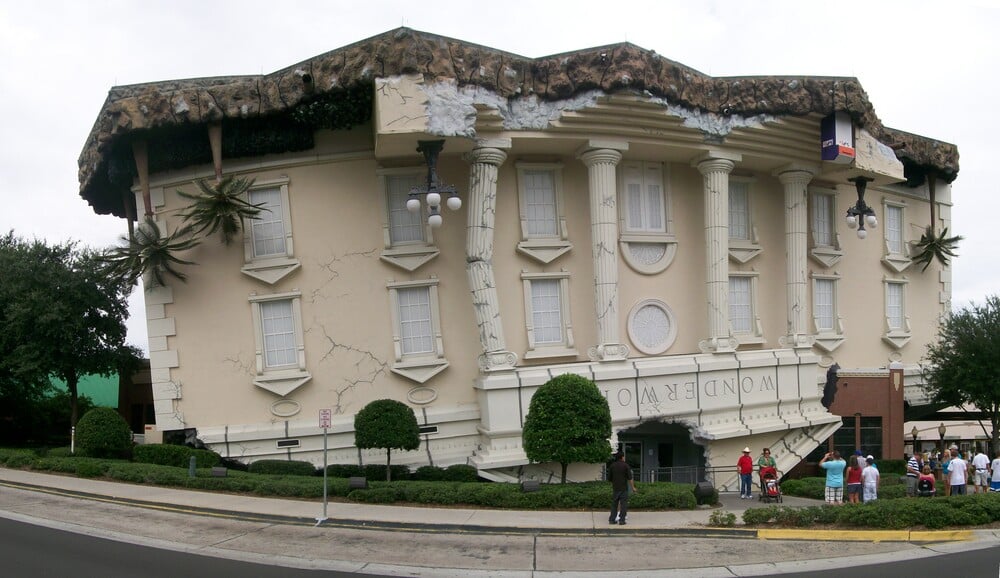
What would an elegant building look like after being picked up, flipped over, and dropped onto another structure? WonderWorks in Orlando commits fully to that illusion, with an upside-down facade that appears to have crash-landed roof-first. Its fictional tornado story adds to the theatrical effect, but the apparent disaster is exactly that: a story built around a deliberately bizarre attraction.
12. Habitat 67: Apartments Stacked in Unexpected Directions
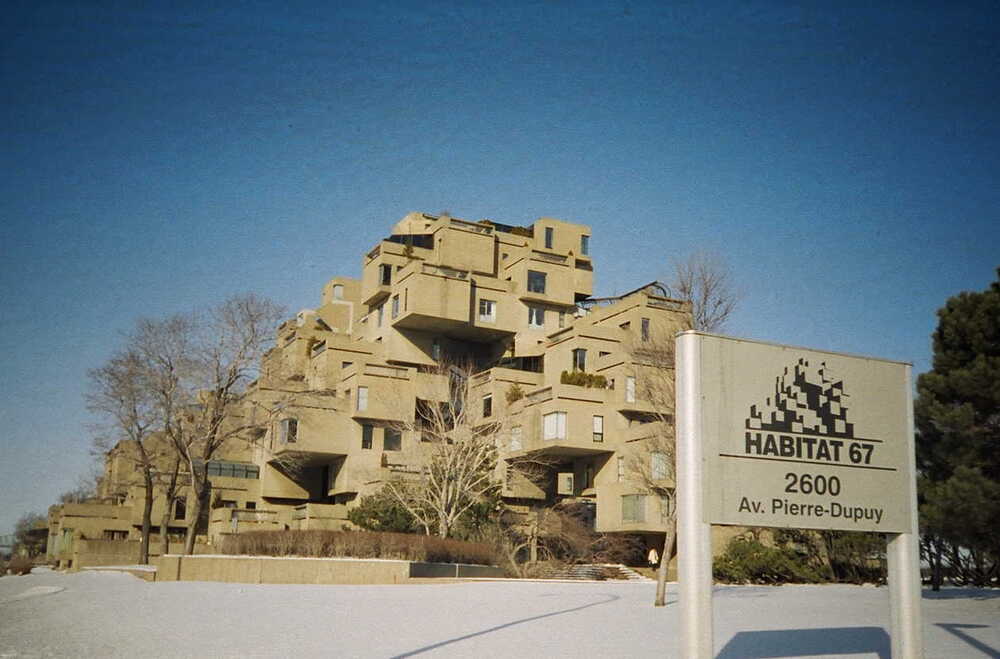
Habitat 67 looks less like a conventional apartment complex and more like someone experimented with concrete blocks at enormous scale. Moshe Safdie assembled 354 prefabricated concrete modules into an intricate arrangement of homes and terraces, allowing units to extend above and around one another. The apparent randomness hides a carefully planned experiment in modular housing.
13. Fallingwater: Terraces That Sagged Over Time
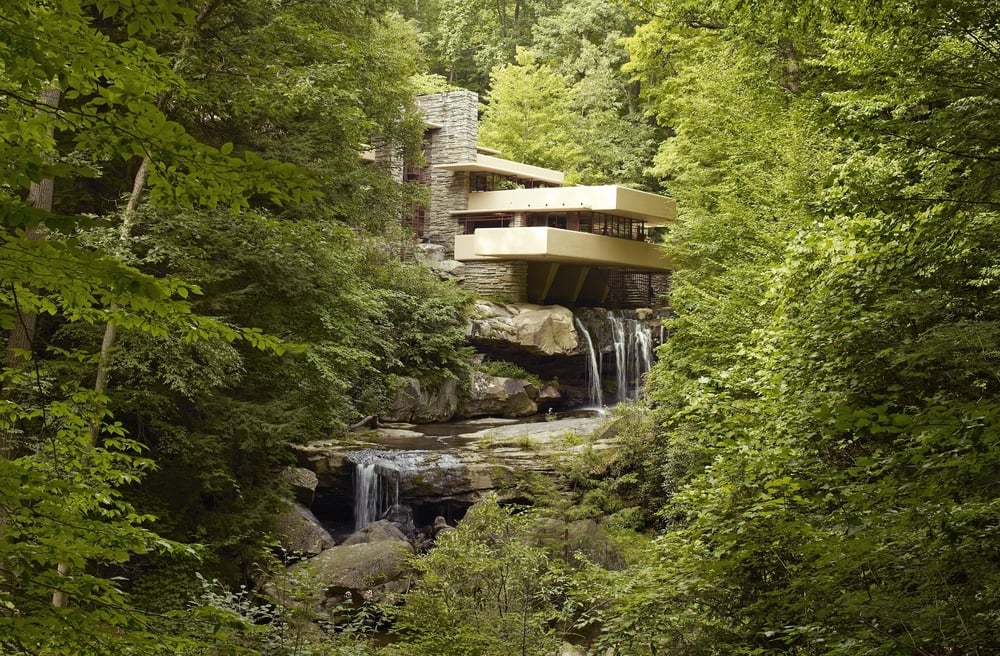
Here, breathtaking design eventually collided with engineering reality. Fallingwater’s famous cantilevered terraces extend dramatically over the landscape, but those concrete sections developed documented downward deflection over time. Structural strengthening carried out in 2001-02 helped preserve the house. Can a design still be brilliant when part of its ambition eventually requires correcting? Fallingwater makes that question considerably harder to answer.
14. Szymbark’s House That Stands on Its Roof
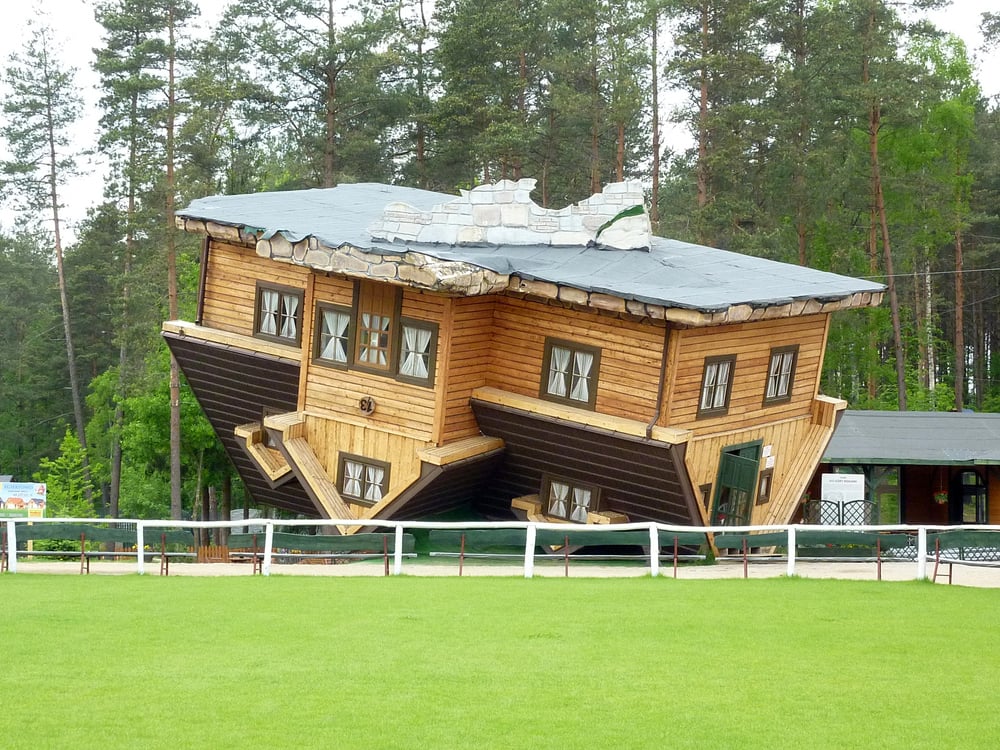
Poland’s upside-down house in Szymbark wastes no time pretending something normal is happening. The furnished attraction stands inverted on its roof, transforming doors, windows, and familiar domestic proportions into an architectural optical trick. Unlike Tartu’s tilted interpretation, this version pushes the roof-first illusion front and center.
15. Casa da Musica: A Concert Hall With a Reworked Shape
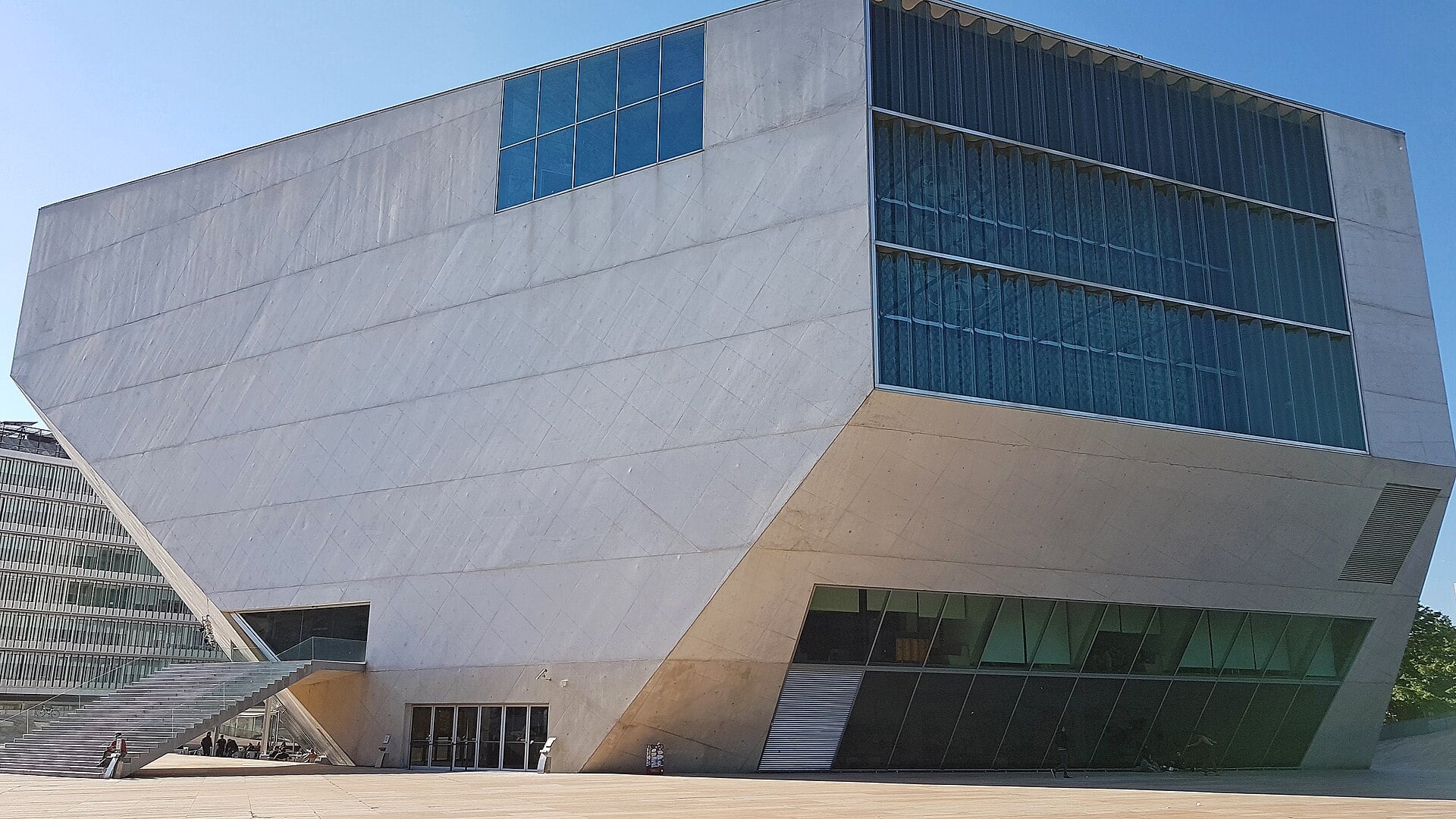
Porto’s Casa da Musica resembles a giant faceted object that somehow became a concert hall. Its unconventional geometry was intentional, emerging as architect Rem Koolhaas adapted ideas from an earlier house design into a far larger cultural building. Rather than disguise its strange form, the project made that geometry one of its defining characteristics.
16. Vienna’s House Attack: A House Stuck to a Museum
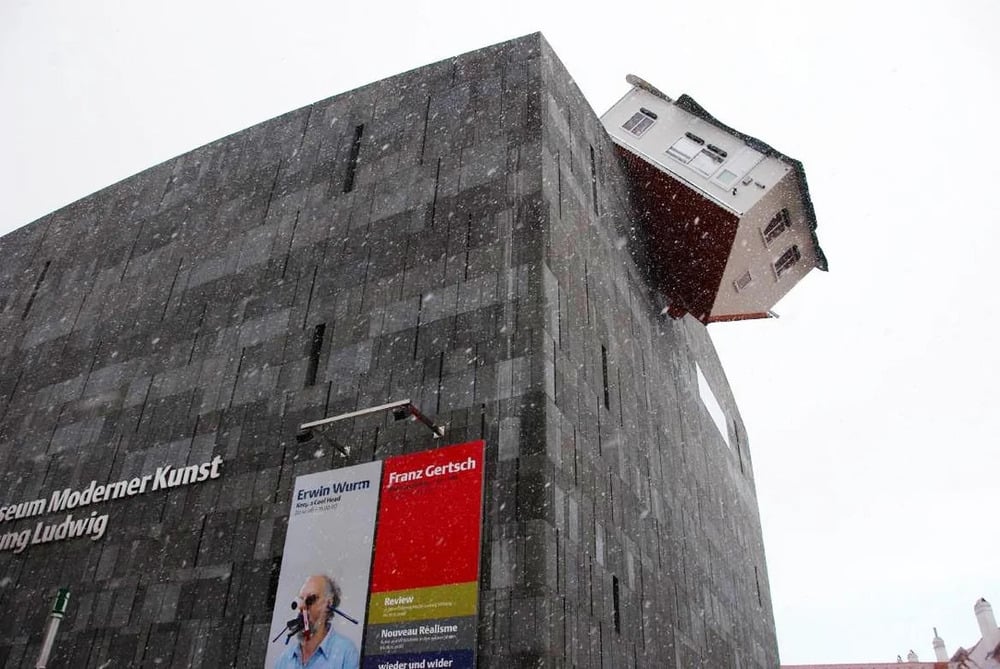
For House Attack, artist Erwin Wurm attached an upside-down house to the facade of Vienna’s MUMOK in 2006-07, making it look as though an entire home had crashed into the museum from above. It was temporary artwork rather than an occupied building or construction accident, and that distinction makes the image even stranger. The architecture was not failing. The artwork was deliberately interrupting it.
Some buildings look wrong because something genuinely went wrong. Others only seem impossible because an architect, engineer, or artist decided that ordinary was not interesting enough. Put them together, and the difference is surprisingly difficult to spot at first glance, which may be exactly why these structures are so hard to forget.
Keep Exploring The Scroller
Think the architectural rulebook has suffered enough? Keep exploring The Scroller for more strange structures, surprising histories, and places that make the world look a little less predictable:
20 Buildings That Look Fake Enough to Break Our Brain
15 Historic University Buildings That Are Still in Use
15 Strange Architectural Decisions in Famous Buildings That Nobody Has Fully Explained