Myths about ancient Egypt have a strange advantage: more than 3,000 years of history have been squeezed into one imaginary civilization where pyramids, Cleopatra, mummies, hieroglyphs, sacred cats, and Tutankhamun all seem to exist at the same time. They did not. Some familiar stories are genuinely false, others contain a sliver of truth, and many simply borrow details from completely different periods. Put the timeline back together, and ancient Egypt becomes far more fascinating than the version pop culture has been recycling for decades.
1. Slaves Built the Pyramids
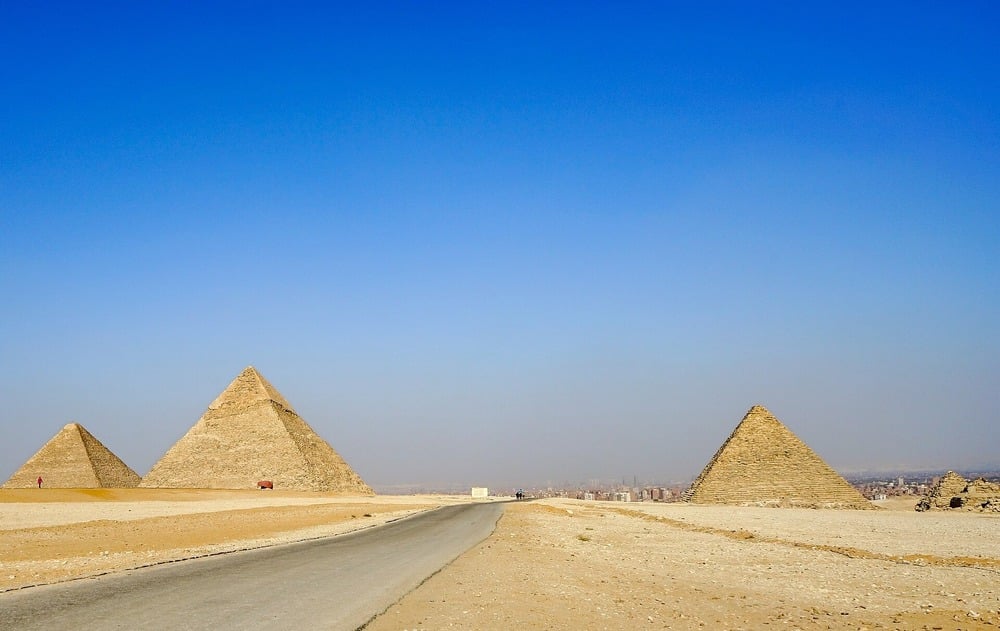
The classic image of vast slave armies hauling blocks under whips is not what archaeological evidence supports. Excavations near Giza have uncovered worker settlements and inscriptions identifying organized crews. The workforce appears to have included skilled permanent laborers alongside rotating or temporary crews, even though ancient Egypt certainly knew slavery and coercive labor.
2. Nobody Knows How the Pyramids Were Built
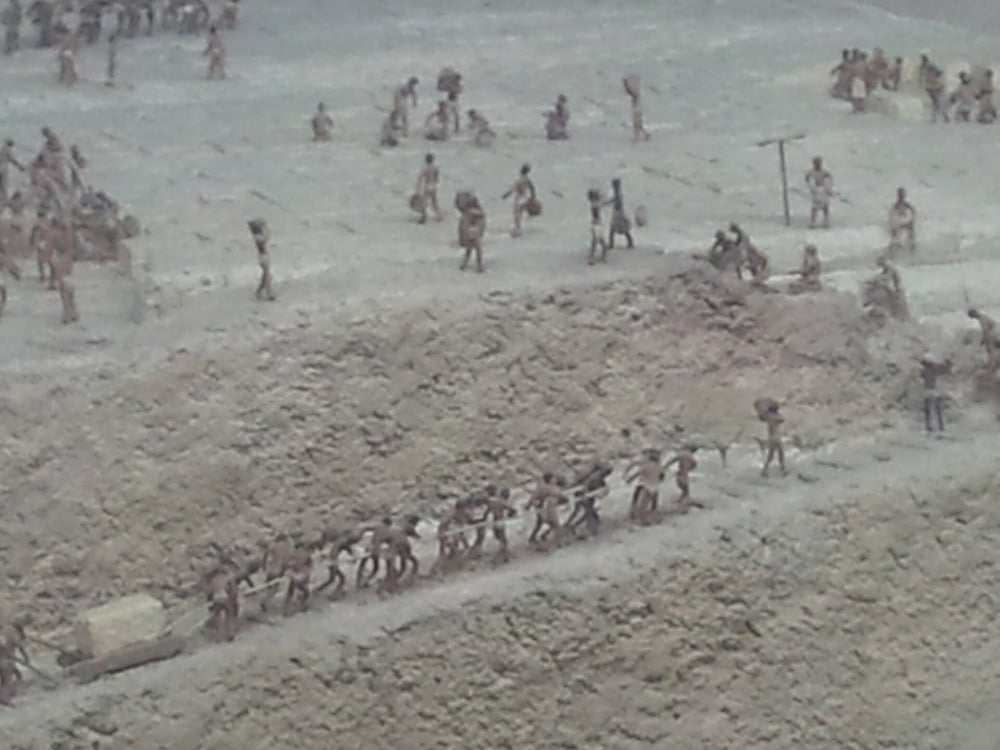
There are unanswered questions about pyramid construction, but “we have absolutely no idea” is not one of them. Archaeologists have evidence for quarrying, stoneworking, surveying, sledges, ramps, and highly organized labor. What remains debated is exactly how those techniques were combined, particularly which ramp configurations were used at different stages.
3. The Pyramids Were Built With Alien Technology
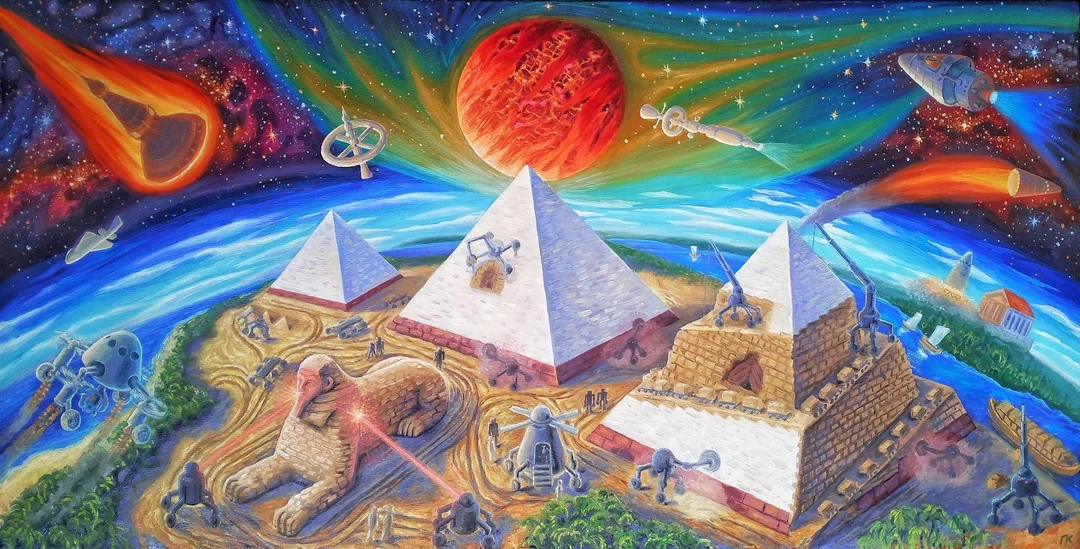
The alien explanation begins where evidence usually ends. Ancient Egyptians possessed mathematics, surveying skills, astronomical knowledge, engineering experience, and the ability to organize enormous labor forces. Archaeology has also uncovered the infrastructure and construction methods associated with pyramid building. No extraterrestrial technology is required, and the human achievement is remarkable enough on its own.
4. The Pyramids Always Looked Rough and Sandy
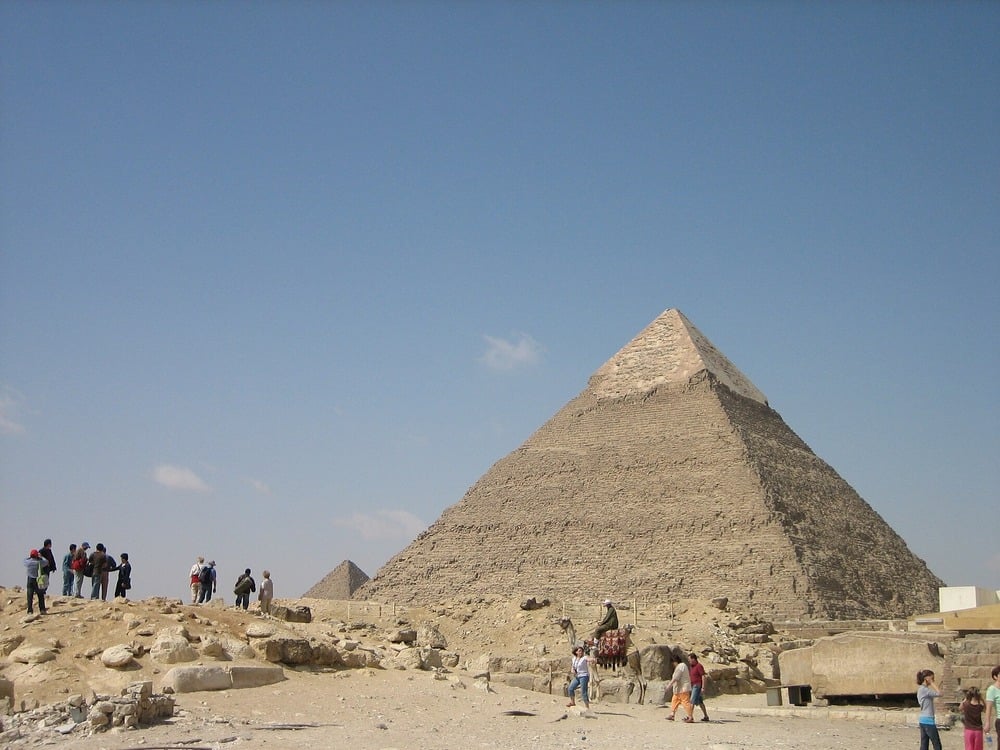
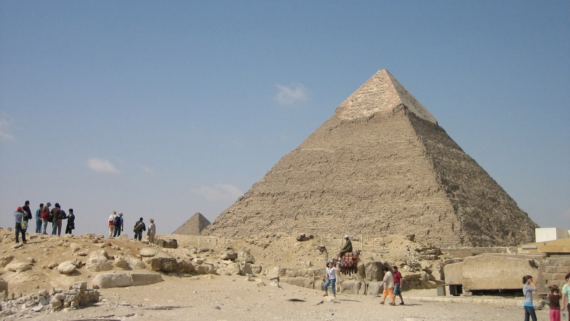
The pyramids we photograph today are essentially wearing their ruins on the outside. Major pyramids at Giza originally had smoother outer casing stones, creating a much more refined surface than the exposed blocks familiar today. Much of that casing disappeared over the centuries, leaving the inner core visible.
5. The Pyramids Stood Alone in an Empty Desert
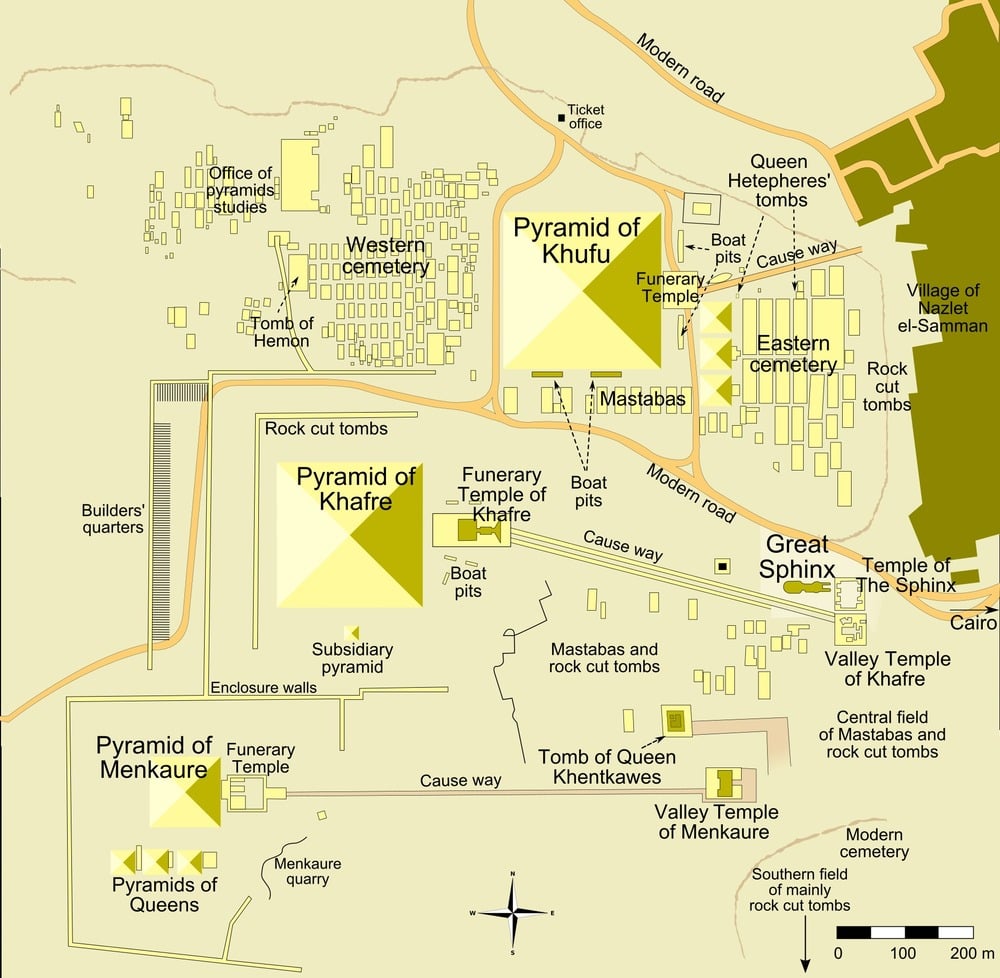
The perfect image of a pyramid rising from endless empty sand is visually irresistible but historically incomplete. Pyramids belonged to larger landscapes containing temples, causeways, cemeteries, quarries, settlements, and working areas. They were part of systems of ritual, burial, labor, and infrastructure, not geometric objects dropped into a vacant desert.
Trending on The Scroller


6. Every Pharaoh Built a Giant Pyramid
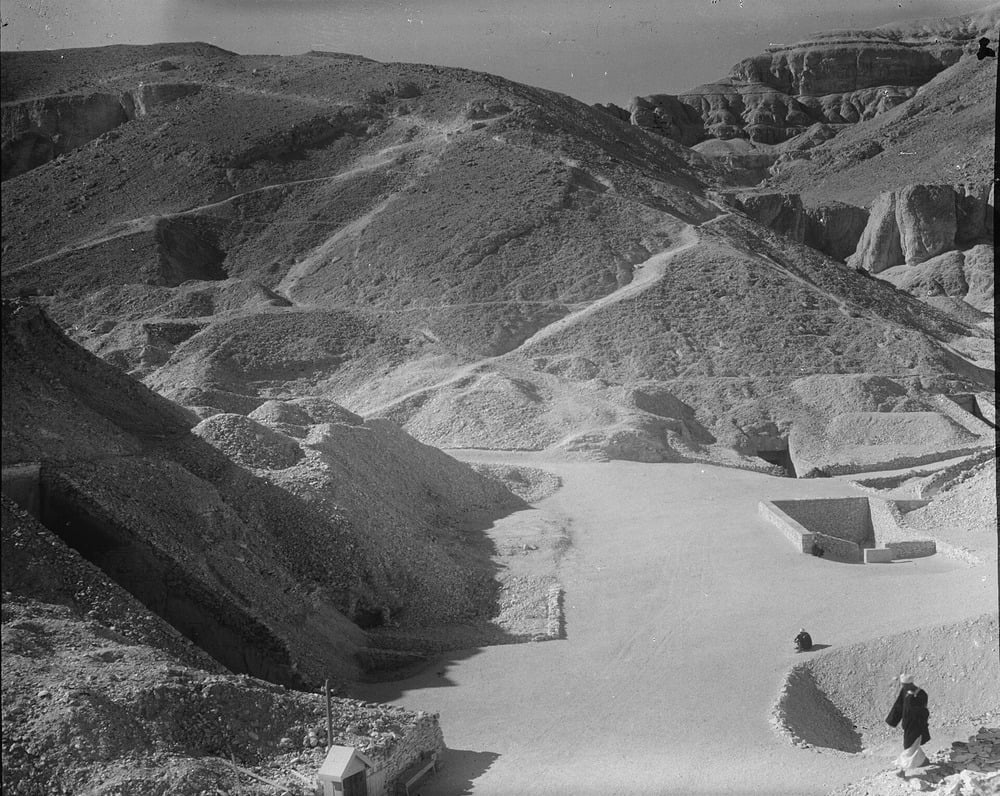
Being pharaoh did not automatically come with a pyramid-shaped retirement plan. Monumental pyramid building was especially associated with certain periods, notably the Old Kingdom. Royal burial traditions changed over the centuries, and later rulers increasingly used other tomb types. New Kingdom pharaohs, for example, were buried in rock-cut tombs in the Valley of the Kings.
7. Cleopatra Lived in the Age of the Great Pyramids
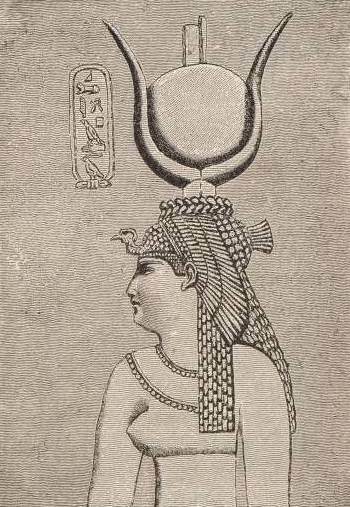
Cleopatra and the Great Pyramid belong together so naturally in movies that the enormous gap between them is easy to forget. The Great Pyramid was constructed roughly 2,500 years before Cleopatra VII lived. Cleopatra actually lived closer in time to the present day than to the construction of the Great Pyramid.
8. Cleopatra Came From an Ancient Native Egyptian Dynasty
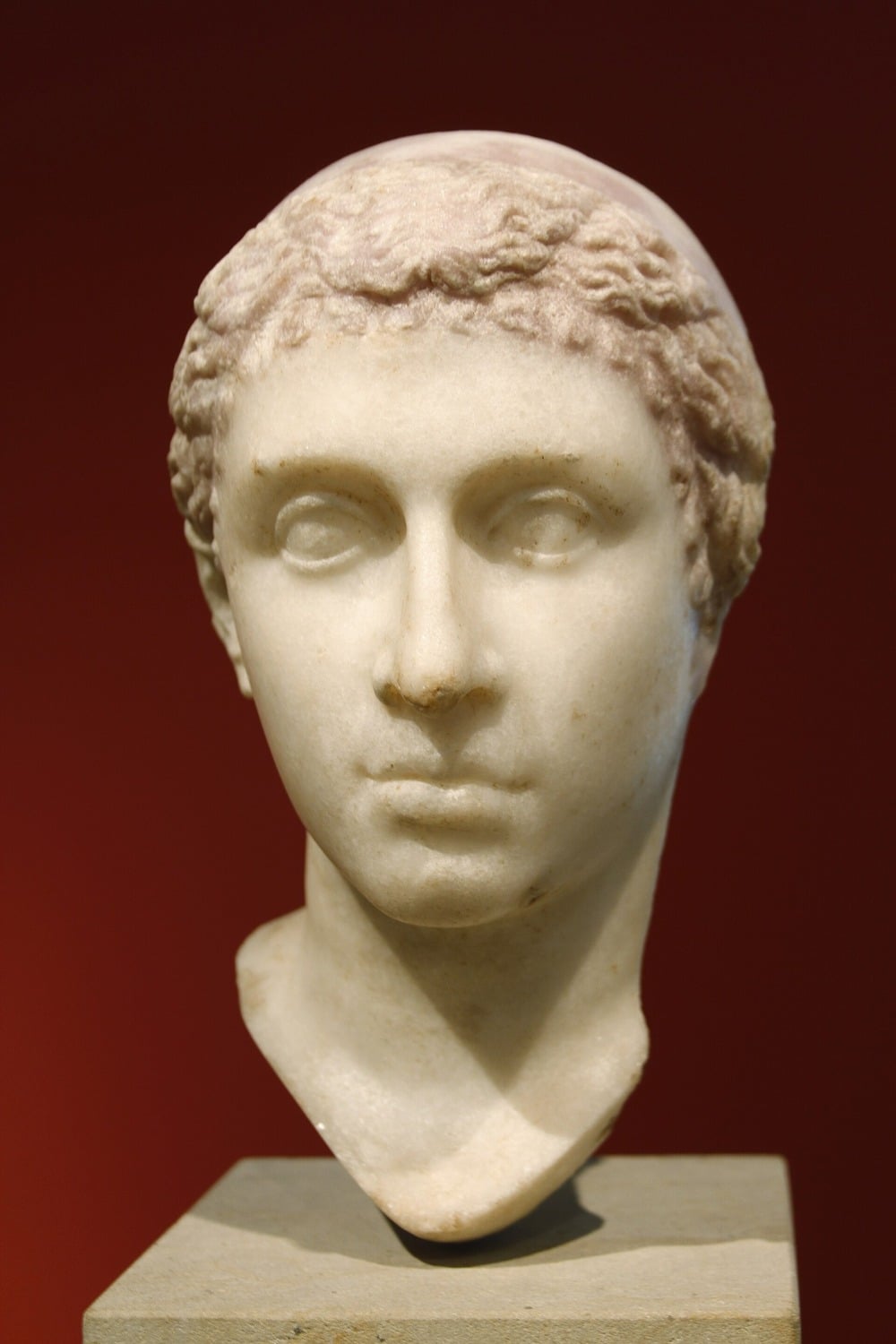
Cleopatra ruled Egypt, participated in Egyptian religion and kingship, and used Egyptian alongside other languages. But her royal family was not an ancient native Egyptian dynasty. She belonged to the Ptolemaic dynasty, a Macedonian Greek ruling house established after Alexander the Great. The important distinction is between the country she ruled and the origins of her family.
Sign up for our newsletter
9. Pharaohs Were Always Men
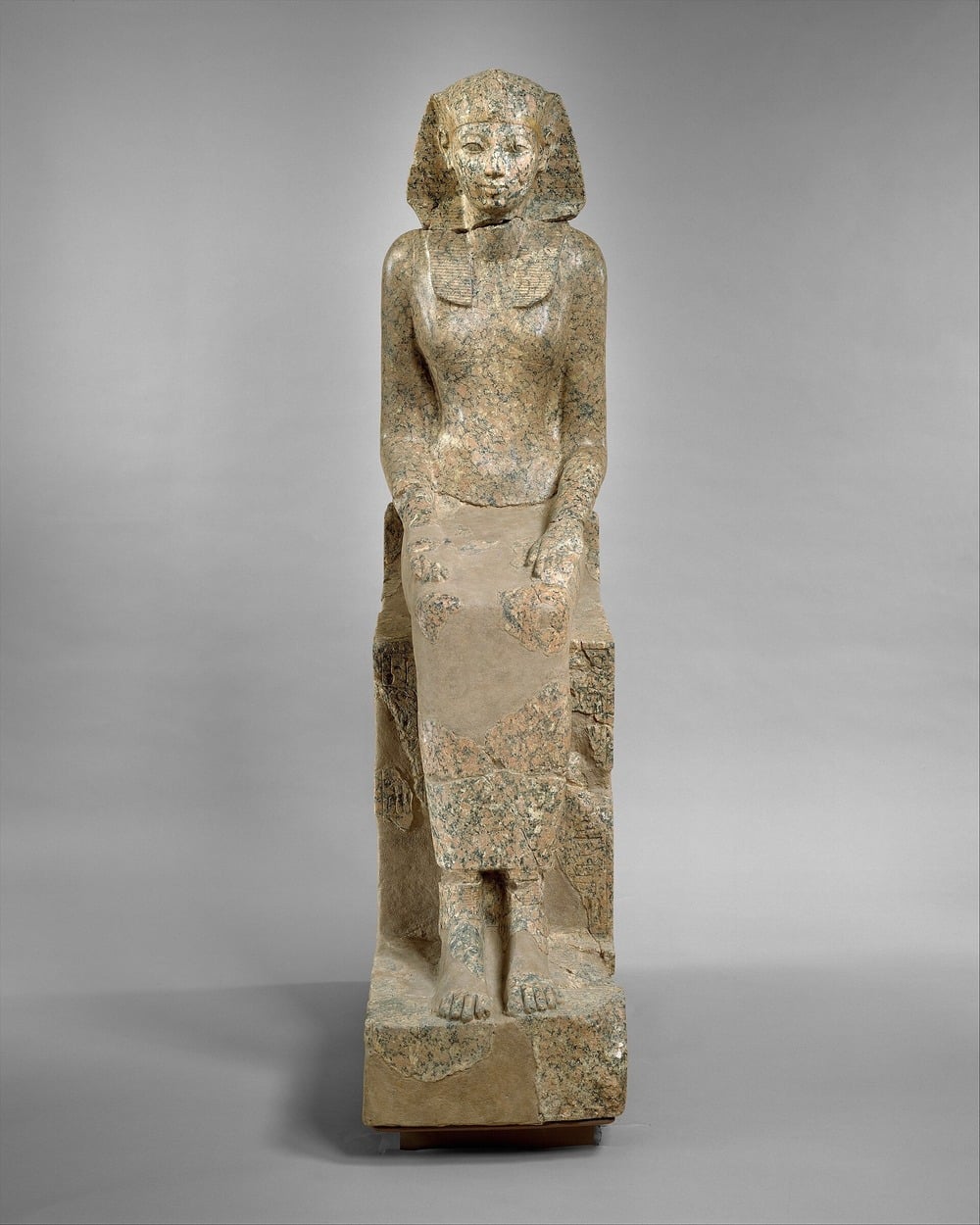
Egyptian kingship was overwhelmingly expressed through masculine titles and imagery, but women did reach the throne. Hatshepsut is the standout example, ruling for roughly two decades during Dynasty 18. Her monuments sometimes used traditional male royal attributes, including the ceremonial false beard, showing how royal imagery adapted a traditionally male role.
10. Hieroglyphs Were Just Picture Writing
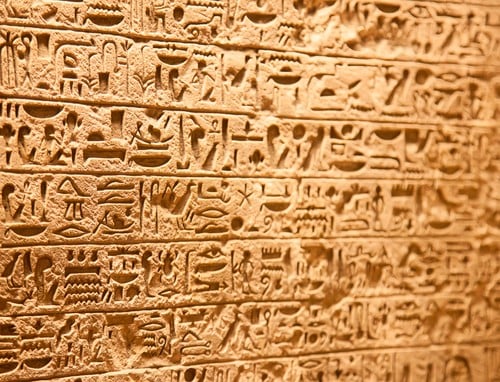
A bird means bird, an eye means eye, and a snake presumably means “please stop touching the tomb,” right? Not quite. Hieroglyphic signs could represent sounds, complete words, ideas, and semantic categories depending on how they were used. Egyptians also developed scripts such as hieratic for faster writing. Hieroglyphics certainly looked spectacular carved into monuments, but beneath the pictures was a sophisticated writing system capable of communicating far more than a wall full of ancient emojis.
11. Ancient Egyptians Only Wrote About Gods and the Dead
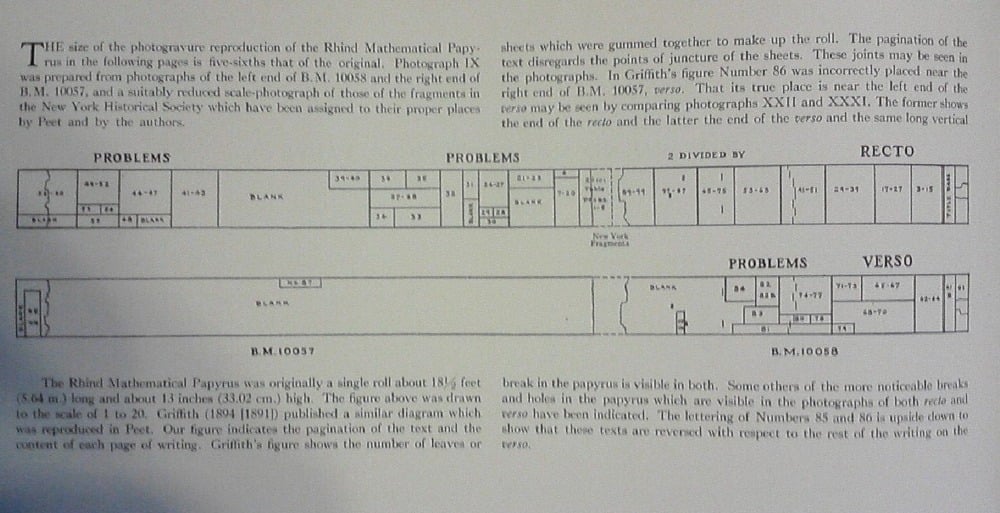
Tomb walls and museum displays can make Egyptian writers seem permanently occupied with the afterlife, but surviving texts tell a broader story. Egyptians wrote about administration, medicine, mathematics, literature, personal correspondence, and love. Mathematical papyri reveal people solving practical problems, because even a civilization famous for mummies still had paperwork.
12. Ancient Egyptians Worshipped Cats
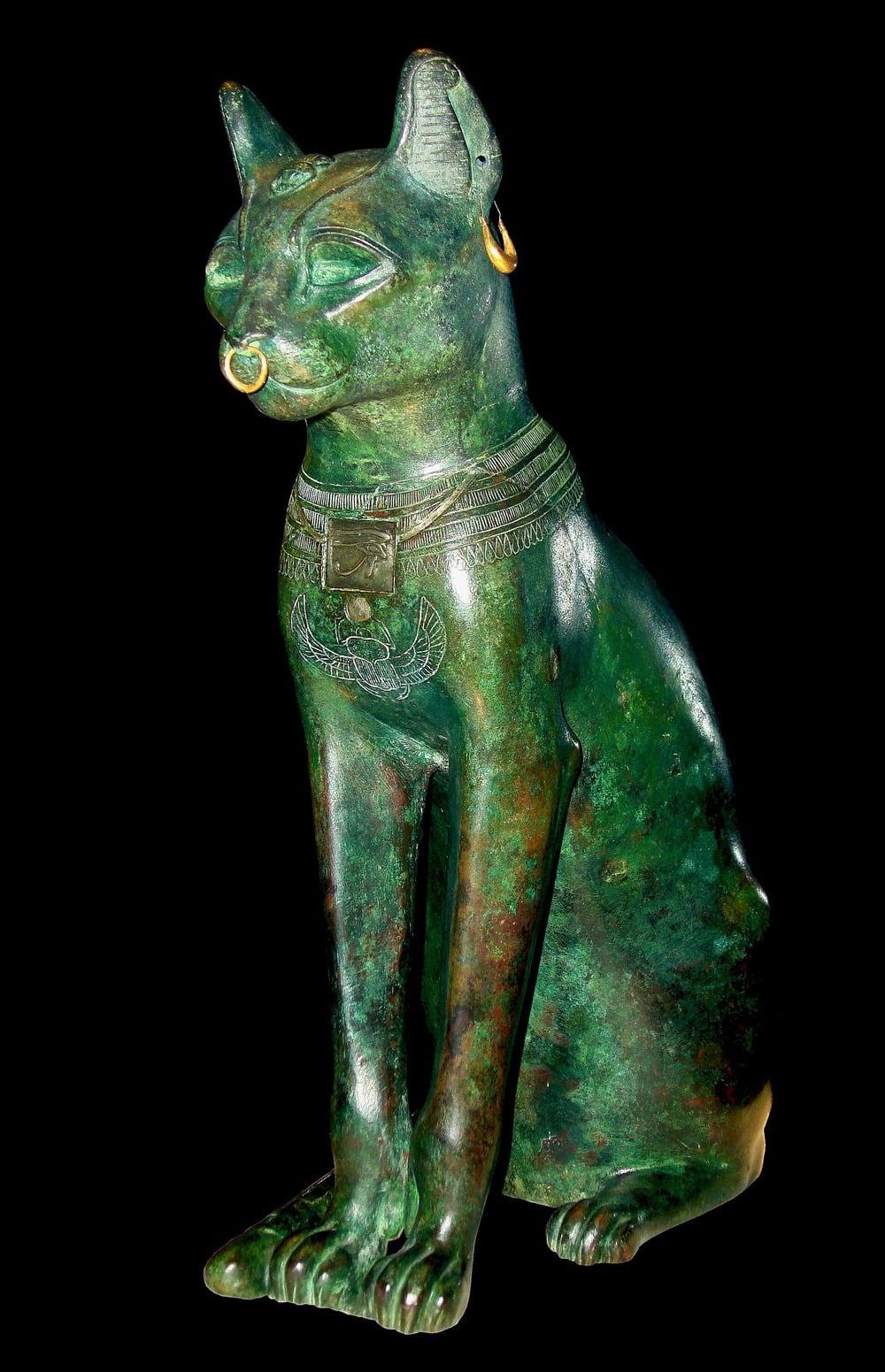
Cats had important religious associations, particularly with the goddess Bastet, but that does not mean every household cat was considered a literal god. Egyptian animal religion involved divine associations, temple practices, sacred animals, and votive offerings. Numerous species were connected with deities and sometimes mummified. Yes, Egyptians took cats seriously; the internet merely continued the enthusiasm.
13. Every Ancient Egyptian Was Mummified Like a Pharaoh
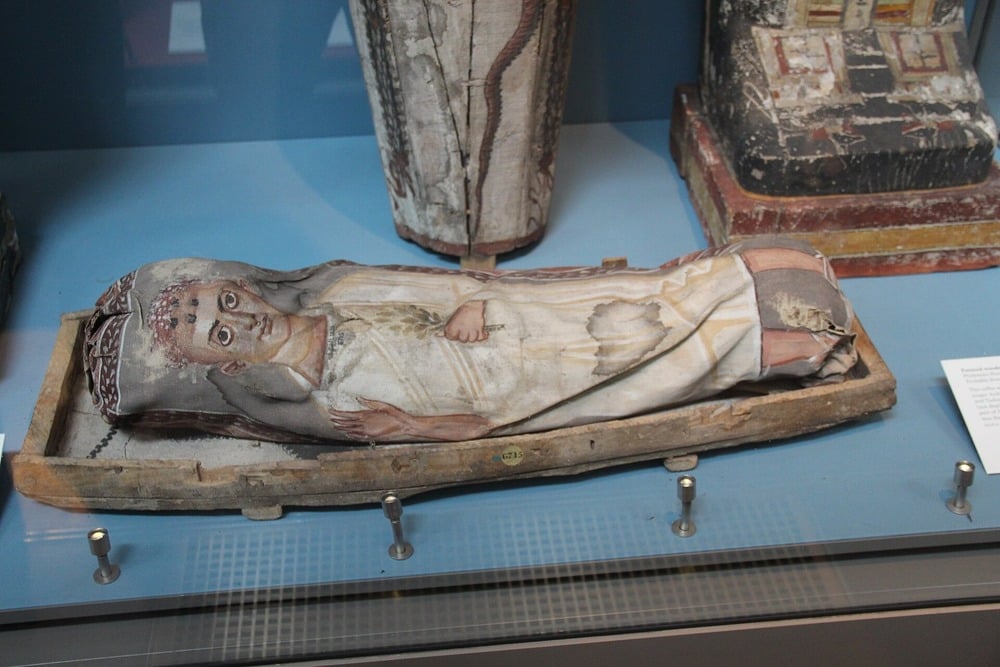
The elaborate mummy wrapped in linen and surrounded by beautiful objects represents only part of the story. Mummification changed across Egyptian history and could vary by period, wealth, status, and location. The most elaborate methods were expensive and unavailable to everyone. There was never one universal recipe followed unchanged for 3,000 years.
14. The Brain Was Carefully Preserved With the Other Organs
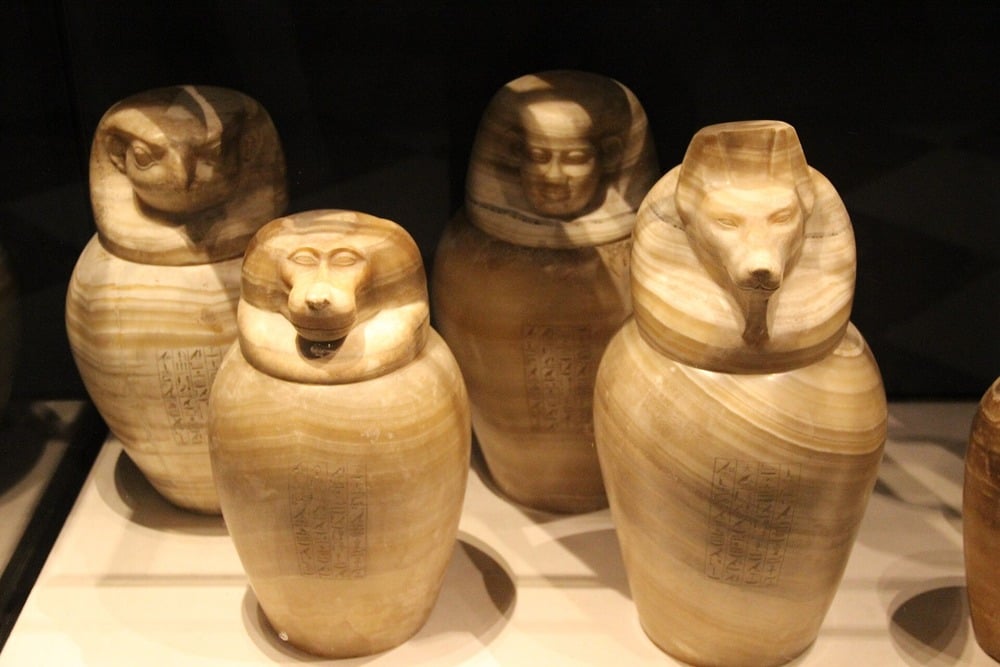
From a modern perspective, the brain seems like the organ embalmers would protect at all costs. In elaborate mummification, however, it could be removed without preservation while other organs received different treatment. The heart was especially important because of its religious meaning and was normally left inside the body.
15. The Book of the Dead Was One Ancient Egyptian Book
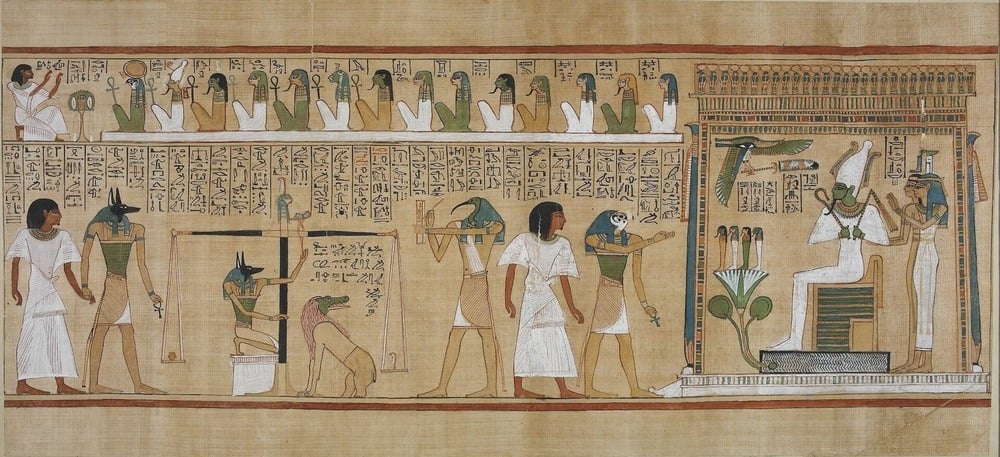
The familiar title makes it sound like one mysterious volume containing everything Egyptians believed about death. What we call the Book of the Dead was actually a collection of funerary spells, prayers, and texts intended to assist the deceased. Different copies could contain different selections, so there was no single standardized narrative equivalent to a modern book.
16. Tutankhamun Was One of Egypt’s Greatest Pharaohs
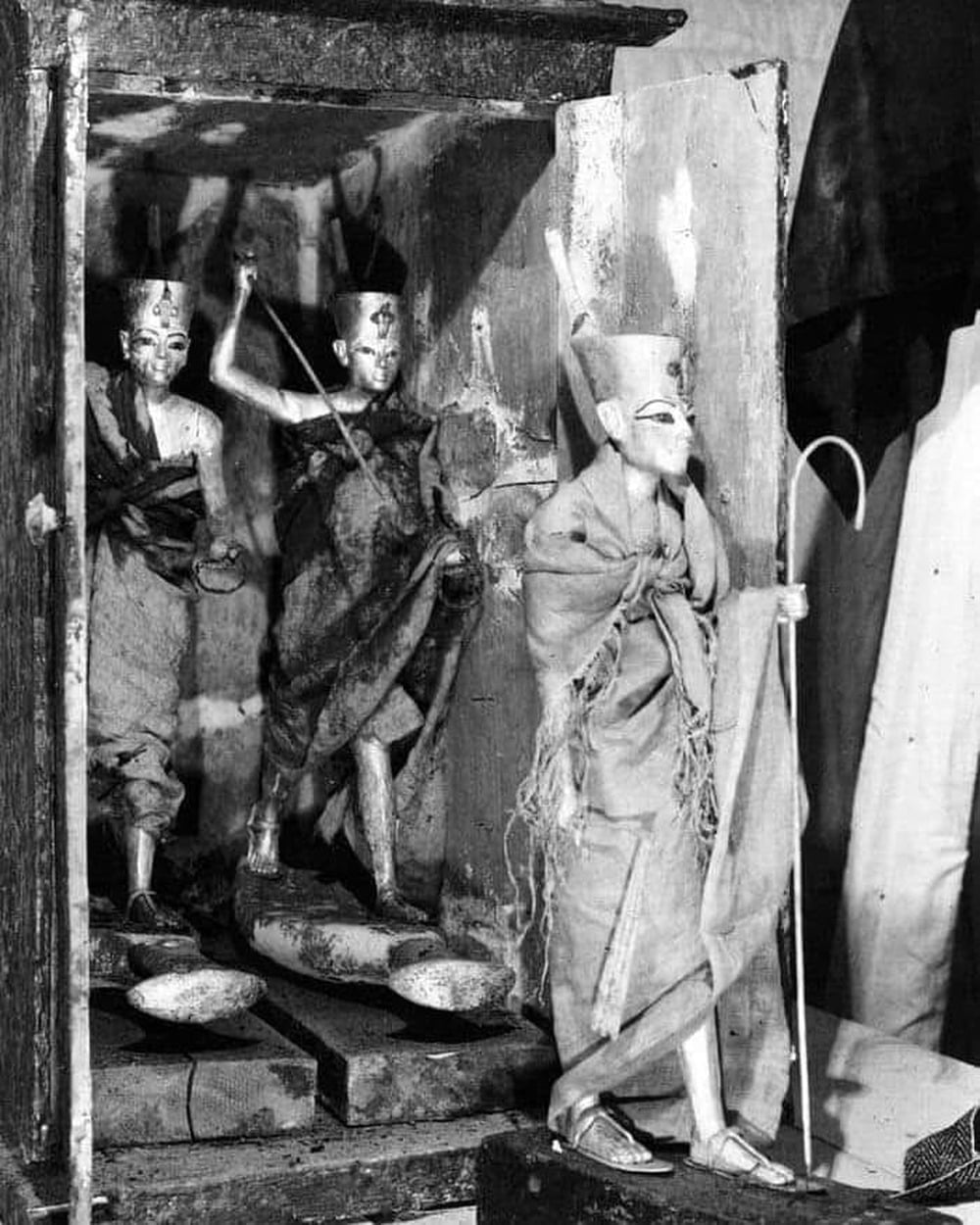
Tutankhamun is famous today, but celebrity and historical importance are not the same thing. He ruled for fewer than ten years and died young, leaving a limited political legacy compared with longer-reigning rulers. His fame came largely from the 1922 discovery of his remarkably intact tomb, packed with thousands of objects.
17. Napoleon’s Soldiers Shot the Nose Off the Sphinx
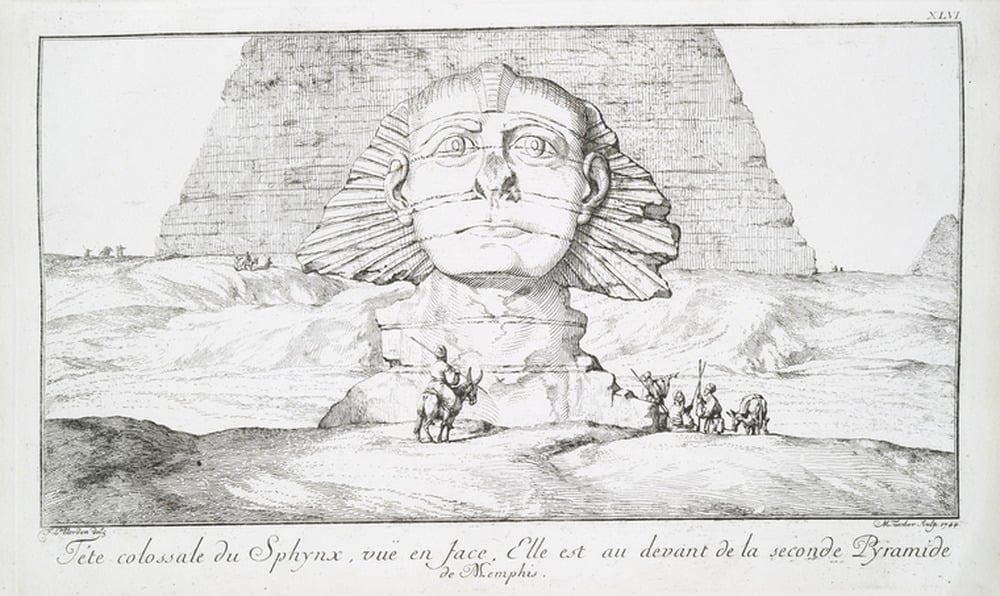
The story is tidy: Napoleon arrives, his soldiers use the Great Sphinx for target practice, and its nose is history. Drawings made before Napoleon’s 1798 Egyptian campaign already show the Sphinx without its nose. Exactly when and how the damage occurred is less certain, but the timeline clears Napoleon’s troops.
18. Ancient Egyptians Were Obsessed With Death
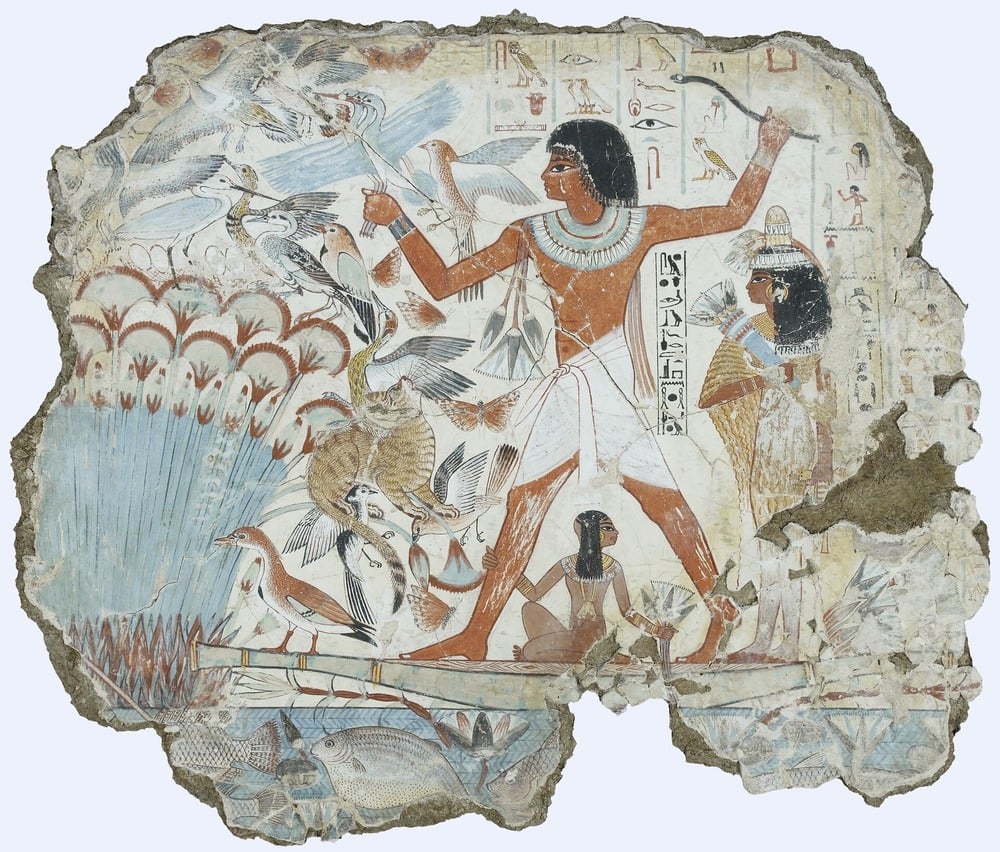
Tombs, coffins, mummies, funerary objects, and monuments survive exceptionally well, creating a powerful survivorship bias. Egyptians also raised families, farmed, worked, played, celebrated, wrote poetry, and solved mathematical problems. Death and rebirth mattered deeply, but they were parts of a much larger life. We see so much Egyptian death partly because it was built to survive.
Many myths about ancient Egypt become less convincing once its enormous timeline is restored. This was not one frozen civilization populated exclusively by pyramid builders, mummies, and pharaohs. It was a society that changed repeatedly across more than three millennia, and separating those periods makes its history considerably more interesting than the compressed version we inherited from pop culture.
Keep Exploring The Scroller
One civilization, 3,000 years, and plenty more myths buried beneath the sand. Keep exploring The Scroller to uncover the stories history got twisted along the way:
17 Archaeology Finds That Forced Experts to Rethink History
15 Ancient Inventions So Advanced They Still Raise Questions Today
15 Ancient Hieroglyphs Scientists Have a Hard Time Explaining