Buildings moved instead of demolished sound like an architectural loophole: if a structure is standing in the wrong place, simply pick it up and put it somewhere else. In reality, some of history´s most ambitious preservation projects involved enormous engineering operations, from sliding entire buildings along rails to carefully numbering ancient stones and rebuilding them miles away.
The reasons were just as varied. Coastlines retreated, dams threatened ancient monuments, roads needed widening, cities redeveloped, and even the ground beneath entire communities became unstable. The solutions below prove that demolition was not always the end of the conversation. Sometimes, the building got a new address.
1. Cape Hatteras Lighthouse, North Carolina
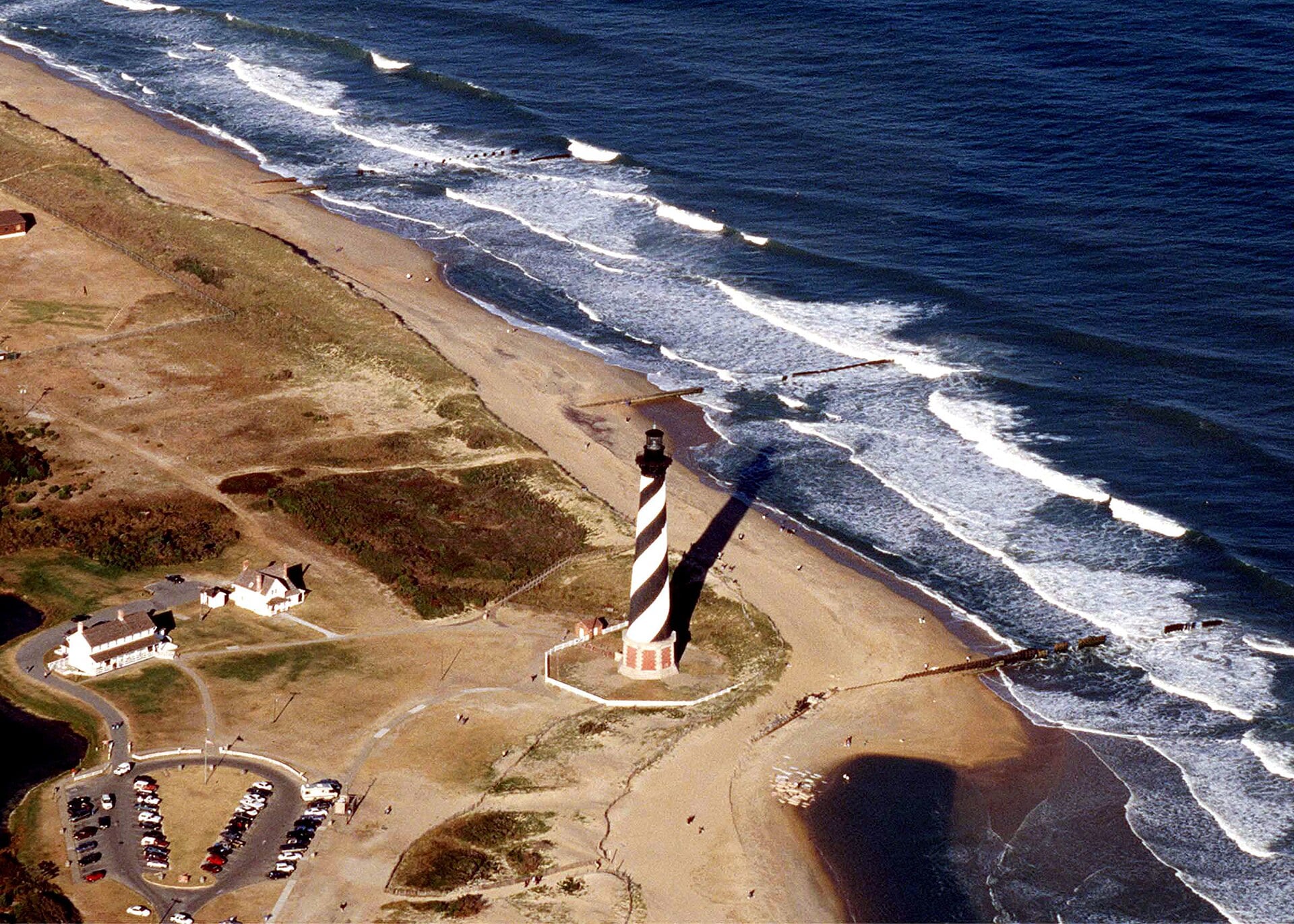
By the late 20th century, the Atlantic Ocean was getting uncomfortably close to Cape Hatteras Lighthouse, so preservationists chose a solution far more complicated than abandoning it. In 1999, the 1870 lighthouse was lifted from its foundation and moved roughly 2,900 feet inland, along with several related structures. The trip took weeks, turning one of the country’s most recognizable lighthouses into a very slow-moving piece of cargo.
2. Abu Simbel Temples, Egypt
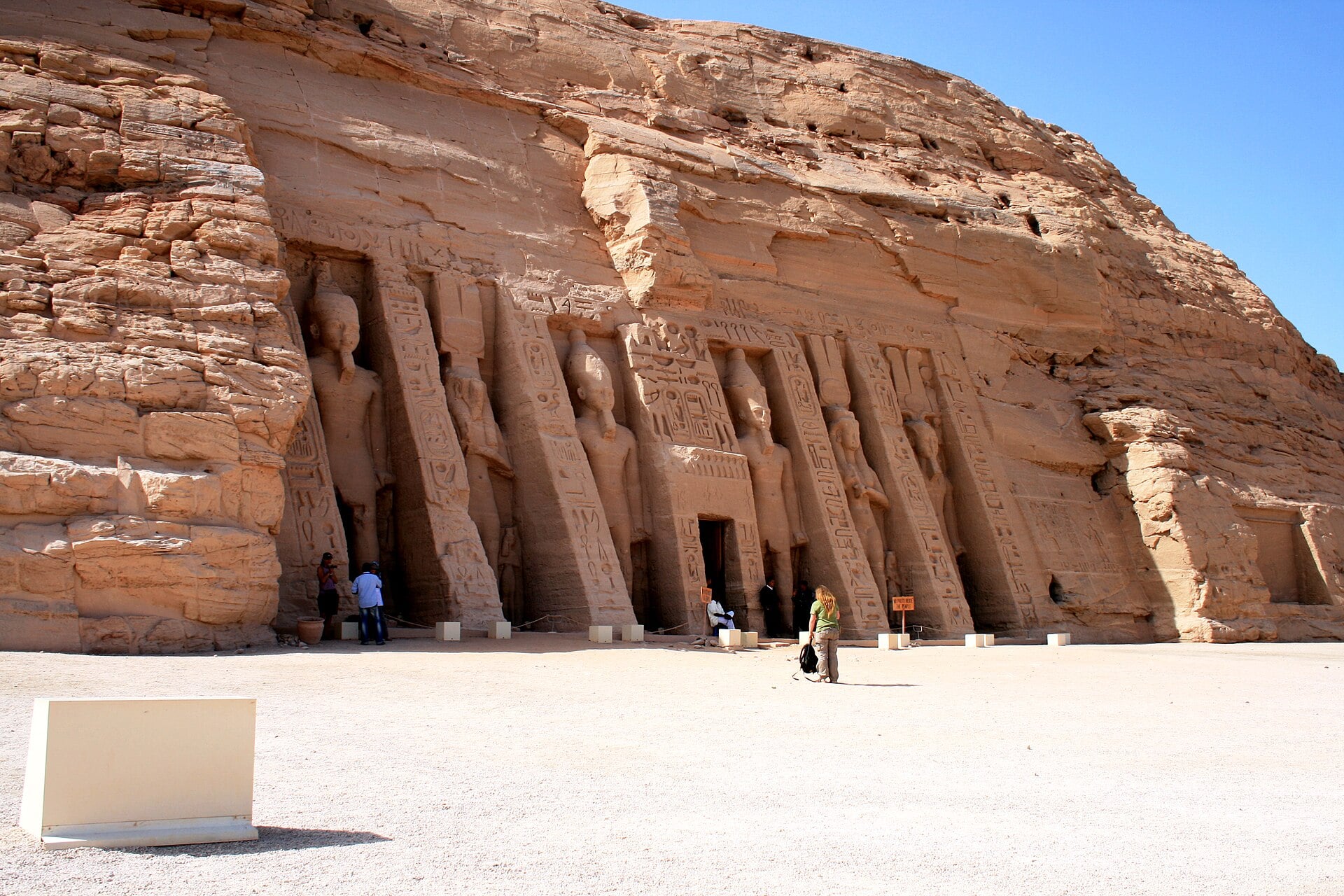
Karelj/ via Wikimedia Commons
How do you move temples carved into a mountainside? In the 1960s, the construction of the Aswan High Dam threatened to submerge Abu Simbel beneath the rising waters of Lake Nasser. Instead of attempting to transport the monuments whole, engineers cut the temples into massive blocks, moved them to higher ground, and painstakingly reassembled them. The result looks ancient because it is, even though the location is not.
3. Indiana Bell Telephone Building, Indianapolis
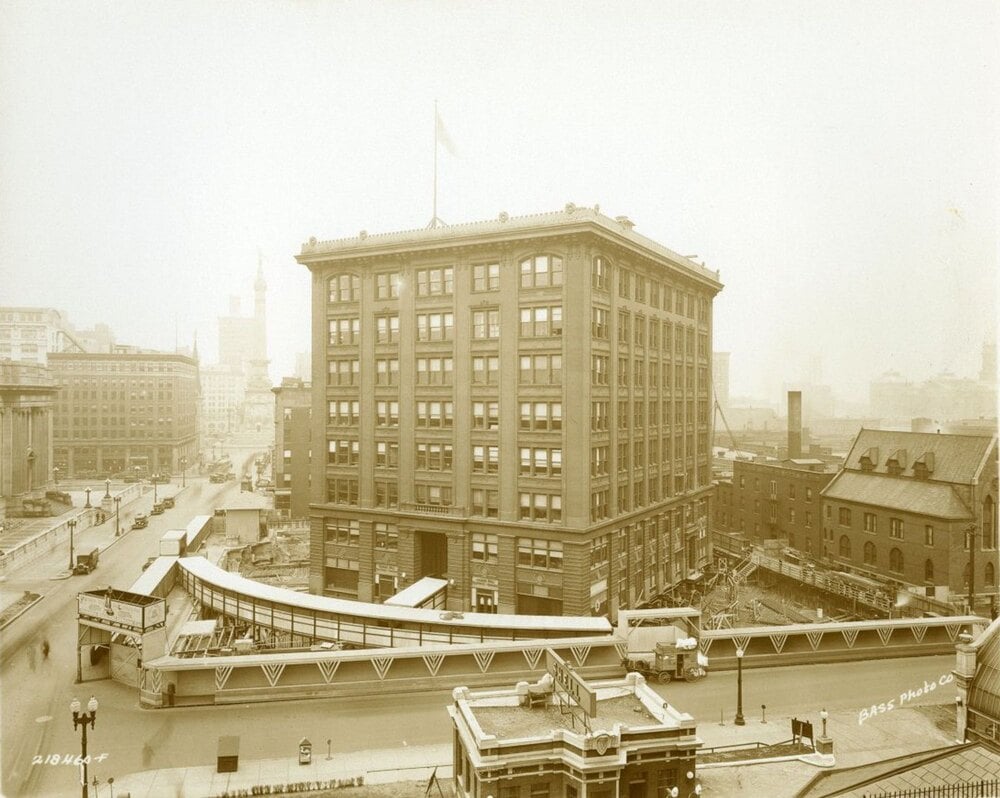
This one did not simply move. It turned a corner. In 1930, the Indiana Bell Telephone Building was rotated 90 degrees and shifted while telephone operations continued inside, an engineering feat made even stranger by the fact that employees could reportedly keep working during the process. Its relocation bought the structure several more decades, but not immortality: the building was eventually demolished in 1963.
4. Kiruna Church, Sweden
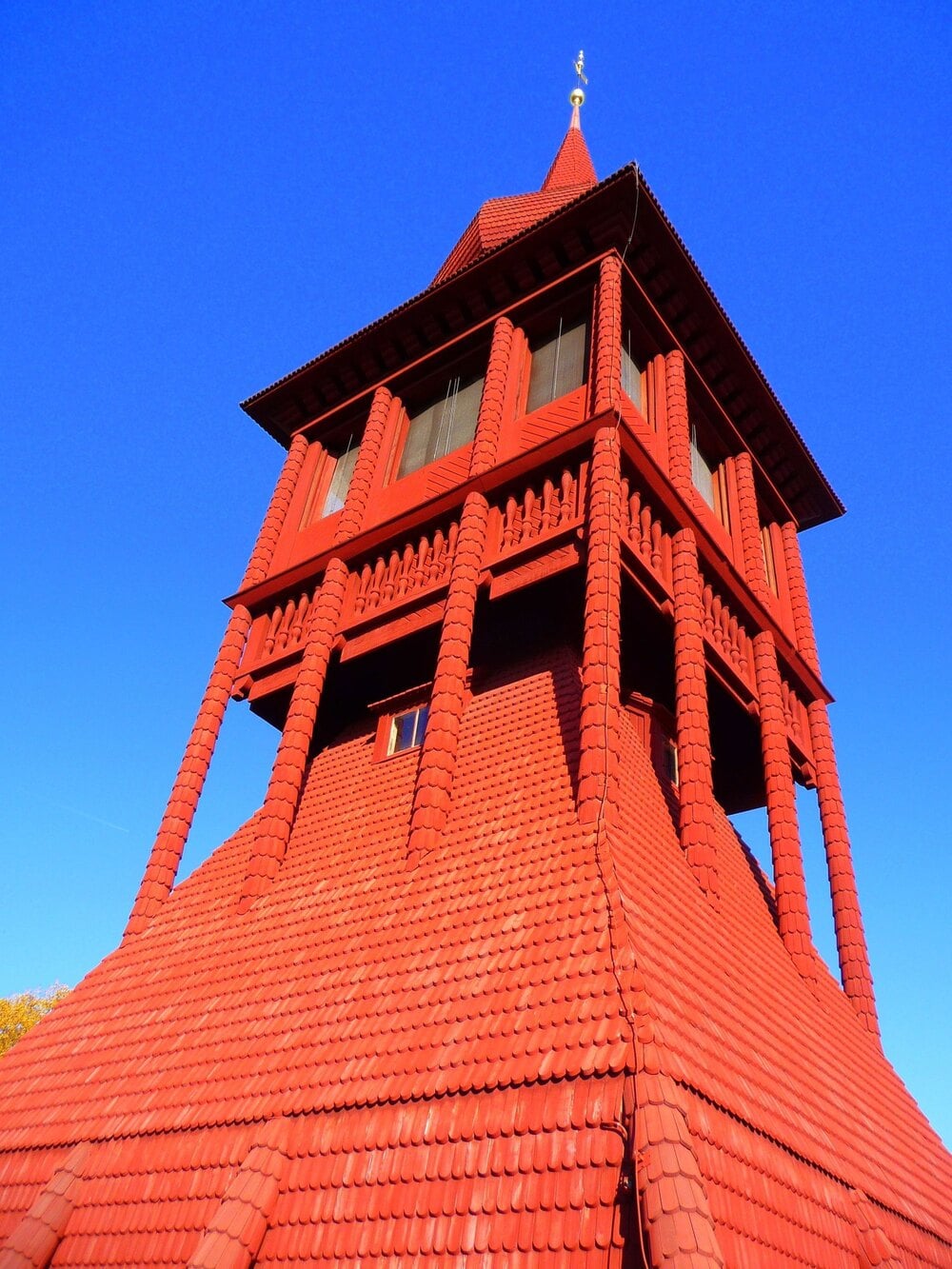
Sometimes it is not the building that becomes inconvenient. It is the ground underneath it. Mining-related deformation forced the Swedish city of Kiruna to relocate parts of the community, including its monumental wooden church. In 2025, the huge structure was transported to a new location rather than sacrificed to the shifting landscape, making a century-old church part of an unusually modern urban migration.
5. Sam S. Shubert Theatre, Minneapolis
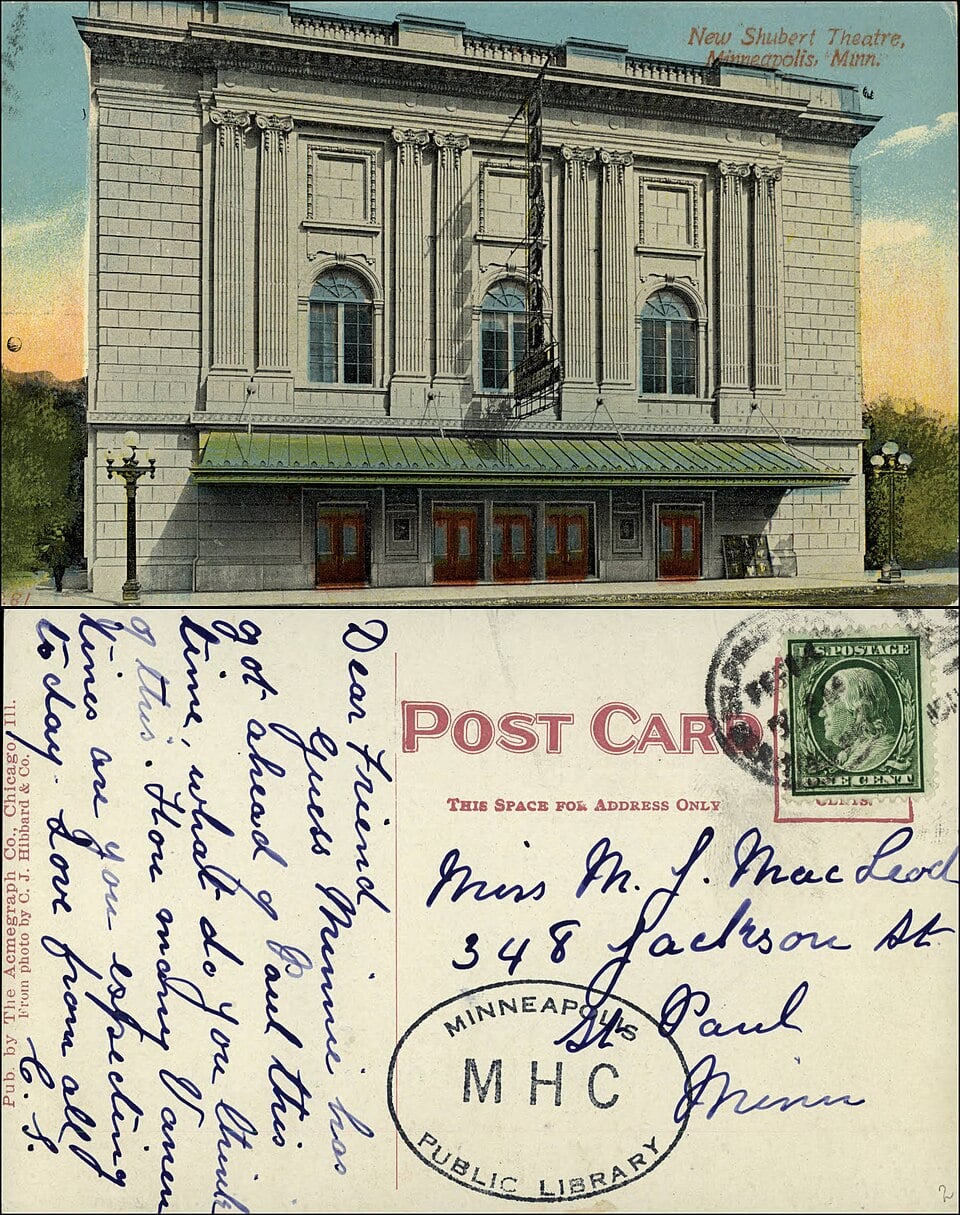
A redevelopment project could easily have ended the story of Minneapolis’ 1910 Shubert Theatre. Instead, the building itself changed addresses. In 1999, the historic theater was moved rather than demolished, preserving the structure while allowing the surrounding project to continue. It raises an intriguing question: when the city changes around a landmark, is moving the landmark sometimes less radical than destroying it?
Trending on The Scroller


6. Temple of Dendur, Egypt to New York
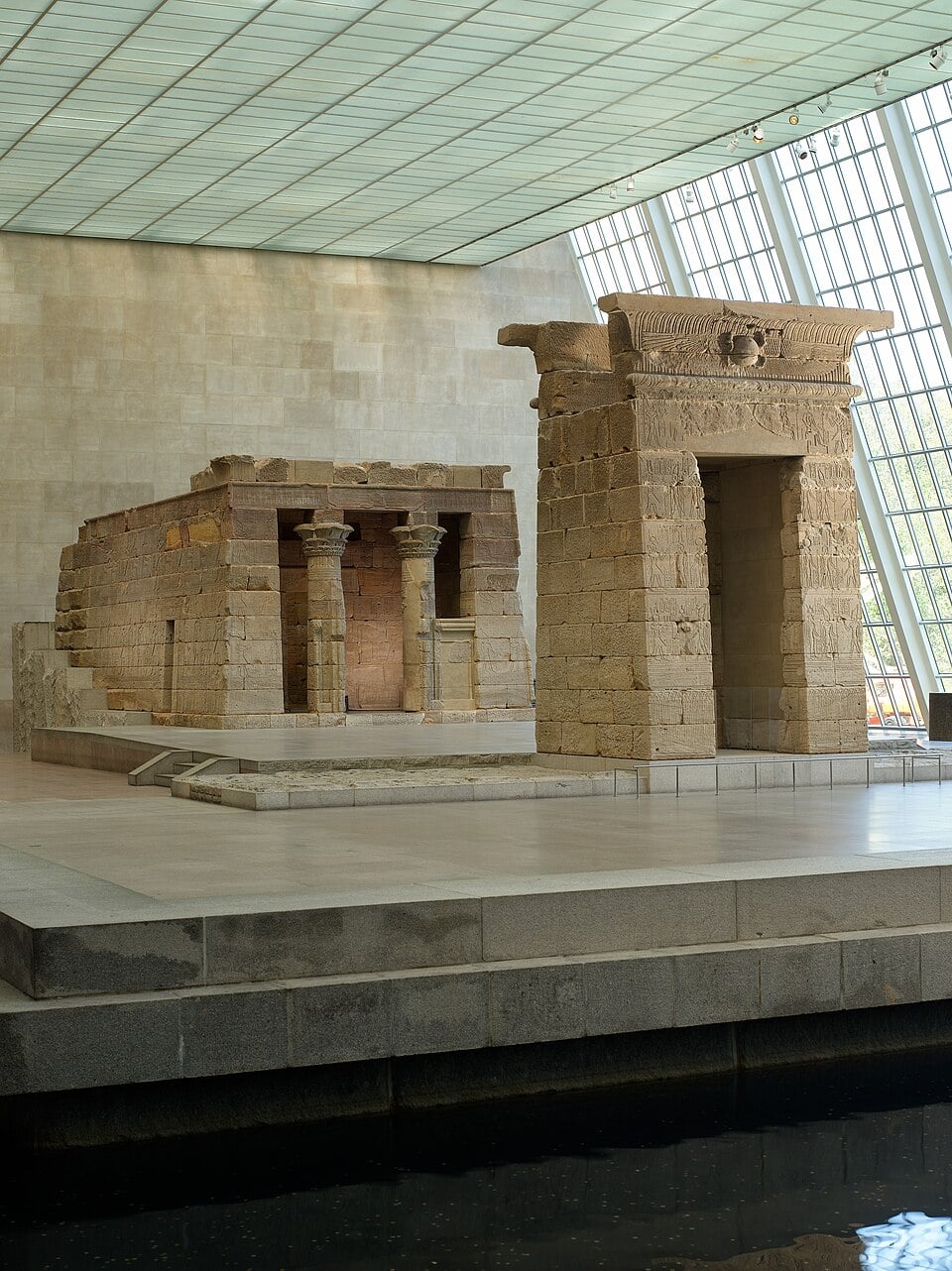
The Temple of Dendur traveled much farther than most entries on this list. Threatened by the waters associated with the Aswan dam project, the ancient Egyptian temple was dismantled as part of the international campaign to save Nubian monuments. Egypt later presented it to the United States, and its stones were reconstructed inside New York’s Metropolitan Museum of Art. Today, visitors can stand before an Egyptian temple without leaving Manhattan.
7. Empire Theatre, New York City

Moving a theater through Times Square sounds like the setup to an urban legend, but the Empire Theatre really did take a short trip down 42nd Street. In 1998, the building was moved about 168 feet west to accommodate redevelopment. Compared with temples crossing oceans, 168 feet sounds modest. Try saying that while imagining an entire theater rolling past the storefronts.
8. The Philae Temple Complex, Egypt
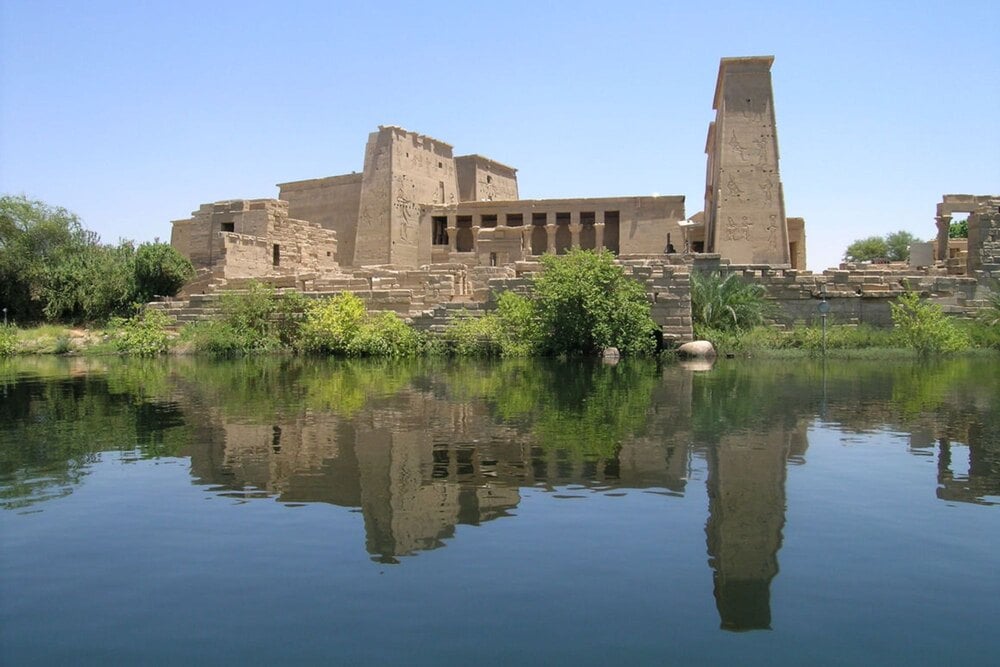
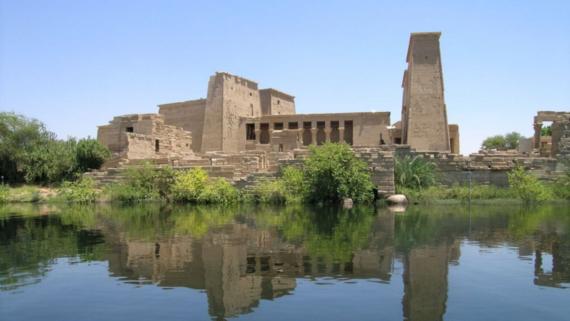
Philae’s rescue required something closer to archaeological reconstruction than a conventional building move. With its original island threatened by flooding, the temple complex was dismantled and transferred to nearby Agilkia Island during a UNESCO-led project in the 1970s. The new site was reshaped to resemble the old one, preserving not only the monuments but some of the visual relationship between the temples and their island setting.
Sign up for our newsletter
9. The House That Moved, Exeter
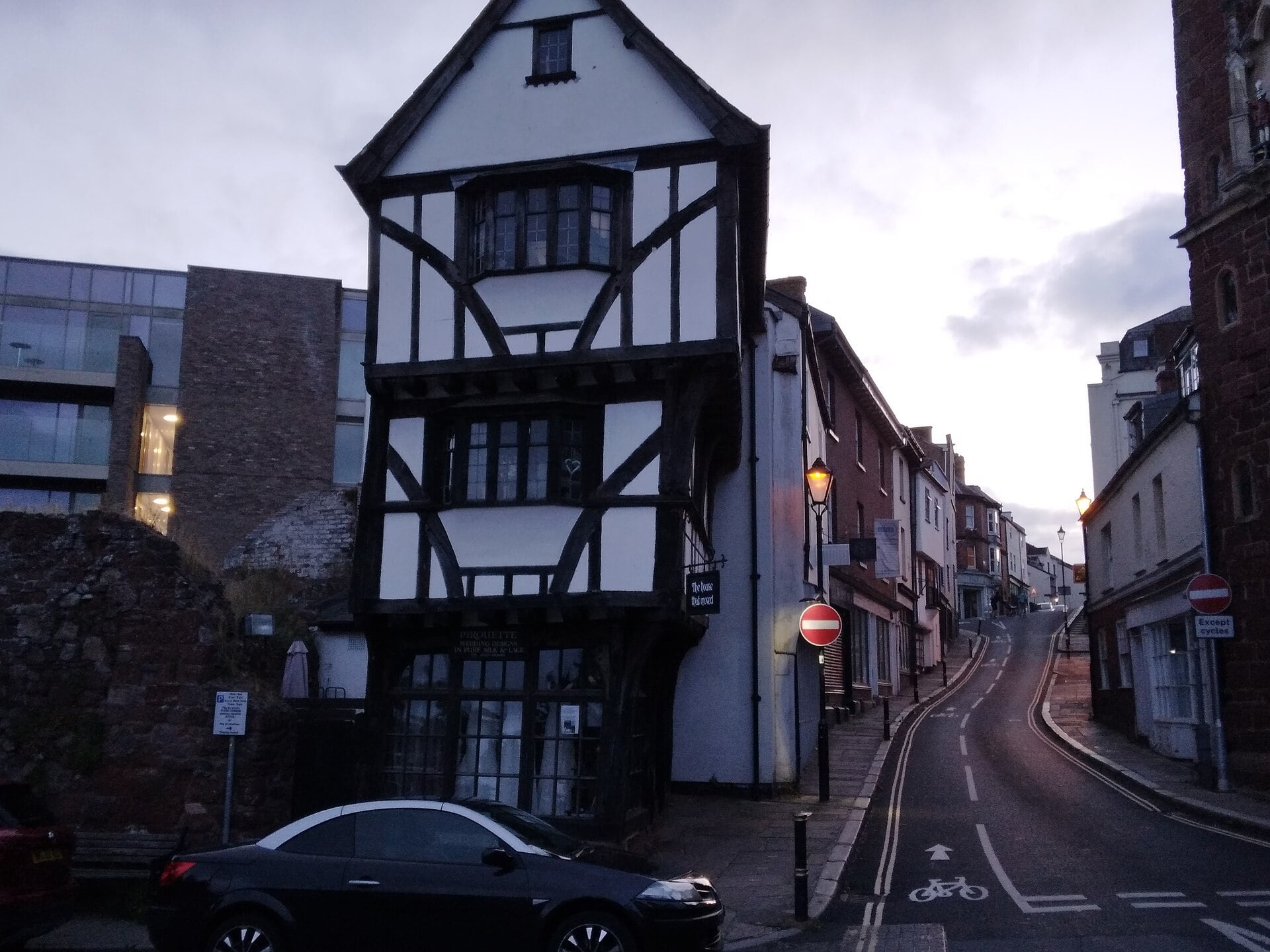
Buildings moved instead of demolished rarely wear their histories as openly as Exeter’s aptly nicknamed House That Moved. In 1961, the Tudor structure stood in the path of a new road, so it was placed on a system of rollers and shifted to a new position instead of being torn down. The timber-framed survivor still looks comfortably rooted today, which makes its brief career as a moving object even harder to imagine.
10. TWA Terminal Building 51, Newark Airport
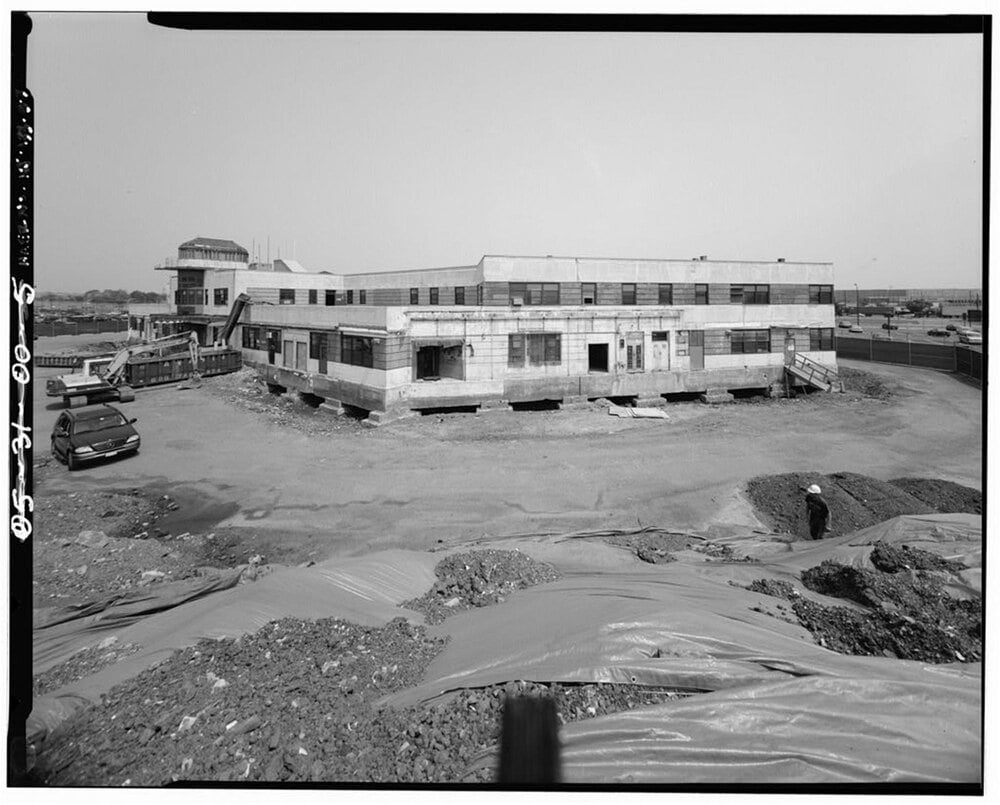
Airport expansion is not especially sentimental about whatever occupies the land it needs. Newark´s historic Art Deco Building 51 faced that problem when runway development threatened its location. Rather than simply erase the old terminal, the structure was divided into sections and relocated. It was preservation by disassembly, proving that “moving a building” can sometimes mean turning architecture into a very large, very carefully handled puzzle.
11. London Bridge, London to Arizona
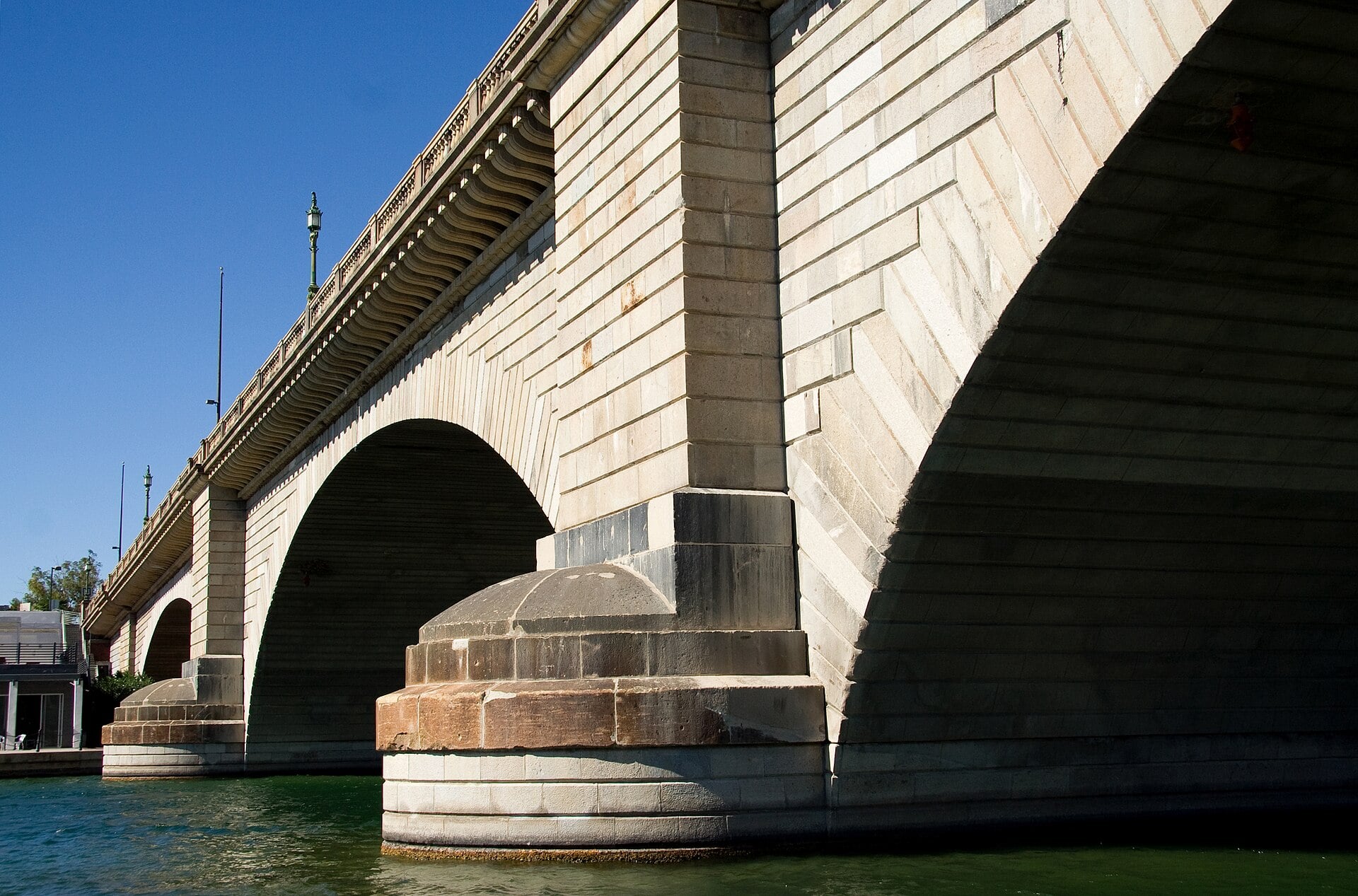
London Bridge did not sail across the Atlantic in one heroic piece. After being sold in 1968, its exterior granite masonry was dismantled, numbered, shipped to Arizona, and incorporated into the reconstructed bridge at Lake Havasu City. That distinction matters: this was not an intact structural relocation. Still, few preservation stories have produced a stranger geographic twist. A bridge associated with the Thames now spans water in the Arizona desert.
12. Belle Tout Lighthouse, England
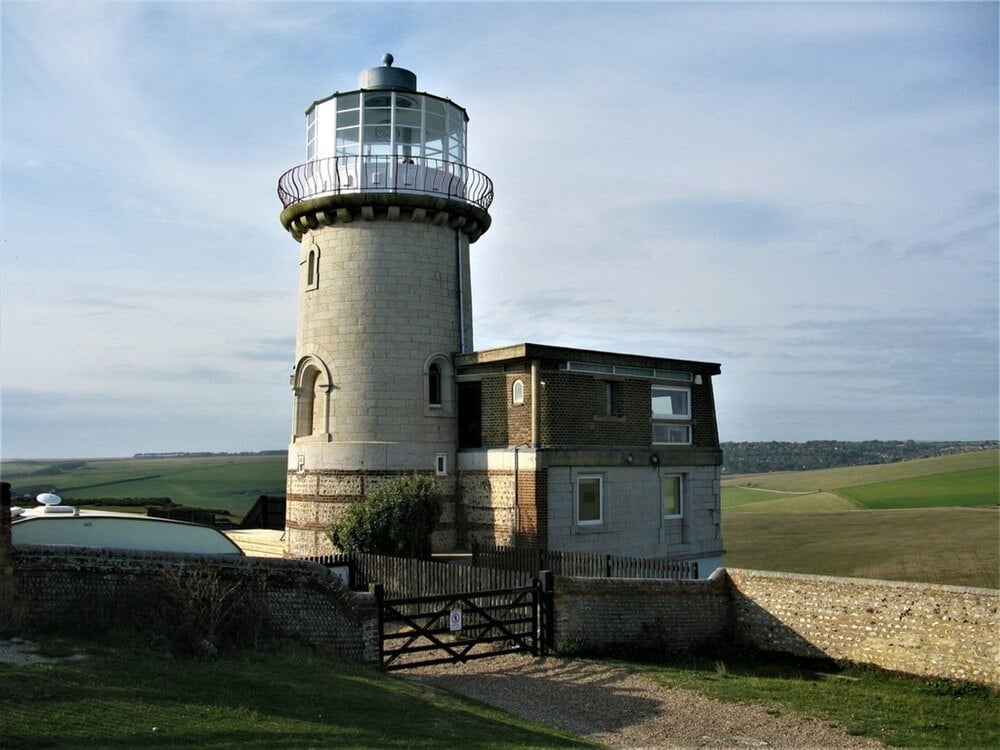
Cliff erosion was slowly turning Belle Tout Lighthouse into a structure with a dangerously short future. In 1999, engineers moved the lighthouse inland, putting more ground between the building and the edge of the cliffs at Beachy Head. Would it have been easier to abandon it? Almost certainly. But moving the stone lighthouse preserved a landmark while buying something engineers cannot manufacture quite so easily: distance from the sea.
13. The MFO Building, Zurich
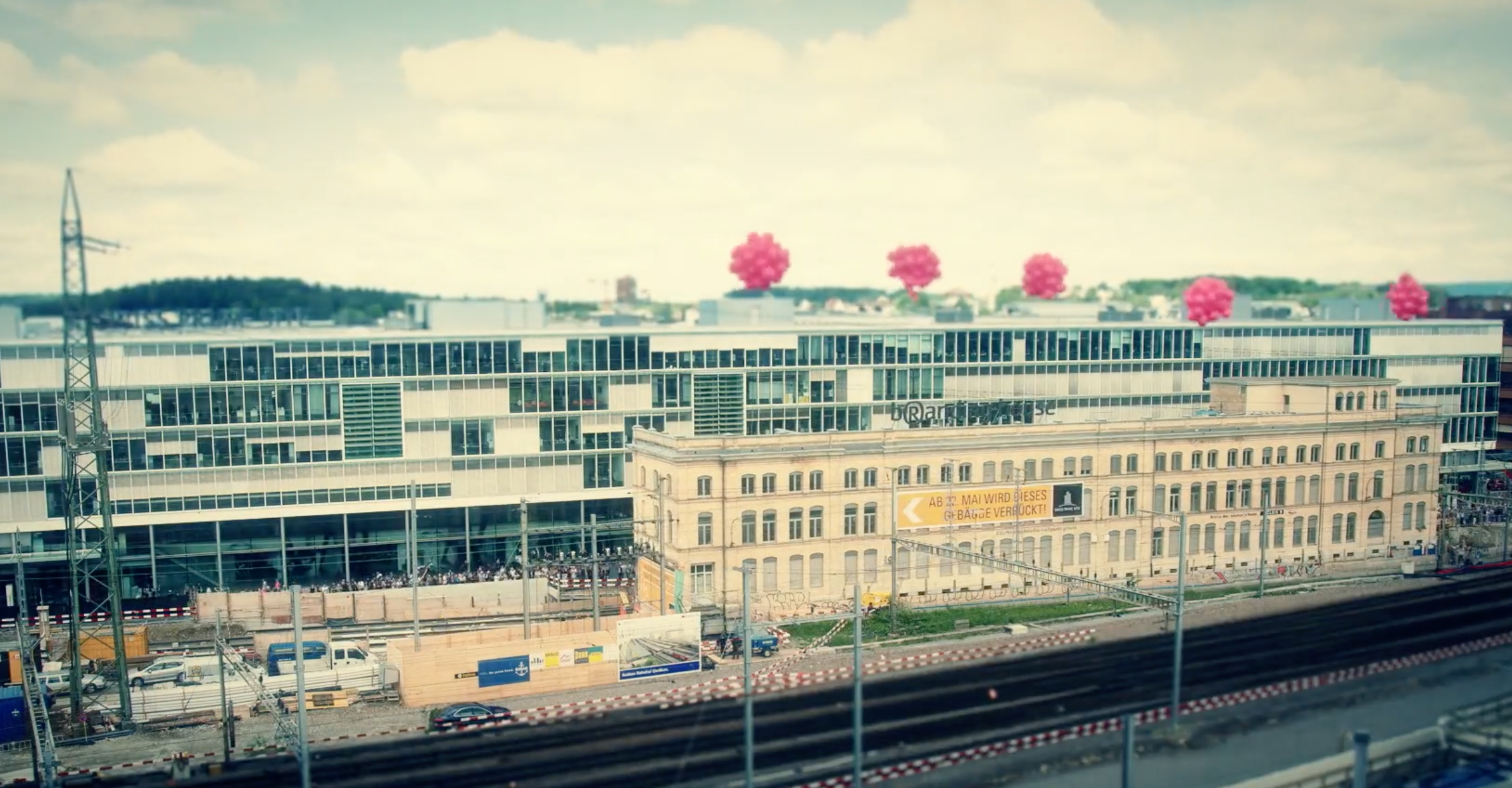
Railway expansion presented Zurich with a familiar urban dilemma in 2012: progress wanted the space, but an 1889 industrial building was already occupying it. The solution was to shift the MFO building roughly 60 meters rather than demolish it. Watching a substantial masonry office building glide to a new site sounds almost wrong, as if somebody unlocked architecture’s settings menu and switched off ‘fixed in place.’
14. Temple of Debod, Egypt to Madrid
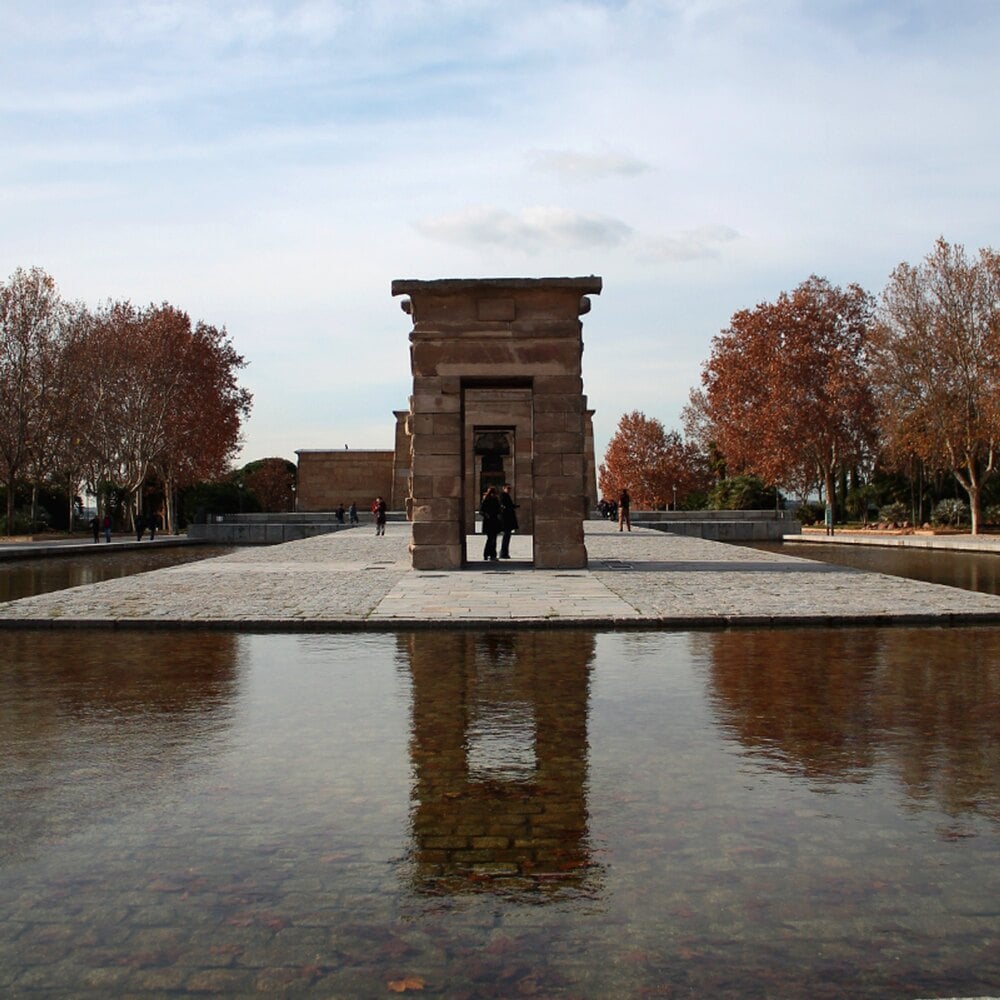
Madrid has an ancient Egyptian temple because one of the largest monument-rescue campaigns of the 20th century reached far beyond Egypt. The Temple of Debod was dismantled during the effort to protect Nubian monuments threatened by the Aswan dam project and later donated to Spain. Its stones were reconstructed in Madrid, giving the monument an entirely new landscape while preserving a structure that might otherwise have disappeared beneath rising water.
15. The Temple of Amada, Egypt
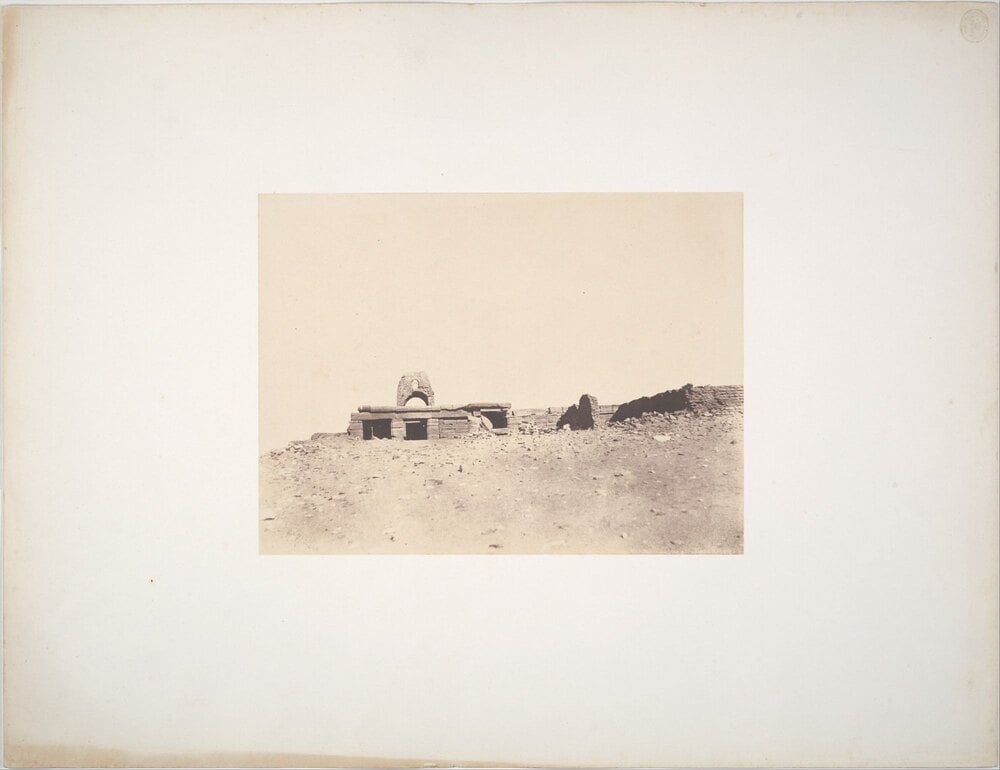
Not every endangered Nubian temple was sliced into blocks. The Temple of Amada presented a particularly delicate challenge because dismantling it risked damaging its painted interior. During its 1964-65 rescue, the ancient structure was instead transported on rails to higher ground. The method makes the project especially fascinating: thousands of years after its construction, an Egyptian temple effectively acquired its own railway journey.
16. Historic Mayan Structures at Balam Tun, Mexico
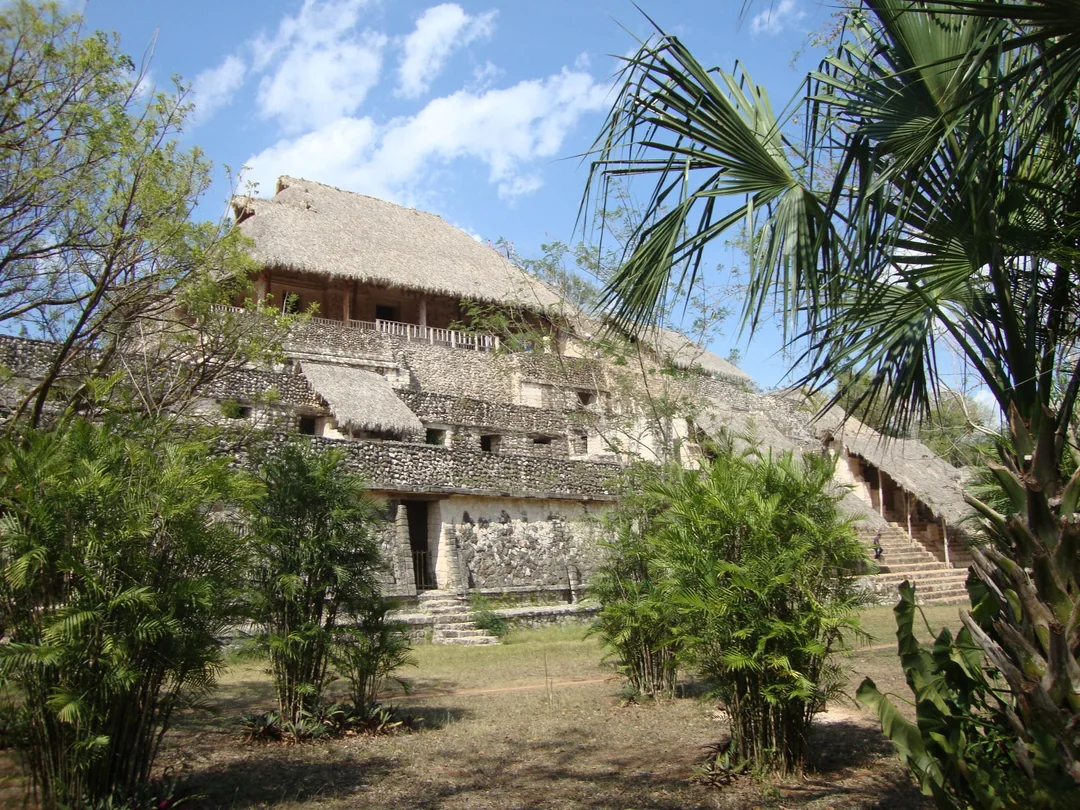
The final relocation works very differently from sliding a lighthouse or rolling a theater down a street. During archaeological salvage connected to the Tren Maya project, 36 monuments were dismantled and reconstructed at the Balam Tun Memory Park in Chetumal. These were not buildings picked up whole, but archaeological structures carefully transferred so they could be conserved elsewhere. In preservation, sometimes saving the past means accepting that its coordinates will change.
Moving a landmark can sound absurd until the alternatives are considered. Across these 16 cases, water was rising, coastlines were retreating, roads and railways were expanding, and cities were transforming around structures that could not simply stay where they were. The techniques differed dramatically, but the underlying idea remained the same: when history stood in the way of change, engineers occasionally found a way for both to keep going.
Keep Exploring The Scroller
If a lighthouse taking a road trip or an ancient temple changing continents has recalibrated the definition of ‘relocation,’ there is plenty more where that came from. Keep exploring The Scroller for remarkable preservation projects, architectural oddities, and the moments when history refused to stay put:
15 Strange Architectural Decisions in Famous Buildings That Nobody Has Fully Explained