Sealed chambers tend to invite the wildest explanations. Put a locked door, an underground room, or an inaccessible cave in front of people and rumors practically write themselves. In reality, though, many of the world´s most restricted spaces have reasons for staying closed that are more interesting than the conspiracy theories surrounding them.
Some protect things that have survived for thousands of years. Others contain radiation, dangerous biological material, sacred objects, or ecosystems that scientists would rather humans leave alone. And in a few cases, what supposedly lies behind the door is still very much a matter of belief rather than proof.
1. The Unopened Central Burial Chamber of Qin Shi Huang
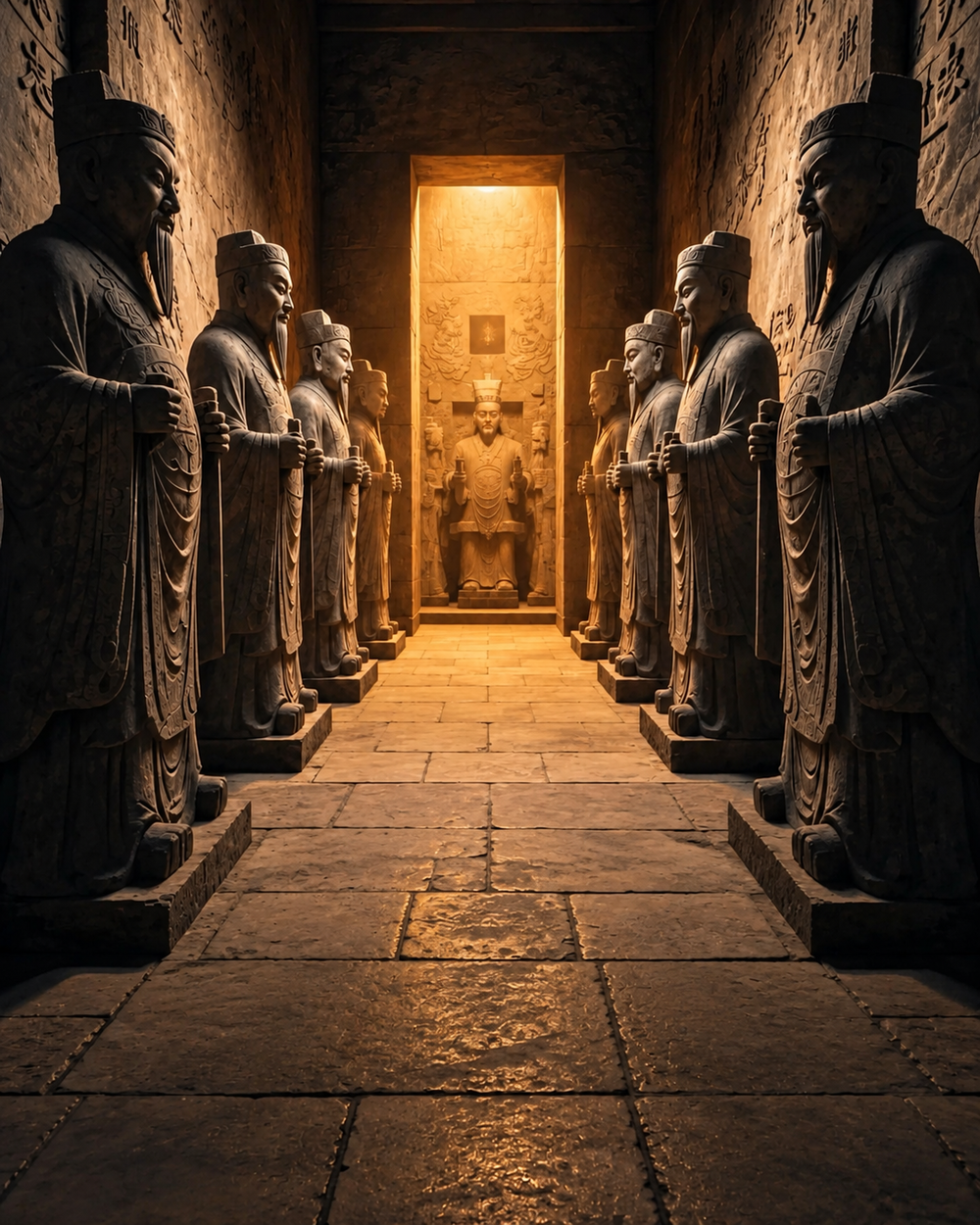
Thousands of terracotta warriors have been excavated around the mausoleum of China’s First Emperor, but the central burial chamber itself remains untouched. Ancient accounts describe an elaborate underground world complete with rivers of mercury, and soil studies have detected unusually high mercury levels around the mound. Archaeologists have resisted opening the chamber, partly because excavation could destroy what has remained protected for more than two millennia.
2. The Underground PULSE/U1a Complex in Nevada
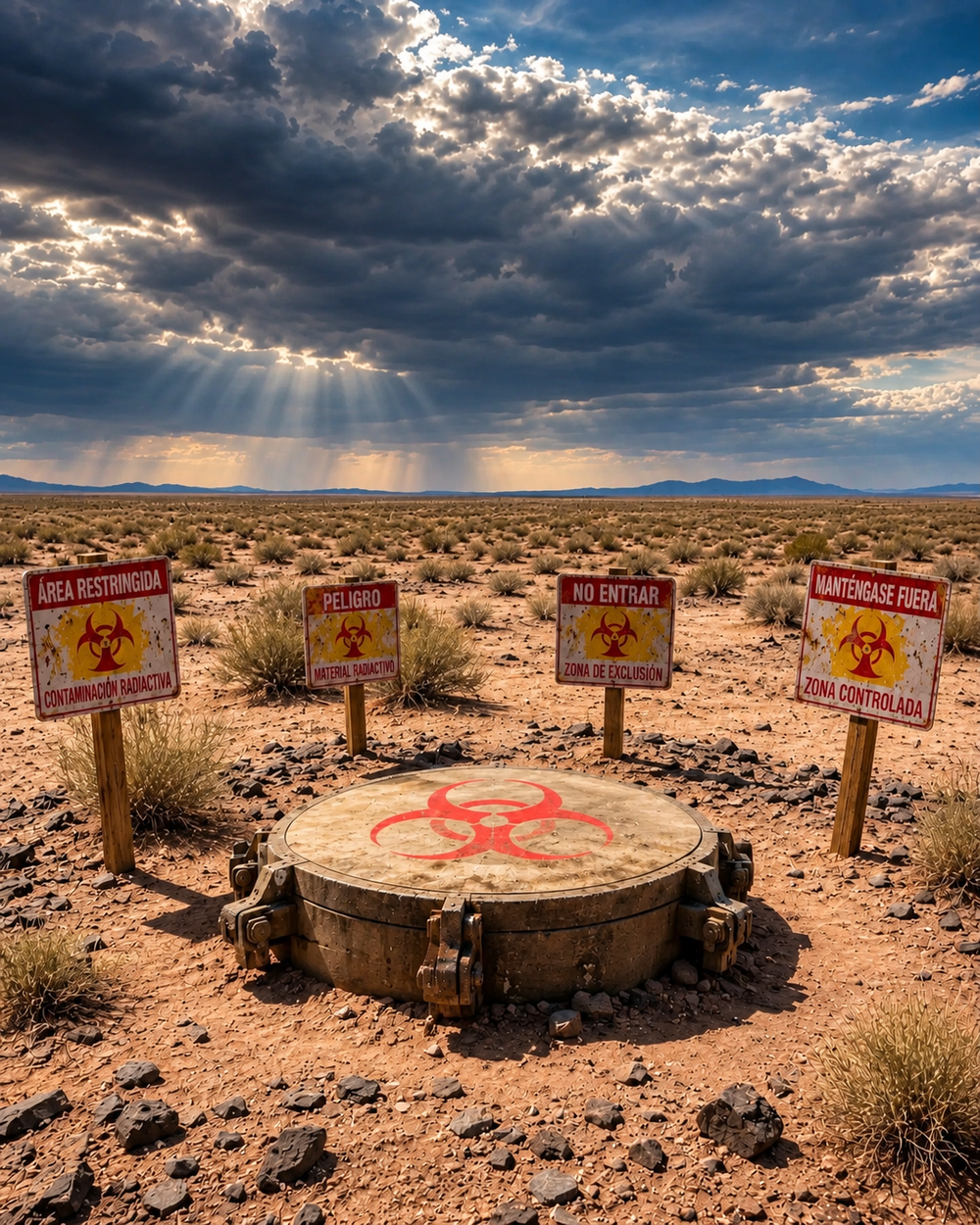
The dramatic stories surrounding secret shafts in Nevada get murky fast. There is no verified facility called “Plutonium 219,” despite claims circulating online, but the Nevada National Security Site does contain the very real underground PULSE/U1a complex used for national-security research. The truth may be less cinematic than a mysterious hatch concealing classified material, but an actual restricted underground research facility hardly needs embellishment.
3. The Contained Remains of Chornobyl Reactor 4
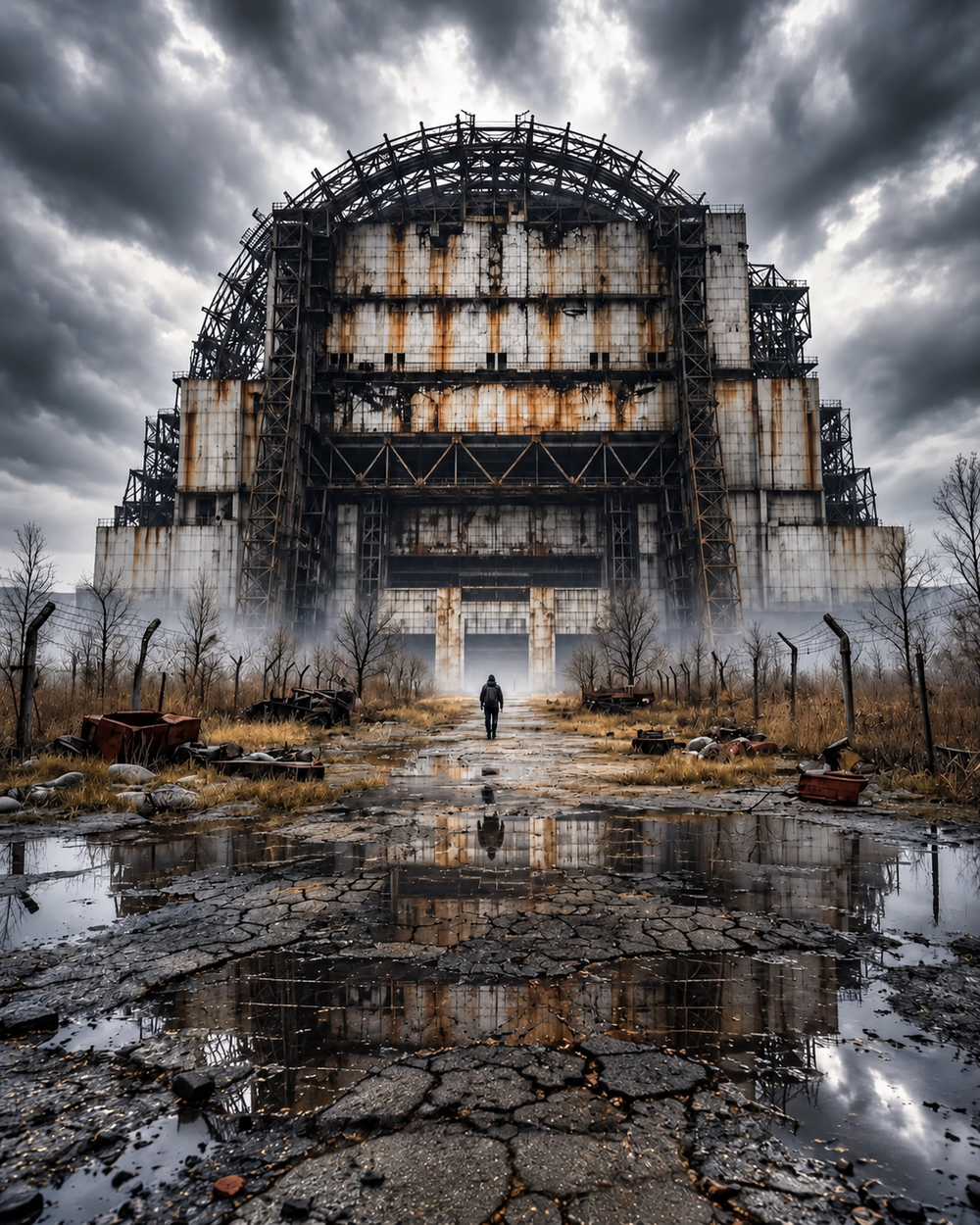
Few closed spaces carry heavier consequences than the remains of Reactor 4 at Chornobyl. The damaged reactor and radioactive material have been enclosed by successive protective structures, most visibly the enormous New Safe Confinement. Access is tightly controlled because containment is an ongoing engineering and safety challenge, turning the site into something far more complicated than an abandoned room nobody dares to open.
4. The Svalbard Global Seed Vault
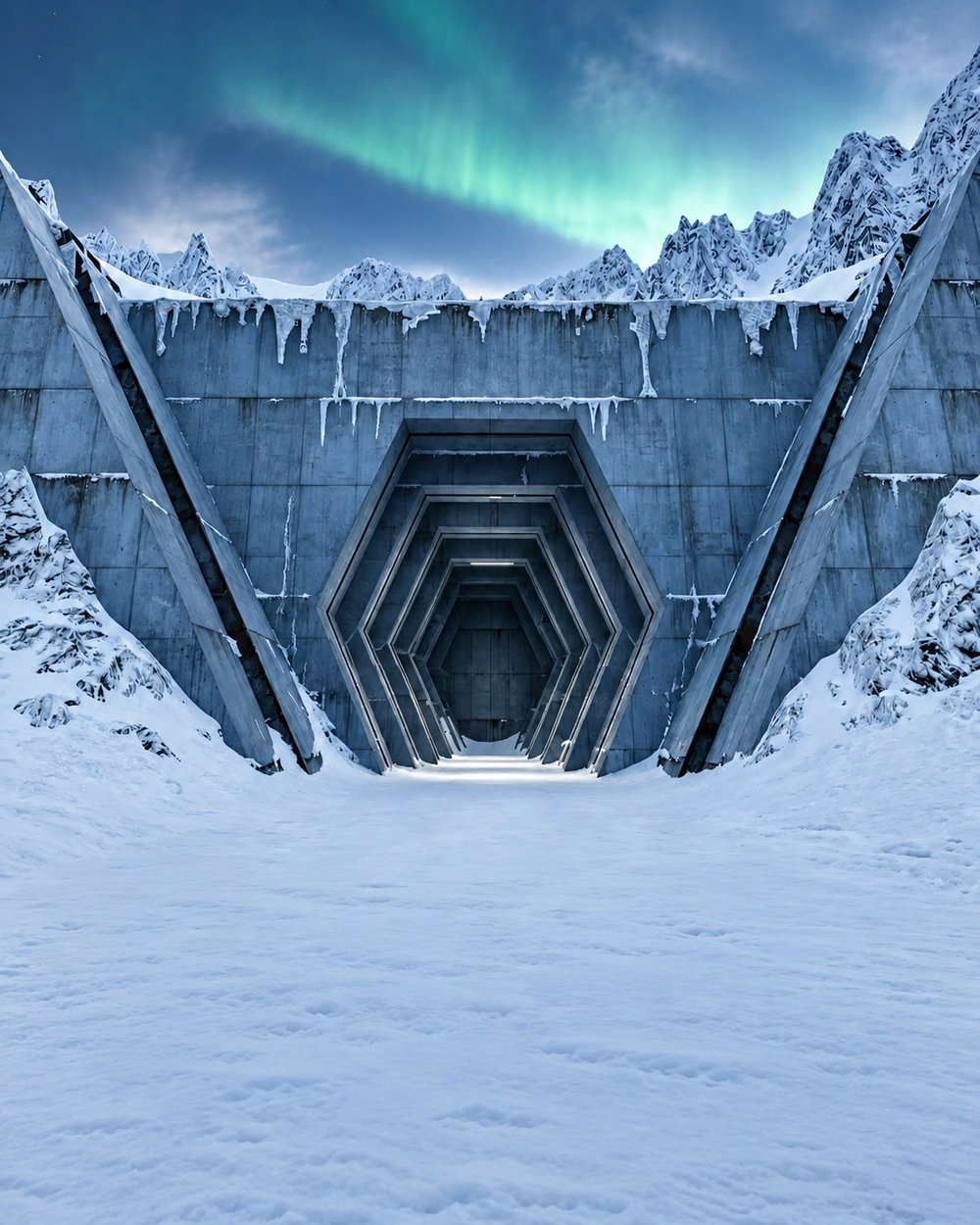
Buried deep inside an Arctic mountain, the Svalbard Global Seed Vault stores duplicate crop-seed samples sent by gene banks around the world. Its interior is not open for casual visits, although authorized personnel do enter during deposits and withdrawals. So what is behind those doors? Not a frozen doomsday command center, but carefully stored agricultural diversity meant to provide a backup for the future.
5. Fort Detrick’s High-Containment Research Laboratories
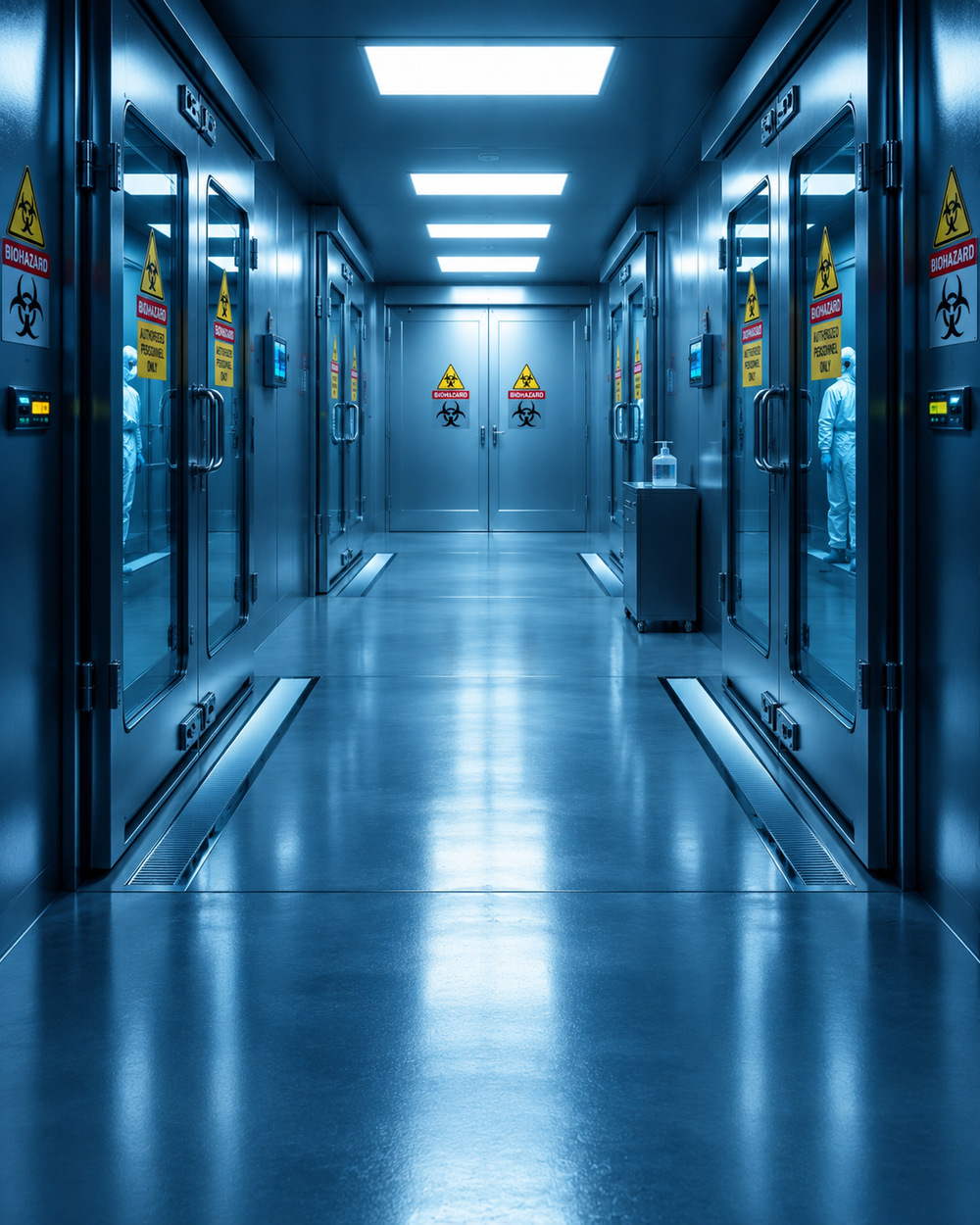
At Fort Detrick, some doors stay closed for a very practical reason: the work on the other side requires extraordinary biological containment. USAMRIID operates Biosafety Level 4 research facilities designed for work involving exceptionally dangerous pathogens. Claims that some mysterious section was permanently sealed after an incident are not supported by credible documentation, but the real laboratories are restricted enough without adding an invented backstory.
Trending on The Scroller
6. The “Stone of Enoch” That the Evidence Doesn’t Support
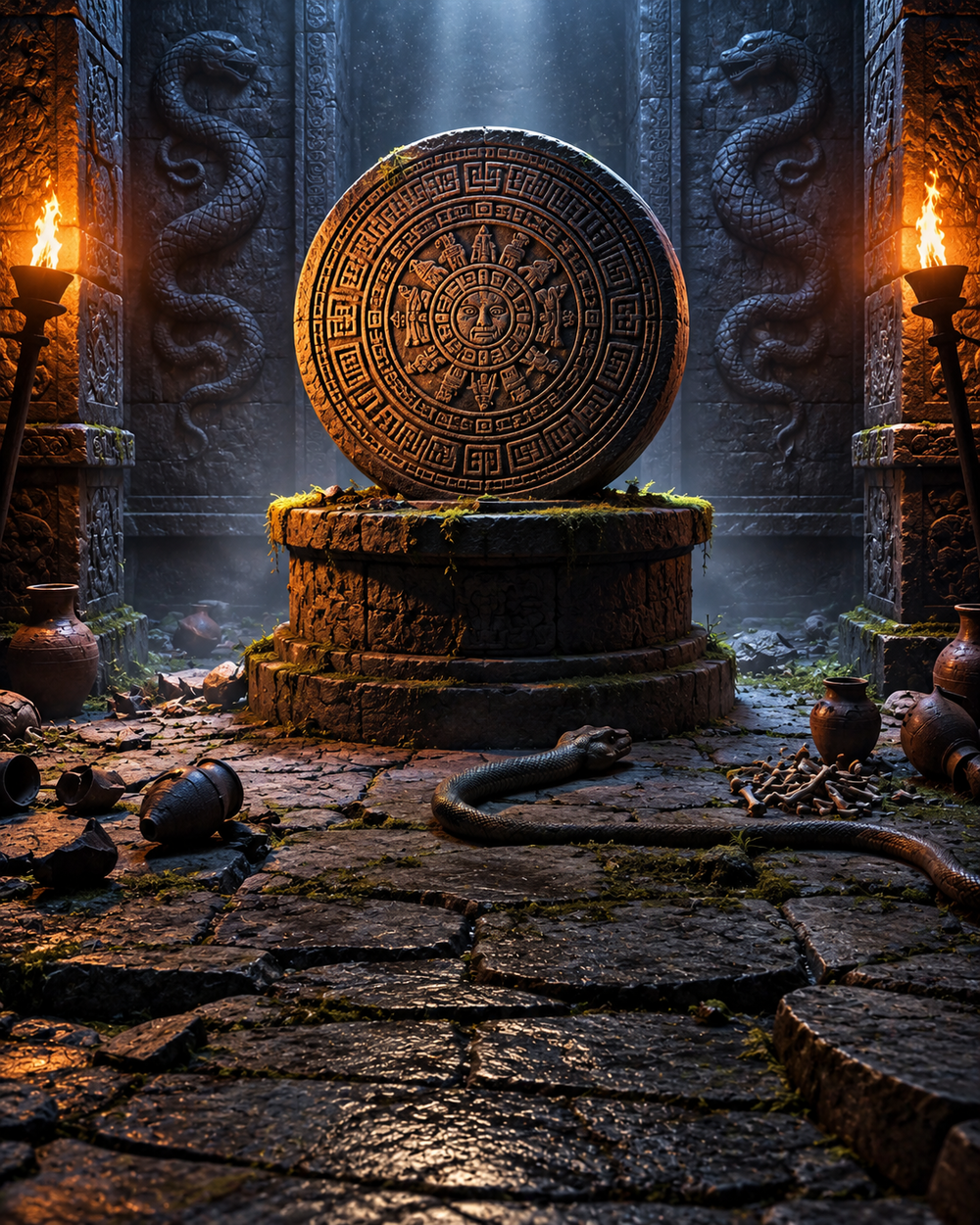
Sometimes the mystery is that the mysterious place probably isn’t real at all. Stories and fantasy-style images have circulated around a supposed “Stone of Enoch” hidden beneath an Ethiopian temple, yet reliable archaeological evidence for such an artifact has not been established. Ethiopia does have genuinely restricted sacred spaces, including one in Aksum associated by religious tradition with the Ark of the Covenant, but that is a very different story.
7. Chauvet Cave
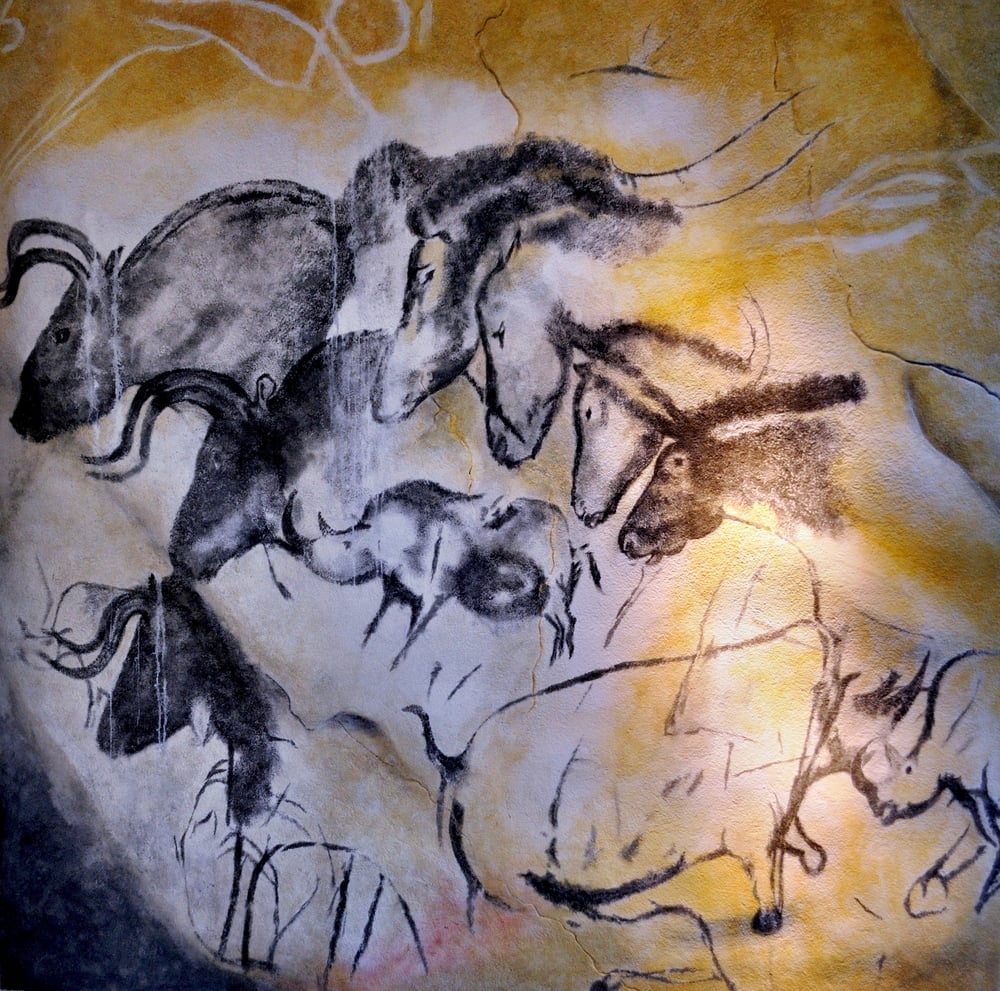
Imagine discovering prehistoric artwork of extraordinary age and quality, then deciding that almost nobody should ever see it in person. That is essentially the conservation strategy at Chauvet Cave in France. Discovered in 1994, the original cave has never been opened to ordinary tourism because human traffic could threaten its remarkable animal paintings. Instead, visitors get a replica while the real gallery remains protected.
8. The Cave of Crystals at Naica
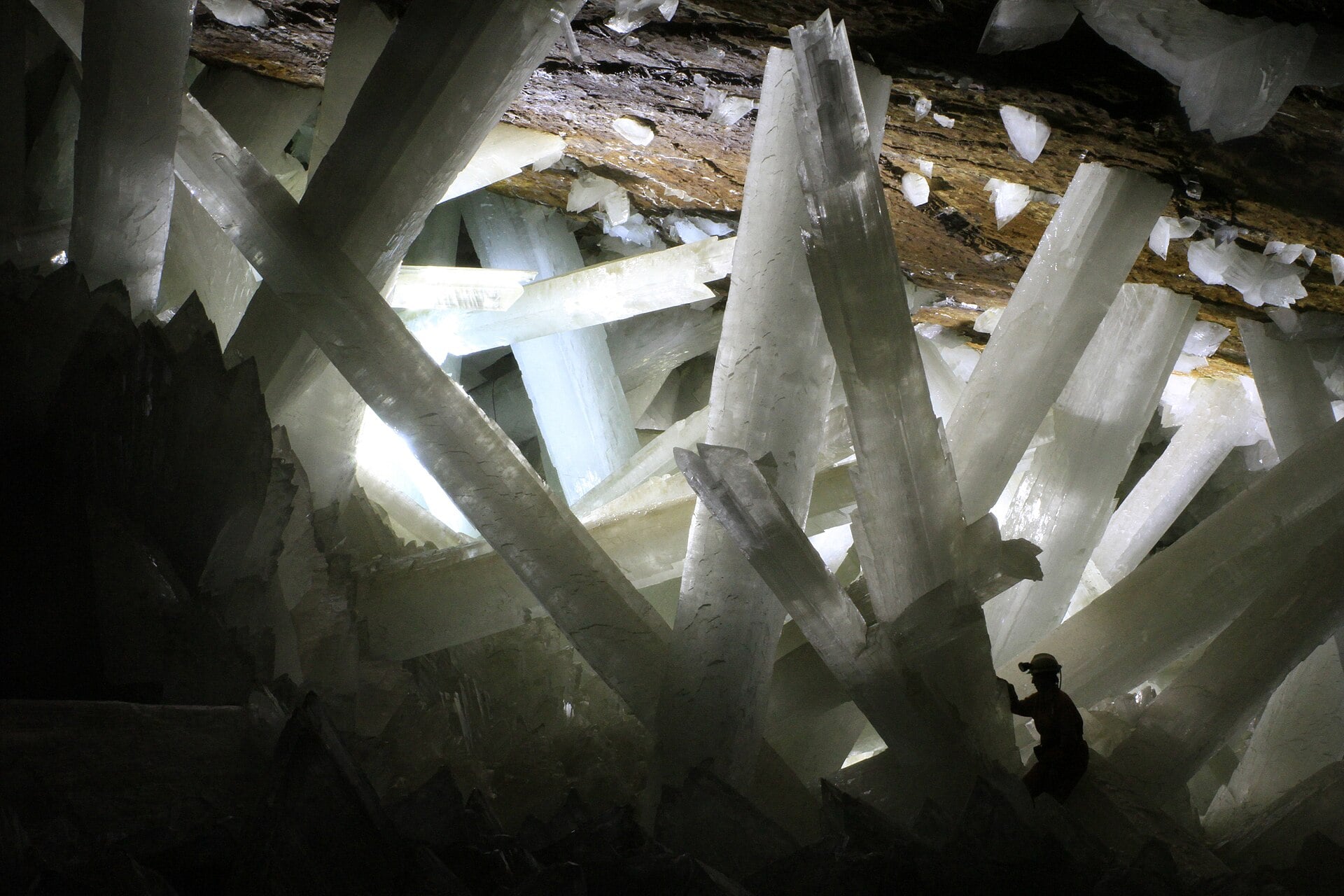
Mexico’s Cave of Crystals looks almost too spectacular to belong underground, with enormous selenite crystals filling a chamber beneath Naica. Scientists were able to study the cave while mining operations pumped away groundwater, but conditions inside were extreme, and the mine later reflooded. No secret society needed to lock this place away. Nature effectively handled the security system herself.
Sign up for our newsletter
9. The Inner Sanctuary of Ise Grand Shrine
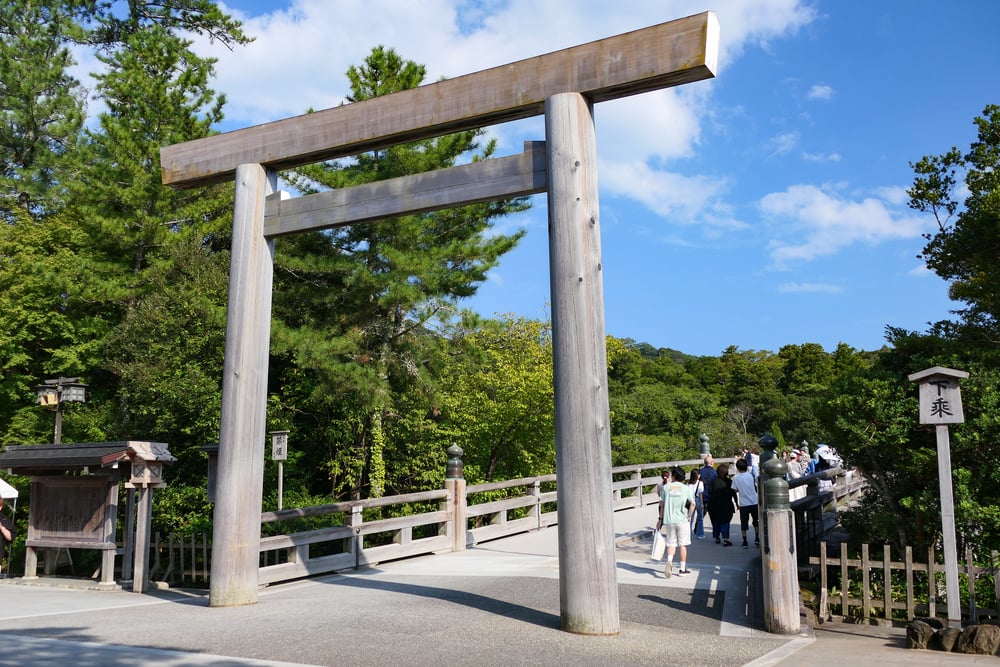
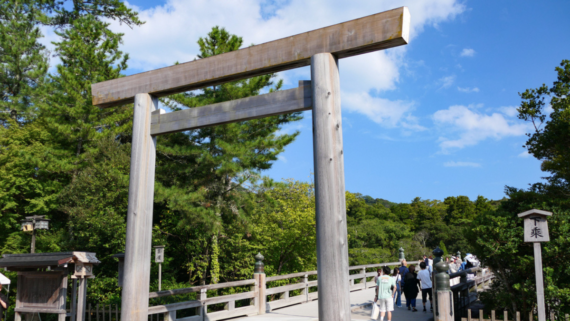
Visitors can walk through the sacred grounds of Ise Jingu in Japan, but that does not mean every threshold is theirs to cross. The innermost sanctuary is kept beyond the reach of ordinary visitors as part of longstanding Shinto religious boundaries. The shrine is also famously rebuilt on a cyclical basis, creating an unusual combination: a place repeatedly renewed over centuries while its most sacred interior remains carefully restricted.
10. The Chapel of the Tablet in Aksum
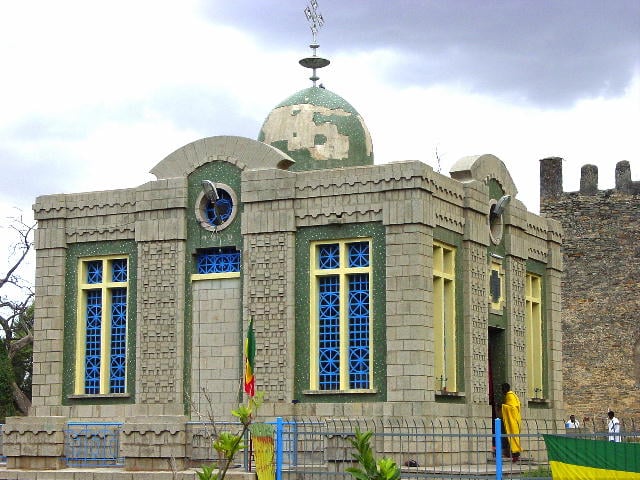
Sealed chambers become especially complicated when history and faith occupy the same room. In Aksum, Ethiopian Orthodox tradition holds that a guarded chapel is associated with the Ark of the Covenant. The belief is deeply significant, but outsiders have not independently authenticated the Ark´s presence there. That unanswered question is precisely what makes the chapel so fascinating: access is restricted, while certainty remains outside with everyone else.
11. The Restricted Vaults of the Vatican Apostolic Archive

The Vatican Apostolic Archive is not the completely inaccessible “secret archive” of popular imagination. Qualified scholars can conduct research there under established rules. The distinction matters, because access to the institution is not the same as unrestricted access to every storage area or record. Some vaults and materials remain controlled, creating a much subtler reality than the legendary locked library supposedly hiding history’s biggest secrets.
12. The Original Lascaux Cave
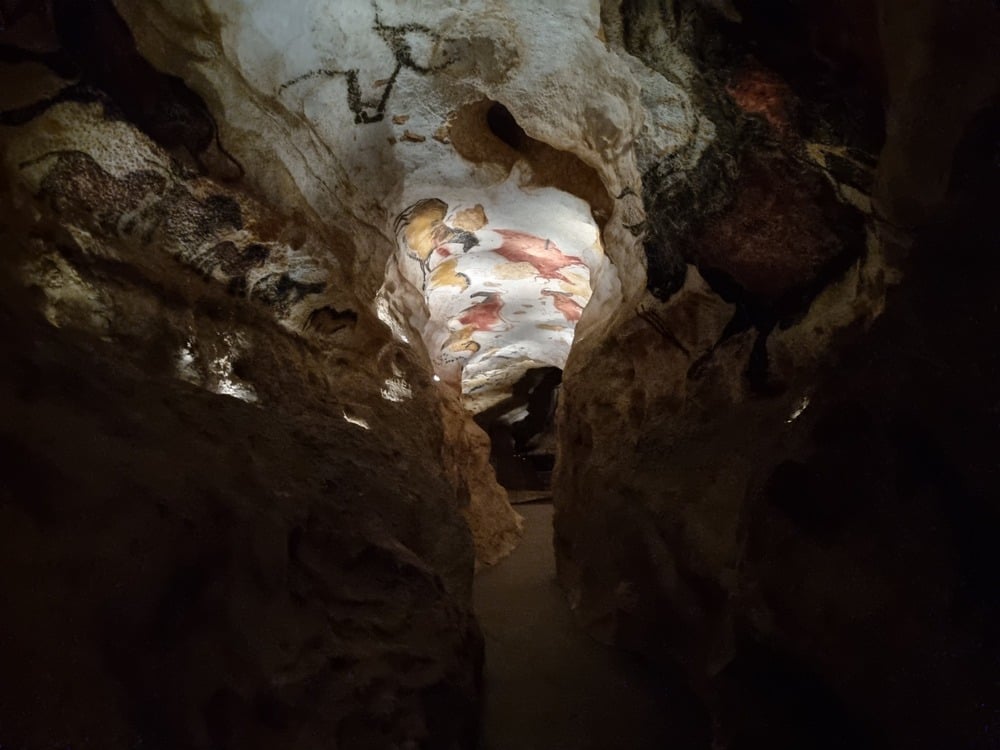
Lascaux demonstrates that simply entering an ancient place can become a threat to it. After the French cave opened to visitors, changes to its delicate environment endangered its prehistoric paintings, and the original was closed to ordinary tourism in 1963. Today replicas provide the public experience. Would seeing the originals be worth risking the very paintings people came to admire? Here, keeping the door closed became part of preserving them.
13. The Scientific Exclusion Zone on Surtsey Island
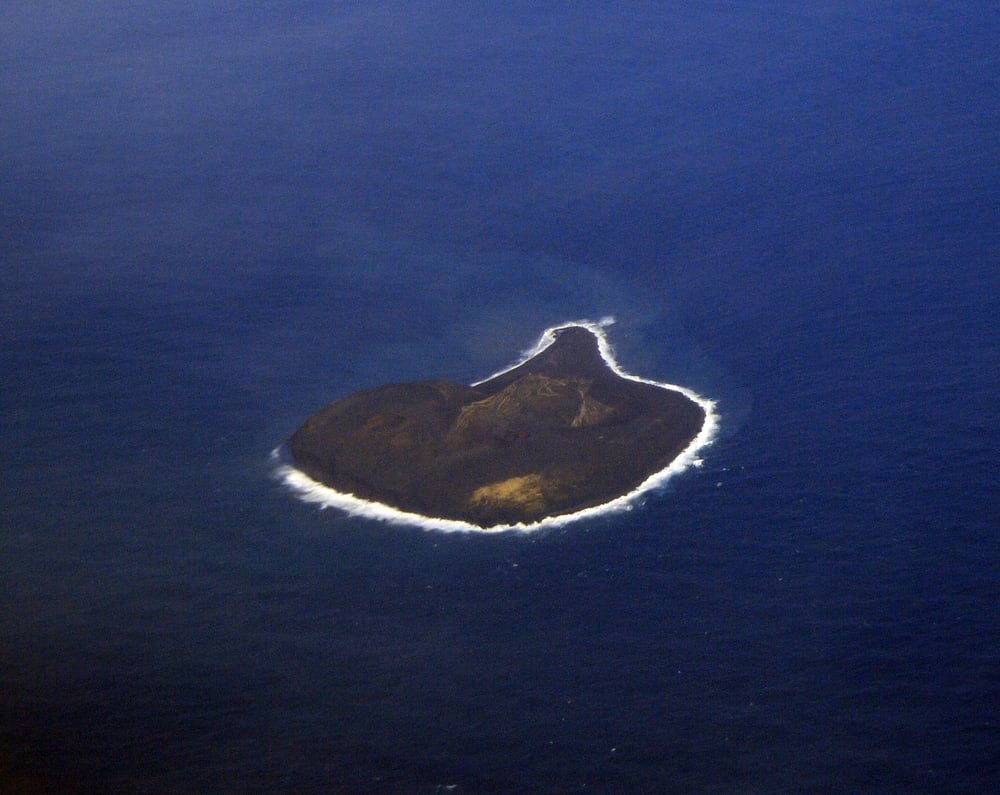
Surtsey stretches the definition of a closed “interior,” because the restricted space is an entire volcanic island. Formed off Iceland in the 1960s, it has been protected from ordinary human access so scientists can observe ecological colonization with minimal interference. Landing is tightly limited, effectively turning the young island into a natural laboratory where one of the most important rules is remarkably simple: humans should mostly stay away.
14. The Original Altamira Cave
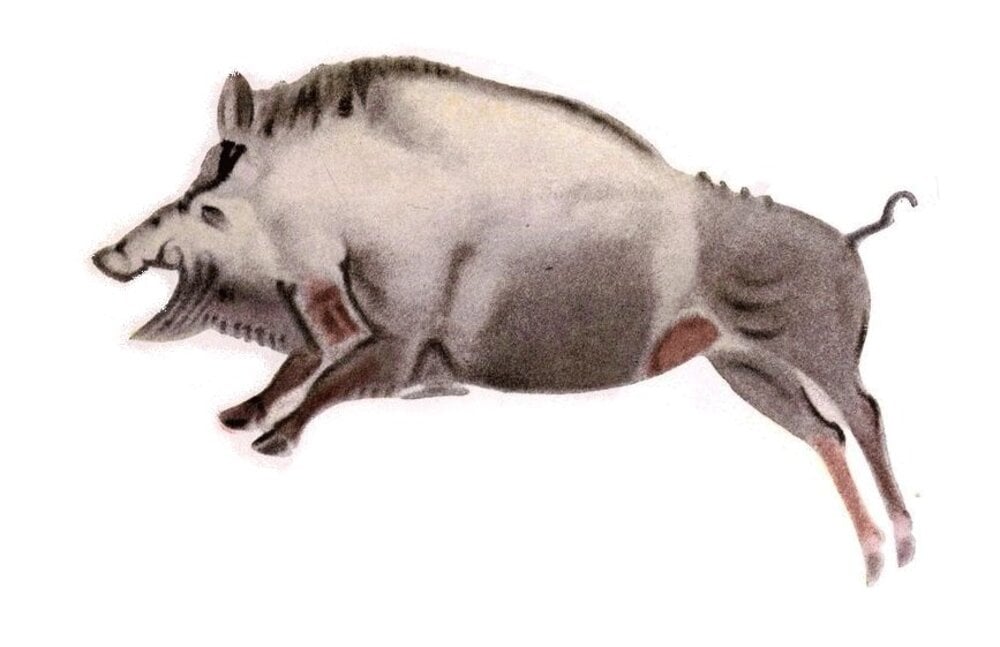
The prehistoric paintings of Altamira survived for thousands of years, only to face a surprisingly modern danger: popularity. Heavy visitation altered conditions inside the Spanish cave, leading authorities to impose severe restrictions, while a replica gives the broader public a way to experience the art. Access to the original has been handled under narrow conservation programs, making every human presence inside something that has to be weighed against preservation.
15. The Submerged Entrance to Cosquer Cave
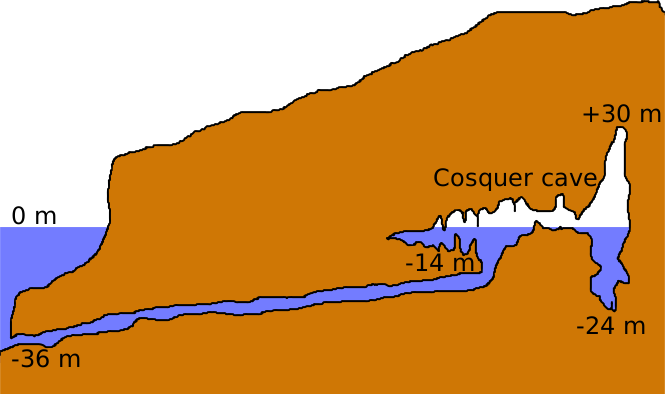
Reaching Cosquer Cave near Marseille begins with a rather significant obstacle: its original entrance is underwater. The prehistoric cave contains ancient art, but scientific access is controlled because the site is fragile and increasingly threatened by rising sea levels. A replica allows visitors to experience its remarkable imagery without turning the vulnerable original into an underwater tourist attraction. Sometimes a locked door is unnecessary when the Mediterranean is standing guard.
16. The Closed-off Galleries Beneath Paris
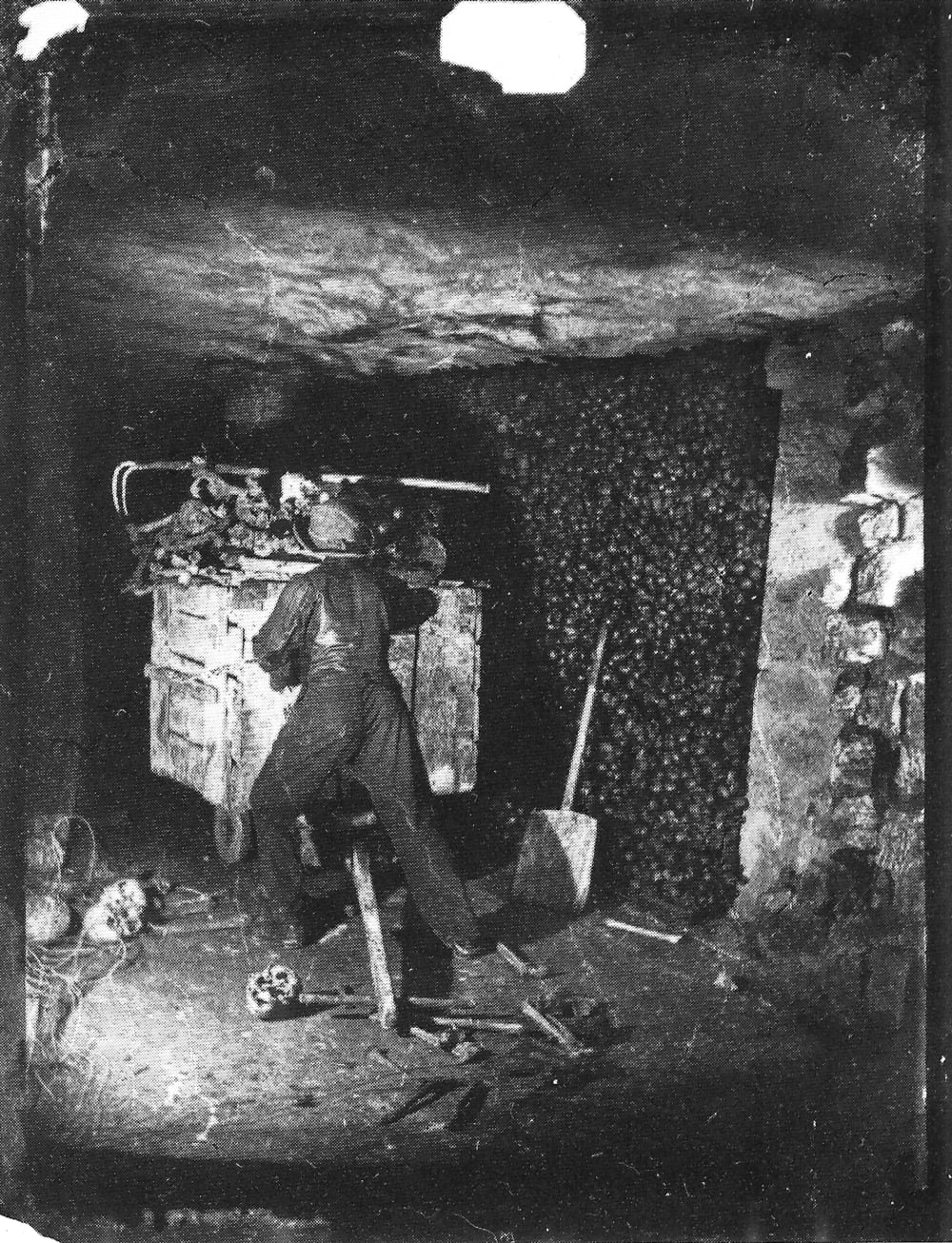
The famous Paris Catacombs are open to ticketed visitors, but the official route represents only a small managed portion of the much larger underground network. Beyond it stretch former quarries and galleries where unauthorized access is prohibited. That distinction gets lost in plenty of spooky retellings: Paris has not sealed its entire underground world, but much of that labyrinth remains decidedly off-limits to anyone tempted to wander beyond the approved path.
Locked doors naturally make people wonder what someone is trying to hide. Yet these places reveal a more interesting pattern. Sometimes closure protects people from what is inside; sometimes it protects what is inside from people. And occasionally, the most intriguing thing behind the barrier is simply how much remains uncertain.
Keep Exploring The Scroller
Some of history’s best stories begin where ordinary access ends. Keep exploring The Scroller for more strange places, hidden histories, and real-world mysteries worth opening:
15 Places on Earth So Extreme They Look Almost Impossible
16 Places Around the World That Humans Are Forbidden to Visit