Extreme places around the world can make geography feel almost unreal. Some contain open lava, others hide enormous spaces underground, and a few are so dry, cold, or chemically hostile that they barely resemble the familiar version of Earth. The scale is often the hardest part to understand from a photograph. These 15 places are extreme enough that seeing the evidence does not always make them easier to believe.
1. Dallol, Ethiopia
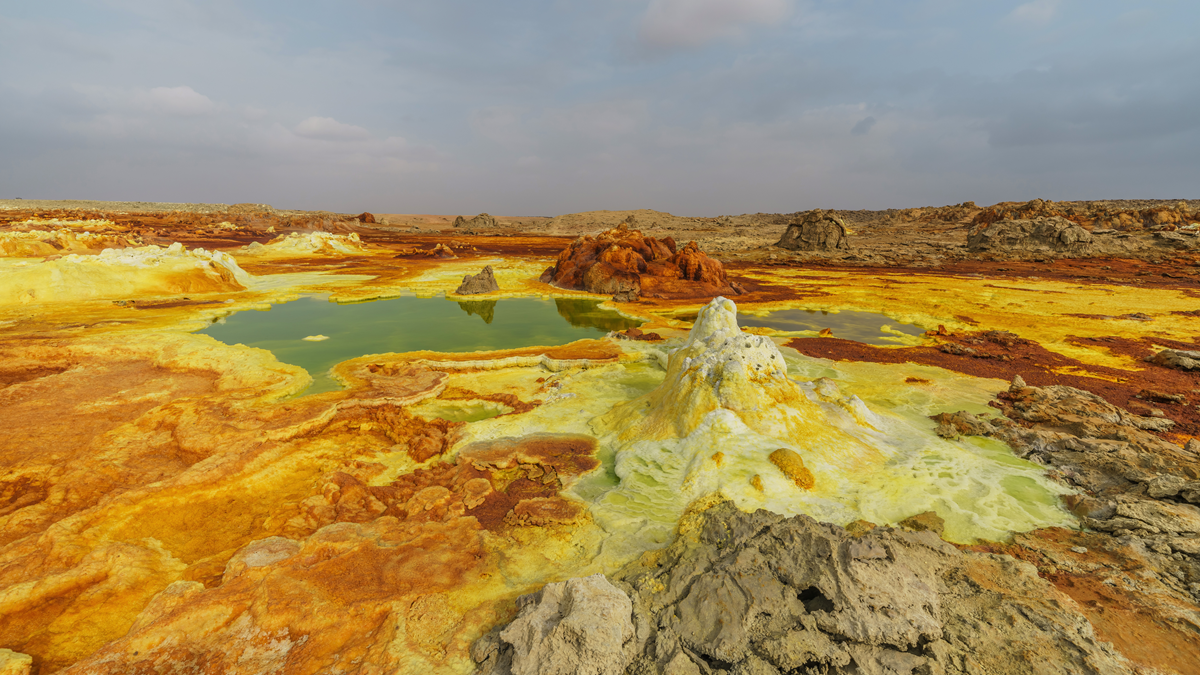
Dallol looks less like a landscape than the aftermath of some enormous chemical experiment. Hot brines rise through salt deposits in Ethiopia’s Danakil Depression, leaving behind fields of sulfur yellow, acid green, orange and white. Pools bubble between mineral crusts while salt formations build into shapes that seem almost artificial. The site also sits below sea level in a region notorious for severe heat, which only makes the colors seem more out of place.
2. Erta Ale, Ethiopia
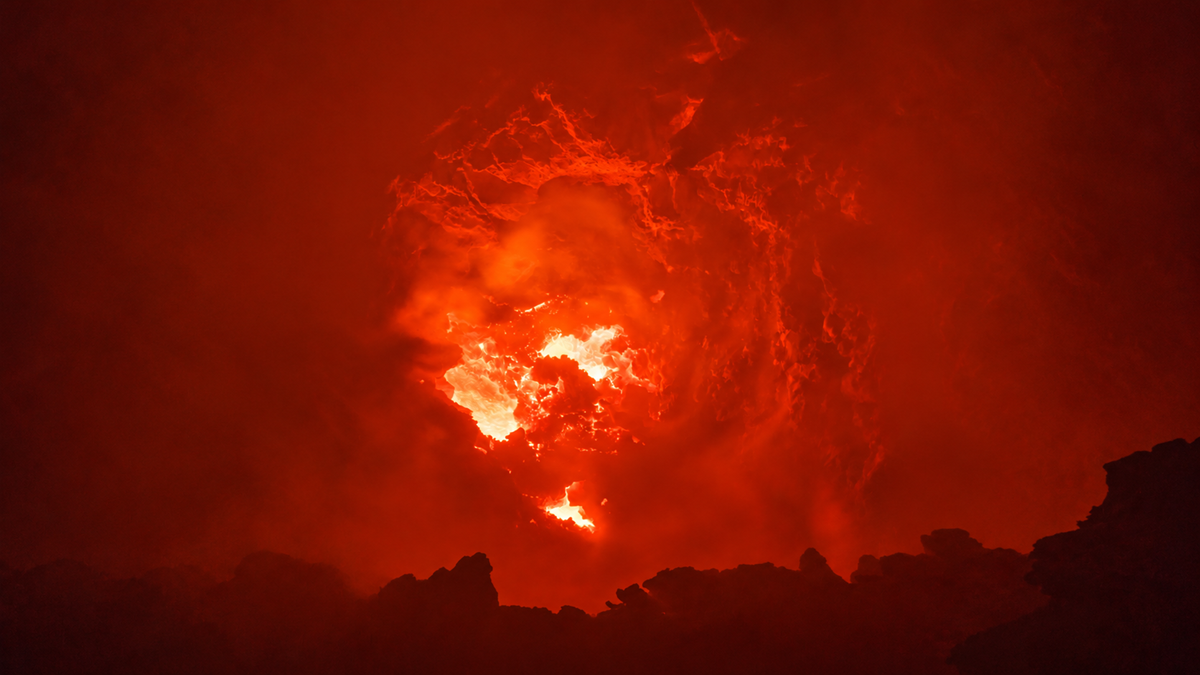
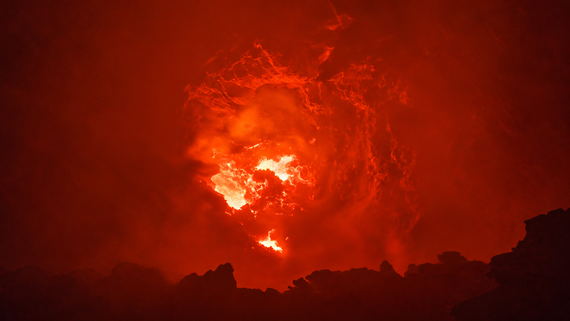
Not far away, Erta Ale offers an entirely different kind of extreme. The broad shield volcano has repeatedly held long-lived lava lakes inside its summit craters, with glowing molten rock visible through breaks in the darkening surface. At night, the crater can illuminate the surrounding volcanic ground in orange. There are few scenes that make Earth’s interior feel quite so close to the surface.
3. Kawah Ijen, Indonesia
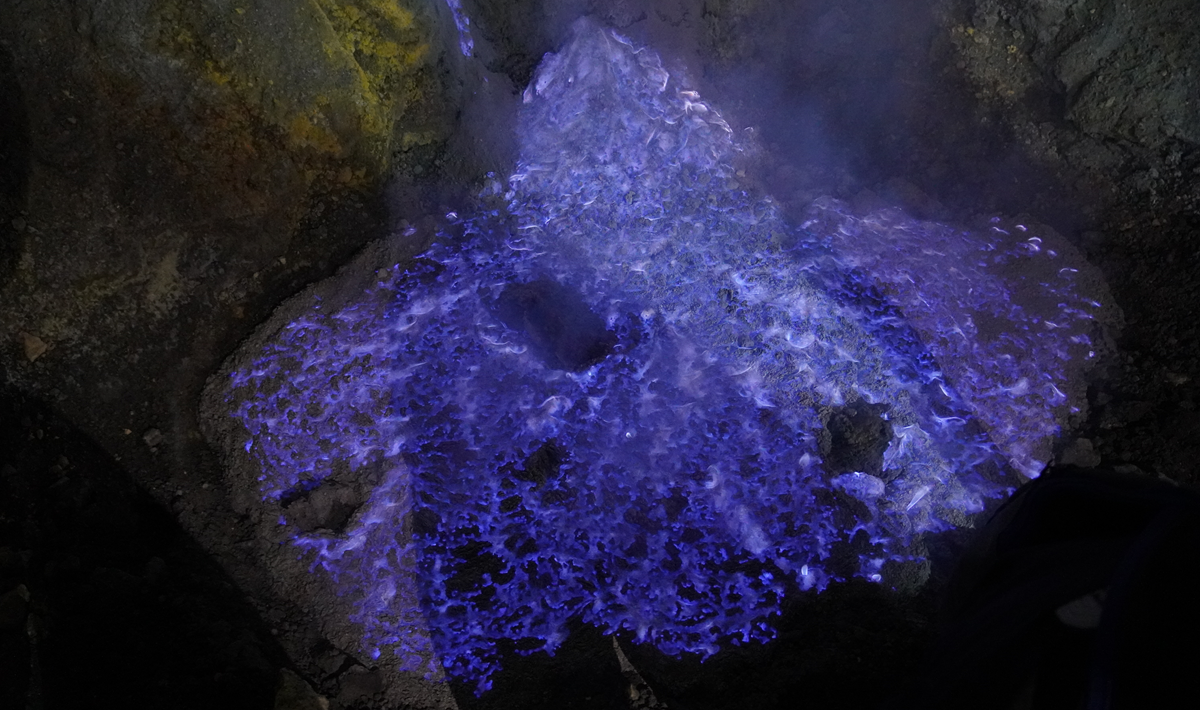
The turquoise water inside Kawah Ijen would be striking even without anything else happening around it. The crater contains a highly acidic lake nearly a kilometer across, surrounded by sulfur deposits and volcanic gases. Under certain nighttime conditions, burning sulfur gases produce electric-blue flames along the crater floor. Sulfur miners have also traditionally carried heavy loads out of this harsh environment by hand.
4. Hang Son Doong, Vietnam
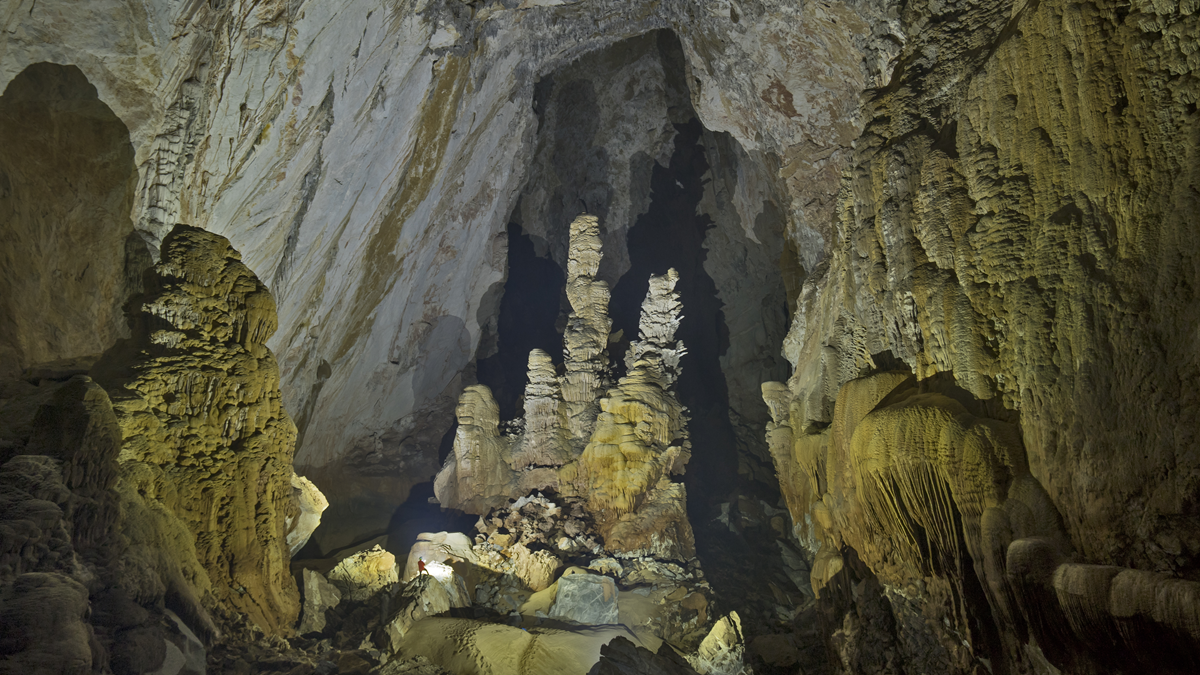
Scale becomes almost useless inside Hang Son Doong. Passages in the Vietnamese cave are large enough to contain enormous rock formations, underground rivers, and sections of forest growing beneath openings in the ceiling. Clouds and mist can form inside the cavern, making some photographs resemble outdoor landscapes rather than the interior of a cave. People standing in the largest chambers are reduced to tiny points against the rock.
5. McMurdo Dry Valleys, Antarctica
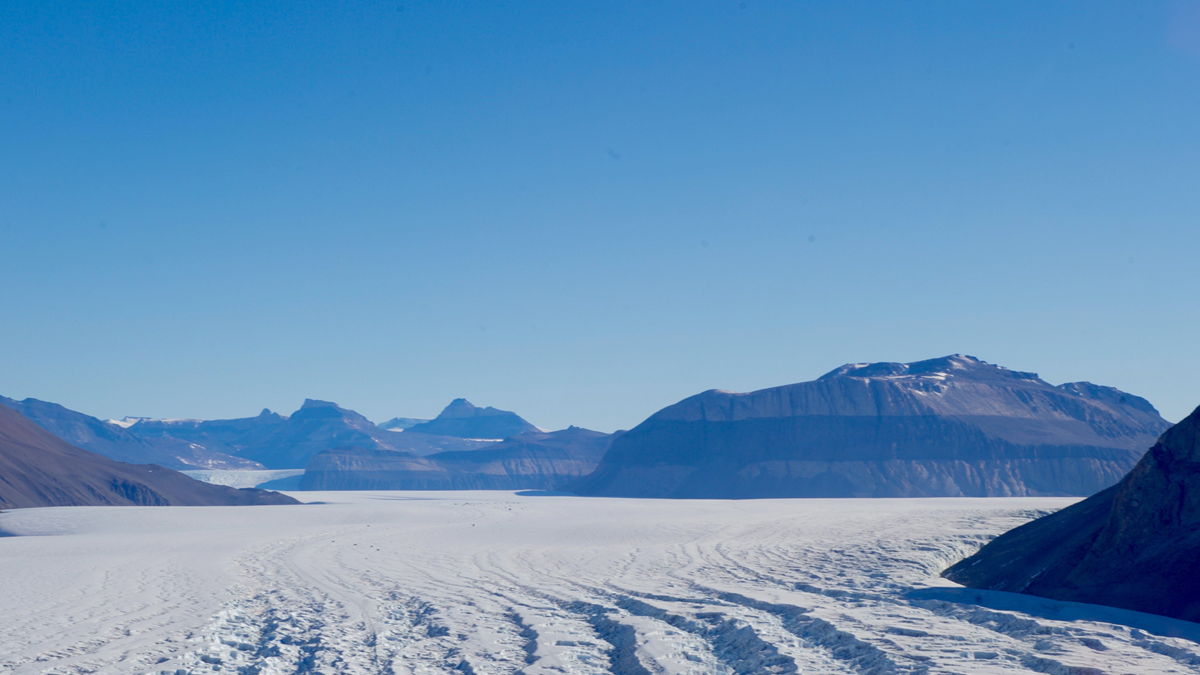
Antarctica is supposed to mean endless snow and ice, which makes the McMurdo Dry Valleys particularly strange. Powerful winds, very low precipitation, and surrounding mountains have left large areas of exposed rock and soil almost completely free of snow. Glaciers hang between barren brown mountains, and frozen lakes occupy valleys that can look more like Mars than a polar continent. It is one of Earth’s most severe cold-desert environments.
Trending on The Scroller

6. Tsingy de Bemaraha, Madagascar
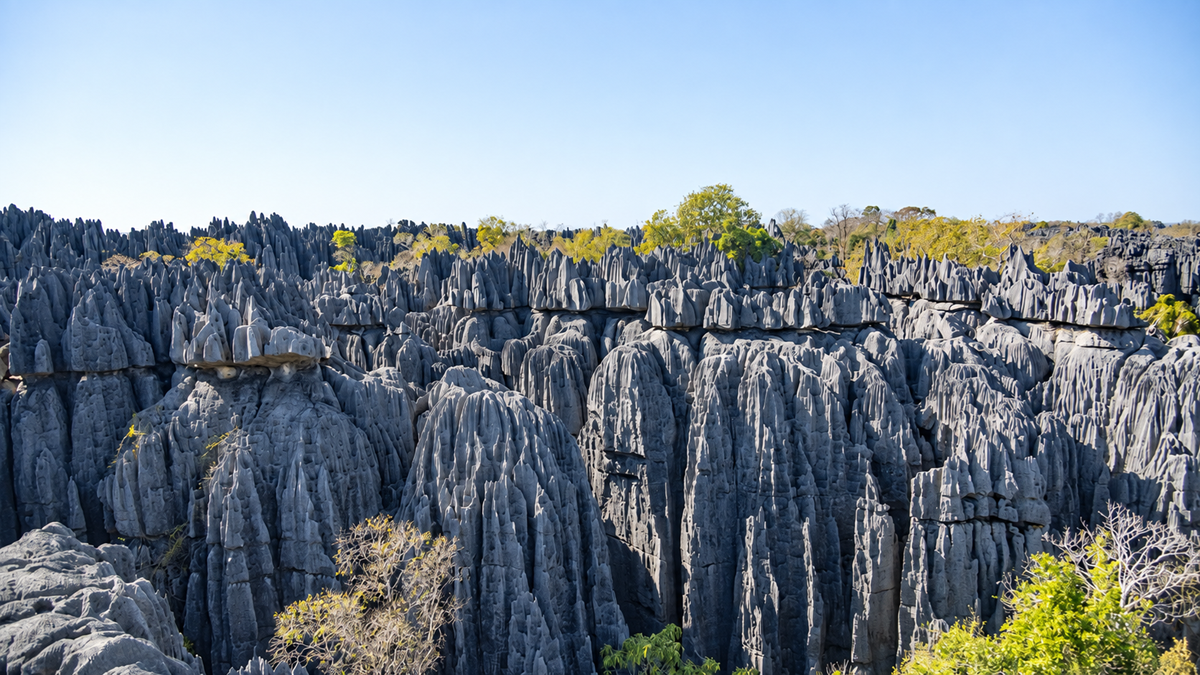
Walking straight across Tsingy de Bemaraha is not really an option. Huge areas are covered by razor-like limestone pinnacles separated by deep cracks, caves, and narrow canyons. From above, the formations resemble an enormous stone forest with almost no flat ground between the peaks. Vegetation somehow survives in pockets throughout the rock, making the landscape look even more improbable.
7. Mount Erebus, Antarctica
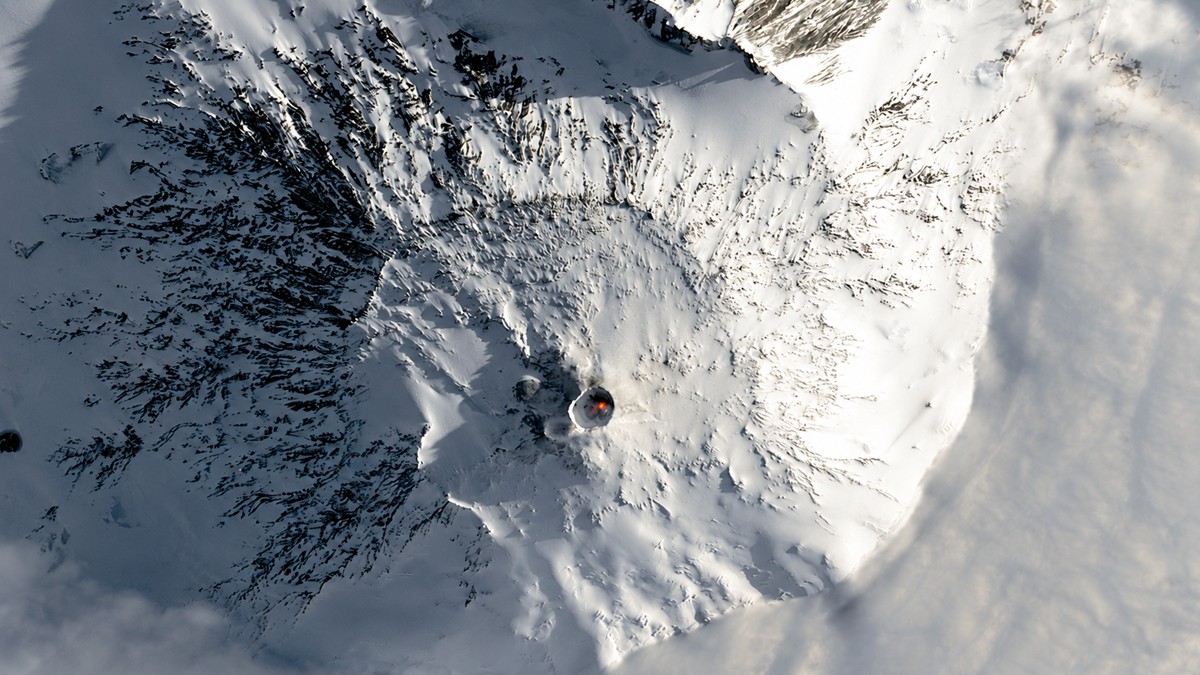
There is something fundamentally odd about an active volcano rising from Antarctica. Mount Erebus reaches nearly 3,800 meters above sea level on Ross Island and has long been known for persistent activity within its summit crater, including a lava lake. Snow and ice cover much of the mountain while molten rock moves inside it. The combination looks like two climates that should never occupy the same frame.
8. Lut Desert, Iran
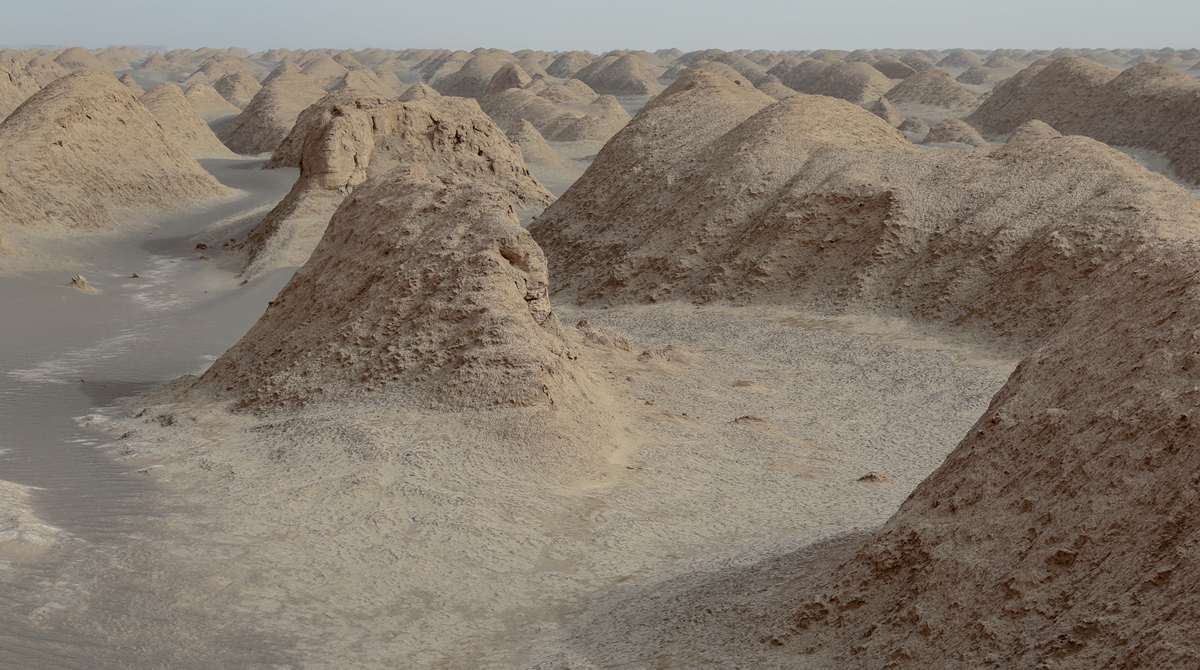
The Lut Desert does not need giant dunes to look severe. Much of its most distinctive terrain is filled with long parallel ridges called yardangs, carved from sediment by relentless wind erosion. Seen from the air, they stretch across the desert like the ribs of some enormous buried structure. Satellite measurements have also recorded extraordinarily high land-surface temperatures in this region.
Sign up for our newsletter
9. Richat Structure, Mauritania
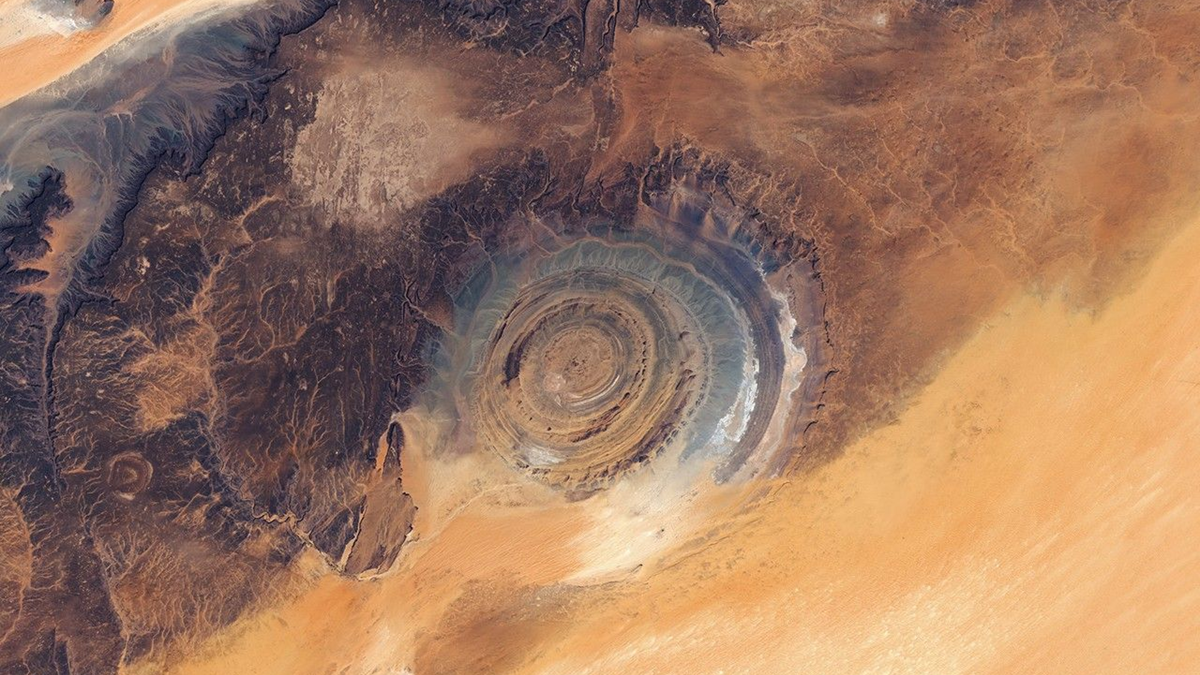
From ground level, the Richat Structure can be difficult to understand. From space, it becomes a giant eye roughly 40 kilometers across. Concentric rings of eroded rock form an almost circular target in the Sahara, so precise-looking that the feature was once suspected to be an impact crater. Geologists now understand it as the heavily eroded remains of an uplifted geological dome.
10. Cave of the Crystals, Mexico
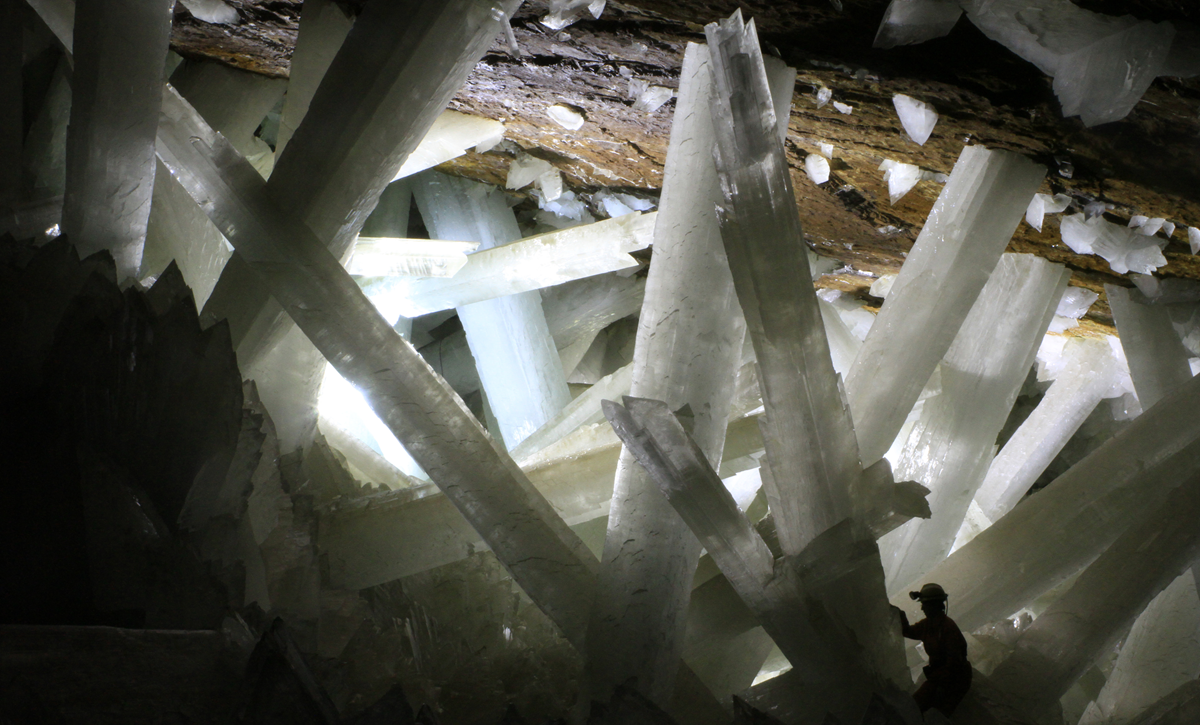
Deep beneath Naica in northern Mexico is a chamber filled with gypsum crystals so large that people standing beside them look miniature. Some reach about 11 meters long and weigh tens of tons, crossing the cave like enormous translucent beams. The chamber formed under extremely hot, mineral-rich conditions, and temperatures inside have been measured around 48 to 58°C with very high humidity. It looks less like a cave than a giant crystal structure built at human scale.
11. Great Blue Hole, Belize
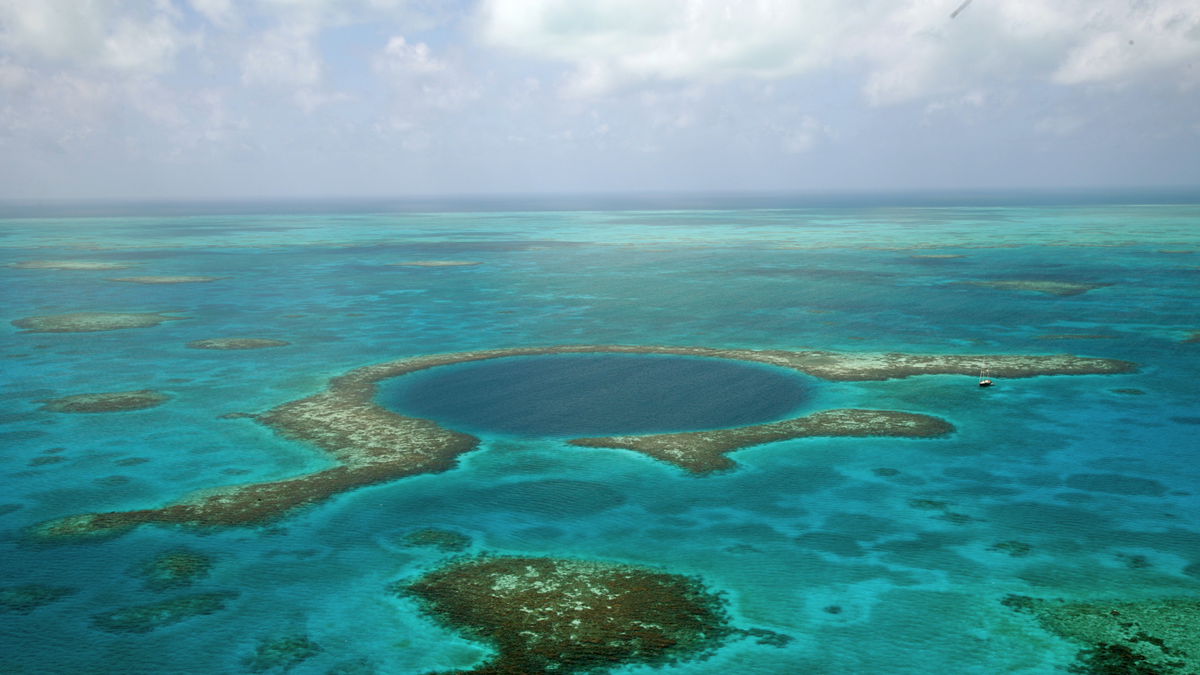
From above, the Great Blue Hole looks like a dark circle punched into the Caribbean Sea. The marine sinkhole is more than 300 meters across and drops to a depth of over 120 meters, with steep limestone walls descending into much darker water below. Divers encounter stalactites and cave formations that developed when the area was dry land during past ice ages. The sudden change from bright turquoise reef to an almost black underwater void makes the site look unnaturally precise.
12. Sima Humboldt, Venezuela
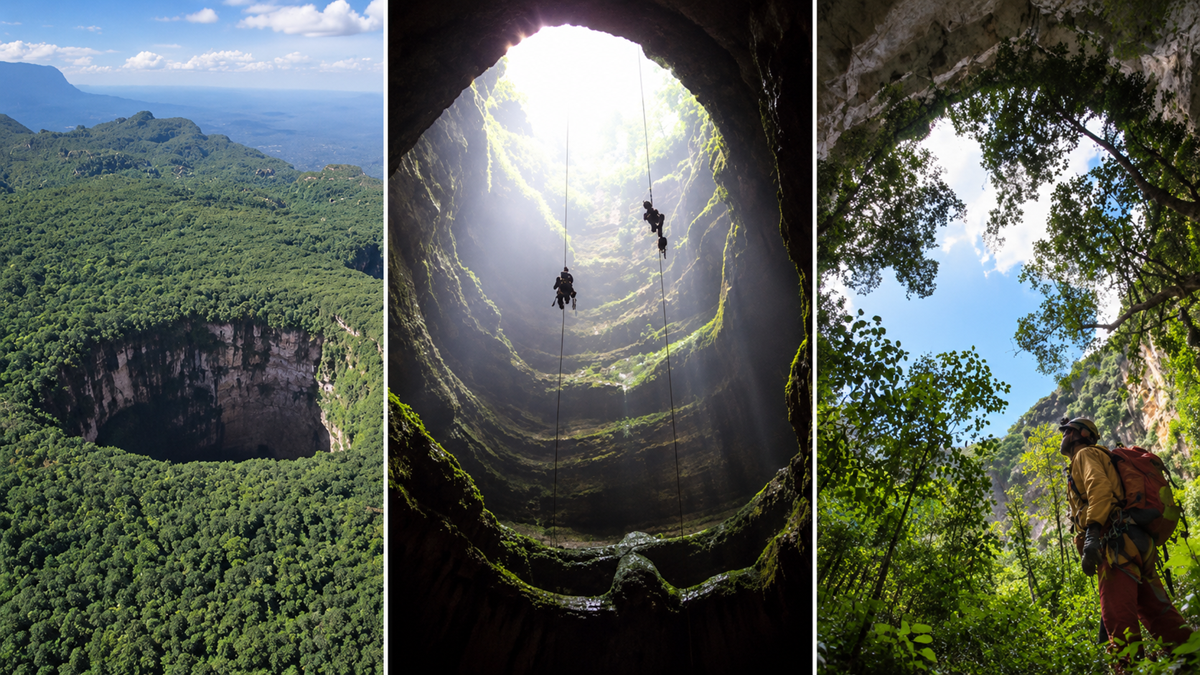
On top of a remote Venezuelan tepui, the forest suddenly gives way to a hole more than 300 meters deep. Sima Humboldt is roughly 350 meters across at the rim and widens even more below, with sheer walls dropping to an isolated patch of forest at the bottom. From the air, it looks like an entire section of the mountaintop has collapsed into darkness. A second enormous sinkhole, Sima Martel, sits only about 700 meters away.
13. Angel Falls, Venezuela
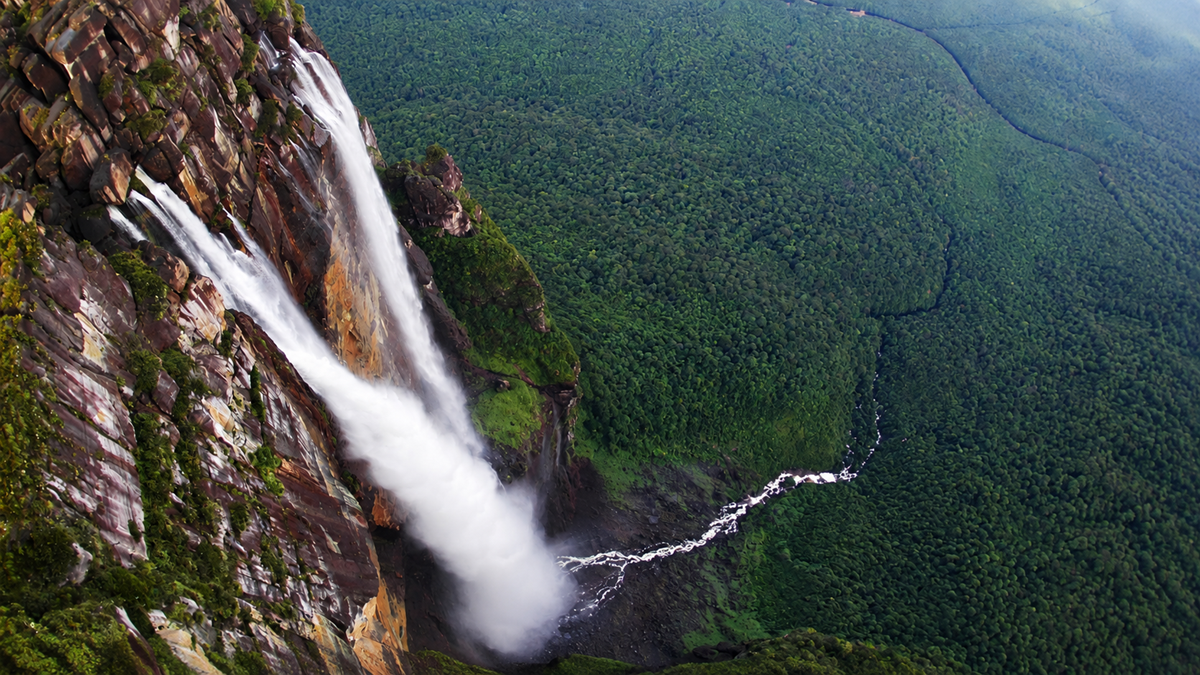
Water drops so far at Angel Falls that much of it turns to mist before reaching the ground. The waterfall plunges from the edge of Auyán-tepui, one of the huge tabletop mountains of Venezuela’s Guiana Highlands, with an uninterrupted drop of more than 800 meters. From a distance, the stream can look almost too thin for the cliff behind it. Put a helicopter
14. Boiling Lake, Dominica
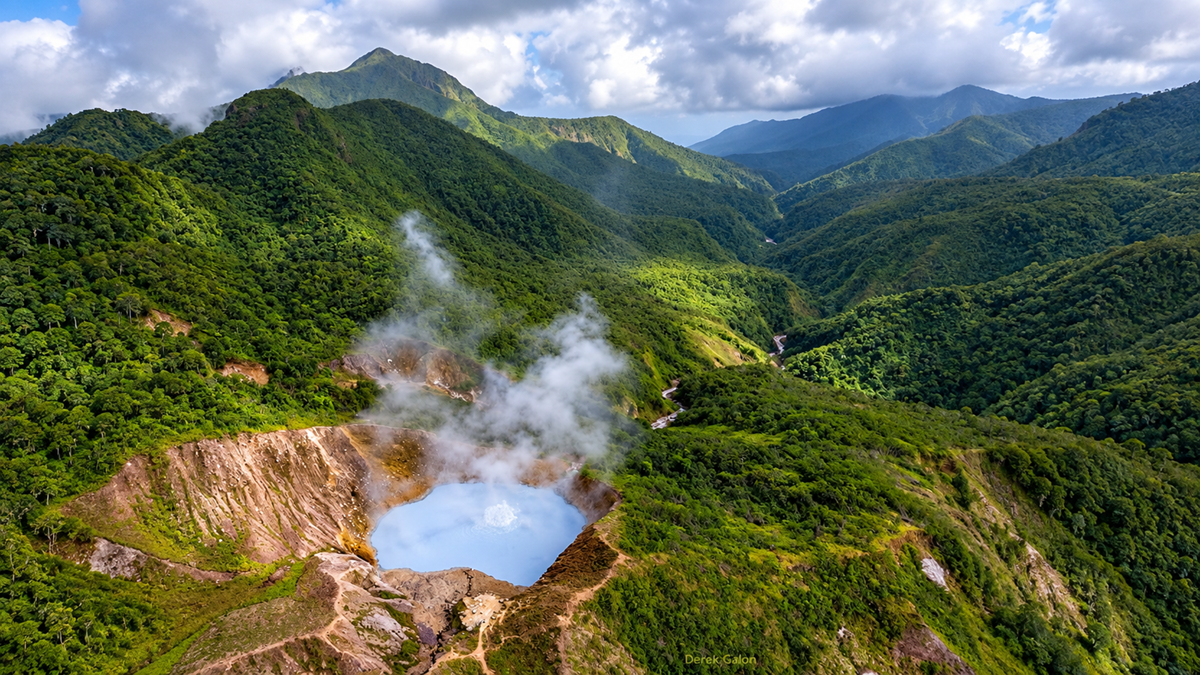
Deep inside Dominica’s Morne Trois Pitons National Park, a flooded volcanic fumarole churns with gray-blue water that can reach near-boiling temperatures around its edges. Thick steam constantly rolls across the surface, sometimes hiding the entire lake before the wind clears it again. The basin sits inside a rugged volcanic landscape of cliffs, rainforest, and geothermal vents, making it look like a crater that never finished erupting. It is one of the largest known hot lakes on Earth.
15. Ice Caves of Vatnajökull, Iceland
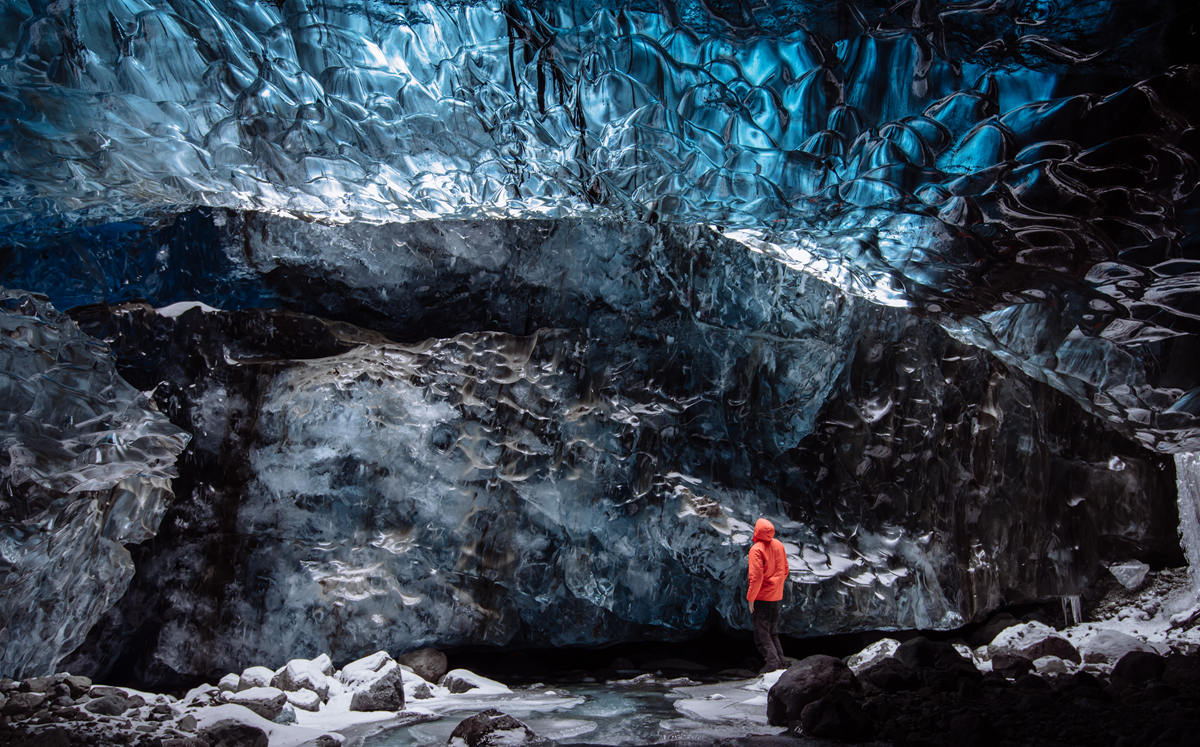
Inside parts of Iceland’s Vatnajökull glacier, daylight can pass through compressed ice and turn entire walls deep blue. Meltwater opens temporary caves and tunnels that change from season to season, leaving ceilings covered in waves, bubbles and dark bands of volcanic sediment. Some passages disappear entirely as the glacier moves. Standing inside one means entering a landscape that is literally reshaping itself around the visitor.
In the mood for more?
Check out 15 Places Around the World That Look Photoshopped, But Aren’t, or take a look at 16 Places Around the World That Humans Are Forbidden to Visit. If you want to see more unusual places, you can check out 15 Places on Earth That NASA Uses to Train Astronauts Because They Look Like Other Planets.