Before any astronaut ever sets foot on a distant celestial body, they must first find a place on Earth that mimics the harsh, unforgiving conditions of outer space. NASA and other space agencies spend years scouting our own planet for extreme environments, ranging from desolate volcanic fields to frozen polar deserts, that serve as planetary analogs. These locations aren’t just chosen for their stunning, alien-like beauty; they are essential training grounds where crews test specialized rovers, practice geological sampling, and simulate the psychological isolation of living millions of miles from home.
Finding the perfect place to replicate the lunar surface or the red plains of Mars requires a unique combination of geography and chemistry. These sites allow scientists to push equipment to its breaking point in terrains that are often just as dangerous and unpredictable as the planets they represent. By training in these remote corners of the globe, astronauts can perfect their survival skills and mission protocols long before they ever leave the Earth’s atmosphere, ensuring that when they finally reach their destination, the alien landscape feels somewhat familiar.
1. Atacama Desert, Chile
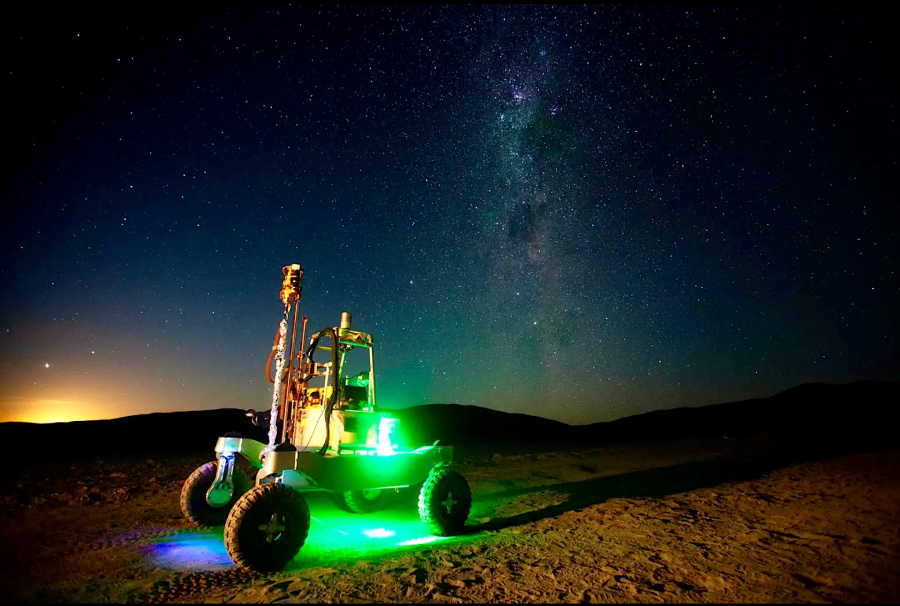
The Atacama Desert is widely considered the most arid place on Earth, making it the perfect stand-in for the Martian surface. NASA frequently tests its autonomous rovers here because the soil chemistry is surprisingly similar to what has been found on the Red Planet. In some parts of this desert, it hasn’t rained for decades, creating a sterile environment where scientists can practice searching for extremophile life forms. Interestingly, the ground is so dry and salty that it preserves organic matter for centuries, much like the conditions researchers hope to find in Martian craters.
2. Haughton Crater, Canada
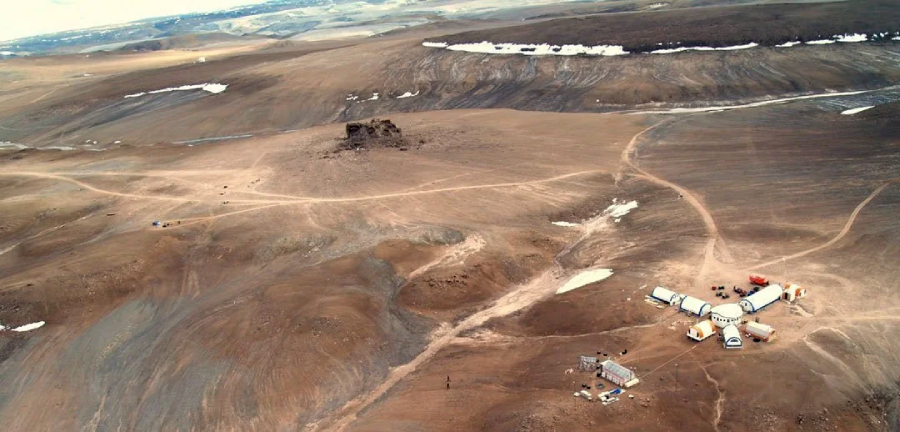
Located on Devon Island in the high Arctic, the Haughton Crater is often referred to as “Mars on Earth.” The 14-mile-wide impact site remains one of the most desolate spots on the planet, featuring a rocky, treeless terrain that is constantly buffeted by freezing winds. NASA uses this site for the Haughton-Mars Project to test long-distance communication delays and habitat designs in total isolation. A fascinating detail is that the island is so remote that researchers must follow strict polar bear safety protocols while pretending they are on a different planet.
3. Craters of the Moon, USA
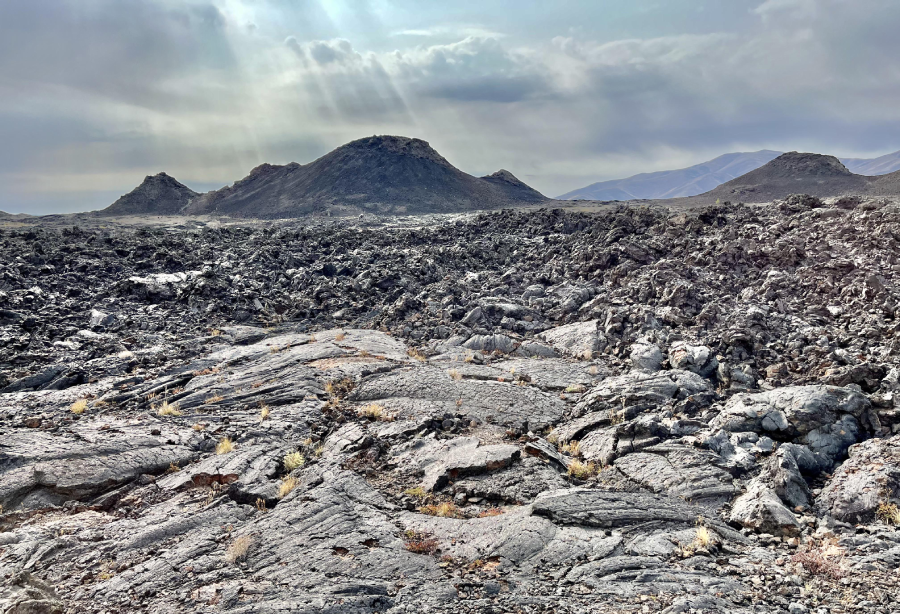
This Idaho national monument was a primary training ground for the Apollo astronauts in the late 1960s. Its vast fields of jagged, basaltic lava flows perfectly mimic the rugged volcanic landscapes found on the lunar surface. Astronauts like Alan Shepard and Edgar Mitchell walked these fields to learn how to identify specific types of volcanic rocks they would eventually collect on the Moon. Today, it remains a vital spot for testing modern spacesuit mobility over uneven, sharp terrain that could easily tear through standard materials.
4. Aquarius Reef Base, USA
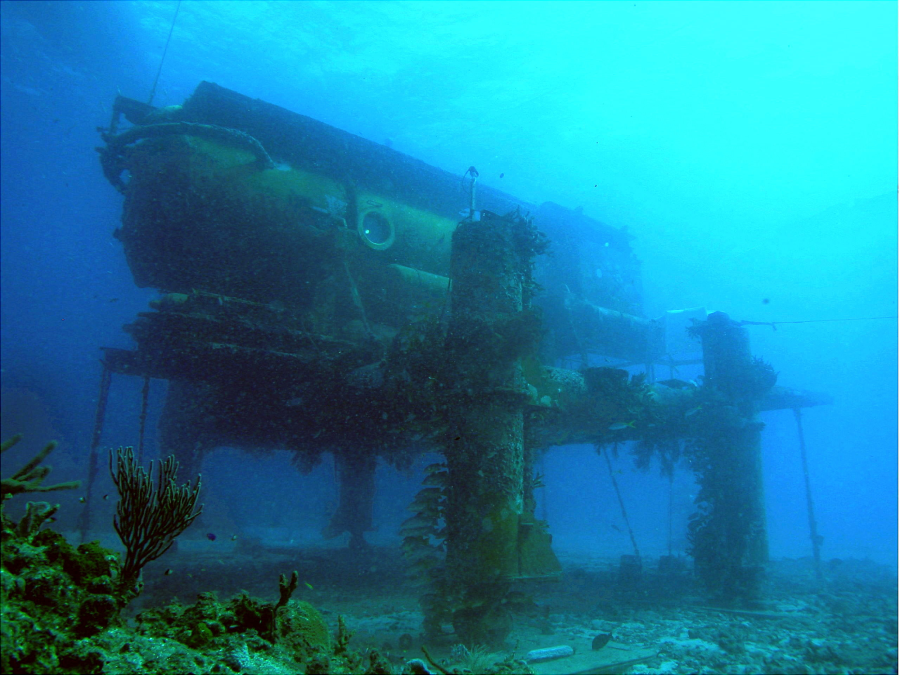
Not all space training happens on dry land; the Aquarius Reef Base is an underwater laboratory located 60 feet below the surface in the Florida Keys. NASA uses this facility for its NEEMO missions, where aquanauts live and work in a pressurized environment to simulate the buoyancy of space. The water provides a natural laboratory for practicing extravehicular activities (EVAs) and testing how crews handle high-pressure, confined living quarters. It is the only undersea research station of its kind in the world, allowing for missions that last up to three weeks at a time.
5. Lanzarote, Spain
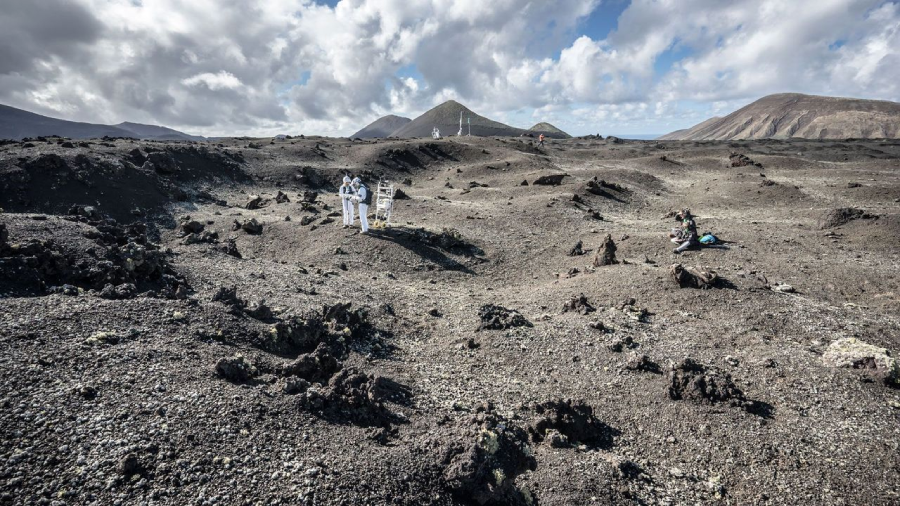
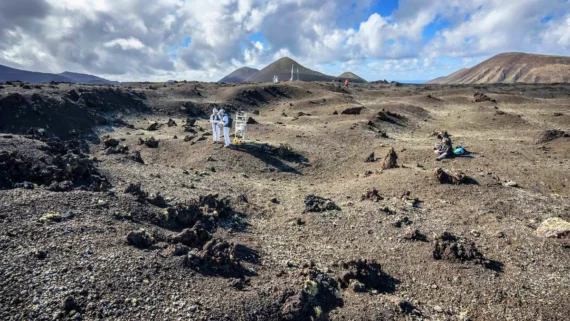
The Canary Island of Lanzarote looks so much like a lunar landscape that it has been used as a backdrop for numerous science fiction films. NASA and the European Space Agency (ESA) value the island for its “Pangaea” training program, which teaches astronauts the basics of field geology. The island’s recent volcanic history means the rocks are pristine and unaffected by vegetation, allowing crews to practice identifying minerals with portable sensors. An amazing fact is that parts of the island are so well-preserved that they look exactly as they did after the massive volcanic eruptions of the 1730s.
Trending on The Scroller


6. McMurdo Dry Valleys, Antarctica
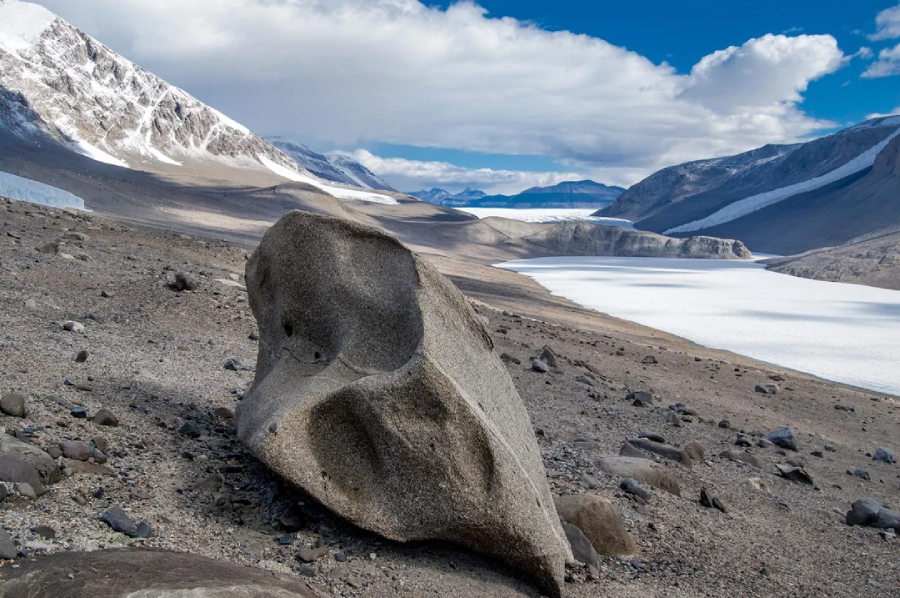
This is perhaps the closest a human can get to experiencing the cold, dry environment of Mars without leaving Earth. The Dry Valleys of Antarctica are characterized by extremely low humidity and temperatures that rarely rise above freezing, preventing any snow from accumulating. NASA scientists use this area to test drill rigs intended to search for water ice beneath the Martian poles. The unique microbes found in the permafrost here provide a blueprint for what life might look like if it were ever discovered in the frozen soil of another world.
7. Haleakala Crater, USA
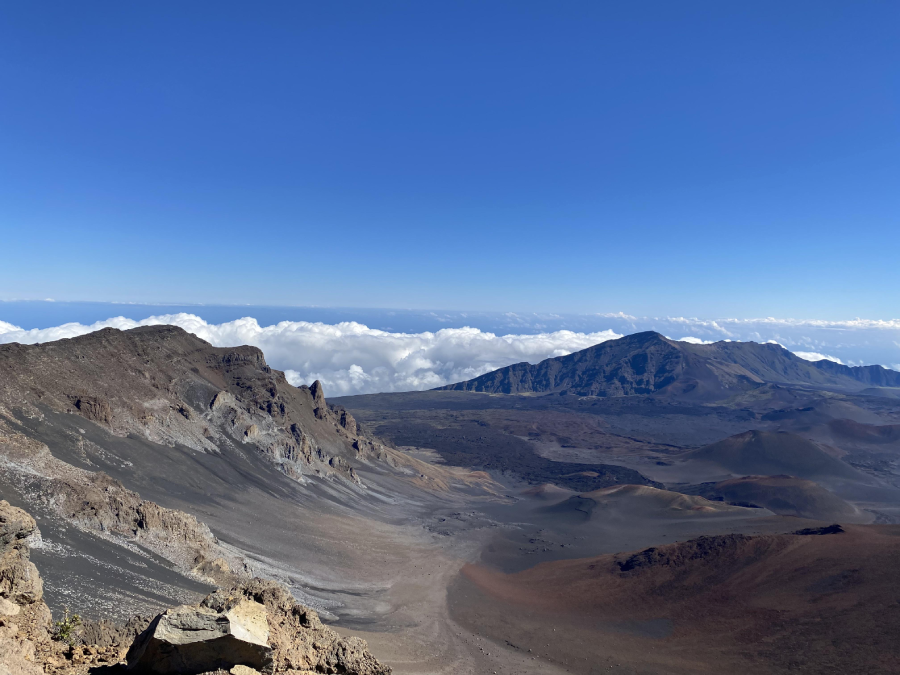
Located on the island of Maui, the Haleakala Crater offers a high-altitude, volcanic environment that NASA uses for various sensor testing and geological studies. The red and orange cinder cones inside the crater create a visual palette that is remarkably similar to the Martian highlands. Because the air is so thin and clear at 10,000 feet, it is also home to some of the world’s most powerful telescopes used to track satellites and space debris. Astronauts often practice rover driving here to see how machines handle the steep, sliding sands of a volcanic pit.
8. Pavilion Lake, Canada
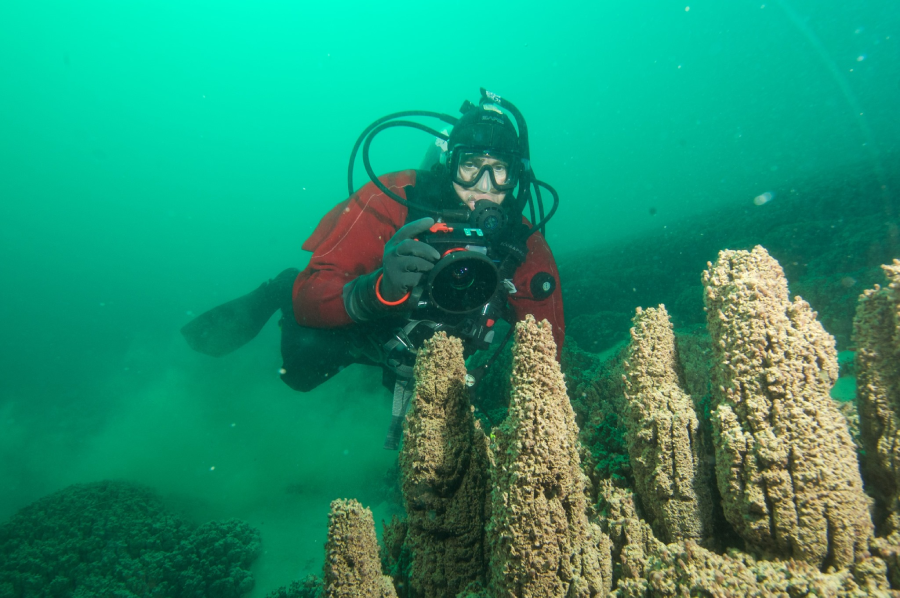
Pavilion Lake in British Columbia is famous for its microbialites, unusual coral-like structures built by bacteria that are among the oldest life forms on Earth. NASA’s Deep Space mission uses the lake to simulate the challenges of exploring an underwater alien ocean, like Jupiter’s moon Europa. Divers use single-person submersibles to mimic the experience of navigating a small spacecraft through a liquid environment. The lake’s clear but deep waters help astronauts practice making real-time scientific decisions while managing limited oxygen supplies.
Sign up for our newsletter
9. Pisgah Crater, USA
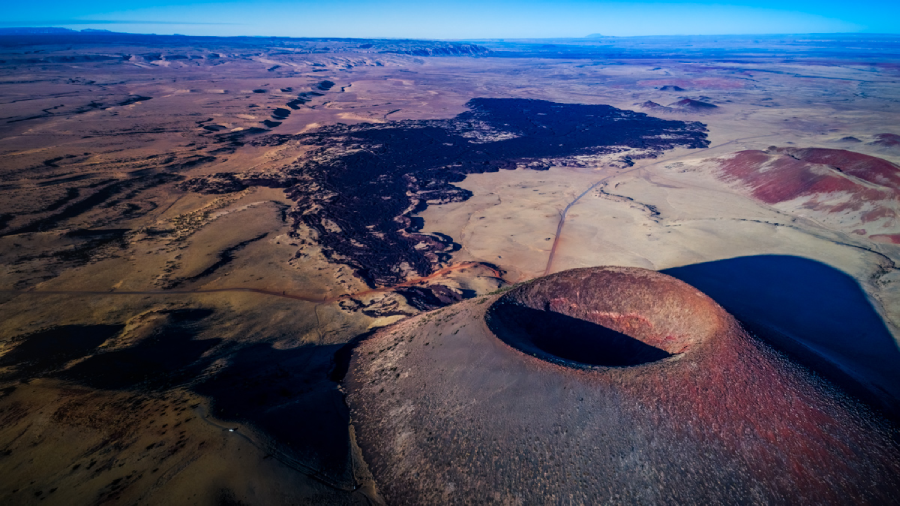
The Pisgah Crater in the Mojave Desert is a favorite spot for testing the Curiosity and Perseverance style rovers. Its mix of smooth pahoehoe lava and jagged aa lava allows engineers to see how well robotic wheels survive the grinding force of volcanic glass. The area is also used for blind tests, where a team in Houston controls a rover at Pisgah using only its camera feeds, simulating the time delay of an actual Mars mission. Many of the autonomous navigation algorithms used on Mars today were first perfected in this dusty California basin.
10. Askja Caldera, Iceland
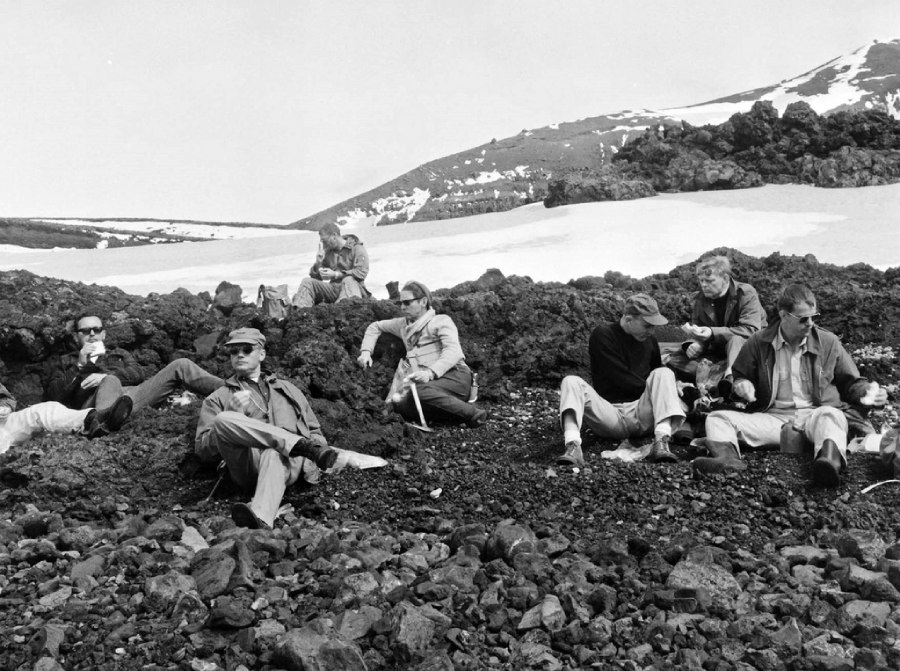
Iceland’s Askja region was a crucial training site for the Apollo 11 and 12 crews due to its incredibly complex volcanic geology. The stark, black sands and vast craters provided a geological classroom where astronauts learned to distinguish between different types of igneous rocks. NASA recently returned to Iceland to test the Sand-E project, using drones and rovers to map the area’s rugged terrain. A fun bit of history is that the Apollo astronauts reportedly loved the area so much because it was the only place that truly felt as lonely as the Moon.
11. Meteora, Greece
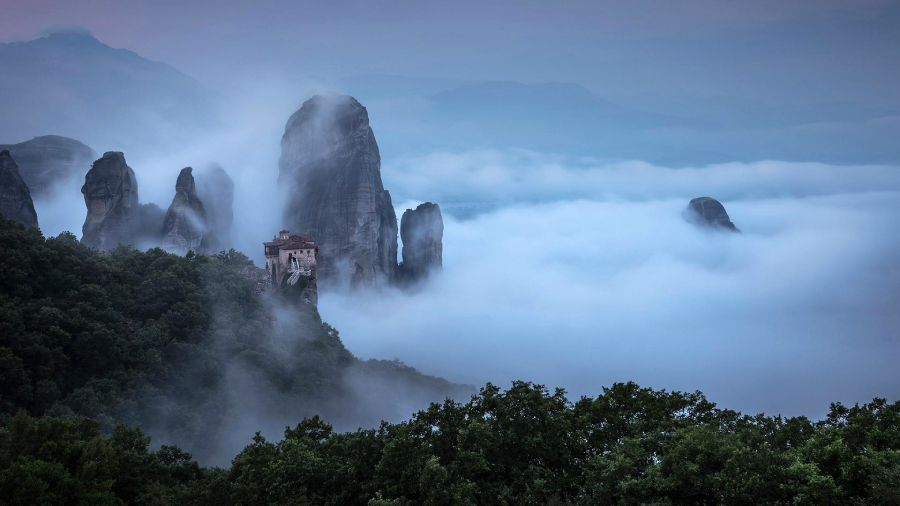
The towering sandstone pillars of Meteora aren’t just for ancient monasteries; their unique vertical geology makes them a great analog for extreme terrain exploration. NASA has studied these formations to understand how erosion works on other planets with different atmospheric pressures. While astronauts don’t climb the cliffs in spacesuits, the area is used to test tethering systems and robotic climbers designed to explore deep canyons on Mars or Valles Marineris. The massive conglomerate rocks provide a perfect example of how water and wind shape a landscape over millions of years.
12. Northern Cape, South Africa (Tswalu)
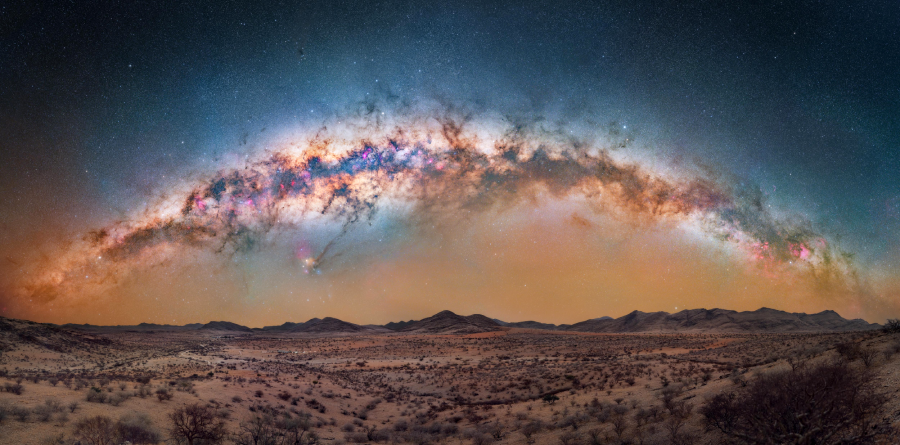
The red sands of the Kalahari Desert in South Africa’s Northern Cape provide a vast, open landscape that mimics the dust-covered plains of the Martian equator. NASA partners with local researchers here to study how heat and dust affect high-tech electronics and solar panels. The extreme temperature swings, from scorching days to freezing nights, test the thermal management systems of future habitats. It is also an ideal spot for practicing long-range traverses, where crews must navigate for miles across a featureless horizon without the help of GPS.
13. Mauna Kea, USA
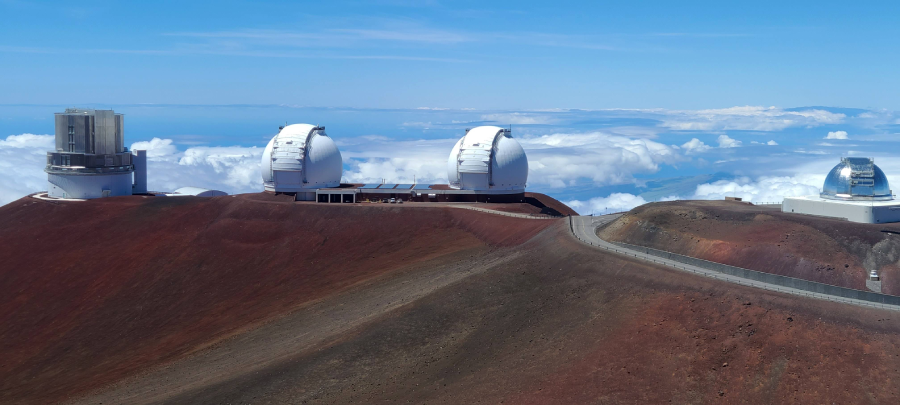
Mauna Kea on the Big Island of Hawaii is home to the HI-SEAS (Hawaii Space Exploration Analog and Simulation) habitat. This solar-powered dome sits on a barren lava field 8,000 feet up the mountain, where crews live in total isolation for months at a time. They can only leave the habitat wearing simulated spacesuits and must wait 20 minutes for any message to reach their Earth support team. This site is less about the rocks and more about the human factor, studying how boredom and social friction affect a crew on a long-duration mission.
14. Rio Tinto, Spain
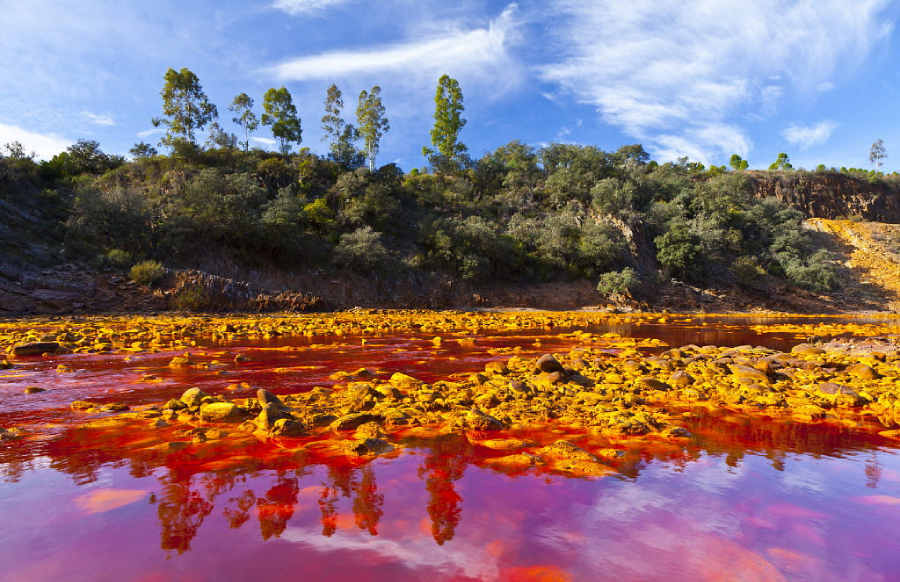
The Rio Tinto river is famous for its deep red water, caused by high concentrations of iron and heavy metals and an extremely acidic pH. This harsh chemical environment is nearly identical to what scientists believe existed on Mars billions of years ago, when the planet had liquid water. NASA uses the river to test life-detection instruments that can identify biological markers in highly toxic conditions. The iron-oxidizing bacteria that thrive here are the primary reason scientists think we might find similar underground life on the Red Planet today.
15. The Nullarbor Plain, Australia
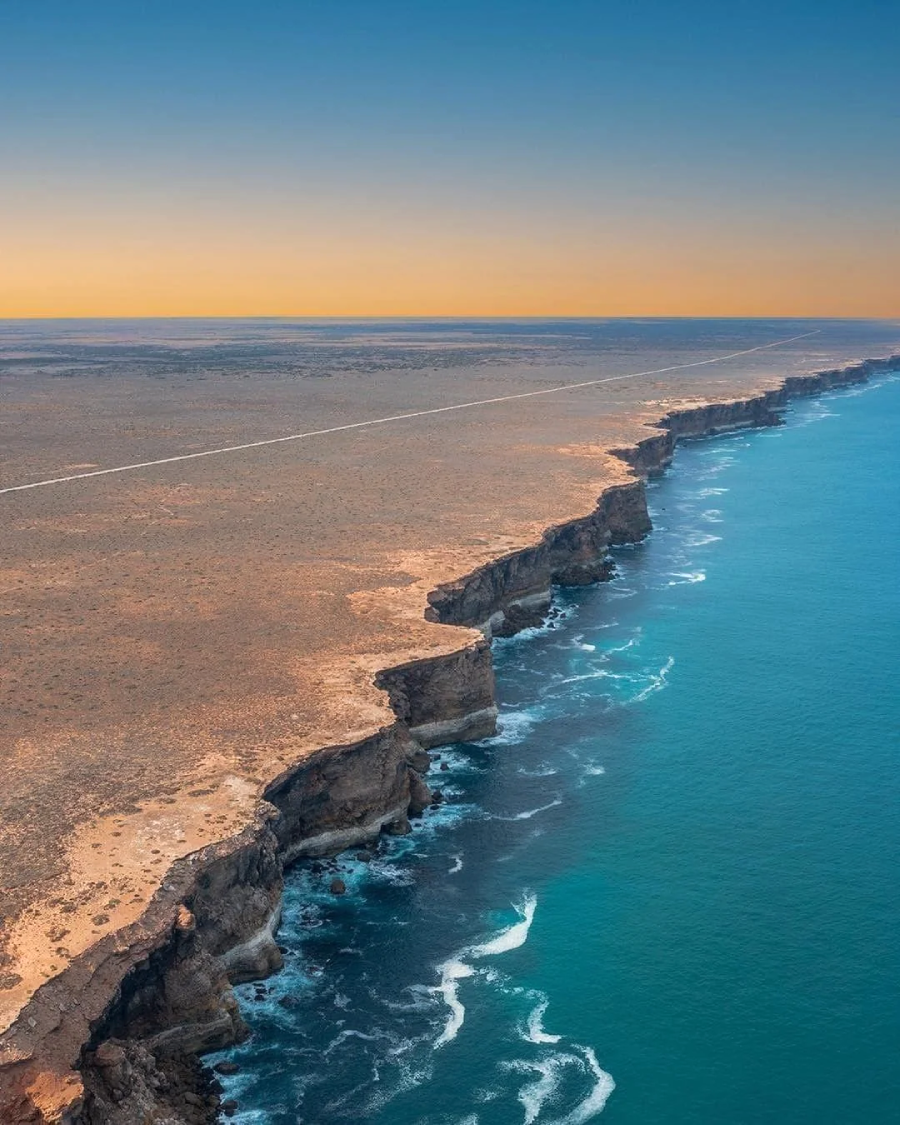
The Nullarbor Plain is a vast, flat, and almost entirely treeless limestone plateau that stretches across the southern edge of Australia. Because the area is so geologically stable and devoid of vegetation, it is one of the best places in the world to find meteorites that have fallen from space. NASA researchers visit the plain to practice meteorite hunting techniques, which helps them prepare for identifying interesting rocks on the Martian surface. The blinding white limestone and blue sky create a high-contrast environment that challenges an astronaut’s depth perception and navigation skills.
Want more fascinating locations?
Exploring these alien landscapes right here on Earth reminds us of just how diverse and extreme our own planet can be. By venturing into these desolate corners, NASA ensures that the next giant leap for mankind is built on a foundation of rigorous practice and scientific discovery. If you found these extra-terrestrial locations fascinating, you won’t want to miss these Mysterious Places on Earth That Scientists Can’t Explain, or 18 Strange Places on Earth That Break the Laws of Physics. You may also like these 15 Cursed Places That Explorers Avoided Throughout History.