Cave facts reveal a world far stranger than it looks. From the outside, they might seem like nothing more than dark openings in the ground, but step inside and the story changes completely. Some hide crystals taller than a house, others shelter animals that have never seen daylight, and a few contain evidence of life from millions of years ago.
And the surprises don’t stop at unusual rock formations. Some caves have their own ecosystems, others preserve ice through the summer, and certain underground walls are covered in something that looks suspiciously like slime. These 17 facts reveal just how extraordinary the world beneath our feet can be.
1. Some Caves Were Carved by Sulfuric Acid Rising From Underground
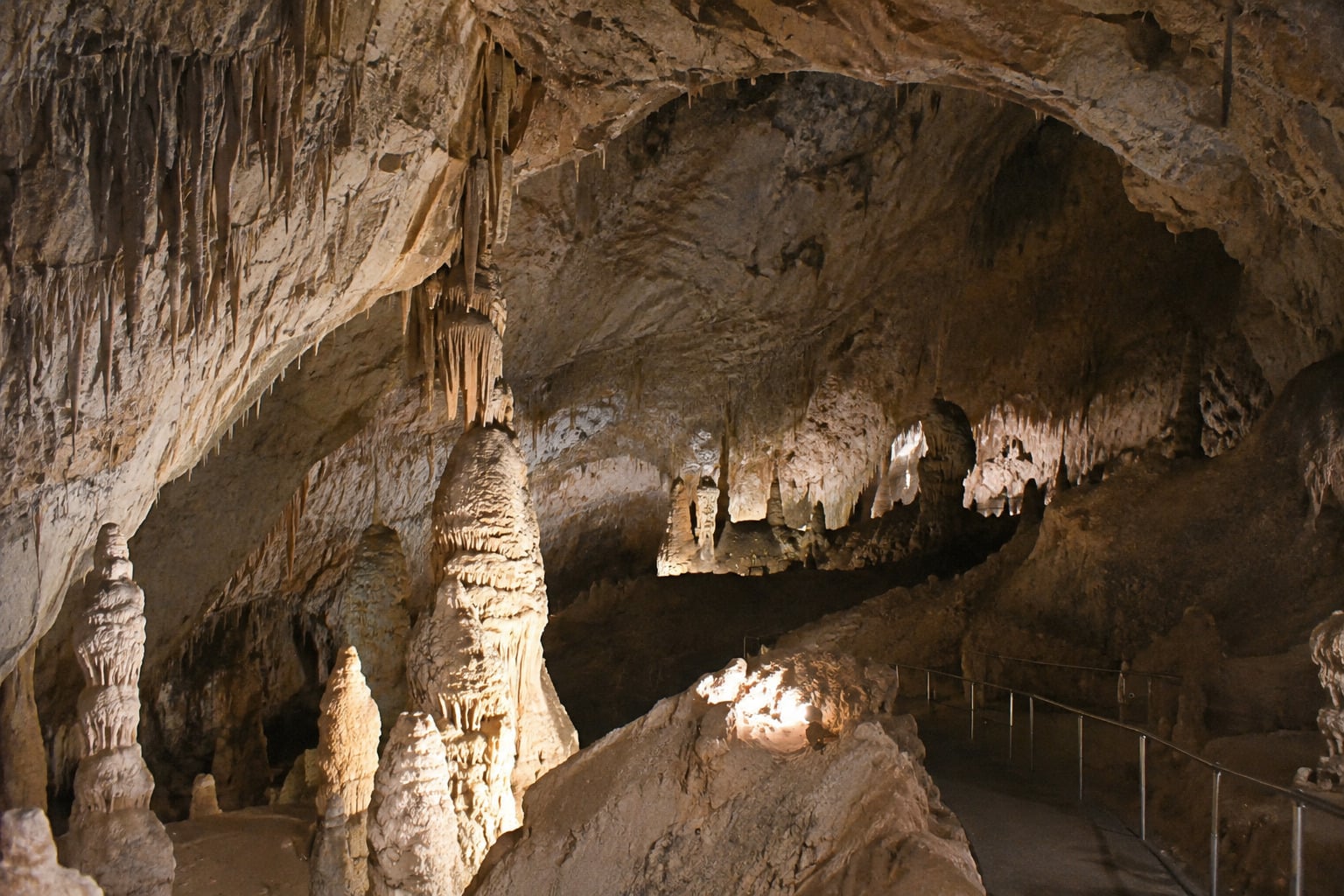
Most limestone caves form when slightly acidic water slowly dissolves rock from above, but Carlsbad Caverns in New Mexico has a much more unusual origin story. Between four and six million years ago, hydrogen sulfide from deep underground reacted with oxygen-bearing water to create sulfuric acid. That acid gradually dissolved enormous passages through the limestone. According to the National Park Service, the massive gypsum deposits found inside the caverns provide evidence of this remarkable process. Who knew some of nature´s most spectacular underground chambers were essentially carved by chemistry?
2. The World’s Longest Known Cave Has More Than 426 Miles of Passages
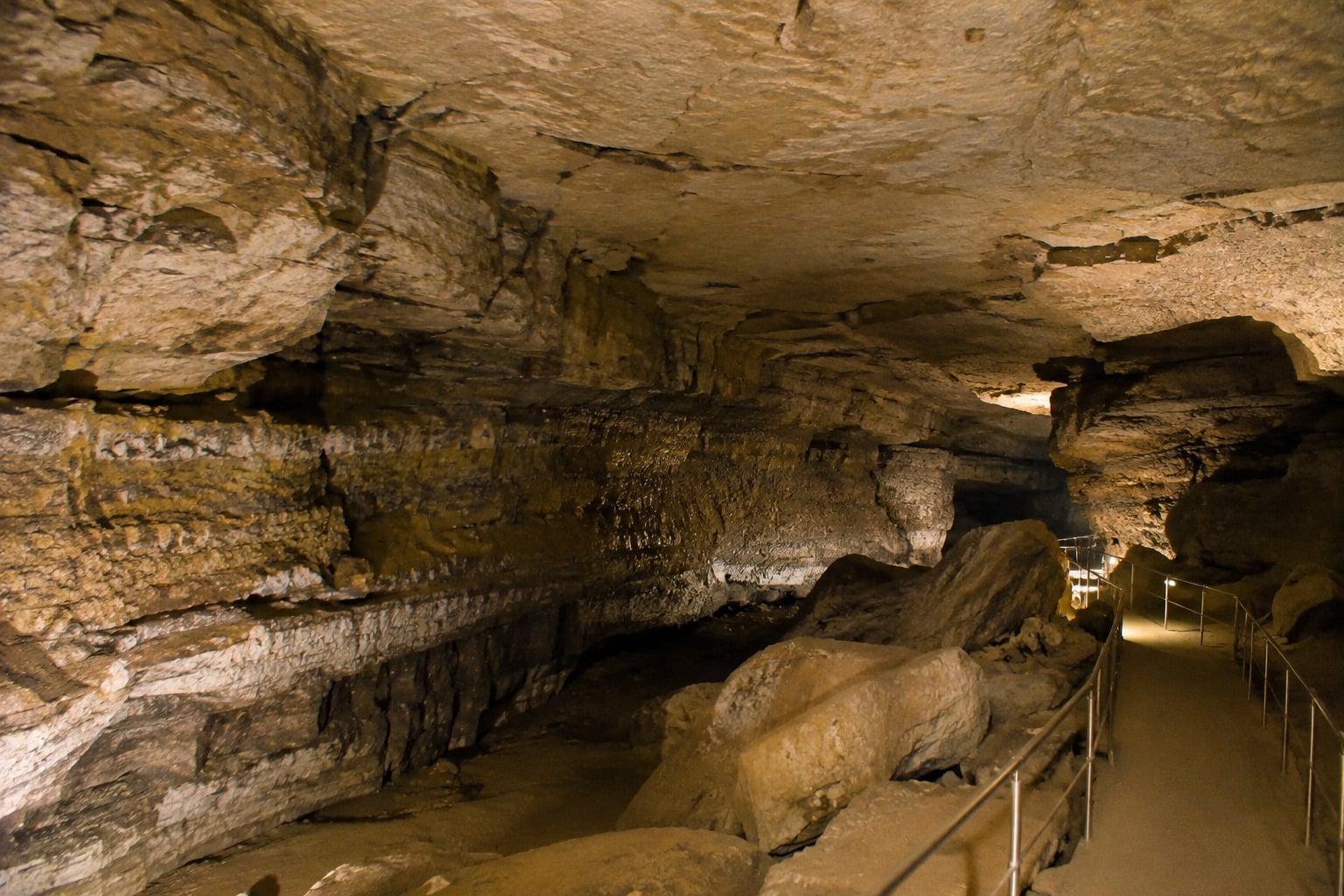
Imagine exploring an underground maze so enormous that nobody has finished mapping it. Kentucky’s Mammoth Cave contains more than 426 miles of surveyed passages, making it the longest known cave system on Earth. Rather than one giant chamber, it´s a complicated network of tunnels, pits, and passages spread across multiple levels. Some of its oldest sections began forming around 10 million years ago, and explorers continue discovering new connections. The remarkable part? That already enormous number could keep growing.
3. Some Cave Formations Grow Sideways and Even Upward
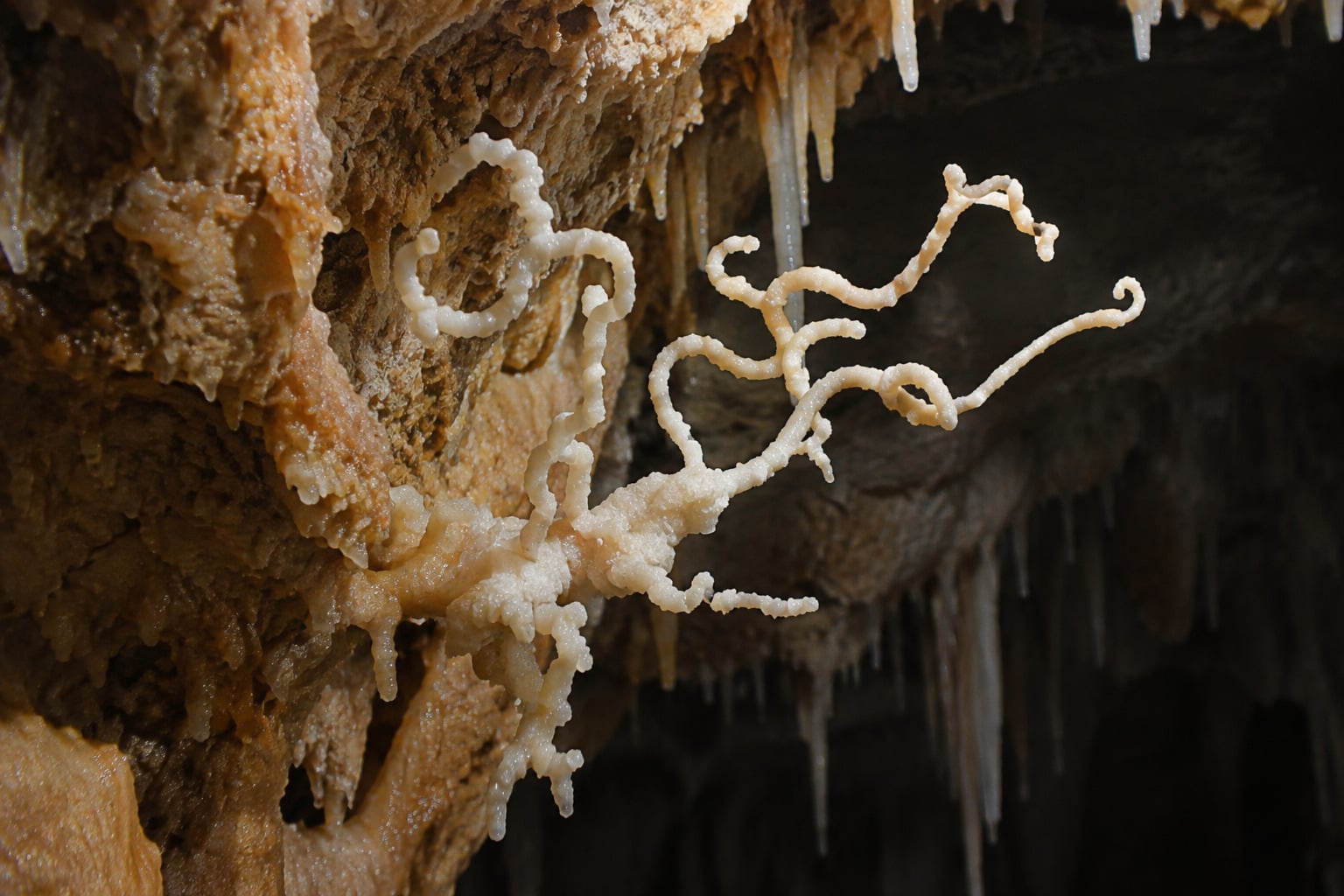
Stalactites usually hang from cave ceilings, but some formations apparently have other plans. Known as helictites, these delicate mineral structures can twist sideways, curve upward, and branch in directions that seem to ignore gravity. Their unusual shapes develop as water travels through extremely narrow internal channels, with capillary forces and crystallization influencing their growth. Some resemble tangled wires or miniature stone antlers. They might look impossible, but they´re simply another example of how inventive geology can be.
4. A Cave in Mexico Contains Crystals Nearly 40 Feet Long
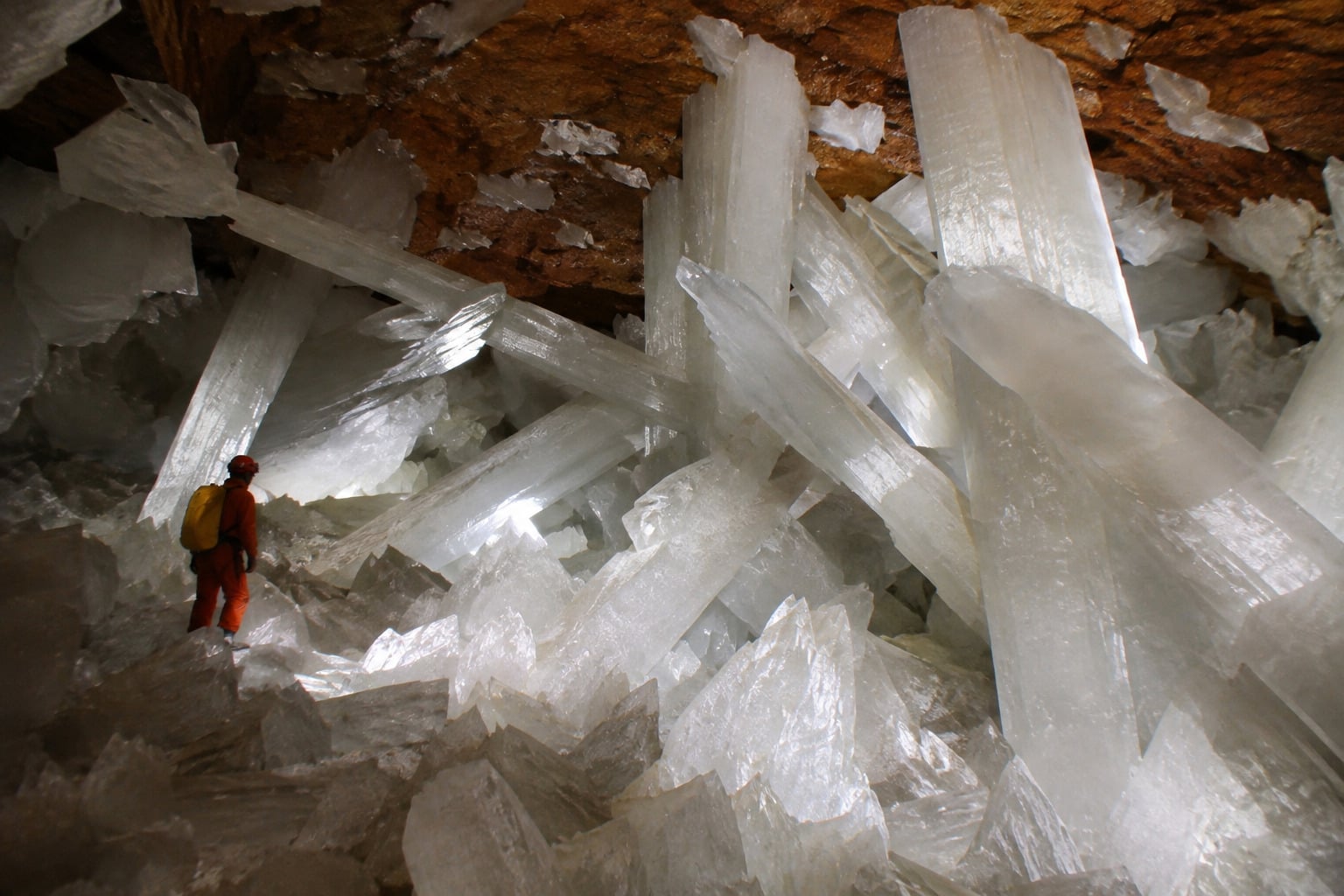
Deep beneath Mexico’s Naica mine lies a chamber that looks almost too extraordinary to be real. Discovered in 2000, the Cave of Crystals contains enormous gypsum formations reaching nearly 40 feet in length. Their remarkable size developed under unusually stable underground conditions involving mineral-rich water. But there´s a catch: temperatures can approach
140°F, accompanied by extreme humidity. As the American Chemical Society has described, the environment is as scientifically fascinating as it is difficult to explore. Beautiful? Absolutely. Comfortable? Not even close.
5. Some Cave Fish Have Evolved Without Eyes
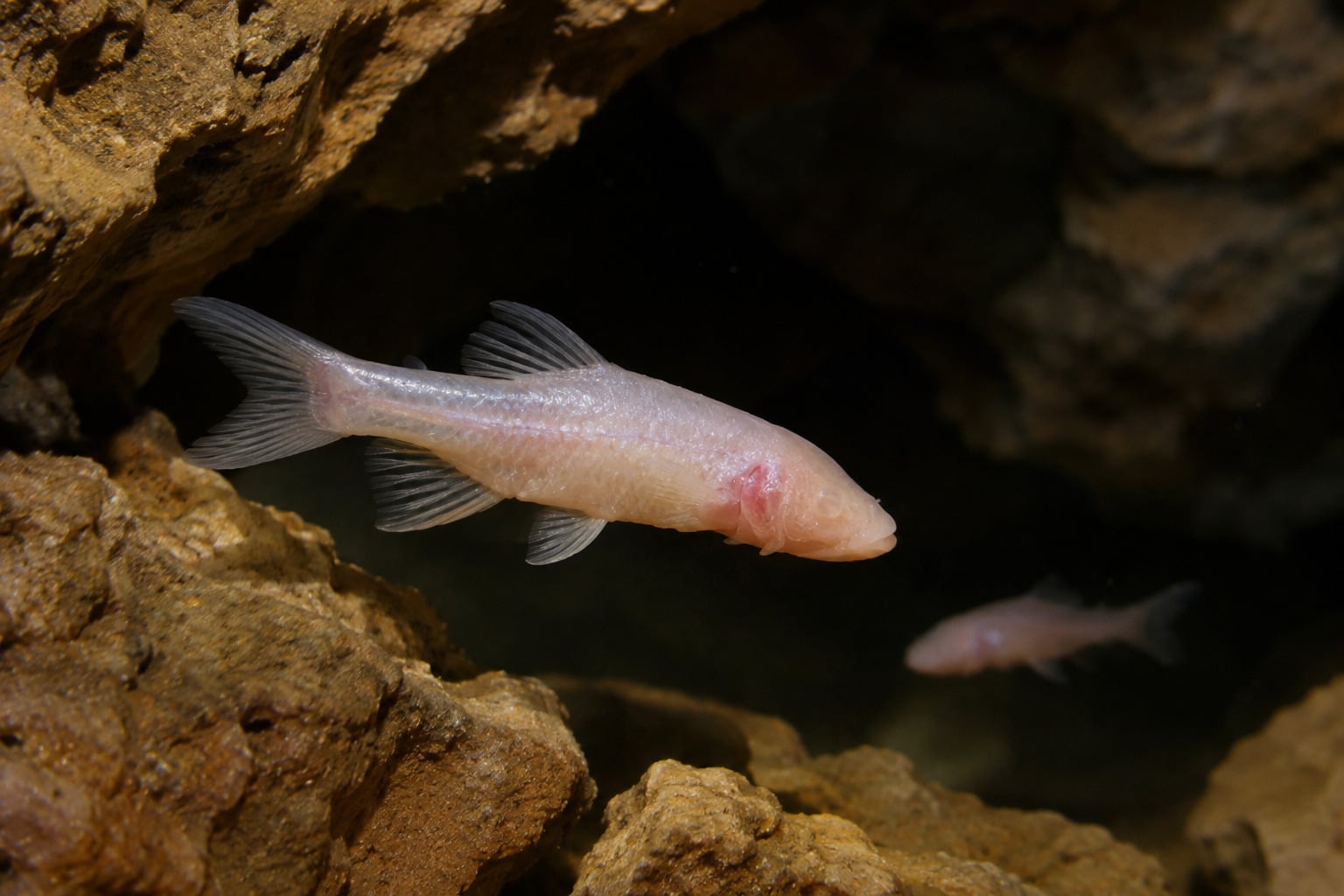
What happens when an animal spends generations living somewhere sunlight never reaches? For certain cavefish, eyesight becomes unnecessary. Mammoth Cave in Kentucky is home to two species of eyeless cavefish that spend their lives navigating dark underground waters. Their bodies also have reduced pigmentation, while other sensory systems help them locate food and move through their environment. It´s a fascinating reminder that evolution doesn´t always add new features. Sometimes surviving means letting go of something that no longer serves a purpose.
Trending on The Scroller

6. Some Caves Keep Ice Frozen Through the Summer
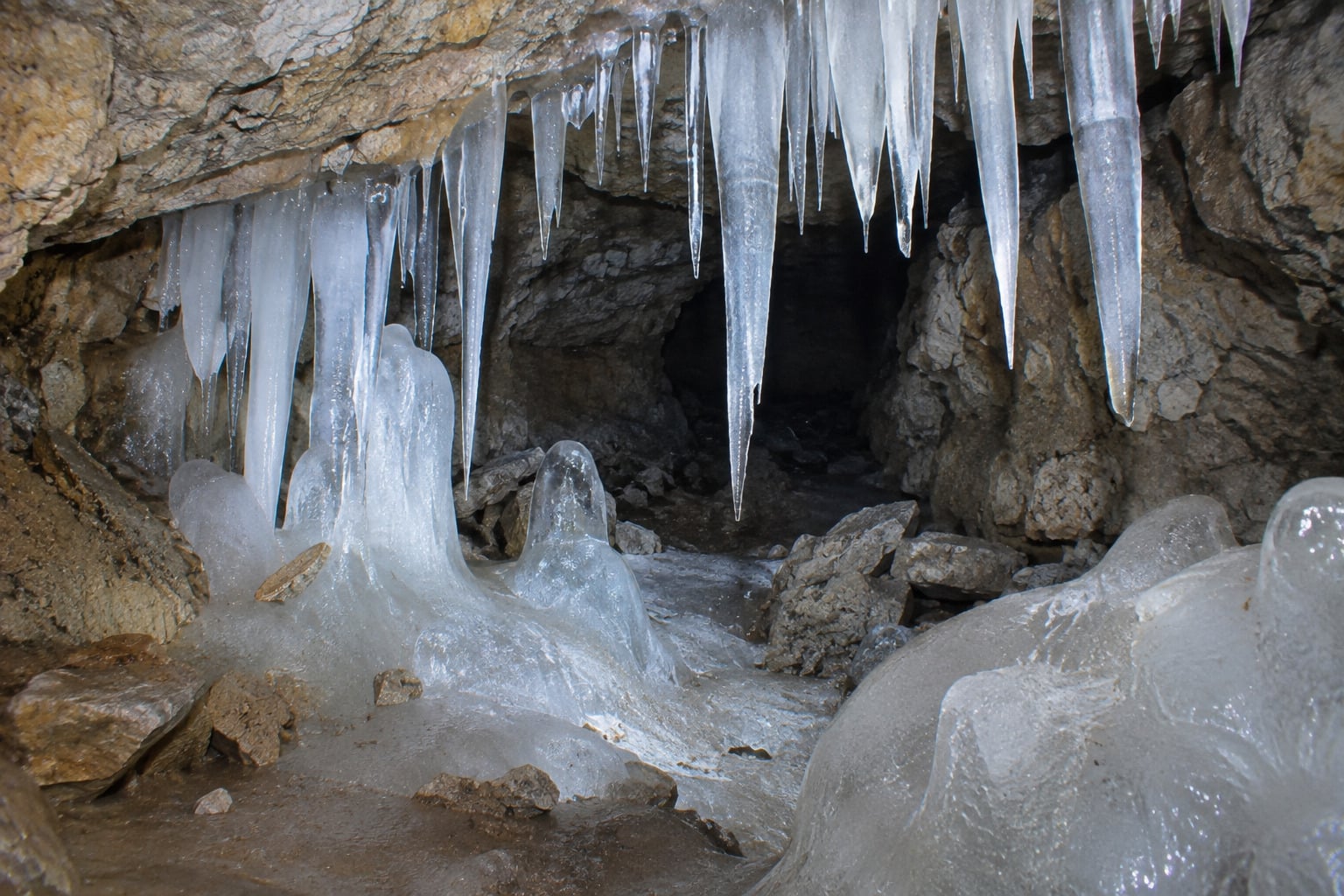
A cave filled with ice in the middle of summer sounds like a contradiction, doesn’t it? Yet certain caves and lava tubes act as natural refrigerators. During winter, cold air sinks into underground passages and becomes trapped, allowing ice to survive long after temperatures rise outside. The National Park Service documents these remarkable formations in places including Idaho, Arizona, and California. Unfortunately, some underground ice deposits are shrinking as changing temperatures disrupt the conditions that keep them frozen.
7. Some Cave Ecosystems Survive Without Energy From Sunlight
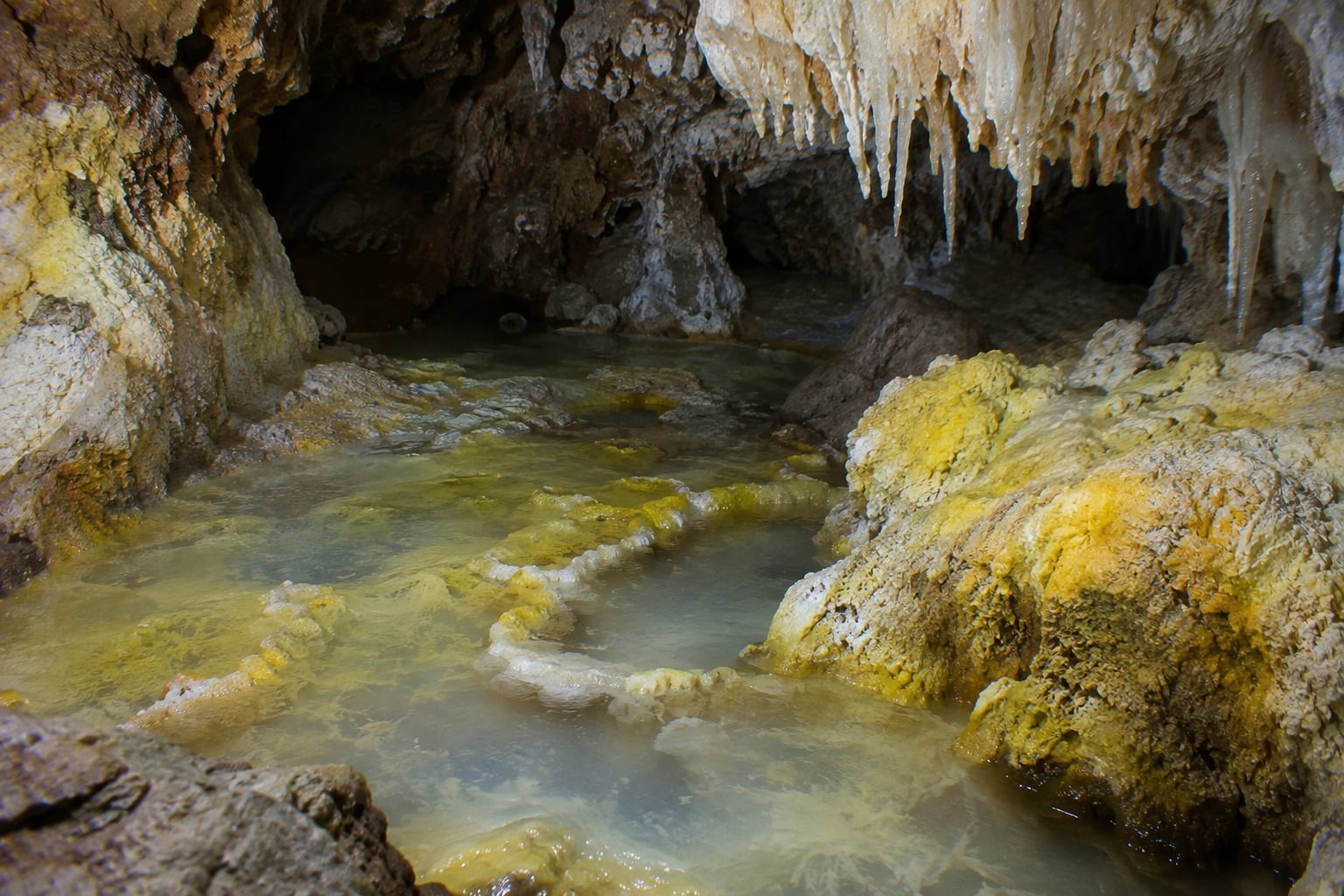
Most life on Earth depends, directly or indirectly, on sunlight. But deep underground, some ecosystems have found an entirely different energy source. In sulfur-rich caves, microorganisms obtain energy through chemical reactions involving sulfur compounds, supporting communities that survive in complete darkness. Scientists studying Italy´s Frasassi cave system have documented these unusual microbial processes. Even stranger, some of the same organisms produce sulfuric acid that helps dissolve the surrounding limestone. They´re not just living inside the cave; they´re helping shape it.
8. Caves Can Produce Pearls Without Oysters
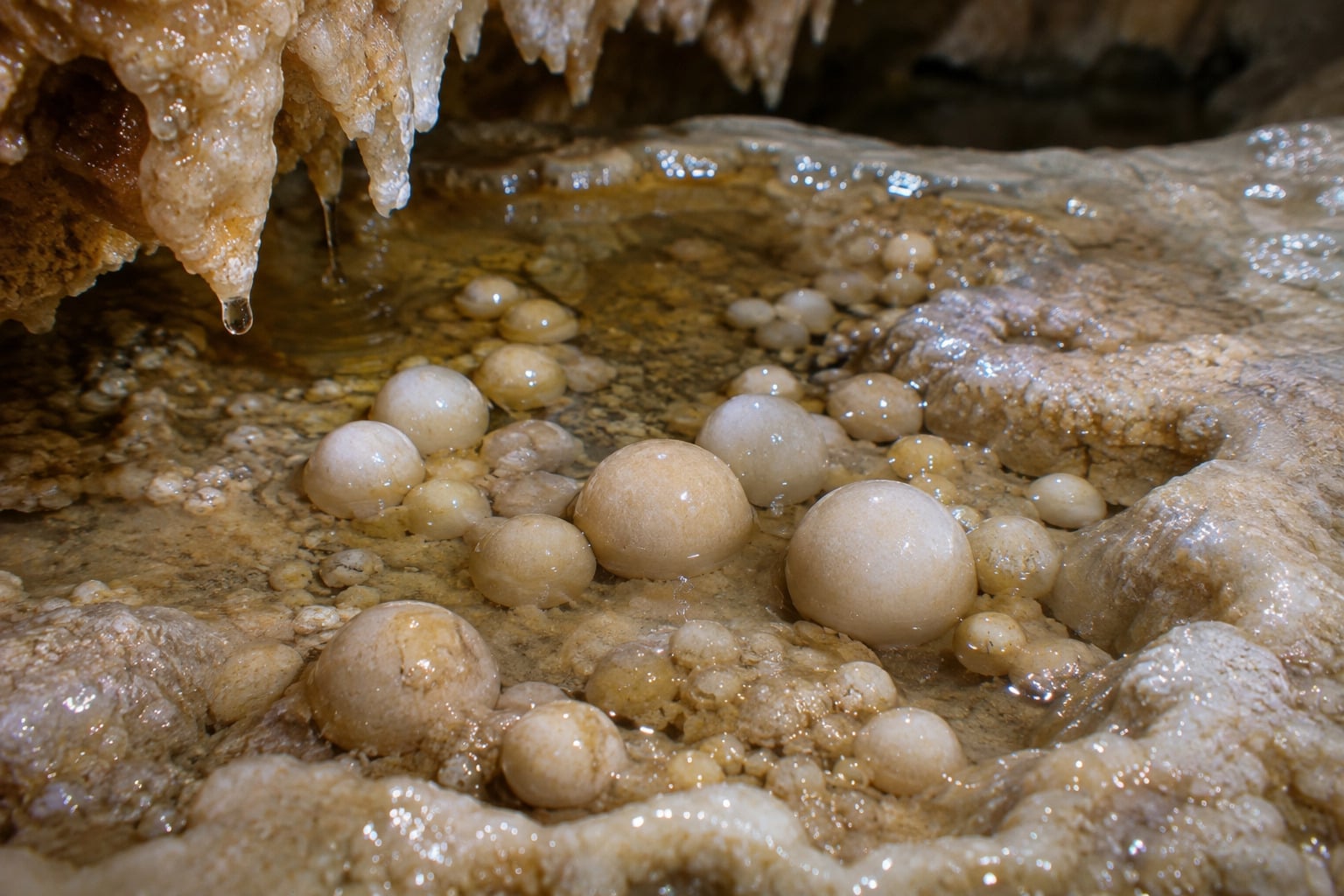
Pearls don’t always require an oyster, and caves have a surprisingly beautiful way of proving it. In shallow underground pools, minerals such as calcite or aragonite can gradually accumulate around tiny particles of sand, rock, wood, or even animal bones. Over time, these deposits form rounded objects known as cave pearls. And here´s an unexpected detail: according to the National Park Service, they don´t actually need to roll around to become spherical. Apparently, nature can make pearls without involving a single shellfish.
Sign up for our newsletter
9. Volcanic Eruptions Can Leave Behind Miles of Empty Tunnels
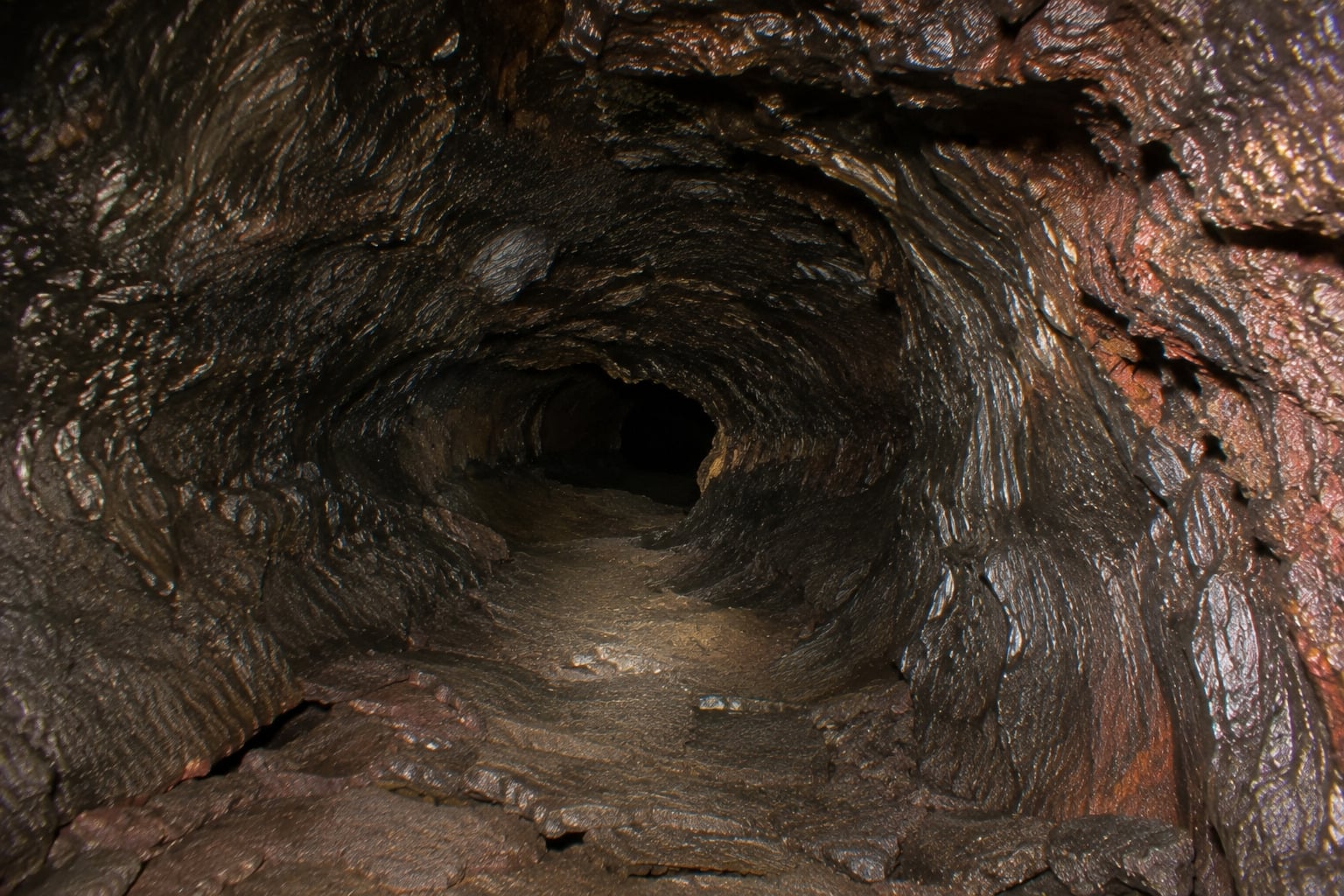
Some caves begin not with water, but with rivers of molten rock. When the outer surface of flowing lava cools and hardens, liquid lava can continue moving underneath it. Once the eruption subsides and the remaining molten material drains away, an empty tunnel is left behind. These formations are called lava tubes, and they can stretch for astonishing distances. Hawaii´s Kazumura Cave, associated with volcanic activity from Kilauea, contains approximately 40.7 miles of mapped passages. Imagine an entire underground tunnel system created by something that was once glowing hot.
10. Hundreds of Thousands of Bats Can Spiral Out of a Single Cave
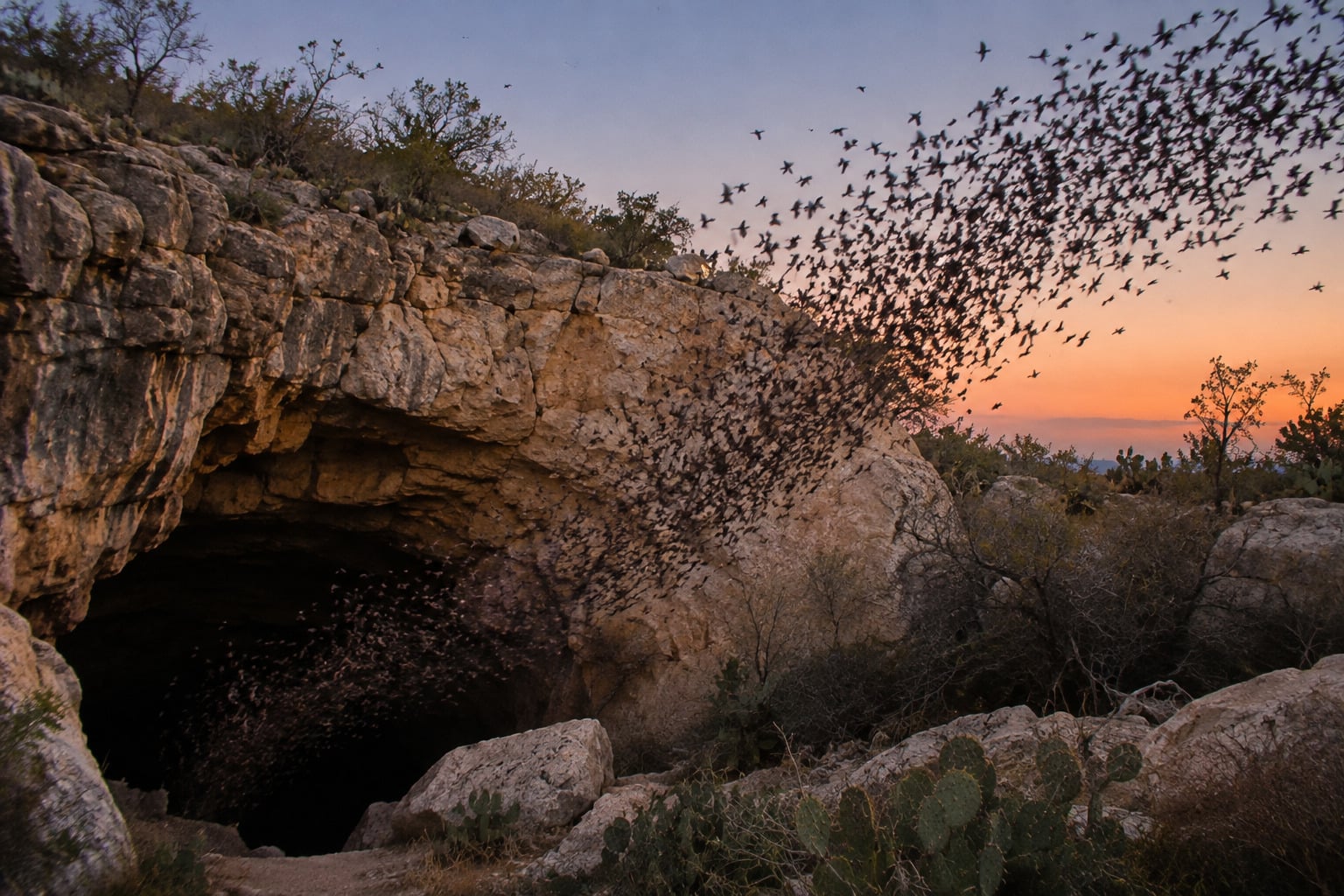
Cave facts become especially spectacular when hundreds of thousands of bats emerge from one opening. At Carlsbad Caverns National Park, Brazilian free-tailed bats leave the cave on summer evenings to hunt insects, often forming an enormous counterclockwise spiral as they rise into the sky. The National Park Service notes that scientists haven´t established exactly why they follow this pattern, although mmagneticsensing is among the possible explanations. Depending on conditions, the spectacular departure can last as long as three hours. That´s quite an evening commute.
11. Some Cave Formations Are More Than Two Million Years Old
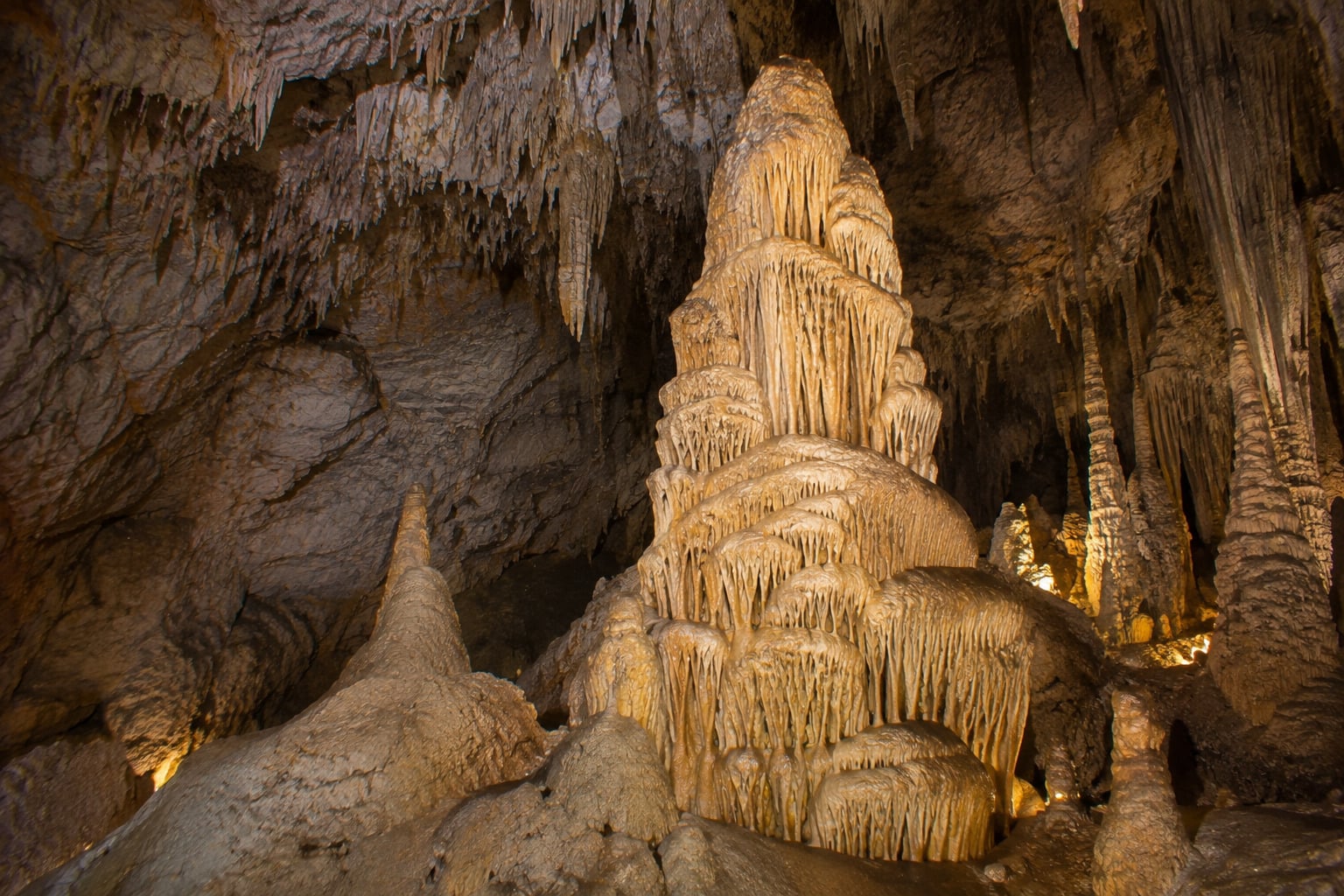
A stalagmite might look ancient, but appearances don’t reveal its actual age. At Lehman Caves in Nevada, scientists used uranium-thorium dating to identify mineral material approximately 2.2 million years old inside one formation. That’s an extraordinary amount of geological history preserved in a single structure. Other formations can be much younger because their growth depends on changing water supplies and mineral conditions. So while a towering stalagmite might steal the spotlight, a smaller formation could have an equally fascinating story.
12. One Cave Preserved Thousands of Years of Giant Sloth Droppings
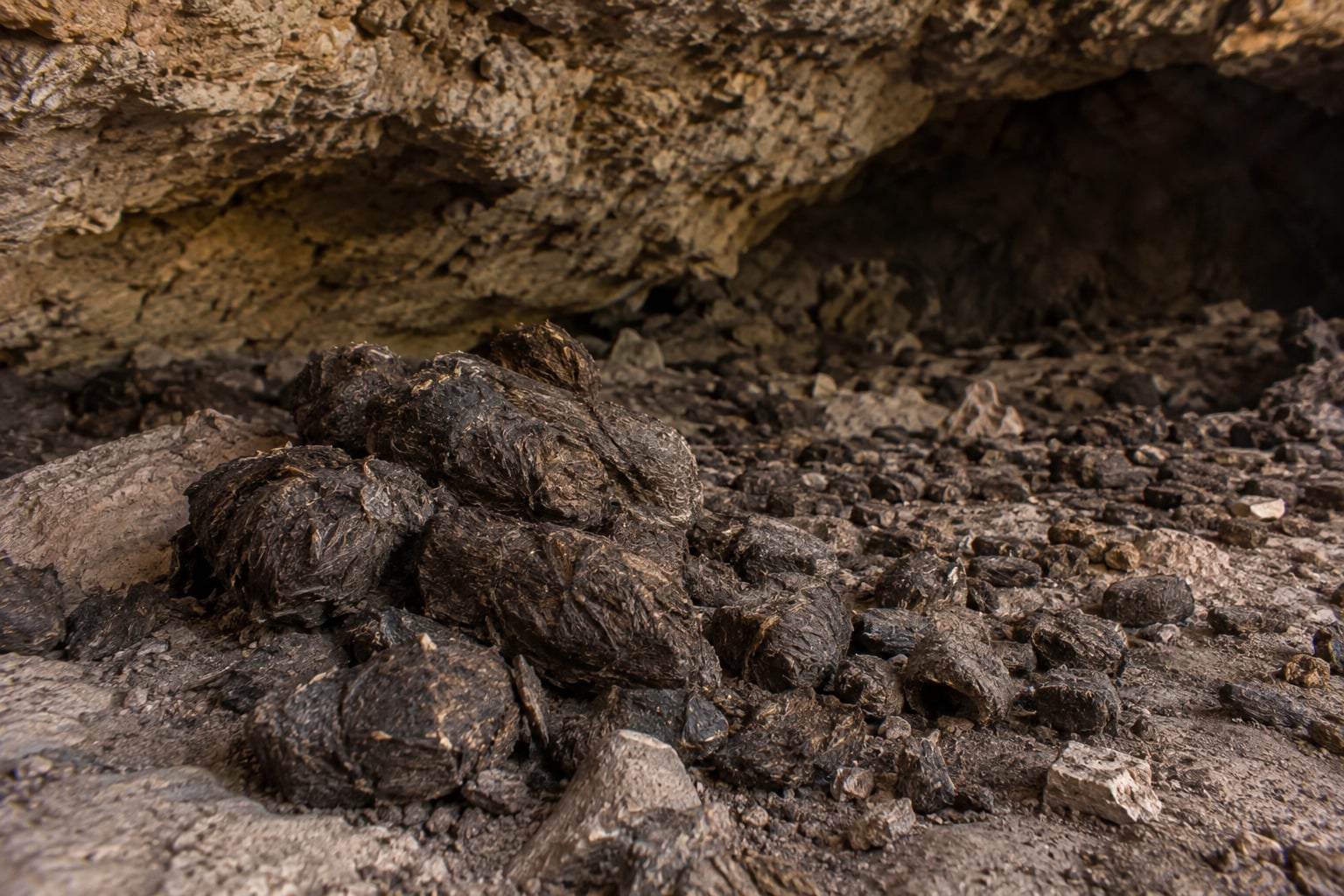
Not every remarkable cave discovery is particularly glamorous. Arizona’s Rampart Cave once contained enormous deposits of dung left behind by extinct Shasta ground sloths during the Ice Age. Some samples dated back tens of thousands of years, allowing scientists to investigate what these giant animals ate, including cacti, yucca, and desert globemallow. Unfortunately, a fire in 1976 destroyed much of the accumulated material. It might not sound like treasure, but those ancient droppings offered scientists an extraordinary glimpse into a vanished world.
13. A Cave in France Preserves More Than 1,000 Prehistoric Images
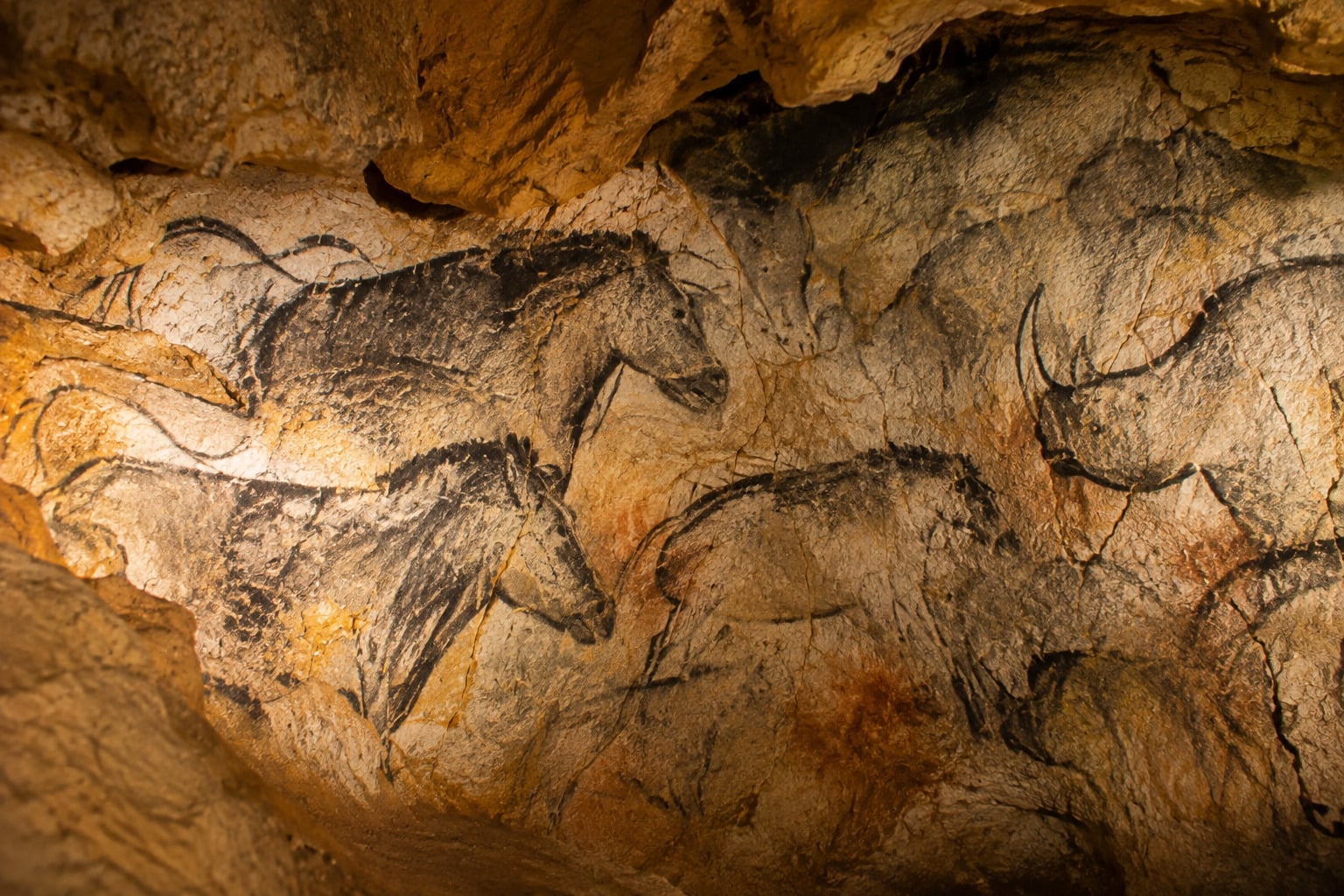
Imagine entering a cave and discovering artwork created more than 30,000 years ago. France’s Chauvet Cave contains over 1,000 prehistoric images, including remarkably detailed depictions of lions, rhinoceroses, mammoths, and horses. A rockfall sealed the entrance roughly 20,000 years ago, helping preserve the artwork until its rediscovery in 1994. UNESCO recognizes the cave for its extraordinary prehistoric paintings, whose sophisticated shading and sense of movement challenge any assumption that early humans lacked artistic skill. Some masterpieces were hidden underground long before museums existed.
14. Underground Caves Can Make Drinking Water More Vulnerable to Pollution
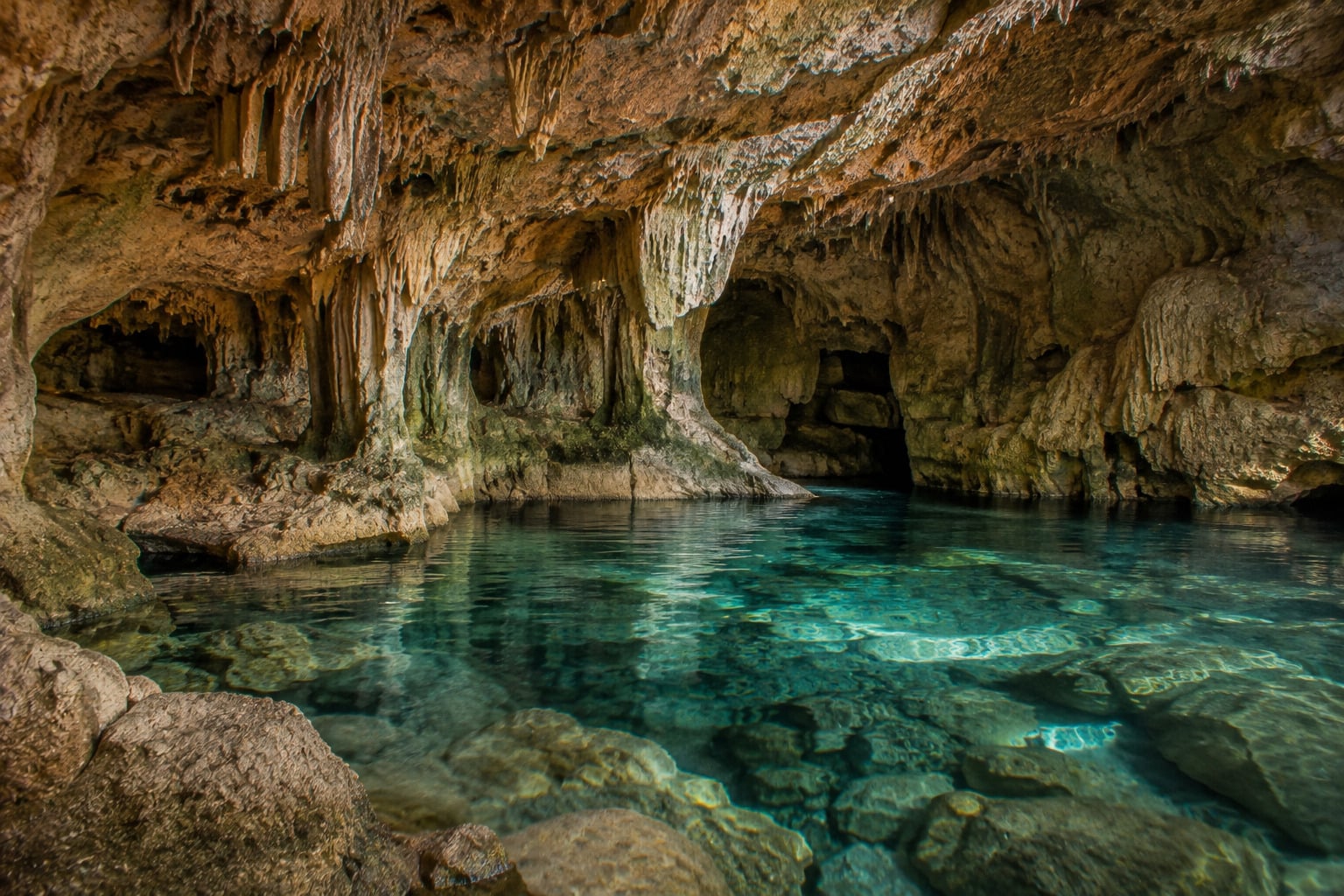
Caves might seem safely separated from the world above, but underground water systems can be surprisingly connected to surface activity. In limestone regions known as karst landscapes, rainwater can move rapidly through cracks, sinkholes, and underground channels before reaching springs or aquifers. Unfortunately, pollutants can travel along these same pathways with relatively little natural filtration. That means something happening on the surface could affect drinking water much farther away. Protecting a cave system isn´t just about preserving beautiful rock formations; it can also mean protecting the water people depend on.
15. Ocean Waves Can Transform Caves Into Natural Stone Arches
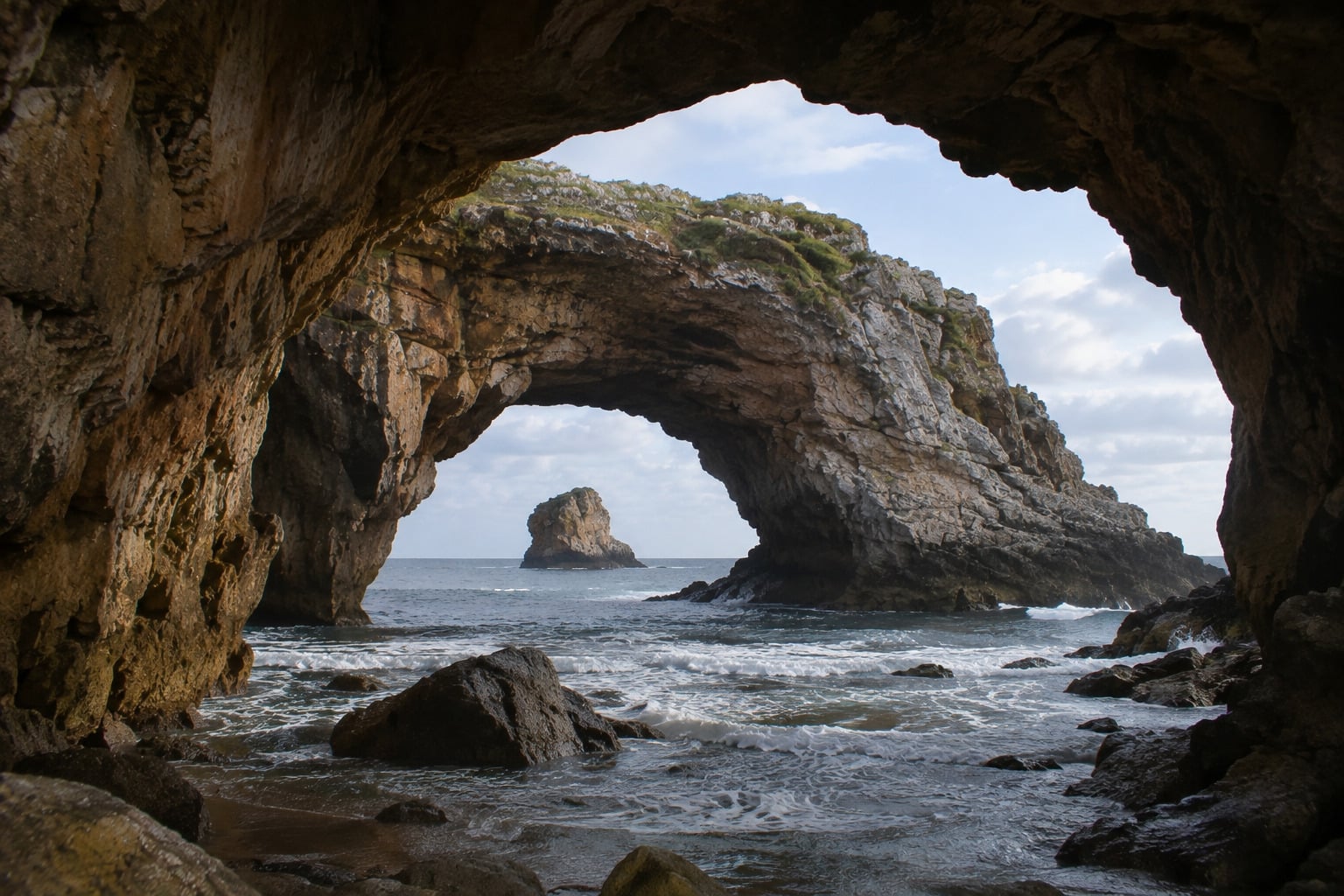
Ever seen a dramatic stone arch rising from the ocean and wondered how it got there? The story may have started with a sea cave. Powerful waves gradually exploit cracks and weaknesses in coastal cliffs, carving chambers and tunnels into the rock. If erosion eventually opens a passage through both sides of a headland, a natural arch can form. And the transformation doesn´t necessarily stop there. When an arch collapses, it may leave behind an isolated pillar known as a sea stack. It´s coastal geology´s version of a very slow makeover.
16. Some Cave Walls Grow Extremely Acidic Slime
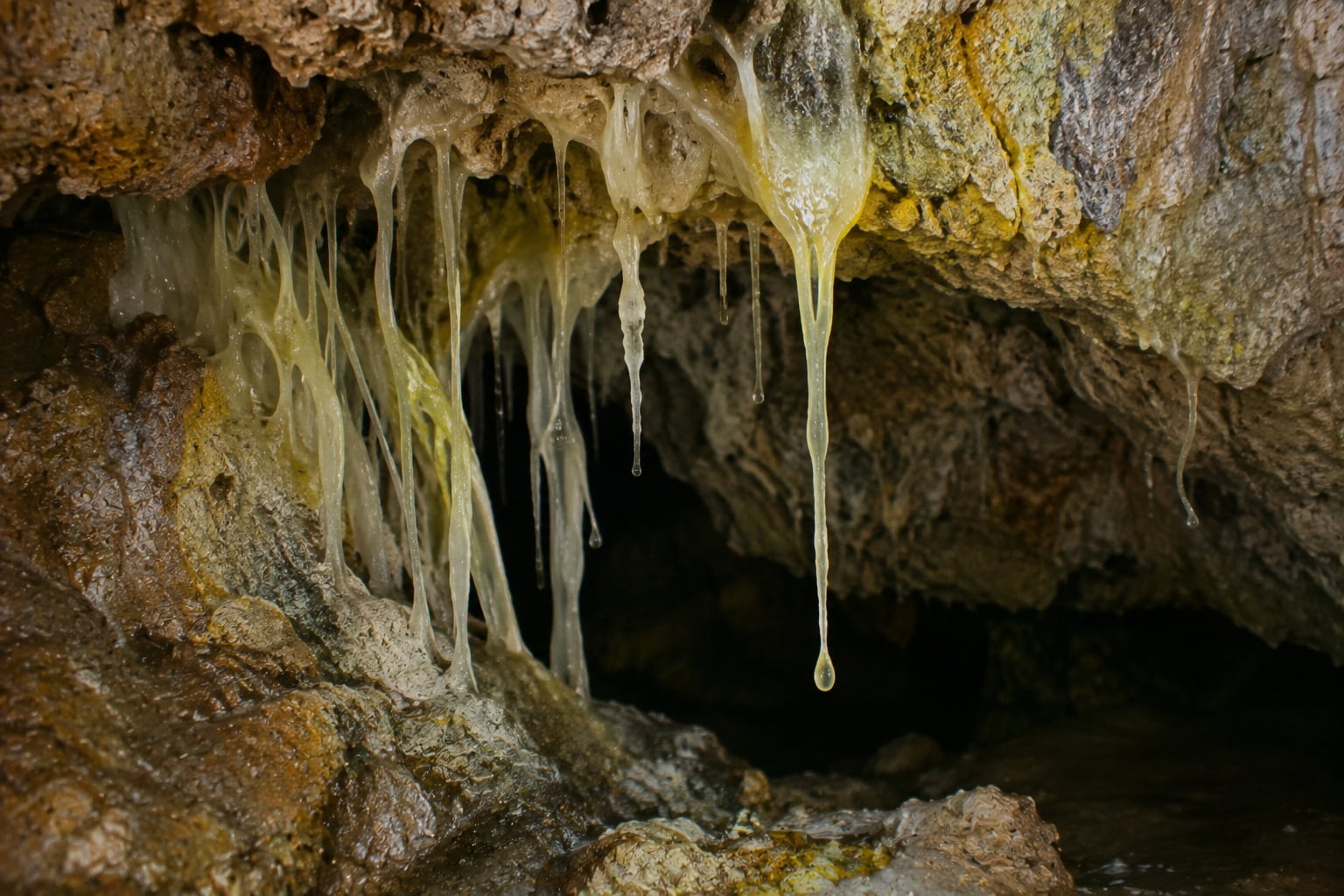
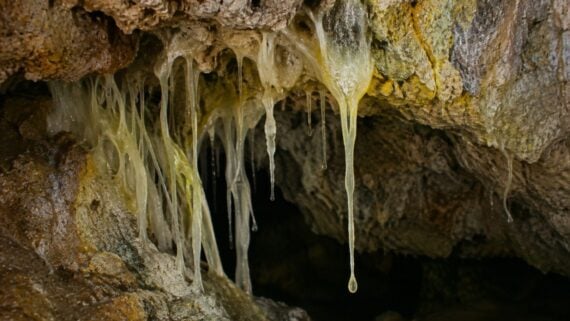
Some caves contain something that sounds straight out of a science-fiction movie: acidic slime hanging from the walls. Scientists call these unusual microbial formations snottites, a nickname inspired by their mucus-like appearance. Found in sulfur-rich environments such as Italy’s Frasassi caves, they can contain liquids with pH values approaching zero or even lower. Research has shown that sulfur-oxidizing bacteria within these formations produce sulfuric acid as part of their metabolism. They´re slimy, extremely acidic, and capable of helping dissolve the rock around them. Underground life certainly has some unusual talents.
17. A Cave’s Temperature Can Stay Stable While the Weather Changes Outside
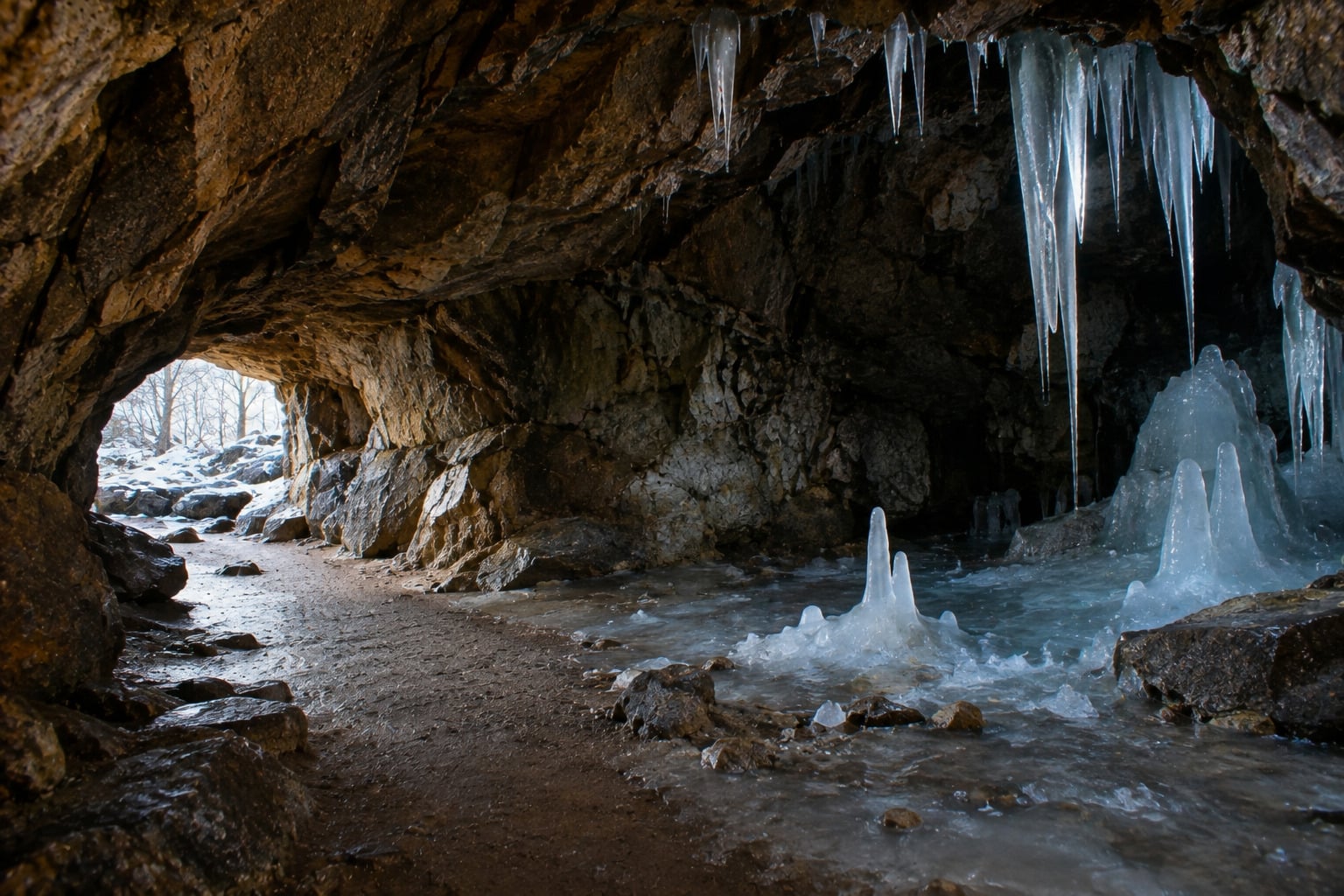
Outside, the seasons might bring freezing winters and scorching summers, but deep inside some caves, the temperature barely changes. Surrounding rock provides substantial insulation, protecting underground passages from rapid temperature swings at the surface. Areas near entrances behave differently because outside air can influence their temperature and humidity. In certain lava tubes, trapped winter air creates such effective cold storage that ice survives well into summer. It´s a natural climate-control system that works without electricity, although not every cave stays equally cool or stable.
Caves are far more than dark spaces beneath the ground. They’re natural archives, unusual habitats, and geological laboratories where extraordinary processes unfold over thousands or even millions of years. From ancient artwork and giant crystals to eyeless fish and acidic microorganisms, the underground world is full of surprises. And the more scientists explore it, the more fascinating it becomes.
Keep Exploring The Scroller
Think caves are strange? Nature has plenty more secrets hiding in unexpected places. Keep exploring The Scroller for remarkable geological wonders, unusual animal adaptations, and fascinating discoveries that reveal just how extraordinary our planet really is:
The Weirdest Weather: 16 Places Where Mother Nature Never Plays Fair
25 Images of Nature Reclaiming Abandoned Places
Nature Always Wins: 25 Pics Of Nature Overtaking Human Civilization