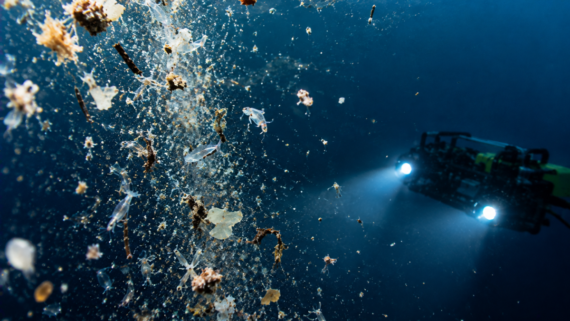
Ocean mysteries aren´t limited to strange creatures lurking in the darkness. Much of the seafloor remains unmapped in detail, countless marine species are still unidentified, and scientists continue to discover entire ecosystems in places humans have barely explored.
The most surprising part? Some of Earth’s biggest unanswered questions are hiding right beneath the waves. These 17 discoveries reveal how much we’re still learning about the ocean, from its deepest trenches to the microscopic life that helps keep the planet functioning.
1. More Than 70% of the Seafloor Still Lacks Modern High-Resolution Mapping
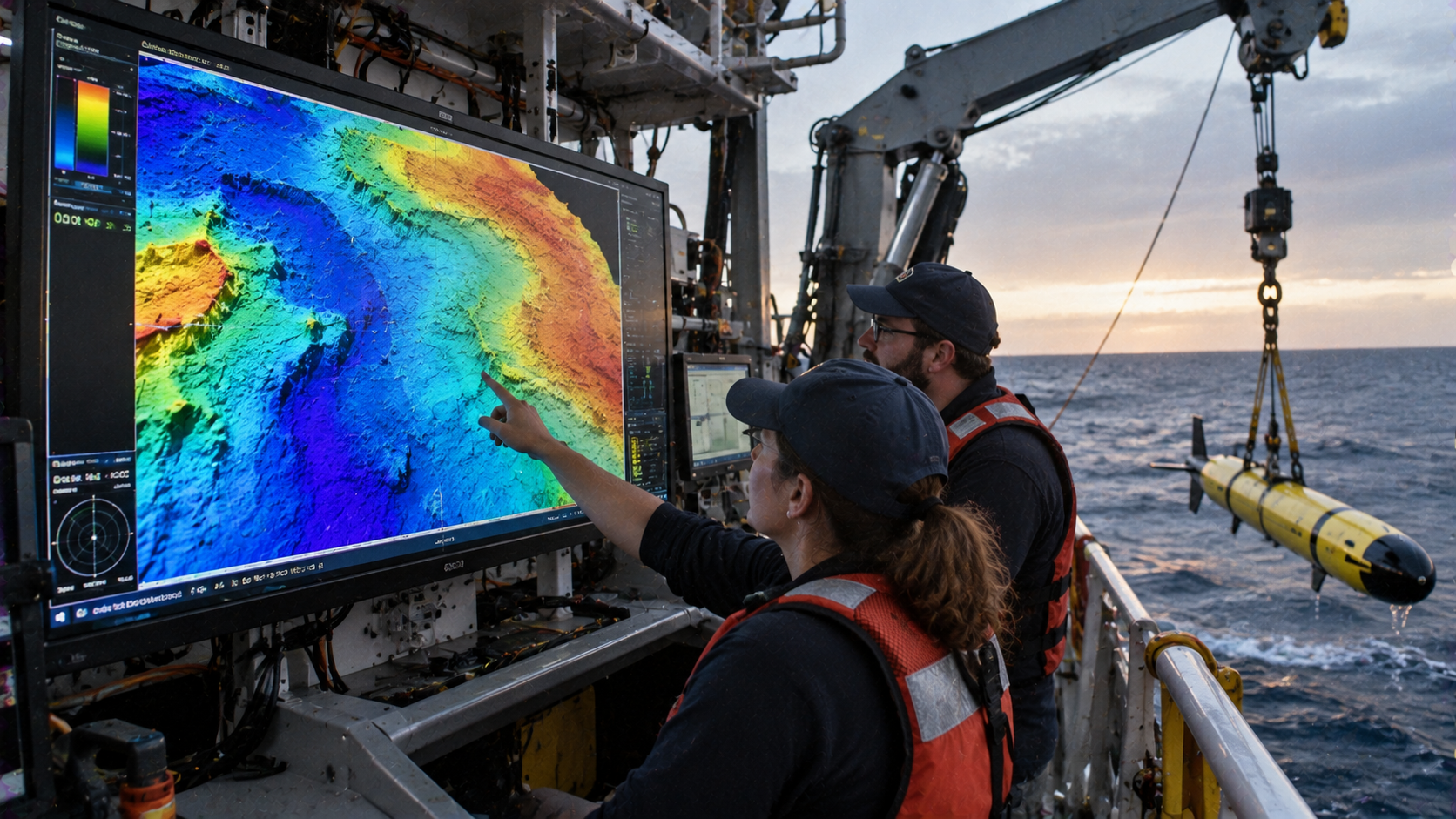
We have a general picture of the ocean floor, but the details are another story. As of April 2026, only 28.7% of the global seafloor had been mapped using modern high-resolution technology. Satellites provide broad outlines, while ship-based sonar reveals the finer details. That leaves most of Earth´s underwater terrain without the detailed maps we take for granted on land.
2. Humans Have Visually Seen Less Than 0.001% of the Deep Seafloor
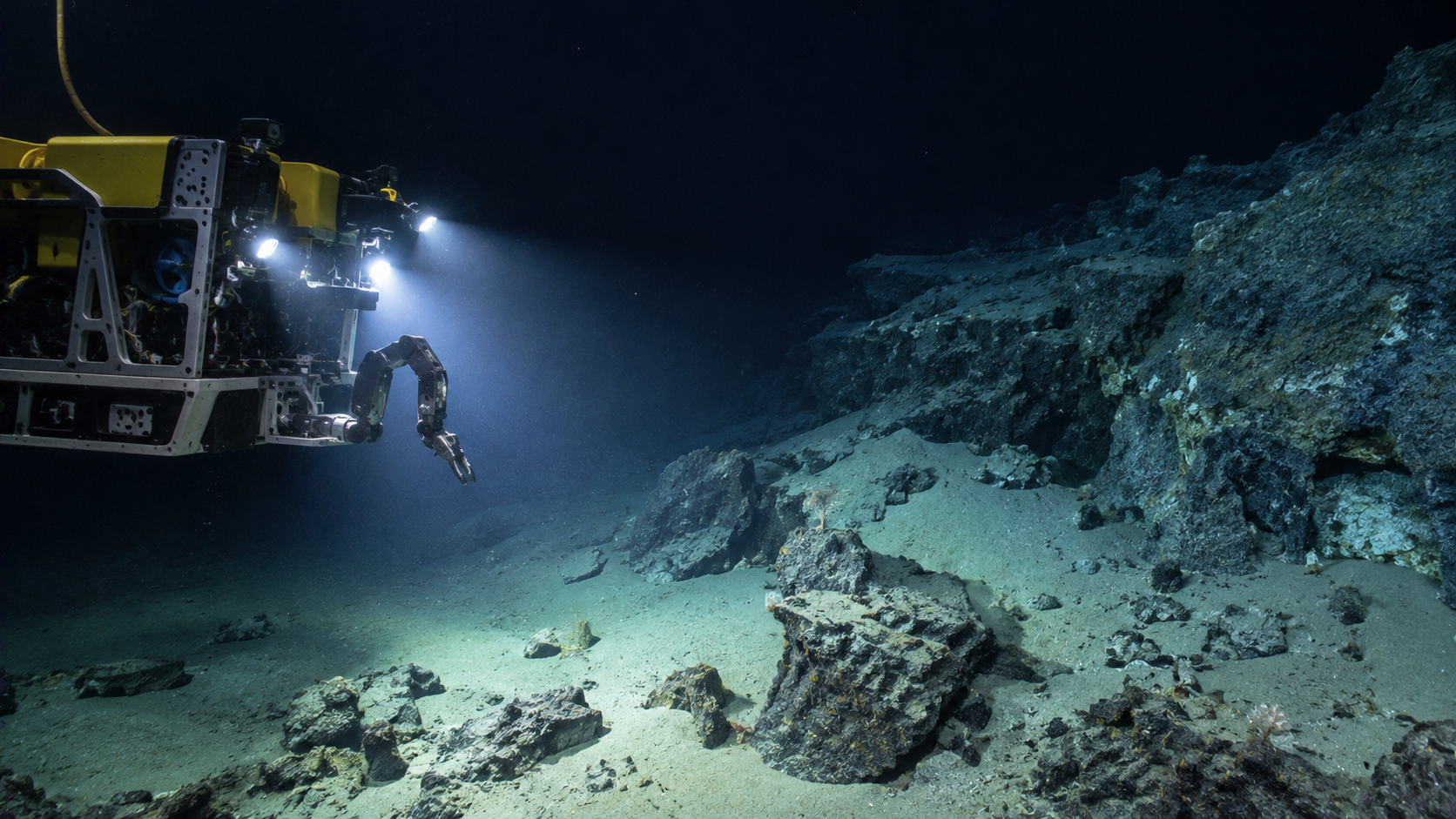
Here´s a number that´s difficult to comprehend: humans have visually observed less than 0.001% of the deep-ocean floor. NOAA compares the total area seen to roughly the size of Rhode Island. Considering the enormous area covered by the deep ocean, almost everything down there remains unseen by human-operated cameras and exploration vehicles.
3. Roughly Two-Thirds of Ocean Species May Still Be Undiscovered or Undescribed
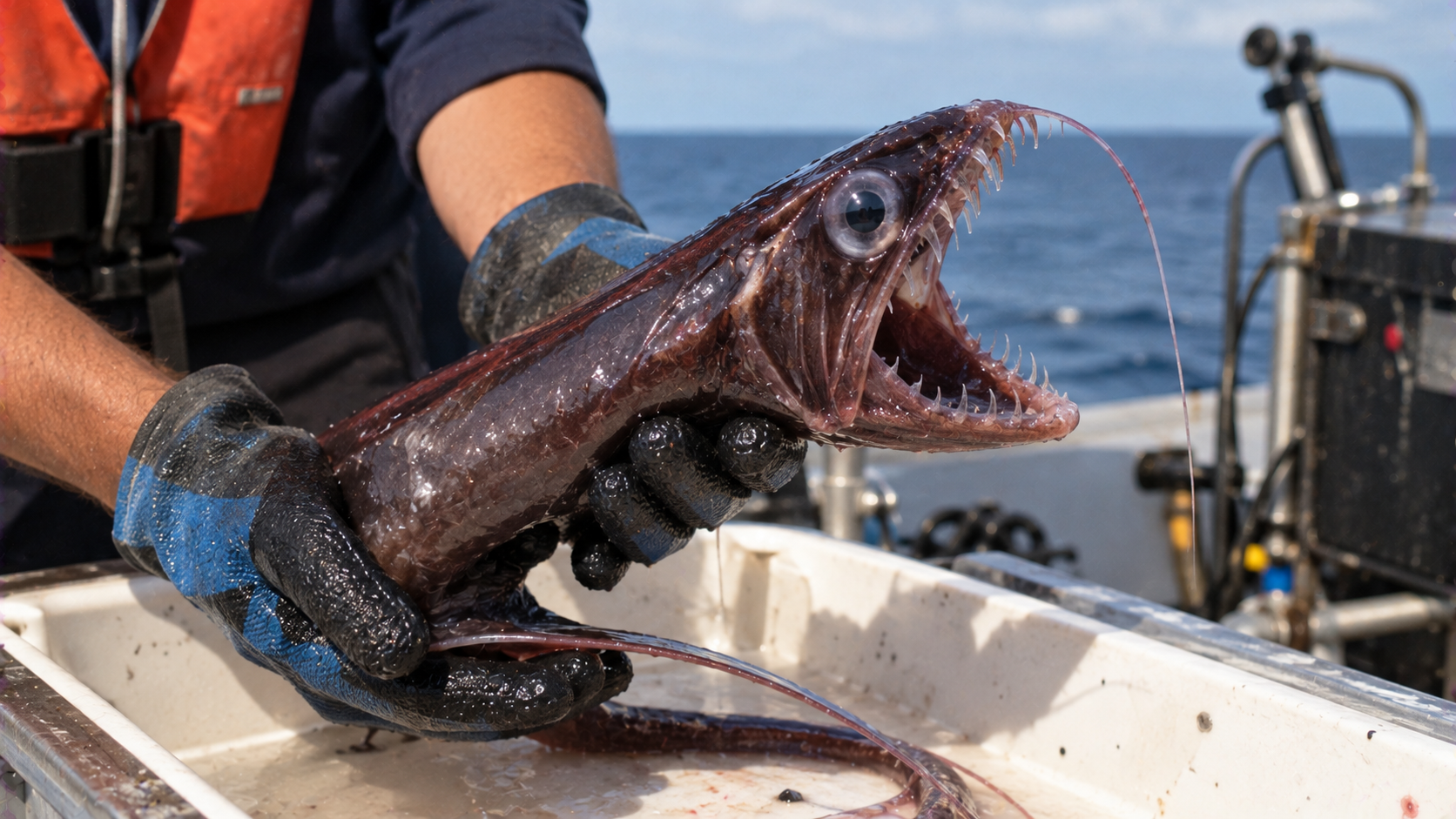
Scientists are still discovering nearly 2, 000 new marine species every year, and that´s only part of the story. NOAA estimates that the ocean may contain between 700, 000 and one million species, excluding most microorganisms. Roughly two-thirds or more remain undiscovered or formally undescribed. The next extraordinary marine animal could already be swimming somewhere we´ve never looked.
4. Less Than One-Tenth of 1% of the World’s Seamounts Have Been Explored
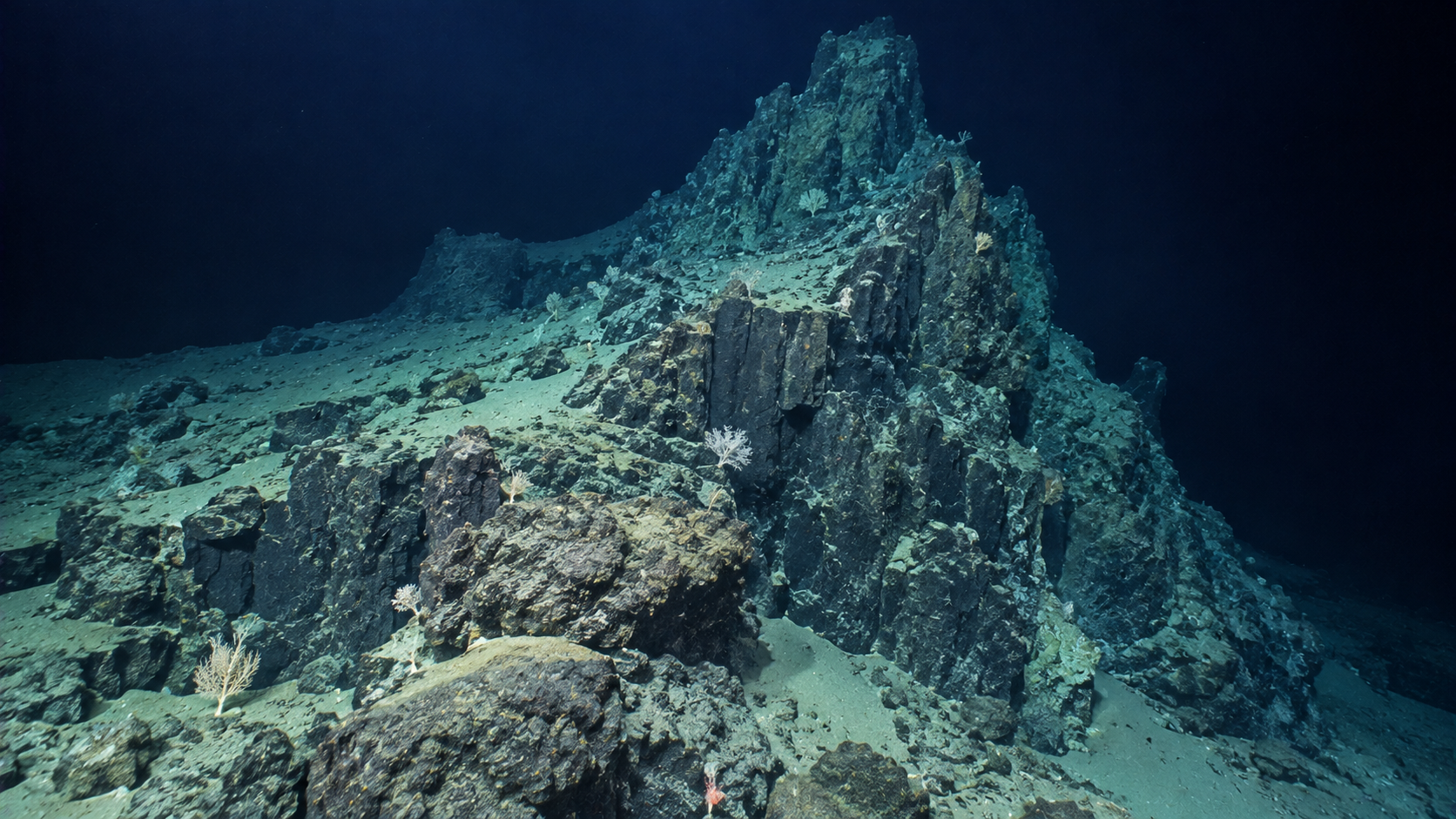
Imagine more than 100, 000 underwater mountains, with almost all of them unexplored. That´s the scale of Earth´s seamount mystery. NOAA estimates that fewer than one-tenth of 1% of seamounts at least 1, 000 meters tall have been explored. Many support distinctive ecosystems, raising an extraordinary question: how many unknown communities of marine life are waiting on those mountains?
5. Modern Sonar Is Still Changing What We Think the Seafloor Looks Like
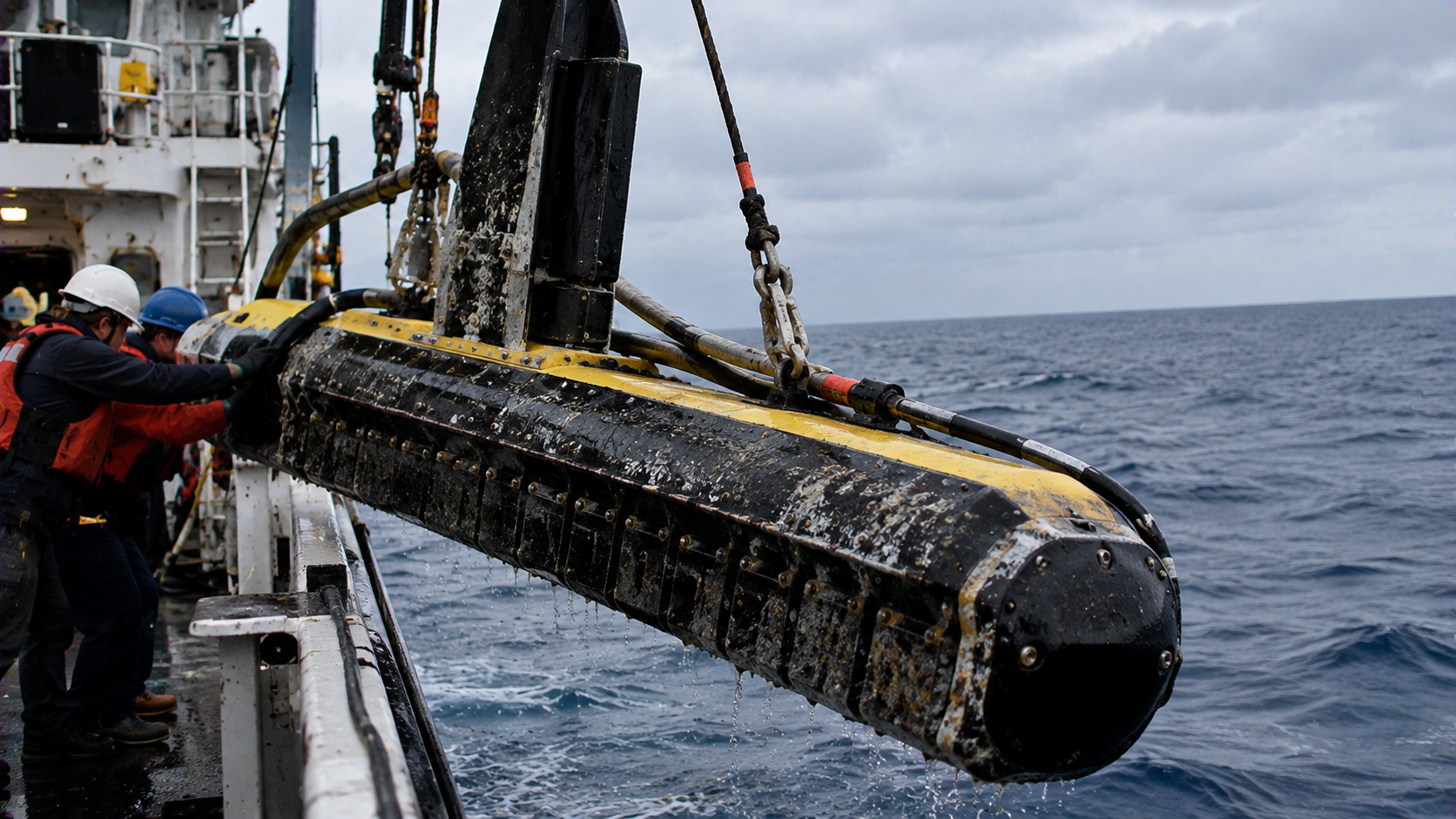
Even features scientists have already identified can turn out to be completely different from expectations. During a 2026 NOAA expedition near Jarvis Island, satellite data suggested one large underwater mountain. Detailed sonar mapping revealed two separate flat-topped seamounts instead, each rising approximately 1, 000 meters. Sometimes, discovering something new simply means looking more closely at what we thought we knew.
Trending on The Scroller

6. The Deepest Parts of the Ocean Remain Some of Earth’s Least Explored Habitats
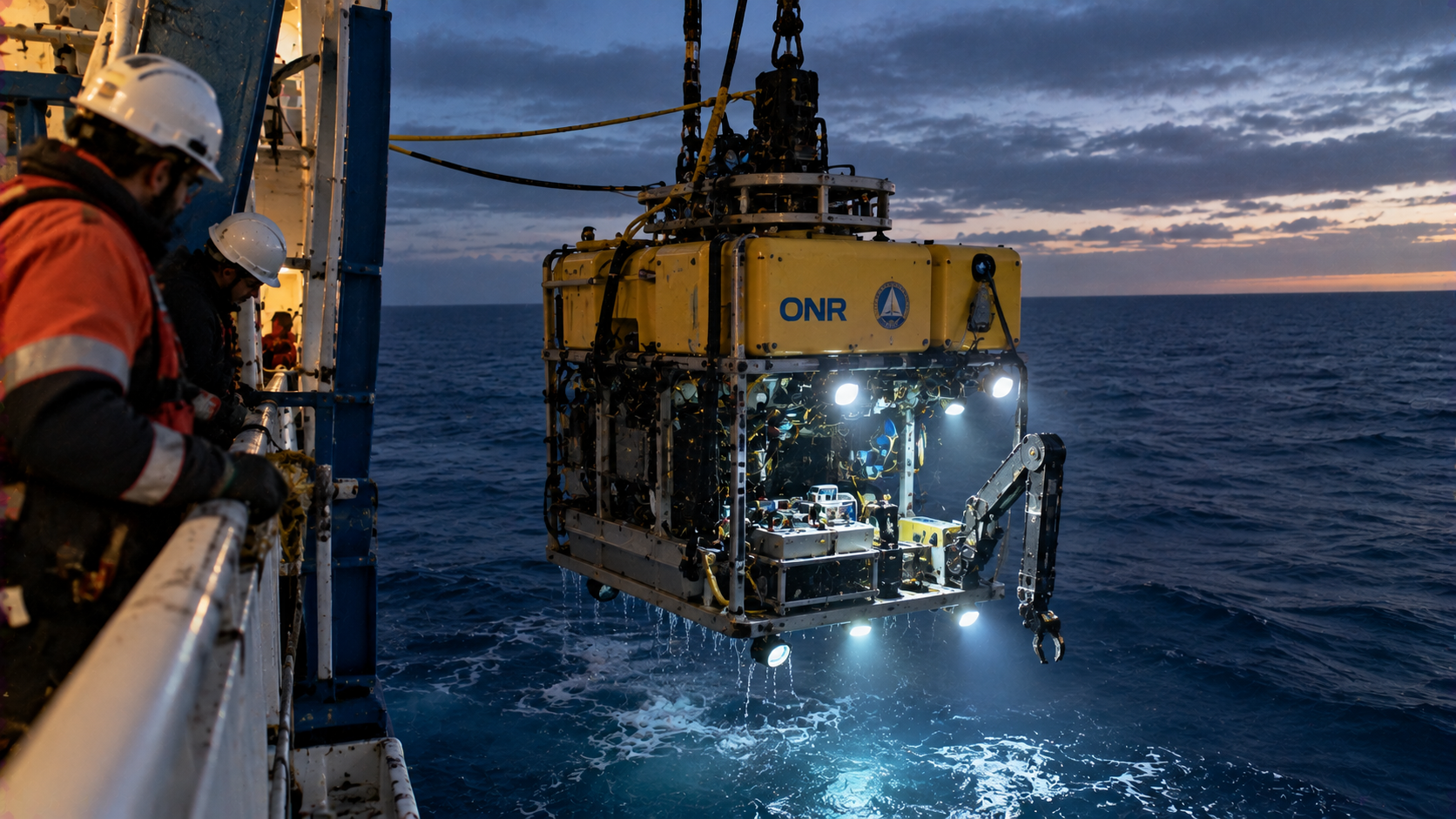
The hadal zone begins around 6, 000 meters below the surface and extends into trenches reaching approximately 11, 000 meters deep. Crushing pressure and extreme isolation make these environments extraordinarily difficult to study. Researchers are still investigating which animals live there, how populations are connected, and how organisms survive in such demanding conditions. Reaching these depths is only the beginning of understanding them.
7. Scientists Still Debate How Much Life Is Hiding in the Ocean’s Twilight Zone
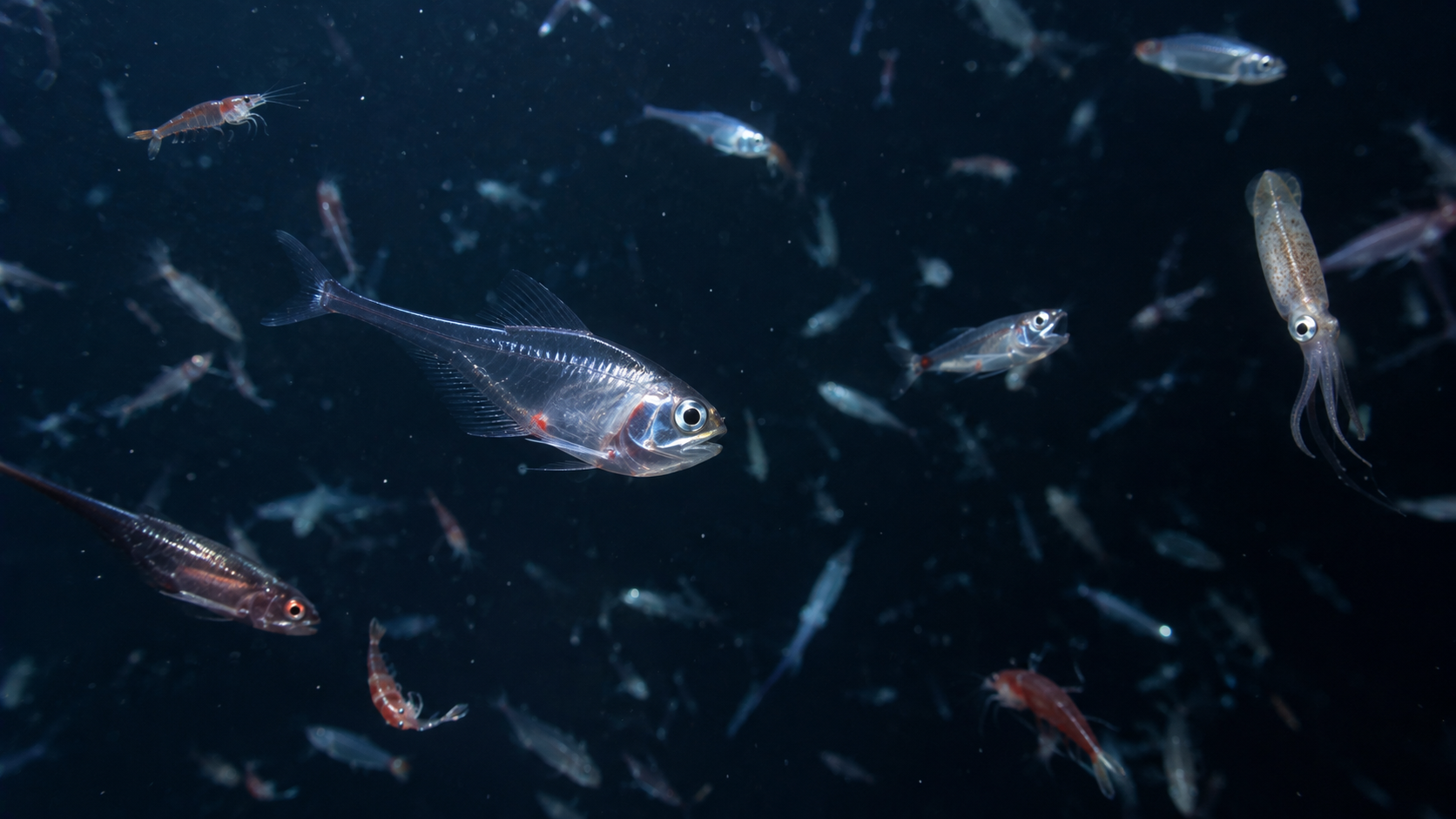
Between 200 and 1, 000 meters beneath the surface lies a vast, dimly lit world called the ocean twilight zone. Some research suggests it could contain more fish biomass than the rest of the ocean combined. But the estimates remain uncertain because many animals avoid sampling nets and are difficult to observe. An enormous portion of marine life may be hiding in a place we still struggle to measure.
8. Earth’s Largest Animal Migration Happens Every Day, Yet We Still Cannot Fully Measure It
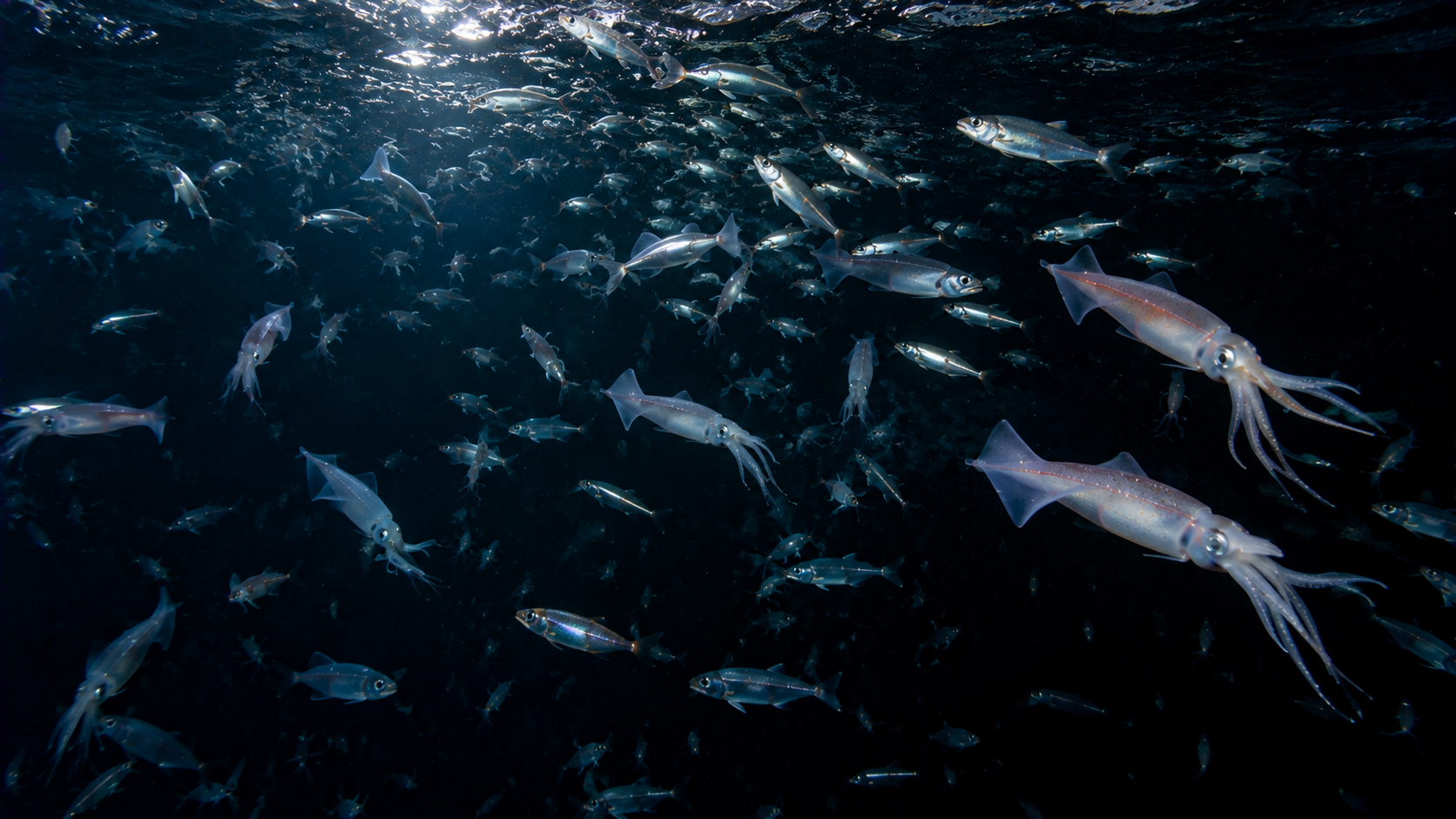
Every night, countless fish, squid, and crustaceans rise toward the ocean´s surface to feed, then descend again before daylight. Known as diel vertical migration, it´s considered Earth´s largest animal migration by biomass. Yet scientists still can´t precisely measure how much life participates or how much carbon these journeys transport downward. How can the planet´s biggest animal migration happen every day and remain so poorly understood?
Sign up for our newsletter
9. Scientists Still Don’t Know Exactly How Efficiently the Ocean’s Carbon Pump Works
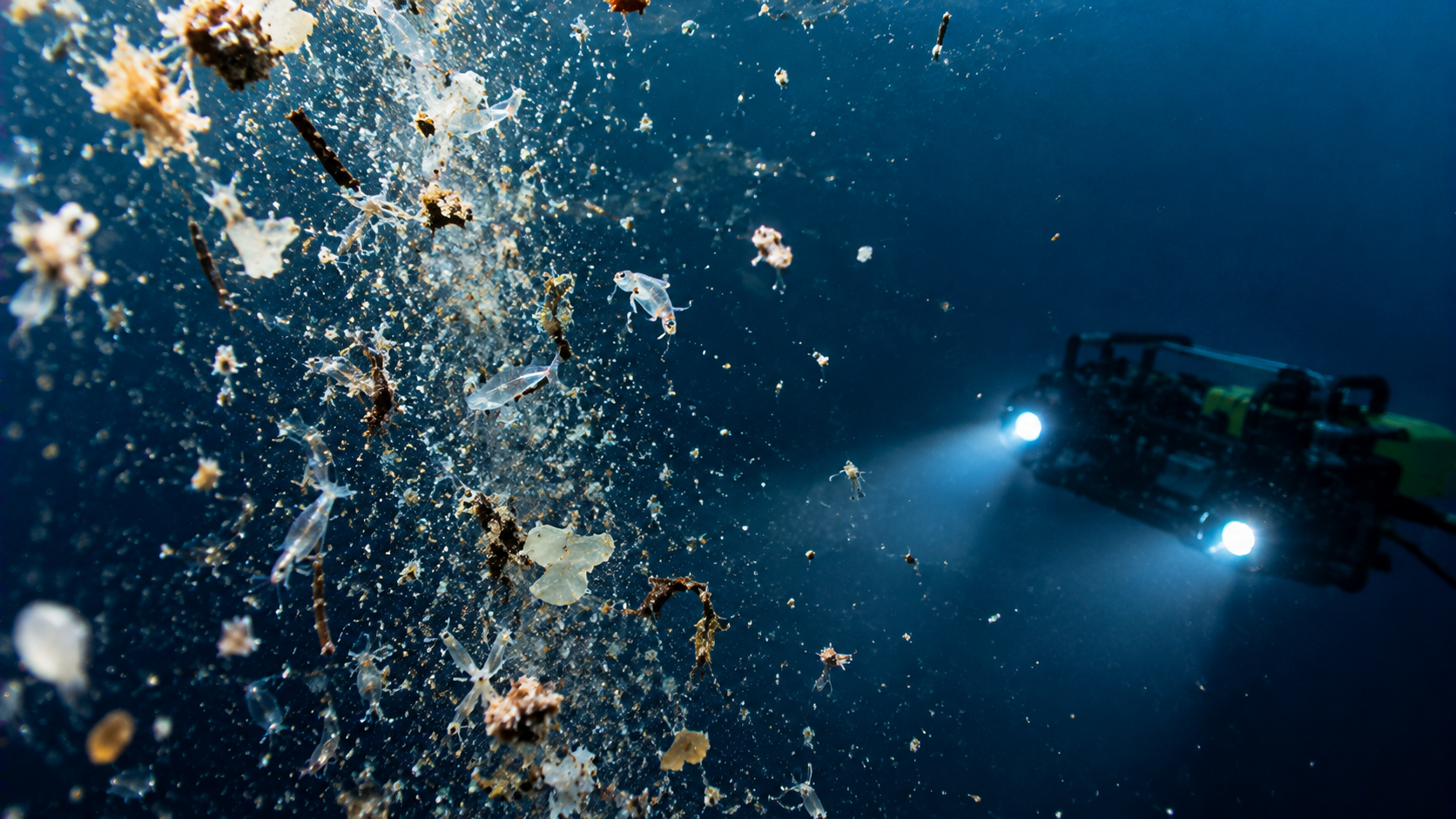
The ocean absorbs about one-quarter of the carbon dioxide released into the atmosphere, but what happens to that carbon afterward is complicated. Sinking particles, microbes, and migrating animals help carry some of it into deeper water through the biological carbon pump. Scientists are still determining how much reaches different depths and how long it remains stored. Those unanswered questions have major implications for understanding Earth´s climate.
10. Much of the Ocean’s Microbial World Is Still Uncharted
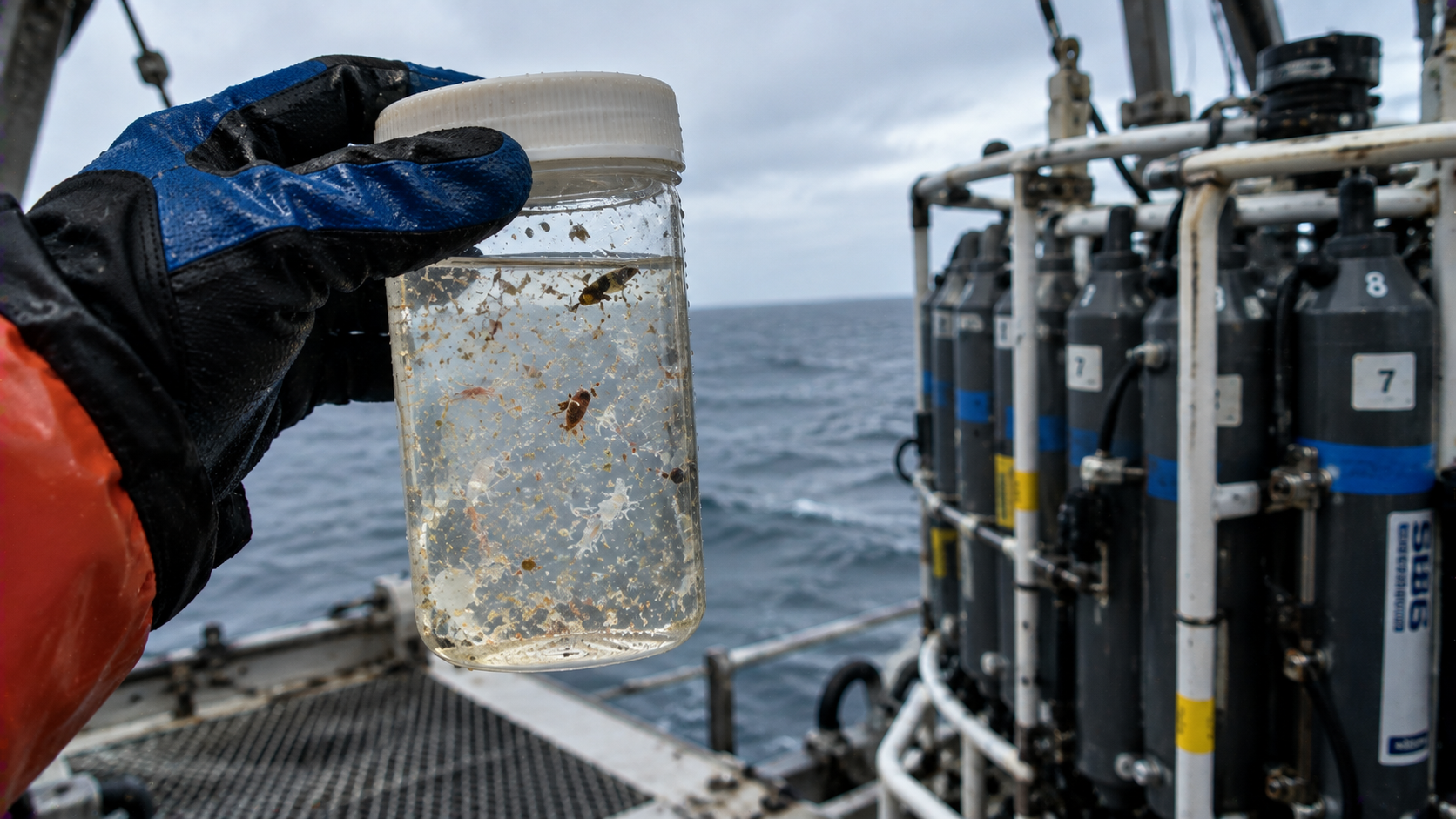
Ocean mysteries can be microscopic. A single millimetre of seawater can contain up to a million microbial cells, yet scientists have sampled only a fraction of the ocean´s microbial biodiversity, particularly in the deep sea. These tiny organisms influence nutrient cycles, marine food webs, and ocean chemistry. Some of the ocean´s most important inhabitants are also among its least understood.
11. Scientists Are Still Finding Entire Hydrothermal Vent Fields
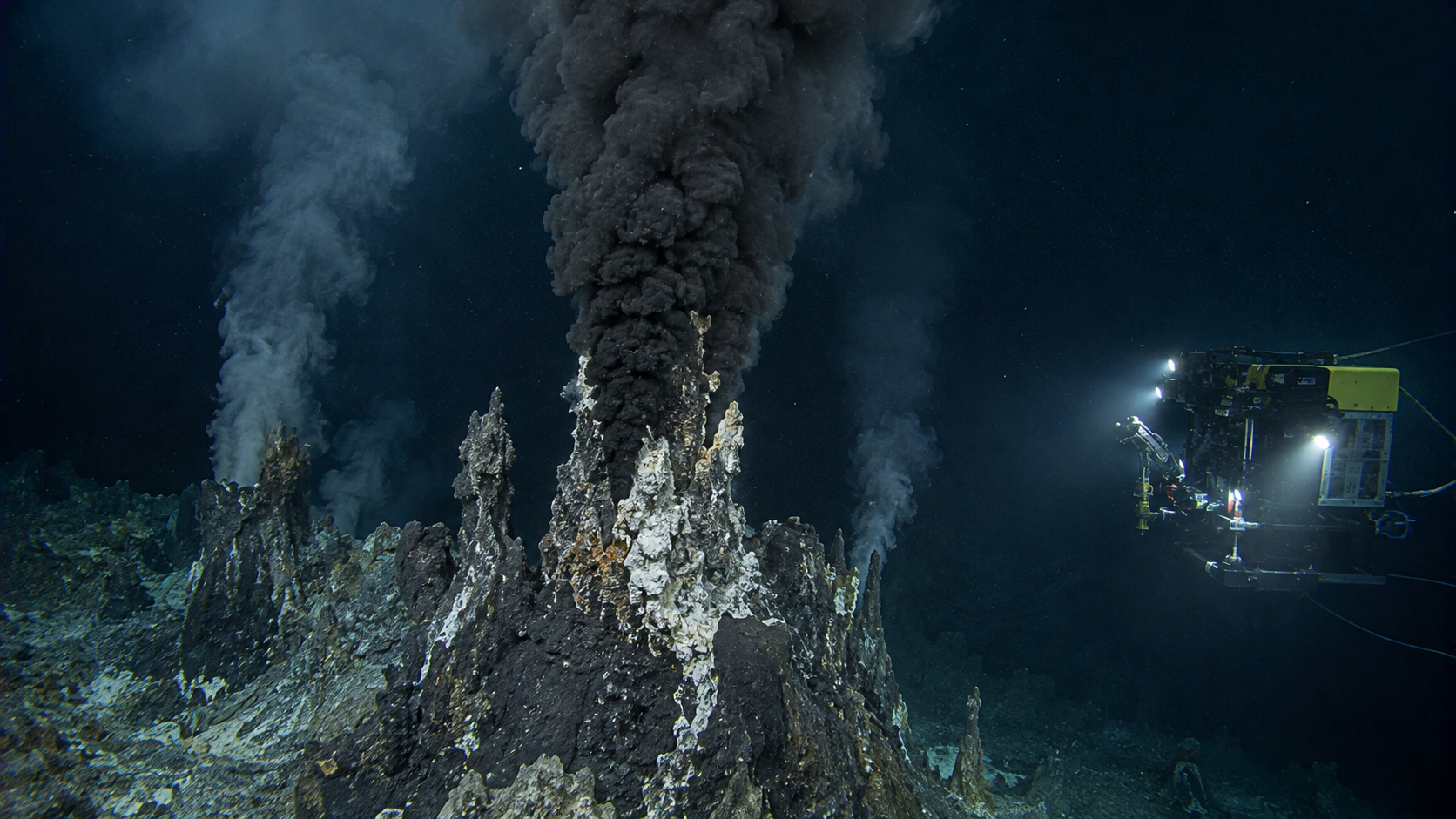
Discovering a new hydrothermal vent isn´t simply finding another underwater hot spring. These systems support entire ecosystems powered by chemical energy rather than sunlight. During an investigation of a 435-mile section of the Mid-Atlantic Ridge, researchers discovered previously unknown high-temperature vent fields in all three areas they examined. Decades after hydrothermal vents became a major focus of ocean science, whole communities are still being found.
12. Most of Earth’s Volcanic Activity Is Hidden Beneath the Ocean
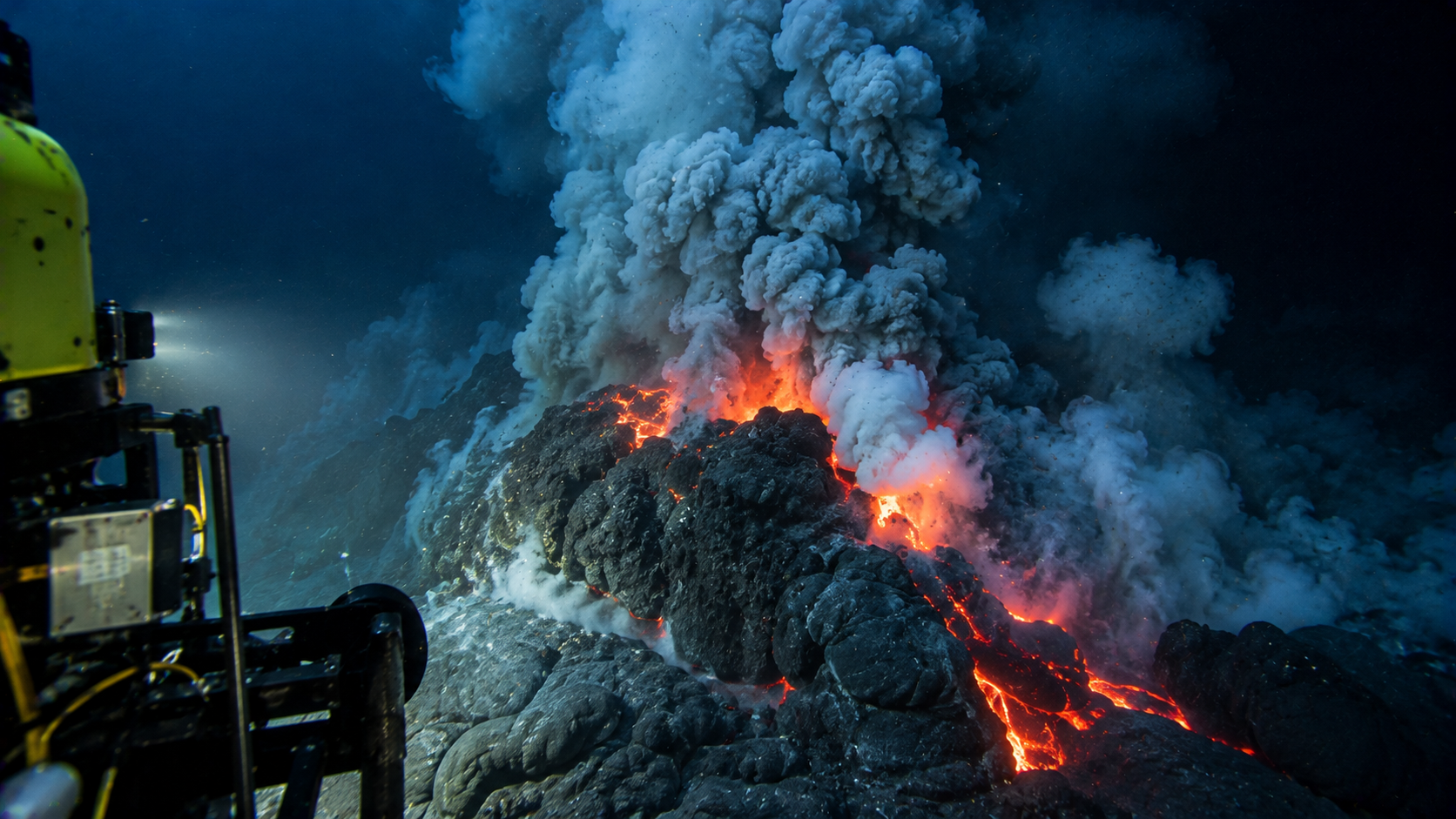
Volcanoes usually bring to mind towering mountains and glowing lava, but approximately three-quarters of Earth´s volcanic activity occurs underwater, according to NOAA. Many eruptions happen more than a mile below the surface, far from direct observation. Scientists are still studying their frequency and effects on marine ecosystems and ocean chemistry. Much of the planet´s volcanic activity takes place where almost nobody can watch it.
13. Thousands of Methane Seeps Have Been Found, and More Are Still Turning Up
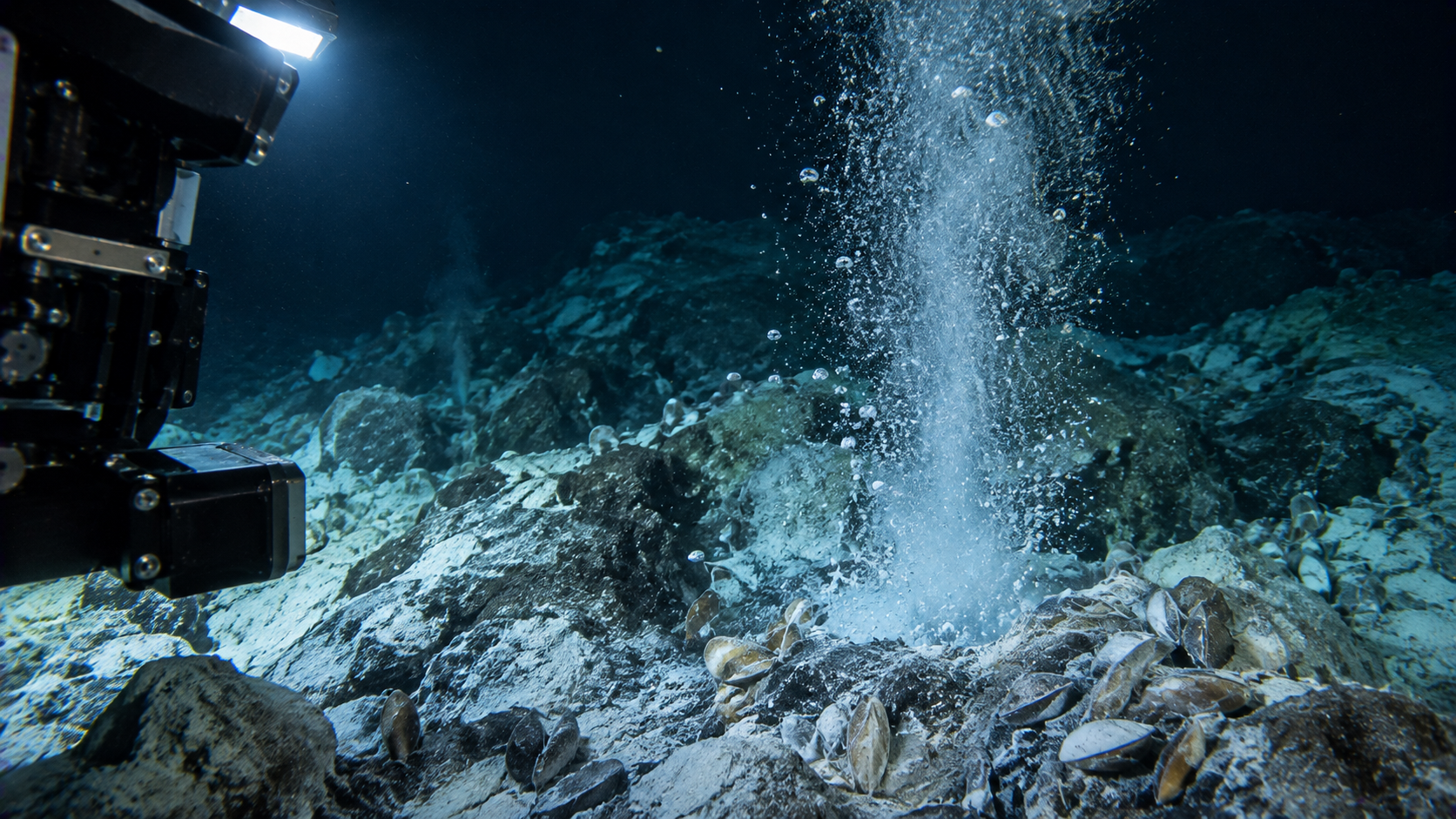
Deep beneath the waves, methane escapes through cracks in the seafloor, creating cold seeps that support unusual biological communities. Thousands have already been discovered, yet new systems continue to appear during ocean expeditions. Microbes use chemical energy to sustain food webs in these environments. What other ecosystems might exist in places where sunlight never reaches, and scientists have barely begun exploring?
14. Entire Deep-Sea Coral Ecosystems Can Exist Without Us Knowing They Are There
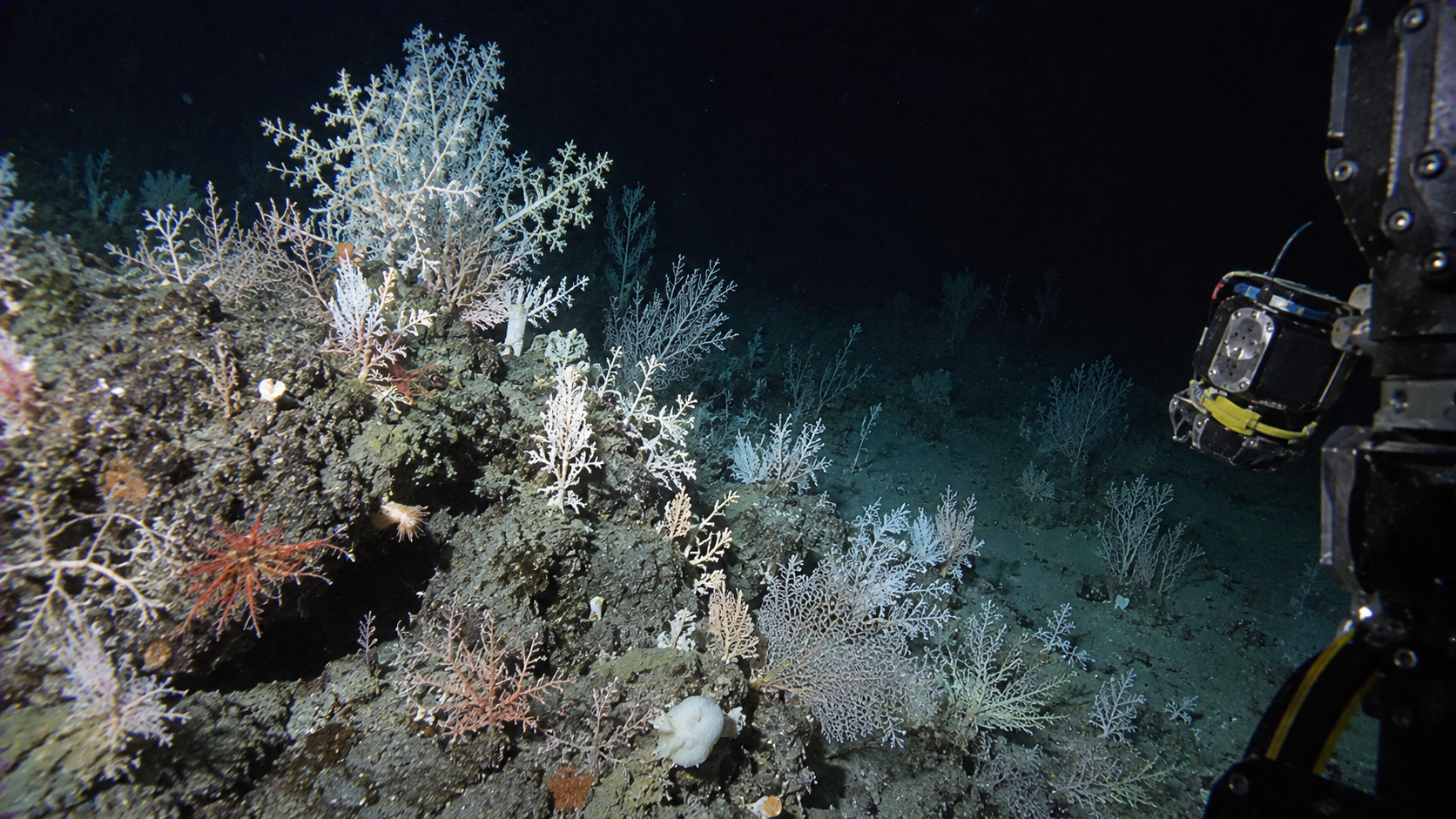
In 2009, NOAA researchers exploring off the southeastern United States encountered extensive, healthy deep-sea coral reefs on two underwater mound features. The remarkable part wasn´t simply their size. Scientists hadn´t known these ecosystems existed, even though the structures could be thousands of years old. Entire habitats can develop and persist for centuries while remaining completely unknown to us.
15. Giant Squid Were Legendary Long Before Scientists Could Watch One Alive
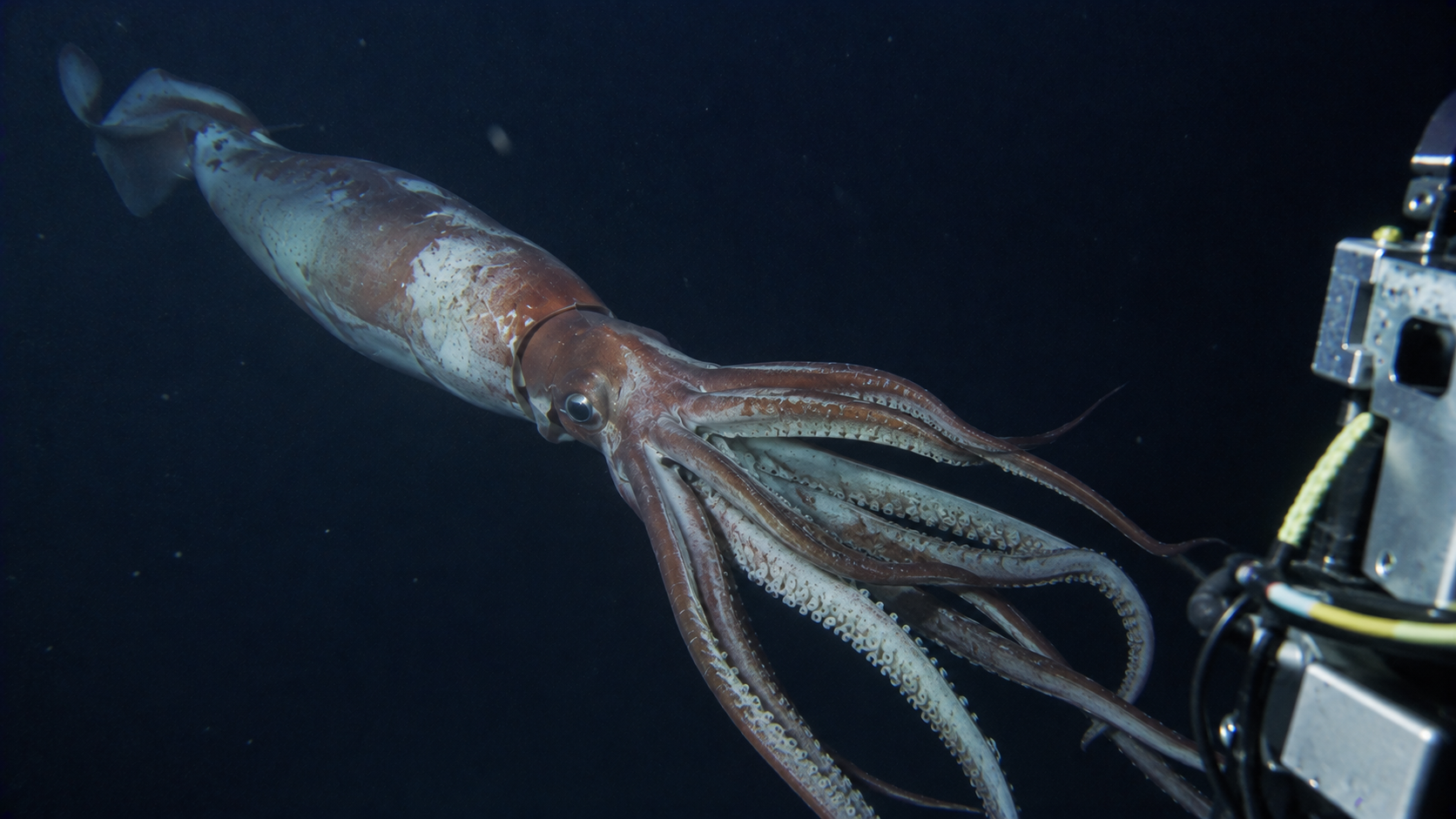
For centuries, giant squid occupied an unusual space between real marine biology and seafaring legend. Their deep-water habitat made observing them alive extraordinarily difficult. Footage of a living giant squid in its natural environment wasn´t captured until the 21st century, and a 2019 Gulf of Mexico sighting was only the second such deep-ocean filming reported by NOAA. Even today, much of their natural behavior remains difficult to observe.
16. Scientists Can Find Ocean Animals Without Ever Seeing Them
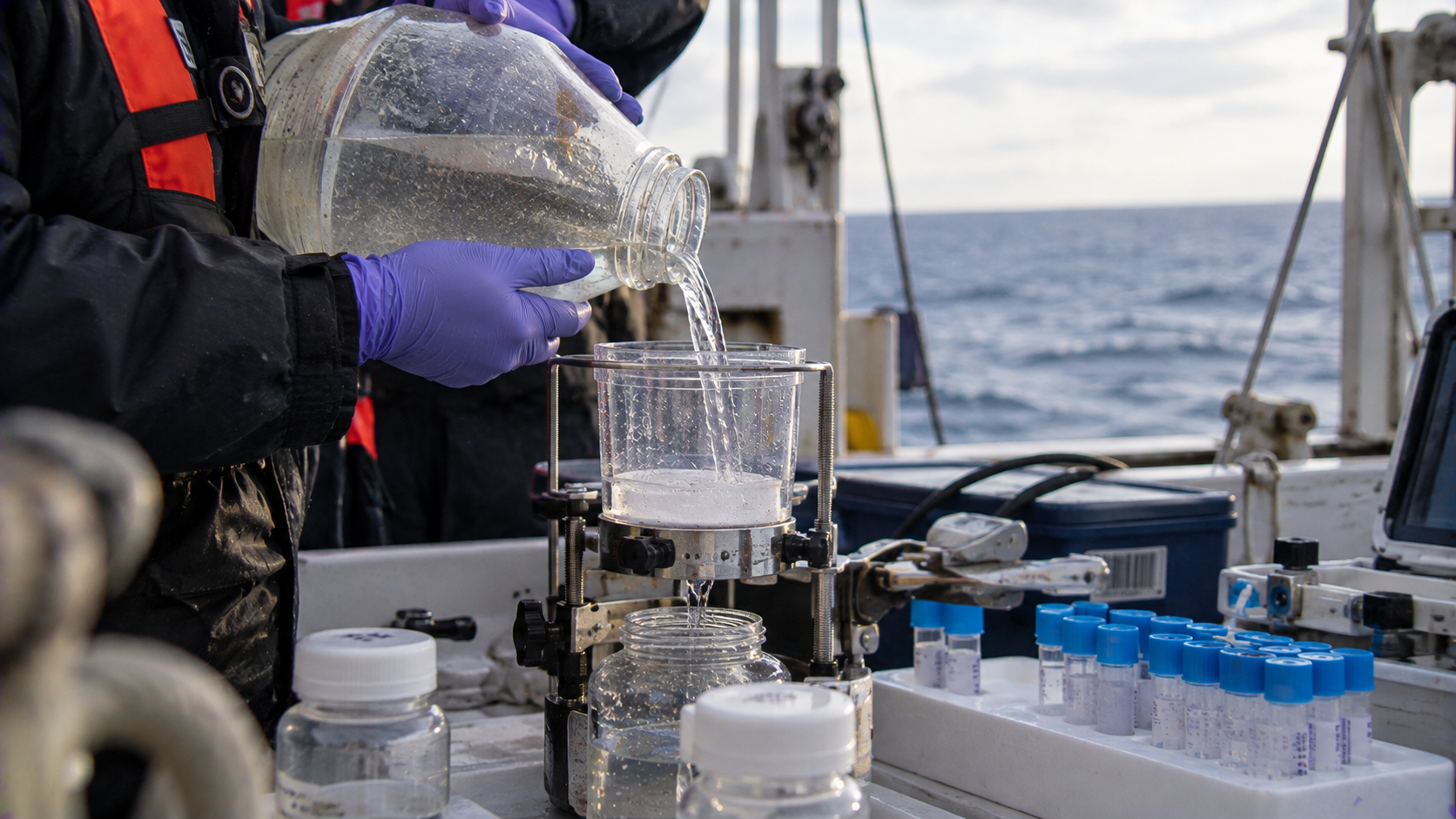
What if a bottle of seawater could reveal creatures that cameras and nets never detected? Environmental DNA, or eDNA, makes that possible. Animals leave genetic traces in the water, allowing researchers to identify evidence of fish, jellyfish, marine mammals, and other organisms without directly observing them. In 2026, NOAA released its first deep-sea eDNA data from Okeanos Explorer expeditions, opening another window into largely uncharted marine life.
17. Scientists Have Identified Hundreds of Major Gaps in Our Understanding of the Deep Ocean and Climate
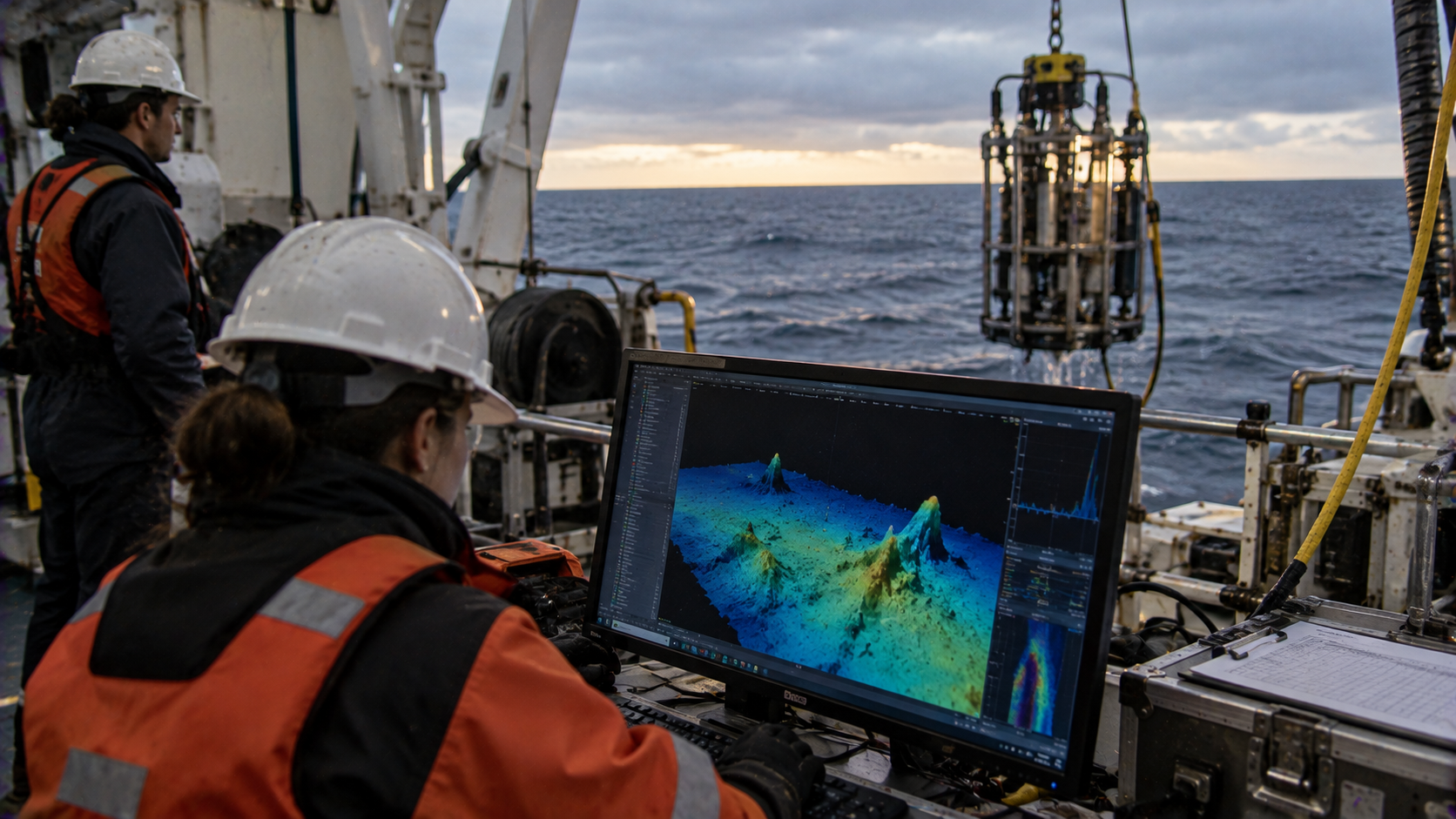
The ocean´s biggest mysteries aren´t limited to strange animals and unexplored terrain. A 2024 scientific assessment identified 219 significant gaps in deep-ocean climate research, covering everything from circulation and carbon storage to acidification and ecosystem responses. How can we predict the ocean´s future when so many of the processes shaping it remain incompletely understood? Answering those questions is a major challenge for marine science.
The more scientists explore the ocean, the clearer it becomes that discovery is only beginning. Unmapped mountains, hidden ecosystems, unfamiliar organisms, and unanswered climate questions reveal a world that’s far more complex than the surface suggests. Some of Earth’s greatest scientific frontiers are still underwater.
Keep Exploring The Scroller
The ocean isn’t the only place keeping extraordinary secrets. Keep exploring The Scroller for remarkable discoveries, unexpected natural phenomena, and fascinating questions that prove the world still has plenty left to reveal:
20 Ocean Facts That Might Spark Thalassophobia
20 “Impossible” Structures Found Deep in the Ocean That Science Can’t Explain
16 Ocean Creatures Discovered Recently That Look Like Sci-Fi