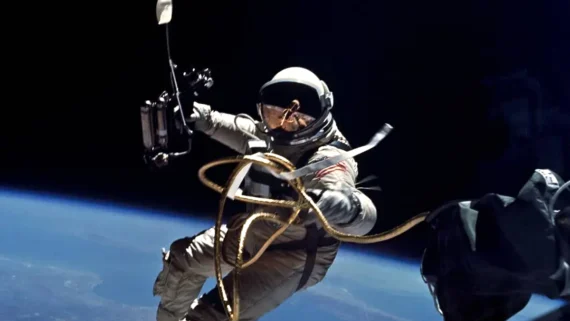
Throughout the history of human progress, even the most brilliant minds have made bold scientific predictions that completely missed the mark. When experts look toward the future, they often base their confident forecasts entirely on the limited technology of their current era, leading to some spectacularly inaccurate guesses. From esteemed physicists declaring that human flight was physically impossible to prominent medical experts warning about the deadly consequences of traveling on high-speed trains, history is filled with hilarious miscalculations.
What makes these vintage forecasting failures so incredibly fascinating is the absolute certainty with which they were delivered to the public. Highly educated scholars and legendary inventors frequently staked their entire professional reputations on concepts that modern elementary school students would instantly recognize as absurd. Looking back at these monumental blunders serves as a fantastic reminder that true innovation constantly defies our basic expectations. Here are twelve famous scientific forecasts that turned out to be spectacularly wrong.
1. Lord Kelvin on airplanes
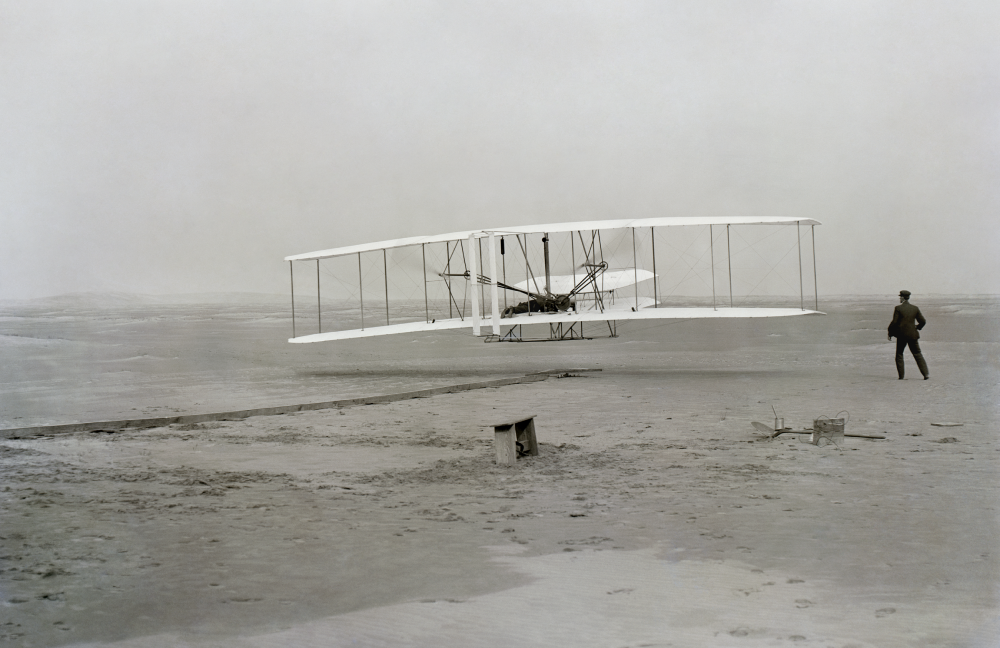
In 1895, the highly esteemed British physicist Lord William Thomson Kelvin confidently declared that heavier-than-air flying machines were a physical impossibility. He stubbornly maintained this rigid scientific stance even as bicycle mechanics Orville and Wilbur Wright were actively building their legendary wooden Flyer in a cramped Ohio workshop. The brilliant scientist tragically died in 1907, just a few short years after witnessing the Wright brothers successfully conquer the skies over Kitty Hawk.
2. Dionysius Lardner on high-speed trains

During the early days of the British railway boom in the 1830s, prominent science writer Dr. Dionysius Lardner publicly warned that high-speed train travel would be fatal to human passengers. He passionately argued that if a steam locomotive ever reached the terrifying speed of thirty miles per hour, the resulting air pressure would aggressively suck the oxygen out of the passenger cabins and cause mass asphyxiation. Millions of daily commuters now safely travel at triple those speeds without ever giving their oxygen supply a second thought.
3. Thomas Watson on world computers

The legendary IBM chairman Thomas J. Watson allegedly stated in 1943 that the entire global market would only ever need about five computers. At the time, early calculating machines like the massive ENIAC were gargantuan, room-filling behemoths composed of thousands of fragile vacuum tubes and tangled black wires that required constant physical maintenance. Today, nearly every single human being carries a vastly more powerful digital computer right inside their denim pocket.
4. Dr. John Harvey Kellogg on the appendix

Famous cereal inventor and eccentric medical practitioner Dr. John Harvey Kellogg firmly believed that the human appendix was a completely useless evolutionary mistake waiting to burst. Operating out of his luxurious Battle Creek Sanitarium in Michigan during the late nineteenth century, he routinely performed preventative appendectomies on perfectly healthy patients just to be safe. Modern immunologists have since discovered that this tiny tubular organ actually serves as a vital safe house for beneficial gut bacteria during severe digestive illnesses.
5. Albert Einstein on nuclear energy

Even the absolute greatest minds in physics occasionally stumble when forecasting the future capabilities of their own field. In 1932, the legendary Albert Einstein publicly stated that there was not the slightest indication that nuclear energy would ever be obtainable, essentially declaring atomic power a total fantasy. Just ten years later, physicist Enrico Fermi successfully triggered the world’s very first controlled nuclear chain reaction underneath the brick stands of the University of Chicago football stadium.
Trending on The Scroller


6. Simon Newcomb on powered flight

Just eighteen months before the Wright brothers successfully took flight, distinguished American astronomer Simon Newcomb published a detailed scientific essay mathematically proving that motorized flight was completely impossible. He argued that unless humanity discovered a brand new mysterious alloy, no known material was strong enough to support the weight of a mechanical engine while remaining light enough to lift off the ground. The brilliant academic relied entirely on the physical limitations of massive steam engines, completely ignoring the rapid development of lightweight internal combustion.
7. Alexander Graham Bell’s telephone critics
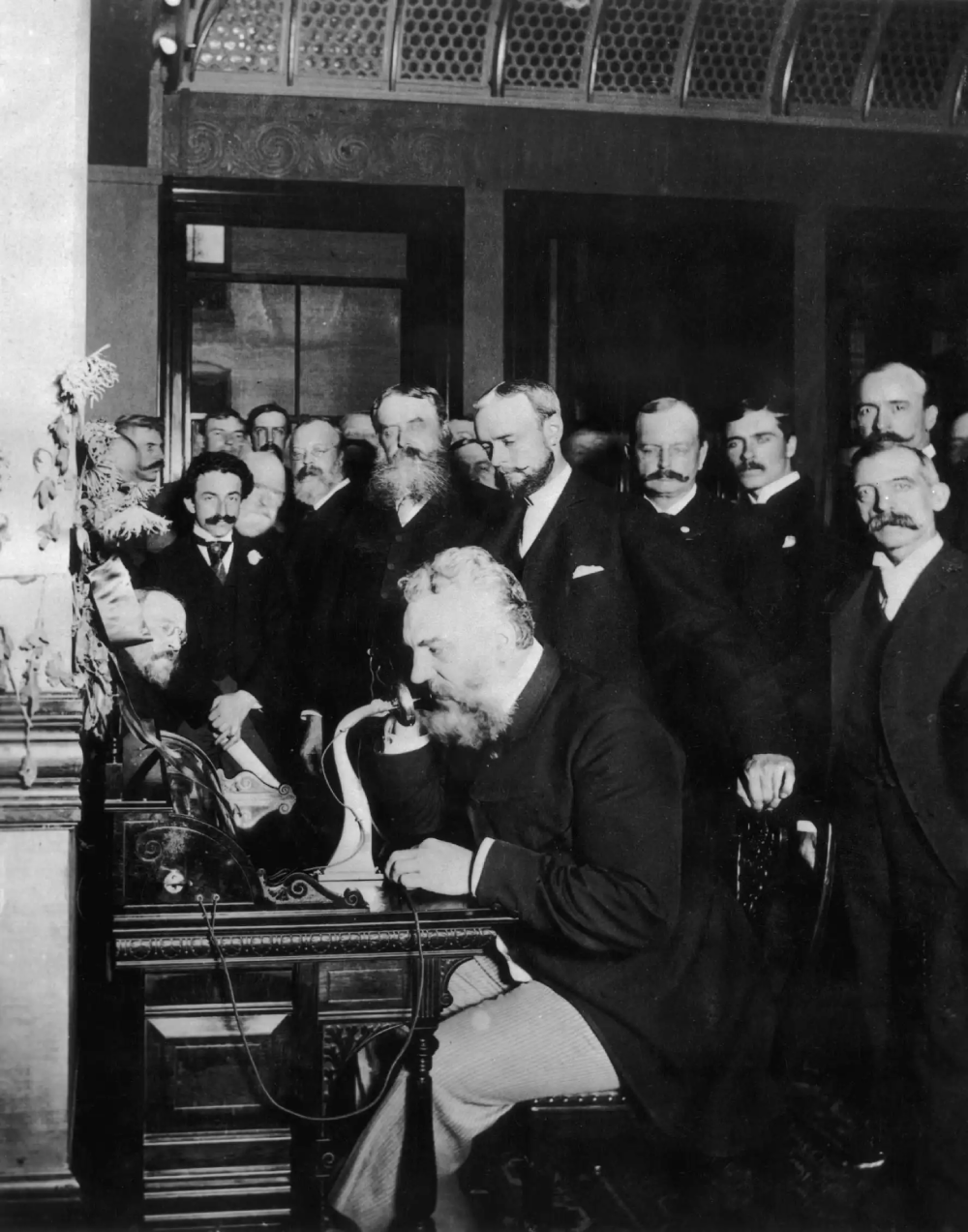
When Alexander Graham Bell first presented his revolutionary telephone prototype to the powerful Western Union telegraph company in 1876, their executives spectacularly rejected his patent. Their internal scientific committee drafted a harsh memo declaring that the odd wooden device had too many fatal shortcomings to ever be seriously considered as a practical means of communication. Within a single decade, those same dismissive executives were desperately scrambling to compete with Bell’s massive global telecommunications monopoly.
8. Robert Millikan on harnessing atomic power

Nobel Prize-winning American physicist Robert Millikan firmly believed that humanity would never be able to tap into the immense power hidden inside atoms. During a prominent scientific speech in 1928, he confidently told his audience that any attempt to harness atomic energy was a completely childish pipe dream that violated basic natural laws. He spent his final years witnessing the terrifying reality of the Manhattan Project and the rapid construction of massive nuclear power plants across the country.
Sign up for our newsletter
9. Erasmus Wilson on the electric lightbulb
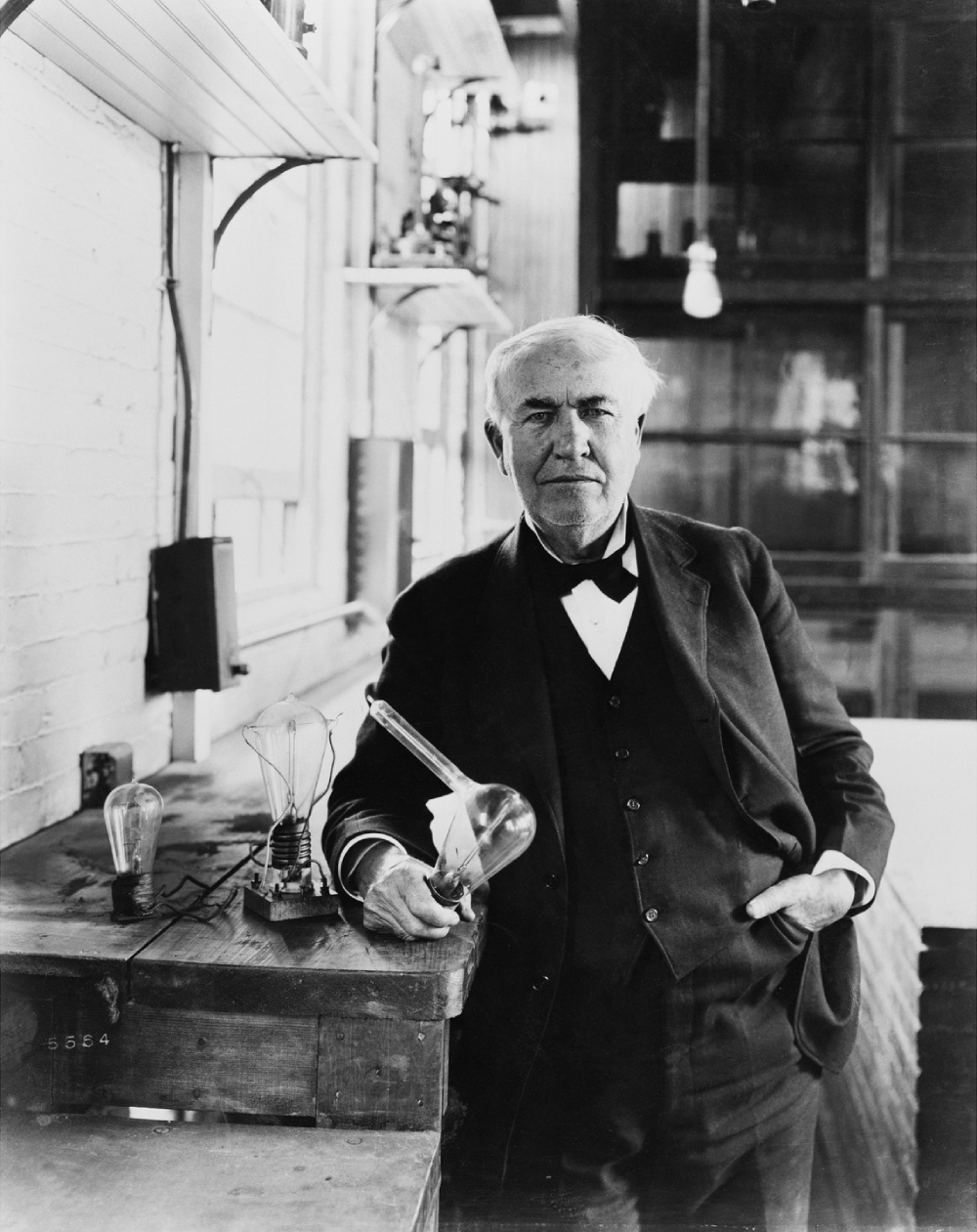
During the 1878 Paris Exhibition, prominent Oxford University professor Erasmus Wilson carefully examined the glowing electric light bulb and dismissed the entire concept as a cheap parlor trick. He proudly told the gathered scientific press that when the exhibition closed, the electric light would completely vanish and never be heard from again. Thomas Edison completely destroyed this confident forecast just one year later by unveiling a long-lasting, commercially viable incandescent bulb at his Menlo Park laboratory in New Jersey.
10. Ken Olsen on home computers
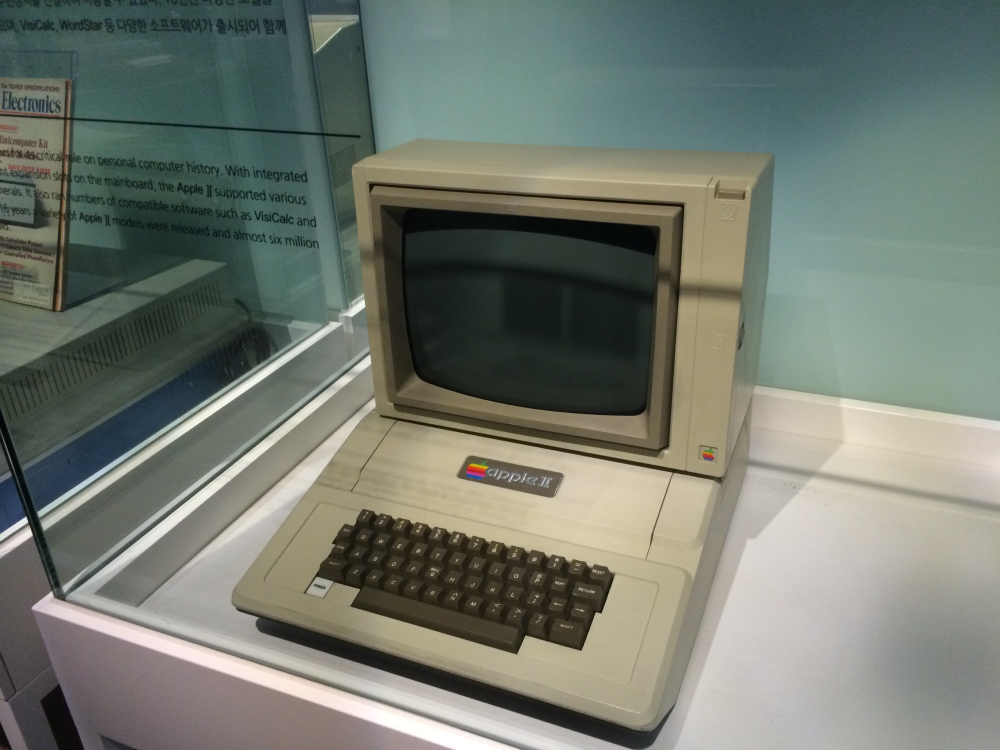
As the founder of the massive Digital Equipment Corporation, engineer Ken Olsen was a towering figure in the early tech industry of the 1970s. However, during a 1977 convention in Boston, he notoriously stated that there was absolutely no reason why any individual would ever want a computer in their private home. He completely failed to anticipate the explosive arrival of the Apple II and the massive cultural shift toward personal desktop computing that defined the following decade.
11. The New York Times on rocket travel

When visionary physicist Robert Goddard published his theories on using liquid-fueled rockets to reach the moon, The New York Times published a scathing editorial mocking his basic intelligence in 1920. The newspaper aggressively claimed that Goddard lacked the high school-level knowledge required to understand that a rocket could not physically thrust against the empty vacuum of space. The publication famously issued a highly embarrassing official retraction on July 17, 1969, exactly one day after the Apollo 11 Saturn V rocket launched for the lunar surface.
12. Richard F. Lee on the television

In 1939, influential radio broadcasting executive Richard F. Lee watched early television prototypes and confidently predicted the technology would completely fail in the American market. He argued that families were far too busy to sit completely still in a dark living room just to stare at a tiny glowing screen for hours on end. By the late 1950s, bulky wooden television sets had aggressively invaded nearly every single suburban home, completely destroying the golden age of radio programming.
In the mood for more scientific stories?
Looking back at these hilariously misguided forecasts proves that human progress rarely follows a predictable, logical path. The most brilliant experts in the world can analyze all the available data and still completely miss the revolutionary breakthroughs waiting just around the corner. If you love exploring forgotten historical blunders and incredible true stories, make sure to check out these 15 Major Science Theories That Were Wrong or these 20 Bizarre Facts Science Can Actually Back Up. You can also explore these 15 Scientific Reasons Your Body Does Weird Things.