The vast majority of our planet’s oceans remain unexplored, hiding secrets that challenge everything we thought we knew about human history and geology. Every so often, sonar technology or daring deep-sea divers stumble upon anomalous structures that simply shouldn’t exist according to the conventional timeline of civilization. These underwater finds range from perfectly geometric monoliths to sprawling city-like grids that sit at depths where sunlight has never reached. When science encounters these anomalies, the debate often splits between natural geological freak accidents and the remnants of lost, technologically advanced societies.
The mystery of these sunken structures is intensified by the fact that many are located in areas that haven’t been above sea level for over ten thousand years. This creates a chronological puzzle: if these are indeed man-made, they were built by a people who theoretically didn’t have the tools or the social organization to construct them. As we map more of the ocean floor, we are forced to confront the possibility that the “cradle of civilization” might actually be resting under miles of saltwater. Let’s dive into twenty of the most baffling underwater discoveries that continue to leave the world’s leading experts speechless.
1. The Yonaguni monument – Japan
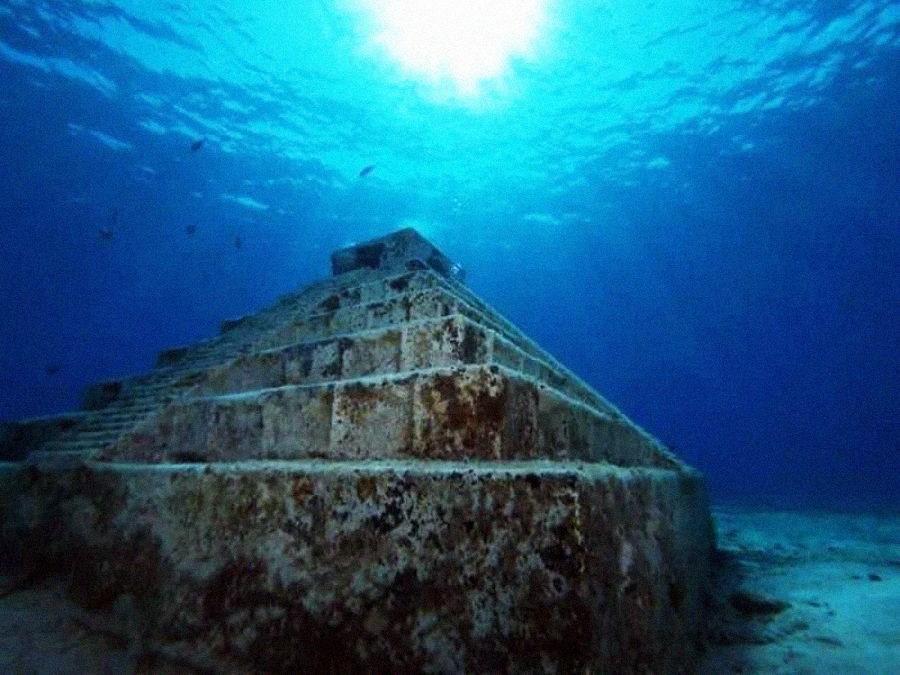
Discovered by a diver looking for hammerhead sharks, this massive stepped pyramid off the coast of Japan features flat edges and 90-degree angles that look strikingly intentional. While some geologists argue it’s a natural formation created by tectonic activity, the presence of what look like stairways and carved channels suggests a human hand. If it is man-made, it would have to have been built at least 10,000 years ago when the area was above water, pre-dating most known civilizations.
2. The Bimini road – Bahamas
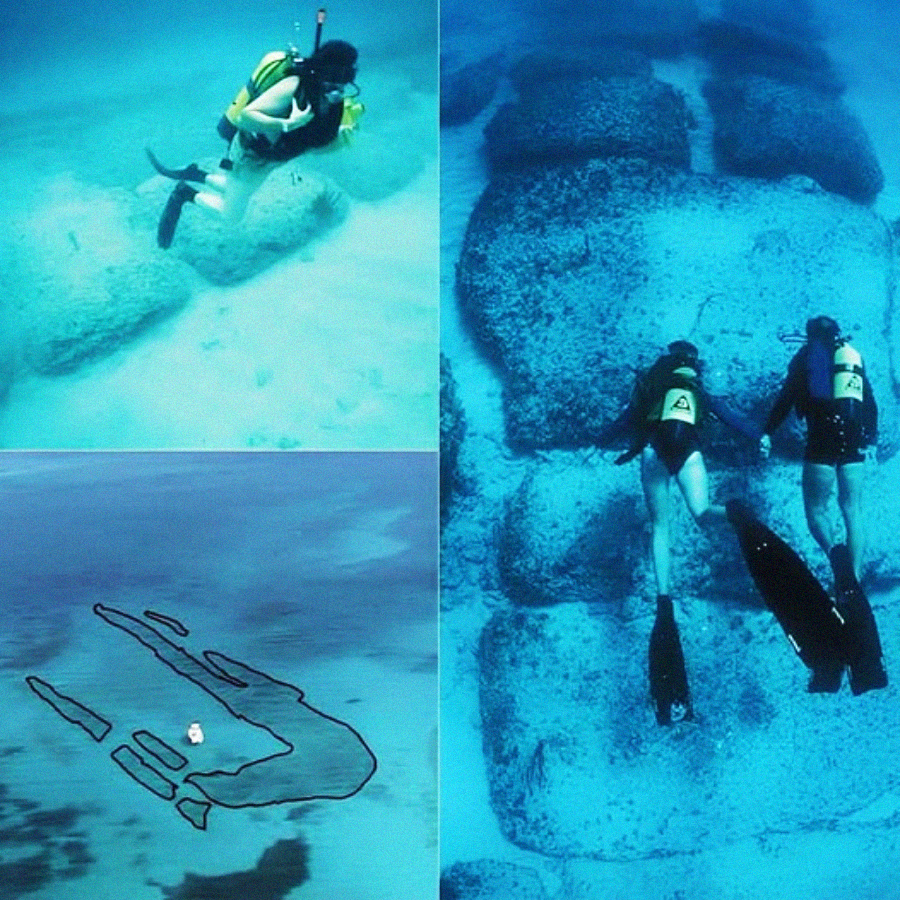
In the clear waters of the Bahamas, there is a half-mile-long path of perfectly rectangular limestone blocks that looks like a paved highway to nowhere. Carbon dating of the stones and the shells embedded within them has provided conflicting results, leading many to believe it could be a remnant of the legendary Atlantis. Despite claims that it’s just “tessellated pavement” caused by natural erosion, the uniform size of the blocks remains a glaring scientific anomaly.
3. The Cuban underwater city
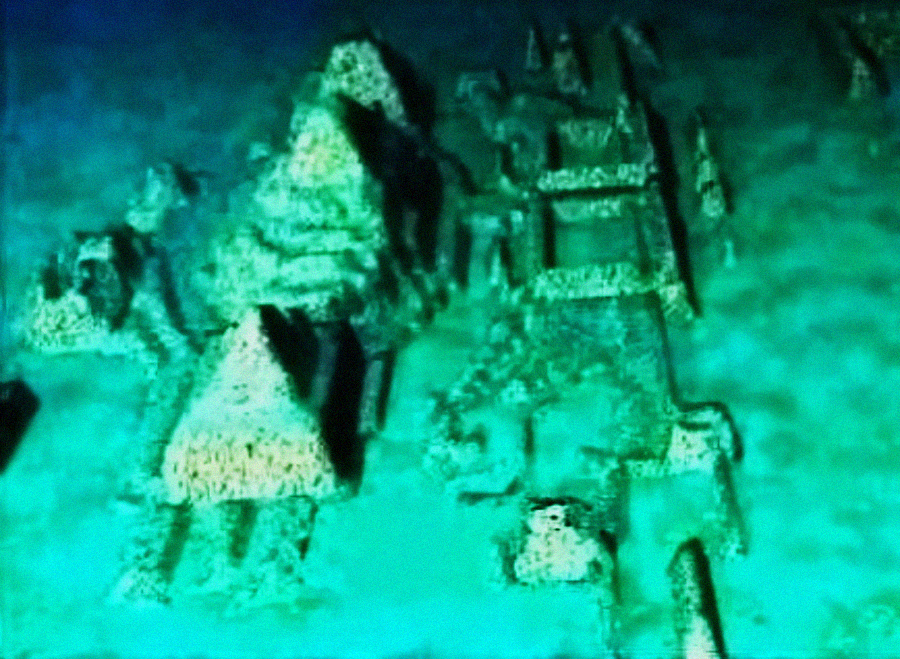
In 2001, a sonar survey off the coast of Cuba revealed a series of symmetrical stone structures covering an area of nearly two square kilometers at a depth of 2,000 feet. The images show what look like pyramids and circular buildings, but the extreme depth makes it nearly impossible for humans to have built them during any known era. Geologists are baffled because the shelf this “city” sits on hasn’t been above the waves for over 50,000 years, defying every historical model we have.
4. The Baltic Sea anomaly
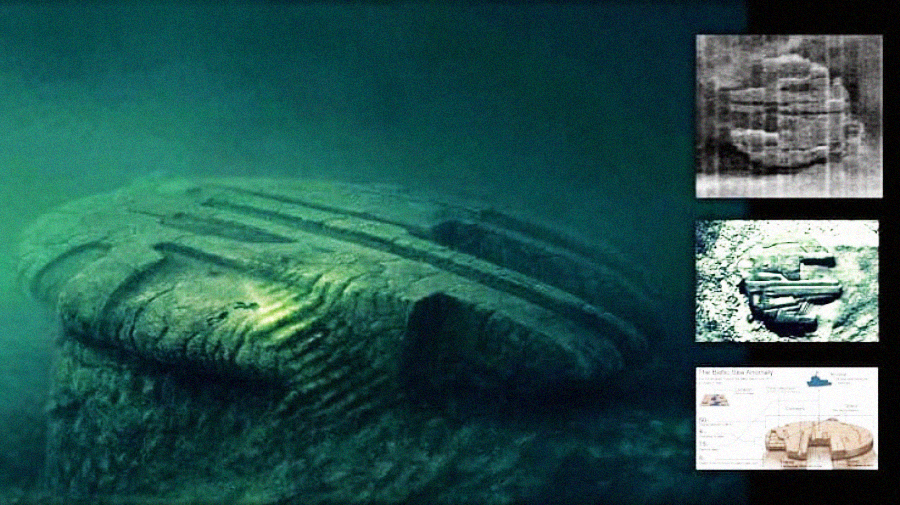
Often described as a “sunken UFO,” this 60-meter-wide circular object was found at the bottom of the Baltic Sea and features strange ridges and what look like landing tracks. Even more bizarrely, divers reported that their electronic equipment and satellite phones stopped working whenever they got within 200 meters of the object. While some suggest it’s a secret anti-submarine device, its geometric complexity and strange metallic composition haven’t been fully explained by science.
5. The Lake Michigan Stonehenge
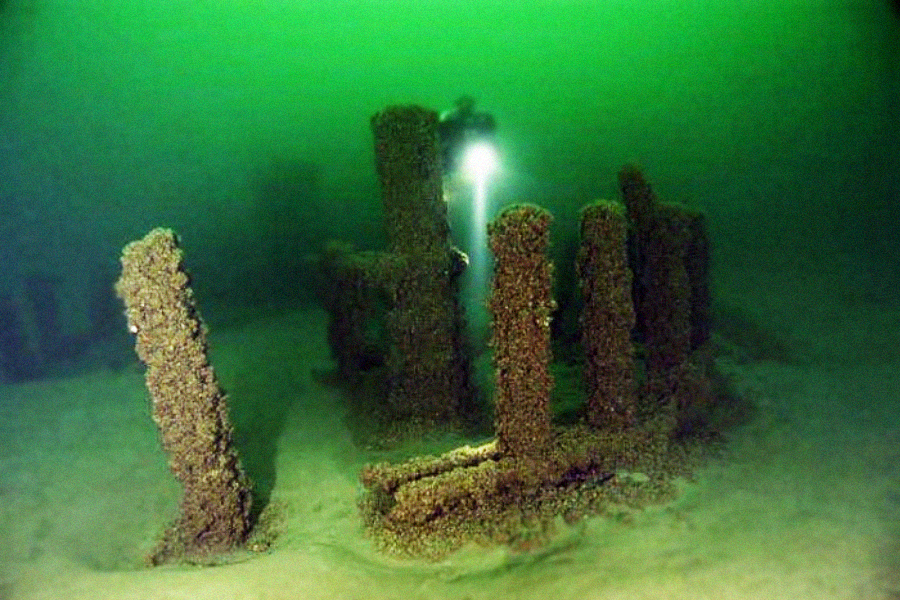
While surveying the bottom of Lake Michigan for shipwrecks, archaeologists found a series of stones arranged in a circle, with one stone featuring a distinct carving of a prehistoric mastodon. The mastodon went extinct over 10,000 years ago, suggesting the stones were placed there by an ancient culture long before the basin was filled with water. The site is currently kept relatively secret to protect it from looters, but it points to a massive, forgotten North American history.
Trending on The Scroller


6. The Gulf of Khambhat “City” – India
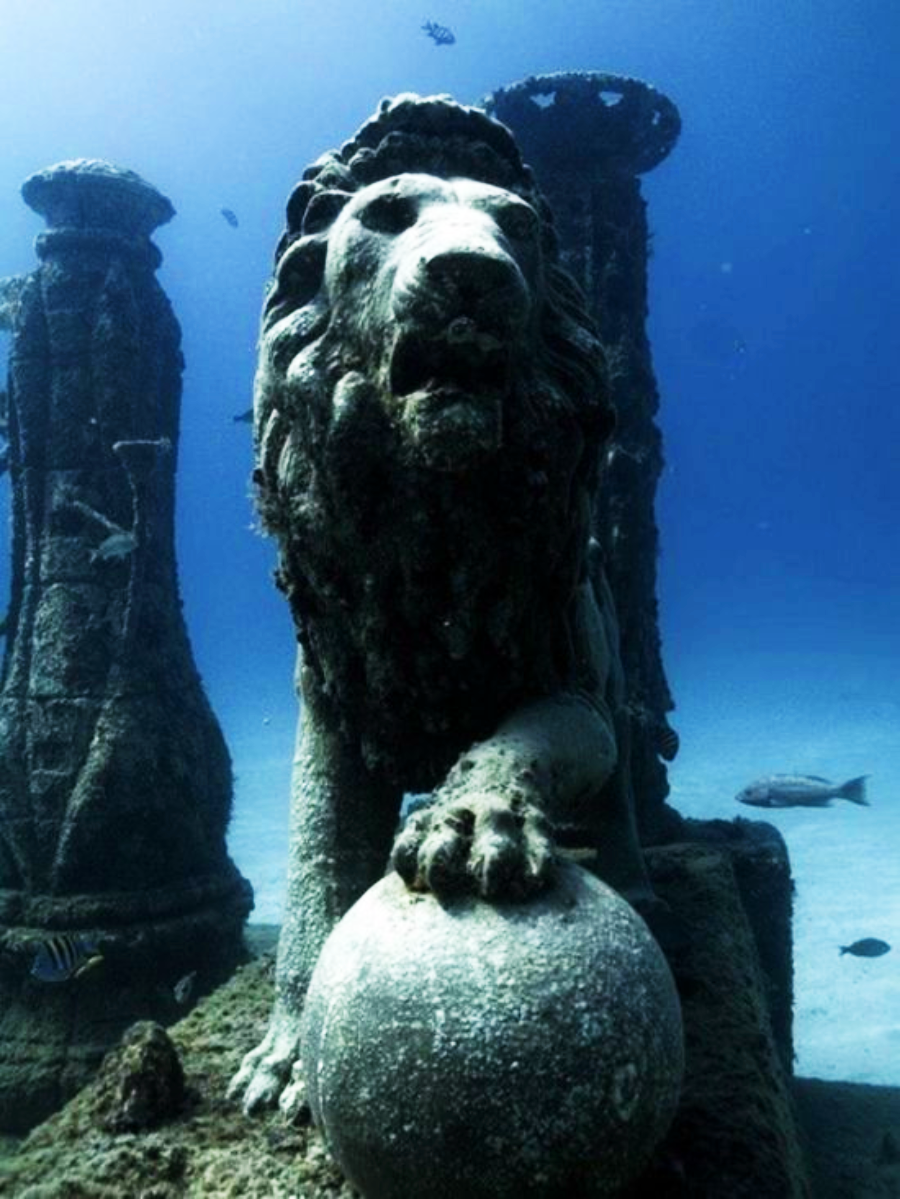
In 2001, acoustic imagery revealed a massive complex of geometric structures stretching over five miles along the seabed off the coast of India. Scientists recovered artifacts from the site, including carbonized wood that dates back an incredible 9,500 years. If these are indeed the ruins of a city, it would force historians to rewrite the timeline of urban civilization, as it predates the oldest known cities by thousands of years.
7. The Pavlopetri Sunken Port – Greece
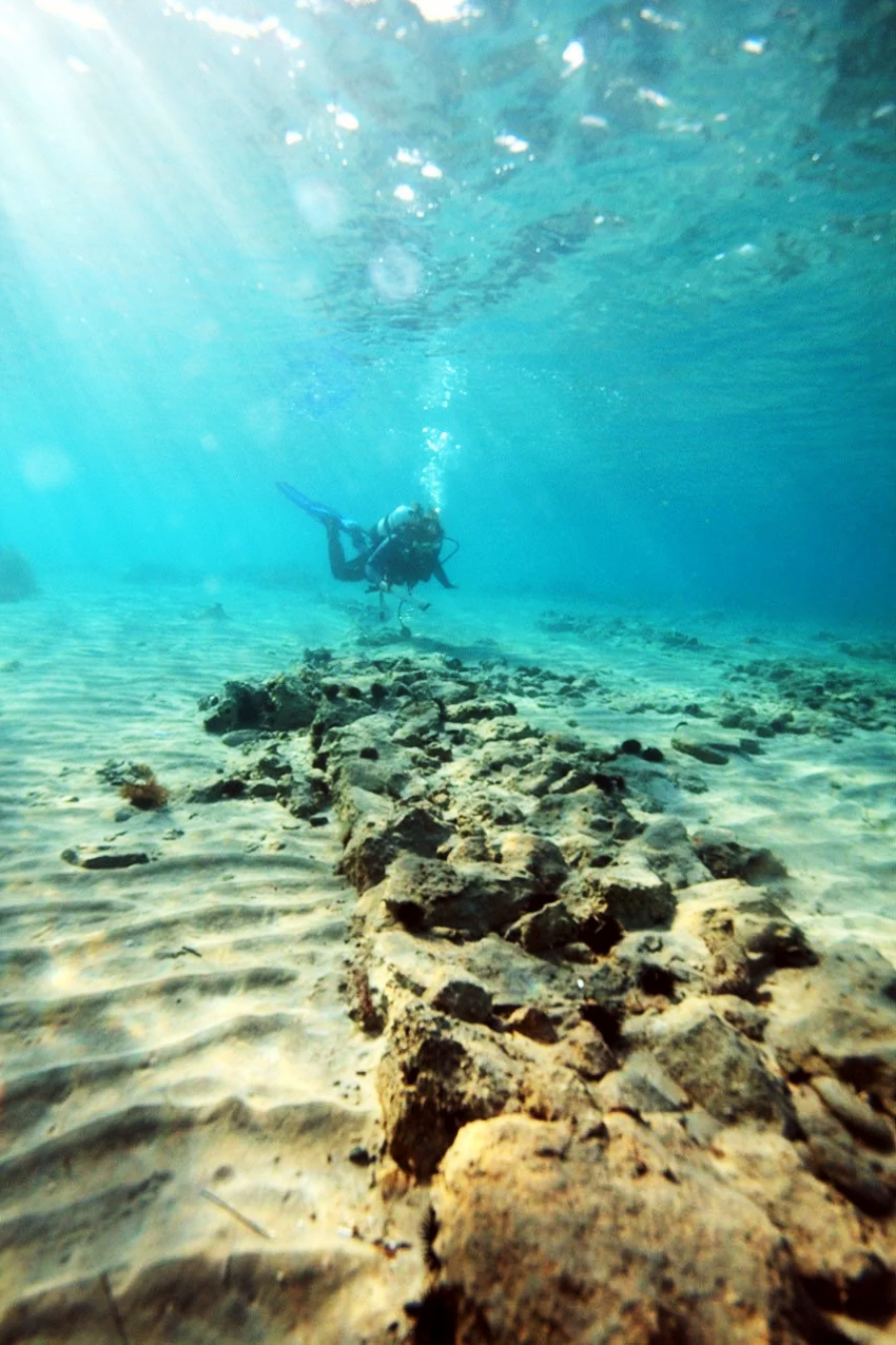
Pavlopetri is unique because it is a nearly intact prehistoric town found just four meters underwater, featuring a complex system of streets, courtyards, and even two-story houses. It was built during the Bronze Age and submerged around 1000 BC, likely due to a series of earthquakes that caused the land to drop. It is the oldest submerged city in the world to have a complete town plan, offering a hauntingly clear look at ancient Greek life.
8. The Dwarka Ruins – India
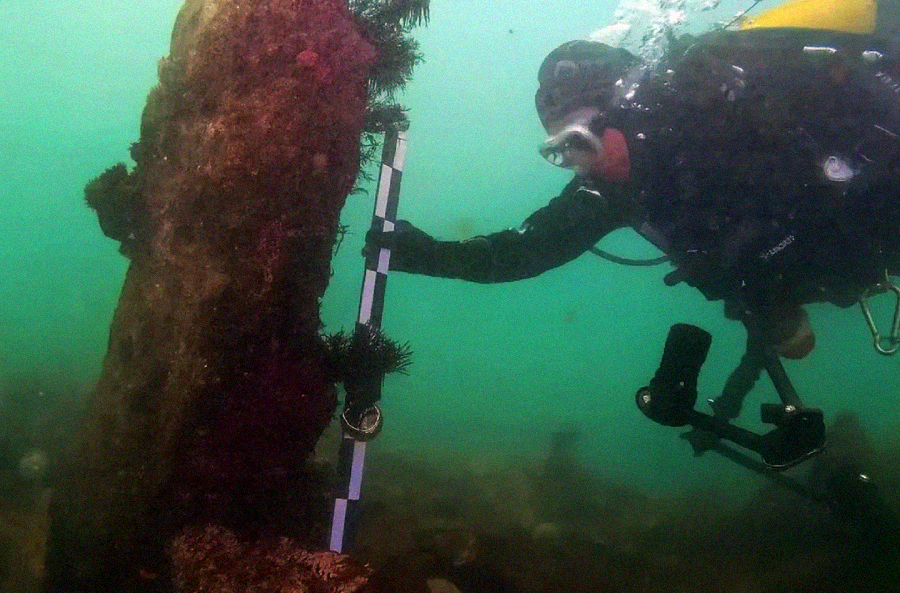
According to Hindu legend, the city of Dwarka was a magnificent kingdom built by Lord Krishna that eventually sank into the Arabian Sea. Divers have actually found vast stone walls, anchors, and cobblestone streets at the exact location described in ancient texts. The discovery suggests that many “mythological” cities might actually be based on real historical places that were lost to rising sea levels at the end of the last Ice Age.
Sign up for our newsletter
9. The Lake MacDonald rock bridge – Canada
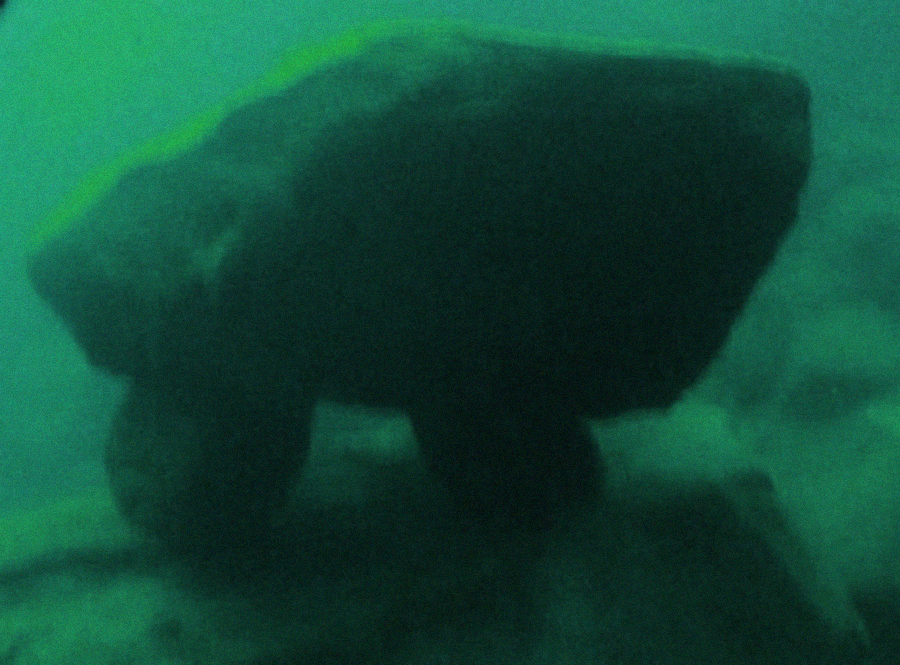
While exploring the depths of Lake MacDonald in Ontario, divers found a massive, 1,000-pound stone perched perfectly on seven smaller “baseball-sized” rocks. This “bridge” or dolmen is located at a depth that was once dry land over 9,000 years ago. Geologists are unsure if it’s a natural freak occurrence or a prehistoric monument built by early indigenous peoples, as the precision of the balance is mathematically perfect.
10. The Chuuk Lagoon ghosts – Micronesia
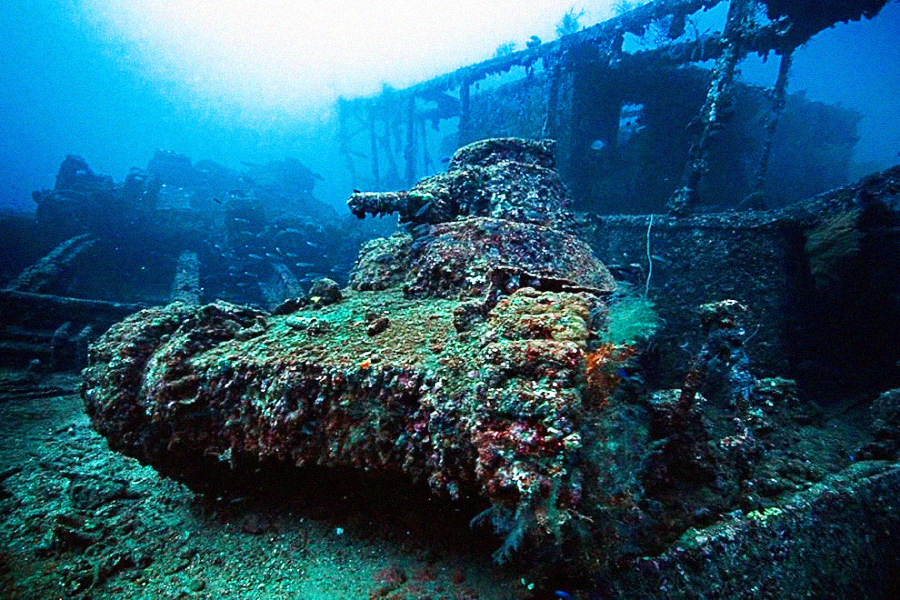
Chuuk Lagoon is the site of one of the largest naval graveyards in the world, containing over 60 Japanese ships and 250 aircraft from World War II. The “structures” here are the ships themselves, which have been transformed into massive coral reefs that hold tanks, trucks, and even human remains in a state of eerie preservation. It is a somber, underwater museum that shows how quickly man-made machines can be reclaimed by the deep ocean.
11. The seven Pagodas of Mahabalipuram – India
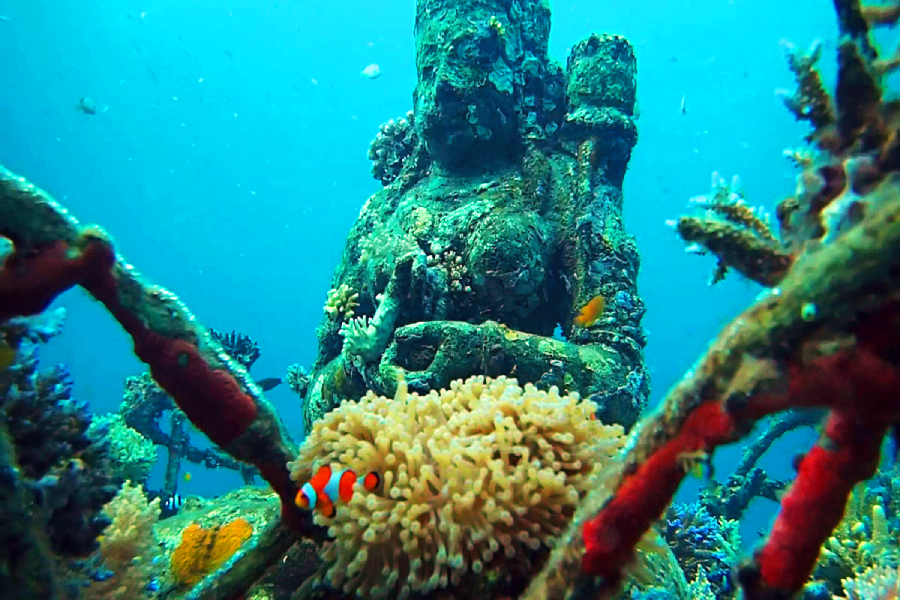
For centuries, locals told stories of six magnificent temples that were swallowed by the sea, leaving only one standing on the shore. These stories were dismissed as myths until the 2004 Indian Ocean tsunami receded, briefly exposing the massive stone ruins of the lost pagodas to the world. Subsequent dives confirmed the existence of a vast complex of walls and sculpted pillars, proving that the local oral traditions were historically accurate all along.
12. The mysterious wall of rock – Bering Sea
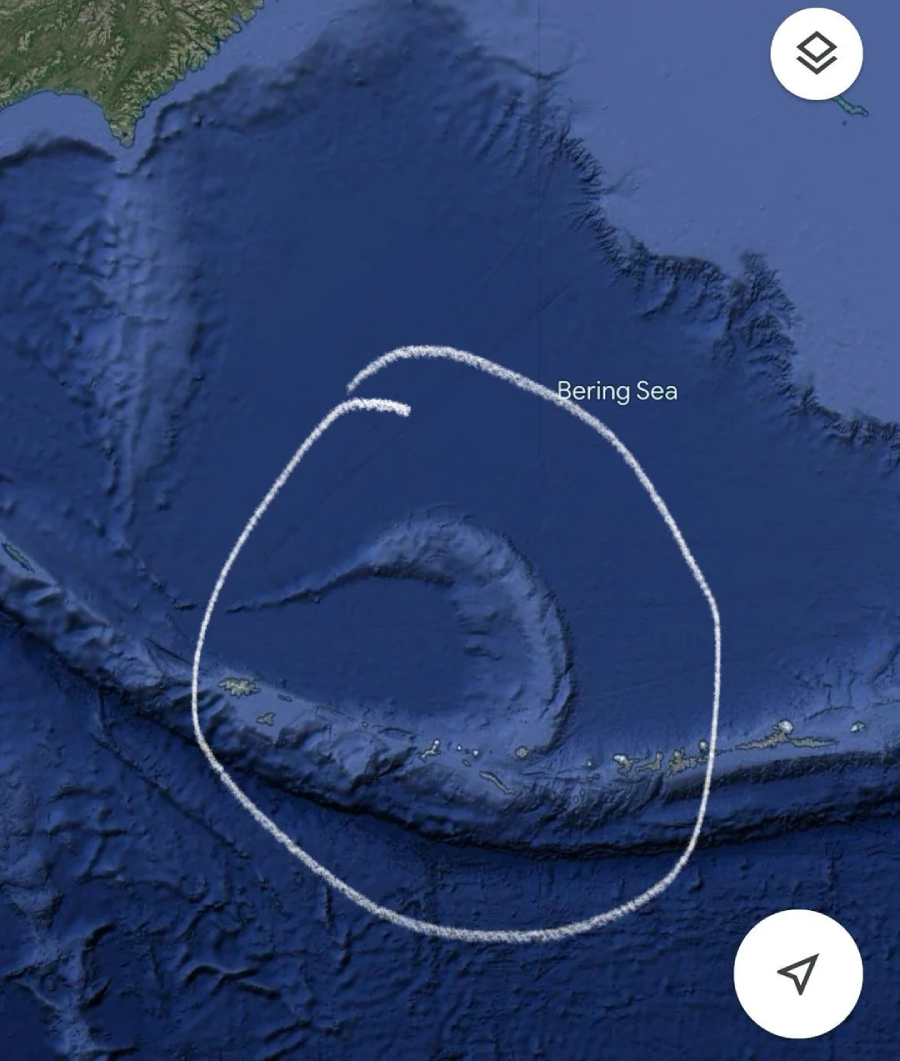
Sonar mapping near the Aleutian Islands has detected a massive, wall-like structure that runs for miles along the seafloor at incredible depths. The formation features uniform blocks and what look like defensive bastions, leading some researchers to speculate it was a massive land bridge fortification. Science currently labels it a natural volcanic ridge, but the sheer symmetry and repetitive patterns have sparked endless debate among alternative historians.
13. The sunken pyramids of Rock Lake – USA
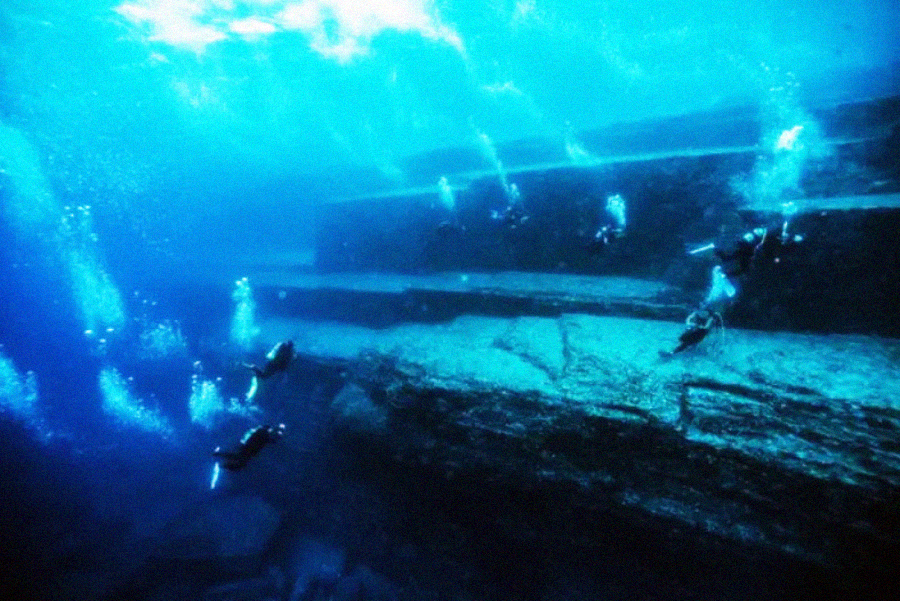
Deep in the murky waters of Wisconsin’s Rock Lake, divers have reported finding at least eleven prehistoric stone pyramids. According to local legends, these were built by a lost “sun-worshipping” tribe during a period of extreme drought when the lake was much lower. While the visibility in the lake is often near zero, sonar scans have confirmed the presence of several mounds with distinct, non-natural shapes.
14. The Galilee stone structure – Israel
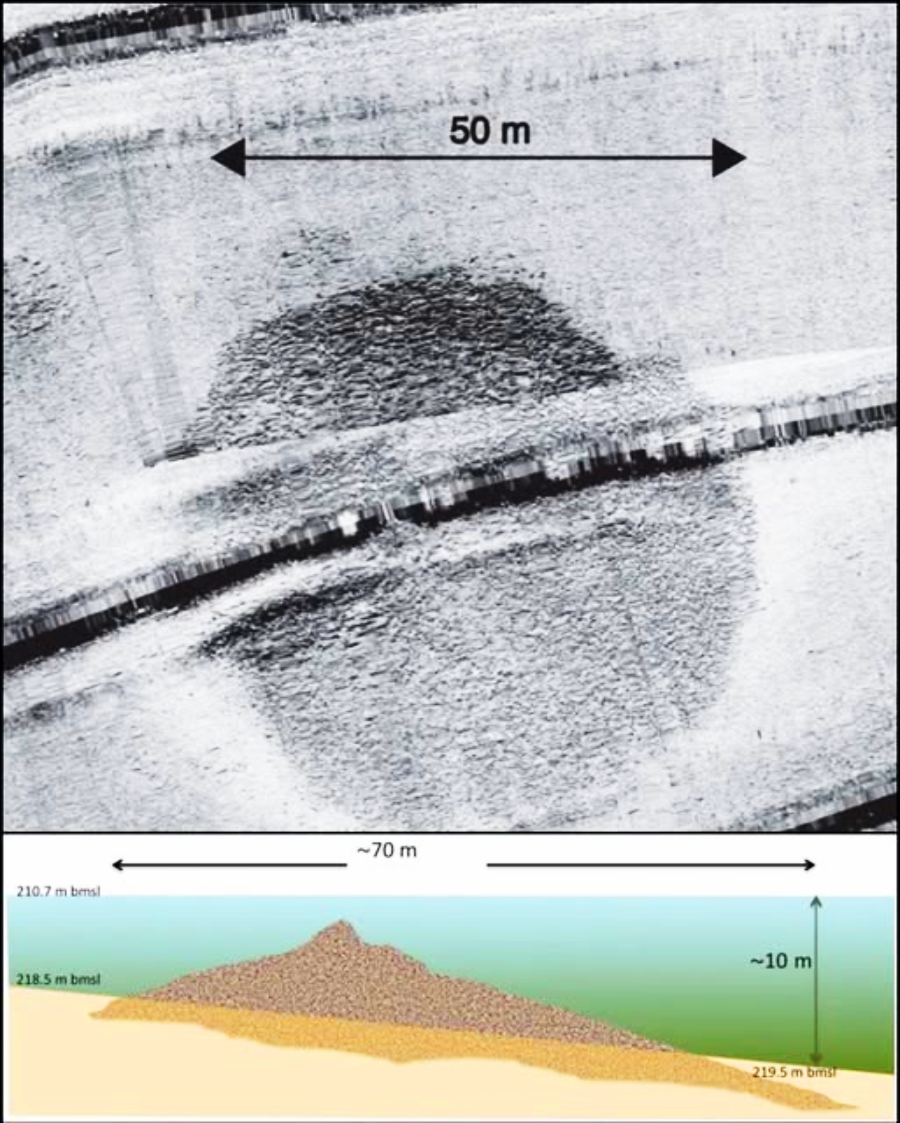
Hidden beneath the surface of the Sea of Galilee lies a massive, cone-shaped monument made of unhewn basalt rocks that weighs an estimated 60,000 tons. This mysterious structure is twice the size of Stonehenge and rises nearly 30 feet from the lakebed, though archaeologists still have no idea who built it or why. Because the stones are not native to the immediate area, they had to be transported from miles away, suggesting a highly organized prehistoric effort that predates the invention of modern machinery. Scientists believe it may have been a communal burial site or a ceremonial monument, but its sheer scale underwater remains a baffling geological and historical “glitch.”
15. The underwater cairns of Lake Constance – Germany
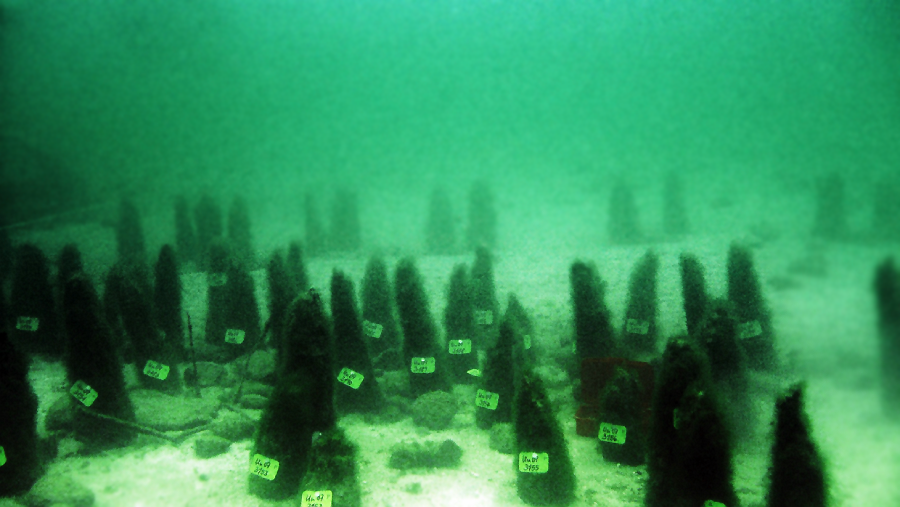
Known as the “Stonehenge of Lake Constance,” these 170 massive stone mounds were found arranged in a straight line that stretches for miles along the lakebed. They were built around 5,500 years ago during the Neolithic period, when the lake levels were significantly lower. The effort required to move these thousands of stones suggests a highly organized society that vanished long before the first Germanic tribes arrived.
16. The silver dragon formation – Pacific Ocean
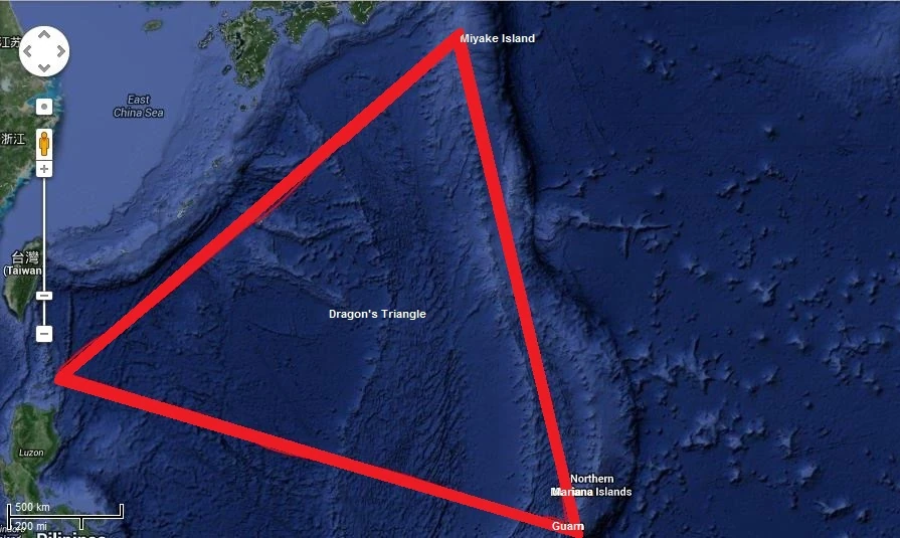
This strange, serpent-like structure was found using satellite bathymetry and looks like a massive, 200-mile-long “spine” rising from the ocean floor. While it is likely a volcanic ridge, its scales and segmented appearance are so uniform they look like a biological or engineered “glitch.” It sits in one of the least explored regions of the Pacific, leaving its true nature a mystery to modern oceanographers.
17. The Doggerland pathways – North Sea
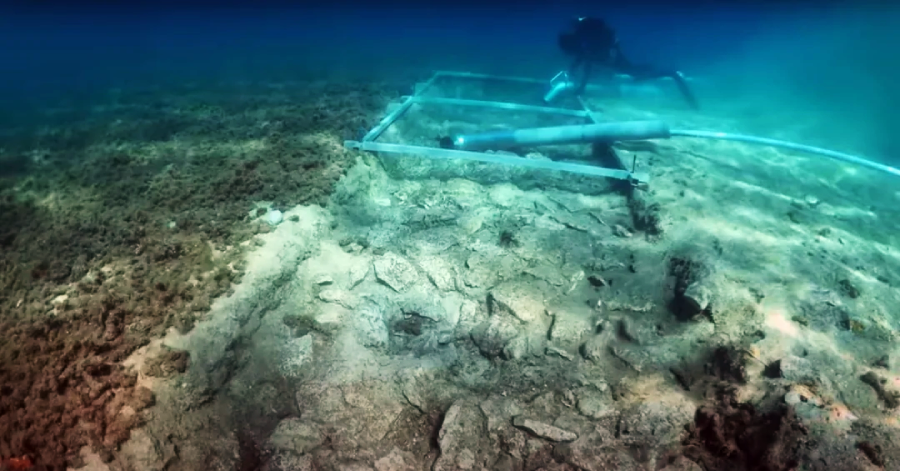
Between the UK and Europe lies Doggerland, a vast territory that was once inhabited before being swallowed by the North Sea around 6500 BC. Recently, scientists using seismic data have found what look like ancient riverbeds and “man-made” pathways that connect various prehistoric sites. It is a haunting reminder that a whole “lost world” of human culture is currently resting under the busy shipping lanes of the North Sea.
18. The Baia underwater park – Italy
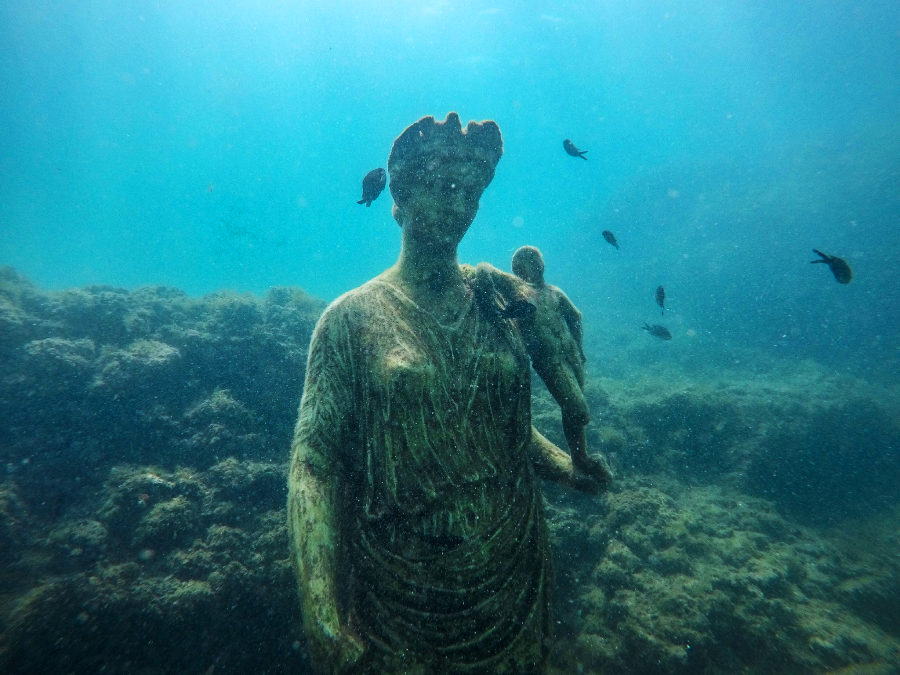
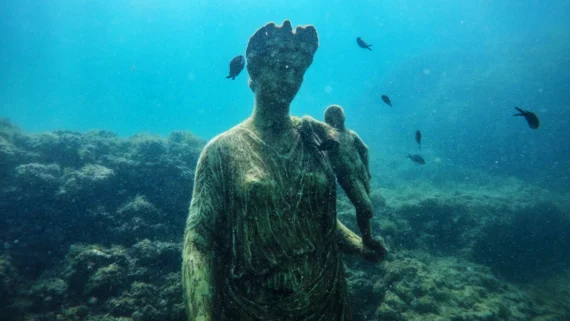
Baia was the “Las Vegas” of the Roman Empire, a luxury resort town famous for its hedonism and incredible architecture. Much of the city sank due to volcanic activity (bradyseism), leaving marble statues, intricate mosaics, and grand villas perfectly preserved at the bottom of the sea. Today, you can take a glass-bottom boat or dive through the streets of a city that was once the favorite playground of Julius Caesar and Nero.
19. The Port Royal sunken city – Jamaica
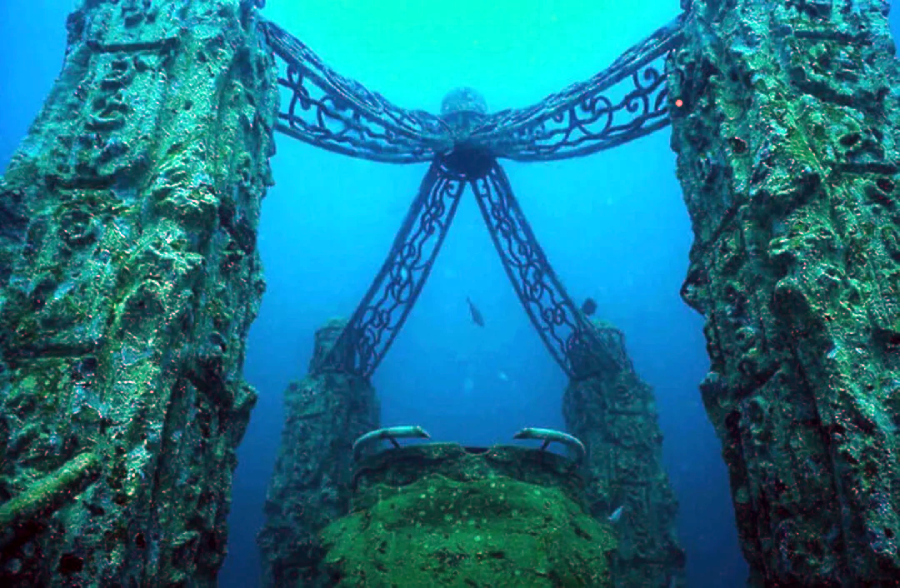
Once known as the “wickedest city on Earth” and a haven for pirates, Port Royal was destroyed by a massive earthquake in 1692 that caused two-thirds of the city to slide into the ocean. Because the city sank so quickly, many buildings remained upright, and archaeologists have found watches frozen at the exact moment of the quake. It is one of the few places on Earth where you can explore a 17th-century city exactly as it was on the day it “died.”
20. The Alexandria lighthouse ruins – Egypt
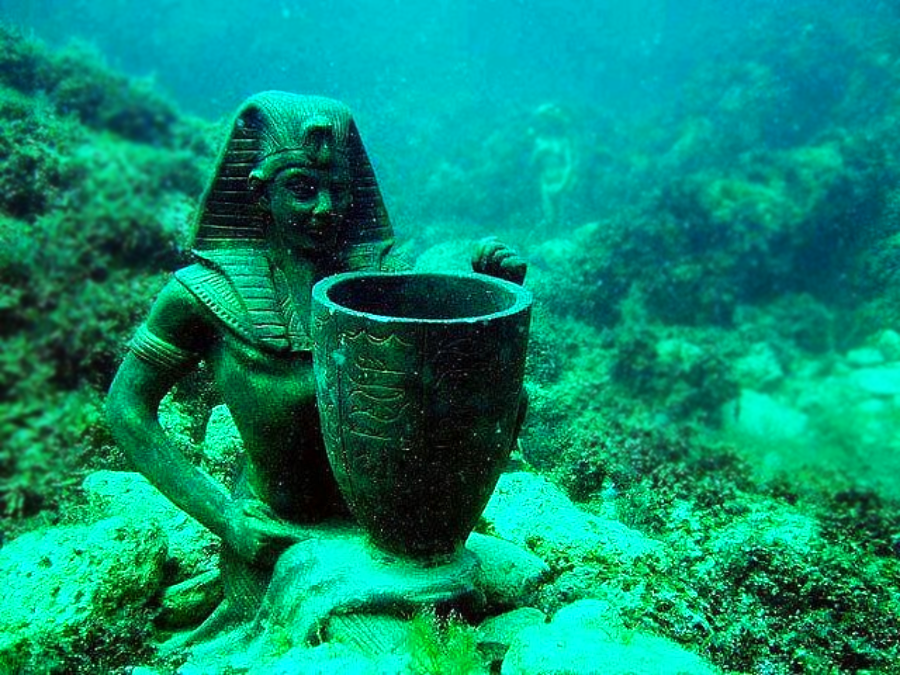
The Pharos of Alexandria was once one of the Seven Wonders of the Ancient World, but it was lost for centuries after a series of devastating earthquakes sent it crumbling into the Mediterranean. In the 1990s, divers finally discovered thousands of massive stone blocks, sphinxes, and statues scattered across the seafloor near the entrance to Alexandria’s harbor. What makes these ruins truly “impossible” is how perfectly preserved some of the intricate carvings remain despite being submerged in corrosive saltwater for nearly 700 years. Exploring the site is like walking through a submerged ghost of the classical world, where the once-towering beacon of civilization now serves as a haunting artificial reef.
Explore more fun facts:
Discovering these “impossible” structures proves that the floor of the ocean is the world’s largest and most mysterious museum. Each new find acts as a reminder that we are still just scratching the surface of our planet’s deep and often submerged history. If you love exploring the boundaries of reality and history, don’t miss these Hidden Rooms Inside Famous Landmarks You Never Get to See, or these 20 Reality Glitches That Are Actually Real Facts. You can also check these 18 Everyday Habits You’re Probably Doing Wrong.