Ask someone to name a useful insect and “bee” will probably be the first answer. But the rest of the insect world does an enormous amount of quiet, unglamorous work that often goes unnoticed until something starts to go wrong. Some of the creatures below are smaller than a grain of rice, while others are so ordinary-looking that most people would never give them a second glance. Here are 15 insects that ecosystems quietly depend on.
1. Dung Beetles
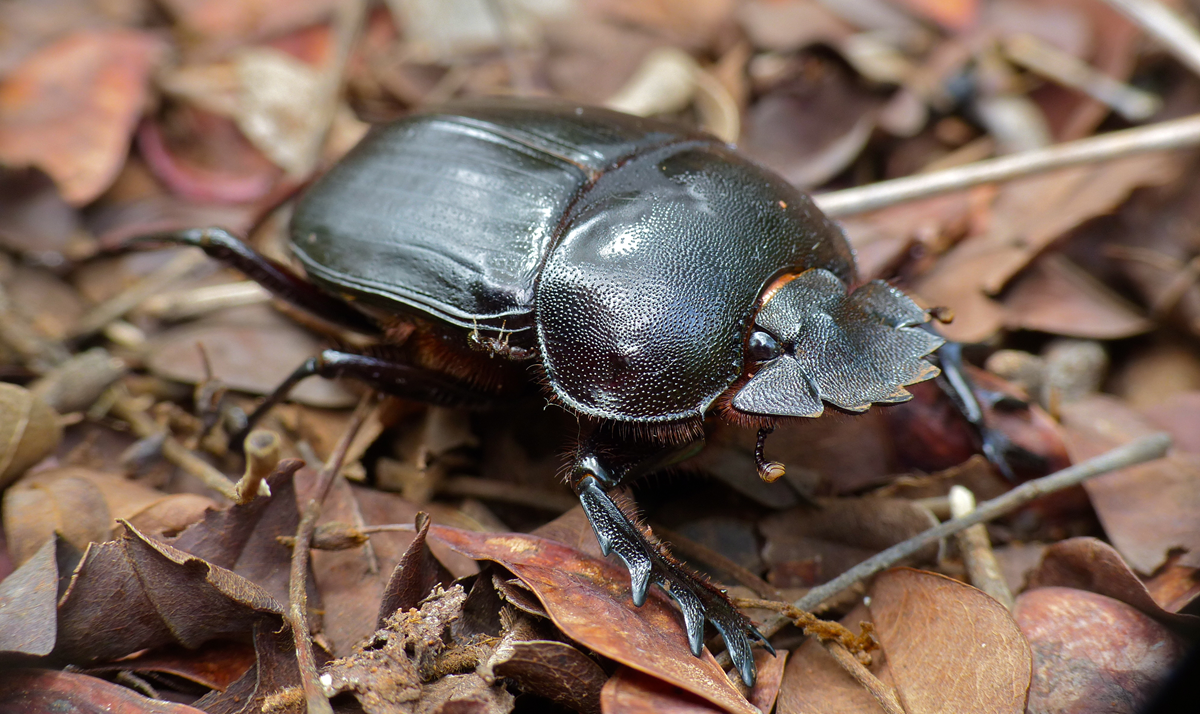
Australia had a cow problem that was really a beetle problem. Millions of cattle were producing dung that the native beetles, adapted to dry kangaroo pellets, simply ignored. The pats hardened, smothered the grass beneath them, and gave bush flies somewhere to breed. Starting in 1965, the national science agency began importing beetles from Africa and Europe, and dozens of species have since been released.
2. Fig Wasps
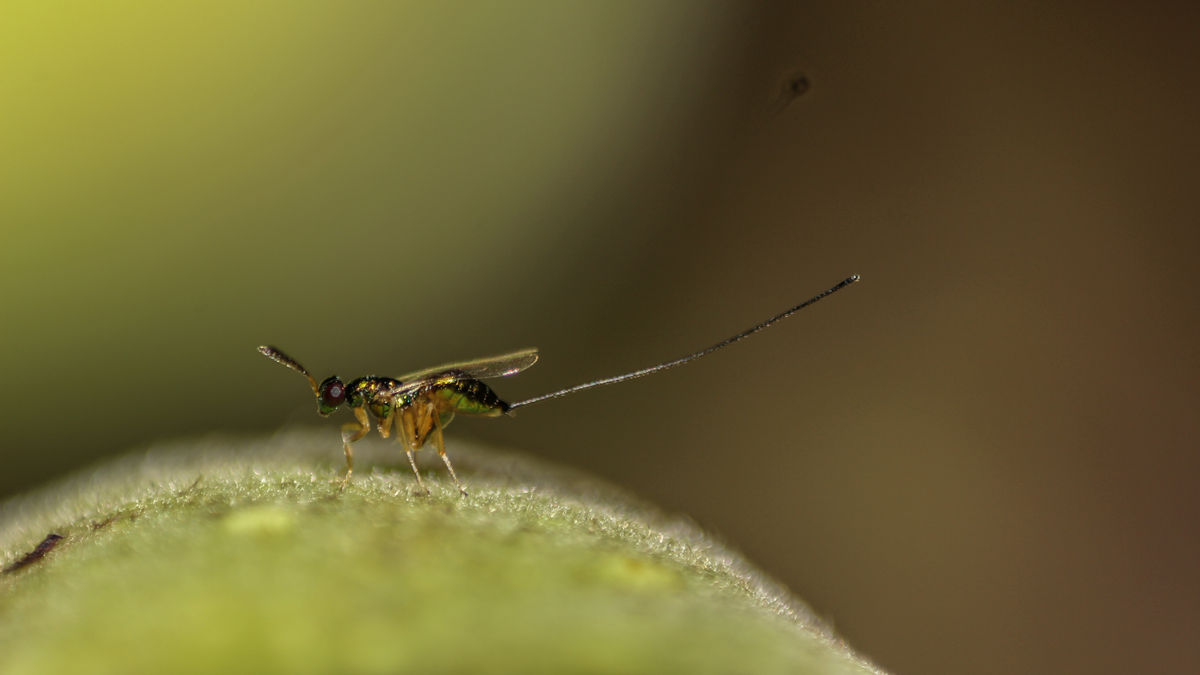
A female fig wasp often loses her wings, and sometimes part of her antennae, while squeezing through the narrow opening of a young fig. Once inside, she lays her eggs and pollinates the flowers at the same time. Most of the roughly 750 fig species are closely associated with their own specialized wasp species.
3. Termites
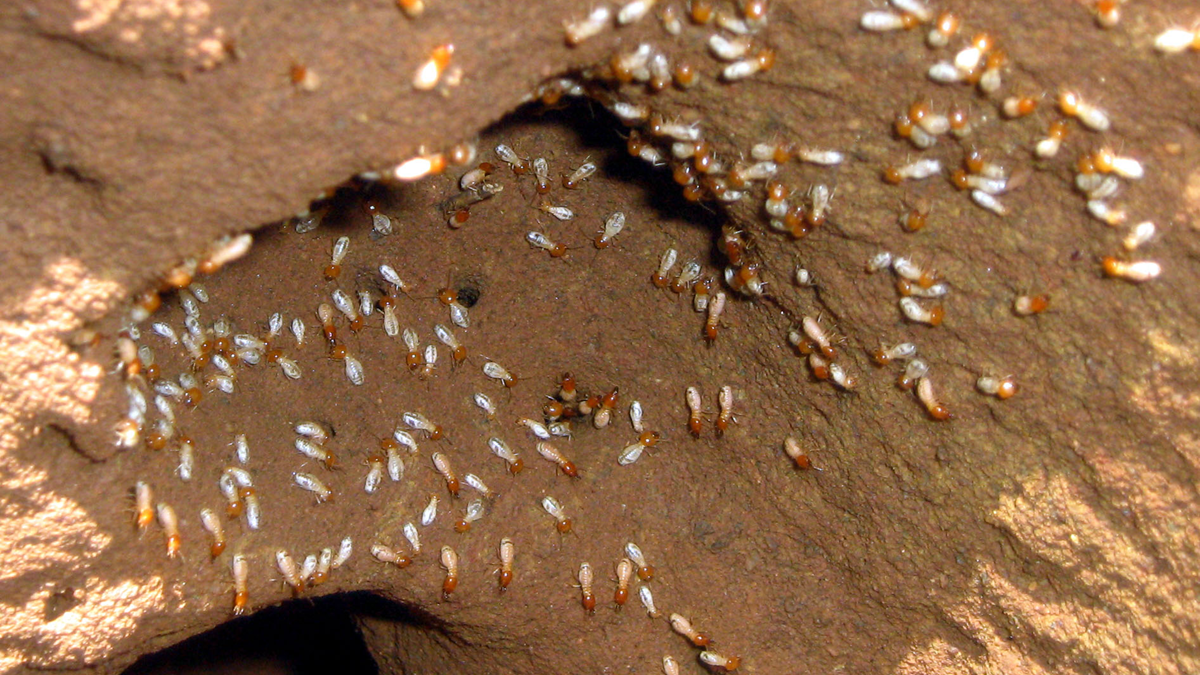
Dead wood does not vanish on its own. Termites, with the help of microbes in their guts, break it down into material that plants can use again, and in dry country their tunnels let rainwater sink in instead of running away. Some savanna mounds are decades old and act as small islands of fertile soil, with trees clustered around them.
4. Burying Beetles
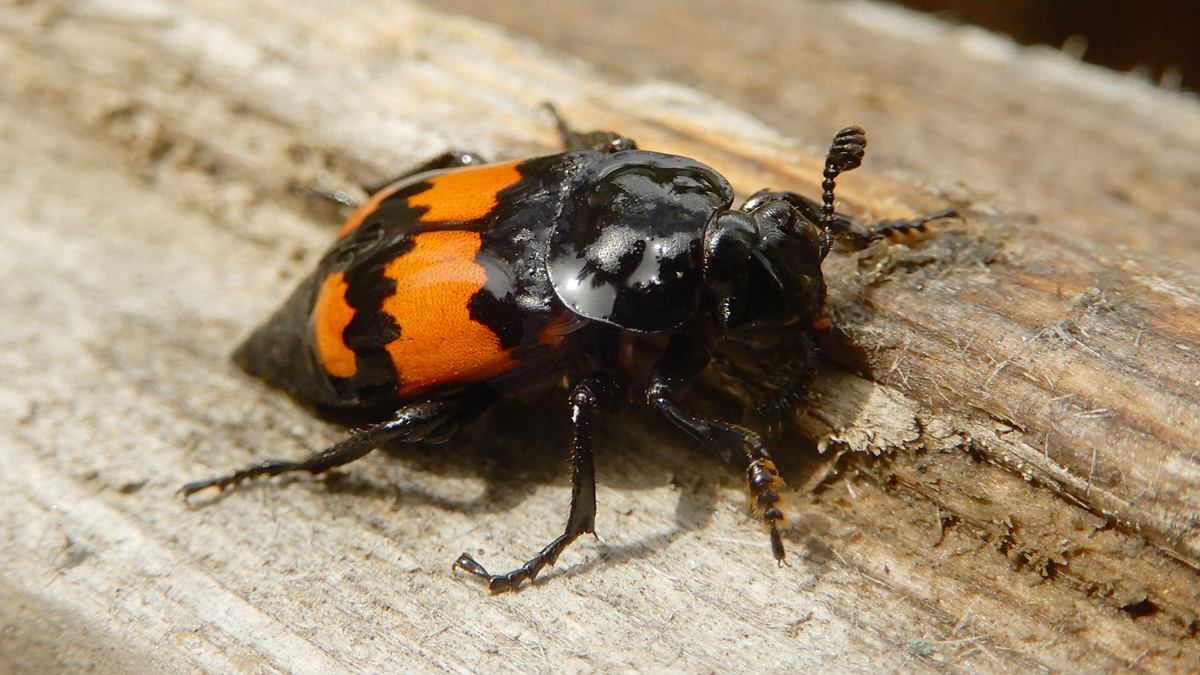
Finding a dead mouse is a good day for a burying beetle. A pair will strip it, roll it into a ball, bury it, and then raise their young on it, with the parents feeding the larvae mouth to mouth like birds. The American species was listed as endangered for decades and was moved down to threatened in 2020, after reintroductions on islands such as Nantucket.
5. Ants
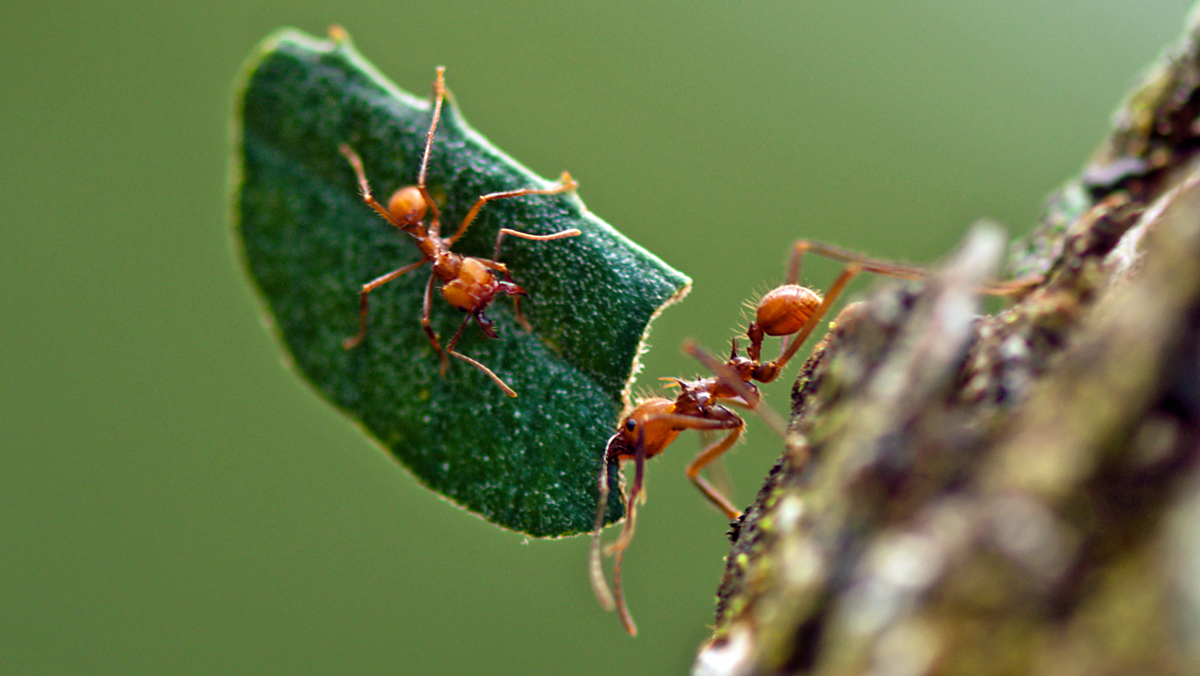
Some woodland flowers, including bloodroot and trillium, attach a small edible treat to their seeds that ants find hard to resist. The ants drag the seeds back to the nest, eat the good part, and toss the rest into their trash piles. That gives the seeds a pretty good place to start growing, while the plants get a free ride away from the parent flower.
Trending on The Scroller

6. Hoverflies
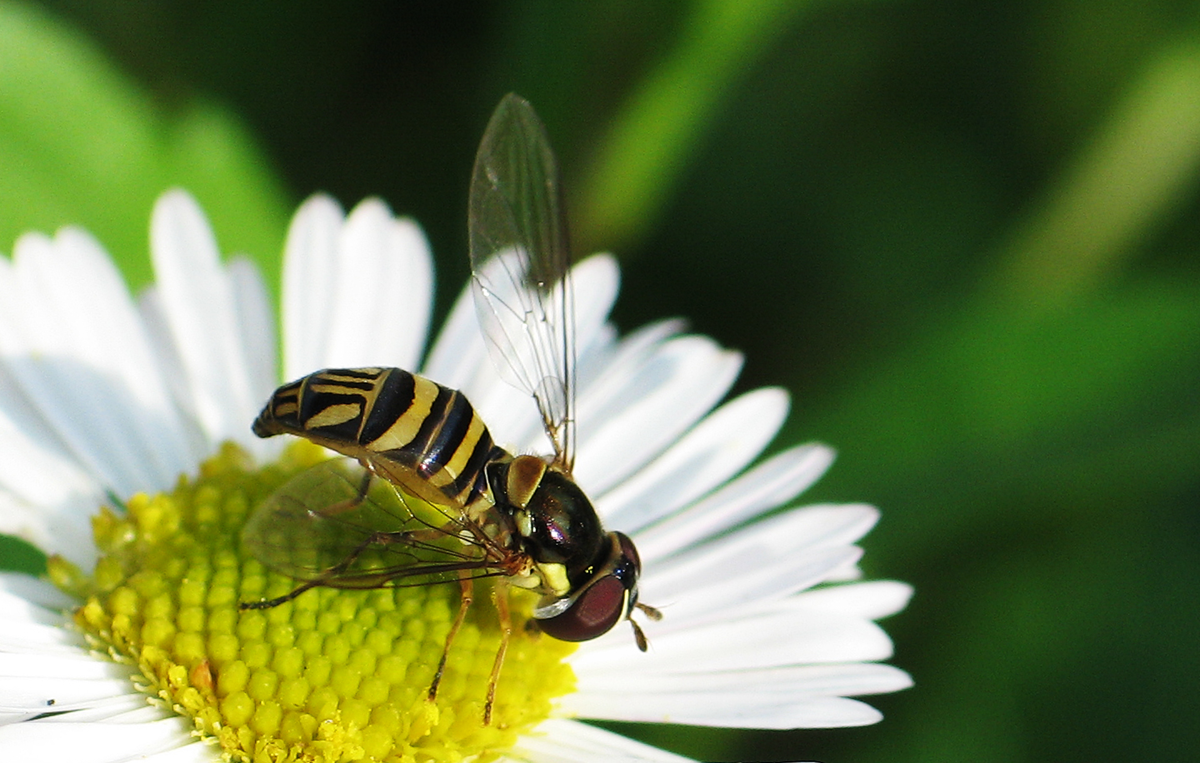
Radar and netting studies over southern England suggest that several billion hoverflies pass through in a single year, most of them migrating. Their yellow-and-black stripes help fool predators into thinking they can sting, even though they cannot. Along the way, they visit huge numbers of flowers, while the larvae of many species help out by eating aphids.
7. Cocoa Midges
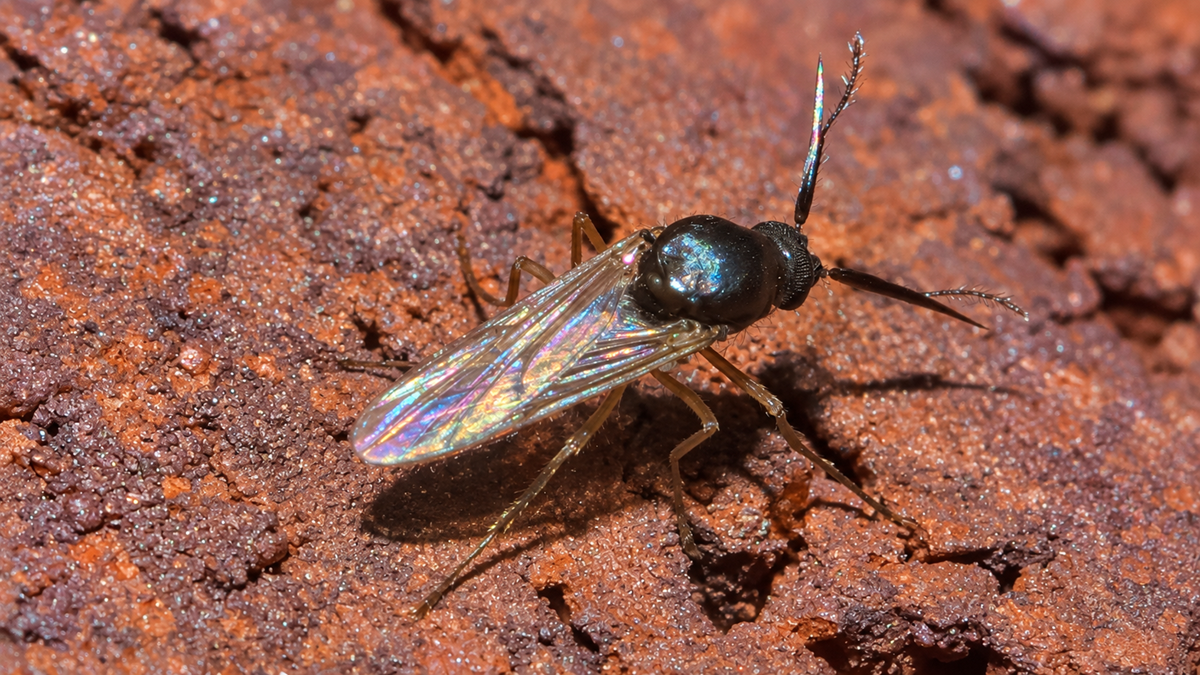
Chocolate depends on flies less than three millimeters long. Cacao flowers are tiny and awkwardly shaped, and the midges that pollinate them breed in damp leaf litter on the forest floor. When farmers clear too much of that litter away, cacao trees can produce fewer pods. Hand pollination can help, but doing it on a large scale is difficult and labor-intensive.
8. Blowflies
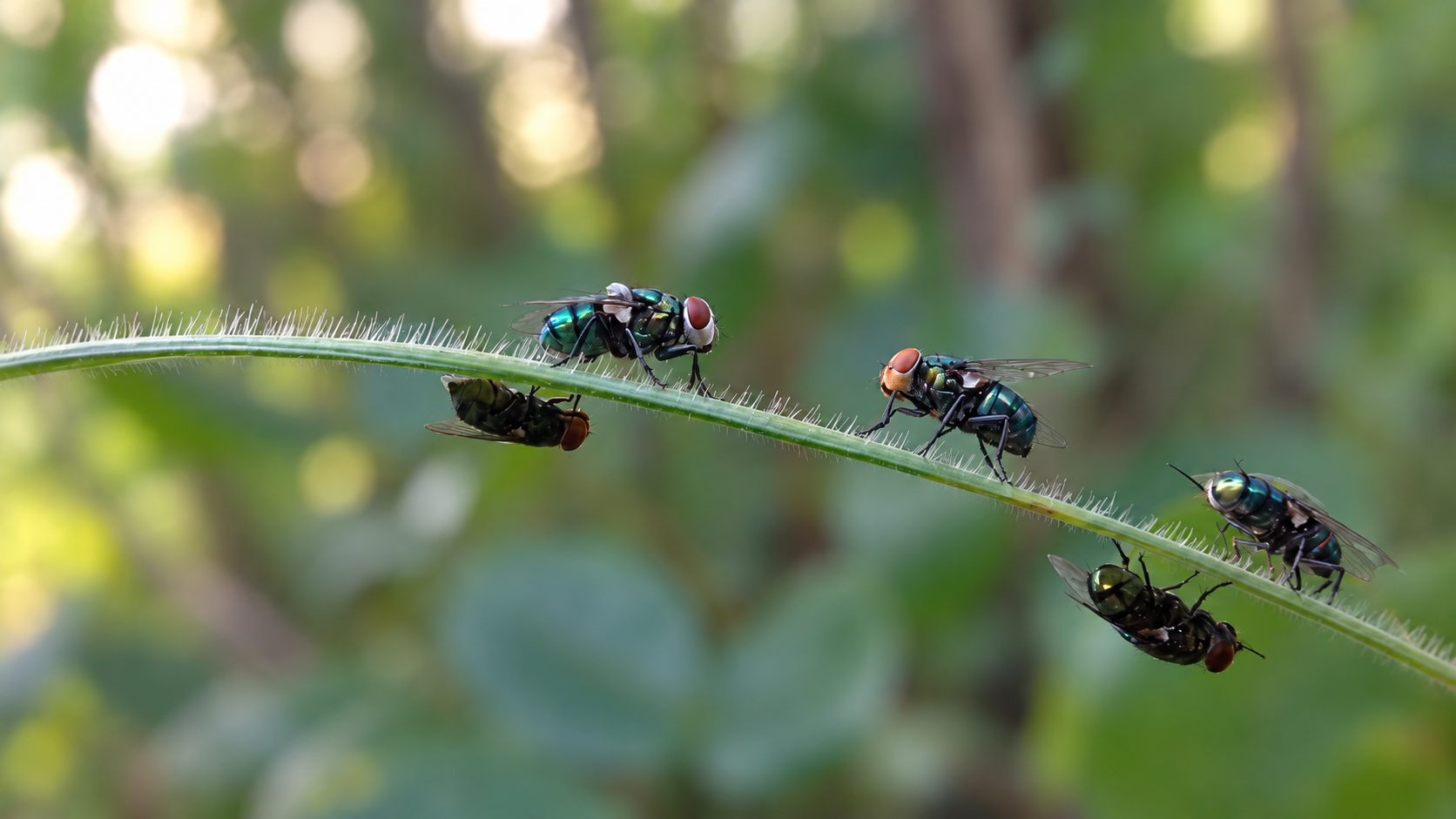
Blowflies can arrive at a carcass within minutes, often before most other scavengers. Their maggots quickly begin feeding on soft tissue, which is one reason they are so useful in forensic investigations. By looking at the age and development of the larvae, investigators can estimate how long a body has been there.
Sign up for our newsletter
9. Mayflies
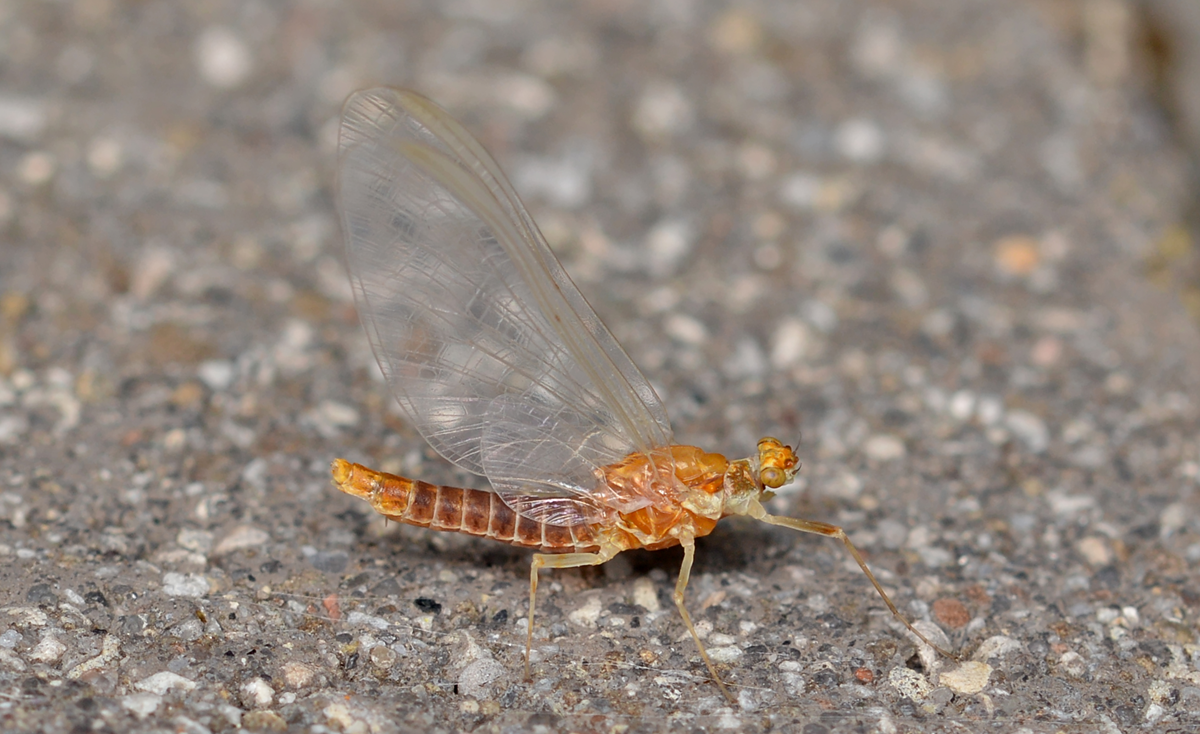
Weather radar around La Crosse, Wisconsin, sometimes picks up what looks like a storm along the Mississippi, only for it to turn out to be a massive mayfly hatch. The adults of many species live for just a day or two, but before that they can spend a year or more as aquatic nymphs, feeding fish and other wildlife. Because mayflies are sensitive to polluted water, biologists also use their presence as a sign that a stream is relatively healthy.
10. Yucca Moths
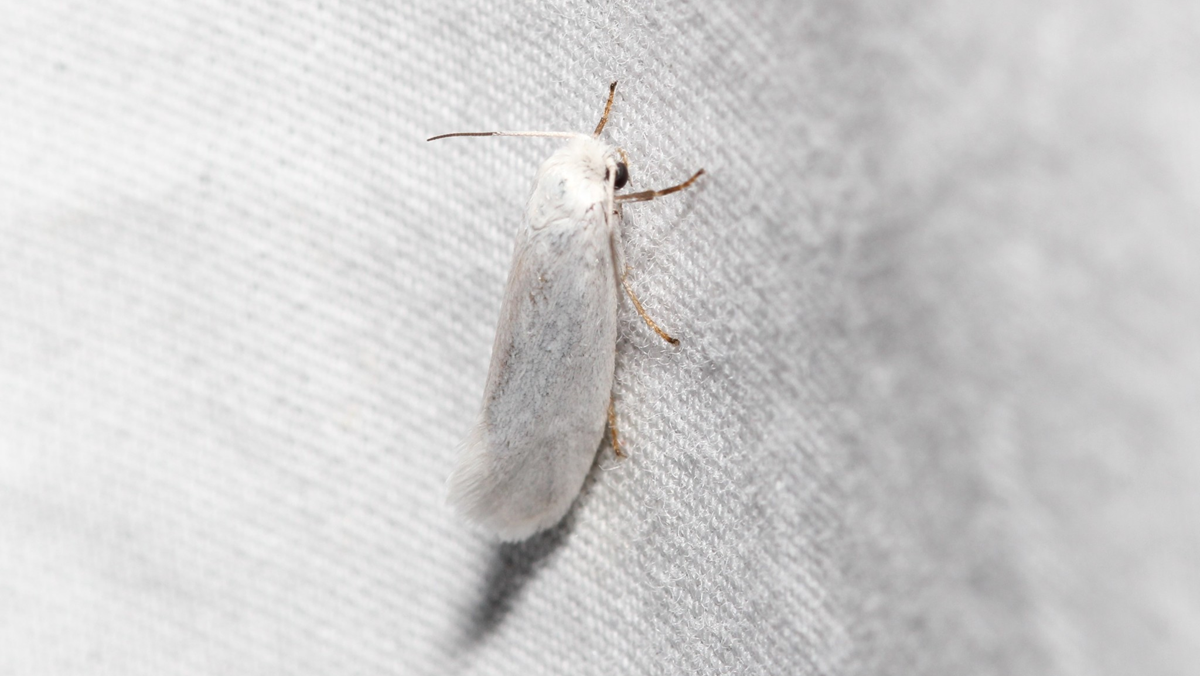
The female yucca moth deliberately gathers pollen into a ball and pushes it onto the flower, an unusual behavior among insects. She then lays her eggs inside the flower’s ovary, where the larvae later eat some of the developing seeds. The yucca gets pollinated, the moth gets a nursery for its young, and both species depend heavily on the arrangement.
11. Parasitoid Wasps
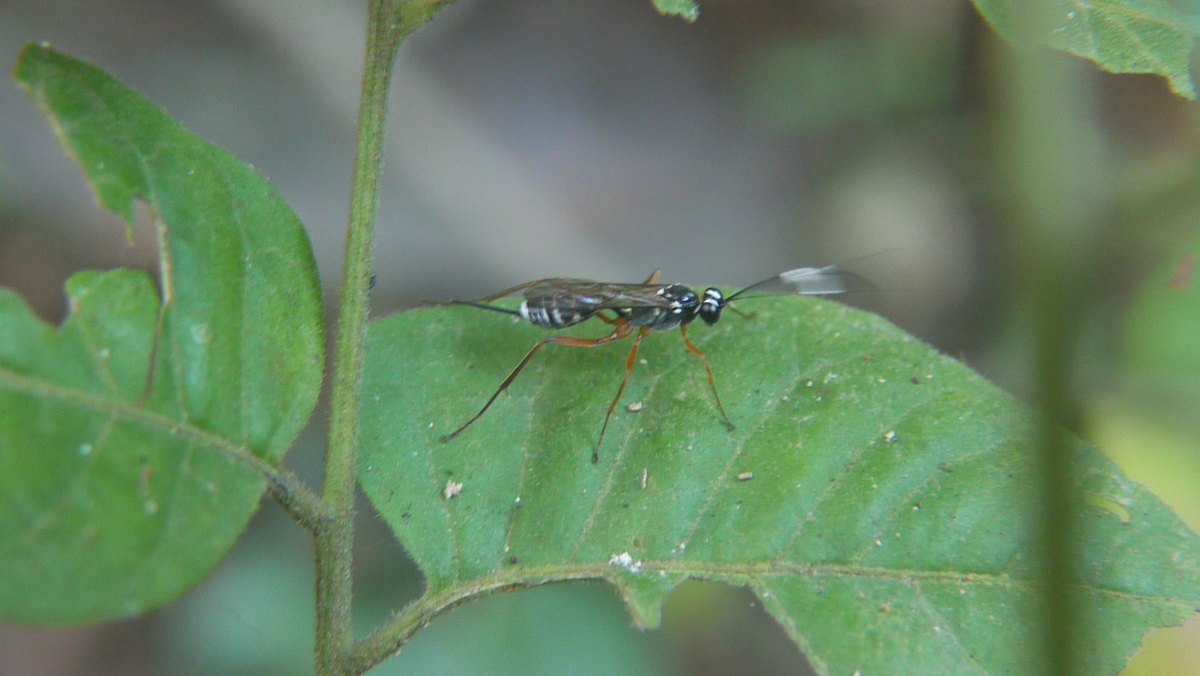
Most of these tiny wasps are smaller than a sesame seed. They lay their eggs inside the eggs of moths and butterflies, killing the developing pest before it ever hatches. Farmers release them by the thousands in orchards and fields as a natural way to keep damaging insect populations under control.
12. Caddisflies
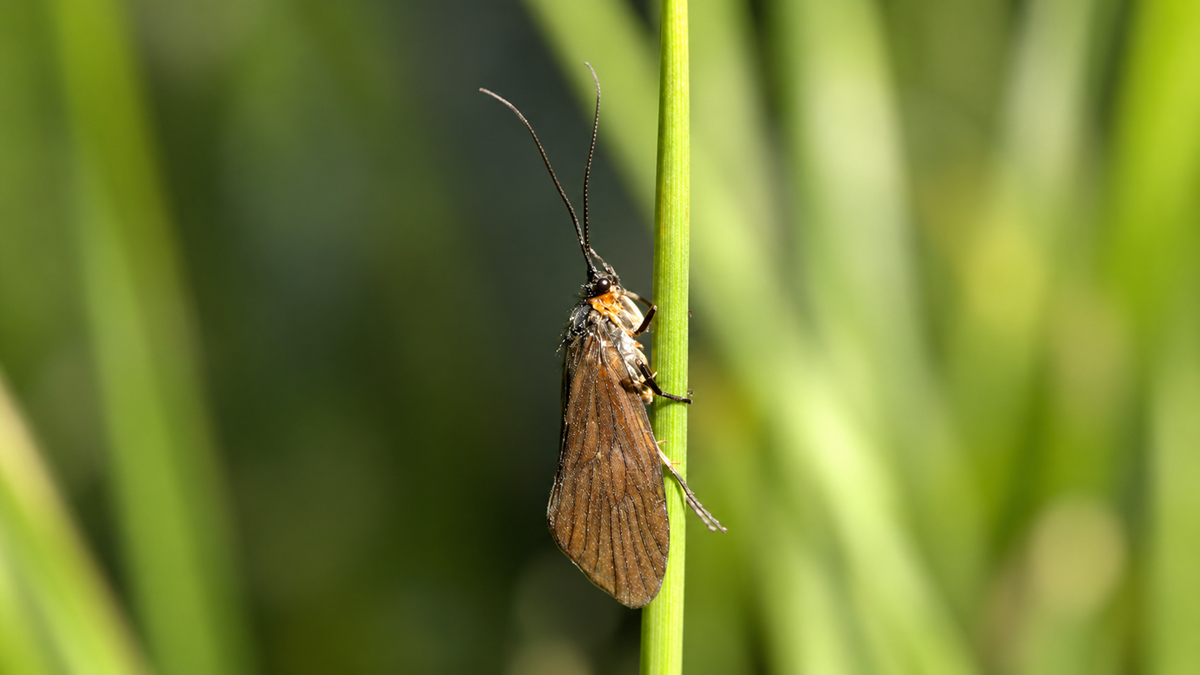
Caddisfly larvae build tiny protective cases out of sand, twigs, and bits of leaves, then drag them along the streambed as they move. The cases help protect their soft bodies from predators, although plenty still end up as food for fish.
13. Springtails
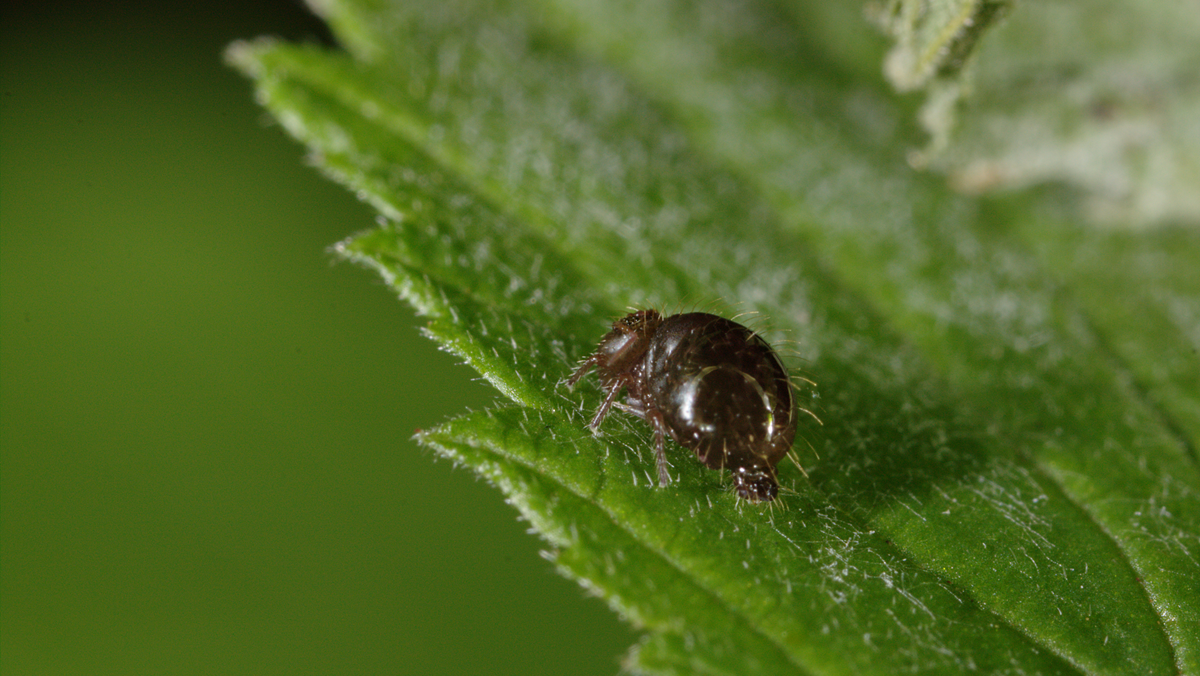
Lift a handful of forest soil, and there is a good chance some of the tiny creatures wriggling through it are springtails, sometimes numbering in the tens of thousands per square meter. They feed on fungi and decaying plant matter, helping break down leaf litter and move nutrients through the soil. They can also launch themselves into the air using a small spring-like structure folded beneath the abdomen, which is where their name comes from.
14. Thrips
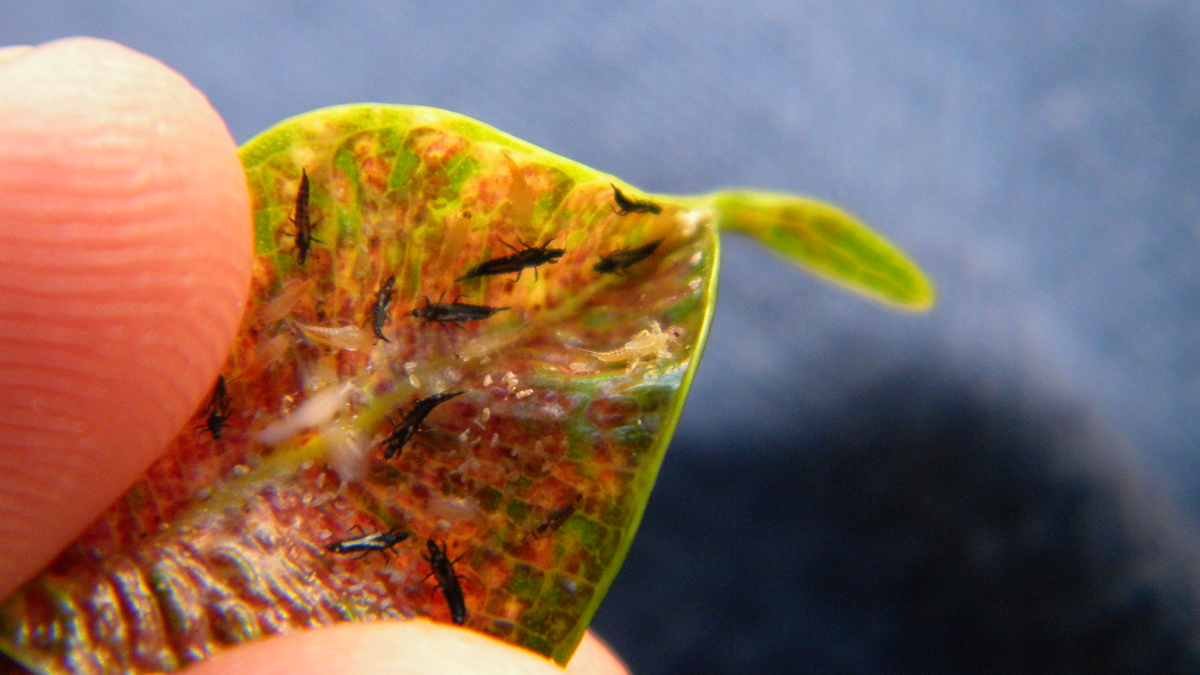
Cycads are among the oldest seed plants on Earth, and some species depend on tiny thrips for pollination. The insects crawl through their cones by the hundreds, carrying pollen as they move from one plant to another. For some cycads, there are few other pollinators reliable enough to do the job.
15. Crane Flies
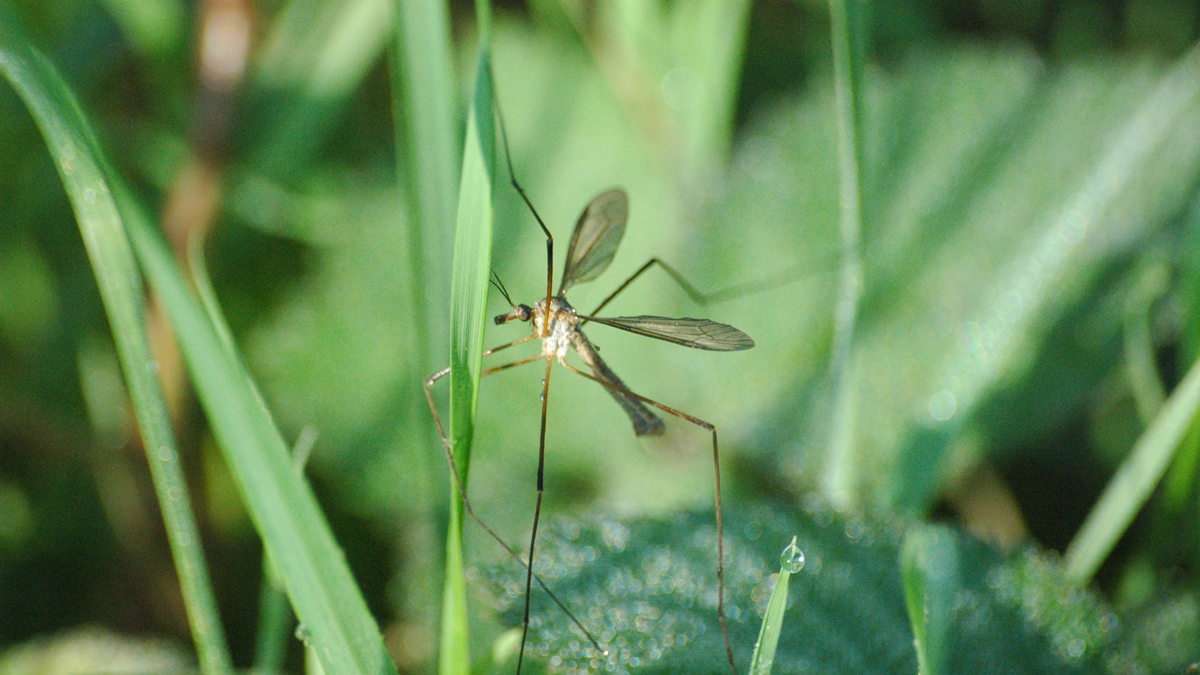
People often swat crane flies because they look like giant mosquitoes, but they do not bite, and many adults barely eat at all. Most of their lives are spent as larvae underground, where the so-called leatherjackets feed on decaying plant material for months. In spring, they also become an important food source for birds, which often carry several back to the nest at once.
In the mood for more?
Check out 15 Interesting Facts About Butterflies and the Journeys They Take, or take a look at 15 Animals Thought Extinct Until They Turned Up Alive. If you want to see more surprising nature and science facts, you can check out 20 Real Science Facts That Sound Like Internet Lies.