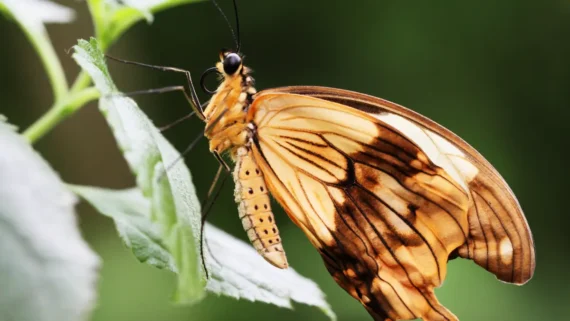
Fluttering gracefully through gardens and forests, butterflies are among the most colorful and mesmerizing insects on Earth. Beyond their delicate beauty, these winged pollinators possess astonishing biological adaptations and survival skills. From undergoing complete metamorphosis inside a chrysalis to navigating across immense geographic distances, their life cycles are filled with incredible natural wonders.
What makes these delicate creatures truly remarkable is their uncanny ability to undertake long, grueling migratory journeys across entire continents. Relying on internal magnetic compasses, solar navigation, and air currents, migrating butterflies overcome harsh weather and hungry predators to reach distant wintering grounds. Exploring the secret lives and migratory feats of these insects reveals just how resilient they truly are. Here are fifteen fascinating facts about these winged travelers and the incredible journeys they take.
1. Monarchs complete migrations spanning over three thousand miles
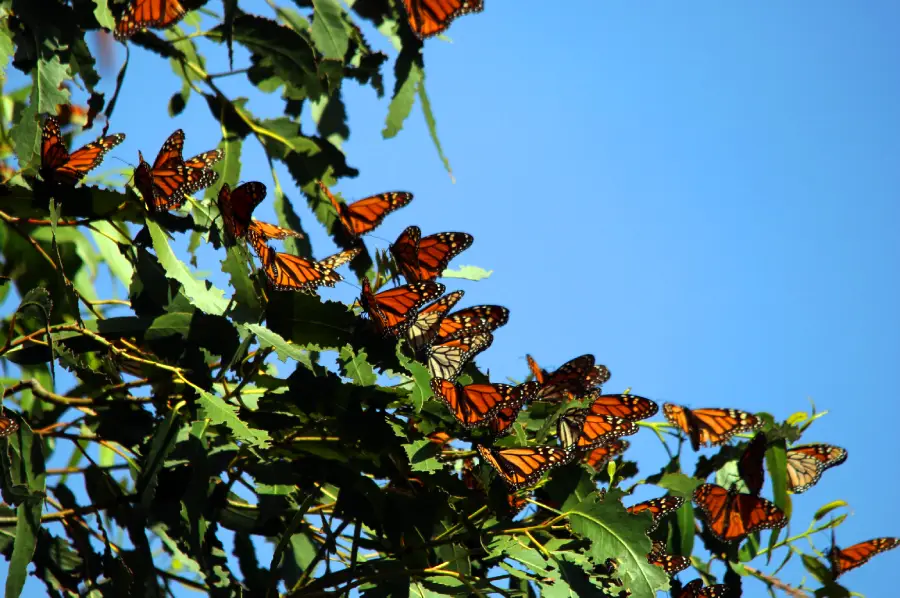
Eastern North American monarch butterflies undertake a massive autumn journey from southern Canada to central Mexico. Traveling up to three thousand miles, these insects rely on thermal air currents to glide long distances while conserving precious flight energy.
2. Taste receptors are located directly on their feet
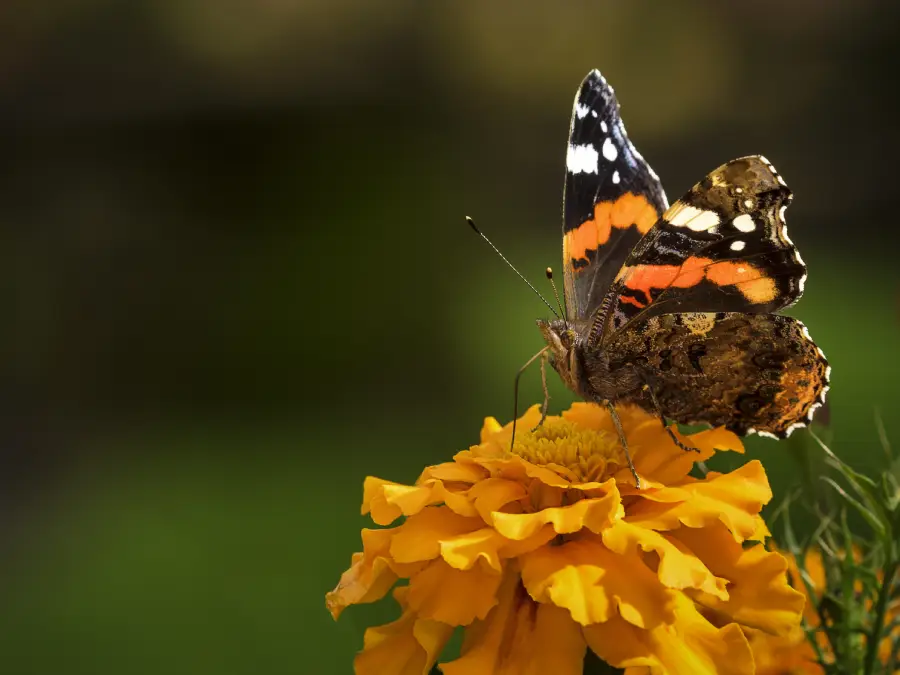
Butterflies possess specialized chemoreceptors located on their tarsal segments, or feet, allowing them to sample nutrients. By simply landing on a leaf, a female can immediately determine if the plant contains the correct chemical balance for laying her eggs.
3. Wing colors are produced by thousands of microscopic scales
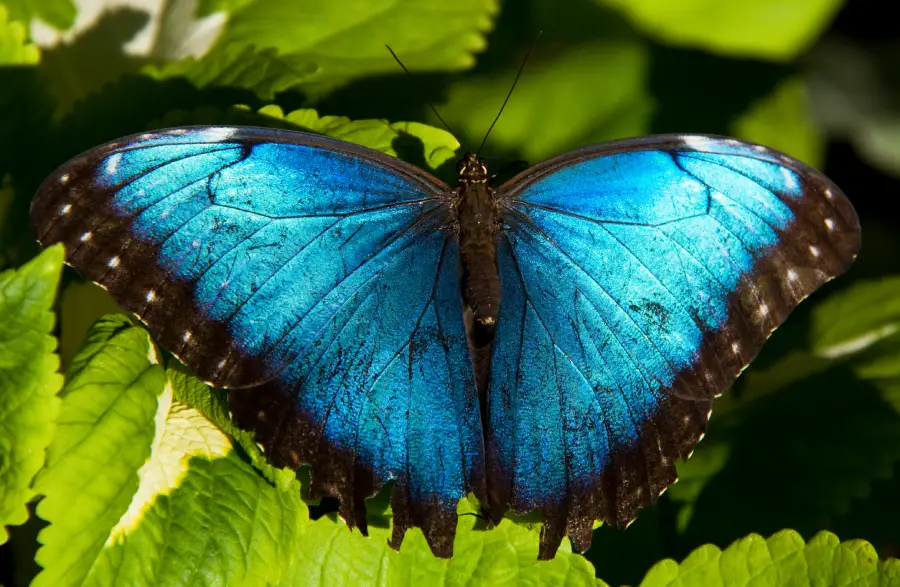
The vivid hues decorating a butterfly’s wings are created by overlapping chitinous scales reflecting light at different angles. In many species, structural iridescence creates shimmering blue and purple tones without requiring any actual colored pigmentation.
4. Thousands of eyes combine to form panoramic vision
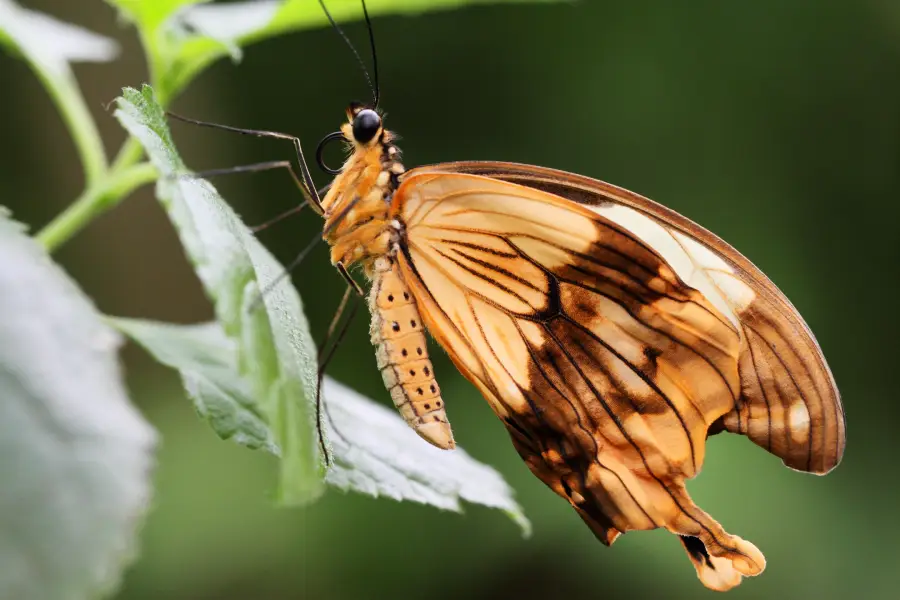
Equipped with large compound eyes made of up to twelve thousand individual lenses, butterflies possess a nearly three-hundred-and-sixty-degree field of view. Their specialized visual system can detect ultraviolet light frequencies, helping them spot hidden nectar guides on flower petals.
5. Metamorphosis involves liquefying entire bodies inside a chrysalis
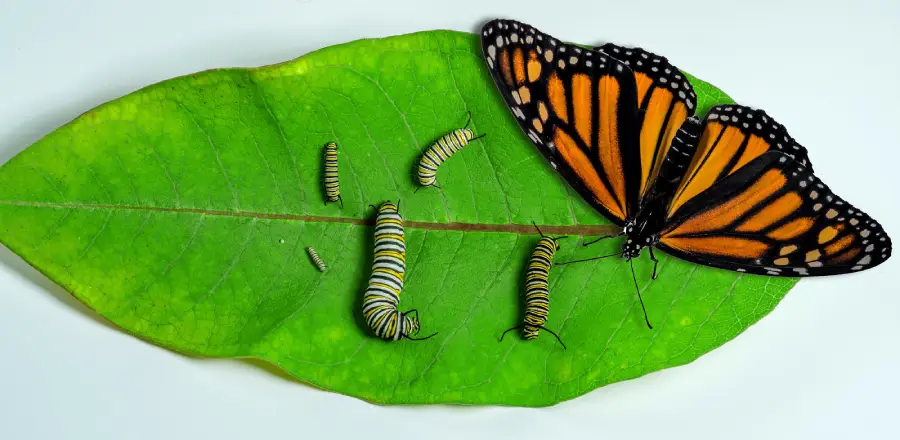
During the pupal stage, a caterpillar releases digestive enzymes that completely dissolve its muscle and tissue structures into a nutrient-rich cellular soup. Specialized cell clusters called imaginal discs then use this biological broth to rebuild the creature into a winged adult.
Trending on The Scroller


6. Cold blood prevents flight in low temperatures
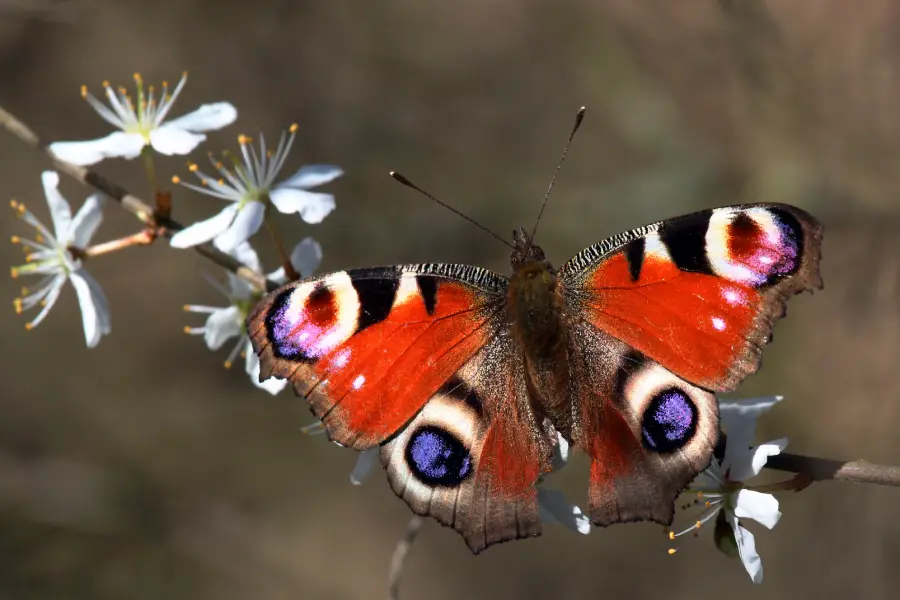
Because they are cold-blooded ectotherms, butterflies cannot contract their flight muscles if their core body temperature drops below eighty-six degrees Fahrenheit. To warm up on chilly mornings, they spread their wings wide against dark rocks to absorb direct sunlight.
7. Painted ladies migrate between Europe and Africa
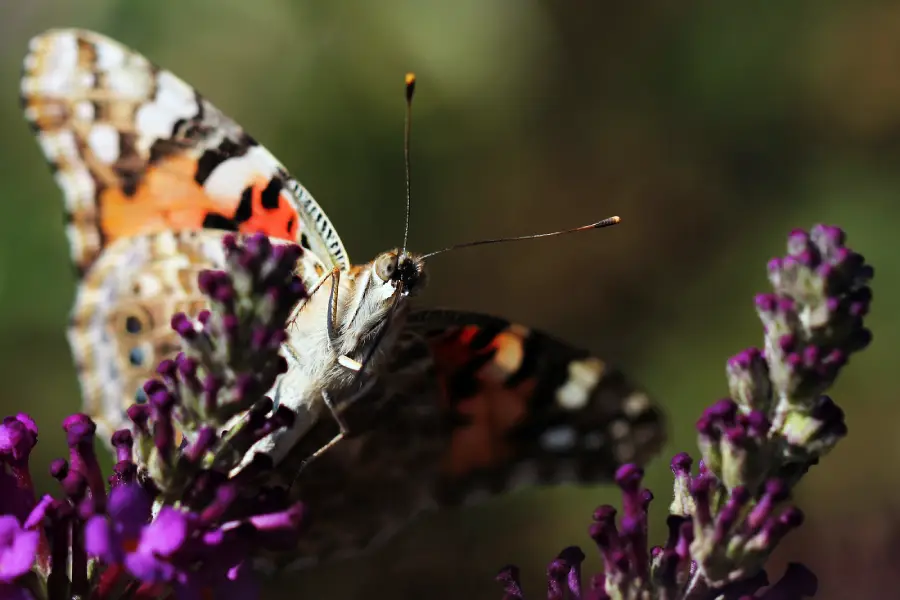
The painted lady butterfly completes a staggering round-trip migration of up to spellbinding twelve thousand miles between Arctic Europe and West Africa. This epic journey spans up to six successive generations, with each wave instinctively continuing the path of its predecessors.
8. Mud puddles provide essential minerals for males
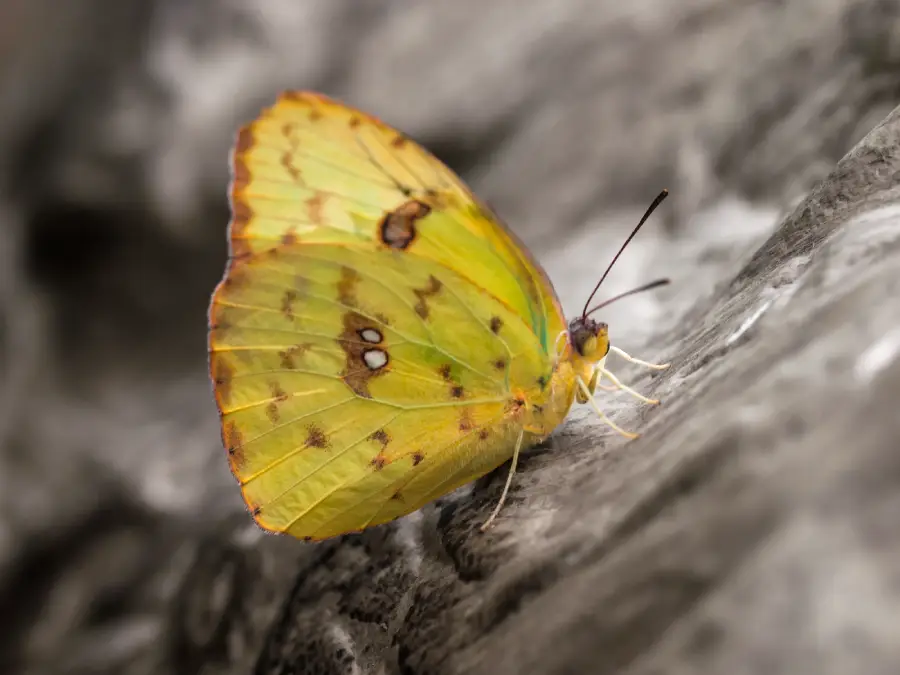
Male butterflies frequently congregate around wet mud, damp gravel, or decaying organic matter in a behavior known as puddling. They extract dissolved sodium and amino acids from the soil, which are then transferred to females during mating to increase egg viability.
Sign up for our newsletter
9. Wing muscles heat up through shivering
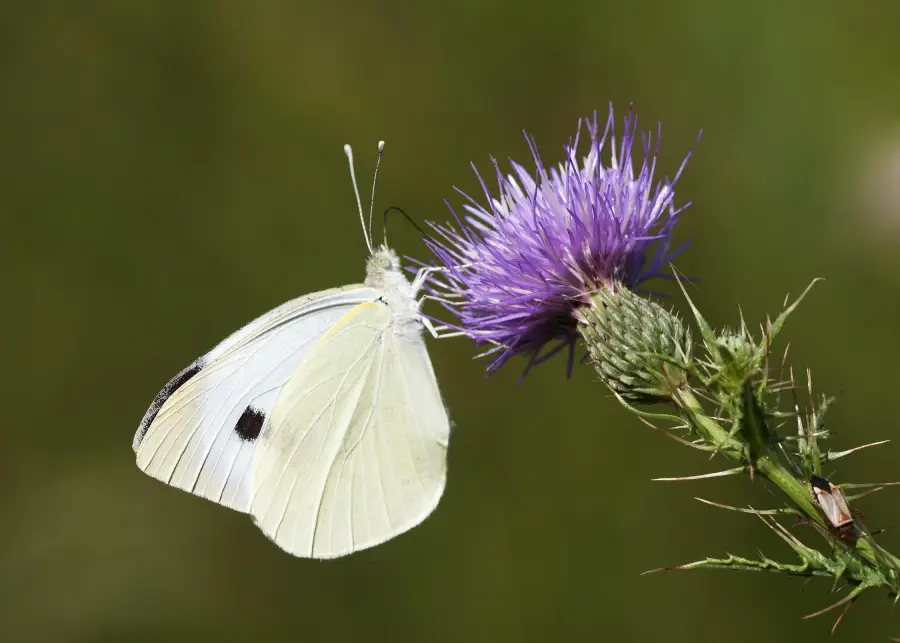
When solar basking is not an option on overcast days, butterflies rapidly vibrate their flight muscles without moving their wings. This shivering mechanism generates internal friction, raising their chest temperature enough to allow immediate takeoff during predator attacks.
10. Antennas contain built-in solar and magnetic compasses

Navigating across vast distances requires complex internal tracking systems housed within a butterfly’s delicate antennae. Molecular clocks inside the antenna tissue analyze the sun’s position, while magnetic receptors align their flight path with Earth’s magnetic field lines.
11. Transparent wings allow glasswing butterflies to vanish
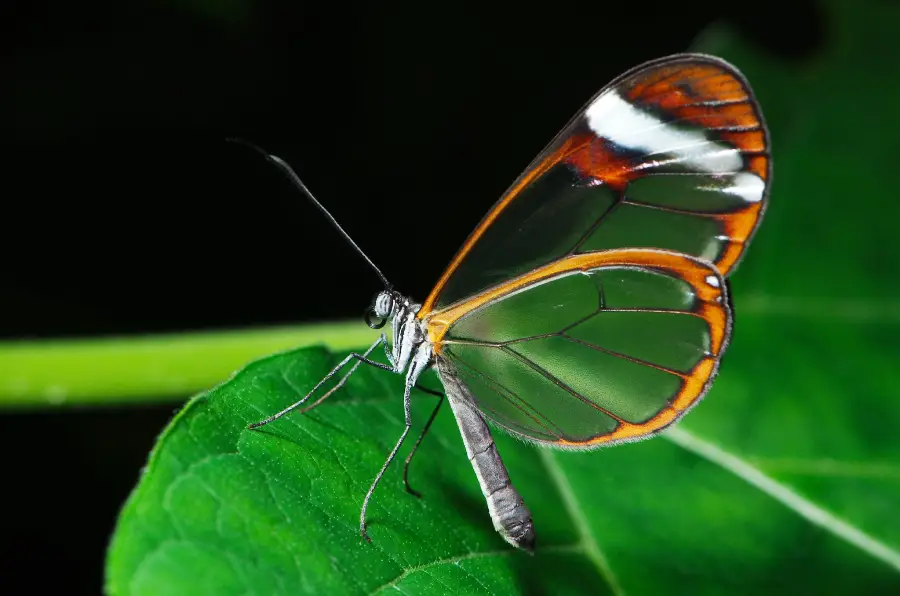
The Central American glasswing butterfly features completely clear wing tissue that permits light to pass straight through without reflecting. Microscopic pillars on the wing surface prevent glare, rendering the insect virtually invisible to passing birds while in flight.
12. Caterpillars increase body mass thousands of times
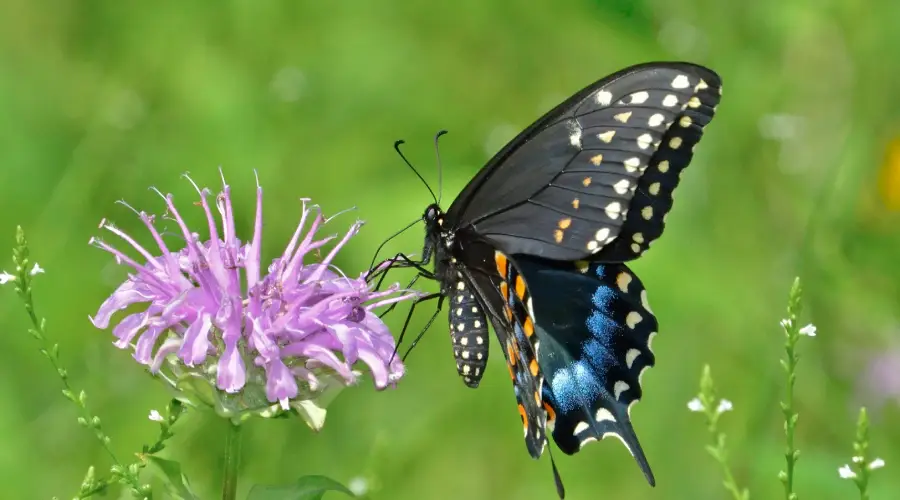
From the moment it hatches, a caterpillar eats almost continuously to store energy for its upcoming transformation. Within a few weeks, the larva consumes enough plant foliage to increase its body weight by up to ten thousand times.
13. Toxic diets protect monarchs from predators
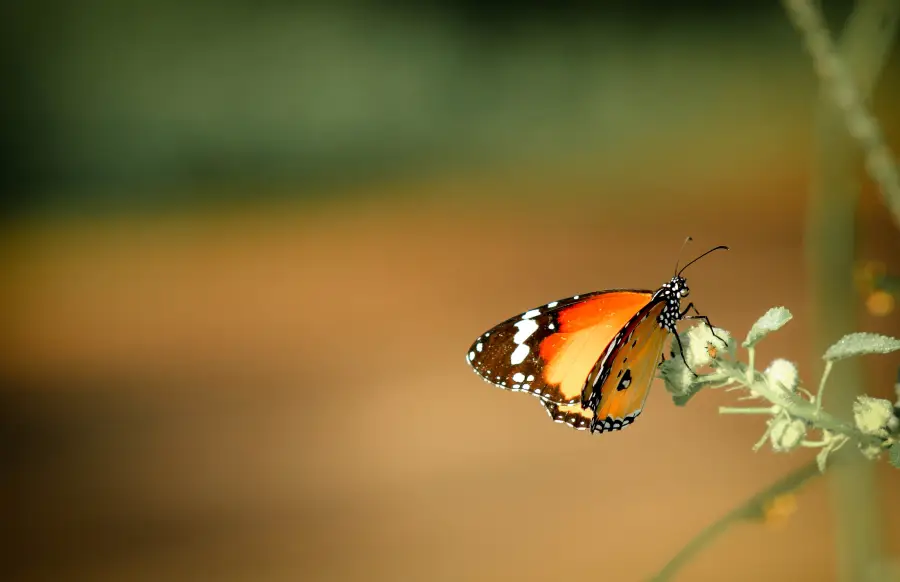
As caterpillars, monarchs feed exclusively on milkweed plants containing cardiac glycosides, chemical toxins that accumulate safely inside their body tissues. Birds that attempt to eat adult monarchs suffer severe nausea, quickly learning to avoid their bright orange warning colors.
14. Proboscis mouthparts function like coiled straws

Adult butterflies do not possess jaws, relying instead on a long, flexible feeding tube called a proboscis to sip liquid nectar. When not in use, this straw-like organ coils up tightly beneath the head to stay out of the way during flight.
15. Giant Swallowtails mimic bird droppings as camouflage
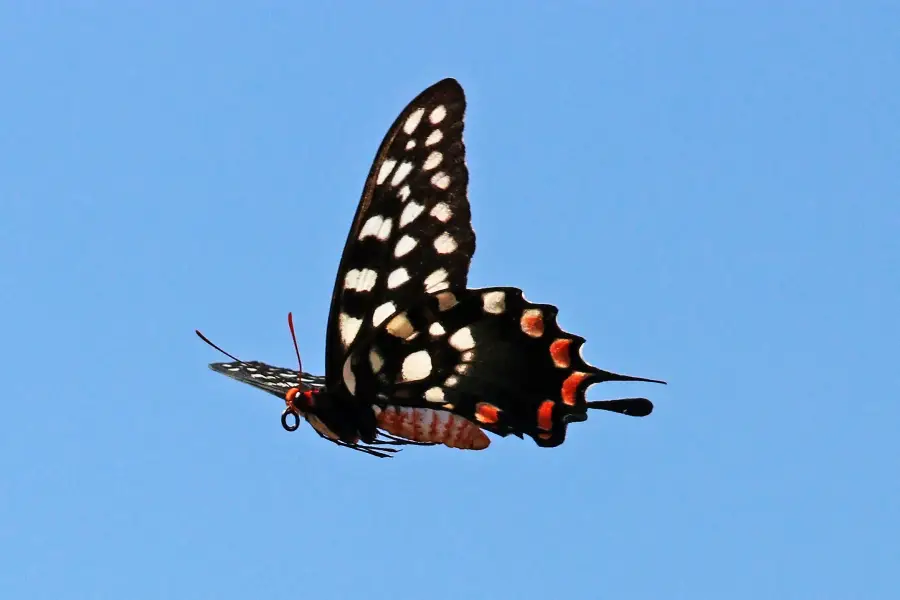
To avoid being eaten by foraging birds, young giant swallowtail caterpillars feature mottled brown and white coloration that precisely mimics fresh bird droppings. This clever visual deception protects the slow-moving larvae until they grow large enough to pupate.
Explore more fascinating facts about nature:
Exploring the miraculous transformations, complex navigation systems, and continent-spanning flights of these delicate pollinators offers a wonderful appreciation for the natural world. Their ability to cross vast landscapes despite fragile bodies proves that great strength exists in small packages. If you love discovering nature deep dives, fascinating animal archives, and extraordinary biological facts, be sure to check out these 16 Mind-Blowing Facts About Birds of Prey, or these 16 Amazing Facts About Big Cats. You may also like these 16 Mind-Blowing Facts About Mushrooms.