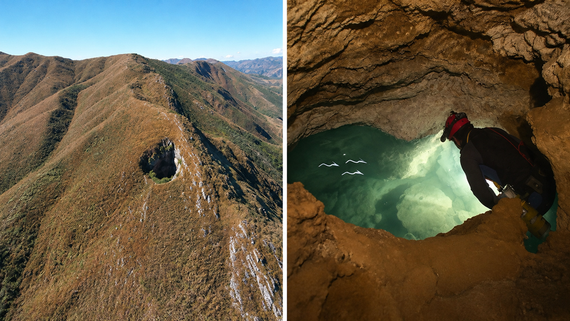
Some of the strangest places on Earth developed their unusual wildlife after spending millions of years separated from the rest of the world. Oceans, mountains, underground chambers, and enormous stretches of ice created natural barriers that allowed plants and animals to evolve along very different paths. The results include forests filled with bizarre trees, lakes inhabited by unique creatures, and entire communities surviving without sunlight. Although no ecosystem is completely disconnected from its surroundings, some have remained isolated long enough to develop extraordinary forms of life.
1. Socotra’s Dragon Blood Forests, Yemen
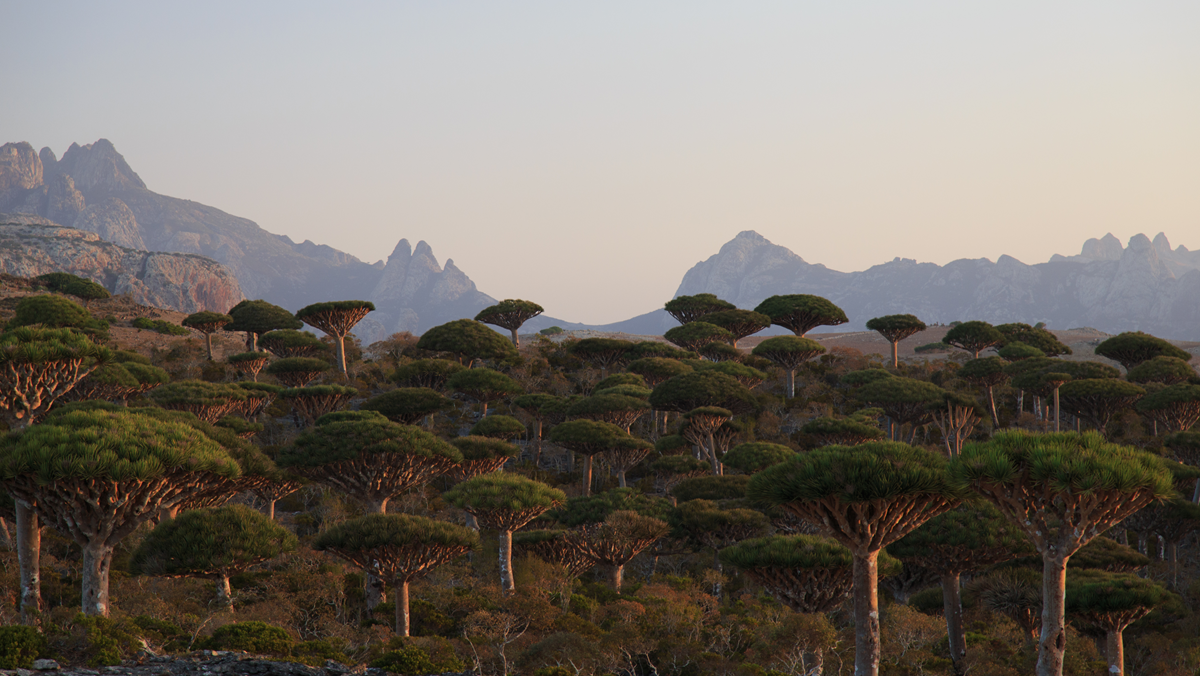
On the island of Socotra, trees grow in shapes that seem better suited to a fantasy movie than an actual landscape. The famous dragon blood trees have thick trunks and broad, umbrella-shaped crowns that help them survive the island’s dry conditions. Separated from mainland ecosystems for millions of years, Socotra developed an extraordinary collection of native life, including plants with swollen, bottle-like trunks and reptiles found nowhere else. Roughly 37 percent of its plant species are endemic to the archipelago, making the island one of the most unusual botanical environments on Earth.
2. The Ancient Forests of the Juan Fernández Islands, Chile
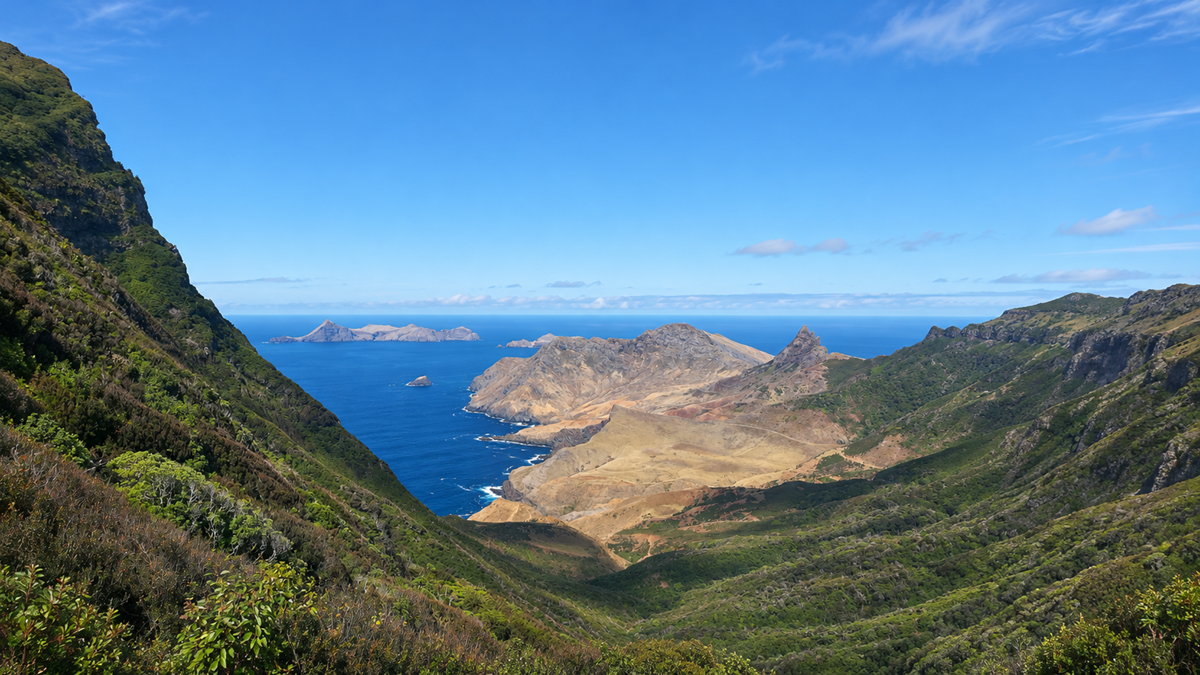
Hundreds of miles off the Chilean coast, the Juan Fernández Islands contain forests that evolved with remarkably little influence from mainland vegetation. Their steep volcanic slopes support unusual ferns, trees, and flowering plants, many restricted to the archipelago. More than half of the islands’ native plant species are endemic, an exceptionally high proportion for such a small area. The forests also shelter the Juan Fernández firecrown, a critically endangered hummingbird found naturally only on Robinson Crusoe Island.
3. Lord Howe Island’s Isolated Mountain Forests, Australia
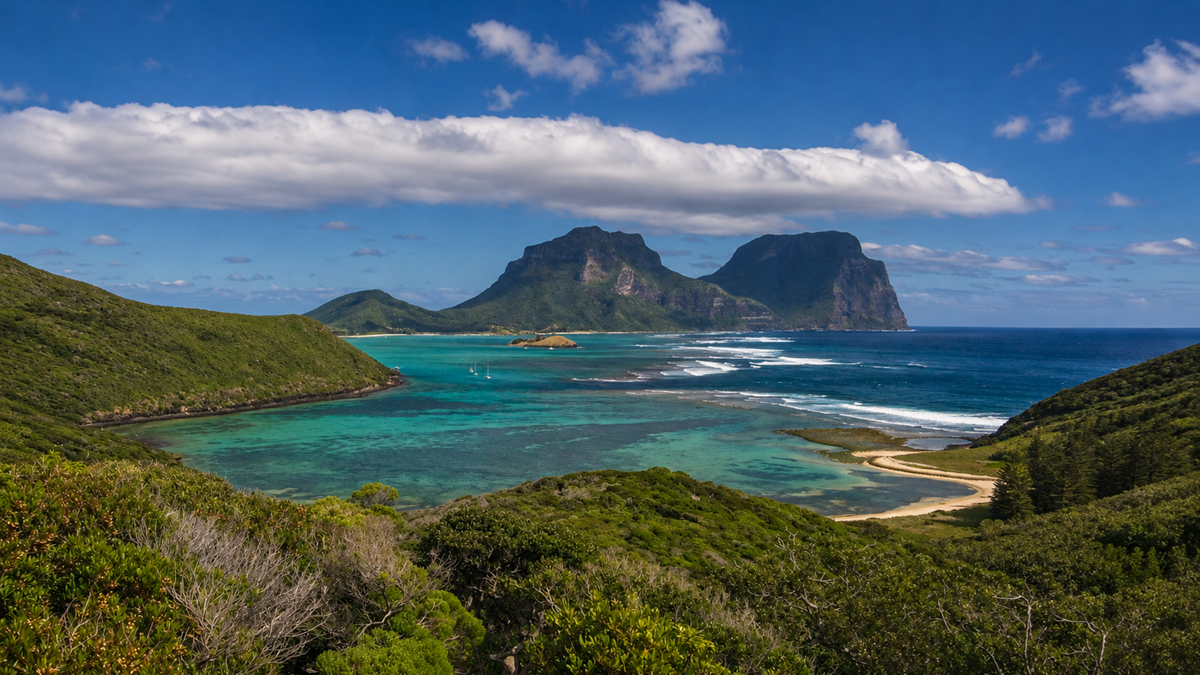
Lord Howe Island rises from the Tasman Sea with steep volcanic mountains, dense forests, and a surprising collection of creatures found nowhere else. Its isolation allowed distinctive palms, birds, and insects to develop, including the flightless Lord Howe woodhen. Perhaps the strangest survivor is the Lord Howe Island stick insect, which was believed extinct until a tiny population was rediscovered on nearby Ball’s Pyramid in 2001. These large, flightless insects survived on a steep volcanic outcrop after introduced rats had eliminated them from their original island home.
4. The Palm Forest That Produces the World’s Largest Seeds, Seychelles
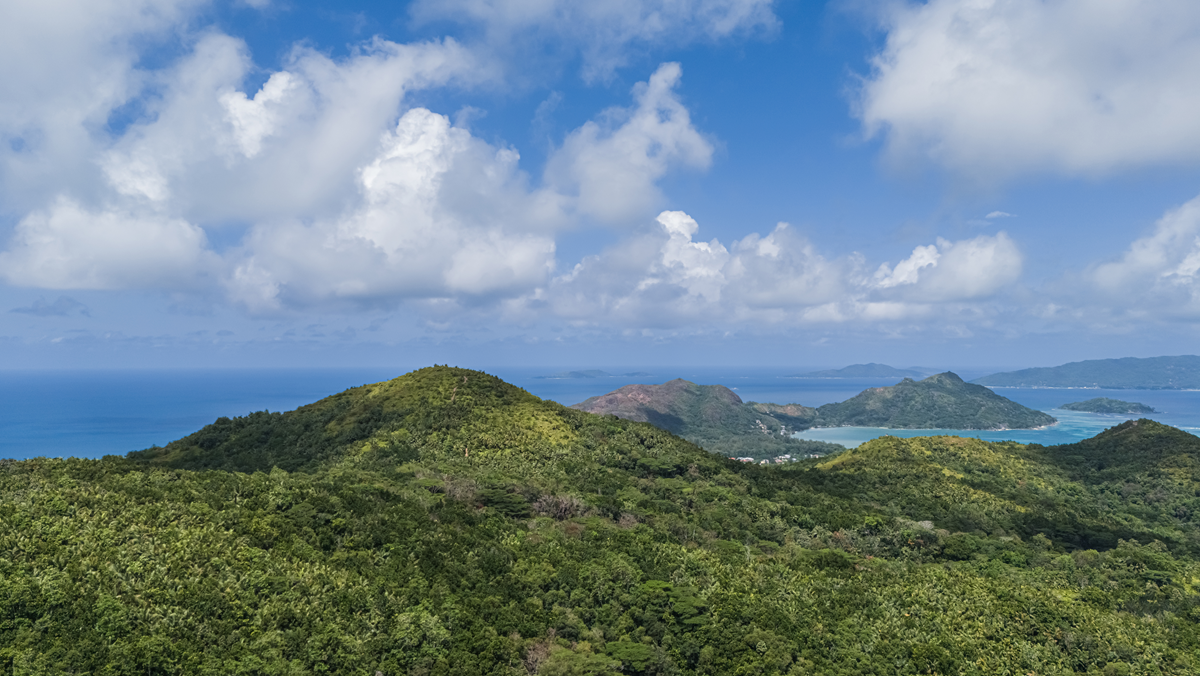
Deep inside Praslin Island, the Vallée de Mai forest contains a remarkable concentration of palms found naturally only in the Seychelles. Its most famous inhabitant is the coco de mer, a palm that produces enormous double-lobed seeds, sometimes weighing more than 30 pounds. All six palm species endemic to the Seychelles grow together in this small forest. The combination creates an environment quite different from the tropical forests found on nearby continents.
5. Mount Roraima’s Lost-World Ecosystem, South America
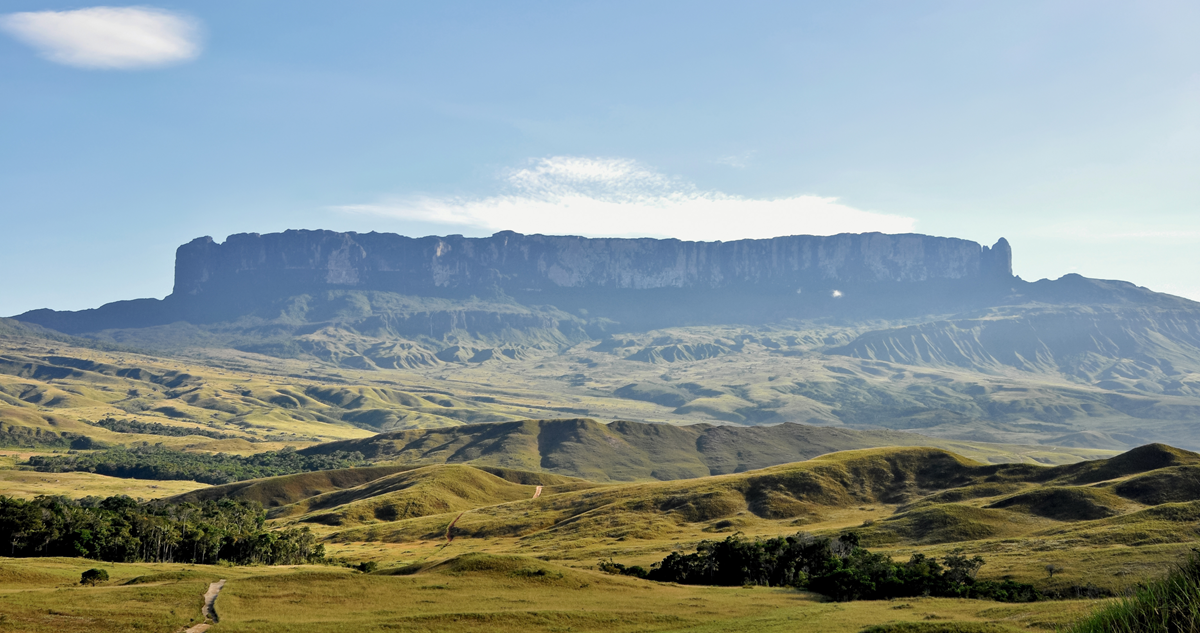
Mount Roraima rises near the point where Venezuela, Brazil, and Guyana meet, with enormous vertical cliffs supporting a flat summit high above the surrounding landscape. This ancient tabletop mountain, known as a tepui, has an isolated ecosystem shaped by heavy rainfall, frequent clouds, and nutrient-poor soils. Its summit supports unusual plants, including carnivorous pitcher plants that trap insects to obtain nutrients. Although some species are shared with neighboring mountains, the wider tepui region is home to many plants found nowhere else on Earth.
Trending on The Scroller
6. Movile Cave’s Ecosystem Without Sunlight, Romania
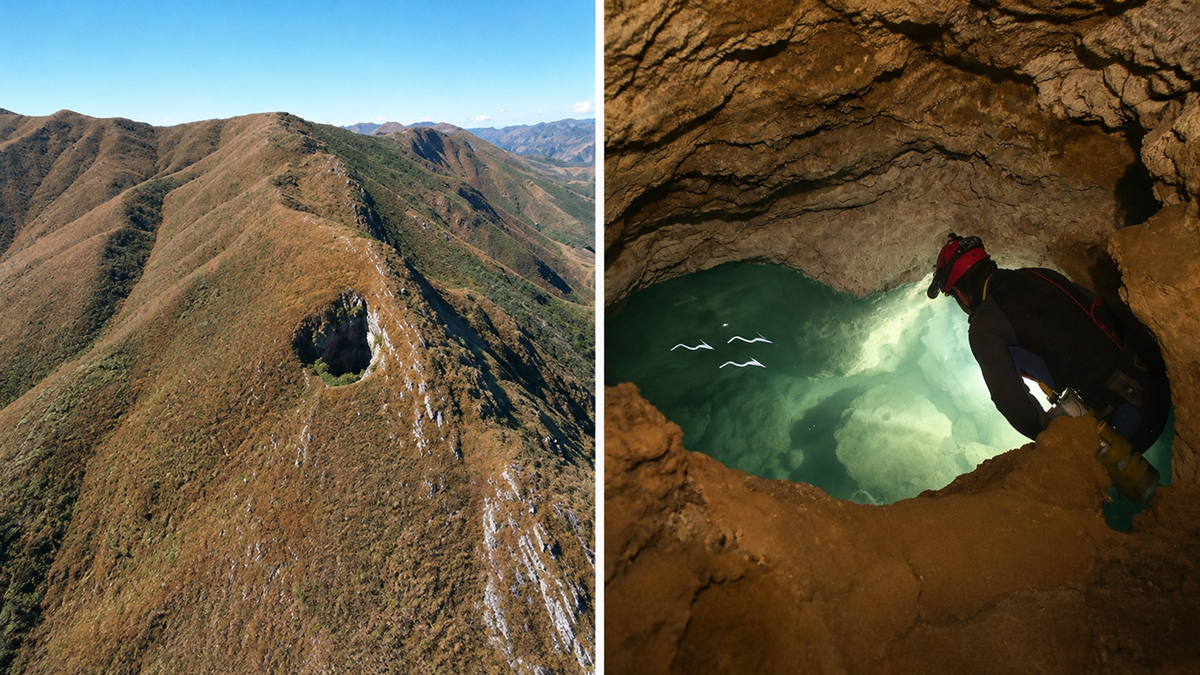
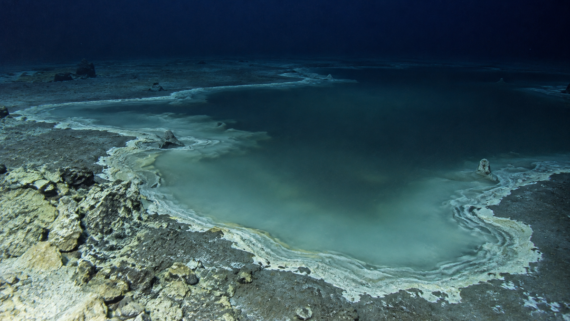
An underground cave system near the Black Sea contains one of the most unusual ecosystems scientists have ever studied. Movile Cave has extremely limited contact with the surface and supports creatures adapted to darkness, including spiders, pseudoscorpions, and other small invertebrates. Instead of depending on sunlight, its food web begins with microorganisms that obtain energy through chemical reactions involving substances such as hydrogen sulfide and methane. Many of its inhabitants occur nowhere else, having adapted to conditions that would be hostile to most surface animals.
7. Palau’s Lake Filled With Golden Jellyfish
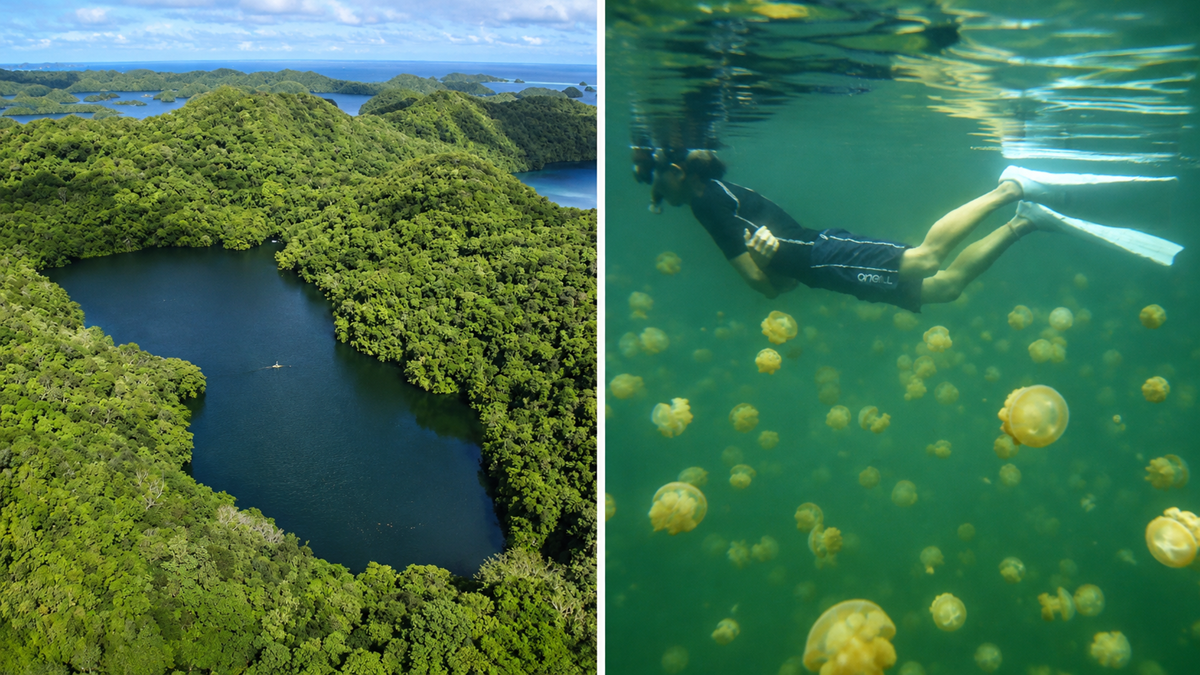
Hidden among Palau’s limestone islands, Jellyfish Lake contains a distinctive population of golden jellyfish that move through the water following the changing position of the sun. The lake is separated from the surrounding lagoon by rock, although underground passages still allow some seawater exchange. Over time, its jellyfish developed unusual daily migration patterns, gathering in sunlit areas where their symbiotic algae can photosynthesize. Their movements also help them avoid predatory sea anemones lurking along the lake’s shaded edges.
8. The Newborn Ecosystem of Surtsey Island, Iceland
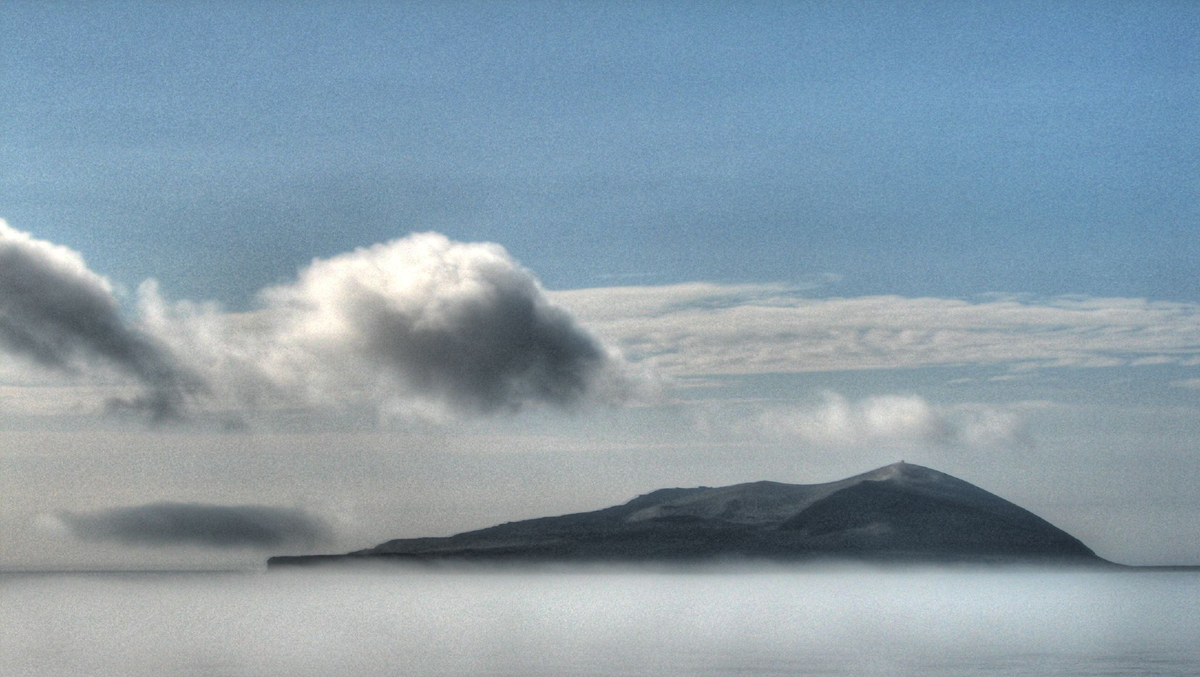
Unlike most isolated ecosystems, Surtsey is young enough for scientists to have witnessed its entire development. The island emerged from the Atlantic Ocean during volcanic eruptions between 1963 and 1967, initially offering little more than bare volcanic rock. Seeds arrived through wind, ocean currents, and birds, gradually establishing vegetation where none had existed before. Strict limits on human access have allowed researchers to observe how an ecosystem develops through natural colonization, including the dramatic changes caused when seabirds began nesting on the island.
Sign up for our newsletter
9. The Strange Daisy Forests of the Galápagos Islands, Ecuador
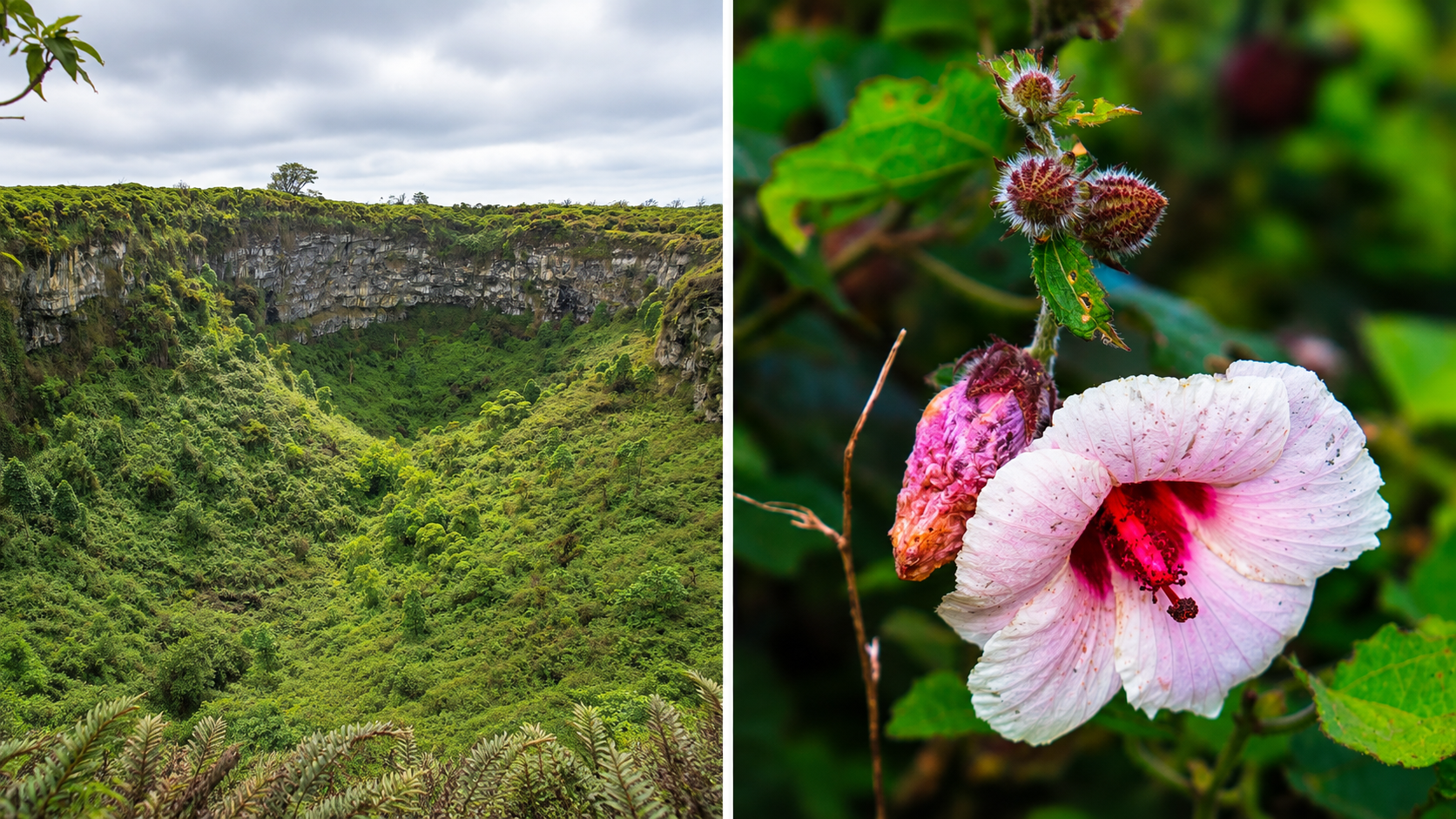
The Galápagos Islands are famous for their giant tortoises and unusual birds, but some of their most surprising evolutionary experiments involve trees. In the humid highlands, plants belonging to the genus Scalesia have evolved into tall, tree-like forms, despite being members of the daisy family. Some species can reach around 50 feet tall, creating dense forests that resemble those of much larger tropical islands. These forests developed through evolution on islands far from the South American mainland, although introduced plants and animals have severely reduced some of their original habitats.
10. New Caledonia’s Forests on Metal-Rich Soils
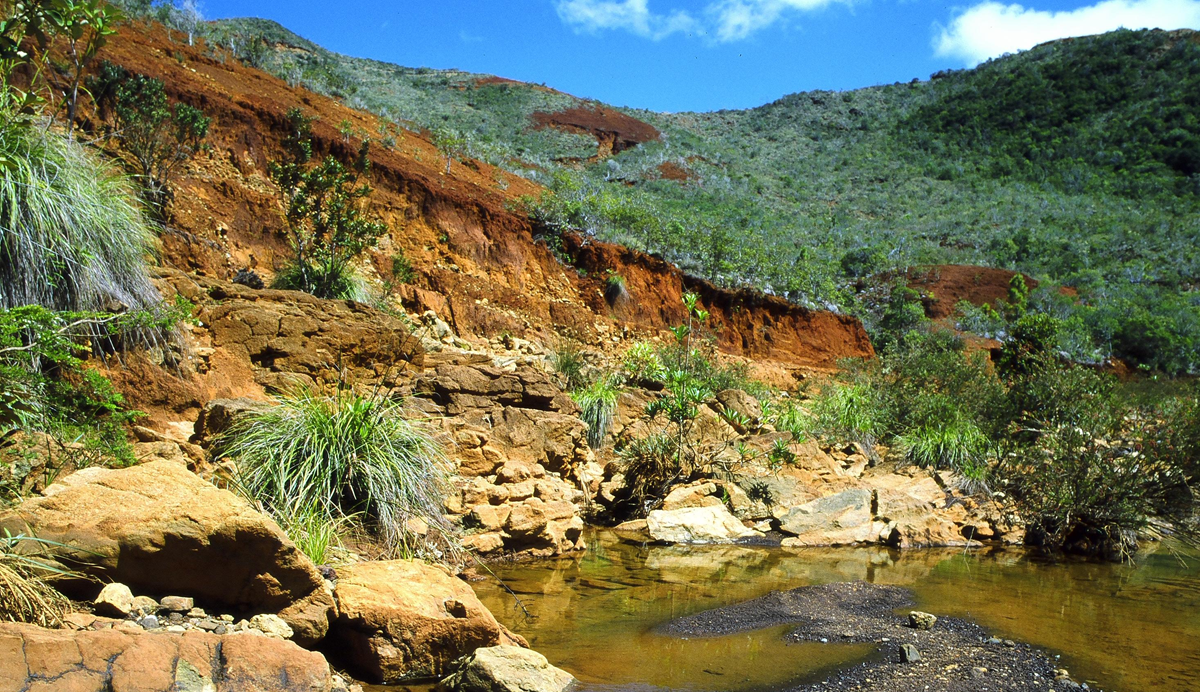
New Caledonia’s long geographic isolation helped produce an extraordinary collection of plants, including many species found nowhere else. Some grow on metal-rich soils derived from ultramafic rocks, where high nickel concentrations and low nutrient availability make life difficult for ordinary vegetation. Local plants evolved specialized ways to tolerate these conditions, and some can even accumulate unusually high concentrations of metals in their tissues. The islands also contain distinctive forests with ancient conifer lineages and other plants that make their vegetation look remarkably different from that of nearby Australia.
11. Hawaii’s Rainforests and Their Unusual Birds
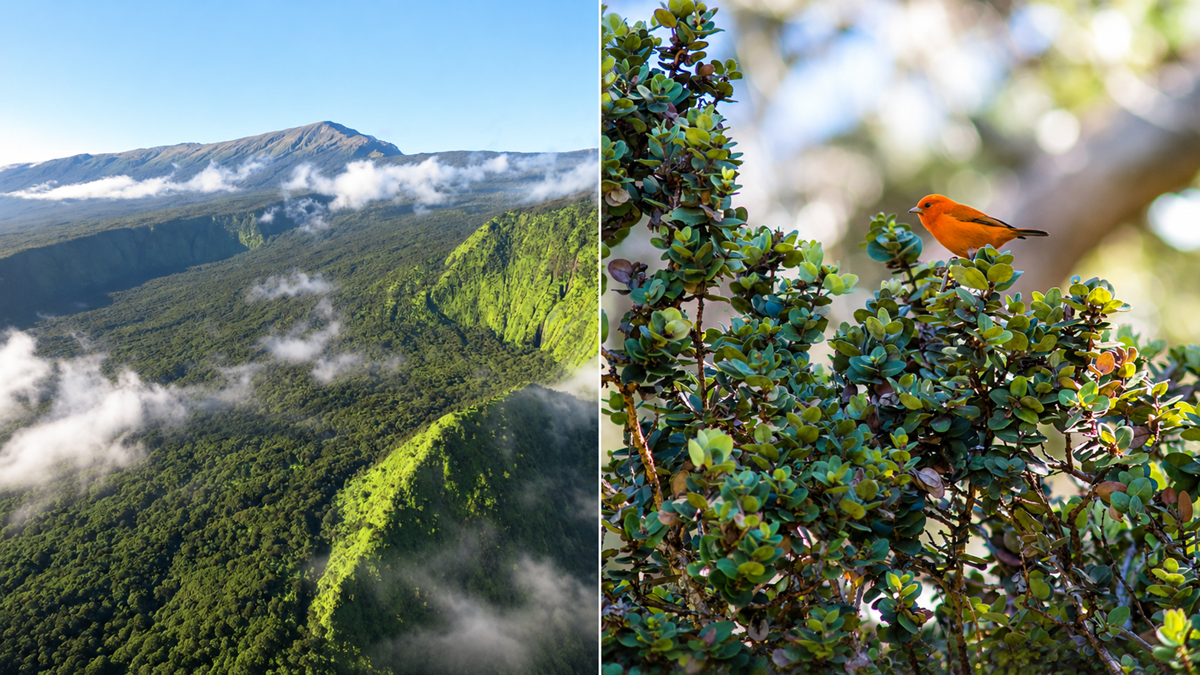
The Hawaiian Islands formed thousands of miles from the nearest continent, making them natural laboratories for evolution. Their native forests became home to remarkable birds, including Hawaiian honeycreepers that evolved different bill shapes suited to feeding on nectar, insects, or seeds. Some species developed long, curved bills particularly well suited to certain native flowers. Many of these birds are now threatened or extinct because of habitat loss, introduced predators, and diseases spread by mosquitoes.
12. Madagascar’s Forests Among Limestone Needles
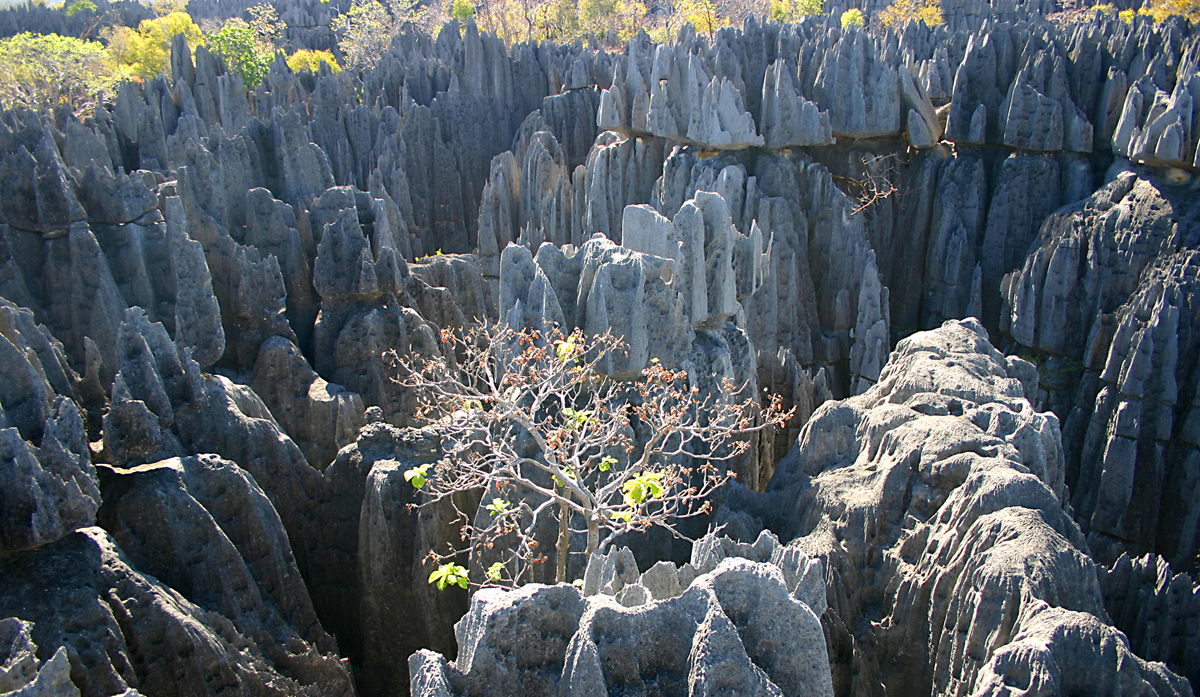
At Tsingy de Bemaraha in western Madagascar, forests grow among towering formations of sharply eroded limestone. Deep crevices and difficult terrain create numerous sheltered habitats, allowing different combinations of plants and animals to survive within relatively small areas. Lemurs move through the trees while reptiles and other creatures occupy the rocky surroundings. Madagascar’s broader isolation from mainland Africa produced exceptional endemism, and these limestone landscapes add another layer of separation within the island itself.
13. Lake Baikal’s Extraordinary Underwater World, Russia
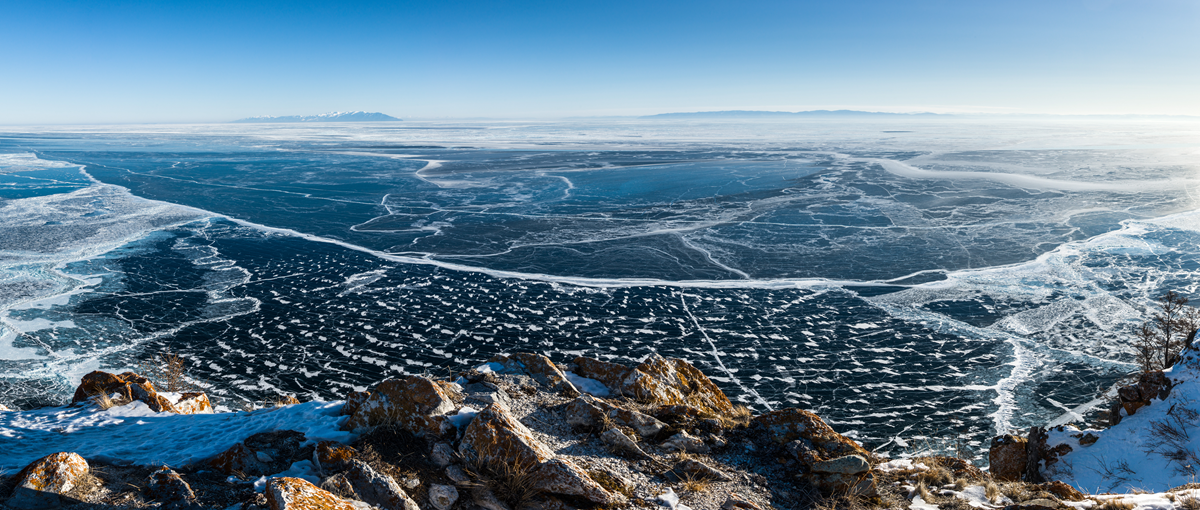
Lake Baikal is the world’s deepest freshwater lake, and its long history has allowed an exceptional variety of native species to evolve. Among its most surprising inhabitants is the Baikal seal, one of the few seal species that live exclusively in freshwater. Despite its enormous depth, the lake’s surface freezes over during winter, forming thick ice that can develop spectacular cracks and remarkably clear sections. Beneath that frozen surface, unusual sponges, crustaceans, and fish continue living in an ecosystem unlike almost any other freshwater lake.
14. Aldabra’s Island Ecosystem Dominated by Giant Tortoises, Seychelles
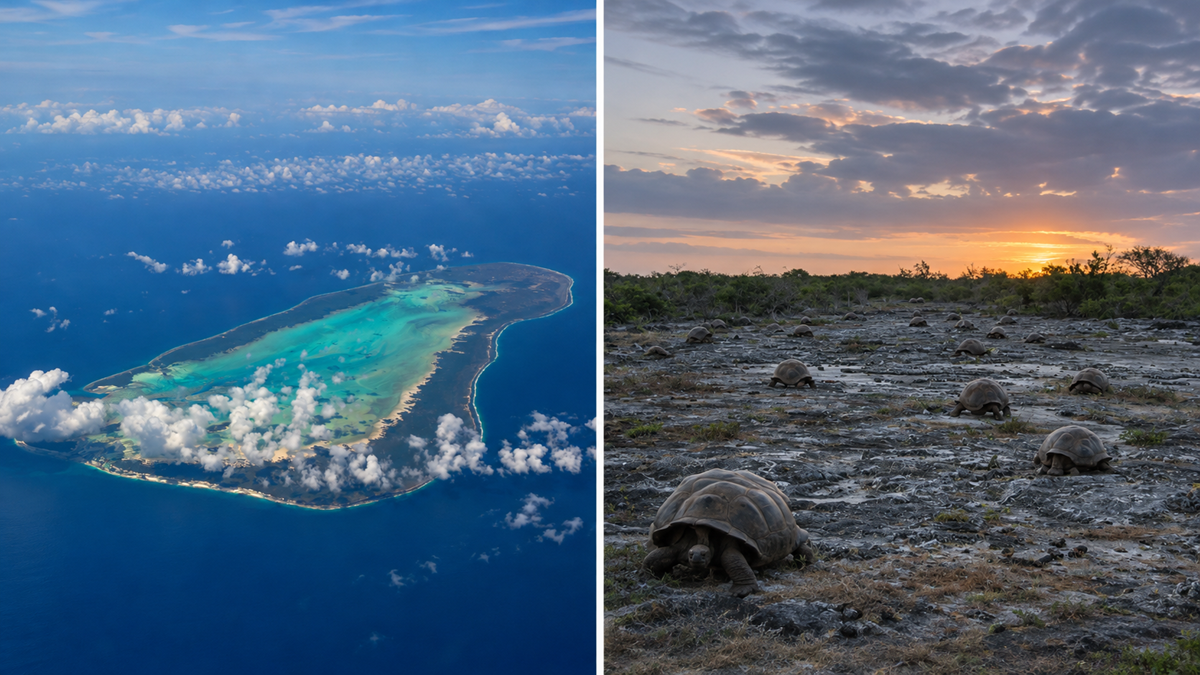
The remote Aldabra Atoll has the world’s largest remaining population of giant tortoises living in the wild. With no native large terrestrial mammals competing for the same resources, these reptiles became major grazers that influence the atoll’s vegetation. Their feeding and movement help shape open grasslands and other plant communities. Aldabra’s isolation also protected unusual wildlife, including a flightless rail that survives on the atoll today.
15. Komodo Island’s Giant Dragons, Indonesia
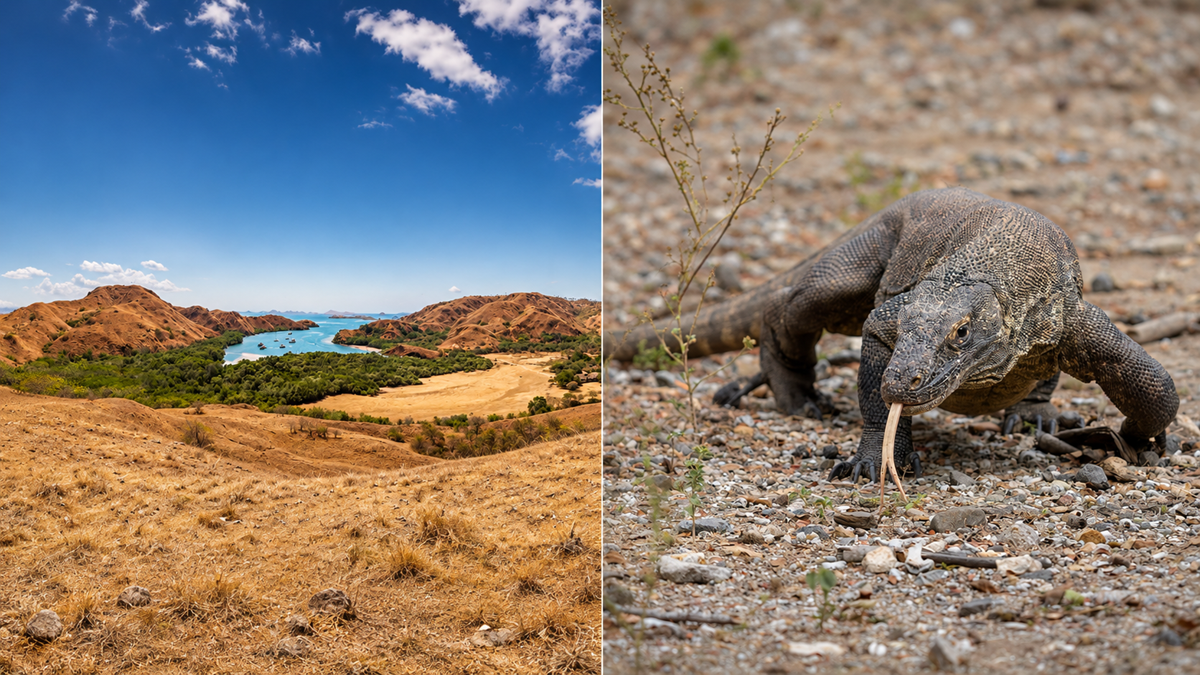
On a handful of Indonesian islands, the world’s largest living lizards roam through dry forests, grasslands, and rugged volcanic hills. Komodo dragons can grow to around 10 feet long and are powerful predators capable of hunting deer and wild pigs. Their ancestors once occupied a much wider region, but today these enormous reptiles survive naturally only on a few islands, including Komodo, Rinca, and Flores. The islands’ separation from surrounding landmasses has helped preserve an ecosystem where giant reptiles remain among the dominant predators.
16. Antarctica’s Hidden Microbial World Beneath Taylor Glacier
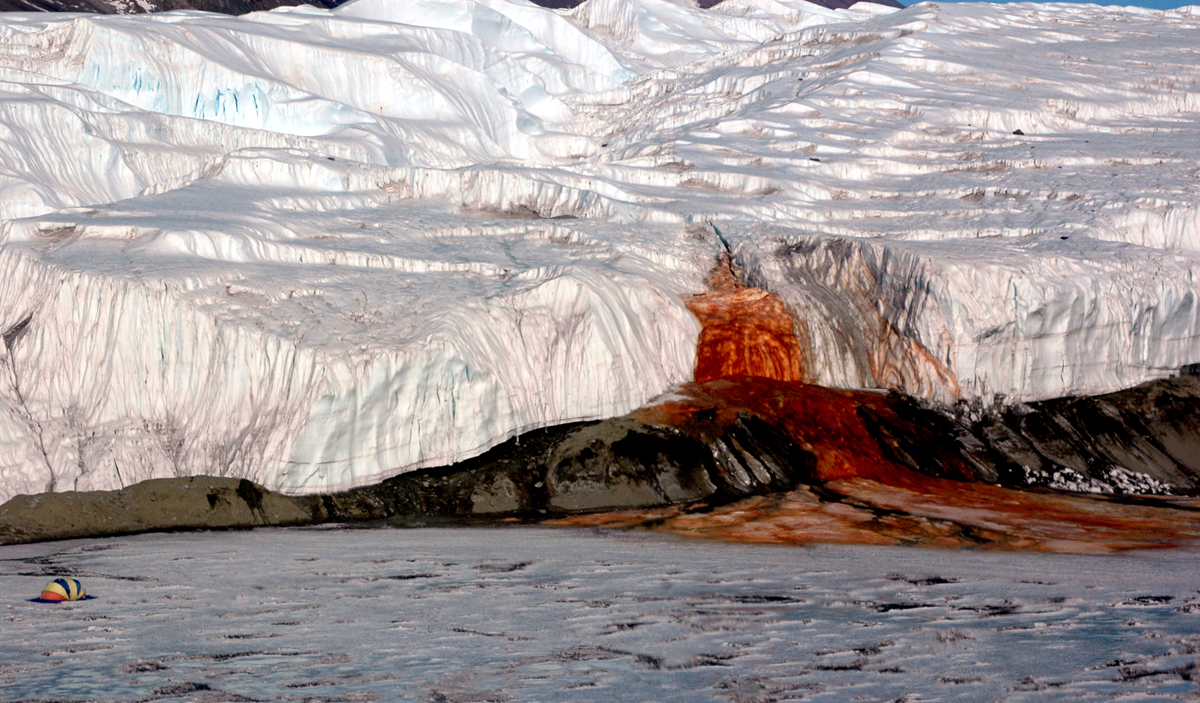
The red water emerging from Antarctica’s Taylor Glacier is known as Blood Falls, but the most interesting part of the story is hidden beneath the ice. An iron-rich, salty water system supports microorganisms adapted to extreme cold, darkness, and unusual chemical conditions. The reddish color develops when iron in the escaping brine reacts with oxygen, creating a dramatic contrast against the glacier. Scientists believe the isolated brine system originated from ancient seawater trapped beneath the ice, allowing microbial life to persist in an environment almost completely separated from the outside world.
In the mood for more?
Check out 15 Places on Earth So Extreme They Look Almost Impossible, or take a look at 15 Incredible Places Where Natural Forces Meet and Create Unusual Worlds. If you want to see more extraordinary natural environments, you can check out 15 Places Around the World That Look Photoshopped, But Aren’t.