Weird facts about Earth can make our familiar planet seem almost alien. Beneath the oceans, inside glaciers, and even in the skies above us, natural phenomena unfold that sound impossible until science explains them.
From underwater waterfalls to thunderstorms that produce antimatter, these 15 discoveries reveal just how extraordinary Earth really is. Some of its strangest secrets hide in plain sight.
1. Earth’s Longest Mountain Range Is Almost Entirely Underwater
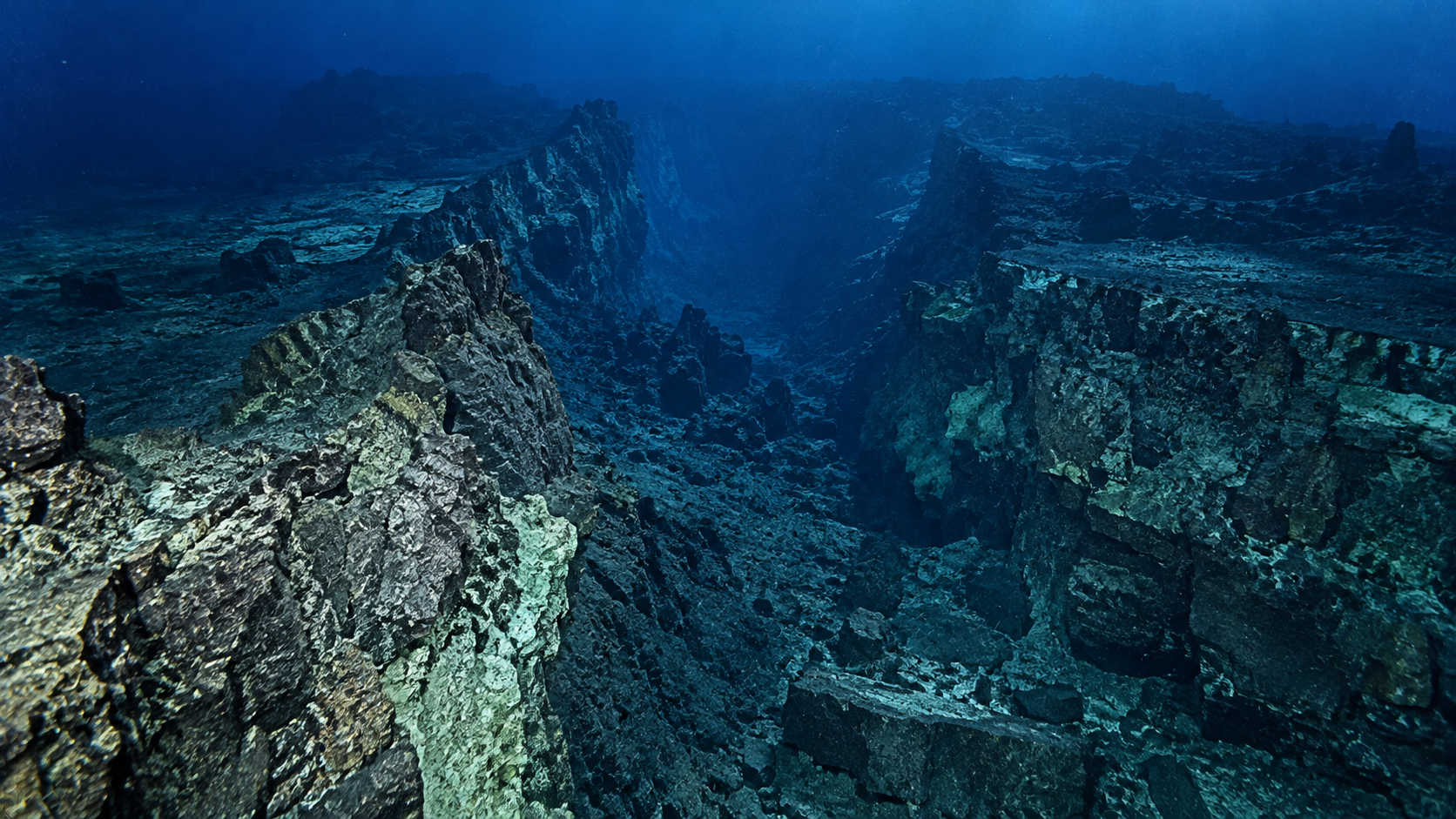
The world´s longest mountain range isn´t the Himalayas or the Andes. It´s the mid-ocean ridge, a nearly 40,390-mile system winding around the globe, with more than 90% hidden beneath the ocean. Along this enormous chain, tectonic plates pull apart and new crust forms. Earth´s most extensive mountain system is one most people will never see.
2. The World’s Largest Waterfall Is Also Under the Ocean
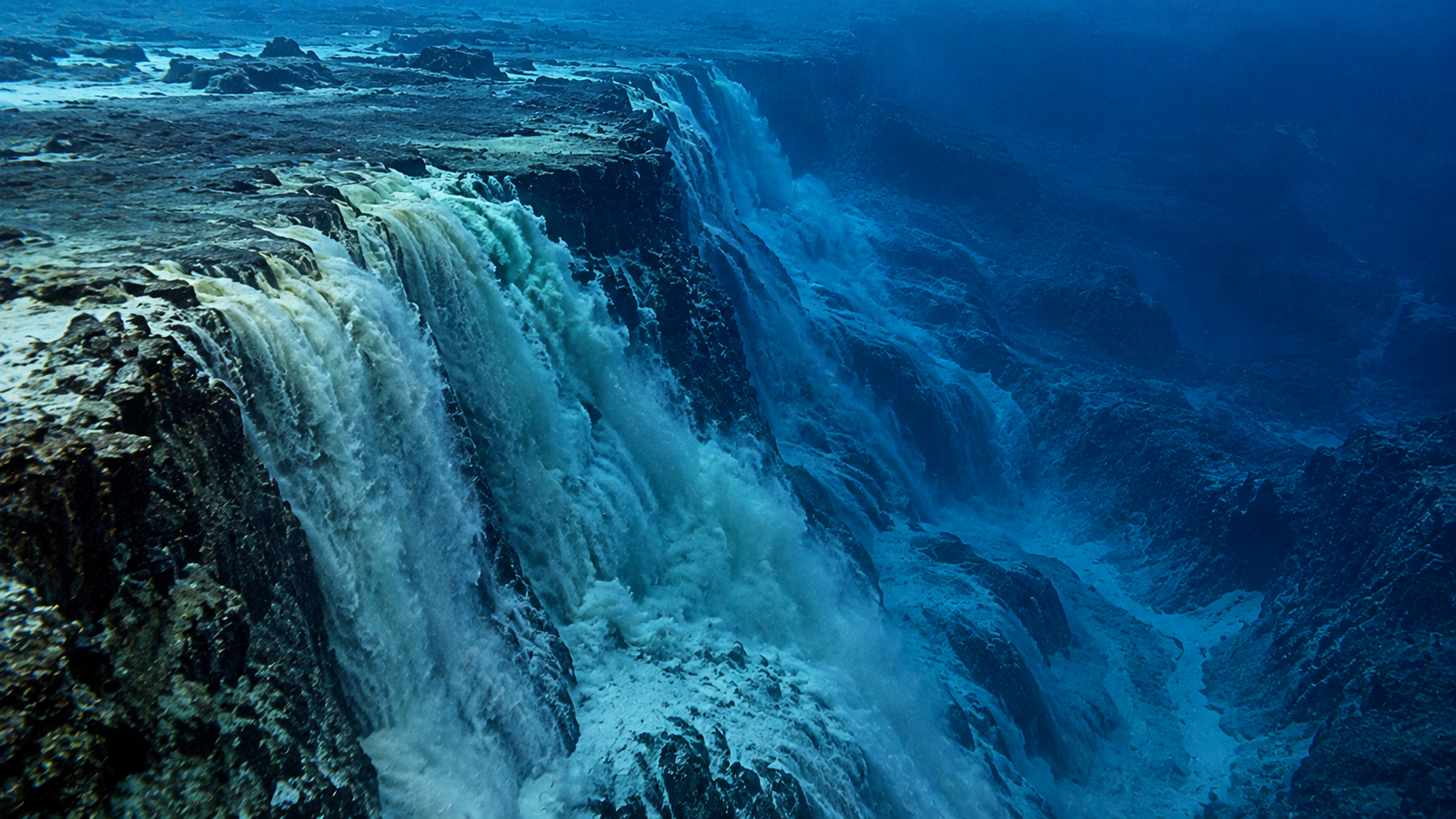
Forget Niagara Falls. Earth´s largest waterfall is hidden beneath the Denmark Strait, between Greenland and Iceland. Cold, dense water plunges roughly two miles beneath warmer water, creating an underwater cascade with an estimated flow exceeding 123 million cubic feet per second. And all of it happens far below the surface.
3. Dust From the Sahara Helps Fertilize the Amazon Rainforest
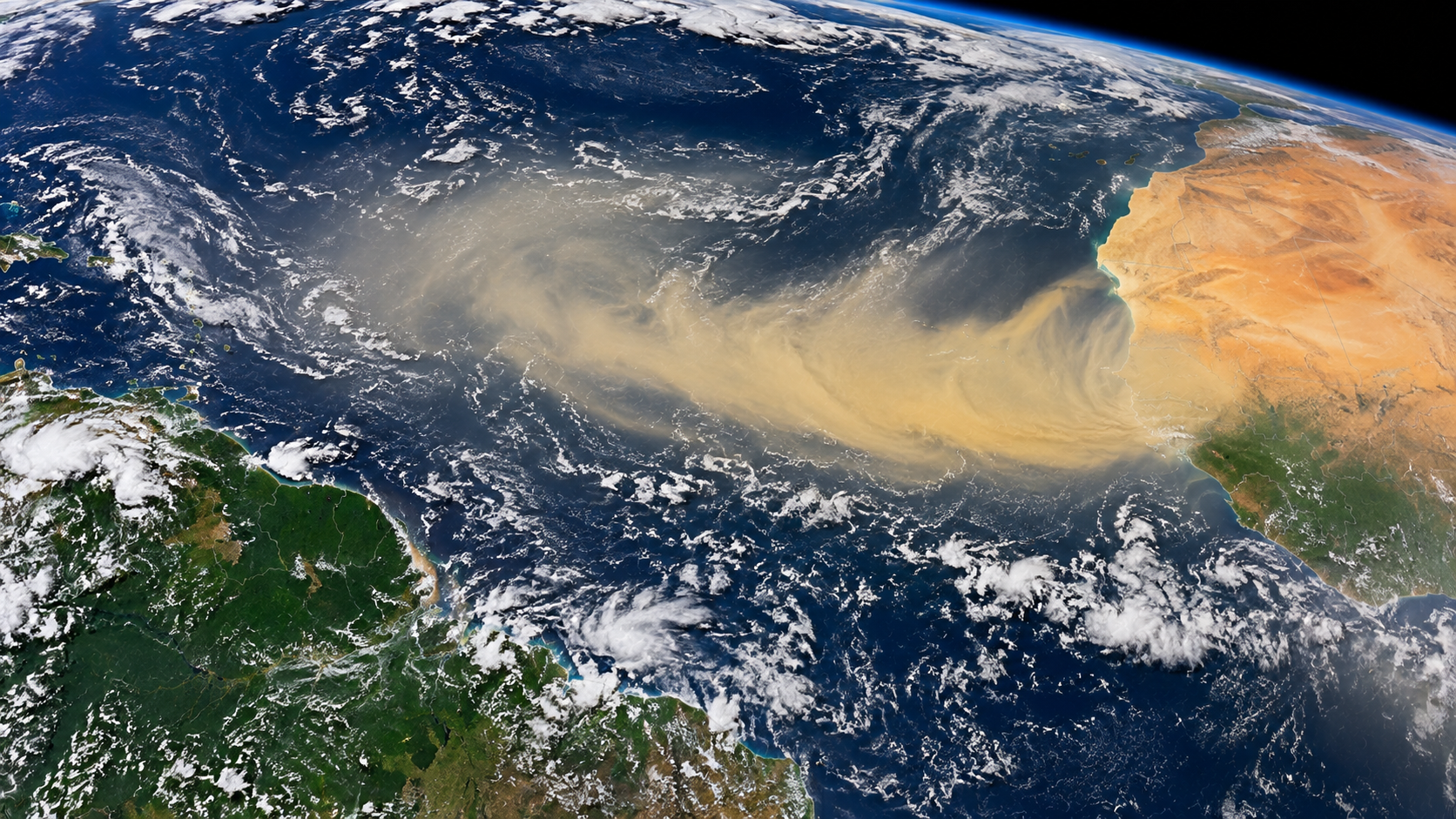
The Sahara Desert is helping feed the Amazon rainforest. Winds carry mineral-rich dust thousands of miles across the Atlantic, delivering phosphorus that replenishes nutrients in Amazon soils. NASA researchers estimated that around 22,000 tons of phosphorus arrive this way each year. One of the Earth´s driest regions plays a surprising role in sustaining one of its greenest.
4. The Continents Move About as Fast as Your Fingernails Grow
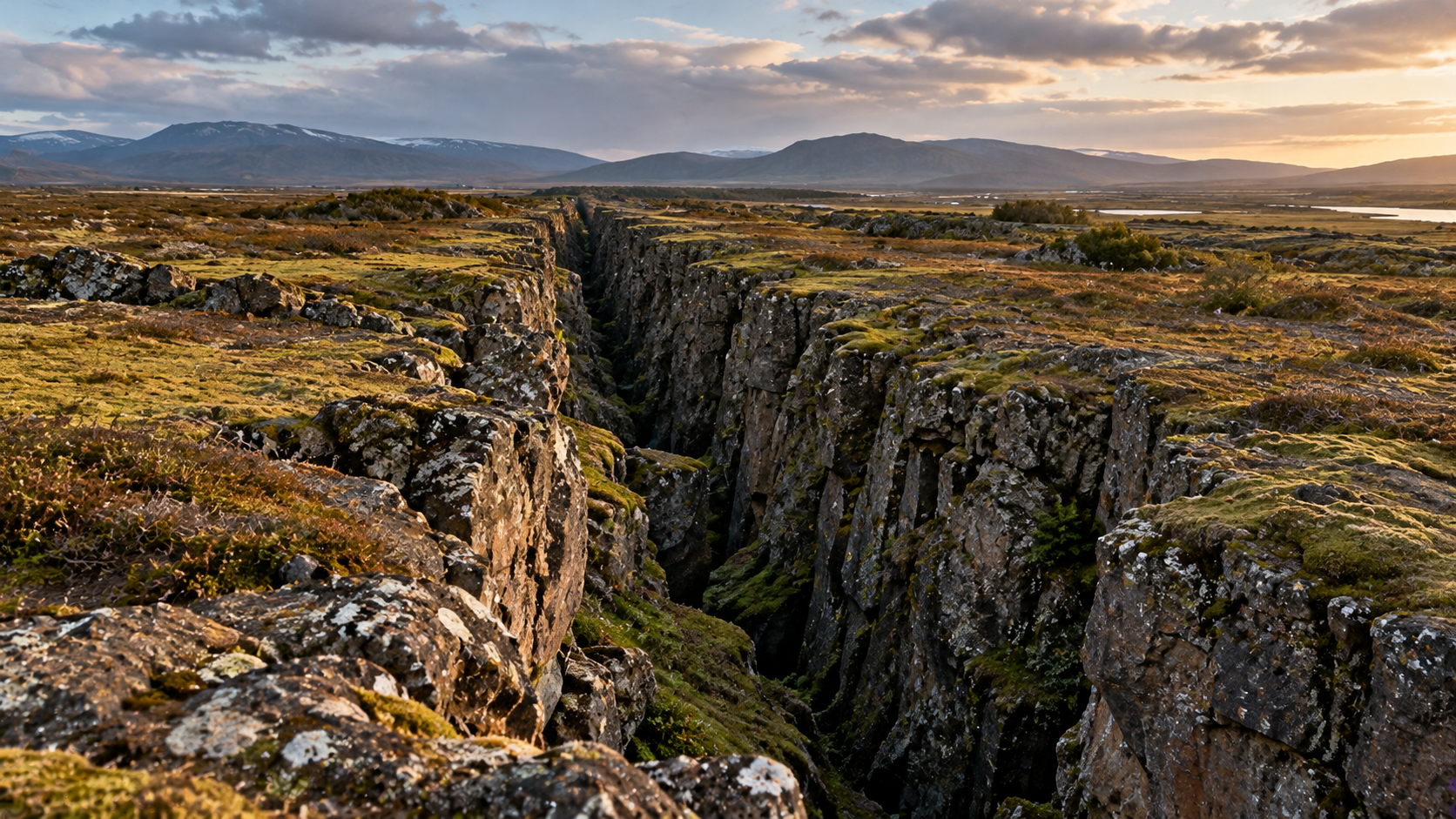
The ground beneath our feet is constantly moving, just too slowly to notice. Earth´s tectonic plates typically shift from less than a centimeter to around 10 centimeters annually, roughly comparable to fingernail growth. Over millions of years, those tiny movements can open oceans and rearrange continents. What else around us seems perfectly still but is actually changing the planet?
5. There Are Lakes at the Bottom of the Ocean
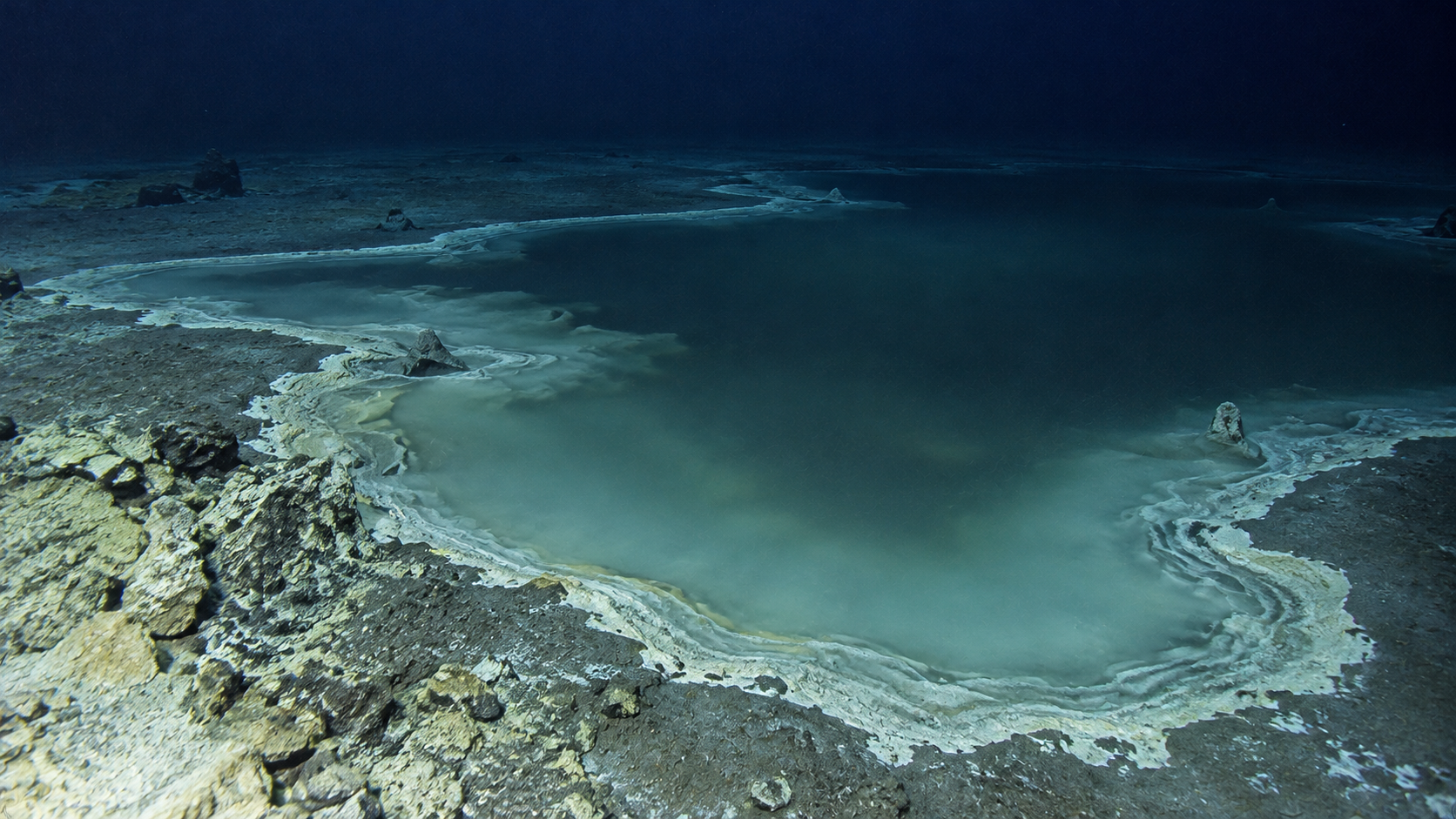
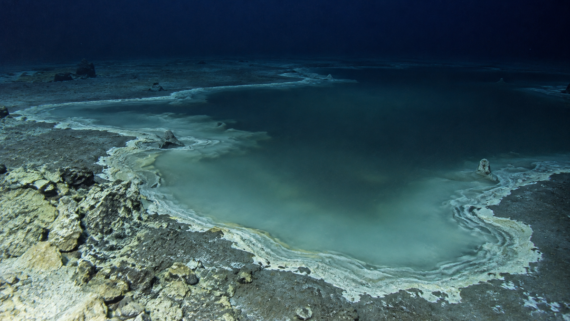
A lake beneath the ocean sounds impossible, but brine pools make it real. These underwater pools contain water so salty and dense that it collects on the seafloor instead of readily mixing with the surrounding seawater. Some even have distinct boundaries resembling shorelines. It´s an entire body of water hiding inside another.
Trending on The Scroller
6. Lightning Can Turn Sand Into Glass
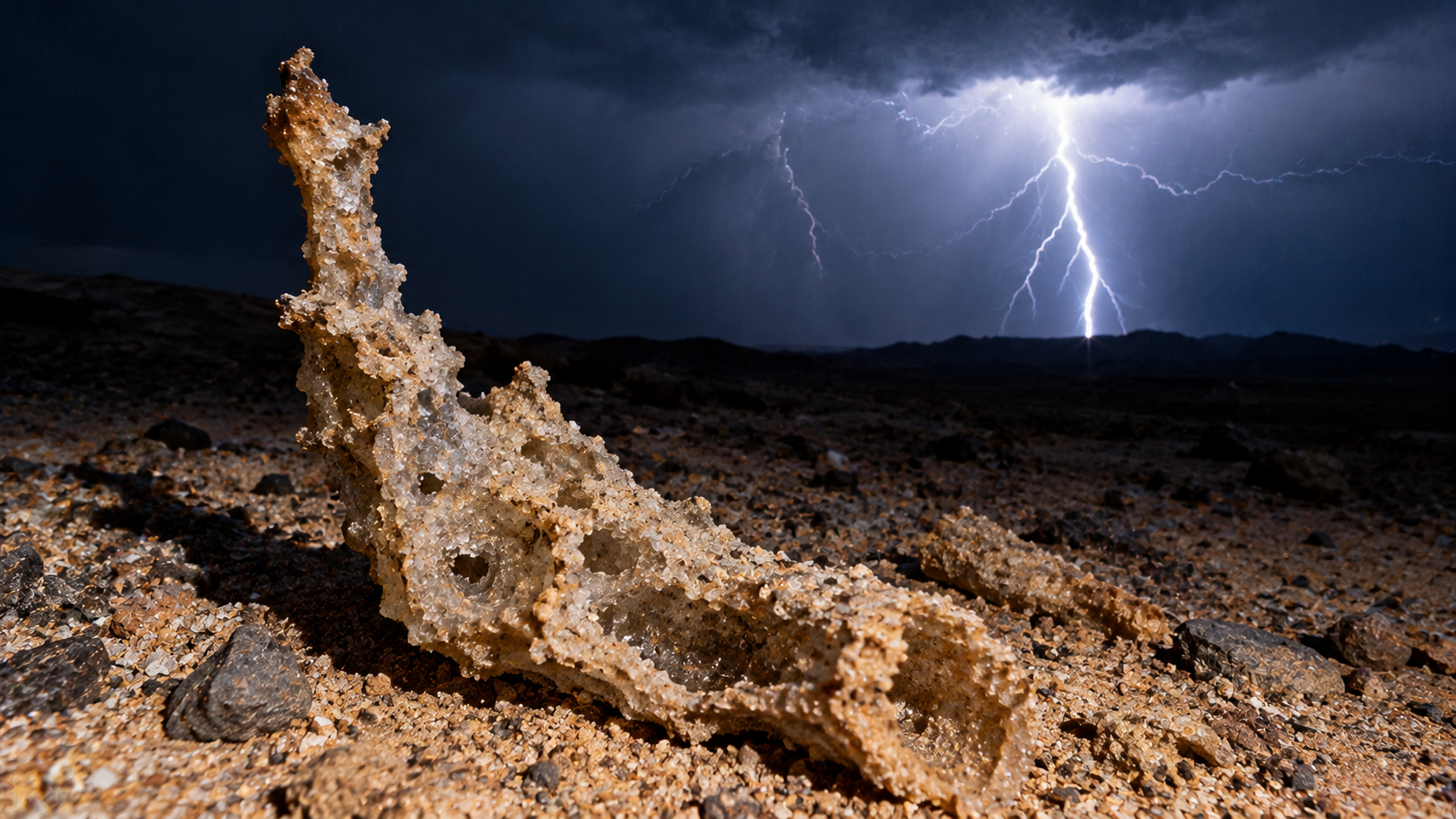
Lightning doesn´t always disappear without a trace. When a bolt strikes sandy ground, its extreme heat can melt the sand into glassy formations called fulgurites. Some form hollow tubes that preserve the lightning´s path beneath the surface. A split-second flash can leave behind a natural glass sculpture.
7. Antarctica Has a Waterfall That Looks Like It’s Bleeding
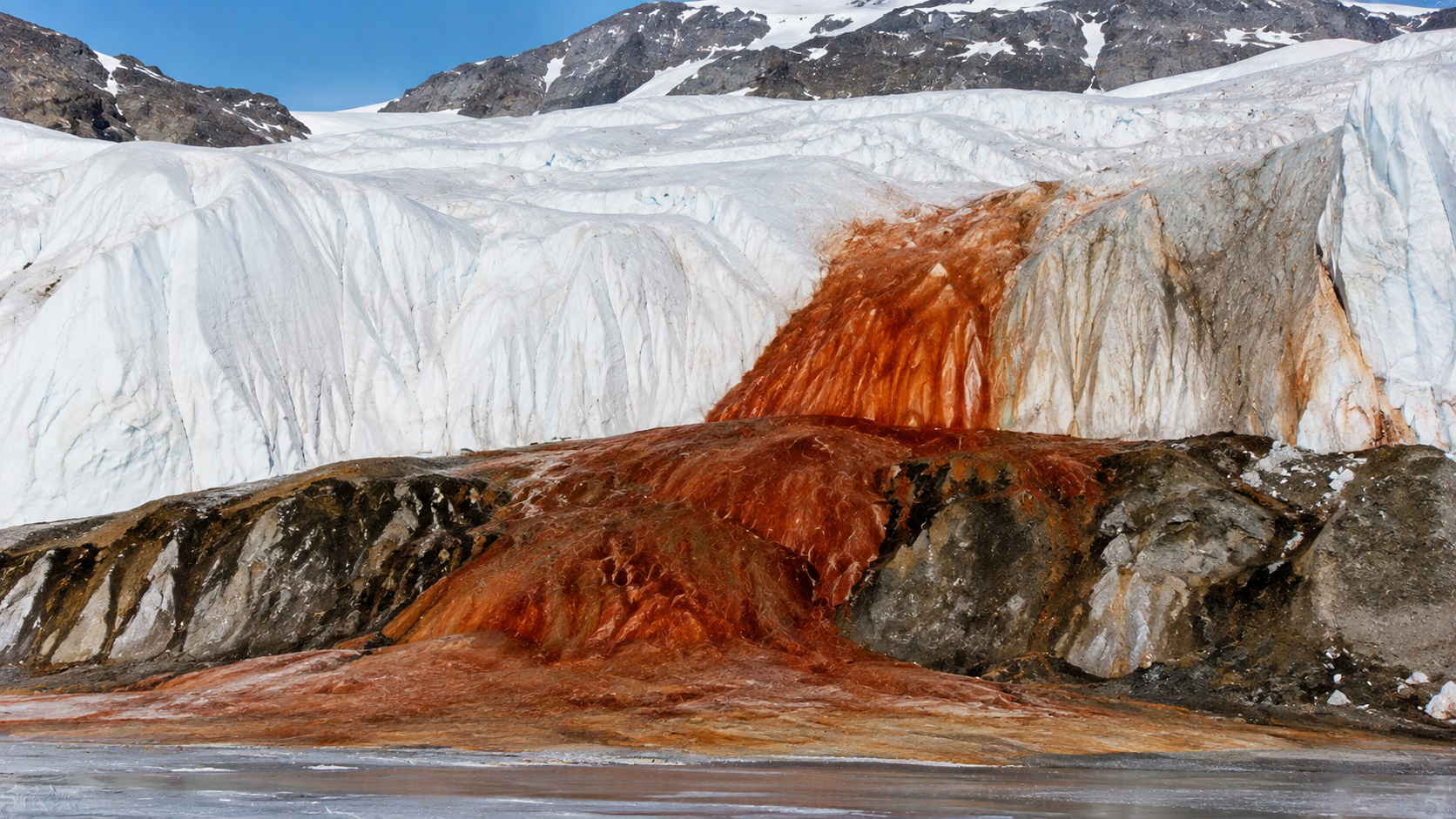
Antarctica´s Taylor Glacier has a disturbing-looking feature called Blood Falls. The rusty-red liquid spilling across the ice isn´t blood or algae. It´s iron-rich brine seeping from beneath the glacier, with the iron producing the dramatic staining when it reaches the surface. Nature apparently doesn´t need special effects.
8. Mount Everest Isn’t the Point Farthest From Earth’s Center
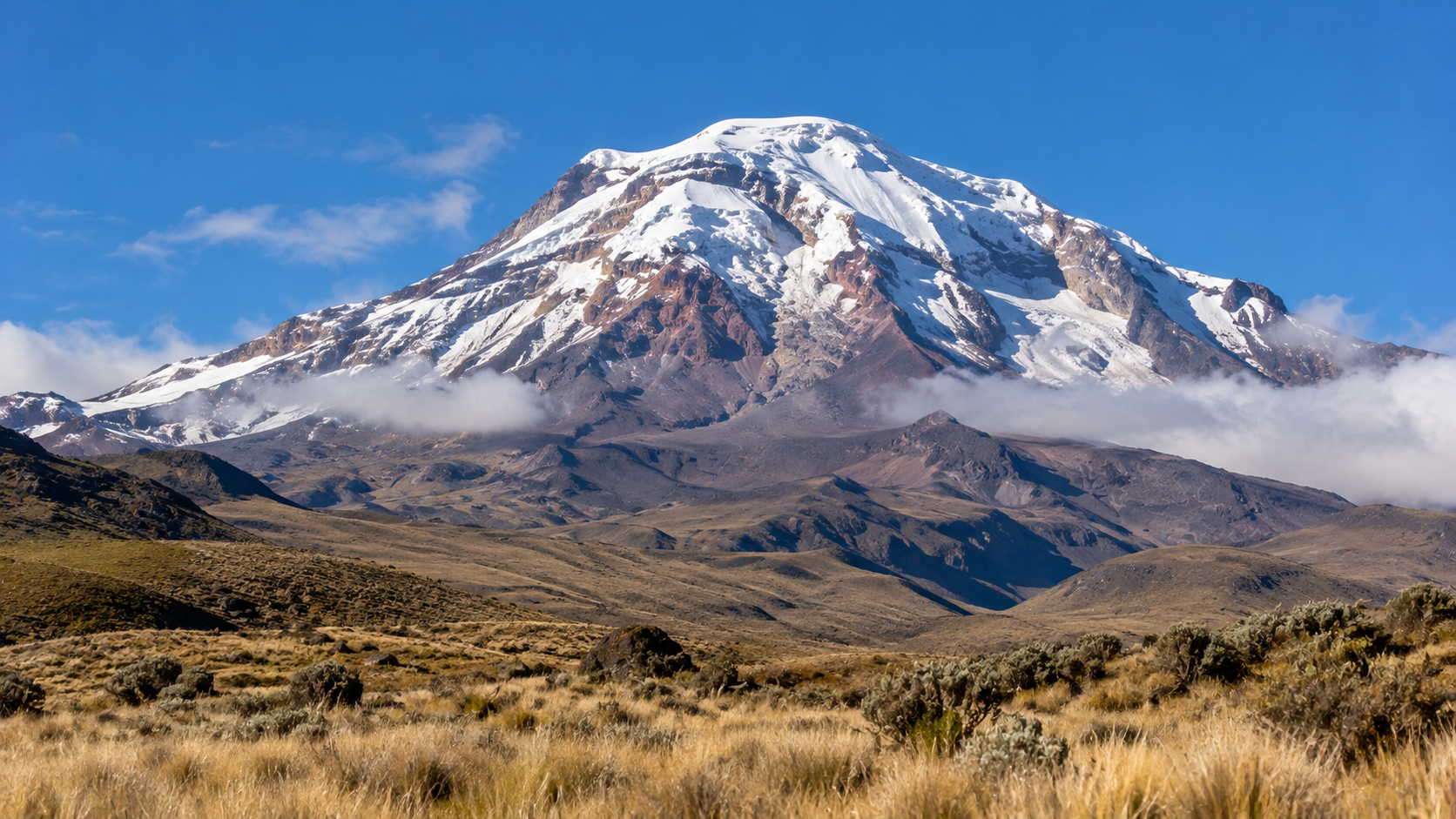
Everest may be the highest mountain above sea level, but Ecuador´s Mount Chimborazo wins a different contest. Because Earth bulges around the equator, Chimborazo´s summit sits more than 2,000 meters farther from the planet´s center than Everest´s. Who would have guessed that the answer to Earth´s highest-point debate depends on where you start measuring?
Sign up for our newsletter
9. Hundreds of Lakes Are Hidden Beneath Antarctica’s Ice
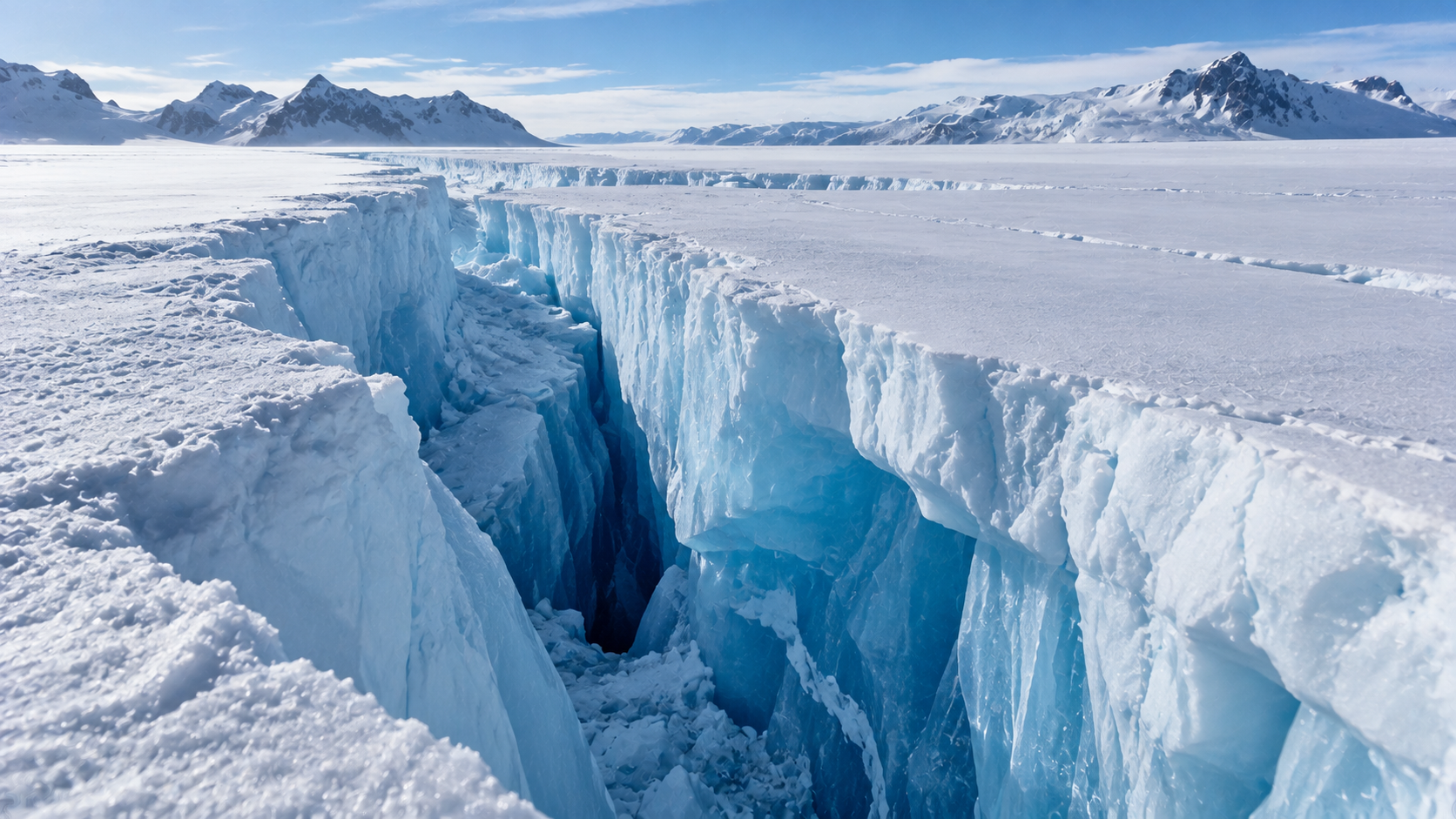
Antarctica looks like an endless frozen wilderness, yet hundreds of lakes exist beneath its ice sheet. Some lie under kilometers of ice, while others are part of connected networks that fill and drain over time. Beneath what appears to be a solid, motionless landscape is an active system of liquid water.
10. Rocks in Death Valley Can Move Across the Ground by Themselves
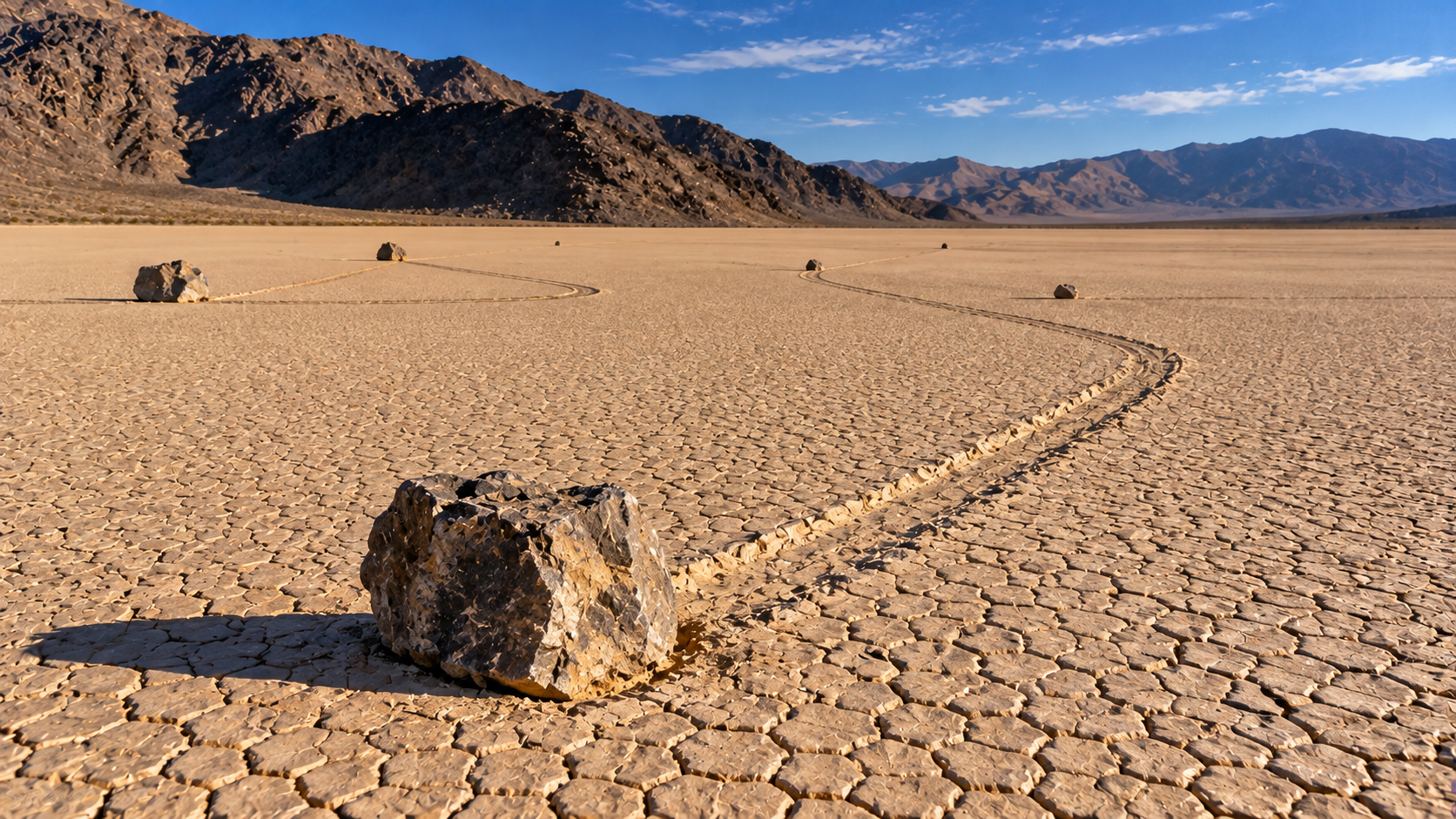
Weird facts about Earth don´t get much stranger than rocks that leave trails without anyone touching them. At Death Valley´s Racetrack Playa, a rare combination of shallow water, thin ice, sunlight, and gentle wind can slowly push stones across the lakebed. Some weigh hundreds of pounds. The tracks look mysterious, but the explanation is pure physics.
11. The Deepest Part of the Ocean Could Swallow Mount Everest
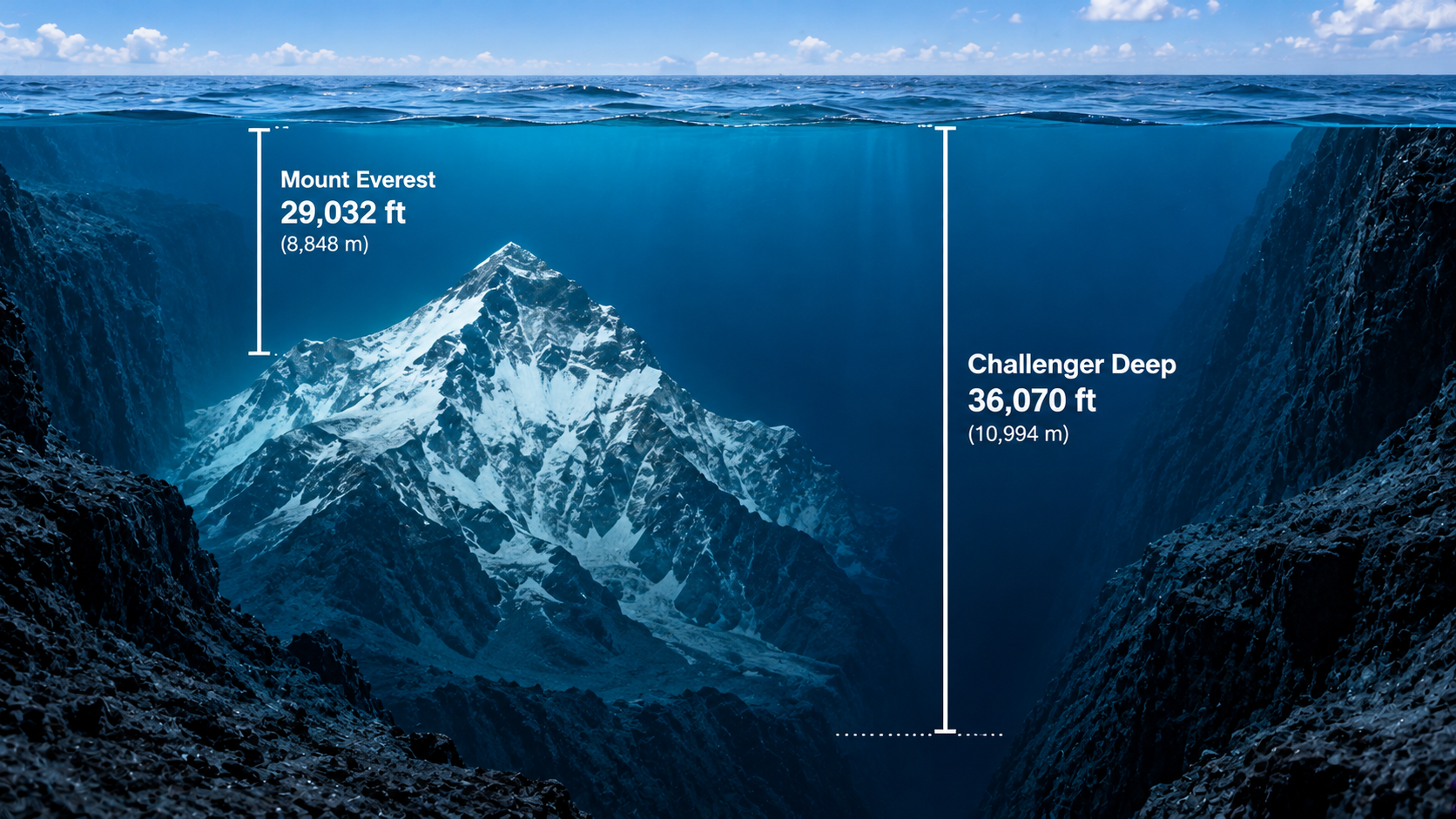
Mount Everest could disappear completely beneath the ocean at Challenger Deep in the Mariana Trench. The seafloor there lies approximately 36,000 feet below sea level, roughly 7,000 feet deeper than Everest is tall. Even Earth´s most famous mountain wouldn´t come close to breaking the surface.
12. There Are Rivers in the Sky
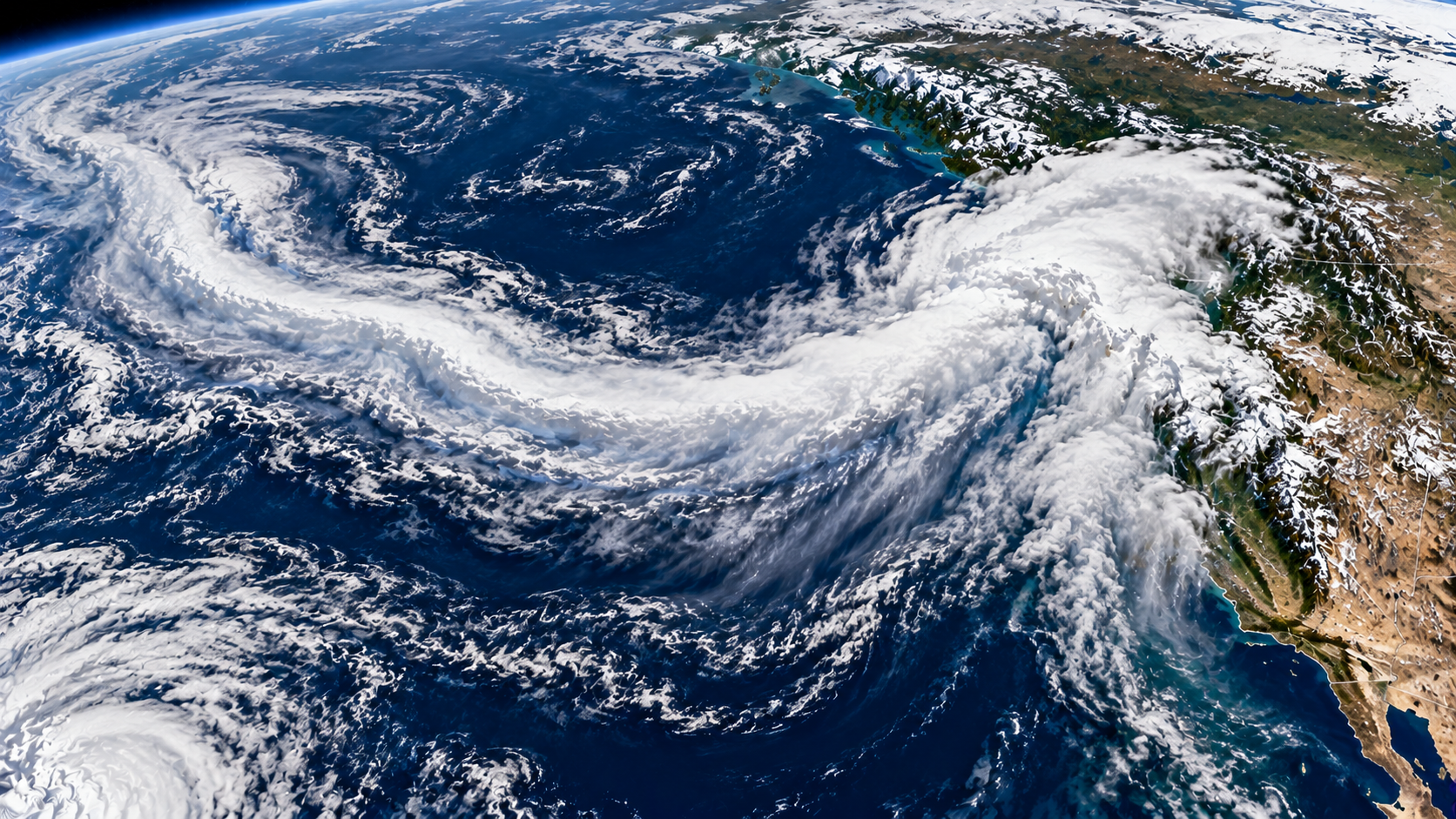
Atmospheric rivers are long, narrow streams of concentrated water vapor moving through the atmosphere. According to NOAA, an average one transports roughly as much water vapor as the Mississippi River carries at its mouth, while exceptionally strong ones can carry up to 15 times more. How much water could be passing overhead without anything resembling a river in sight?
13. Thunderstorms Can Produce Antimatter
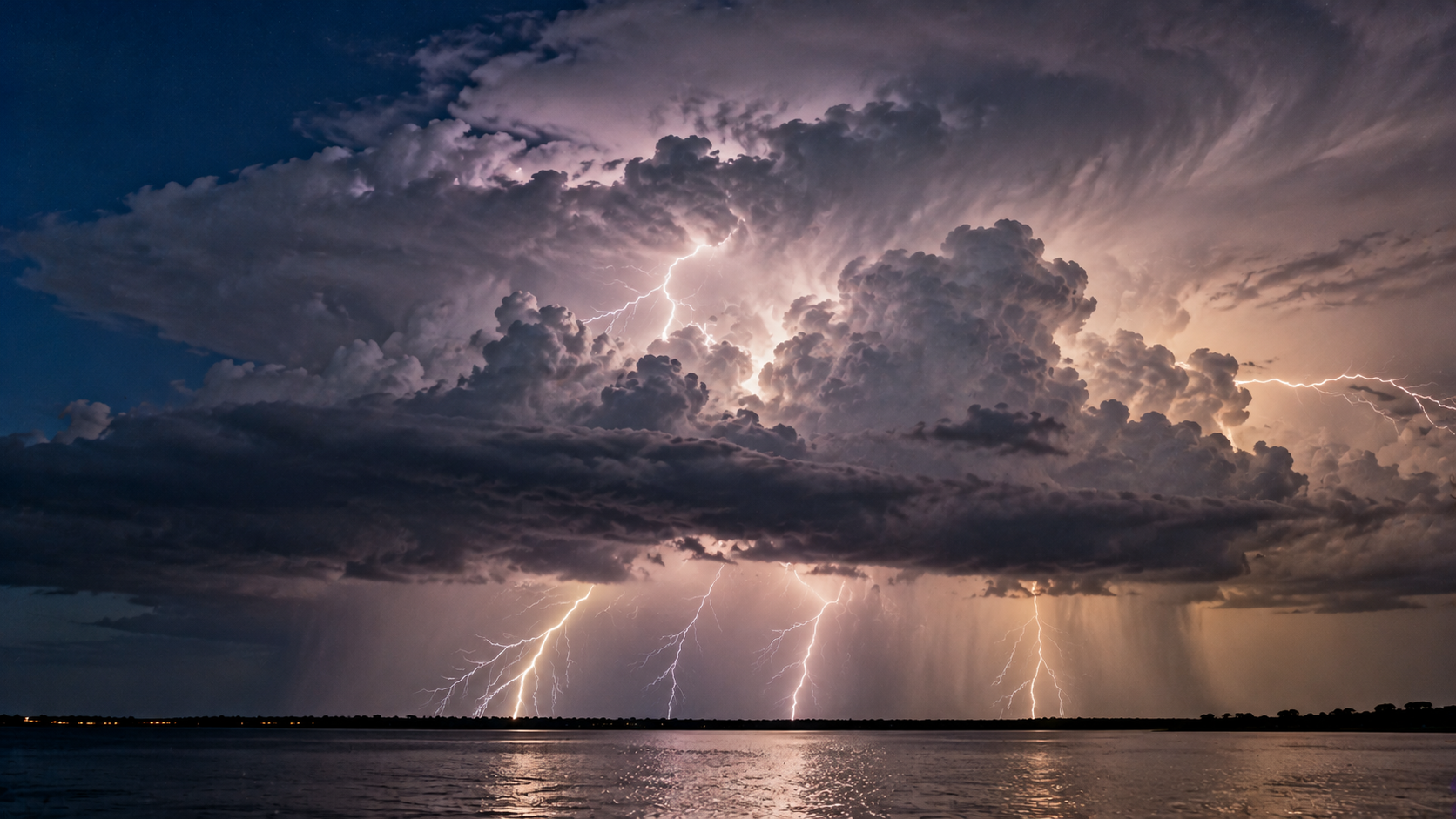
Thunderstorms can produce something usually associated with particle physics: antimatter. NASA´s Fermi Gamma-ray Space Telescope detected antimatter linked to powerful gamma-ray flashes above thunderstorms. These events can create positrons, the antimatter counterparts of electrons. An ordinary-looking storm can conceal some extraordinary physics.
14. All of Earth’s Water Would Make a Surprisingly Small Ball
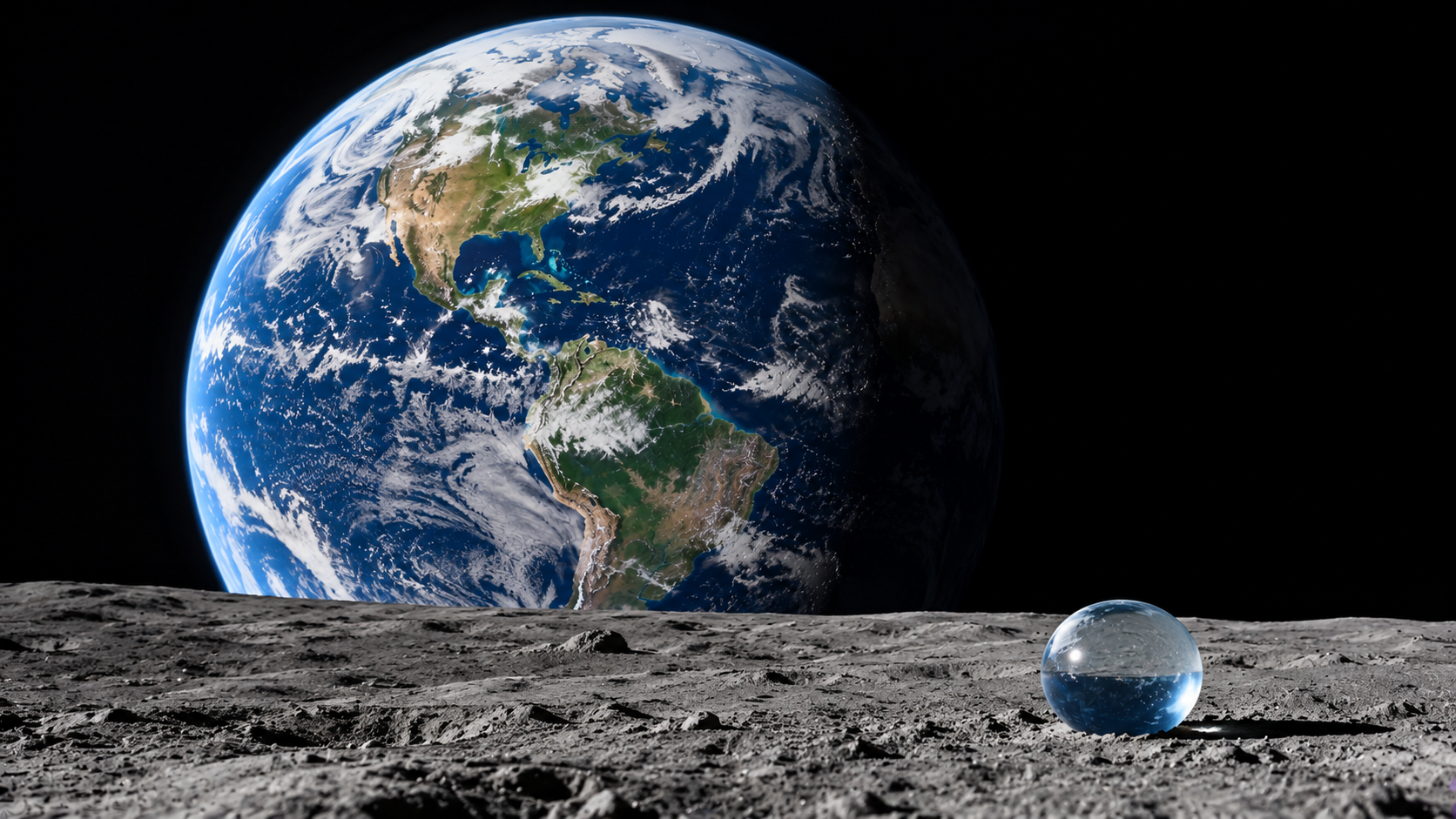
Earth looks overwhelmingly blue from space, but gather every drop of water on, inside, and above the planet into one sphere, and it would measure only about 860 miles across. That includes oceans, glaciers, groundwater, rivers, atmospheric moisture, and water inside living things. Compared with the planet itself, that sphere would look remarkably small.
15. Earth’s Magnetic North and South Have Switched Places Many Times
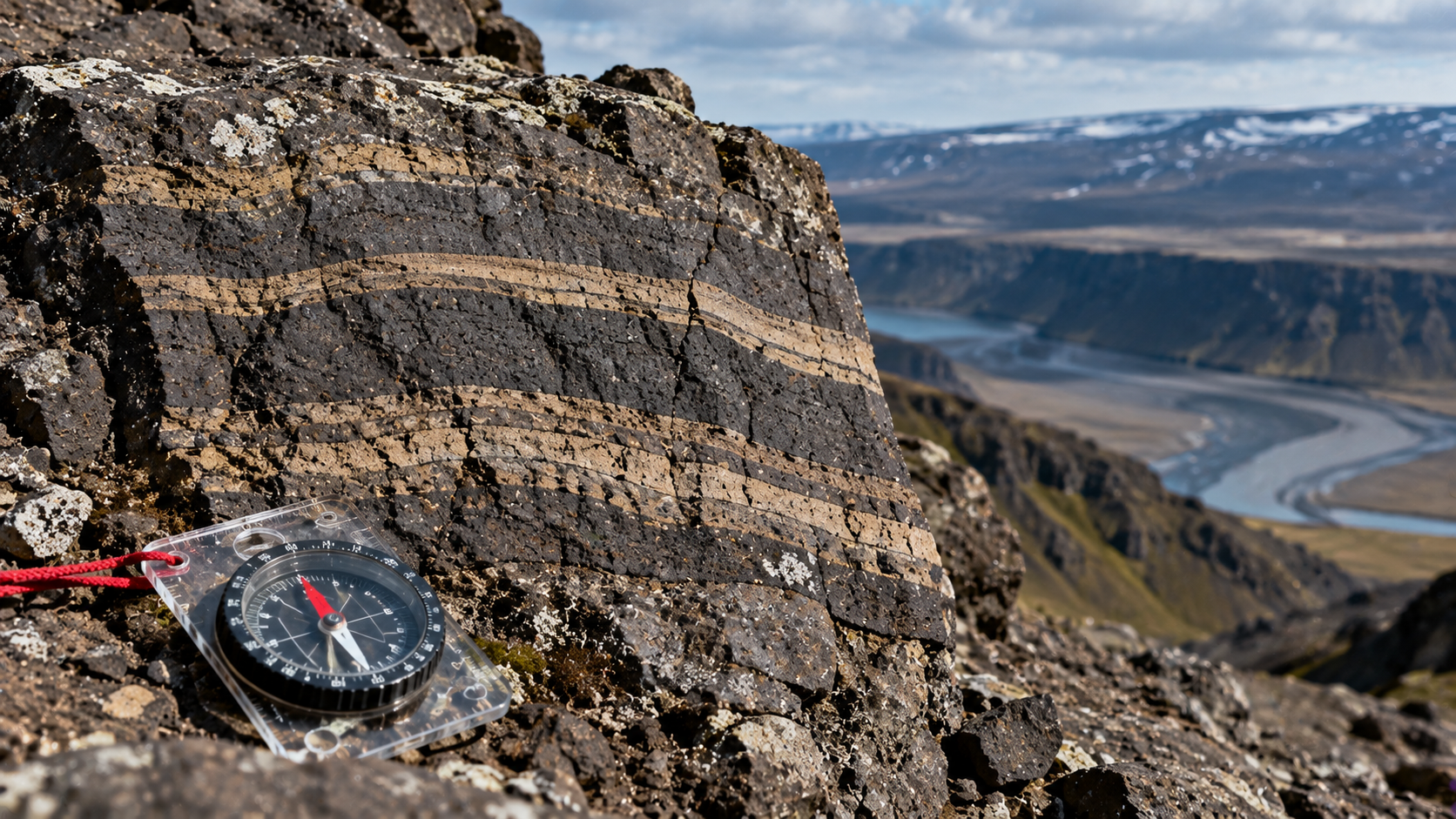
A compass points north today, but Earth´s magnetic field hasn´t always been oriented the same way. Geological records reveal repeated polarity reversals, when magnetic north and south exchange places. NASA reports 183 reversals over the past 83 million years, with the most recent major reversal around 780, 000 years ago. If even magnetic north can change sides, what other seemingly permanent features of Earth are only temporary?
Earth doesn’t need imaginary worlds to compete with science fiction. Its hidden mountains, moving rocks, extraordinary weather, and mysterious oceans offer more than enough surprises. Perhaps the most fascinating part is that these phenomena aren’t exceptions to nature’s rules. They’re the unexpected results of those very rules.
Keep Exploring The Scroller
Think Earth has revealed all its secrets? Not even close. Keep exploring The Scroller for more remarkable discoveries, unexpected science, and real-world wonders that make the familiar feel extraordinary:
15 Facts That Show Just How Strange Planet Earth Really Is