When most people think about earthquakes, they picture buildings shaking, objects falling, and cracks opening in the pavement. But some of the strangest earthquake effects happen beyond the shaking itself. A powerful earthquake can temporarily turn solid soil into something resembling liquid, send water surging inside distant lakes, move entire sections of coastline, redirect rivers, and even produce measurable changes in the planet itself. Here are 18 remarkable things that can happen when a major earthquake sets more than just the ground in motion.
1. Solid Ground Can Start Behaving Like Liquid
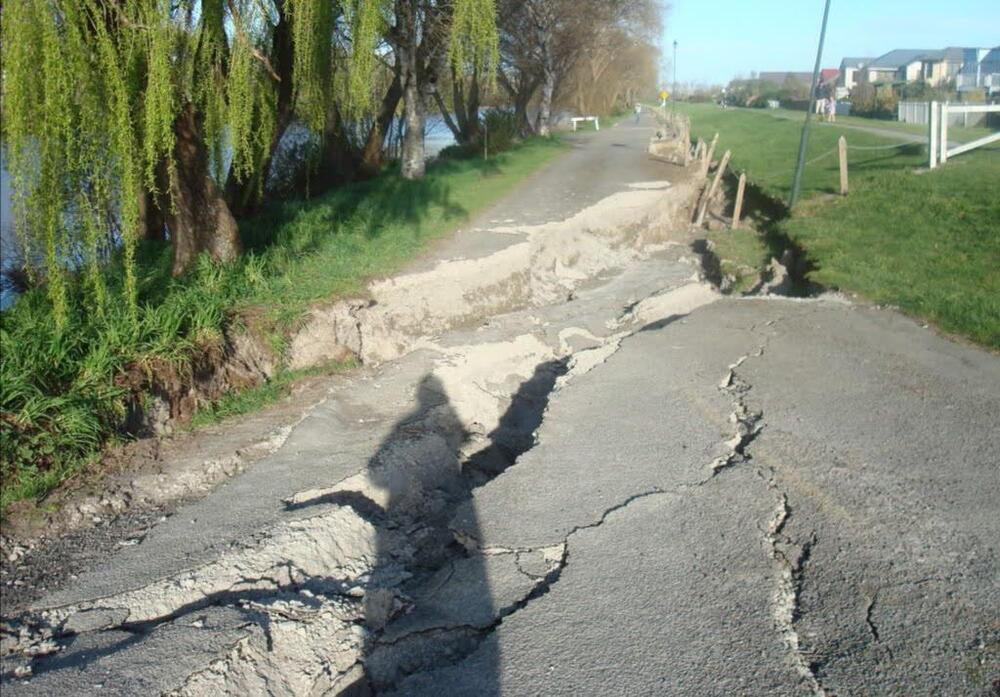
One of the most dramatic earthquake effects is liquefaction, which can occur when loose, water-saturated soil is shaken intensely. The shaking increases pressure in the water trapped between soil particles, causing the ground to temporarily lose much of its strength. Buildings can tilt, roads can buckle, and heavy structures may sink while buried objects are pushed upward. What looked like perfectly solid ground moments earlier can suddenly behave more like a thick fluid, which is why areas built on loose sediments or reclaimed land can be particularly vulnerable.
2. The Ground Can Split Along the Fault
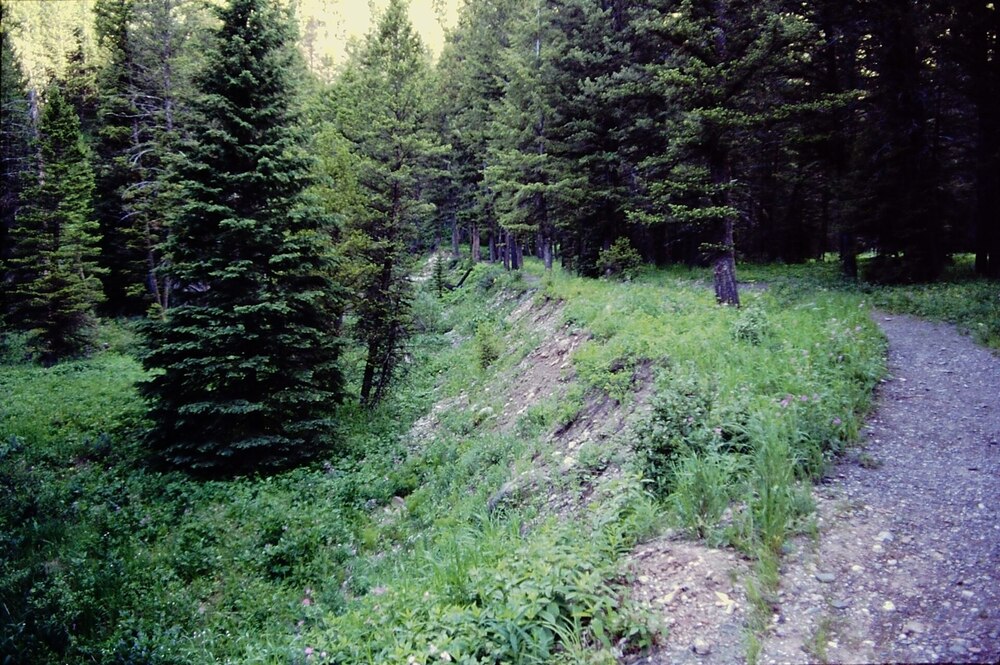
Earthquakes begin underground, but during sufficiently large and shallow events, movement along a fault can reach all the way to the surface. This is known as surface rupture. Instead of producing one enormous open chasm, it usually creates cracks, scarps, and displaced sections of land that can extend across roads, fields, and other infrastructure. Features that once lined up perfectly may suddenly sit several feet apart because the blocks of crust on opposite sides of the fault have shifted relative to one another.
3. Water Can Slosh Out of Swimming Pools Miles Away
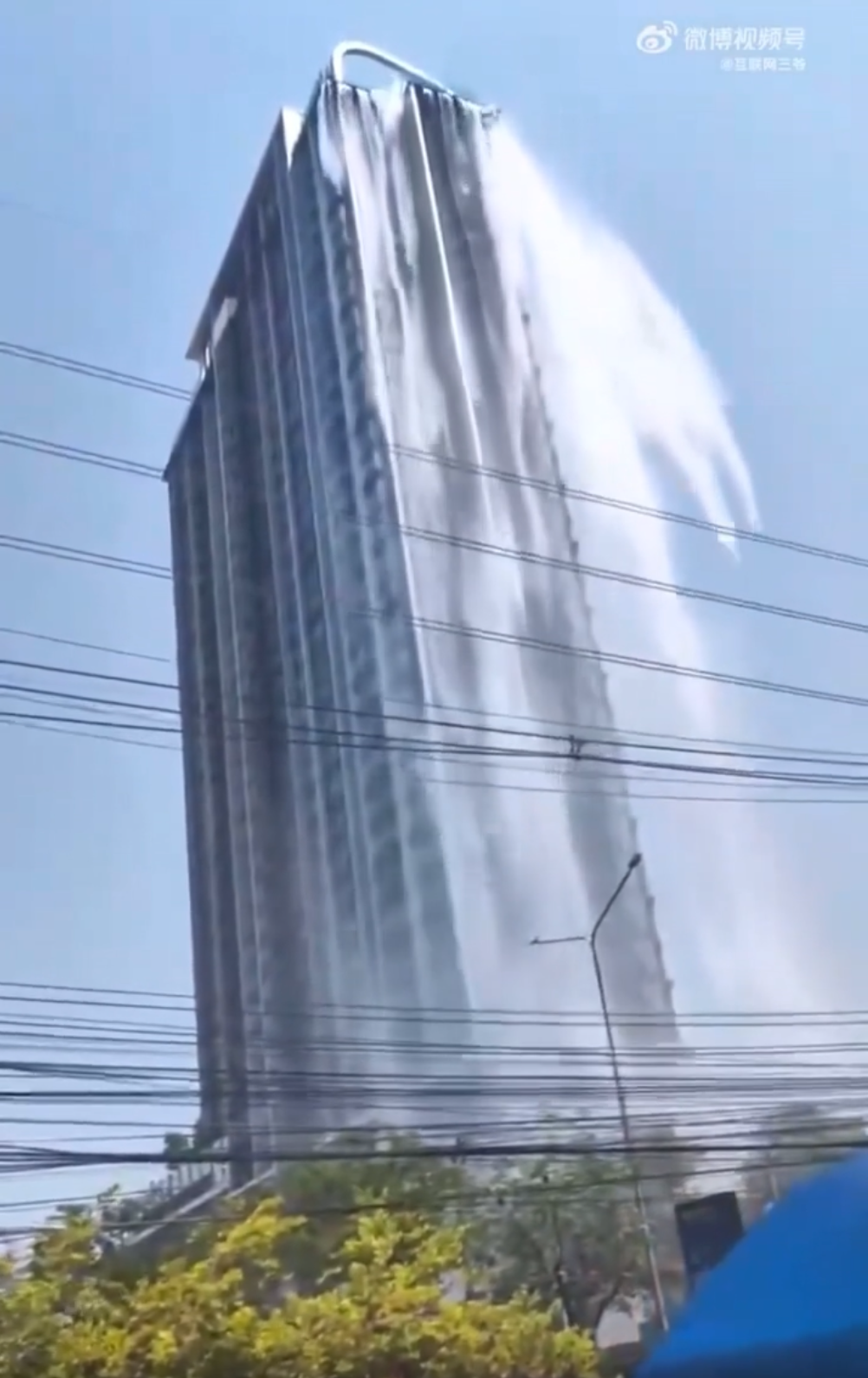
Earthquake waves can travel enormous distances, and sometimes they make water move in places far from the damaged region. Swimming pools are especially good at revealing this effect because seismic waves can cause the water inside them to oscillate back and forth, occasionally strongly enough to spill over the sides. Similar motions can occur in reservoirs, harbors, and other enclosed bodies of water. The surprising part is that people watching the water move may be hundreds or even thousands of miles from the earthquake that started it.
4. Mountainsides Can Collapse
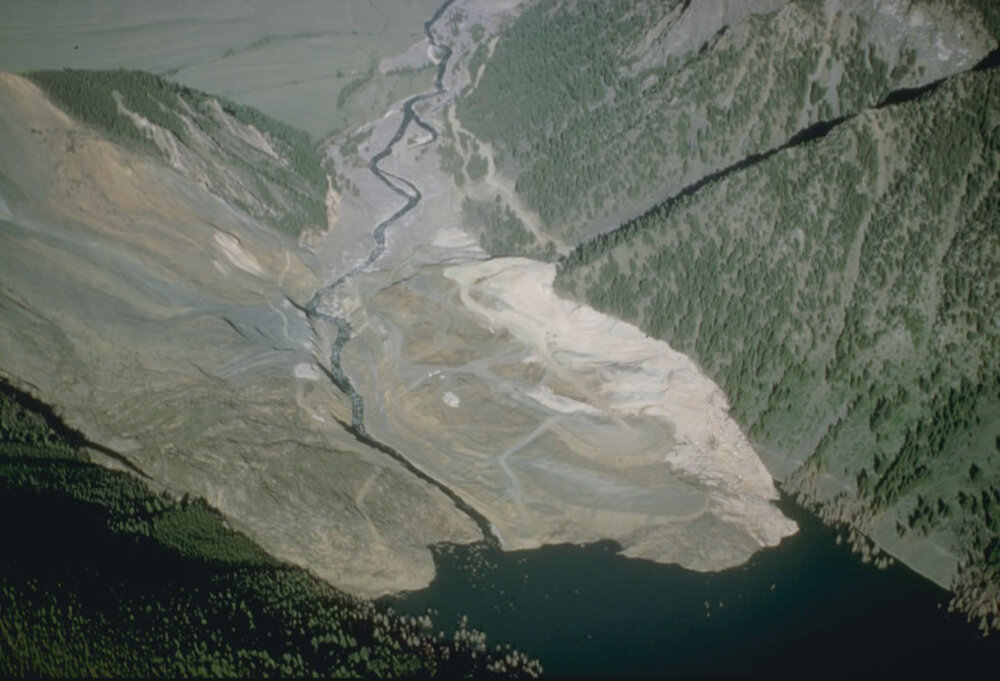
Strong shaking can destabilize slopes that appeared perfectly secure before an earthquake. Rock, soil, trees, and debris may suddenly rush downhill in enormous landslides, sometimes burying roads, blocking valleys, or isolating entire communities. Steep terrain and slopes already weakened by erosion or heavy rainfall can be especially susceptible. In mountainous regions, these secondary disasters can affect areas well beyond the fault itself and continue creating problems long after the strongest shaking has ended.
5. The Sky Can Appear to Flash
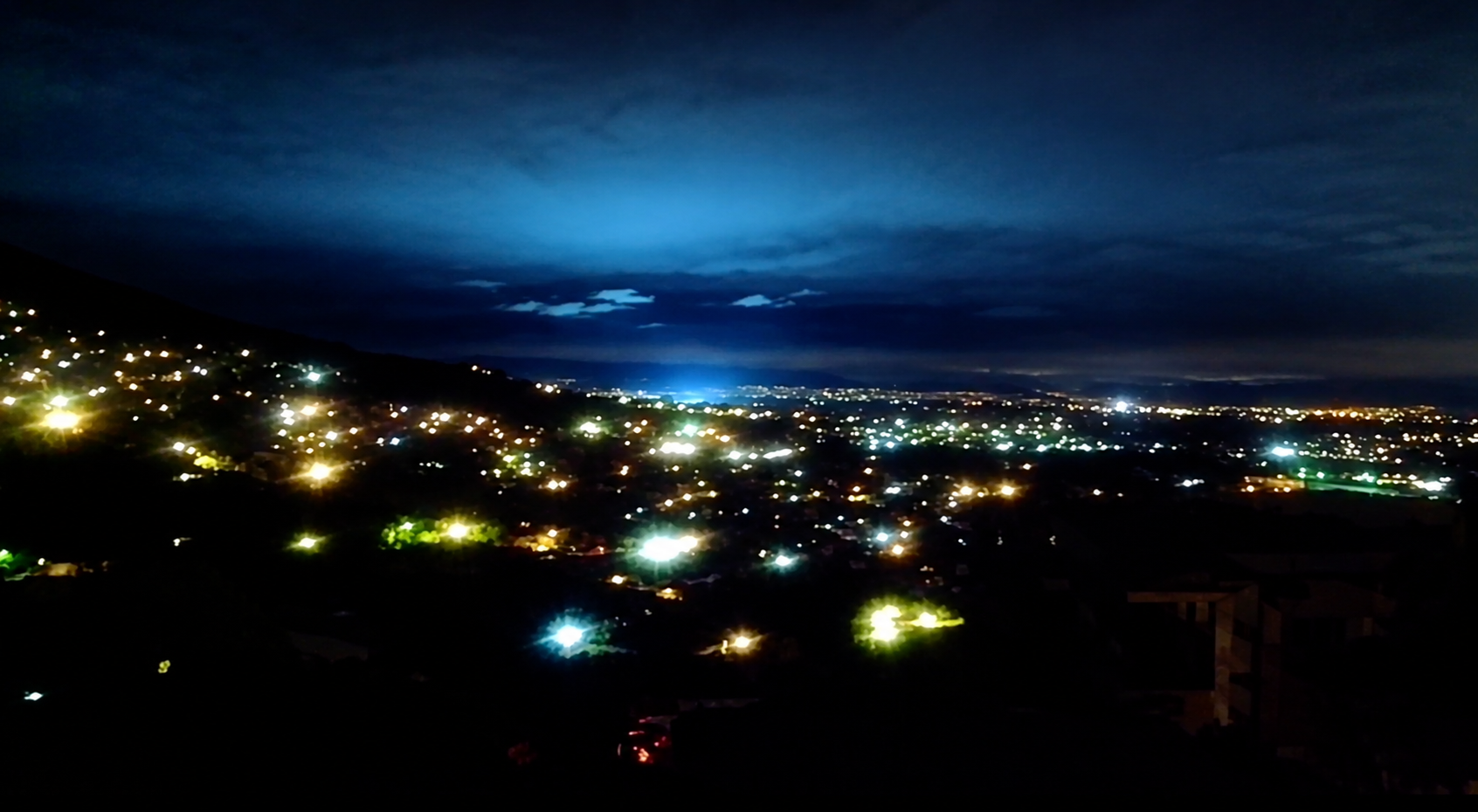
For centuries, people have reported unusual flashes or glows around the time of some earthquakes, a phenomenon often called “earthquake lights.” Proposed explanations have involved electrical effects associated with stressed rocks and changes in the atmosphere, but the subject remains scientifically debated. Some observations may represent genuine geophysical phenomena, while others could have more ordinary explanations such as electrical equipment failing during shaking. That uncertainty is precisely what makes earthquake lights one of the more intriguing and controversial phenomena associated with major earthquakes.
Trending on The Scroller

6. The Ocean Can Suddenly Pull Away From Shore
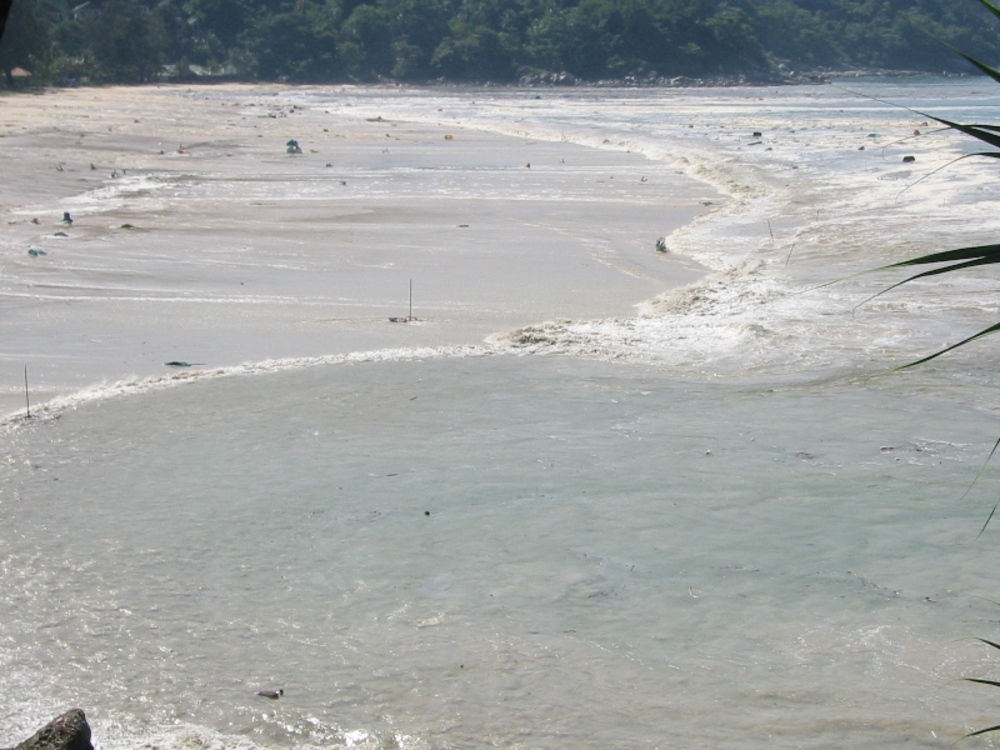
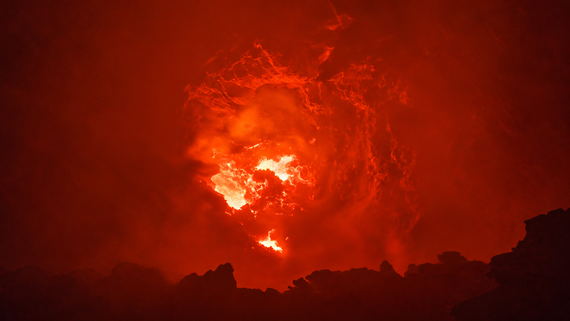
When an undersea earthquake displaces the seafloor, it can generate a tsunami. Before the first large wave arrives, the water may sometimes retreat dramatically from the coastline, exposing reefs, rocks, and sections of seafloor that are normally submerged. This happens when the trough of the tsunami reaches shore before its crest. The retreat can look fascinating, but it is an extremely dangerous natural warning sign: anyone who sees the ocean suddenly and unusually recede should move to higher ground rather than approach the exposed shoreline.
7. Underground Pipes Can Float Upward
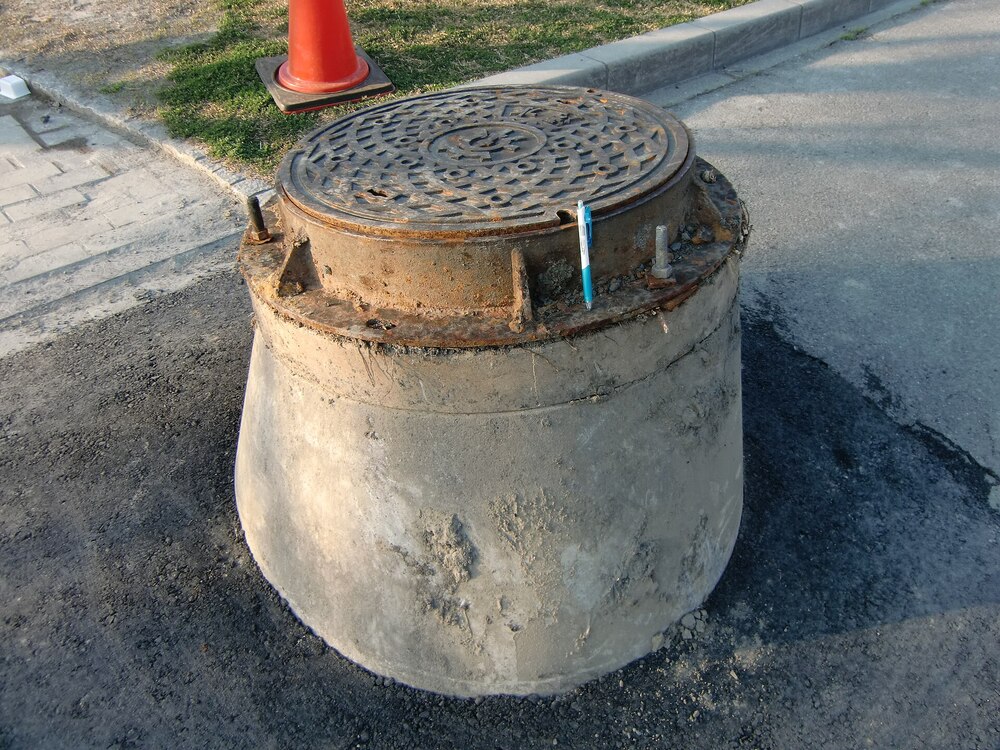
Liquefaction does not only cause heavy structures to sink. It can also push lighter underground structures toward the surface. Sewer lines, storage tanks, utility pipes, and manholes can rise when water-saturated soil loses strength during intense shaking. The effect is essentially a battle of buoyancy: once the surrounding sediment begins behaving more like a fluid, buried objects that are less dense than the liquefied material can move upward. After a major earthquake, this can leave streets dotted with strangely elevated manholes and damaged utility systems.
8. Lakes Can Start Sloshing Back and Forth
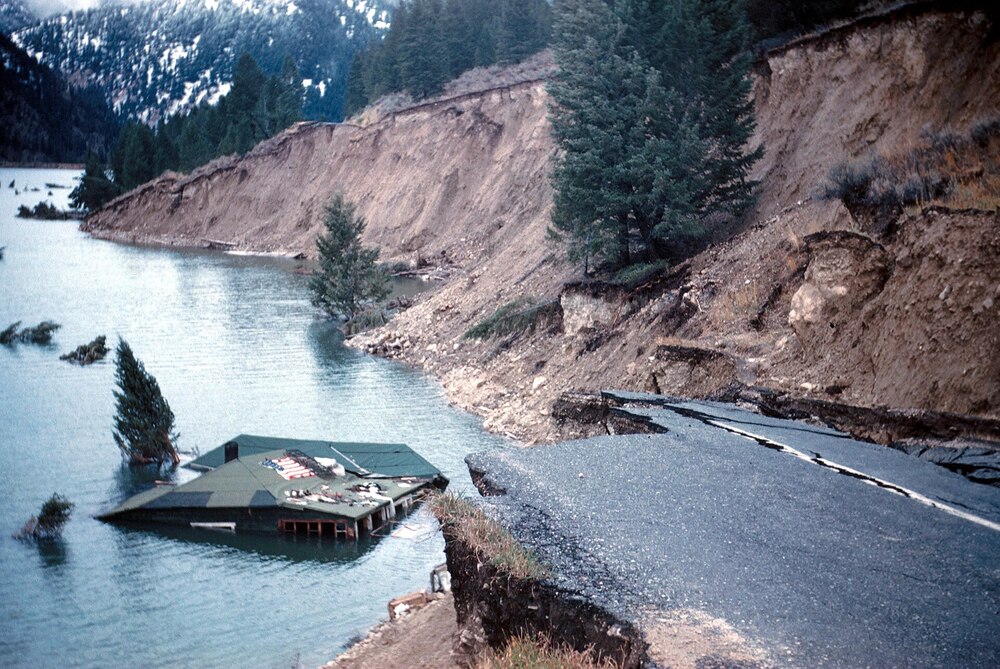
A large earthquake can set an entire lake oscillating in a phenomenon known as a seiche. Seismic waves disturb the water and cause it to move rhythmically from one side of the basin to another, almost like water rocking inside a bathtub. These oscillations can continue after the strongest ground motion has stopped and may occur surprisingly far from the earthquake’s epicenter. Seiches have also been observed in reservoirs, bays, swimming pools, and other enclosed or partially enclosed bodies of water.
Sign up for our newsletter
9. Sand and Water Can Erupt From the Ground
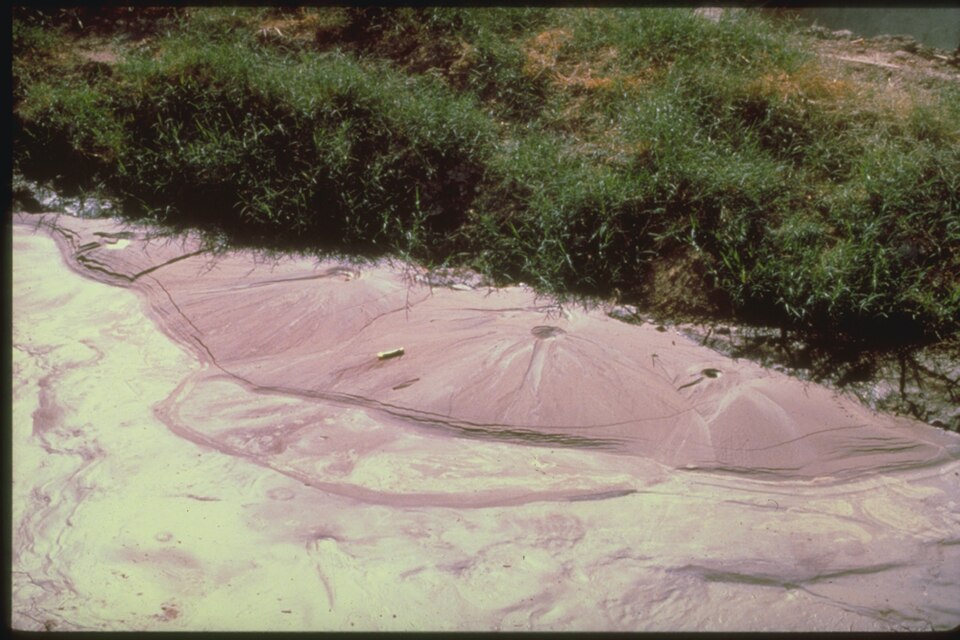
During liquefaction, pressure beneath the surface can become strong enough to force water and sediment upward through cracks in the ground. The resulting features are commonly called sand blows or sand boils. They can leave circular or irregular deposits of sand scattered across fields, roads, and other surfaces, sometimes providing geologists with evidence of earthquakes that occurred centuries or even thousands of years ago. In other words, an earthquake can leave part of its history written in layers of sand beneath our feet.
10. A River Can Suddenly Change Course
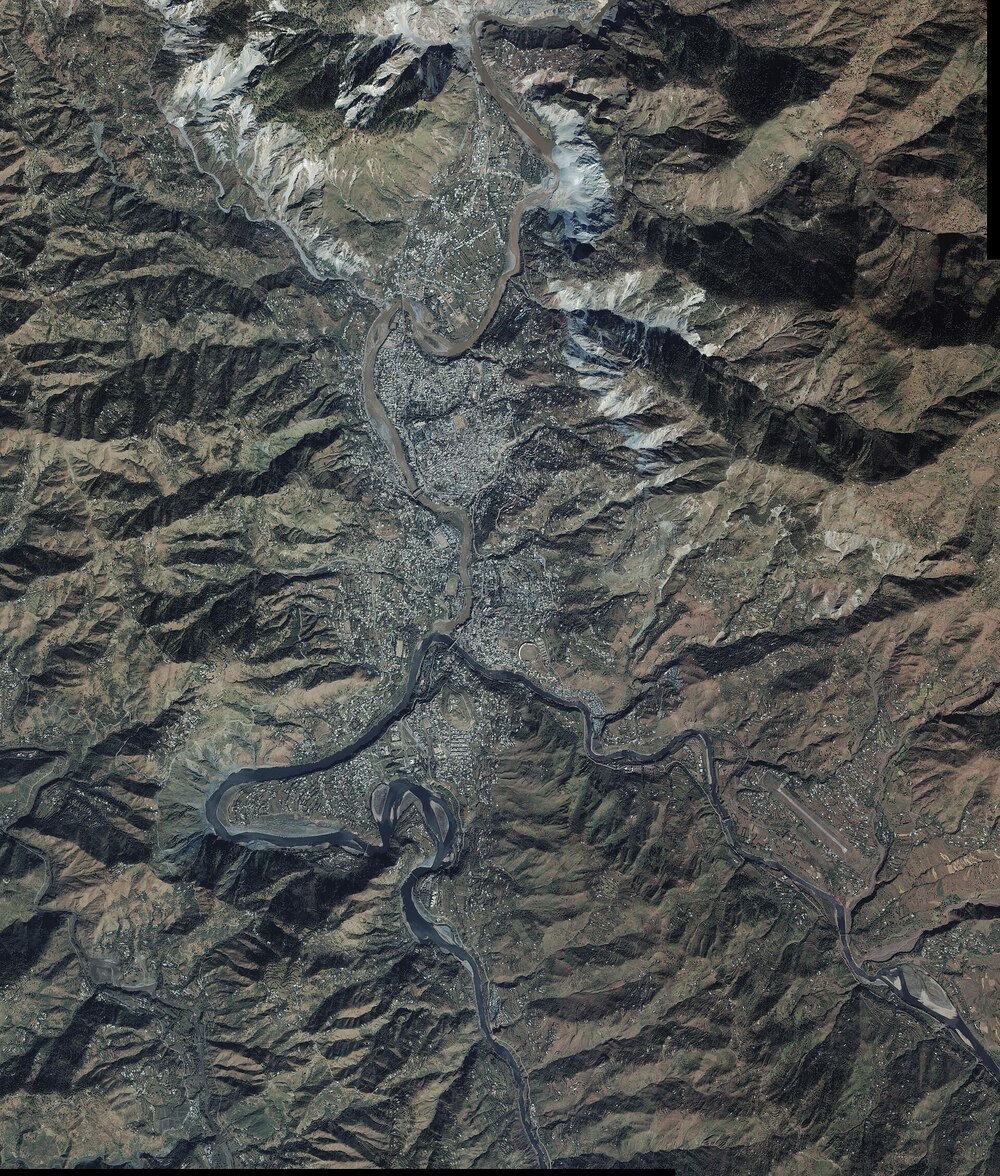
Earthquakes can reshape landscapes quickly enough to alter the path of a river. Fault movement may raise or lower sections of terrain, while landslides can block existing channels and force water to find another route. Sediment released during shaking can also modify riverbeds and drainage patterns. In extreme cases, a river that followed the same general course for generations can be redirected into a new channel after a single major seismic event, showing just how rapidly an earthquake can reorganize a landscape.
11. Groundwater Levels Can Suddenly Rise or Fall
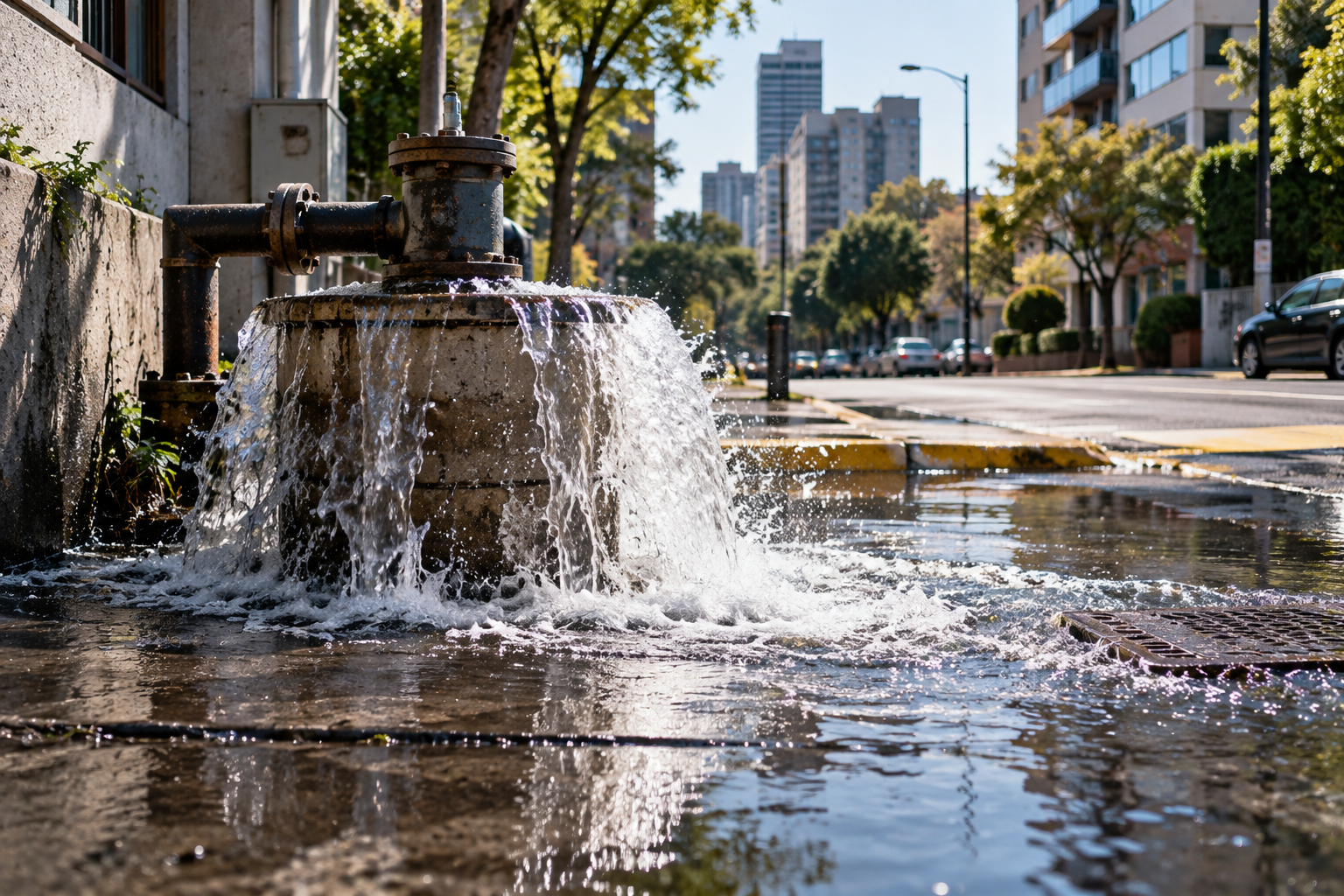
Earthquakes can alter underground water systems far beyond the visibly damaged area. Seismic shaking may open new fractures, close existing pathways, or change the pressure inside aquifers, causing the water level in wells to rise or fall unexpectedly. Some wells have even temporarily gone dry after earthquakes, while others have experienced sudden increases in flow. These changes can occur hundreds or even thousands of miles from the epicenter because seismic waves travel through enormous sections of Earth’s crust.
12. Coastlines Can Permanently Move
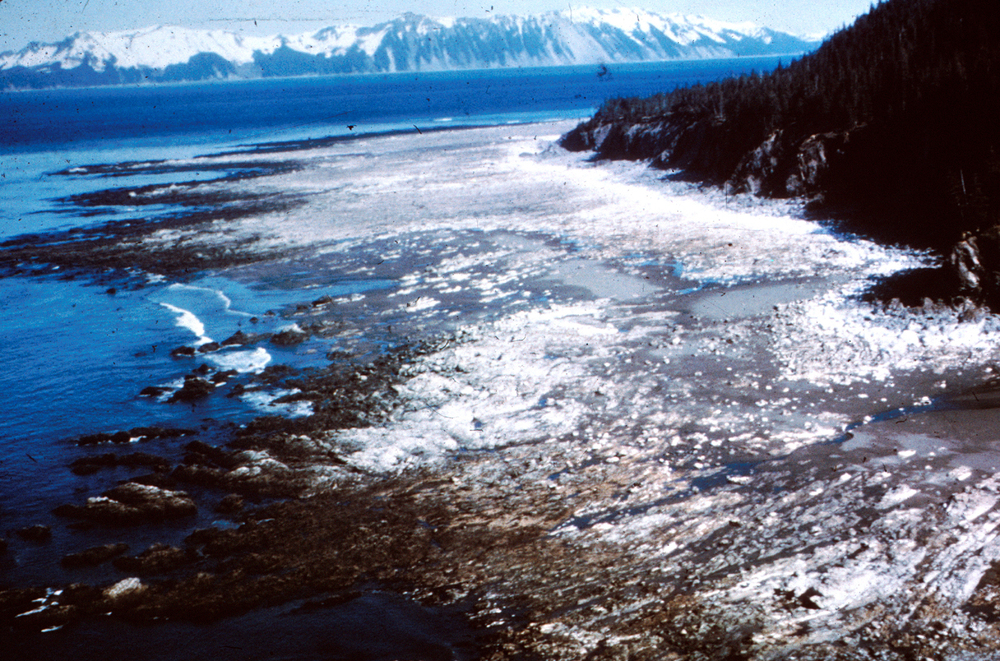
Not every change disappears when the shaking ends. Large earthquakes can vertically shift entire sections of coastline, leaving some areas permanently higher or lower relative to sea level. A coastline that rises may expose former seafloor, while land that subsides can become vulnerable to flooding and tidal inundation. During especially powerful subduction-zone earthquakes, these changes can extend across hundreds of miles of coast, effectively redrawing the boundary between land and ocean in a matter of minutes.
13. The Ground Can Sink Without Opening a Giant Crack
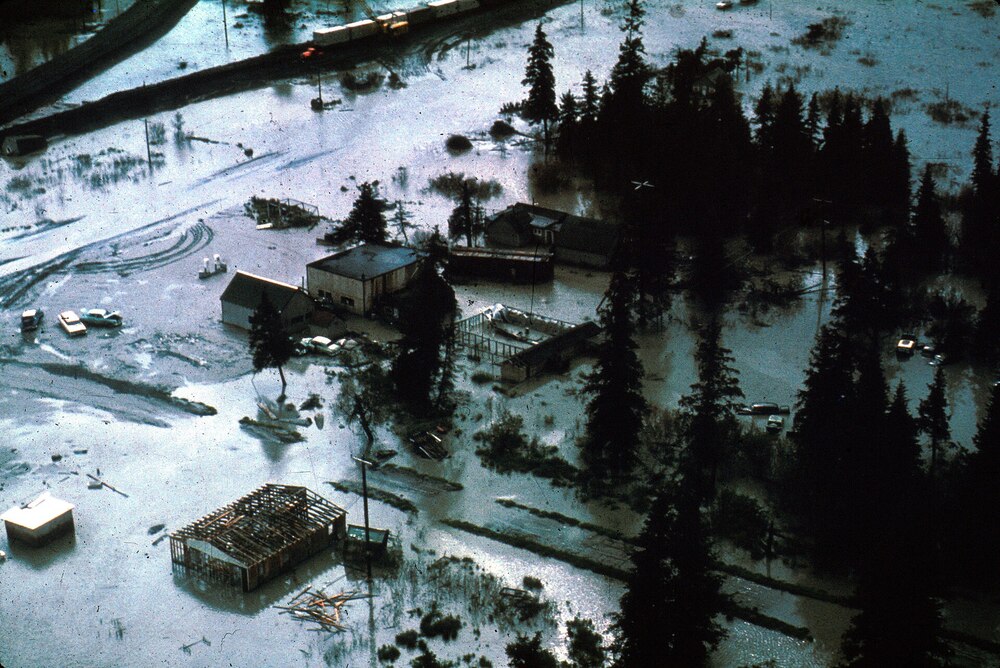
One of the more deceptive earthquake effects is widespread subsidence. Instead of producing a dramatic fissure, shaking can compact loose sediments or trigger liquefaction, causing broad areas of land to settle downward. Even a relatively small change in elevation can have major consequences for roads, buildings, drainage systems, and coastal communities. The surface may still appear mostly intact afterward, yet its elevation and stability can be permanently altered.
14. Harbors Can Keep Oscillating After the Earthquake
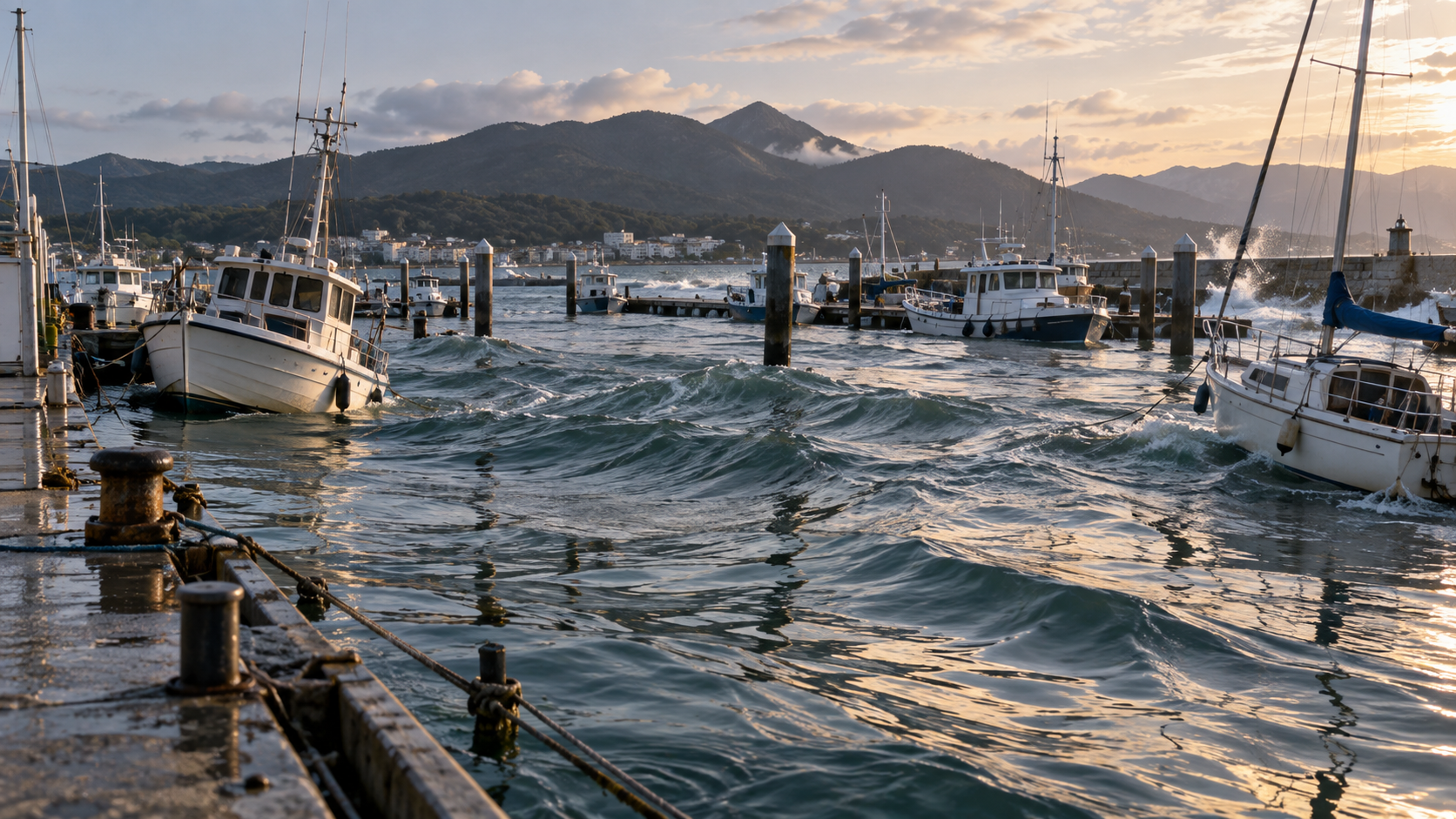
Seismic energy can produce long-period waves inside bays and harbors, causing water to surge repeatedly even after local shaking has stopped. Much like a seiche in a lake, these oscillations can make currents reverse direction, and water levels rise and fall for an extended period. Boats, docks, and harbor infrastructure can therefore remain at risk after the earthquake itself appears to be over, particularly when tsunami waves or resonant harbor conditions amplify the movement.
15. Earthquakes Can Create New Lakes
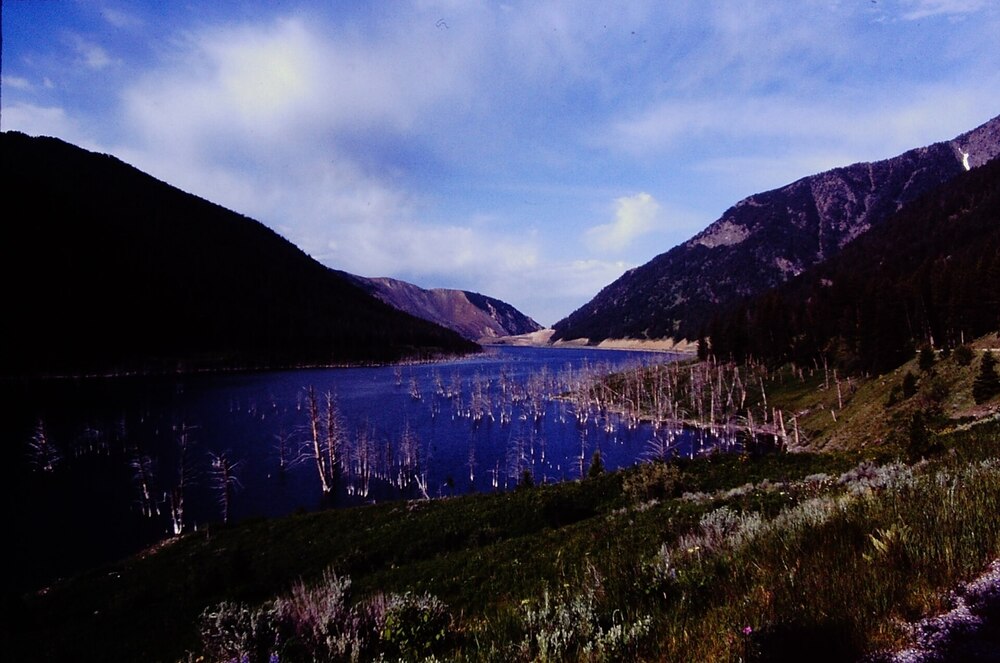
When earthquake-triggered landslides block a river or stream, water can begin accumulating behind the debris and form a completely new lake. These earthquake-dammed lakes may appear within hours or days, transforming valleys that previously contained flowing rivers. They can also introduce a second hazard: if the natural landslide dam later collapses, the stored water may rush downstream in a sudden flood. Some earthquake-created lakes disappear quickly, while others can remain part of the landscape for decades or longer.
16. Fires Can Become More Destructive Than the Shaking
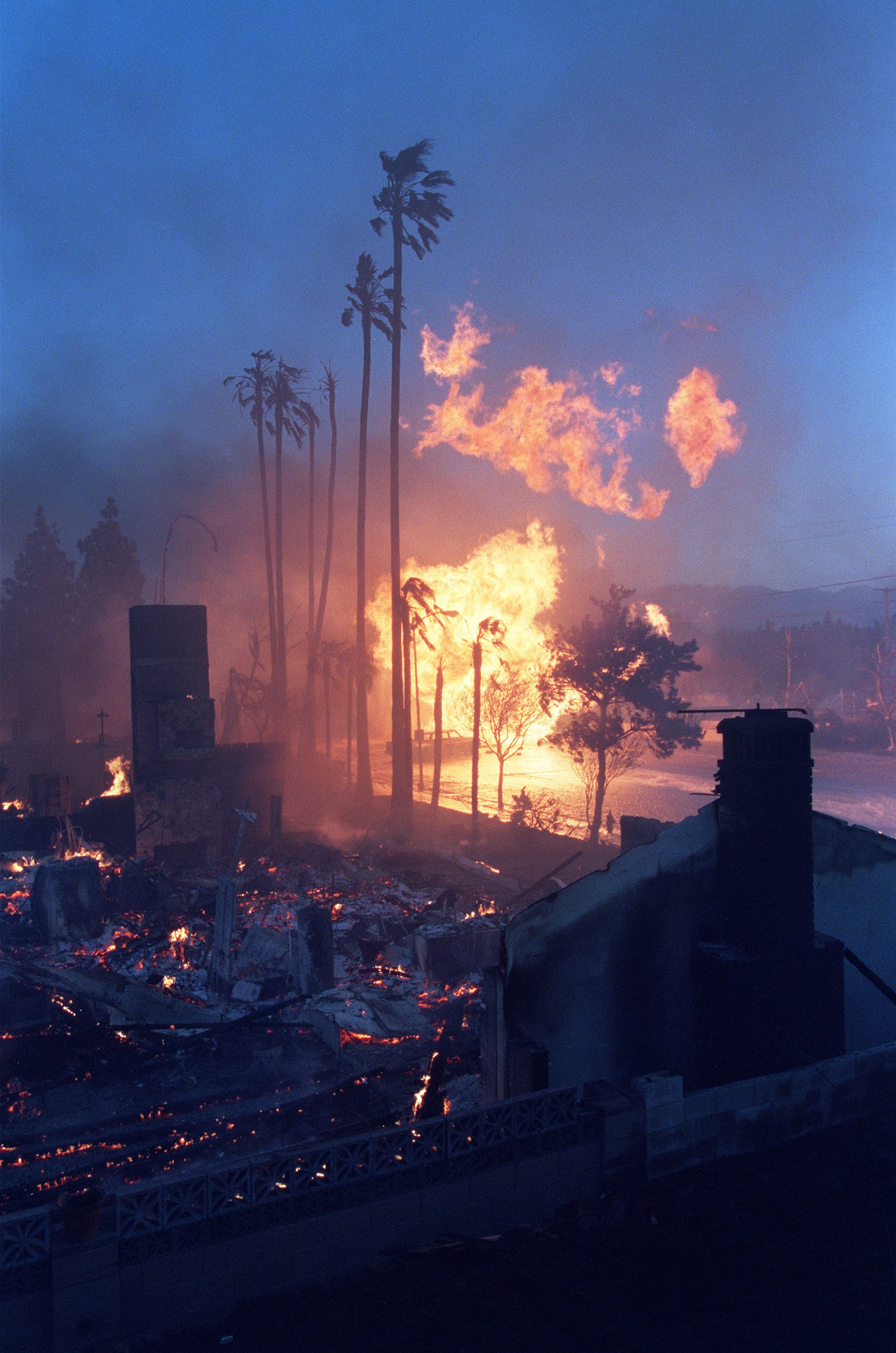
Earthquakes can rupture gas lines, damage electrical systems, overturn heating equipment, and break water mains at the same time. That combination can allow numerous fires to start while simultaneously making them difficult to extinguish. The 1906 San Francisco earthquake became one of the best-known examples: fires burned for several days and destroyed large sections of the city. In densely built areas, fire can therefore become one of the most damaging secondary effects of a major earthquake.
17. Landslides Can Happen Far From the Epicenter
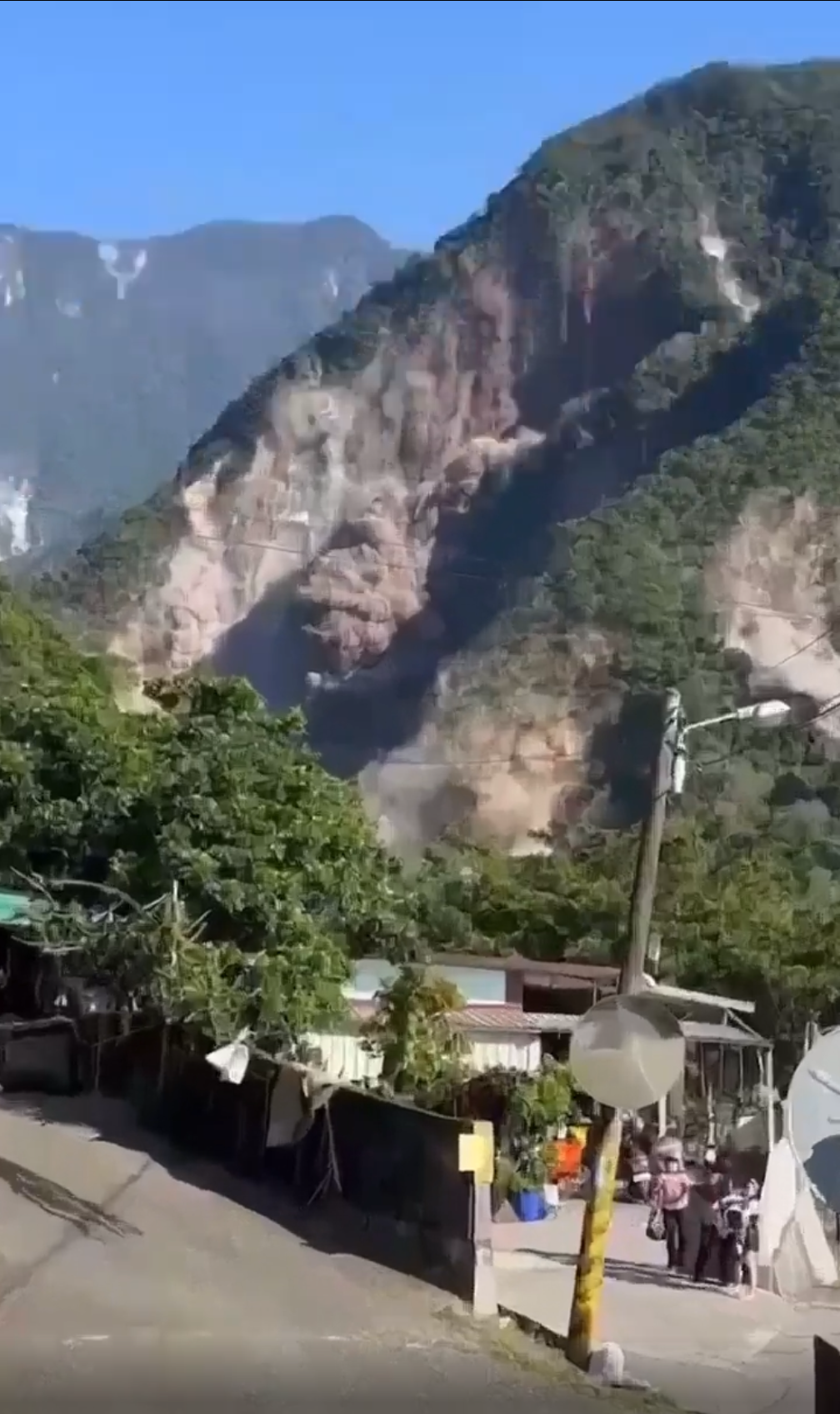
Strong seismic waves can destabilize steep slopes across an enormous region, triggering thousands of landslides during a single earthquake. Rock, soil, snow, and debris can suddenly move downhill, burying roads and communities or blocking rivers. Mountainous terrain is particularly vulnerable, and some landslides occur tens or even hundreds of miles from the fault that ruptured. The earthquake may last only seconds, but the landscape changes caused by these slope failures can remain visible for generations.
18. Tsunamis Can Cross Entire Oceans

A tsunami generated by a powerful undersea earthquake is not limited to the coastline closest to the epicenter. Its waves can travel across entire ocean basins at extremely high speeds, reaching distant countries many hours later. In deep water, the waves may be relatively difficult to notice, but as they approach shallower coastal areas, they slow down and can increase dramatically in height. This is why an earthquake occurring thousands of miles away can still become a serious coastal hazard on the other side of an ocean.
19. Earthquakes Can Affect Earth’s Rotation
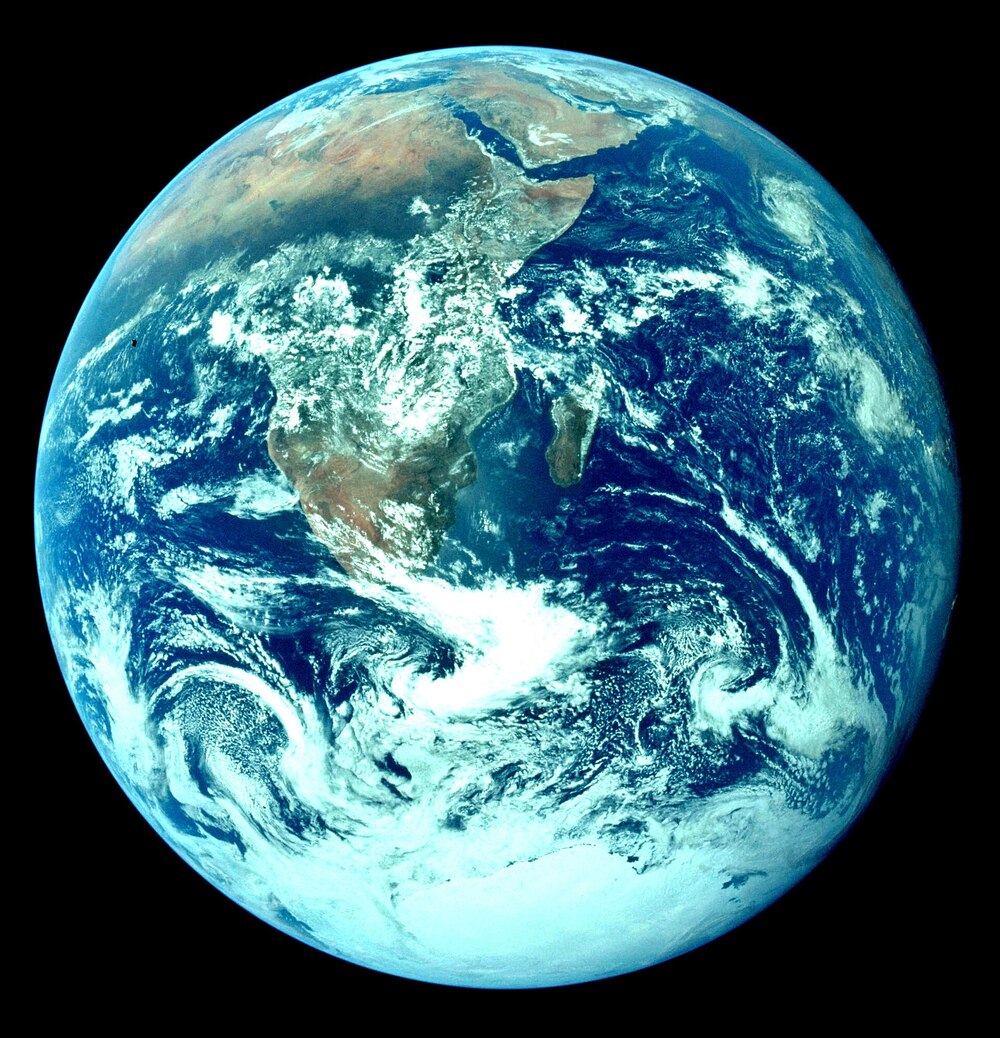
The largest earthquakes redistribute enormous amounts of mass within the planet. That redistribution can produce extremely small changes in Earth’s rotation and the position of its rotational axis. The effect is far too small for people to notice in everyday life, but modern instruments and calculations can detect it. Following some of the most powerful earthquakes ever recorded, scientists have estimated changes in the length of a day measured in millionths of a second.
Earthquakes are usually remembered for the violent shaking they produce, but their influence reaches much further. They can alter rivers, coastlines, groundwater, mountains, oceans, and even the motion of the planet itself. Many of these effects are invisible or unexpected, yet together they reveal something remarkable about earthquakes: they are not simply events that happen on Earth’s surface, but powerful reminders that the ground beneath us is part of a constantly changing planet.
Keep Exploring The Scroller
Discover more surprising stories, strange facts, and fascinating discoveries from around the world on The Scroller:
20 Vintage Photos of the Great 1906 San Francisco Earthquake