Think about how you navigate a standard neighborhood gathering or a casual dinner party today. Modern social interactions are incredibly relaxed, dictated by group chats, comfortable casual clothing, and a general attitude of taking things as they come. We live in an era where text messages serve as formal RSVPs and showing up to a restaurant in denim is perfectly acceptable. But if you were to travel back to a typical suburban neighborhood in the mid-twentieth century, you would find a community operating under a completely different set of social customs. Daily life in the post-war era was governed by a strict, beautifully polished code of etiquette that required active participation from every member of the household.
During this post-war boom, maintaining local harmony and personal reputation relied entirely on a complex series of daily rituals and highly visible courtesies. The truth is that society structured its days around strict definitions of respect, poise, and community bonding, establishing deep-seated customs that modern generations have quietly left behind. From the mandatory formal attire expected at a simple family dinner to the highly structured rules of introducing oneself to a new neighbor, these traditions defined the quiet baseline of mid-century life. Let’s take a nostalgic look back at fourteen everyday customs from the 1950s that have completely faded from our contemporary social playbook.
1. Men tipping or removing their hats for women
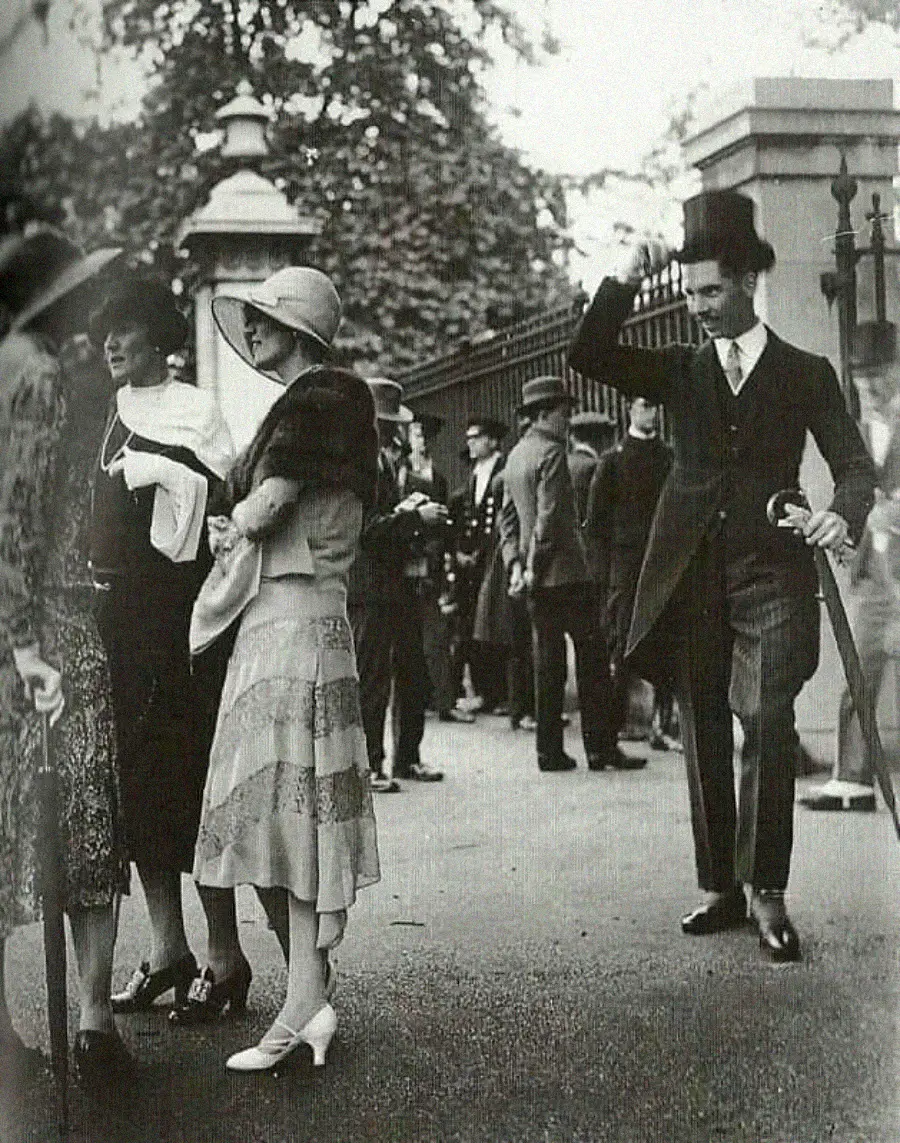
In the 1950s, a gentleman wouldn’t dream of entering a residential home, office building, or elevator without immediately removing his fedora or trilby. Furthermore, tipping one’s hat brim when passing a woman on the public sidewalk was a mandatory sign of respect, a gesture so deeply ingrained that hat manufacturers actively published etiquette pamphlets to teach men the exact proper angles for different social scenarios.
2. Spontaneous and unannounced neighbor visits
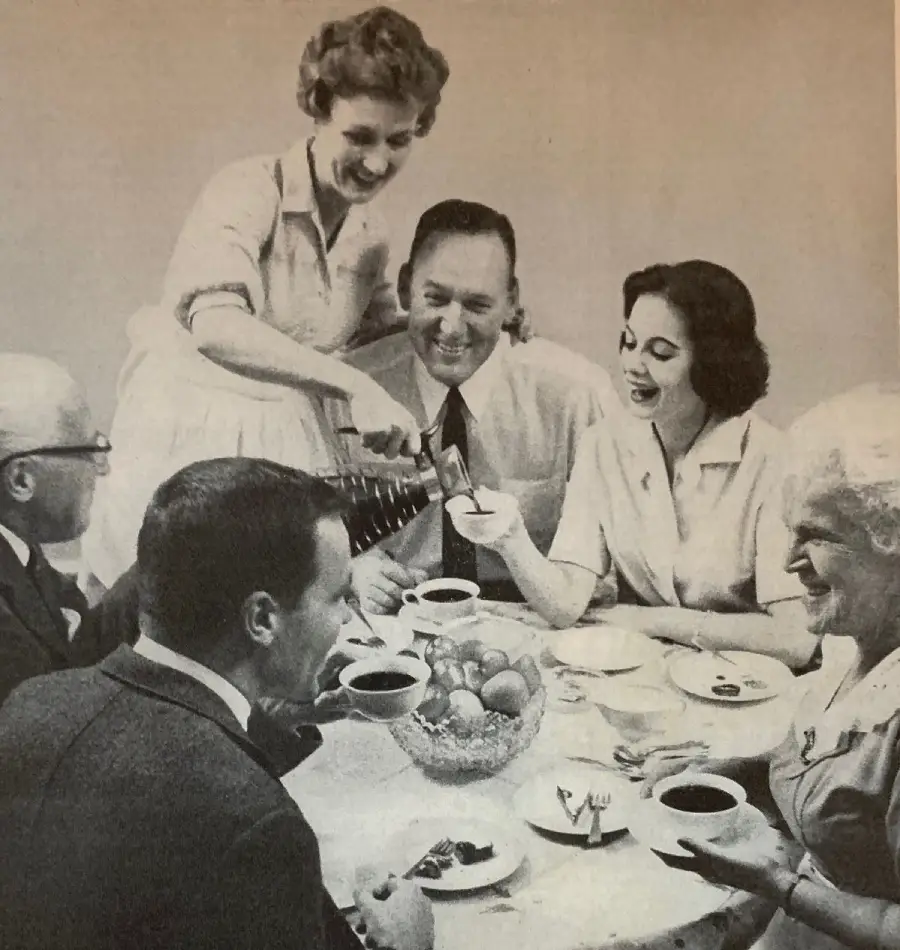
Long before digital messaging allowed us to screen our visitors, neighbors frequently dropped by your front door completely unannounced just to chat. Mid-century homemakers took immense pride in always keeping a fresh pot of coffee brewed and a tin of homemade sweets readily accessible in the pantry, transforming any surprise afternoon drop-in into an instant, effortless social gathering.
3. Men standing up when a woman enters a room
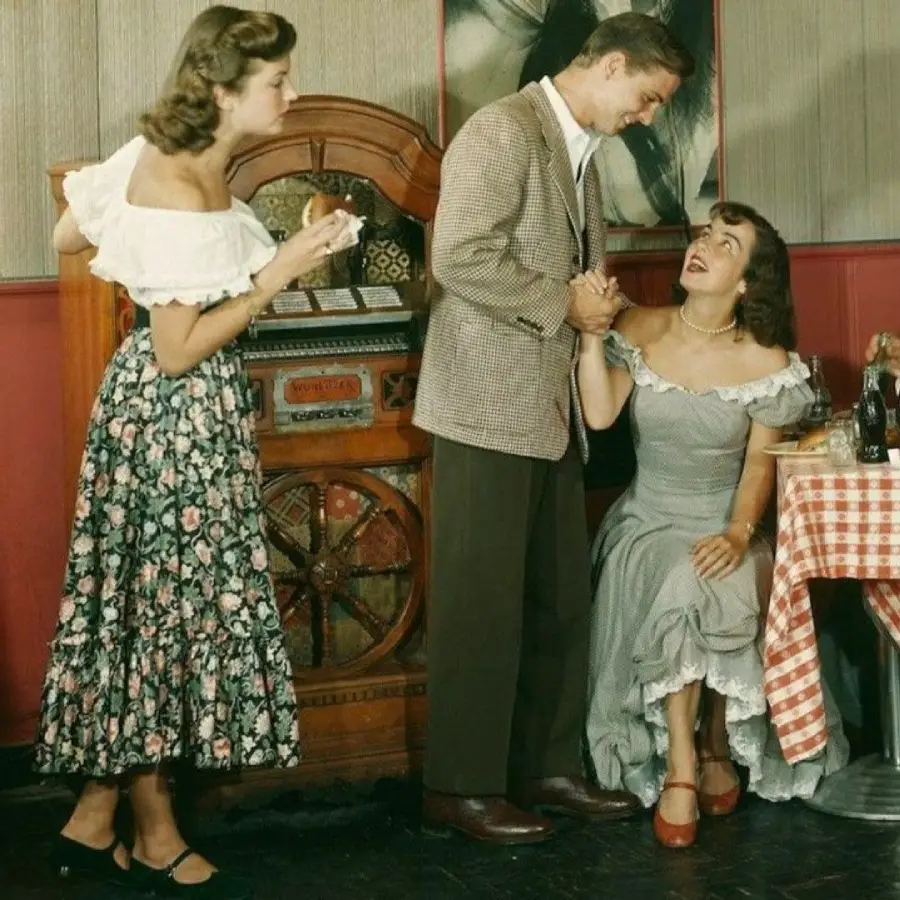
Whenever a woman stepped into a living room or stood up from a formal dining table, every man in the immediate vicinity was culturally required to rise to his feet. Men remained standing until she was comfortably seated or had fully exited the space, a widespread tradition meant to display chivalry that was practiced at everything from casual family dinners to high-powered corporate boardrooms.
4. Sending handwritten thank-you notes within 48 hours
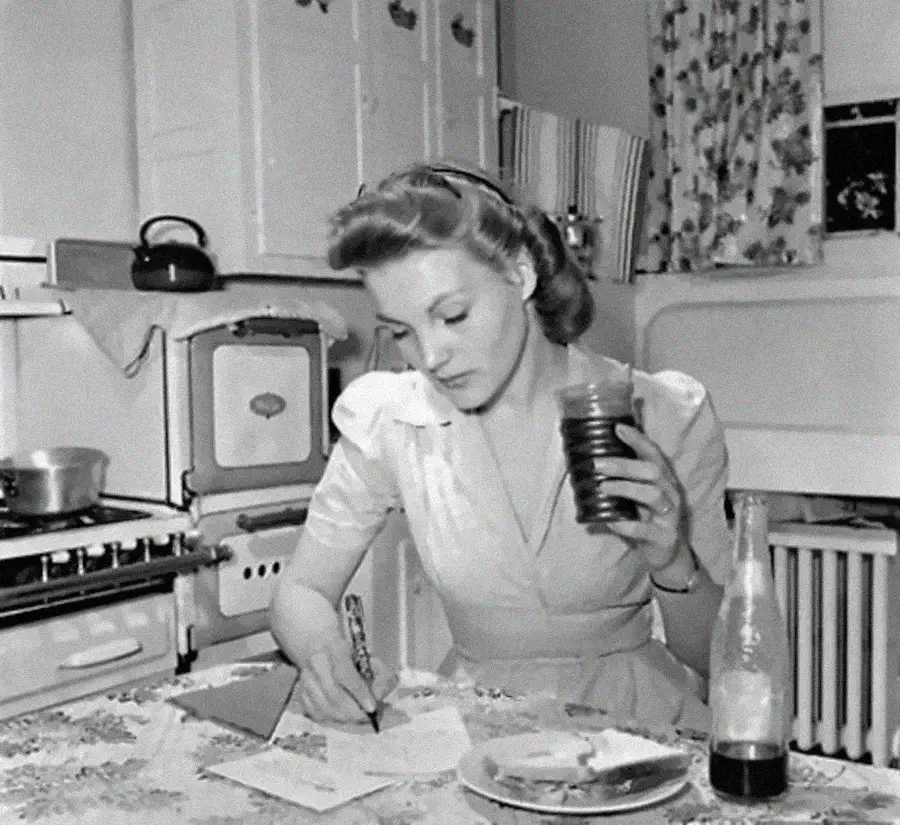
Receiving a birthday gift, a holiday package, or a formal dinner invitation in the fifties triggered a strict, non-negotiable countdown to deploy a handwritten response. Etiquette manuals of the era firmly dictated that these personal appreciation letters had to be composed, stamped, and dropped in the mailbox within forty-eight hours of the event to avoid being considered deeply ungrateful.
5. Children standing at attention for entering adults
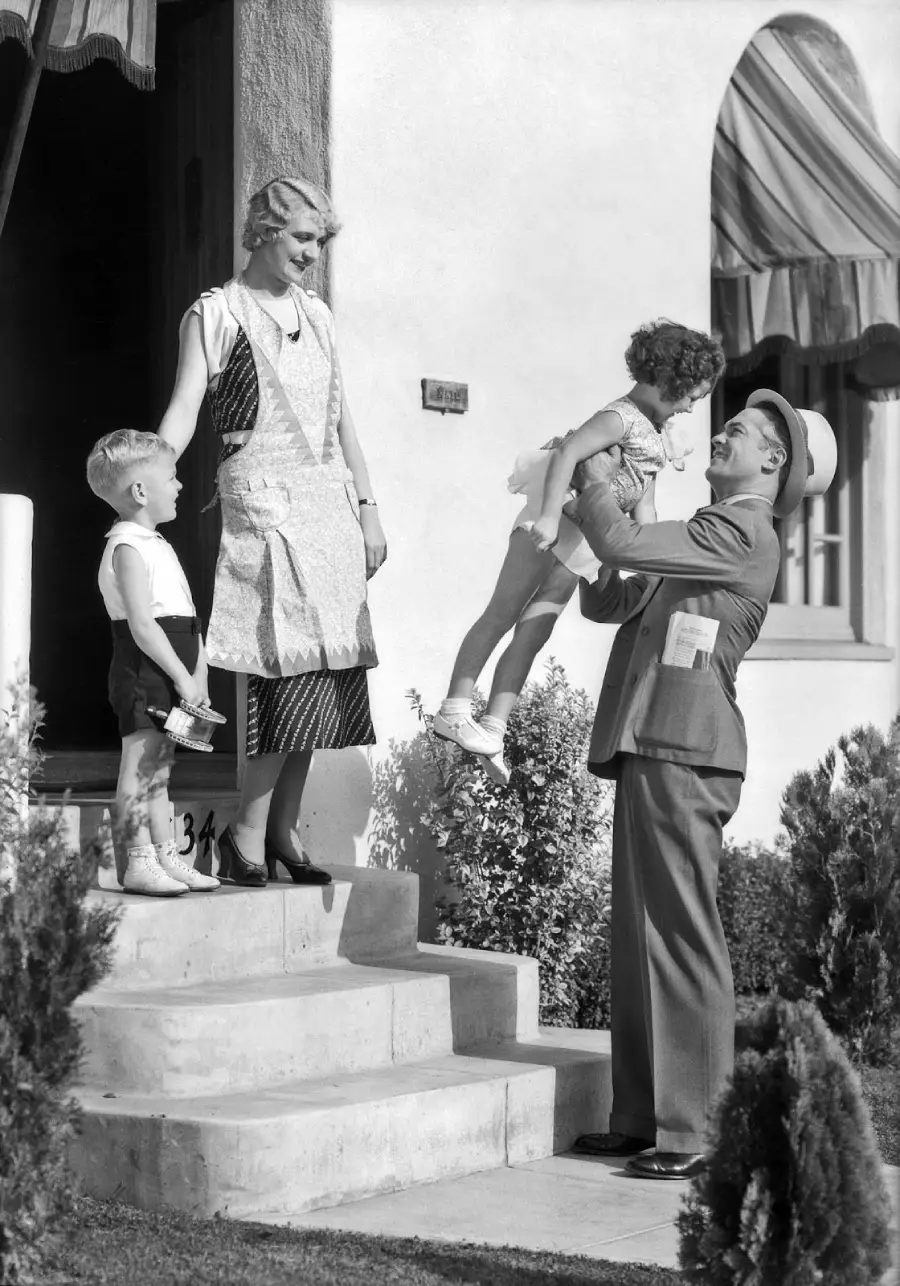
Fifties parenting placed a heavy emphasis on formal boundaries between different generations, requiring children to immediately stop playing and stand up straight whenever an adult walked into a room. Young boys and girls were expected to offer a clear, formal greeting like “Good afternoon, sir” or “Hello, ma’am,” remaining upright until the visiting adult explicitly gave them permission to resume their activities.
Trending on The Scroller


6. Mandatory formal Sunday visits to grandparents
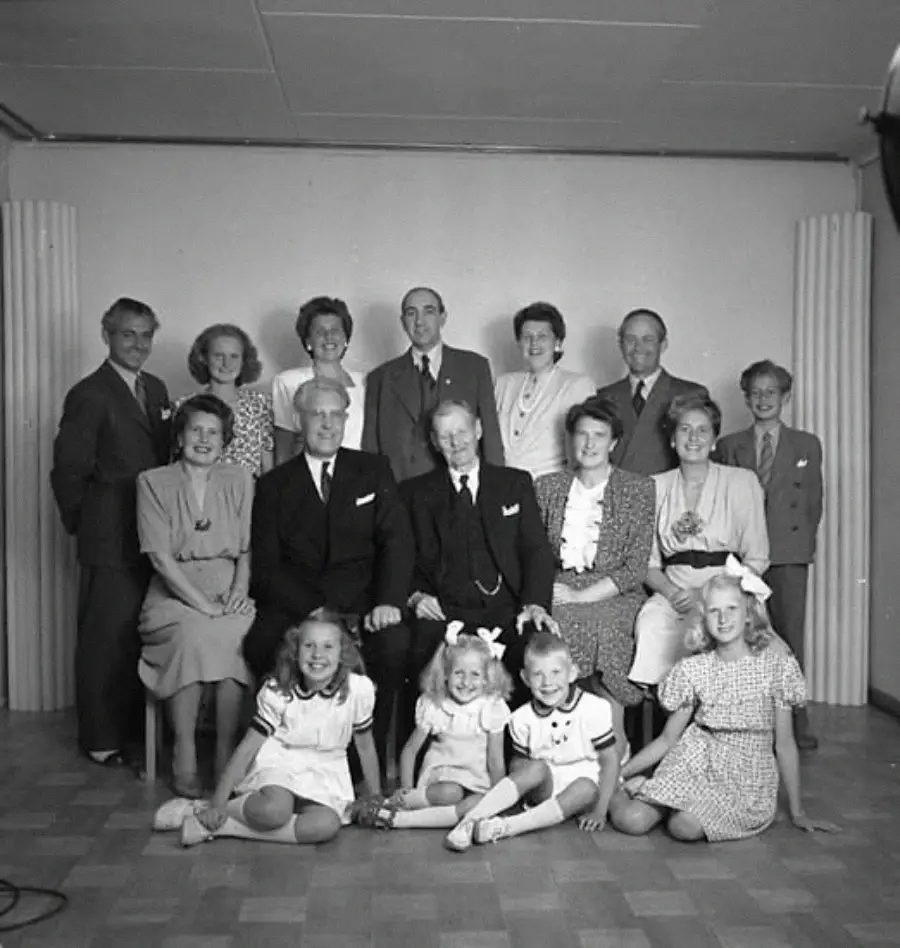
Sunday afternoons were strictly reserved for executing structured family visits to grandparents, a weekly ritual that effectively paused all personal leisure or neighborhood playtime. Children were dressed up in their absolute finest, highly uncomfortable church clothes, and families spent hours engaging in quiet conversation in the parlor without a single radio or television on to distract them.
7. Seeking parental permission to date
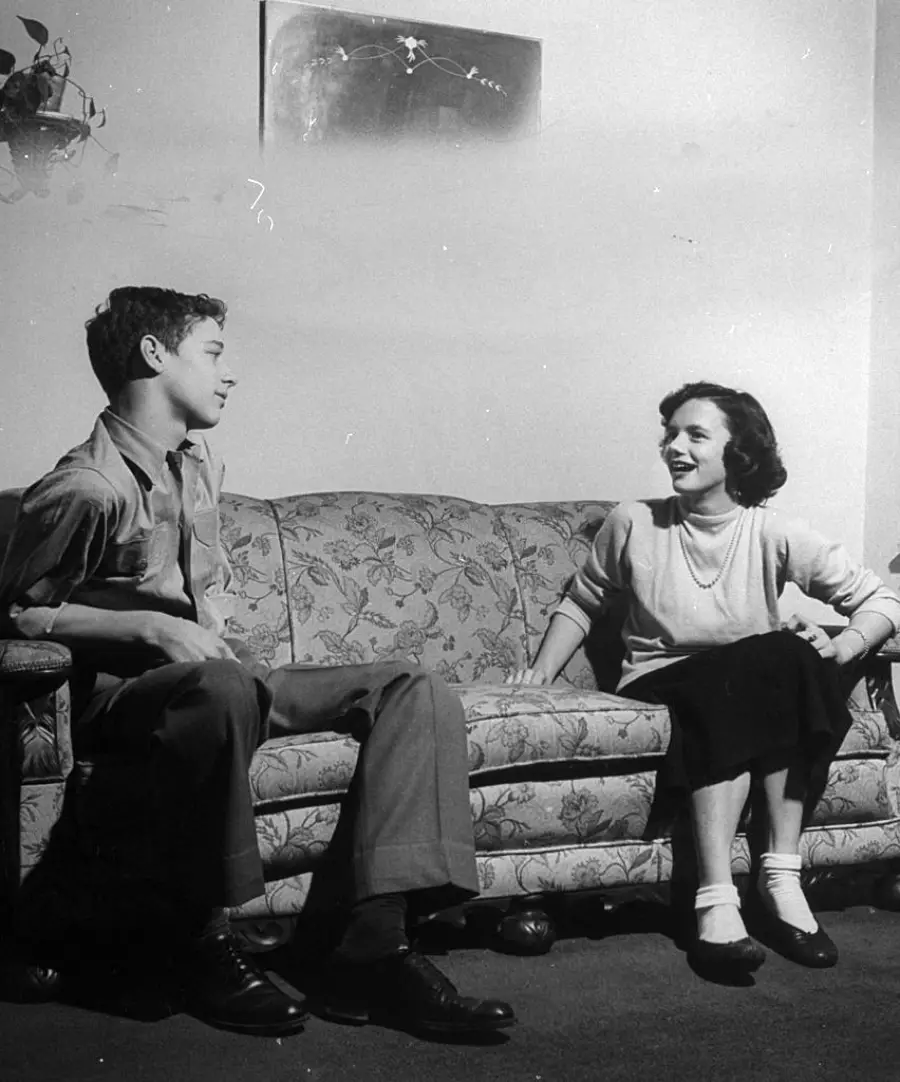
Before a young couple could embark on a casual courtship or go out for a milkshake, the young man had to formally present himself at the girl’s family home to secure explicit permission from her parents. This nerve-wracking introductory meeting allowed the father to thoroughly interview the suitor, inspect his appearance, and establish an unyielding, early curfew for the evening.
8. First-name front porch greetings at dawn
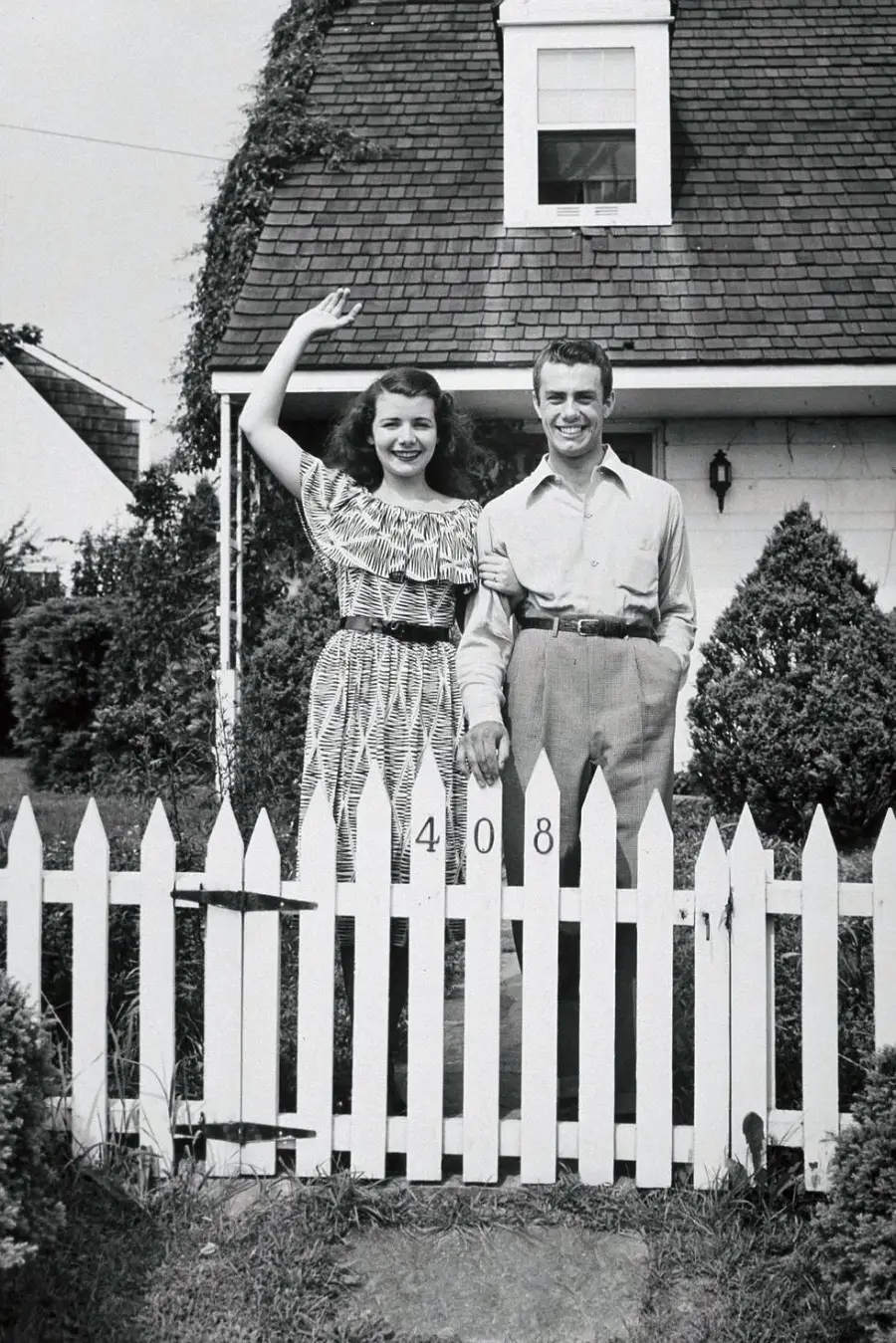
Stepping outside to grab the morning newspaper or sweep the front porch in the 1950s was an incredibly social, highly interactive start to the day. Neighbors routinely called out to one another by name across their manicured lawns, fostering a tightly knit community bond where avoiding eye contact or ignoring a passing neighbor was viewed as an aggressive social insult.
Sign up for our newsletter
9. Women wearing white gloves in public places

Whether a woman was stepping out to the local market, boarding a downtown bus, or attending a local community luncheon, her outfit was entirely incomplete without a pair of clean fabric gloves. These elegant hand coverings were treated as a vital symbol of hygiene and social standing, with different lengths and materials strictly designated for specific times of day and social contexts.
10. The walking shield: Men navigating the curbside
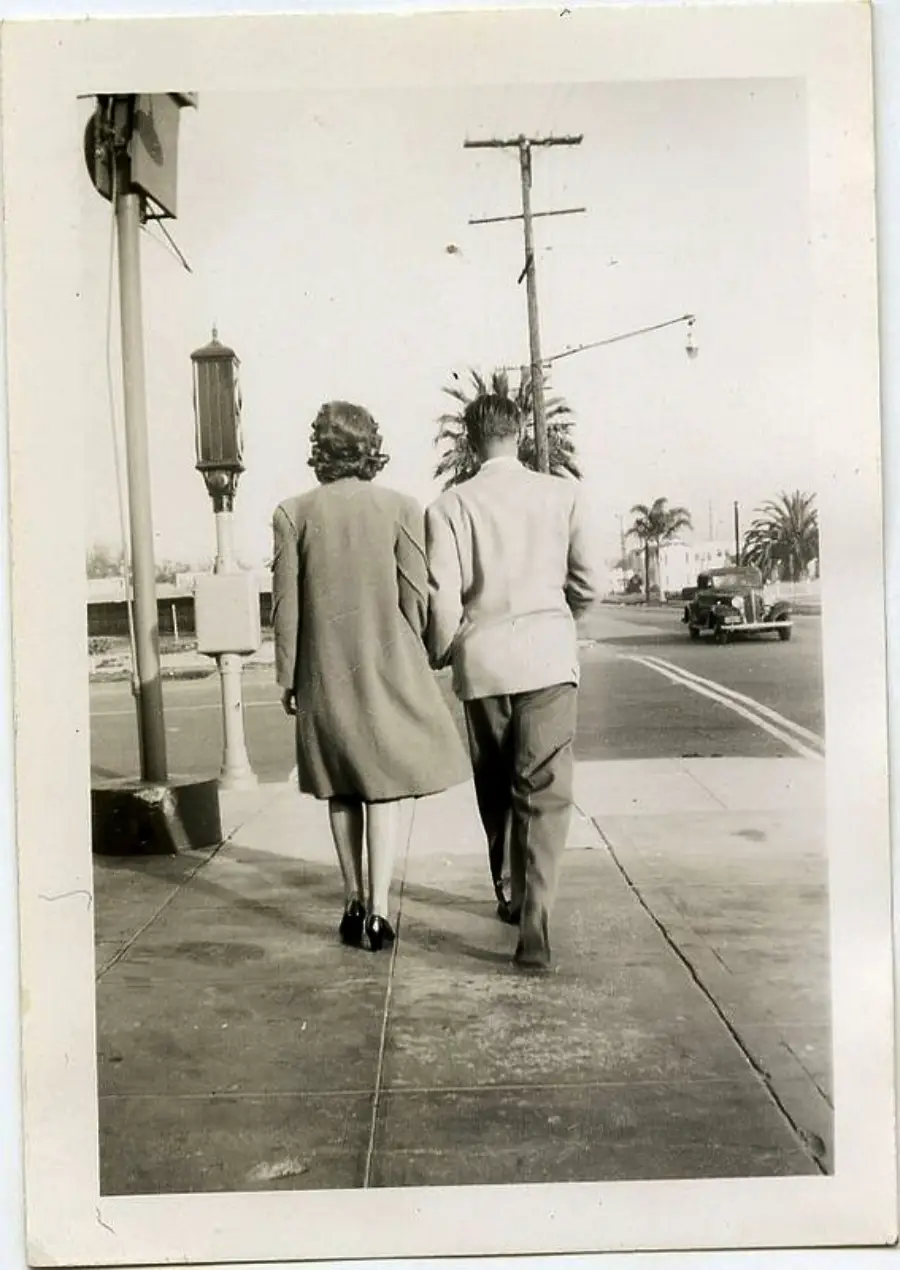
When strolling down a public sidewalk with a woman, a man was culturally required to always position himself on the side closest to the active street. This strategic positioning was a traditional protective custom designed to shield the woman from heavy mud splatters thrown up by passing cars, runaway vehicles, or falling street debris.
11. Prompt family dinners with no TV
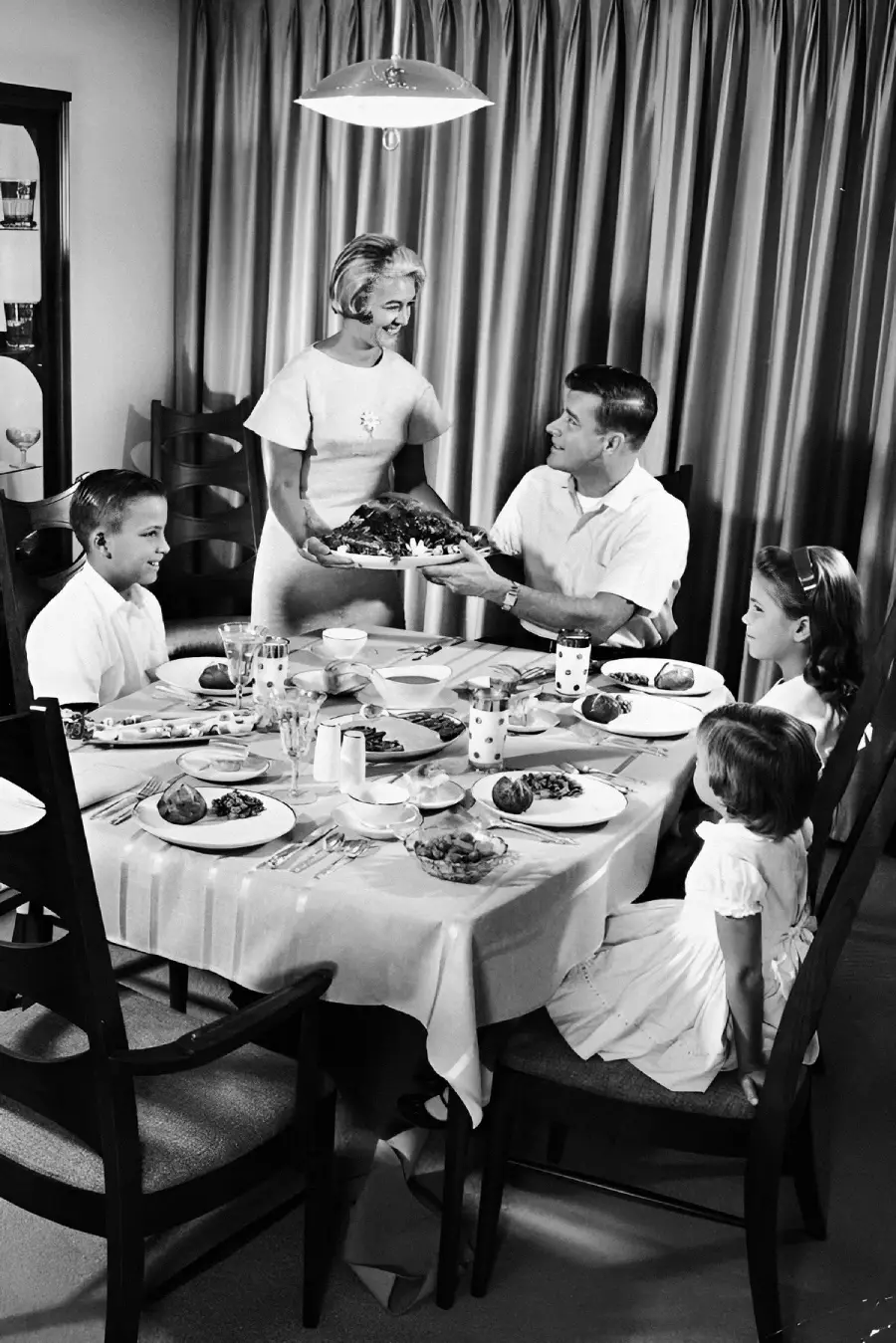
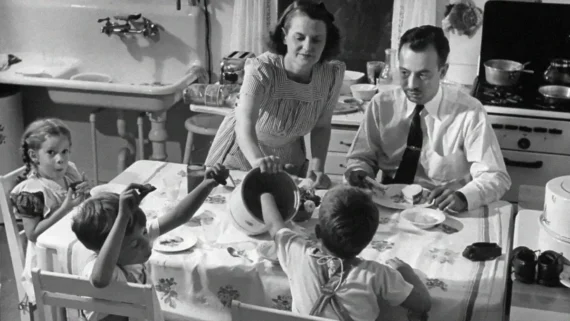
Every single evening at the exact same hour, the entire household gathered around the dining room table to share a home-cooked meal. The television set was kept strictly turned off, and personal problems were left at the door, ensuring that dinner operated as a sacred, uninterrupted space for families to discuss their days face-to-face.
12. Complete grooming routines prior to breakfast
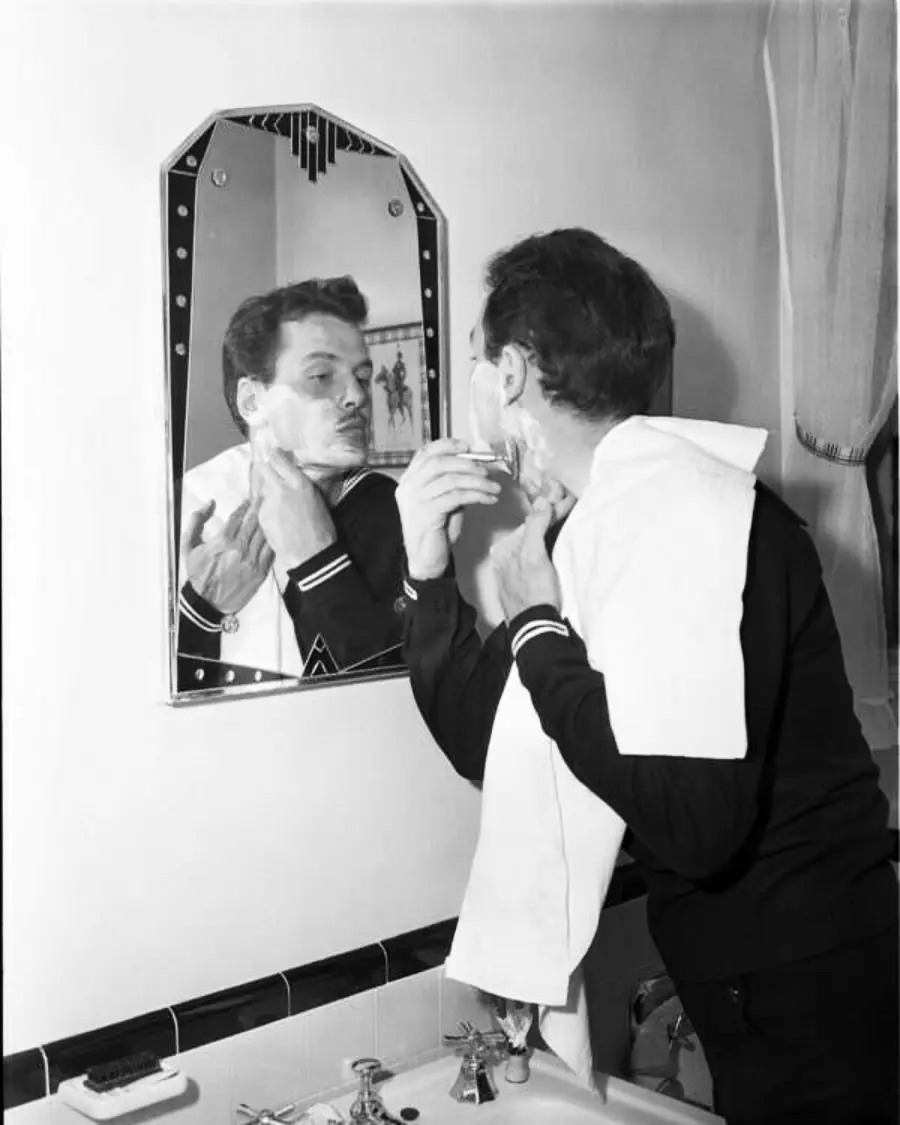
The concept of lounging around the kitchen in messy pajamas or unbrushed hair was an absolute taboo in the mid-century home. Men routinely executed a clean razor shave, and women fully styled their hair and put on daytime clothes before ever setting foot into the kitchen to consume their morning breakfast.
13. Exchanging personal calling cards
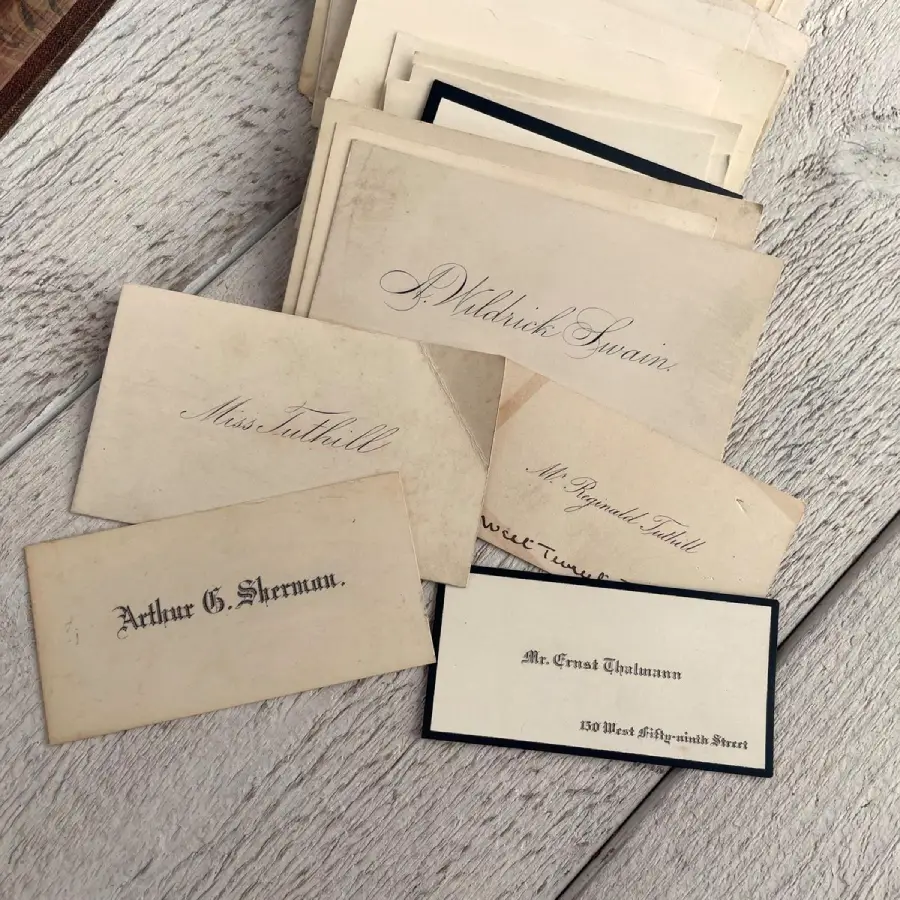
Long before digital contact sharing and professional networking apps simplified our introductions, individuals carried elegant, printed calling cards in silver cases for casual social contexts. Meeting a new neighbor or being introduced to a friend at a country club mixer required exchanging these heavy cardstock slips, which featured your name and home address in elegant script.
14. Children formally requesting to leave the dinner table
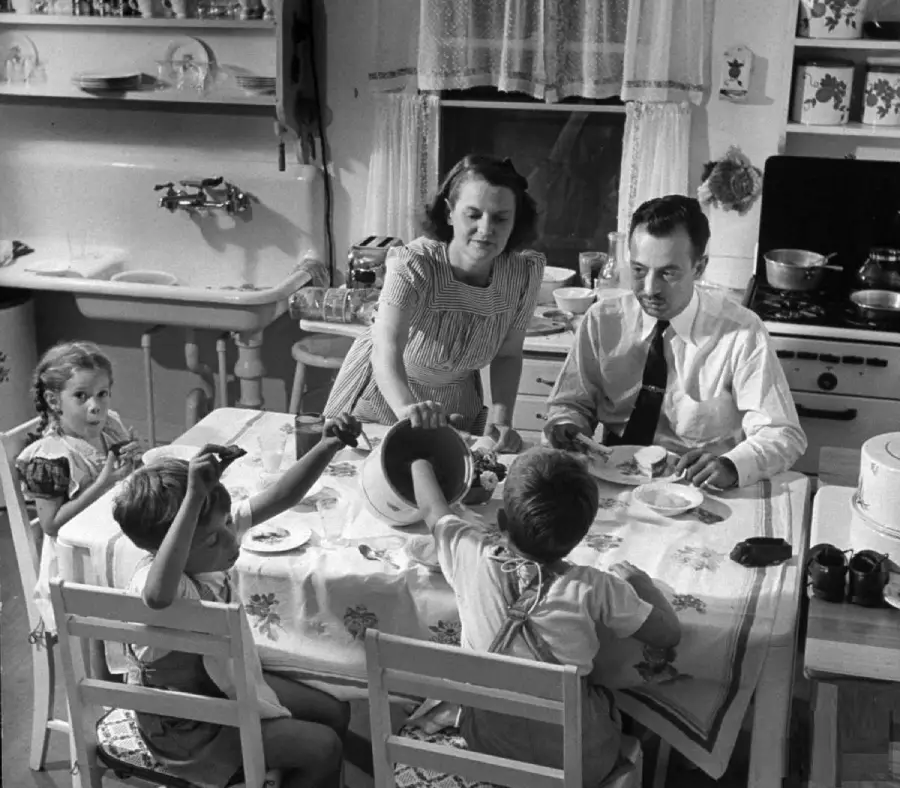
Children in the 1950s were expected to sit quietly throughout the entire family meal, listening politely to adult conversations without interrupting. Once they finished eating, they were strictly forbidden from simply sliding out of their chairs; they had to explicitly look at their parents and ask, “May I please be excused from the table?”
Want more vintage customs?
Revisiting these intricate social rules from the 1950s highlights just how profoundly our daily lifestyles, community boundaries, and definitions of politeness shift over the generations. While modern society definitely benefits from the freedom and relaxed comfort of our current casual routines, looking back at these handwritten notes, polished hat tips, and front porch greetings reveals a charming, deeply connected chapter of human history. When we choose to look past the rigid expectations of the post-war era to appreciate the underlying desire for mutual respect and community harmony, we gain a much richer understanding of our shared cultural evolution. If you loved taking this nostalgic journey back to the age of mid-century etiquette, make sure to explore these 14 Habits From the 1970s That Seem Impossible Today or 18 Forgotten Traditions From the 1900s. You can also check out these 17 Things ’80s People Did That Would Totally Confuse Kids Today.