Certain events in the past even make historians think twice. History is full of moments so unusual, dramatic, or unlikely that they sound more like the plot of a novel than something that actually happened. Yet these strange episodes are very real, reminding us that the past can be just as surprising as any work of fiction.
This list explores fifteen historical events that are so bizarre or unexpected they almost seem impossible to believe. From unbelievable coincidences to stories that legitimately don’t make sense, these moments prove that reality has a way of outdoing imagination. Let’s dive into 15 historical events that sound like fiction.
1. The Dancing Plague of 1518
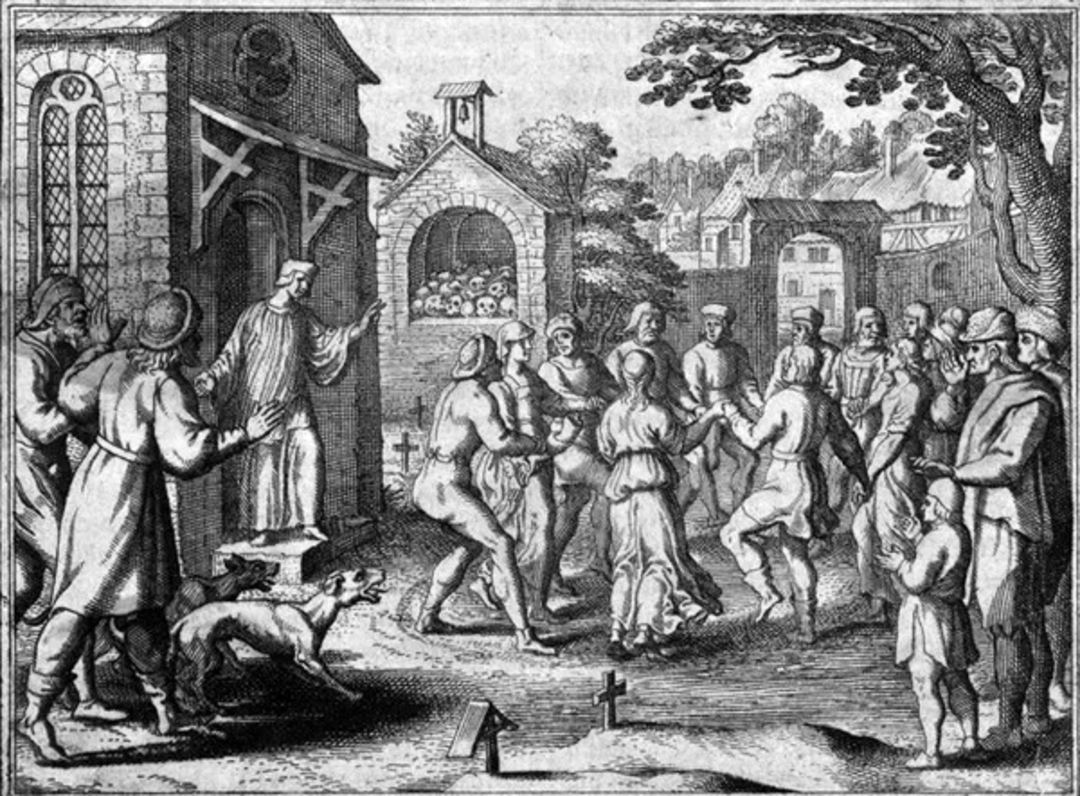
In the summer of 1518, residents of Strasbourg began dancing uncontrollably in the streets. One woman started dancing, and soon dozens joined her, some reportedly unable to stop for days. Historians believe that by the end, hundreds of people had danced to exhaustion, some perishing because of it. The cause is still debated, with theories ranging from mass hysteria to ergot poisoning.
2. The Tunguska Event
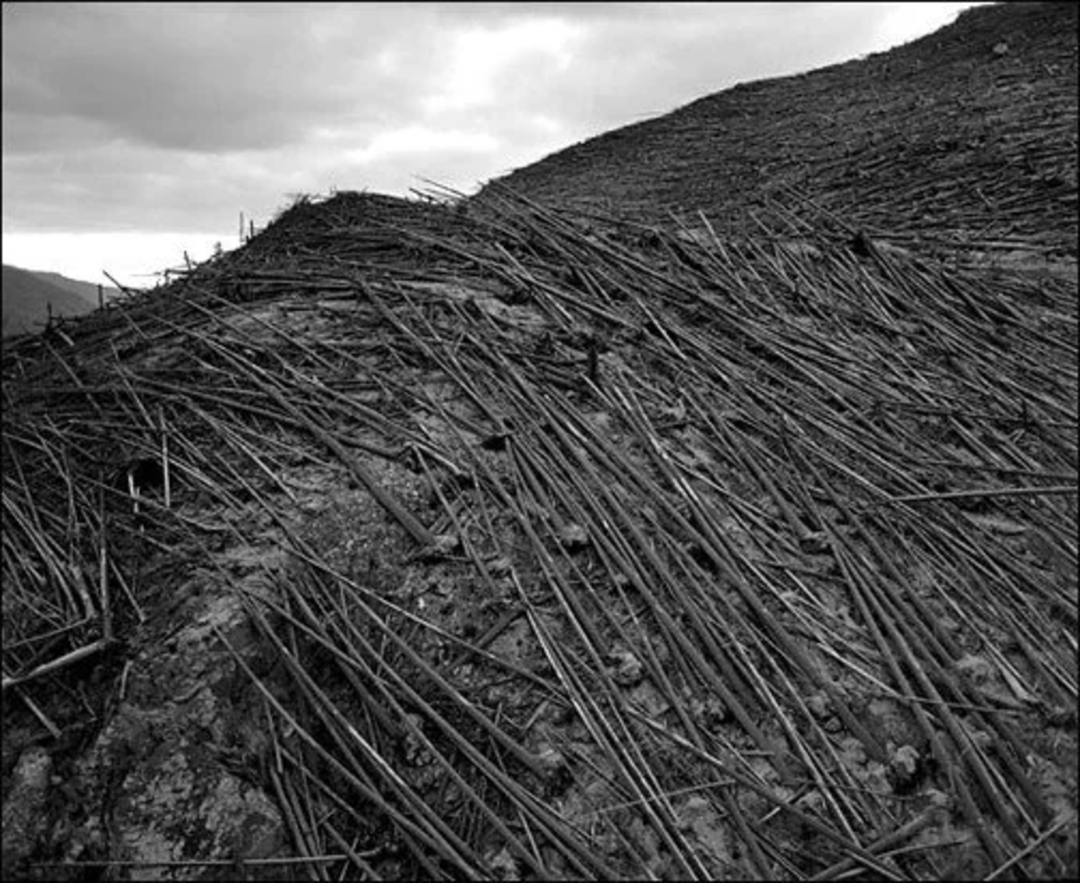
On June 30, 1908, a massive explosion occurred over the Tunguska River in Siberia. It flattened roughly 80 million trees over 830 square miles, yet no crater was left behind. Scientists believe a small asteroid or comet exploded in the atmosphere, releasing energy equivalent to 10-15 megatons of TNT. The blast was so powerful it was detected worldwide by atmospheric instruments.
3. The Aroostook War
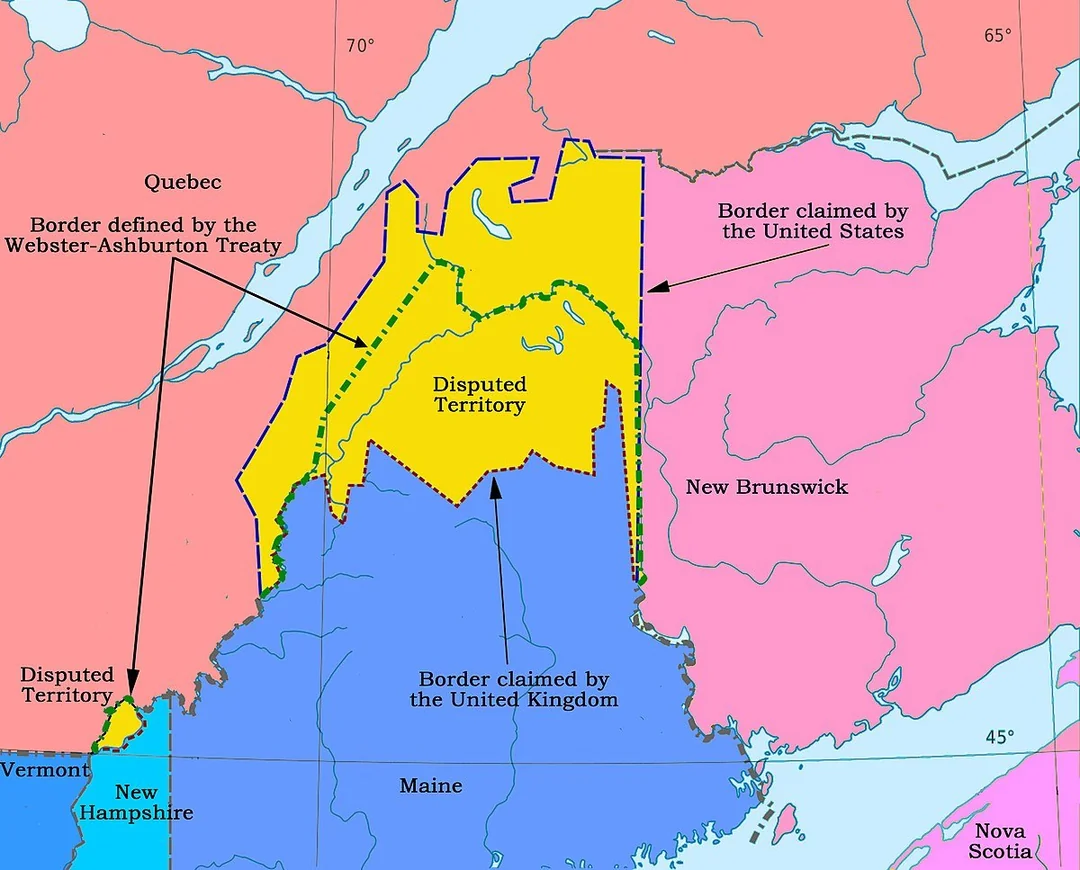
In 1838, a border dispute between Maine and Canada escalated into the so-called Aroostook War. Both sides mobilized militias, but there were almost no casualties. Soldiers sometimes engaged in humorous skirmishes, like throwing stones instead of bullets. The conflict was resolved diplomatically in 1842 with the Webster-Ashburton Treaty. Despite its name, this “war” lasted months without any real fighting, making it one of the strangest non-violent wars in history.
4. Krakatoa Eruption
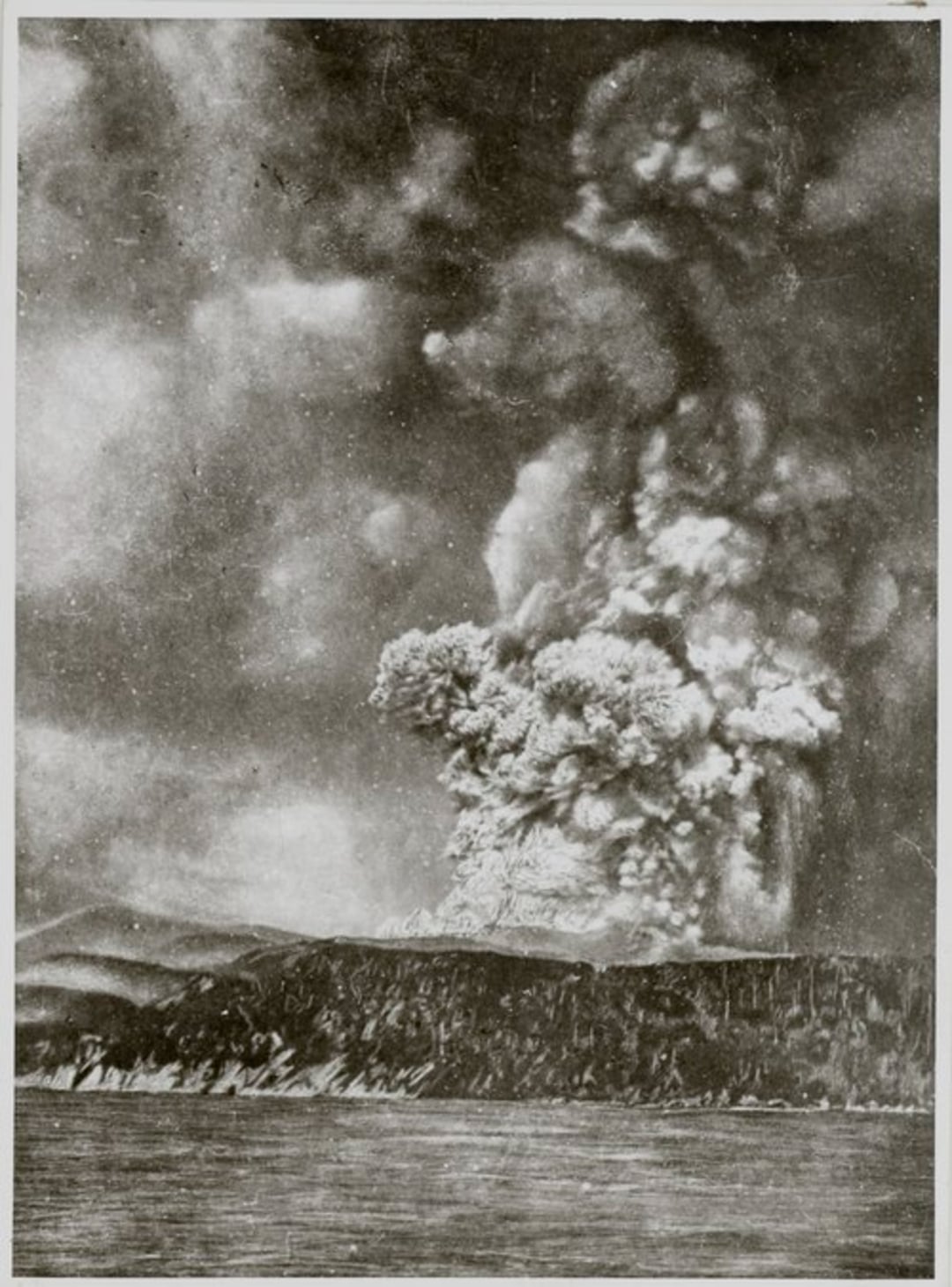
In 1883, the volcanic island of Krakatoa exploded in one of the most violent eruptions in recorded history. The blast was heard over 3,000 miles away and sent massive tsunamis across nearby coasts. Ash and volcanic gases blocked sunlight globally, leading to climate anomalies and spectacular sunsets for years. Tens of thousands of people lost their lives, and the eruption demonstrated the catastrophic power of nature in ways that still awe scientists today.
5. The Anglo-Zanzibar War
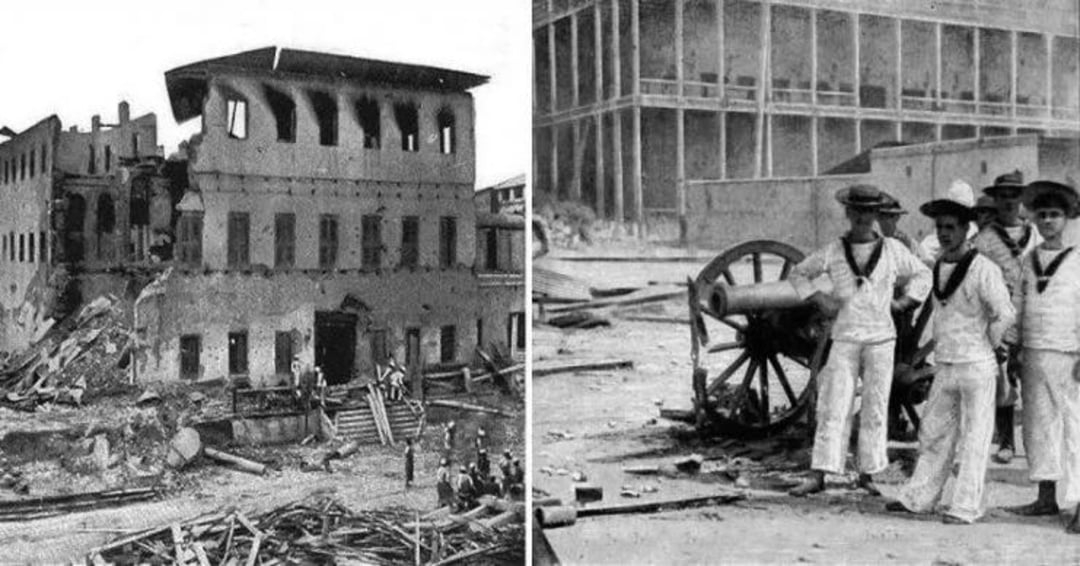
On August 27, 1896, a war between the UK and Zanzibar lasted only 38 minutes. The war began when the Sultan of Zanzibar refused to step down after the British demanded that he give up the throne. British naval forces bombarded the palace, quickly overwhelming the defenders. Zanzibar suffered about 500 casualties, while the British had only one. This is widely regarded as the shortest war in history.
Trending on The Scroller

6. Roy Sullivan was struck by lightning seven times
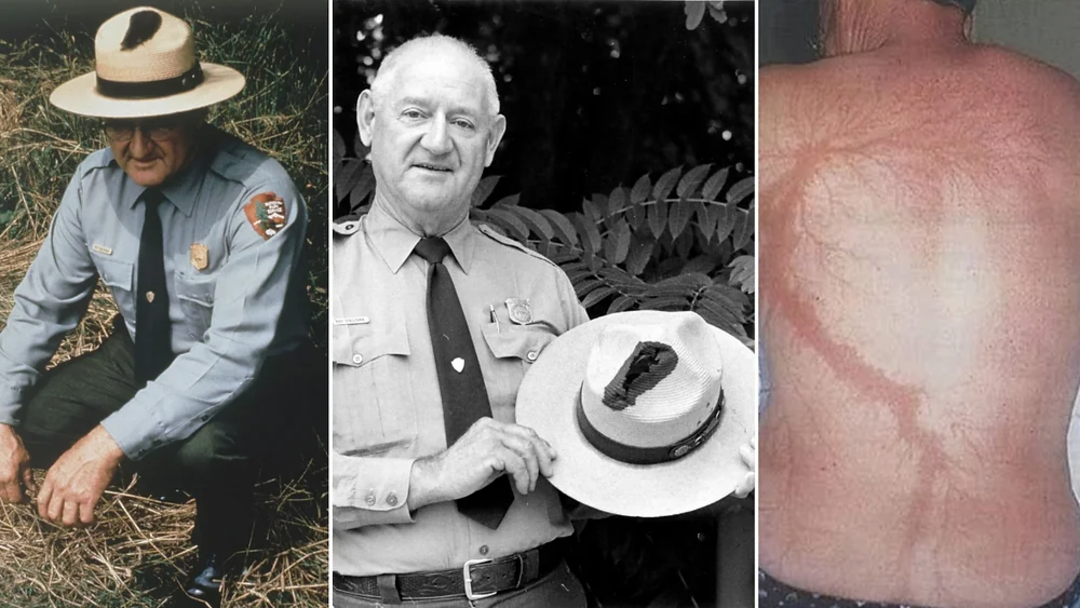
A U.S. Park Ranger named Roy Sullivan holds the Guinness World Record for being struck by lightning seven separate times between 1942 and 1977. He survived every strike but suffered burns and scars. His unusual misfortune earned him the nickname “Human Lightning Conductor.”
7. The Pig War
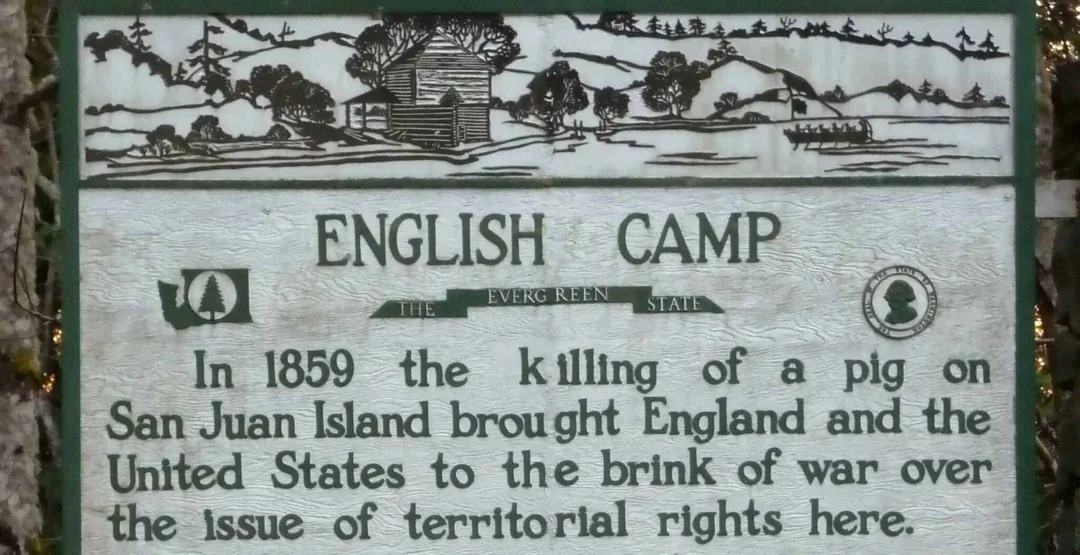
In 1859, tensions between the United States and Britain nearly escalated into war over the shooting of a single pig on the San Juan Islands. An American settler shot a British-owned pig that was eating their crops, prompting both nations to deploy troops to the islands. Despite the military buildup, no human casualties occurred. The standoff lasted several months, with both sides maintaining a careful balance to avoid conflict.
8. The Ghost Army of WWII
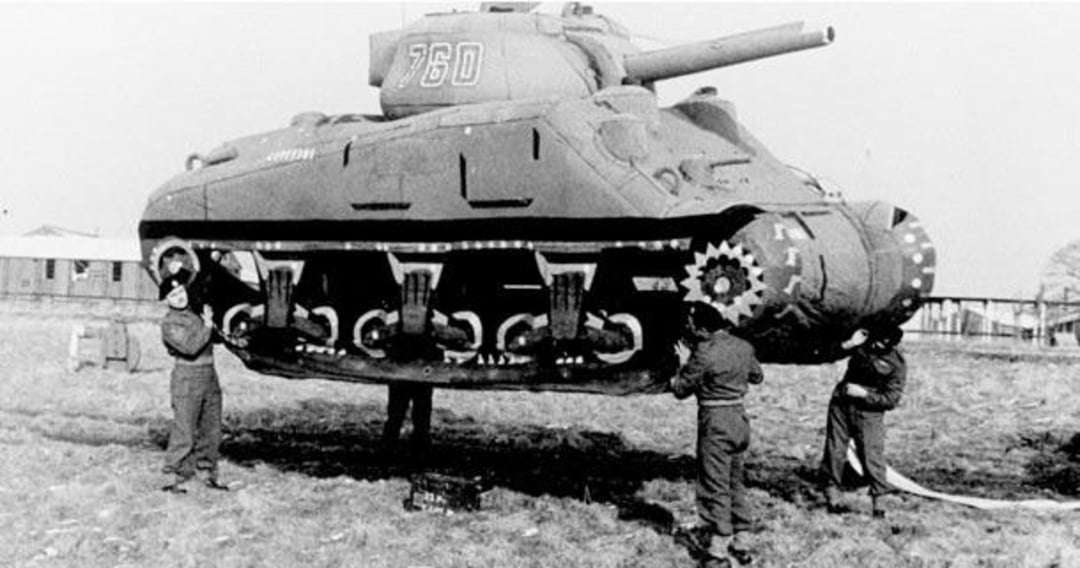
During World War II, the U.S. Military created a ghost army to deceive German forces. Soldiers used inflatable tanks, fake radio transmissions, and sound effects to simulate a large army. The deception saved countless lives by diverting German attention.
Sign up for our newsletter
9. The Great Stink
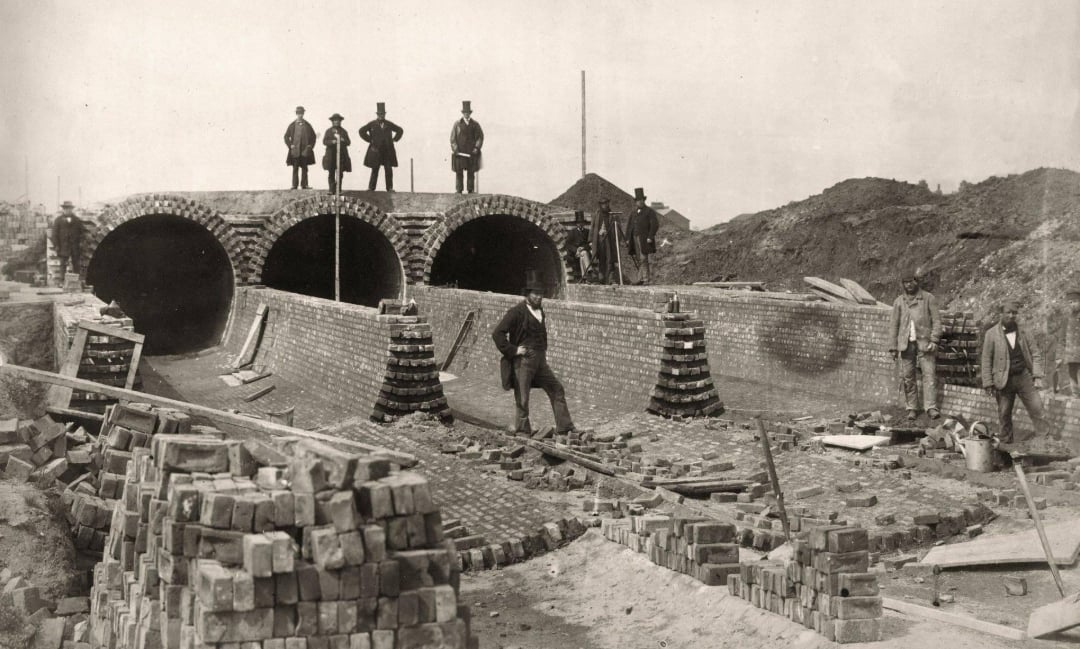
Back in the late 1800s, the smell of untreated human waste along the Thames River in London became so unbearable that Parliament had to adjourn. The disaster prompted major sewer reforms, and this incident showed how environmental neglect can literally halt government.
10. The Phantom Time Hypothesis
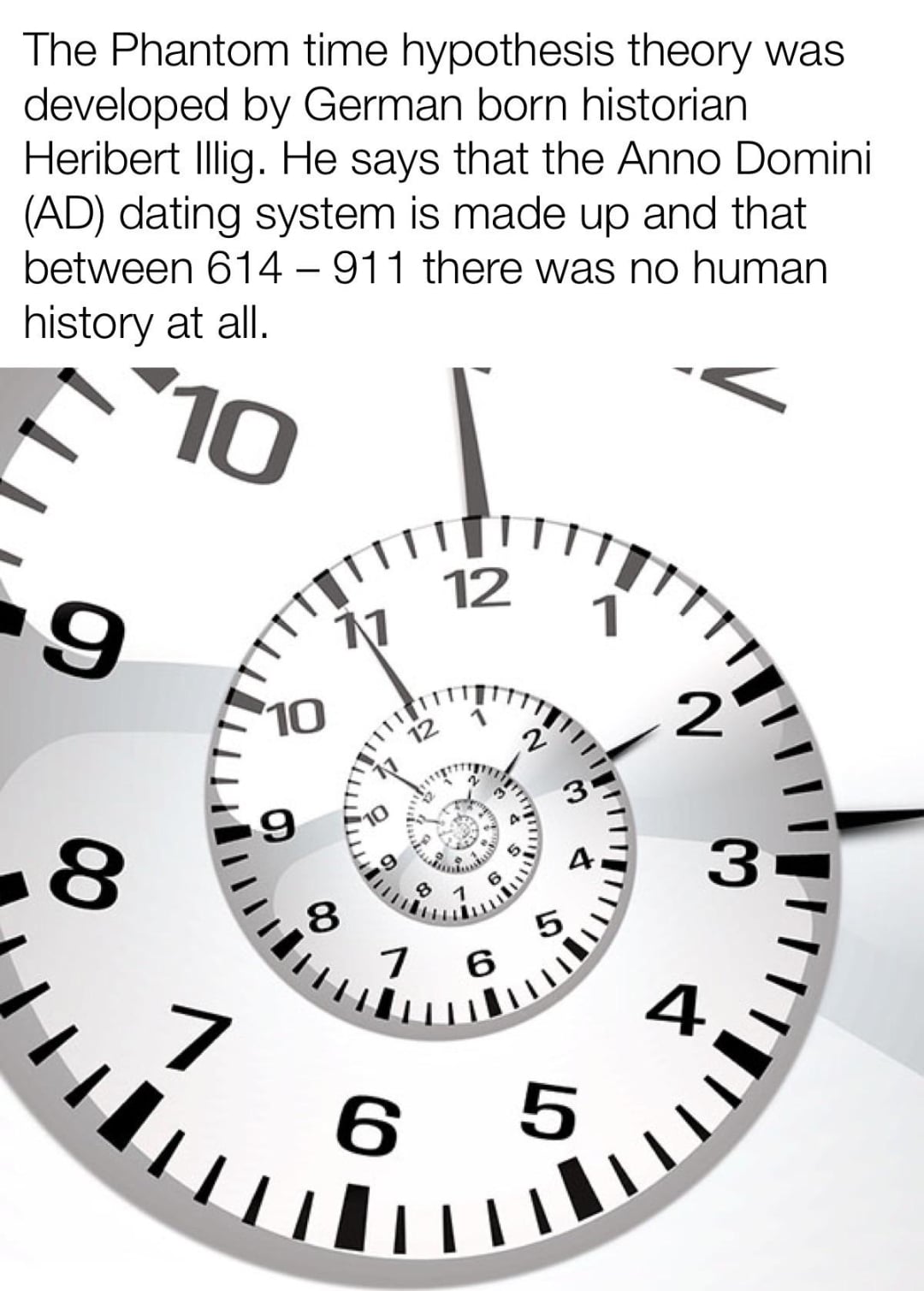
Some historians speculate that about 300 years of history (614-911 AD) were miscounted in Europe. This theory suggests that the year 2026 might actually be closer to 1726. While this is controversial and widely disputed, it’s a wild example of how history itself can be questioned.
11. The London Beer Flood
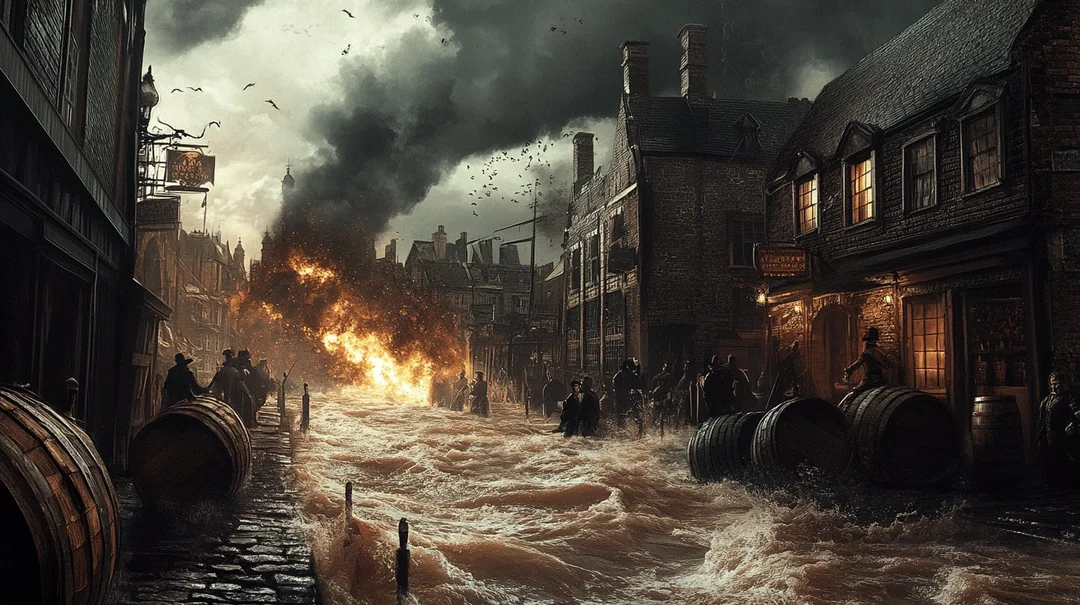
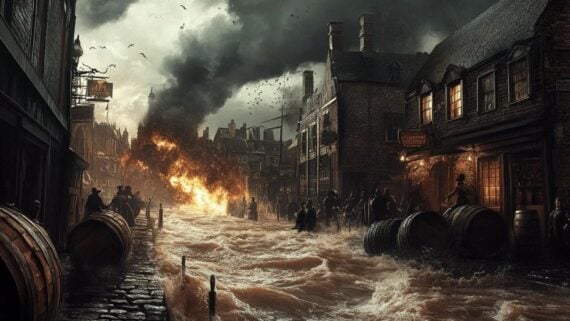
In 1814, a massive vat of beer in London burst and sent 323,000 gallons of beer into the streets. Buildings were destroyed, and at least eight people drowned in the beer. It’s one of the strongest industrial disasters in history… an alcoholic tsunami.
12. The Tanganyika Laughter Epidemic
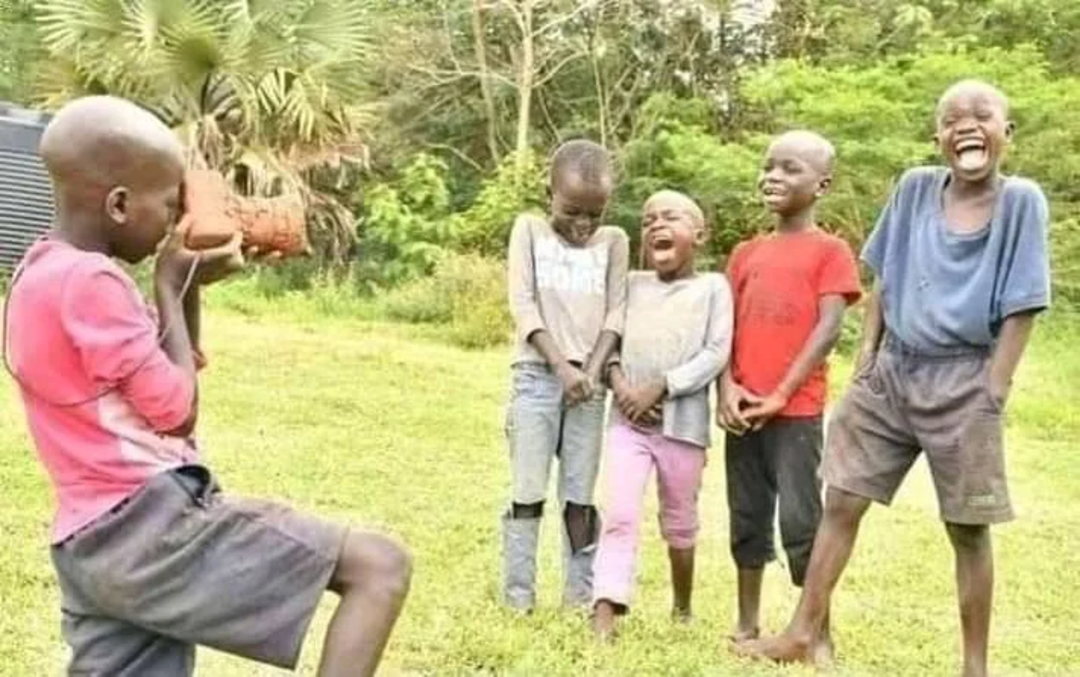
During the early 1960s, a school in Tanzania experienced an outbreak of uncontrollable laughter. The laughter spread to neighboring villages, affecting over 1,000 people and lasting months. Schools closed, and the epidemic puzzled even top psychologists. This is one of the most well-documented cases of mass hysteria with real-world disruption.
13. The Year Without a Summer
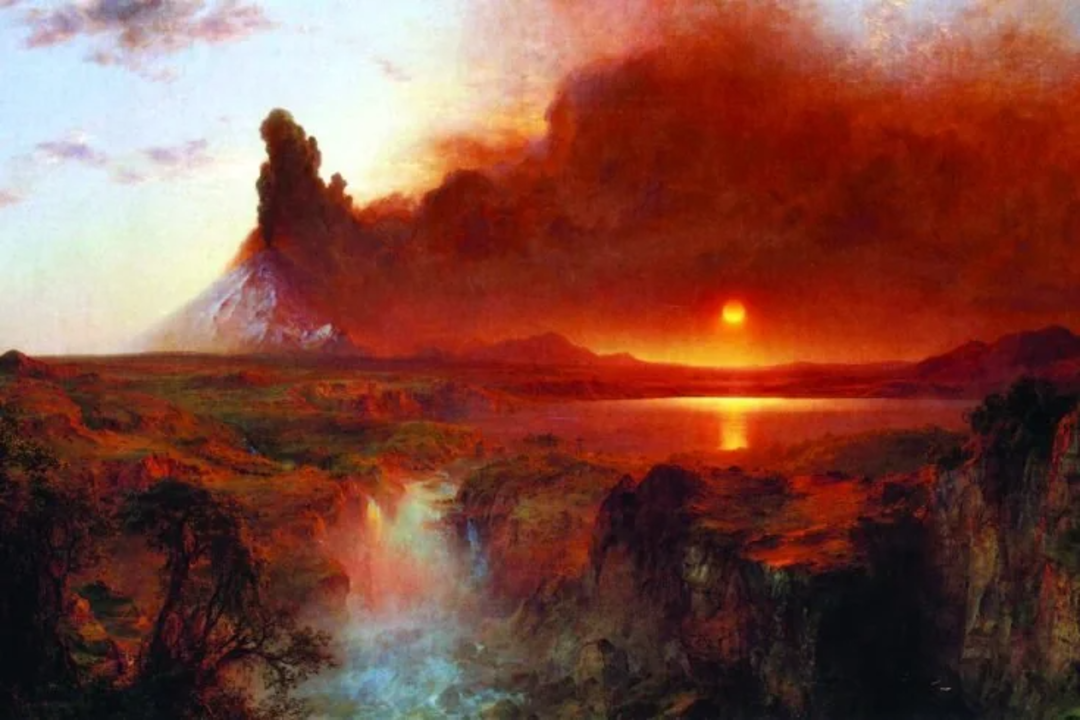
In the early 1800s, volcanic ash from the eruption of Mount Tambora caused global cooling. Crops failed across Europe and North America, leading to famine. Snow fell in June in many regions, and food prices skyrocketed.
14. The Great Cheese Riot
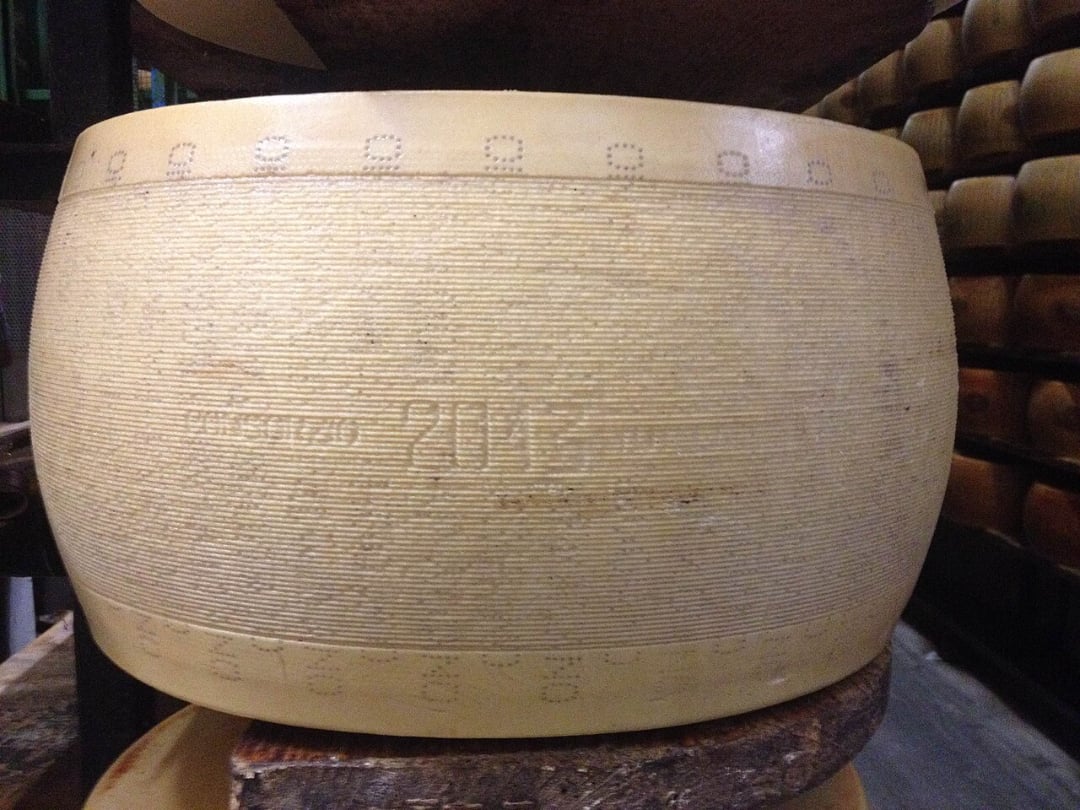
Londoners rioted over the price of cheese in 1766. Furious foodies dumped wheels of cheese into the streets, and mobs clashed with authorities. The protest is a reminder that even cheese can spark major civil unrest.
15. Napoleon was attacked by rabbits
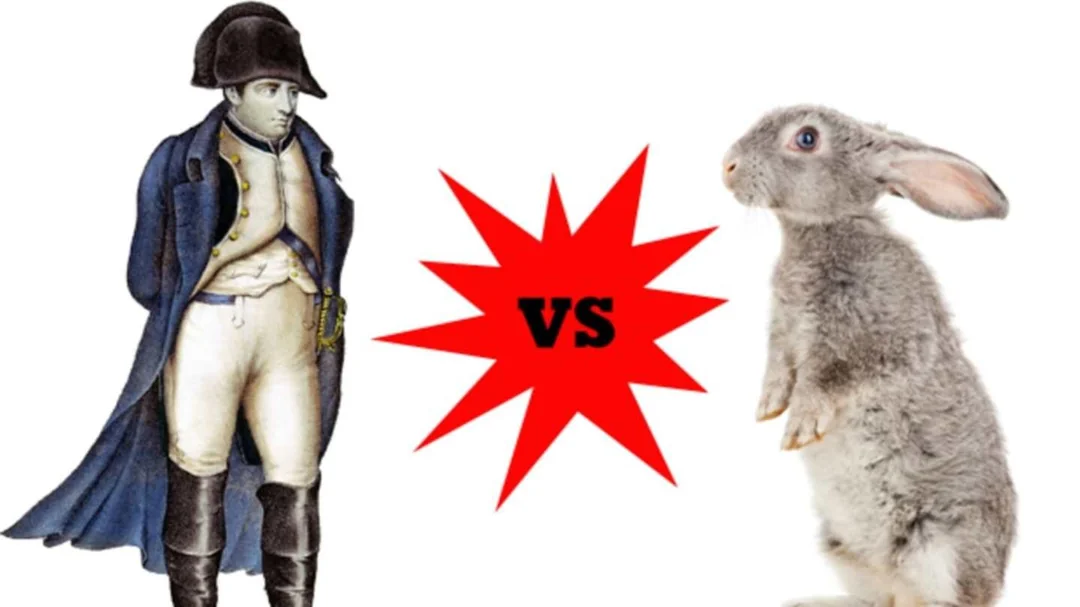
After signing a peace treaty in 1807, Napoleon Bonaparte reportedly organized a celebratory rabbit hunt in France. However, instead of fleeing when released, the rabbits rushed toward Napoleon and his hunting party. Historians believe the animals were likely domesticated rabbits that associated humans with feeding time. The swarm became so overwhelming that Napoleon had to retreat to his carriage.
Want to see more historical content?
Check out 20 Famous Soldiers and Military Leaders Who Changed History, or take a look at 25 Photos of Ancient Ruins and Lost Artifacts Throughout History. Finally, if you want to see historical facts, check out 18 History Facts That Sound Like Total Lies But Actually Happened.