
The daily domestic habits of the 1970s operated on a completely tactile, decentralized framework that seems almost unrecognizable to the modern digital generation. Walking through a typical suburban neighborhood or bustling city center during this era meant encountering a landscape defined by local delivery carts, paper directories, and heavy mechanical infrastructure. Without the continuous stream of real-time data, smartphones, and automated safety standards that regulate our lives today, communities relied heavily on a shared set of analog routines to navigate their work and leisure hours. Each household task and social interaction required deliberate physical effort, patience, and a high degree of trust in community institutions.
The fascinating reality of these vintage domestic customs highlights just how profoundly automated technology and modern public health regulations have reshaped our societal expectations over the subsequent decades. The truth is that many ordinary habits that were considered entirely normal, safe, and prestigious fifty years ago are now viewed as highly hazardous or cartoonishly inefficient. Before global cellular networks and corporate internet platforms consolidated our daily logistics into instant touchscreen clicks, human life moved at a pace dictated by postal schedules, banking hours, and local broadcast timelines. Let’s take a look back at fourteen everyday traditions from the 1970s that feel incredibly distant today, capturing the unforgettable lifestyle patterns of a bygone era.
1. Unrestricted indoor smoking everywhere

Lighting up a cigarette inside commercial airline cabins, family restaurants, hospital waiting rooms, and busy corporate offices was an absolute cultural norm that went entirely unquestioned by the general public. This pervasive habit meant that non-smokers and children spent their daily lives constantly breathing in dense clouds of secondhand smoke, long before modern public health bans permanently cleared the air in shared indoor spaces.
2. Seatbelt-free backseat car rides
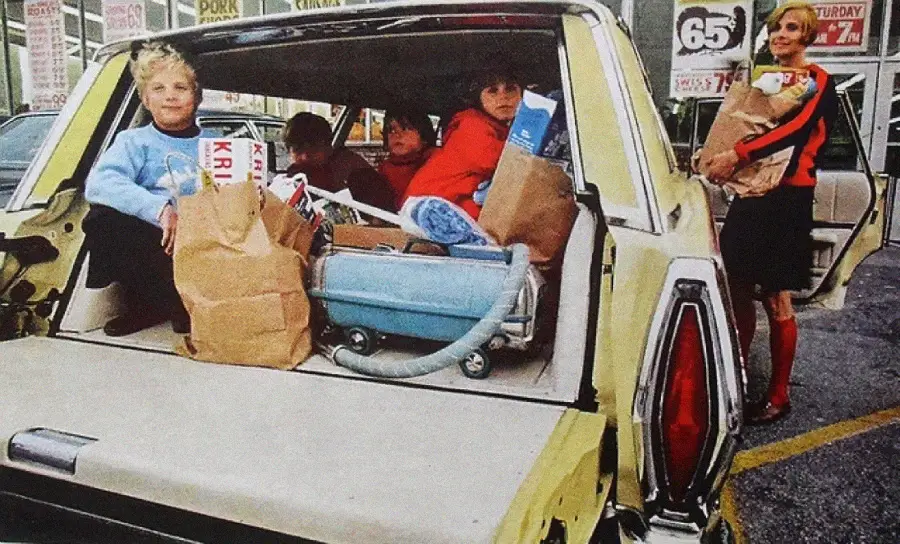
Traveling in the back of a family station wagon or sedan routinely involved riding completely without a safety restraint, with children frequently standing directly between the two front seats to chat with their parents during highway road trips. It was not until later decades that rigorous crash-testing data and aggressive state legislation transformed automotive safety, turning unbuckled passengers from an everyday sight into a severe legal violation.
3. The singular family television ritual
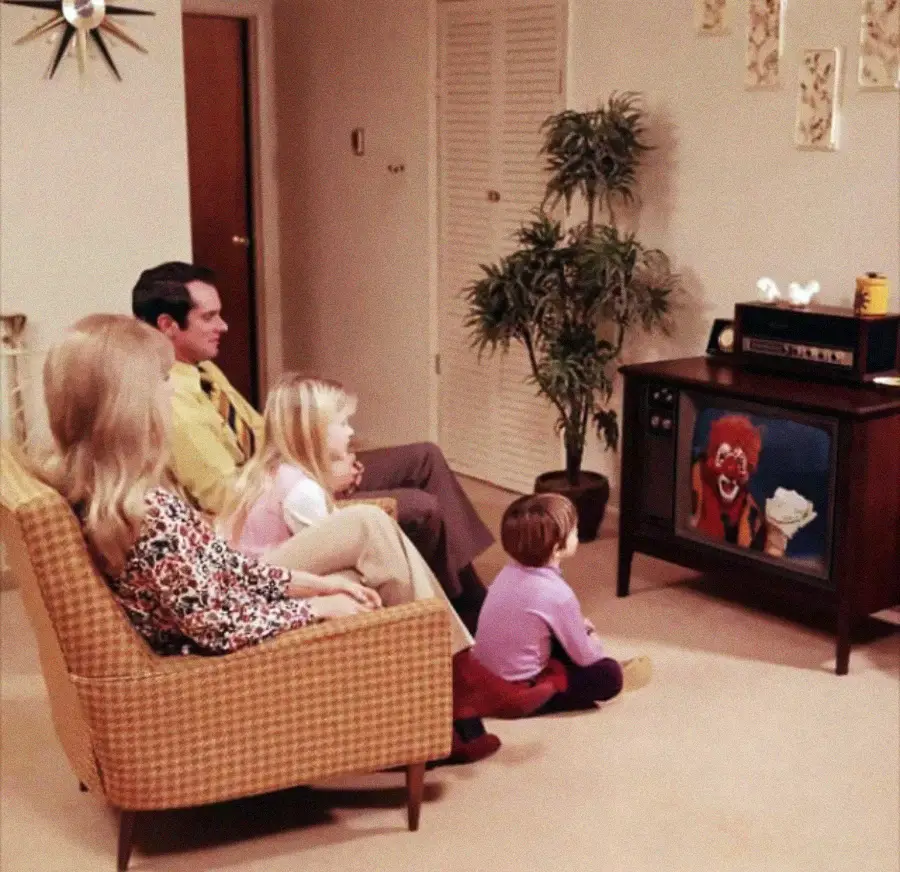
Gathering the entire household around a single, bulky wooden console television set in the living room to watch the same broadcast together was a mandatory evening tradition. Because households rarely owned more than one television receiver, families had to collectively agree on a single channel line-up, creating a unified pop culture experience that has been entirely dismantled by the rise of personal smartphones and individual streaming feeds.
4. High-stakes long-distance telephone countdown
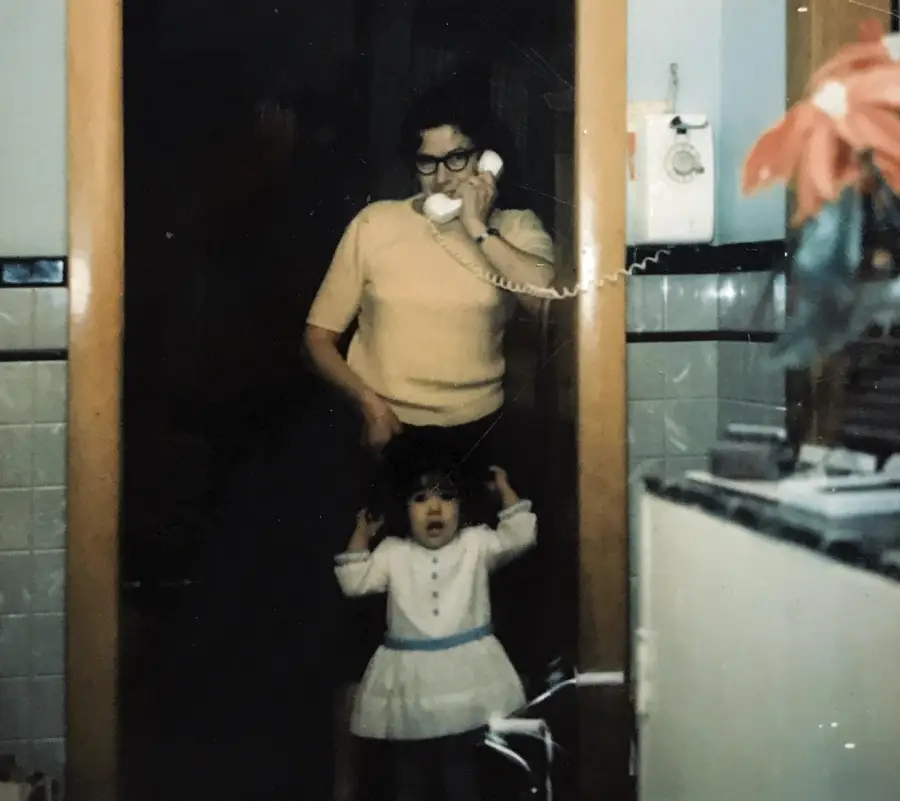
Placing a telephone call to a relative living in another state or country required keeping a meticulous, frantic watch on the clock to avoid accumulating a devastating monthly utility bill. Callers would speak in rapid bursts and hang up as quickly as possible, manually counting the passing seconds because long-distance telecommunication lines were billed at premium, luxury rates by regional monopolies.
5. Neighborhood truck grocery shopping
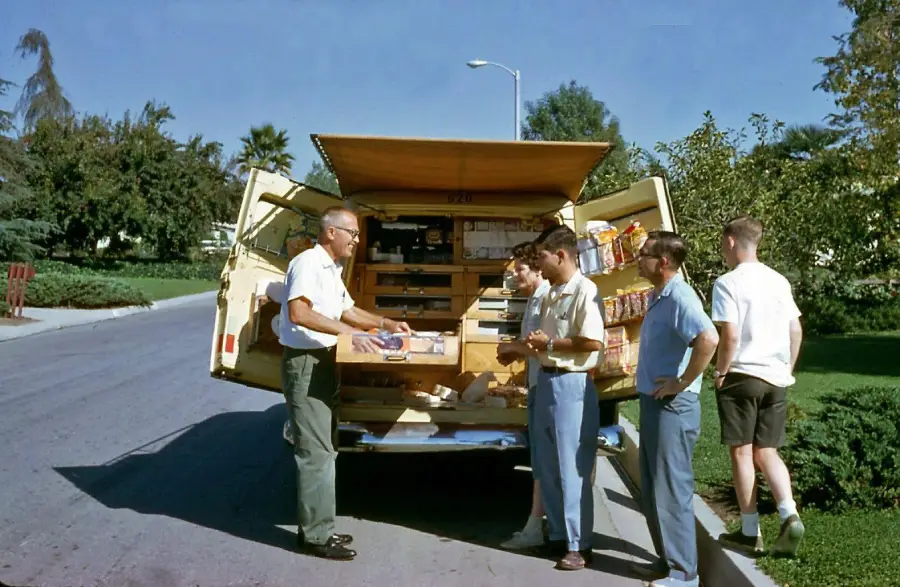
Purchasing daily staples like fresh milk, warm bread, and seasonal vegetables directly from independent vendors who drove slow-moving carts or specialized trucks through suburban streets was an everyday convenience. This personal, hyper-local method of food distribution fostered deep community ties long before giant commercial supermarket chains and modern home-delivery apps centralized global agricultural logistics.
Trending on The Scroller


6. The morning print newspaper ritual
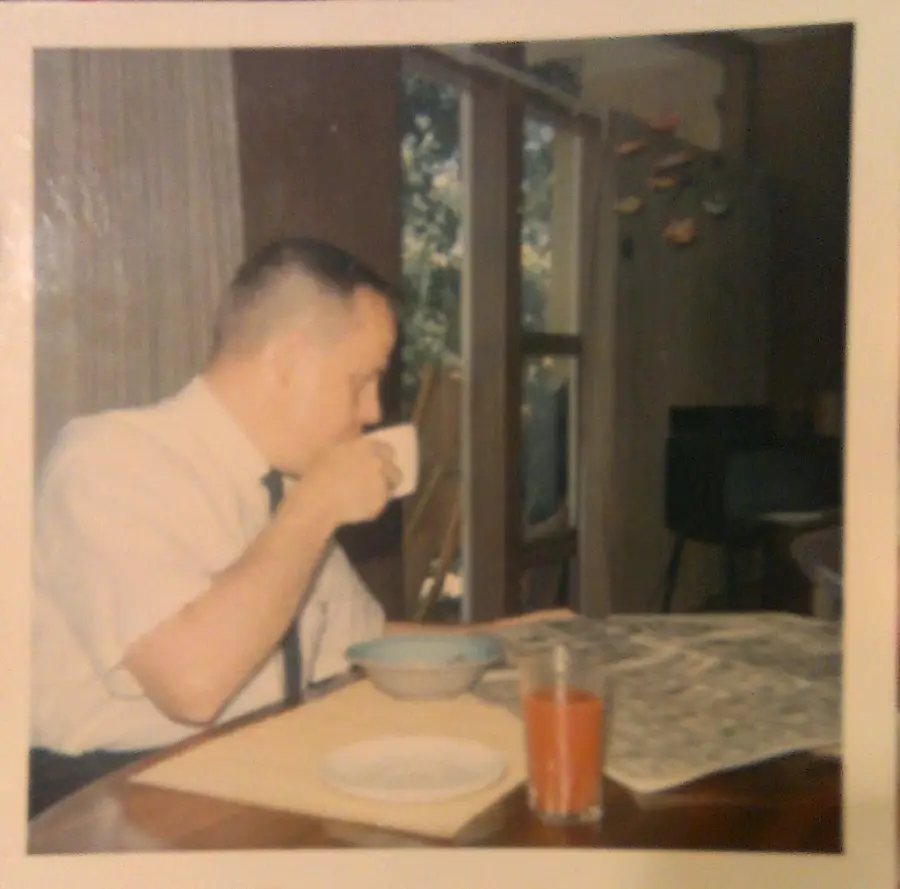
Unfolding a freshly printed physical newspaper over the breakfast table functioned as the absolute single method for citizens to learn about the geopolitical and local events of the preceding twenty-four hours. This slow-paced distribution pipeline meant that breaking news was naturally processed with a full day’s delay, contrasting sharply with our current continuous cycle of instant digital notifications and real-time social media updates.
7. Supermarket checkout personal cheques
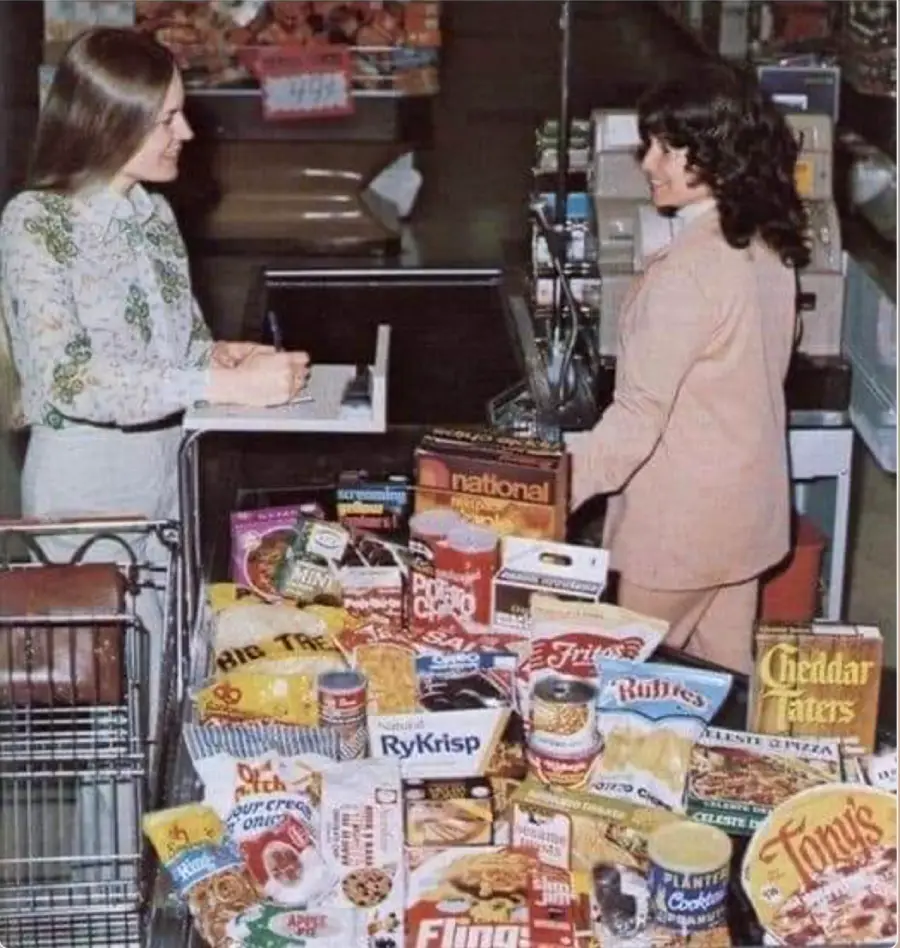
Paying for a cart of family groceries at the local market routinely involved pulling out a personal checkbook and waiting patiently while the cashier manually transcribed the buyer’s identification details onto the paper document by hand. This lengthy, trust-based financial ritual frequently created massive lines at the checkout counter, long before automated credit card swipers and contactless digital wallets streamlined the retail experience.
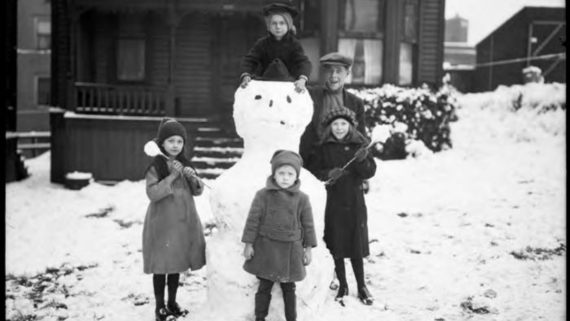
8. Unsupervised all-day outdoor child play
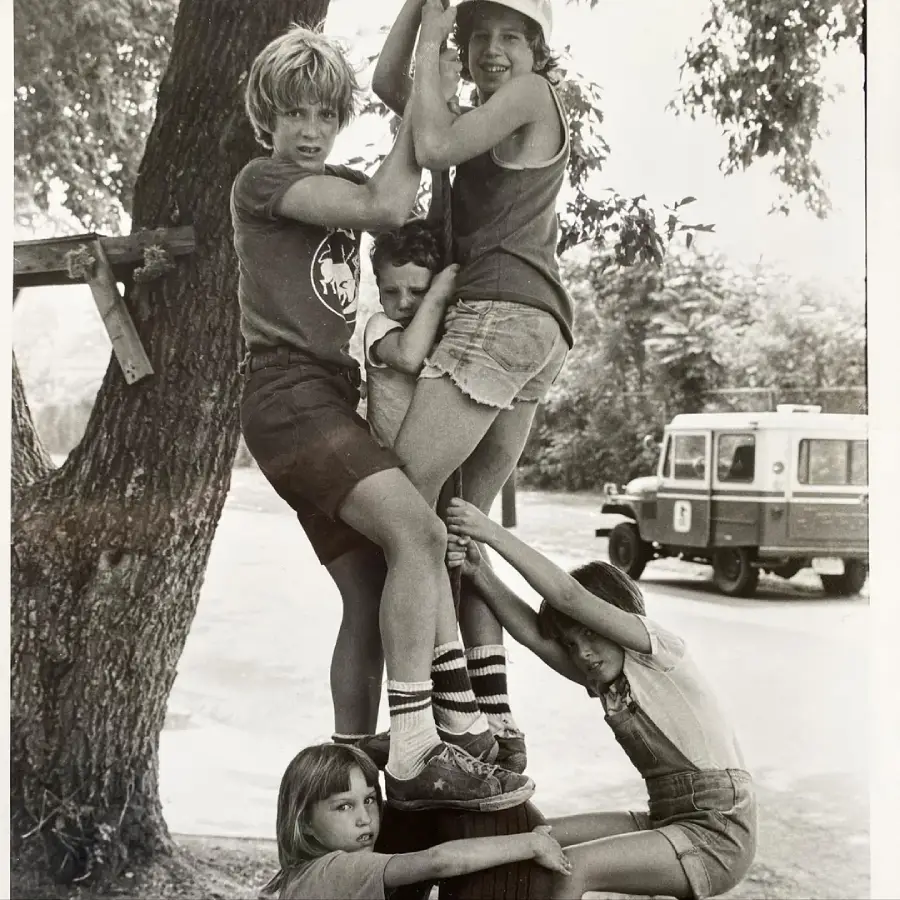
Parents routinely launched their children out of the house early in the morning, leaving them to roam neighborhood streets, dense woods, and public parks for hours at a time with zero adult supervision or communication devices. The unspoken rule of the decade dictated that youngsters simply needed to return home the exact second the streetlights flickered on, a parenting style that highlights a vastly different era of community trust.
Sign up for our newsletter
9. Hand-drafted road trip navigation paperwork
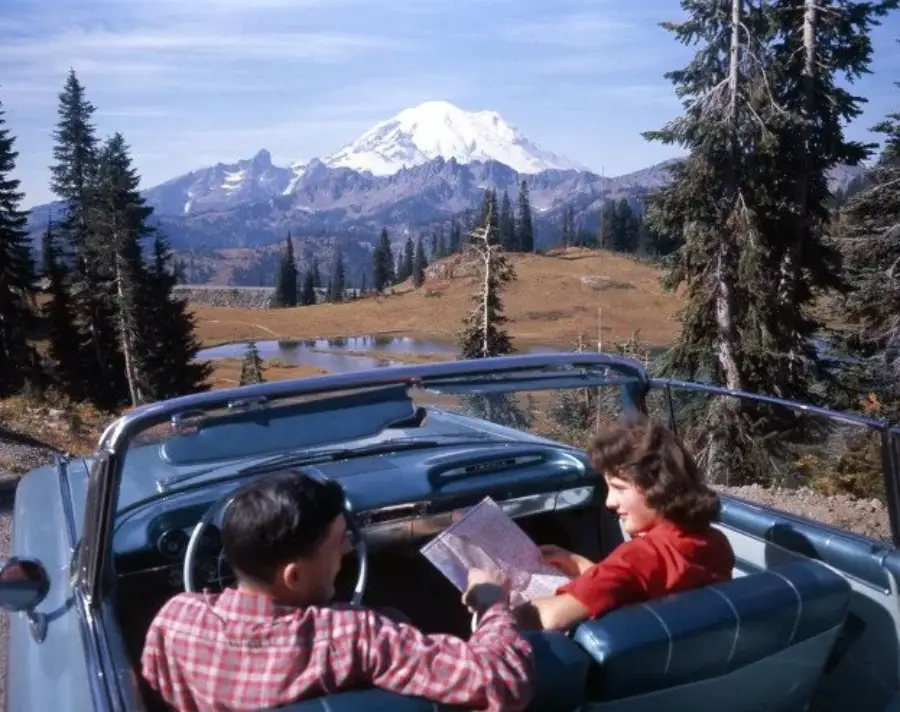
Embarking on a journey to an unfamiliar destination required drivers to ask for complex verbal directions over the phone or at a local gas station, manually scribbling the highway turns onto a stray scrap of paper before leaving the driveway. Getting lost was an accepted, frequent part of travel culture, as motorists had to navigate purely by physical landmarks and bulky paper road atlases without the luxury of real-time satellite GPS tracking.
10. In-person banking for weekend cash
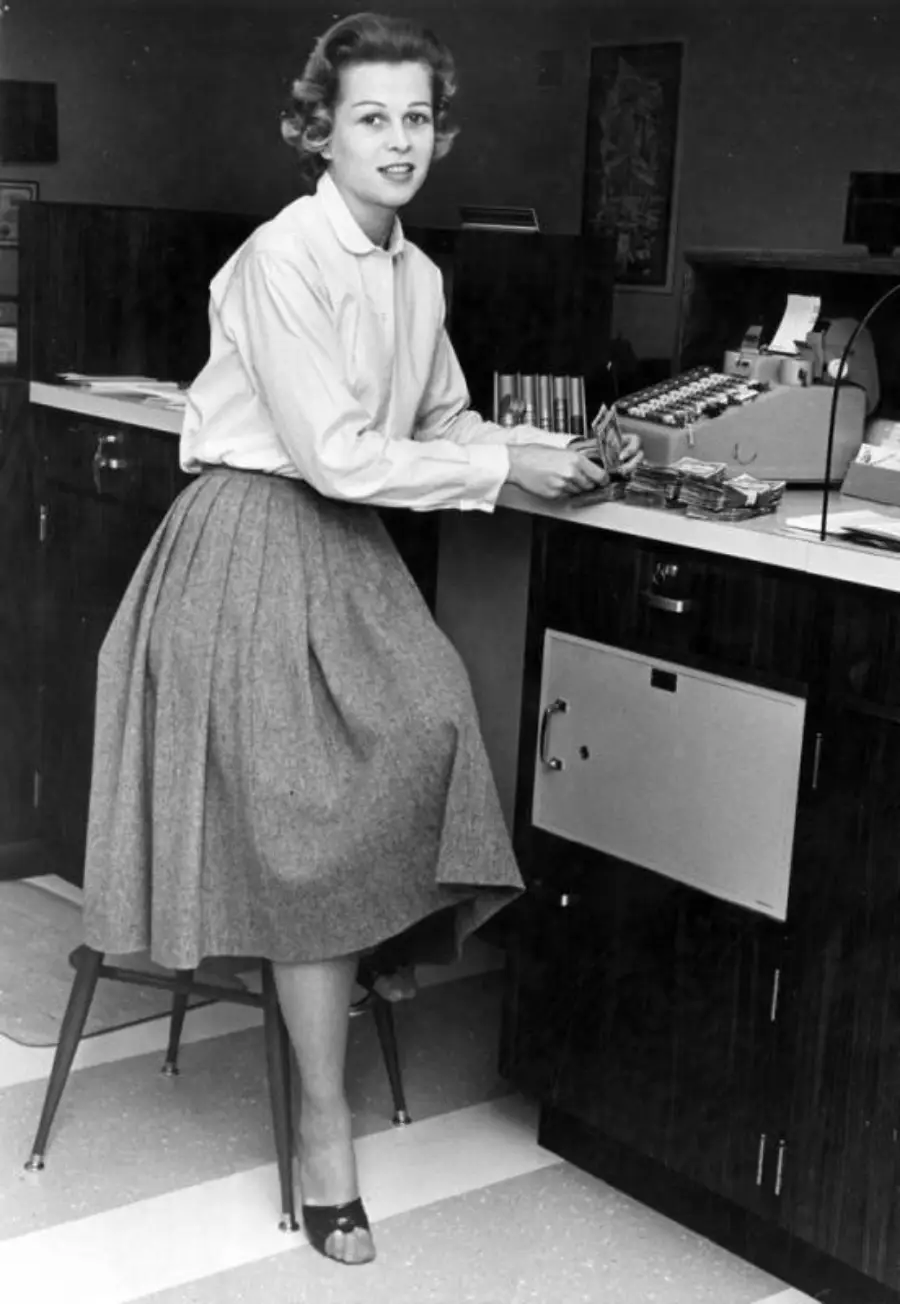
Withdrawing physical cash to fund weekend dining, entertainment, and shopping trips required a mandatory personal visit to a local bank branch before doors closed on Friday afternoon. If a professional failed to stand in the teller line before the weekend shutdown, they were effectively left completely without spending money until Monday morning, as automated teller machines (ATMs) were still an exceptionally rare technological luxury.
11. The week-long photo development wait
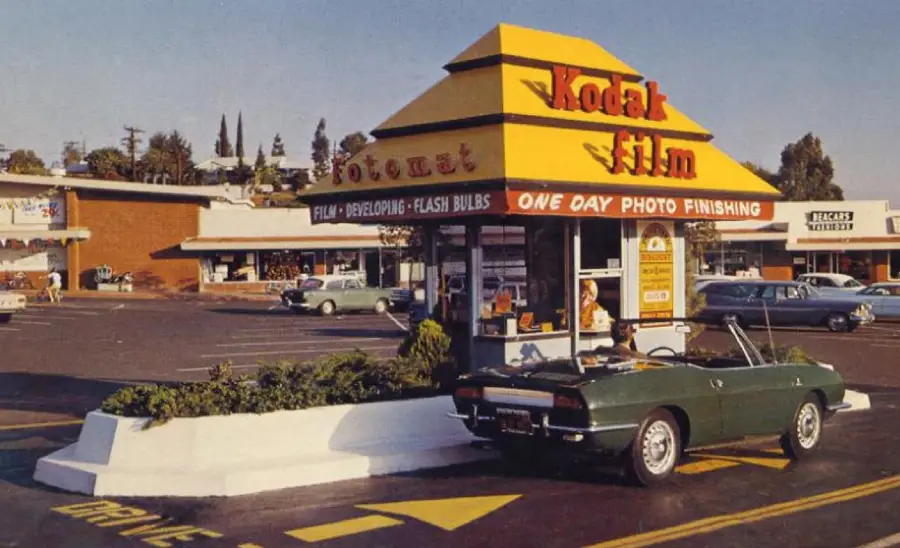
Capturing family memories required loading a physical roll of film into a mechanical camera, shooting blindly without any digital preview screen, and dropping the canister off at a local pharmacy photo lab. Families then had to wait a full week with anxious anticipation to discover if their snapshots were beautifully framed or completely ruined by accidental lens blurs and devastating light leaks.
12. Unquestioned trust in medical prescriptions

Swallowing pharmaceutical medications without reading an exhaustive internal informational pamphlet or cross-referencing ingredients online was standard practice, as patients placed absolute, unwavering faith in their local physician’s wisdom. This relaxed approach to healthcare relied entirely on a traditional hierarchy of professional authority, long before digital medical databases empowered consumers to aggressively audit their own treatment plans.
13. The annual print phonebook search
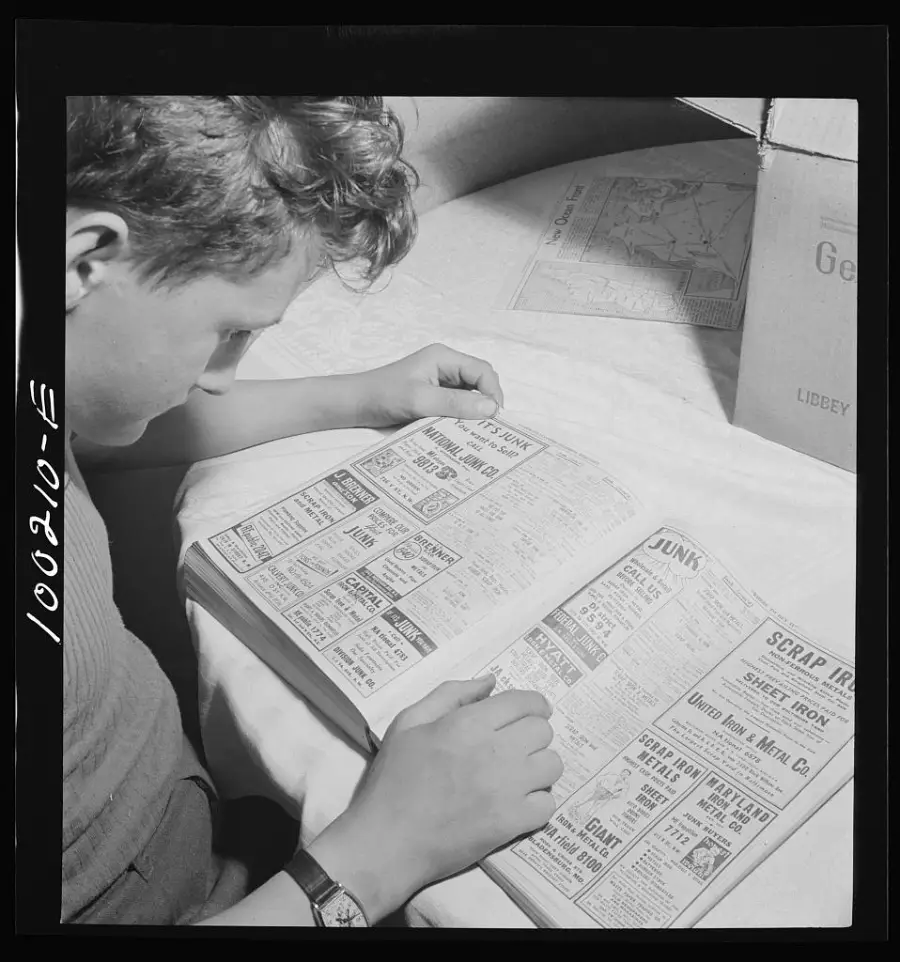
Locating a neighbor’s contact details or finding a local business telephone number required thumbing through a massive, heavy paper directory that was dropped directly onto every residential doorstep once a year. These thick directories functioned as a primary community utility, packing thousands of alphabetical local records into a single physical block that has been entirely replaced by a simple search engine query.
14. Hand-penned mail as distance communication
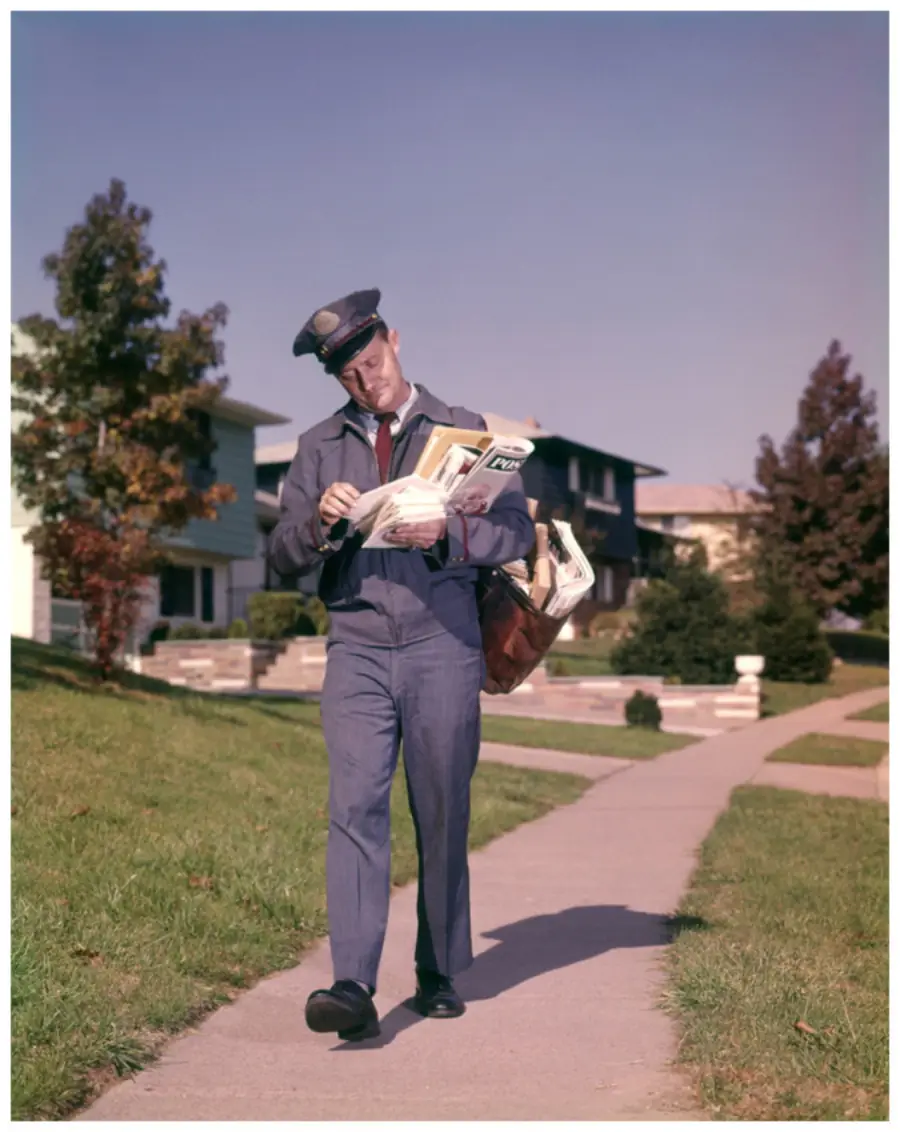
Maintaining a long-distance relationship or staying in touch with distant friends relied primarily on composing lengthy, handwritten paper letters and sending them through the traditional postal system. Senders would routinely wait several weeks or even months to receive a physical reply across the miles, a slow-burning form of communication that required a level of patience entirely alien to the era of instant messaging.
Explore more vintage stories:
Revisiting these long-forgotten daily routines serves as an excellent reminder of the unique, fast-paced transitions that redefine how human beings structure their households, prioritize safety, and communicate across the decades. Looking back over these smoke-filled airline flights, unbuckled backseat road trips, and week-long photo laboratory wait times proves that while contemporary manufacturing standards and digital communication platforms change completely across the generations, the value of shared human connection remains entirely constant. When we choose to look past the modern convenience of our current integrated smart devices to appreciate the rigorous, analog history of the 1970s household layout, we gain a much deeper understanding of cultural history. If you enjoyed taking this nostalgic trip back through the daily routines of past generations, make sure to explore these 16 Habits That Were Socially Accepted in the 1960s or 14 Forgotten Shopping Habits of Mid-Century Families. You may also like these 15 Unspoken Habits That Allow People to Retire Early.