There was a time when worn-out shoes didn’t necessarily mean a trip to the store. People took them to the local cobbler, who might replace a heel, stitch up torn leather, or give an old pair a few more years of use. Making shoes was another matter, often involving long hours at a workbench or, later, a busy factory floor. These 15 vintage photos offer a glimpse into the shops, tools, and daily routines of the people who made their living from footwear.
1. The Everyday Work of a Shoemaker
For generations, neighborhood shoemakers helped people keep their footwear in use for years. Their workshops were often small, crowded spaces filled with leather scraps, tools, sewing machines, and shoes waiting for repairs. Much of the work involved replacing worn soles, fixing damaged stitching, or adjusting shoes that no longer fit comfortably. Before inexpensive mass-produced footwear became widely available, visiting a local cobbler was a practical part of everyday life.
2. A Visit to the Shoemaker
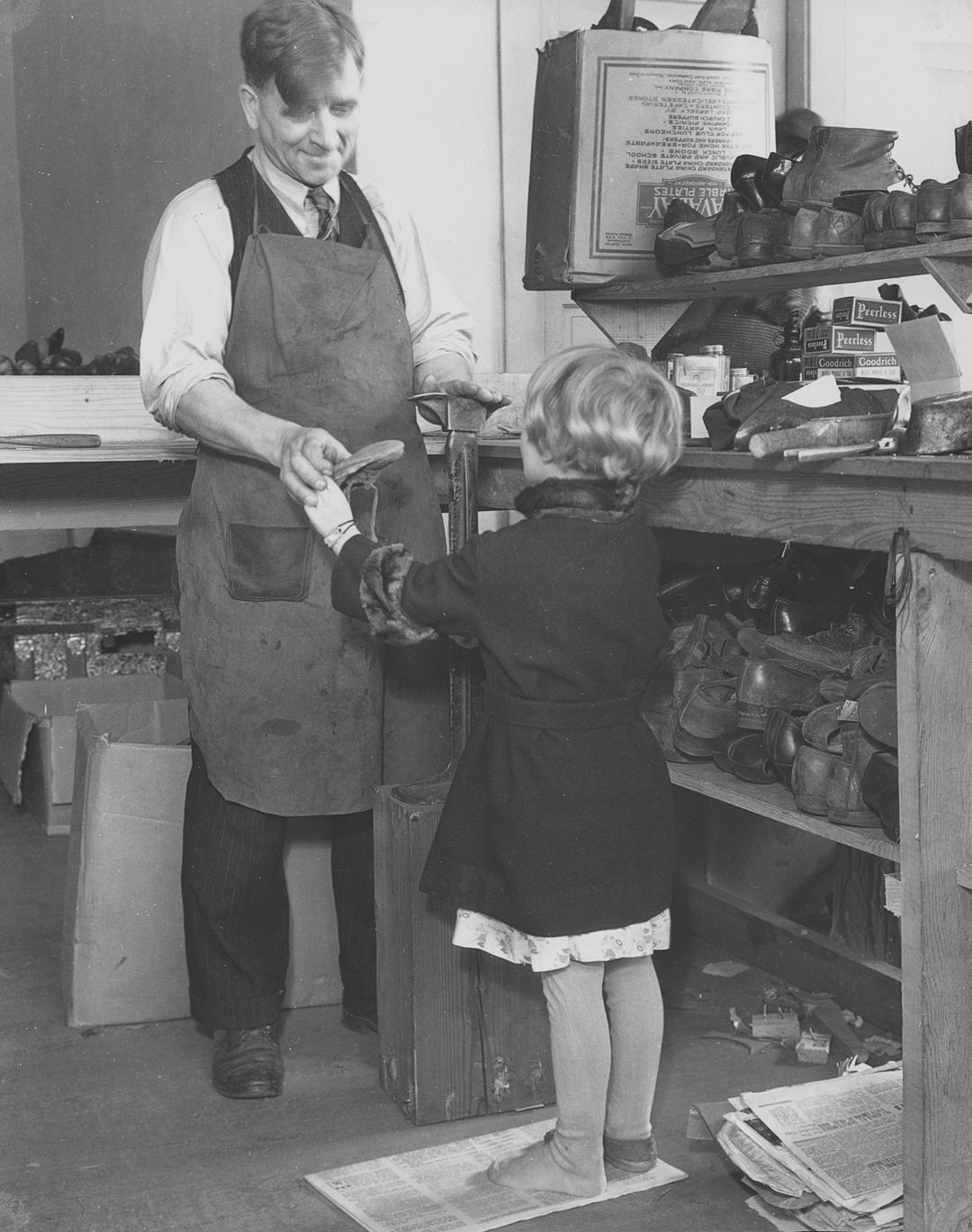
A trip to the shoemaker was once a familiar errand for families trying to make their shoes last a little longer. Worn soles, loose stitching, and damaged heels could often be repaired for much less than the price of a new pair. Children’s shoes needed particular attention, especially when they were passed down between siblings. A good shoemaker could keep a pair in use long after it first showed signs of wear.
3. Inside a Busy Shoemaker’s Workshop
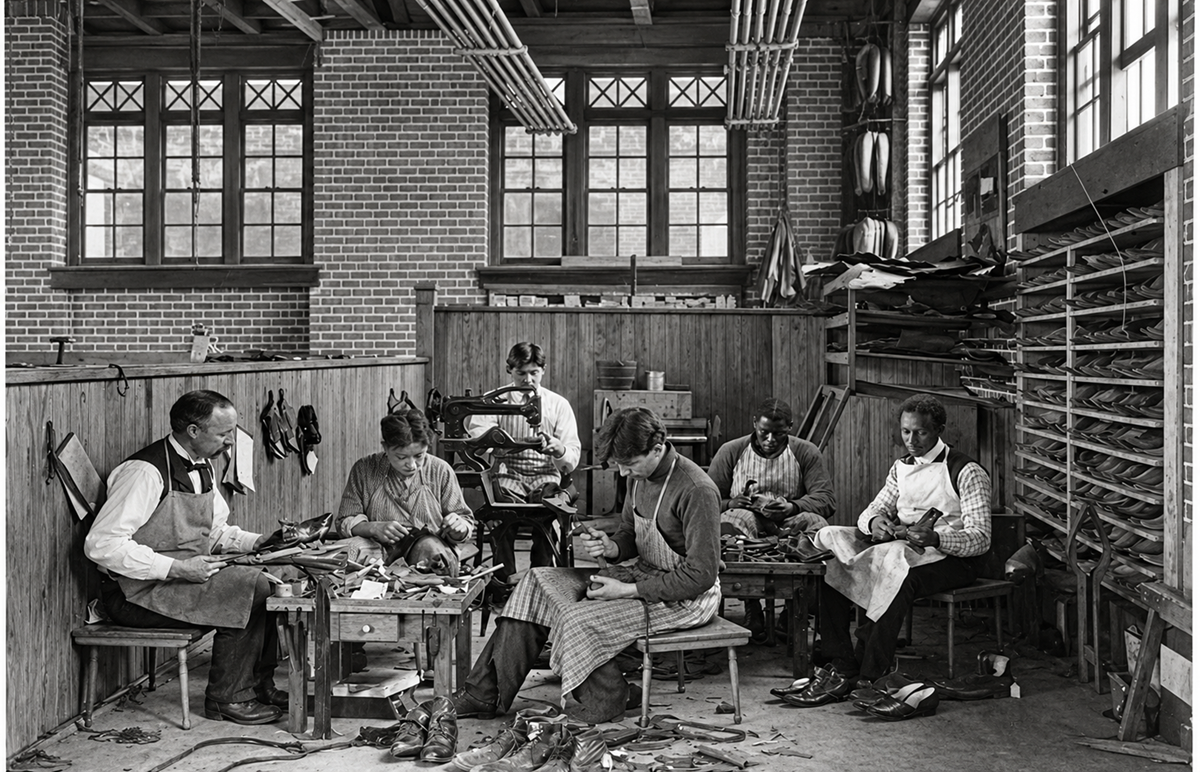
Not every shoemaker worked alone in a small neighborhood shop. Larger workshops brought several craftspeople together, with each person handling different stages of making or repairing shoes. Cutting leather, stitching uppers, and attaching soles all required their own skills and tools. The work could be repetitive, but having experienced hands at every station helped keep production moving.
4. The Art of Hand Repair
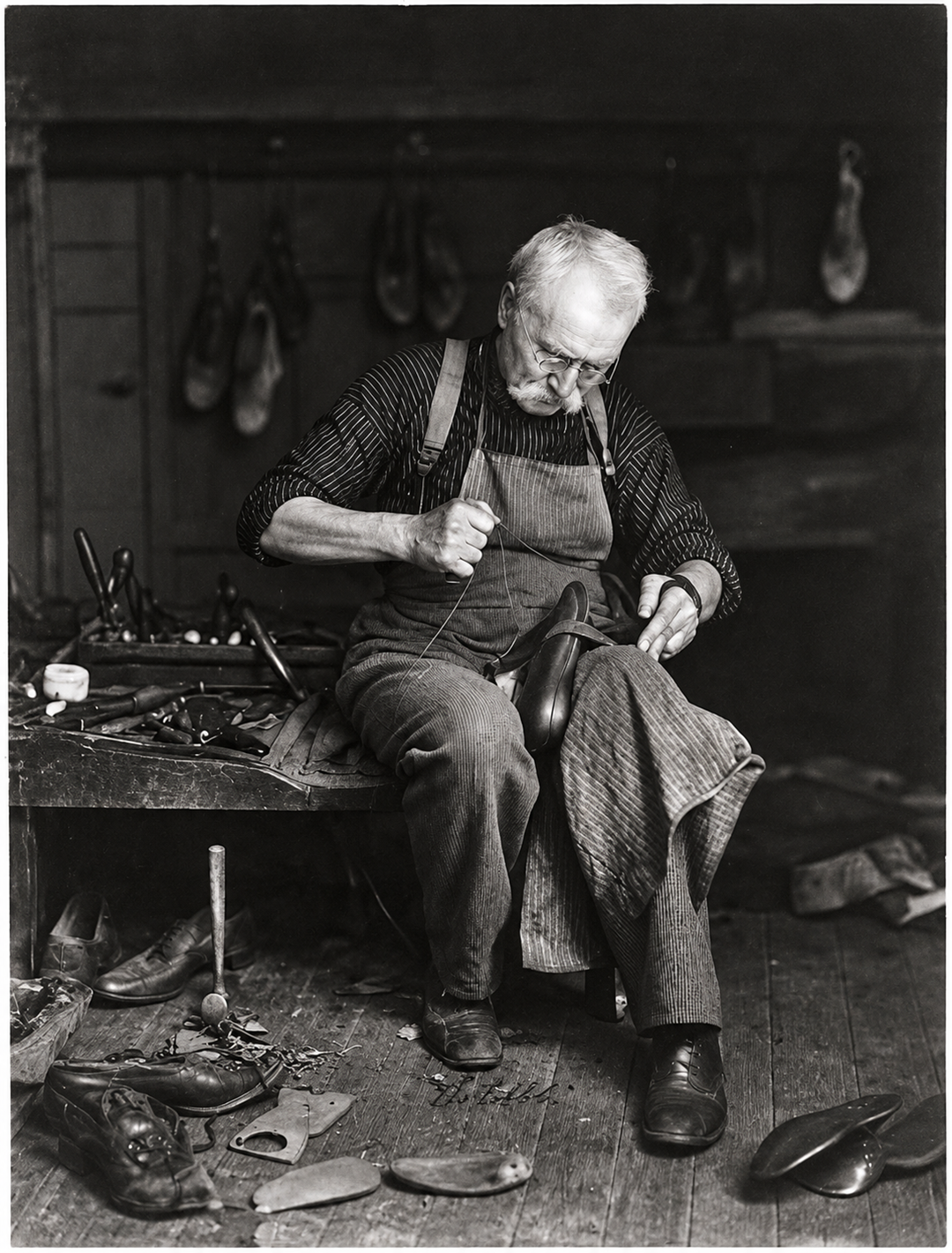
Repairing shoes by hand took patience, a steady grip, and years of practice. Shoemakers worked with awls, hammers, needles, and leather, often spending hours on a single pair. Experienced craftsmen could recognize problems by examining how a shoe had worn down, then decide which parts needed replacing. It was a trade where skill mattered just as much as the tools.
5. Shoemakers Working Along the Street
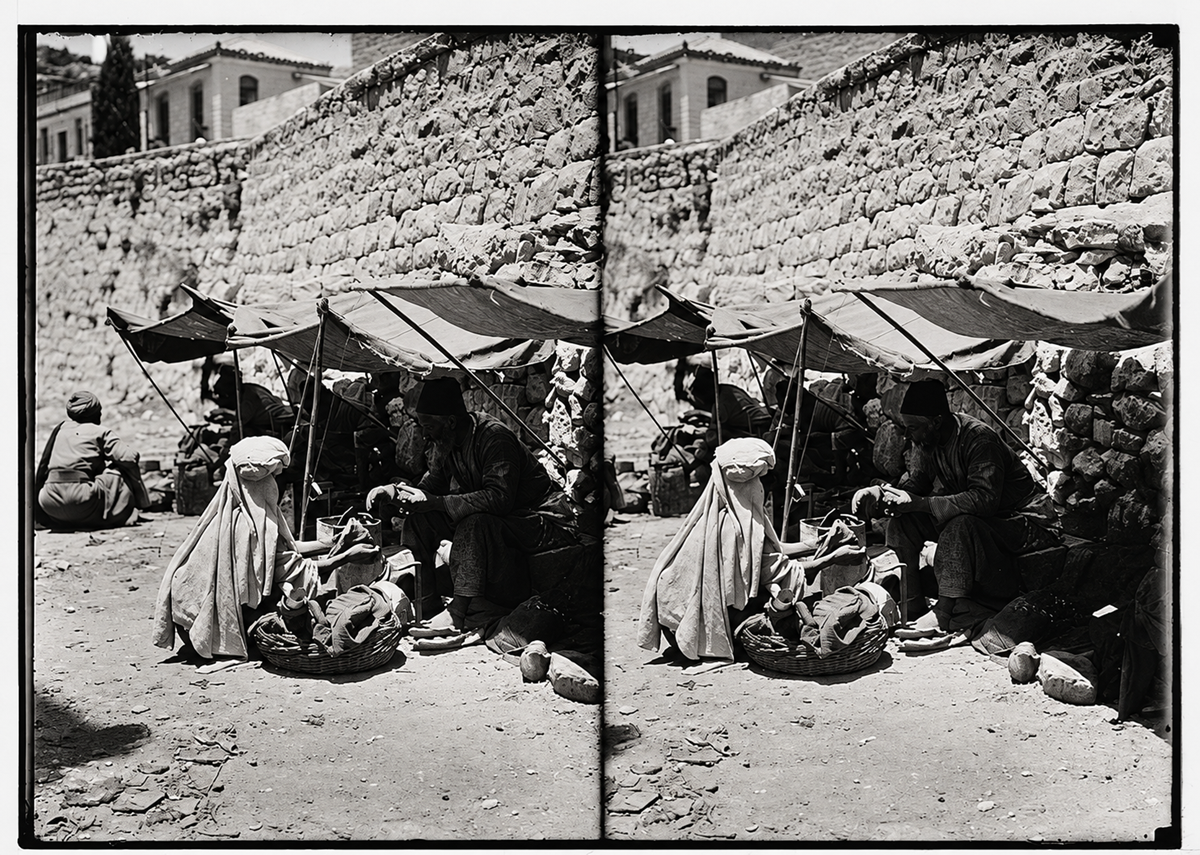
A proper workshop wasn’t always necessary to earn a living repairing shoes. In many towns and cities, cobblers set up their tools along busy streets, in markets, or beneath simple shelters. Customers could bring worn footwear directly to them, sometimes waiting nearby while the repairs were finished. These modest workspaces offered a practical service without the expense of maintaining a permanent shop.
Trending on The Scroller

6. Shoemaking as a Family Trade
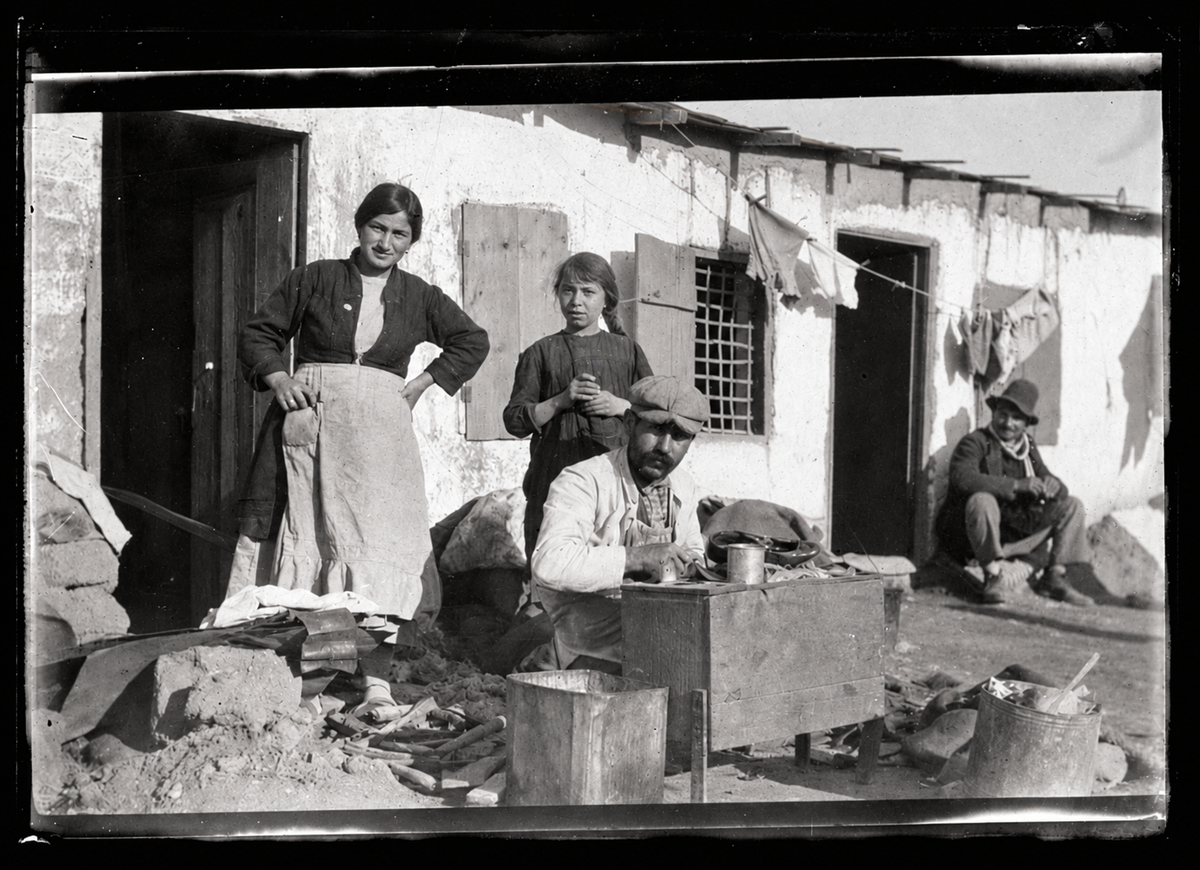
For many families, shoemaking was more than a way to earn a living. The workshop could be part of the family home, with children growing up around leather scraps, tools, and customers dropping by for repairs. Younger generations often learned by watching their parents work before taking on simple tasks themselves. In some households, the trade passed from one generation to the next.
7. A Shoemaker in the Middle of Street Life
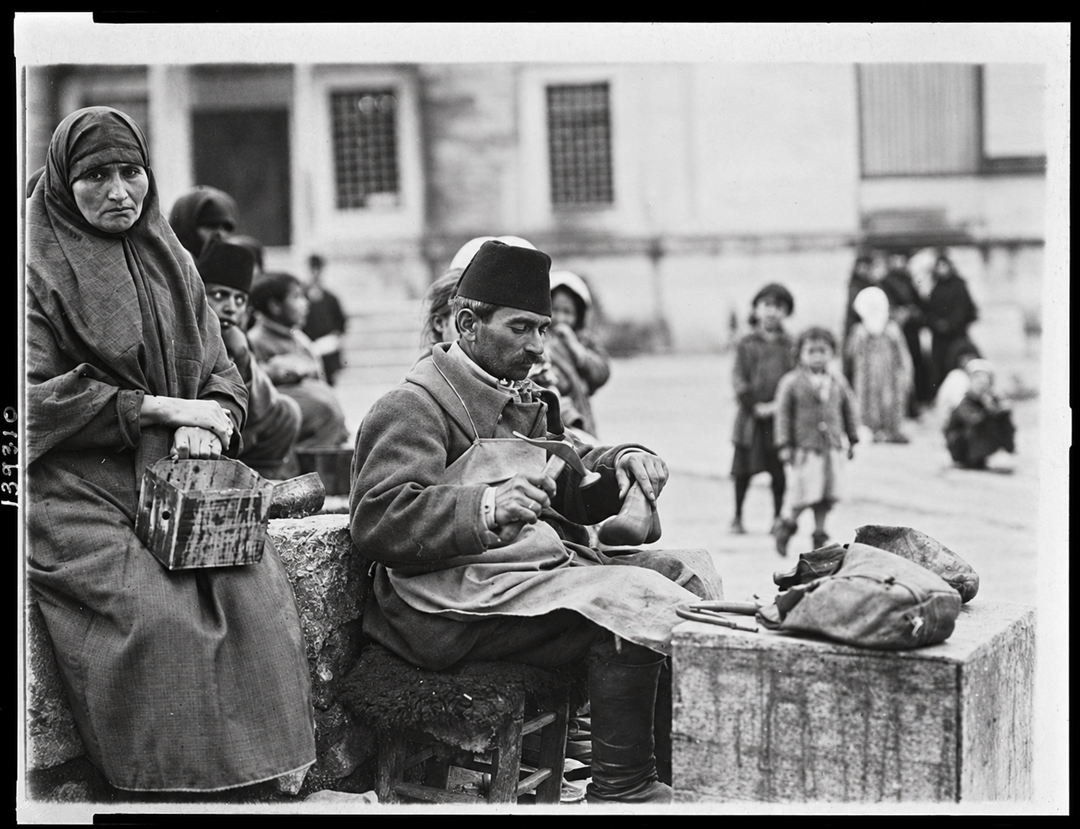
Street cobblers were a familiar sight in many cities, particularly in neighborhoods where people relied on walking to get around. A small stool, a wooden box, and a handful of tools were sometimes all they needed to set up for the day. Repairs happened in full view of passersby, with customers and curious neighbors often gathering nearby. For someone with a worn-out pair of shoes, having a cobbler just around the corner was a welcome convenience.
8. A Craftsman’s Tools of the Trade
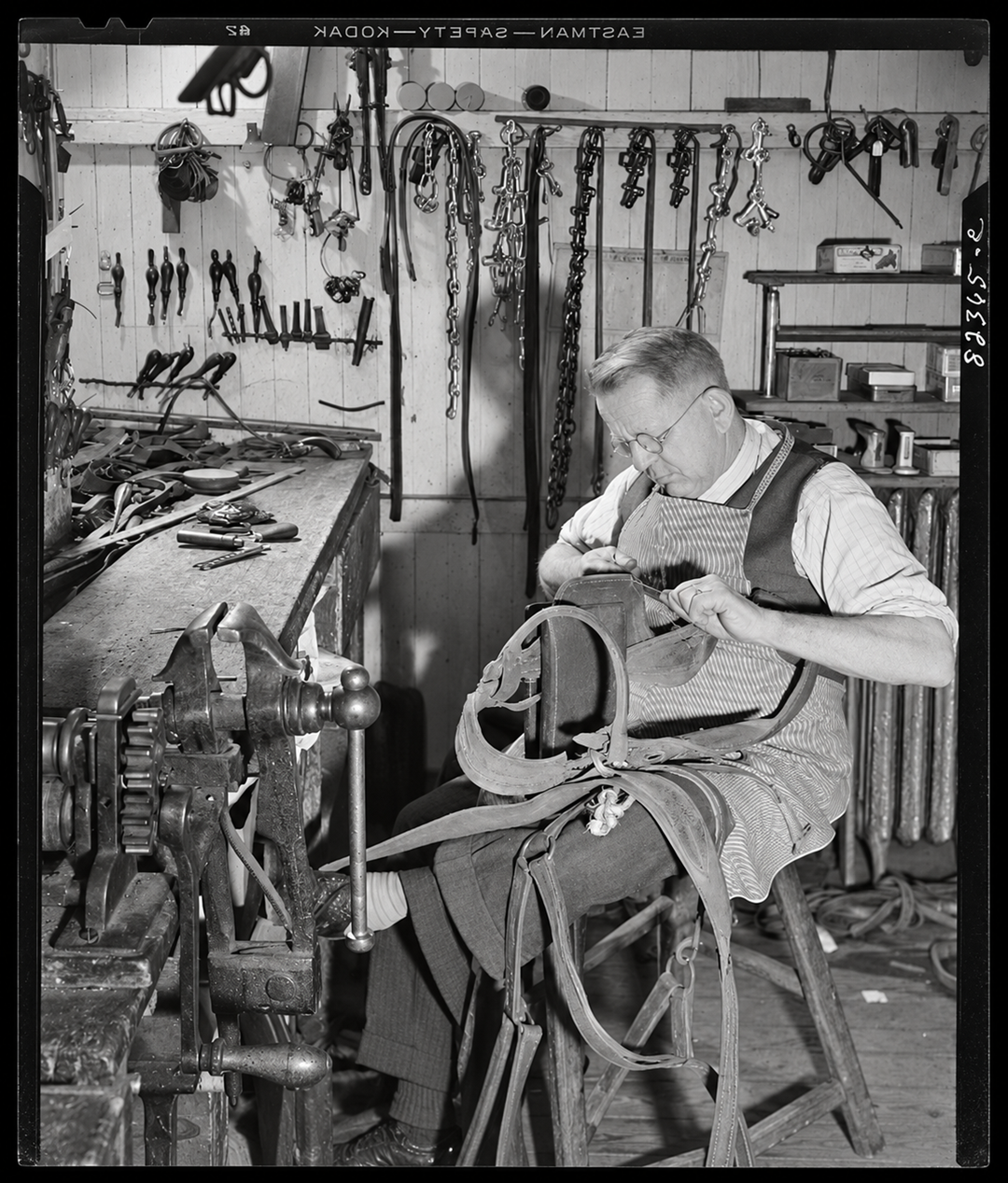
A shoemaker’s workshop could hold an impressive collection of tools, many designed for very specific jobs. Awls, knives, pincers, and stitching equipment were kept within easy reach, while leather scraps and replacement parts filled the surrounding shelves. Experienced craftsmen knew exactly which tool to reach for without interrupting their work. Some tools could remain in use for decades, maintained and sharpened rather than replaced.
Sign up for our newsletter
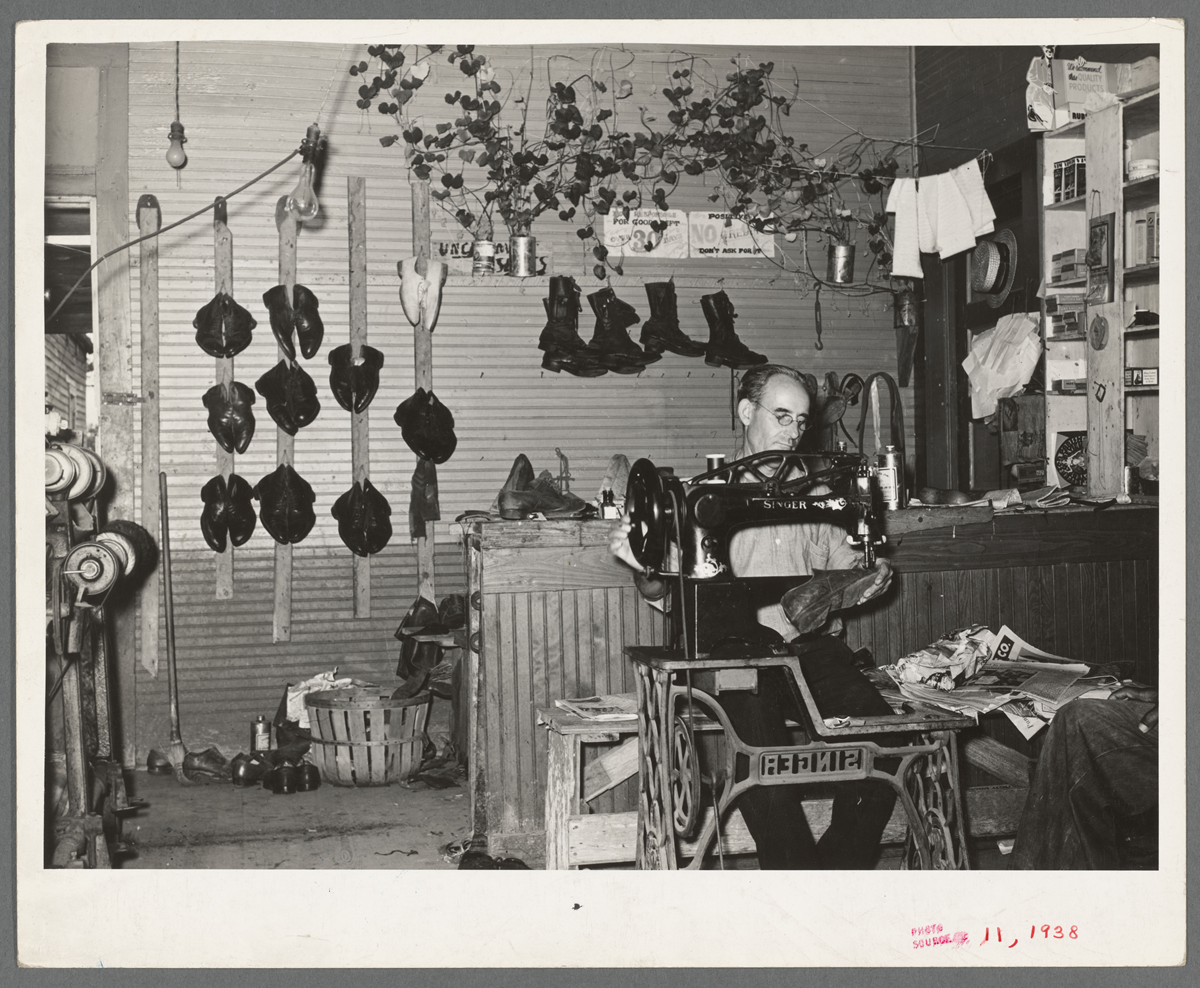
9. The Neighborhood Shoe Repair Shop
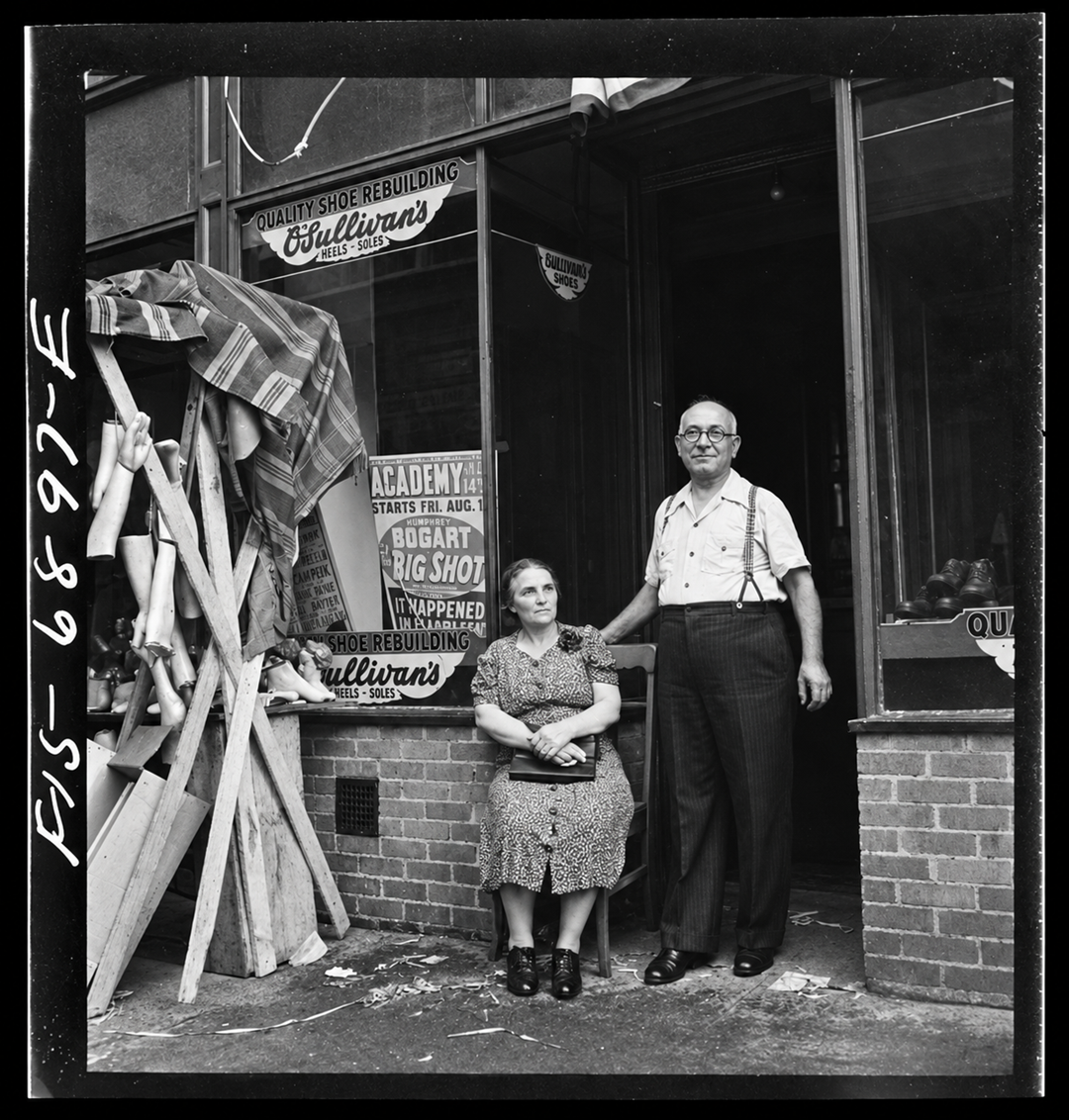
Small shoe repair shops were once a regular part of American neighborhood shopping streets. Many were family-run businesses where customers returned for years, bringing everything from worn work boots to dress shoes with damaged heels. The owners often knew their regular customers by name, and a quick repair could turn into a conversation about local news. These shops offered the kind of personal service that helped keep small businesses connected to their communities.
10. Making the Most of a Small Workspace
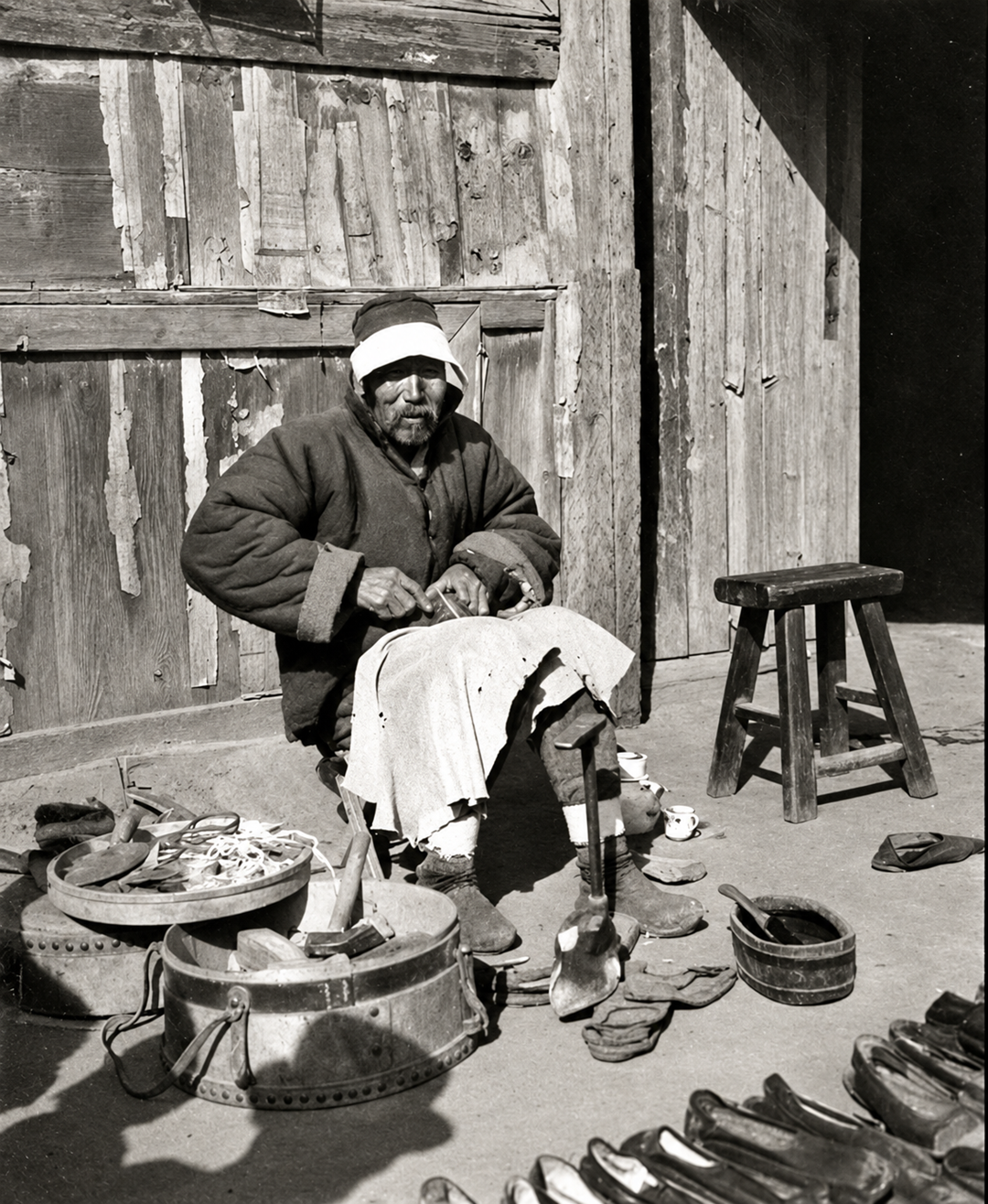
Shoemakers didn’t always need much room to carry out their trade. A low stool, a few basic tools, and enough space to spread out their materials could turn almost any corner into a place of work. In some communities, cobblers worked outside their homes or along quiet streets, repairing footwear while everyday life continued around them. Their modest setups reflected a trade built largely on practical skills rather than expensive equipment.
11. Shoemakers in the Local Marketplace
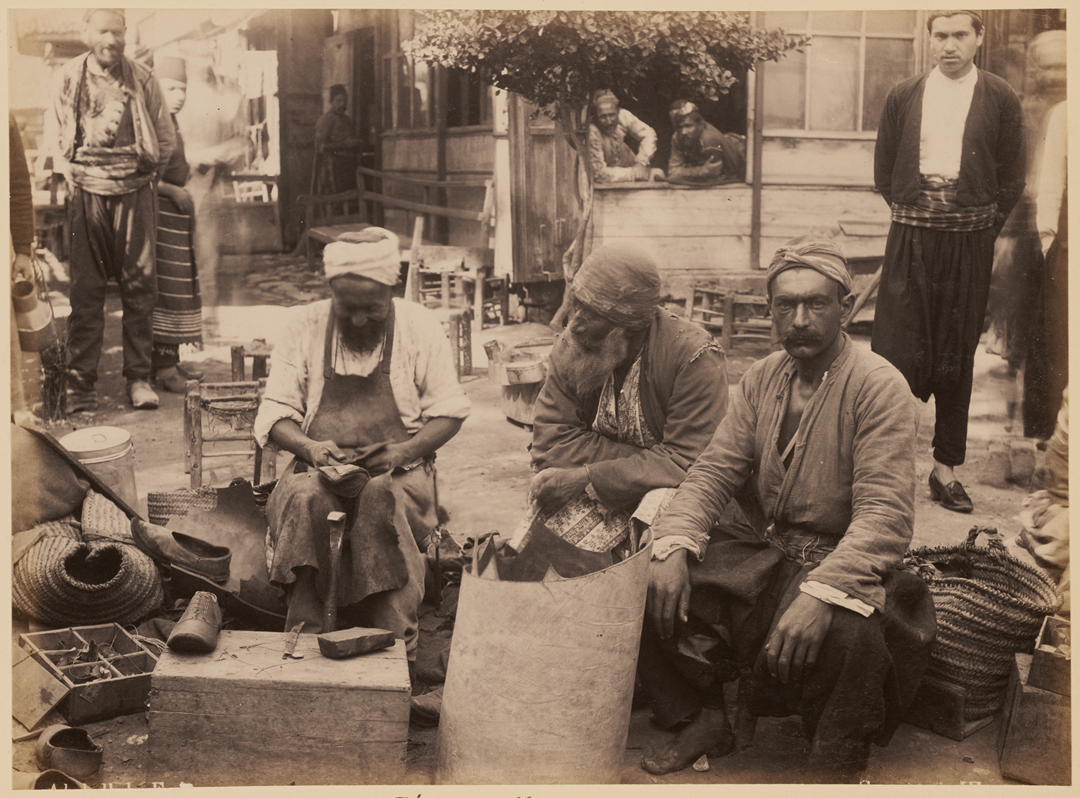
Open-air markets were natural gathering places for shoemakers, especially in towns where craftspeople worked alongside merchants selling food, clothing, and household goods. A cobbler could spend the day repairing shoes while customers shopped or stopped to talk with neighbors. With tools and materials spread across a small work area, the trade became part of the market’s everyday activity.
12. A Shoemaker’s Workshop Gathering
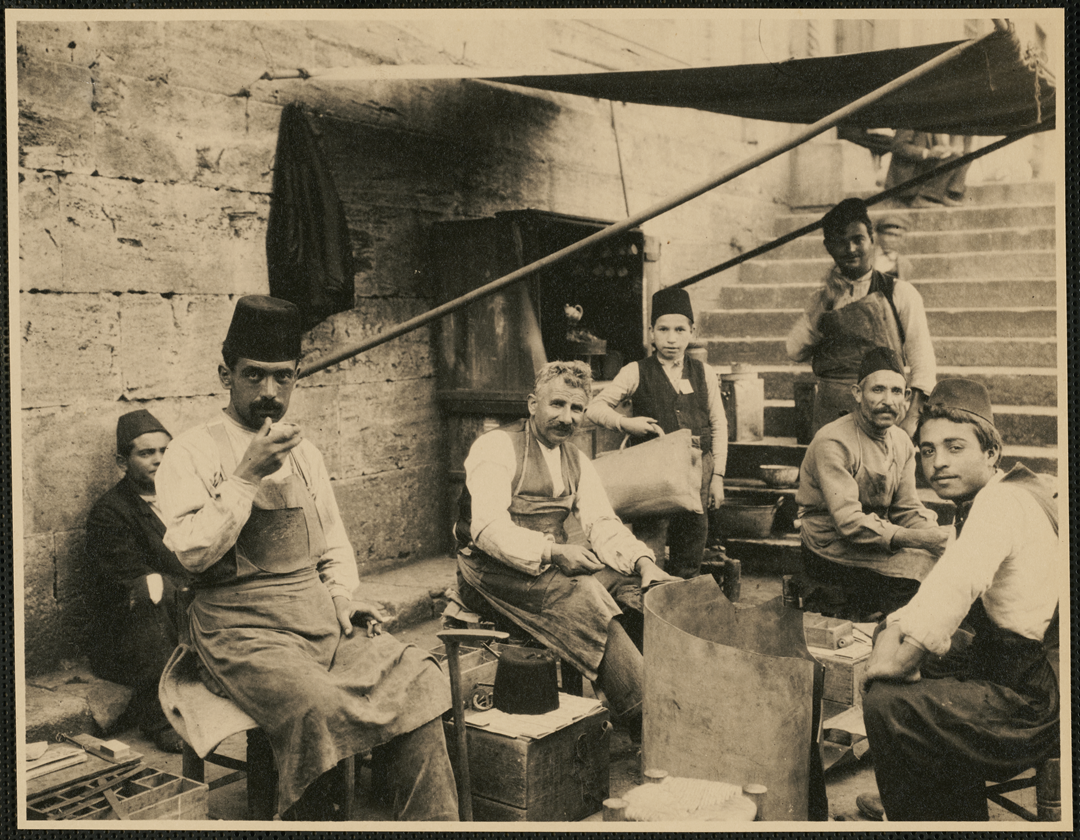
Shoemaking workshops could be social places as well as spaces for getting work done. Craftsmen often worked close together, sharing tools, discussing repairs, and taking occasional breaks between jobs. Younger apprentices might learn by observing experienced workers, gradually picking up techniques that were difficult to teach from a book. In smaller workshops, the line between working and socializing wasn’t always particularly clear.
13. A Cobbler at Work in 1934
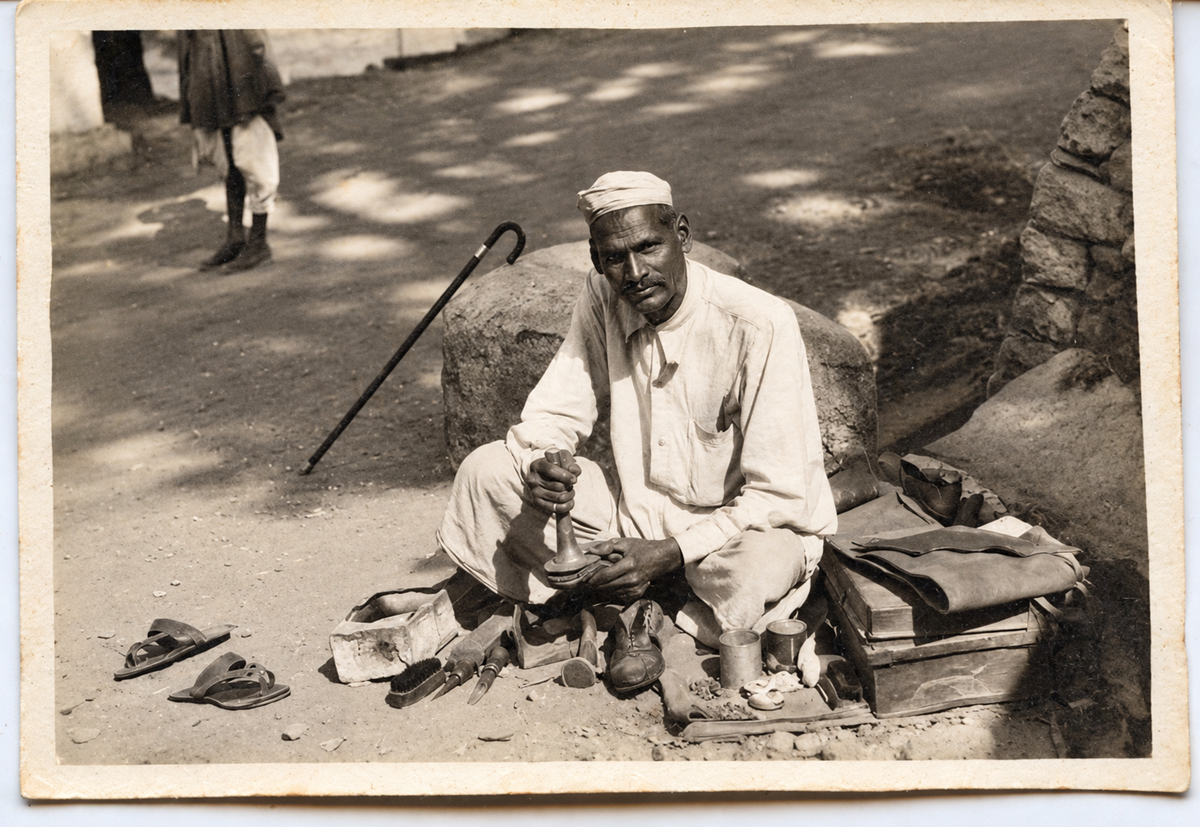
By the 1930s, shoemaking was still a practical way to earn a living in places where many people couldn’t afford to replace worn footwear. Street cobblers worked with portable tools, often sitting outdoors for hours as they stitched leather, patched damaged shoes, and replaced soles. Their customers depended on affordable repairs, especially during difficult economic times. A skilled cobbler could make a pair of shoes last considerably longer with just a few well-placed stitches and some new leather.
14. A Shoemaker on a Japanese Street
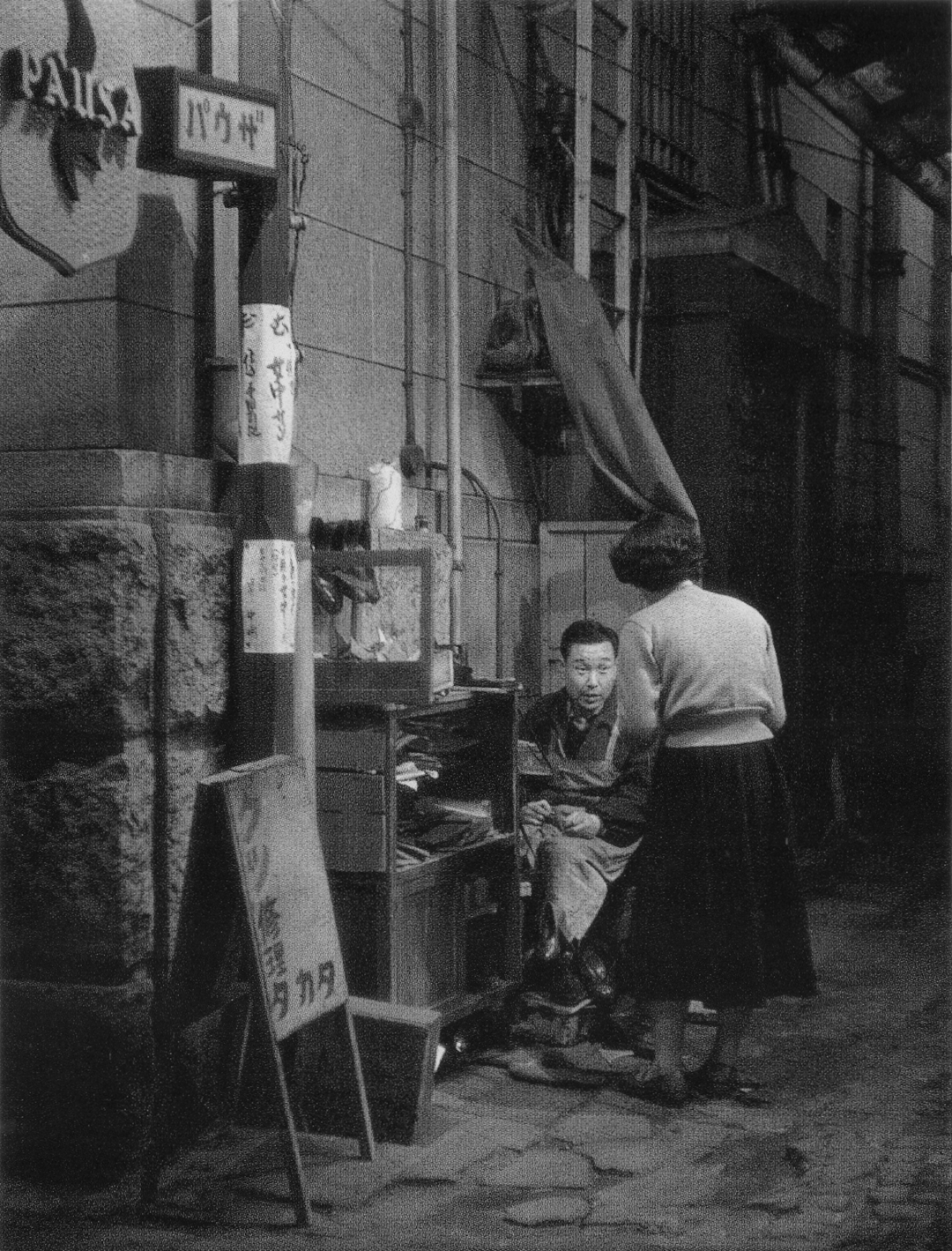
Small shoe repair businesses found their place in the crowded streets of Japanese cities, where limited space often meant working from narrow storefronts or directly along the sidewalk. Customers could stop by for a quick repair without visiting a larger shop. These businesses relied on familiar faces and regular foot traffic, offering a service that was especially useful when replacing a pair of shoes wasn’t the most affordable option.
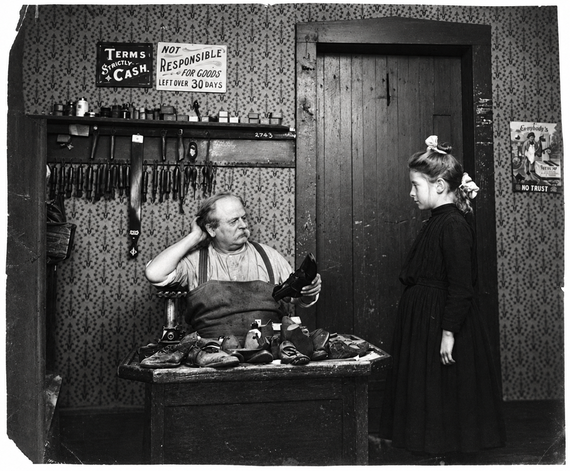
15. The Rules of the Shoe Repair Shop
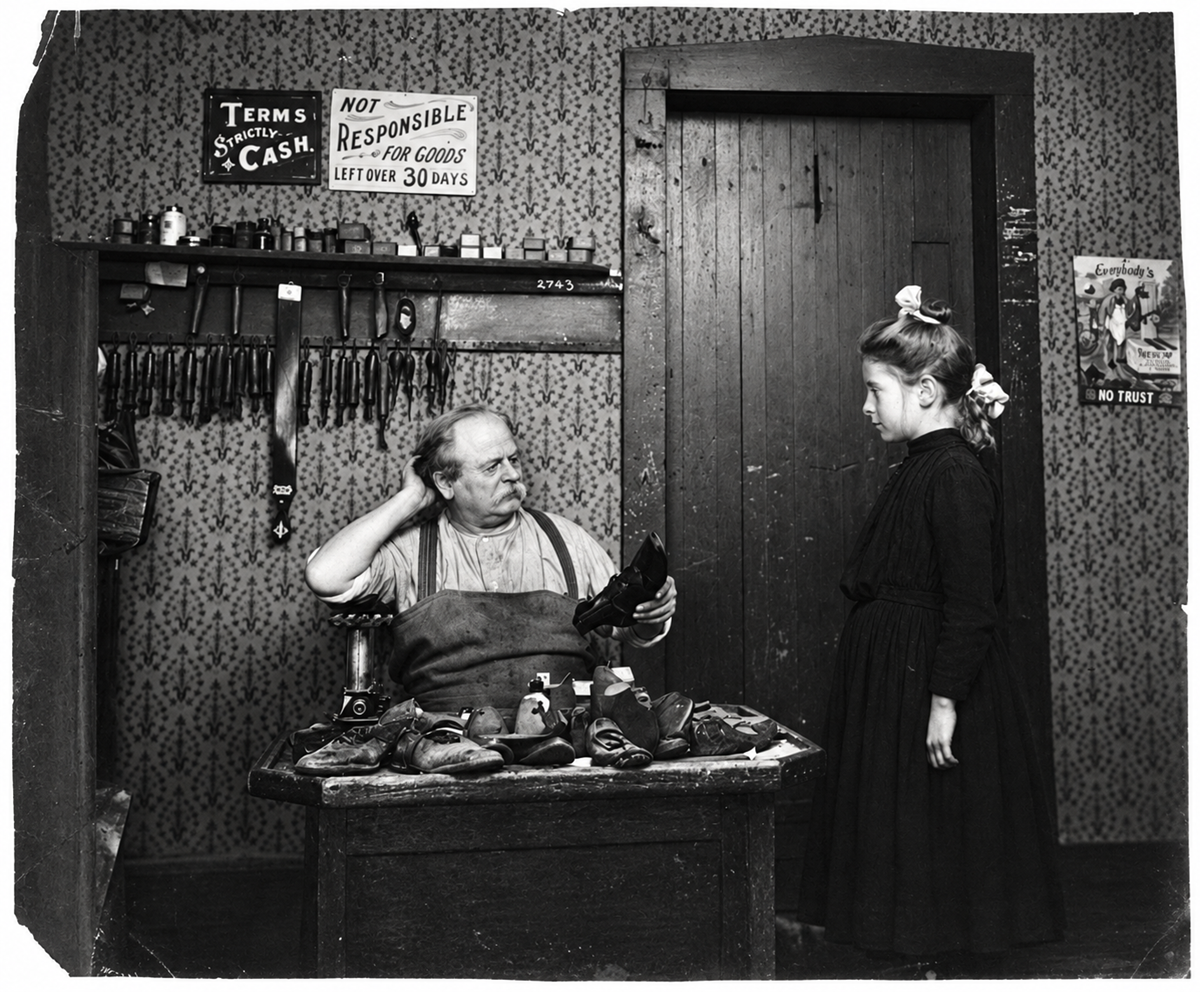
Running a shoe repair business meant dealing with more than worn soles and broken heels. Shopkeepers had to manage payments, keep track of unfinished repairs, and decide how long to hold shoes that customers never collected. Cash-only policies and notices about unclaimed goods helped avoid disputes. For a small business owner, those practical rules could be just as important as knowing how to repair a shoe.
In the mood for more?
Check out 18 Vintage Photos of Car Dealerships in the Mid-1900s, or take a look at 15 Old Laundromat Photos That Just Hit Different. If you want to see more forgotten jobs and everyday history, you can check out 21 Vintage Photos of Telephone Switchboard Operators at Work.