Television history is usually told through famous shows, familiar faces, and memorable broadcasts, but the people working behind the cameras rarely get the same attention. Throughout the 20th century, technicians, editors, camera operators, and production crews handled the complicated work of bringing programs into people’s homes. Their workplaces were filled with bulky equipment, crowded control rooms, and machinery that looks almost unrecognizable today. These 15 vintage photographs offer a glimpse into the everyday jobs and working environments that helped shape the television industry.
1. Television Control Room Operators
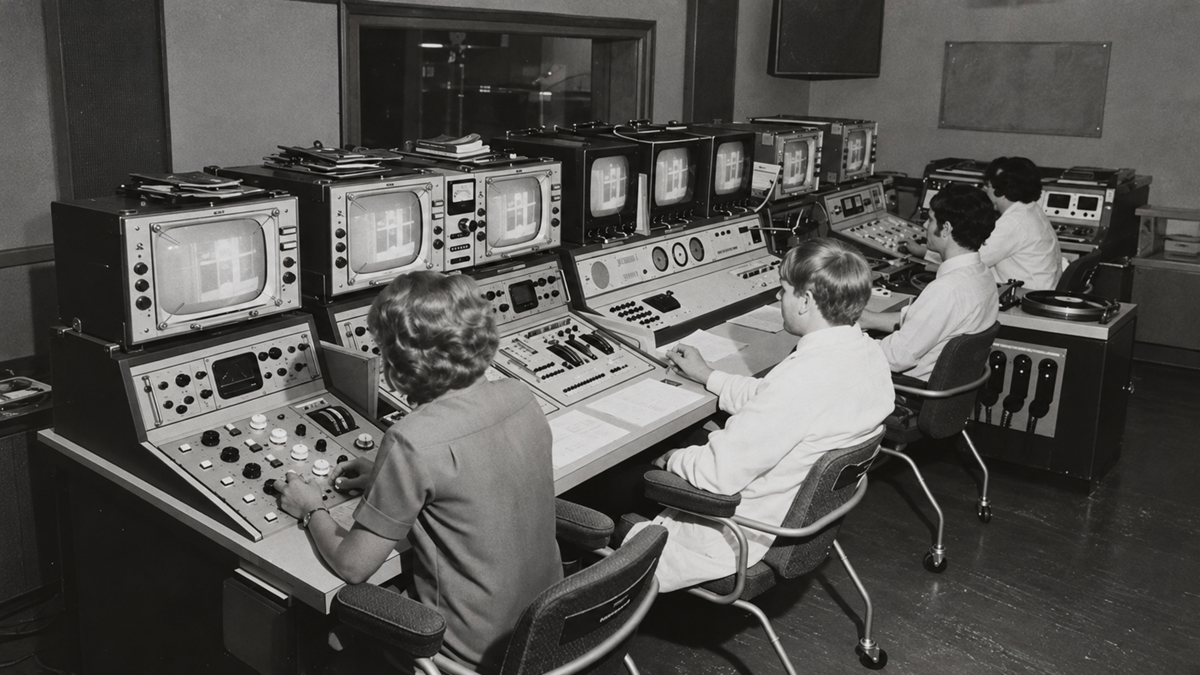
Control room technicians were responsible for keeping television signals stable and ensuring that broadcasts reached viewers without major interruptions. Their work involved monitoring picture quality, adjusting technical settings, and responding to problems as they appeared. With so many systems operating simultaneously, even routine broadcasts demanded constant attention. It was a specialized job that required a good understanding of the equipment and the ability to troubleshoot under pressure.
2. Film Editing and Production Technicians
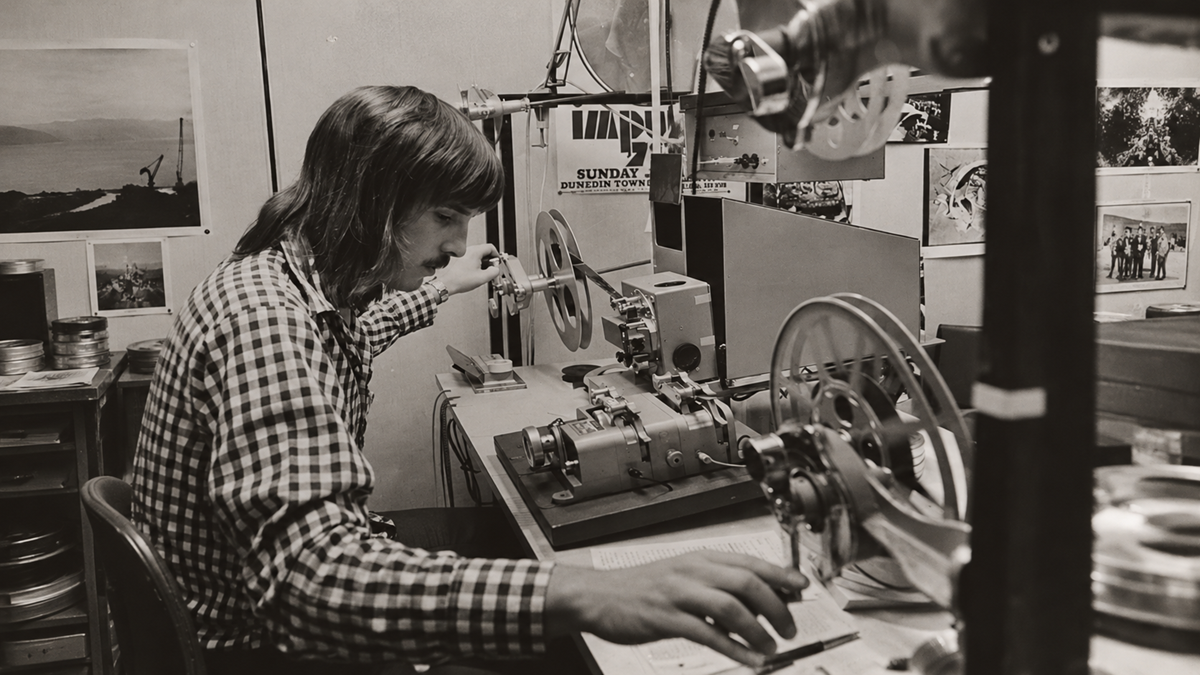
Editing television footage was once as much a mechanical job as a creative one. Film editors and technicians spent long hours reviewing reels, selecting sequences, and assembling material for news reports, documentaries, and other programs. The process demanded a steady hand, careful timing, and a good understanding of how images worked together. A simple revision could take considerable effort, making patience just as important as technical skill.
3. Behind the Scenes of Live Television
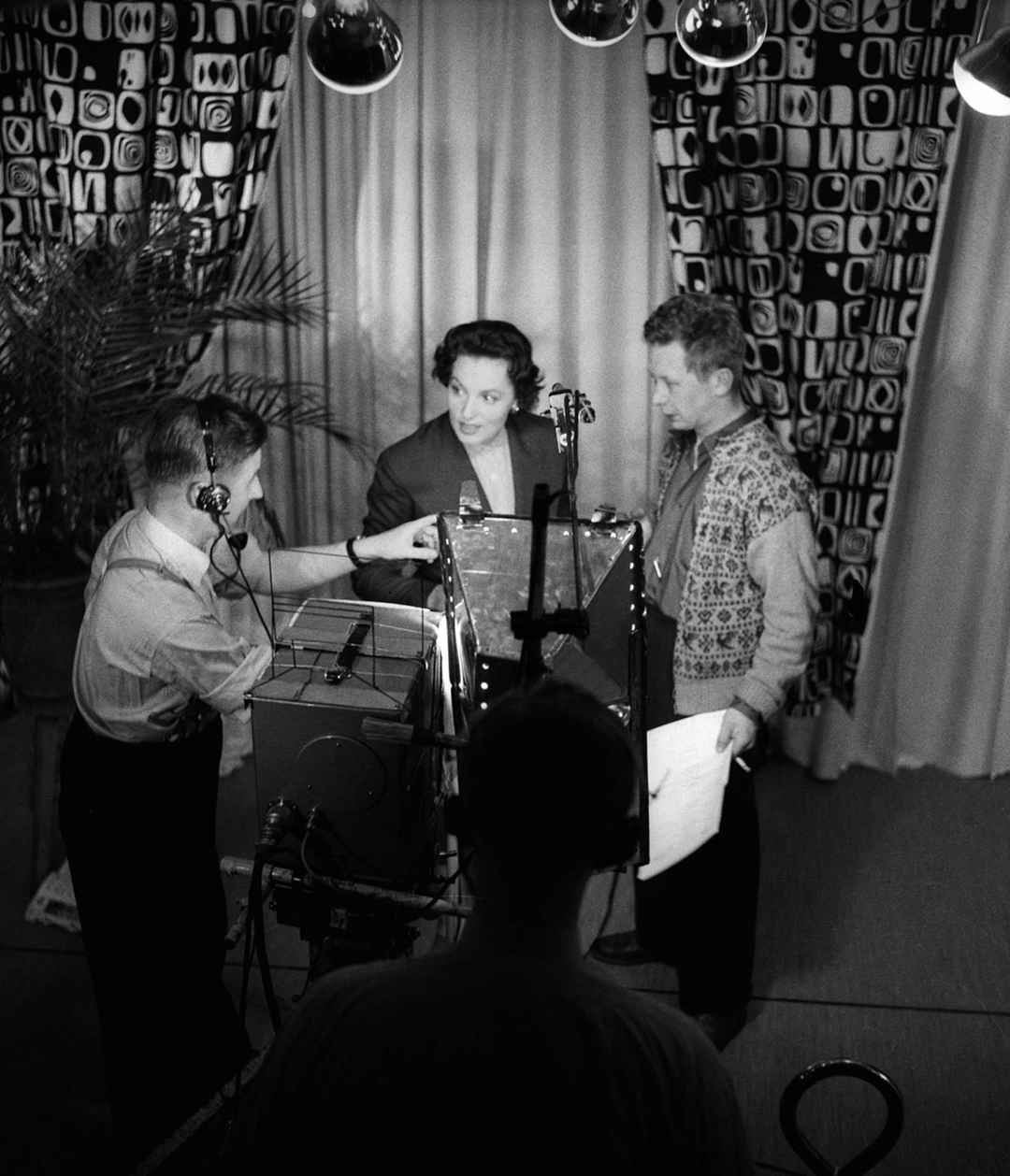
A television studio could be a surprisingly busy place, even during a seemingly simple broadcast. Camera operators, floor managers, technicians, and presenters had to work closely together to keep everything moving. With many programs airing live, communication and timing were especially important, since unexpected problems had to be handled on the spot. Much of the work involved rehearsals, equipment adjustments, and last-minute preparations that audiences at home never got to see.
4. Camera Operators on the Studio Floor
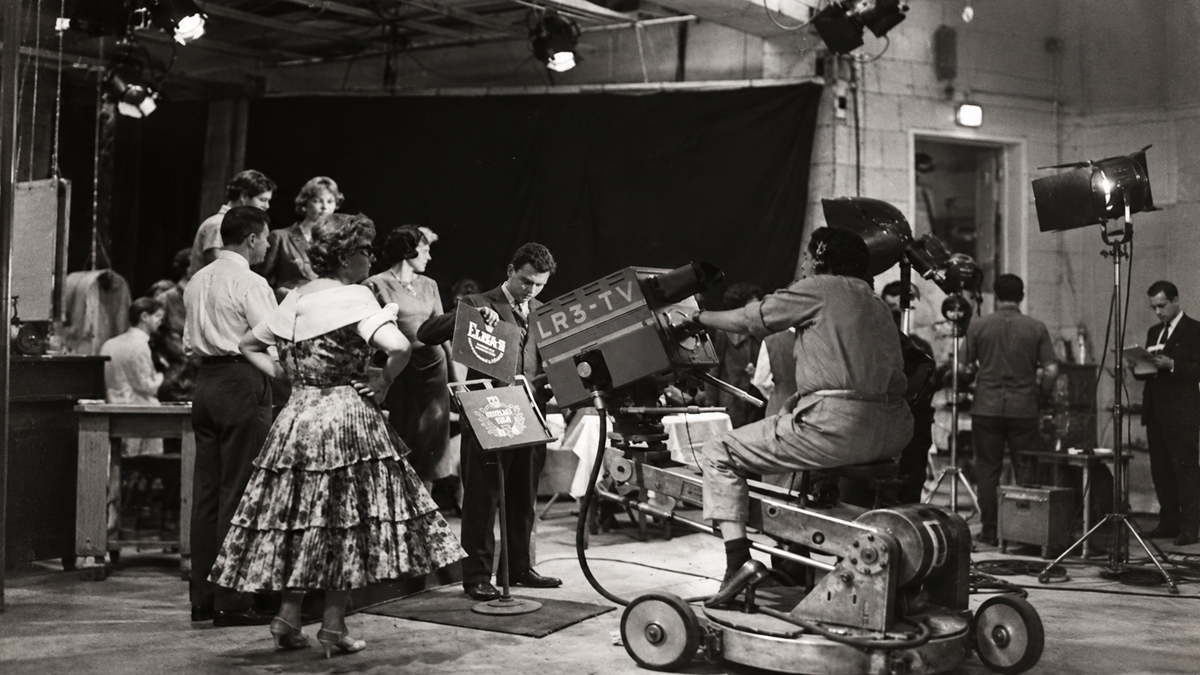
Moving a television camera around a studio wasn’t always easy. Many early models were heavy, mounted on wheeled pedestals, and connected to other equipment through thick cables. Operators needed to position them carefully while maintaining steady shots and following the action. During live programs, something as simple as moving to a different angle required coordination with the rest of the studio crew.
5. The Early Days of Television Studios
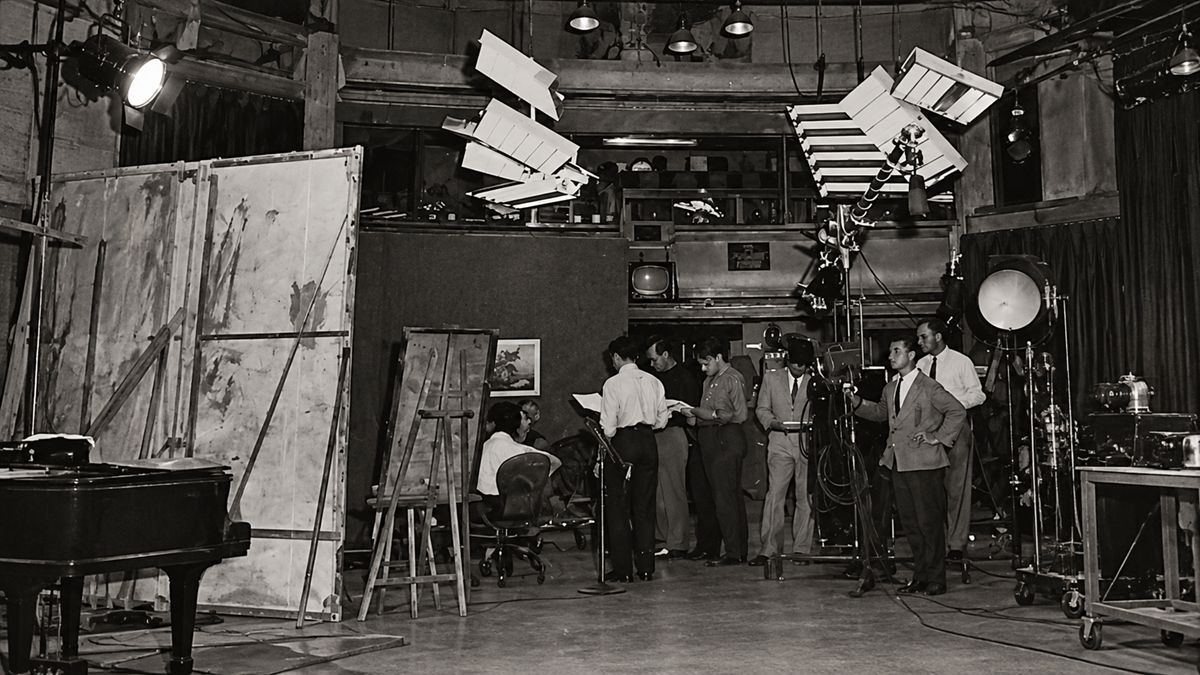
Television studios came in different shapes and sizes, from small broadcasting facilities to elaborate spaces built for major productions. Whatever the setting, crews needed room for cameras, lighting, scenery, and the people working around them. Preparing a studio could involve rearranging equipment, testing lighting, and making changes to the set between programs. Much of the work happened outside broadcasting hours, when technicians and production staff could prepare for the next show.
Trending on The Scroller


6. Working Behind the Studio Cameras
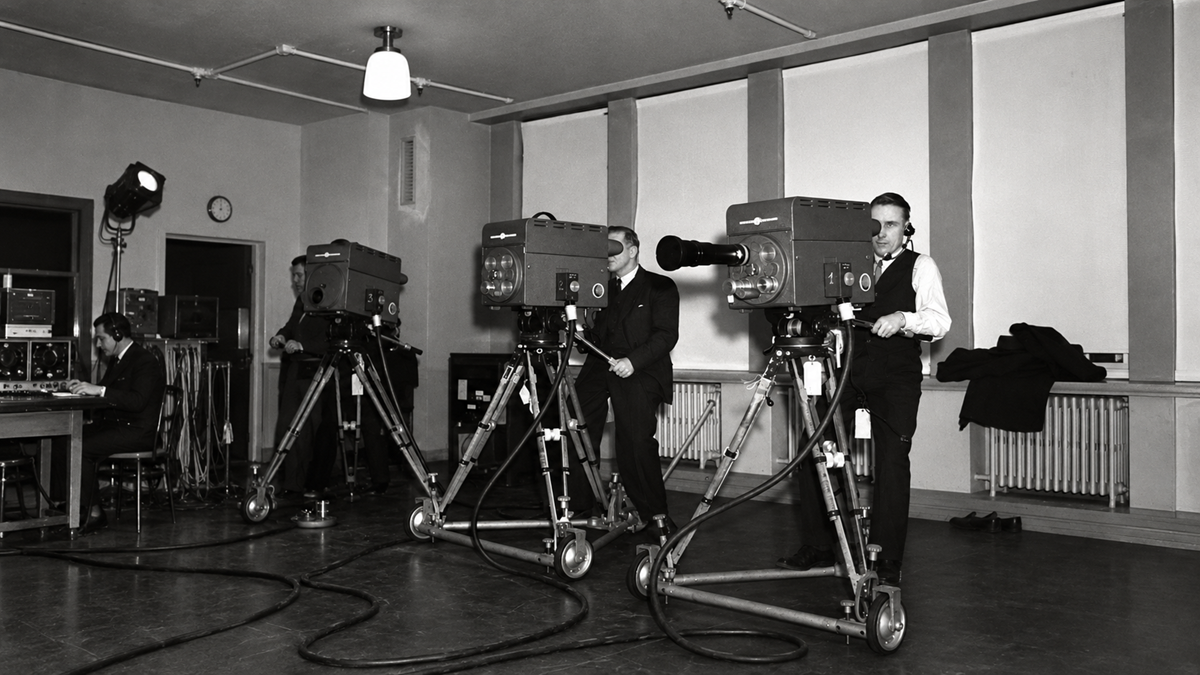
A camera operator’s job involved more than simply pointing a lens at the action. Operators followed directions from the production team, adjusted framing, and anticipated where performers would move next. Some productions used several cameras at once, allowing directors to switch between different views without interrupting the program. This demanded close coordination, particularly when scenes unfolded live, and everyone had to follow the same sequence of cues.
7. Inside a 1960s Television Control Room
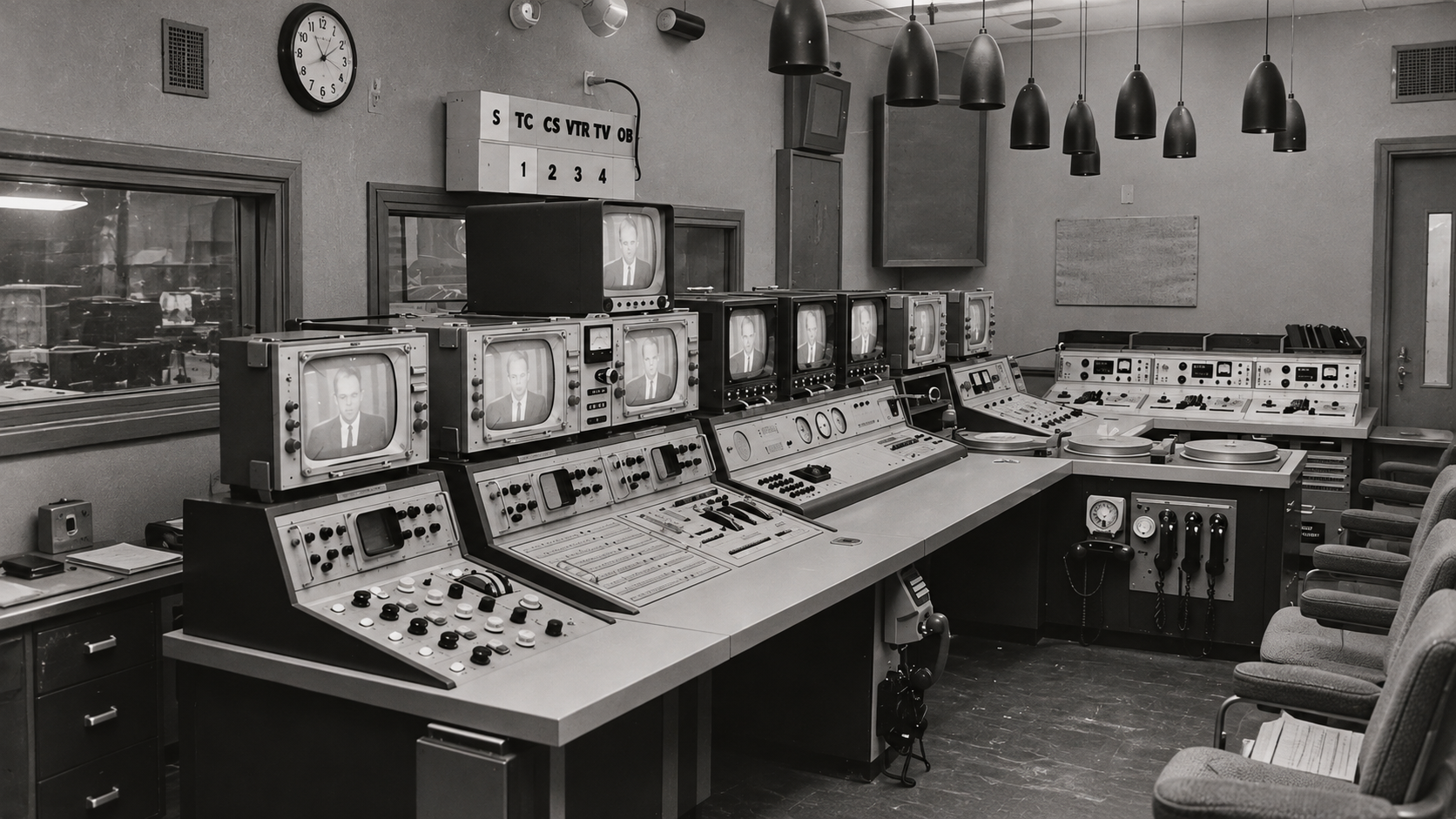
Directors working in television control rooms had to make quick decisions about what audiences would see next. Surrounded by monitors displaying different camera angles, they could choose shots, call for transitions, and communicate instructions to the studio floor. The process was particularly demanding during live entertainment and news broadcasts, when there was little time to reconsider a decision. A well-coordinated production could make the entire operation look effortless to viewers at home.
8. Sound Engineers in Early Television
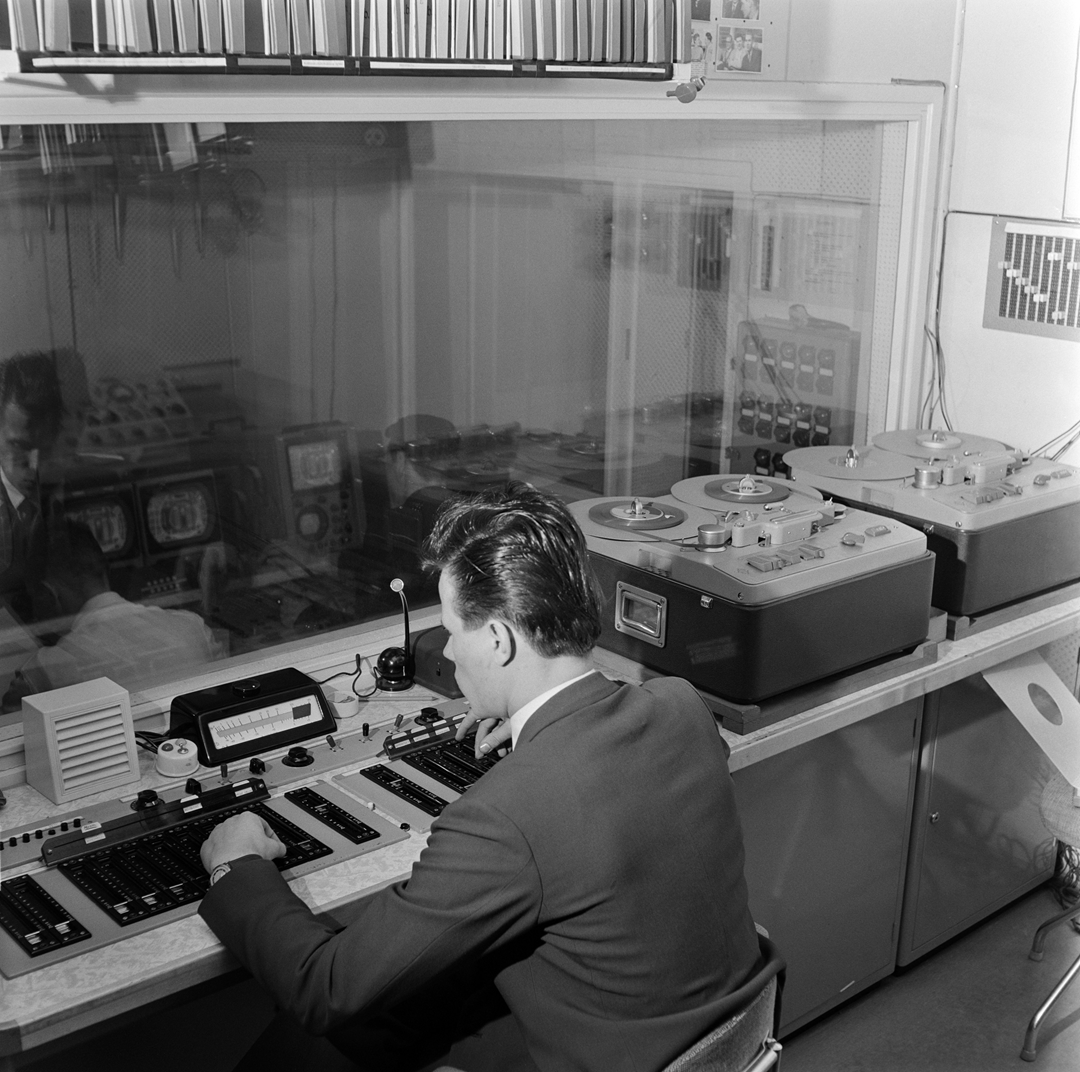
Sound was just as important as the picture in television production, and keeping it consistent required considerable skill. Audio engineers monitored microphones, adjusted volume levels, and managed recorded material used during broadcasts. Magnetic tape equipment became an important part of studio operations, allowing programs and sound recordings to be prepared, stored, and played back when needed. Working closely with production teams, these technicians helped ensure that dialogue, music, and other sounds reached viewers clearly.
Sign up for our newsletter
9. Video Tape Editing Technicians
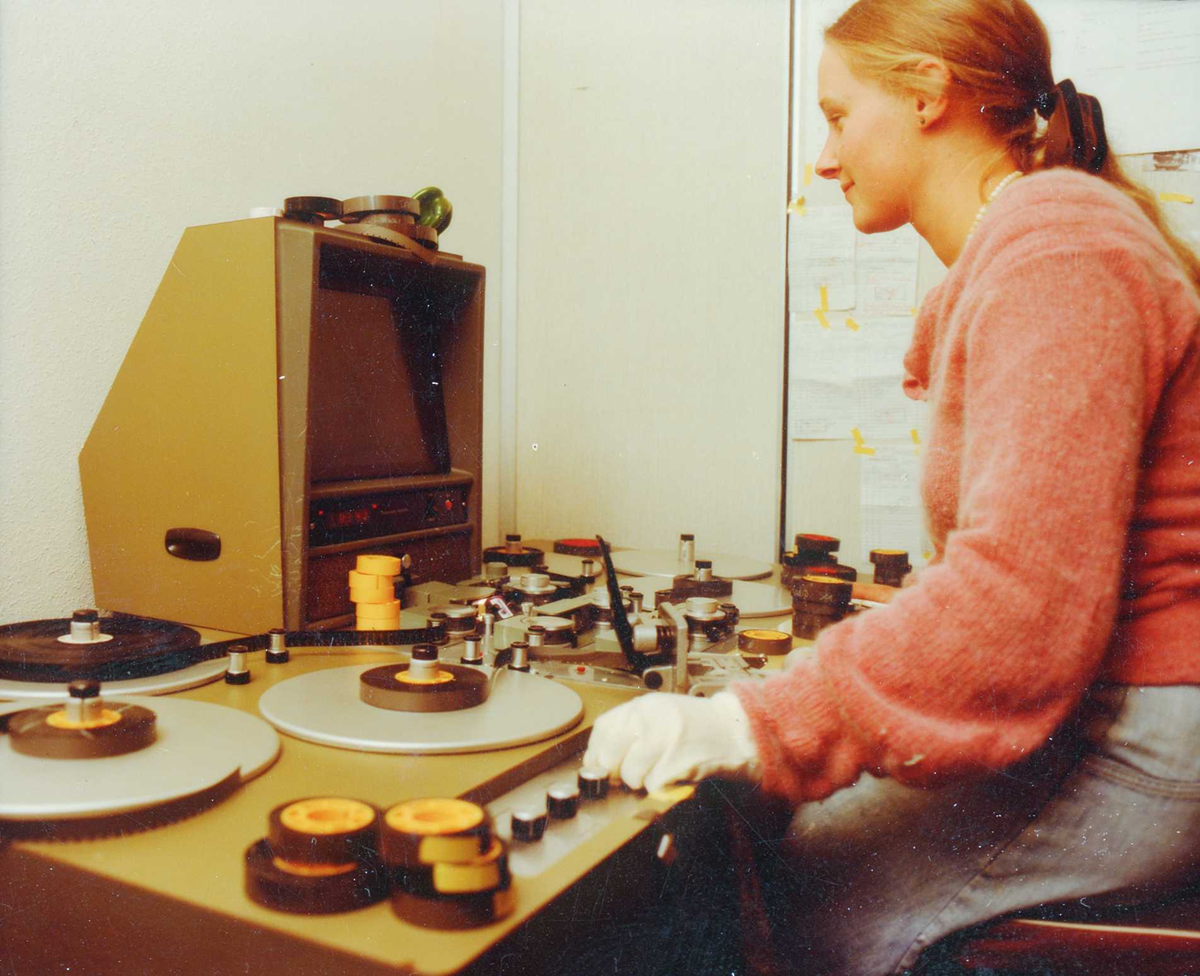
The arrival of videotape changed how television programs could be recorded and prepared for broadcast. Early editing systems were complicated, and making changes to recorded material required specialized equipment and careful planning. Technicians gradually gained more control over how footage could be assembled, although the process remained time-consuming compared with modern editing. These developments helped make prerecorded television programming more practical and flexible.
10. The Machines Behind Television Broadcasting
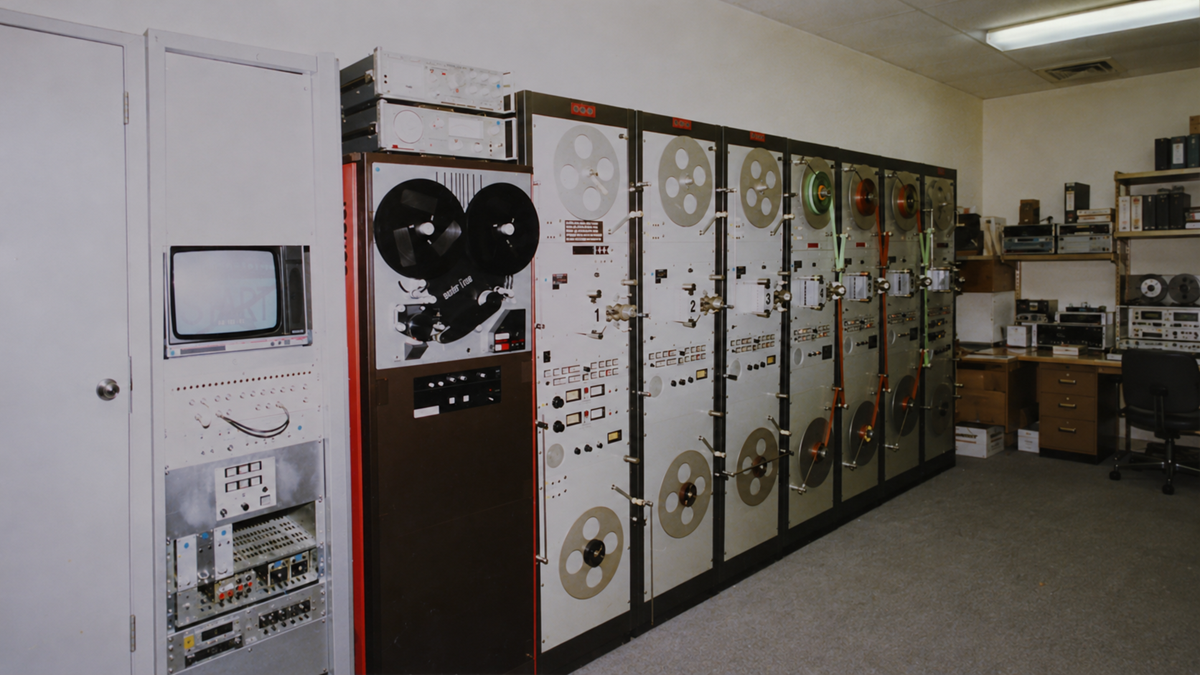
Recording and playback equipment occupied a surprising amount of space in many television facilities. Large videotape machines needed regular maintenance, and technicians were responsible for keeping them operating correctly. Recorded programs, commercials, and other segments had to be prepared for playback according to the broadcast schedule. A mechanical problem or poorly prepared recording could cause delays, making reliable equipment and experienced operators essential to everyday station operations.
11. Television Crews Covering Major Events
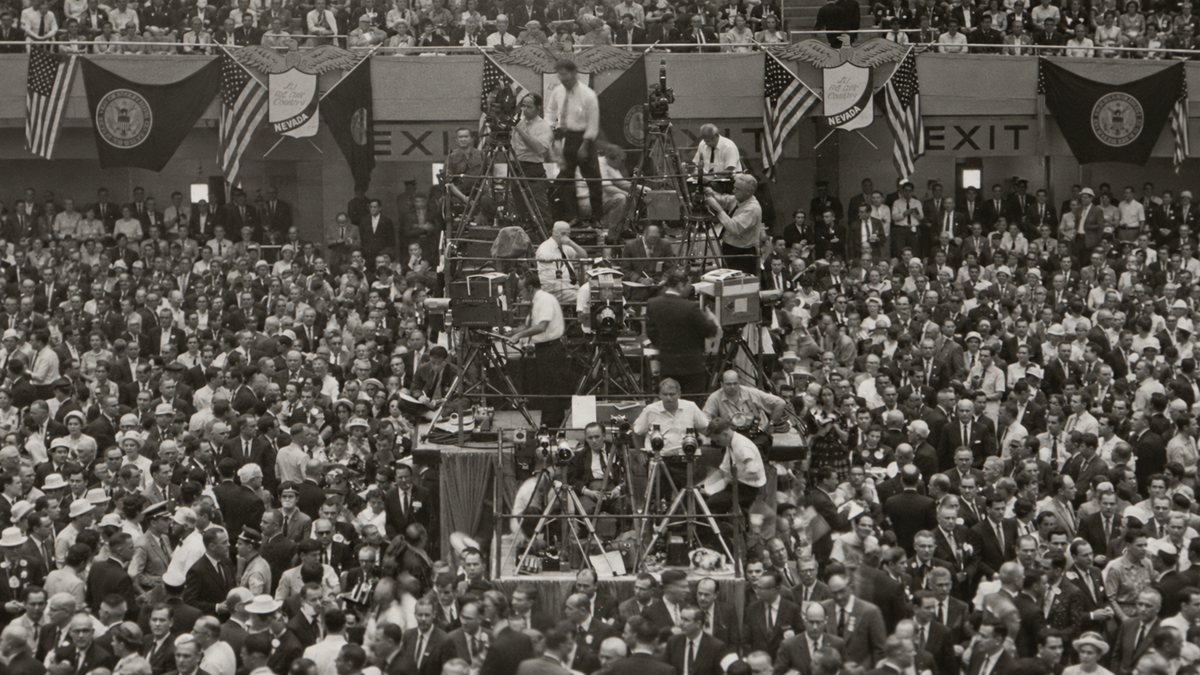
Covering major public events presented a different set of challenges for television crews, especially when broadcasts took place far from a studio. Camera operators, engineers, and production teams had to coordinate their work in crowded venues while dealing with limited space and complicated equipment setups. Political conventions, sporting events, and public ceremonies often required multiple cameras to capture the action from different angles. These large-scale productions helped television become an important source of live news and national coverage.
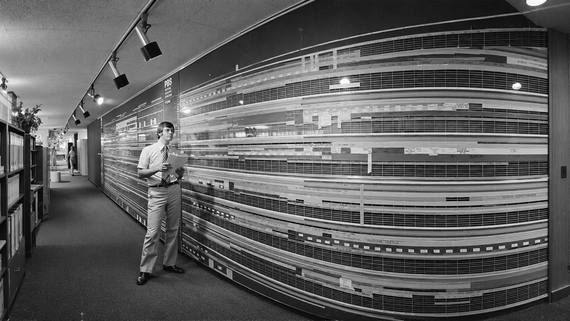
12. Planning the Daily Broadcast Schedule
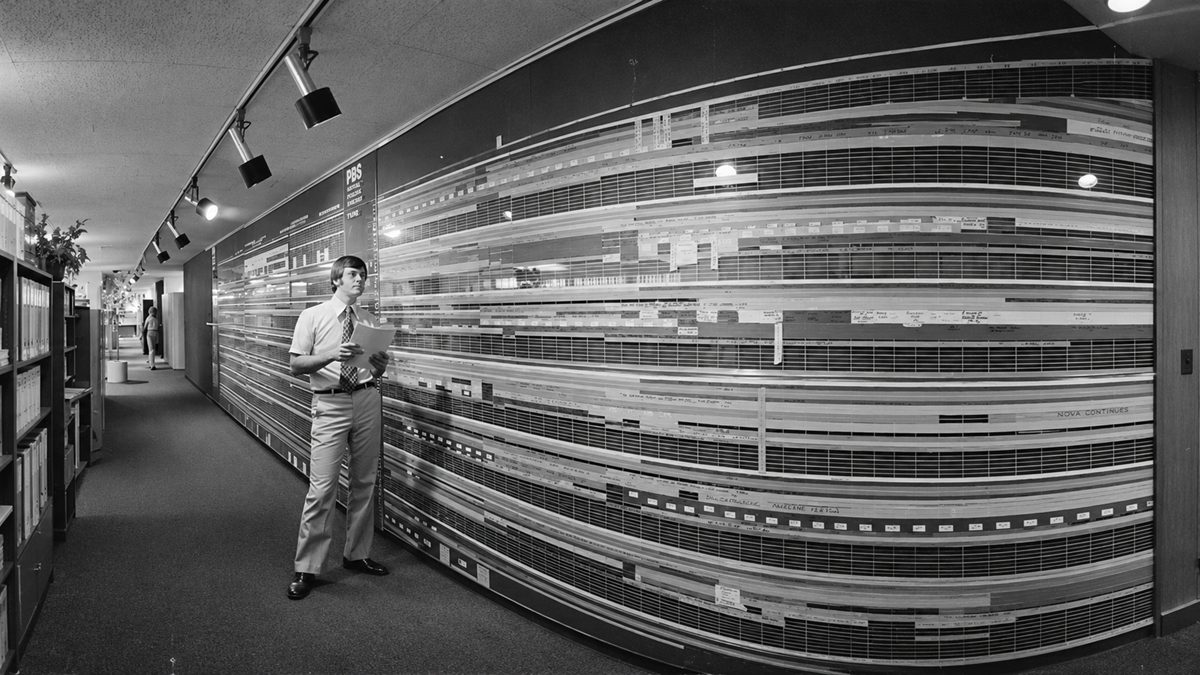
Planning a television station’s daily lineup involved much more than deciding which programs would air. Scheduling departments had to organize broadcasts, commercial breaks, local programming, and network feeds while keeping everything on time. Staff relied on detailed charts and written schedules to track what was coming next and coordinate with technical crews. As television networks expanded and programming became more complex, this behind-the-scenes work became increasingly important to the industry’s daily operations.
13. The Local Stations Behind the Screen
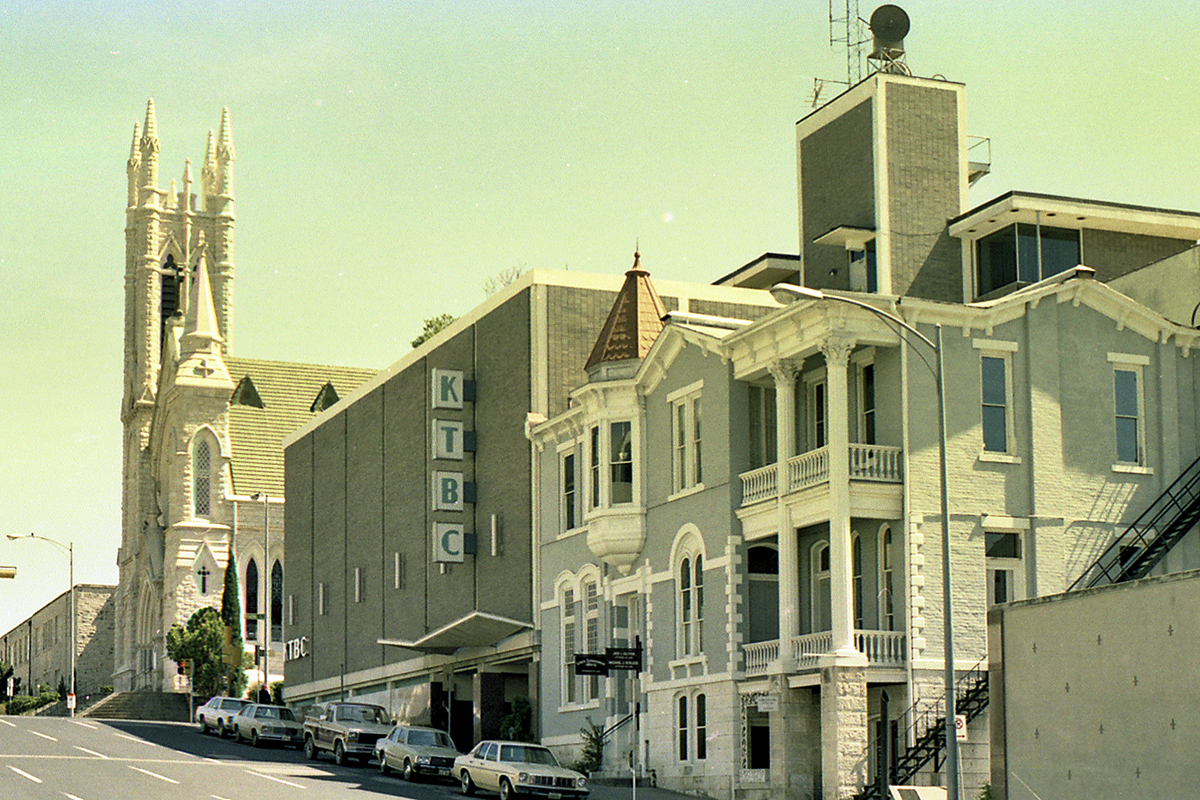
Local television stations played a major role in bringing news, entertainment, and community events into people’s homes. Many operated from relatively modest buildings that housed studios, control rooms, offices, and technical facilities under one roof. Behind each broadcast was a staff of journalists, camera operators, engineers, and administrative workers keeping the station running. These stations became familiar institutions in their communities, providing local coverage alongside programs supplied by larger television networks.
14. Bringing Government Proceedings to the Screen
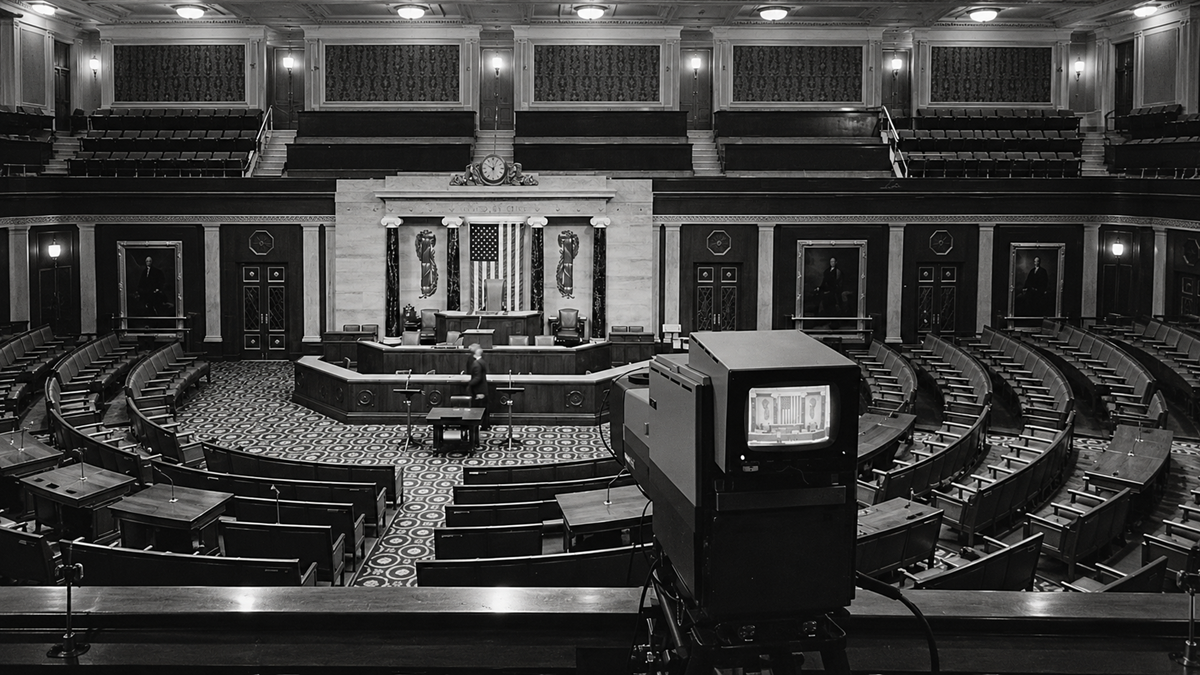
Television offered audiences a way to follow political proceedings without being physically present, although access to cameras varied considerably between institutions and periods. Broadcasters covering legislative debates, official hearings, and other government activities had to work within restrictions imposed by the venues. Camera placement, sound recording, and transmission arrangements often required special preparation. As televised coverage expanded, viewers gained opportunities to observe political discussions and public officials at work.
15. Broadcasting Winter Sports in Extreme Conditions
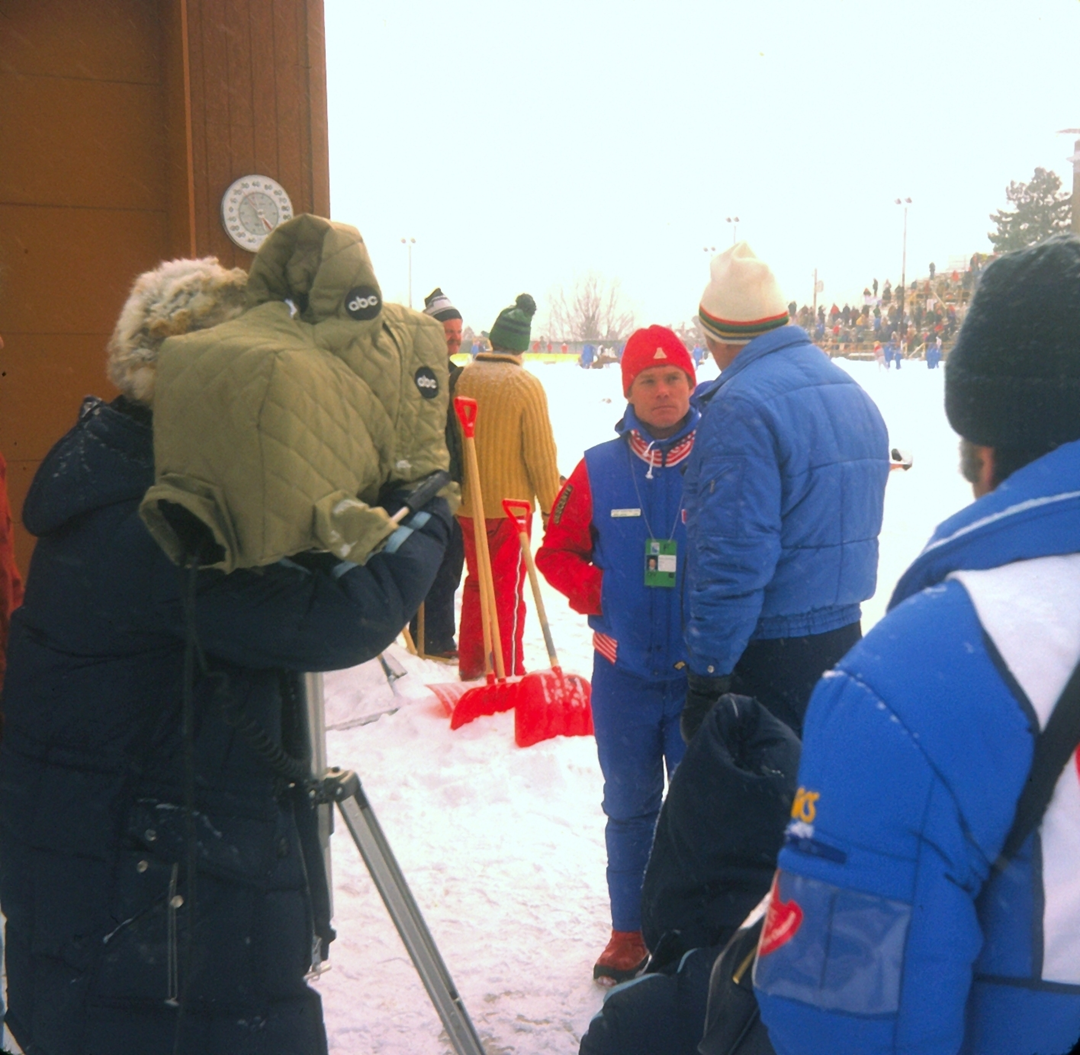
Covering winter sports brought its own challenges for television production crews, particularly when events took place in freezing temperatures and unpredictable weather. Camera operators and technicians often spent hours outdoors, protecting sensitive equipment while capturing competitions for audiences back home. Broadcasters also had to coordinate live commentary, camera positions, and transmission signals across large sporting venues. These demanding assignments helped bring international winter sports to viewers who might never have had the chance to attend in person.
In the Mood for More?
Check out 15 Classic Cartoons From the 1970s That Made Television History, or take a look at 21 Vintage Photos of Suburban Neighborhoods in the 1960s. If you want to see more behind-the-scenes history, explore 15 Classic Movies With Dark Stories Behind the Scenes.