Recording studios are built around second chances, but some famous performances never needed one. In a few cases, the musicians were so prepared that the first complete run became the master; in others, a spontaneous performance simply proved impossible to improve. Some of these recordings are polished, while others preserve mistakes, strained voices, and musicians reacting to one another in real time. These 17 songs show how little studio perfection sometimes has to do with making a memorable record.
1. The Animals, “The House of the Rising Sun”
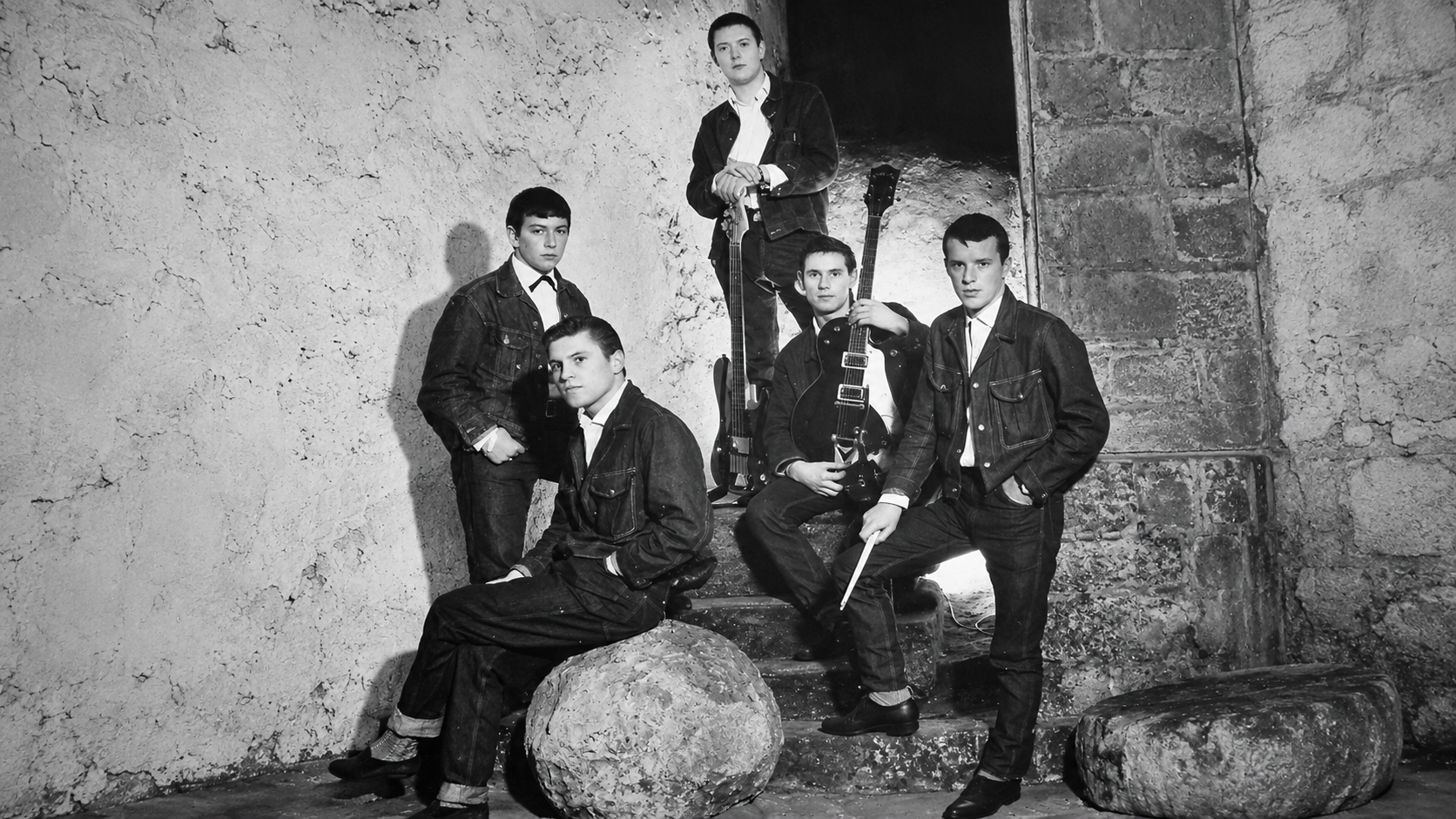
The Animals had already been performing “The House of the Rising Sun” onstage when they entered De Lane Lea Studios in London in 1964. Producer Mickie Most captured the band playing the entire arrangement in a single take, with Alan Price’s organ and Eric Burdon’s vocal giving the record much of its character. The session reportedly took about 15 minutes, remarkably little time for a recording that soon reached No. 1 on both sides of the Atlantic.
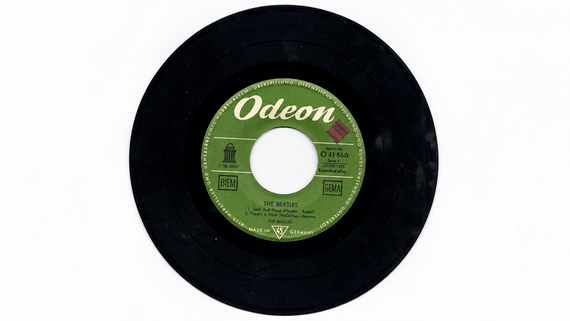
2. The Beatles, “Twist and Shout”
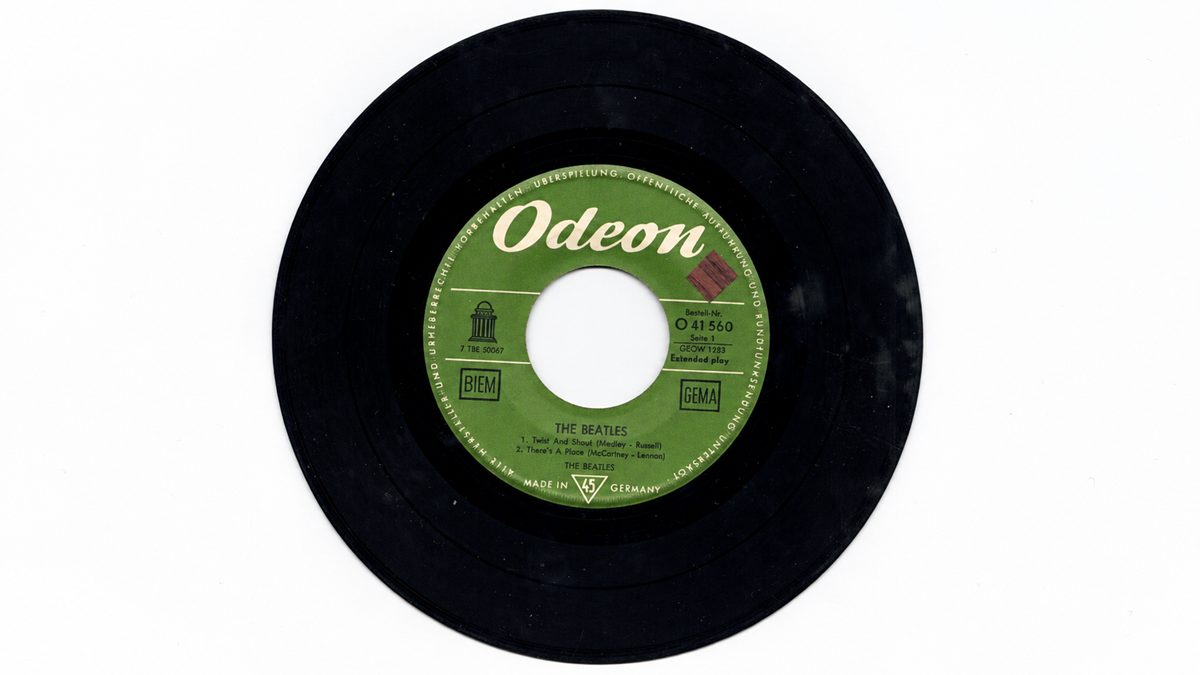
By the time the Beatles reached “Twist and Shout” during their marathon February 1963 session for Please Please Me, John Lennon’s voice was nearly gone. The band tore through one complete take, with Lennon essentially shouting his way through the lead vocal. They attempted a second, but his voice could no longer manage it, so the first performance became the master. The roughness that might normally have prompted another attempt ended up becoming one of the recording’s defining features.
3. Otis Redding, “Respect”
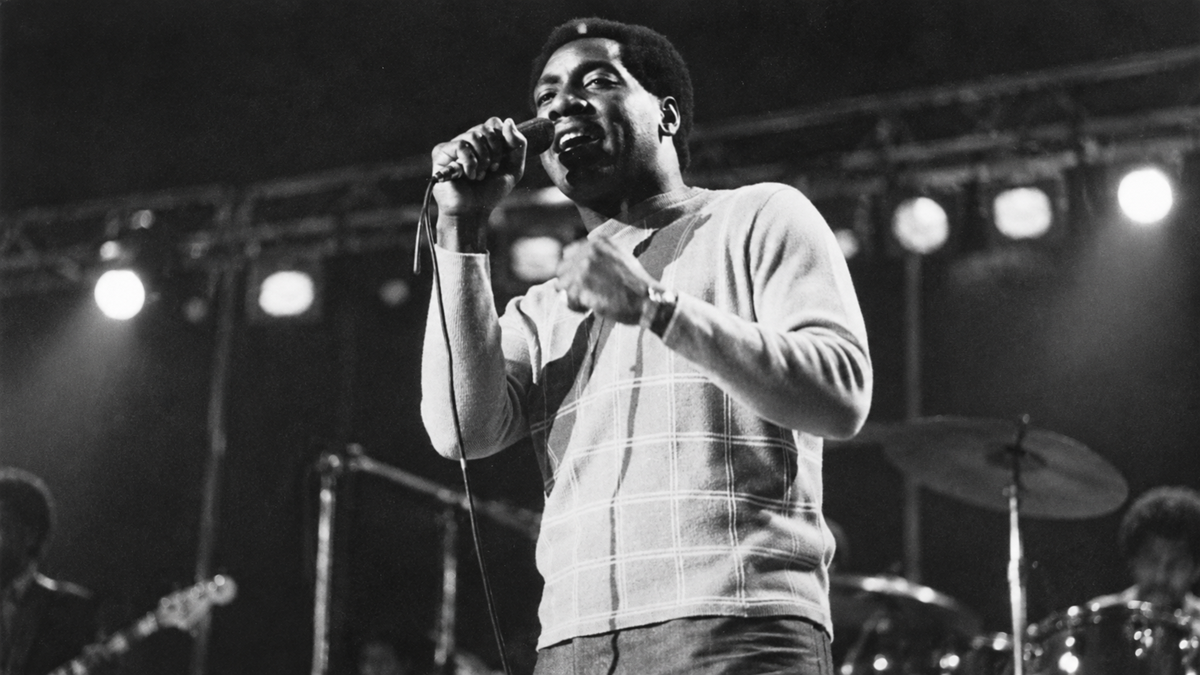
Otis Redding’s “Respect” existed before Aretha Franklin transformed it into something very different. Redding later described an unusually compressed process, saying the song took roughly a day to write, 20 minutes to arrange, and one take to record. His 1965 version is harder and more impatient than Franklin’s later interpretation, with the band pushing behind him almost like a live performance.
4. The Velvet Underground, “Sister Ray”
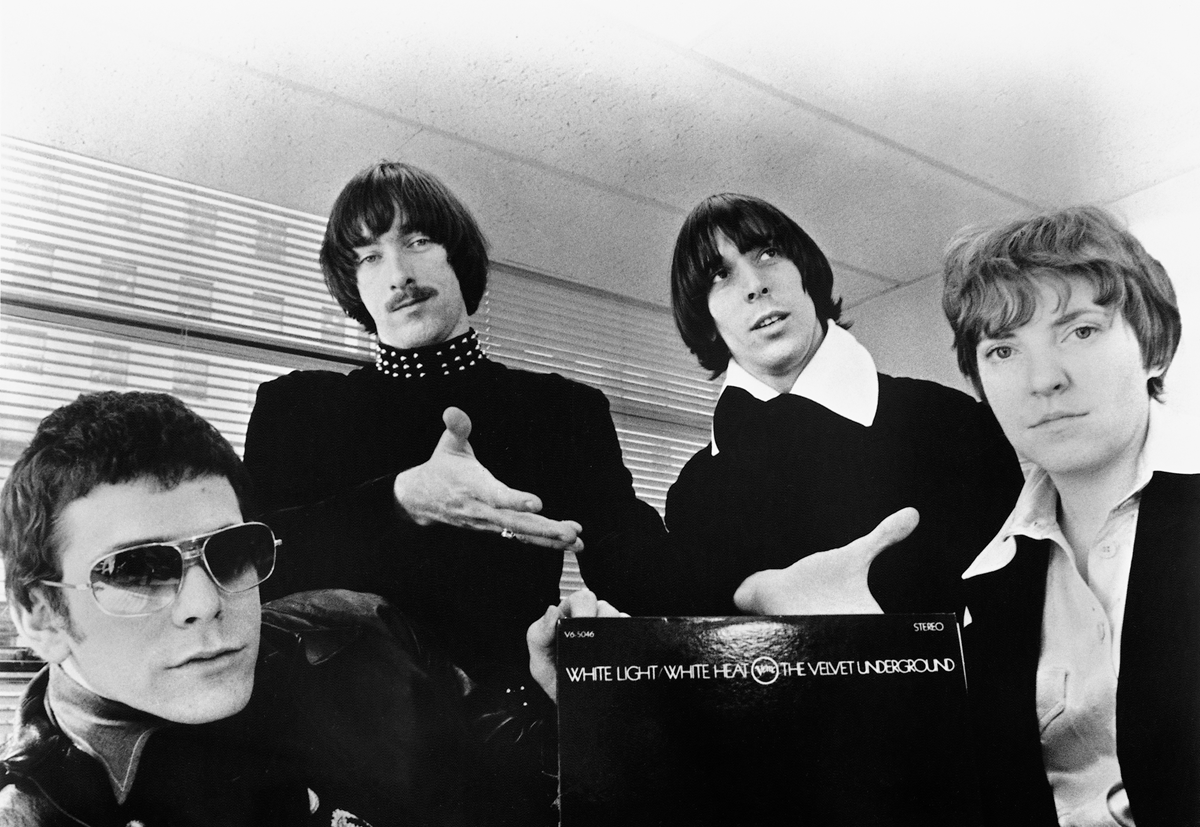
Recording a 17-minute experimental rock track in one uninterrupted take would be risky under almost any circumstances. The Velvet Underground did exactly that with “Sister Ray,” letting distortion, improvisation, organ, and competing instruments pile into one another without trying to tidy the performance afterward. Engineer Gary Kellgren reportedly started the tape and left the room while the band played. The chaos was not an accident; it was essentially the arrangement.
5. The Isley Brothers, “Shout”
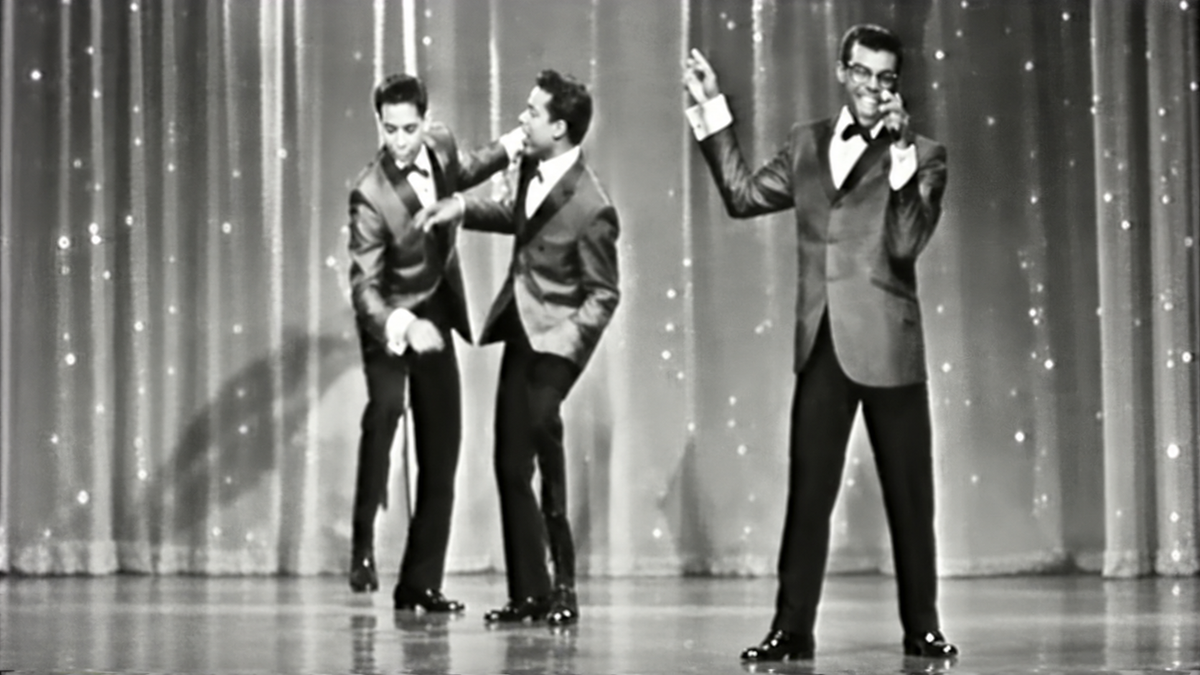
“Shout” had already become a crowd-pleasing part of the Isley Brothers’ live shows before they recorded it. To recreate that atmosphere, friends were brought into the studio to provide some of the excitement of an audience. Ronnie Isley later recalled that they performed it once and that single performance was enough.
Trending on The Scroller
6. Jerry Lee Lewis, “Whole Lotta Shakin’ Goin’ On”
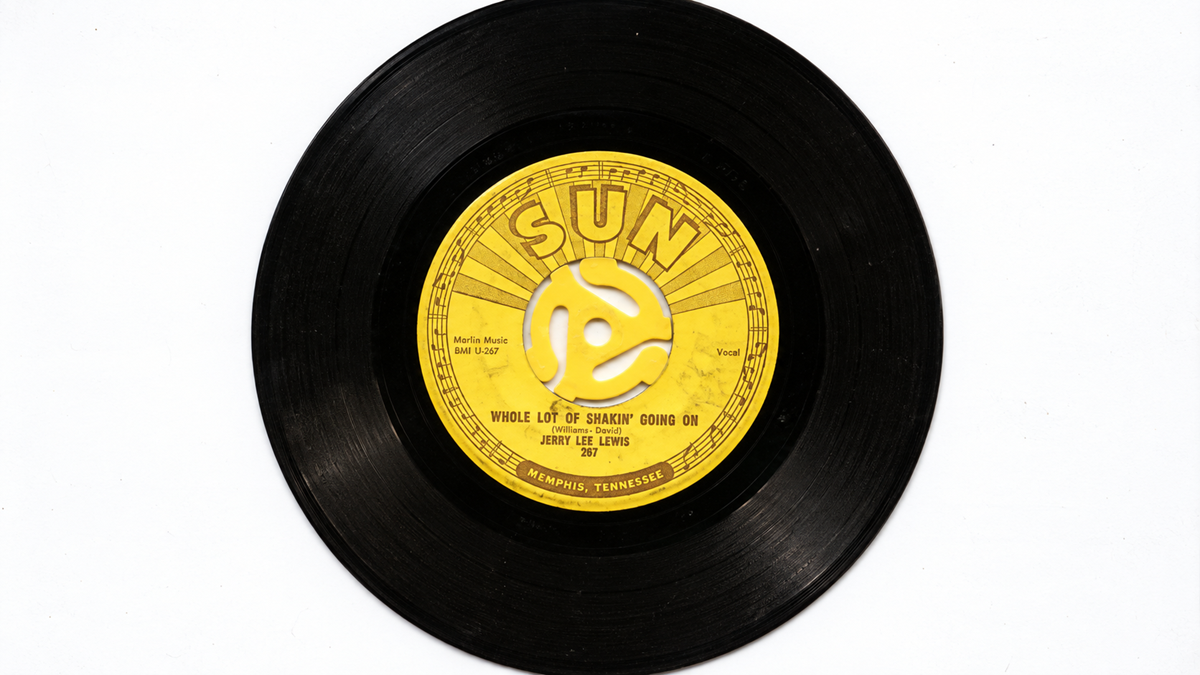
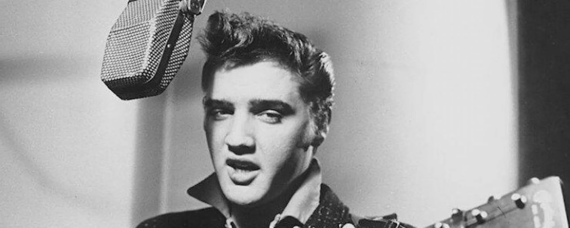
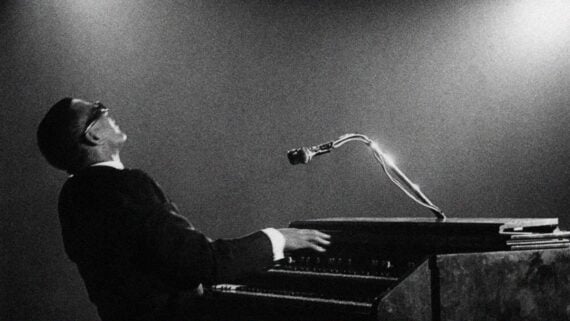
Jerry Lee Lewis was working on another song at Sun Records when producer Jack Clement suggested trying the number Lewis had been playing on the road. Clement rolled the tape without a rehearsal, and Lewis, guitarist Roland Janes, and bassist J.W. Brown went through “Whole Lotta Shakin’ Goin’ On” from beginning to end. Clement later said there was no dry run and no second attempt needed. The 1957 recording became one of the performances most closely associated with early rock and roll.
7. James Brown, “Papa’s Got a Brand New Bag”
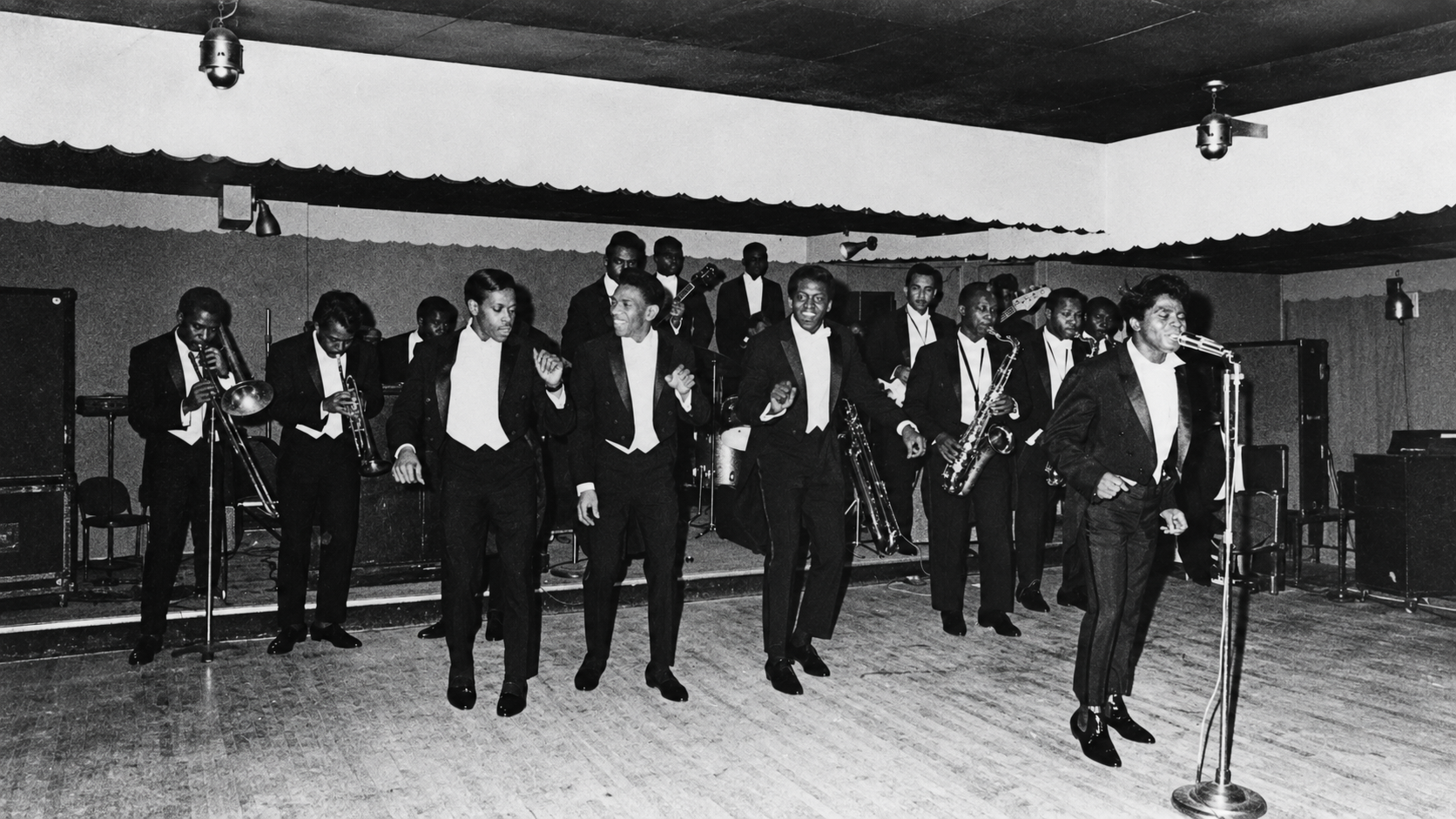
The musicians did not necessarily realize they were making the finished record when they started “Papa’s Got a Brand New Bag.” What was intended as a run-through turned out to have the feel Brown wanted, so the performance was kept. The tape was later edited and sped up for release, but the underlying band performance came from that initial pass.
8. The Beatles, “Long Tall Sally”
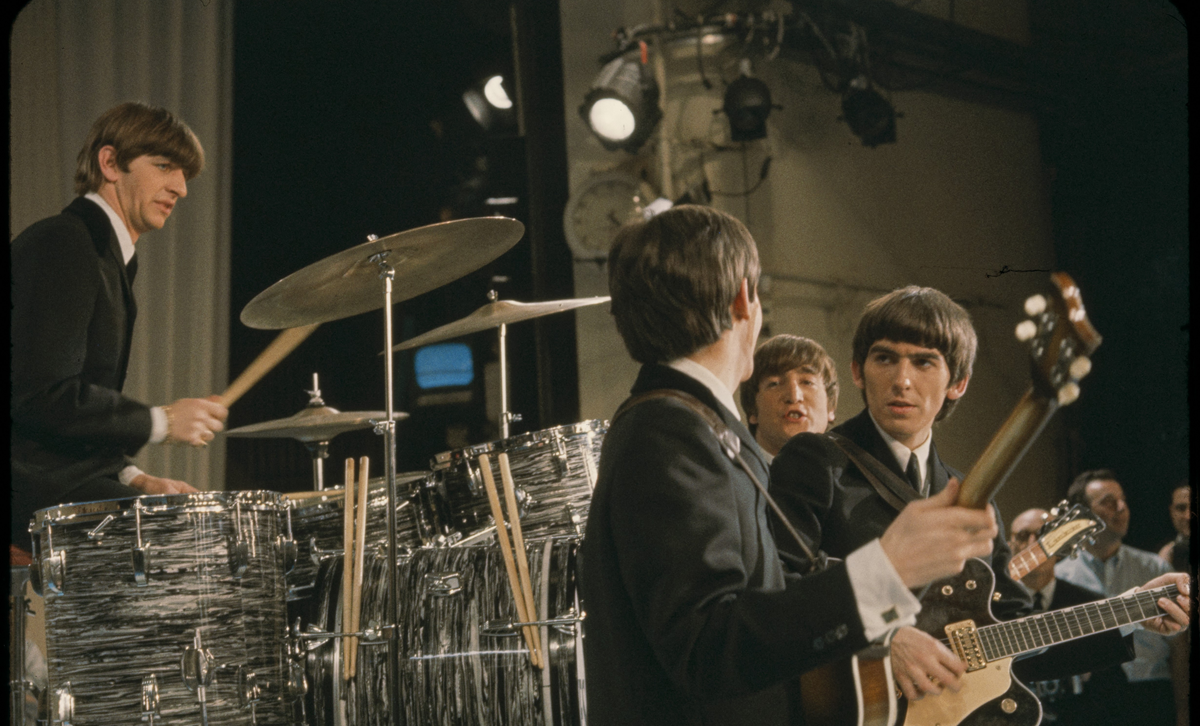
Years of playing Little Richard songs in clubs gave the Beatles little reason to overthink “Long Tall Sally.” At EMI Studios in March 1964, Paul McCartney handled the demanding lead vocal while John Lennon, George Harrison, Ringo Starr, and producer George Martin played behind him. Take one worked so well that the group did not record another.
Sign up for our newsletter
9. Bob Dylan, “Maggie’s Farm”
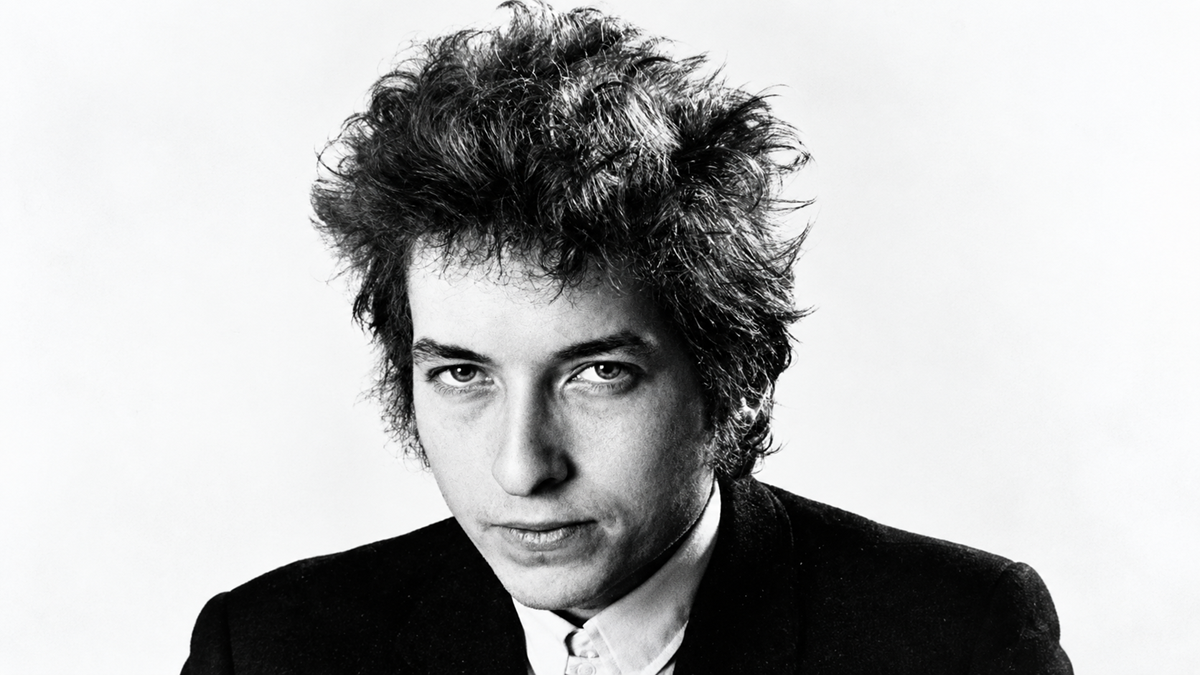
The electric side of Bringing It All Back Home opened with a session that moved unusually quickly. Dylan and the assembled musicians recorded “Maggie’s Farm” on January 15, 1965, and only one take was needed. Its slightly unruly momentum suits a song that sounded very different from the acoustic folk records with which Dylan was still closely associated.
10. Aretha Franklin, “Amazing Grace”
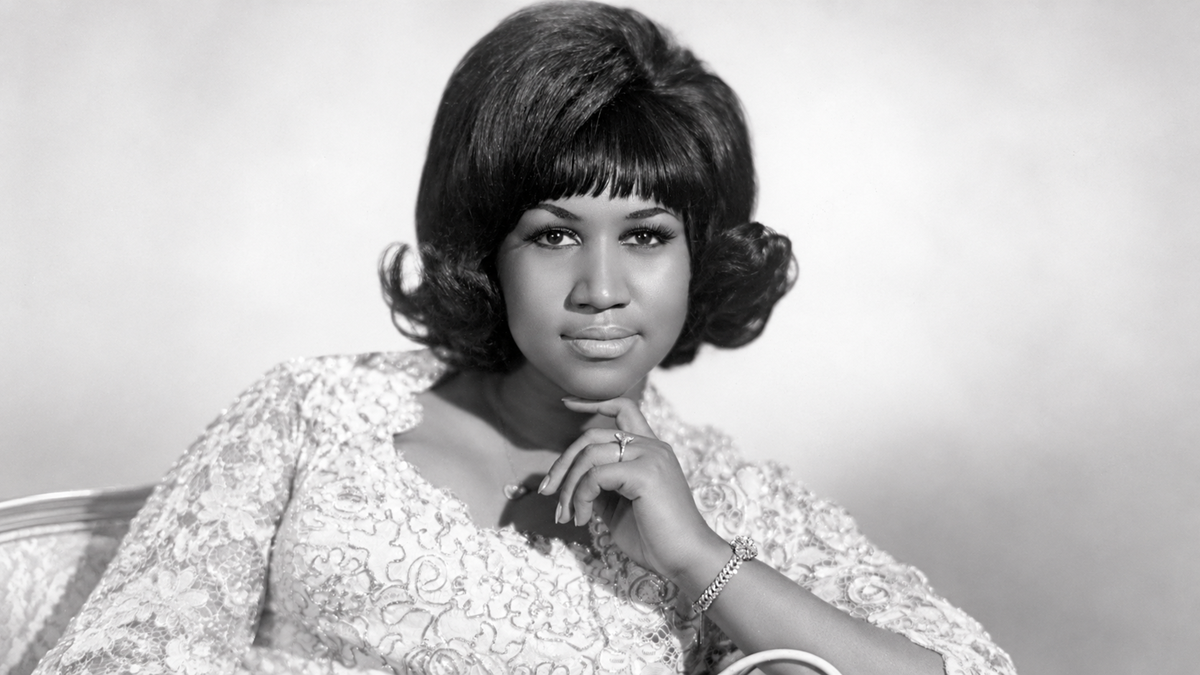
When Aretha Franklin recorded the live album Amazing Grace at New Temple Missionary Baptist Church in Los Angeles in 1972, much of the power came from performances unfolding in real time rather than being pieced together in the studio. The title track was captured as a full live performance, with Franklin at the piano and the Southern California Community Choir responding around her. Its loose pacing, spoken asides, and gradual build are part of what make the recording feel less like a polished studio construction and more like being present in the room.
11. Nina Simone, “My Man’s Gone Now”
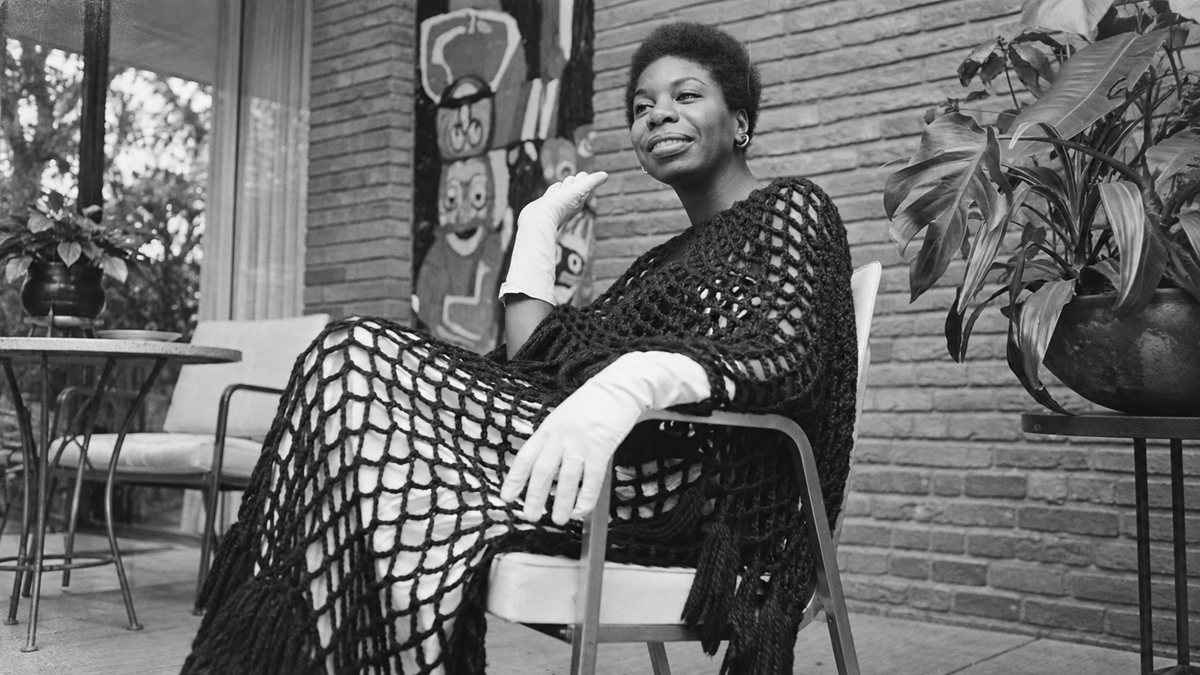
Nobody had scheduled Nina Simone to record “My Man’s Gone Now” when the performance began. During the sessions for Nina Simone Sings the Blues, she started playing the song almost spontaneously, prompting engineer Ray Hall to hurry back to the controls and start recording. Producer Danny Davis later remembered the resulting one-take performance as something that simply could not be improved.
12. Ted Nugent, “Stranglehold”
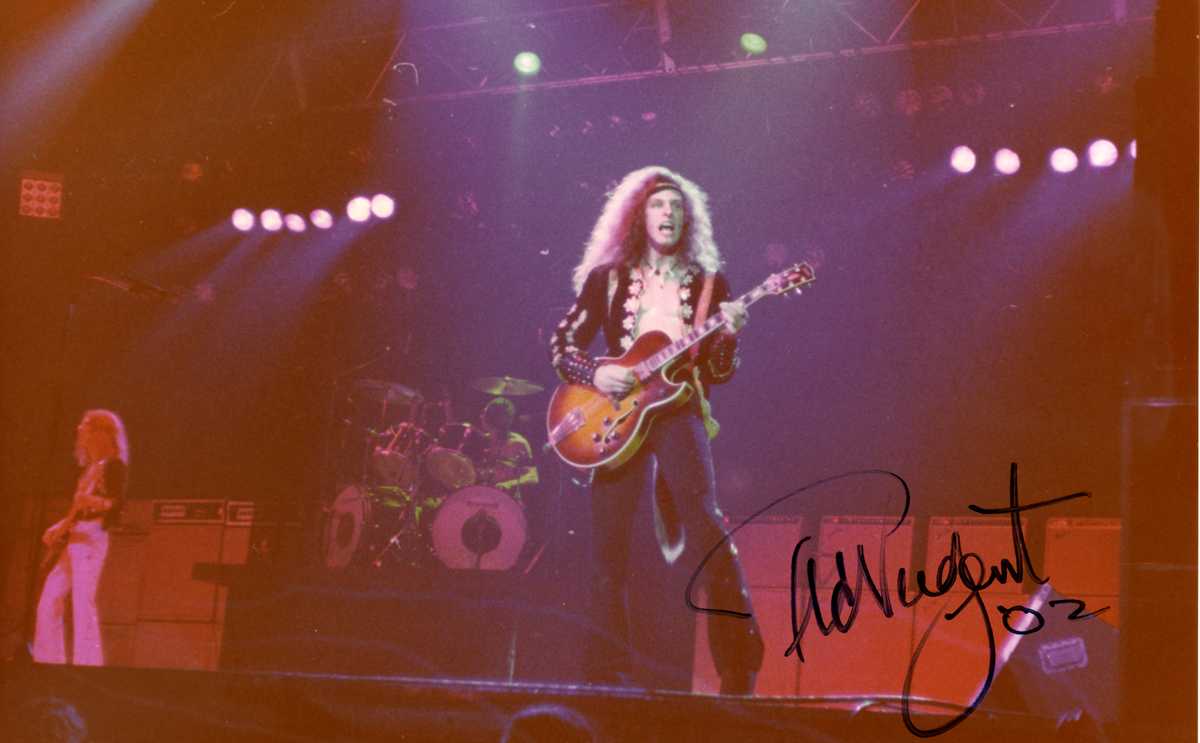
“Stranglehold” stretches for more than eight minutes, which makes its recording story unusually impressive. The basic performance was recorded in one take, with Derek St. Holmes handling most of the lead vocal while Nugent’s extended guitar work unfolded over the band’s steady groove. Producer Tom Werman later added some studio effects during mixing, but the performance itself came from that single pass. The track became one of Nugent’s signature recordings and a staple of 1970s hard rock.
13. Janis Joplin, “Mercedes Benz”
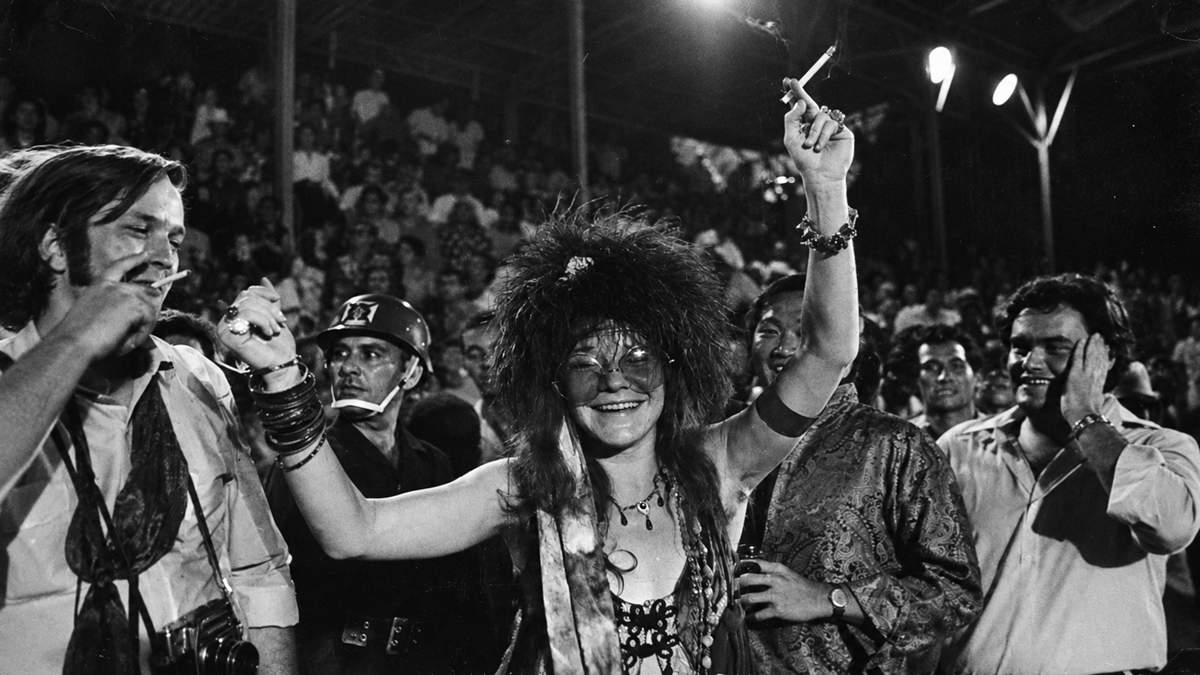
There was no band to hide behind when Janis Joplin recorded “Mercedes Benz.” She sang the satirical song a cappella in one take on October 1, 1970, leaving only her voice on the tape. Joplin died three days later, and the performance appeared the following year on Pearl.
14. Israel Kamakawiwo’ole, “Somewhere Over the Rainbow/What a Wonderful World”
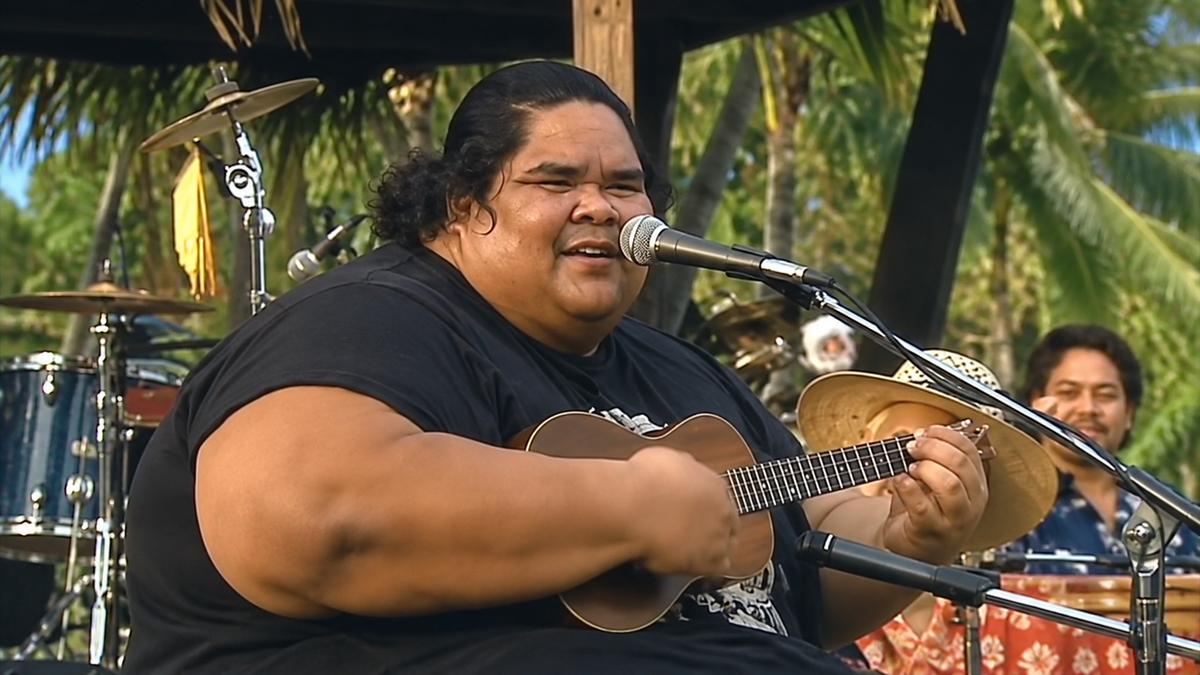
This recording began with a 3 a.m. phone call rather than a planned album session. Israel Kamakawiwo’ole arrived at engineer Milan Bertosa’s Honolulu studio, Bertosa set up microphones and conducted a quick soundcheck, and Kamakawiwo’ole sang while accompanying himself on ukulele. One take later, the session was essentially finished. The recording sat for several years before being included on Facing Future and eventually became one of the best-known Hawaiian recordings internationally.
15. Gordon Lightfoot, “The Wreck of the Edmund Fitzgerald”
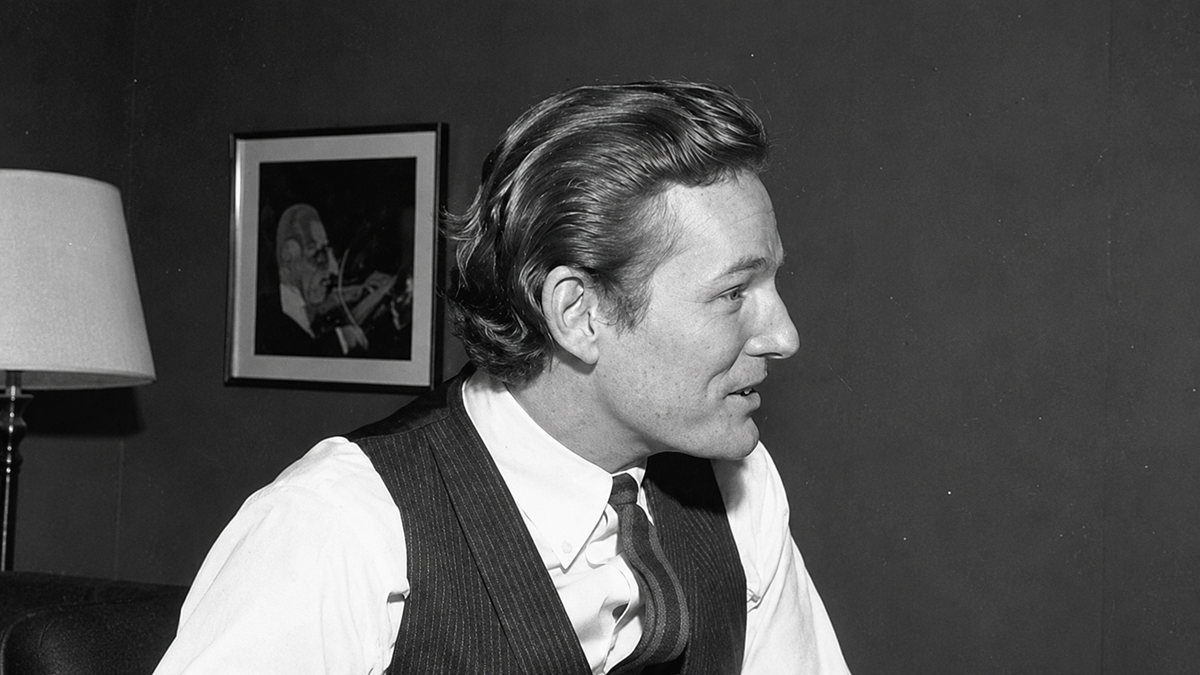
Gordon Lightfoot held off on recording “The Wreck of the Edmund Fitzgerald” until he felt ready, while his musicians were given relatively little preparation. Drummer Barry Keane recalled that the band effectively learned the song as Lightfoot directed them through the first performance. They reached the end, listened back, and had the recording. Another attempt was made later, but the original performance remained the choice.
16. Radiohead, “Bodysnatchers”
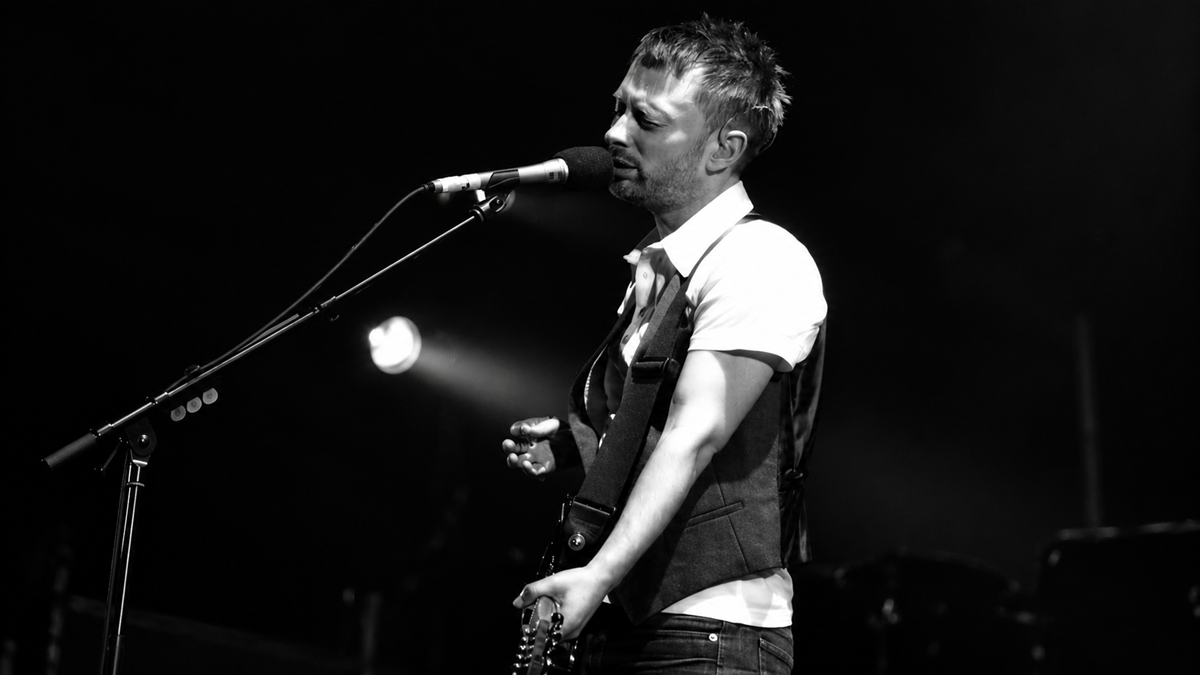
Radiohead recorded “Bodysnatchers” during the sessions for In Rainbows in a rundown country house, with Thom Yorke becoming ill as the band worked. Rather than assembling the performance piece by piece, the band played the song live, and Yorke sang it in the same take, capturing the frantic energy that remained on the finished recording. Released on In Rainbows in 2007, it later reached No. 8 on Billboard’s Alternative Songs chart.
17. Gnarls Barkley, “Crazy”
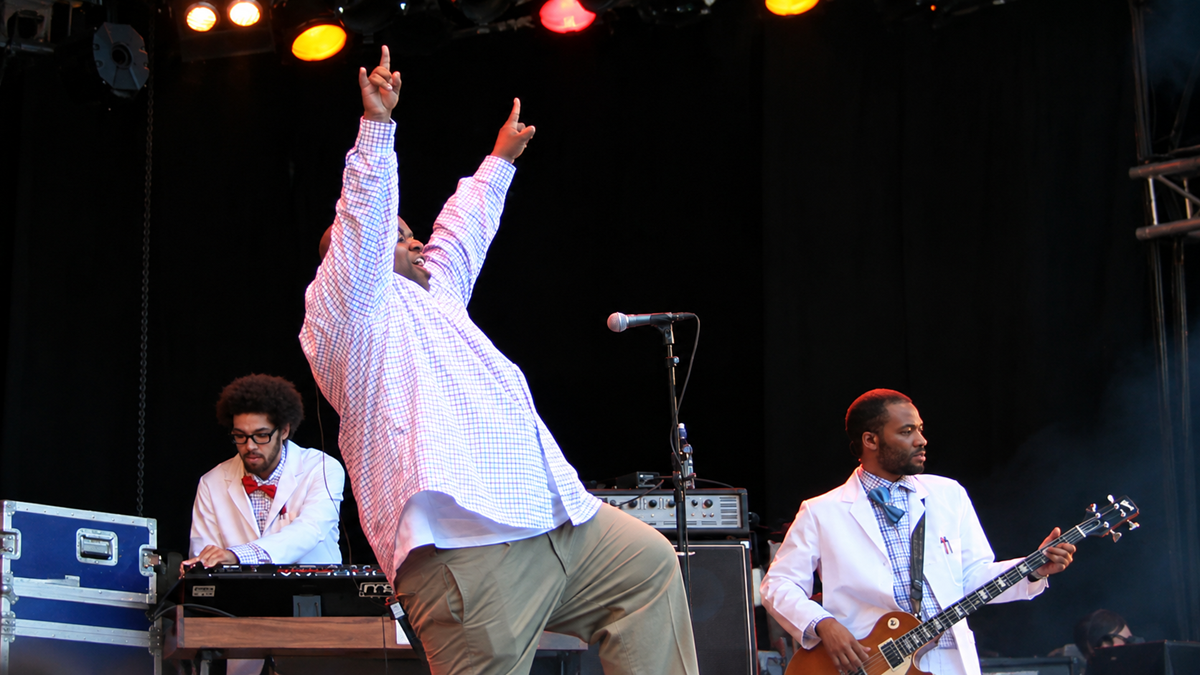
CeeLo Green had never sung the completed lyrics to “Crazy” before the recording that became the master. Danger Mouse later recalled that Green came in with the words written down and delivered the vocal in a single take, giving the track its unusually relaxed but slightly unsettled feel. Released in 2006, the song spent nine weeks at No. 1 in the UK and reached No. 2 on the Billboard Hot 100, becoming one of the defining alternative-soul hits of the decade.
In the mood for more?
Check out 15 Songs Written as Jokes That Somehow Became Genuine Hits, or take a look at 14 Songs People Keep Misreading Long After the Chorus Ends. If you want to see more stories from music history, you can check out 12 Famous Albums Recorded in Places Nobody Expected.