Some albums come from exactly the kind of studio you picture: expensive gear, closed doors, and someone keeping a very careful eye on the clock. Others have stranger origins. They were shaped in basements, bedrooms, country houses, prisons, cabins, garages, and improvised rooms that were never really meant to hold a classic record.
In a few cases, the location did more than host the sessions. It left fingerprints all over the sound.
1. The Rolling Stones, Exile on Main St.
UTTERLYUNIQUEPHOTOS / VIA REDDIT.COM
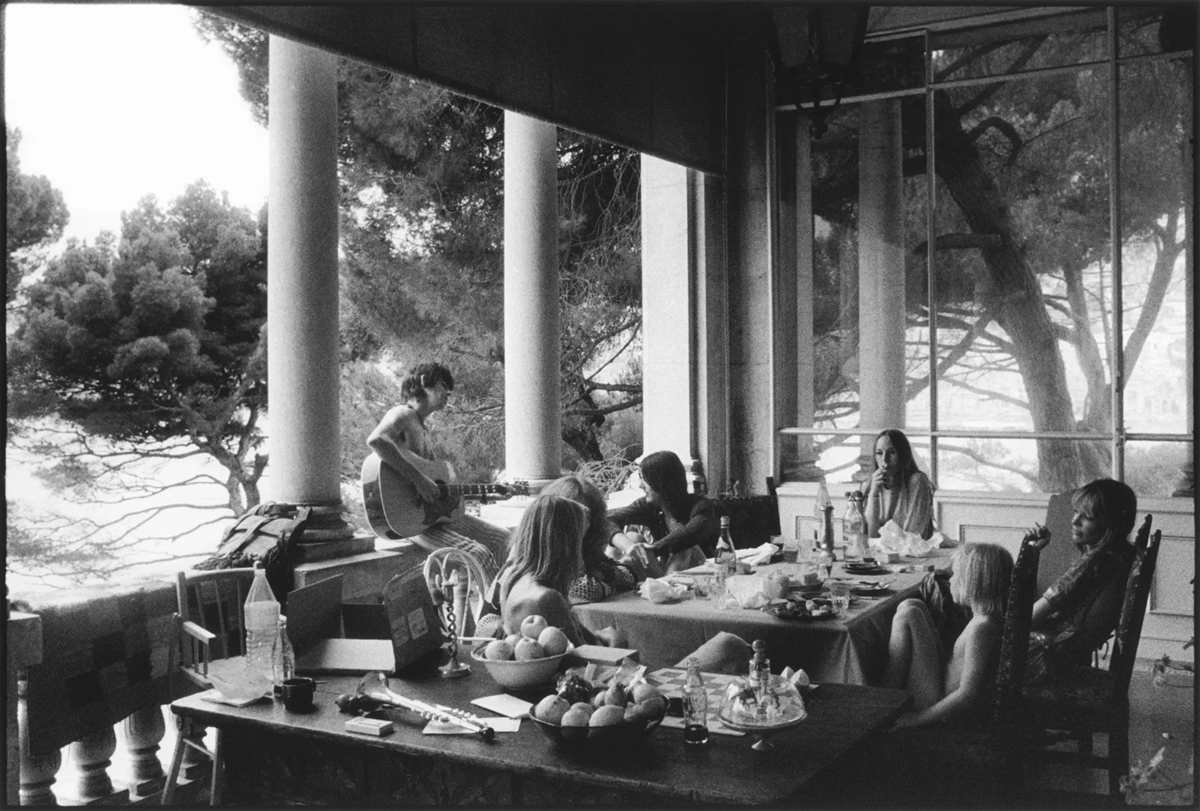
Exile on Main St. was not made in one neat, controlled studio stretch. A large part of it came together in the basement of Villa Nellcôte, the mansion Keith Richards rented on the French Riviera while the Rolling Stones were living outside Britain for tax reasons. The house was hot, crowded, and not exactly built for recording, so the band used mobile equipment and worked in a setup that sounds chaotic even before you hear the music. That loose atmosphere still hangs around the album. It feels like people drifting between rooms, staying up too late, and somehow catching great takes before the whole thing falls apart.
2. Bon Iver, For Emma, Forever Ago
INTROVERT / VIA REDDIT.COM
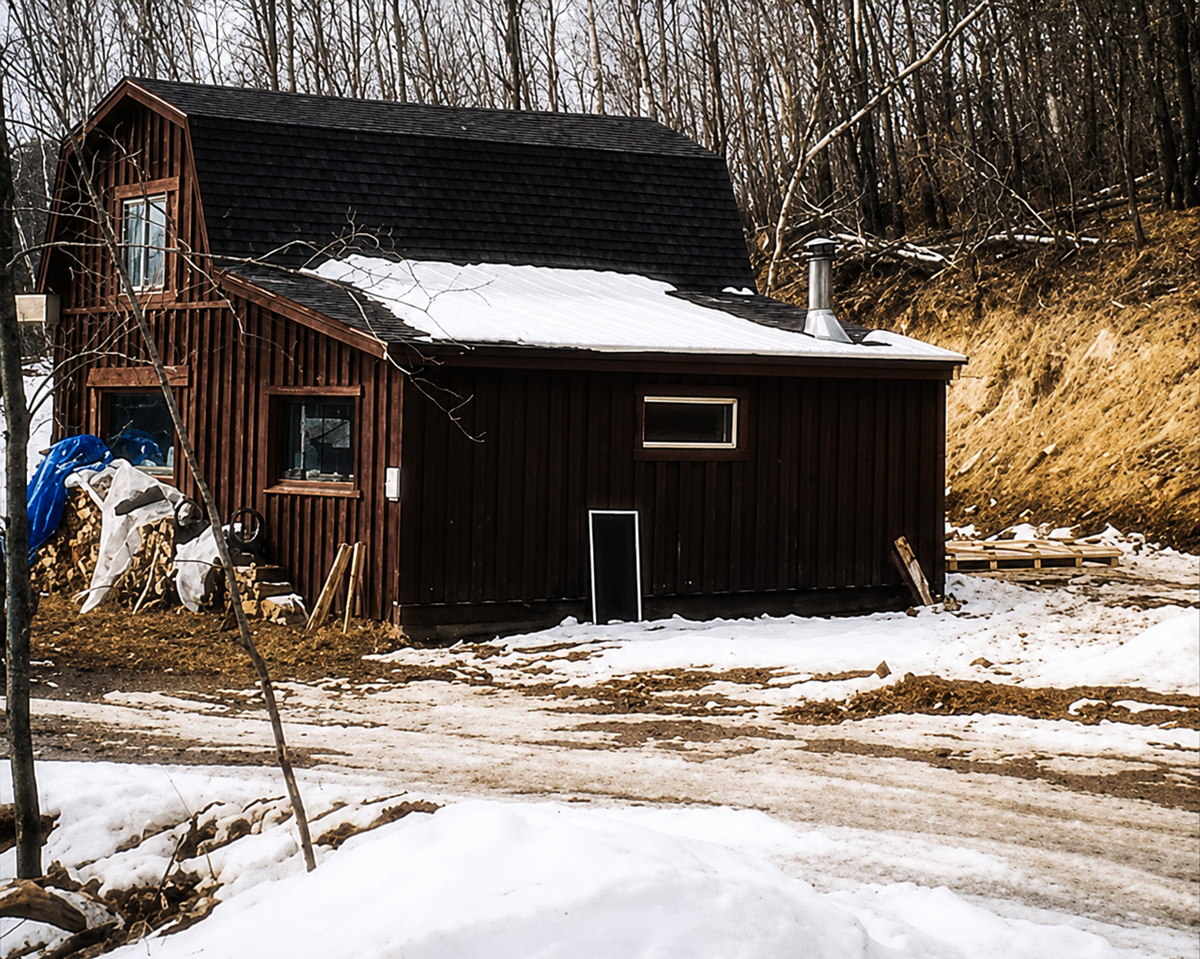
For Emma, Forever Ago is almost impossible to separate from the cabin story, mostly because the record really does sound like someone alone in the cold. Justin Vernon made much of it in his father’s remote hunting cabin in northwestern Wisconsin after a rough period that included illness, heartbreak, and the end of his previous band. Some recording happened elsewhere too, but the cabin is the center of the album’s mythology for a reason. The songs feel close, bare, and a little frostbitten around the edges.
3. Bruce Springsteen, Nebraska
VIA 6SQFT
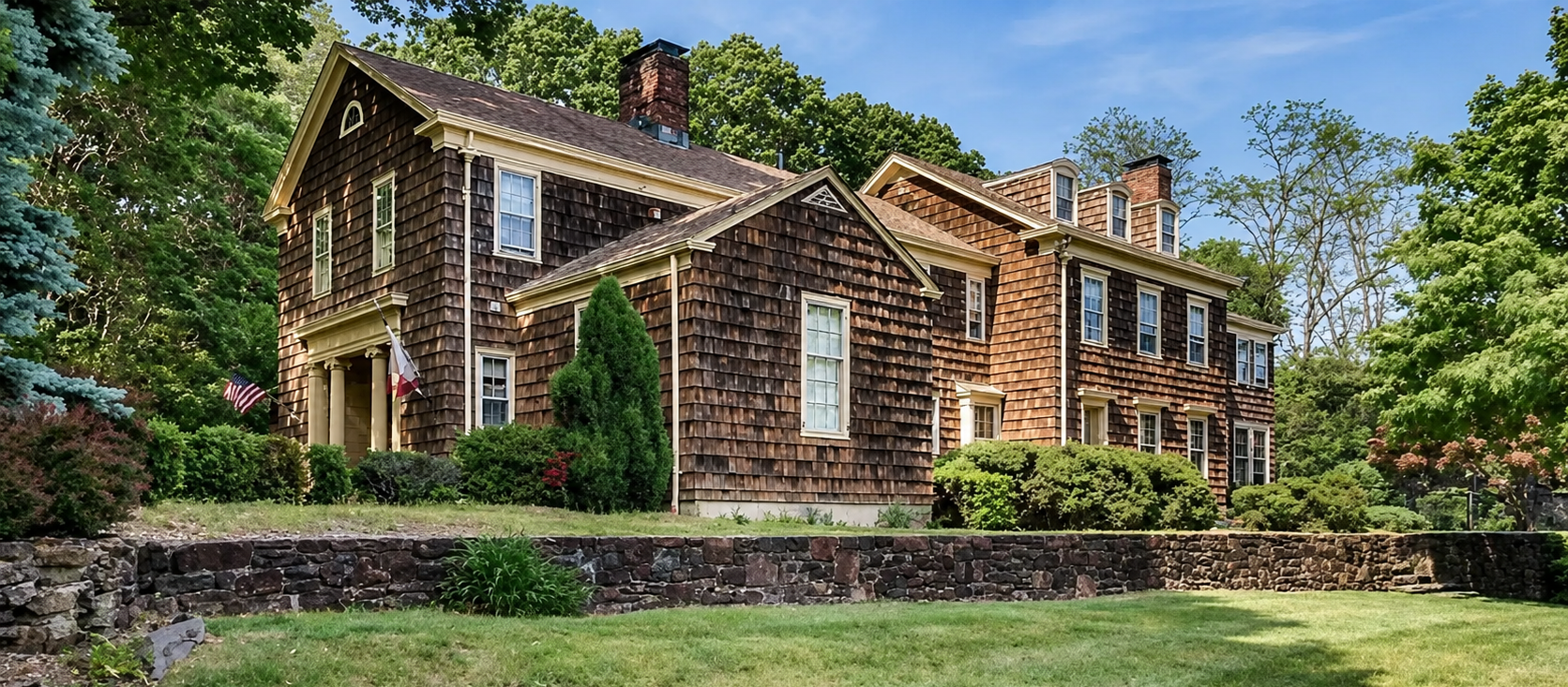
Nebraska began as home recordings, not as the finished album most people expected from Bruce Springsteen. He taped the songs by himself in the bedroom of his house in Colts Neck, New Jersey, using a simple four-track recorder. Later attempts to turn the material into fuller band recordings did not quite capture the same feeling. So the stark home tapes stayed, which is why Nebraska still feels less like a studio album and more like a private cassette that somehow escaped.
4. Johnny Cash, At Folsom Prison
1960s / VIA REDDIT.COM
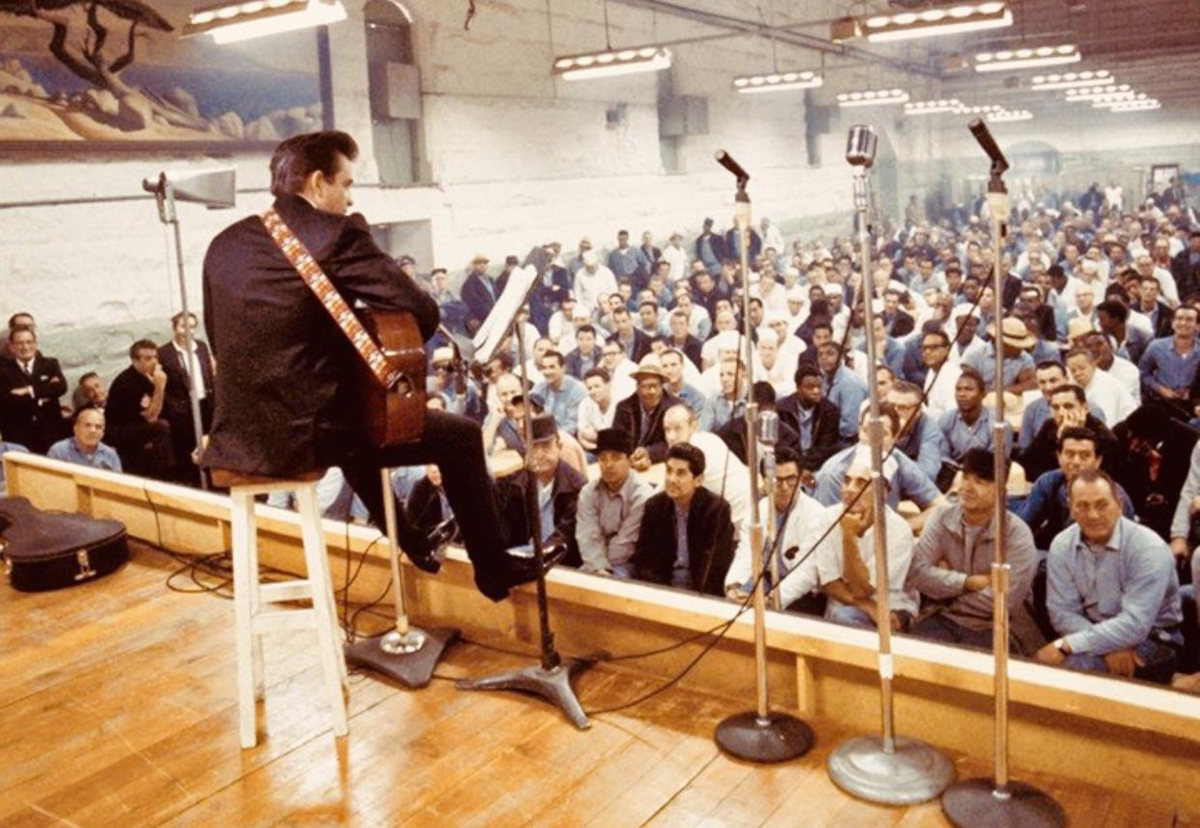
Johnny Cash had been drawn to prison songs long before he walked into Folsom State Prison with a band and recording equipment. At Folsom Prison was recorded live there on January 13, 1968, in front of inmates rather than a standard concert audience. That setting is not just a piece of trivia attached to the album. You can hear it in the reactions, the tension, the humor, and the way Cash seems to understand exactly who is in the room.
5. Led Zeppelin, Led Zeppelin IV
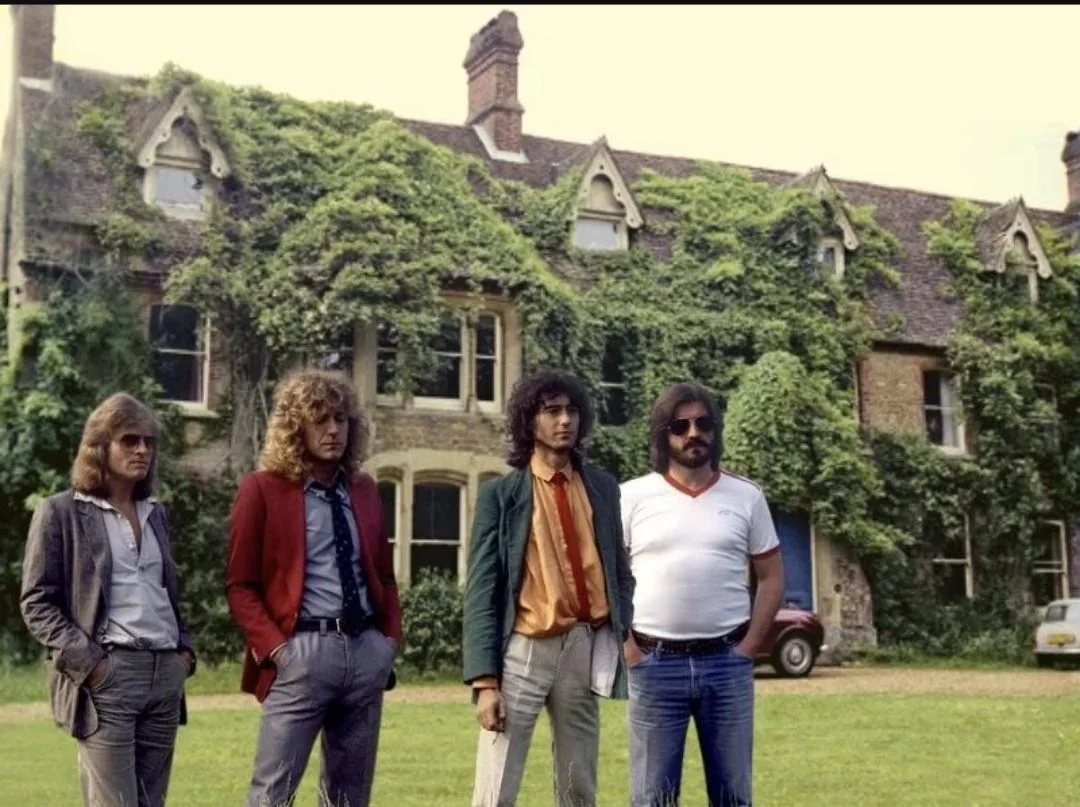
LEDZEPPELIN / VIA REDDIT.COM
Led Zeppelin IV was not recorded entirely in one strange place, but Headley Grange gave the album some of its most memorable atmosphere. The band worked at the old country house in Hampshire using the Rolling Stones Mobile Studio, with additional recording done elsewhere. The most famous result is probably the drum sound on “When the Levee Breaks,” where the building itself became part of John Bonham’s performance. It is a reminder that sometimes a weird room can do things no normal studio booth can.
Trending on The Scroller
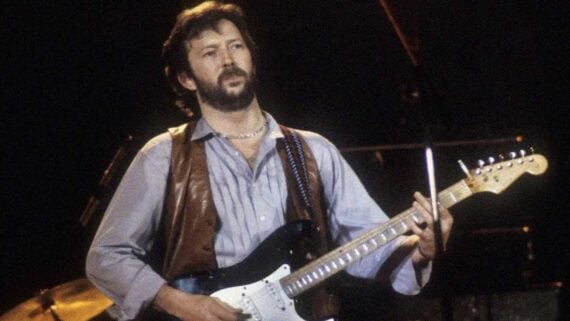

6. Bob Dylan and The Band, The Basement Tapes
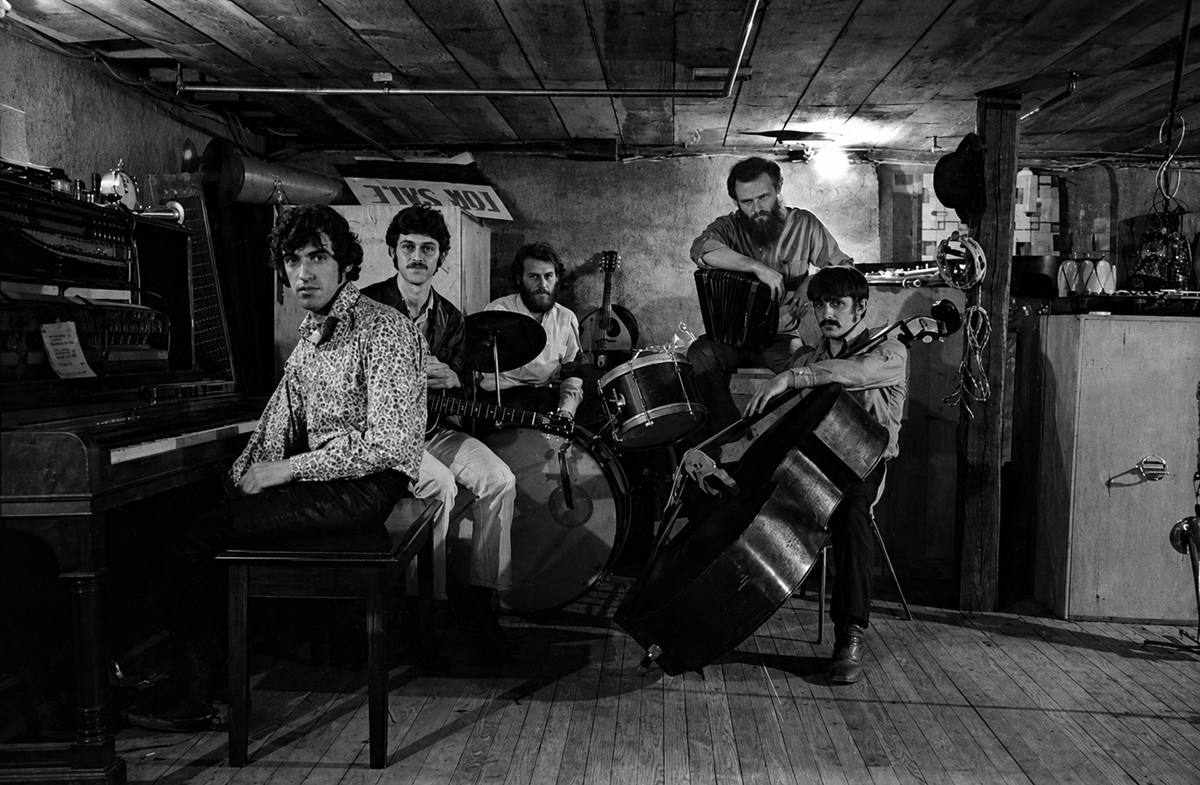
OLDSCHOOLCOOLMUSIC / VIA REDDIT.COM
The Basement Tapes has one of those titles that says exactly what happened. Many of the recordings came out of the basement of Big Pink, the house connected to The Band in West Saugerties, New York. These sessions were loose, private, and not always aimed at making a polished album. That is a big part of their appeal. The music sounds like people remembering old songs, trying out new ones, and not worrying too much about who might hear it later.
7. Deep Purple, Machine Head
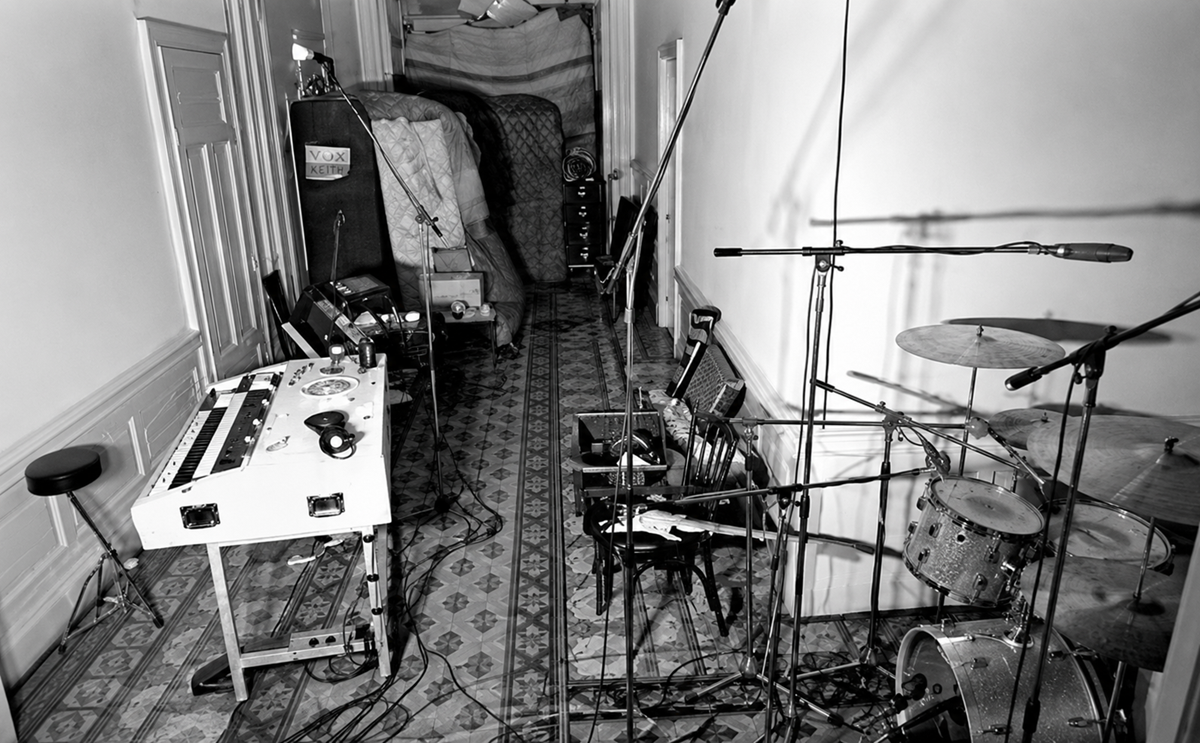
DEEPPURPLEPODCAST / VIA INSTAGRAM
Deep Purple did not go to Montreux hoping for a disaster story. The band planned to record at the Montreux Casino, but the venue burned down during a Frank Zappa concert, forcing them to find another place fast. They eventually recorded much of Machine Head at the Grand Hotel with the Rolling Stones Mobile Studio. It was an awkward solution, but it gave the album one of rock’s most durable origin stories, especially once “Smoke on the Water” turned the whole mess into a riff everyone knows.
8. Beastie Boys, Paul’s Boutique
90sHIPHOP / VIA REDDIT.COM
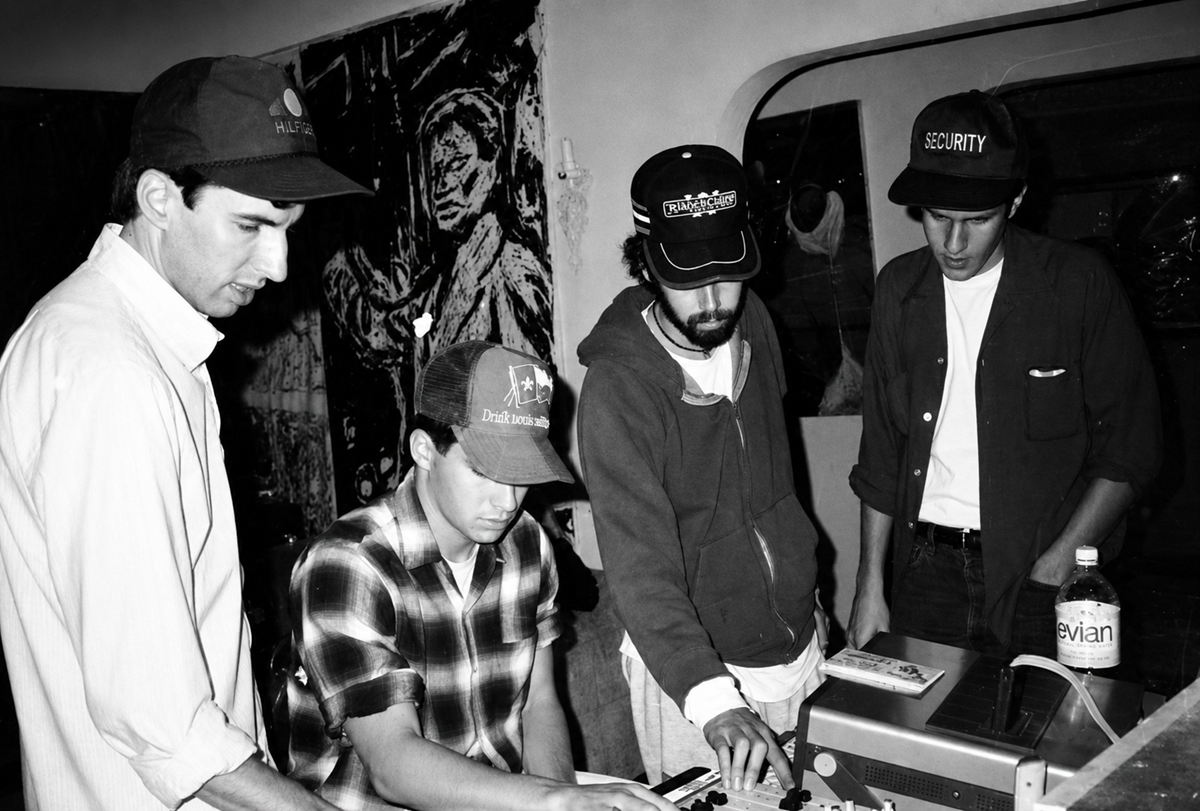
Paul’s Boutique sounds crowded in the best way, like a record collection tipped over and turned into a rap album. Part of the work happened around producer Matt Dike’s apartment, with additional recording at the Record Plant in Los Angeles. That apartment detail fits the album’s whole personality, full of samples, jokes, old funk, movie scraps, and sudden left turns. It does not feel assembled in a spotless room. It feels dug out of shelves, boxes, and late-night ideas.
Sign up for our newsletter
9. Radiohead, OK Computer
MCMANSIONHELL / VIA REDDIT.COM
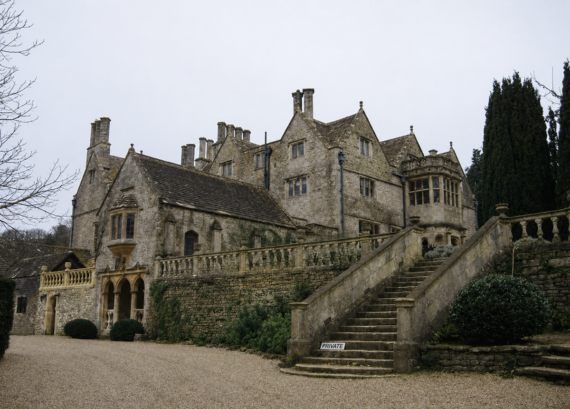
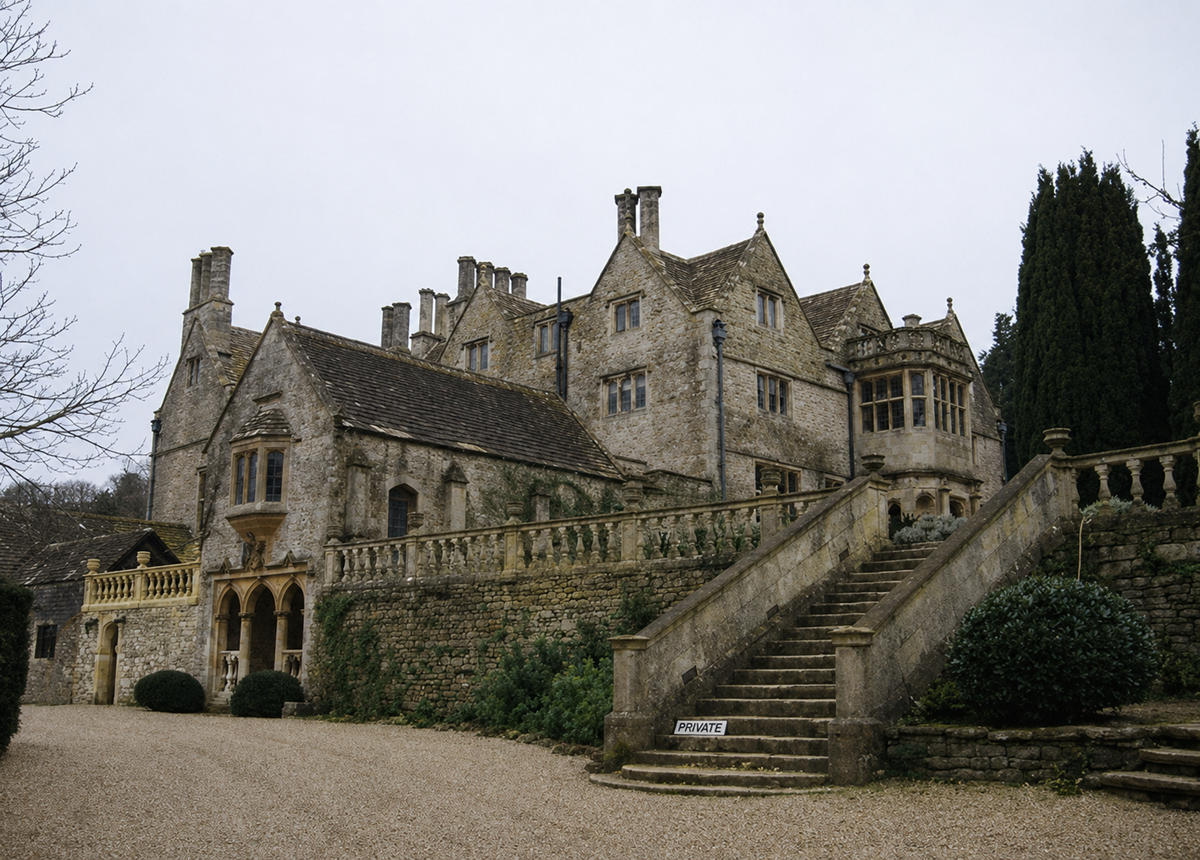
OK Computer is full of modern unease, traffic, screens, airports, and the quiet panic of machines creeping into daily life. So it is funny, and oddly fitting, that a lot of the album was recorded in St Catherine’s Court, a historic mansion near Bath. Radiohead had worked on material elsewhere too, but the mansion gave them room to get away from the usual studio routine. The result does not sound old-fashioned at all. It sounds like anxiety echoing through very old walls.
10. Foo Fighters, Wasting Light
VIA SOUND ON SOUND
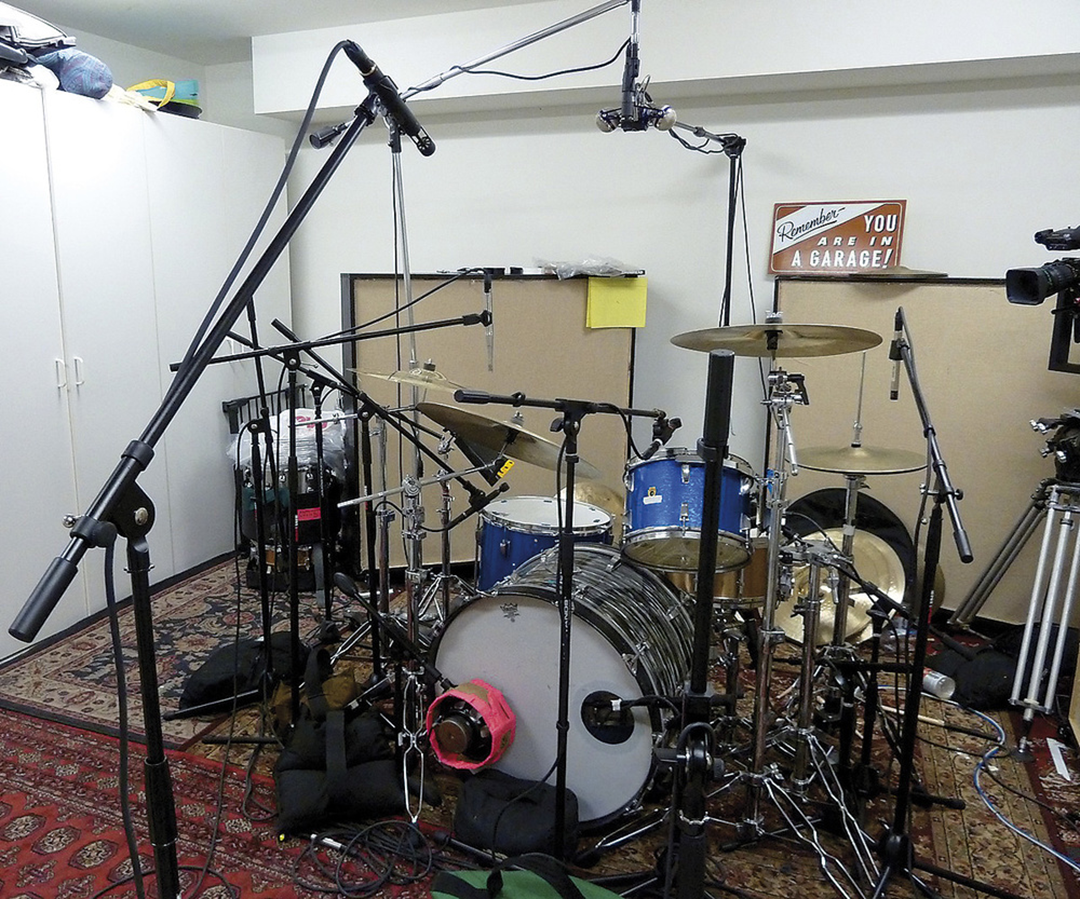
By the time Foo Fighters made Wasting Light, recording in a garage was a choice, not a necessity. The band tracked the album in Dave Grohl’s garage and used analog tape instead of building everything around a slick digital setup. There was even an improvised control room outside. The record sounds like it came from that kind of decision, direct, loud, and less polished than it could have been.
11. Beck, Odelay
VIA SOUND ON SOUND
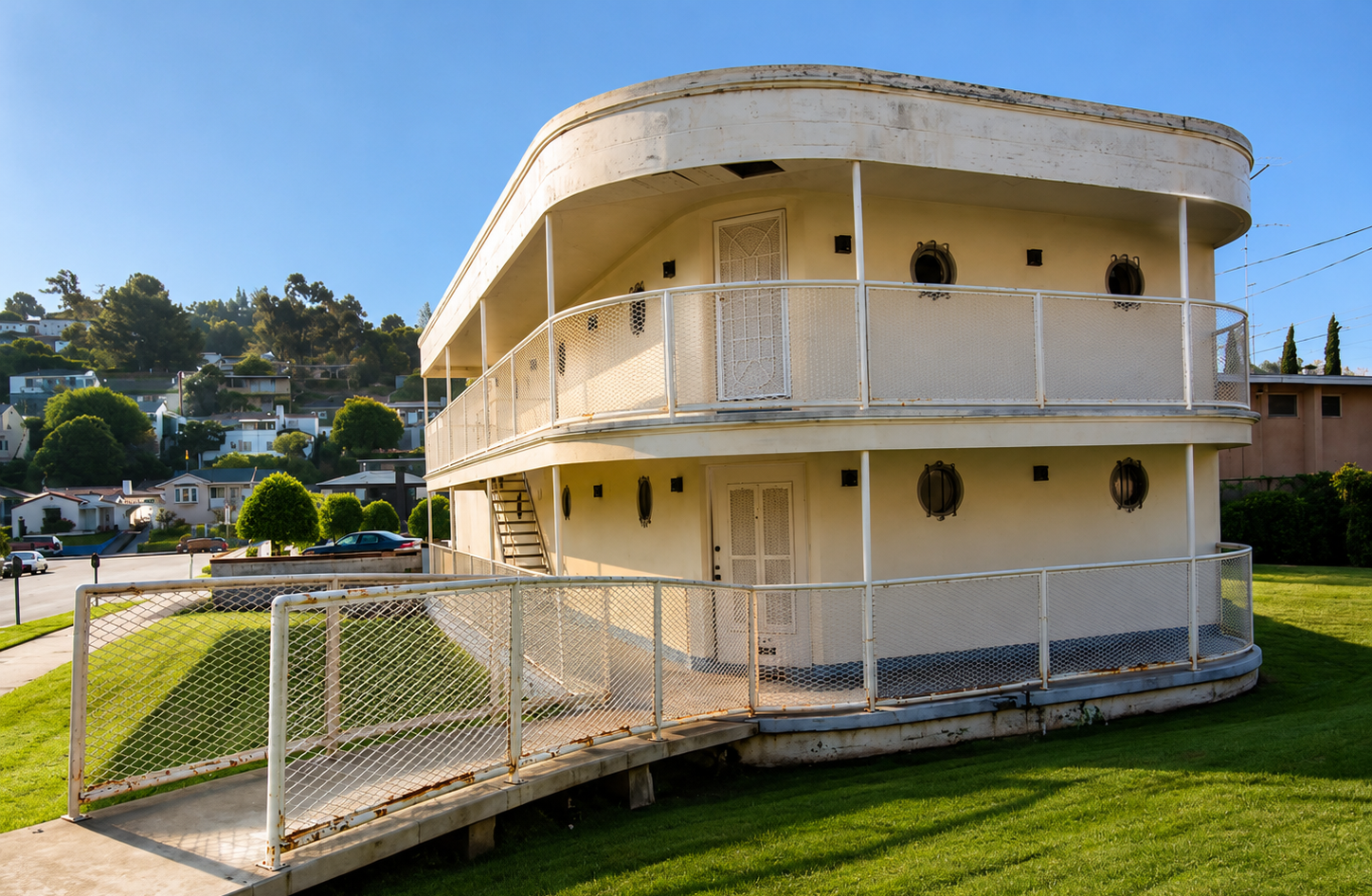
Odelay has the feel of an album made by someone pulling strange sounds out of every drawer in the room. Much of it was shaped with the Dust Brothers in their Silver Lake home-studio setup in Los Angeles, with other studios also involved along the way. That home-studio setting makes sense when you hear the record’s sample-heavy clutter and loose humor. It never sounds like it is trying to behave. That is still one of the best things about it.
12. Sufjan Stevens, Michigan
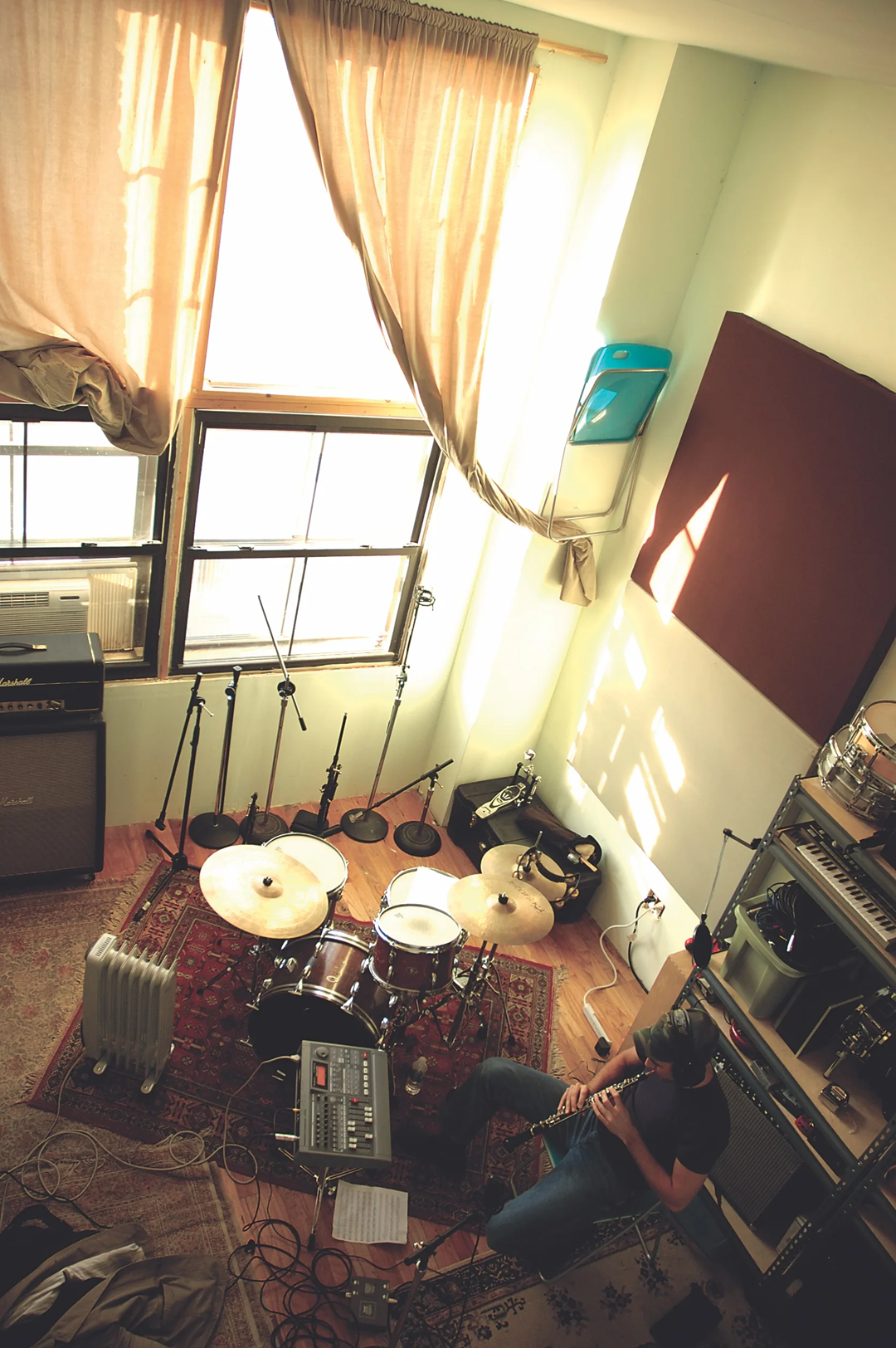
Julie Benzinger and Kitty Joe Saints-Marie VIA TAPE OP
Michigan was not built in one grand studio with a single clean origin story. Its recording was spread across several places, including homes, apartments, a school, a church, and other modest spaces tied to the project’s handmade feel. That scattered approach suits the album, which already moves like a map of towns, memories, family stories, and half-remembered landscapes. It feels less like a studio product and more like something carried from room to room until it found its shape.
In the mood for more?
Check out 20 Rare Photos of Musicians in the Studio Creating Iconic Songs, or take a look at 20 Rare Photos of Musicians in the Studio Creating Iconic Songs. If you want to see more music history, you can check out 15 of the 90s Rock Musicians Who Quietly Changed Music Forever.