Not every artist who reshaped rock music in the 1990s did it with chart-topping singles or stadium tours. Some worked in the background, influencing entire genres or changing how music was written, recorded, and consumed, often without receiving mainstream credit.
These ’90s rock musicians didn’t just make great songs. They shifted the direction of music itself, and their influence is still everywhere today.
1. Kurt Cobain (Nirvana)
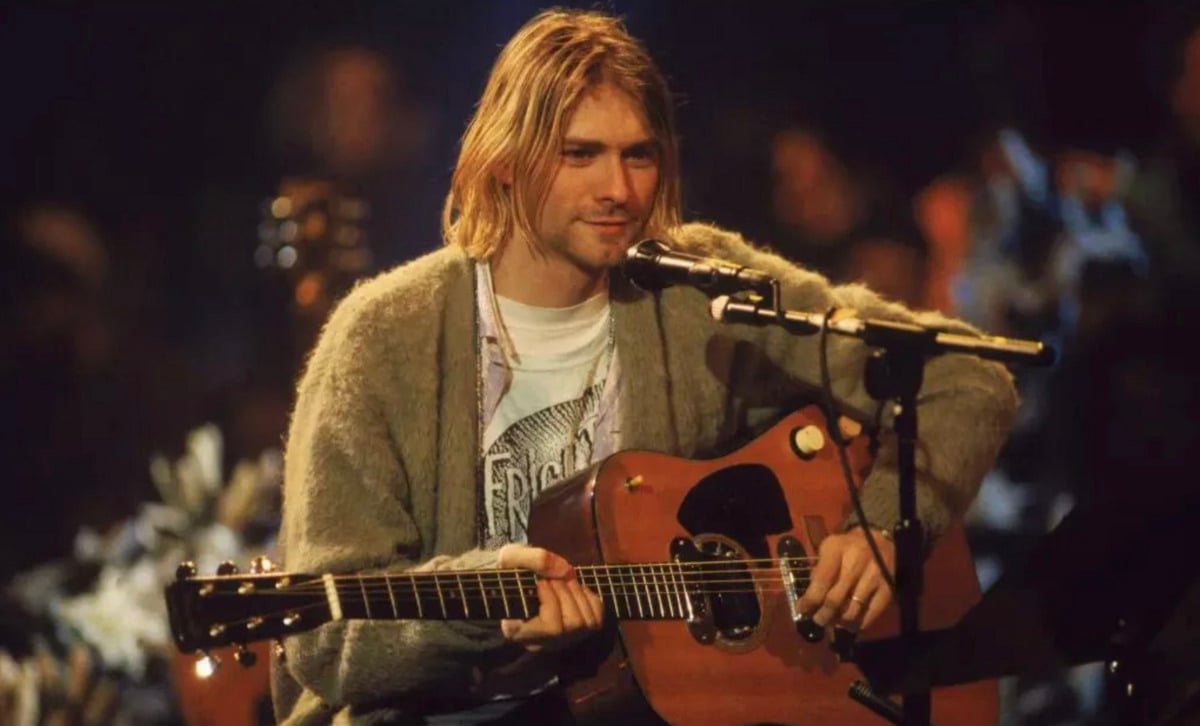
Cobain didn’t invent grunge, but he made emotional honesty unavoidable in mainstream rock. His raw songwriting and rejection of rock-star excess helped usher vulnerability and authenticity into popular music, an influence still felt in indie, alternative, and even pop today.
2. Thom Yorke (Radiohead)

Yorke pushed rock beyond guitars long before it was fashionable. By blending electronic experimentation with deeply introspective lyrics, he helped legitimize genre-blurring in rock and paved the way for modern alternative acts that ignore traditional band structures.
3. Trent Reznor (Nine Inch Nails)
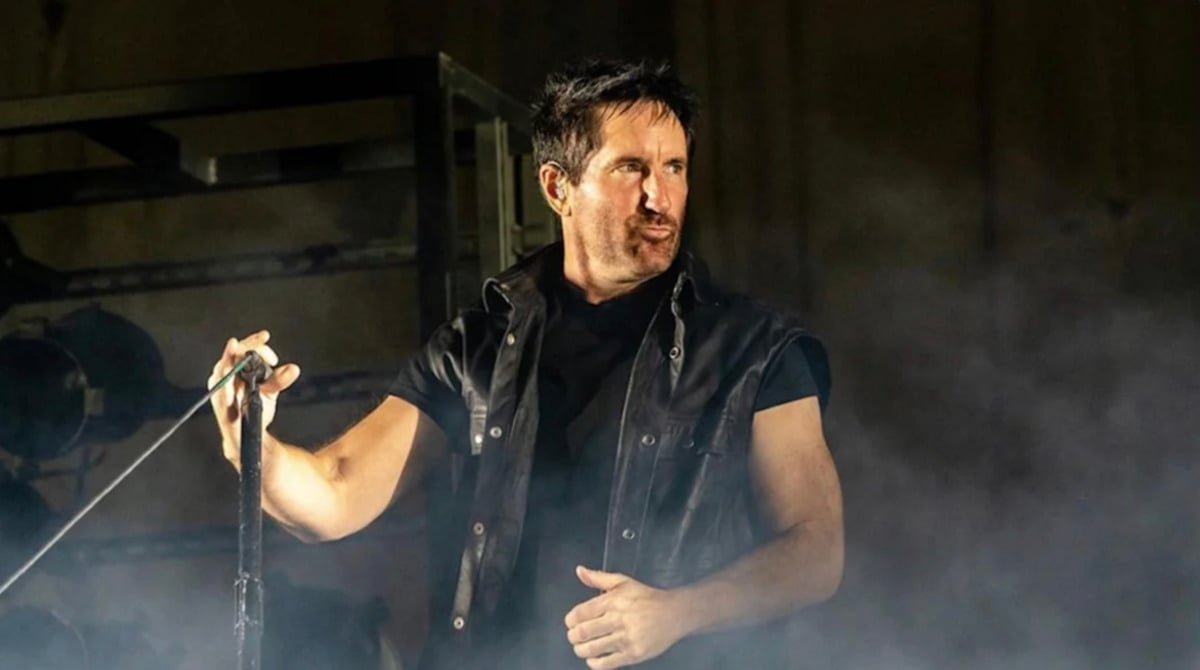
Reznor proved that one person could build an entire industrial-rock universe alone. His fusion of aggression, electronics, and confessional lyrics changed how artists approached home recording, production control, and emotional intensity in rock music.
4. Billy Corgan (The Smashing Pumpkins)
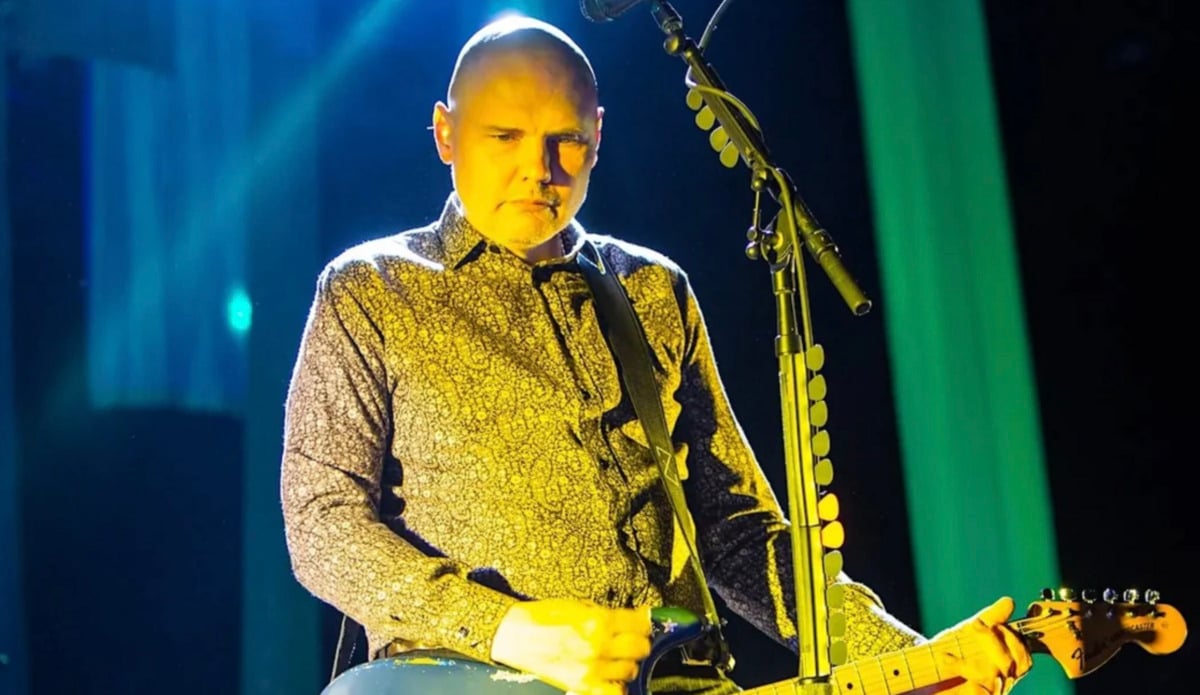
Corgan quietly reshaped alternative rock by combining metal riffs, dream-pop textures, and sprawling ambition. His layered guitar work and willingness to chase maximalism influenced everything from emo to modern alt-rock epics.
5. PJ Harvey
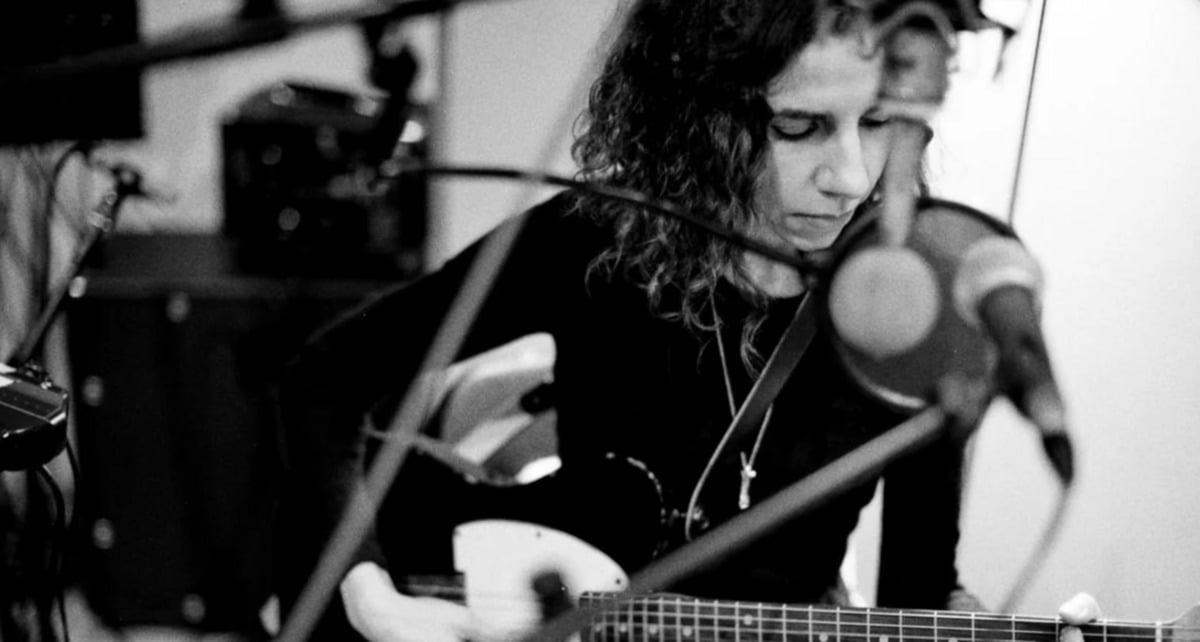
Harvey rewrote the rules for women in rock by refusing to fit any single mold. Her fearless reinvention and stark, confrontational songwriting inspired generations of artists to treat rock as a space for experimentation rather than conformity.
Trending on The Scroller
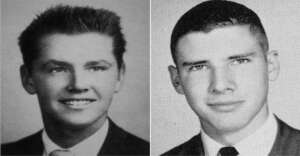
6. Eddie Vedder (Pearl Jam)
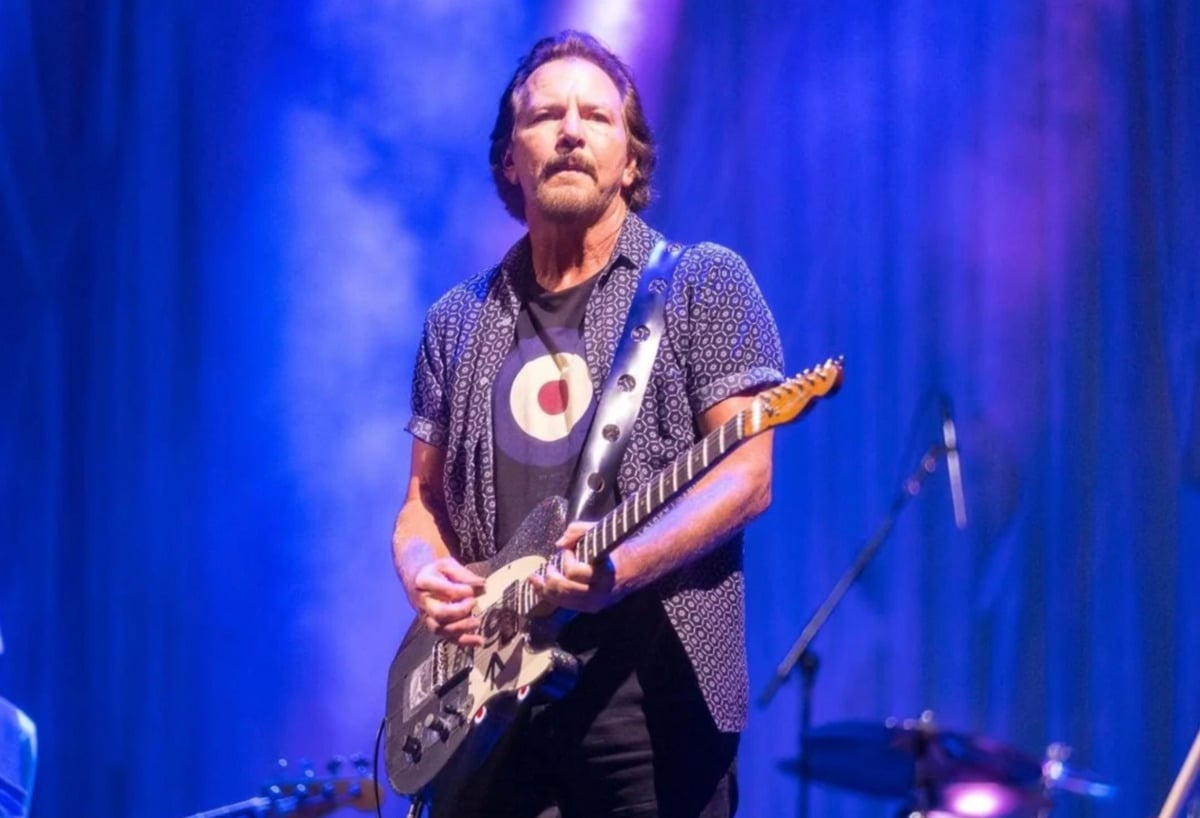
Vedder helped shift rock lyricism away from irony and toward moral seriousness. His focus on activism, personal integrity, and emotional restraint influenced countless bands who prioritized message over image.
7. Beck
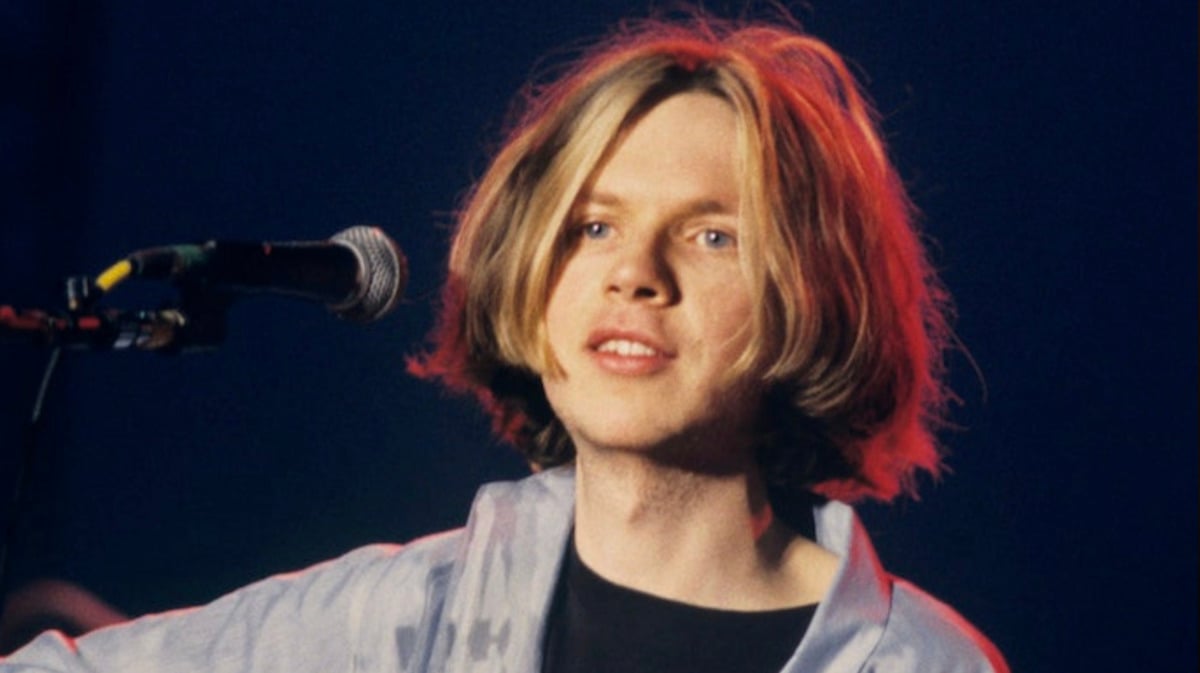
Beck predicted the future of genre mashups before streaming made it normal. His ability to blend folk, hip-hop, funk, and rock foreshadowed a generation of artists unconcerned with labels or traditional marketing paths.
8. Liz Phair

With brutally honest songwriting and lo-fi aesthetics, Phair helped normalize deeply personal narratives in rock. Her influence can be heard in modern indie and singer-songwriter scenes that prize confession over polish.
Sign up for our newsletter
9. Dave Grohl
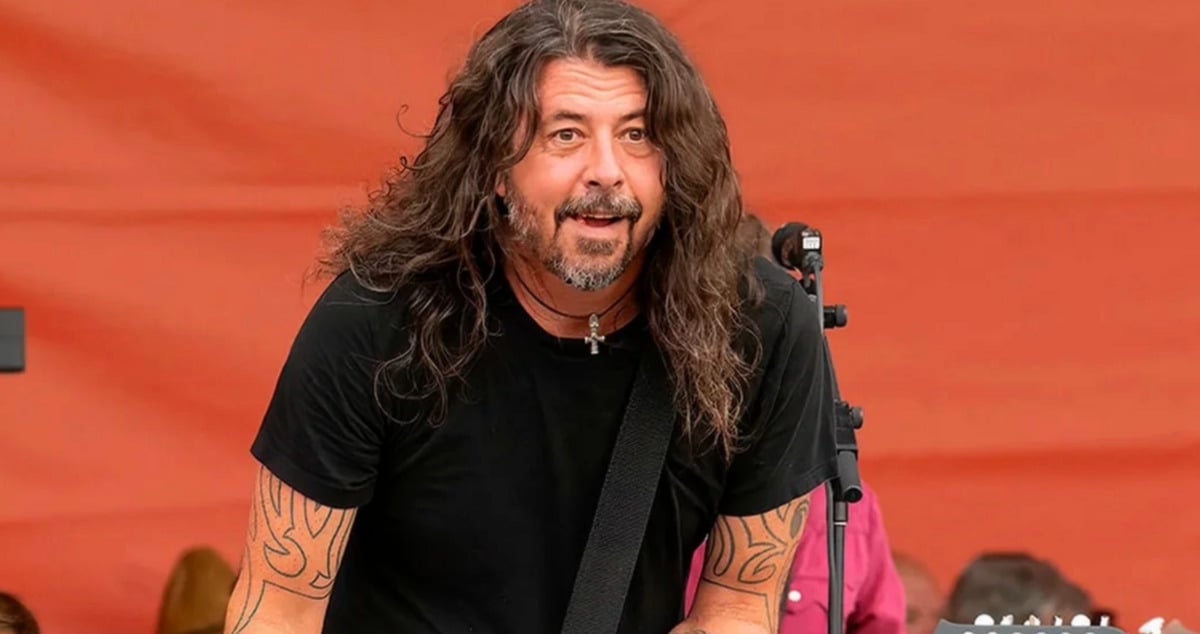
While later becoming a mainstream rock figure, Grohl’s early ’90s work helped bridge punk energy with melodic rock sensibilities. His emphasis on joy, collaboration, and musicianship helped keep rock accessible during a time of increasing cynicism.
10. Mark Arm (Mudhoney)
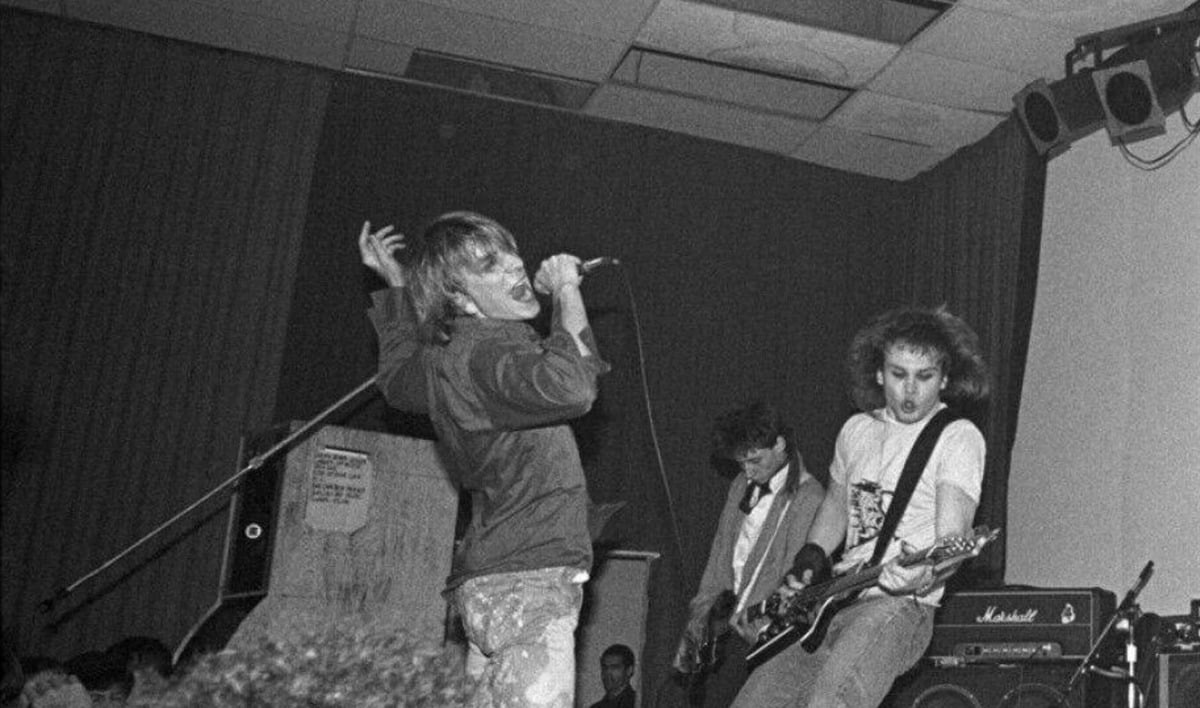
Arm’s gritty vocals and raw approach helped define the sound that later exploded into grunge. Though Mudhoney never reached Nirvana-level fame, their influence shaped the entire Seattle scene and beyond.
11. Maynard James Keenan (Tool)
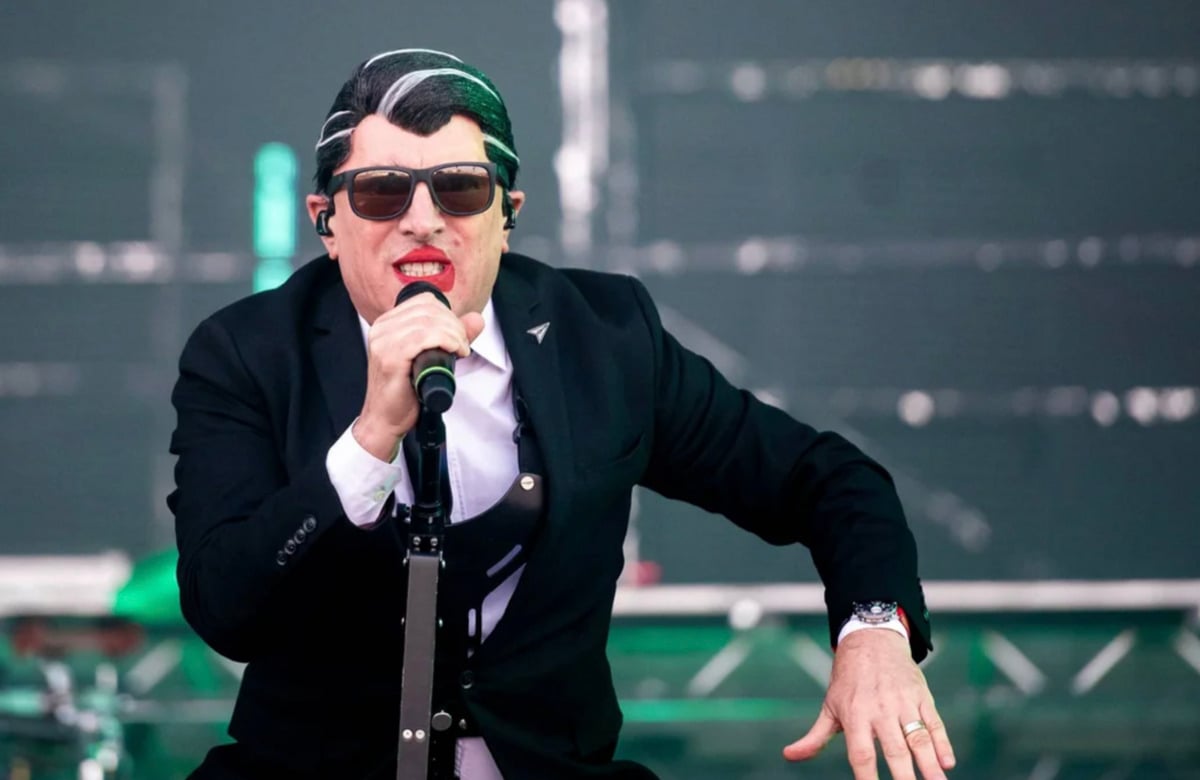
Keenan brought intellectualism and spiritual ambiguity into heavy rock. His abstract lyrics and unconventional vocal delivery helped expand what “serious” rock music could sound like, influencing progressive and alternative metal alike.
12. Kim Deal (Pixies, The Breeders)
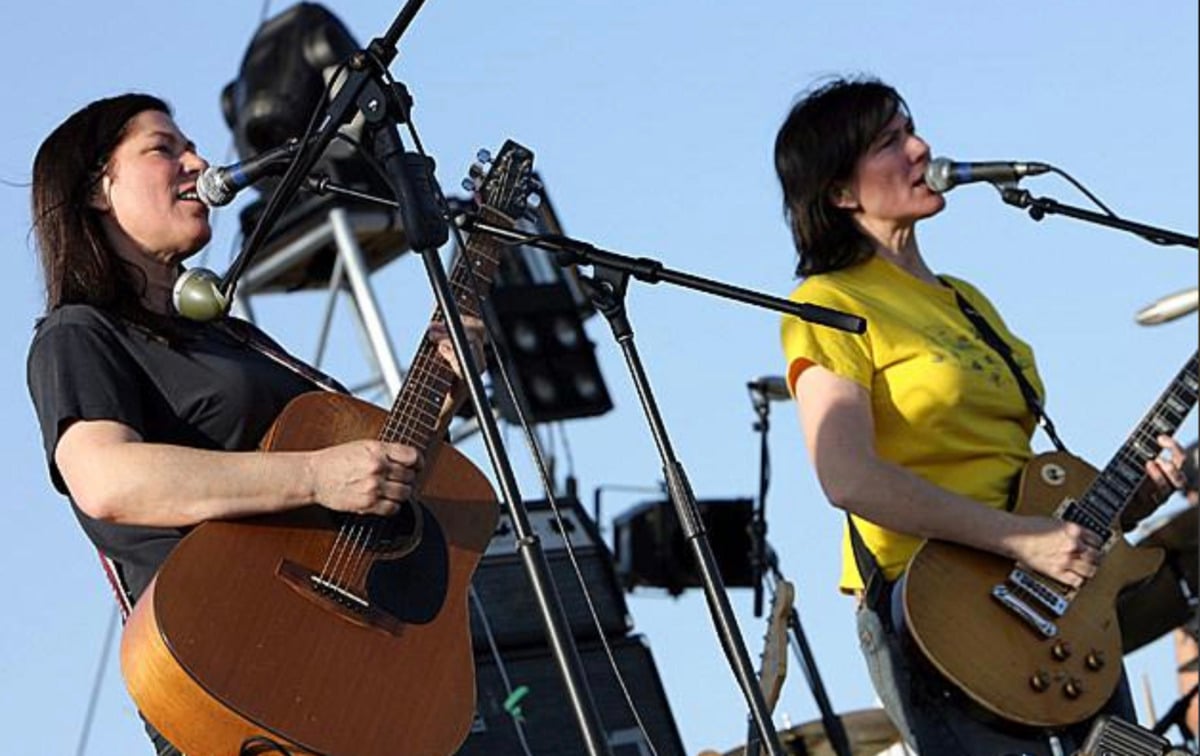
Deal’s melodic basslines and understated vocals quietly influenced alternative rock’s softer edges. Her work helped make space for contrast, loud and quiet, harsh and melodic, within rock songwriting.
13. Stephen Malkmus (Pavement)
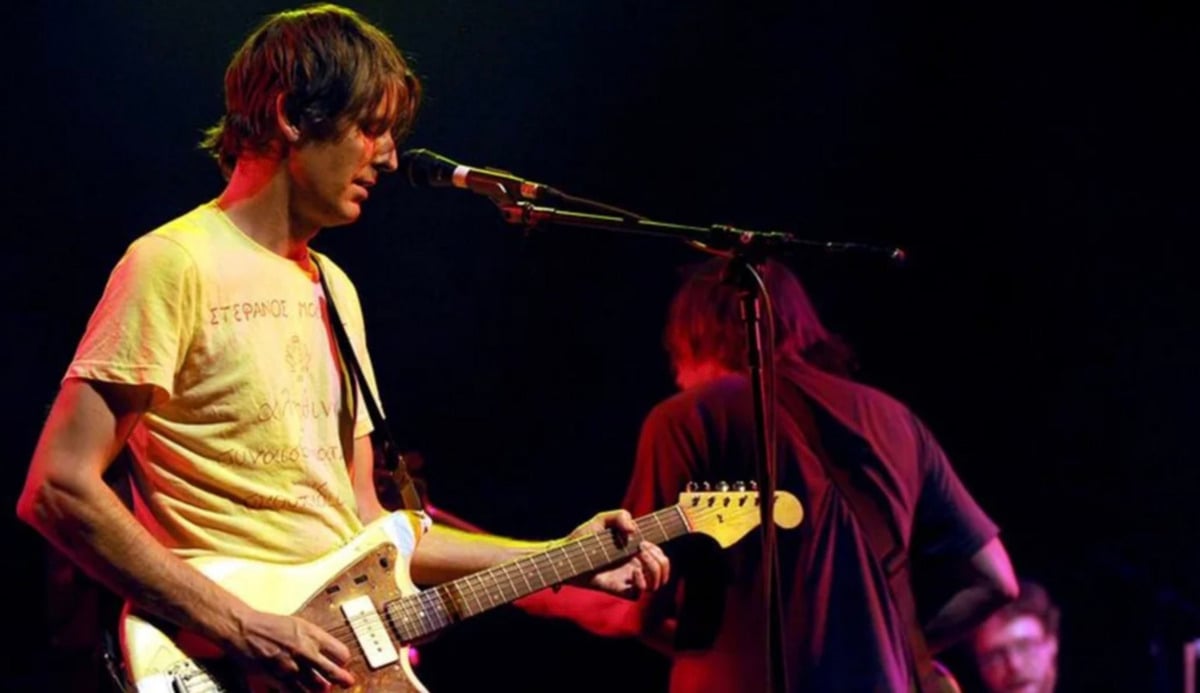
Malkmus made imperfection cool. His offhand lyricism and deliberately unpolished sound helped define indie rock’s anti-commercial ethos, shaping how countless bands approached authenticity and success.
14. Layne Staley (Alice in Chains)
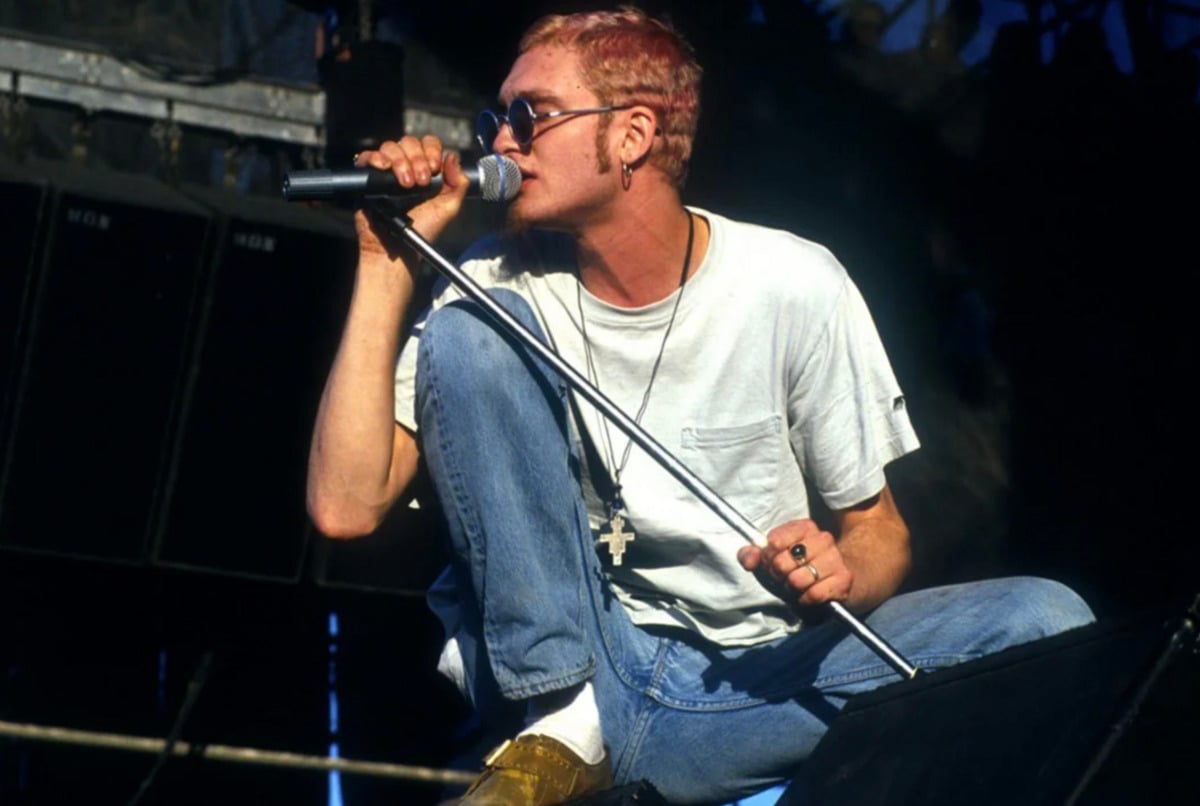
Staley’s haunting vocal harmonies and deeply personal lyrics brought darkness and vulnerability into hard rock. His influence still resonates in modern alternative metal and post-grunge acts that explore emotional depth.
15. Rivers Cuomo (Weezer)
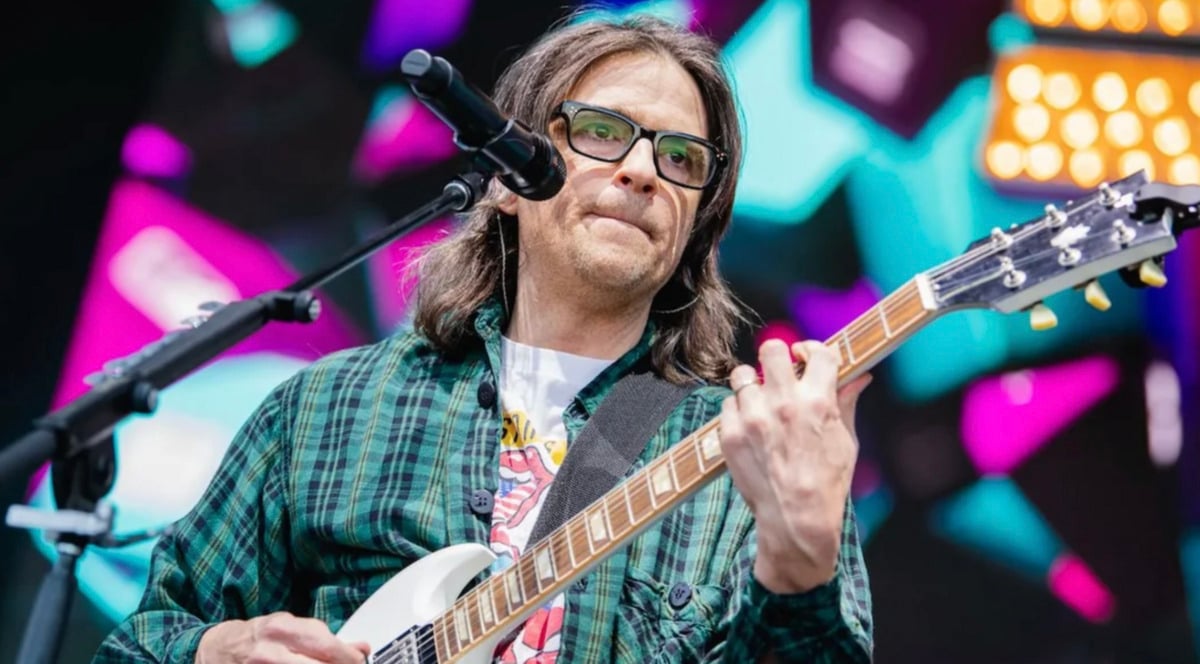
Cuomo blended power-pop hooks with self-aware, emotionally awkward lyrics, an approach that became a blueprint for modern alternative and emo-pop bands. His songwriting showed that nerdiness and sincerity could coexist with massive appeal.
Explore more vintage content
These musicians didn’t just define the ’90s; they set the rules for what came after. From bedroom producers to genre-fluid artists, today’s music landscape reflects choices these artists made decades ago. If you loved this content, check out 15 Iconic Buildings Built in the ’80s and ’90s That Still Define Cities, or 20 Classic ’80s Movies That Would Never Get Made Today.