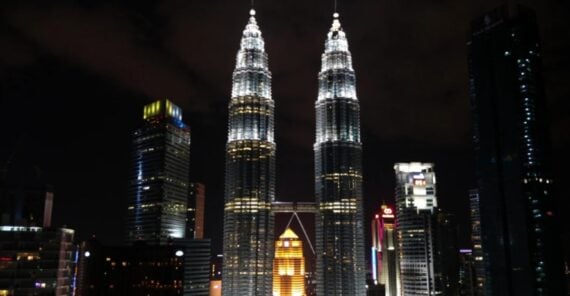
The 1980s and 1990s were transformative decades for architecture. Cities around the world embraced bold design, ambitious scale, and statements of economic power. Glass towers rose higher, postmodern flourishes replaced minimalist modernism, and architecture became a visible symbol of confidence, wealth, and globalization.
Decades later, many of these iconic buildings still dominate skylines and, in some cases, define the identity of their cities.
Here are 15 iconic buildings from the ’80s and ’90s that continue to shape urban landscapes today.
1. Petronas Towers (1998) — Kuala Lumpur
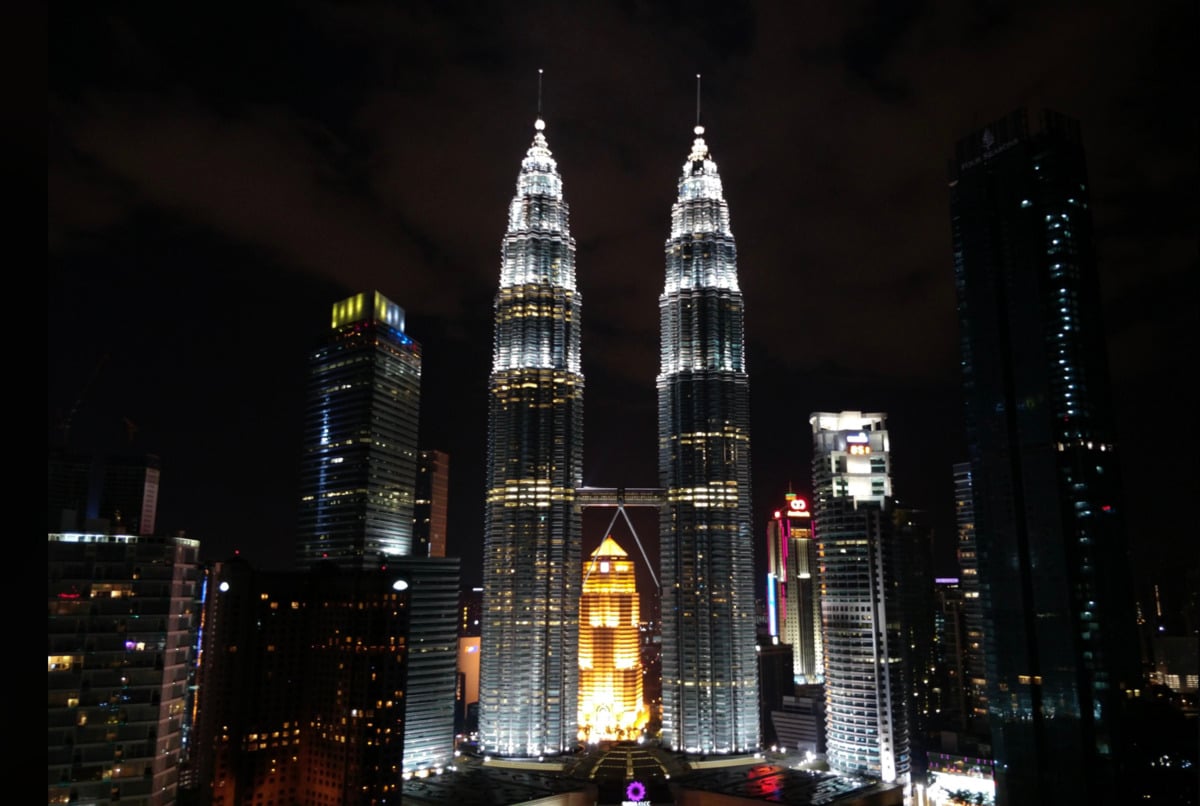
Once the tallest buildings in the world, the Petronas Towers became an instant global symbol of Malaysia’s rise. Their stainless-steel, Islamic-inspired design still defines Kuala Lumpur’s skyline.
2. AT&T Building (550 Madison Avenue) (1984) — New York City
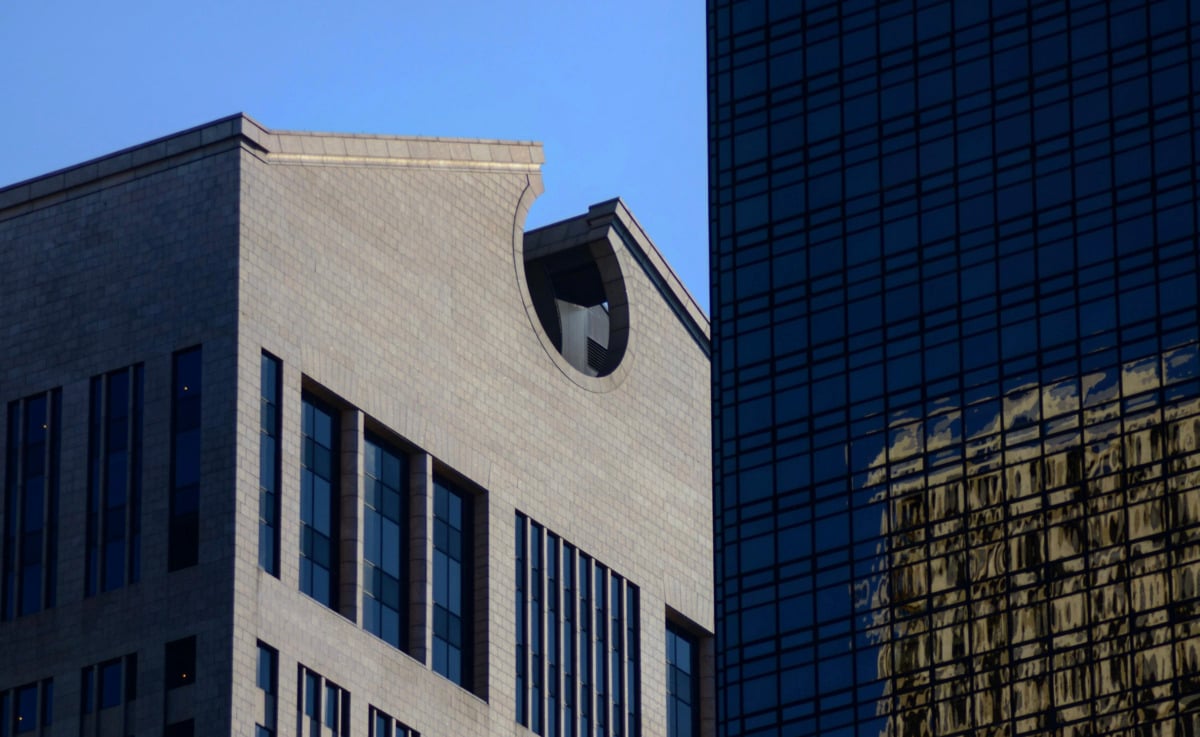
Designed by Philip Johnson, this postmodern skyscraper with its now-famous “Chippendale” top signaled a sharp break from glass-box modernism and helped redefine Manhattan architecture.
3. Lloyd’s Building (1986) — London

With its exposed pipes, elevators, and services on the exterior, the Lloyd’s Building flipped traditional architecture inside out and remains one of London’s most recognizable structures.
4. Bank of China Tower (1990) — Hong Kong

Designed by I. M. Pei, the sharply angular tower introduced a dramatic, futuristic presence to Hong Kong’s skyline and remains one of Asia’s most iconic skyscrapers.
5. Walt Disney Concert Hall (1997) — Los Angeles

Though completed later, Frank Gehry’s groundbreaking design emerged from late-’90s ambition and helped redefine Los Angeles as a serious cultural capital.
Trending on The Scroller
6. Grande Arche de la Défense (1989) — Paris

Built to commemorate the bicentennial of the French Revolution, this massive modern arch reimagined Parisian monumentality for the contemporary era.
7. Sydney Tower (1981) — Sydney

As the tallest structure in the city, Sydney Tower became an unmistakable part of Australia’s most famous skyline during the early ’80s.
8. Burj Al Arab (Design Phase 1990s) — Dubai

While completed in the 2000s, the Burj Al Arab’s conception in the 1990s symbolized Dubai’s shift toward luxury-driven urban identity.
Sign up for our newsletter
9. Sony Center (1998) — Berlin

Built on Potsdamer Platz, the Sony Center became a symbol of reunified Berlin, blending futuristic design with a renewed sense of cultural openness.
10. One Canada Square (1991) — London

The centerpiece of Canary Wharf, this tower marked London’s financial shift eastward and remains one of the UK’s tallest and most recognizable buildings.
11. Transamerica Pyramid (Renovated & Redefined in the ’80s) — San Francisco
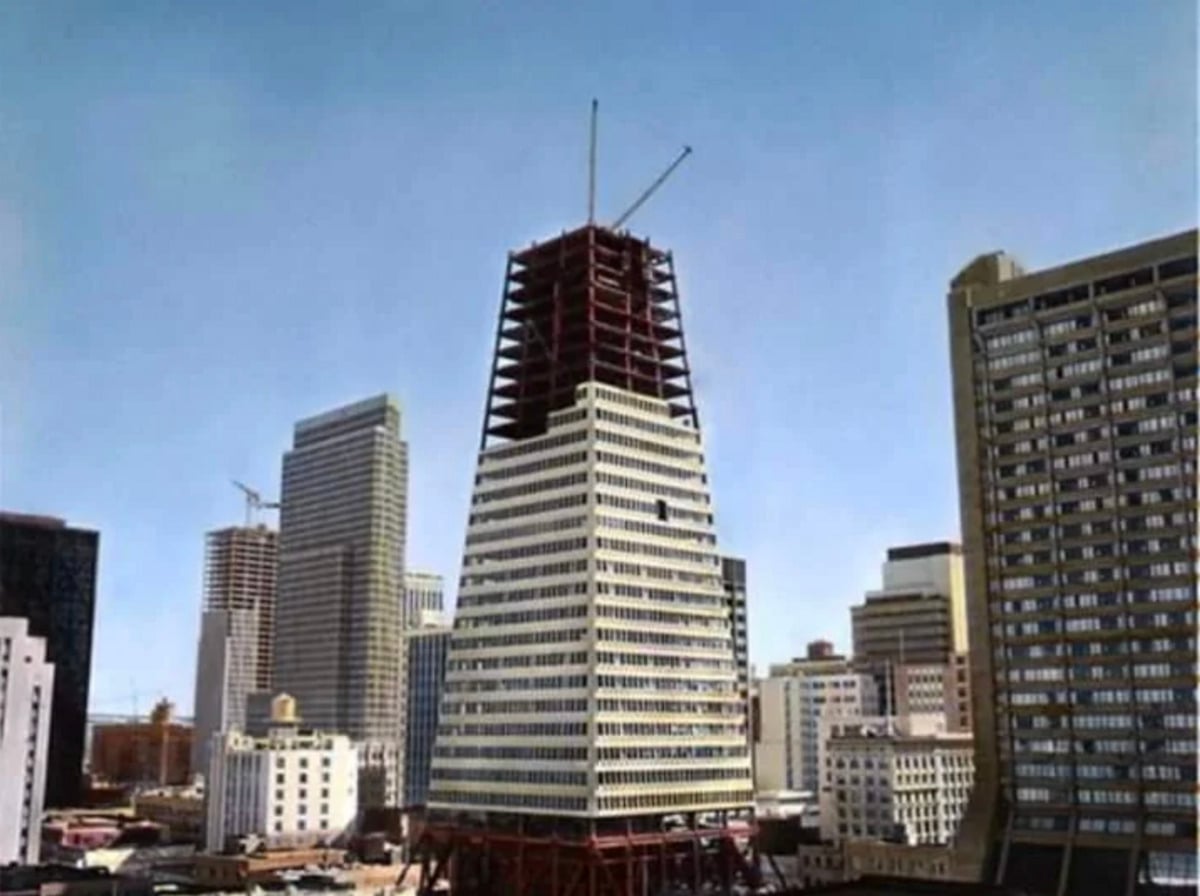
Though originally built earlier, its continued dominance and modernization in the ’80s cemented its place as San Francisco’s defining structure.
12. Gateway Arch Expansion & Urban Redesign (1980s–90s) — St. Louis
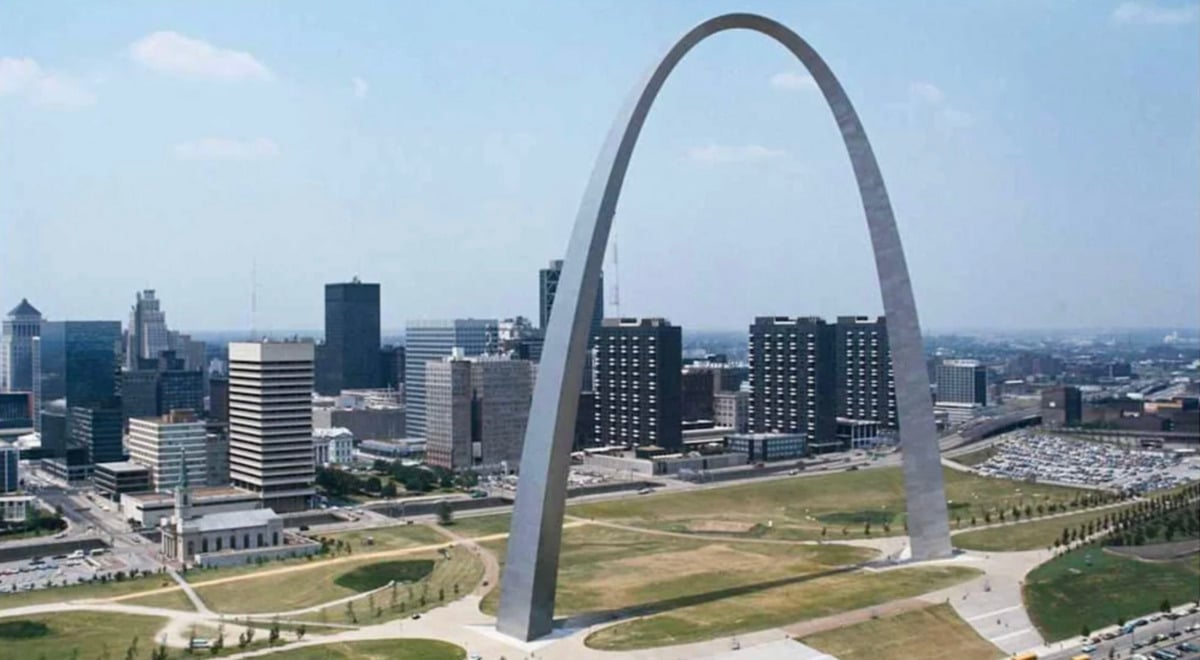
While the arch predates the era, major surrounding development during the ’80s and ’90s reinforced its role as the city’s central icon.
13. Bibliothèque nationale de France (1995) — Paris
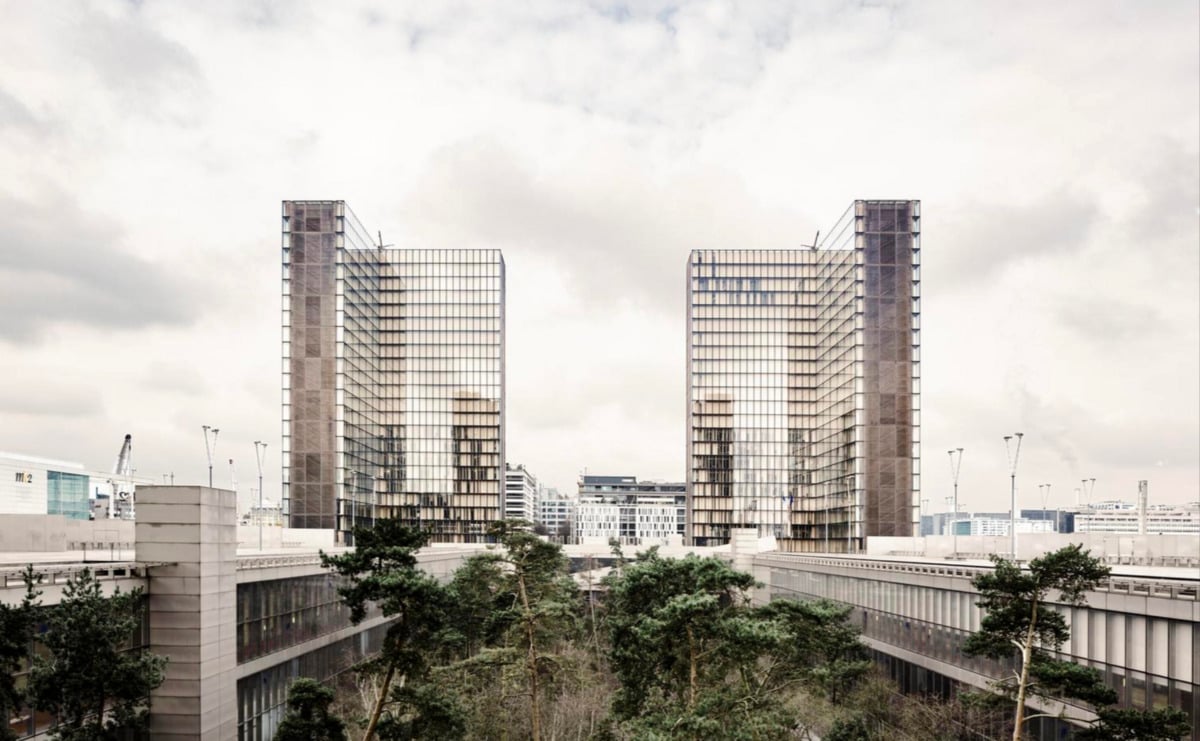
Designed as four towering glass “books,” the national library reflected ’90s confidence in monumental public architecture and digital-era ambition.
14. Commerzbank Tower (1997) — Frankfurt

Once Europe’s tallest building, it pioneered eco-friendly skyscraper design and remains a defining feature of Frankfurt’s financial district.
15. Tokyo Metropolitan Government Building (1991) — Tokyo

Kenzo Tange’s twin-tower design blended futuristic aesthetics with traditional influences, becoming one of Tokyo’s most recognizable civic buildings.
Explore more vintage content:
These structures weren’t just functional; they were statements. Built during decades of economic expansion, technological optimism, and global competition, they reflected a belief that architecture could project power, identity, and progress. If you loved this content, check out 35 Vintage Photos of 1971, or 20 Times NFL Teams Made a Dent in Playoffs History.